


2692 Résultats
Classification:
livres
livres
Prix:
$41.99
(disponible sur commande)
Résumé:
Modern environments are awash with pollutants churning through the air, from toxic gases and intensifying carbon to carcinogenic particles and novel viruses. The effects on our bodies and our planet are perilous. This is the first thorough study of the increasingly widespread use of digital technologies to monitor and respond to air pollution. It presents practice-based(...)
$41.99
(disponible sur commande)
Résumé:
Modern environments are awash with pollutants churning through the air, from toxic gases and intensifying carbon to carcinogenic particles and novel viruses. The effects on our bodies and our planet are perilous. This is the first thorough study of the increasingly widespread use of digital technologies to monitor and respond to air pollution. It presents practice-based(...)
Publication:
novembre 2022
novembre 2022
Titre:
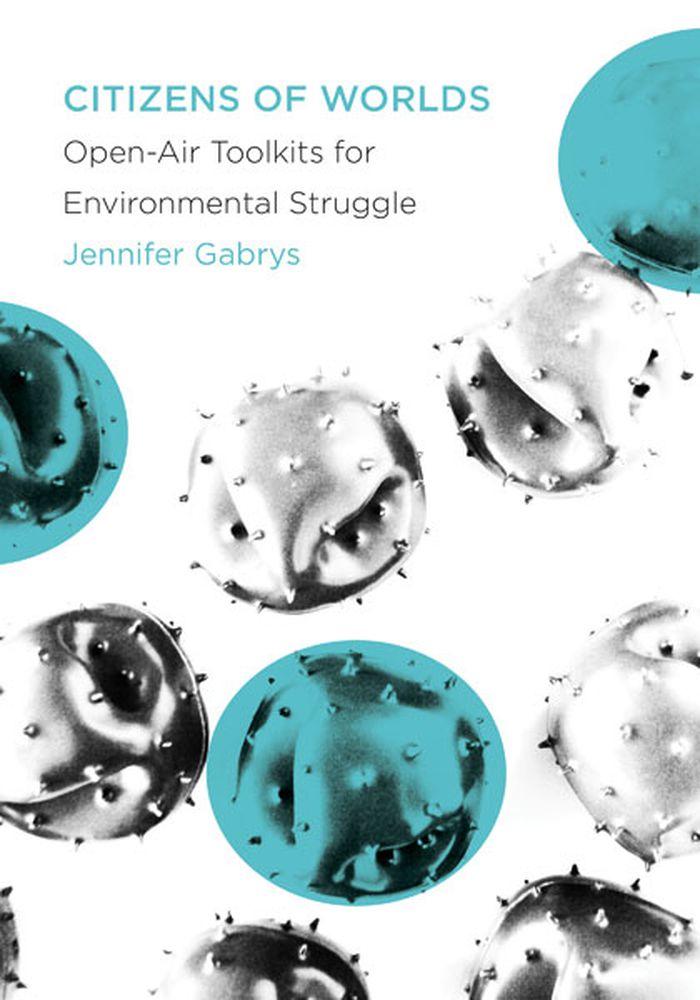
Citizens of worlds: Open-air toolkits for environmental struggle
Actions:
Prix:
$41.99
(disponible sur commande)
Résumé:
Modern environments are awash with pollutants churning through the air, from toxic gases and intensifying carbon to carcinogenic particles and novel viruses. The effects on our bodies and our planet are perilous. This is the first thorough study of the increasingly widespread use of digital technologies to monitor and respond to air pollution. It presents practice-based research on working with communities and making sensor toolkits to detect pollution while examining the political subjects, relations, and worlds these technologies generate. Spanning three project areas, this study describes collaborations to monitor air pollution from fracking infrastructure, to document emissions in urban environments, and to create air-quality gardens. As these projects show, how people respond to, care for, and struggle to transform environmental conditions informs the political subjects and collectives they become as they strive for more breathable worlds.
Citizens of worlds: Open-air toolkits for environmental struggle
Actions:
Prix:
$41.99
(disponible sur commande)
Résumé:
Modern environments are awash with pollutants churning through the air, from toxic gases and intensifying carbon to carcinogenic particles and novel viruses. The effects on our bodies and our planet are perilous. This is the first thorough study of the increasingly widespread use of digital technologies to monitor and respond to air pollution. It presents practice-based research on working with communities and making sensor toolkits to detect pollution while examining the political subjects, relations, and worlds these technologies generate. Spanning three project areas, this study describes collaborations to monitor air pollution from fracking infrastructure, to document emissions in urban environments, and to create air-quality gardens. As these projects show, how people respond to, care for, and struggle to transform environmental conditions informs the political subjects and collectives they become as they strive for more breathable worlds.
Classification:
livres
livres
Publication:
novembre 2022
novembre 2022
Classification:
livres
livres
Actions:
Prix:
$28.95
(disponible sur commande)
Résumé:
Stuff, the hoard of minor objects which have shed their commodity glamor but which we refuse to recycle, flashes up in fiction, films and photographs as alluring, unruly reminder of how people and matter are intertwined. Stuff is modern materiality out of bounds that refuses to be contained by the western semiotic system. It declines its role as the eternal sidekick of(...)
$28.95
(disponible sur commande)
Résumé:
Stuff, the hoard of minor objects which have shed their commodity glamor but which we refuse to recycle, flashes up in fiction, films and photographs as alluring, unruly reminder of how people and matter are intertwined. Stuff is modern materiality out of bounds that refuses to be contained by the western semiotic system. It declines its role as the eternal sidekick of(...)
Titre:
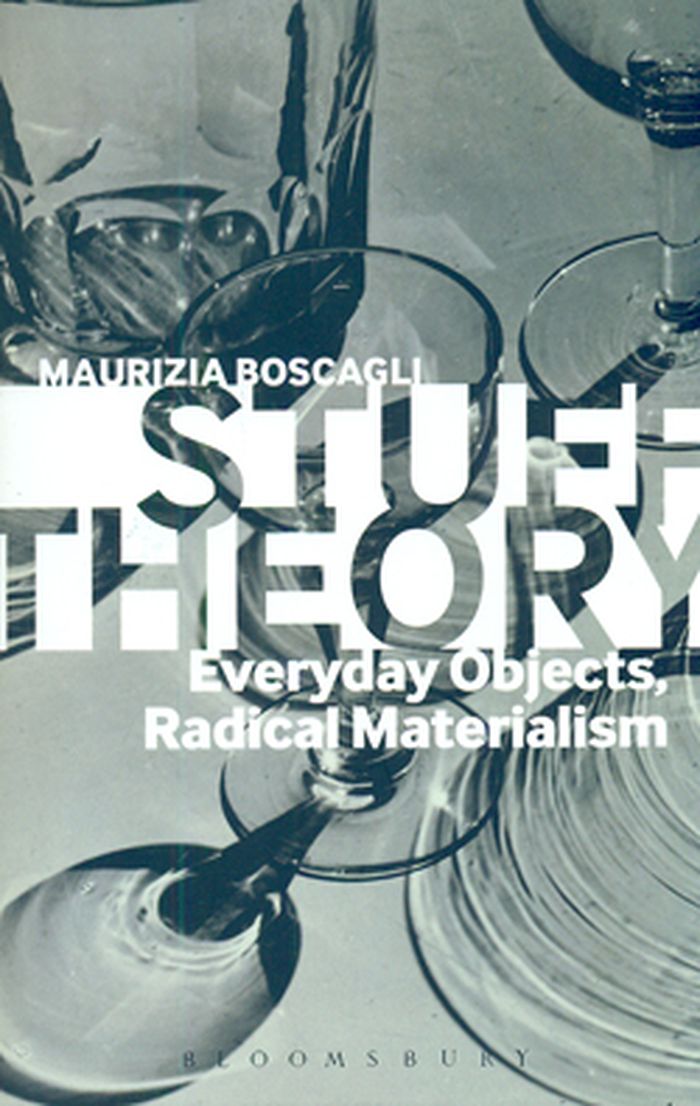
Stuff theory: everyday objects, radical materialism
Actions:
Prix:
$28.95
(disponible sur commande)
Résumé:
Stuff, the hoard of minor objects which have shed their commodity glamor but which we refuse to recycle, flashes up in fiction, films and photographs as alluring, unruly reminder of how people and matter are intertwined. Stuff is modern materiality out of bounds that refuses to be contained by the western semiotic system. It declines its role as the eternal sidekick of the subject, and thus is the ideal basis for a counter-narrative of materiality in flux. Can such a narrative, developed by the new materialism, reinvigorate the classical materialist account of human alienation from commodities under capital? By shifting the discussion of materiality toward the aesthetic and the everyday, the book both embraces and challenges the project of new materialism. It argues that matter has a politics, and that its new plasticity offers a continued possibility of critique.
Stuff theory: everyday objects, radical materialism
Actions:
Prix:
$28.95
(disponible sur commande)
Résumé:
Stuff, the hoard of minor objects which have shed their commodity glamor but which we refuse to recycle, flashes up in fiction, films and photographs as alluring, unruly reminder of how people and matter are intertwined. Stuff is modern materiality out of bounds that refuses to be contained by the western semiotic system. It declines its role as the eternal sidekick of the subject, and thus is the ideal basis for a counter-narrative of materiality in flux. Can such a narrative, developed by the new materialism, reinvigorate the classical materialist account of human alienation from commodities under capital? By shifting the discussion of materiality toward the aesthetic and the everyday, the book both embraces and challenges the project of new materialism. It argues that matter has a politics, and that its new plasticity offers a continued possibility of critique.
Classification:
livres
livres
Publication:
avril 2014
avril 2014
Sujet:
Théorie du design
Théorie du design
Classification:
livres
livres
Actions:
Prix:
$34.00
(disponible sur commande)
Résumé:
Deep Veils is an architecture monograph on veils, thickness, and envelopes in architecture as a counter narrative to transparency, openness, and clarity that underpin orthodox Modern architecture. The book features ten small projects completed in South East Asia between 2007-2012 that explore various architectural ideas under the rubric of “deep veils”. Each project(...)
$34.00
(disponible sur commande)
Résumé:
Deep Veils is an architecture monograph on veils, thickness, and envelopes in architecture as a counter narrative to transparency, openness, and clarity that underpin orthodox Modern architecture. The book features ten small projects completed in South East Asia between 2007-2012 that explore various architectural ideas under the rubric of “deep veils”. Each project(...)
Titre:
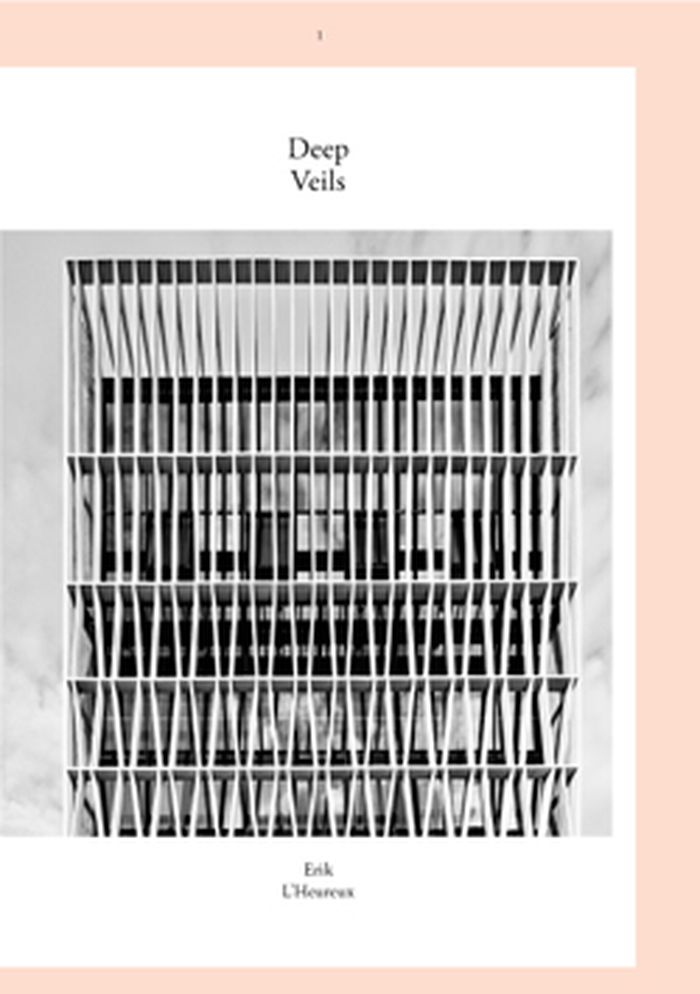
Deep veils: Eric L'Heureux and Pencil Office
Actions:
Prix:
$34.00
(disponible sur commande)
Résumé:
Deep Veils is an architecture monograph on veils, thickness, and envelopes in architecture as a counter narrative to transparency, openness, and clarity that underpin orthodox Modern architecture. The book features ten small projects completed in South East Asia between 2007-2012 that explore various architectural ideas under the rubric of “deep veils”. Each project responds to questions of envelope, surface, skin, form, atmosphere, perception and topicality. The projects represented within the book define in various ways how deep veils in architecture are manifest utilizing opaque and solid materials to produce forms of translucency, depth, and hazy atmospheres. Traced through the artistic legacies of Gertrud Arndt to Optical Art, the architectural theories of Gottfried Semper, Adolf Loos, and the work of Le Corbusier, Kahn, and Durell Stone, a new direction for architecture, perception, and thickness is put forth.
Deep veils: Eric L'Heureux and Pencil Office
Actions:
Prix:
$34.00
(disponible sur commande)
Résumé:
Deep Veils is an architecture monograph on veils, thickness, and envelopes in architecture as a counter narrative to transparency, openness, and clarity that underpin orthodox Modern architecture. The book features ten small projects completed in South East Asia between 2007-2012 that explore various architectural ideas under the rubric of “deep veils”. Each project responds to questions of envelope, surface, skin, form, atmosphere, perception and topicality. The projects represented within the book define in various ways how deep veils in architecture are manifest utilizing opaque and solid materials to produce forms of translucency, depth, and hazy atmospheres. Traced through the artistic legacies of Gertrud Arndt to Optical Art, the architectural theories of Gottfried Semper, Adolf Loos, and the work of Le Corbusier, Kahn, and Durell Stone, a new direction for architecture, perception, and thickness is put forth.
Classification:
livres
livres
Publication:
août 2014
août 2014
Sujet:
Architecture, monographies
Architecture, monographies
Classification:
livres
livres
Actions:
Prix:
$41.95
(disponible sur commande)
Résumé:
Sustainable design has made great strides in recent years; unfortunately, it still falls short of fully integrating nature into our built environment. Through a groundbreaking new paradigm of "restorative environmental design," Stephen R. Kellert proposes a new architectural model of sustainability. In "Building for life", Kellert examines the fundamental(...)
$41.95
(disponible sur commande)
Résumé:
Sustainable design has made great strides in recent years; unfortunately, it still falls short of fully integrating nature into our built environment. Through a groundbreaking new paradigm of "restorative environmental design," Stephen R. Kellert proposes a new architectural model of sustainability. In "Building for life", Kellert examines the fundamental(...)
Titre:
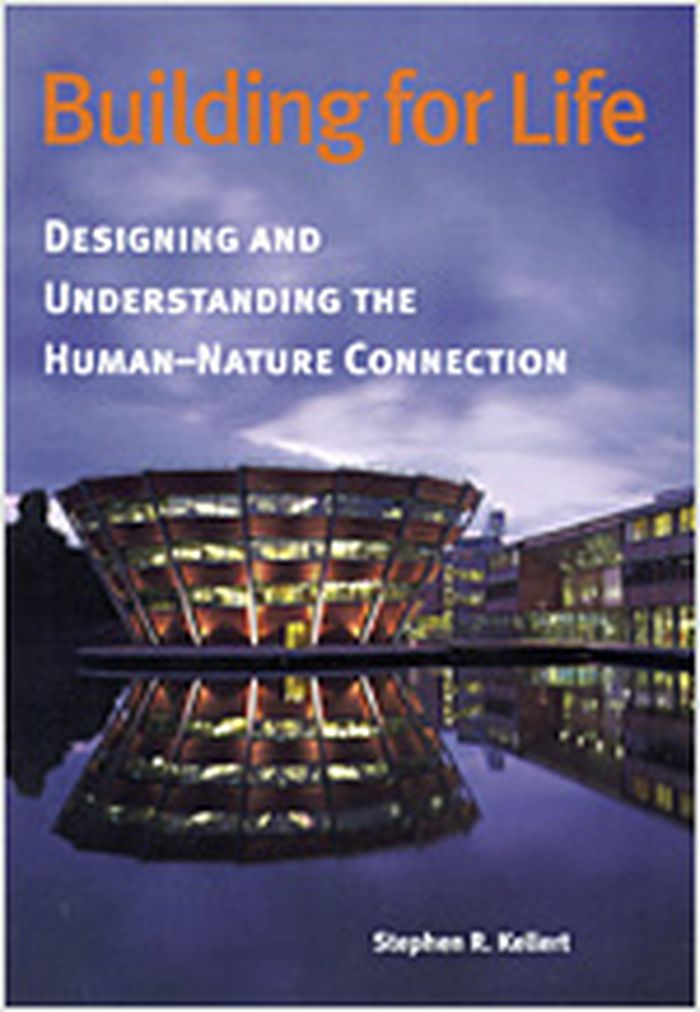
Building for life : designing and understanding the human-nature connection
Actions:
Prix:
$41.95
(disponible sur commande)
Résumé:
Sustainable design has made great strides in recent years; unfortunately, it still falls short of fully integrating nature into our built environment. Through a groundbreaking new paradigm of "restorative environmental design," Stephen R. Kellert proposes a new architectural model of sustainability. In "Building for life", Kellert examines the fundamental interconnectedness of people and nature, and how the loss of this connection results in a diminished quality of life. This work illustrates how architects and designers can use simple methods to address our innate needs for contact with nature. Through the use of natural lighting, ventilation, and materials, as well as more unexpected methodologies-the use of metaphor, perspective, enticement, and symbol-architects can greatly enhance our daily lives. These design techniques foster intellectual development, relaxation, and physical and emotional well-being. In the works of architects like Frank Lloyd Wright, Eero Saarinen, Cesar Pelli, Norman Foster, and Michael Hopkins, Kellert sees the success of these strategies and presents models for moving forward. Ultimately, Kellert views our fractured relationship with nature as a design problem rather than an unavoidable aspect of modern life, and he proposes many practical and creative solutions for cultivating a more rewarding experience of nature in our built environment.
Building for life : designing and understanding the human-nature connection
Actions:
Prix:
$41.95
(disponible sur commande)
Résumé:
Sustainable design has made great strides in recent years; unfortunately, it still falls short of fully integrating nature into our built environment. Through a groundbreaking new paradigm of "restorative environmental design," Stephen R. Kellert proposes a new architectural model of sustainability. In "Building for life", Kellert examines the fundamental interconnectedness of people and nature, and how the loss of this connection results in a diminished quality of life. This work illustrates how architects and designers can use simple methods to address our innate needs for contact with nature. Through the use of natural lighting, ventilation, and materials, as well as more unexpected methodologies-the use of metaphor, perspective, enticement, and symbol-architects can greatly enhance our daily lives. These design techniques foster intellectual development, relaxation, and physical and emotional well-being. In the works of architects like Frank Lloyd Wright, Eero Saarinen, Cesar Pelli, Norman Foster, and Michael Hopkins, Kellert sees the success of these strategies and presents models for moving forward. Ultimately, Kellert views our fractured relationship with nature as a design problem rather than an unavoidable aspect of modern life, and he proposes many practical and creative solutions for cultivating a more rewarding experience of nature in our built environment.
Classification:
livres
livres
Publication:
septembre 2005, Washington
septembre 2005, Washington
Sujet:
Architecture écologique
Architecture écologique
Classification:
livres
livres
Titre:
School
School
Actions:
Prix:
$31.00
(disponible sur commande)
Résumé:
As a specific form of architecture, the school is an amalgam of its function and its history. Though recognizable across cultures, the schoolhouse nevertheless retains the distinctive markings of different nations and eras. School is the first book to examine this institutional building’s modern growth on a global scale. Ian Grosvenor and Catherine Burke demonstrate(...)
$31.00
(disponible sur commande)
Résumé:
As a specific form of architecture, the school is an amalgam of its function and its history. Though recognizable across cultures, the schoolhouse nevertheless retains the distinctive markings of different nations and eras. School is the first book to examine this institutional building’s modern growth on a global scale. Ian Grosvenor and Catherine Burke demonstrate(...)
Publication:
novembre 2006, London
novembre 2006, London
Titre:
School
Actions:
Prix:
$31.00
(disponible sur commande)
Résumé:
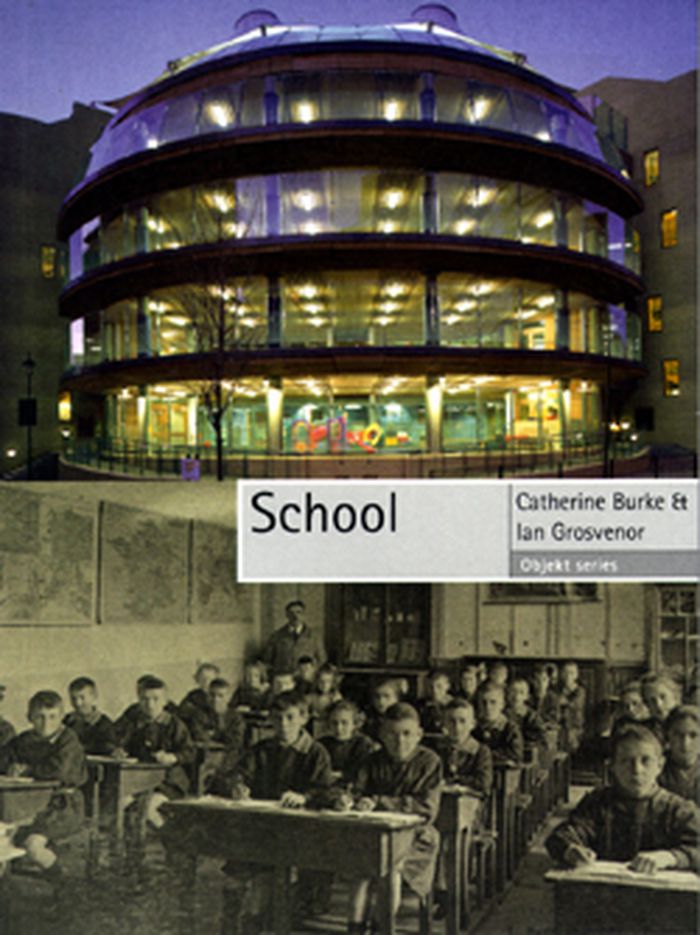
As a specific form of architecture, the school is an amalgam of its function and its history. Though recognizable across cultures, the schoolhouse nevertheless retains the distinctive markings of different nations and eras. School is the first book to examine this institutional building’s modern growth on a global scale. Ian Grosvenor and Catherine Burke demonstrate how school buildings help organize and manipulate time and space for teachers and students, using methods ranging from bells to lines to lesson plans. They reveal the ways in which schools, by their actual physical situation—surrounded by swathes of green or butting up against other urban structures, in neighborhoods stratified by class or segregated by race—make clear their place in society as fragmented sites of cultural memory and creation. The authors further consider how new technologies and continuing globalization will inevitably force us to rethink our notions of school—and school buildings. In the twenty-first century, these shifts represent a radically new context for education. School will provide stimulating reading for anyone interested in this extraordinary evolution of architecture and education. Ian Grosvenor is director of learning and teaching at the School of Education, University of Birmingham. Catherine Burke is lecturer in education in the School of Education, University of Leeds.
School
Actions:
Prix:
$31.00
(disponible sur commande)
Résumé:
As a specific form of architecture, the school is an amalgam of its function and its history. Though recognizable across cultures, the schoolhouse nevertheless retains the distinctive markings of different nations and eras. School is the first book to examine this institutional building’s modern growth on a global scale. Ian Grosvenor and Catherine Burke demonstrate how school buildings help organize and manipulate time and space for teachers and students, using methods ranging from bells to lines to lesson plans. They reveal the ways in which schools, by their actual physical situation—surrounded by swathes of green or butting up against other urban structures, in neighborhoods stratified by class or segregated by race—make clear their place in society as fragmented sites of cultural memory and creation. The authors further consider how new technologies and continuing globalization will inevitably force us to rethink our notions of school—and school buildings. In the twenty-first century, these shifts represent a radically new context for education. School will provide stimulating reading for anyone interested in this extraordinary evolution of architecture and education. Ian Grosvenor is director of learning and teaching at the School of Education, University of Birmingham. Catherine Burke is lecturer in education in the School of Education, University of Leeds.
Classification:
livres
livres
Publication:
novembre 2006, London
novembre 2006, London
Classification:
livres
livres
Actions:
Prix:
$58.00
(disponible sur commande)
Résumé:
Reading architecture through the history of hospitals offers a tool for unlocking the elemental principles of architecture and the intractable laws of human and social conditions that architecture serves in each of our lives. This book encounters brilliant and visionary designers who were hospital architects but also systems designers, driven by the aim of social change.(...)
$58.00
(disponible sur commande)
Résumé:
Reading architecture through the history of hospitals offers a tool for unlocking the elemental principles of architecture and the intractable laws of human and social conditions that architecture serves in each of our lives. This book encounters brilliant and visionary designers who were hospital architects but also systems designers, driven by the aim of social change.(...)
Publication:
novembre 2021
novembre 2021
Titre:
The architecture of health: hospital design and the construction of dignity
Actions:
Prix:
$58.00
(disponible sur commande)
Résumé:
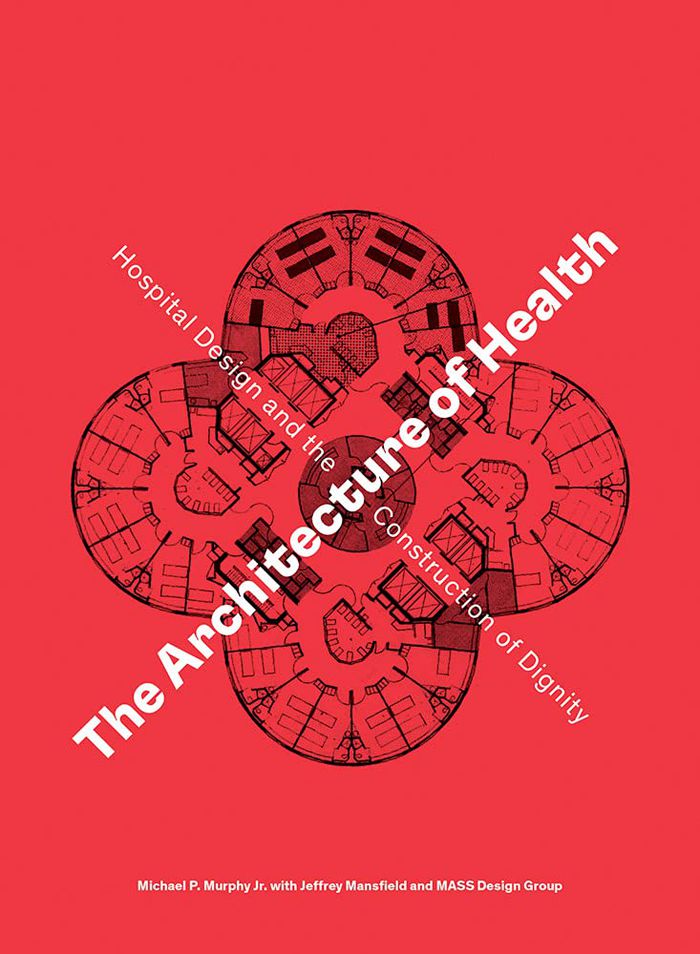
Reading architecture through the history of hospitals offers a tool for unlocking the elemental principles of architecture and the intractable laws of human and social conditions that architecture serves in each of our lives. This book encounters brilliant and visionary designers who were hospital architects but also systems designers, driven by the aim of social change. They faced the contradictions of health care in their time and found innovative ways to solve for specific medical dilemmas. Designers and professionals such as Filarete, Lluís Domènech i Montaner, Albert Schweitzer, Gordon Friesen, E. Todd Wheeler and Eberhard Zeidler are studied here, while the medical spaces of more widely known architects such as Isambard Brunel, Aalvar Aalto, Le Corbusier, Louis Kahn and Paul Rudolph also help inform this history. All these characters were polymaths and provocateurs, but none quite summarizes this history more succinctly than Florence Nightingale, who, in laying out her guidelines for ward design in 1859, shows how the design of a medical facility can influence an entire political and social order. ''The architecture of health'' charts historical epidemics alongside modern and contemporary architectural transformations in service of medicine, health and habitation, exploring how infrastructure facilitates healing and architecture’s greater role in constructing our societies.
The architecture of health: hospital design and the construction of dignity
Actions:
Prix:
$58.00
(disponible sur commande)
Résumé:
Reading architecture through the history of hospitals offers a tool for unlocking the elemental principles of architecture and the intractable laws of human and social conditions that architecture serves in each of our lives. This book encounters brilliant and visionary designers who were hospital architects but also systems designers, driven by the aim of social change. They faced the contradictions of health care in their time and found innovative ways to solve for specific medical dilemmas. Designers and professionals such as Filarete, Lluís Domènech i Montaner, Albert Schweitzer, Gordon Friesen, E. Todd Wheeler and Eberhard Zeidler are studied here, while the medical spaces of more widely known architects such as Isambard Brunel, Aalvar Aalto, Le Corbusier, Louis Kahn and Paul Rudolph also help inform this history. All these characters were polymaths and provocateurs, but none quite summarizes this history more succinctly than Florence Nightingale, who, in laying out her guidelines for ward design in 1859, shows how the design of a medical facility can influence an entire political and social order. ''The architecture of health'' charts historical epidemics alongside modern and contemporary architectural transformations in service of medicine, health and habitation, exploring how infrastructure facilitates healing and architecture’s greater role in constructing our societies.
Classification:
livres
livres
Publication:
novembre 2021
novembre 2021
Classification:
livres
livres
Prix:
$24.95
(disponible sur commande)
Résumé:
During the two hundred millennia we've been on the planet, nothing has shaped us more profoundly than the city. In a fascinating narrative that ranges through cities famous and forgotten, acclaimed historian Ben Wilson tells the glorious story of how urban living has allowed human culture to flourish. Beginning with Uruk, the world's first city, he shows that cities(...)
$24.95
(disponible sur commande)
Résumé:
During the two hundred millennia we've been on the planet, nothing has shaped us more profoundly than the city. In a fascinating narrative that ranges through cities famous and forgotten, acclaimed historian Ben Wilson tells the glorious story of how urban living has allowed human culture to flourish. Beginning with Uruk, the world's first city, he shows that cities(...)
Titre:
Metropolis: a history of the city, mankind's greatest invention
Actions:
Prix:
$24.95
(disponible sur commande)
Résumé:
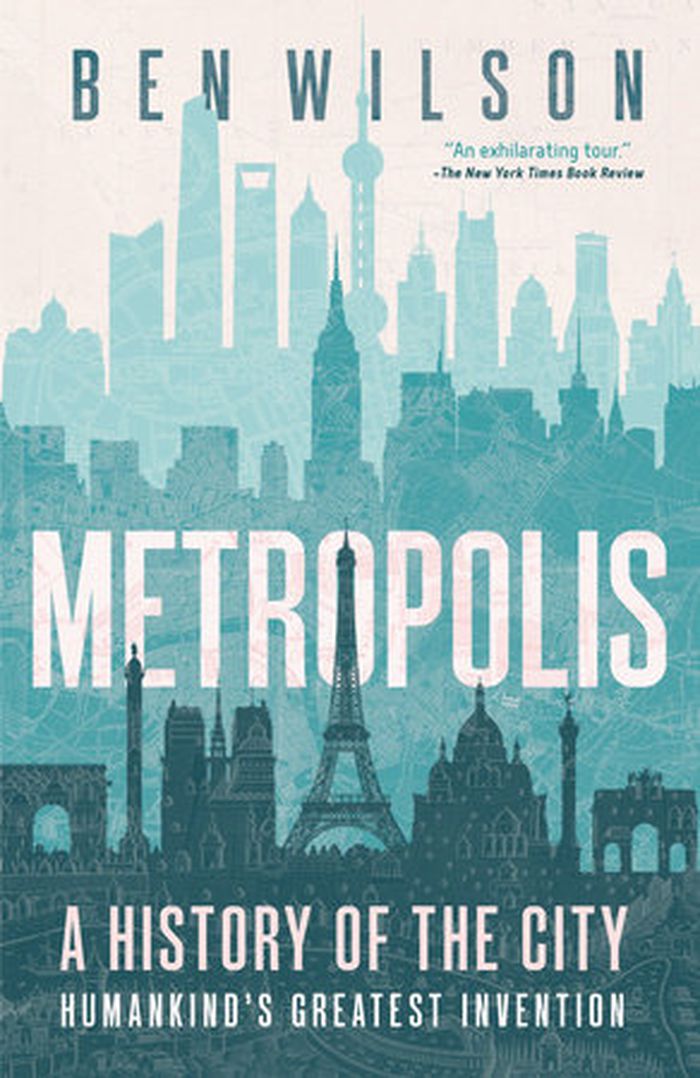
During the two hundred millennia we've been on the planet, nothing has shaped us more profoundly than the city. In a fascinating narrative that ranges through cities famous and forgotten, acclaimed historian Ben Wilson tells the glorious story of how urban living has allowed human culture to flourish. Beginning with Uruk, the world's first city, he shows that cities created such a blossoming of human endeavor--new professions, new forms of art, worship, and trade--that they kick-started civilization itself. Despite outbreaks of plague and war, and outlasting empires, the city endured and new cities sprang up to capture the inimitable energy of human beings together. Wilson reveals the innovations nurturned amid the density of urban centers over the centuries: civics in the agora of Athens, global trade in ninth-century Baghdad, finance in the coffeehouses of London, domestic comforts in the heart of Amsterdam, peacocking in Belle Epoque Paris. In the modern age, the skyscrapers of New York City inspired utopian visions of community design, while the trees of twenty-first-century Seattle and Shanghai point to a sustainable future in the age of climate change. Page turning and irresistible, ''Metropolis'' is a history of cities that is also a history of how humanity lives.
Metropolis: a history of the city, mankind's greatest invention
Actions:
Prix:
$24.95
(disponible sur commande)
Résumé:
During the two hundred millennia we've been on the planet, nothing has shaped us more profoundly than the city. In a fascinating narrative that ranges through cities famous and forgotten, acclaimed historian Ben Wilson tells the glorious story of how urban living has allowed human culture to flourish. Beginning with Uruk, the world's first city, he shows that cities created such a blossoming of human endeavor--new professions, new forms of art, worship, and trade--that they kick-started civilization itself. Despite outbreaks of plague and war, and outlasting empires, the city endured and new cities sprang up to capture the inimitable energy of human beings together. Wilson reveals the innovations nurturned amid the density of urban centers over the centuries: civics in the agora of Athens, global trade in ninth-century Baghdad, finance in the coffeehouses of London, domestic comforts in the heart of Amsterdam, peacocking in Belle Epoque Paris. In the modern age, the skyscrapers of New York City inspired utopian visions of community design, while the trees of twenty-first-century Seattle and Shanghai point to a sustainable future in the age of climate change. Page turning and irresistible, ''Metropolis'' is a history of cities that is also a history of how humanity lives.
Classification:
livres
livres
Publication:
octobre 2021
octobre 2021
Sujet:
Théorie de l’urbanisme
Théorie de l’urbanisme
Classification:
livres
livres
Prix:
$67.95
(disponible sur commande)
Résumé:
In the mid-nineteenth century, Napoleon III and his prefect, Georges-Eugène Haussmann, adapted Paris to the requirements of industrial capitalism, endowing the old city with elegant boulevards, an enhanced water supply, modern sewers, and public greenery. Esther da Costa Meyer provides a major reassessment of this ambitious project, which resulted in widespread(...)
$67.95
(disponible sur commande)
Résumé:
In the mid-nineteenth century, Napoleon III and his prefect, Georges-Eugène Haussmann, adapted Paris to the requirements of industrial capitalism, endowing the old city with elegant boulevards, an enhanced water supply, modern sewers, and public greenery. Esther da Costa Meyer provides a major reassessment of this ambitious project, which resulted in widespread(...)
Titre:
Dividing Paris: Urban renewal and social inequality 1852-1870
Actions:
Prix:
$67.95
(disponible sur commande)
Résumé:
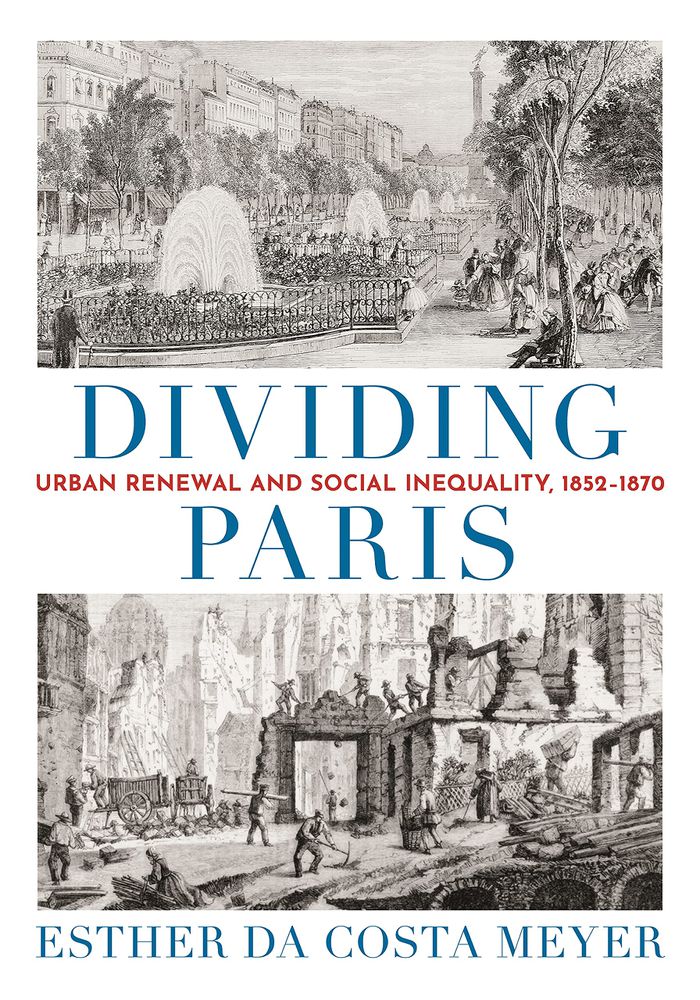
In the mid-nineteenth century, Napoleon III and his prefect, Georges-Eugène Haussmann, adapted Paris to the requirements of industrial capitalism, endowing the old city with elegant boulevards, an enhanced water supply, modern sewers, and public greenery. Esther da Costa Meyer provides a major reassessment of this ambitious project, which resulted in widespread destruction in the historic center, displacing thousands of poor residents and polarizing the urban fabric. Drawing on newspapers, memoirs, and other archival materials, da Costa Meyer explores how people from different social strata?both women and men?experienced the urban reforms implemented by the Second Empire. As hundreds of tenements were destroyed to make way for upscale apartment buildings, thousands of impoverished residents were forced to the periphery, which lacked the services enjoyed by wealthier parts of the city. Challenging the idea of Paris as the capital of modernity, da Costa Meyer shows how the city was the hub of a sprawling colonial empire extending from the Caribbean to Asia, and exposes the underlying violence that enriched it at the expense of overseas territories. This book brings to light the contributions of those who actually built and maintained the impressive infrastructure of Paris, and reveals the consequences of colonial practices for the city's cultural, economic, and political life.
Dividing Paris: Urban renewal and social inequality 1852-1870
Actions:
Prix:
$67.95
(disponible sur commande)
Résumé:
In the mid-nineteenth century, Napoleon III and his prefect, Georges-Eugène Haussmann, adapted Paris to the requirements of industrial capitalism, endowing the old city with elegant boulevards, an enhanced water supply, modern sewers, and public greenery. Esther da Costa Meyer provides a major reassessment of this ambitious project, which resulted in widespread destruction in the historic center, displacing thousands of poor residents and polarizing the urban fabric. Drawing on newspapers, memoirs, and other archival materials, da Costa Meyer explores how people from different social strata?both women and men?experienced the urban reforms implemented by the Second Empire. As hundreds of tenements were destroyed to make way for upscale apartment buildings, thousands of impoverished residents were forced to the periphery, which lacked the services enjoyed by wealthier parts of the city. Challenging the idea of Paris as the capital of modernity, da Costa Meyer shows how the city was the hub of a sprawling colonial empire extending from the Caribbean to Asia, and exposes the underlying violence that enriched it at the expense of overseas territories. This book brings to light the contributions of those who actually built and maintained the impressive infrastructure of Paris, and reveals the consequences of colonial practices for the city's cultural, economic, and political life.
Classification:
livres
livres
Publication:
février 2022
février 2022
Sujet:
Théorie de l’urbanisme
Théorie de l’urbanisme
Classification:
livres
livres
Actions:
Prix:
$24.95
(disponible sur commande)
Résumé:
In this new book, Salvatore Settis traces the ways in which we have related to our "classical" past, starting with post-modern American skyscrapers and working his way back through our cultural history to the attitudes of the Greeks and Romans themselves. Settis argues that this obsession with cultural decay, ruins and a "classical" past is specifically European and the(...)
$24.95
(disponible sur commande)
Résumé:
In this new book, Salvatore Settis traces the ways in which we have related to our "classical" past, starting with post-modern American skyscrapers and working his way back through our cultural history to the attitudes of the Greeks and Romans themselves. Settis argues that this obsession with cultural decay, ruins and a "classical" past is specifically European and the(...)
Sujet:
Théorie de l’architecture
Théorie de l’architecture
Publication:
août 2006, Cambridge, Malden (MA)
août 2006, Cambridge, Malden (MA)
Titre:
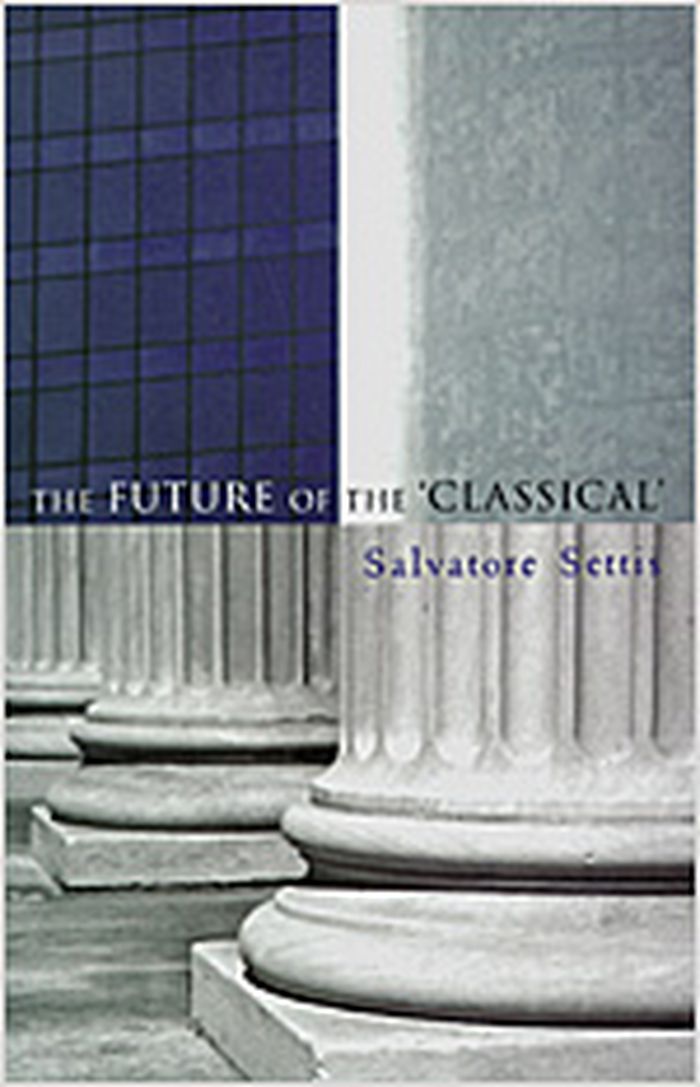
The future of the 'Classical'
Actions:
Prix:
$24.95
(disponible sur commande)
Résumé:
In this new book, Salvatore Settis traces the ways in which we have related to our "classical" past, starting with post-modern American skyscrapers and working his way back through our cultural history to the attitudes of the Greeks and Romans themselves. Settis argues that this obsession with cultural decay, ruins and a "classical" past is specifically European and the product of a collective cultural trauma following the collapse of the Roman Empire. He demonstrates how the idea of the "classical" has changed over the centuries through an unrelenting decay of "classicism" and its equally unrelenting rebirth in an altered form. In the Modern Era this emulation of the "ancients" by the "moderns" was accompanied by new trends: the increasing belief that the former had now been surpassed by the latter, and an increasing preference for the Greek over the Roman. These conflicting interpretations were as much about the future as they were about the past. No civilization can invent itself if it does not have other societies in other times and other places to act as benchmarks. Settis argues that we will be better equipped to mould new generations for the future once we understand that the "classical" is not a dead culture we inherited and for which we can take no credit, but something startling that has to be re-created every day and is a powerful spur to understanding the "other".
The future of the 'Classical'
Actions:
Prix:
$24.95
(disponible sur commande)
Résumé:
In this new book, Salvatore Settis traces the ways in which we have related to our "classical" past, starting with post-modern American skyscrapers and working his way back through our cultural history to the attitudes of the Greeks and Romans themselves. Settis argues that this obsession with cultural decay, ruins and a "classical" past is specifically European and the product of a collective cultural trauma following the collapse of the Roman Empire. He demonstrates how the idea of the "classical" has changed over the centuries through an unrelenting decay of "classicism" and its equally unrelenting rebirth in an altered form. In the Modern Era this emulation of the "ancients" by the "moderns" was accompanied by new trends: the increasing belief that the former had now been surpassed by the latter, and an increasing preference for the Greek over the Roman. These conflicting interpretations were as much about the future as they were about the past. No civilization can invent itself if it does not have other societies in other times and other places to act as benchmarks. Settis argues that we will be better equipped to mould new generations for the future once we understand that the "classical" is not a dead culture we inherited and for which we can take no credit, but something startling that has to be re-created every day and is a powerful spur to understanding the "other".
Classification:
livres
livres
Publication:
août 2006, Cambridge, Malden (MA)
août 2006, Cambridge, Malden (MA)
Sujet:
Théorie de l’architecture
Théorie de l’architecture
Classification:
livres
livres
Actions:
Prix:
$67.50
(disponible sur commande)
Résumé:
The buildings of the past were constructed with readily available and local materials, such as stone, wood, or handmade bricks. Architects in the modern era, however, can choose from an ever increasing number of new materials, each one allowing for different advances in design. And yet the traditional materials have never been entirely supplanted; they still form an(...)
$67.50
(disponible sur commande)
Résumé:
The buildings of the past were constructed with readily available and local materials, such as stone, wood, or handmade bricks. Architects in the modern era, however, can choose from an ever increasing number of new materials, each one allowing for different advances in design. And yet the traditional materials have never been entirely supplanted; they still form an(...)
Publication:
octobre 2019
octobre 2019
Titre:
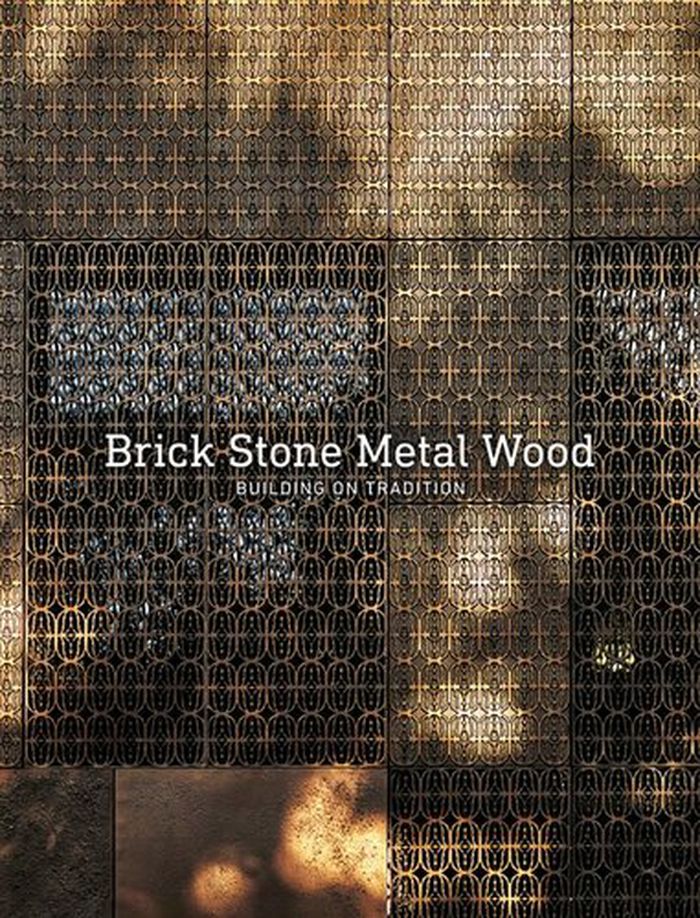
Building on tradition: repurposing traditional materials in architecture
Actions:
Prix:
$67.50
(disponible sur commande)
Résumé:
The buildings of the past were constructed with readily available and local materials, such as stone, wood, or handmade bricks. Architects in the modern era, however, can choose from an ever increasing number of new materials, each one allowing for different advances in design. And yet the traditional materials have never been entirely supplanted; they still form an important part of the architectural range and are still used by architects the world over. The humble brick, for example, has remained a constant throughout the history of architecture, as has timber with its flexibility and warm tones. But today such elements can be used in conjunction with newer materials to highlight their natural beauty in many different ways: creating a stunning metal facade, wrapping a building with a cool, sleek stone finish, designing a wall with an eye-catching interesting texture, or adding depth or warmth to an internal design. Traditional metals are also finding new use, being employed to coat a structure in a light metal skin that reflects the sunlight, or embedded onto a building to add interest and texture. This book journeys through a curated selection of stunning examples from across the world, showcasing how each material is creatively used over a diverse range of building types and styles, and illustrating the myriad possibilities and forms available to the modern architect who chooses to rework these age-old materials into a brand-new decorative yet functional form.
Building on tradition: repurposing traditional materials in architecture
Actions:
Prix:
$67.50
(disponible sur commande)
Résumé:
The buildings of the past were constructed with readily available and local materials, such as stone, wood, or handmade bricks. Architects in the modern era, however, can choose from an ever increasing number of new materials, each one allowing for different advances in design. And yet the traditional materials have never been entirely supplanted; they still form an important part of the architectural range and are still used by architects the world over. The humble brick, for example, has remained a constant throughout the history of architecture, as has timber with its flexibility and warm tones. But today such elements can be used in conjunction with newer materials to highlight their natural beauty in many different ways: creating a stunning metal facade, wrapping a building with a cool, sleek stone finish, designing a wall with an eye-catching interesting texture, or adding depth or warmth to an internal design. Traditional metals are also finding new use, being employed to coat a structure in a light metal skin that reflects the sunlight, or embedded onto a building to add interest and texture. This book journeys through a curated selection of stunning examples from across the world, showcasing how each material is creatively used over a diverse range of building types and styles, and illustrating the myriad possibilities and forms available to the modern architect who chooses to rework these age-old materials into a brand-new decorative yet functional form.
Classification:
livres
livres
Publication:
octobre 2019
octobre 2019


