


2585 Résultats
Classification:
livres
livres
Titre:
Media art histories
Media art histories
Actions:
Prix:
$44.95
(disponible sur commande)
Résumé:
Digital art has become a major contemporary art form, but it has yet to achieve acceptance from mainstream cultural institutions; it is rarely collected, and seldom included in the study of art history or other academic disciplines. In MediaArtHistories, leading scholars seek to change this. They take a wider view of media art, placing it against the backdrop of art(...)
$44.95
(disponible sur commande)
Résumé:
Digital art has become a major contemporary art form, but it has yet to achieve acceptance from mainstream cultural institutions; it is rarely collected, and seldom included in the study of art history or other academic disciplines. In MediaArtHistories, leading scholars seek to change this. They take a wider view of media art, placing it against the backdrop of art(...)
Titre:
Media art histories
Actions:
Prix:
$44.95
(disponible sur commande)
Résumé:
Digital art has become a major contemporary art form, but it has yet to achieve acceptance from mainstream cultural institutions; it is rarely collected, and seldom included in the study of art history or other academic disciplines. In MediaArtHistories, leading scholars seek to change this. They take a wider view of media art, placing it against the backdrop of art history. Their essays demonstrate that today's media art cannot be understood by technological details alone; it cannot be understood without its history, and it must be understood in proximity to other disciplines--film, cultural and media studies, computer science, philosophy, and sciences dealing with images. Contributors trace the evolution of digital art, from thirteenth-century Islamic mechanical devices and eighteenth-century phantasmagoria, magic lanterns, and other multimedia illusions, to Marcel Duchamp's inventions and 1960s kinetic and op art. They reexamine and redefine key media art theory terms--machine, media, exhibition--and consider the blurred dividing lines between art products and consumer products and between art images and science images. Finally, MediaArtHistories offers an approach for an interdisciplinary, expanded image science, which needs the "trained eye" of art history.
Media art histories
Actions:
Prix:
$44.95
(disponible sur commande)
Résumé:
Digital art has become a major contemporary art form, but it has yet to achieve acceptance from mainstream cultural institutions; it is rarely collected, and seldom included in the study of art history or other academic disciplines. In MediaArtHistories, leading scholars seek to change this. They take a wider view of media art, placing it against the backdrop of art history. Their essays demonstrate that today's media art cannot be understood by technological details alone; it cannot be understood without its history, and it must be understood in proximity to other disciplines--film, cultural and media studies, computer science, philosophy, and sciences dealing with images. Contributors trace the evolution of digital art, from thirteenth-century Islamic mechanical devices and eighteenth-century phantasmagoria, magic lanterns, and other multimedia illusions, to Marcel Duchamp's inventions and 1960s kinetic and op art. They reexamine and redefine key media art theory terms--machine, media, exhibition--and consider the blurred dividing lines between art products and consumer products and between art images and science images. Finally, MediaArtHistories offers an approach for an interdisciplinary, expanded image science, which needs the "trained eye" of art history.
Classification:
livres
livres
Publication:
mars 2007, Cambridge
mars 2007, Cambridge
Sujet:
Théorie de l’architecture
Théorie de l’architecture
Classification:
livres
livres
Actions:
Prix:
$71.95
(disponible sur commande)
Résumé:
In this history of aural culture in early-twentieth-century America, Emily Thompson charts dramatic transformations in what people heard and how they listened. What they heard was a new kind of sound that was the product of modern technology. They listened as newly critical consumers of aural commodities. By examining the technologies that produced this sound, as well as(...)
$71.95
(disponible sur commande)
Résumé:
In this history of aural culture in early-twentieth-century America, Emily Thompson charts dramatic transformations in what people heard and how they listened. What they heard was a new kind of sound that was the product of modern technology. They listened as newly critical consumers of aural commodities. By examining the technologies that produced this sound, as well as(...)
Titre:
The soundscape of modernity : architectural acoustics and the culture of listening in America, 1900-1933
Actions:
Prix:
$71.95
(disponible sur commande)
Résumé:
In this history of aural culture in early-twentieth-century America, Emily Thompson charts dramatic transformations in what people heard and how they listened. What they heard was a new kind of sound that was the product of modern technology. They listened as newly critical consumers of aural commodities. By examining the technologies that produced this sound, as well as the culture that enthusiastically consumed it, Thompson recovers a lost dimension of the Machine Age and deepens our understanding of the experience of change that characterized the era. Reverberation equations, sound meters, microphones, and acoustical tiles were deployed in places as varied as Boston’s Symphony Hall, New York’s office skyscrapers, and the soundstages of Hollywood. The control provided by these technologies, however, was applied in ways that denied the particularity of place, and the diverse spaces of modern America began to sound alike as a universal new sound predominated. Although this sound--clear, direct, efficient, and nonreverberant—-had little to say about the physical spaces in which it was produced, it speaks volumes about the culture that created it. By listening to it, Thompson constructs a compelling new account of the experience of modernity in America.
The soundscape of modernity : architectural acoustics and the culture of listening in America, 1900-1933
Actions:
Prix:
$71.95
(disponible sur commande)
Résumé:
In this history of aural culture in early-twentieth-century America, Emily Thompson charts dramatic transformations in what people heard and how they listened. What they heard was a new kind of sound that was the product of modern technology. They listened as newly critical consumers of aural commodities. By examining the technologies that produced this sound, as well as the culture that enthusiastically consumed it, Thompson recovers a lost dimension of the Machine Age and deepens our understanding of the experience of change that characterized the era. Reverberation equations, sound meters, microphones, and acoustical tiles were deployed in places as varied as Boston’s Symphony Hall, New York’s office skyscrapers, and the soundstages of Hollywood. The control provided by these technologies, however, was applied in ways that denied the particularity of place, and the diverse spaces of modern America began to sound alike as a universal new sound predominated. Although this sound--clear, direct, efficient, and nonreverberant—-had little to say about the physical spaces in which it was produced, it speaks volumes about the culture that created it. By listening to it, Thompson constructs a compelling new account of the experience of modernity in America.
Classification:
livres
livres
Publication:
avril 2002, Cambridge, Mass.
avril 2002, Cambridge, Mass.
Sujet:
Matériaux et éclairage
Matériaux et éclairage
Classification:
livres
livres
Prix:
$72.00
(disponible sur commande)
Résumé:
Un espace intime fait de matériaux chauds et de surfaces murales colorées, couvert par des voûtes en brique et illuminé par des baies vitrées judicieusement placées, une belle cheminée entourée de niches pour accueillir des objets d'art et d'artisanat, amoureusement choisis - ce n'est pas l'image habituelle de la machine à habiter. L'idée reçue d'un Le Corbusier froid,(...)
$72.00
(disponible sur commande)
Résumé:
Un espace intime fait de matériaux chauds et de surfaces murales colorées, couvert par des voûtes en brique et illuminé par des baies vitrées judicieusement placées, une belle cheminée entourée de niches pour accueillir des objets d'art et d'artisanat, amoureusement choisis - ce n'est pas l'image habituelle de la machine à habiter. L'idée reçue d'un Le Corbusier froid,(...)
Titre:
Le Corbusier et les maisons Jaoul : projets et fabrique
Actions:
Prix:
$72.00
(disponible sur commande)
Résumé:
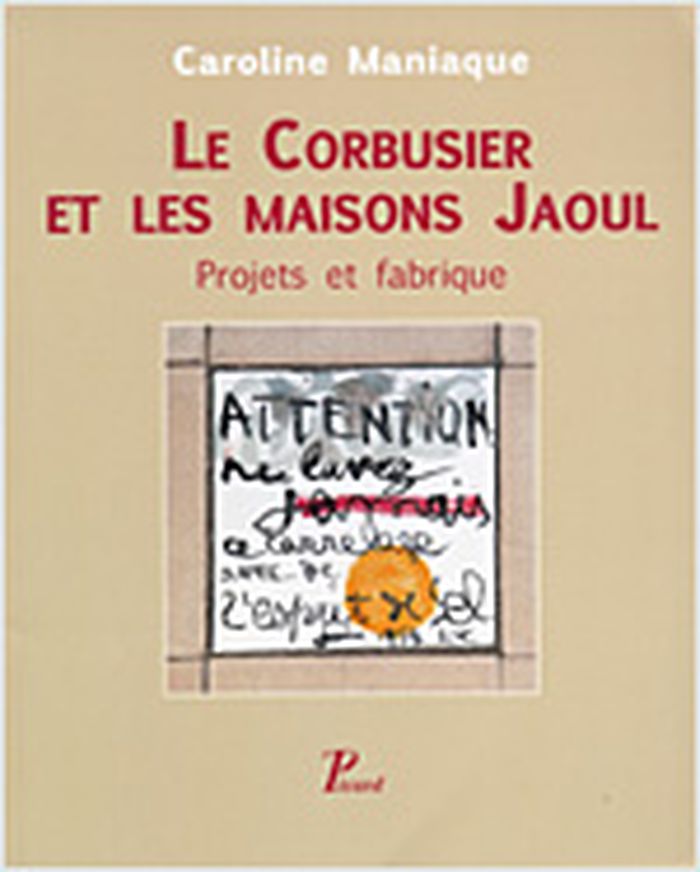
Un espace intime fait de matériaux chauds et de surfaces murales colorées, couvert par des voûtes en brique et illuminé par des baies vitrées judicieusement placées, une belle cheminée entourée de niches pour accueillir des objets d'art et d'artisanat, amoureusement choisis - ce n'est pas l'image habituelle de la machine à habiter. L'idée reçue d'un Le Corbusier froid, austère et puritain doit être révisée lorsque l'on a visité et observé les maisons que l'architecte a bâties pour la famille Jaoul, à Neuilly, à quelques pas de la place de l'Étoile. L'historiographie corbuséenne a bien noté la richesse formelle du Le Corbusier de l'après-guerre - celui de la chapelle de Ronchamp, du couvent de la Tourette, ou encore des grands édifices projetés pour Chandigarh - mais a peu mentionné les Maisons Jaoul qui peuvent pourtant être célébrées comme un des chefs-d'œuvre de la maturité corbuséenne. Cette monographie relate l'histoire de ce projet auquel Le Corbusier a consacré quatre ans de travail intensif de 1951 à 1955, en amicale collaboration avec la famille Jaoul. Leurs témoignages rassemblés dans cet ouvrage, ainsi que les documents d'archives et les photographies du chantier, donnent un éclairage original à l'histoire des maisons.
Le Corbusier et les maisons Jaoul : projets et fabrique
Actions:
Prix:
$72.00
(disponible sur commande)
Résumé:
Un espace intime fait de matériaux chauds et de surfaces murales colorées, couvert par des voûtes en brique et illuminé par des baies vitrées judicieusement placées, une belle cheminée entourée de niches pour accueillir des objets d'art et d'artisanat, amoureusement choisis - ce n'est pas l'image habituelle de la machine à habiter. L'idée reçue d'un Le Corbusier froid, austère et puritain doit être révisée lorsque l'on a visité et observé les maisons que l'architecte a bâties pour la famille Jaoul, à Neuilly, à quelques pas de la place de l'Étoile. L'historiographie corbuséenne a bien noté la richesse formelle du Le Corbusier de l'après-guerre - celui de la chapelle de Ronchamp, du couvent de la Tourette, ou encore des grands édifices projetés pour Chandigarh - mais a peu mentionné les Maisons Jaoul qui peuvent pourtant être célébrées comme un des chefs-d'œuvre de la maturité corbuséenne. Cette monographie relate l'histoire de ce projet auquel Le Corbusier a consacré quatre ans de travail intensif de 1951 à 1955, en amicale collaboration avec la famille Jaoul. Leurs témoignages rassemblés dans cet ouvrage, ainsi que les documents d'archives et les photographies du chantier, donnent un éclairage original à l'histoire des maisons.
Classification:
livres
livres
Publication:
octobre 2005, Paris
octobre 2005, Paris
Sujet:
Architecture, monographies
Architecture, monographies
Classification:
livres
livres
Prix:
$34.00
(disponible sur commande)
Résumé:
The open terrain of new media is closing fast. Market concentration, legal consolidation and tightening governmental control have effectively ended the myth of the free and open networks. In Delusive Spaces, Eric Kluitenberg takes a critical position that retains a utopian potential for emerging media cultures. The book investigates the archeology of media and machine,(...)
$34.00
(disponible sur commande)
Résumé:
The open terrain of new media is closing fast. Market concentration, legal consolidation and tightening governmental control have effectively ended the myth of the free and open networks. In Delusive Spaces, Eric Kluitenberg takes a critical position that retains a utopian potential for emerging media cultures. The book investigates the archeology of media and machine,(...)
Titre:
Delusive spaces: essays on culture, media and technology
Actions:
Prix:
$34.00
(disponible sur commande)
Résumé:
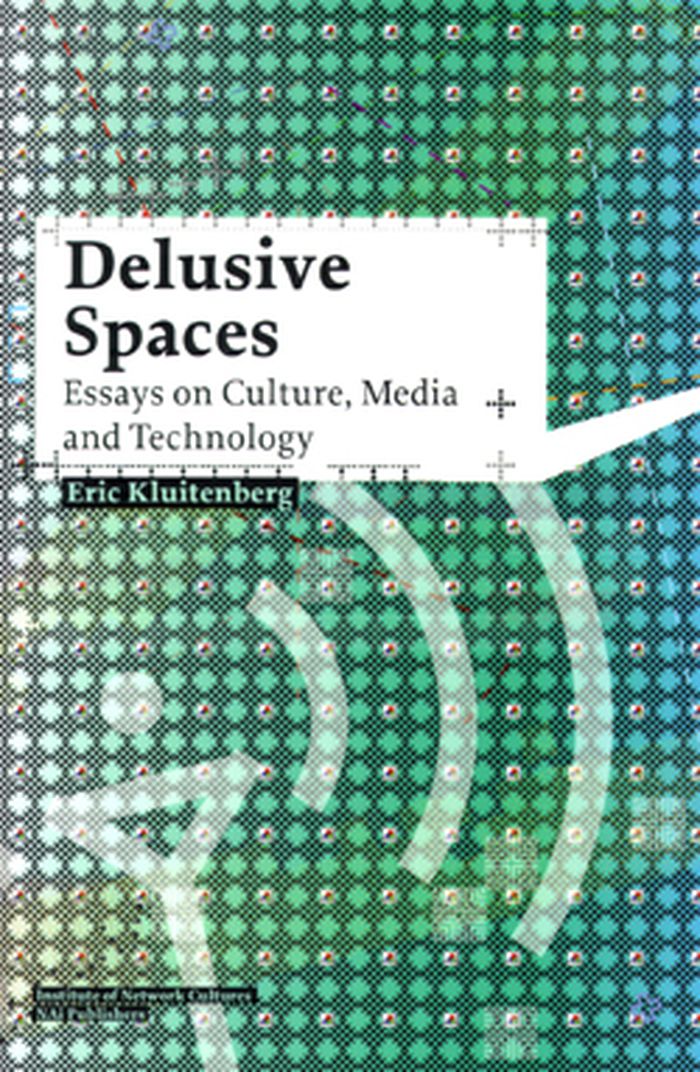
The open terrain of new media is closing fast. Market concentration, legal consolidation and tightening governmental control have effectively ended the myth of the free and open networks. In Delusive Spaces, Eric Kluitenberg takes a critical position that retains a utopian potential for emerging media cultures. The book investigates the archeology of media and machine, mapping the different methods and metaphors that speak about technology. Returning to the present, Kluitenberg discusses the cultural use of new media in an age of post-governmental politics. Delusive Spaces concludes with the impossibility of representation. Going beyond the obvious delusions of the 'new' and the 'free', Kluitenberg theorizes artistic practices and European cultural policies, demonstrating a provocative engagement with the utopian dimension of technology. Eric Kluitenberg is a Dutch media theorist, writer and organizer. Since the late 1980s, he has been involved in numerous international projects in the field of electronic art, media culture, and information politics. Kluitenberg heads the media program at De Balie, Centre for Culture and Politics in Amsterdam. He is the editor of the Book of Imaginary Media (NAi Publishers, 2006) and the theme issue Hybrid Space of Open, journal on art and the public domain (2007).
Delusive spaces: essays on culture, media and technology
Actions:
Prix:
$34.00
(disponible sur commande)
Résumé:
The open terrain of new media is closing fast. Market concentration, legal consolidation and tightening governmental control have effectively ended the myth of the free and open networks. In Delusive Spaces, Eric Kluitenberg takes a critical position that retains a utopian potential for emerging media cultures. The book investigates the archeology of media and machine, mapping the different methods and metaphors that speak about technology. Returning to the present, Kluitenberg discusses the cultural use of new media in an age of post-governmental politics. Delusive Spaces concludes with the impossibility of representation. Going beyond the obvious delusions of the 'new' and the 'free', Kluitenberg theorizes artistic practices and European cultural policies, demonstrating a provocative engagement with the utopian dimension of technology. Eric Kluitenberg is a Dutch media theorist, writer and organizer. Since the late 1980s, he has been involved in numerous international projects in the field of electronic art, media culture, and information politics. Kluitenberg heads the media program at De Balie, Centre for Culture and Politics in Amsterdam. He is the editor of the Book of Imaginary Media (NAi Publishers, 2006) and the theme issue Hybrid Space of Open, journal on art and the public domain (2007).
Classification:
livres
livres
Publication:
avril 2008, Rotterdam
avril 2008, Rotterdam
Sujet:
Épistémologie et réseau
Épistémologie et réseau
Classification:
livres
livres

Actions:
Prix:
$56.00
(disponible sur commande)
Résumé:
He was the most iconoclastic of architects, and at the height of his career his output of writings about architecture was as prolific and visionary as his architecture itself. Frank Lloyd Wright pioneered a bold new kind of architecture, one in which the spirit of modern man truly "lived in his buildings." "The Essential Frank Lloyd Wright" is a one-volume compendium of(...)
$56.00
(disponible sur commande)
Résumé:
He was the most iconoclastic of architects, and at the height of his career his output of writings about architecture was as prolific and visionary as his architecture itself. Frank Lloyd Wright pioneered a bold new kind of architecture, one in which the spirit of modern man truly "lived in his buildings." "The Essential Frank Lloyd Wright" is a one-volume compendium of(...)
Sujet:
Architecture, monographies
Architecture, monographies
Publication:
mars 2008, Princeton, Oxford
mars 2008, Princeton, Oxford
Titre:
The essential Frank Lloyd Wright : critical writings on architecture
Actions:
Prix:
$56.00
(disponible sur commande)
Résumé:
He was the most iconoclastic of architects, and at the height of his career his output of writings about architecture was as prolific and visionary as his architecture itself. Frank Lloyd Wright pioneered a bold new kind of architecture, one in which the spirit of modern man truly "lived in his buildings." "The Essential Frank Lloyd Wright" is a one-volume compendium of Wright's most critically important - and personally revealing - writings on every conceivable aspect of his craft. Wright was perhaps the most influential and inspired architect of the twentieth century, and this is the only book that gathers all of his most significant essays, lectures, and articles on architecture. Bruce Pfeiffer includes each piece in its entirety to present the architect's writings as he originally intended them. Beginning early in Wright's career with "The Art and Craft of the Machine" in 1901, the book follows major themes through "The Disappearing City", "The Natural House", and many other writings, and ends with "A Testament" in 1957, published two years before his death. This volume is illustrated with original drawings and photographs, and is complemented by Pfeiffer's general introduction, which provides history and context.
The essential Frank Lloyd Wright : critical writings on architecture
Actions:
Prix:
$56.00
(disponible sur commande)
Résumé:
He was the most iconoclastic of architects, and at the height of his career his output of writings about architecture was as prolific and visionary as his architecture itself. Frank Lloyd Wright pioneered a bold new kind of architecture, one in which the spirit of modern man truly "lived in his buildings." "The Essential Frank Lloyd Wright" is a one-volume compendium of Wright's most critically important - and personally revealing - writings on every conceivable aspect of his craft. Wright was perhaps the most influential and inspired architect of the twentieth century, and this is the only book that gathers all of his most significant essays, lectures, and articles on architecture. Bruce Pfeiffer includes each piece in its entirety to present the architect's writings as he originally intended them. Beginning early in Wright's career with "The Art and Craft of the Machine" in 1901, the book follows major themes through "The Disappearing City", "The Natural House", and many other writings, and ends with "A Testament" in 1957, published two years before his death. This volume is illustrated with original drawings and photographs, and is complemented by Pfeiffer's general introduction, which provides history and context.
Classification:
livres
livres
Publication:
mars 2008, Princeton, Oxford
mars 2008, Princeton, Oxford
Sujet:
Architecture, monographies
Architecture, monographies
Classification:
livres
livres
Actions:
Prix:
$42.00
(disponible sur commande)
Résumé:
Les notions de "deep learning", de "machine learning" définissent aujourd'hui l'intelligence artificielle comme un nouveau paradigme établi aussi bien dans le domaine industriel, économique, militaire ou sociopolitique, que dans nos vies quotidiennes au travers d'innombrables applications, la reconnaissance faciale en étant la plus démonstrative. Il semblait donc(...)
$42.00
(disponible sur commande)
Résumé:
Les notions de "deep learning", de "machine learning" définissent aujourd'hui l'intelligence artificielle comme un nouveau paradigme établi aussi bien dans le domaine industriel, économique, militaire ou sociopolitique, que dans nos vies quotidiennes au travers d'innombrables applications, la reconnaissance faciale en étant la plus démonstrative. Il semblait donc(...)
Publication:
février 2020
février 2020
Titre:
Neurones, les intelligences simulées
Actions:
Prix:
$42.00
(disponible sur commande)
Résumé:
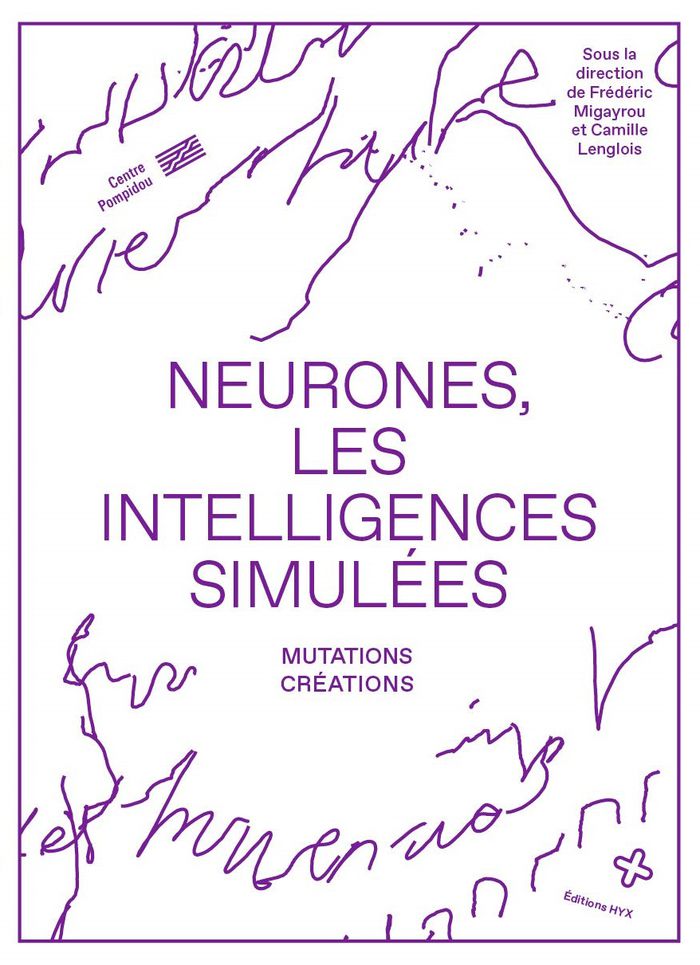
Les notions de "deep learning", de "machine learning" définissent aujourd'hui l'intelligence artificielle comme un nouveau paradigme établi aussi bien dans le domaine industriel, économique, militaire ou sociopolitique, que dans nos vies quotidiennes au travers d'innombrables applications, la reconnaissance faciale en étant la plus démonstrative. Il semblait donc primordial de redéfinir les sources historiques d'un développement continu des recherches sur la simulation de l'intelligence humaine depuis l'après-guerre et d'une interaction permanente avec les domaines de la recherche et de la création. C'est l'objet de l'exposition du Centre Pompidou et de cet ouvrage qui l'accompagne. Fruit d'une investigation progressive de la neurophysiologie, mais aussi de la cybernétique, le réseau neuronal s'est imposé comme l'archétype d'une définition de l'intelligence. La création de réseaux de neurones artificiels, base des simulations informatiques et d'intelligences artificielles défiant l'humain, jusqu'au projet de modélisation d'un cerveau artificiel, aura imposé des modèles algorithmiques souvent conçus comme des dispositifs de normalisation. Artistes, architectes, ingénieurs ou scientifiques s'emparent aujourd'hui de ces modèles pour introduire des variations, des mutations, qui enrichissent l'innovation et la prospective et confortent une distance critique et morale face à leurs usages économiques et politiques.
Neurones, les intelligences simulées
Actions:
Prix:
$42.00
(disponible sur commande)
Résumé:
Les notions de "deep learning", de "machine learning" définissent aujourd'hui l'intelligence artificielle comme un nouveau paradigme établi aussi bien dans le domaine industriel, économique, militaire ou sociopolitique, que dans nos vies quotidiennes au travers d'innombrables applications, la reconnaissance faciale en étant la plus démonstrative. Il semblait donc primordial de redéfinir les sources historiques d'un développement continu des recherches sur la simulation de l'intelligence humaine depuis l'après-guerre et d'une interaction permanente avec les domaines de la recherche et de la création. C'est l'objet de l'exposition du Centre Pompidou et de cet ouvrage qui l'accompagne. Fruit d'une investigation progressive de la neurophysiologie, mais aussi de la cybernétique, le réseau neuronal s'est imposé comme l'archétype d'une définition de l'intelligence. La création de réseaux de neurones artificiels, base des simulations informatiques et d'intelligences artificielles défiant l'humain, jusqu'au projet de modélisation d'un cerveau artificiel, aura imposé des modèles algorithmiques souvent conçus comme des dispositifs de normalisation. Artistes, architectes, ingénieurs ou scientifiques s'emparent aujourd'hui de ces modèles pour introduire des variations, des mutations, qui enrichissent l'innovation et la prospective et confortent une distance critique et morale face à leurs usages économiques et politiques.
Classification:
livres
livres
Publication:
février 2020
février 2020
Classification:
livres
livres
Actions:
Prix:
$47.00
(disponible sur commande)
Résumé:
2x4, 3 Deep Design, A Practice for Everyday Life, Åbäke & Daniel Eatock, Adrian Shaughnessy, Alon Levin, &&&, Andrew Blauvelt, Angela Lorenz, Anna Gerber, Anne Burdick, Base, Bibliothèque, Bluesource, Brighten the Corners, Browns, Build, Cartlidge Levene, Catalogtree, Christos Lialios, COMA, Cornel Windlin, Coup, Cyan, Default, Design Machine, The Designers Republic,(...)
$47.00
(disponible sur commande)
Résumé:
2x4, 3 Deep Design, A Practice for Everyday Life, Åbäke & Daniel Eatock, Adrian Shaughnessy, Alon Levin, &&&, Andrew Blauvelt, Angela Lorenz, Anna Gerber, Anne Burdick, Base, Bibliothèque, Bluesource, Brighten the Corners, Browns, Build, Cartlidge Levene, Catalogtree, Christos Lialios, COMA, Cornel Windlin, Coup, Cyan, Default, Design Machine, The Designers Republic,(...)
Titre:
Idea 316 The conditions of graphic design
Actions:
Prix:
$47.00
(disponible sur commande)
Résumé:
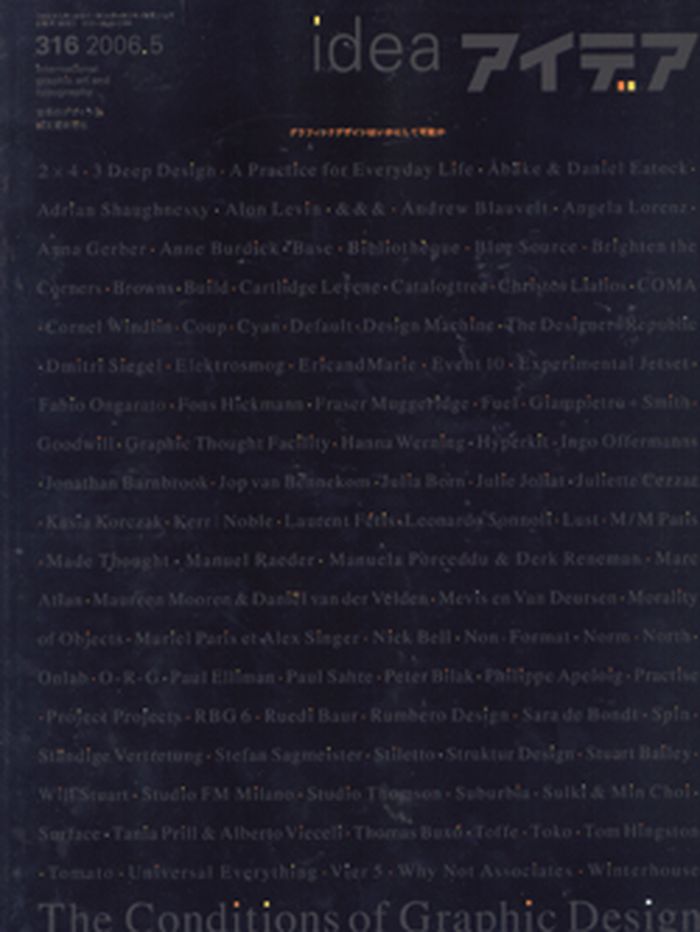
2x4, 3 Deep Design, A Practice for Everyday Life, Åbäke & Daniel Eatock, Adrian Shaughnessy, Alon Levin, &&&, Andrew Blauvelt, Angela Lorenz, Anna Gerber, Anne Burdick, Base, Bibliothèque, Bluesource, Brighten the Corners, Browns, Build, Cartlidge Levene, Catalogtree, Christos Lialios, COMA, Cornel Windlin, Coup, Cyan, Default, Design Machine, The Designers Republic, Dmitri Siegel, Elektrosmog, EricandMarie, Event10, Experimental Jetset, Fabio Ongarato, Fons Hickmann, Fraser Muggeridge, Fuel, Giampietro+Smith, Goodwill, Graphic Thought Facility, Hanna Werning, Hyperkit, Ingo Offermanns, Jonathan Barnbrook, Jop van Bennekom, Julia Born, Julie Joliat, Juliette Cezzar, Kasia Korczak, Kerr|Noble, Laurent Fétis, Leonardo Sonnoli, Lust, M/M Paris, MadeThought, Manuel Raeder, Manuela Porceddu & Derk Reneman, Marc Atlan, Maureen Mooren & Daniël van der Velden, Mevis en Van Deursen, Morality of Objects, Muriel Paris et Alex Singer, Nick Bell, Non-Format, Norm, North, Onlab, O-R-G, Paul Elliman, Paul Sahre, Peter Bilak, Philippe Apeloig, Practise, Project Projects, RBG 6, Ruedi Baur, Rumbero Design, Sara de Bondt, Spin, Ständige Vertretung, Stefan Sagmeister, Stiletto, Struktur Design, Stuart Bailey, Will Stuart, Studio FM milano, Studio Thomson, Suburbia, Sulki & Min Choi, Surface, Tania Prill & Alberto Vieceli, Thomas Buxó, Toffe, Toko, Tom Hingston, Tomato, Universal Everything, Vier5, Why Not Associates, Winterhouse
Idea 316 The conditions of graphic design
Actions:
Prix:
$47.00
(disponible sur commande)
Résumé:
2x4, 3 Deep Design, A Practice for Everyday Life, Åbäke & Daniel Eatock, Adrian Shaughnessy, Alon Levin, &&&, Andrew Blauvelt, Angela Lorenz, Anna Gerber, Anne Burdick, Base, Bibliothèque, Bluesource, Brighten the Corners, Browns, Build, Cartlidge Levene, Catalogtree, Christos Lialios, COMA, Cornel Windlin, Coup, Cyan, Default, Design Machine, The Designers Republic, Dmitri Siegel, Elektrosmog, EricandMarie, Event10, Experimental Jetset, Fabio Ongarato, Fons Hickmann, Fraser Muggeridge, Fuel, Giampietro+Smith, Goodwill, Graphic Thought Facility, Hanna Werning, Hyperkit, Ingo Offermanns, Jonathan Barnbrook, Jop van Bennekom, Julia Born, Julie Joliat, Juliette Cezzar, Kasia Korczak, Kerr|Noble, Laurent Fétis, Leonardo Sonnoli, Lust, M/M Paris, MadeThought, Manuel Raeder, Manuela Porceddu & Derk Reneman, Marc Atlan, Maureen Mooren & Daniël van der Velden, Mevis en Van Deursen, Morality of Objects, Muriel Paris et Alex Singer, Nick Bell, Non-Format, Norm, North, Onlab, O-R-G, Paul Elliman, Paul Sahre, Peter Bilak, Philippe Apeloig, Practise, Project Projects, RBG 6, Ruedi Baur, Rumbero Design, Sara de Bondt, Spin, Ständige Vertretung, Stefan Sagmeister, Stiletto, Struktur Design, Stuart Bailey, Will Stuart, Studio FM milano, Studio Thomson, Suburbia, Sulki & Min Choi, Surface, Tania Prill & Alberto Vieceli, Thomas Buxó, Toffe, Toko, Tom Hingston, Tomato, Universal Everything, Vier5, Why Not Associates, Winterhouse
Classification:
livres
livres
Publication:
mai 2006, Tokyo
mai 2006, Tokyo
Classification:
livres
livres
Titre:
Lewis Hine
Lewis Hine
Actions:
Prix:
$65.00
(disponible sur commande)
Résumé:
In 1905, a young sociologist named Lewis Hine Wickes decided to pursue photography as the medium with which to denounce injustice and poverty. Hine was one of the first photographers to document the wave of mass immigration from an impoverished Europe to an economically booming America, and his portraits of immigrants at Ellis Island offered a more positive image of this(...)
$65.00
(disponible sur commande)
Résumé:
In 1905, a young sociologist named Lewis Hine Wickes decided to pursue photography as the medium with which to denounce injustice and poverty. Hine was one of the first photographers to document the wave of mass immigration from an impoverished Europe to an economically booming America, and his portraits of immigrants at Ellis Island offered a more positive image of this(...)
Titre:
Lewis Hine
Actions:
Prix:
$65.00
(disponible sur commande)
Résumé:
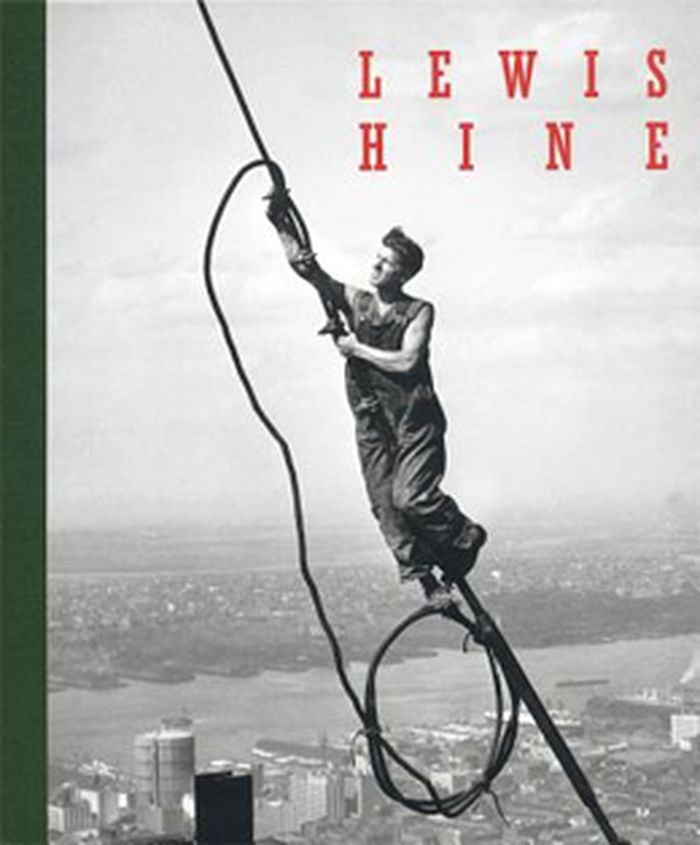
In 1905, a young sociologist named Lewis Hine Wickes decided to pursue photography as the medium with which to denounce injustice and poverty. Hine was one of the first photographers to document the wave of mass immigration from an impoverished Europe to an economically booming America, and his portraits of immigrants at Ellis Island offered a more positive image of this influx. But as he wearied of photographing poverty, Hine developed an idealized vision of the worker that emphasized the dignity of labor--a vision that culminated in his legendary Men at Work series, first published in 1932 and today a classic American photobook. “We call this the Machine Age,” he wrote in its introduction, “But the more machines we use, the more do we need real men to make and direct them.” This volume, which includes a complete facsimile of Men at Work, is compiled from the collection of the George Eastman House, to whom Hine’s son bequeathed his archive after his death. It includes both well-known series and recently discovered early works, plus rare family photographs, ephemera and a detailed chronology.
Lewis Hine
Actions:
Prix:
$65.00
(disponible sur commande)
Résumé:
In 1905, a young sociologist named Lewis Hine Wickes decided to pursue photography as the medium with which to denounce injustice and poverty. Hine was one of the first photographers to document the wave of mass immigration from an impoverished Europe to an economically booming America, and his portraits of immigrants at Ellis Island offered a more positive image of this influx. But as he wearied of photographing poverty, Hine developed an idealized vision of the worker that emphasized the dignity of labor--a vision that culminated in his legendary Men at Work series, first published in 1932 and today a classic American photobook. “We call this the Machine Age,” he wrote in its introduction, “But the more machines we use, the more do we need real men to make and direct them.” This volume, which includes a complete facsimile of Men at Work, is compiled from the collection of the George Eastman House, to whom Hine’s son bequeathed his archive after his death. It includes both well-known series and recently discovered early works, plus rare family photographs, ephemera and a detailed chronology.
Classification:
livres
livres
Publication:
janvier 2012
janvier 2012
Sujet:
Monographies photo
Monographies photo
Classification:
livres
livres
Actions:
Prix:
$22.95
(disponible sur commande)
Résumé:
Amid the cultural and political ferment of 1960s France, a group of avant-garde architects, artists, writers, theorists, and critics known as "spatial urbanists" envisioned a series of urban utopias--phantom cities of a possible future. The utopian "spatial" city most often took the form of a massive grid or mesh suspended above the ground, all of its parts (and(...)
$22.95
(disponible sur commande)
Résumé:
Amid the cultural and political ferment of 1960s France, a group of avant-garde architects, artists, writers, theorists, and critics known as "spatial urbanists" envisioned a series of urban utopias--phantom cities of a possible future. The utopian "spatial" city most often took the form of a massive grid or mesh suspended above the ground, all of its parts (and(...)
Titre:
Topologies: the urban utopia in France, 1960-1970
Actions:
Prix:
$22.95
(disponible sur commande)
Résumé:
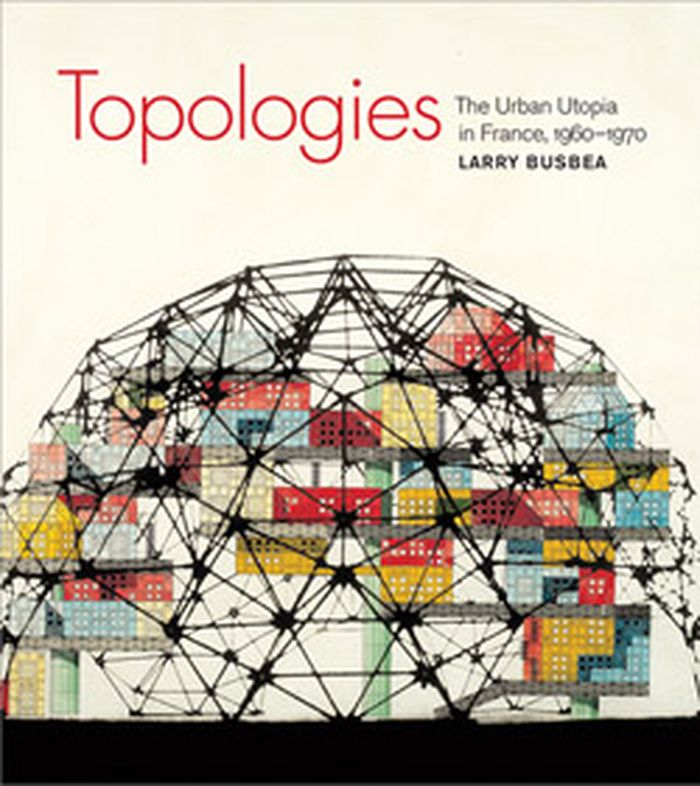
Amid the cultural and political ferment of 1960s France, a group of avant-garde architects, artists, writers, theorists, and critics known as "spatial urbanists" envisioned a series of urban utopias--phantom cities of a possible future. The utopian "spatial" city most often took the form of a massive grid or mesh suspended above the ground, all of its parts (and inhabitants) circulating in a smooth, synchronous rhythm, its streets and buildings constituting a gigantic work of plastic art or interactive machine. In this new urban world, technology and automation were positive forces, providing for material needs as well as time and space for leisure. In this first study of the French avant-garde tendency known as spatial urbanism, Larry Busbea analyzes projects by artists and architects (including the most famous spatial practitioner, Yona Friedman) and explores texts (many of which have never before been translated from the French) by Michel Ragon, the influential founder of the Groupe International d'Architecture Prospective (GIAP), Victor Vasarely, and others. Even at its most fanciful, Busbea argues, the French urban utopia provided an image for social transformations that were only beginning to be described by cultural theorists and sociologists.
Topologies: the urban utopia in France, 1960-1970
Actions:
Prix:
$22.95
(disponible sur commande)
Résumé:
Amid the cultural and political ferment of 1960s France, a group of avant-garde architects, artists, writers, theorists, and critics known as "spatial urbanists" envisioned a series of urban utopias--phantom cities of a possible future. The utopian "spatial" city most often took the form of a massive grid or mesh suspended above the ground, all of its parts (and inhabitants) circulating in a smooth, synchronous rhythm, its streets and buildings constituting a gigantic work of plastic art or interactive machine. In this new urban world, technology and automation were positive forces, providing for material needs as well as time and space for leisure. In this first study of the French avant-garde tendency known as spatial urbanism, Larry Busbea analyzes projects by artists and architects (including the most famous spatial practitioner, Yona Friedman) and explores texts (many of which have never before been translated from the French) by Michel Ragon, the influential founder of the Groupe International d'Architecture Prospective (GIAP), Victor Vasarely, and others. Even at its most fanciful, Busbea argues, the French urban utopia provided an image for social transformations that were only beginning to be described by cultural theorists and sociologists.
Classification:
livres
livres
Publication:
octobre 2012
octobre 2012
Sujet:
Théorie de l’architecture
Théorie de l’architecture
Classification:
livres
livres
Actions:
Prix:
$69.95
(disponible en magasin)
Résumé:
As Timothy Leary's tune-in-turn-on-drop-out message spread across the country, idealistic and anarchic enclaves mushroomed with names like Drop City and Morning Star - many experimenting with alternative forms of energy, recycling, and means of sustainability. For the first time, in rich documentary illustration material, these ephemeral spaces are brought together in(...)
$69.95
(disponible en magasin)
Résumé:
As Timothy Leary's tune-in-turn-on-drop-out message spread across the country, idealistic and anarchic enclaves mushroomed with names like Drop City and Morning Star - many experimenting with alternative forms of energy, recycling, and means of sustainability. For the first time, in rich documentary illustration material, these ephemeral spaces are brought together in(...)
Titre:
Spaced out: crash pads, hippie communes, infinity machines, and other radical environments of the psychedelic sixties
Actions:
Prix:
$69.95
(disponible en magasin)
Résumé:
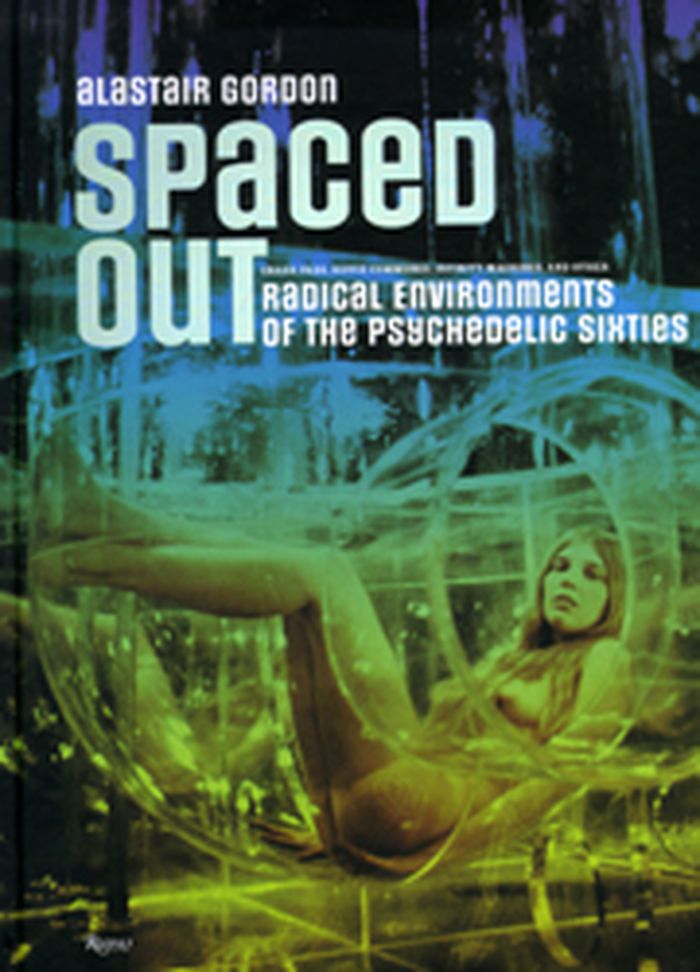
As Timothy Leary's tune-in-turn-on-drop-out message spread across the country, idealistic and anarchic enclaves mushroomed with names like Drop City and Morning Star - many experimenting with alternative forms of energy, recycling, and means of sustainability. For the first time, in rich documentary illustration material, these ephemeral spaces are brought together in this book. Many of the photographs have never been published before. They are explained and displayed in detail by an extensive text by acclaimed author Alistair Gordon.
Spaced out: crash pads, hippie communes, infinity machines, and other radical environments of the psychedelic sixties
Actions:
Prix:
$69.95
(disponible en magasin)
Résumé:
As Timothy Leary's tune-in-turn-on-drop-out message spread across the country, idealistic and anarchic enclaves mushroomed with names like Drop City and Morning Star - many experimenting with alternative forms of energy, recycling, and means of sustainability. For the first time, in rich documentary illustration material, these ephemeral spaces are brought together in this book. Many of the photographs have never been published before. They are explained and displayed in detail by an extensive text by acclaimed author Alistair Gordon.
Classification:
livres
livres
Publication:
avril 2008
avril 2008


