


2576 Résultats
Classification:
livres
livres
Titre:
The passionate triangle
The passionate triangle
Actions:
Prix:
$49.95
(disponible sur commande)
Résumé:
Triangles abounded in the intellectual culture of early modern Europe—the Christian Trinity was often mapped as a triangle, for instance, and perspective, a characteristic artistic technique, is based on a triangular theory of vision. Renaissance artists, for their part, often used shapes and lines to arrange figures into a triangle on the surface of a painting—a practice(...)
$49.95
(disponible sur commande)
Résumé:
Triangles abounded in the intellectual culture of early modern Europe—the Christian Trinity was often mapped as a triangle, for instance, and perspective, a characteristic artistic technique, is based on a triangular theory of vision. Renaissance artists, for their part, often used shapes and lines to arrange figures into a triangle on the surface of a painting—a practice(...)
Titre:
The passionate triangle
Actions:
Prix:
$49.95
(disponible sur commande)
Résumé:
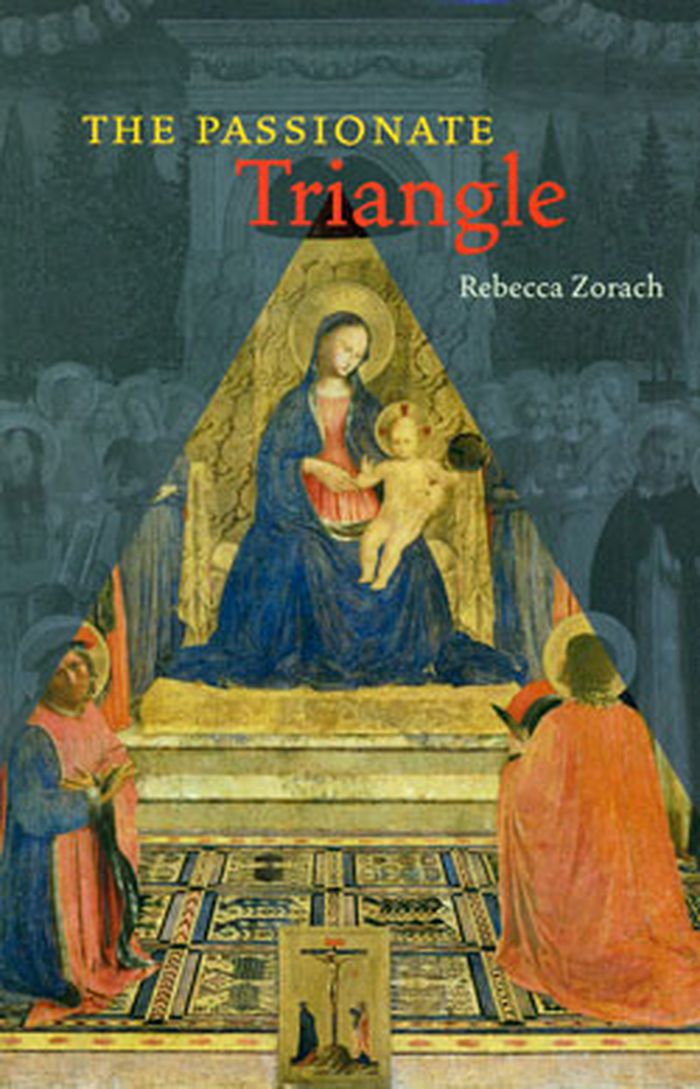
Triangles abounded in the intellectual culture of early modern Europe—the Christian Trinity was often mapped as a triangle, for instance, and perspective, a characteristic artistic technique, is based on a triangular theory of vision. Renaissance artists, for their part, often used shapes and lines to arrange figures into a triangle on the surface of a painting—a practice modern scholars call triangular composition. But is there secret meaning in the triangular arrangements artists used, or just a pleasing symmetry? What do triangles really tell us about the European Renaissance and its most beguiling works of art? In this book, Rebecca Zorach takes us on a lively hunt for the triangle’s embedded significance. From the leisure pursuits of Egyptian priests to Jacopo Tintoretto’s love triangles, Zorach explores how the visual and mathematical properties of triangles allowed them to express new ideas and to inspire surprisingly intense passions. Examining prints and paintings as well as literary, scientific, and philosophical texts, 'The Passionate Triangle' opens up an array of new ideas, presenting unexpected stories of the irrational, passionate, melancholic, and often erotic potential of mathematical thinking before the Scientific Revolution.
The passionate triangle
Actions:
Prix:
$49.95
(disponible sur commande)
Résumé:
Triangles abounded in the intellectual culture of early modern Europe—the Christian Trinity was often mapped as a triangle, for instance, and perspective, a characteristic artistic technique, is based on a triangular theory of vision. Renaissance artists, for their part, often used shapes and lines to arrange figures into a triangle on the surface of a painting—a practice modern scholars call triangular composition. But is there secret meaning in the triangular arrangements artists used, or just a pleasing symmetry? What do triangles really tell us about the European Renaissance and its most beguiling works of art? In this book, Rebecca Zorach takes us on a lively hunt for the triangle’s embedded significance. From the leisure pursuits of Egyptian priests to Jacopo Tintoretto’s love triangles, Zorach explores how the visual and mathematical properties of triangles allowed them to express new ideas and to inspire surprisingly intense passions. Examining prints and paintings as well as literary, scientific, and philosophical texts, 'The Passionate Triangle' opens up an array of new ideas, presenting unexpected stories of the irrational, passionate, melancholic, and often erotic potential of mathematical thinking before the Scientific Revolution.
Classification:
livres
livres
Publication:
juin 2011
juin 2011
Sujet:
Théorie de l’art
Théorie de l’art
Classification:
livres
livres
Titre:
Imagery in the 21st century
Imagery in the 21st century
Actions:
Prix:
$44.95
(disponible en magasin)
Résumé:
We are surrounded by images as never before: on Flickr, Facebook, and YouTube; on thousands of television channels; in digital games and virtual worlds; in media art and science. Without new efforts to visualize complex ideas, structures, and systems, today’s informatio explosion would be unmanageable. The digital image represents endless options for manipulation; images(...)
$44.95
(disponible en magasin)
Résumé:
We are surrounded by images as never before: on Flickr, Facebook, and YouTube; on thousands of television channels; in digital games and virtual worlds; in media art and science. Without new efforts to visualize complex ideas, structures, and systems, today’s informatio explosion would be unmanageable. The digital image represents endless options for manipulation; images(...)
Titre:
Imagery in the 21st century
Actions:
Prix:
$44.95
(disponible en magasin)
Résumé:
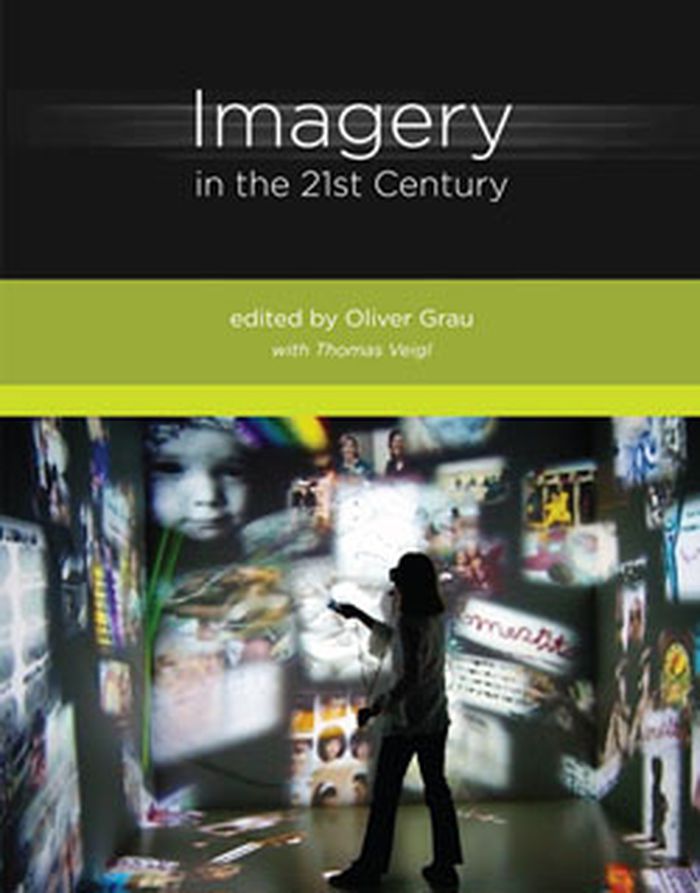
We are surrounded by images as never before: on Flickr, Facebook, and YouTube; on thousands of television channels; in digital games and virtual worlds; in media art and science. Without new efforts to visualize complex ideas, structures, and systems, today’s informatio explosion would be unmanageable. The digital image represents endless options for manipulation; images seem capable of changing interactively or even autonomously. This volume offers systematic and interdisciplinary reflections on these new image worlds and new analytical approaches to the visual. This publication examines this revolution in various fields, with researchers from the natural sciences and the humanities meeting to achieve a deeper understanding of the meaning and impact of the image in our time. The contributors explore and discuss new critical terms of multidisciplinary scope, from database economy to the dramaturgy of hypermedia, from visualizations in neurosciences to the image in bio art. They consider the power of the image in the development of human consciousness, pursue new definitions of visual phenomena, and examine new tools for image research and visual analysis. The goal is to expand visual competence in investigating new visual worlds and to build cross-disciplinary exchanges among the arts, humanities, and natural sciences.
Imagery in the 21st century
Actions:
Prix:
$44.95
(disponible en magasin)
Résumé:
We are surrounded by images as never before: on Flickr, Facebook, and YouTube; on thousands of television channels; in digital games and virtual worlds; in media art and science. Without new efforts to visualize complex ideas, structures, and systems, today’s informatio explosion would be unmanageable. The digital image represents endless options for manipulation; images seem capable of changing interactively or even autonomously. This volume offers systematic and interdisciplinary reflections on these new image worlds and new analytical approaches to the visual. This publication examines this revolution in various fields, with researchers from the natural sciences and the humanities meeting to achieve a deeper understanding of the meaning and impact of the image in our time. The contributors explore and discuss new critical terms of multidisciplinary scope, from database economy to the dramaturgy of hypermedia, from visualizations in neurosciences to the image in bio art. They consider the power of the image in the development of human consciousness, pursue new definitions of visual phenomena, and examine new tools for image research and visual analysis. The goal is to expand visual competence in investigating new visual worlds and to build cross-disciplinary exchanges among the arts, humanities, and natural sciences.
Classification:
livres
livres
Publication:
septembre 2011
septembre 2011
Sujet:
Théorie de l’art
Théorie de l’art
Classification:
livres
livres
Actions:
Prix:
$34.99
(disponible sur commande)
Résumé:
The last explosive change in art education came nearly a century ago, when the German Bauhaus was formed. Today, dramatic changes in the art world—its increasing professionalization, the pervasive power of the art market, and fundamental shifts in art-making itself in our post-Duchampian era—combined with a revolution in information technology, raise fundamental questions(...)
$34.99
(disponible sur commande)
Résumé:
The last explosive change in art education came nearly a century ago, when the German Bauhaus was formed. Today, dramatic changes in the art world—its increasing professionalization, the pervasive power of the art market, and fundamental shifts in art-making itself in our post-Duchampian era—combined with a revolution in information technology, raise fundamental questions(...)
Titre:
Art school (propositions for the 21st century)
Actions:
Prix:
$34.99
(disponible sur commande)
Résumé:
The last explosive change in art education came nearly a century ago, when the German Bauhaus was formed. Today, dramatic changes in the art world—its increasing professionalization, the pervasive power of the art market, and fundamental shifts in art-making itself in our post-Duchampian era—combined with a revolution in information technology, raise fundamental questions about the education of today's artists. This book brings together more than thirty leading international artists and art educators to reconsider the practices of art education in academic, practical, ethical, and philosophical terms. The essays in the book range over continents, histories, traditions, experiments, and fantasies of education. Accompanying the essays are conversations with such prominent artist/educators as John Baldessari, Michael Craig-Martin, Hans Haacke, and Marina Abramovi, as well as questionnaire responses from a dozen important artists—among them Mike Kelley, Ann Hamilton, Guillermo Kuitca, and Shirin Neshat—about their own experiences as students. A fascinating analysis of the architecture of major historical art schools throughout the world looks at the relationship of the principles of their designs to the principles of the pedagogy practiced within their halls.
Art school (propositions for the 21st century)
Actions:
Prix:
$34.99
(disponible sur commande)
Résumé:
The last explosive change in art education came nearly a century ago, when the German Bauhaus was formed. Today, dramatic changes in the art world—its increasing professionalization, the pervasive power of the art market, and fundamental shifts in art-making itself in our post-Duchampian era—combined with a revolution in information technology, raise fundamental questions about the education of today's artists. This book brings together more than thirty leading international artists and art educators to reconsider the practices of art education in academic, practical, ethical, and philosophical terms. The essays in the book range over continents, histories, traditions, experiments, and fantasies of education. Accompanying the essays are conversations with such prominent artist/educators as John Baldessari, Michael Craig-Martin, Hans Haacke, and Marina Abramovi, as well as questionnaire responses from a dozen important artists—among them Mike Kelley, Ann Hamilton, Guillermo Kuitca, and Shirin Neshat—about their own experiences as students. A fascinating analysis of the architecture of major historical art schools throughout the world looks at the relationship of the principles of their designs to the principles of the pedagogy practiced within their halls.
Classification:
livres
livres
Publication:
octobre 2009
octobre 2009
Sujet:
Théorie de l’art
Théorie de l’art
Classification:
livres
livres
Actions:
Prix:
$36.95
(disponible sur commande)
Résumé:
Modern city-dwellers suffer their share of unpleasant experiences�traffic jams, noisy neighbors, pollution, food scares�but urban nuisances of the past existed on a different scale entirely, this book explains in vivid detail. Focusing on offenses to the eyes, ears, noses, taste buds, and skin of inhabitants of England�s pre-Industrial Revolution cities, Hubbub(...)
$36.95
(disponible sur commande)
Résumé:
Modern city-dwellers suffer their share of unpleasant experiences�traffic jams, noisy neighbors, pollution, food scares�but urban nuisances of the past existed on a different scale entirely, this book explains in vivid detail. Focusing on offenses to the eyes, ears, noses, taste buds, and skin of inhabitants of England�s pre-Industrial Revolution cities, Hubbub(...)
Titre:
Hubbub: Filth, noise & stench in England
Actions:
Prix:
$36.95
(disponible sur commande)
Résumé:
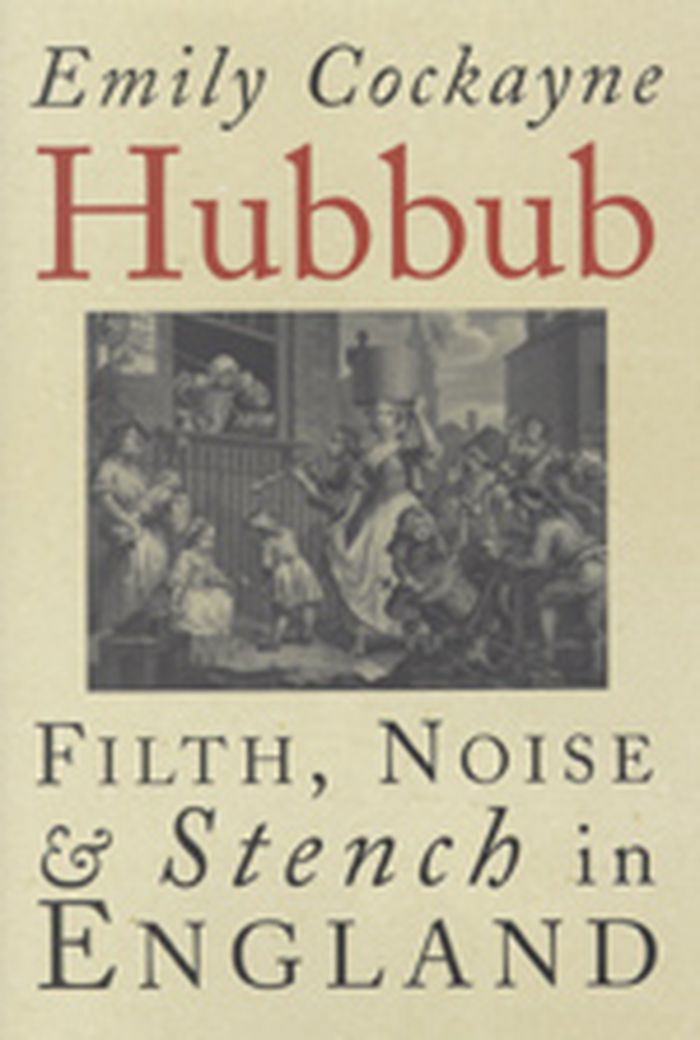
Modern city-dwellers suffer their share of unpleasant experiences�traffic jams, noisy neighbors, pollution, food scares�but urban nuisances of the past existed on a different scale entirely, this book explains in vivid detail. Focusing on offenses to the eyes, ears, noses, taste buds, and skin of inhabitants of England�s pre-Industrial Revolution cities, Hubbub transports us to a world in which residents were scarred by smallpox, refuse rotted in the streets, pigs and dogs roamed free, and food hygiene consisted of little more than spit and polish. Through the stories of a large cast of characters from varied walks of life, the book compares what daily life was like in different cities across England from 1600 to 1770. Using a vast array of sources, from novels to records of urban administration to diaries, Emily Cockayne populates her book with anecdotes from the quirky lives of the famous and the obscure�all of whom confronted urban nuisances and physical ailments. Each chapter addresses an unpleasant aspect of city life (noise, violence, moldy food, smelly streets, poor air quality), and the volume is enhanced with a rich array of illustrations. Awakening both our senses and our imaginations, Cockayne creates a nuanced portrait of early modern English city life, unparalleled in breadth and unforgettable in detail.
Hubbub: Filth, noise & stench in England
Actions:
Prix:
$36.95
(disponible sur commande)
Résumé:
Modern city-dwellers suffer their share of unpleasant experiences�traffic jams, noisy neighbors, pollution, food scares�but urban nuisances of the past existed on a different scale entirely, this book explains in vivid detail. Focusing on offenses to the eyes, ears, noses, taste buds, and skin of inhabitants of England�s pre-Industrial Revolution cities, Hubbub transports us to a world in which residents were scarred by smallpox, refuse rotted in the streets, pigs and dogs roamed free, and food hygiene consisted of little more than spit and polish. Through the stories of a large cast of characters from varied walks of life, the book compares what daily life was like in different cities across England from 1600 to 1770. Using a vast array of sources, from novels to records of urban administration to diaries, Emily Cockayne populates her book with anecdotes from the quirky lives of the famous and the obscure�all of whom confronted urban nuisances and physical ailments. Each chapter addresses an unpleasant aspect of city life (noise, violence, moldy food, smelly streets, poor air quality), and the volume is enhanced with a rich array of illustrations. Awakening both our senses and our imaginations, Cockayne creates a nuanced portrait of early modern English city life, unparalleled in breadth and unforgettable in detail.
Classification:
livres
livres
Publication:
mai 2007, New Haven & London
mai 2007, New Haven & London
Sujet:
Histoire jusqu’à 1900
Histoire jusqu’à 1900
Classification:
livres
livres
Actions:
Prix:
$27.99
(disponible sur commande)
Résumé:
The architecture of Britain is an art gallery all around us. From our streets to squares, through our cities, suburbs and villages, we are surrounded by magnificent buildings of eclectic styles. ''A Short History of British Architecture'' is story of why Britain looks the way it does, from prehistoric Stonehenge to the lofty towers of today. Historian Simon Jenkins(...)
$27.99
(disponible sur commande)
Résumé:
The architecture of Britain is an art gallery all around us. From our streets to squares, through our cities, suburbs and villages, we are surrounded by magnificent buildings of eclectic styles. ''A Short History of British Architecture'' is story of why Britain looks the way it does, from prehistoric Stonehenge to the lofty towers of today. Historian Simon Jenkins(...)
Titre:
A short history of British architecture: From Stonehenge to The Shard
Actions:
Prix:
$27.99
(disponible sur commande)
Résumé:
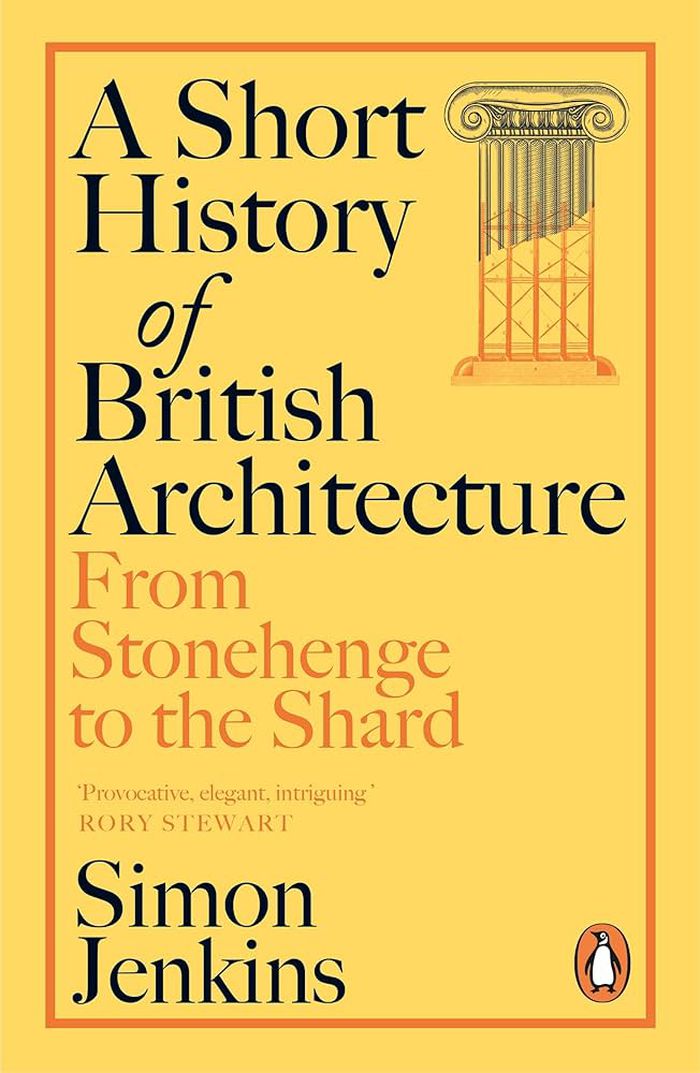
The architecture of Britain is an art gallery all around us. From our streets to squares, through our cities, suburbs and villages, we are surrounded by magnificent buildings of eclectic styles. ''A Short History of British Architecture'' is story of why Britain looks the way it does, from prehistoric Stonehenge to the lofty towers of today. Historian Simon Jenkins traces the relentless battles over the European traditions of classicism and gothic- from the gothic cathedrals of Lincoln, Ely and Wells to the ‘'prodigy'’ houses of the Tudor renaissance, and visits the great estates of Georgian London, the docks of Liverpool, the mills of Yorkshire and the chapels of south Wales. The arrival of modernism in the twentieth century politicised public taste, upheaved communities and sought to reconstruct entire cities. It produced Coventry Cathedral and Lloyd’s of London, but also the brutalist monoliths of Sheffield’s Park Hill, Glasgow’s Cumbernauld and London’s South Bank. Only in the 1970s did the public at last give voice to what became the conservation revolution – a movement in which Jenkins played a leading role, both as deputy chairman of English Heritage and chairman of the National Trust, and in the saving of iconic buildings such as St Pancras International and Covent Garden.
A short history of British architecture: From Stonehenge to The Shard
Actions:
Prix:
$27.99
(disponible sur commande)
Résumé:
The architecture of Britain is an art gallery all around us. From our streets to squares, through our cities, suburbs and villages, we are surrounded by magnificent buildings of eclectic styles. ''A Short History of British Architecture'' is story of why Britain looks the way it does, from prehistoric Stonehenge to the lofty towers of today. Historian Simon Jenkins traces the relentless battles over the European traditions of classicism and gothic- from the gothic cathedrals of Lincoln, Ely and Wells to the ‘'prodigy'’ houses of the Tudor renaissance, and visits the great estates of Georgian London, the docks of Liverpool, the mills of Yorkshire and the chapels of south Wales. The arrival of modernism in the twentieth century politicised public taste, upheaved communities and sought to reconstruct entire cities. It produced Coventry Cathedral and Lloyd’s of London, but also the brutalist monoliths of Sheffield’s Park Hill, Glasgow’s Cumbernauld and London’s South Bank. Only in the 1970s did the public at last give voice to what became the conservation revolution – a movement in which Jenkins played a leading role, both as deputy chairman of English Heritage and chairman of the National Trust, and in the saving of iconic buildings such as St Pancras International and Covent Garden.
Classification:
livres
livres
Publication:
janvier 2026
janvier 2026
Classification:
livres
livres
Actions:
Prix:
$95.95
(disponible sur commande)
Résumé:
"Central European Avant-Gardes" presents the first interpretive overview of the complex webs of interaction among the artists and intellectuals of early twentieth-century Central Europe. The key stylistic transformation of the period was from Expressionism to Constructivism, as artists and writers, against a volatile background of war and revolution, saw the opportunity(...)
$95.95
(disponible sur commande)
Résumé:
"Central European Avant-Gardes" presents the first interpretive overview of the complex webs of interaction among the artists and intellectuals of early twentieth-century Central Europe. The key stylistic transformation of the period was from Expressionism to Constructivism, as artists and writers, against a volatile background of war and revolution, saw the opportunity(...)
Titre:
Central European avant-gardes : exchange and transformation, 1910-1930
Actions:
Prix:
$95.95
(disponible sur commande)
Résumé:
"Central European Avant-Gardes" presents the first interpretive overview of the complex webs of interaction among the artists and intellectuals of early twentieth-century Central Europe. The key stylistic transformation of the period was from Expressionism to Constructivism, as artists and writers, against a volatile background of war and revolution, saw the opportunity literally to construct a new world through their work. The borders between the visual arts, photography, film, architecture, poetry, and typography were obliterated, as artists sought to transcend the forces of traditionalism to forge an elemental visual language that would overcome national and linguistic boundaries. Yet at the same time that these artists advocated pluralism and unity, their work engaged issues such as nationalism and tradition that still resonate in artistic circles today. The book, which accompanies a major exhibition organized by the Los Angeles County Museum of Art and curated by Timothy Benson, assisted by Monika Krol, is arranged around events and situations rather than by linear, art historical categories. It features hundreds of color plates and reproductions of documents; discussions of movements from Artificialism to Zenitism; essays on figures, publications, and exhibitions; and shorter "city views" of Belgrade, Berlin, Bucharest, Budapest, Cracow, Dessau, Ljubljana, £ódz, Poznañ, Prague, Vienna, Warsaw, Weimar, and Zagreb.
Central European avant-gardes : exchange and transformation, 1910-1930
Actions:
Prix:
$95.95
(disponible sur commande)
Résumé:
"Central European Avant-Gardes" presents the first interpretive overview of the complex webs of interaction among the artists and intellectuals of early twentieth-century Central Europe. The key stylistic transformation of the period was from Expressionism to Constructivism, as artists and writers, against a volatile background of war and revolution, saw the opportunity literally to construct a new world through their work. The borders between the visual arts, photography, film, architecture, poetry, and typography were obliterated, as artists sought to transcend the forces of traditionalism to forge an elemental visual language that would overcome national and linguistic boundaries. Yet at the same time that these artists advocated pluralism and unity, their work engaged issues such as nationalism and tradition that still resonate in artistic circles today. The book, which accompanies a major exhibition organized by the Los Angeles County Museum of Art and curated by Timothy Benson, assisted by Monika Krol, is arranged around events and situations rather than by linear, art historical categories. It features hundreds of color plates and reproductions of documents; discussions of movements from Artificialism to Zenitism; essays on figures, publications, and exhibitions; and shorter "city views" of Belgrade, Berlin, Bucharest, Budapest, Cracow, Dessau, Ljubljana, £ódz, Poznañ, Prague, Vienna, Warsaw, Weimar, and Zagreb.
Classification:
livres
livres
Publication:
mai 2002, Cambridge, Mass.
mai 2002, Cambridge, Mass.
Sujet:
Modernisme
Modernisme
Classification:
livres
livres
Actions:
Prix:
$74.00
(disponible en magasin)
Résumé:
Created between 1787 and 1823 by George IV, the ''Royal Pavilion in Brighton'' is perhaps the most daring and enchanting example of a building that expresses the European fascination with what in the early nineteenth century was considered the “Orient,” in particular China and India. The building, with its Indian-inspired exterior, was the work of the renowned architect(...)
$74.00
(disponible en magasin)
Résumé:
Created between 1787 and 1823 by George IV, the ''Royal Pavilion in Brighton'' is perhaps the most daring and enchanting example of a building that expresses the European fascination with what in the early nineteenth century was considered the “Orient,” in particular China and India. The building, with its Indian-inspired exterior, was the work of the renowned architect(...)
Titre:
The Royal Pavilion, Brighton: A Regency palace of colour and sensation
Actions:
Prix:
$74.00
(disponible en magasin)
Résumé:
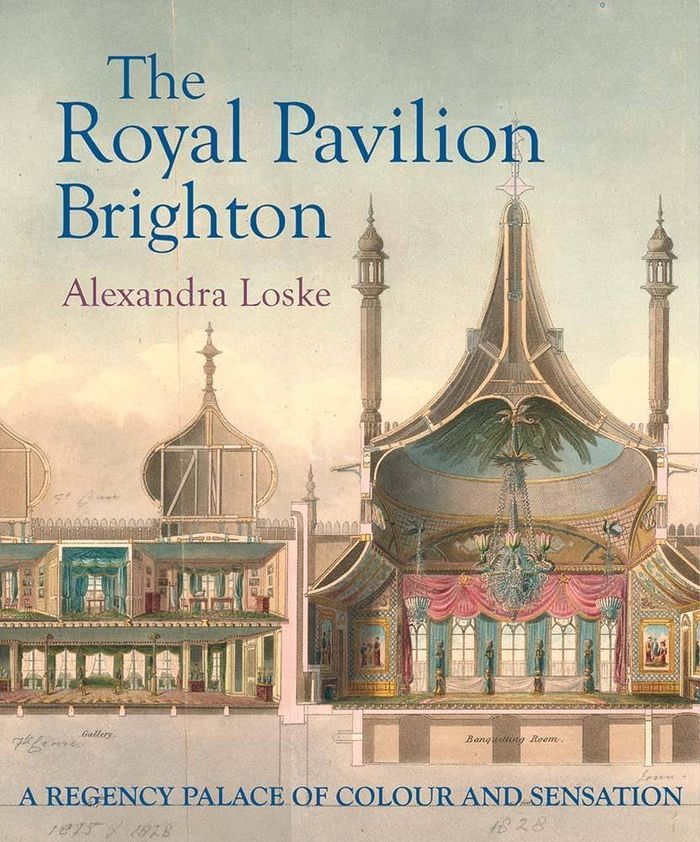
Created between 1787 and 1823 by George IV, the ''Royal Pavilion in Brighton'' is perhaps the most daring and enchanting example of a building that expresses the European fascination with what in the early nineteenth century was considered the “Orient,” in particular China and India. The building, with its Indian-inspired exterior, was the work of the renowned architect John Nash, who with the contributions of several other gifted and inventive architects, artists, and designers, created a building that draws you in, takes you on a journey, and plays with your senses. Featuring new photography, this lavishly illustrated book will provide a fresh look at the sumptuous Chinoiserie interiors of the Royal Pavilion and their enduring appeal. Drawing on recent research, conservation projects, and the unprecedented loan exhibition A Prince’s Treasure: From Buckingham Palace to the Royal Pavilion (2019–22), this book celebrates the colours and sensual beauty of these interiors while situating the Royal Pavilion in the context of the time of its creation and development under royal ownership, from its beginning in the wake of the French Revolution, through its transformation and extension during and just after the Napoleonic Wars, to its fate and legacy in the early Victorian era.
The Royal Pavilion, Brighton: A Regency palace of colour and sensation
Actions:
Prix:
$74.00
(disponible en magasin)
Résumé:
Created between 1787 and 1823 by George IV, the ''Royal Pavilion in Brighton'' is perhaps the most daring and enchanting example of a building that expresses the European fascination with what in the early nineteenth century was considered the “Orient,” in particular China and India. The building, with its Indian-inspired exterior, was the work of the renowned architect John Nash, who with the contributions of several other gifted and inventive architects, artists, and designers, created a building that draws you in, takes you on a journey, and plays with your senses. Featuring new photography, this lavishly illustrated book will provide a fresh look at the sumptuous Chinoiserie interiors of the Royal Pavilion and their enduring appeal. Drawing on recent research, conservation projects, and the unprecedented loan exhibition A Prince’s Treasure: From Buckingham Palace to the Royal Pavilion (2019–22), this book celebrates the colours and sensual beauty of these interiors while situating the Royal Pavilion in the context of the time of its creation and development under royal ownership, from its beginning in the wake of the French Revolution, through its transformation and extension during and just after the Napoleonic Wars, to its fate and legacy in the early Victorian era.
Classification:
livres
livres
Publication:
juillet 2025
juillet 2025
Classification:
livres
livres
Actions:
Prix:
$17.95
(disponible sur commande)
Résumé:
This ambitious book describes the many ways in which invention affects the environment (here defined broadly to include all forms of interaction between humans and nature). The book starts with nature itself and then leads readers to examine the built environment and then specific technologies in areas such as public health and energy. Each part focuses on a single(...)
$17.95
(disponible sur commande)
Résumé:
This ambitious book describes the many ways in which invention affects the environment (here defined broadly to include all forms of interaction between humans and nature). The book starts with nature itself and then leads readers to examine the built environment and then specific technologies in areas such as public health and energy. Each part focuses on a single(...)
Sujet:
Théorie de l’urbanisme
Théorie de l’urbanisme
Publication:
septembre 2008, Cambridge, London, Washinton
septembre 2008, Cambridge, London, Washinton
Titre:
Inventing for the environment
Actions:
Prix:
$17.95
(disponible sur commande)
Résumé:
This ambitious book describes the many ways in which invention affects the environment (here defined broadly to include all forms of interaction between humans and nature). The book starts with nature itself and then leads readers to examine the built environment and then specific technologies in areas such as public health and energy. Each part focuses on a single environmental issue. Topics range widely, from the role of innovation in urban landscapes to the relationship among technological innovation, public health, and the environment. Each part features an essay by a historian, an essay by a practitioner, and a "portrait of innovation" describing an individual whose work has made a difference. The mixture of historians and practitioners is critical because statements about the environment inevitably measure present and future conditions against those of the past. Early in the industrial revolution, smoke stacks were symbols of prosperity; at its end they were regarded as signs of pollution. Historical examples can also lead to the rediscovery of an old technology, as in the revival of straw bale construction. As it explores the history of invention for the environment, the book suggests many new ways to put the past to use for the common good.
Inventing for the environment
Actions:
Prix:
$17.95
(disponible sur commande)
Résumé:
This ambitious book describes the many ways in which invention affects the environment (here defined broadly to include all forms of interaction between humans and nature). The book starts with nature itself and then leads readers to examine the built environment and then specific technologies in areas such as public health and energy. Each part focuses on a single environmental issue. Topics range widely, from the role of innovation in urban landscapes to the relationship among technological innovation, public health, and the environment. Each part features an essay by a historian, an essay by a practitioner, and a "portrait of innovation" describing an individual whose work has made a difference. The mixture of historians and practitioners is critical because statements about the environment inevitably measure present and future conditions against those of the past. Early in the industrial revolution, smoke stacks were symbols of prosperity; at its end they were regarded as signs of pollution. Historical examples can also lead to the rediscovery of an old technology, as in the revival of straw bale construction. As it explores the history of invention for the environment, the book suggests many new ways to put the past to use for the common good.
Classification:
livres
livres
Publication:
septembre 2008, Cambridge, London, Washinton
septembre 2008, Cambridge, London, Washinton
Sujet:
Théorie de l’urbanisme
Théorie de l’urbanisme
Classification:
livres
livres

Titre:
The network society
The network society
Actions:
Prix:
$28.99
(disponible sur commande)
Résumé:
In The Network Society, Darin Barney provides a compelling examination of the social, political and economic implications of network technologies and their application across a wide range of practices and institutions. Are we in the midst of a digital revolution? Have new information and communication technologies given birth to a new form of society, or do they(...)
$28.99
(disponible sur commande)
Résumé:
In The Network Society, Darin Barney provides a compelling examination of the social, political and economic implications of network technologies and their application across a wide range of practices and institutions. Are we in the midst of a digital revolution? Have new information and communication technologies given birth to a new form of society, or do they(...)
Titre:
The network society
Actions:
Prix:
$28.99
(disponible sur commande)
Résumé:
In The Network Society, Darin Barney provides a compelling examination of the social, political and economic implications of network technologies and their application across a wide range of practices and institutions. Are we in the midst of a digital revolution? Have new information and communication technologies given birth to a new form of society, or do they reinforce and extend existing patterns and relationships? This book provides a clear and engaging discussion of these and other questions. Using a sophisticated model of the relationship between technology and society, Barney investigates both what has changed, and what has remained the same, in the age of the Internet. Among the issues discussed are debates concerning the emergence of a 'knowledge economy'; digital restructuring of employment and work; globalization and the status of the nation-state; the prospects of digital democracy; the digital divide; new social movements; and culture, community and identity in the age of new media. This book provides an accessible resource for a thoughtful engagement with life in the network society. It will be essential reading for students in sociology and media and communication studies. This will be a valuable textbook for undergraduate students of sociology and media and communication studies.
The network society
Actions:
Prix:
$28.99
(disponible sur commande)
Résumé:
In The Network Society, Darin Barney provides a compelling examination of the social, political and economic implications of network technologies and their application across a wide range of practices and institutions. Are we in the midst of a digital revolution? Have new information and communication technologies given birth to a new form of society, or do they reinforce and extend existing patterns and relationships? This book provides a clear and engaging discussion of these and other questions. Using a sophisticated model of the relationship between technology and society, Barney investigates both what has changed, and what has remained the same, in the age of the Internet. Among the issues discussed are debates concerning the emergence of a 'knowledge economy'; digital restructuring of employment and work; globalization and the status of the nation-state; the prospects of digital democracy; the digital divide; new social movements; and culture, community and identity in the age of new media. This book provides an accessible resource for a thoughtful engagement with life in the network society. It will be essential reading for students in sociology and media and communication studies. This will be a valuable textbook for undergraduate students of sociology and media and communication studies.
Classification:
livres
livres
Publication:
septembre 2004, Cambridge
septembre 2004, Cambridge
Sujet:
Épistémologie et réseau
Épistémologie et réseau
Classification:
livres
livres

Prix:
$31.50
(disponible sur commande)
Résumé:
Despite a modest revival in city living, Americans are spreading out more than ever—into "exurbs" and "boomburbs" miles from anywhere, in big houses in big subdivisions. We cling to the notion of safer neighborhoods and better schools, but what we get, argues Anthony Flint, is long commutes, crushing gas prices and higher taxes—and a landscape of strip malls and office(...)
$31.50
(disponible sur commande)
Résumé:
Despite a modest revival in city living, Americans are spreading out more than ever—into "exurbs" and "boomburbs" miles from anywhere, in big houses in big subdivisions. We cling to the notion of safer neighborhoods and better schools, but what we get, argues Anthony Flint, is long commutes, crushing gas prices and higher taxes—and a landscape of strip malls and office(...)
Titre:
This land : the battle over sprawl and the future of America
Actions:
Prix:
$31.50
(disponible sur commande)
Résumé:
Despite a modest revival in city living, Americans are spreading out more than ever—into "exurbs" and "boomburbs" miles from anywhere, in big houses in big subdivisions. We cling to the notion of safer neighborhoods and better schools, but what we get, argues Anthony Flint, is long commutes, crushing gas prices and higher taxes—and a landscape of strip malls and office parks badly in need of a makeover. "This land" tells the untold story of development in America—how the landscape is shaped by a furious clash of political, economic and cultural forces. It is the story of burgeoning anti-sprawl movement, a 1960s-style revolution of New Urbanism, smart growth, and green building. And it is the story of landowners fighting back on the basis of property rights, with free-market libertarians, homebuilders, road pavers, financial institutions, and even the lawn-care industry right alongside them. The subdivisions and extra-wide roadways are encroaching into the wetlands of Florida, ranchlands in Texas, and the desert outside Phoenix and Las Vegas. But with up to 120 million more people in the country by 2050, will the spread-out pattern cave in on itself? Could Americans embrace a new approach to development if it made sense for them?
This land : the battle over sprawl and the future of America
Actions:
Prix:
$31.50
(disponible sur commande)
Résumé:
Despite a modest revival in city living, Americans are spreading out more than ever—into "exurbs" and "boomburbs" miles from anywhere, in big houses in big subdivisions. We cling to the notion of safer neighborhoods and better schools, but what we get, argues Anthony Flint, is long commutes, crushing gas prices and higher taxes—and a landscape of strip malls and office parks badly in need of a makeover. "This land" tells the untold story of development in America—how the landscape is shaped by a furious clash of political, economic and cultural forces. It is the story of burgeoning anti-sprawl movement, a 1960s-style revolution of New Urbanism, smart growth, and green building. And it is the story of landowners fighting back on the basis of property rights, with free-market libertarians, homebuilders, road pavers, financial institutions, and even the lawn-care industry right alongside them. The subdivisions and extra-wide roadways are encroaching into the wetlands of Florida, ranchlands in Texas, and the desert outside Phoenix and Las Vegas. But with up to 120 million more people in the country by 2050, will the spread-out pattern cave in on itself? Could Americans embrace a new approach to development if it made sense for them?
Classification:
livres
livres
Publication:
juin 2006, Baltimore
juin 2006, Baltimore
Sujet:
Théorie de l’urbanisme
Théorie de l’urbanisme


