


2585 Résultats
Classification:
livres
livres
Actions:
Prix:
$64.95
(disponible sur commande)
Résumé:
The art of networked thinking consists in making complexity easier to handle and creating scope for new ideas. The approach, which is now applied in all spheres of knowledge, is one which also defines artistic practice. The subject of this book is some two dozen atlases, charts, and diagrams of Russian history and the history of art from antiquity to postmodernism that(...)
$64.95
(disponible sur commande)
Résumé:
The art of networked thinking consists in making complexity easier to handle and creating scope for new ideas. The approach, which is now applied in all spheres of knowledge, is one which also defines artistic practice. The subject of this book is some two dozen atlases, charts, and diagrams of Russian history and the history of art from antiquity to postmodernism that(...)
Titre:
Maciunas' learning machines: from art history to a chronology of Fluxus, second revised and enlarged edition
Actions:
Prix:
$64.95
(disponible sur commande)
Résumé:
The art of networked thinking consists in making complexity easier to handle and creating scope for new ideas. The approach, which is now applied in all spheres of knowledge, is one which also defines artistic practice. The subject of this book is some two dozen atlases, charts, and diagrams of Russian history and the history of art from antiquity to postmodernism that were designed between 1953 and 1973 by Fluxus initiator George Maciunas. Without such visualization of the past, so Maciunas believed, there could be no real understanding of how art and politics have evolved. His maps, charts, and diagrams, more than half of which are published for the first time here in this second edition, attempt in various ways to draw a picture of history made up of dates and facts, and lines and arrows. The result is fascinating, for both science and art.
Maciunas' learning machines: from art history to a chronology of Fluxus, second revised and enlarged edition
Actions:
Prix:
$64.95
(disponible sur commande)
Résumé:
The art of networked thinking consists in making complexity easier to handle and creating scope for new ideas. The approach, which is now applied in all spheres of knowledge, is one which also defines artistic practice. The subject of this book is some two dozen atlases, charts, and diagrams of Russian history and the history of art from antiquity to postmodernism that were designed between 1953 and 1973 by Fluxus initiator George Maciunas. Without such visualization of the past, so Maciunas believed, there could be no real understanding of how art and politics have evolved. His maps, charts, and diagrams, more than half of which are published for the first time here in this second edition, attempt in various ways to draw a picture of history made up of dates and facts, and lines and arrows. The result is fascinating, for both science and art.
Classification:
livres
livres
Publication:
novembre 2005
novembre 2005
Classification:
livres
livres
Actions:
Prix:
$27.95
(disponible sur commande)
Résumé:
Dans cette synthèse historique sur la place du vélo à Montréal, Simon Lord démontre que la métropole québécoise a bel et bien une culture cycliste et que celle-ci ne date pas d’hier. De l’arrivée du premier vélocipède au Québec en 1868 à l’avènement du BIXI et du Réseau express vélo (REV), il s’applique à dessiner le contour de la pratique cycliste sur l’île et à en(...)
$27.95
(disponible sur commande)
Résumé:
Dans cette synthèse historique sur la place du vélo à Montréal, Simon Lord démontre que la métropole québécoise a bel et bien une culture cycliste et que celle-ci ne date pas d’hier. De l’arrivée du premier vélocipède au Québec en 1868 à l’avènement du BIXI et du Réseau express vélo (REV), il s’applique à dessiner le contour de la pratique cycliste sur l’île et à en(...)
Titre:
Petite histoire du vélo à Montréal
Actions:
Prix:
$27.95
(disponible sur commande)
Résumé:
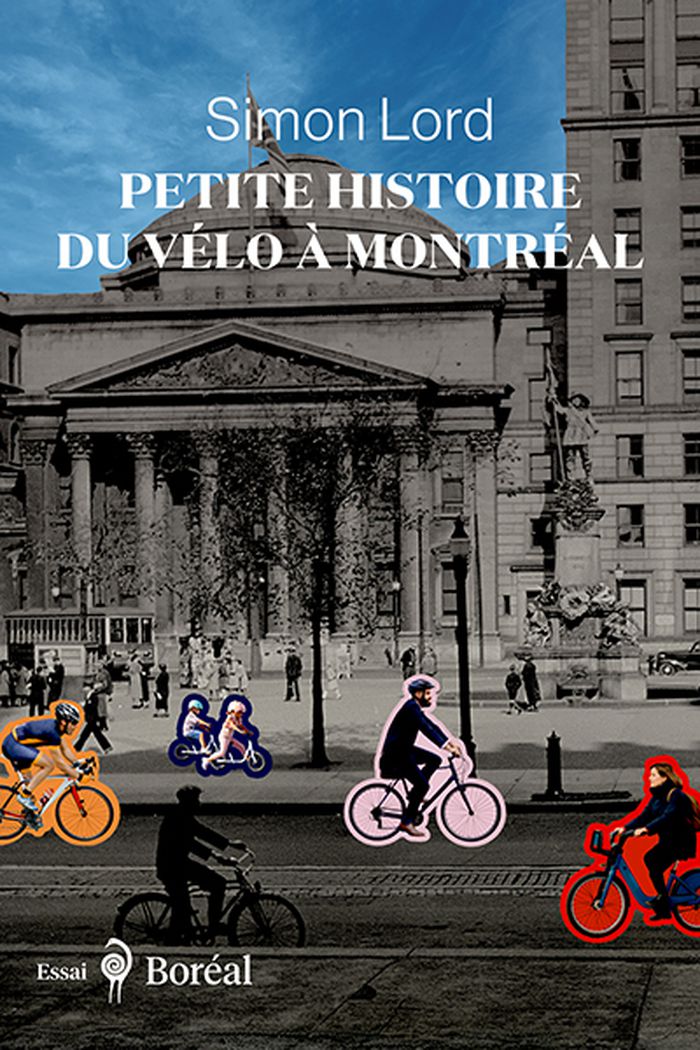
Dans cette synthèse historique sur la place du vélo à Montréal, Simon Lord démontre que la métropole québécoise a bel et bien une culture cycliste et que celle-ci ne date pas d’hier. De l’arrivée du premier vélocipède au Québec en 1868 à l’avènement du BIXI et du Réseau express vélo (REV), il s’applique à dessiner le contour de la pratique cycliste sur l’île et à en retracer les hauts et les bas au gré des époques, en s’appuyant sur de nombreuses sources journalistiques et historiques ainsi que sur les grands projets d’urbanisation qui ont fait de Montréal la ville qu’elle est aujourd’hui. Entre machine sportive préférée de la grande bourgeoisie et symbole de modernité, jouet pour enfants et moyen de transport populaire, outil de travail et emblème de la contre-culture, le vélo à Montréal a une longue histoire, aussi mouvementée que fascinante, qui s’est écrite en opposition et en résistance à la place grandissante accordée à l’automobile à partir du milieu du XXe siècle. Car au-delà de sa commodité, de ses vertus pour la santé et l’environnement, et du plaisir qu’il génère, la question centrale que pose le vélo depuis cent cinquante ans peut se résumer ainsi : comment souhaite-t-on naviguer et donc habiter la ville ?
Petite histoire du vélo à Montréal
Actions:
Prix:
$27.95
(disponible sur commande)
Résumé:
Dans cette synthèse historique sur la place du vélo à Montréal, Simon Lord démontre que la métropole québécoise a bel et bien une culture cycliste et que celle-ci ne date pas d’hier. De l’arrivée du premier vélocipède au Québec en 1868 à l’avènement du BIXI et du Réseau express vélo (REV), il s’applique à dessiner le contour de la pratique cycliste sur l’île et à en retracer les hauts et les bas au gré des époques, en s’appuyant sur de nombreuses sources journalistiques et historiques ainsi que sur les grands projets d’urbanisation qui ont fait de Montréal la ville qu’elle est aujourd’hui. Entre machine sportive préférée de la grande bourgeoisie et symbole de modernité, jouet pour enfants et moyen de transport populaire, outil de travail et emblème de la contre-culture, le vélo à Montréal a une longue histoire, aussi mouvementée que fascinante, qui s’est écrite en opposition et en résistance à la place grandissante accordée à l’automobile à partir du milieu du XXe siècle. Car au-delà de sa commodité, de ses vertus pour la santé et l’environnement, et du plaisir qu’il génère, la question centrale que pose le vélo depuis cent cinquante ans peut se résumer ainsi : comment souhaite-t-on naviguer et donc habiter la ville ?
Classification:
livres
livres
Publication:
mai 2026
mai 2026
Sujet:
Architecture de Montréal
Architecture de Montréal
Classification:
livres
livres
Actions:
Prix:
$84.00
(disponible sur commande)
Résumé:
Arthur Brown Jr. (1874-1957) is celebrated by his peers for such masterpieces as the City Hall, War Memorial Opera House, Temple Emanu-El, and Coit Tower in San Francisco; the Pasadena City Hall; and the Labor-ICC block of the Federal Triangle in Washington, DC. Brown epitomized the idea that architecture not only houses society’s daily rituals and defining events but(...)
$84.00
(disponible sur commande)
Résumé:
Arthur Brown Jr. (1874-1957) is celebrated by his peers for such masterpieces as the City Hall, War Memorial Opera House, Temple Emanu-El, and Coit Tower in San Francisco; the Pasadena City Hall; and the Labor-ICC block of the Federal Triangle in Washington, DC. Brown epitomized the idea that architecture not only houses society’s daily rituals and defining events but(...)
Titre:
Arthur Brown, Jr. : progressive classicist
Actions:
Prix:
$84.00
(disponible sur commande)
Résumé:
Arthur Brown Jr. (1874-1957) is celebrated by his peers for such masterpieces as the City Hall, War Memorial Opera House, Temple Emanu-El, and Coit Tower in San Francisco; the Pasadena City Hall; and the Labor-ICC block of the Federal Triangle in Washington, DC. Brown epitomized the idea that architecture not only houses society’s daily rituals and defining events but also can itself shape the sociopolitical landscape of America. "Arthur Brown Jr.: progressive classicist" unifies the varied strands of the architect’s life, from the architectural forms and methods of the Ecole des Beaux-Arts in Paris to the reforming spirit and self-reliant confidence of San Francisco after the earthquake and fire of 1906 to the challenging economics and changing aesthetics of machine-age America. It details the development of Brown’s major works and many other civic, commercial, religious, academic, and residential buildings. It chronicles his unflagging commitment to the classical tradition, which he employed in contemporary, forward-looking institutional buildings that emphasized continuity with the past while meeting the needs of the future. To Brown, the classical tradition was not a sacrosanct, unchanging body of knowledge; it was an expanding and evolving set of ideas about architectural design that permitted, and even demanded, change as new conditions and technologies were developed.
Arthur Brown, Jr. : progressive classicist
Actions:
Prix:
$84.00
(disponible sur commande)
Résumé:
Arthur Brown Jr. (1874-1957) is celebrated by his peers for such masterpieces as the City Hall, War Memorial Opera House, Temple Emanu-El, and Coit Tower in San Francisco; the Pasadena City Hall; and the Labor-ICC block of the Federal Triangle in Washington, DC. Brown epitomized the idea that architecture not only houses society’s daily rituals and defining events but also can itself shape the sociopolitical landscape of America. "Arthur Brown Jr.: progressive classicist" unifies the varied strands of the architect’s life, from the architectural forms and methods of the Ecole des Beaux-Arts in Paris to the reforming spirit and self-reliant confidence of San Francisco after the earthquake and fire of 1906 to the challenging economics and changing aesthetics of machine-age America. It details the development of Brown’s major works and many other civic, commercial, religious, academic, and residential buildings. It chronicles his unflagging commitment to the classical tradition, which he employed in contemporary, forward-looking institutional buildings that emphasized continuity with the past while meeting the needs of the future. To Brown, the classical tradition was not a sacrosanct, unchanging body of knowledge; it was an expanding and evolving set of ideas about architectural design that permitted, and even demanded, change as new conditions and technologies were developed.
Classification:
livres
livres
Publication:
novembre 2005, New York
novembre 2005, New York
Sujet:
Architecture, monographies
Architecture, monographies
Classification:
livres
livres
Titre:
Design through making
Design through making
Actions:
Prix:
$54.99
(disponible sur commande)
Résumé:
Most architects who build do not make buildings; they make information that makes buildings. Making buildings requires acquiring knowledge not only of the world of information exchange, but also of the world of making things. It is an expertise that goes beyond the architectural drawing and an expertise that many designers cannot claim to fully possess or practice.(...)
$54.99
(disponible sur commande)
Résumé:
Most architects who build do not make buildings; they make information that makes buildings. Making buildings requires acquiring knowledge not only of the world of information exchange, but also of the world of making things. It is an expertise that goes beyond the architectural drawing and an expertise that many designers cannot claim to fully possess or practice.(...)
Titre:
Design through making
Actions:
Prix:
$54.99
(disponible sur commande)
Résumé:
Most architects who build do not make buildings; they make information that makes buildings. Making buildings requires acquiring knowledge not only of the world of information exchange, but also of the world of making things. It is an expertise that goes beyond the architectural drawing and an expertise that many designers cannot claim to fully possess or practice. "Design through making" is not only directed at architects, but engineers, educators, fabricators, machine operators, and anyone with an interest in the manifestation of ideas. It seeks to challenge outmoded notions that building production is preceded by design, and making is merely the cooking of the raw, or the end game where no further design ideas are explored. Here, a hybrid mode is recognised where the investigation of ideas is fully engaged with the tactile, physical nature of architecture and building processes. It is an issue that celebrates the re-emergence of making, not merely as an immense resource for ideas, experimentation and customisation, but as a critical resource that will redefine architectural practices. This title includes the work of Block Architecture, Mark Burry, Thomas Heatherwick Studios and Walter Pichler; there is also a special feature on Japanese traditions in architecture. Contributors include: Iain Borden, Sarah Chaplin, David Dunster, Jonathan Hill and Mark Prizeman.
Design through making
Actions:
Prix:
$54.99
(disponible sur commande)
Résumé:
Most architects who build do not make buildings; they make information that makes buildings. Making buildings requires acquiring knowledge not only of the world of information exchange, but also of the world of making things. It is an expertise that goes beyond the architectural drawing and an expertise that many designers cannot claim to fully possess or practice. "Design through making" is not only directed at architects, but engineers, educators, fabricators, machine operators, and anyone with an interest in the manifestation of ideas. It seeks to challenge outmoded notions that building production is preceded by design, and making is merely the cooking of the raw, or the end game where no further design ideas are explored. Here, a hybrid mode is recognised where the investigation of ideas is fully engaged with the tactile, physical nature of architecture and building processes. It is an issue that celebrates the re-emergence of making, not merely as an immense resource for ideas, experimentation and customisation, but as a critical resource that will redefine architectural practices. This title includes the work of Block Architecture, Mark Burry, Thomas Heatherwick Studios and Walter Pichler; there is also a special feature on Japanese traditions in architecture. Contributors include: Iain Borden, Sarah Chaplin, David Dunster, Jonathan Hill and Mark Prizeman.
Classification:
livres
livres
Publication:
août 2005, London
août 2005, London
Classification:
livres
livres

Titre:
Ant
Ant
Actions:
Prix:
$25.00
(disponible sur commande)
Résumé:
Ants are legion: at present there are 11,006 species of ant known; they live everywhere in the world except the polar icecaps; and the combined weight of the ant population has been estimated to make up half the mass of all insects alive today. When we encounter them outdoors, ants fascinate us; discovered in our kitchen cupboards, they elicit horror and disgust.(...)
$25.00
(disponible sur commande)
Résumé:
Ants are legion: at present there are 11,006 species of ant known; they live everywhere in the world except the polar icecaps; and the combined weight of the ant population has been estimated to make up half the mass of all insects alive today. When we encounter them outdoors, ants fascinate us; discovered in our kitchen cupboards, they elicit horror and disgust.(...)
Titre:
Ant
Actions:
Prix:
$25.00
(disponible sur commande)
Résumé:
Ants are legion: at present there are 11,006 species of ant known; they live everywhere in the world except the polar icecaps; and the combined weight of the ant population has been estimated to make up half the mass of all insects alive today. When we encounter them outdoors, ants fascinate us; discovered in our kitchen cupboards, they elicit horror and disgust. Charlotte Sleigh’s 'Ant' elucidates the cultural reasons behind our varied reactions to these extraordinary insects, and considers the variety of responses that humans have expressed at different times and in different places to their intricate, miniature societies. Ants have figured as fantasy miniature armies, as models of good behaviour, as infiltrating communists and as creatures on the borderline between the realms of the organic and the machine: in 1977 British Telecom hired ant experts to help solve problems with their massive information network. This is the first book to examine ants in these and many other such guises, and in so doing opens up broader issues about the history of science and humans’ relations with the natural world. It will be of interest to anyone who likes natural history or cultural studies, or who has ever rushed out and bought a can of Raid™.
Ant
Actions:
Prix:
$25.00
(disponible sur commande)
Résumé:
Ants are legion: at present there are 11,006 species of ant known; they live everywhere in the world except the polar icecaps; and the combined weight of the ant population has been estimated to make up half the mass of all insects alive today. When we encounter them outdoors, ants fascinate us; discovered in our kitchen cupboards, they elicit horror and disgust. Charlotte Sleigh’s 'Ant' elucidates the cultural reasons behind our varied reactions to these extraordinary insects, and considers the variety of responses that humans have expressed at different times and in different places to their intricate, miniature societies. Ants have figured as fantasy miniature armies, as models of good behaviour, as infiltrating communists and as creatures on the borderline between the realms of the organic and the machine: in 1977 British Telecom hired ant experts to help solve problems with their massive information network. This is the first book to examine ants in these and many other such guises, and in so doing opens up broader issues about the history of science and humans’ relations with the natural world. It will be of interest to anyone who likes natural history or cultural studies, or who has ever rushed out and bought a can of Raid™.
Classification:
livres
livres
Publication:
janvier 1900, London
janvier 1900, London
Sujet:
Faune et flore
Faune et flore
Classification:
livres
livres
Actions:
Prix:
$48.95
(disponible sur commande)
Résumé:
In recent years, the boundaries between art and design have become more and more blurred. It is not the object itself, but rather its economic functionality that determines where design stops and art begins - and this functionality is reassessed at every link in the chain of the object s dissemination. In fact, it is often customs officials who subjectively decide what(...)
$48.95
(disponible sur commande)
Résumé:
In recent years, the boundaries between art and design have become more and more blurred. It is not the object itself, but rather its economic functionality that determines where design stops and art begins - and this functionality is reassessed at every link in the chain of the object s dissemination. In fact, it is often customs officials who subjectively decide what(...)
Titre:
Taxing art: when objects travel
Actions:
Prix:
$48.95
(disponible sur commande)
Résumé:
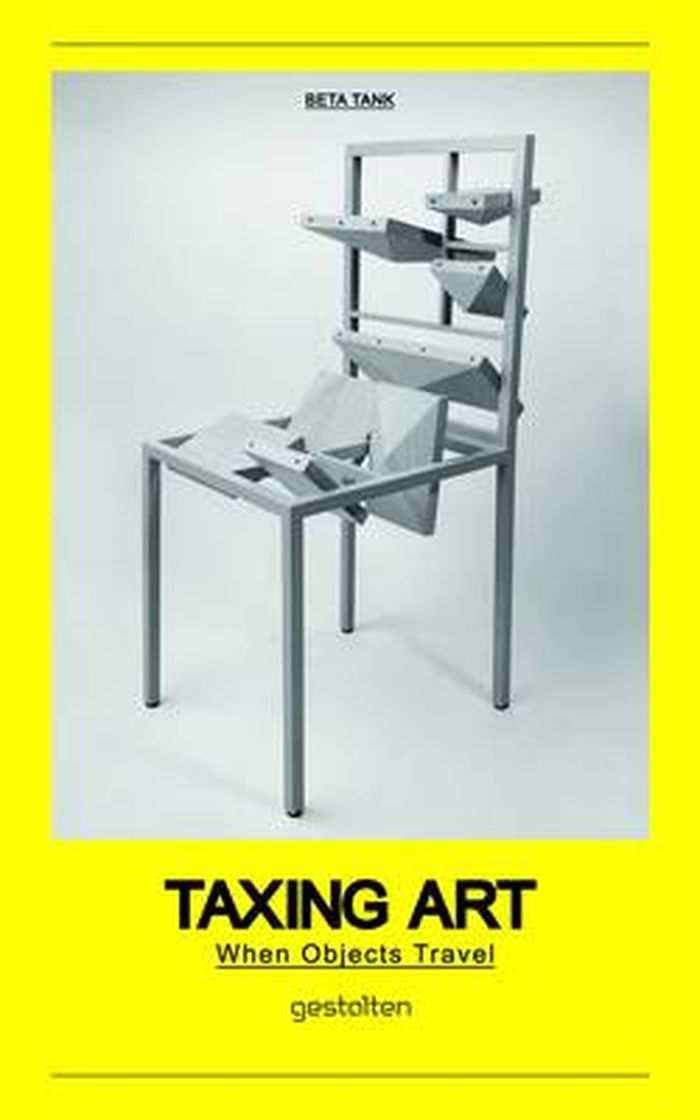
In recent years, the boundaries between art and design have become more and more blurred. It is not the object itself, but rather its economic functionality that determines where design stops and art begins - and this functionality is reassessed at every link in the chain of the object s dissemination. In fact, it is often customs officials who subjectively decide what constitutes art and design based on their personal views and erratic local tax laws. Taxing Art is an insightful case study by Beta Tank that illustrates the influence of tax laws on art and creativity. The Berlin-based studio created a series of blended work, which was partly handmade and partly machine-made, and sent it around the world. Naturally, this resulted in differing customs duties. The book is a buoyantly ironic, clever documentation and analysis of the effect of traditional, bureaucratic procedures on innovative work. Beta Tank hopes this publication will fuel a dialog about how true innovation and creativity, that which crosses boundaries and moves into the unknown, can be actively pursued and matched within existing categories and assumptions about business practices and results. The book puts a spotlight on the effect that tax laws have on art and design.
Taxing art: when objects travel
Actions:
Prix:
$48.95
(disponible sur commande)
Résumé:
In recent years, the boundaries between art and design have become more and more blurred. It is not the object itself, but rather its economic functionality that determines where design stops and art begins - and this functionality is reassessed at every link in the chain of the object s dissemination. In fact, it is often customs officials who subjectively decide what constitutes art and design based on their personal views and erratic local tax laws. Taxing Art is an insightful case study by Beta Tank that illustrates the influence of tax laws on art and creativity. The Berlin-based studio created a series of blended work, which was partly handmade and partly machine-made, and sent it around the world. Naturally, this resulted in differing customs duties. The book is a buoyantly ironic, clever documentation and analysis of the effect of traditional, bureaucratic procedures on innovative work. Beta Tank hopes this publication will fuel a dialog about how true innovation and creativity, that which crosses boundaries and moves into the unknown, can be actively pursued and matched within existing categories and assumptions about business practices and results. The book puts a spotlight on the effect that tax laws have on art and design.
Classification:
livres
livres
Publication:
avril 2011
avril 2011
Classification:
livres
livres
Actions:
Prix:
$59.95
(disponible sur commande)
Résumé:
L'architecte italien Carlo Scarpa a produit entre 1953 et 1979 une série de réalisations incroyablement variées qui ont remis en question les idées sur ce que l'architecture moderne pouvait être. Il jugeait nécessaire de concilier une adhésion profonde à la nouveauté avec les traditions de l'artisanat local et les pratiques universelles séculaires, afin de créer une(...)
$59.95
(disponible sur commande)
Résumé:
L'architecte italien Carlo Scarpa a produit entre 1953 et 1979 une série de réalisations incroyablement variées qui ont remis en question les idées sur ce que l'architecture moderne pouvait être. Il jugeait nécessaire de concilier une adhésion profonde à la nouveauté avec les traditions de l'artisanat local et les pratiques universelles séculaires, afin de créer une(...)
Sujet:
Publications du CCA
Publications du CCA
Publication:
mai 1999, Montréal/New York
mai 1999, Montréal/New York
Titre:
Carlo Scarpa architecte : composer avec l'histoire
Actions:
Prix:
$59.95
(disponible sur commande)
Résumé:
L'architecte italien Carlo Scarpa a produit entre 1953 et 1979 une série de réalisations incroyablement variées qui ont remis en question les idées sur ce que l'architecture moderne pouvait être. Il jugeait nécessaire de concilier une adhésion profonde à la nouveauté avec les traditions de l'artisanat local et les pratiques universelles séculaires, afin de créer une architecture qui saurait être l'expression de notre civilisation de la machine sans abandonner la force psychique et sensuelle du lieu, de la matière et de la mémoire. Cette conciliation que cherchait Scarpa prend forme dans les réalisations discutées ici - le palais Abatellis, la gypsothèque de Canova, le musée du Castelvecchio, la maison Veritti, le magasin Olivetti, le palais de la Fondation Querini Stampalia, la Banca Popolare et la tombe de la famille Brion - et qui, subtilement, gardent une grande pertinence pour une époque de plus en plus préoccupée d'adapter à ses besoins le monde bâti - plutôt que de le révolutionner. Carlo Scarpa, architecte : Composer avec l'histoire illustre, à l'aide de nombreux dessins de Scarpa, les façons dont l'architecte fait entrer en dialogue la lumière, l'espace et l'architecture dans un contexte urbain dense et chargé d'histoire . Ce dialogue est mis en valeur par l'œil patient du photographe italien Guido Guidi qui présente les bâtiments dans leur état actuel.
Carlo Scarpa architecte : composer avec l'histoire
Actions:
Prix:
$59.95
(disponible sur commande)
Résumé:
L'architecte italien Carlo Scarpa a produit entre 1953 et 1979 une série de réalisations incroyablement variées qui ont remis en question les idées sur ce que l'architecture moderne pouvait être. Il jugeait nécessaire de concilier une adhésion profonde à la nouveauté avec les traditions de l'artisanat local et les pratiques universelles séculaires, afin de créer une architecture qui saurait être l'expression de notre civilisation de la machine sans abandonner la force psychique et sensuelle du lieu, de la matière et de la mémoire. Cette conciliation que cherchait Scarpa prend forme dans les réalisations discutées ici - le palais Abatellis, la gypsothèque de Canova, le musée du Castelvecchio, la maison Veritti, le magasin Olivetti, le palais de la Fondation Querini Stampalia, la Banca Popolare et la tombe de la famille Brion - et qui, subtilement, gardent une grande pertinence pour une époque de plus en plus préoccupée d'adapter à ses besoins le monde bâti - plutôt que de le révolutionner. Carlo Scarpa, architecte : Composer avec l'histoire illustre, à l'aide de nombreux dessins de Scarpa, les façons dont l'architecte fait entrer en dialogue la lumière, l'espace et l'architecture dans un contexte urbain dense et chargé d'histoire . Ce dialogue est mis en valeur par l'œil patient du photographe italien Guido Guidi qui présente les bâtiments dans leur état actuel.
Classification:
livres
livres
Publication:
mai 1999, Montréal/New York
mai 1999, Montréal/New York
Sujet:
Publications du CCA
Publications du CCA
Classification:
livres
livres
Prix:
$41.95
(disponible sur commande)
Résumé:
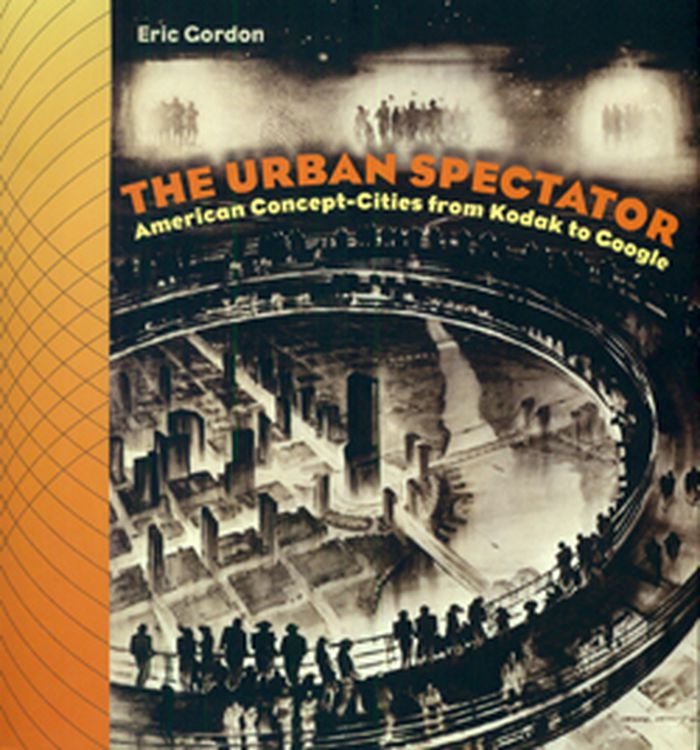
The Urban Spectator is a lively and utterly fascinating exploration of the ways in which technologies have influenced our collective conception of the American city, as well as our relationship with urban space and architecture. Eric Gordon argues that the city, developing late and in conjunction with a range of modern media, produced a particular way of seeing--what he(...)
$41.95
(disponible sur commande)
Résumé:
The Urban Spectator is a lively and utterly fascinating exploration of the ways in which technologies have influenced our collective conception of the American city, as well as our relationship with urban space and architecture. Eric Gordon argues that the city, developing late and in conjunction with a range of modern media, produced a particular way of seeing--what he(...)
Titre:
The urban spectator: American concept-cities from Kodak to Google
Actions:
Prix:
$41.95
(disponible sur commande)
Résumé:
The Urban Spectator is a lively and utterly fascinating exploration of the ways in which technologies have influenced our collective conception of the American city, as well as our relationship with urban space and architecture. Eric Gordon argues that the city, developing late and in conjunction with a range of modern media, produced a particular way of seeing--what he labels "possessive spectatorship." Lacking the historical rootedness of European cities, the American city was open to individual interpretation, definition, and ownership. Beginning with the White City of the Chicago World's Fair of 1893 and the efforts to commodify the concept city through photography, Gordon shows how the American city has always been a product of the collision between the dominant conceptualization, shaped by contemporary media, and the spectator. From the viewfinder of the Kodak camera, to the public display of early cinema, to the speculative desire of network radio, all the way to machine-age utopianism, nostalgia, and America's "rerun" culture, the city is an amalgam of practice and concept. All of this comes to a head in the "database city" where urban spectatorship takes on the characteristics of a Google search. In new urban developments, the spectator searches, retrieves, and combines urban references to construct each experience of the city.
The urban spectator: American concept-cities from Kodak to Google
Actions:
Prix:
$41.95
(disponible sur commande)
Résumé:
The Urban Spectator is a lively and utterly fascinating exploration of the ways in which technologies have influenced our collective conception of the American city, as well as our relationship with urban space and architecture. Eric Gordon argues that the city, developing late and in conjunction with a range of modern media, produced a particular way of seeing--what he labels "possessive spectatorship." Lacking the historical rootedness of European cities, the American city was open to individual interpretation, definition, and ownership. Beginning with the White City of the Chicago World's Fair of 1893 and the efforts to commodify the concept city through photography, Gordon shows how the American city has always been a product of the collision between the dominant conceptualization, shaped by contemporary media, and the spectator. From the viewfinder of the Kodak camera, to the public display of early cinema, to the speculative desire of network radio, all the way to machine-age utopianism, nostalgia, and America's "rerun" culture, the city is an amalgam of practice and concept. All of this comes to a head in the "database city" where urban spectatorship takes on the characteristics of a Google search. In new urban developments, the spectator searches, retrieves, and combines urban references to construct each experience of the city.
Classification:
livres
livres
Publication:
février 2010
février 2010
Sujet:
Théorie de l’urbanisme
Théorie de l’urbanisme
Classification:
livres
livres
Titre:
What comes after farce?
What comes after farce?
Actions:
Prix:
$33.95
(disponible sur commande)
Résumé:
If farce follows tragedy, what follows farce? Where does the double predicament of a post-truth and post-shame politics leave artists and critics on the left? How to demystify a hegemonic order that dismisses its own contradictions? How to belittle a political elite that cannot be embarrassed, or to mock party leaders who thrive on the absurd? How to out-dada President(...)
$33.95
(disponible sur commande)
Résumé:
If farce follows tragedy, what follows farce? Where does the double predicament of a post-truth and post-shame politics leave artists and critics on the left? How to demystify a hegemonic order that dismisses its own contradictions? How to belittle a political elite that cannot be embarrassed, or to mock party leaders who thrive on the absurd? How to out-dada President(...)
Titre:
What comes after farce?
Actions:
Prix:
$33.95
(disponible sur commande)
Résumé:
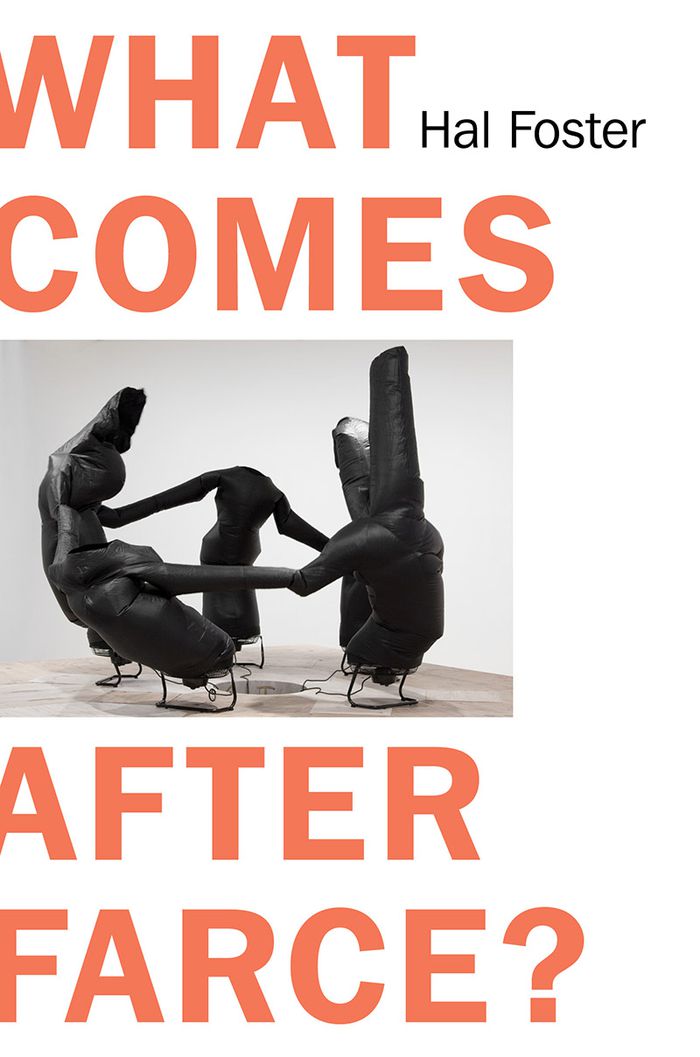
If farce follows tragedy, what follows farce? Where does the double predicament of a post-truth and post-shame politics leave artists and critics on the left? How to demystify a hegemonic order that dismisses its own contradictions? How to belittle a political elite that cannot be embarrassed, or to mock party leaders who thrive on the absurd? How to out-dada President Ubu? And, in any event, why add outrage to a media economy that thrives on the same? 'What Comes After Farce?' comments on shifts in art, criticism, and fiction in the face of the current regime of war, surveillance, extreme inequality, and media disruption. A first section focuses on the cultural politics of emergency since 9/11, including the use and abuse of trauma, paranoia, and kitsch. A second reviews the neoliberal makeover of art institutions during the same period. Finally, a third section surveys transformations in media as reflected in recent art, film, and fiction. Among the phenomena explored here are “machine vision” (images produced by machines for other machines without a human interface),“operational images” (images that do not represent the world so much as intervene in it), and the algorithmic scripting of information so pervasive in our everyday lives.
What comes after farce?
Actions:
Prix:
$33.95
(disponible sur commande)
Résumé:
If farce follows tragedy, what follows farce? Where does the double predicament of a post-truth and post-shame politics leave artists and critics on the left? How to demystify a hegemonic order that dismisses its own contradictions? How to belittle a political elite that cannot be embarrassed, or to mock party leaders who thrive on the absurd? How to out-dada President Ubu? And, in any event, why add outrage to a media economy that thrives on the same? 'What Comes After Farce?' comments on shifts in art, criticism, and fiction in the face of the current regime of war, surveillance, extreme inequality, and media disruption. A first section focuses on the cultural politics of emergency since 9/11, including the use and abuse of trauma, paranoia, and kitsch. A second reviews the neoliberal makeover of art institutions during the same period. Finally, a third section surveys transformations in media as reflected in recent art, film, and fiction. Among the phenomena explored here are “machine vision” (images produced by machines for other machines without a human interface),“operational images” (images that do not represent the world so much as intervene in it), and the algorithmic scripting of information so pervasive in our everyday lives.
Classification:
livres
livres
Publication:
juin 2020
juin 2020
Sujet:
Théorie/ philosophie
Théorie/ philosophie
Classification:
livres
livres
Actions:
Prix:
$56.95
(disponible sur commande)
Résumé:
How do we live well? The first sentence of ''Grace and gravity'' raises the fundamental question that constantly occupies our minds-and of all those who lived before us. Paradoxically, the impossibility of answering this question opens up the very room needed to find ways of living well. It is the gap where all disciplines fall short, where architecture does not fit its(...)
$56.95
(disponible sur commande)
Résumé:
How do we live well? The first sentence of ''Grace and gravity'' raises the fundamental question that constantly occupies our minds-and of all those who lived before us. Paradoxically, the impossibility of answering this question opens up the very room needed to find ways of living well. It is the gap where all disciplines fall short, where architecture does not fit its(...)
Titre:
Grace and gravity: Architectures of the figure
Actions:
Prix:
$56.95
(disponible sur commande)
Résumé:
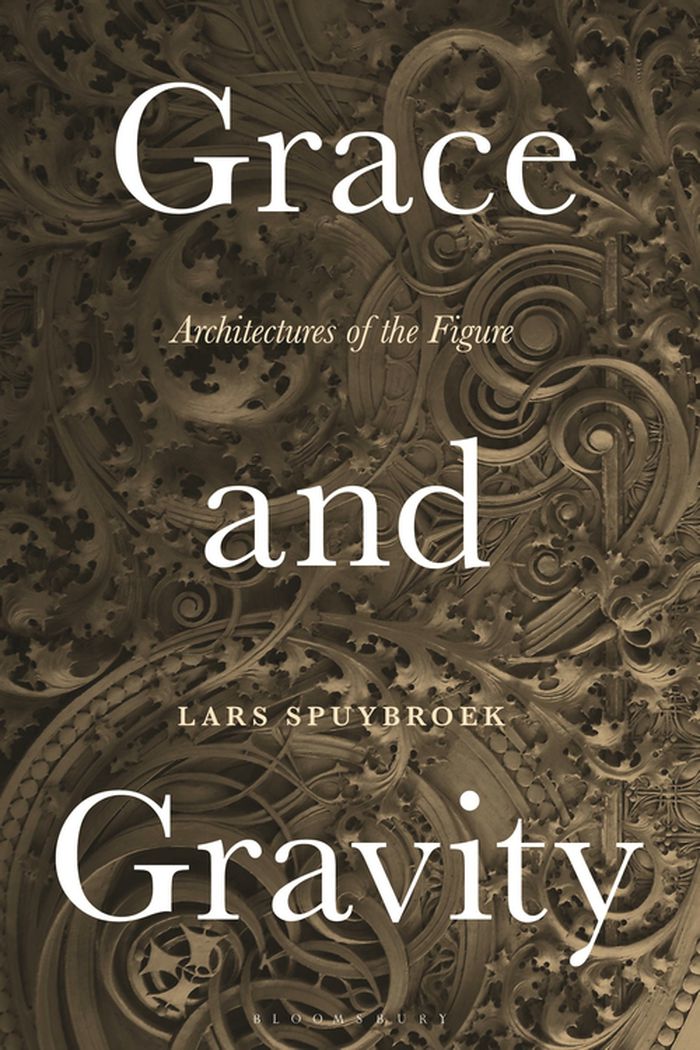
How do we live well? The first sentence of ''Grace and gravity'' raises the fundamental question that constantly occupies our minds-and of all those who lived before us. Paradoxically, the impossibility of answering this question opens up the very room needed to find ways of living well. It is the gap where all disciplines fall short, where architecture does not fit its inhabitants, where economy is not based on shortage, where religion cannot be explained by its followers, and where technology works far beyond its own principles. According to Lars Spuybroek, the prize-winning former architect, this marks the point where the “paradoxical machine” of grace reveals its powers, a point where we “cannot say if we are moving or being moved”. Following the trail of grace leads him to a new form of analysis that transcends the age-old opposition between appearances and technology. Linking up a dazzling and often delightful variety of sources-monkeys, paintings, lamp posts, octopuses, tattoos, bleeding fingers, rose windows, robots, smart phones, spirits, saints, and fossils-with profound meditations on living, death, consciousness, and existence, ''Grace and gravity'' offers an eye-opening provocation to a wide range of art historians, architects, theologians, anthropologists, artists, media theorists and philosophers.
Grace and gravity: Architectures of the figure
Actions:
Prix:
$56.95
(disponible sur commande)
Résumé:
How do we live well? The first sentence of ''Grace and gravity'' raises the fundamental question that constantly occupies our minds-and of all those who lived before us. Paradoxically, the impossibility of answering this question opens up the very room needed to find ways of living well. It is the gap where all disciplines fall short, where architecture does not fit its inhabitants, where economy is not based on shortage, where religion cannot be explained by its followers, and where technology works far beyond its own principles. According to Lars Spuybroek, the prize-winning former architect, this marks the point where the “paradoxical machine” of grace reveals its powers, a point where we “cannot say if we are moving or being moved”. Following the trail of grace leads him to a new form of analysis that transcends the age-old opposition between appearances and technology. Linking up a dazzling and often delightful variety of sources-monkeys, paintings, lamp posts, octopuses, tattoos, bleeding fingers, rose windows, robots, smart phones, spirits, saints, and fossils-with profound meditations on living, death, consciousness, and existence, ''Grace and gravity'' offers an eye-opening provocation to a wide range of art historians, architects, theologians, anthropologists, artists, media theorists and philosophers.
Classification:
livres
livres
Publication:
novembre 2020
novembre 2020
Sujet:
Théorie de l’architecture
Théorie de l’architecture


