


10573 Résultats
Classification:
livres
livres

Actions:
Prix:
$13.99
(disponible en magasin)
Résumé:
"Three economies of transcendence" offers a sharp critique of how transcendence underpins the symbolic, economic, and environmental crises of the modern world. Andrea Righi identifies three distinct “economies of transcendence” that sustain neoliberal systems of power. Termed the economy of rank, the economy of infinite valorization, and the phallic economy of time, these(...)
$13.99
(disponible en magasin)
Résumé:
"Three economies of transcendence" offers a sharp critique of how transcendence underpins the symbolic, economic, and environmental crises of the modern world. Andrea Righi identifies three distinct “economies of transcendence” that sustain neoliberal systems of power. Termed the economy of rank, the economy of infinite valorization, and the phallic economy of time, these(...)
Titre:
Three economies of transcendence
Actions:
Prix:
$13.99
(disponible en magasin)
Résumé:
"Three economies of transcendence" offers a sharp critique of how transcendence underpins the symbolic, economic, and environmental crises of the modern world. Andrea Righi identifies three distinct “economies of transcendence” that sustain neoliberal systems of power. Termed the economy of rank, the economy of infinite valorization, and the phallic economy of time, these economies perpetuate hierarchies, sacrifices, and ecological destruction. Through this framework, Righi not only diagnoses the crisis but also proposes an immanent model of economy that fosters solidarity and is expressly pro-social and ecologically responsible.
Three economies of transcendence
Actions:
Prix:
$13.99
(disponible en magasin)
Résumé:
"Three economies of transcendence" offers a sharp critique of how transcendence underpins the symbolic, economic, and environmental crises of the modern world. Andrea Righi identifies three distinct “economies of transcendence” that sustain neoliberal systems of power. Termed the economy of rank, the economy of infinite valorization, and the phallic economy of time, these economies perpetuate hierarchies, sacrifices, and ecological destruction. Through this framework, Righi not only diagnoses the crisis but also proposes an immanent model of economy that fosters solidarity and is expressly pro-social and ecologically responsible.
Classification:
livres
livres
Publication:
août 2025
août 2025
Sujet:
Théorie/ philosophie
Théorie/ philosophie
Classification:
livres
livres
Actions:
Prix:
$22.99
(disponible sur commande)
Résumé:
What is it to be Black in America? It is to be constantly given unsolicited advice on how to run your life by people of all stripes, cultures, races, and opinions, so that the message is, by its very design, inconsistent with itself. However, there is one common feature that unites them all, besides their arrogant insistence to respond to what no one has asked of them:(...)
$22.99
(disponible sur commande)
Résumé:
What is it to be Black in America? It is to be constantly given unsolicited advice on how to run your life by people of all stripes, cultures, races, and opinions, so that the message is, by its very design, inconsistent with itself. However, there is one common feature that unites them all, besides their arrogant insistence to respond to what no one has asked of them:(...)
Titre:
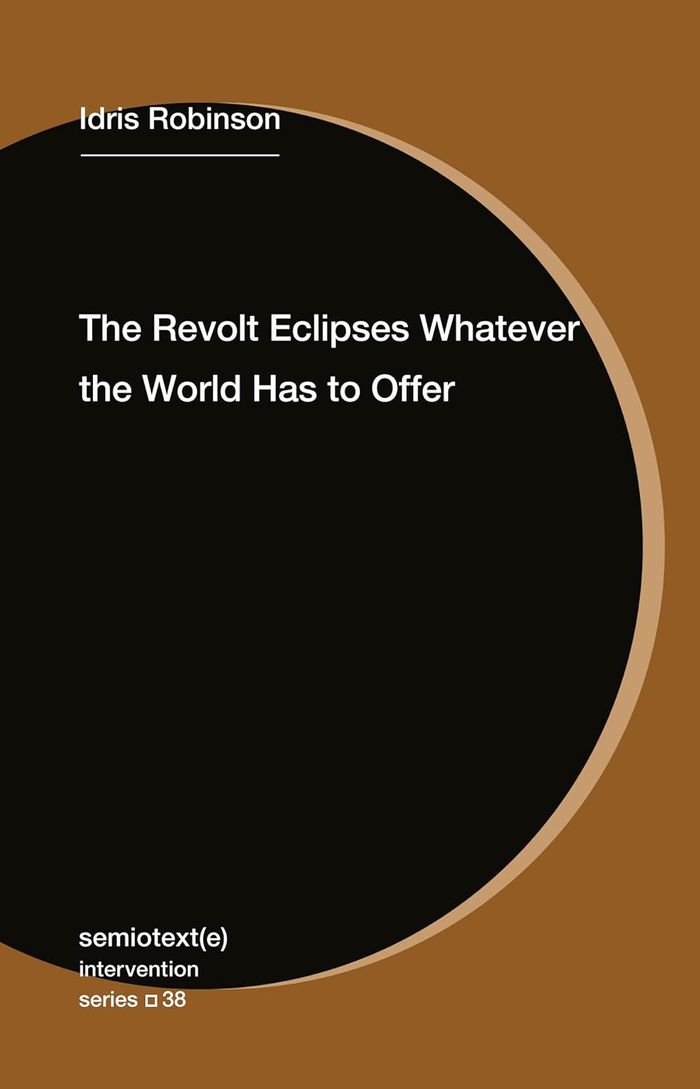
The revolt eclipses whatever the world has to offer
Actions:
Prix:
$22.99
(disponible sur commande)
Résumé:
What is it to be Black in America? It is to be constantly given unsolicited advice on how to run your life by people of all stripes, cultures, races, and opinions, so that the message is, by its very design, inconsistent with itself. However, there is one common feature that unites them all, besides their arrogant insistence to respond to what no one has asked of them: you can be sure that not one of these philistines has read—let alone understood—a single line of Plato. It is with this guiding insight that the author seeks to think his own material existence and resolves that philosophy must implicate itself in the utter demise of the alienated and oppressive wasteland in which he has been thrown.
The revolt eclipses whatever the world has to offer
Actions:
Prix:
$22.99
(disponible sur commande)
Résumé:
What is it to be Black in America? It is to be constantly given unsolicited advice on how to run your life by people of all stripes, cultures, races, and opinions, so that the message is, by its very design, inconsistent with itself. However, there is one common feature that unites them all, besides their arrogant insistence to respond to what no one has asked of them: you can be sure that not one of these philistines has read—let alone understood—a single line of Plato. It is with this guiding insight that the author seeks to think his own material existence and resolves that philosophy must implicate itself in the utter demise of the alienated and oppressive wasteland in which he has been thrown.
Classification:
livres
livres
Publication:
décembre 2025
décembre 2025
Sujet:
Théorie/ philosophie
Théorie/ philosophie
Classification:
livres
livres

Actions:
Prix:
$21.99
(disponible en magasin)
Résumé:
At the start of the twenty-first century, globalization forced a rethinking of some of the categories—such as “the people”—that had been traditionally associated with the now-eroding state. Virno argues that the category of “multitude,” elaborated by Spinoza and for the most part left fallow since the seventeenth century, is a far better tool to analyze contemporary(...)
$21.99
(disponible en magasin)
Résumé:
At the start of the twenty-first century, globalization forced a rethinking of some of the categories—such as “the people”—that had been traditionally associated with the now-eroding state. Virno argues that the category of “multitude,” elaborated by Spinoza and for the most part left fallow since the seventeenth century, is a far better tool to analyze contemporary(...)
Titre:
A grammar of the multitude: For an analysis of contemporary forms of life
Actions:
Prix:
$21.99
(disponible en magasin)
Résumé:
At the start of the twenty-first century, globalization forced a rethinking of some of the categories—such as “the people”—that had been traditionally associated with the now-eroding state. Virno argues that the category of “multitude,” elaborated by Spinoza and for the most part left fallow since the seventeenth century, is a far better tool to analyze contemporary issues than the Hobbesian concept of “people” favored by classical political philosophy. Hobbes, who detested the notion of multitude, defined it as shunning political unity, resisting authority, and never entering into lasting agreements. “When they rebel against the state,” Hobbes wrote, “the citizens are the multitude against the people.” But the multitude isn't just a negative notion; it is a rich concept that allows us to examine anew plural experiences and forms of nonrepresentative democracy. Drawing from philosophy of language, political economics, and ethics, Virno shows that being foreign, “not-feeling-at-home-anywhere,” is a condition that forces the multitude to place its trust in the intellect. In conclusion, Virno suggests that the metamorphosis of the social systems in the West during the 1980s and 1990s precipitated a paradoxical “Communism of the Capital.”
A grammar of the multitude: For an analysis of contemporary forms of life
Actions:
Prix:
$21.99
(disponible en magasin)
Résumé:
At the start of the twenty-first century, globalization forced a rethinking of some of the categories—such as “the people”—that had been traditionally associated with the now-eroding state. Virno argues that the category of “multitude,” elaborated by Spinoza and for the most part left fallow since the seventeenth century, is a far better tool to analyze contemporary issues than the Hobbesian concept of “people” favored by classical political philosophy. Hobbes, who detested the notion of multitude, defined it as shunning political unity, resisting authority, and never entering into lasting agreements. “When they rebel against the state,” Hobbes wrote, “the citizens are the multitude against the people.” But the multitude isn't just a negative notion; it is a rich concept that allows us to examine anew plural experiences and forms of nonrepresentative democracy. Drawing from philosophy of language, political economics, and ethics, Virno shows that being foreign, “not-feeling-at-home-anywhere,” is a condition that forces the multitude to place its trust in the intellect. In conclusion, Virno suggests that the metamorphosis of the social systems in the West during the 1980s and 1990s precipitated a paradoxical “Communism of the Capital.”
Classification:
livres
livres
Publication:
septembre 2025
septembre 2025
Sujet:
Théorie/ philosophie
Théorie/ philosophie
Classification:
livres
livres
Actions:
Prix:
$18.00
(disponible sur commande)
Résumé:
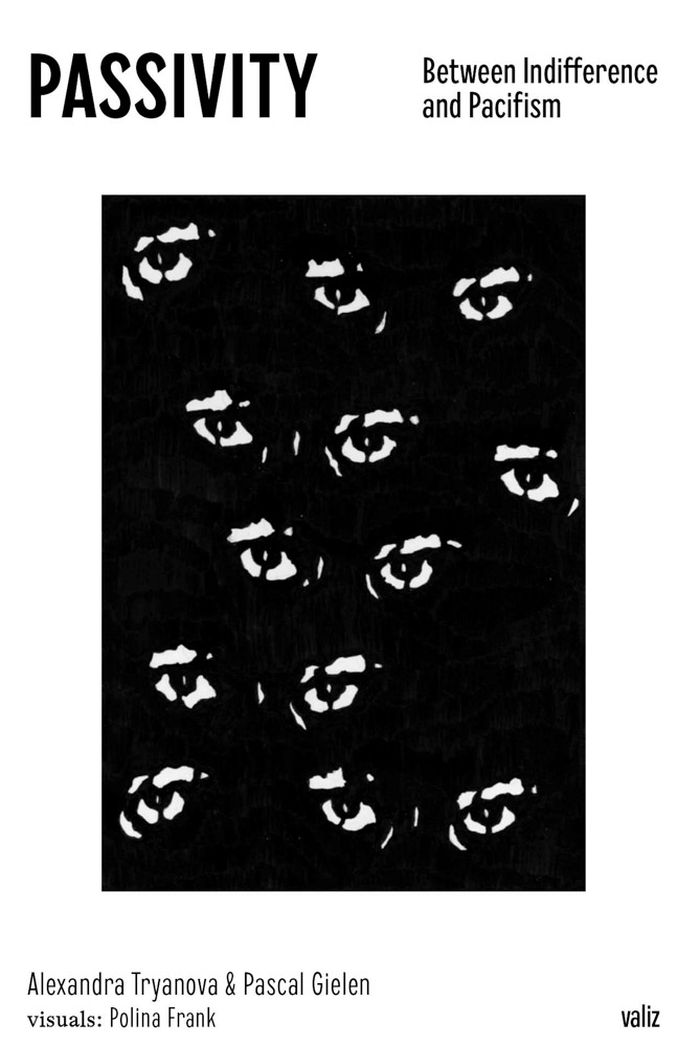
In ''Passivity'', Ukrainian curator Alexandra Tryanova and Belgian sociologist Pascal Gielen (born 1970) engage in a dialogue about Europe’s responses to the war in Ukraine and how it has shaken up value systems around pacifism and economic motives.
$18.00
(disponible sur commande)
Résumé:
In ''Passivity'', Ukrainian curator Alexandra Tryanova and Belgian sociologist Pascal Gielen (born 1970) engage in a dialogue about Europe’s responses to the war in Ukraine and how it has shaken up value systems around pacifism and economic motives.
Titre:
Passivity : Between indifference and pacifism
Actions:
Prix:
$18.00
(disponible sur commande)
Résumé:
In ''Passivity'', Ukrainian curator Alexandra Tryanova and Belgian sociologist Pascal Gielen (born 1970) engage in a dialogue about Europe’s responses to the war in Ukraine and how it has shaken up value systems around pacifism and economic motives.
Passivity : Between indifference and pacifism
Actions:
Prix:
$18.00
(disponible sur commande)
Résumé:
In ''Passivity'', Ukrainian curator Alexandra Tryanova and Belgian sociologist Pascal Gielen (born 1970) engage in a dialogue about Europe’s responses to the war in Ukraine and how it has shaken up value systems around pacifism and economic motives.
Classification:
livres
livres
Publication:
mars 2023
mars 2023
Sujet:
Théorie/ philosophie
Théorie/ philosophie
Classification:
livres
livres
Actions:
Prix:
$26.95
(disponible sur commande)
Résumé:
Le paradoxe est frappant : alors que le pouvoir d’achat culmine en tête des préoccupations de nos contemporains, nous consommons beaucoup trop au regard de nos besoins réels et des limites planétaires. Samuel Sauvage décrypte les rouages de cette addiction généralisée et de son corollaire, la production de masse. Une spirale implacable qu’il analyse à travers les(...)
$26.95
(disponible sur commande)
Résumé:
Le paradoxe est frappant : alors que le pouvoir d’achat culmine en tête des préoccupations de nos contemporains, nous consommons beaucoup trop au regard de nos besoins réels et des limites planétaires. Samuel Sauvage décrypte les rouages de cette addiction généralisée et de son corollaire, la production de masse. Une spirale implacable qu’il analyse à travers les(...)
Titre:
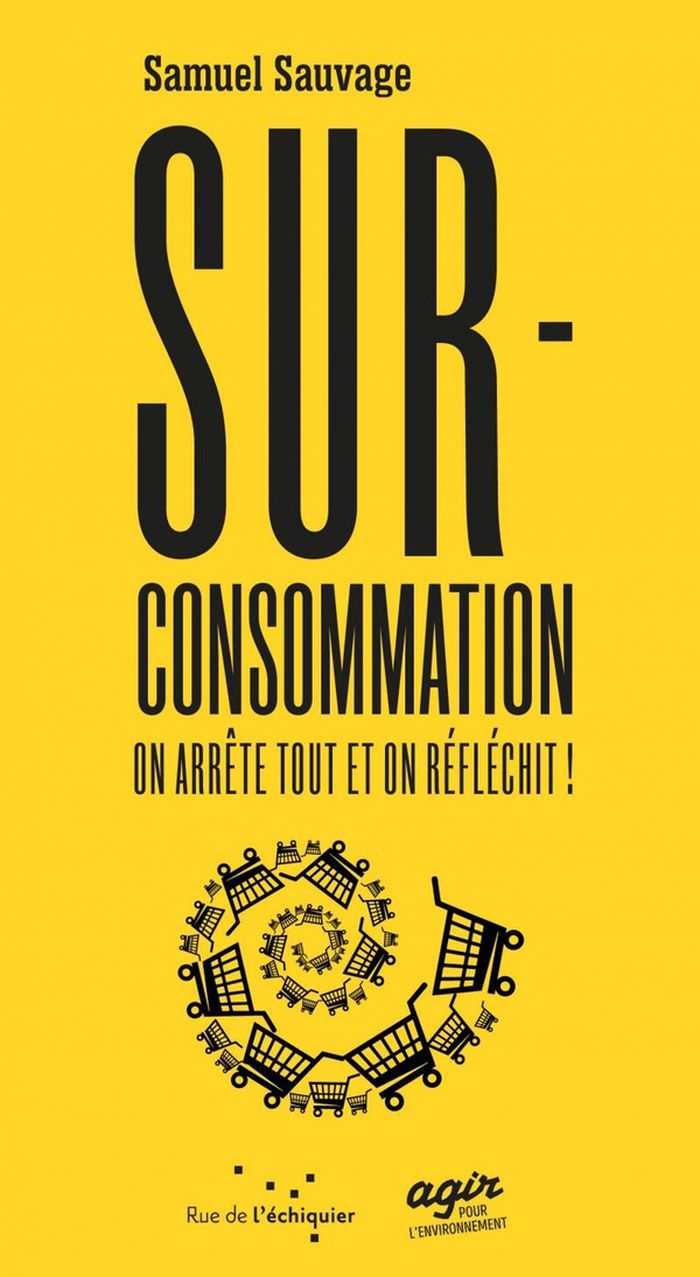
Surconsommation : On arrête tout et on réfléchit !
Actions:
Prix:
$26.95
(disponible sur commande)
Résumé:
Le paradoxe est frappant : alors que le pouvoir d’achat culmine en tête des préoccupations de nos contemporains, nous consommons beaucoup trop au regard de nos besoins réels et des limites planétaires. Samuel Sauvage décrypte les rouages de cette addiction généralisée et de son corollaire, la production de masse. Une spirale implacable qu’il analyse à travers les mécanismes du « Bémol » : Besoins artificiels, Extension des marchés, Marchandisation de la société, Obsolescence programmée et "Low cost." Pour sortir de cette spirale, la voie de l’action individuelle – la fameuse « consommation responsable » – doit être repensée et surtout intégrée à une démarche collective et systémique pour mettre un terme à la surconsommation. Face au Bémol, l’auteur appelle à un « Dièse » résolument politique : Désarmer la publicité, Impulser un nouvel imaginaire, Encadrer la production, Soutenir les alternatives, Embarquer les acteurs.
Surconsommation : On arrête tout et on réfléchit !
Actions:
Prix:
$26.95
(disponible sur commande)
Résumé:
Le paradoxe est frappant : alors que le pouvoir d’achat culmine en tête des préoccupations de nos contemporains, nous consommons beaucoup trop au regard de nos besoins réels et des limites planétaires. Samuel Sauvage décrypte les rouages de cette addiction généralisée et de son corollaire, la production de masse. Une spirale implacable qu’il analyse à travers les mécanismes du « Bémol » : Besoins artificiels, Extension des marchés, Marchandisation de la société, Obsolescence programmée et "Low cost." Pour sortir de cette spirale, la voie de l’action individuelle – la fameuse « consommation responsable » – doit être repensée et surtout intégrée à une démarche collective et systémique pour mettre un terme à la surconsommation. Face au Bémol, l’auteur appelle à un « Dièse » résolument politique : Désarmer la publicité, Impulser un nouvel imaginaire, Encadrer la production, Soutenir les alternatives, Embarquer les acteurs.
Classification:
livres
livres
Publication:
octobre 2025
octobre 2025
Sujet:
Théorie/ philosophie
Théorie/ philosophie
Classification:
livres
livres

Actions:
Prix:
$21.95
(disponible sur commande)
Résumé:
L’œuvre de Tolkien est une implacable dénonciation du pouvoir, dont les formes les plus tyranniques sont explicitement accusées d’être responsables des violences qui dévastent la Terre du Milieu et ses habitants. Pourtant, depuis quelques décennies, l’extrême droite multiplie les tentatives d’accaparement de l’univers tolkienien. En effet, stratèges et intellectuels à la(...)
$21.95
(disponible sur commande)
Résumé:
L’œuvre de Tolkien est une implacable dénonciation du pouvoir, dont les formes les plus tyranniques sont explicitement accusées d’être responsables des violences qui dévastent la Terre du Milieu et ses habitants. Pourtant, depuis quelques décennies, l’extrême droite multiplie les tentatives d’accaparement de l’univers tolkienien. En effet, stratèges et intellectuels à la(...)
Titre:
Tolkien contre les machines : Écologie et antifascisme en Terre du Milieu
Actions:
Prix:
$21.95
(disponible sur commande)
Résumé:
L’œuvre de Tolkien est une implacable dénonciation du pouvoir, dont les formes les plus tyranniques sont explicitement accusées d’être responsables des violences qui dévastent la Terre du Milieu et ses habitants. Pourtant, depuis quelques décennies, l’extrême droite multiplie les tentatives d’accaparement de l’univers tolkienien. En effet, stratèges et intellectuels à la solde des réactionnaires qui briguent le pouvoir, ou qui l’ont déjà pris, tentent de combler un vide culturel. Pour ce faire, ils ne trouvent rien de mieux que d’essayer de s’approprier une œuvre populaire, certes, mais qui défend l’exact opposé de ce que prône leur idéologie.
Tolkien contre les machines : Écologie et antifascisme en Terre du Milieu
Actions:
Prix:
$21.95
(disponible sur commande)
Résumé:
L’œuvre de Tolkien est une implacable dénonciation du pouvoir, dont les formes les plus tyranniques sont explicitement accusées d’être responsables des violences qui dévastent la Terre du Milieu et ses habitants. Pourtant, depuis quelques décennies, l’extrême droite multiplie les tentatives d’accaparement de l’univers tolkienien. En effet, stratèges et intellectuels à la solde des réactionnaires qui briguent le pouvoir, ou qui l’ont déjà pris, tentent de combler un vide culturel. Pour ce faire, ils ne trouvent rien de mieux que d’essayer de s’approprier une œuvre populaire, certes, mais qui défend l’exact opposé de ce que prône leur idéologie.
Classification:
livres
livres
Publication:
novembre 2025
novembre 2025
Sujet:
Théorie/ philosophie
Théorie/ philosophie
Classification:
livres
livres
Prix:
$24.95
(disponible en magasin)
Résumé:
À partir d'expériences pratiques, « Désapprendre en traduisant » s'appuie sur la traduction comme outil pédagogique, acte de résistance et geste de soin dans un contexte politique hostile. La curatrice, autrice, éditrice et traductrice autodidacte Virginie Bobin y revisite une série d'ateliers, expositions et autres activités collectives prenant la traduction comme sujet(...)
$24.95
(disponible en magasin)
Résumé:
À partir d'expériences pratiques, « Désapprendre en traduisant » s'appuie sur la traduction comme outil pédagogique, acte de résistance et geste de soin dans un contexte politique hostile. La curatrice, autrice, éditrice et traductrice autodidacte Virginie Bobin y revisite une série d'ateliers, expositions et autres activités collectives prenant la traduction comme sujet(...)
Titre:
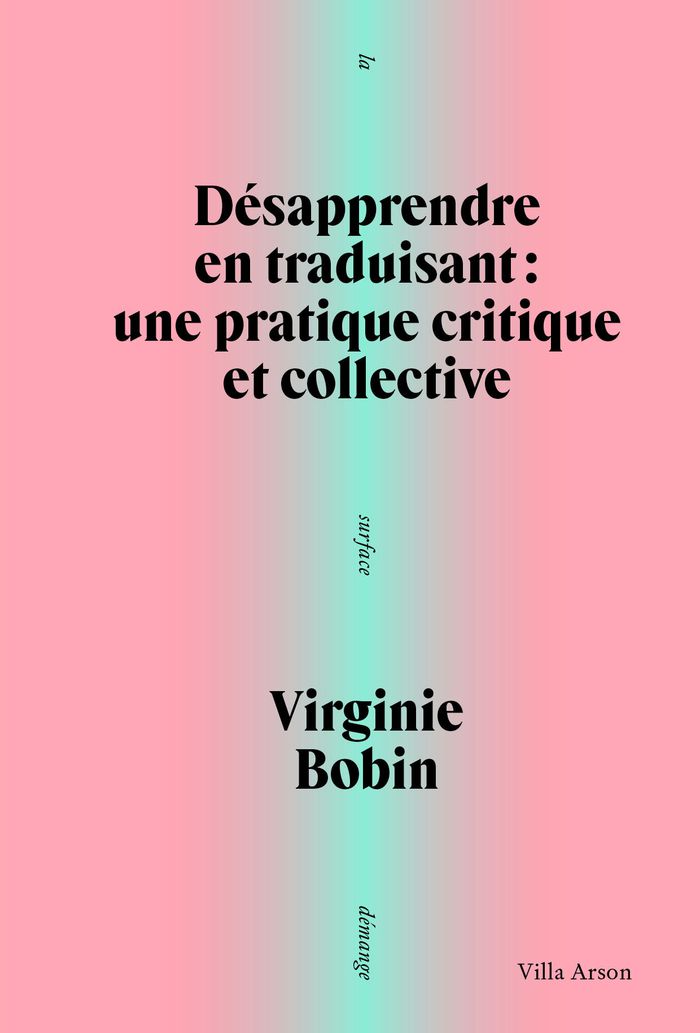
Désapprendre en traduisant : Une pratique critique et collective
Actions:
Prix:
$24.95
(disponible en magasin)
Résumé:
À partir d'expériences pratiques, « Désapprendre en traduisant » s'appuie sur la traduction comme outil pédagogique, acte de résistance et geste de soin dans un contexte politique hostile. La curatrice, autrice, éditrice et traductrice autodidacte Virginie Bobin y revisite une série d'ateliers, expositions et autres activités collectives prenant la traduction comme sujet et comme méthode pour ébranler les conceptions excluantes de la langue, de l'identité et de l'appartenance. À travers le prisme ambigu de l'intraduisibilité, le livre se penche sur les rapports de pouvoir qui sous-tendent le travail de l'art dans divers contextes institutionnels, académiques ou militants. S'inscrivant dans des généalogies et des méthodologies féministes, « Désapprendre en traduisant » place le travail collectif et les relations affectives au cœur des pratiques critiques, comme l'illustre la correspondance avec Andrea Ancira, publiée à la fin du livre.
Désapprendre en traduisant : Une pratique critique et collective
Actions:
Prix:
$24.95
(disponible en magasin)
Résumé:
À partir d'expériences pratiques, « Désapprendre en traduisant » s'appuie sur la traduction comme outil pédagogique, acte de résistance et geste de soin dans un contexte politique hostile. La curatrice, autrice, éditrice et traductrice autodidacte Virginie Bobin y revisite une série d'ateliers, expositions et autres activités collectives prenant la traduction comme sujet et comme méthode pour ébranler les conceptions excluantes de la langue, de l'identité et de l'appartenance. À travers le prisme ambigu de l'intraduisibilité, le livre se penche sur les rapports de pouvoir qui sous-tendent le travail de l'art dans divers contextes institutionnels, académiques ou militants. S'inscrivant dans des généalogies et des méthodologies féministes, « Désapprendre en traduisant » place le travail collectif et les relations affectives au cœur des pratiques critiques, comme l'illustre la correspondance avec Andrea Ancira, publiée à la fin du livre.
Classification:
livres
livres
Publication:
octobre 2025
octobre 2025
Sujet:
Théorie/ philosophie
Théorie/ philosophie
Classification:
livres
livres
Titre:
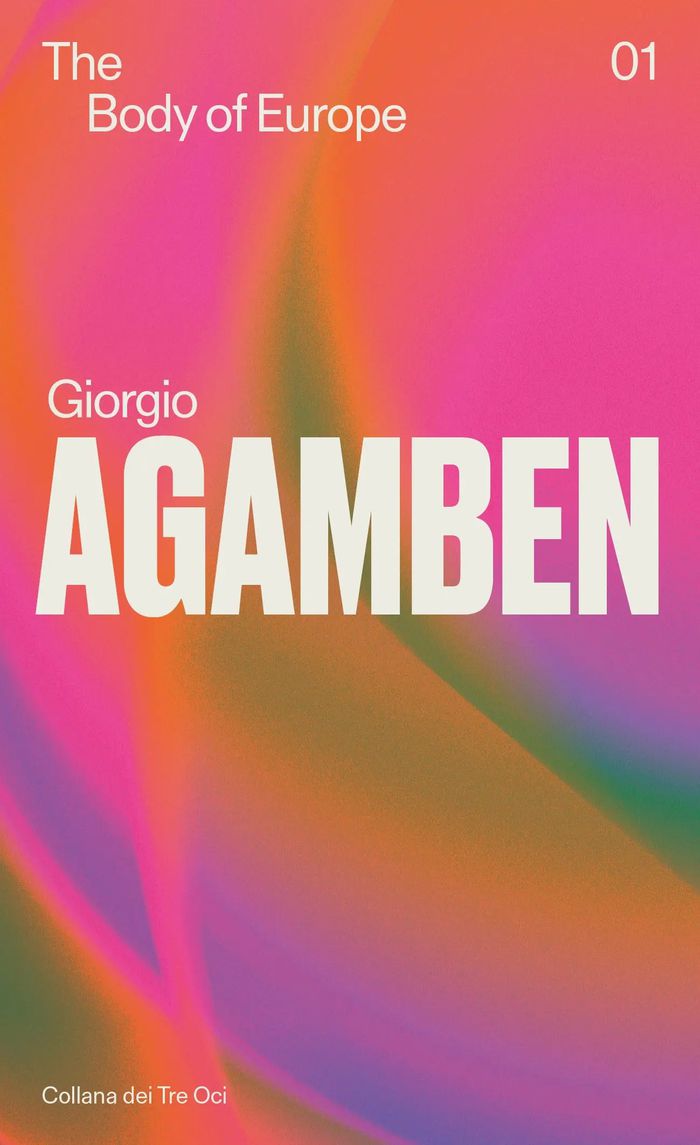
The body of Europe
The body of Europe
Actions:
Prix:
$15.75
(disponible en magasin)
Résumé:
A ghost is haunting Europe: the ghost of Europe itself. It is a ghost without flesh and bone – a vanishing body that seems to satisfy itself with a vague geographical description. At best Europe refers to the sister of Cadmus, once upon a time abducted by Zeus. Can’t we do better? Is Europe condemned to incarnate itself in a name whose sole reality is to be the one of a(...)
$15.75
(disponible en magasin)
Résumé:
A ghost is haunting Europe: the ghost of Europe itself. It is a ghost without flesh and bone – a vanishing body that seems to satisfy itself with a vague geographical description. At best Europe refers to the sister of Cadmus, once upon a time abducted by Zeus. Can’t we do better? Is Europe condemned to incarnate itself in a name whose sole reality is to be the one of a(...)
Titre:
The body of Europe
Actions:
Prix:
$15.75
(disponible en magasin)
Résumé:
A ghost is haunting Europe: the ghost of Europe itself. It is a ghost without flesh and bone – a vanishing body that seems to satisfy itself with a vague geographical description. At best Europe refers to the sister of Cadmus, once upon a time abducted by Zeus. Can’t we do better? Is Europe condemned to incarnate itself in a name whose sole reality is to be the one of a political strategy, of a way to deal with crisis? Wouldn’t it be time that we start to interrogate what Europe could mean beyond ghosts and petty politics? After all, it is very well possible that what we call Europe has a body, has a corpus – and that this corpus is no other than the ensemble composed by the fragments of its literary history. What if Europe was not a matter of geography or politics, but a matter of literature – a matter of sense and sensibility: a way to welcome what, in a human body, makes it alive?
The body of Europe
Actions:
Prix:
$15.75
(disponible en magasin)
Résumé:
A ghost is haunting Europe: the ghost of Europe itself. It is a ghost without flesh and bone – a vanishing body that seems to satisfy itself with a vague geographical description. At best Europe refers to the sister of Cadmus, once upon a time abducted by Zeus. Can’t we do better? Is Europe condemned to incarnate itself in a name whose sole reality is to be the one of a political strategy, of a way to deal with crisis? Wouldn’t it be time that we start to interrogate what Europe could mean beyond ghosts and petty politics? After all, it is very well possible that what we call Europe has a body, has a corpus – and that this corpus is no other than the ensemble composed by the fragments of its literary history. What if Europe was not a matter of geography or politics, but a matter of literature – a matter of sense and sensibility: a way to welcome what, in a human body, makes it alive?
Classification:
livres
livres
Publication:
octobre 2025
octobre 2025
Sujet:
Théorie/ philosophie
Théorie/ philosophie
Classification:
livres
livres
Titre:
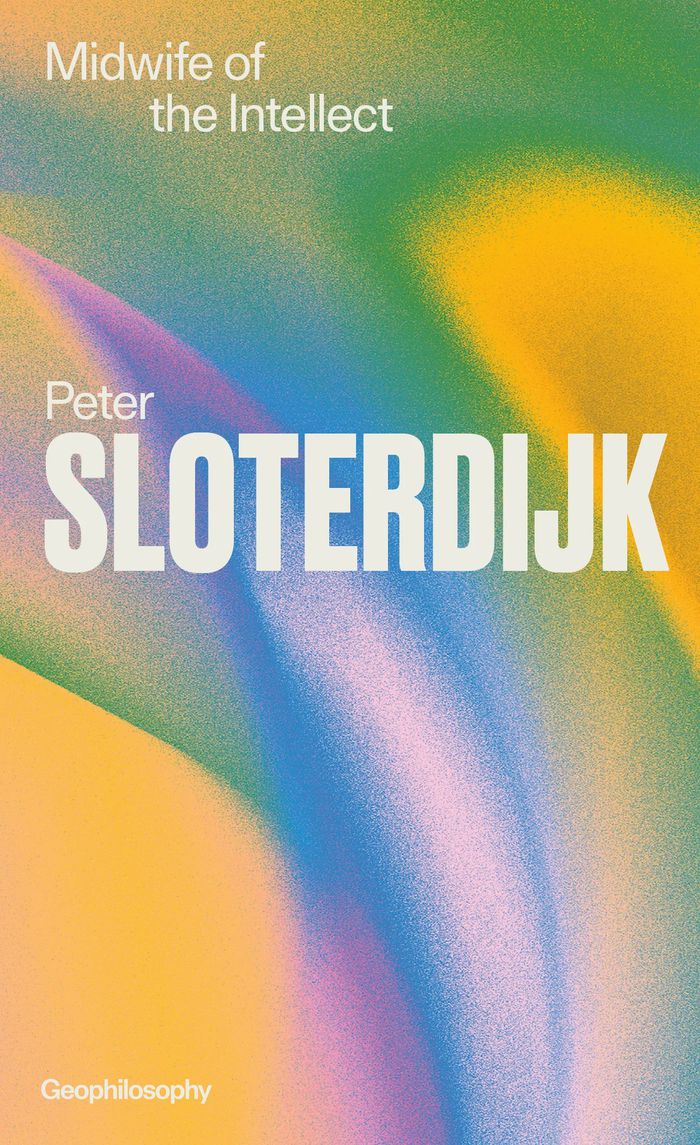
Midwife of the intellect
Midwife of the intellect
Actions:
Prix:
$15.75
(disponible en magasin)
Résumé:
How could a Rhineland mystic of the 13th century help us better navigate the 21st? In a provocative reading of the work of Meister Eckhart, Peter Sloterdijk offers a compelling answer: What medieval mysticism teaches us is that all there is doesn’t exist per se—everything only exists in relation. For Eckhart, living on Earth is the same as the Holy Trinity: in a(...)
$15.75
(disponible en magasin)
Résumé:
How could a Rhineland mystic of the 13th century help us better navigate the 21st? In a provocative reading of the work of Meister Eckhart, Peter Sloterdijk offers a compelling answer: What medieval mysticism teaches us is that all there is doesn’t exist per se—everything only exists in relation. For Eckhart, living on Earth is the same as the Holy Trinity: in a(...)
Titre:
Midwife of the intellect
Actions:
Prix:
$15.75
(disponible en magasin)
Résumé:
How could a Rhineland mystic of the 13th century help us better navigate the 21st? In a provocative reading of the work of Meister Eckhart, Peter Sloterdijk offers a compelling answer: What medieval mysticism teaches us is that all there is doesn’t exist per se—everything only exists in relation. For Eckhart, living on Earth is the same as the Holy Trinity: in a symbiosis, a form of co-relationship forgotten for too long. The triumph of individualism led to the shared illusion that humans, like everything else on the planet, had an essence, an identity, a being. But nothing could be more false. What everything is, is the others. What everything is, is a shared relationality. We are not alone—we are also all others; we depend on them. In the Anthropocene, when planetary symbiosis has never been more jeopardized, shifting our metaphysics and recalling lessons such as those of Meister Eckhart has become vital.
Midwife of the intellect
Actions:
Prix:
$15.75
(disponible en magasin)
Résumé:
How could a Rhineland mystic of the 13th century help us better navigate the 21st? In a provocative reading of the work of Meister Eckhart, Peter Sloterdijk offers a compelling answer: What medieval mysticism teaches us is that all there is doesn’t exist per se—everything only exists in relation. For Eckhart, living on Earth is the same as the Holy Trinity: in a symbiosis, a form of co-relationship forgotten for too long. The triumph of individualism led to the shared illusion that humans, like everything else on the planet, had an essence, an identity, a being. But nothing could be more false. What everything is, is the others. What everything is, is a shared relationality. We are not alone—we are also all others; we depend on them. In the Anthropocene, when planetary symbiosis has never been more jeopardized, shifting our metaphysics and recalling lessons such as those of Meister Eckhart has become vital.
Classification:
livres
livres
Publication:
novembre 2025
novembre 2025
Sujet:
Théorie/ philosophie
Théorie/ philosophie
Classification:
livres
livres
Titre:
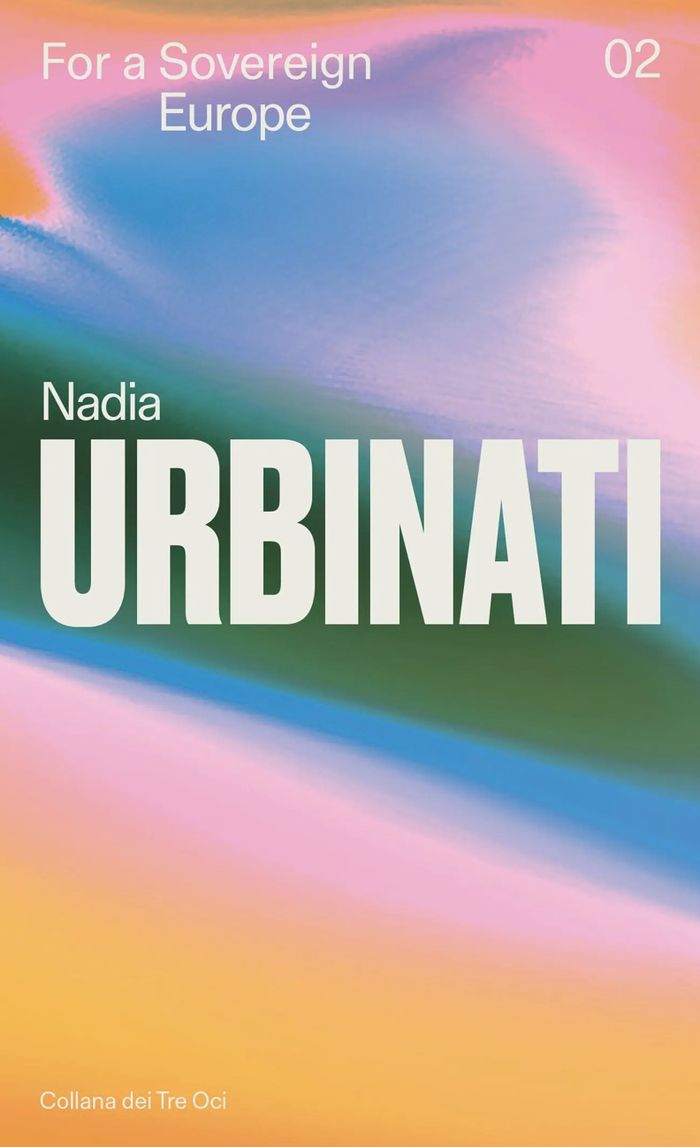
For a sovereign Europe
For a sovereign Europe
Actions:
Prix:
$14.00
(disponible en magasin)
Résumé:
A specter haunts Europe: the specter of sovereignty. Legacy of a prestigious political tradition, sovereignty has metamorphosed into a monster in the 19th century, with the advent of nationalism and the ensuing catastrophes that tainted the globe in blood. Today, at a time when nationalist passions seem to be back with a vengeance, a renewed call for sovereignty presents(...)
$14.00
(disponible en magasin)
Résumé:
A specter haunts Europe: the specter of sovereignty. Legacy of a prestigious political tradition, sovereignty has metamorphosed into a monster in the 19th century, with the advent of nationalism and the ensuing catastrophes that tainted the globe in blood. Today, at a time when nationalist passions seem to be back with a vengeance, a renewed call for sovereignty presents(...)
Titre:
For a sovereign Europe
Actions:
Prix:
$14.00
(disponible en magasin)
Résumé:
A specter haunts Europe: the specter of sovereignty. Legacy of a prestigious political tradition, sovereignty has metamorphosed into a monster in the 19th century, with the advent of nationalism and the ensuing catastrophes that tainted the globe in blood. Today, at a time when nationalist passions seem to be back with a vengeance, a renewed call for sovereignty presents itself as a return towards populations and territories to be defended. Any project aiming at doing away with nations and finding the route towards a larger political ensembles seems to be barred by what is now presented as a sacred value – the one of a people selecting its own way of being governed. But what if this was wrong? What if sovereignty could designate another horizon than the one of nations? What if Europe could become the place for a new experiment on the meaning and extension of sovereignty and democracy? This would mean a sovereign Europe.
For a sovereign Europe
Actions:
Prix:
$14.00
(disponible en magasin)
Résumé:
A specter haunts Europe: the specter of sovereignty. Legacy of a prestigious political tradition, sovereignty has metamorphosed into a monster in the 19th century, with the advent of nationalism and the ensuing catastrophes that tainted the globe in blood. Today, at a time when nationalist passions seem to be back with a vengeance, a renewed call for sovereignty presents itself as a return towards populations and territories to be defended. Any project aiming at doing away with nations and finding the route towards a larger political ensembles seems to be barred by what is now presented as a sacred value – the one of a people selecting its own way of being governed. But what if this was wrong? What if sovereignty could designate another horizon than the one of nations? What if Europe could become the place for a new experiment on the meaning and extension of sovereignty and democracy? This would mean a sovereign Europe.
Classification:
livres
livres
Publication:
novembre 2025
novembre 2025
Sujet:
Théorie/ philosophie
Théorie/ philosophie


