


2654 Résultats
Classification:
livres
livres
Prix:
$53.00
(disponible sur commande)
Résumé:
Boris Iofan is best known as the architect behind the Palace of the Soviets. Yet his style was not limited to the Socialist Classicism that flourished under Stalin. Rather, Iofan’s architectural language evolved throughout his lifetime, from his eclecticist beginnings in Rome, to the grandeur of the wedding-cake style in the 1930s, to his incorporation of concrete panels(...)
$53.00
(disponible sur commande)
Résumé:
Boris Iofan is best known as the architect behind the Palace of the Soviets. Yet his style was not limited to the Socialist Classicism that flourished under Stalin. Rather, Iofan’s architectural language evolved throughout his lifetime, from his eclecticist beginnings in Rome, to the grandeur of the wedding-cake style in the 1930s, to his incorporation of concrete panels(...)
Titre:
Boris Iofan: architect behind the Palace of the Soviets
Actions:
Prix:
$53.00
(disponible sur commande)
Résumé:
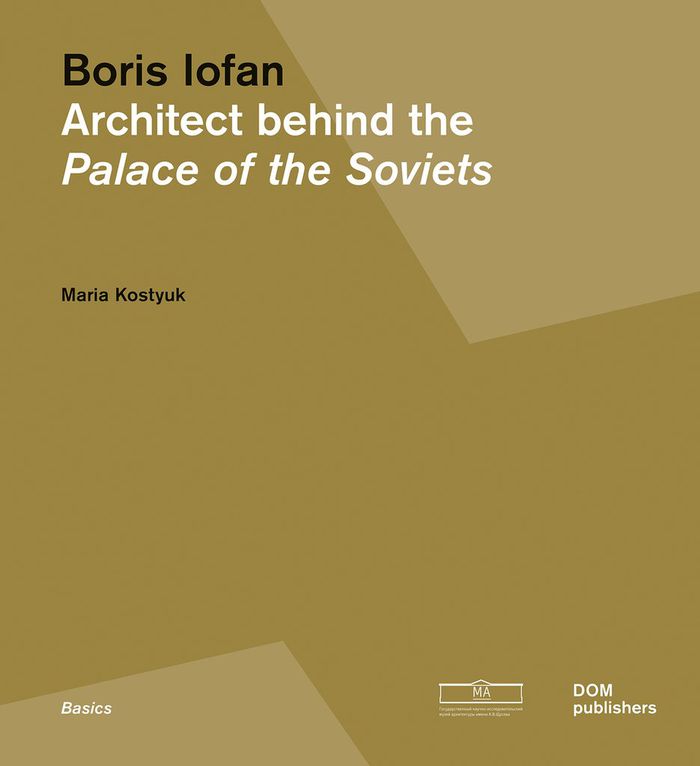
Boris Iofan is best known as the architect behind the Palace of the Soviets. Yet his style was not limited to the Socialist Classicism that flourished under Stalin. Rather, Iofan’s architectural language evolved throughout his lifetime, from his eclecticist beginnings in Rome, to the grandeur of the wedding-cake style in the 1930s, to his incorporation of concrete panels under Khrushchev. This book presents a collection of essays that chart the development of the architect’s variegated career that spanned nearly six decades.
Boris Iofan: architect behind the Palace of the Soviets
Actions:
Prix:
$53.00
(disponible sur commande)
Résumé:
Boris Iofan is best known as the architect behind the Palace of the Soviets. Yet his style was not limited to the Socialist Classicism that flourished under Stalin. Rather, Iofan’s architectural language evolved throughout his lifetime, from his eclecticist beginnings in Rome, to the grandeur of the wedding-cake style in the 1930s, to his incorporation of concrete panels under Khrushchev. This book presents a collection of essays that chart the development of the architect’s variegated career that spanned nearly six decades.
Classification:
livres
livres
Publication:
mai 2019
mai 2019
Sujet:
Architecture, monographies
Architecture, monographies
Classification:
livres
livres
Prix:
$49.95
(disponible sur commande)
Résumé:
This provocative survey reveals how four of the most destructive dictatorships of the 20th century - Nazi Germany, Fascist Italy, Soviet Russia and Communist China - used graphic design to sell their messages. Explores each regime's distinctive strategies for seducing public opinion and infiltrating people's lives, in media ranging from logos, flags, typefaces and posters(...)
$49.95
(disponible sur commande)
Résumé:
This provocative survey reveals how four of the most destructive dictatorships of the 20th century - Nazi Germany, Fascist Italy, Soviet Russia and Communist China - used graphic design to sell their messages. Explores each regime's distinctive strategies for seducing public opinion and infiltrating people's lives, in media ranging from logos, flags, typefaces and posters(...)
Titre:
Iron fists: Branding the 20th Century totalitarian state
Actions:
Prix:
$49.95
(disponible sur commande)
Résumé:
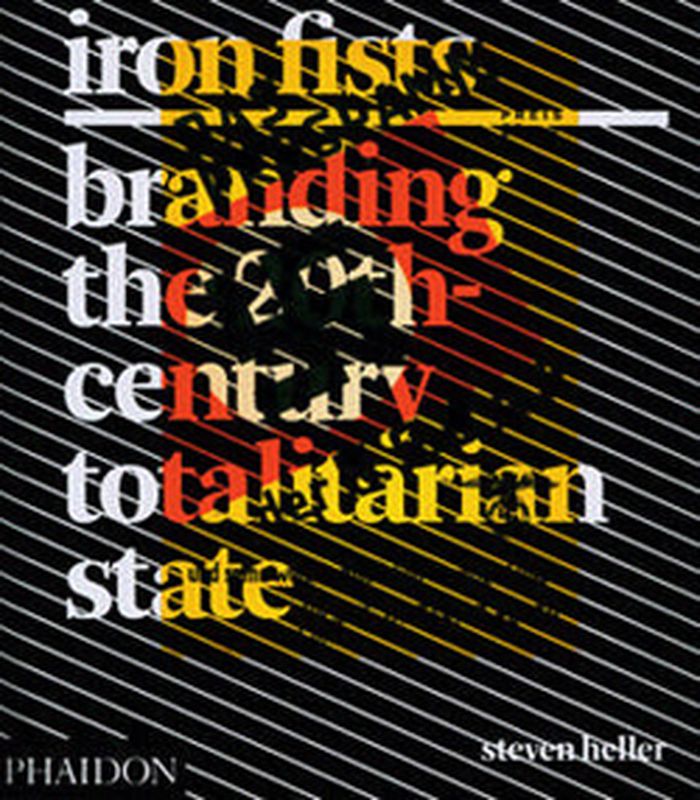
This provocative survey reveals how four of the most destructive dictatorships of the 20th century - Nazi Germany, Fascist Italy, Soviet Russia and Communist China - used graphic design to sell their messages. Explores each regime's distinctive strategies for seducing public opinion and infiltrating people's lives, in media ranging from logos, flags, typefaces and posters to children's books and figurines Remarkable archival photographs set the disturbingly powerful graphic devices in historical context. The perceptive text analyses how these four regimes established the most effective modes of visual propaganda, which were later adopted and adapted by many other dictatorships.
Iron fists: Branding the 20th Century totalitarian state
Actions:
Prix:
$49.95
(disponible sur commande)
Résumé:
This provocative survey reveals how four of the most destructive dictatorships of the 20th century - Nazi Germany, Fascist Italy, Soviet Russia and Communist China - used graphic design to sell their messages. Explores each regime's distinctive strategies for seducing public opinion and infiltrating people's lives, in media ranging from logos, flags, typefaces and posters to children's books and figurines Remarkable archival photographs set the disturbingly powerful graphic devices in historical context. The perceptive text analyses how these four regimes established the most effective modes of visual propaganda, which were later adopted and adapted by many other dictatorships.
Classification:
livres
livres
Publication:
mars 2011
mars 2011
Classification:
livres
livres
Titre:
Orthodox chic
Orthodox chic
Actions:
Prix:
$52.95
(disponible sur commande)
Résumé:
''Orthodox chic'' is the second book in a series of visual explorations of architecture and urban space in independent Ukraine. The authors of ''Orthodox chic'', architects Alex Bykov and Oleksandr Burlaka, alongside artist Sasha Kurmaz, turn to photographing post-Soviet religious architecture as a way of capturing its social, political and economic development. The book(...)
$52.95
(disponible sur commande)
Résumé:
''Orthodox chic'' is the second book in a series of visual explorations of architecture and urban space in independent Ukraine. The authors of ''Orthodox chic'', architects Alex Bykov and Oleksandr Burlaka, alongside artist Sasha Kurmaz, turn to photographing post-Soviet religious architecture as a way of capturing its social, political and economic development. The book(...)
Publication:
janvier 2020
janvier 2020
Titre:
Orthodox chic
Actions:
Prix:
$52.95
(disponible sur commande)
Résumé:
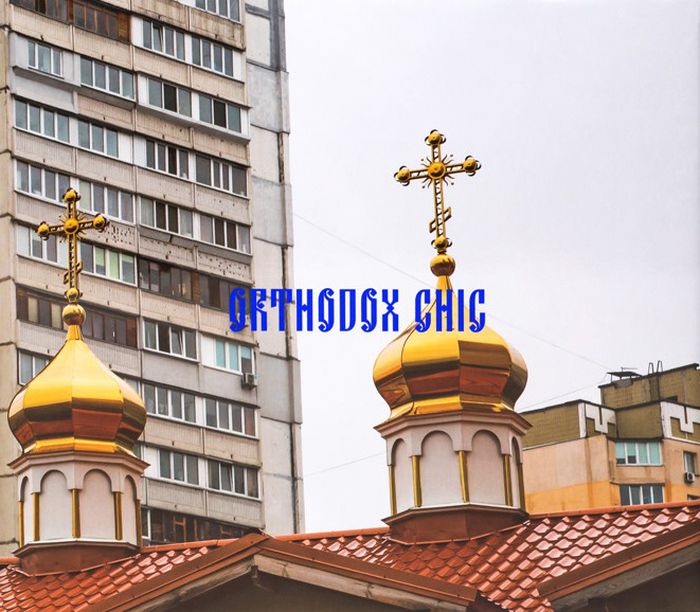
''Orthodox chic'' is the second book in a series of visual explorations of architecture and urban space in independent Ukraine. The authors of ''Orthodox chic'', architects Alex Bykov and Oleksandr Burlaka, alongside artist Sasha Kurmaz, turn to photographing post-Soviet religious architecture as a way of capturing its social, political and economic development. The book portrays new forms of religious architecture, from kiosks, shacks, pop-up chapels attached to giant shopping malls, apartment blocks and magnificent new cathedrals. The author of the introductory text is Asya Bazdyreva, art critic and co-author of research practice at Geocinema.
Orthodox chic
Actions:
Prix:
$52.95
(disponible sur commande)
Résumé:
''Orthodox chic'' is the second book in a series of visual explorations of architecture and urban space in independent Ukraine. The authors of ''Orthodox chic'', architects Alex Bykov and Oleksandr Burlaka, alongside artist Sasha Kurmaz, turn to photographing post-Soviet religious architecture as a way of capturing its social, political and economic development. The book portrays new forms of religious architecture, from kiosks, shacks, pop-up chapels attached to giant shopping malls, apartment blocks and magnificent new cathedrals. The author of the introductory text is Asya Bazdyreva, art critic and co-author of research practice at Geocinema.
Classification:
livres
livres
Publication:
janvier 2020
janvier 2020
Classification:
livres
livres
Prix:
$51.95
(disponible sur commande)
Résumé:
Ilya Rabinovich is a Dutch-Moldovan photographer, internationally acclaimed for his unique photo projects. Rabinovich is based in Amsterdam, where he graduated from the Rijksakademie in 2000. In 2008 he travelled to his birthplace Chiinu in Moldova to photograph the exhibitions in its national museums. Here he encountered a remarkable process, which led to the(...)
$51.95
(disponible sur commande)
Résumé:
Ilya Rabinovich is a Dutch-Moldovan photographer, internationally acclaimed for his unique photo projects. Rabinovich is based in Amsterdam, where he graduated from the Rijksakademie in 2000. In 2008 he travelled to his birthplace Chiinu in Moldova to photograph the exhibitions in its national museums. Here he encountered a remarkable process, which led to the(...)
Titre:
Museutopia : a photographic research project by Ilya Rabinovich
Actions:
Prix:
$51.95
(disponible sur commande)
Résumé:
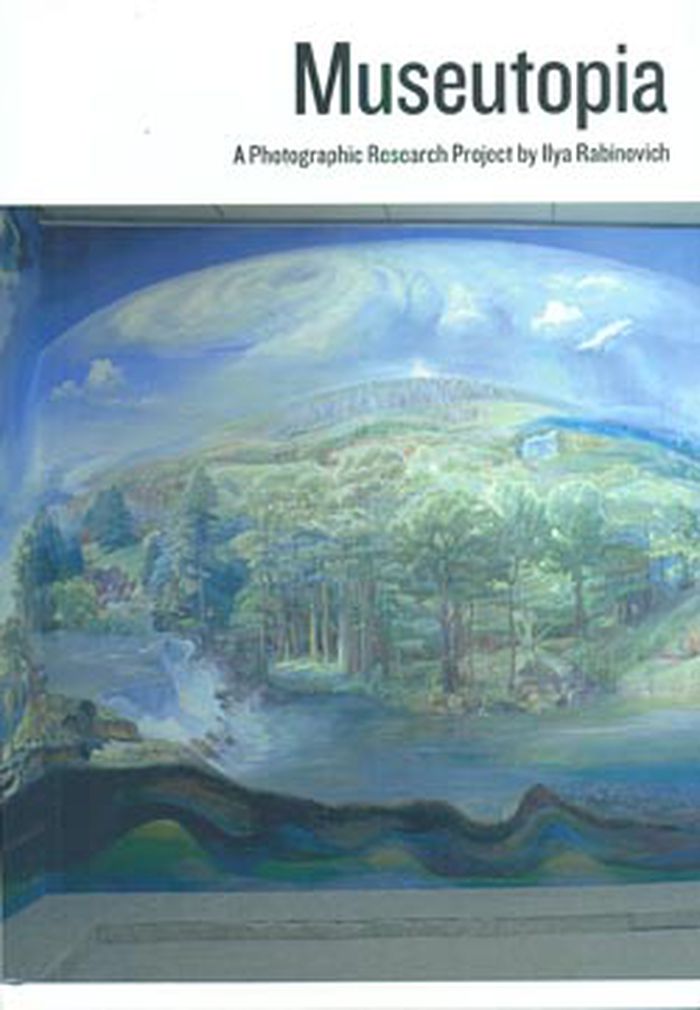
Ilya Rabinovich is a Dutch-Moldovan photographer, internationally acclaimed for his unique photo projects. Rabinovich is based in Amsterdam, where he graduated from the Rijksakademie in 2000. In 2008 he travelled to his birthplace Chiinu in Moldova to photograph the exhibitions in its national museums. Here he encountered a remarkable process, which led to the photographic project Museutopia. The country, formerly known as Moldavia, was annexed by the former USSR in 1940 and remained under Soviet rule till 1991. This period of its history has become distorted or totally erased in the national museums. Each museum orchestrates its own ideal image of Moldova.
Museutopia : a photographic research project by Ilya Rabinovich
Actions:
Prix:
$51.95
(disponible sur commande)
Résumé:
Ilya Rabinovich is a Dutch-Moldovan photographer, internationally acclaimed for his unique photo projects. Rabinovich is based in Amsterdam, where he graduated from the Rijksakademie in 2000. In 2008 he travelled to his birthplace Chiinu in Moldova to photograph the exhibitions in its national museums. Here he encountered a remarkable process, which led to the photographic project Museutopia. The country, formerly known as Moldavia, was annexed by the former USSR in 1940 and remained under Soviet rule till 1991. This period of its history has become distorted or totally erased in the national museums. Each museum orchestrates its own ideal image of Moldova.
Classification:
livres
livres
Publication:
décembre 2012
décembre 2012
Sujet:
Monographies photo
Monographies photo
Classification:
livres
livres
Actions:
Prix:
$38.95
(disponible en magasin)
Résumé:
In 1927, while a student of architecture at the Moscow Vhutemas, Georgii Krutikov presented a vision for a flying city. More than just a flight of architectural fancy, Krutikov’s flying city was a utopian dream, a plan to solve the seemingly intractable problems of overcrowding and resource depletion by moving humanity’s living quarters to space. Inspired in equal parts(...)
$38.95
(disponible en magasin)
Résumé:
In 1927, while a student of architecture at the Moscow Vhutemas, Georgii Krutikov presented a vision for a flying city. More than just a flight of architectural fancy, Krutikov’s flying city was a utopian dream, a plan to solve the seemingly intractable problems of overcrowding and resource depletion by moving humanity’s living quarters to space. Inspired in equal parts(...)
Titre:
Georgii Krutikov: the flying city and beyond
Actions:
Prix:
$38.95
(disponible en magasin)
Résumé:
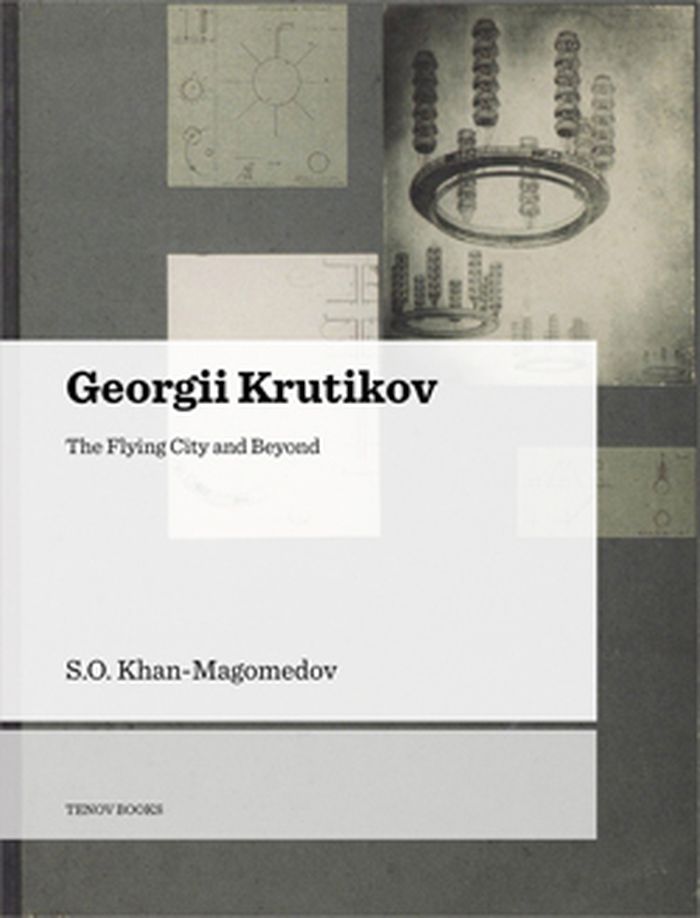
In 1927, while a student of architecture at the Moscow Vhutemas, Georgii Krutikov presented a vision for a flying city. More than just a flight of architectural fancy, Krutikov’s flying city was a utopian dream, a plan to solve the seemingly intractable problems of overcrowding and resource depletion by moving humanity’s living quarters to space. Inspired in equal parts by sci-fi dreams of space travel and the revolutionary idealism that still percolated in the Soviet Union at that time, Krutikov created an incredible amount of detailed information about his city: sketches, drawings, plans, and more.
Georgii Krutikov: the flying city and beyond
Actions:
Prix:
$38.95
(disponible en magasin)
Résumé:
In 1927, while a student of architecture at the Moscow Vhutemas, Georgii Krutikov presented a vision for a flying city. More than just a flight of architectural fancy, Krutikov’s flying city was a utopian dream, a plan to solve the seemingly intractable problems of overcrowding and resource depletion by moving humanity’s living quarters to space. Inspired in equal parts by sci-fi dreams of space travel and the revolutionary idealism that still percolated in the Soviet Union at that time, Krutikov created an incredible amount of detailed information about his city: sketches, drawings, plans, and more.
Classification:
livres
livres
Publication:
octobre 2015
octobre 2015
Sujet:
Théorie de l’architecture
Théorie de l’architecture
Classification:
livres
livres
Actions:
Prix:
$48.00
(disponible sur commande)
Résumé:
The Space Race was an exhilirating moment in history, alternately frighten-ing, thrilling, awe-inspiring, and ultimately, sublime. Its most enigmatic element was the competition. The Soviets seemed less technologically sophisticated (at least from the American perspective) but in fact won many of the races: first satellite to orbit the earth; first man in space; first(...)
$48.00
(disponible sur commande)
Résumé:
The Space Race was an exhilirating moment in history, alternately frighten-ing, thrilling, awe-inspiring, and ultimately, sublime. Its most enigmatic element was the competition. The Soviets seemed less technologically sophisticated (at least from the American perspective) but in fact won many of the races: first satellite to orbit the earth; first man in space; first(...)
Titre:
Kosmos: a portrait of the Russian Space Age
Actions:
Prix:
$48.00
(disponible sur commande)
Résumé:
The Space Race was an exhilirating moment in history, alternately frighten-ing, thrilling, awe-inspiring, and ultimately, sublime. Its most enigmatic element was the competition. The Soviets seemed less technologically sophisticated (at least from the American perspective) but in fact won many of the races: first satellite to orbit the earth; first man in space; first unmanned landings on Mars, Venus, and the Moon; first woman in space; most powerful rockets; and, until its recent fiery death, the most long-lived space station to name but a few. The inherent contradictions of the age--the mixture of technologies high and low, of nostalgia and progress, of pathos and promise--are revealed in Kosmos, Adam Bartos's astonishing photographic survey of the Soviet space program. Bartos' fascination with this subject led him to seek out places like the bedroom where Yuri Gagarian slept the night before his history-making flight into space, located in the Baiknour Cosmodrome, the one-time top-secret space complex in the Kazakh desert. Bartos also takes us inside the cockpit of the Merkur space capsule, used to ferry crew members and supplies to the super-secret Almaz orbital space stations, and behind the changing screens cosmonauts used before being fitted for their space suits at Zvezda, the chief manufacturer of Soviet life-support systems. In total, Kosmos presents over 100 of Bartos's photographs, rich with the incongruities of the history, science, culture, and politics of the Space Age.
Kosmos: a portrait of the Russian Space Age
Actions:
Prix:
$48.00
(disponible sur commande)
Résumé:
The Space Race was an exhilirating moment in history, alternately frighten-ing, thrilling, awe-inspiring, and ultimately, sublime. Its most enigmatic element was the competition. The Soviets seemed less technologically sophisticated (at least from the American perspective) but in fact won many of the races: first satellite to orbit the earth; first man in space; first unmanned landings on Mars, Venus, and the Moon; first woman in space; most powerful rockets; and, until its recent fiery death, the most long-lived space station to name but a few. The inherent contradictions of the age--the mixture of technologies high and low, of nostalgia and progress, of pathos and promise--are revealed in Kosmos, Adam Bartos's astonishing photographic survey of the Soviet space program. Bartos' fascination with this subject led him to seek out places like the bedroom where Yuri Gagarian slept the night before his history-making flight into space, located in the Baiknour Cosmodrome, the one-time top-secret space complex in the Kazakh desert. Bartos also takes us inside the cockpit of the Merkur space capsule, used to ferry crew members and supplies to the super-secret Almaz orbital space stations, and behind the changing screens cosmonauts used before being fitted for their space suits at Zvezda, the chief manufacturer of Soviet life-support systems. In total, Kosmos presents over 100 of Bartos's photographs, rich with the incongruities of the history, science, culture, and politics of the Space Age.
Classification:
livres
livres
Publication:
novembre 2001
novembre 2001
Sujet:
Monographies photo
Monographies photo
Classification:
périodiques
périodiques
Actions:
Prix:
$16.95
(disponible sur commande)
Résumé:
After an issue dedicated to the persistent structures of colonial domination and racialization in western and northern European societies, The Funambulist 55 (Sep-Oct 2024) Asian Imperialisms intends to decenter Europe, and examine historical and present processes of imperial and/or colonial domination by seven arguably ethnocratic Asian states, namely, Japan, the(...)
$16.95
(disponible sur commande)
Résumé:
After an issue dedicated to the persistent structures of colonial domination and racialization in western and northern European societies, The Funambulist 55 (Sep-Oct 2024) Asian Imperialisms intends to decenter Europe, and examine historical and present processes of imperial and/or colonial domination by seven arguably ethnocratic Asian states, namely, Japan, the(...)
Titre:
The Funambulist n.55: Asian imperialisms
Actions:
Prix:
$16.95
(disponible sur commande)
Résumé:
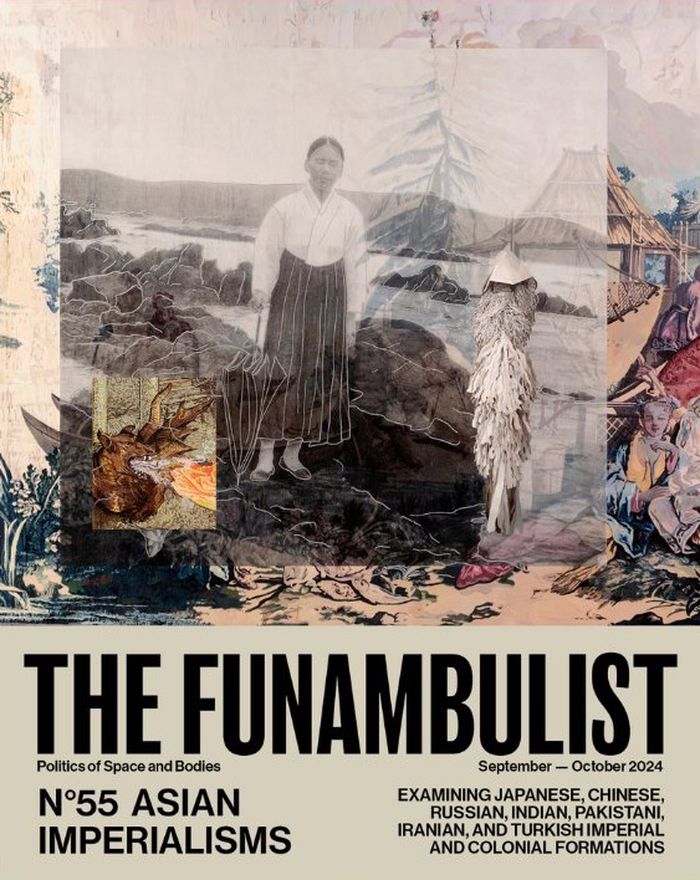
After an issue dedicated to the persistent structures of colonial domination and racialization in western and northern European societies, The Funambulist 55 (Sep-Oct 2024) Asian Imperialisms intends to decenter Europe, and examine historical and present processes of imperial and/or colonial domination by seven arguably ethnocratic Asian states, namely, Japan, the People’s Republic of China, the Russian Federation (and the Soviet Union), India, Pakistan, Iran, and Turkey (alongside Azerbaijan). This “Asian” denomination chosen for this issue’s title follows historic examples of solidarity at this massive continental scale, the most famous one being the 1955 Afro–Asian Conference in Bandung. The cover is an artwork by Korean artist Kyungmi Shin
The Funambulist n.55: Asian imperialisms
Actions:
Prix:
$16.95
(disponible sur commande)
Résumé:
After an issue dedicated to the persistent structures of colonial domination and racialization in western and northern European societies, The Funambulist 55 (Sep-Oct 2024) Asian Imperialisms intends to decenter Europe, and examine historical and present processes of imperial and/or colonial domination by seven arguably ethnocratic Asian states, namely, Japan, the People’s Republic of China, the Russian Federation (and the Soviet Union), India, Pakistan, Iran, and Turkey (alongside Azerbaijan). This “Asian” denomination chosen for this issue’s title follows historic examples of solidarity at this massive continental scale, the most famous one being the 1955 Afro–Asian Conference in Bandung. The cover is an artwork by Korean artist Kyungmi Shin
Classification:
périodiques
périodiques
Publication:
septembre 2024
septembre 2024
Sujet:
Revues
Revues
Classification:
livres
livres
Actions:
Prix:
$39.95
(disponible sur commande)
Résumé:
''Utopian display, geopolitical curating'' brings together curatorial experiences that have matured over the past 30 years in various geopolitical contexts – from Africa to China, India to Latin America, and the Middle East to the post-Soviet regions. Featuring experimental voices in contemporary curatorial research, more than a dozen authors from different generations(...)
$39.95
(disponible sur commande)
Résumé:
''Utopian display, geopolitical curating'' brings together curatorial experiences that have matured over the past 30 years in various geopolitical contexts – from Africa to China, India to Latin America, and the Middle East to the post-Soviet regions. Featuring experimental voices in contemporary curatorial research, more than a dozen authors from different generations(...)
Titre:
Utopian display, geopolitical curating
Actions:
Prix:
$39.95
(disponible sur commande)
Résumé:
''Utopian display, geopolitical curating'' brings together curatorial experiences that have matured over the past 30 years in various geopolitical contexts – from Africa to China, India to Latin America, and the Middle East to the post-Soviet regions. Featuring experimental voices in contemporary curatorial research, more than a dozen authors from different generations look with scepticism at both the effects of globalisation within today’s artistic scene and the latest premises of so-called de-globalisation. Because, despite everything, the current model of art continues to be very similar to that of an institution capable of determining the integration or exclusion of minorities as a majoritarian measure.
Utopian display, geopolitical curating
Actions:
Prix:
$39.95
(disponible sur commande)
Résumé:
''Utopian display, geopolitical curating'' brings together curatorial experiences that have matured over the past 30 years in various geopolitical contexts – from Africa to China, India to Latin America, and the Middle East to the post-Soviet regions. Featuring experimental voices in contemporary curatorial research, more than a dozen authors from different generations look with scepticism at both the effects of globalisation within today’s artistic scene and the latest premises of so-called de-globalisation. Because, despite everything, the current model of art continues to be very similar to that of an institution capable of determining the integration or exclusion of minorities as a majoritarian measure.
Classification:
livres
livres
Publication:
mars 2020
mars 2020
Sujet:
Muséologie
Muséologie
Classification:
livres
livres
Actions:
Prix:
$18.00
(disponible en magasin)
Résumé:
Confronting the work of widely celebrated photographers Annie Leibovitz, Gregory Crewdson and Andreas Gursky, Photography’s Neoliberal Realism examines how these artists produce capitalism’s equivalent of the Soviet Union’s socialist realism by giving photographic form to widely held and rarely questioned beliefs and ideas. The ideological framework that Colberg terms(...)
$18.00
(disponible en magasin)
Résumé:
Confronting the work of widely celebrated photographers Annie Leibovitz, Gregory Crewdson and Andreas Gursky, Photography’s Neoliberal Realism examines how these artists produce capitalism’s equivalent of the Soviet Union’s socialist realism by giving photographic form to widely held and rarely questioned beliefs and ideas. The ideological framework that Colberg terms(...)
Titre:
Photography's Neoliberal Realism
Actions:
Prix:
$18.00
(disponible en magasin)
Résumé:
Confronting the work of widely celebrated photographers Annie Leibovitz, Gregory Crewdson and Andreas Gursky, Photography’s Neoliberal Realism examines how these artists produce capitalism’s equivalent of the Soviet Union’s socialist realism by giving photographic form to widely held and rarely questioned beliefs and ideas. The ideological framework that Colberg terms ‘neoliberal realism’ serves to cement an economic system whose many fault lines are becoming increasingly clear, such as staggering inequality and racial disparities. This extended essay provides an alternative reading of photographic works laden with artifice, and argues how focusing on this artifice misses the more far-reaching ways such images operate in our visual economy.
Photography's Neoliberal Realism
Actions:
Prix:
$18.00
(disponible en magasin)
Résumé:
Confronting the work of widely celebrated photographers Annie Leibovitz, Gregory Crewdson and Andreas Gursky, Photography’s Neoliberal Realism examines how these artists produce capitalism’s equivalent of the Soviet Union’s socialist realism by giving photographic form to widely held and rarely questioned beliefs and ideas. The ideological framework that Colberg terms ‘neoliberal realism’ serves to cement an economic system whose many fault lines are becoming increasingly clear, such as staggering inequality and racial disparities. This extended essay provides an alternative reading of photographic works laden with artifice, and argues how focusing on this artifice misses the more far-reaching ways such images operate in our visual economy.
Classification:
livres
livres
Publication:
novembre 2020
novembre 2020
Sujet:
Théorie de la photographie
Théorie de la photographie
Classification:
livres
livres
Actions:
Prix:
$69.95
(disponible en magasin)
Résumé:
Over the last decade, the look of the Estonian capital has been radically transformed. Part of this change is due to the emergence of new urban areas and a complete shift in perspective on historic neighbourhoods. Rather than focusing only on new buildings or competitively rating their aesthetic worth, this architecture guide selects works based on sustainability and(...)
$69.95
(disponible en magasin)
Résumé:
Over the last decade, the look of the Estonian capital has been radically transformed. Part of this change is due to the emergence of new urban areas and a complete shift in perspective on historic neighbourhoods. Rather than focusing only on new buildings or competitively rating their aesthetic worth, this architecture guide selects works based on sustainability and(...)
Titre:
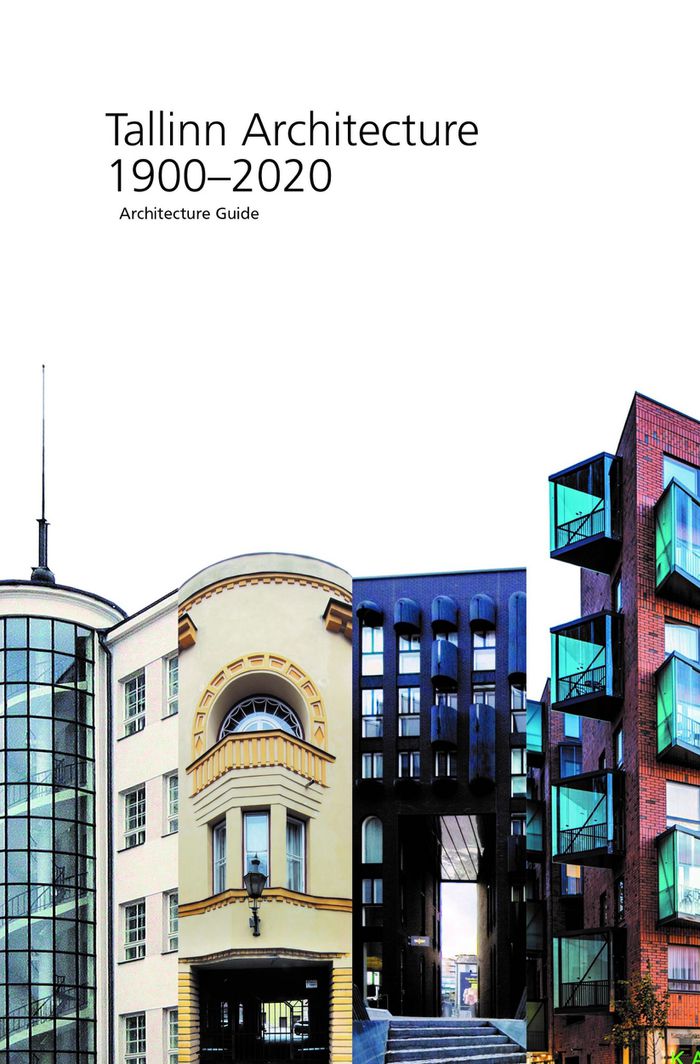
Tallinn architecture 1900-2020 architecture guide
Actions:
Prix:
$69.95
(disponible en magasin)
Résumé:
Over the last decade, the look of the Estonian capital has been radically transformed. Part of this change is due to the emergence of new urban areas and a complete shift in perspective on historic neighbourhoods. Rather than focusing only on new buildings or competitively rating their aesthetic worth, this architecture guide selects works based on sustainability and technological modernism. Attention is paid to new buildings that adapt to the historical and environmental context, while typical and representative buildings are also pointed out in a broad cross-section of Estonian architectural culture. For this reason, examples of Stalinist and later Soviet architecture also appear.
Tallinn architecture 1900-2020 architecture guide
Actions:
Prix:
$69.95
(disponible en magasin)
Résumé:
Over the last decade, the look of the Estonian capital has been radically transformed. Part of this change is due to the emergence of new urban areas and a complete shift in perspective on historic neighbourhoods. Rather than focusing only on new buildings or competitively rating their aesthetic worth, this architecture guide selects works based on sustainability and technological modernism. Attention is paid to new buildings that adapt to the historical and environmental context, while typical and representative buildings are also pointed out in a broad cross-section of Estonian architectural culture. For this reason, examples of Stalinist and later Soviet architecture also appear.
Classification:
livres
livres
Publication:
décembre 2020
décembre 2020
Sujet:
Guides des villes
Guides des villes


