


2616 Résultats
Classification:
livres
livres
Actions:
Prix:
$32.95
(disponible sur commande)
Résumé:
Dystopic imagery has figured prominently in modern depictions of the urban landscape. The city is often portrayed as a terrifying world of darkness, crisis, and catastrophe. Noir Urbanisms traces the history of the modern city through its critical representations in art, cinema, print journalism, literature, sociology, and architecture. It focuses on visual forms of(...)
$32.95
(disponible sur commande)
Résumé:
Dystopic imagery has figured prominently in modern depictions of the urban landscape. The city is often portrayed as a terrifying world of darkness, crisis, and catastrophe. Noir Urbanisms traces the history of the modern city through its critical representations in art, cinema, print journalism, literature, sociology, and architecture. It focuses on visual forms of(...)
Titre:
Noir urbanisms: Dystopic images of the modern city
Actions:
Prix:
$32.95
(disponible sur commande)
Résumé:
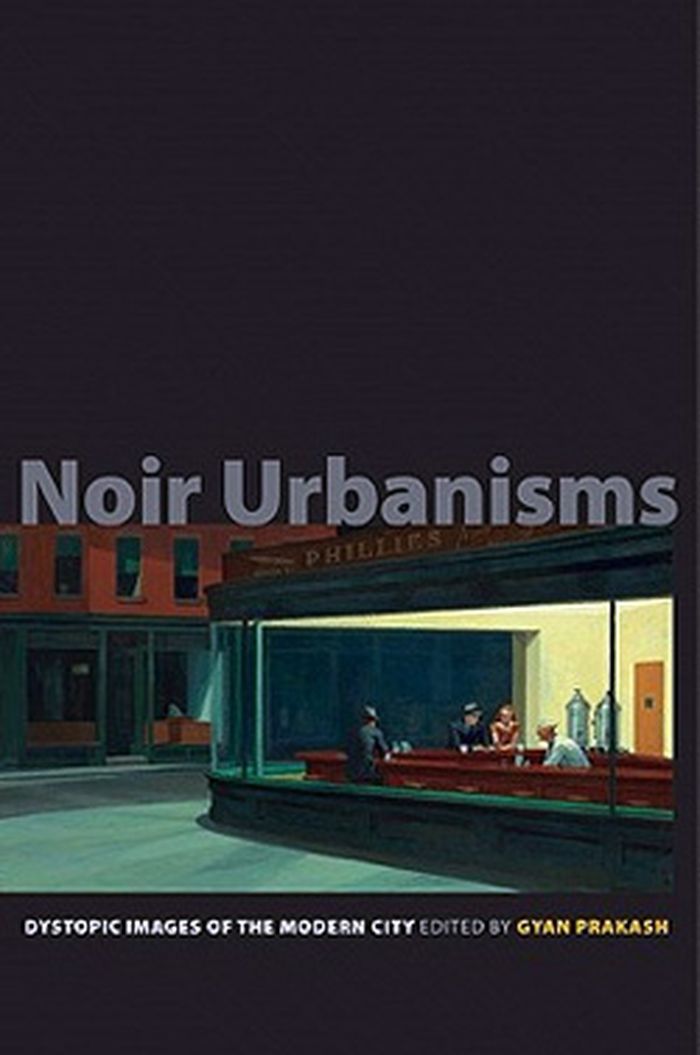
Dystopic imagery has figured prominently in modern depictions of the urban landscape. The city is often portrayed as a terrifying world of darkness, crisis, and catastrophe. Noir Urbanisms traces the history of the modern city through its critical representations in art, cinema, print journalism, literature, sociology, and architecture. It focuses on visual forms of dystopic representation--because the history of the modern city is inseparable from the production and circulation of images--and examines their strengths and limits as urban criticism. Contributors explore dystopic images of the modern city in Germany, Mexico, Japan, India, South Africa, China, and the United States. Their topics include Weimar representations of urban dystopia in Fritz Lang's 1927 film Metropolis; 1960s modernist architecture in Mexico City; Hollywood film noir of the 1940s and 1950s; the recurring fictional destruction of Tokyo in postwar Japan's sci-fi doom culture; the urban fringe in Bombay cinema; fictional explorations of urban dystopia in postapartheid Johannesburg; and Delhi's out-of-control and media-saturated urbanism in the 1980s and 1990s. What emerges in Noir Urbanisms is the unsettling and disorienting alchemy between dark representations and the modern urban experience.
Noir urbanisms: Dystopic images of the modern city
Actions:
Prix:
$32.95
(disponible sur commande)
Résumé:
Dystopic imagery has figured prominently in modern depictions of the urban landscape. The city is often portrayed as a terrifying world of darkness, crisis, and catastrophe. Noir Urbanisms traces the history of the modern city through its critical representations in art, cinema, print journalism, literature, sociology, and architecture. It focuses on visual forms of dystopic representation--because the history of the modern city is inseparable from the production and circulation of images--and examines their strengths and limits as urban criticism. Contributors explore dystopic images of the modern city in Germany, Mexico, Japan, India, South Africa, China, and the United States. Their topics include Weimar representations of urban dystopia in Fritz Lang's 1927 film Metropolis; 1960s modernist architecture in Mexico City; Hollywood film noir of the 1940s and 1950s; the recurring fictional destruction of Tokyo in postwar Japan's sci-fi doom culture; the urban fringe in Bombay cinema; fictional explorations of urban dystopia in postapartheid Johannesburg; and Delhi's out-of-control and media-saturated urbanism in the 1980s and 1990s. What emerges in Noir Urbanisms is the unsettling and disorienting alchemy between dark representations and the modern urban experience.
Classification:
livres
livres
Publication:
octobre 2010
octobre 2010
Classification:
livres
livres
Titre:
Murakami Takashi
Murakami Takashi
Actions:
Prix:
$84.00
(disponible sur commande)
Résumé:
Takashi Murakami is one of contemporary art’s most innovative and important figures. Drawing from street culture, high art, and traditional Japanese painting, Murakami takes the contemporary art trend of mixing high and low to an unprecedented level (critics call him the new Warhol), producing original paintings and sculptures as well as mass-produced consumer objects(...)
$84.00
(disponible sur commande)
Résumé:
Takashi Murakami is one of contemporary art’s most innovative and important figures. Drawing from street culture, high art, and traditional Japanese painting, Murakami takes the contemporary art trend of mixing high and low to an unprecedented level (critics call him the new Warhol), producing original paintings and sculptures as well as mass-produced consumer objects(...)
Publication:
octobre 2007, Los Angeles, New York
octobre 2007, Los Angeles, New York
Titre:
Murakami Takashi
Actions:
Prix:
$84.00
(disponible sur commande)
Résumé:
Takashi Murakami is one of contemporary art’s most innovative and important figures. Drawing from street culture, high art, and traditional Japanese painting, Murakami takes the contemporary art trend of mixing high and low to an unprecedented level (critics call him the new Warhol), producing original paintings and sculptures as well as mass-produced consumer objects such as toys, books, and most famously, a line of handbags for Louis Vuitton. A committed supporter and spokesperson for Japanese artists and a powerful commentator on postwar culture and society, Murakami has organized influential exhibitions of Japanese art as well as a biannual art fair in Tokyo. Murakami has positioned himself as a new type of artist for the twenty-first century: a hybrid of creator, entrepreneur, and cultural ambassador.In conjunction with the first major retrospective of his work, Murakami traces Murakami’s global impact socially, culturally, and art historically. Essays focus on Murakami’s early works, which were based on a social critique of Japan’s rampant consumerism; the development of his characters; his work with anime, fantasy; otaku culture; and his engagement with global pop culture. Representing output from original works of art to mass-produced multiples, the catalogue also considers the implications of Murakami’s working methods within the tradition of the Western avant-garde.
Murakami Takashi
Actions:
Prix:
$84.00
(disponible sur commande)
Résumé:
Takashi Murakami is one of contemporary art’s most innovative and important figures. Drawing from street culture, high art, and traditional Japanese painting, Murakami takes the contemporary art trend of mixing high and low to an unprecedented level (critics call him the new Warhol), producing original paintings and sculptures as well as mass-produced consumer objects such as toys, books, and most famously, a line of handbags for Louis Vuitton. A committed supporter and spokesperson for Japanese artists and a powerful commentator on postwar culture and society, Murakami has organized influential exhibitions of Japanese art as well as a biannual art fair in Tokyo. Murakami has positioned himself as a new type of artist for the twenty-first century: a hybrid of creator, entrepreneur, and cultural ambassador.In conjunction with the first major retrospective of his work, Murakami traces Murakami’s global impact socially, culturally, and art historically. Essays focus on Murakami’s early works, which were based on a social critique of Japan’s rampant consumerism; the development of his characters; his work with anime, fantasy; otaku culture; and his engagement with global pop culture. Representing output from original works of art to mass-produced multiples, the catalogue also considers the implications of Murakami’s working methods within the tradition of the Western avant-garde.
Classification:
livres
livres
Publication:
octobre 2007, Los Angeles, New York
octobre 2007, Los Angeles, New York
Classification:
livres
livres
Prix:
$100.00
(disponible sur commande)
Résumé:
The architecture firm Bohlin Cywinski Jackson believes that "the sensuality of place, the emotive qualities of materials, and the ability to give pleasure and insight, to comfort and to transport can produce humane and spirited architecture." Whether designing corporate headquarters for Pixar Animation Studios, the Software Engineering Institute for Carnegie Mellon(...)
$100.00
(disponible sur commande)
Résumé:
The architecture firm Bohlin Cywinski Jackson believes that "the sensuality of place, the emotive qualities of materials, and the ability to give pleasure and insight, to comfort and to transport can produce humane and spirited architecture." Whether designing corporate headquarters for Pixar Animation Studios, the Software Engineering Institute for Carnegie Mellon(...)
Publication:
mai 2005, New York
mai 2005, New York
Titre:
Arcadian architecture : Bohlin Cywinski Jackson - 12 houses
Actions:
Prix:
$100.00
(disponible sur commande)
Résumé:
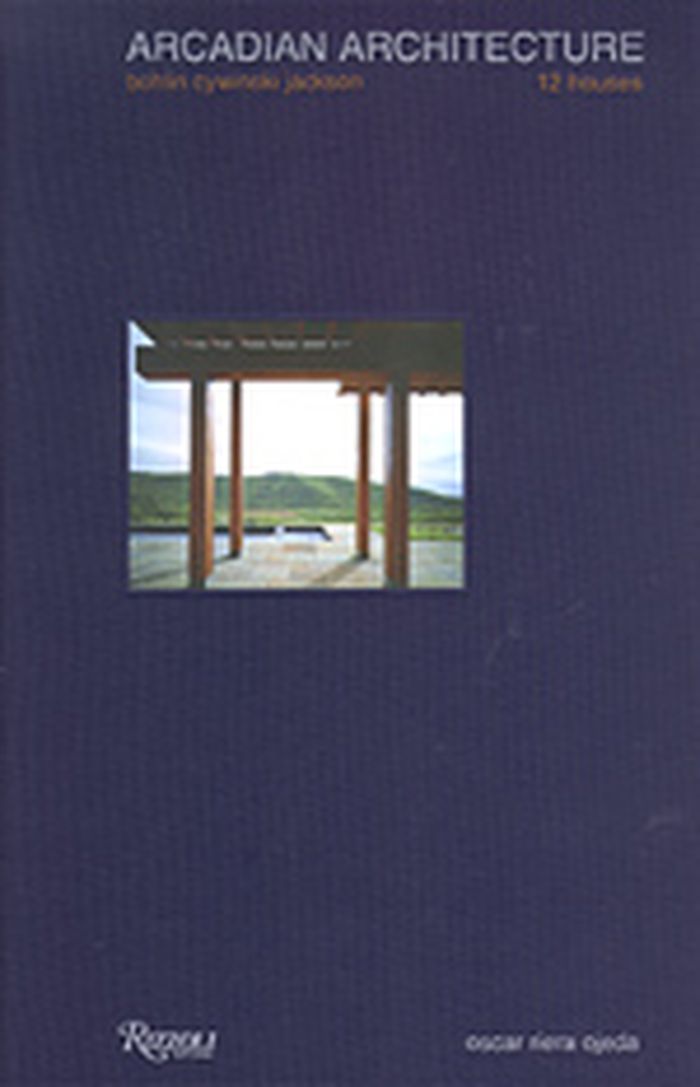
The architecture firm Bohlin Cywinski Jackson believes that "the sensuality of place, the emotive qualities of materials, and the ability to give pleasure and insight, to comfort and to transport can produce humane and spirited architecture." Whether designing corporate headquarters for Pixar Animation Studios, the Software Engineering Institute for Carnegie Mellon University, the new Apple Stores in New York, Chicago, and Tokyo, or the twelve wooded retreats shown in this book, the firm’s architecture is alive to the subtleties of place, man-made or natural, and to the rich possibilities of materials and the means of construction. The houses in "Arcadian Architecture" are exquisitely crafted of wood and stone and other natural materials, and are all sited within beautiful wooded, mountainous, or lakeside locales, from New York State to Washington State, and from the woods of Connecticut to the mountains of Montana. One of the highlights of this book is that it publishes, for the first time, the extraordinary, huge, extremely private and secluded, residential complex in Washington State that was built for Bill and Melinda Gates. Each house is presented on at least thirty pages, and is depicted by sumptuous new colour photography, richly detailed conceptual sketches, presentation drawings, and construction documents.
Arcadian architecture : Bohlin Cywinski Jackson - 12 houses
Actions:
Prix:
$100.00
(disponible sur commande)
Résumé:
The architecture firm Bohlin Cywinski Jackson believes that "the sensuality of place, the emotive qualities of materials, and the ability to give pleasure and insight, to comfort and to transport can produce humane and spirited architecture." Whether designing corporate headquarters for Pixar Animation Studios, the Software Engineering Institute for Carnegie Mellon University, the new Apple Stores in New York, Chicago, and Tokyo, or the twelve wooded retreats shown in this book, the firm’s architecture is alive to the subtleties of place, man-made or natural, and to the rich possibilities of materials and the means of construction. The houses in "Arcadian Architecture" are exquisitely crafted of wood and stone and other natural materials, and are all sited within beautiful wooded, mountainous, or lakeside locales, from New York State to Washington State, and from the woods of Connecticut to the mountains of Montana. One of the highlights of this book is that it publishes, for the first time, the extraordinary, huge, extremely private and secluded, residential complex in Washington State that was built for Bill and Melinda Gates. Each house is presented on at least thirty pages, and is depicted by sumptuous new colour photography, richly detailed conceptual sketches, presentation drawings, and construction documents.
Classification:
livres
livres
Publication:
mai 2005, New York
mai 2005, New York
Classification:
livres
livres
Actions:
Prix:
$56.00
(disponible en magasin)
Résumé:
“Memoryscapes,” the second volume in the “Architecture Connecting” series, co-published with the Louisiana Museum of Modern Art, examines the role of human narratives in shaping the spaces of tomorrow. Focusing on the intersections of architecture with anthropology, archaeology and geology, the book presents the work of two studios whose practices engage deeply with the(...)
$56.00
(disponible en magasin)
Résumé:
“Memoryscapes,” the second volume in the “Architecture Connecting” series, co-published with the Louisiana Museum of Modern Art, examines the role of human narratives in shaping the spaces of tomorrow. Focusing on the intersections of architecture with anthropology, archaeology and geology, the book presents the work of two studios whose practices engage deeply with the(...)
Sujet:
Architecture, monographies
Architecture, monographies
Publication:
avril 2026
avril 2026
Titre:
Architecture connecting: Xu Tiantian & Tsuyoshi Tane
Actions:
Prix:
$56.00
(disponible en magasin)
Résumé:
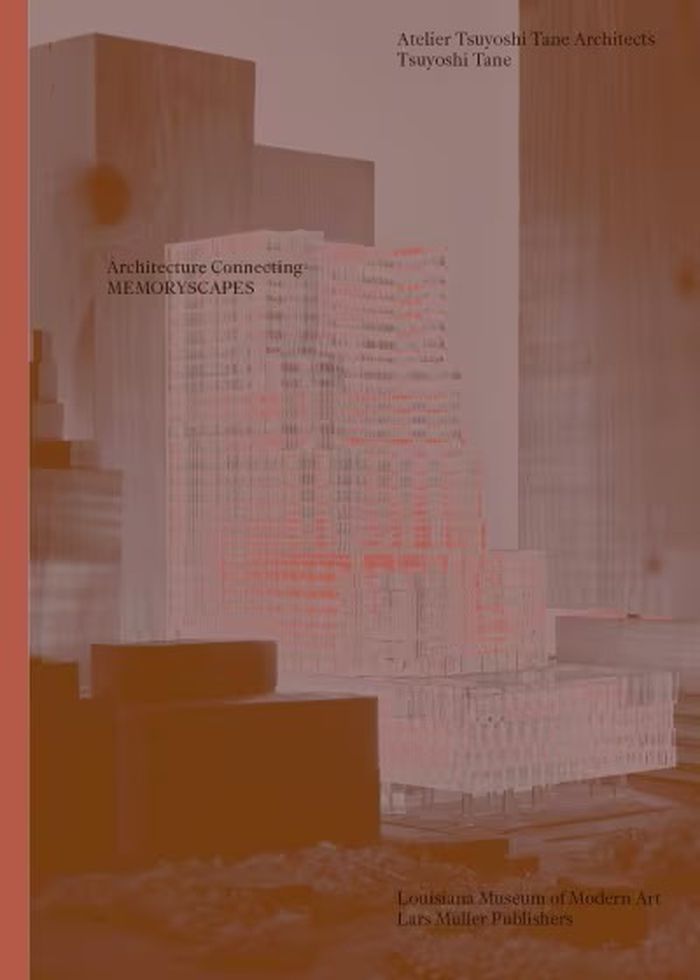
“Memoryscapes,” the second volume in the “Architecture Connecting” series, co-published with the Louisiana Museum of Modern Art, examines the role of human narratives in shaping the spaces of tomorrow. Focusing on the intersections of architecture with anthropology, archaeology and geology, the book presents the work of two studios whose practices engage deeply with the past through both broad investigative research and precise architectural responses. Bound back-to-back, the publication comprises two volumes presenting the distinct approaches of DnA Architecture and Design (Beijing) and Atelier Tsuyoshi Tane Architects (ATTA, Tokyo and Paris). DnA’s practice of “architectural acupuncture” focuses on the social and economic regeneration of rural Chinese communities through targeted interventions that revive long-standing cultural practices, while ATTA’s “Archaeology of the Future” draws on the layered memories of places to create future possibilities across architecture, urban planning and exhibition design, in an international context. Led by Xu Tiantian and Tsuyoshi Tane, respectively, the two studios share an approach that connects social traditions, cultural heritage, craftsmanship and production conditions within complex, site-specific frameworks. Through illustrated essays and project dossiers, the publication traces how these practices draw on lived histories and place-based knowledge to generate new architectural narratives, bridging the past and the future in response to contemporary needs.
Architecture connecting: Xu Tiantian & Tsuyoshi Tane
Actions:
Prix:
$56.00
(disponible en magasin)
Résumé:
“Memoryscapes,” the second volume in the “Architecture Connecting” series, co-published with the Louisiana Museum of Modern Art, examines the role of human narratives in shaping the spaces of tomorrow. Focusing on the intersections of architecture with anthropology, archaeology and geology, the book presents the work of two studios whose practices engage deeply with the past through both broad investigative research and precise architectural responses. Bound back-to-back, the publication comprises two volumes presenting the distinct approaches of DnA Architecture and Design (Beijing) and Atelier Tsuyoshi Tane Architects (ATTA, Tokyo and Paris). DnA’s practice of “architectural acupuncture” focuses on the social and economic regeneration of rural Chinese communities through targeted interventions that revive long-standing cultural practices, while ATTA’s “Archaeology of the Future” draws on the layered memories of places to create future possibilities across architecture, urban planning and exhibition design, in an international context. Led by Xu Tiantian and Tsuyoshi Tane, respectively, the two studios share an approach that connects social traditions, cultural heritage, craftsmanship and production conditions within complex, site-specific frameworks. Through illustrated essays and project dossiers, the publication traces how these practices draw on lived histories and place-based knowledge to generate new architectural narratives, bridging the past and the future in response to contemporary needs.
Classification:
livres
livres
Publication:
avril 2026
avril 2026
Sujet:
Architecture, monographies
Architecture, monographies
Classification:
livres
livres
Titre:
L'Architecture du bonheur
L'Architecture du bonheur
Actions:
Prix:
$45.95
(disponible sur commande)
Résumé:
S'il est vrai que les bâtiments et les objets d'ameublement que nous qualifions de beaux évoquent des aspects du bonheur, on pourrait néanmoins demander pourquoi nous trouvons une telle évocation nécessaire. Pourquoi ce que notre environnement a à nous dire serait-il si important? Pourquoi les architectes devraient-ils se soucier de concevoir des bâtiments qui expriment(...)
$45.95
(disponible sur commande)
Résumé:
S'il est vrai que les bâtiments et les objets d'ameublement que nous qualifions de beaux évoquent des aspects du bonheur, on pourrait néanmoins demander pourquoi nous trouvons une telle évocation nécessaire. Pourquoi ce que notre environnement a à nous dire serait-il si important? Pourquoi les architectes devraient-ils se soucier de concevoir des bâtiments qui expriment(...)
Titre:
L'Architecture du bonheur
Actions:
Prix:
$45.95
(disponible sur commande)
Résumé:
S'il est vrai que les bâtiments et les objets d'ameublement que nous qualifions de beaux évoquent des aspects du bonheur, on pourrait néanmoins demander pourquoi nous trouvons une telle évocation nécessaire. Pourquoi ce que notre environnement a à nous dire serait-il si important? Pourquoi les architectes devraient-ils se soucier de concevoir des bâtiments qui expriment des sentiments et des idées spécifiques? Pourquoi sommes-nous si vulnérables à ce que disent les espaces où nous vivons ? Depuis plusieurs livres déjà, Alain de Botton s'intéresse à notre bonheur et cherche les moyens de nous rendre plus heureux. Après la lecture de Proust, puis celle des grands philosophes, l'art de mieux voyager et l'importance de notre statut social, voici qu'il se penche sur notre cadre de vie et plus particulièrement sur l'architecture des lieux où nous vivons et travaillons. En quoi l'un et l'autre influencent notre mode de pensée, notre façon de nous comporter, en bref notre existence au quotidien, tel est le sujet de L'architecture du bonheur. Faisant preuve comme toujours d'une éblouissante érudition - et de beaucoup d'humour -, Alain de Botton nous entraîne de Paris à Tokyo, de Londres à Brasília, du Kent à l'Engadine, et bien d'autres lieux encore, à la recherche de la maison idéale.
L'Architecture du bonheur
Actions:
Prix:
$45.95
(disponible sur commande)
Résumé:
S'il est vrai que les bâtiments et les objets d'ameublement que nous qualifions de beaux évoquent des aspects du bonheur, on pourrait néanmoins demander pourquoi nous trouvons une telle évocation nécessaire. Pourquoi ce que notre environnement a à nous dire serait-il si important? Pourquoi les architectes devraient-ils se soucier de concevoir des bâtiments qui expriment des sentiments et des idées spécifiques? Pourquoi sommes-nous si vulnérables à ce que disent les espaces où nous vivons ? Depuis plusieurs livres déjà, Alain de Botton s'intéresse à notre bonheur et cherche les moyens de nous rendre plus heureux. Après la lecture de Proust, puis celle des grands philosophes, l'art de mieux voyager et l'importance de notre statut social, voici qu'il se penche sur notre cadre de vie et plus particulièrement sur l'architecture des lieux où nous vivons et travaillons. En quoi l'un et l'autre influencent notre mode de pensée, notre façon de nous comporter, en bref notre existence au quotidien, tel est le sujet de L'architecture du bonheur. Faisant preuve comme toujours d'une éblouissante érudition - et de beaucoup d'humour -, Alain de Botton nous entraîne de Paris à Tokyo, de Londres à Brasília, du Kent à l'Engadine, et bien d'autres lieux encore, à la recherche de la maison idéale.
Classification:
livres
livres
Publication:
octobre 2007, France
octobre 2007, France
Sujet:
Théorie de l’architecture
Théorie de l’architecture
Classification:
livres
livres
Titre:
Atlas: Tadao Ando
Atlas: Tadao Ando
Actions:
Prix:
$79.00
(disponible sur commande)
Résumé:
In 2012, Philippe Se´clier visited Tadao Ando’s iconic Church of the Light, and was immediately compelled to journey around the world to further study the architect’s buildings. This unique presentation of Ando’s work is the result of what turned into a nine-year project to photograph 130 buildings. Walking around each structure, trying to find the proper framing, helped(...)
$79.00
(disponible sur commande)
Résumé:
In 2012, Philippe Se´clier visited Tadao Ando’s iconic Church of the Light, and was immediately compelled to journey around the world to further study the architect’s buildings. This unique presentation of Ando’s work is the result of what turned into a nine-year project to photograph 130 buildings. Walking around each structure, trying to find the proper framing, helped(...)
Sujet:
Architecture, monographies
Architecture, monographies
Publication:
septembre 2021
septembre 2021
Titre:
Atlas: Tadao Ando
Actions:
Prix:
$79.00
(disponible sur commande)
Résumé:
In 2012, Philippe Se´clier visited Tadao Ando’s iconic Church of the Light, and was immediately compelled to journey around the world to further study the architect’s buildings. This unique presentation of Ando’s work is the result of what turned into a nine-year project to photograph 130 buildings. Walking around each structure, trying to find the proper framing, helped Se´clier understand Ando’s genius for siting and composition. Loosely organized by chronology, each building is represented in numerous black and white images, arranged like a mosaic on the page. These fragmented views correspond to Ando’s own philosophy of the logic of structure and geometry. This "atlas" embraces not only the geographic but also thematic range of Ando’s oeuvre—from transit stations in Tokyo and Kobe to art museums in Fort Worth, Texas and Provence, France; from an artists’ retreat on the Mexican coast to the now-demolished Piccadilly Gardens in Manchester, England; from a theater in Milan, Italy, to an upscale restaurant in New York City. Se´clier’s photographs of Ando’s numerous religious structures brilliantly illustrate his use of light and shadow to evoke spiritual depth and timelessness while his short texts offer concise observations of each building. A helpful appendix pinpoints the geographic diversity and range of Ando’s oeuvre.
Atlas: Tadao Ando
Actions:
Prix:
$79.00
(disponible sur commande)
Résumé:
In 2012, Philippe Se´clier visited Tadao Ando’s iconic Church of the Light, and was immediately compelled to journey around the world to further study the architect’s buildings. This unique presentation of Ando’s work is the result of what turned into a nine-year project to photograph 130 buildings. Walking around each structure, trying to find the proper framing, helped Se´clier understand Ando’s genius for siting and composition. Loosely organized by chronology, each building is represented in numerous black and white images, arranged like a mosaic on the page. These fragmented views correspond to Ando’s own philosophy of the logic of structure and geometry. This "atlas" embraces not only the geographic but also thematic range of Ando’s oeuvre—from transit stations in Tokyo and Kobe to art museums in Fort Worth, Texas and Provence, France; from an artists’ retreat on the Mexican coast to the now-demolished Piccadilly Gardens in Manchester, England; from a theater in Milan, Italy, to an upscale restaurant in New York City. Se´clier’s photographs of Ando’s numerous religious structures brilliantly illustrate his use of light and shadow to evoke spiritual depth and timelessness while his short texts offer concise observations of each building. A helpful appendix pinpoints the geographic diversity and range of Ando’s oeuvre.
Classification:
livres
livres
Publication:
septembre 2021
septembre 2021
Sujet:
Architecture, monographies
Architecture, monographies
Classification:
livres
livres

Actions:
Prix:
$19.95
(disponible sur commande)
Résumé:
Japan today protects one-seventh of its land surface in parks, which are visited by well over a billion people each year. Parkscapes analyzes the origins, development, and distinctive features of these public spaces. Green zones were created by the government beginning in the late nineteenth century for state purposes but eventually evolved into sites of negotiation(...)
$19.95
(disponible sur commande)
Résumé:
Japan today protects one-seventh of its land surface in parks, which are visited by well over a billion people each year. Parkscapes analyzes the origins, development, and distinctive features of these public spaces. Green zones were created by the government beginning in the late nineteenth century for state purposes but eventually evolved into sites of negotiation(...)
Titre:
Parkscapes: green spaces in modern Japan
Actions:
Prix:
$19.95
(disponible sur commande)
Résumé:
Japan today protects one-seventh of its land surface in parks, which are visited by well over a billion people each year. Parkscapes analyzes the origins, development, and distinctive features of these public spaces. Green zones were created by the government beginning in the late nineteenth century for state purposes but eventually evolved into sites of negotiation between bureaucrats and ordinary citizens who use them for demonstrations, riots, and shelters, as well as recreation. Thomas Havens shows how revolutionary officials in the 1870s seized private properties and converted them into public parks for educating and managing citizens in the new emperor-sanctioned state. Rebuilding Tokyo and Yokohama after the earthquake and fires of 1923 spurred the spread of urban parklands both in the capital and other cities. According to Havens, the growth of suburbs, the national mobilization of World War II, and the post-1945 American occupation helped speed the creation of more urban parks, setting the stage for vast increases in public green spaces during Japan’s golden age of affluence from the 1960s through the 1980s. Since the 1990s the Japanese public has embraced a heightened ecological consciousness and become deeply involved in the design and management of both city and natural parks—realms once monopolized by government bureaucrats.
Parkscapes: green spaces in modern Japan
Actions:
Prix:
$19.95
(disponible sur commande)
Résumé:
Japan today protects one-seventh of its land surface in parks, which are visited by well over a billion people each year. Parkscapes analyzes the origins, development, and distinctive features of these public spaces. Green zones were created by the government beginning in the late nineteenth century for state purposes but eventually evolved into sites of negotiation between bureaucrats and ordinary citizens who use them for demonstrations, riots, and shelters, as well as recreation. Thomas Havens shows how revolutionary officials in the 1870s seized private properties and converted them into public parks for educating and managing citizens in the new emperor-sanctioned state. Rebuilding Tokyo and Yokohama after the earthquake and fires of 1923 spurred the spread of urban parklands both in the capital and other cities. According to Havens, the growth of suburbs, the national mobilization of World War II, and the post-1945 American occupation helped speed the creation of more urban parks, setting the stage for vast increases in public green spaces during Japan’s golden age of affluence from the 1960s through the 1980s. Since the 1990s the Japanese public has embraced a heightened ecological consciousness and become deeply involved in the design and management of both city and natural parks—realms once monopolized by government bureaucrats.
Classification:
livres
livres
Publication:
avril 2011
avril 2011
Sujet:
Théorie du paysage
Théorie du paysage
Classification:
livres
livres
Titre:
City cycling
City cycling
Actions:
Prix:
$31.95
(disponible sur commande)
Résumé:
Bicycling in cities is booming, for many reasons: health and environmental benefits, time and cost savings, more and better bike lanes and paths, innovative bike sharing programs, and the sheer fun of riding. City Cycling offers a guide to this urban cycling, with the goal of promoting cycling as sustainable urban transportation available to everyone. It reports on(...)
$31.95
(disponible sur commande)
Résumé:
Bicycling in cities is booming, for many reasons: health and environmental benefits, time and cost savings, more and better bike lanes and paths, innovative bike sharing programs, and the sheer fun of riding. City Cycling offers a guide to this urban cycling, with the goal of promoting cycling as sustainable urban transportation available to everyone. It reports on(...)
Titre:
City cycling
Actions:
Prix:
$31.95
(disponible sur commande)
Résumé:
Bicycling in cities is booming, for many reasons: health and environmental benefits, time and cost savings, more and better bike lanes and paths, innovative bike sharing programs, and the sheer fun of riding. City Cycling offers a guide to this urban cycling, with the goal of promoting cycling as sustainable urban transportation available to everyone. It reports on cycling trends and policies in cities in North America, Europe, and Australia, and offers information on such topics as cycling safety, cycling infrastructure provisions including bikeways and bike parking, the wide range of bike designs and bike equipment, integration of cycling with public transportation, and promoting cycling for women and children. The chapters describe ways to make city cycling feasible, convenient, and safe for commutes to work and school, shopping trips, visits, and other daily transportation needs. The book also offers detailed examinations and illustrations of cycling conditions in different urban environments: small cities (including Davis, California, and Delft, the Netherlands), large cities (including Sydney, Chicago, Toronto and Berlin), and "megacities" (London, New York, Paris, and Tokyo). These chapters offer a closer look at how cities both with and without historical cycling cultures have developed cycling programs over time. The book makes clear that successful promotion of city cycling depends on coordinating infrastructure, programs, and government policies.
City cycling
Actions:
Prix:
$31.95
(disponible sur commande)
Résumé:
Bicycling in cities is booming, for many reasons: health and environmental benefits, time and cost savings, more and better bike lanes and paths, innovative bike sharing programs, and the sheer fun of riding. City Cycling offers a guide to this urban cycling, with the goal of promoting cycling as sustainable urban transportation available to everyone. It reports on cycling trends and policies in cities in North America, Europe, and Australia, and offers information on such topics as cycling safety, cycling infrastructure provisions including bikeways and bike parking, the wide range of bike designs and bike equipment, integration of cycling with public transportation, and promoting cycling for women and children. The chapters describe ways to make city cycling feasible, convenient, and safe for commutes to work and school, shopping trips, visits, and other daily transportation needs. The book also offers detailed examinations and illustrations of cycling conditions in different urban environments: small cities (including Davis, California, and Delft, the Netherlands), large cities (including Sydney, Chicago, Toronto and Berlin), and "megacities" (London, New York, Paris, and Tokyo). These chapters offer a closer look at how cities both with and without historical cycling cultures have developed cycling programs over time. The book makes clear that successful promotion of city cycling depends on coordinating infrastructure, programs, and government policies.
Classification:
livres
livres
Publication:
novembre 2012
novembre 2012
Classification:
livres
livres
Titre:
M/M (Paris) de M à M
M/M (Paris) de M à M
Actions:
Prix:
$110.00
(disponible sur commande)
Résumé:
Michel Amzalag et Mathias Augustyniak se rencontrent à l’École nationale supérieure des arts décoratifs (ENSAD) en 1989. Trois ans plus tard, ils fondent ensemble l’agence M/M (Paris). Cette monographie rassemble pour la première fois vingt ans de leurs projets, du livre à l’affiche de cinéma ou de théâtre, en passant par leurs travaux pour la mode (Yohji Yamamoto,(...)
$110.00
(disponible sur commande)
Résumé:
Michel Amzalag et Mathias Augustyniak se rencontrent à l’École nationale supérieure des arts décoratifs (ENSAD) en 1989. Trois ans plus tard, ils fondent ensemble l’agence M/M (Paris). Cette monographie rassemble pour la première fois vingt ans de leurs projets, du livre à l’affiche de cinéma ou de théâtre, en passant par leurs travaux pour la mode (Yohji Yamamoto,(...)
Titre:
M/M (Paris) de M à M
Actions:
Prix:
$110.00
(disponible sur commande)
Résumé:
Michel Amzalag et Mathias Augustyniak se rencontrent à l’École nationale supérieure des arts décoratifs (ENSAD) en 1989. Trois ans plus tard, ils fondent ensemble l’agence M/M (Paris). Cette monographie rassemble pour la première fois vingt ans de leurs projets, du livre à l’affiche de cinéma ou de théâtre, en passant par leurs travaux pour la mode (Yohji Yamamoto, Balenciaga, Givenchy), pour la musique (Benjamin Biolay, Björk, Madonna), par des collaborations avec le monde de l’art (Palais de Tokyo, Centre Pompido, Guggenheim), des objets design ou encore des installations urbaines. Toutes ces créations sont présentées en images et classées dans un ordre alphabétique bien particulier : de M, comme Michaël, à M, pour Mathias. Leurs proches collaborateurs sont invités à évoquer cette œuvre multiforme qu’ils connaissent bien, et sur laquelle leurs propos jettent un jour nouveau. Hans Ulrich Obrist signe la préface de l’ouvrage, Philippe Parreno un texte sur leurs projets communs. Des entretiens sont menés avec Björk, Benjamin Biolay, Nicolas Ghesquière, Pierre Huyghe, Inez van Lamsweerde et Vinoodh Matadin, Sarah Morris, Glenn O’Brien et Éric Vigner. Autant de témoignages sur les spécificités du travail de Michaël Amzalag et Mathias Augustyiniak qui, ensemble, dressent un panorama de l’évolution des champs artistiques depuis les années 1990.
M/M (Paris) de M à M
Actions:
Prix:
$110.00
(disponible sur commande)
Résumé:
Michel Amzalag et Mathias Augustyniak se rencontrent à l’École nationale supérieure des arts décoratifs (ENSAD) en 1989. Trois ans plus tard, ils fondent ensemble l’agence M/M (Paris). Cette monographie rassemble pour la première fois vingt ans de leurs projets, du livre à l’affiche de cinéma ou de théâtre, en passant par leurs travaux pour la mode (Yohji Yamamoto, Balenciaga, Givenchy), pour la musique (Benjamin Biolay, Björk, Madonna), par des collaborations avec le monde de l’art (Palais de Tokyo, Centre Pompido, Guggenheim), des objets design ou encore des installations urbaines. Toutes ces créations sont présentées en images et classées dans un ordre alphabétique bien particulier : de M, comme Michaël, à M, pour Mathias. Leurs proches collaborateurs sont invités à évoquer cette œuvre multiforme qu’ils connaissent bien, et sur laquelle leurs propos jettent un jour nouveau. Hans Ulrich Obrist signe la préface de l’ouvrage, Philippe Parreno un texte sur leurs projets communs. Des entretiens sont menés avec Björk, Benjamin Biolay, Nicolas Ghesquière, Pierre Huyghe, Inez van Lamsweerde et Vinoodh Matadin, Sarah Morris, Glenn O’Brien et Éric Vigner. Autant de témoignages sur les spécificités du travail de Michaël Amzalag et Mathias Augustyiniak qui, ensemble, dressent un panorama de l’évolution des champs artistiques depuis les années 1990.
Classification:
livres
livres
Publication:
janvier 2013
janvier 2013
Sujet:
Design, monographies
Design, monographies
Classification:
livres
livres
Titre:
Maisons contemporaines deux
Maisons contemporaines deux
Actions:
Prix:
$89.95
(disponible sur commande)
Résumé:
L'univers domestique contemporain suscite depuis quelques années un intérêt grandissant. Des expositions, des magazines et des émissions télévisées rendent compte des dernières innovations en matière d'architecture résidentielle. «Maisons contemporaines 2» dresse un panorama des maisons récentes les plus novatrices construites à travers le monde. Les trente-trois maisons(...)
$89.95
(disponible sur commande)
Résumé:
L'univers domestique contemporain suscite depuis quelques années un intérêt grandissant. Des expositions, des magazines et des émissions télévisées rendent compte des dernières innovations en matière d'architecture résidentielle. «Maisons contemporaines 2» dresse un panorama des maisons récentes les plus novatrices construites à travers le monde. Les trente-trois maisons(...)
Sujet:
Architecture résidentielle
Architecture résidentielle
Publication:
décembre 2005, London, New York
décembre 2005, London, New York
Titre:
Maisons contemporaines deux
Actions:
Prix:
$89.95
(disponible sur commande)
Résumé:
L'univers domestique contemporain suscite depuis quelques années un intérêt grandissant. Des expositions, des magazines et des émissions télévisées rendent compte des dernières innovations en matière d'architecture résidentielle. «Maisons contemporaines 2» dresse un panorama des maisons récentes les plus novatrices construites à travers le monde. Les trente-trois maisons présentées ici ont été réalisées dans quinze pays différents, par des architectes consacrés ou prometteurs parmi lesquels David Adjaye (Londres), Tadao Ando (Japon), Carlos Ferrater (Espagne), Sean Godsell (Australie), Kengo Kuma (Chine), Richard Meler (Etats-Unis), Julie Snow (Canada) ou Werner Sobek (Allemagne). Les maisons sont réparties en trois chapitres thématiques: le premier examine la relation entre architecture et paysage ; le second regroupe des projets répondant à des demandes de clients inhabituelles; le troisième présente des résidences où sont mis en œuvre de nouveaux matériaux et des techniques d'économie d'énergie. Chaque maison est l'illustration d'un regard original sur les modes de vie et l'esthétique actuels : la " petite maison " (Kazuyo Sejima/SAANA, Tokyo) permet ainsi de loger une famille de trois personnes sur une parcelle réduite de 60 m² ; la maison Carter Tucker (Sean Godsell, Australie) et la maison Nenning (Cukrowicz.Nachbaur, Autriche) sont des interprétations modernes de la construction en bois traditionnelle ; la maison Koehler (Julie Snow, Canada) et la maison Weiss (Steven Harris, Mexique) offrent toutes deux un havre de repos dans des sites à la beauté sauvage.
Maisons contemporaines deux
Actions:
Prix:
$89.95
(disponible sur commande)
Résumé:
L'univers domestique contemporain suscite depuis quelques années un intérêt grandissant. Des expositions, des magazines et des émissions télévisées rendent compte des dernières innovations en matière d'architecture résidentielle. «Maisons contemporaines 2» dresse un panorama des maisons récentes les plus novatrices construites à travers le monde. Les trente-trois maisons présentées ici ont été réalisées dans quinze pays différents, par des architectes consacrés ou prometteurs parmi lesquels David Adjaye (Londres), Tadao Ando (Japon), Carlos Ferrater (Espagne), Sean Godsell (Australie), Kengo Kuma (Chine), Richard Meler (Etats-Unis), Julie Snow (Canada) ou Werner Sobek (Allemagne). Les maisons sont réparties en trois chapitres thématiques: le premier examine la relation entre architecture et paysage ; le second regroupe des projets répondant à des demandes de clients inhabituelles; le troisième présente des résidences où sont mis en œuvre de nouveaux matériaux et des techniques d'économie d'énergie. Chaque maison est l'illustration d'un regard original sur les modes de vie et l'esthétique actuels : la " petite maison " (Kazuyo Sejima/SAANA, Tokyo) permet ainsi de loger une famille de trois personnes sur une parcelle réduite de 60 m² ; la maison Carter Tucker (Sean Godsell, Australie) et la maison Nenning (Cukrowicz.Nachbaur, Autriche) sont des interprétations modernes de la construction en bois traditionnelle ; la maison Koehler (Julie Snow, Canada) et la maison Weiss (Steven Harris, Mexique) offrent toutes deux un havre de repos dans des sites à la beauté sauvage.
Classification:
livres
livres
Publication:
décembre 2005, London, New York
décembre 2005, London, New York
Sujet:
Architecture résidentielle
Architecture résidentielle


