


2989 Résultats
Classification:
livres
livres
Actions:
Prix:
$35.95
(disponible sur commande)
Résumé:
Stone maps the force, vivacity, and stories within our most mundane matter, stone. For too long stone has served as an unexamined metaphor for the really real: blunt factuality, nature s curt rebuke. Yet, medieval writers knew that stones drop with fire from the sky, emerge through the subterranean lovemaking of the elements, tumble along riverbeds from Eden, partner with(...)
$35.95
(disponible sur commande)
Résumé:
Stone maps the force, vivacity, and stories within our most mundane matter, stone. For too long stone has served as an unexamined metaphor for the really real: blunt factuality, nature s curt rebuke. Yet, medieval writers knew that stones drop with fire from the sky, emerge through the subterranean lovemaking of the elements, tumble along riverbeds from Eden, partner with(...)
Titre:
Stone: an ecology of the inhuman
Actions:
Prix:
$35.95
(disponible sur commande)
Résumé:
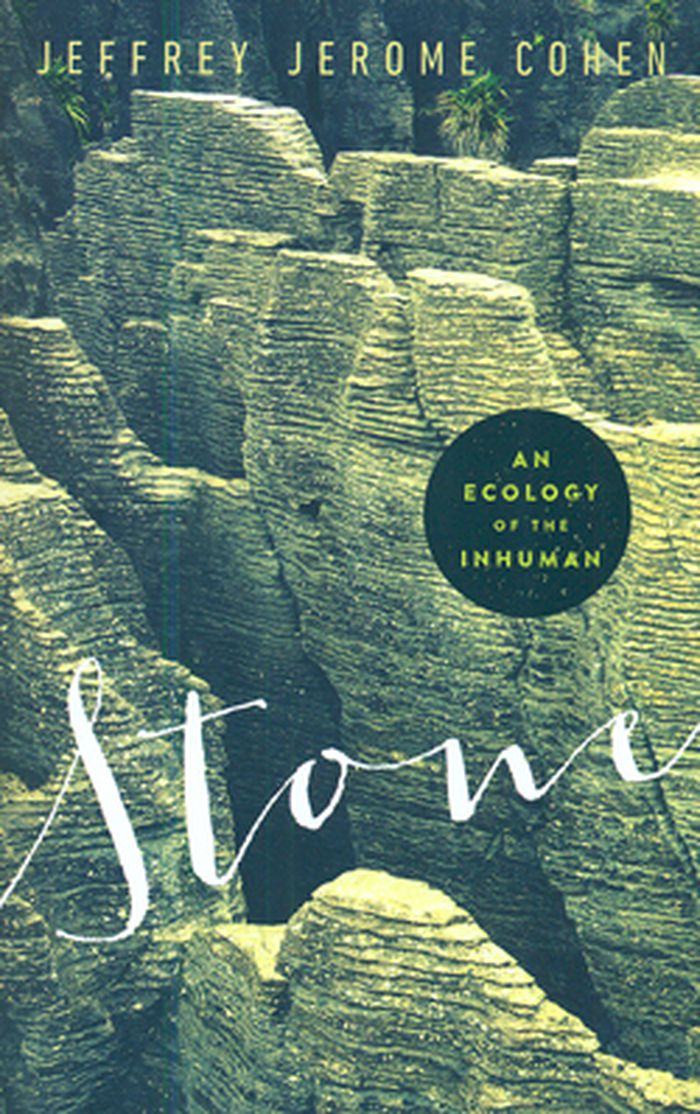
Stone maps the force, vivacity, and stories within our most mundane matter, stone. For too long stone has served as an unexamined metaphor for the really real: blunt factuality, nature s curt rebuke. Yet, medieval writers knew that stones drop with fire from the sky, emerge through the subterranean lovemaking of the elements, tumble along riverbeds from Eden, partner with the masons who build worlds with them. Such motion suggests an ecological enmeshment and an almost creaturely mineral life.Although geological time can leave us reeling, Jeffrey Jerome Cohen argues that stone s endurance is also an invitation to apprehend the world in other than human terms.
Stone: an ecology of the inhuman
Actions:
Prix:
$35.95
(disponible sur commande)
Résumé:
Stone maps the force, vivacity, and stories within our most mundane matter, stone. For too long stone has served as an unexamined metaphor for the really real: blunt factuality, nature s curt rebuke. Yet, medieval writers knew that stones drop with fire from the sky, emerge through the subterranean lovemaking of the elements, tumble along riverbeds from Eden, partner with the masons who build worlds with them. Such motion suggests an ecological enmeshment and an almost creaturely mineral life.Although geological time can leave us reeling, Jeffrey Jerome Cohen argues that stone s endurance is also an invitation to apprehend the world in other than human terms.
Classification:
livres
livres
Publication:
mai 2015
mai 2015
Sujet:
Théorie du paysage
Théorie du paysage
Classification:
livres
livres
Actions:
Prix:
$59.95
(disponible en magasin)
Résumé:
ACADIA 2013 Adaptive Architecture is the proceedings of the 33rd annual international conference of the Association for Computer-Aided Design in Architecture. The conference is held October 24-26, 2013 in Cambridge, Ontario and hosted by the School of Architecture, University of Waterloo, in partnership with the University at Buffalo, SUNY, and the University of(...)
$59.95
(disponible en magasin)
Résumé:
ACADIA 2013 Adaptive Architecture is the proceedings of the 33rd annual international conference of the Association for Computer-Aided Design in Architecture. The conference is held October 24-26, 2013 in Cambridge, Ontario and hosted by the School of Architecture, University of Waterloo, in partnership with the University at Buffalo, SUNY, and the University of(...)
Sujet:
Architecture numérique
Architecture numérique
Publication:
novembre 2013
novembre 2013
Titre:
Acadia 2013 : adaptive architecture
Actions:
Prix:
$59.95
(disponible en magasin)
Résumé:
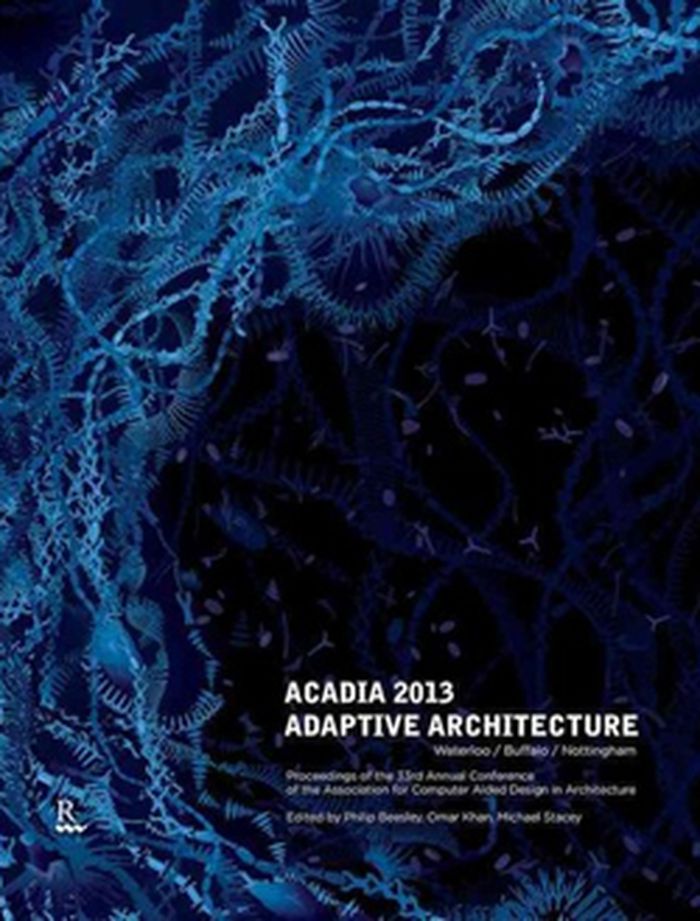
ACADIA 2013 Adaptive Architecture is the proceedings of the 33rd annual international conference of the Association for Computer-Aided Design in Architecture. The conference is held October 24-26, 2013 in Cambridge, Ontario and hosted by the School of Architecture, University of Waterloo, in partnership with the University at Buffalo, SUNY, and the University of Nottingham. The proceedings publication contains peer-reviewed and juried research on computational design focused on emerging themes of adaptive and complex systems within contemporary architecture.
Acadia 2013 : adaptive architecture
Actions:
Prix:
$59.95
(disponible en magasin)
Résumé:
ACADIA 2013 Adaptive Architecture is the proceedings of the 33rd annual international conference of the Association for Computer-Aided Design in Architecture. The conference is held October 24-26, 2013 in Cambridge, Ontario and hosted by the School of Architecture, University of Waterloo, in partnership with the University at Buffalo, SUNY, and the University of Nottingham. The proceedings publication contains peer-reviewed and juried research on computational design focused on emerging themes of adaptive and complex systems within contemporary architecture.
Classification:
livres
livres
Publication:
novembre 2013
novembre 2013
Sujet:
Architecture numérique
Architecture numérique
Classification:
livres
livres
Actions:
Prix:
$56.50
(disponible sur commande)
Résumé:
Clare Nash was struggling with a common problem: how to be an architect and still have a life. With no job, no savings and no clients in the midst of a recession, Clare set up her own practice with little more than a few postcards in local shop windows and a very simple website. Determined to better combine her life and family with professional work, she created an(...)
$56.50
(disponible sur commande)
Résumé:
Clare Nash was struggling with a common problem: how to be an architect and still have a life. With no job, no savings and no clients in the midst of a recession, Clare set up her own practice with little more than a few postcards in local shop windows and a very simple website. Determined to better combine her life and family with professional work, she created an(...)
Titre:
Design your life: an architect's guide to achieving a work/life balance
Actions:
Prix:
$56.50
(disponible sur commande)
Résumé:
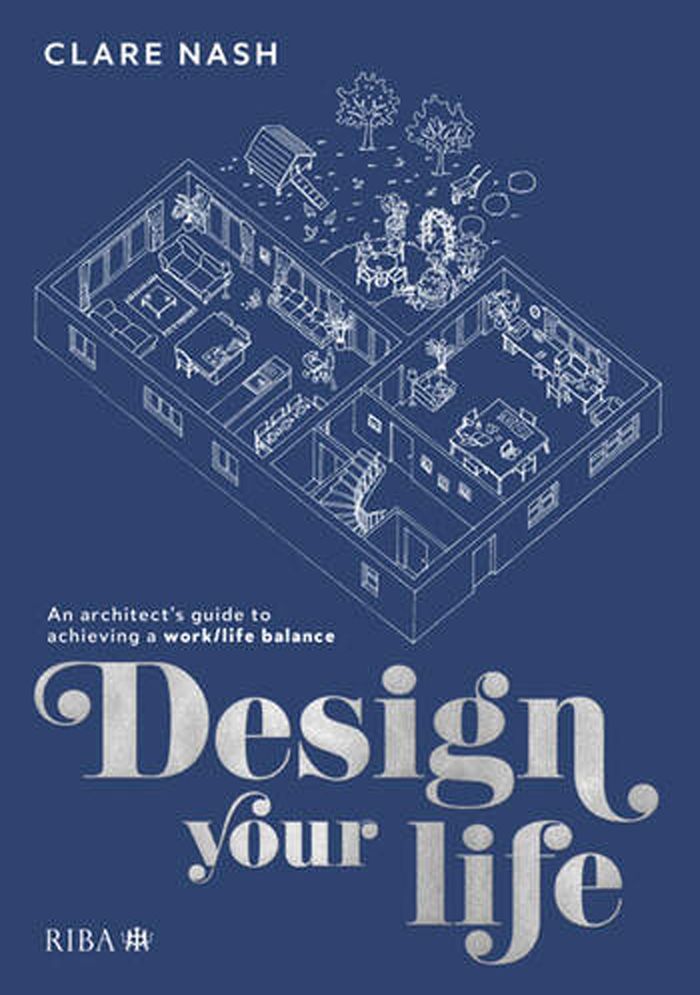
Clare Nash was struggling with a common problem: how to be an architect and still have a life. With no job, no savings and no clients in the midst of a recession, Clare set up her own practice with little more than a few postcards in local shop windows and a very simple website. Determined to better combine her life and family with professional work, she created an innovative practice that is flexible and forward-looking, based around remote working and the possibilities offered by improving technology. This book explains in clear and accessible language how to avoid the common pitfalls of long hours and low pay. It explores how to juggle work with family commitments, how to set your own career path and design priorities, and how to instil a flexible working culture within a busy lifestyle.
Design your life: an architect's guide to achieving a work/life balance
Actions:
Prix:
$56.50
(disponible sur commande)
Résumé:
Clare Nash was struggling with a common problem: how to be an architect and still have a life. With no job, no savings and no clients in the midst of a recession, Clare set up her own practice with little more than a few postcards in local shop windows and a very simple website. Determined to better combine her life and family with professional work, she created an innovative practice that is flexible and forward-looking, based around remote working and the possibilities offered by improving technology. This book explains in clear and accessible language how to avoid the common pitfalls of long hours and low pay. It explores how to juggle work with family commitments, how to set your own career path and design priorities, and how to instil a flexible working culture within a busy lifestyle.
Classification:
livres
livres
Publication:
décembre 2021
décembre 2021
Sujet:
Théorie de l’architecture
Théorie de l’architecture
Classification:
livres
livres
Actions:
Prix:
$74.95
(disponible sur commande)
Résumé:
Sarah Malakoff’s large-scale color photographs investigate domestic interiors as both a refuge from and a re-creation of the outside world. In ''Personal History'', she turns her attention to objects displayed within American homes that reference culture, history, and ideology. Whether representations of historical figures, events, or monuments, the possessions point to a(...)
$74.95
(disponible sur commande)
Résumé:
Sarah Malakoff’s large-scale color photographs investigate domestic interiors as both a refuge from and a re-creation of the outside world. In ''Personal History'', she turns her attention to objects displayed within American homes that reference culture, history, and ideology. Whether representations of historical figures, events, or monuments, the possessions point to a(...)
Titre:
Sarah Malakoff: personal history
Actions:
Prix:
$74.95
(disponible sur commande)
Résumé:
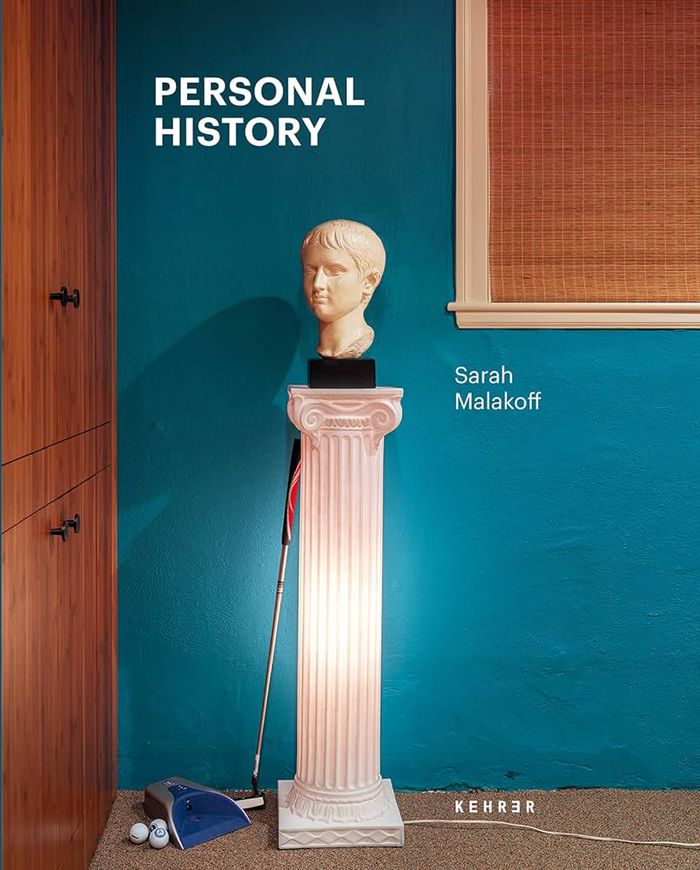
Sarah Malakoff’s large-scale color photographs investigate domestic interiors as both a refuge from and a re-creation of the outside world. In ''Personal History'', she turns her attention to objects displayed within American homes that reference culture, history, and ideology. Whether representations of historical figures, events, or monuments, the possessions point to a longing for connection to the past and an engagement with the world at large. Often the collections of objects underscore the privilege and power implicit in the act of collecting. These souvenirs resonate—sometimes humorously, sometimes disturbingly—with the other possessions and architecture that surround them, uneasily vacillating between heroism and kitsch, patriotism and colonialism.
Sarah Malakoff: personal history
Actions:
Prix:
$74.95
(disponible sur commande)
Résumé:
Sarah Malakoff’s large-scale color photographs investigate domestic interiors as both a refuge from and a re-creation of the outside world. In ''Personal History'', she turns her attention to objects displayed within American homes that reference culture, history, and ideology. Whether representations of historical figures, events, or monuments, the possessions point to a longing for connection to the past and an engagement with the world at large. Often the collections of objects underscore the privilege and power implicit in the act of collecting. These souvenirs resonate—sometimes humorously, sometimes disturbingly—with the other possessions and architecture that surround them, uneasily vacillating between heroism and kitsch, patriotism and colonialism.
Classification:
livres
livres
Publication:
mai 2023
mai 2023
Sujet:
Monographies photo
Monographies photo
Classification:
livres
livres
Actions:
Prix:
$66.95
(disponible sur commande)
Résumé:
“We can think about the negative without being able to see it.” Thus begins photographer Hennric Jokeit’s series of negative images, which challenges our eyes and brain to focus, taking time to adapt and virtually decipher what we are seeing. Confronted with negative depictions of urban and natural landscapes, interior scenes, and buildings and objects, the viewer is(...)
$66.95
(disponible sur commande)
Résumé:
“We can think about the negative without being able to see it.” Thus begins photographer Hennric Jokeit’s series of negative images, which challenges our eyes and brain to focus, taking time to adapt and virtually decipher what we are seeing. Confronted with negative depictions of urban and natural landscapes, interior scenes, and buildings and objects, the viewer is(...)
Titre:
Hennric Jokeit: negative vision
Actions:
Prix:
$66.95
(disponible sur commande)
Résumé:
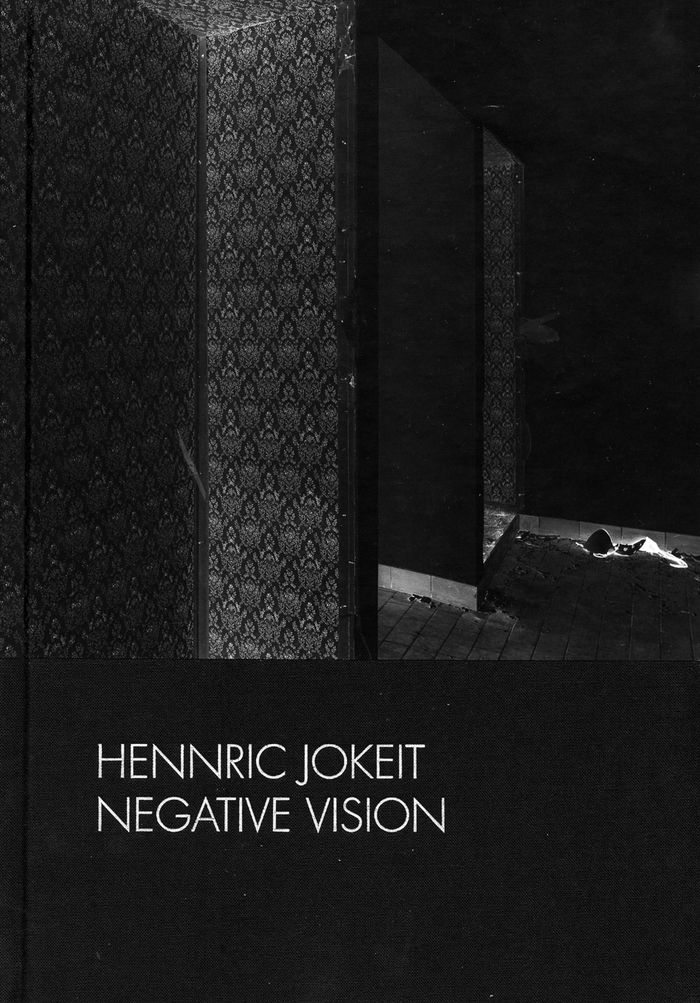
“We can think about the negative without being able to see it.” Thus begins photographer Hennric Jokeit’s series of negative images, which challenges our eyes and brain to focus, taking time to adapt and virtually decipher what we are seeing. Confronted with negative depictions of urban and natural landscapes, interior scenes, and buildings and objects, the viewer is asked to concentrate on the singularity of each image, to translate dark into light and vice versa. As such, it allows us to focus more clearly on aspects like composition and formal arrangement within the frame of the image, levels of comprehension that are often overlooked. With an essay by Philip Ursprung.
Hennric Jokeit: negative vision
Actions:
Prix:
$66.95
(disponible sur commande)
Résumé:
“We can think about the negative without being able to see it.” Thus begins photographer Hennric Jokeit’s series of negative images, which challenges our eyes and brain to focus, taking time to adapt and virtually decipher what we are seeing. Confronted with negative depictions of urban and natural landscapes, interior scenes, and buildings and objects, the viewer is asked to concentrate on the singularity of each image, to translate dark into light and vice versa. As such, it allows us to focus more clearly on aspects like composition and formal arrangement within the frame of the image, levels of comprehension that are often overlooked. With an essay by Philip Ursprung.
Classification:
livres
livres
Publication:
juin 2016
juin 2016
Sujet:
Monographies photo
Monographies photo
Classification:
livres
livres
Titre:
Armin Linke : inside/outside
Armin Linke : inside/outside
Actions:
Prix:
$135.95
(disponible sur commande)
Résumé:
Photographer Armin Linke captures the library in this series of images, depicting the interior spaces of this time-honoured cultural institution as an expression of its commitment to stimulating questioning and discovery. He not only looks at the grandly ornamented, open spaces of academic study found within several Parisian institutions (such as Science Po, the Louvre,(...)
$135.95
(disponible sur commande)
Résumé:
Photographer Armin Linke captures the library in this series of images, depicting the interior spaces of this time-honoured cultural institution as an expression of its commitment to stimulating questioning and discovery. He not only looks at the grandly ornamented, open spaces of academic study found within several Parisian institutions (such as Science Po, the Louvre,(...)
Titre:
Armin Linke : inside/outside
Actions:
Prix:
$135.95
(disponible sur commande)
Résumé:
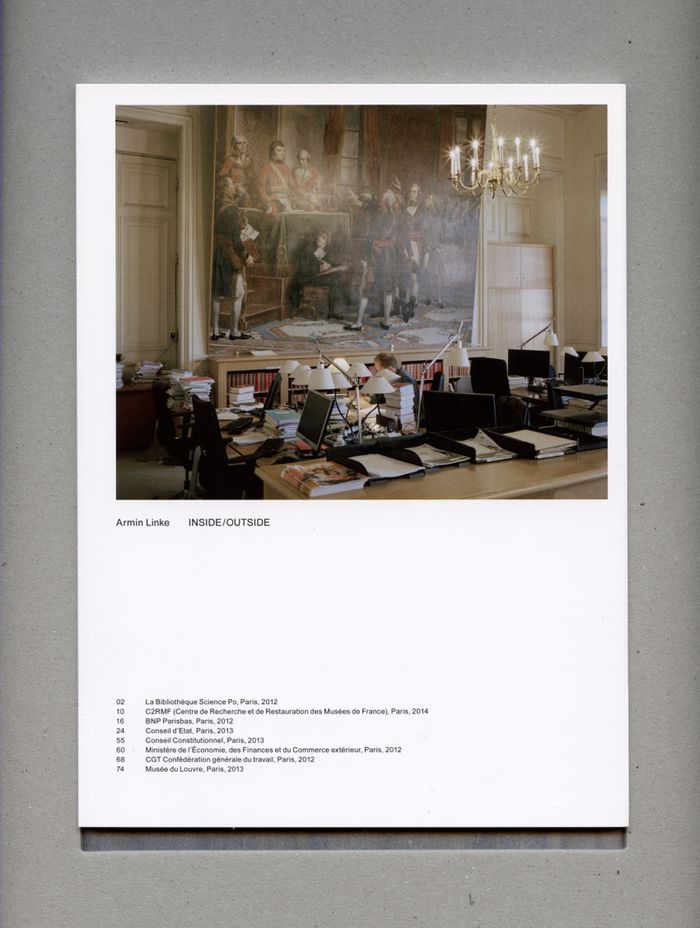
Photographer Armin Linke captures the library in this series of images, depicting the interior spaces of this time-honoured cultural institution as an expression of its commitment to stimulating questioning and discovery. He not only looks at the grandly ornamented, open spaces of academic study found within several Parisian institutions (such as Science Po, the Louvre, and C2RMF), but also the lecture halls, administrative offices, and behind-the-scenes storage and hidden technical functions. Besides Linke’s thoughtfully banal images, the book includes an essay by Bruno Latour, an interview with Linke, and a conversation about the project’s initiation and background. Signed and numbered edition with two original photographs.
Armin Linke : inside/outside
Actions:
Prix:
$135.95
(disponible sur commande)
Résumé:
Photographer Armin Linke captures the library in this series of images, depicting the interior spaces of this time-honoured cultural institution as an expression of its commitment to stimulating questioning and discovery. He not only looks at the grandly ornamented, open spaces of academic study found within several Parisian institutions (such as Science Po, the Louvre, and C2RMF), but also the lecture halls, administrative offices, and behind-the-scenes storage and hidden technical functions. Besides Linke’s thoughtfully banal images, the book includes an essay by Bruno Latour, an interview with Linke, and a conversation about the project’s initiation and background. Signed and numbered edition with two original photographs.
Classification:
livres
livres
Publication:
juin 2015
juin 2015
Sujet:
Monographies photo
Monographies photo
Classification:
livres
livres
Prix:
$45.00
(disponible sur commande)
Résumé:
All buildings are forced to adapt over time because of physical deterioration, changing surroundings and the life within--yet very few buildings adapt gracefully, according to Brand. Houses, he notes, respond to families' tastes, ideas, annoyance and growth; and institutional buildings change with expensive reluctance and delay; while commercial structures have to adapt(...)
$45.00
(disponible sur commande)
Résumé:
All buildings are forced to adapt over time because of physical deterioration, changing surroundings and the life within--yet very few buildings adapt gracefully, according to Brand. Houses, he notes, respond to families' tastes, ideas, annoyance and growth; and institutional buildings change with expensive reluctance and delay; while commercial structures have to adapt(...)
Titre:
How buildings learn : what happens after they're built
Actions:
Prix:
$45.00
(disponible sur commande)
Résumé:
All buildings are forced to adapt over time because of physical deterioration, changing surroundings and the life within--yet very few buildings adapt gracefully, according to Brand. Houses, he notes, respond to families' tastes, ideas, annoyance and growth; and institutional buildings change with expensive reluctance and delay; while commercial structures have to adapt quickly because of intense competitive pressures. Brand splices a conversational text with hundreds of extensively captioned photographs and drawings juxtaposing buildings that age well with those that age poorly. He buttresses his critique with insights gleaned from facilities managers, planners, preservationists, building historians and futurists. This informative handbook sets forth a strategy for constructing adaptive buildings that incorporates a conservationist approach to design, use of traditional materials, attention to local vernacular styles and budgeting to allow for continuous adjustment and maintenance.
How buildings learn : what happens after they're built
Actions:
Prix:
$45.00
(disponible sur commande)
Résumé:
All buildings are forced to adapt over time because of physical deterioration, changing surroundings and the life within--yet very few buildings adapt gracefully, according to Brand. Houses, he notes, respond to families' tastes, ideas, annoyance and growth; and institutional buildings change with expensive reluctance and delay; while commercial structures have to adapt quickly because of intense competitive pressures. Brand splices a conversational text with hundreds of extensively captioned photographs and drawings juxtaposing buildings that age well with those that age poorly. He buttresses his critique with insights gleaned from facilities managers, planners, preservationists, building historians and futurists. This informative handbook sets forth a strategy for constructing adaptive buildings that incorporates a conservationist approach to design, use of traditional materials, attention to local vernacular styles and budgeting to allow for continuous adjustment and maintenance.
Classification:
livres
livres
Publication:
octobre 1995, New York
octobre 1995, New York
Sujet:
Structures d’ingénierie
Structures d’ingénierie
Classification:
livres
livres
Titre:
Peter Eisenman : feints
Peter Eisenman : feints
Actions:
Prix:
$49.95
(disponible sur commande)
Résumé:
Impregnated with “culture” in the broadest sense, the works of Peter Eisenman reflect many years of important study on the meaning and sense of design. Architecture understood as history, as philosophy, as art, as mathematics, as literature, architecture understood – as it should be that is – as a strict discipline that aims to recover its operational fields, defining(...)
$49.95
(disponible sur commande)
Résumé:
Impregnated with “culture” in the broadest sense, the works of Peter Eisenman reflect many years of important study on the meaning and sense of design. Architecture understood as history, as philosophy, as art, as mathematics, as literature, architecture understood – as it should be that is – as a strict discipline that aims to recover its operational fields, defining(...)
Sujet:
Architecture, monographies
Architecture, monographies
Publication:
mai 2006, Milano
mai 2006, Milano
Titre:
Peter Eisenman : feints
Actions:
Prix:
$49.95
(disponible sur commande)
Résumé:
Impregnated with “culture” in the broadest sense, the works of Peter Eisenman reflect many years of important study on the meaning and sense of design. Architecture understood as history, as philosophy, as art, as mathematics, as literature, architecture understood – as it should be that is – as a strict discipline that aims to recover its operational fields, defining with precision its limits and the potential for a profession that must constantly face destabilising visual and technological systems. Within history and yet outside it so that it can continue, within tradition yet outside of Tradition in order to avoid becoming sterile, the architecture of Peter Eisenman does not aim to console with the simple suggestion of a difficult-to-define aesthetic or the illusion of an evanescent technique. The unpredictability of his work anchors design to individuation and the clarification of its objectives by focussing on the value of the sign understood as a fundamental conceptual expression and not as simple formal distortion. The validity of this formidable theoretical system intended to return a renewed and personal linguistic system to fields of architecture, is confirmed by examining the continued expansion of the territorial system, as evidenced by projects on a territorial scale such as the Memorial of Berlin or the Cultural Centre of Galizia, the most recent projects which demonstrate the vitality of a design system that is constantly renewing itself.
Peter Eisenman : feints
Actions:
Prix:
$49.95
(disponible sur commande)
Résumé:
Impregnated with “culture” in the broadest sense, the works of Peter Eisenman reflect many years of important study on the meaning and sense of design. Architecture understood as history, as philosophy, as art, as mathematics, as literature, architecture understood – as it should be that is – as a strict discipline that aims to recover its operational fields, defining with precision its limits and the potential for a profession that must constantly face destabilising visual and technological systems. Within history and yet outside it so that it can continue, within tradition yet outside of Tradition in order to avoid becoming sterile, the architecture of Peter Eisenman does not aim to console with the simple suggestion of a difficult-to-define aesthetic or the illusion of an evanescent technique. The unpredictability of his work anchors design to individuation and the clarification of its objectives by focussing on the value of the sign understood as a fundamental conceptual expression and not as simple formal distortion. The validity of this formidable theoretical system intended to return a renewed and personal linguistic system to fields of architecture, is confirmed by examining the continued expansion of the territorial system, as evidenced by projects on a territorial scale such as the Memorial of Berlin or the Cultural Centre of Galizia, the most recent projects which demonstrate the vitality of a design system that is constantly renewing itself.
Classification:
livres
livres
Publication:
mai 2006, Milano
mai 2006, Milano
Sujet:
Architecture, monographies
Architecture, monographies
Classification:
livres
livres
Actions:
Prix:
$59.95
(disponible sur commande)
Résumé:
Located in the Pacific Palisades, the Kappe Residence was designed and built in 1965–67 by American architect and educator Ray Kappe. As Takashi Yanai writes in his essay, Kappe is ''a quiet giant within the local architectural community''. The house he designed for himself and his family follows a long tradition of forward-thinking residences that celebrate the temperate(...)
$59.95
(disponible sur commande)
Résumé:
Located in the Pacific Palisades, the Kappe Residence was designed and built in 1965–67 by American architect and educator Ray Kappe. As Takashi Yanai writes in his essay, Kappe is ''a quiet giant within the local architectural community''. The house he designed for himself and his family follows a long tradition of forward-thinking residences that celebrate the temperate(...)
Titre:
Residential masterpieces 26: Ray Kappe. Kappe residence, Pacifica Pallisades 1965-67
Actions:
Prix:
$59.95
(disponible sur commande)
Résumé:
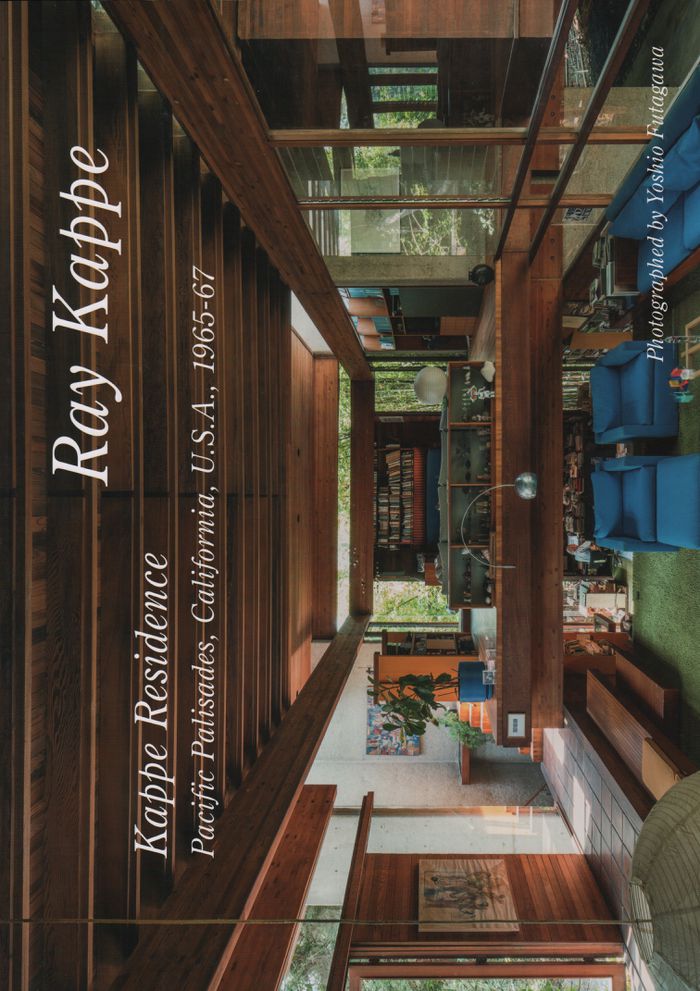
Located in the Pacific Palisades, the Kappe Residence was designed and built in 1965–67 by American architect and educator Ray Kappe. As Takashi Yanai writes in his essay, Kappe is ''a quiet giant within the local architectural community''. The house he designed for himself and his family follows a long tradition of forward-thinking residences that celebrate the temperate climate and inventive spirit of Los Angeles. Yoshio Futagawa's photographs reflect its perfect example of how a house can be so grounded in place, yet poetic in its spaces and materiality. The challenging site, with its underground springs and steep slope, speaks to Kappe's genius. With an interview by Thom Mayne.
Residential masterpieces 26: Ray Kappe. Kappe residence, Pacifica Pallisades 1965-67
Actions:
Prix:
$59.95
(disponible sur commande)
Résumé:
Located in the Pacific Palisades, the Kappe Residence was designed and built in 1965–67 by American architect and educator Ray Kappe. As Takashi Yanai writes in his essay, Kappe is ''a quiet giant within the local architectural community''. The house he designed for himself and his family follows a long tradition of forward-thinking residences that celebrate the temperate climate and inventive spirit of Los Angeles. Yoshio Futagawa's photographs reflect its perfect example of how a house can be so grounded in place, yet poetic in its spaces and materiality. The challenging site, with its underground springs and steep slope, speaks to Kappe's genius. With an interview by Thom Mayne.
Classification:
livres
livres
Publication:
mars 2018
mars 2018
Sujet:
Architecture, monographies
Architecture, monographies
Classification:
livres
livres
Titre:
The Hive at Kew
The Hive at Kew
Actions:
Prix:
$34.95
(disponible sur commande)
Résumé:
The Hive was the centrepiece of the gold medal winning UK Pavilion at the 2015 Milan Expo, and from June 2016 takes up its new home within Kew Gardens. Soaring 17 metres in the air, designed by Wolfgang Buttress and created by BDP, Simmonds Studio and Stage One, The Hive is an immersive, multi-sensory experience inspired by ground-breaking UK scientific research into the(...)
$34.95
(disponible sur commande)
Résumé:
The Hive was the centrepiece of the gold medal winning UK Pavilion at the 2015 Milan Expo, and from June 2016 takes up its new home within Kew Gardens. Soaring 17 metres in the air, designed by Wolfgang Buttress and created by BDP, Simmonds Studio and Stage One, The Hive is an immersive, multi-sensory experience inspired by ground-breaking UK scientific research into the(...)
Titre:
The Hive at Kew
Actions:
Prix:
$34.95
(disponible sur commande)
Résumé:
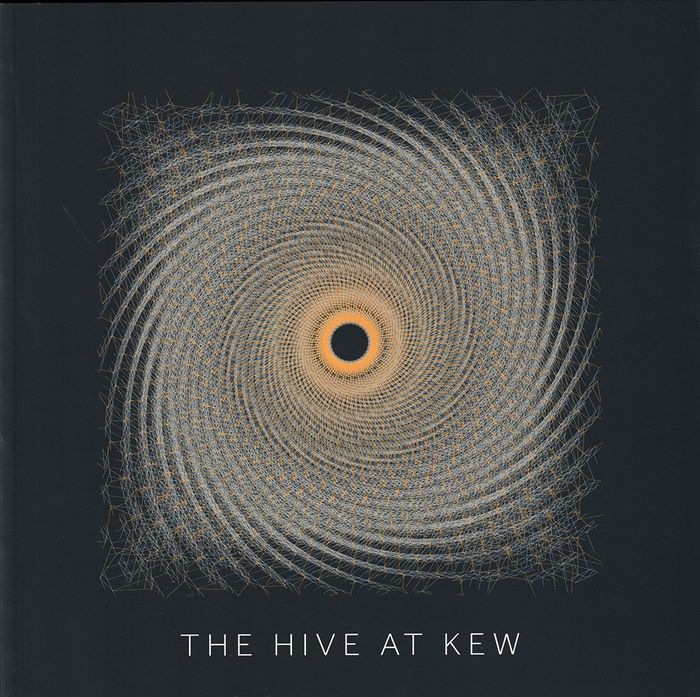
The Hive was the centrepiece of the gold medal winning UK Pavilion at the 2015 Milan Expo, and from June 2016 takes up its new home within Kew Gardens. Soaring 17 metres in the air, designed by Wolfgang Buttress and created by BDP, Simmonds Studio and Stage One, The Hive is an immersive, multi-sensory experience inspired by ground-breaking UK scientific research into the health of bees. Showcasing British creativity, innovation and leadership in overcoming global challenges, this magnificent aluminium structure draws visitors into the space via a wildflower meadow, as though they are worker bees returning to the hive. Hundreds of glowing LED lights bring this 40 tonne lattice structure to life, while a beautiful symphony of orchestral sounds fills the air, with an atmospheric undercurrent of buzzes and pulses. Triggered by vibration sensors within a real beehive, the sound and light intensity within the pavilion increases as the energy levels in the living hive surge, giving visitors an incredible insight into the ever-moving life of a bee colony.The Hive at Kew is a beautifully illustrated celebration of this fascinating project. The book is divided into three sections, with James Haldane, Design Editor for The Architectural Review focusing first on the origins and the architecture of the Hive and its creation led by artist Wolfgang Buttress. The central body of the book focusses on the immersion of the Hive at Kew and the surrounding wildflower meadow designed to attract a variety of bees. This section includes features on the team behind the Hive, as well as Kew's horticultural experts. Finally, Martin Bencsik of Nottingham Trent University and Kew's Phil Stephenson explain the pioneering research into bee health and communication that inspired the Hive, and how Kew is working to help bees in their vital role as pollinators. Beautifully illustrated throughout with photographs of the Hive itself, its construction, and the wildflower meadow surrounding it, as well as architectural plans of the structure.
The Hive at Kew
Actions:
Prix:
$34.95
(disponible sur commande)
Résumé:
The Hive was the centrepiece of the gold medal winning UK Pavilion at the 2015 Milan Expo, and from June 2016 takes up its new home within Kew Gardens. Soaring 17 metres in the air, designed by Wolfgang Buttress and created by BDP, Simmonds Studio and Stage One, The Hive is an immersive, multi-sensory experience inspired by ground-breaking UK scientific research into the health of bees. Showcasing British creativity, innovation and leadership in overcoming global challenges, this magnificent aluminium structure draws visitors into the space via a wildflower meadow, as though they are worker bees returning to the hive. Hundreds of glowing LED lights bring this 40 tonne lattice structure to life, while a beautiful symphony of orchestral sounds fills the air, with an atmospheric undercurrent of buzzes and pulses. Triggered by vibration sensors within a real beehive, the sound and light intensity within the pavilion increases as the energy levels in the living hive surge, giving visitors an incredible insight into the ever-moving life of a bee colony.The Hive at Kew is a beautifully illustrated celebration of this fascinating project. The book is divided into three sections, with James Haldane, Design Editor for The Architectural Review focusing first on the origins and the architecture of the Hive and its creation led by artist Wolfgang Buttress. The central body of the book focusses on the immersion of the Hive at Kew and the surrounding wildflower meadow designed to attract a variety of bees. This section includes features on the team behind the Hive, as well as Kew's horticultural experts. Finally, Martin Bencsik of Nottingham Trent University and Kew's Phil Stephenson explain the pioneering research into bee health and communication that inspired the Hive, and how Kew is working to help bees in their vital role as pollinators. Beautifully illustrated throughout with photographs of the Hive itself, its construction, and the wildflower meadow surrounding it, as well as architectural plans of the structure.
Classification:
livres
livres
Publication:
mars 2017
mars 2017
Sujet:
Jardins
Jardins


