


2654 Résultats
Classification:
livres
livres
Actions:
Prix:
$37.95
(disponible sur commande)
Résumé:
The idea of fashion under socialism conjures up images of babushka headscarves and black market blue jeans. And yet, as Djurdja Bartlett shows in this groundbreaking book, the socialist East had an intimate relationship with fashion. Official antagonism—which cast fashion as frivolous and antirevolutionary—eventually gave way to grudging acceptance and creeping(...)
$37.95
(disponible sur commande)
Résumé:
The idea of fashion under socialism conjures up images of babushka headscarves and black market blue jeans. And yet, as Djurdja Bartlett shows in this groundbreaking book, the socialist East had an intimate relationship with fashion. Official antagonism—which cast fashion as frivolous and antirevolutionary—eventually gave way to grudging acceptance and creeping(...)
Titre:
Fashion East : the spectre that haunted socialism
Actions:
Prix:
$37.95
(disponible sur commande)
Résumé:
The idea of fashion under socialism conjures up images of babushka headscarves and black market blue jeans. And yet, as Djurdja Bartlett shows in this groundbreaking book, the socialist East had an intimate relationship with fashion. Official antagonism—which cast fashion as frivolous and antirevolutionary—eventually gave way to grudging acceptance and creeping consumerism. Bartlett outlines three phases in socialist fashion, and illustrates them with abundant images from magazines of the period: postrevolutionary utopian dress, official state-sanctioned socialist fashion, and samizdat-style everyday fashion. Utopian dress, ranging from the geometric abstraction of the constructivists under Bolshevism in the Soviet Union to the no-frills desexualized uniform of a factory worker in Czechoslovakia, reflected the revolutionary urge for a clean break with the past. The highly centralized socialist fashion system, part of Stalinist industrialization, offered official prototypes of high fashion that were never available in stores—mythical images of smart and luxurious dresses that symbolized the economic progress that socialist regimes dreamed of. Everyday fashion, starting in the 1950s, was an unofficial, do-it-yourself enterprise: Western fashions obtained through semiclandestine channels or sewn at home. The state tolerated the demand for Western fashion, promising the burgeoning middle class consumer goods in exchange for political loyalty. Bartlett traces the progress of socialist fashion in the Soviet Union, Czechoslovakia, Hungary, East Germany, Poland, and Yugoslavia, drawing on state-sponsored socialist women’s magazines, etiquette books, socialist manuals on dress, private archives, and her own interviews with designers, fashion editors, and other key figures. Fashion, she suggests, with all its ephemerality and dynamism, was in perpetual conflict with the socialist regimes’ fear of change and need for control. It was, to echo the famous first sentence from the Communist Manifesto, the spectre that haunted socialism until the end.
Fashion East : the spectre that haunted socialism
Actions:
Prix:
$37.95
(disponible sur commande)
Résumé:
The idea of fashion under socialism conjures up images of babushka headscarves and black market blue jeans. And yet, as Djurdja Bartlett shows in this groundbreaking book, the socialist East had an intimate relationship with fashion. Official antagonism—which cast fashion as frivolous and antirevolutionary—eventually gave way to grudging acceptance and creeping consumerism. Bartlett outlines three phases in socialist fashion, and illustrates them with abundant images from magazines of the period: postrevolutionary utopian dress, official state-sanctioned socialist fashion, and samizdat-style everyday fashion. Utopian dress, ranging from the geometric abstraction of the constructivists under Bolshevism in the Soviet Union to the no-frills desexualized uniform of a factory worker in Czechoslovakia, reflected the revolutionary urge for a clean break with the past. The highly centralized socialist fashion system, part of Stalinist industrialization, offered official prototypes of high fashion that were never available in stores—mythical images of smart and luxurious dresses that symbolized the economic progress that socialist regimes dreamed of. Everyday fashion, starting in the 1950s, was an unofficial, do-it-yourself enterprise: Western fashions obtained through semiclandestine channels or sewn at home. The state tolerated the demand for Western fashion, promising the burgeoning middle class consumer goods in exchange for political loyalty. Bartlett traces the progress of socialist fashion in the Soviet Union, Czechoslovakia, Hungary, East Germany, Poland, and Yugoslavia, drawing on state-sponsored socialist women’s magazines, etiquette books, socialist manuals on dress, private archives, and her own interviews with designers, fashion editors, and other key figures. Fashion, she suggests, with all its ephemerality and dynamism, was in perpetual conflict with the socialist regimes’ fear of change and need for control. It was, to echo the famous first sentence from the Communist Manifesto, the spectre that haunted socialism until the end.
Classification:
livres
livres
Publication:
octobre 2010
octobre 2010
Sujet:
Création de mode
Création de mode
Classification:
livres
livres
Titre:
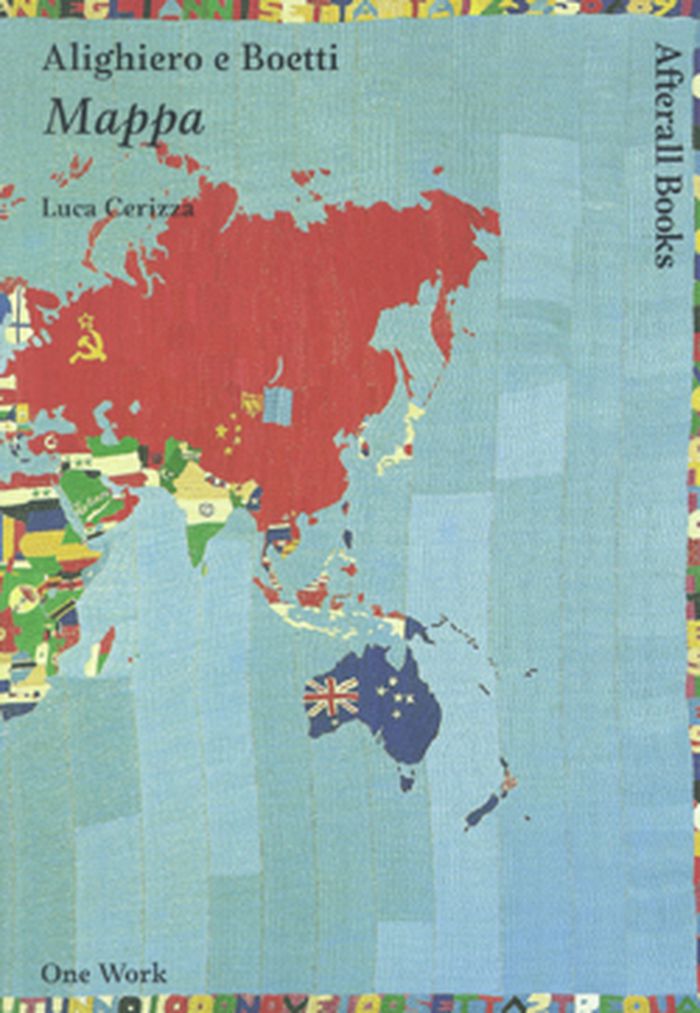
Alighiero e Boetti: mappa
Alighiero e Boetti: mappa
Actions:
Prix:
$16.95
(disponible sur commande)
Résumé:
In 1971 Alighiero e Boetti commissioned Afghan embroiderers to create a map of the world, with each country bearing the colours and pattern of its flag. The commission grew into a beautifully crafted, large-scale series of maps produced over a period of twenty years in Kabul, Afghanistan and Peshawar, Pakistan. Each map tracked geopolitical changes throughout the world:(...)
$16.95
(disponible sur commande)
Résumé:
In 1971 Alighiero e Boetti commissioned Afghan embroiderers to create a map of the world, with each country bearing the colours and pattern of its flag. The commission grew into a beautifully crafted, large-scale series of maps produced over a period of twenty years in Kabul, Afghanistan and Peshawar, Pakistan. Each map tracked geopolitical changes throughout the world:(...)
Titre:
Alighiero e Boetti: mappa
Actions:
Prix:
$16.95
(disponible sur commande)
Résumé:
In 1971 Alighiero e Boetti commissioned Afghan embroiderers to create a map of the world, with each country bearing the colours and pattern of its flag. The commission grew into a beautifully crafted, large-scale series of maps produced over a period of twenty years in Kabul, Afghanistan and Peshawar, Pakistan. Each map tracked geopolitical changes throughout the world: the break-up of the Soviet Union, the unification of Germany, disputes over territories in the Middle East and regime changes in the Eurasian peninsula. In this new study, Italian curator Luca Cerizza looks at Boetti's Mappa in relation to world events and the history of map-making, as well as to the contemporary art movements of Minimalism, Conceptualism and Arte Povera. Luca Cerizza is an art historian and curator based in Berlin.
Alighiero e Boetti: mappa
Actions:
Prix:
$16.95
(disponible sur commande)
Résumé:
In 1971 Alighiero e Boetti commissioned Afghan embroiderers to create a map of the world, with each country bearing the colours and pattern of its flag. The commission grew into a beautifully crafted, large-scale series of maps produced over a period of twenty years in Kabul, Afghanistan and Peshawar, Pakistan. Each map tracked geopolitical changes throughout the world: the break-up of the Soviet Union, the unification of Germany, disputes over territories in the Middle East and regime changes in the Eurasian peninsula. In this new study, Italian curator Luca Cerizza looks at Boetti's Mappa in relation to world events and the history of map-making, as well as to the contemporary art movements of Minimalism, Conceptualism and Arte Povera. Luca Cerizza is an art historian and curator based in Berlin.
Classification:
livres
livres
Publication:
janvier 1900, London
janvier 1900, London
Sujet:
Théorie de l’art
Théorie de l’art
Classification:
livres
livres
Titre:
Mosca 1962
Mosca 1962
Actions:
Prix:
$36.95
(disponible sur commande)
Résumé:
In the summer of 1962, while still a university student of architecture, Andrea Branzi went to visit his brother Piergiorgio in Moscow, where he was working as a Rai correspondent. This was the world of the Cold War, but the "thaw" heralded by Nikita Khrushchev had somewhat loosened the grip of the Soviet regime. The young Branzi took the chance to wander around the city,(...)
$36.95
(disponible sur commande)
Résumé:
In the summer of 1962, while still a university student of architecture, Andrea Branzi went to visit his brother Piergiorgio in Moscow, where he was working as a Rai correspondent. This was the world of the Cold War, but the "thaw" heralded by Nikita Khrushchev had somewhat loosened the grip of the Soviet regime. The young Branzi took the chance to wander around the city,(...)
Titre:
Mosca 1962
Actions:
Prix:
$36.95
(disponible sur commande)
Résumé:
In the summer of 1962, while still a university student of architecture, Andrea Branzi went to visit his brother Piergiorgio in Moscow, where he was working as a Rai correspondent. This was the world of the Cold War, but the "thaw" heralded by Nikita Khrushchev had somewhat loosened the grip of the Soviet regime. The young Branzi took the chance to wander around the city, exploring it from top to bottom. With a curiosity for everything, he was struck by the immense size of the capital, by its new neighbourhoods, by the signs of communism and its history, by the omnipresence of the military, but also by the relaxed outlook of the youth, the department stores, the Russians' carefree relationship with nature, the innocence of the children and the widespread love of chess.
Mosca 1962
Actions:
Prix:
$36.95
(disponible sur commande)
Résumé:
In the summer of 1962, while still a university student of architecture, Andrea Branzi went to visit his brother Piergiorgio in Moscow, where he was working as a Rai correspondent. This was the world of the Cold War, but the "thaw" heralded by Nikita Khrushchev had somewhat loosened the grip of the Soviet regime. The young Branzi took the chance to wander around the city, exploring it from top to bottom. With a curiosity for everything, he was struck by the immense size of the capital, by its new neighbourhoods, by the signs of communism and its history, by the omnipresence of the military, but also by the relaxed outlook of the youth, the department stores, the Russians' carefree relationship with nature, the innocence of the children and the widespread love of chess.
Classification:
livres
livres
Publication:
octobre 2025
octobre 2025
Sujet:
Monographies photo
Monographies photo
Classification:
livres
livres
Titre:
The queue
The queue
Actions:
Prix:
$22.95
(disponible sur commande)
Résumé:
Vladimir Sorokin’s first published novel, "The Queue," is a sly comedy about the late Soviet 'years of stagnation.' Thousands of citizens are in line for . . . nobody knows quite what, but the rumors are flying. Leather or suede? Jackets, jeans? Turkish, Swedish, maybe even American? It doesn’t matter–if anything is on sale, you better line up to buy it. Sorokin’s tour de(...)
$22.95
(disponible sur commande)
Résumé:
Vladimir Sorokin’s first published novel, "The Queue," is a sly comedy about the late Soviet 'years of stagnation.' Thousands of citizens are in line for . . . nobody knows quite what, but the rumors are flying. Leather or suede? Jackets, jeans? Turkish, Swedish, maybe even American? It doesn’t matter–if anything is on sale, you better line up to buy it. Sorokin’s tour de(...)
Titre:
The queue
Actions:
Prix:
$22.95
(disponible sur commande)
Résumé:
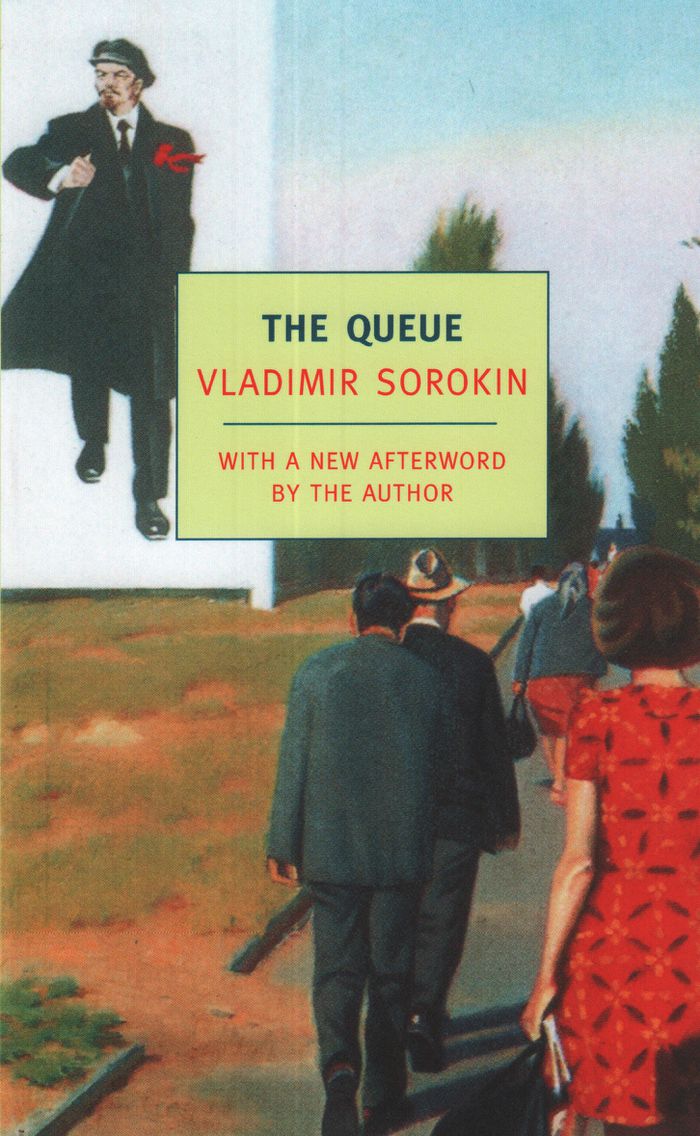
Vladimir Sorokin’s first published novel, "The Queue," is a sly comedy about the late Soviet 'years of stagnation.' Thousands of citizens are in line for . . . nobody knows quite what, but the rumors are flying. Leather or suede? Jackets, jeans? Turkish, Swedish, maybe even American? It doesn’t matter–if anything is on sale, you better line up to buy it. Sorokin’s tour de force of ventriloquism and formal daring tells the whole story in snatches of unattributed dialogue, adding up to nothing less than the real voice of the people, overheard on the street as they joke and curse, fall in and out of love, slurp down ice cream or vodka, fill out crossword puzzles, even go to sleep and line up again in the morning as the queue drags on.
The queue
Actions:
Prix:
$22.95
(disponible sur commande)
Résumé:
Vladimir Sorokin’s first published novel, "The Queue," is a sly comedy about the late Soviet 'years of stagnation.' Thousands of citizens are in line for . . . nobody knows quite what, but the rumors are flying. Leather or suede? Jackets, jeans? Turkish, Swedish, maybe even American? It doesn’t matter–if anything is on sale, you better line up to buy it. Sorokin’s tour de force of ventriloquism and formal daring tells the whole story in snatches of unattributed dialogue, adding up to nothing less than the real voice of the people, overheard on the street as they joke and curse, fall in and out of love, slurp down ice cream or vodka, fill out crossword puzzles, even go to sleep and line up again in the morning as the queue drags on.
Classification:
livres
livres
Publication:
octobre 2008
octobre 2008
Sujet:
Expositions en cours
Expositions en cours
Classification:
livres
livres
Actions:
Prix:
$62.50
(disponible sur commande)
Résumé:
Nikolai Vavilov anticipated the disappearance of plant diversity and within the space of a few decades through study and travel all over the world he found the means of saving it. For political and ideological reasons, Vavilov was condemned to death and left to starve in the dungeon of a Soviet prison. Gradually, on both sides of the iron curtain, his memory began to(...)
$62.50
(disponible sur commande)
Résumé:
Nikolai Vavilov anticipated the disappearance of plant diversity and within the space of a few decades through study and travel all over the world he found the means of saving it. For political and ideological reasons, Vavilov was condemned to death and left to starve in the dungeon of a Soviet prison. Gradually, on both sides of the iron curtain, his memory began to(...)
Titre:
Mario del Curto: seeds of the earth
Actions:
Prix:
$62.50
(disponible sur commande)
Résumé:
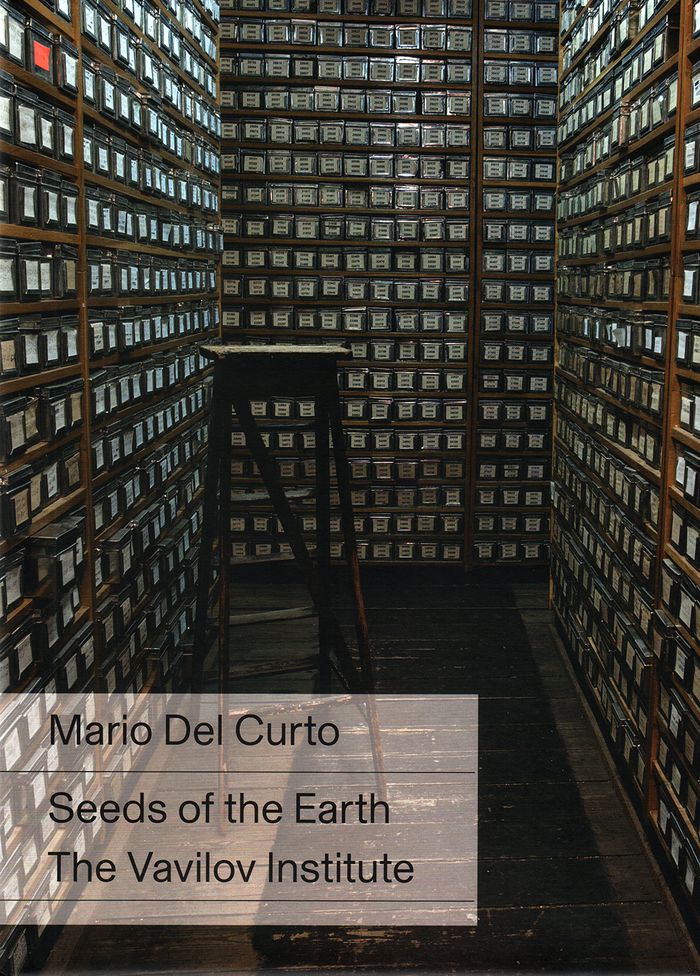
Nikolai Vavilov anticipated the disappearance of plant diversity and within the space of a few decades through study and travel all over the world he found the means of saving it. For political and ideological reasons, Vavilov was condemned to death and left to starve in the dungeon of a Soviet prison. Gradually, on both sides of the iron curtain, his memory began to fade. One hundred years after Vavilov's first expedition, the photographer Mario Del Curto retraced his footsteps. For four years he met with those who, despite overwhelming obstacles, perpetuate Vavilov's seed prospecting, selection and conservation work in order to save the planet's staple food crops. This book is the unprecedented story of his journey to the heart of the Vavilov Institute and its twelve research stations.
Mario del Curto: seeds of the earth
Actions:
Prix:
$62.50
(disponible sur commande)
Résumé:
Nikolai Vavilov anticipated the disappearance of plant diversity and within the space of a few decades through study and travel all over the world he found the means of saving it. For political and ideological reasons, Vavilov was condemned to death and left to starve in the dungeon of a Soviet prison. Gradually, on both sides of the iron curtain, his memory began to fade. One hundred years after Vavilov's first expedition, the photographer Mario Del Curto retraced his footsteps. For four years he met with those who, despite overwhelming obstacles, perpetuate Vavilov's seed prospecting, selection and conservation work in order to save the planet's staple food crops. This book is the unprecedented story of his journey to the heart of the Vavilov Institute and its twelve research stations.
Classification:
livres
livres
Publication:
août 2017
août 2017
Sujet:
Monographies photo
Monographies photo
Classification:
livres
livres
Prix:
$30.95
(disponible sur commande)
Résumé:
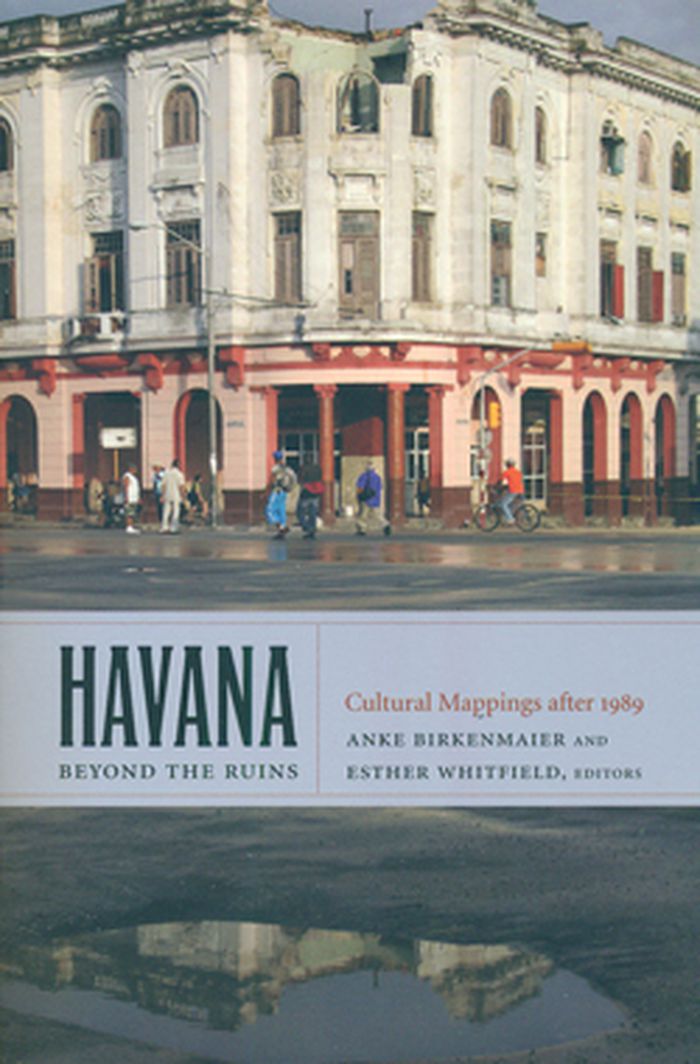
In "Havana beyond the Ruins," prominent architects, scholars, and writers based in and outside of Cuba analyze how Havana has been portrayed in literature, music, and the visual arts since Soviet subsidies of Cuba ceased, and the Cuban state has re-imagined Havana as a destination for international tourists and business ventures. Cuba's capital has experienced little(...)
$30.95
(disponible sur commande)
Résumé:
In "Havana beyond the Ruins," prominent architects, scholars, and writers based in and outside of Cuba analyze how Havana has been portrayed in literature, music, and the visual arts since Soviet subsidies of Cuba ceased, and the Cuban state has re-imagined Havana as a destination for international tourists and business ventures. Cuba's capital has experienced little(...)
Titre:
Havana, beyond the ruins: cultural mappings after 1989
Actions:
Prix:
$30.95
(disponible sur commande)
Résumé:
In "Havana beyond the Ruins," prominent architects, scholars, and writers based in and outside of Cuba analyze how Havana has been portrayed in literature, music, and the visual arts since Soviet subsidies of Cuba ceased, and the Cuban state has re-imagined Havana as a destination for international tourists and business ventures. Cuba's capital has experienced little construction since the revolution of 1959; many of its citizens live in poorly maintained colonial and modernist dwellings. It is this Havana--of crumbling houses, old cars, and a romantic aura of ruined hopes--that is marketed in picture books, memorabilia, and films. Bringing together assessments of the city's dwellings and urban development projects, "Havana beyond the Ruins" provides unique insights into issues of memory, citizenship, urban life, and the future of the revolution in Cuba.
Havana, beyond the ruins: cultural mappings after 1989
Actions:
Prix:
$30.95
(disponible sur commande)
Résumé:
In "Havana beyond the Ruins," prominent architects, scholars, and writers based in and outside of Cuba analyze how Havana has been portrayed in literature, music, and the visual arts since Soviet subsidies of Cuba ceased, and the Cuban state has re-imagined Havana as a destination for international tourists and business ventures. Cuba's capital has experienced little construction since the revolution of 1959; many of its citizens live in poorly maintained colonial and modernist dwellings. It is this Havana--of crumbling houses, old cars, and a romantic aura of ruined hopes--that is marketed in picture books, memorabilia, and films. Bringing together assessments of the city's dwellings and urban development projects, "Havana beyond the Ruins" provides unique insights into issues of memory, citizenship, urban life, and the future of the revolution in Cuba.
Classification:
livres
livres
Publication:
septembre 2011
septembre 2011
Sujet:
Théorie de l’urbanisme
Théorie de l’urbanisme
Classification:
livres
livres
Prix:
$66.95
(disponible sur commande)
Résumé:
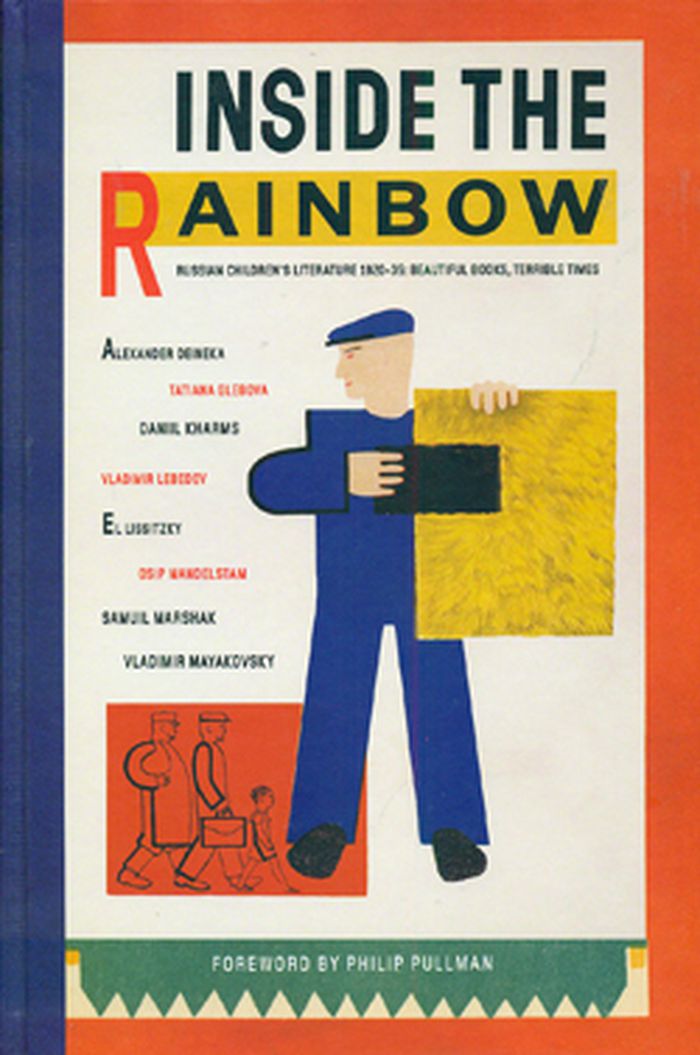
Inside The Rainbow reprints for the first time in English a unique compendium of Soviet picture books from the 1920 and 1930s. In the dark and dangerous world of revolutionary Petrograd, a group of Russian poets and artists came together to create a new kind of book for children. They dreamed of endless possibilities in a new world where children and grown-ups alike would(...)
$66.95
(disponible sur commande)
Résumé:
Inside The Rainbow reprints for the first time in English a unique compendium of Soviet picture books from the 1920 and 1930s. In the dark and dangerous world of revolutionary Petrograd, a group of Russian poets and artists came together to create a new kind of book for children. They dreamed of endless possibilities in a new world where children and grown-ups alike would(...)
Titre:
Inside the rainbow: Russian children's literature 1920-35
Actions:
Prix:
$66.95
(disponible sur commande)
Résumé:
Inside The Rainbow reprints for the first time in English a unique compendium of Soviet picture books from the 1920 and 1930s. In the dark and dangerous world of revolutionary Petrograd, a group of Russian poets and artists came together to create a new kind of book for children. They dreamed of endless possibilities in a new world where children and grown-ups alike would be free from the bitterness of ignorance. For a time, when children's publications still escaped the scourge of state censorship, their books became a last haven for learning, poetic irony, burlesque and laughter. In this book 250 examples of illustration and design are complemented by some translations of poems and stories as well as texts from the victims, criminals and witnesses to the Russian revolution.
Inside the rainbow: Russian children's literature 1920-35
Actions:
Prix:
$66.95
(disponible sur commande)
Résumé:
Inside The Rainbow reprints for the first time in English a unique compendium of Soviet picture books from the 1920 and 1930s. In the dark and dangerous world of revolutionary Petrograd, a group of Russian poets and artists came together to create a new kind of book for children. They dreamed of endless possibilities in a new world where children and grown-ups alike would be free from the bitterness of ignorance. For a time, when children's publications still escaped the scourge of state censorship, their books became a last haven for learning, poetic irony, burlesque and laughter. In this book 250 examples of illustration and design are complemented by some translations of poems and stories as well as texts from the victims, criminals and witnesses to the Russian revolution.
Classification:
livres
livres
Publication:
août 2013
août 2013
Sujet:
Illustration
Illustration
Classification:
livres
livres
Titre:
Nick Waplington: settlement
Nick Waplington: settlement
Actions:
Prix:
$92.00
(disponible sur commande)
Résumé:
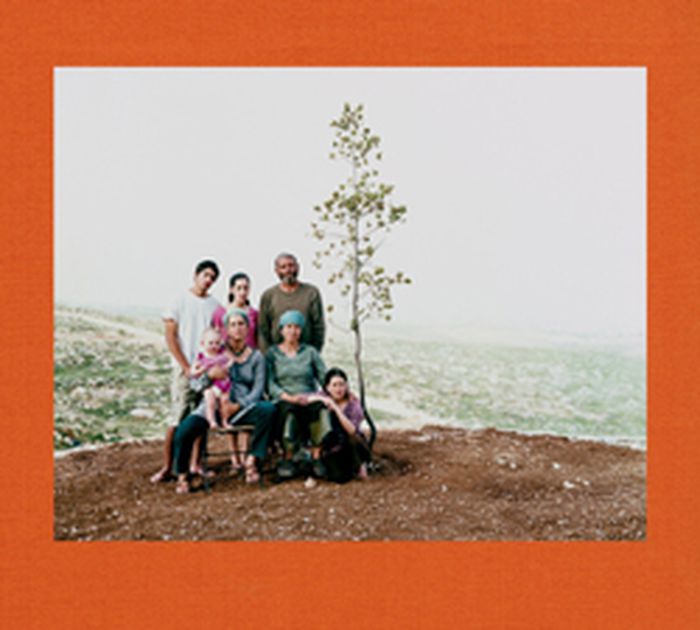
The book investigates the topography of Jewish identity in the West Bank, which is in conflict not only with the Palestinian majority but also with mainstream Israeli society: While all the settlers are Jewish, and almost all are Israeli citizens, many are not natives of Israel. Most of the men and women photographed by Waplington are immigrants who arrived in the West(...)
$92.00
(disponible sur commande)
Résumé:
The book investigates the topography of Jewish identity in the West Bank, which is in conflict not only with the Palestinian majority but also with mainstream Israeli society: While all the settlers are Jewish, and almost all are Israeli citizens, many are not natives of Israel. Most of the men and women photographed by Waplington are immigrants who arrived in the West(...)
Titre:
Nick Waplington: settlement
Actions:
Prix:
$92.00
(disponible sur commande)
Résumé:
The book investigates the topography of Jewish identity in the West Bank, which is in conflict not only with the Palestinian majority but also with mainstream Israeli society: While all the settlers are Jewish, and almost all are Israeli citizens, many are not natives of Israel. Most of the men and women photographed by Waplington are immigrants who arrived in the West Bank from the United States, South Africa, Australia, the UK, the former Soviet Union, and other parts of the wider Jewish diaspora. The exact number of settlements cannot be determined with accuracy, as both construction and demolition take place regularly throughout the region. In general, however, the presence of Jewish settlers in the West Bank is entrenched, and their building projects continue with the support of the state of Israel.
Nick Waplington: settlement
Actions:
Prix:
$92.00
(disponible sur commande)
Résumé:
The book investigates the topography of Jewish identity in the West Bank, which is in conflict not only with the Palestinian majority but also with mainstream Israeli society: While all the settlers are Jewish, and almost all are Israeli citizens, many are not natives of Israel. Most of the men and women photographed by Waplington are immigrants who arrived in the West Bank from the United States, South Africa, Australia, the UK, the former Soviet Union, and other parts of the wider Jewish diaspora. The exact number of settlements cannot be determined with accuracy, as both construction and demolition take place regularly throughout the region. In general, however, the presence of Jewish settlers in the West Bank is entrenched, and their building projects continue with the support of the state of Israel.
Classification:
livres
livres
Publication:
novembre 2014
novembre 2014
Sujet:
Monographies photo
Monographies photo
Classification:
livres
livres
Actions:
Prix:
$88.00
(disponible sur commande)
Résumé:
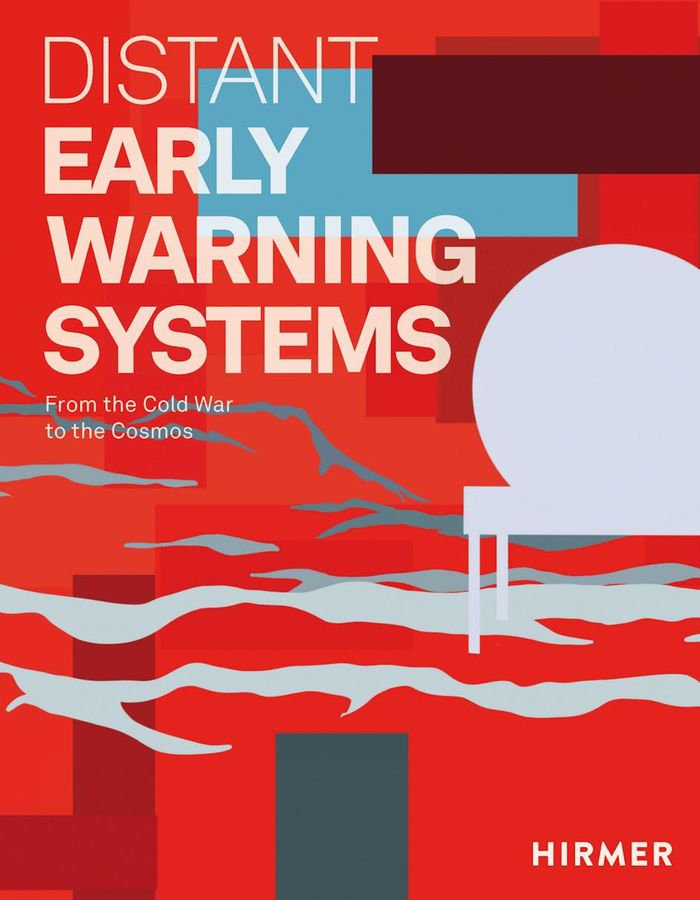
The Distant Early Warning Line, also known as the DEW Line, was a system of radar stations in the northern Arctic region of Canada, with additional stations along the north coast and Aleutian Islands of Alaska and the Faroe Islands, Greenland, and Iceland. It intended to detect incoming bombers of the Soviet Union during the Cold War and provide early warning of any sea(...)
$88.00
(disponible sur commande)
Résumé:
The Distant Early Warning Line, also known as the DEW Line, was a system of radar stations in the northern Arctic region of Canada, with additional stations along the north coast and Aleutian Islands of Alaska and the Faroe Islands, Greenland, and Iceland. It intended to detect incoming bombers of the Soviet Union during the Cold War and provide early warning of any sea(...)
Titre:
Early warning systems: Art, the DEW line, and an arctic on the front lines
Actions:
Prix:
$88.00
(disponible sur commande)
Résumé:
The Distant Early Warning Line, also known as the DEW Line, was a system of radar stations in the northern Arctic region of Canada, with additional stations along the north coast and Aleutian Islands of Alaska and the Faroe Islands, Greenland, and Iceland. It intended to detect incoming bombers of the Soviet Union during the Cold War and provide early warning of any sea and land invasion. Today, the Arctic is seen as a place primed for data storage and vaults––doomsday structures with a utilitarian vernacular of architecture, protecting the "knowledge" of places further south rather than recognizing the local presence and expertise of place and Indigenous lifeways and Indigenous science. This book looks at the role of artists as early warning systems and explores the ways we connect and disconnect place and people through technology and the ideas of boundaries.
Early warning systems: Art, the DEW line, and an arctic on the front lines
Actions:
Prix:
$88.00
(disponible sur commande)
Résumé:
The Distant Early Warning Line, also known as the DEW Line, was a system of radar stations in the northern Arctic region of Canada, with additional stations along the north coast and Aleutian Islands of Alaska and the Faroe Islands, Greenland, and Iceland. It intended to detect incoming bombers of the Soviet Union during the Cold War and provide early warning of any sea and land invasion. Today, the Arctic is seen as a place primed for data storage and vaults––doomsday structures with a utilitarian vernacular of architecture, protecting the "knowledge" of places further south rather than recognizing the local presence and expertise of place and Indigenous lifeways and Indigenous science. This book looks at the role of artists as early warning systems and explores the ways we connect and disconnect place and people through technology and the ideas of boundaries.
Classification:
livres
livres
Publication:
avril 2025
avril 2025
Sujet:
Théorie de l’art
Théorie de l’art
Classification:
livres
livres
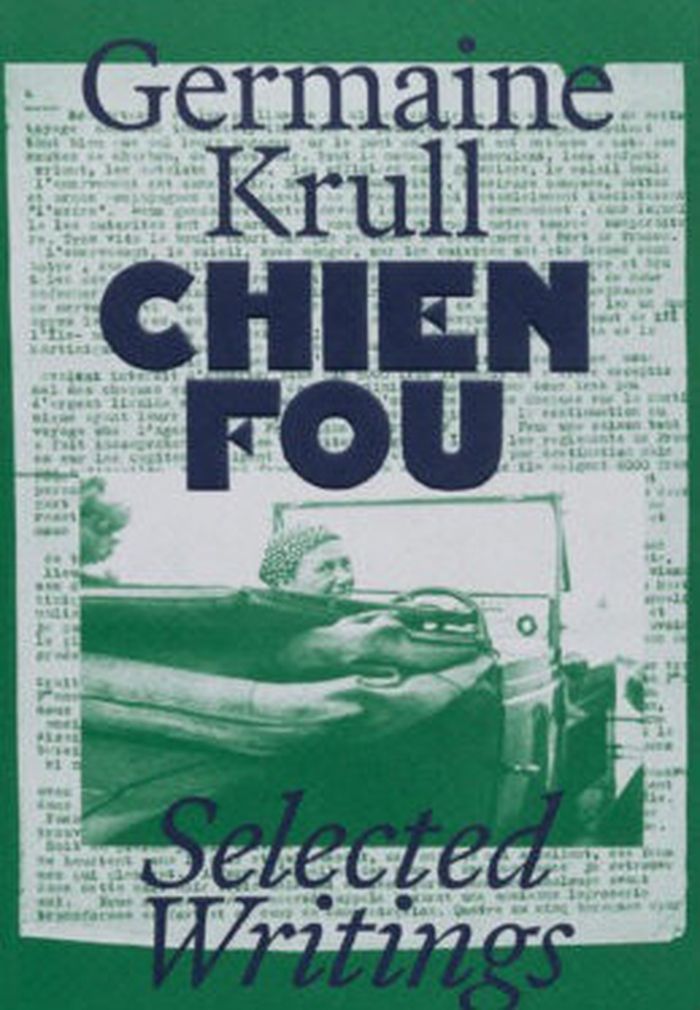
Titre:
Chien fou: Selected writings
Chien fou: Selected writings
Actions:
Prix:
$70.00
(disponible en magasin)
Résumé:
The career of avant-garde photographer and activist Germaine Krull (1897–1985) took her across the world over a turbulent century. After growing up around Europe, Krull studied photography in Munich during the First World War. There she acquired her nickname or alter-ego ‘Chien fou’ (Mad Dog), which provides the chronological and thematic starting point for this volume of(...)
$70.00
(disponible en magasin)
Résumé:
The career of avant-garde photographer and activist Germaine Krull (1897–1985) took her across the world over a turbulent century. After growing up around Europe, Krull studied photography in Munich during the First World War. There she acquired her nickname or alter-ego ‘Chien fou’ (Mad Dog), which provides the chronological and thematic starting point for this volume of(...)
Titre:
Chien fou: Selected writings
Actions:
Prix:
$70.00
(disponible en magasin)
Résumé:
The career of avant-garde photographer and activist Germaine Krull (1897–1985) took her across the world over a turbulent century. After growing up around Europe, Krull studied photography in Munich during the First World War. There she acquired her nickname or alter-ego ‘Chien fou’ (Mad Dog), which provides the chronological and thematic starting point for this volume of writings drawn from the course of Krull’s extraordinary life, most published for the first time. The selected texts range from artistic manifestos to political essays to memoirs, written between the 1920s and ’80s in a wide variety of places and circumstances. They narrate Krull’s life among the creative communities of the Bavarian Soviet Republic and interwar Paris, her participation in the French Resistance in Brazil and Equatorial Africa, and her later decision to settle in Thailand, then India.
Chien fou: Selected writings
Actions:
Prix:
$70.00
(disponible en magasin)
Résumé:
The career of avant-garde photographer and activist Germaine Krull (1897–1985) took her across the world over a turbulent century. After growing up around Europe, Krull studied photography in Munich during the First World War. There she acquired her nickname or alter-ego ‘Chien fou’ (Mad Dog), which provides the chronological and thematic starting point for this volume of writings drawn from the course of Krull’s extraordinary life, most published for the first time. The selected texts range from artistic manifestos to political essays to memoirs, written between the 1920s and ’80s in a wide variety of places and circumstances. They narrate Krull’s life among the creative communities of the Bavarian Soviet Republic and interwar Paris, her participation in the French Resistance in Brazil and Equatorial Africa, and her later decision to settle in Thailand, then India.
Classification:
livres
livres
Publication:
novembre 2025
novembre 2025
Sujet:
Théorie de la photographie
Théorie de la photographie


