


2616 Résultats
Classification:
livres
livres
Titre:
William Klein: Yes
William Klein: Yes
Actions:
Prix:
$140.95
(disponible sur commande)
Résumé:
A la fois photographe, cinéaste, graphiste et peintre, William Klein est l'un des artistes les plus importants et productifs de ces soixante-quinze dernières années. Alors qu'il faudrait toute une vie pour maîtriser chacune de ces techniques, Klein a produit une oeuvre transversale dans laquelle chaque médium fait écho à un autre. Considéré comme l'un des grands créateurs(...)
$140.95
(disponible sur commande)
Résumé:
A la fois photographe, cinéaste, graphiste et peintre, William Klein est l'un des artistes les plus importants et productifs de ces soixante-quinze dernières années. Alors qu'il faudrait toute une vie pour maîtriser chacune de ces techniques, Klein a produit une oeuvre transversale dans laquelle chaque médium fait écho à un autre. Considéré comme l'un des grands créateurs(...)
Titre:
William Klein: Yes
Actions:
Prix:
$140.95
(disponible sur commande)
Résumé:
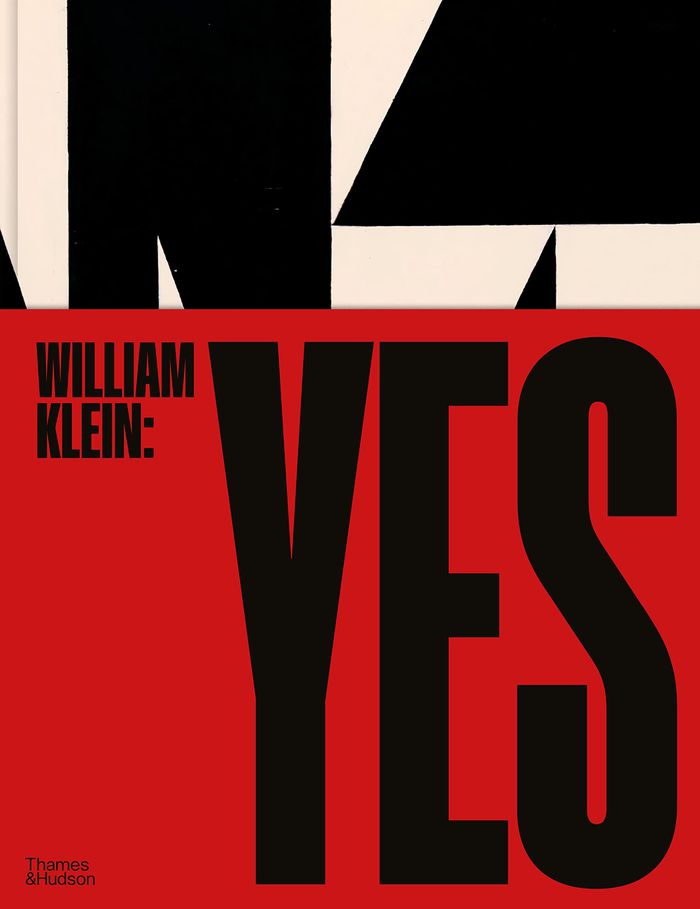
A la fois photographe, cinéaste, graphiste et peintre, William Klein est l'un des artistes les plus importants et productifs de ces soixante-quinze dernières années. Alors qu'il faudrait toute une vie pour maîtriser chacune de ces techniques, Klein a produit une oeuvre transversale dans laquelle chaque médium fait écho à un autre. Considéré comme l'un des grands créateurs d'images du xxe siècle, il a développé une oeuvre protéiforme, qui a profondément influencé de nombreux artistes, tant photographes que cinéastes. « William Klein : Yes », publié à l'occasion de sa grande exposition rétrospective à l'International Center of Photography (ICP), à New York, retrace la carrière de l'artiste dans un livre référence : près de 400 pages et environ 250 images permettent de découvrir ou de redécouvrir le travail photographique et cinématographique, mais également l'oeuvre picturale, à la base de sa pratique. À ce titre, la publication s'ouvre sur ses premières peintures, avant de dérouler, de manière chronologique, ses différentes séries : des plus célèbres comme les photos de rue de New York ou Tokyo, en passant, entre autres, par Paris, Rome, ou Moscou, jusqu'à ses oeuvres plus récentes et ses films. « William Klein : Yes » est complété d'un long essai de David Campany, directeur de l'ICP et commissaire d'exposition de renommée internationale. Campany évoque le parcours de Klein, comment il est devenu l'artiste qu'il est aujourd'hui. Cette introduction est illustrée de documents qui viennent éclairer la relecture de l'oeuvre. A l'instar de toutes ses publications, cet ouvrage, à la mise en pages très graphique, a été conçu en étroite collaboration avec Klein.
William Klein: Yes
Actions:
Prix:
$140.95
(disponible sur commande)
Résumé:
A la fois photographe, cinéaste, graphiste et peintre, William Klein est l'un des artistes les plus importants et productifs de ces soixante-quinze dernières années. Alors qu'il faudrait toute une vie pour maîtriser chacune de ces techniques, Klein a produit une oeuvre transversale dans laquelle chaque médium fait écho à un autre. Considéré comme l'un des grands créateurs d'images du xxe siècle, il a développé une oeuvre protéiforme, qui a profondément influencé de nombreux artistes, tant photographes que cinéastes. « William Klein : Yes », publié à l'occasion de sa grande exposition rétrospective à l'International Center of Photography (ICP), à New York, retrace la carrière de l'artiste dans un livre référence : près de 400 pages et environ 250 images permettent de découvrir ou de redécouvrir le travail photographique et cinématographique, mais également l'oeuvre picturale, à la base de sa pratique. À ce titre, la publication s'ouvre sur ses premières peintures, avant de dérouler, de manière chronologique, ses différentes séries : des plus célèbres comme les photos de rue de New York ou Tokyo, en passant, entre autres, par Paris, Rome, ou Moscou, jusqu'à ses oeuvres plus récentes et ses films. « William Klein : Yes » est complété d'un long essai de David Campany, directeur de l'ICP et commissaire d'exposition de renommée internationale. Campany évoque le parcours de Klein, comment il est devenu l'artiste qu'il est aujourd'hui. Cette introduction est illustrée de documents qui viennent éclairer la relecture de l'oeuvre. A l'instar de toutes ses publications, cet ouvrage, à la mise en pages très graphique, a été conçu en étroite collaboration avec Klein.
Classification:
livres
livres
Publication:
janvier 2023
janvier 2023
Sujet:
Monographies photo
Monographies photo
Classification:
livres
livres
Actions:
Prix:
$94.00
(disponible sur commande)
Résumé:
On the occasion of the exhibition "Archilab 2006" dedicated to the Japenese architecture and entitled "Nested in the city", Hyx publish the catalog of the exhibition in french and english version. They present all the projects of thirty invited architects and a set of critical texts which put in perspective the stakes and the subjects of the exhibition. More than any(...)
$94.00
(disponible sur commande)
Résumé:
On the occasion of the exhibition "Archilab 2006" dedicated to the Japenese architecture and entitled "Nested in the city", Hyx publish the catalog of the exhibition in french and english version. They present all the projects of thirty invited architects and a set of critical texts which put in perspective the stakes and the subjects of the exhibition. More than any(...)
Publication:
octobre 2006, Orléans
octobre 2006, Orléans
Titre:
Archilab Japan, Orléans 2006 : nested in the city
Actions:
Prix:
$94.00
(disponible sur commande)
Résumé:
On the occasion of the exhibition "Archilab 2006" dedicated to the Japenese architecture and entitled "Nested in the city", Hyx publish the catalog of the exhibition in french and english version. They present all the projects of thirty invited architects and a set of critical texts which put in perspective the stakes and the subjects of the exhibition. More than any other country, Japan was interested at home, the space domesticates being perceived as a space privileging the thought. Hundred of projects presented in the catalog are built for the greater part. Selected by both curators (Akira Suzuki and Mariko Terada), they offer us a panorama of this architects' new generation which began in the 1990s. The most famous in France are doubtless Shigeru Ban presented to Archilab in 1999 and which was the first one to make approve tubes cardboard as support of his houses and also Kasujo Sejima who saw confiding with Ryue Nishizawa the construction of the Museum of the Louvre to Lens. Symbolic Bow Wow workshop is the Leader of this new generation. After the economic crisis of the end of the 90s, the construction of public establishments of average dimension and the competitions of architecture rarefied. The house thus becomes the space of creation privileged for these architects. That's why, in Tokyo, Jun Aoki, Kazuyo Sejima, Ryue Nishizawa, Takaharu and Yui Tezuka, Mitsuhiko Sato, Taira Nishizawa, Masao Koizumi, Yasuhiro Yamashita, Mikio Tai, Yuki Ishiguro, conceive small houses which embody the way of life of their inhabitants and maybe our future today.
Archilab Japan, Orléans 2006 : nested in the city
Actions:
Prix:
$94.00
(disponible sur commande)
Résumé:
On the occasion of the exhibition "Archilab 2006" dedicated to the Japenese architecture and entitled "Nested in the city", Hyx publish the catalog of the exhibition in french and english version. They present all the projects of thirty invited architects and a set of critical texts which put in perspective the stakes and the subjects of the exhibition. More than any other country, Japan was interested at home, the space domesticates being perceived as a space privileging the thought. Hundred of projects presented in the catalog are built for the greater part. Selected by both curators (Akira Suzuki and Mariko Terada), they offer us a panorama of this architects' new generation which began in the 1990s. The most famous in France are doubtless Shigeru Ban presented to Archilab in 1999 and which was the first one to make approve tubes cardboard as support of his houses and also Kasujo Sejima who saw confiding with Ryue Nishizawa the construction of the Museum of the Louvre to Lens. Symbolic Bow Wow workshop is the Leader of this new generation. After the economic crisis of the end of the 90s, the construction of public establishments of average dimension and the competitions of architecture rarefied. The house thus becomes the space of creation privileged for these architects. That's why, in Tokyo, Jun Aoki, Kazuyo Sejima, Ryue Nishizawa, Takaharu and Yui Tezuka, Mitsuhiko Sato, Taira Nishizawa, Masao Koizumi, Yasuhiro Yamashita, Mikio Tai, Yuki Ishiguro, conceive small houses which embody the way of life of their inhabitants and maybe our future today.
Classification:
livres
livres
Publication:
octobre 2006, Orléans
octobre 2006, Orléans
Classification:
livres
livres
Titre:
Daido Moriyama
Daido Moriyama
Actions:
Prix:
$14.95
(disponible sur commande)
Résumé:
This monograph on Moriyama follows a chronological order, identifying major themes and examining key works; a beautifully produced, affordable introduction to one of the most influential figures in photography today. Born in 1938 and brought up for a short while in Osaka, Japan, Daido Moriyama spent much of his childhood on the move, due to his father's profession as a(...)
$14.95
(disponible sur commande)
Résumé:
This monograph on Moriyama follows a chronological order, identifying major themes and examining key works; a beautifully produced, affordable introduction to one of the most influential figures in photography today. Born in 1938 and brought up for a short while in Osaka, Japan, Daido Moriyama spent much of his childhood on the move, due to his father's profession as a(...)
Titre:
Daido Moriyama
Actions:
Prix:
$14.95
(disponible sur commande)
Résumé:
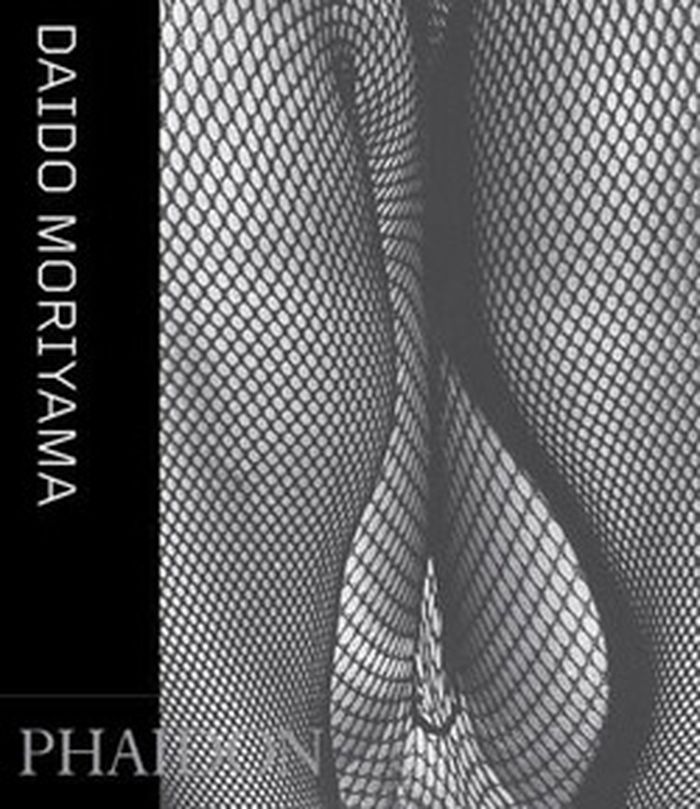
This monograph on Moriyama follows a chronological order, identifying major themes and examining key works; a beautifully produced, affordable introduction to one of the most influential figures in photography today. Born in 1938 and brought up for a short while in Osaka, Japan, Daido Moriyama spent much of his childhood on the move, due to his father's profession as a travelling insurance salesman. Moriyama studied graphic design and, in the 1960s, moved to Tokyo to work with the VIVO group of photographers, which included Eikoh Hosoe and Shomei Tomatsu. Accompanied by a surge in Japanese economic growth and mass culture, Moriyama was published in several magazines and journals, earning him the accolade of Most Promising Photographer by the Japan Photography Critics Association. Moriyama was a member of PROVOKE Magazine at the time of international youth movements and unrest in 1968. The magazine, and Moriyama's photography, sought to assert an independence over the classically held notion of photography as purely a visual sign. He was aware that the camera can not offer a complete record and it is in this very partialness that the real excitement and enigma in his work arises. Exploring themes of self-expression, the disfiguration of urban landscapes, eroticism and fading Japanese traditions, Moriyama remarked that one of photography's essential qualities is its amateurism, and another its anonymity. These have numbered among his preoccupations from the beginning and most of Moriyama's images follow a snapshot aesthetic, often taken while running or from a moving car, without the use of a viewfinder.
Daido Moriyama
Actions:
Prix:
$14.95
(disponible sur commande)
Résumé:
This monograph on Moriyama follows a chronological order, identifying major themes and examining key works; a beautifully produced, affordable introduction to one of the most influential figures in photography today. Born in 1938 and brought up for a short while in Osaka, Japan, Daido Moriyama spent much of his childhood on the move, due to his father's profession as a travelling insurance salesman. Moriyama studied graphic design and, in the 1960s, moved to Tokyo to work with the VIVO group of photographers, which included Eikoh Hosoe and Shomei Tomatsu. Accompanied by a surge in Japanese economic growth and mass culture, Moriyama was published in several magazines and journals, earning him the accolade of Most Promising Photographer by the Japan Photography Critics Association. Moriyama was a member of PROVOKE Magazine at the time of international youth movements and unrest in 1968. The magazine, and Moriyama's photography, sought to assert an independence over the classically held notion of photography as purely a visual sign. He was aware that the camera can not offer a complete record and it is in this very partialness that the real excitement and enigma in his work arises. Exploring themes of self-expression, the disfiguration of urban landscapes, eroticism and fading Japanese traditions, Moriyama remarked that one of photography's essential qualities is its amateurism, and another its anonymity. These have numbered among his preoccupations from the beginning and most of Moriyama's images follow a snapshot aesthetic, often taken while running or from a moving car, without the use of a viewfinder.
Classification:
livres
livres
Publication:
septembre 2012
septembre 2012
Sujet:
Monographies photo
Monographies photo
Classification:
livres
livres
Titre:
New retail
New retail
Actions:
Prix:
$89.95
(disponible sur commande)
Résumé:
about the book In the decades since the advent of the shopping mall, shopping has become synonymous with entertainment and the retail store a key player in establishing brand identity. In a growing trend, high-profile architects are designing provocative storefronts and interiors that create an aura of exclusivity, draw in customers, and attract media attention(...)
$89.95
(disponible sur commande)
Résumé:
about the book In the decades since the advent of the shopping mall, shopping has become synonymous with entertainment and the retail store a key player in establishing brand identity. In a growing trend, high-profile architects are designing provocative storefronts and interiors that create an aura of exclusivity, draw in customers, and attract media attention(...)
Publication:
mai 2005, London, New York
mai 2005, London, New York
Titre:
New retail
Actions:
Prix:
$89.95
(disponible sur commande)
Résumé:
about the book In the decades since the advent of the shopping mall, shopping has become synonymous with entertainment and the retail store a key player in establishing brand identity. In a growing trend, high-profile architects are designing provocative storefronts and interiors that create an aura of exclusivity, draw in customers, and attract media attention rivaling the goods within. New Retail examines this phenomenon with an overview of 24 of the most innovative retail spaces built around the world in recent years, designed by high-profile international architects as well as smaller cutting-edge firms. Projects in the book include the Carlos Miele store in New York (Asymptote), three stores for Louis Vuitton in New York and Tokyo (Jun Aoki), Selfridges in Birmingham, the UK (Future Systems), two clothing boutiques in São Paulo (Isay Weinfeld), the Mandarina Duck store in Paris (NL Architects), and the Mpries Supermarket in Austria (Dominique Perrault), among others. More than 250 color photographs as well as floor plans and site plans showcase the architectural and interior design, lighting, and often experimental materials that create these ultimate retail spaces. For the Selfridges department store, for example, Future Systems clad the building with 15,000 aluminum disks attached to a sprayed concrete surface. In New York, the interior of the Carlos Miele store by Asymptote features a sensual, sculptural white ceiling of molded high-gloss PVC-based material. Each project is accompanied by a 500-to-700-word description that explains the design concept, site, program, and significant building technologies and materials. A general introduction discusses precedents to these projects and current issues in the architecture and design of retail spaces.
New retail
Actions:
Prix:
$89.95
(disponible sur commande)
Résumé:
about the book In the decades since the advent of the shopping mall, shopping has become synonymous with entertainment and the retail store a key player in establishing brand identity. In a growing trend, high-profile architects are designing provocative storefronts and interiors that create an aura of exclusivity, draw in customers, and attract media attention rivaling the goods within. New Retail examines this phenomenon with an overview of 24 of the most innovative retail spaces built around the world in recent years, designed by high-profile international architects as well as smaller cutting-edge firms. Projects in the book include the Carlos Miele store in New York (Asymptote), three stores for Louis Vuitton in New York and Tokyo (Jun Aoki), Selfridges in Birmingham, the UK (Future Systems), two clothing boutiques in São Paulo (Isay Weinfeld), the Mandarina Duck store in Paris (NL Architects), and the Mpries Supermarket in Austria (Dominique Perrault), among others. More than 250 color photographs as well as floor plans and site plans showcase the architectural and interior design, lighting, and often experimental materials that create these ultimate retail spaces. For the Selfridges department store, for example, Future Systems clad the building with 15,000 aluminum disks attached to a sprayed concrete surface. In New York, the interior of the Carlos Miele store by Asymptote features a sensual, sculptural white ceiling of molded high-gloss PVC-based material. Each project is accompanied by a 500-to-700-word description that explains the design concept, site, program, and significant building technologies and materials. A general introduction discusses precedents to these projects and current issues in the architecture and design of retail spaces.
Classification:
livres
livres
Publication:
mai 2005, London, New York
mai 2005, London, New York
Classification:
livres
livres
Actions:
Prix:
$75.00
(disponible sur commande)
Résumé:
This large-format monograph is the first to chronicle exclusively Shigeru Ban’s explorations in "paper architecture." Informed by a thorough and early interest in sustainable forms, his innovative practice pioneered the use of paper as a structural element in buildings. This book features permanent and temporary structures, ranging from one-off museums and exhibition(...)
$75.00
(disponible sur commande)
Résumé:
This large-format monograph is the first to chronicle exclusively Shigeru Ban’s explorations in "paper architecture." Informed by a thorough and early interest in sustainable forms, his innovative practice pioneered the use of paper as a structural element in buildings. This book features permanent and temporary structures, ranging from one-off museums and exhibition(...)
Titre:
Shigeru Ban: paper in architecture
Actions:
Prix:
$75.00
(disponible sur commande)
Résumé:
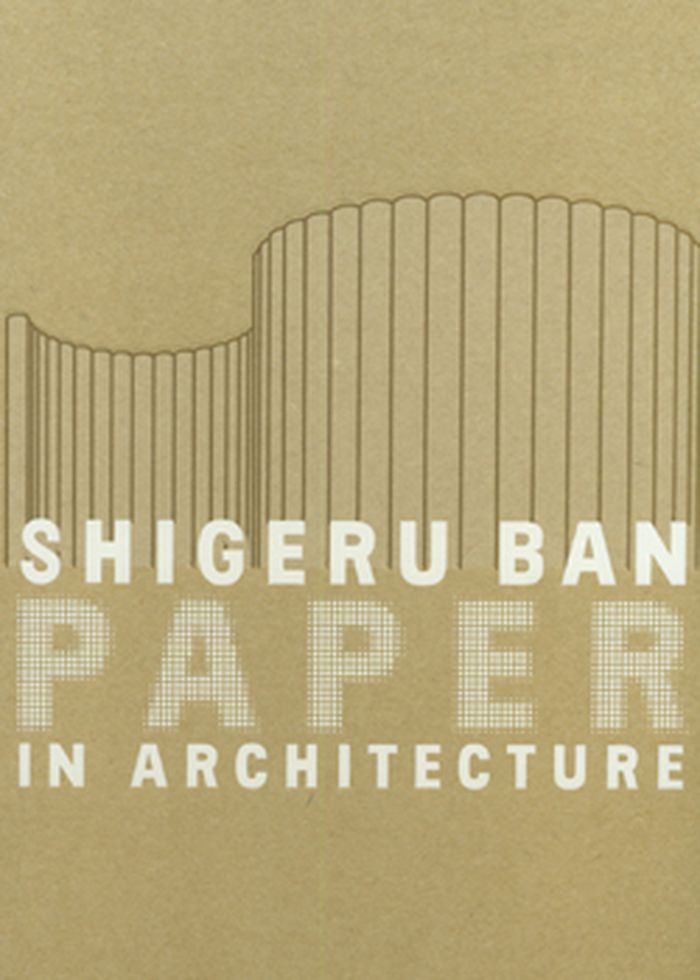
This large-format monograph is the first to chronicle exclusively Shigeru Ban’s explorations in "paper architecture." Informed by a thorough and early interest in sustainable forms, his innovative practice pioneered the use of paper as a structural element in buildings. This book features permanent and temporary structures, ranging from one-off museums and exhibition spaces to emergency structures for communities displaced by natural and man-made catastrophes. The forty projects featured in the book showcase the variety of possible applications for paper and its derivative forms (cardboard, fiber-based composites). As flexible as it is adaptable, when used in tandem with other locally sourced building materials or post-industrial surplus (maritime shipping containers), Ban’s singular use of paper knowingly references paper’s traditional uses in vernacular Japanese buildings, and advances modern construction technology, reducing its environmental impact. A number of prominent works from the last decade are featured, including the Nomadic Museums built in New York, Los Angeles, and Tokyo, his work for the Centre Pompidou in Paris and Metz, the Papertainer Museum in Seoul, his pavilions for design and luxury brands like Louis Vuitton and Artek, as well as a number of landmark residences in Japan, Europe, and North America. Of particular focus will be Ban’s humanitarian work. Documented in a book for the first time are all the relief projects his studio has undertaken in the last two decades for the U.N. High Commission on Refugees. These include housing for tsunami victims in Sri Lanka and earthquake victims in Turkey and Japan, and emergency shelter for war-ravaged communities in Rwanda and the Congo.
Shigeru Ban: paper in architecture
Actions:
Prix:
$75.00
(disponible sur commande)
Résumé:
This large-format monograph is the first to chronicle exclusively Shigeru Ban’s explorations in "paper architecture." Informed by a thorough and early interest in sustainable forms, his innovative practice pioneered the use of paper as a structural element in buildings. This book features permanent and temporary structures, ranging from one-off museums and exhibition spaces to emergency structures for communities displaced by natural and man-made catastrophes. The forty projects featured in the book showcase the variety of possible applications for paper and its derivative forms (cardboard, fiber-based composites). As flexible as it is adaptable, when used in tandem with other locally sourced building materials or post-industrial surplus (maritime shipping containers), Ban’s singular use of paper knowingly references paper’s traditional uses in vernacular Japanese buildings, and advances modern construction technology, reducing its environmental impact. A number of prominent works from the last decade are featured, including the Nomadic Museums built in New York, Los Angeles, and Tokyo, his work for the Centre Pompidou in Paris and Metz, the Papertainer Museum in Seoul, his pavilions for design and luxury brands like Louis Vuitton and Artek, as well as a number of landmark residences in Japan, Europe, and North America. Of particular focus will be Ban’s humanitarian work. Documented in a book for the first time are all the relief projects his studio has undertaken in the last two decades for the U.N. High Commission on Refugees. These include housing for tsunami victims in Sri Lanka and earthquake victims in Turkey and Japan, and emergency shelter for war-ravaged communities in Rwanda and the Congo.
Classification:
livres
livres
Publication:
octobre 2009
octobre 2009
Sujet:
Architecture, monographies
Architecture, monographies
Classification:
livres
livres
Titre:
Phyllis Ma: Special nothing
Phyllis Ma: Special nothing
Actions:
Prix:
$65.00
(disponible sur commande)
Résumé:
In a supermarket in Berlin, wandering through aisle after aisle of processed meats, the artist Phyllis Ma conceived of Special Nothing, a collection of travel photos that take the form of still lifes. To Ma, ''special nothings'' are those everyday objects that, on the right day, or in the right moment, are sources of pure delight: a very hairy flower; a block of head(...)
$65.00
(disponible sur commande)
Résumé:
In a supermarket in Berlin, wandering through aisle after aisle of processed meats, the artist Phyllis Ma conceived of Special Nothing, a collection of travel photos that take the form of still lifes. To Ma, ''special nothings'' are those everyday objects that, on the right day, or in the right moment, are sources of pure delight: a very hairy flower; a block of head(...)
Titre:
Phyllis Ma: Special nothing
Actions:
Prix:
$65.00
(disponible sur commande)
Résumé:
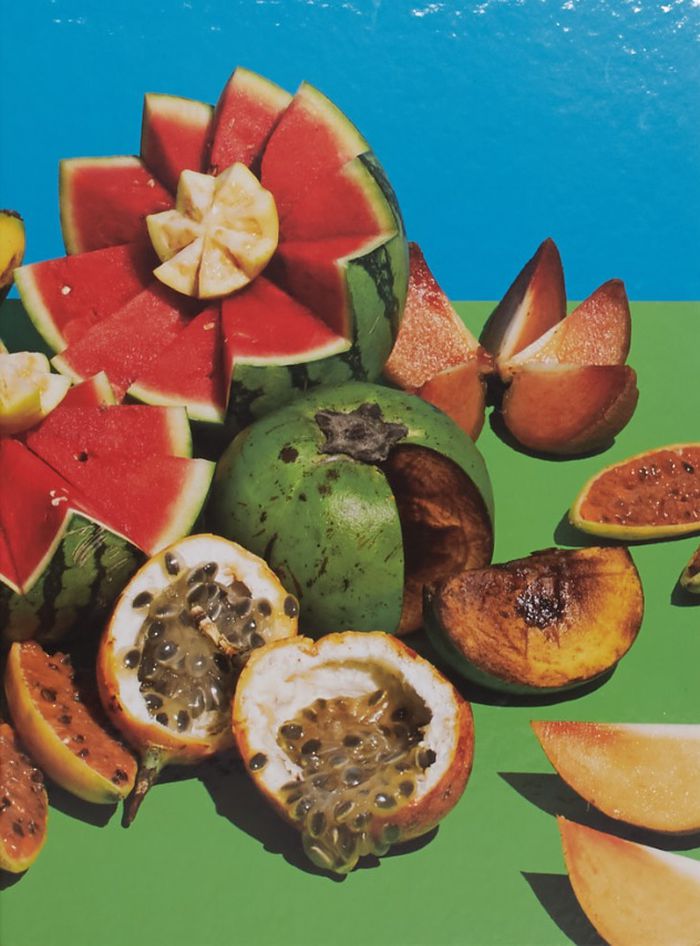
In a supermarket in Berlin, wandering through aisle after aisle of processed meats, the artist Phyllis Ma conceived of Special Nothing, a collection of travel photos that take the form of still lifes. To Ma, ''special nothings'' are those everyday objects that, on the right day, or in the right moment, are sources of pure delight: a very hairy flower; a block of head cheese the size and shape of an iPhone; a gherkin that looks especially perverse. If you pay attention, you can find these special nothings in your home or on your block, but we tend to be more attuned to them when we’re in an unfamiliar place. In a new country, the most mundane sights and tasks are often fascinating, difficult, and strange: doing laundry, boarding a bus, buying groceries. But it’s in supermarkets, with their promise of familiarity — the same bright overhead lighting, neat aisles, and row of checkout counters can be found the world over — where things become most uncanny. In today’s global economy, you can visit a supermarket in any major city and find many of the same goods and brands that you would in your hometown. And yet everything isn’t the same. Refrigeration practices differ, labels confuse. You are seduced by a product’s packaging, want to buy it badly, but then realize you’re not even sure what type of food it is. This feeling of wonderment is at the heart of Ma’s fantastical aesthetic. Created in Berlin, London, Tokyo, Mexico City and New York, ''Special nothing'' is a unique travel diary, a distillation of those moments when the commonplace and the strange coalesce, turn into something magical, surreal.
Phyllis Ma: Special nothing
Actions:
Prix:
$65.00
(disponible sur commande)
Résumé:
In a supermarket in Berlin, wandering through aisle after aisle of processed meats, the artist Phyllis Ma conceived of Special Nothing, a collection of travel photos that take the form of still lifes. To Ma, ''special nothings'' are those everyday objects that, on the right day, or in the right moment, are sources of pure delight: a very hairy flower; a block of head cheese the size and shape of an iPhone; a gherkin that looks especially perverse. If you pay attention, you can find these special nothings in your home or on your block, but we tend to be more attuned to them when we’re in an unfamiliar place. In a new country, the most mundane sights and tasks are often fascinating, difficult, and strange: doing laundry, boarding a bus, buying groceries. But it’s in supermarkets, with their promise of familiarity — the same bright overhead lighting, neat aisles, and row of checkout counters can be found the world over — where things become most uncanny. In today’s global economy, you can visit a supermarket in any major city and find many of the same goods and brands that you would in your hometown. And yet everything isn’t the same. Refrigeration practices differ, labels confuse. You are seduced by a product’s packaging, want to buy it badly, but then realize you’re not even sure what type of food it is. This feeling of wonderment is at the heart of Ma’s fantastical aesthetic. Created in Berlin, London, Tokyo, Mexico City and New York, ''Special nothing'' is a unique travel diary, a distillation of those moments when the commonplace and the strange coalesce, turn into something magical, surreal.
Classification:
livres
livres
Publication:
octobre 2020
octobre 2020
Sujet:
Monographies photo
Monographies photo
Classification:
livres
livres
Prix:
$31.50
(disponible sur commande)
Résumé:
Méditation sur l'attitude des Japonais devant l'espace, le temps, la nature, sur les rapports subtils que l'histoire a tissés, depuis des siècles, à Tôkyô, Nara, ou Kyôto, entre l'écologique et le symbolique. Ces rapports, il les place ous le signe de l'«urbanité»; le terme, usité pour parler des bonnes manières, prenant un sens supplémentaire : le sens de la ville.
$31.50
(disponible sur commande)
Résumé:
Méditation sur l'attitude des Japonais devant l'espace, le temps, la nature, sur les rapports subtils que l'histoire a tissés, depuis des siècles, à Tôkyô, Nara, ou Kyôto, entre l'écologique et le symbolique. Ces rapports, il les place ous le signe de l'«urbanité»; le terme, usité pour parler des bonnes manières, prenant un sens supplémentaire : le sens de la ville.
Titre:
Du geste à la cité : formes urbaines et lien social au Japon
Actions:
Prix:
$31.50
(disponible sur commande)
Résumé:
Méditation sur l'attitude des Japonais devant l'espace, le temps, la nature, sur les rapports subtils que l'histoire a tissés, depuis des siècles, à Tôkyô, Nara, ou Kyôto, entre l'écologique et le symbolique. Ces rapports, il les place ous le signe de l'«urbanité»; le terme, usité pour parler des bonnes manières, prenant un sens supplémentaire : le sens de la ville.
Du geste à la cité : formes urbaines et lien social au Japon
Actions:
Prix:
$31.50
(disponible sur commande)
Résumé:
Méditation sur l'attitude des Japonais devant l'espace, le temps, la nature, sur les rapports subtils que l'histoire a tissés, depuis des siècles, à Tôkyô, Nara, ou Kyôto, entre l'écologique et le symbolique. Ces rapports, il les place ous le signe de l'«urbanité»; le terme, usité pour parler des bonnes manières, prenant un sens supplémentaire : le sens de la ville.
Classification:
livres
livres
Publication:
janvier 1900, Paris
janvier 1900, Paris
Sujet:
Arch Moyen-Orient
Arch Moyen-Orient
Classification:
livres
livres
Actions:
Prix:
$99.95
(disponible en magasin)
Résumé:
Ce livre rassemble pour la première fois le travail en Irlande d'Akihiko Okamura à l'occasion de la numérisation de ce corpus quasi inédit, accompagné de textes qui contextualisent son travail dans l'histoire de l'époque et celle du médium photographique. Pendant les Troubles, la lutte pour l'indépendance qui dura de 1969 à 1998, l'Irlande du Nord a attiré un grand nombre(...)
$99.95
(disponible en magasin)
Résumé:
Ce livre rassemble pour la première fois le travail en Irlande d'Akihiko Okamura à l'occasion de la numérisation de ce corpus quasi inédit, accompagné de textes qui contextualisent son travail dans l'histoire de l'époque et celle du médium photographique. Pendant les Troubles, la lutte pour l'indépendance qui dura de 1969 à 1998, l'Irlande du Nord a attiré un grand nombre(...)
Titre:
Akihiko Okamura: Les souvenirs des autres
Actions:
Prix:
$99.95
(disponible en magasin)
Résumé:
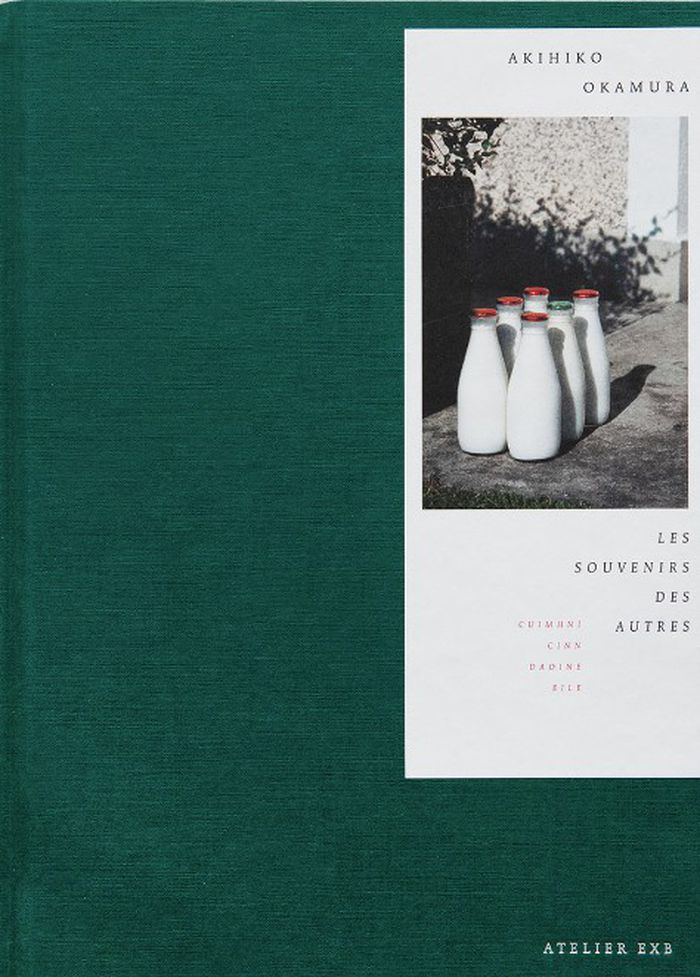
Ce livre rassemble pour la première fois le travail en Irlande d'Akihiko Okamura à l'occasion de la numérisation de ce corpus quasi inédit, accompagné de textes qui contextualisent son travail dans l'histoire de l'époque et celle du médium photographique. Pendant les Troubles, la lutte pour l'indépendance qui dura de 1969 à 1998, l'Irlande du Nord a attiré un grand nombre de photojournalistes étrangers venu documenter les événements. Certains d'entre eux ont trouvé un sujet qui les touchait personnellement, les poussant à dépasser les codes du photojournalisme. C'est le cas du photographe japonais Akihiko Okamura qui a réalisé un travail unique et remarquable en couleur dans les premières années du conflit, et qui est curieusement encore méconnu aujourd'hui. Né à Tokyo en 1929, Akihiko Okamura s'est distingué comme l'un des grands photographes de guerre de sa génération, opérant notamment au Vietnam au début des années 1960. Il est toujours très respecté au Japon, mais son travail et son expérience en Irlande, essentiels à la fois dans son oeuvre et pour sa vie personnelle, ont été peu explorés. Okamura est arrivé sur l'île avec sa famille en 1969 et y a vécu jusqu'à sa mort en 1985. Il a photographié son quotidien et les alentours, mais a vite été pris d'intérêt pour le nord du pays et sa lutte pour l'indépendance. Son attachement à ce pays et à son histoire l'ont conduit à produire l'une des oeuvres photographiques les plus significatives réalisées par un photographe étranger, mêlant à la fois cette simplicité du cadrage et du sujet, très japonaise, à une force dans la composition pour des sujets plus violents. En Irlande, il s'est éloigné du photojournalisme pour développer un témoignage plus personnel.
Akihiko Okamura: Les souvenirs des autres
Actions:
Prix:
$99.95
(disponible en magasin)
Résumé:
Ce livre rassemble pour la première fois le travail en Irlande d'Akihiko Okamura à l'occasion de la numérisation de ce corpus quasi inédit, accompagné de textes qui contextualisent son travail dans l'histoire de l'époque et celle du médium photographique. Pendant les Troubles, la lutte pour l'indépendance qui dura de 1969 à 1998, l'Irlande du Nord a attiré un grand nombre de photojournalistes étrangers venu documenter les événements. Certains d'entre eux ont trouvé un sujet qui les touchait personnellement, les poussant à dépasser les codes du photojournalisme. C'est le cas du photographe japonais Akihiko Okamura qui a réalisé un travail unique et remarquable en couleur dans les premières années du conflit, et qui est curieusement encore méconnu aujourd'hui. Né à Tokyo en 1929, Akihiko Okamura s'est distingué comme l'un des grands photographes de guerre de sa génération, opérant notamment au Vietnam au début des années 1960. Il est toujours très respecté au Japon, mais son travail et son expérience en Irlande, essentiels à la fois dans son oeuvre et pour sa vie personnelle, ont été peu explorés. Okamura est arrivé sur l'île avec sa famille en 1969 et y a vécu jusqu'à sa mort en 1985. Il a photographié son quotidien et les alentours, mais a vite été pris d'intérêt pour le nord du pays et sa lutte pour l'indépendance. Son attachement à ce pays et à son histoire l'ont conduit à produire l'une des oeuvres photographiques les plus significatives réalisées par un photographe étranger, mêlant à la fois cette simplicité du cadrage et du sujet, très japonaise, à une force dans la composition pour des sujets plus violents. En Irlande, il s'est éloigné du photojournalisme pour développer un témoignage plus personnel.
Classification:
livres
livres
Publication:
mars 2024
mars 2024
Sujet:
Monographies photo
Monographies photo
Classification:
livres
livres
Titre:
Minka, my farmhouse in Japan
Minka, my farmhouse in Japan
Actions:
Prix:
$27.95
(disponible sur commande)
Résumé:
In 1959 the journalist John Roderick joined the Tokyo bureau of the Associated Press. There, he befriended a Japanese family, the Takishitas. After musing offhandedly that he would like to one day have his own house in Japan, the family unbeknownst to John set out to grant his wish. They found Roderick a 250-year-old minka, or hand-built farmhouse, with a thatched roof(...)
$27.95
(disponible sur commande)
Résumé:
In 1959 the journalist John Roderick joined the Tokyo bureau of the Associated Press. There, he befriended a Japanese family, the Takishitas. After musing offhandedly that he would like to one day have his own house in Japan, the family unbeknownst to John set out to grant his wish. They found Roderick a 250-year-old minka, or hand-built farmhouse, with a thatched roof(...)
Publication:
novembre 2007, New York
novembre 2007, New York
Titre:
Minka, my farmhouse in Japan
Actions:
Prix:
$27.95
(disponible sur commande)
Résumé:
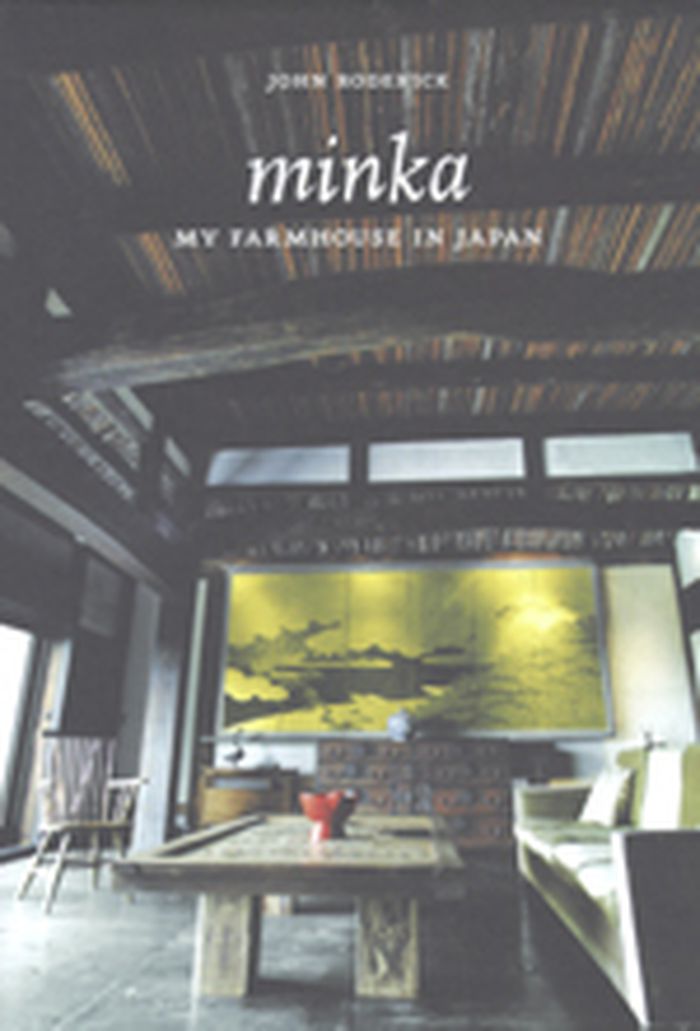
In 1959 the journalist John Roderick joined the Tokyo bureau of the Associated Press. There, he befriended a Japanese family, the Takishitas. After musing offhandedly that he would like to one day have his own house in Japan, the family unbeknownst to John set out to grant his wish. They found Roderick a 250-year-old minka, or hand-built farmhouse, with a thatched roof and held together entirely by wooden pegs and joinery. It was about to be washed away by flooding and was being offered for only fourteen dollars. Roderick graciously bought the house, but was privately dismayed at the prospect of living in this enormous old relic lacking heating, bathing, plumbing, and proper kitchen facilities. So the minka was dismantled and stored, where Roderick secretly hoped it would stay, as it did for several years. But Roderick's reverence for natural materials and his appreciation of traditional Japanese and Shinto craftsmanship eventually got the better of him. Before long a team of experienced carpenters were hoisting massive beams, laying wide wooden floors, and attaching the split-bamboo ceiling. In just forty days they rebuilt the house on a hill overlooking Kamakura, the ancient capital of Japan. Working together, they renovated the farmhouse, adding features such as floor-to-ceiling sliding glass doors and a modern kitchen, bath, and toilet. From these humble beginnings, Roderick's minka has become internationally known and has hosted such luminaries as Senator Hillary Clinton. John Roderick's architectural memoir "Minka" tells the compelling and often poignant story of how one man fell in love with the people, culture, and ancient building traditions of Japan, and reminds us all about the importance of craftsmanship and the meaning of place and home in the process.
Minka, my farmhouse in Japan
Actions:
Prix:
$27.95
(disponible sur commande)
Résumé:
In 1959 the journalist John Roderick joined the Tokyo bureau of the Associated Press. There, he befriended a Japanese family, the Takishitas. After musing offhandedly that he would like to one day have his own house in Japan, the family unbeknownst to John set out to grant his wish. They found Roderick a 250-year-old minka, or hand-built farmhouse, with a thatched roof and held together entirely by wooden pegs and joinery. It was about to be washed away by flooding and was being offered for only fourteen dollars. Roderick graciously bought the house, but was privately dismayed at the prospect of living in this enormous old relic lacking heating, bathing, plumbing, and proper kitchen facilities. So the minka was dismantled and stored, where Roderick secretly hoped it would stay, as it did for several years. But Roderick's reverence for natural materials and his appreciation of traditional Japanese and Shinto craftsmanship eventually got the better of him. Before long a team of experienced carpenters were hoisting massive beams, laying wide wooden floors, and attaching the split-bamboo ceiling. In just forty days they rebuilt the house on a hill overlooking Kamakura, the ancient capital of Japan. Working together, they renovated the farmhouse, adding features such as floor-to-ceiling sliding glass doors and a modern kitchen, bath, and toilet. From these humble beginnings, Roderick's minka has become internationally known and has hosted such luminaries as Senator Hillary Clinton. John Roderick's architectural memoir "Minka" tells the compelling and often poignant story of how one man fell in love with the people, culture, and ancient building traditions of Japan, and reminds us all about the importance of craftsmanship and the meaning of place and home in the process.
Classification:
livres
livres
Publication:
novembre 2007, New York
novembre 2007, New York
Classification:
livres
livres
Titre:
OMA NY: Search term
OMA NY: Search term
Actions:
Prix:
$170.00
(disponible en magasin)
Résumé:
Well into its fourth decade, the Office for Metropolitan Architecture (OMA), founded by Rem Koolhaas in 1975, remains one of the most influential and successful practices of its kind. OMA describes itself as ''a firm operating within the traditional boundaries of architecture and urbanism that applies architectural thinking to domains beyond.'' OMA New York, has grown(...)
$170.00
(disponible en magasin)
Résumé:
Well into its fourth decade, the Office for Metropolitan Architecture (OMA), founded by Rem Koolhaas in 1975, remains one of the most influential and successful practices of its kind. OMA describes itself as ''a firm operating within the traditional boundaries of architecture and urbanism that applies architectural thinking to domains beyond.'' OMA New York, has grown(...)
Titre:
OMA NY: Search term
Actions:
Prix:
$170.00
(disponible en magasin)
Résumé:
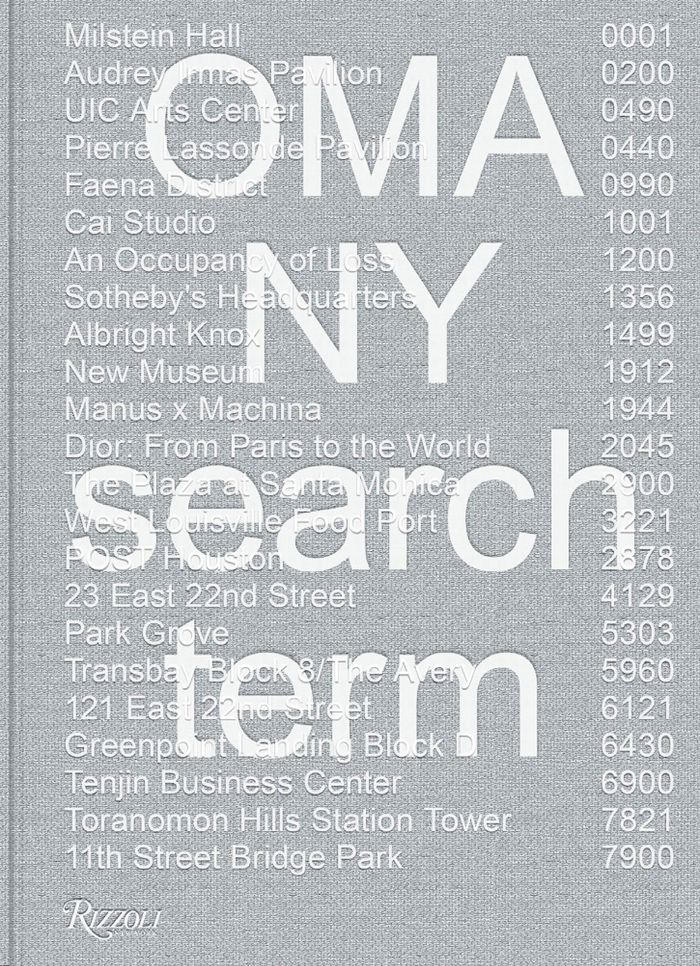
Well into its fourth decade, the Office for Metropolitan Architecture (OMA), founded by Rem Koolhaas in 1975, remains one of the most influential and successful practices of its kind. OMA describes itself as ''a firm operating within the traditional boundaries of architecture and urbanism that applies architectural thinking to domains beyond.'' OMA New York, has grown from an American outpost to a full-fledged operation with its own attitudes, contributing to the evolution of the globally acclaimed office. Through a diversity of projects, the firm has transformed our understanding of the city and our evolving relationship with art, fashion, food, sustainability, and other quintessentially twenty-first-century preoccupations. The works presented here elaborate on OMA’s philosophy even as they expand its portfolio geographically. Featured projects include residential skyscrapers in New York, Miami, and San Francisco, mixed-use developments in cities from Tokyo to Houston, and projects like 11th Street Bridge Park in the public realm, alongside more intimate spaces such as the studio for renowned Chinese artist Cai Guo-Qiang. Permanent structures, such as Milstein Hall at Cornell University, the new galleries of Quebec’s Musée National des Beaux-Arts, a cultural forum and neighborhood for Faena in Miami, and the expansion of museums such as the Albright-Knox Art Gallery in Buffalo and the New Museum in Manhattan, contrast vividly with temporary interventions such as the Manus x Machina exhibition at the Met Costume Institute and the sculptural installation of soaring concrete columns for An Occupation of Loss. In between projects are dialogues with leading policy makers, museum directors, artists, fashion designers, musicians, chefs, and curators—Christopher Hawthorne, Lisa Phillips and Massimiliano Gioni, Taryn Simon, Iris van Herpen, Virgil Abloh, David Byrne, Alice Waters, and Cecilia Alemani—who provide insight onto areas of the firm’s interests and preoccupations beyond the realm of architecture.
OMA NY: Search term
Actions:
Prix:
$170.00
(disponible en magasin)
Résumé:
Well into its fourth decade, the Office for Metropolitan Architecture (OMA), founded by Rem Koolhaas in 1975, remains one of the most influential and successful practices of its kind. OMA describes itself as ''a firm operating within the traditional boundaries of architecture and urbanism that applies architectural thinking to domains beyond.'' OMA New York, has grown from an American outpost to a full-fledged operation with its own attitudes, contributing to the evolution of the globally acclaimed office. Through a diversity of projects, the firm has transformed our understanding of the city and our evolving relationship with art, fashion, food, sustainability, and other quintessentially twenty-first-century preoccupations. The works presented here elaborate on OMA’s philosophy even as they expand its portfolio geographically. Featured projects include residential skyscrapers in New York, Miami, and San Francisco, mixed-use developments in cities from Tokyo to Houston, and projects like 11th Street Bridge Park in the public realm, alongside more intimate spaces such as the studio for renowned Chinese artist Cai Guo-Qiang. Permanent structures, such as Milstein Hall at Cornell University, the new galleries of Quebec’s Musée National des Beaux-Arts, a cultural forum and neighborhood for Faena in Miami, and the expansion of museums such as the Albright-Knox Art Gallery in Buffalo and the New Museum in Manhattan, contrast vividly with temporary interventions such as the Manus x Machina exhibition at the Met Costume Institute and the sculptural installation of soaring concrete columns for An Occupation of Loss. In between projects are dialogues with leading policy makers, museum directors, artists, fashion designers, musicians, chefs, and curators—Christopher Hawthorne, Lisa Phillips and Massimiliano Gioni, Taryn Simon, Iris van Herpen, Virgil Abloh, David Byrne, Alice Waters, and Cecilia Alemani—who provide insight onto areas of the firm’s interests and preoccupations beyond the realm of architecture.
Classification:
livres
livres
Publication:
novembre 2021
novembre 2021
Sujet:
Architecture, monographies
Architecture, monographies


