


2644 Résultats
Classification:
livres
livres
Titre:
Toronto sprawls
Toronto sprawls
Actions:
Prix:
$24.95
(disponible sur commande)
Résumé:
With a landmass spanning approximately 7000 square kilometres and a population of roughly five million, the Greater Toronto Area is Canada’s largest metropolitan centre. How did a small nineteenth-century colonial capital become this sprawling urban giant, and how did government policies shape the contours of its landscape? In Toronto Sprawls, Lawrence Solomon examines(...)
$24.95
(disponible sur commande)
Résumé:
With a landmass spanning approximately 7000 square kilometres and a population of roughly five million, the Greater Toronto Area is Canada’s largest metropolitan centre. How did a small nineteenth-century colonial capital become this sprawling urban giant, and how did government policies shape the contours of its landscape? In Toronto Sprawls, Lawrence Solomon examines(...)
Titre:
Toronto sprawls
Actions:
Prix:
$24.95
(disponible sur commande)
Résumé:
With a landmass spanning approximately 7000 square kilometres and a population of roughly five million, the Greater Toronto Area is Canada’s largest metropolitan centre. How did a small nineteenth-century colonial capital become this sprawling urban giant, and how did government policies shape the contours of its landscape? In Toronto Sprawls, Lawrence Solomon examines the great migration from farm to the city that occurred in the last half of the nineteenth century. During this period, a disproportionate number of single women came to Toronto, while at the same time, immigration from abroad was swelling the city’s urban boundaries. Labour unions were also increasingly successful in recruiting urban workers in these years. Governments responded to these perceived threats with a series of policies designed to foster order. To promote single family dwellings conducive to the traditional family, buildings in high-density areas were razed and apartment buildings banned. To discourage returning First World War veterans from settling in cities, the government offered grants to spur rural settlement. These policies and others dispersed the city’s population and promoted sprawl. An illuminating read, Toronto Sprawls makes a convincing case that urban sprawl in Toronto was not caused by market forces, but rather policies and programs designed to disperse Toronto’s urban population.
Toronto sprawls
Actions:
Prix:
$24.95
(disponible sur commande)
Résumé:
With a landmass spanning approximately 7000 square kilometres and a population of roughly five million, the Greater Toronto Area is Canada’s largest metropolitan centre. How did a small nineteenth-century colonial capital become this sprawling urban giant, and how did government policies shape the contours of its landscape? In Toronto Sprawls, Lawrence Solomon examines the great migration from farm to the city that occurred in the last half of the nineteenth century. During this period, a disproportionate number of single women came to Toronto, while at the same time, immigration from abroad was swelling the city’s urban boundaries. Labour unions were also increasingly successful in recruiting urban workers in these years. Governments responded to these perceived threats with a series of policies designed to foster order. To promote single family dwellings conducive to the traditional family, buildings in high-density areas were razed and apartment buildings banned. To discourage returning First World War veterans from settling in cities, the government offered grants to spur rural settlement. These policies and others dispersed the city’s population and promoted sprawl. An illuminating read, Toronto Sprawls makes a convincing case that urban sprawl in Toronto was not caused by market forces, but rather policies and programs designed to disperse Toronto’s urban population.
Classification:
livres
livres
Publication:
avril 2007, Toronto
avril 2007, Toronto
Sujet:
Architecture du Canada
Architecture du Canada
Classification:
livres
livres
Actions:
Prix:
$98.00
(disponible sur commande)
Résumé:
Robert A. M. Stern is dedicated to the synthesis of tradition and innovation. In more than thirty-five years of practice, he has produced a wide range of building types with a variety of stylistic influences, all inspired by the great legacy of American architecture. His firm, Robert A. M. Stern architects, was first recognized for its distinguished houses, and(...)
$98.00
(disponible sur commande)
Résumé:
Robert A. M. Stern is dedicated to the synthesis of tradition and innovation. In more than thirty-five years of practice, he has produced a wide range of building types with a variety of stylistic influences, all inspired by the great legacy of American architecture. His firm, Robert A. M. Stern architects, was first recognized for its distinguished houses, and(...)
Titre:
Robert A. M. Stern : houses and gardens
Actions:
Prix:
$98.00
(disponible sur commande)
Résumé:
Robert A. M. Stern is dedicated to the synthesis of tradition and innovation. In more than thirty-five years of practice, he has produced a wide range of building types with a variety of stylistic influences, all inspired by the great legacy of American architecture. His firm, Robert A. M. Stern architects, was first recognized for its distinguished houses, and residential design remains the cornerstone of the practice. This illustrated monograph-a companion to "Robert A. M. Stern: houses"- presents twenty-six of the firm's most memorable houses. Located in diverse settings across North America-from a valley in Colorado with views of the Aspen mountains to a bluff overlooking Long Island Sound to an island off the coast of British Columbia-these houses reveal the architect's emphasis on the importance of context and his dedication to exploring the nature of space. Each house invokes the vernacular architectural heritage particular to its region while reflecting its unique natural surroundings. Whether they are Shingle style "cottages" by the sea, colonial Georgian country estates, or elegant Regency designs, Stern's houses are unique both for their timelessness and their ability to evoke a conversation with the past-a dialogue he believes lies at the heart of architecture.
Robert A. M. Stern : houses and gardens
Actions:
Prix:
$98.00
(disponible sur commande)
Résumé:
Robert A. M. Stern is dedicated to the synthesis of tradition and innovation. In more than thirty-five years of practice, he has produced a wide range of building types with a variety of stylistic influences, all inspired by the great legacy of American architecture. His firm, Robert A. M. Stern architects, was first recognized for its distinguished houses, and residential design remains the cornerstone of the practice. This illustrated monograph-a companion to "Robert A. M. Stern: houses"- presents twenty-six of the firm's most memorable houses. Located in diverse settings across North America-from a valley in Colorado with views of the Aspen mountains to a bluff overlooking Long Island Sound to an island off the coast of British Columbia-these houses reveal the architect's emphasis on the importance of context and his dedication to exploring the nature of space. Each house invokes the vernacular architectural heritage particular to its region while reflecting its unique natural surroundings. Whether they are Shingle style "cottages" by the sea, colonial Georgian country estates, or elegant Regency designs, Stern's houses are unique both for their timelessness and their ability to evoke a conversation with the past-a dialogue he believes lies at the heart of architecture.
Classification:
livres
livres
Publication:
décembre 2005, New York
décembre 2005, New York
Sujet:
Architecture, monographies
Architecture, monographies
Classification:
périodiques
périodiques

Actions:
Prix:
$16.00
(disponible en magasin)
Résumé:
En énonçant « perdre le pouvoir » comme titre et injonction, nous espérions recevoir de la part des contributeur·ices invité·es des éloges de la faiblesse comme façons d’agir en architecture. Nous pensions que de ce « devenir faible » pouvait émerger des attitudes de conception informelles, plus agiles et délestées du statut de l’auteur·e architecte. Un mode mineur, qui(...)
$16.00
(disponible en magasin)
Résumé:
En énonçant « perdre le pouvoir » comme titre et injonction, nous espérions recevoir de la part des contributeur·ices invité·es des éloges de la faiblesse comme façons d’agir en architecture. Nous pensions que de ce « devenir faible » pouvait émerger des attitudes de conception informelles, plus agiles et délestées du statut de l’auteur·e architecte. Un mode mineur, qui(...)
Titre:
Plan L**** 206 : Perdre le pouvoir
Actions:
Prix:
$16.00
(disponible en magasin)
Résumé:
En énonçant « perdre le pouvoir » comme titre et injonction, nous espérions recevoir de la part des contributeur·ices invité·es des éloges de la faiblesse comme façons d’agir en architecture. Nous pensions que de ce « devenir faible » pouvait émerger des attitudes de conception informelles, plus agiles et délestées du statut de l’auteur·e architecte. Un mode mineur, qui laisserait de côté la gloire des concepteur·ices pour des récits nouveaux, circonstanciés et sans héro·ïnes. Ce n’est pas ce qu’il s’est passé. Ou du moins cette nouvelle diplomatie du projet et ses quelques conclusions hâtives se retrouvent par bribes, disséminées dans les textes, au détour d’un récit de projet, d’expériences militante et pédagogique, de considérations historiques. Ce que partage l’ensemble des contributions est d’énoncer l’architecture, au sens le plus élargi du terme, de l’objet au territoire, comme site de reconfiguration permanente des enjeux de pouvoir. Ce pouvoir qui se trouve qualifié selon les circonstances, de normatif, d’institutionnel, de néolibéral, de colonial, de sexiste, de raciste, de spéciste… L’architecture, celle que l’on pratique ou que l’on conçoit, y est décrite comme un terrain de luttes souvent invisibles, cachées dans les faits architecturaux les plus anodins, toujours baignées de politique, quand bien même elle se présente sans atours et triviale.
Plan L**** 206 : Perdre le pouvoir
Actions:
Prix:
$16.00
(disponible en magasin)
Résumé:
En énonçant « perdre le pouvoir » comme titre et injonction, nous espérions recevoir de la part des contributeur·ices invité·es des éloges de la faiblesse comme façons d’agir en architecture. Nous pensions que de ce « devenir faible » pouvait émerger des attitudes de conception informelles, plus agiles et délestées du statut de l’auteur·e architecte. Un mode mineur, qui laisserait de côté la gloire des concepteur·ices pour des récits nouveaux, circonstanciés et sans héro·ïnes. Ce n’est pas ce qu’il s’est passé. Ou du moins cette nouvelle diplomatie du projet et ses quelques conclusions hâtives se retrouvent par bribes, disséminées dans les textes, au détour d’un récit de projet, d’expériences militante et pédagogique, de considérations historiques. Ce que partage l’ensemble des contributions est d’énoncer l’architecture, au sens le plus élargi du terme, de l’objet au territoire, comme site de reconfiguration permanente des enjeux de pouvoir. Ce pouvoir qui se trouve qualifié selon les circonstances, de normatif, d’institutionnel, de néolibéral, de colonial, de sexiste, de raciste, de spéciste… L’architecture, celle que l’on pratique ou que l’on conçoit, y est décrite comme un terrain de luttes souvent invisibles, cachées dans les faits architecturaux les plus anodins, toujours baignées de politique, quand bien même elle se présente sans atours et triviale.
Classification:
périodiques
périodiques
Publication:
février 2024
février 2024
Sujet:
Revues
Revues
Classification:
livres
livres
Prix:
$39.95
(disponible en magasin)
Résumé:
How do you experience a public space? Do you feel safe? Seen? Represented? The response to these questions may differ based on factors including your race, age, ethnicity, or gender identity. In the architecture and design professions, decisions about the articulation of public spaces and who may be honored in them have often been made by white men. How do designers(...)
$39.95
(disponible en magasin)
Résumé:
How do you experience a public space? Do you feel safe? Seen? Represented? The response to these questions may differ based on factors including your race, age, ethnicity, or gender identity. In the architecture and design professions, decisions about the articulation of public spaces and who may be honored in them have often been made by white men. How do designers(...)
Titre:
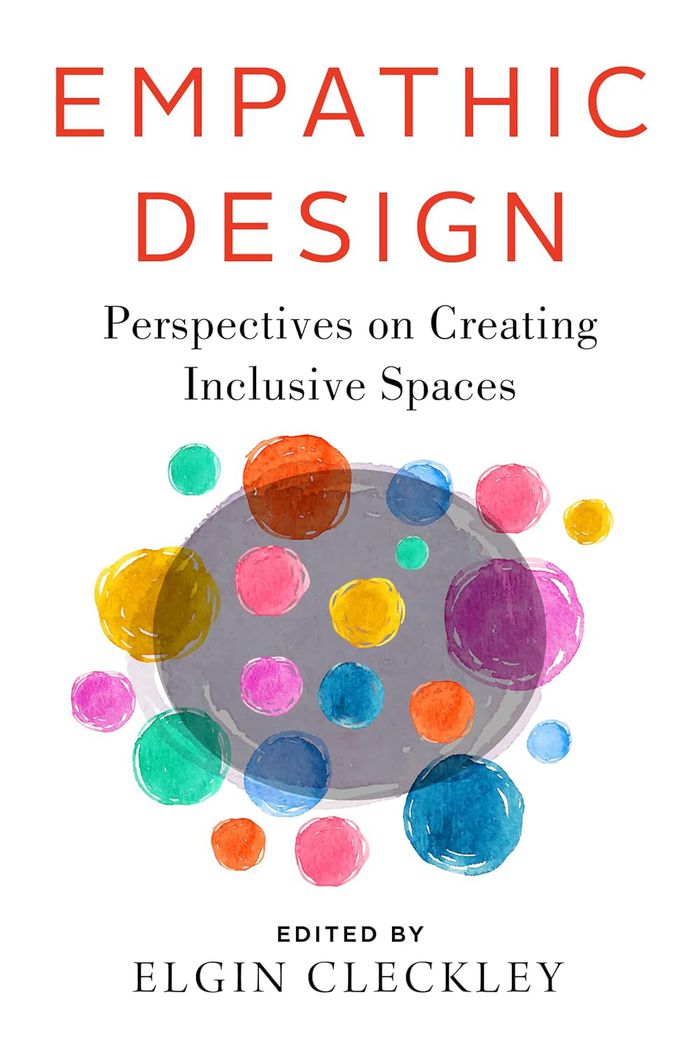
Empathic design: perspectives on creating inclusive spaces
Actions:
Prix:
$39.95
(disponible en magasin)
Résumé:
How do you experience a public space? Do you feel safe? Seen? Represented? The response to these questions may differ based on factors including your race, age, ethnicity, or gender identity. In the architecture and design professions, decisions about the articulation of public spaces and who may be honored in them have often been made by white men. How do designers rethink design processes to produce works that hold space for the diversity of people using them? In "Empathic design," designer and architecture professor Elgin Cleckley brings together leaders and visionary practitioners in architecture, urban design, planning, and design activism to help explore these questions. Cleckley explains that empathic designers need to approach design as iterative, changing, and shifting to say, "we see you", "we hear you". Part of an emerging design framework, empathic designers work with and in the communities affected. They acknowledge the full history of a place and approach the lived experience and memories of those in the community with respect. Early chapters explore broader conceptual approaches, proposing definitions of empathy in the context of design, disrupting colonial narratives, and making space for grief. Other chapters highlight specific design projects, including the Harriet Tubman Memorial in Newark, The Camp Barker Memorial in Washington, D.C., the Freedom Center in Oklahoma City, and the Charlottesville Memorial for Peace and Justice.
Empathic design: perspectives on creating inclusive spaces
Actions:
Prix:
$39.95
(disponible en magasin)
Résumé:
How do you experience a public space? Do you feel safe? Seen? Represented? The response to these questions may differ based on factors including your race, age, ethnicity, or gender identity. In the architecture and design professions, decisions about the articulation of public spaces and who may be honored in them have often been made by white men. How do designers rethink design processes to produce works that hold space for the diversity of people using them? In "Empathic design," designer and architecture professor Elgin Cleckley brings together leaders and visionary practitioners in architecture, urban design, planning, and design activism to help explore these questions. Cleckley explains that empathic designers need to approach design as iterative, changing, and shifting to say, "we see you", "we hear you". Part of an emerging design framework, empathic designers work with and in the communities affected. They acknowledge the full history of a place and approach the lived experience and memories of those in the community with respect. Early chapters explore broader conceptual approaches, proposing definitions of empathy in the context of design, disrupting colonial narratives, and making space for grief. Other chapters highlight specific design projects, including the Harriet Tubman Memorial in Newark, The Camp Barker Memorial in Washington, D.C., the Freedom Center in Oklahoma City, and the Charlottesville Memorial for Peace and Justice.
Classification:
livres
livres
Publication:
janvier 2024
janvier 2024
Sujet:
Théorie du design
Théorie du design
Classification:
livres
livres
Actions:
Prix:
$27.95
(disponible sur commande)
Résumé:
"Filth" is concerned with what waste reveals about the culture that creates it. From floating barges of urban refuse to dung-encrusted works of art, from toxic landfills to dirty movies, filth has become a major presence and a point of volatile contention in modern life. This book explores the question of what filth has to do with culture: what critical role the lost,(...)
$27.95
(disponible sur commande)
Résumé:
"Filth" is concerned with what waste reveals about the culture that creates it. From floating barges of urban refuse to dung-encrusted works of art, from toxic landfills to dirty movies, filth has become a major presence and a point of volatile contention in modern life. This book explores the question of what filth has to do with culture: what critical role the lost,(...)
Sujet:
Théorie de l’architecture
Théorie de l’architecture
Publication:
janvier 2005, Minneapolis
janvier 2005, Minneapolis
Titre:
Filth : dirt, disgust, and modern life
Actions:
Prix:
$27.95
(disponible sur commande)
Résumé:
"Filth" is concerned with what waste reveals about the culture that creates it. From floating barges of urban refuse to dung-encrusted works of art, from toxic landfills to dirty movies, filth has become a major presence and a point of volatile contention in modern life. This book explores the question of what filth has to do with culture: what critical role the lost, the rejected, the abject, and the dirty play in social management and identity formation. It suggests the ongoing power of culturally mandated categories of exclusion and repression. Focusing on filth in literary and cultural materials from London, Paris, and their colonial outposts in the nineteenth and early twentieth centuries, the essays in "Filth" - all but one previously unpublished - range over topics as diverse as the building of sewers in nineteenth-century European metropolises, the link between interior design and bourgeois sanitary phobias, the fictional representation of labouring women and foreigners as polluting, and relations among disease, disorder, and sexual-racial disharmony. "Filth" provides the first sustained consideration, both theoretical and historical, of a subject whose power to horrify, fascinate, and repel is as old as civilization itself. Contributors: David S. Barnes, Neil Blackadder, Joseph Bristow, Joseph W. Childers, Eileen Cleere, Natalka Freeland, Pamela K. Gilbert, Christopher Hamlin, William Kupinse, Benjamin Lazier, David L. Pike, David Trotter.
Filth : dirt, disgust, and modern life
Actions:
Prix:
$27.95
(disponible sur commande)
Résumé:
"Filth" is concerned with what waste reveals about the culture that creates it. From floating barges of urban refuse to dung-encrusted works of art, from toxic landfills to dirty movies, filth has become a major presence and a point of volatile contention in modern life. This book explores the question of what filth has to do with culture: what critical role the lost, the rejected, the abject, and the dirty play in social management and identity formation. It suggests the ongoing power of culturally mandated categories of exclusion and repression. Focusing on filth in literary and cultural materials from London, Paris, and their colonial outposts in the nineteenth and early twentieth centuries, the essays in "Filth" - all but one previously unpublished - range over topics as diverse as the building of sewers in nineteenth-century European metropolises, the link between interior design and bourgeois sanitary phobias, the fictional representation of labouring women and foreigners as polluting, and relations among disease, disorder, and sexual-racial disharmony. "Filth" provides the first sustained consideration, both theoretical and historical, of a subject whose power to horrify, fascinate, and repel is as old as civilization itself. Contributors: David S. Barnes, Neil Blackadder, Joseph Bristow, Joseph W. Childers, Eileen Cleere, Natalka Freeland, Pamela K. Gilbert, Christopher Hamlin, William Kupinse, Benjamin Lazier, David L. Pike, David Trotter.
Classification:
livres
livres
Publication:
janvier 2005, Minneapolis
janvier 2005, Minneapolis
Sujet:
Théorie de l’architecture
Théorie de l’architecture
Classification:
périodiques
périodiques
Titre:
Pioneer America.
Pioneer America.
Actions:
Exemplaires:
Description:
15 volumes : illustrations ; 23-25 cm
Description:
15 volumes : illustrations ; 23-25 cm
Auteur:
Sujet:
Publication:
Falls Church, Va. : Pioneer America Society, 1968-1983, Baton Rouge, Louisiana : Geography-Anthropology Dept., Louisiana State University, Baton Rouge, Louisiana : Pioneer America Society : Geography-Anthropology Dept., Louisiana State University, Akron, Ohio : Pioneer America Society
Falls Church, Va. : Pioneer America Society, 1968-1983, Baton Rouge, Louisiana : Geography-Anthropology Dept., Louisiana State University, Baton Rouge, Louisiana : Pioneer America Society : Geography-Anthropology Dept., Louisiana State University, Akron, Ohio : Pioneer America Society
Classification:
périodiques
périodiques
Publication:
Falls Church, Va. : Pioneer America Society, 1968-1983, Baton Rouge, Louisiana : Geography-Anthropology Dept., Louisiana State University, Baton Rouge, Louisiana : Pioneer America Society : Geography-Anthropology Dept., Louisiana State University, Akron, Ohio : Pioneer America Society
Falls Church, Va. : Pioneer America Society, 1968-1983, Baton Rouge, Louisiana : Geography-Anthropology Dept., Louisiana State University, Baton Rouge, Louisiana : Pioneer America Society : Geography-Anthropology Dept., Louisiana State University, Akron, Ohio : Pioneer America Society
Auteur:
Sujet:
Classification:
livres
livres
Actions:
Exemplaires:
Description:
192 pages : illustrations ; 32 cm
Description:
192 pages : illustrations ; 32 cm
Auteur:
Sujet:
Publication:
New York, N.Y. : Monacelli Press, 2001.
New York, N.Y. : Monacelli Press, 2001.
Titre:
Edwin Lutyens : country houses : from the archives of Country life / Gavin Stamp.
Actions:
Exemplaires:
Description:
192 pages : illustrations ; 32 cm
Edwin Lutyens : country houses : from the archives of Country life / Gavin Stamp.
Actions:
Exemplaires:
Description:
192 pages : illustrations ; 32 cm
Classification:
livres
livres
Publication:
New York, N.Y. : Monacelli Press, 2001.
New York, N.Y. : Monacelli Press, 2001.
Auteur:
Sujet:
Classification:
livres
livres
Titre:
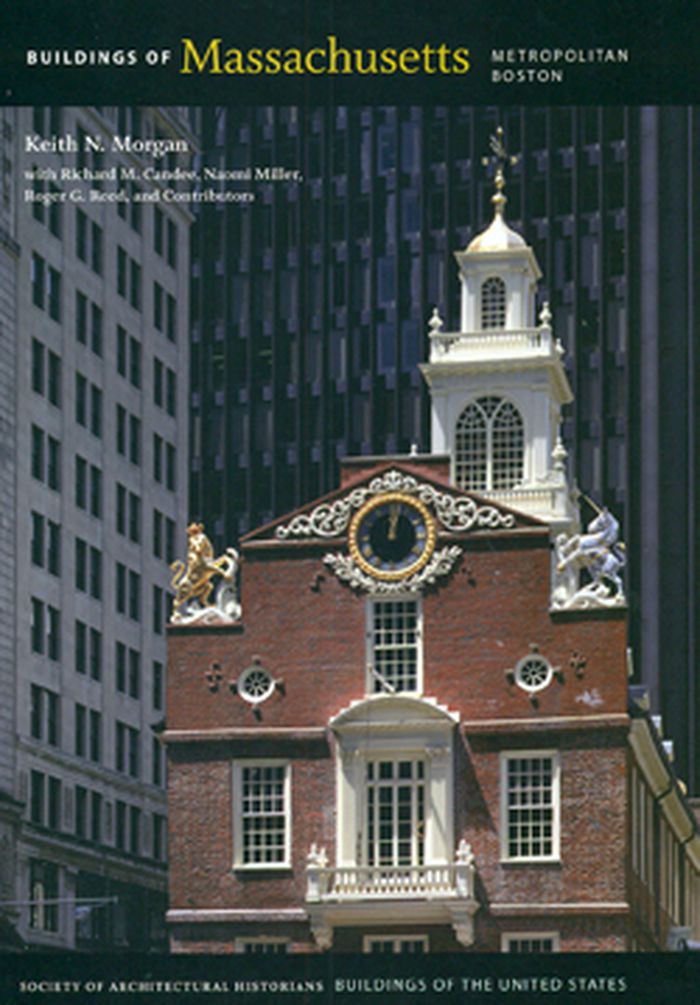
Buildings of Massachusettes
Buildings of Massachusettes
Actions:
Prix:
$104.95
(disponible sur commande)
Résumé:
This latest volume in the Society of Architectural Historians' Buildings of the United States series analyzes the architecture, landscape, and planning patterns of the capital of Massachusetts and forty surrounding cities and towns that fan out from Boston Harbor. The term "metropolitan" here emphasizes both the range of the project and the importance of this area in(...)
$104.95
(disponible sur commande)
Résumé:
This latest volume in the Society of Architectural Historians' Buildings of the United States series analyzes the architecture, landscape, and planning patterns of the capital of Massachusetts and forty surrounding cities and towns that fan out from Boston Harbor. The term "metropolitan" here emphasizes both the range of the project and the importance of this area in(...)
Titre:
Buildings of Massachusettes
Actions:
Prix:
$104.95
(disponible sur commande)
Résumé:
This latest volume in the Society of Architectural Historians' Buildings of the United States series analyzes the architecture, landscape, and planning patterns of the capital of Massachusetts and forty surrounding cities and towns that fan out from Boston Harbor. The term "metropolitan" here emphasizes both the range of the project and the importance of this area in introducing regional planning to the United States. Extensively illustrated with photographs and maps, and supplemented with a glossary and bibliography, the book assesses built form from initial colonial settlement in the 1630s through twenty-first-century additions to the Boston area landscape. The authors selected both exemplary and representative buildings and sites for inclusion. Here are structures of international reputation and buildings that characterize the vernacular housing patterns of the region. Because of the exceptional importance of the Boston area to the history of landscape architecture and city planning, those issues have been addressed in both the narrative introduction and the 640 entries. In contrast to other existing architectural guides, which do not move beyond central Boston and Cambridge, The Buildings of Massachusetts: Metro Boston canvasses the twelve sections of central Boston, its eight annexed neighborhoods, five sections of Cambridge (the district's second largest municipality), and forty surrounding communities have been examined. This volume has been designed to complement a second guidebook in the Buildings of the United States series that will focus on the buildings of Massachusetts from Cape Cod to the Berkshires.
Buildings of Massachusettes
Actions:
Prix:
$104.95
(disponible sur commande)
Résumé:
This latest volume in the Society of Architectural Historians' Buildings of the United States series analyzes the architecture, landscape, and planning patterns of the capital of Massachusetts and forty surrounding cities and towns that fan out from Boston Harbor. The term "metropolitan" here emphasizes both the range of the project and the importance of this area in introducing regional planning to the United States. Extensively illustrated with photographs and maps, and supplemented with a glossary and bibliography, the book assesses built form from initial colonial settlement in the 1630s through twenty-first-century additions to the Boston area landscape. The authors selected both exemplary and representative buildings and sites for inclusion. Here are structures of international reputation and buildings that characterize the vernacular housing patterns of the region. Because of the exceptional importance of the Boston area to the history of landscape architecture and city planning, those issues have been addressed in both the narrative introduction and the 640 entries. In contrast to other existing architectural guides, which do not move beyond central Boston and Cambridge, The Buildings of Massachusetts: Metro Boston canvasses the twelve sections of central Boston, its eight annexed neighborhoods, five sections of Cambridge (the district's second largest municipality), and forty surrounding communities have been examined. This volume has been designed to complement a second guidebook in the Buildings of the United States series that will focus on the buildings of Massachusetts from Cape Cod to the Berkshires.
Classification:
livres
livres
Publication:
août 2009
août 2009
Classification:
livres
livres
Actions:
Prix:
$102.95
(disponible en magasin)
Résumé:
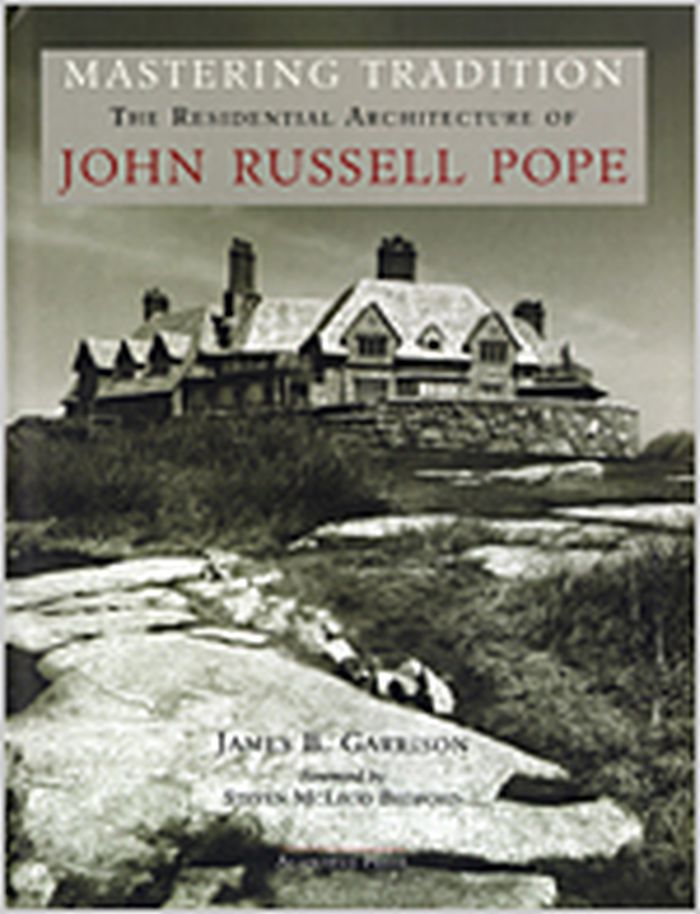
In the first major book on the beautiful and richly varied residential designs of John Russell Pope, "Mastering Tradition: The Residential Architecture of John Russell Pope" highlights the extraordinary houses of one of the 20th Century’s most prolific architects. John Russell Pope (1873–1937) was an architect of tradition and a master of pro-portion, massing, and(...)
$102.95
(disponible en magasin)
Résumé:
In the first major book on the beautiful and richly varied residential designs of John Russell Pope, "Mastering Tradition: The Residential Architecture of John Russell Pope" highlights the extraordinary houses of one of the 20th Century’s most prolific architects. John Russell Pope (1873–1937) was an architect of tradition and a master of pro-portion, massing, and(...)
Sujet:
Architecture, monographies
Architecture, monographies
Publication:
août 2004, New York
août 2004, New York
Titre:
Mastering tradition : the residential architecture of John Russell Pope
Actions:
Prix:
$102.95
(disponible en magasin)
Résumé:
In the first major book on the beautiful and richly varied residential designs of John Russell Pope, "Mastering Tradition: The Residential Architecture of John Russell Pope" highlights the extraordinary houses of one of the 20th Century’s most prolific architects. John Russell Pope (1873–1937) was an architect of tradition and a master of pro-portion, massing, and scale. Drawing on a personal palette rich in historic precedents from ancient Greece to colonial America, Pope created original and refined designs that embodied the aspirations of the United States as an emerging world power. Both his private and public work - which includes the National Gallery of Art and the Thomas Jefferson Memorial - possess a poise and confidence that emanated from a disciplined approach to architectural design formed by his experiences at home and abroad. In the brief span of 35 years, Pope and his office designed several hundred buildings and monuments, including over 100 houses. His residential work spans a wide array of styles, and comprises vast estates - with integrated ensembles of living, work, and leisure buildings - town houses, country retreats, and a series of jewel-like mausoleums. The common thread running through all his work is a total mastery of the design vocabulary. In this first comprehensive and lavishly illustrated survey of his residential work, author James Garrison delves into Pope’s design sources and methods, and demonstrates how an apparently diverse body of work is related to the common theme of mastering tradition.
Mastering tradition : the residential architecture of John Russell Pope
Actions:
Prix:
$102.95
(disponible en magasin)
Résumé:
In the first major book on the beautiful and richly varied residential designs of John Russell Pope, "Mastering Tradition: The Residential Architecture of John Russell Pope" highlights the extraordinary houses of one of the 20th Century’s most prolific architects. John Russell Pope (1873–1937) was an architect of tradition and a master of pro-portion, massing, and scale. Drawing on a personal palette rich in historic precedents from ancient Greece to colonial America, Pope created original and refined designs that embodied the aspirations of the United States as an emerging world power. Both his private and public work - which includes the National Gallery of Art and the Thomas Jefferson Memorial - possess a poise and confidence that emanated from a disciplined approach to architectural design formed by his experiences at home and abroad. In the brief span of 35 years, Pope and his office designed several hundred buildings and monuments, including over 100 houses. His residential work spans a wide array of styles, and comprises vast estates - with integrated ensembles of living, work, and leisure buildings - town houses, country retreats, and a series of jewel-like mausoleums. The common thread running through all his work is a total mastery of the design vocabulary. In this first comprehensive and lavishly illustrated survey of his residential work, author James Garrison delves into Pope’s design sources and methods, and demonstrates how an apparently diverse body of work is related to the common theme of mastering tradition.
Classification:
livres
livres
Publication:
août 2004, New York
août 2004, New York
Sujet:
Architecture, monographies
Architecture, monographies
Classification:
livres
livres
Actions:
Prix:
$22.99
(disponible sur commande)
Résumé:
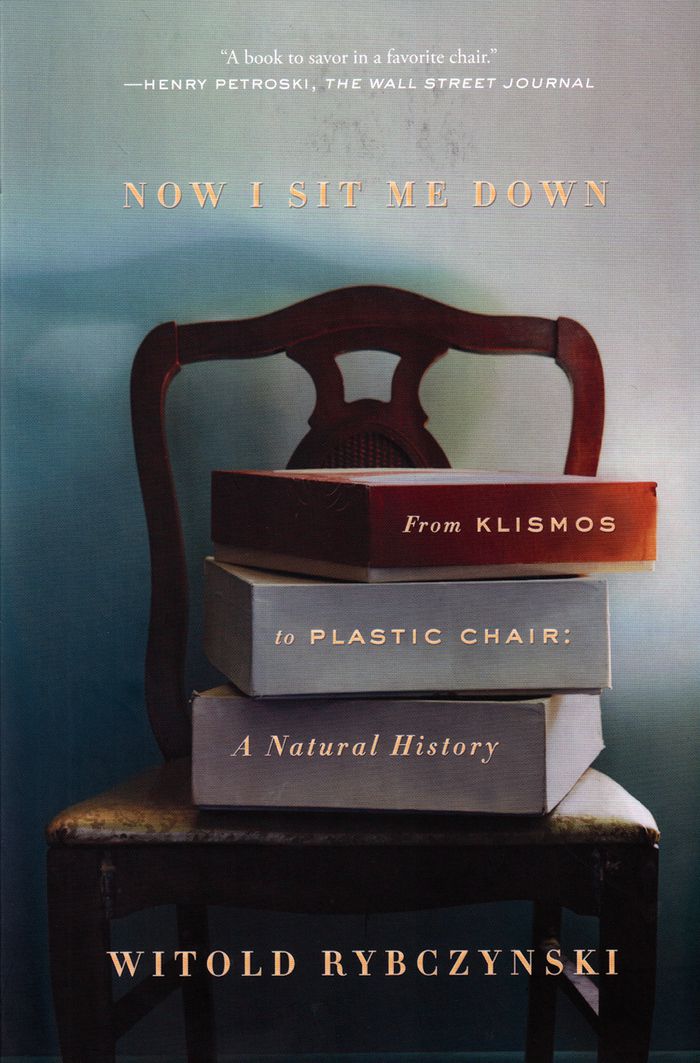
Have you ever wondered where rocking chairs came from, or why cheap plastic chairs are suddenly everywhere? In "Now I sit me down", the distinguished architect and writer Witold Rybczynski chronicles the history of the chair from the folding stools of pharaonic Egypt to the ubiquitous stackable monobloc chairs of today. He tells the stories of the inventor of the bentwood(...)
$22.99
(disponible sur commande)
Résumé:
Have you ever wondered where rocking chairs came from, or why cheap plastic chairs are suddenly everywhere? In "Now I sit me down", the distinguished architect and writer Witold Rybczynski chronicles the history of the chair from the folding stools of pharaonic Egypt to the ubiquitous stackable monobloc chairs of today. He tells the stories of the inventor of the bentwood(...)
Titre:
Now I sit me down: from klismos to plastic chair, a natural history
Actions:
Prix:
$22.99
(disponible sur commande)
Résumé:
Have you ever wondered where rocking chairs came from, or why cheap plastic chairs are suddenly everywhere? In "Now I sit me down", the distinguished architect and writer Witold Rybczynski chronicles the history of the chair from the folding stools of pharaonic Egypt to the ubiquitous stackable monobloc chairs of today. He tells the stories of the inventor of the bentwood chair, Michael Thonet, and of the creators of the first molded-plywood chair, Charles and Ray Eames. He reveals the history of chairs to be a social history—of different ways of sitting, of changing manners and attitudes, and of varying tastes. The history of chairs is the history of who we are. We learn how the ancient Chinese switched from sitting on the floor to sitting in a chair, and how the iconic chair of Middle America—the BarcaLounger—traces its roots back to the Bauhaus. Rybczynski weaves a rich tapestry that draws on art and design history, personal experience, and historical accounts. And he pairs these stories with his own delightful hand-drawn illustrations: colonial rockers and English cabrioles, languorous chaise longues and no-nonsense ergonomic task chairs—they’re all here. The famous Danish furniture designer Hans Wegner once remarked, “A chair is only finished when someone sits in it.” As Rybczynski tells it, the way we choose to sit and what we choose to sit on speak volumes about our values, our tastes, and the things we hold dear.
Now I sit me down: from klismos to plastic chair, a natural history
Actions:
Prix:
$22.99
(disponible sur commande)
Résumé:
Have you ever wondered where rocking chairs came from, or why cheap plastic chairs are suddenly everywhere? In "Now I sit me down", the distinguished architect and writer Witold Rybczynski chronicles the history of the chair from the folding stools of pharaonic Egypt to the ubiquitous stackable monobloc chairs of today. He tells the stories of the inventor of the bentwood chair, Michael Thonet, and of the creators of the first molded-plywood chair, Charles and Ray Eames. He reveals the history of chairs to be a social history—of different ways of sitting, of changing manners and attitudes, and of varying tastes. The history of chairs is the history of who we are. We learn how the ancient Chinese switched from sitting on the floor to sitting in a chair, and how the iconic chair of Middle America—the BarcaLounger—traces its roots back to the Bauhaus. Rybczynski weaves a rich tapestry that draws on art and design history, personal experience, and historical accounts. And he pairs these stories with his own delightful hand-drawn illustrations: colonial rockers and English cabrioles, languorous chaise longues and no-nonsense ergonomic task chairs—they’re all here. The famous Danish furniture designer Hans Wegner once remarked, “A chair is only finished when someone sits in it.” As Rybczynski tells it, the way we choose to sit and what we choose to sit on speak volumes about our values, our tastes, and the things we hold dear.
Classification:
livres
livres
Publication:
août 2017
août 2017
Sujet:
Théorie du design
Théorie du design


