


3123 Résultats
Classification:
archives
archives
Actions:
Exemplaires:
Description:
19,402 digital files (1.93 GB), 493 photographic material, approximately 386 reprographic copies, approximately 55 drawings, 39 audio cassettes, 36 VHSes, 31 ephemera, 11...
Description:
19,402 digital files (1.93 GB), 493 photographic material, approximately 386 reprographic copies, approximately 55 drawings, 39 audio cassettes, 36 VHSes, 31 ephemera, 11...
Auteur:
Sujet:
Titre:
Brian Boigon fonds, 1981-2015
Actions:
Exemplaires:
Description:
19,402 digital files (1.93 GB), 493 photographic material, approximately 386 reprographic copies, approximately 55 drawings, 39 audio cassettes, 36 VHSes, 31 ephemera, 11...
Brian Boigon fonds, 1981-2015
Actions:
Exemplaires:
Description:
19,402 digital files (1.93 GB), 493 photographic material, approximately 386 reprographic copies, approximately 55 drawings, 39 audio cassettes, 36 VHSes, 31 ephemera, 11...
Classification:
archives
archives
Auteur:
Sujet:
Classification:
livres
livres
Actions:
Prix:
$79.00
(disponible sur commande)
Résumé:
Uneternalcity is a multiplicity of projects performed by a dozen architects from around the world, some of them local, some from far away, that provoke a revelation of what Rome is and always has been, and what Rome has become and continually is becoming. If it is possible to figure it out and to re-imagine and reimage Rome the way it appears in our mind’s eye when we(...)
$79.00
(disponible sur commande)
Résumé:
Uneternalcity is a multiplicity of projects performed by a dozen architects from around the world, some of them local, some from far away, that provoke a revelation of what Rome is and always has been, and what Rome has become and continually is becoming. If it is possible to figure it out and to re-imagine and reimage Rome the way it appears in our mind’s eye when we(...)
Titre:
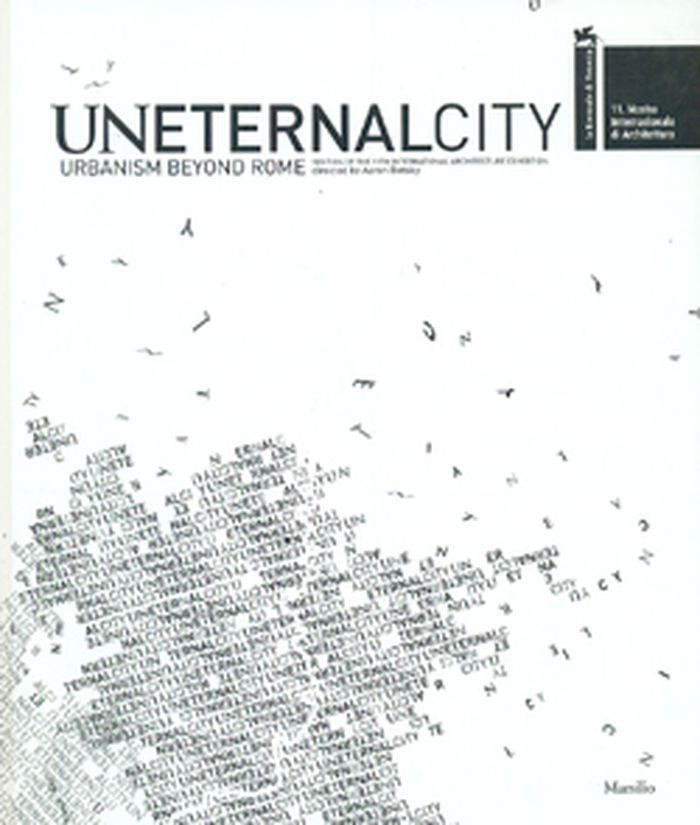
Uneternalcity, urbanism beyond Rome, section of the 11th international architecture exhibition directed by Aaron Betsky
Actions:
Prix:
$79.00
(disponible sur commande)
Résumé:
Uneternalcity is a multiplicity of projects performed by a dozen architects from around the world, some of them local, some from far away, that provoke a revelation of what Rome is and always has been, and what Rome has become and continually is becoming. If it is possible to figure it out and to re-imagine and reimage Rome the way it appears in our mind’s eye when we think of city, then we can make sense of any post-city urban landscape that is our new home in the world.
Uneternalcity, urbanism beyond Rome, section of the 11th international architecture exhibition directed by Aaron Betsky
Actions:
Prix:
$79.00
(disponible sur commande)
Résumé:
Uneternalcity is a multiplicity of projects performed by a dozen architects from around the world, some of them local, some from far away, that provoke a revelation of what Rome is and always has been, and what Rome has become and continually is becoming. If it is possible to figure it out and to re-imagine and reimage Rome the way it appears in our mind’s eye when we think of city, then we can make sense of any post-city urban landscape that is our new home in the world.
Classification:
livres
livres
Publication:
novembre 2009
novembre 2009
Sujet:
Théorie de l’urbanisme
Théorie de l’urbanisme
Classification:
livres
livres
Actions:
Prix:
$50.95
(disponible sur commande)
Résumé:
The unresolved limits of the post-capitalist city give rise to interventions in the city and the contemporary landscape in which the planner has to rely on a knowledge of other fields. The inevitable multidisciplinary activity at these frontiers has been an object of study during recent decades. This book brings together these reflections and some of their achievements(...)
$50.95
(disponible sur commande)
Résumé:
The unresolved limits of the post-capitalist city give rise to interventions in the city and the contemporary landscape in which the planner has to rely on a knowledge of other fields. The inevitable multidisciplinary activity at these frontiers has been an object of study during recent decades. This book brings together these reflections and some of their achievements(...)
Titre:
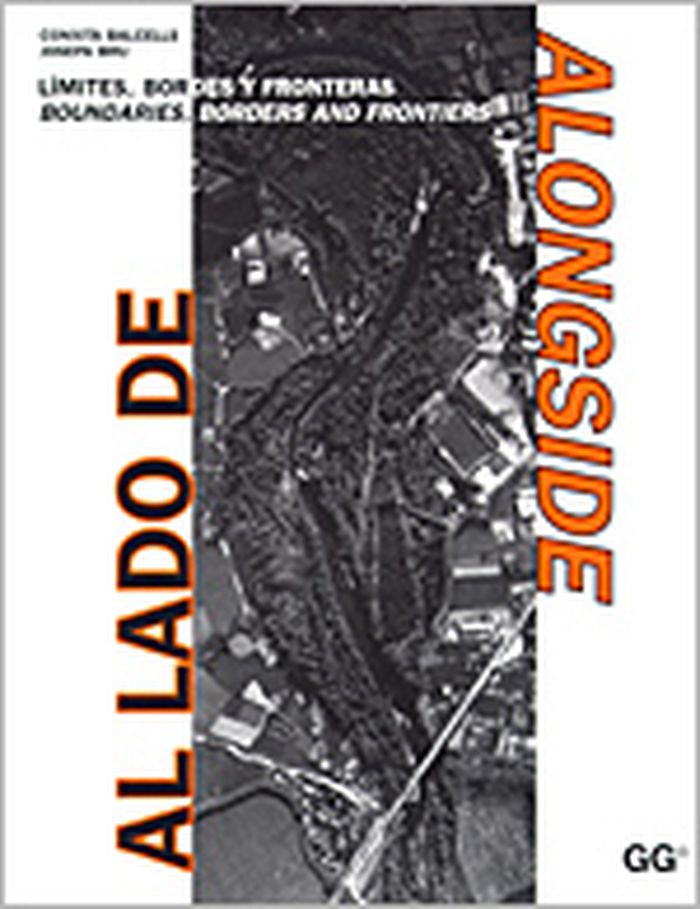
Alongside boundaries, borders and frontiers
Actions:
Prix:
$50.95
(disponible sur commande)
Résumé:
The unresolved limits of the post-capitalist city give rise to interventions in the city and the contemporary landscape in which the planner has to rely on a knowledge of other fields. The inevitable multidisciplinary activity at these frontiers has been an object of study during recent decades. This book brings together these reflections and some of their achievements in projects whose common denominator is their condition of marginality, of contiguity with prior structures with which they try to establish connections and continuities. The four parts into which the book is divided make reference to projectural policies conditioned by work on the boundaries of the pre-existing and to the interpretation of their settings: stretches of water, infrastructures, cultural and artificial natures. Analysed here are border zones, edges, frontiers and fringes of the contemporary city with itself, with nature, and with the boundaries between the natural and the colonised landscape.
Alongside boundaries, borders and frontiers
Actions:
Prix:
$50.95
(disponible sur commande)
Résumé:
The unresolved limits of the post-capitalist city give rise to interventions in the city and the contemporary landscape in which the planner has to rely on a knowledge of other fields. The inevitable multidisciplinary activity at these frontiers has been an object of study during recent decades. This book brings together these reflections and some of their achievements in projects whose common denominator is their condition of marginality, of contiguity with prior structures with which they try to establish connections and continuities. The four parts into which the book is divided make reference to projectural policies conditioned by work on the boundaries of the pre-existing and to the interpretation of their settings: stretches of water, infrastructures, cultural and artificial natures. Analysed here are border zones, edges, frontiers and fringes of the contemporary city with itself, with nature, and with the boundaries between the natural and the colonised landscape.
Classification:
livres
livres
Publication:
janvier 1900, Barcelona
janvier 1900, Barcelona
Sujet:
Paysages urbains
Paysages urbains
Classification:
livres
livres
Actions:
Prix:
$45.00
(disponible sur commande)
Résumé:
In a world of seemingly ever-increasing instability, many urban planning decisions seem to be governed not by vision, but by fear--fear of disaster, of change, of the unknown. What can we learn from this state of affairs? Can such fear be made beneficial? Is it conceivable that 'fear' might even offer a kind of guide in matters of urban planning? Guided by fantasy and(...)
$45.00
(disponible sur commande)
Résumé:
In a world of seemingly ever-increasing instability, many urban planning decisions seem to be governed not by vision, but by fear--fear of disaster, of change, of the unknown. What can we learn from this state of affairs? Can such fear be made beneficial? Is it conceivable that 'fear' might even offer a kind of guide in matters of urban planning? Guided by fantasy and(...)
Titre:
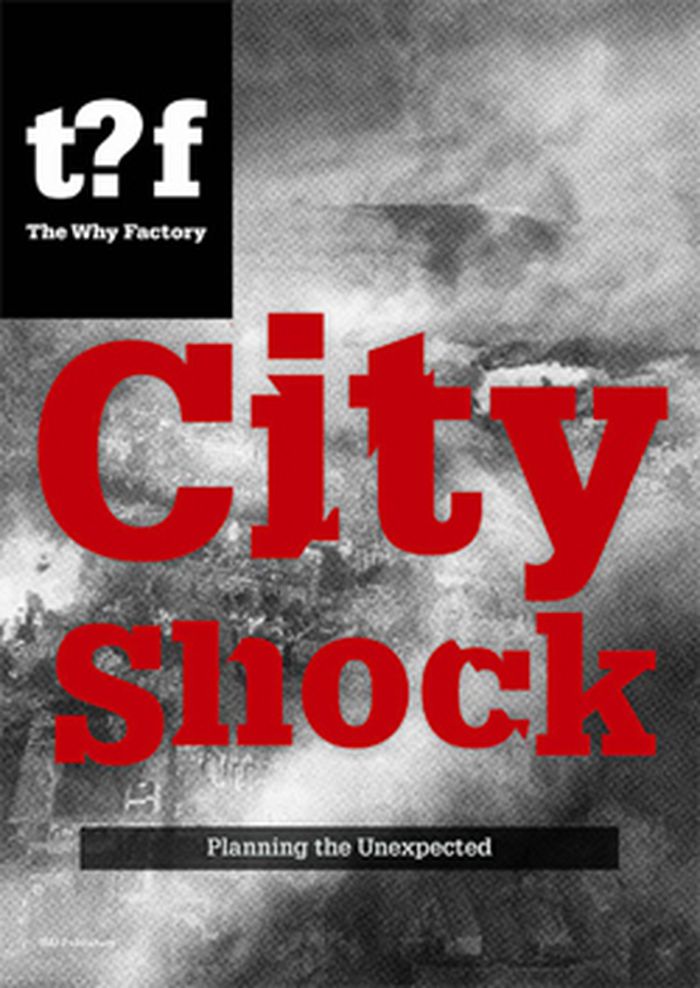
The why factor : city shock, planning the unexpected
Actions:
Prix:
$45.00
(disponible sur commande)
Résumé:
In a world of seemingly ever-increasing instability, many urban planning decisions seem to be governed not by vision, but by fear--fear of disaster, of change, of the unknown. What can we learn from this state of affairs? Can such fear be made beneficial? Is it conceivable that 'fear' might even offer a kind of guide in matters of urban planning? Guided by fantasy and invention rather than science, City Shock: Planning the Unexpected proposes ten 'what if' scenarios, imagining how each of these scenarios could play out in the Dutch landscape between 2018 and 2047. In a narrative composed of feasible but unlikely headlines, a series of newspaper-style spreads report on fictitious future catastrophic events, exposing possible causes and consequences. City Shock is the sixth book in Winy Maas' Why Factory's Future Cities series.
The why factor : city shock, planning the unexpected
Actions:
Prix:
$45.00
(disponible sur commande)
Résumé:
In a world of seemingly ever-increasing instability, many urban planning decisions seem to be governed not by vision, but by fear--fear of disaster, of change, of the unknown. What can we learn from this state of affairs? Can such fear be made beneficial? Is it conceivable that 'fear' might even offer a kind of guide in matters of urban planning? Guided by fantasy and invention rather than science, City Shock: Planning the Unexpected proposes ten 'what if' scenarios, imagining how each of these scenarios could play out in the Dutch landscape between 2018 and 2047. In a narrative composed of feasible but unlikely headlines, a series of newspaper-style spreads report on fictitious future catastrophic events, exposing possible causes and consequences. City Shock is the sixth book in Winy Maas' Why Factory's Future Cities series.
Classification:
livres
livres
Publication:
septembre 2012
septembre 2012
Sujet:
Théorie de l’urbanisme
Théorie de l’urbanisme
Classification:
livres
livres

Actions:
Prix:
$79.00
(disponible sur commande)
Résumé:
How can our urban jungles be transformed into skyscraper forests that help our cities provide new forms of sustenance, from urban farms to breathing buildings? The topic is increasingly in the public eye, and the answer is already cropping up on our streets. Garden City captures the growing global movement among contemporary architects for biodesigning buildings that are(...)
$79.00
(disponible sur commande)
Résumé:
How can our urban jungles be transformed into skyscraper forests that help our cities provide new forms of sustenance, from urban farms to breathing buildings? The topic is increasingly in the public eye, and the answer is already cropping up on our streets. Garden City captures the growing global movement among contemporary architects for biodesigning buildings that are(...)
Titre:
Garden city: supergreen buildings, vertical skyscrapers and the new planted space
Actions:
Prix:
$79.00
(disponible sur commande)
Résumé:
How can our urban jungles be transformed into skyscraper forests that help our cities provide new forms of sustenance, from urban farms to breathing buildings? The topic is increasingly in the public eye, and the answer is already cropping up on our streets. Garden City captures the growing global movement among contemporary architects for biodesigning buildings that are less structure and façade, more living entities, capable of being ecologically autonomous, horticulturally productive, and both pleasing to the eye and relevant to our day-to-day lifestyles.
Garden city: supergreen buildings, vertical skyscrapers and the new planted space
Actions:
Prix:
$79.00
(disponible sur commande)
Résumé:
How can our urban jungles be transformed into skyscraper forests that help our cities provide new forms of sustenance, from urban farms to breathing buildings? The topic is increasingly in the public eye, and the answer is already cropping up on our streets. Garden City captures the growing global movement among contemporary architects for biodesigning buildings that are less structure and façade, more living entities, capable of being ecologically autonomous, horticulturally productive, and both pleasing to the eye and relevant to our day-to-day lifestyles.
Classification:
livres
livres
Publication:
novembre 2017
novembre 2017
Sujet:
Paysages urbains
Paysages urbains
Classification:
livres
livres
Actions:
Prix:
$57.00
(disponible sur commande)
Résumé:
Between the years 1950 and 1972, when Paris was in the twilight of its classical period, pilot and photographer Roger Henrard preserved the city he knew and loved from the seat of a single-engine American army surplus Piper Cub. Henrard used a high-speed plate camera to systematically document the city from its outskirts to its centre. His photographs show not only(...)
$57.00
(disponible sur commande)
Résumé:
Between the years 1950 and 1972, when Paris was in the twilight of its classical period, pilot and photographer Roger Henrard preserved the city he knew and loved from the seat of a single-engine American army surplus Piper Cub. Henrard used a high-speed plate camera to systematically document the city from its outskirts to its centre. His photographs show not only(...)
Titre:
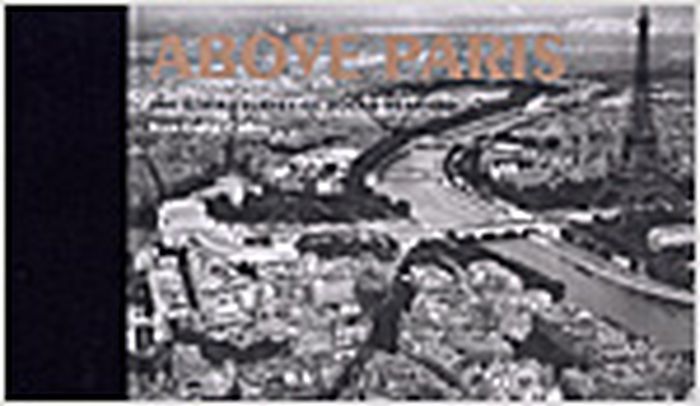
Above Paris : the aerial survey of Roger Henrard
Actions:
Prix:
$57.00
(disponible sur commande)
Résumé:
Between the years 1950 and 1972, when Paris was in the twilight of its classical period, pilot and photographer Roger Henrard preserved the city he knew and loved from the seat of a single-engine American army surplus Piper Cub. Henrard used a high-speed plate camera to systematically document the city from its outskirts to its centre. His photographs show not only Paris's stations, museums, department stores, and housing projects but also its urban fabric and interconnections - the tightly knit medieval districts as well as the rectilinear geometry of the Haussmanian boulevards. "Above Paris" is Henrard's study of the urban landscape of Paris and its best-known monuments. Images, grouped by themes such as the course of the Seine, the main roads, the stations, and the neighborhoods of Paris give a clear overview of the city's layout. Maps at the beginning of each chapter orient the reader.
Above Paris : the aerial survey of Roger Henrard
Actions:
Prix:
$57.00
(disponible sur commande)
Résumé:
Between the years 1950 and 1972, when Paris was in the twilight of its classical period, pilot and photographer Roger Henrard preserved the city he knew and loved from the seat of a single-engine American army surplus Piper Cub. Henrard used a high-speed plate camera to systematically document the city from its outskirts to its centre. His photographs show not only Paris's stations, museums, department stores, and housing projects but also its urban fabric and interconnections - the tightly knit medieval districts as well as the rectilinear geometry of the Haussmanian boulevards. "Above Paris" is Henrard's study of the urban landscape of Paris and its best-known monuments. Images, grouped by themes such as the course of the Seine, the main roads, the stations, and the neighborhoods of Paris give a clear overview of the city's layout. Maps at the beginning of each chapter orient the reader.
Classification:
livres
livres
Publication:
octobre 2006, New York
octobre 2006, New York
Sujet:
Théorie de l’urbanisme
Théorie de l’urbanisme
Classification:
livres
livres
Titre:
The city in mind
The city in mind
Actions:
Prix:
$18.50
(disponible sur commande)
Résumé:
In the highly acclaimed "The Geography of Nowhere," James Howard Kunstler declared suburbia "a tragic landscape" and fueled a fierce debate over how we will live in twenty-first-century America. Here, Kunstler turns his discerning eye to urban life in America and beyond in dazzling excursions to classical Rome, the Aztec capital of Tenochtitlan, Louis-Napoleon's Paris,(...)
$18.50
(disponible sur commande)
Résumé:
In the highly acclaimed "The Geography of Nowhere," James Howard Kunstler declared suburbia "a tragic landscape" and fueled a fierce debate over how we will live in twenty-first-century America. Here, Kunstler turns his discerning eye to urban life in America and beyond in dazzling excursions to classical Rome, the Aztec capital of Tenochtitlan, Louis-Napoleon's Paris,(...)
Titre:
The city in mind
Actions:
Prix:
$18.50
(disponible sur commande)
Résumé:
In the highly acclaimed "The Geography of Nowhere," James Howard Kunstler declared suburbia "a tragic landscape" and fueled a fierce debate over how we will live in twenty-first-century America. Here, Kunstler turns his discerning eye to urban life in America and beyond in dazzling excursions to classical Rome, the Aztec capital of Tenochtitlan, Louis-Napoleon's Paris, the "gigantic hairball" that is contemporary Atlanta, the ludicrous spectacle of Las Vegas, and more. Seeking to discover what is constant and enduring in cities at their greatest, Kunstler explores how America got lost in suburban wilderness and locates pathways that might lead to civic revival. His authoritative tour is both a concise history of cities and a stunning critique of how they can aid or hinder social and civil progress. By turns dramatic and comic, "The City in Mind" is an exceptional glimpse into the urban condition.
The city in mind
Actions:
Prix:
$18.50
(disponible sur commande)
Résumé:
In the highly acclaimed "The Geography of Nowhere," James Howard Kunstler declared suburbia "a tragic landscape" and fueled a fierce debate over how we will live in twenty-first-century America. Here, Kunstler turns his discerning eye to urban life in America and beyond in dazzling excursions to classical Rome, the Aztec capital of Tenochtitlan, Louis-Napoleon's Paris, the "gigantic hairball" that is contemporary Atlanta, the ludicrous spectacle of Las Vegas, and more. Seeking to discover what is constant and enduring in cities at their greatest, Kunstler explores how America got lost in suburban wilderness and locates pathways that might lead to civic revival. His authoritative tour is both a concise history of cities and a stunning critique of how they can aid or hinder social and civil progress. By turns dramatic and comic, "The City in Mind" is an exceptional glimpse into the urban condition.
Classification:
livres
livres
Publication:
janvier 2003, New York
janvier 2003, New York
Sujet:
Théorie de l’urbanisme
Théorie de l’urbanisme
Classification:
livres
livres
Titre:
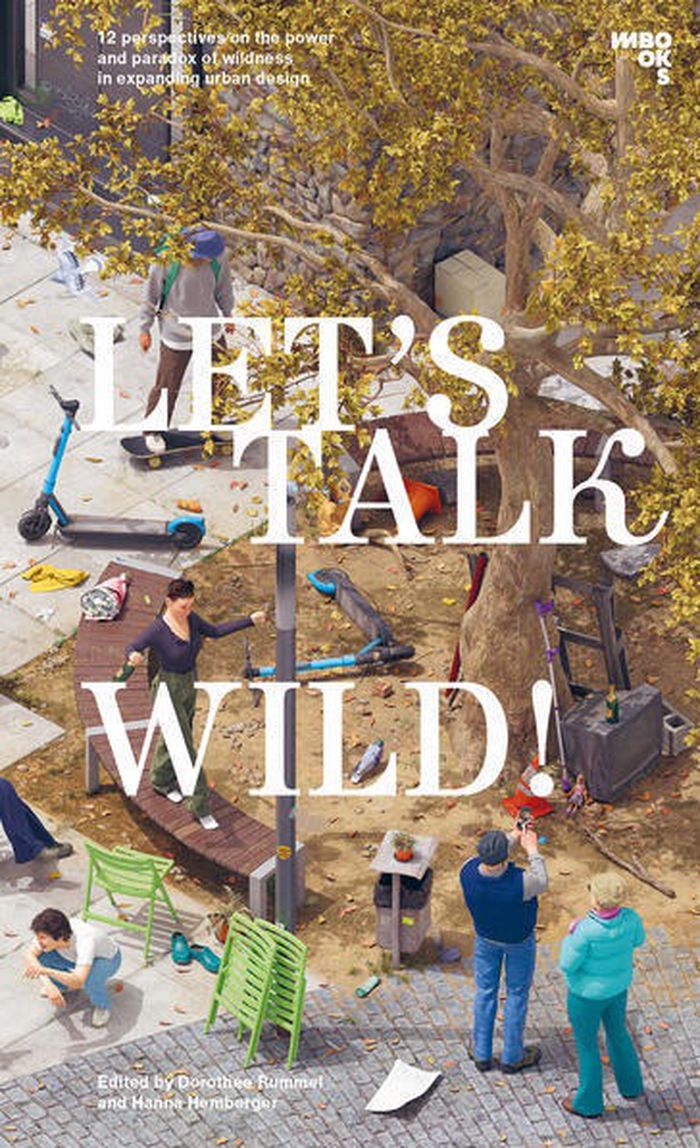
Let's talk wild!
Let's talk wild!
Actions:
Prix:
$32.95
(disponible sur commande)
Résumé:
Urban design and wildness may seem at odds, yet as cities evolve, wildness is increasingly seen as a resource - shaping how we think about and create our living environments. From urban gardening to rewilding projects, wild practices are gaining ground. Are these trends signs of genuine transformation or just the commercialization of sustainability? How are other(...)
$32.95
(disponible sur commande)
Résumé:
Urban design and wildness may seem at odds, yet as cities evolve, wildness is increasingly seen as a resource - shaping how we think about and create our living environments. From urban gardening to rewilding projects, wild practices are gaining ground. Are these trends signs of genuine transformation or just the commercialization of sustainability? How are other(...)
Titre:
Let's talk wild!
Actions:
Prix:
$32.95
(disponible sur commande)
Résumé:
Urban design and wildness may seem at odds, yet as cities evolve, wildness is increasingly seen as a resource - shaping how we think about and create our living environments. From urban gardening to rewilding projects, wild practices are gaining ground. Are these trends signs of genuine transformation or just the commercialization of sustainability? How are other disciplines rethinking wildness? And how can architects and planners engage critically with these ideas? "Let’s Talk Wild!" brings together 12 interdisciplinary voices in a multi-layered dialogue on chaos, creativity, and the complex meanings of wildness.
Let's talk wild!
Actions:
Prix:
$32.95
(disponible sur commande)
Résumé:
Urban design and wildness may seem at odds, yet as cities evolve, wildness is increasingly seen as a resource - shaping how we think about and create our living environments. From urban gardening to rewilding projects, wild practices are gaining ground. Are these trends signs of genuine transformation or just the commercialization of sustainability? How are other disciplines rethinking wildness? And how can architects and planners engage critically with these ideas? "Let’s Talk Wild!" brings together 12 interdisciplinary voices in a multi-layered dialogue on chaos, creativity, and the complex meanings of wildness.
Classification:
livres
livres
Publication:
septembre 2025
septembre 2025
Sujet:
Paysages urbains
Paysages urbains
Classification:
livres
livres
Actions:
Prix:
$60.00
(disponible sur commande)
Résumé:
Long considered a pioneer creator of ecological artworks for urban environments, Alan Sonfist has been fusing human history and the natural environment since the mid 1960s. Few artists have had such an unswerving, or generative, interest in the landscape - be it physical, social, or historical - that surrounds us. Essays by Lawrence Alloway, Jonathan Carpenter, John(...)
$60.00
(disponible sur commande)
Résumé:
Long considered a pioneer creator of ecological artworks for urban environments, Alan Sonfist has been fusing human history and the natural environment since the mid 1960s. Few artists have had such an unswerving, or generative, interest in the landscape - be it physical, social, or historical - that surrounds us. Essays by Lawrence Alloway, Jonathan Carpenter, John(...)
Titre:
Nature, the end of art : enviromental landscapes
Actions:
Prix:
$60.00
(disponible sur commande)
Résumé:
Long considered a pioneer creator of ecological artworks for urban environments, Alan Sonfist has been fusing human history and the natural environment since the mid 1960s. Few artists have had such an unswerving, or generative, interest in the landscape - be it physical, social, or historical - that surrounds us. Essays by Lawrence Alloway, Jonathan Carpenter, John Grande, Uwe Rüth, and Michael Danoff. Introduction by Robert Rosenblum and Wolfgang Becker.
Nature, the end of art : enviromental landscapes
Actions:
Prix:
$60.00
(disponible sur commande)
Résumé:
Long considered a pioneer creator of ecological artworks for urban environments, Alan Sonfist has been fusing human history and the natural environment since the mid 1960s. Few artists have had such an unswerving, or generative, interest in the landscape - be it physical, social, or historical - that surrounds us. Essays by Lawrence Alloway, Jonathan Carpenter, John Grande, Uwe Rüth, and Michael Danoff. Introduction by Robert Rosenblum and Wolfgang Becker.
Classification:
livres
livres
Publication:
octobre 2004, New York
octobre 2004, New York
Classification:
livres
livres
Prix:
$26.99
(disponible sur commande)
Résumé:
Allergy is the sixth leading cause of chronic illness in the United States. More than fifty million Americans suffer from allergies, and they spend an estimated $18 billion coping with them. Yet despite advances in biomedicine and enormous investment in research over the past fifty years, the burden of allergic disease continues to grow. Why have we failed to reverse this trend?
$26.99
(disponible sur commande)
Résumé:
Allergy is the sixth leading cause of chronic illness in the United States. More than fifty million Americans suffer from allergies, and they spend an estimated $18 billion coping with them. Yet despite advances in biomedicine and enormous investment in research over the past fifty years, the burden of allergic disease continues to grow. Why have we failed to reverse this trend?
Titre:
Breathing space: how allergies shape our lives and landscapes
Actions:
Prix:
$26.99
(disponible sur commande)
Résumé:
Allergy is the sixth leading cause of chronic illness in the United States. More than fifty million Americans suffer from allergies, and they spend an estimated $18 billion coping with them. Yet despite advances in biomedicine and enormous investment in research over the past fifty years, the burden of allergic disease continues to grow. Why have we failed to reverse this trend?
Breathing space: how allergies shape our lives and landscapes
Actions:
Prix:
$26.99
(disponible sur commande)
Résumé:
Allergy is the sixth leading cause of chronic illness in the United States. More than fifty million Americans suffer from allergies, and they spend an estimated $18 billion coping with them. Yet despite advances in biomedicine and enormous investment in research over the past fifty years, the burden of allergic disease continues to grow. Why have we failed to reverse this trend?
Classification:
livres
livres
Publication:
octobre 2008
octobre 2008
Sujet:
Paysages urbains
Paysages urbains


