


2654 Résultats
Classification:
livres
livres
Prix:
$54.95
(disponible en magasin)
Résumé:
Mass-produced from the 1970s to the 1990s, modular kiosks like the seminal K67, designed by the Slovenian architect Saša J. Mächtig, and similar systems – including the Polish Kami, the Macedonian KC190, and the Soviet ‘Bathyscaphe’ – could be found anywhere throughout the former Eastern Bloc and ex-Yugoslav countries, from bustling city squares to socialist-era housing(...)
$54.95
(disponible en magasin)
Résumé:
Mass-produced from the 1970s to the 1990s, modular kiosks like the seminal K67, designed by the Slovenian architect Saša J. Mächtig, and similar systems – including the Polish Kami, the Macedonian KC190, and the Soviet ‘Bathyscaphe’ – could be found anywhere throughout the former Eastern Bloc and ex-Yugoslav countries, from bustling city squares to socialist-era housing(...)
Titre:
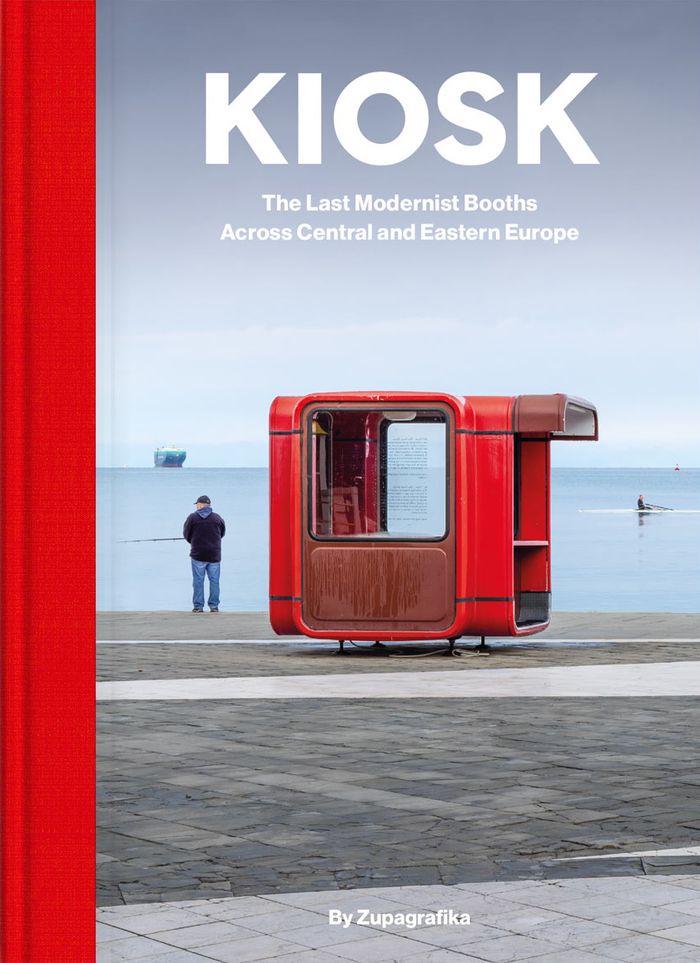
Kiosk: The last modernist booths across Central and Eastern Europe
Actions:
Prix:
$54.95
(disponible en magasin)
Résumé:
Mass-produced from the 1970s to the 1990s, modular kiosks like the seminal K67, designed by the Slovenian architect Saša J. Mächtig, and similar systems – including the Polish Kami, the Macedonian KC190, and the Soviet ‘Bathyscaphe’ – could be found anywhere throughout the former Eastern Bloc and ex-Yugoslav countries, from bustling city squares to socialist-era housing estates. They served as hot dog and Polish zapiekanka joints, farm egg and rotisserie chicken vendors, funeral flower shops, newsstands, car park booths, currency exchange offices, and more. Featuring over 150 kiosks – from Ljubljana to Warsaw, and from Belgrade to Berlin – this photobook provides previously unseen documentation of the remaining modernist booths that witnessed the socio-political transformation of Central and Eastern Europe at the end of the 20th century. While some remain active or have undergone refurbishment, others have been abandoned or have slowly faded from the urban landscape. The photographs in this unique collection were taken over the last decade by Zupagrafika’s founders, David Navarro and Martyna Sobecka. The book includes a foreword by urban explorer Maciej Czarnecki and an introduction by architectural historian Anna Cymer, offering invaluable insights into the history of these mobile structures.
Kiosk: The last modernist booths across Central and Eastern Europe
Actions:
Prix:
$54.95
(disponible en magasin)
Résumé:
Mass-produced from the 1970s to the 1990s, modular kiosks like the seminal K67, designed by the Slovenian architect Saša J. Mächtig, and similar systems – including the Polish Kami, the Macedonian KC190, and the Soviet ‘Bathyscaphe’ – could be found anywhere throughout the former Eastern Bloc and ex-Yugoslav countries, from bustling city squares to socialist-era housing estates. They served as hot dog and Polish zapiekanka joints, farm egg and rotisserie chicken vendors, funeral flower shops, newsstands, car park booths, currency exchange offices, and more. Featuring over 150 kiosks – from Ljubljana to Warsaw, and from Belgrade to Berlin – this photobook provides previously unseen documentation of the remaining modernist booths that witnessed the socio-political transformation of Central and Eastern Europe at the end of the 20th century. While some remain active or have undergone refurbishment, others have been abandoned or have slowly faded from the urban landscape. The photographs in this unique collection were taken over the last decade by Zupagrafika’s founders, David Navarro and Martyna Sobecka. The book includes a foreword by urban explorer Maciej Czarnecki and an introduction by architectural historian Anna Cymer, offering invaluable insights into the history of these mobile structures.
Classification:
livres
livres
Publication:
novembre 2024
novembre 2024
Sujet:
Modernisme
Modernisme
Classification:
livres
livres
Prix:
$50.00
(disponible en magasin)
Résumé:
Mass housing in post-war socialist countries was a quick and effective way to provide homes for the expanding city populations after WWII, but after the collapse of the Soviet Bloc the fate of these constructions became uncertain. While modernist estates are being renovated or prematurely demolished, their tenants remain undaunted. They have lived through the buildings’(...)
$50.00
(disponible en magasin)
Résumé:
Mass housing in post-war socialist countries was a quick and effective way to provide homes for the expanding city populations after WWII, but after the collapse of the Soviet Bloc the fate of these constructions became uncertain. While modernist estates are being renovated or prematurely demolished, their tenants remain undaunted. They have lived through the buildings’(...)
Titre:
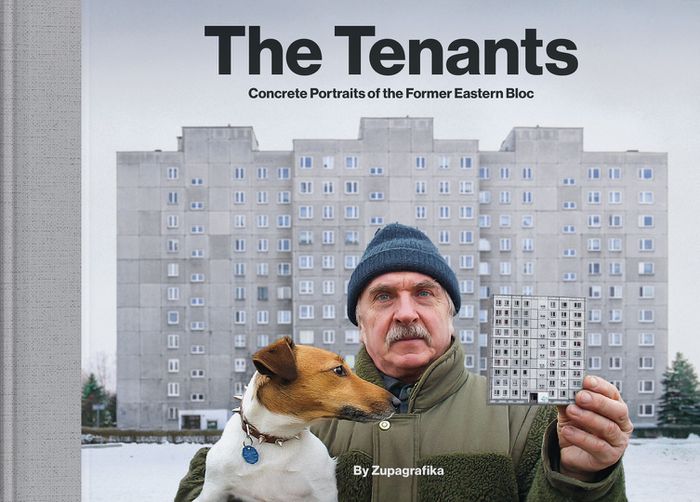
The tenants: Concrete portraits of the former Eastern Bloc
Actions:
Prix:
$50.00
(disponible en magasin)
Résumé:
Mass housing in post-war socialist countries was a quick and effective way to provide homes for the expanding city populations after WWII, but after the collapse of the Soviet Bloc the fate of these constructions became uncertain. While modernist estates are being renovated or prematurely demolished, their tenants remain undaunted. They have lived through the buildings’ golden years and darker times. For the last decade, Zupagrafika has documented the housing estates erected in Central and Eastern Europe, still perceived by many as ‘eyesores,’ through photographs and illustrated paper models. The Tenants features over 40 housing projects in 37 different cities of the former Eastern Bloc and ex-Yugoslavia. From Berlin to Norilsk, and all the way through Kyiv to Tallinn, the album portrays the inhabitants of those complexes holding models of their homes, while sharing the stories of lives lived in the prefab panel blocks. Includes a foreword by the sociologist and urban researcher Maciej Frackowiak and an index of the featured housing estates, providing an insight into their history. The portraits were taken by David Navarro and Martyna Sobecka, with contributions by local photographers.
The tenants: Concrete portraits of the former Eastern Bloc
Actions:
Prix:
$50.00
(disponible en magasin)
Résumé:
Mass housing in post-war socialist countries was a quick and effective way to provide homes for the expanding city populations after WWII, but after the collapse of the Soviet Bloc the fate of these constructions became uncertain. While modernist estates are being renovated or prematurely demolished, their tenants remain undaunted. They have lived through the buildings’ golden years and darker times. For the last decade, Zupagrafika has documented the housing estates erected in Central and Eastern Europe, still perceived by many as ‘eyesores,’ through photographs and illustrated paper models. The Tenants features over 40 housing projects in 37 different cities of the former Eastern Bloc and ex-Yugoslavia. From Berlin to Norilsk, and all the way through Kyiv to Tallinn, the album portrays the inhabitants of those complexes holding models of their homes, while sharing the stories of lives lived in the prefab panel blocks. Includes a foreword by the sociologist and urban researcher Maciej Frackowiak and an index of the featured housing estates, providing an insight into their history. The portraits were taken by David Navarro and Martyna Sobecka, with contributions by local photographers.
Classification:
livres
livres
Publication:
septembre 2022
septembre 2022
Sujet:
Modernisme
Modernisme
Classification:
livres
livres
Actions:
Prix:
$97.95
(disponible sur commande)
Résumé:
Lazar Markovich Lissitzky is widely known as a Russian avant-garde artist who made significant contributions to abstract art in the 1920s. Until now his experiments with photography, photomontage, and graphic and exhibition designs in the 1920s and throughout the 1930s have not been documented and thoroughly analyzed. This book explores both the political and(...)
$97.95
(disponible sur commande)
Résumé:
Lazar Markovich Lissitzky is widely known as a Russian avant-garde artist who made significant contributions to abstract art in the 1920s. Until now his experiments with photography, photomontage, and graphic and exhibition designs in the 1920s and throughout the 1930s have not been documented and thoroughly analyzed. This book explores both the political and(...)
Titre:
El Lissitzky : beyond the abstract cabinet
Actions:
Prix:
$97.95
(disponible sur commande)
Résumé:
Lazar Markovich Lissitzky is widely known as a Russian avant-garde artist who made significant contributions to abstract art in the 1920s. Until now his experiments with photography, photomontage, and graphic and exhibition designs in the 1920s and throughout the 1930s have not been documented and thoroughly analyzed. This book explores both the political and aesthetic aspects of Lissitzky's late multimedia work from his designs for the Abstract Cabinet to his death in 1941. The author and the two contributors give special attention to Lissitzky's intense collaboration first with German and then with Soviet photographers, designers, and filmmakers, and they discuss how his various personal friendships and acquaintances influenced the directions he took in photography and design. The book presents photographic works by Lissitzky and these other artists as well as some of Lissitzky's early non-objective art that foreshadows his experiments in figurative art. It also includes Lissitzky's correspondence with his Western colleagues and his wife Sophie Kueppers. This book will accompany an exhibition of Lissitzky's photographic works at the Sprengel Museum in Hannover, Germany, Museu d'Art Contemporani de Barcelona, and Fondaçao de Serralves, Porto.
El Lissitzky : beyond the abstract cabinet
Actions:
Prix:
$97.95
(disponible sur commande)
Résumé:
Lazar Markovich Lissitzky is widely known as a Russian avant-garde artist who made significant contributions to abstract art in the 1920s. Until now his experiments with photography, photomontage, and graphic and exhibition designs in the 1920s and throughout the 1930s have not been documented and thoroughly analyzed. This book explores both the political and aesthetic aspects of Lissitzky's late multimedia work from his designs for the Abstract Cabinet to his death in 1941. The author and the two contributors give special attention to Lissitzky's intense collaboration first with German and then with Soviet photographers, designers, and filmmakers, and they discuss how his various personal friendships and acquaintances influenced the directions he took in photography and design. The book presents photographic works by Lissitzky and these other artists as well as some of Lissitzky's early non-objective art that foreshadows his experiments in figurative art. It also includes Lissitzky's correspondence with his Western colleagues and his wife Sophie Kueppers. This book will accompany an exhibition of Lissitzky's photographic works at the Sprengel Museum in Hannover, Germany, Museu d'Art Contemporani de Barcelona, and Fondaçao de Serralves, Porto.
Classification:
livres
livres
Publication:
novembre 1999, New Haven/London
novembre 1999, New Haven/London
Sujet:
Monographies photo
Monographies photo
Classification:
livres
livres
Titre:
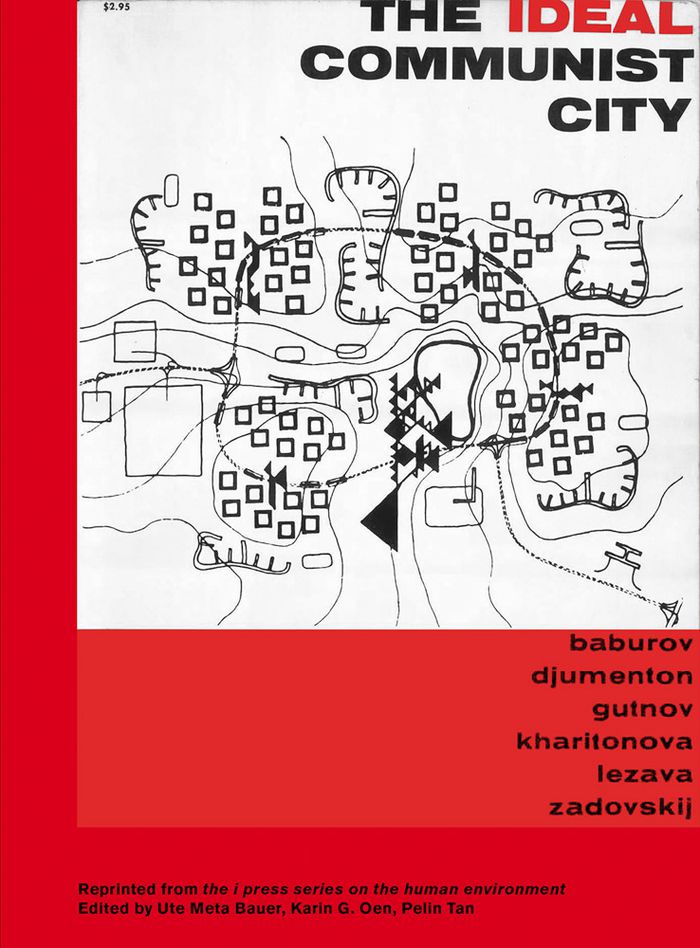
The ideal Communist city
The ideal Communist city
Actions:
Prix:
$35.00
(disponible sur commande)
Résumé:
In 1968, lauded American architect Mary Otis Stevens (born 1928) and her partner, fellow architect Thomas McNulty (1919–84), initiated i Press, the influential imprint that focuses on the social context of architecture. Over the next five years, the duo released five books under the thematic umbrella of ''Human environment'' with the publisher George Braziller. The first(...)
$35.00
(disponible sur commande)
Résumé:
In 1968, lauded American architect Mary Otis Stevens (born 1928) and her partner, fellow architect Thomas McNulty (1919–84), initiated i Press, the influential imprint that focuses on the social context of architecture. Over the next five years, the duo released five books under the thematic umbrella of ''Human environment'' with the publisher George Braziller. The first(...)
Sujet:
L'humain et la ville
L'humain et la ville
Publication:
novembre 2022
novembre 2022
Titre:
The ideal Communist city
Actions:
Prix:
$35.00
(disponible sur commande)
Résumé:
In 1968, lauded American architect Mary Otis Stevens (born 1928) and her partner, fellow architect Thomas McNulty (1919–84), initiated i Press, the influential imprint that focuses on the social context of architecture. Over the next five years, the duo released five books under the thematic umbrella of ''Human environment'' with the publisher George Braziller. The first of this series, ''The ideal Communist city'' (1969) is an English translation of urban concepts advanced by architects and planners from the University of Moscow. The book was first published in a Soviet journal of a communist youth organization in 1960 and was then republished in Italy in 1968. Offering a new way of thinking about mobility, equity and social interaction in neighborhood planning, ''The ideal Communist city'' was a direct response to suburban development and its focus on private spaces for family life: ''the new city is a world belonging to all and each'' where life is ''structured by freely chosen relationships representing the fullest, most well-rounded aspects of each human personality.'' This publication is a facsimile of ''The ideal Communist city'', with additional texts by architectural historians and the editors.
The ideal Communist city
Actions:
Prix:
$35.00
(disponible sur commande)
Résumé:
In 1968, lauded American architect Mary Otis Stevens (born 1928) and her partner, fellow architect Thomas McNulty (1919–84), initiated i Press, the influential imprint that focuses on the social context of architecture. Over the next five years, the duo released five books under the thematic umbrella of ''Human environment'' with the publisher George Braziller. The first of this series, ''The ideal Communist city'' (1969) is an English translation of urban concepts advanced by architects and planners from the University of Moscow. The book was first published in a Soviet journal of a communist youth organization in 1960 and was then republished in Italy in 1968. Offering a new way of thinking about mobility, equity and social interaction in neighborhood planning, ''The ideal Communist city'' was a direct response to suburban development and its focus on private spaces for family life: ''the new city is a world belonging to all and each'' where life is ''structured by freely chosen relationships representing the fullest, most well-rounded aspects of each human personality.'' This publication is a facsimile of ''The ideal Communist city'', with additional texts by architectural historians and the editors.
Classification:
livres
livres
Publication:
novembre 2022
novembre 2022
Sujet:
L'humain et la ville
L'humain et la ville
Classification:
livres
livres
Titre:
Construire un nouveau nouveau monde : l'amerikanizm dans l'architecture russe / Jean-Louis Cohen.
Construire un nouveau nouveau monde : l'amerikanizm dans l'architecture russe / Jean-Louis Cohen.
Actions:
Exemplaires:
Description:
544 pages : illustrations (some color), facsimiles, plans, portraits ; 24 cm
Description:
544 pages : illustrations (some color), facsimiles, plans, portraits ; 24 cm
Auteur:
Sujet:
Publication:
Paris : Éditions de la Villette, [2020], ©2020
Paris : Éditions de la Villette, [2020], ©2020
Titre:
Construire un nouveau nouveau monde : l'amerikanizm dans l'architecture russe / Jean-Louis Cohen.
Actions:
Exemplaires:
Description:
544 pages : illustrations (some color), facsimiles, plans, portraits ; 24 cm
Construire un nouveau nouveau monde : l'amerikanizm dans l'architecture russe / Jean-Louis Cohen.
Actions:
Exemplaires:
Description:
544 pages : illustrations (some color), facsimiles, plans, portraits ; 24 cm
Classification:
livres
livres
Publication:
Paris : Éditions de la Villette, [2020], ©2020
Paris : Éditions de la Villette, [2020], ©2020
Auteur:
Sujet:
Classification:
livres
livres
Actions:
Prix:
$49.95
(disponible sur commande)
Résumé:
What makes Italian Brutalist buildings different to their counterparts in other countries? Containing over 140 exclusive photographs-- ranging from private homes to churches and cemeteries via football stadiums-- across every region of the country, ''Brutalist Italy'' is the first publication to focus entirely on this subject. Architectural photographers Roberto Conte and(...)
$49.95
(disponible sur commande)
Résumé:
What makes Italian Brutalist buildings different to their counterparts in other countries? Containing over 140 exclusive photographs-- ranging from private homes to churches and cemeteries via football stadiums-- across every region of the country, ''Brutalist Italy'' is the first publication to focus entirely on this subject. Architectural photographers Roberto Conte and(...)
Titre:
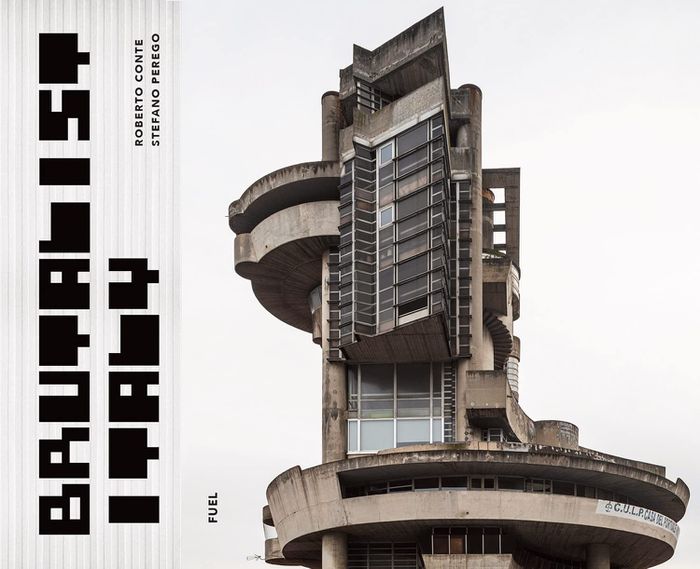
Brutalist Italy: Concrete architecture from the Alps to the Mediterranean Sea
Actions:
Prix:
$49.95
(disponible sur commande)
Résumé:
What makes Italian Brutalist buildings different to their counterparts in other countries? Containing over 140 exclusive photographs-- ranging from private homes to churches and cemeteries via football stadiums-- across every region of the country, ''Brutalist Italy'' is the first publication to focus entirely on this subject. Architectural photographers Roberto Conte and Stefano Perego (authors of Soviet Asia) have spent the past five years traveling over 12,000 miles documenting the monumental concrete structures of their native country. Brutalism-- with its minimalist aesthetic, favoring raw materials and structural elements over decorative design-- has a complex relationship with Italian history. After World War II, Italian architects were keen to distance themselves from fascism, without rejecting the architectural modernism that had flourished during that era. They developed a form of contemporary architecture that engaged with traditional methods and materials, drawing on uncontaminated historical references. This plurality of pasts assimilated into new constructions is a recurring feature of the country’s Brutalist buildings, imparting to them a unique identity. From the imposing social housing of Le Vele di Scampia to the celestial Our Lady of Tears Sanctuary, Syracuse, ''Brutalist Italy'' collects the most compelling examples of this extraordinary architecture for the first time in a single volume.
Brutalist Italy: Concrete architecture from the Alps to the Mediterranean Sea
Actions:
Prix:
$49.95
(disponible sur commande)
Résumé:
What makes Italian Brutalist buildings different to their counterparts in other countries? Containing over 140 exclusive photographs-- ranging from private homes to churches and cemeteries via football stadiums-- across every region of the country, ''Brutalist Italy'' is the first publication to focus entirely on this subject. Architectural photographers Roberto Conte and Stefano Perego (authors of Soviet Asia) have spent the past five years traveling over 12,000 miles documenting the monumental concrete structures of their native country. Brutalism-- with its minimalist aesthetic, favoring raw materials and structural elements over decorative design-- has a complex relationship with Italian history. After World War II, Italian architects were keen to distance themselves from fascism, without rejecting the architectural modernism that had flourished during that era. They developed a form of contemporary architecture that engaged with traditional methods and materials, drawing on uncontaminated historical references. This plurality of pasts assimilated into new constructions is a recurring feature of the country’s Brutalist buildings, imparting to them a unique identity. From the imposing social housing of Le Vele di Scampia to the celestial Our Lady of Tears Sanctuary, Syracuse, ''Brutalist Italy'' collects the most compelling examples of this extraordinary architecture for the first time in a single volume.
Classification:
livres
livres
Publication:
septembre 2023
septembre 2023
Sujet:
Brutalisme
Brutalisme
Classification:
livres
livres

Actions:
Prix:
$84.95
(disponible sur commande)
Résumé:
The all-out war in Ukraine, started by the Russian Federation in 2022 has disproportionally affected housing and residential infrastructure. The destruction is so targeted, and the damage so significant that it has disfigured entire neighborhoods and erased entire cities. With the scale of damage and loss in mind, and the future wide-ranging reconstruction that will(...)
$84.95
(disponible sur commande)
Résumé:
The all-out war in Ukraine, started by the Russian Federation in 2022 has disproportionally affected housing and residential infrastructure. The destruction is so targeted, and the damage so significant that it has disfigured entire neighborhoods and erased entire cities. With the scale of damage and loss in mind, and the future wide-ranging reconstruction that will(...)
Titre:
Mass Housing in Ukraine: Building Typologies and Catalogue of Series
Actions:
Prix:
$84.95
(disponible sur commande)
Résumé:
The all-out war in Ukraine, started by the Russian Federation in 2022 has disproportionally affected housing and residential infrastructure. The destruction is so targeted, and the damage so significant that it has disfigured entire neighborhoods and erased entire cities. With the scale of damage and loss in mind, and the future wide-ranging reconstruction that will inevitably take place after the war, this study examines the history and typologies of mass housing in Ukraine. It does so in order to evaluate what is lost, explain the diversity of modes of urban living that exist in Ukrainian cities, and finally, reconsider the narrative of how Ukrainian housing came about. The study covers the period of the last 100 years: the time of the most dramatic expansion and change in character of Ukrainian cities. It begins with the experimental buildings constructed in the Soviet Central and Eastern Ukraine and Polish Western Ukraine in the 1920s and 1930s, continues by looking at type projects from the Stalin era, as well as the serial apartment blocks built during the reigns of Khrushchev and Brezhnev and in the late USSR. Finally, it showcases individually designed, yet also typical residential buildings from the turbo-capitalist period of the 1990s and 2000s.
Mass Housing in Ukraine: Building Typologies and Catalogue of Series
Actions:
Prix:
$84.95
(disponible sur commande)
Résumé:
The all-out war in Ukraine, started by the Russian Federation in 2022 has disproportionally affected housing and residential infrastructure. The destruction is so targeted, and the damage so significant that it has disfigured entire neighborhoods and erased entire cities. With the scale of damage and loss in mind, and the future wide-ranging reconstruction that will inevitably take place after the war, this study examines the history and typologies of mass housing in Ukraine. It does so in order to evaluate what is lost, explain the diversity of modes of urban living that exist in Ukrainian cities, and finally, reconsider the narrative of how Ukrainian housing came about. The study covers the period of the last 100 years: the time of the most dramatic expansion and change in character of Ukrainian cities. It begins with the experimental buildings constructed in the Soviet Central and Eastern Ukraine and Polish Western Ukraine in the 1920s and 1930s, continues by looking at type projects from the Stalin era, as well as the serial apartment blocks built during the reigns of Khrushchev and Brezhnev and in the late USSR. Finally, it showcases individually designed, yet also typical residential buildings from the turbo-capitalist period of the 1990s and 2000s.
Classification:
livres
livres
Publication:
novembre 2024
novembre 2024
Sujet:
Logements collectifs
Logements collectifs
Classification:
périodiques
périodiques
Titre:
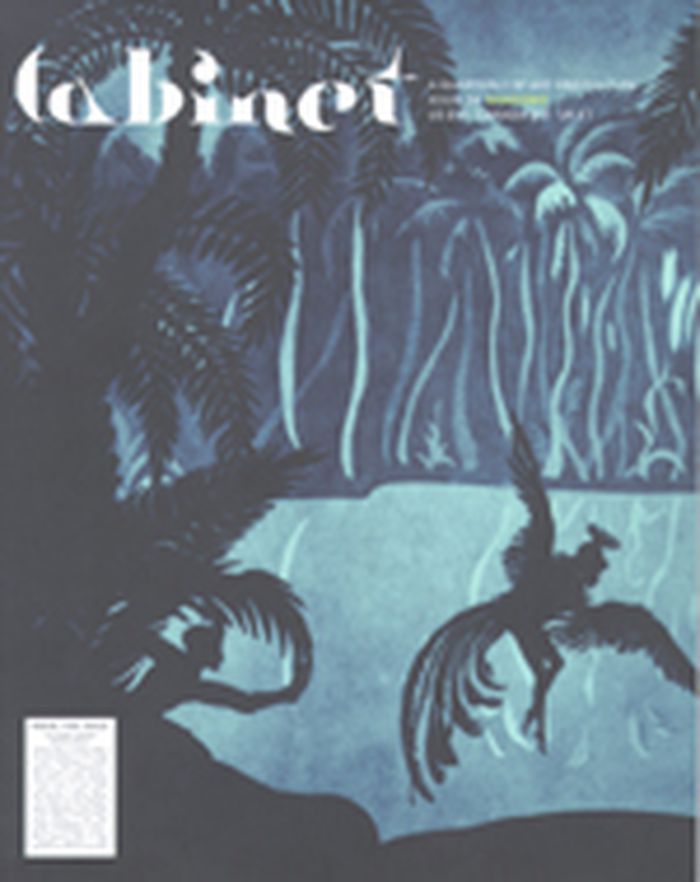
Cabinet 24 : shadows
Cabinet 24 : shadows
Actions:
Prix:
$11.00
(disponible sur commande)
Résumé:
The inherently contingent physics of shadows--never things in themselves but instead always "cast" signs of other things; tangible yet insubstantial--has long been a rich source of inspiration for thinkers and artists. From the Biblical valley where humanity is stalked by the "shadow of death" to the purported supernatural phenomenon of the shadow people, the idea has(...)
$11.00
(disponible sur commande)
Résumé:
The inherently contingent physics of shadows--never things in themselves but instead always "cast" signs of other things; tangible yet insubstantial--has long been a rich source of inspiration for thinkers and artists. From the Biblical valley where humanity is stalked by the "shadow of death" to the purported supernatural phenomenon of the shadow people, the idea has(...)
Titre:
Cabinet 24 : shadows
Actions:
Prix:
$11.00
(disponible sur commande)
Résumé:
The inherently contingent physics of shadows--never things in themselves but instead always "cast" signs of other things; tangible yet insubstantial--has long been a rich source of inspiration for thinkers and artists. From the Biblical valley where humanity is stalked by the "shadow of death" to the purported supernatural phenomenon of the shadow people, the idea has always suggested forces of the unseen, of the Other, its relational quality evoking a sense a duality that haunts our supposedly integral identities. Cabinet 24 includes interviews with Michael Baxandall on the Enlightenment's attitude toward shadows and with Victor Stoichita on the battle between light and dark, Kris Lee on Comte de Silhouette and the rise of phrenology, Julia Bryan-Wilson on the perpetually shaded Swiss town of Rattenberg, Trevor Paglen on the secret patches from clandestine divisions of the U.S. Armed Forces and George Pendle on Otto Neurath and his Everyman informational figures. Artist projects include a portfolio of shadow drawings and an unwitting contribution by a celebrated artist secretly trailed by a private detective hired by Cabinet. Plus, Jocko Weyland on the AP archive; Tony Wood on Konstantin Melnikov's proposal for a collectivized Soviet dormitory system; Amelie Hastie on eating at the cinema and Daniel Handler on the color violet.
Cabinet 24 : shadows
Actions:
Prix:
$11.00
(disponible sur commande)
Résumé:
The inherently contingent physics of shadows--never things in themselves but instead always "cast" signs of other things; tangible yet insubstantial--has long been a rich source of inspiration for thinkers and artists. From the Biblical valley where humanity is stalked by the "shadow of death" to the purported supernatural phenomenon of the shadow people, the idea has always suggested forces of the unseen, of the Other, its relational quality evoking a sense a duality that haunts our supposedly integral identities. Cabinet 24 includes interviews with Michael Baxandall on the Enlightenment's attitude toward shadows and with Victor Stoichita on the battle between light and dark, Kris Lee on Comte de Silhouette and the rise of phrenology, Julia Bryan-Wilson on the perpetually shaded Swiss town of Rattenberg, Trevor Paglen on the secret patches from clandestine divisions of the U.S. Armed Forces and George Pendle on Otto Neurath and his Everyman informational figures. Artist projects include a portfolio of shadow drawings and an unwitting contribution by a celebrated artist secretly trailed by a private detective hired by Cabinet. Plus, Jocko Weyland on the AP archive; Tony Wood on Konstantin Melnikov's proposal for a collectivized Soviet dormitory system; Amelie Hastie on eating at the cinema and Daniel Handler on the color violet.
Classification:
périodiques
périodiques
Publication:
février 2007, New York
février 2007, New York
Sujet:
Revues
Revues
Classification:
livres
livres
Prix:
$44.95
(disponible sur commande)
Résumé:
Many readers will doubtless be astonished to learn that animals were being fired aloft in U.S. and Soviet research rockets in the late 1940s. In fact most people not only believe that the Russian space dog Laika was the first canine to be launched into space, but also that the high-profile, precursory Mercury flights of chimps Ham and Enos were the only primate flights(...)
$44.95
(disponible sur commande)
Résumé:
Many readers will doubtless be astonished to learn that animals were being fired aloft in U.S. and Soviet research rockets in the late 1940s. In fact most people not only believe that the Russian space dog Laika was the first canine to be launched into space, but also that the high-profile, precursory Mercury flights of chimps Ham and Enos were the only primate flights(...)
Titre:
Animals in space, from research rockets to the space shuttle
Actions:
Prix:
$44.95
(disponible sur commande)
Résumé:
Many readers will doubtless be astonished to learn that animals were being fired aloft in U.S. and Soviet research rockets in the late 1940s. In fact most people not only believe that the Russian space dog Laika was the first canine to be launched into space, but also that the high-profile, precursory Mercury flights of chimps Ham and Enos were the only primate flights conducted by the United States. In fact, both countries had sent literally dozens of animals aloft for many years prior to these events and continued to do so for many years after. Other latter-day space nations, such as France and China, would also begin to use animals in their own space research. Animals in Space will explain why dogs, primates, mice and other rodents were chosen and tested, at a time when dedicated scientists from both space nations were determined to establish the survivability of human subjects on both ballistic and orbital space flights. It will also recount the way this happened; the secrecy involved and the methods employed, and offer an objective analysis of how the role of animals as spaceflight test subjects not only evolved, but subsequently changed over the years in response to a public outcry led by animal activists.
Animals in space, from research rockets to the space shuttle
Actions:
Prix:
$44.95
(disponible sur commande)
Résumé:
Many readers will doubtless be astonished to learn that animals were being fired aloft in U.S. and Soviet research rockets in the late 1940s. In fact most people not only believe that the Russian space dog Laika was the first canine to be launched into space, but also that the high-profile, precursory Mercury flights of chimps Ham and Enos were the only primate flights conducted by the United States. In fact, both countries had sent literally dozens of animals aloft for many years prior to these events and continued to do so for many years after. Other latter-day space nations, such as France and China, would also begin to use animals in their own space research. Animals in Space will explain why dogs, primates, mice and other rodents were chosen and tested, at a time when dedicated scientists from both space nations were determined to establish the survivability of human subjects on both ballistic and orbital space flights. It will also recount the way this happened; the secrecy involved and the methods employed, and offer an objective analysis of how the role of animals as spaceflight test subjects not only evolved, but subsequently changed over the years in response to a public outcry led by animal activists.
Classification:
livres
livres
Publication:
novembre 2007
novembre 2007
Classification:
livres
livres

Actions:
Prix:
$32.95
(disponible sur commande)
Résumé:
The role of popular music is widely recognized in giving voice to radical political views, the plight of the oppressed, and the desire for social change. Avant-garde music, by contrast, is often thought to prioritize the pursuit of new technical or conceptual territory over issues of human and social concern. Yet throughout the activist 1960s, many avant-garde musicians(...)
$32.95
(disponible sur commande)
Résumé:
The role of popular music is widely recognized in giving voice to radical political views, the plight of the oppressed, and the desire for social change. Avant-garde music, by contrast, is often thought to prioritize the pursuit of new technical or conceptual territory over issues of human and social concern. Yet throughout the activist 1960s, many avant-garde musicians(...)
Titre:
Sound commitments : avant-garde music in the sixties
Actions:
Prix:
$32.95
(disponible sur commande)
Résumé:
The role of popular music is widely recognized in giving voice to radical political views, the plight of the oppressed, and the desire for social change. Avant-garde music, by contrast, is often thought to prioritize the pursuit of new technical or conceptual territory over issues of human and social concern. Yet throughout the activist 1960s, many avant-garde musicians were convinced that aesthetic experiment and social progressiveness made natural bedfellows. Intensely involved in the era's social and political upheavals, they often sought to reflect this engagement in their music. Yet how could avant-garde musicians make a meaningful contribution to social change if their music remained the preserve of a tiny, initiated clique? In answer, this publication examines the encounter of avant-garde music and "the Sixties" across a range of genres, aesthetic positions and geographical locations. Through music for the concert hall, tape and electronic music, jazz and improvisation, participatory "events," performance art, and experimental popular music, the essays in this volume explore developments in the United States, France, West Germany, Italy, the Netherlands, the Soviet Union, Japan and parts of the "Third World," delving into the deep richness of avant-garde musicians' response to the decade's defining cultural shifts.
Sound commitments : avant-garde music in the sixties
Actions:
Prix:
$32.95
(disponible sur commande)
Résumé:
The role of popular music is widely recognized in giving voice to radical political views, the plight of the oppressed, and the desire for social change. Avant-garde music, by contrast, is often thought to prioritize the pursuit of new technical or conceptual territory over issues of human and social concern. Yet throughout the activist 1960s, many avant-garde musicians were convinced that aesthetic experiment and social progressiveness made natural bedfellows. Intensely involved in the era's social and political upheavals, they often sought to reflect this engagement in their music. Yet how could avant-garde musicians make a meaningful contribution to social change if their music remained the preserve of a tiny, initiated clique? In answer, this publication examines the encounter of avant-garde music and "the Sixties" across a range of genres, aesthetic positions and geographical locations. Through music for the concert hall, tape and electronic music, jazz and improvisation, participatory "events," performance art, and experimental popular music, the essays in this volume explore developments in the United States, France, West Germany, Italy, the Netherlands, the Soviet Union, Japan and parts of the "Third World," delving into the deep richness of avant-garde musicians' response to the decade's defining cultural shifts.
Classification:
livres
livres
Publication:
février 2009, Oxford
février 2009, Oxford
Sujet:
Acoustique
Acoustique


