


2654 Résultats
Classification:
livres
livres
Actions:
Exemplaires:
Description:
223 pages : illustrations (chiefly color), plans ; 34 cm
Description:
223 pages : illustrations (chiefly color), plans ; 34 cm
Auteur:
Sujet:
Publication:
Bruxelles : Archives d'architecture moderne, [2019]
Bruxelles : Archives d'architecture moderne, [2019]
Titre:
Architecture du téléphone = Architectuur en telefonie / sous la direction de Marc Dubois, Yaron Pesztat ; preface, Dominique Leroy, Stefaan De Clerck ; auteurs, Jean-Marc Basyn [and four others] ; photographies, Karin Borghouts, Filip Dujardin ; maquette, Marc Gierst.
Actions:
Exemplaires:
Description:
223 pages : illustrations (chiefly color), plans ; 34 cm
Architecture du téléphone = Architectuur en telefonie / sous la direction de Marc Dubois, Yaron Pesztat ; preface, Dominique Leroy, Stefaan De Clerck ; auteurs, Jean-Marc Basyn [and four others] ; photographies, Karin Borghouts, Filip Dujardin ; maquette, Marc Gierst.
Actions:
Exemplaires:
Description:
223 pages : illustrations (chiefly color), plans ; 34 cm
Classification:
livres
livres
Publication:
Bruxelles : Archives d'architecture moderne, [2019]
Bruxelles : Archives d'architecture moderne, [2019]
Auteur:
Sujet:
Classification:
livres
livres

Actions:
Prix:
$30.00
(disponible sur commande)
Résumé:
Issue 101 of Texte zur Kunst takes “Polarities” as its theme—a term that in the first degree we associate with what’s unfolding around us right now: ideological polarization, from Pegida to Donald Trump. In turn, this issue looks to the macro conditions in which art critical and art historical discourses are currently being formed, and within which they will need to(...)
$30.00
(disponible sur commande)
Résumé:
Issue 101 of Texte zur Kunst takes “Polarities” as its theme—a term that in the first degree we associate with what’s unfolding around us right now: ideological polarization, from Pegida to Donald Trump. In turn, this issue looks to the macro conditions in which art critical and art historical discourses are currently being formed, and within which they will need to(...)
Titre:
Texte zur Kunst 101: Polarities
Actions:
Prix:
$30.00
(disponible sur commande)
Résumé:
Issue 101 of Texte zur Kunst takes “Polarities” as its theme—a term that in the first degree we associate with what’s unfolding around us right now: ideological polarization, from Pegida to Donald Trump. In turn, this issue looks to the macro conditions in which art critical and art historical discourses are currently being formed, and within which they will need to position themselves. What’s particularly striking, we argue, is that this trend toward polarization is happening despite the popular tendency, in recent decades, to speak of increased unification. How, then, can such polarization be reconciled with the dominant, and inherently continuous, neoliberal system—one characterized by the global economy’s promise of inclusiveness; utopian visions of peace (if not survival) via the “singularity” of screen, mind, and body; and a European Union as project of post-Soviet unification, striving to push all conflict to its periphery? What do we make of this growing difference between the ideals of technological/smooth space (where the art world often resides, swiftly neutralizing any resistance as “content”) and the broadening expanses of material unrest? Could the image of polarization be something not to avoid but to engage, at least as a potentially generative model, for understanding true opposition within a continuous system—for times that are anything but free from ideological division?
Texte zur Kunst 101: Polarities
Actions:
Prix:
$30.00
(disponible sur commande)
Résumé:
Issue 101 of Texte zur Kunst takes “Polarities” as its theme—a term that in the first degree we associate with what’s unfolding around us right now: ideological polarization, from Pegida to Donald Trump. In turn, this issue looks to the macro conditions in which art critical and art historical discourses are currently being formed, and within which they will need to position themselves. What’s particularly striking, we argue, is that this trend toward polarization is happening despite the popular tendency, in recent decades, to speak of increased unification. How, then, can such polarization be reconciled with the dominant, and inherently continuous, neoliberal system—one characterized by the global economy’s promise of inclusiveness; utopian visions of peace (if not survival) via the “singularity” of screen, mind, and body; and a European Union as project of post-Soviet unification, striving to push all conflict to its periphery? What do we make of this growing difference between the ideals of technological/smooth space (where the art world often resides, swiftly neutralizing any resistance as “content”) and the broadening expanses of material unrest? Could the image of polarization be something not to avoid but to engage, at least as a potentially generative model, for understanding true opposition within a continuous system—for times that are anything but free from ideological division?
Classification:
livres
livres
Publication:
mars 2016
mars 2016
Sujet:
Revues
Revues
Classification:
livres
livres
Actions:
Exemplaires:
Description:
158 pages : illustrations ; 21 cm
Description:
158 pages : illustrations ; 21 cm
Auteur:
Sujet:
Publication:
Paris : T&P publishing, [2019]
Paris : T&P publishing, [2019]
Titre:
Staatliche Bauhaus cent pour cent : 1919-2019 / sous la direction de David Bihanic.
Actions:
Exemplaires:
Description:
158 pages : illustrations ; 21 cm
Staatliche Bauhaus cent pour cent : 1919-2019 / sous la direction de David Bihanic.
Actions:
Exemplaires:
Description:
158 pages : illustrations ; 21 cm
Classification:
livres
livres
Publication:
Paris : T&P publishing, [2019]
Paris : T&P publishing, [2019]
Auteur:
Sujet:
Classification:
livres
livres
Prix:
$49.95
(disponible sur commande)
Résumé:
Seduced by Modernity is the first book devoted to the life and work of Canadian-born modernist photographer Margaret Watkins. Best known for art and advertising photography executed in New York in the 1920s, Watkins was active in the Clarence White school of photography and a participant in the shift from pictorialism to modernism. Mary O'Connor and Katherine Tweedie tell(...)
$49.95
(disponible sur commande)
Résumé:
Seduced by Modernity is the first book devoted to the life and work of Canadian-born modernist photographer Margaret Watkins. Best known for art and advertising photography executed in New York in the 1920s, Watkins was active in the Clarence White school of photography and a participant in the shift from pictorialism to modernism. Mary O'Connor and Katherine Tweedie tell(...)
Sujet:
Monographies photo
Monographies photo
Publication:
septembre 2007, Montreal Kingston London Ithica
septembre 2007, Montreal Kingston London Ithica
Titre:
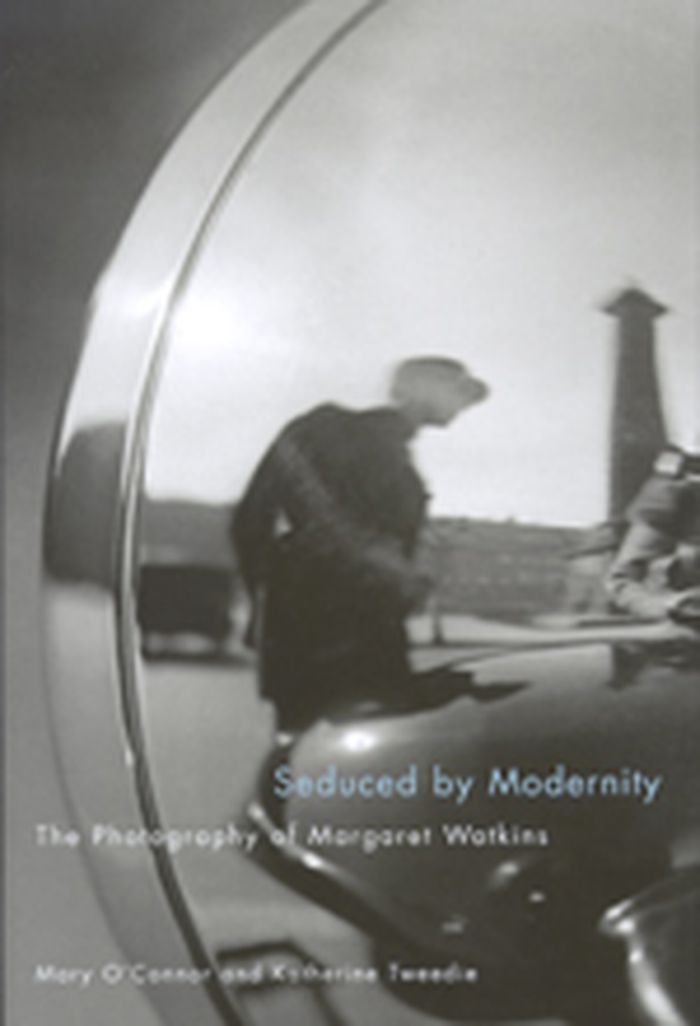
Seduced by modernity : The photography of Margaret Watkins
Actions:
Prix:
$49.95
(disponible sur commande)
Résumé:
Seduced by Modernity is the first book devoted to the life and work of Canadian-born modernist photographer Margaret Watkins. Best known for art and advertising photography executed in New York in the 1920s, Watkins was active in the Clarence White school of photography and a participant in the shift from pictorialism to modernism. Mary O'Connor and Katherine Tweedie tell the story of a dedicated artist in difficult circumstances whose working life spanned a Victorian upbringing in Hamilton, Ontario, and the witnessing of the first Soviet Five-Year Plan. The authors use feminist and historical questions as well as close readings of the photographs to relate Watkins' work to questions of gender, modernity, and visual culture. Watkins' modernism, which involved experimentation and a radical focus on form, transgressed boundaries of conventional, high-art subject matter. Her focus was daily life and her photographs, whether an exploration of the objects in her New York kitchen or the public and industrial spaces of Glasgow, Paris, Cologne, Moscow, and Leningrad in the 1930s, strike a balance between abstraction and an evocation of the everyday, offering a unique gendered perspective on modernism and modernity. Seduced by Modernity makes available for the first time an extensive representation of Watkins' work in high-quality reproduction as part of an exemplary interdisciplinary study that honours an intrepid Canadian artist who refused to be confined by borders, convention, or gender.
Seduced by modernity : The photography of Margaret Watkins
Actions:
Prix:
$49.95
(disponible sur commande)
Résumé:
Seduced by Modernity is the first book devoted to the life and work of Canadian-born modernist photographer Margaret Watkins. Best known for art and advertising photography executed in New York in the 1920s, Watkins was active in the Clarence White school of photography and a participant in the shift from pictorialism to modernism. Mary O'Connor and Katherine Tweedie tell the story of a dedicated artist in difficult circumstances whose working life spanned a Victorian upbringing in Hamilton, Ontario, and the witnessing of the first Soviet Five-Year Plan. The authors use feminist and historical questions as well as close readings of the photographs to relate Watkins' work to questions of gender, modernity, and visual culture. Watkins' modernism, which involved experimentation and a radical focus on form, transgressed boundaries of conventional, high-art subject matter. Her focus was daily life and her photographs, whether an exploration of the objects in her New York kitchen or the public and industrial spaces of Glasgow, Paris, Cologne, Moscow, and Leningrad in the 1930s, strike a balance between abstraction and an evocation of the everyday, offering a unique gendered perspective on modernism and modernity. Seduced by Modernity makes available for the first time an extensive representation of Watkins' work in high-quality reproduction as part of an exemplary interdisciplinary study that honours an intrepid Canadian artist who refused to be confined by borders, convention, or gender.
Classification:
livres
livres
Publication:
septembre 2007, Montreal Kingston London Ithica
septembre 2007, Montreal Kingston London Ithica
Sujet:
Monographies photo
Monographies photo
Classification:
livres
livres
Actions:
Prix:
$55.00
(disponible en magasin)
Résumé:
The oldest churches shown in this book were built as early as in the 15th century, most of those still standing were built in the 18th and 19th centuries, and quite a few are still being built today. Many were destroyed in the two world wars, many fell victim to ethnic cleansing after 1945, some fell into disrepair during the Soviet era, others were burnt down by(...)
$55.00
(disponible en magasin)
Résumé:
The oldest churches shown in this book were built as early as in the 15th century, most of those still standing were built in the 18th and 19th centuries, and quite a few are still being built today. Many were destroyed in the two world wars, many fell victim to ethnic cleansing after 1945, some fell into disrepair during the Soviet era, others were burnt down by(...)
Publication:
avril 2024
avril 2024
Titre:
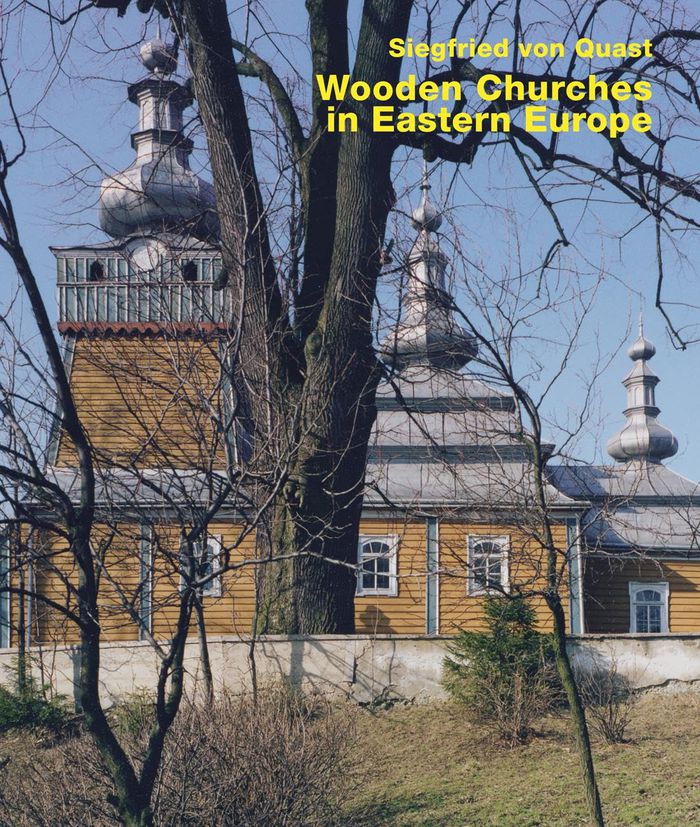
Wooden churches in Eastern Europe
Actions:
Prix:
$55.00
(disponible en magasin)
Résumé:
The oldest churches shown in this book were built as early as in the 15th century, most of those still standing were built in the 18th and 19th centuries, and quite a few are still being built today. Many were destroyed in the two world wars, many fell victim to ethnic cleansing after 1945, some fell into disrepair during the Soviet era, others were burnt down by lightning or short circuits, and quite a few simply gave way to the more "representative" stone churches as early as the 19th century. But a large number are still standing, consecrated, and believers gather in them. In fact almost of them in the various Carpathian countries are protected monuments, and many have been lovingly restored in recent times. More than the architectural-historical value, the question arises here of the aesthetic assessment of these small buildings. It is not a refined canon of forms of great architecture that can be derived and proven from the history of architecture that inspires us so much. Ba-sically, they are not overly sophisticated constructions in terms of craftsmanship, they are safe and beautiful in their simplicity. Their aesthetic appeal, however, also includes the surface-weathered material, deformed structures, colour improvisations, recently ornamented sheet metal, inside wall paintings, altar and iconostasis furnishings derived from Renaissance and Baroque periods, but above all their location in the village, mostly isolated, often elevated, surrounded by old trees, enclosures and graves without cemetery order.
Wooden churches in Eastern Europe
Actions:
Prix:
$55.00
(disponible en magasin)
Résumé:
The oldest churches shown in this book were built as early as in the 15th century, most of those still standing were built in the 18th and 19th centuries, and quite a few are still being built today. Many were destroyed in the two world wars, many fell victim to ethnic cleansing after 1945, some fell into disrepair during the Soviet era, others were burnt down by lightning or short circuits, and quite a few simply gave way to the more "representative" stone churches as early as the 19th century. But a large number are still standing, consecrated, and believers gather in them. In fact almost of them in the various Carpathian countries are protected monuments, and many have been lovingly restored in recent times. More than the architectural-historical value, the question arises here of the aesthetic assessment of these small buildings. It is not a refined canon of forms of great architecture that can be derived and proven from the history of architecture that inspires us so much. Ba-sically, they are not overly sophisticated constructions in terms of craftsmanship, they are safe and beautiful in their simplicity. Their aesthetic appeal, however, also includes the surface-weathered material, deformed structures, colour improvisations, recently ornamented sheet metal, inside wall paintings, altar and iconostasis furnishings derived from Renaissance and Baroque periods, but above all their location in the village, mostly isolated, often elevated, surrounded by old trees, enclosures and graves without cemetery order.
Classification:
livres
livres
Publication:
avril 2024
avril 2024
Classification:
livres
livres
Actions:
Prix:
$34.95
(disponible sur commande)
Résumé:
For as long as humans have gathered in cities, those cities have had their shining—or shadowy—counterparts. Imaginary cities, potential cities, future cities, perfect cities. It is as if the city itself, its inescapable gritty reality and elbow-to-elbow nature, demands we call into being some alternative, yearned-for better place. This book is about those cities. It’s(...)
$34.95
(disponible sur commande)
Résumé:
For as long as humans have gathered in cities, those cities have had their shining—or shadowy—counterparts. Imaginary cities, potential cities, future cities, perfect cities. It is as if the city itself, its inescapable gritty reality and elbow-to-elbow nature, demands we call into being some alternative, yearned-for better place. This book is about those cities. It’s(...)
Titre:
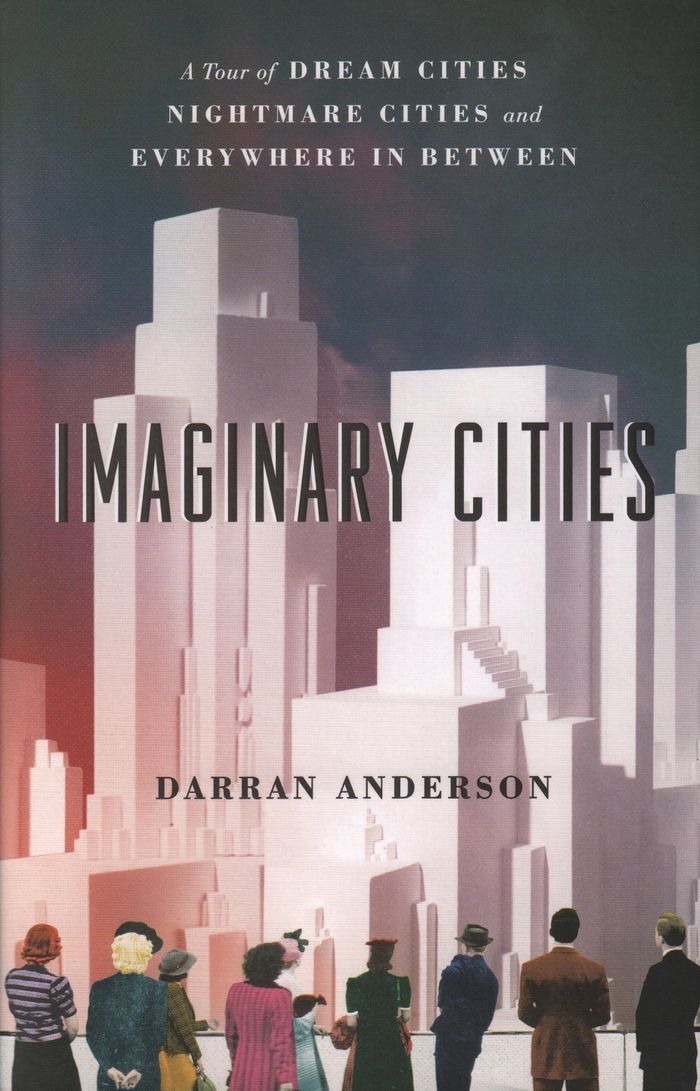
Imaginary cities: a tour of dream cities, nightmare cities and everywhere in between
Actions:
Prix:
$34.95
(disponible sur commande)
Résumé:
For as long as humans have gathered in cities, those cities have had their shining—or shadowy—counterparts. Imaginary cities, potential cities, future cities, perfect cities. It is as if the city itself, its inescapable gritty reality and elbow-to-elbow nature, demands we call into being some alternative, yearned-for better place. This book is about those cities. It’s neither a history of grand plans nor a literary exploration of the utopian impulse, but rather something different, hybrid, idiosyncratic. It’s a magpie’s book, full of characters and incidents and ideas drawn from cities real and imagined around the globe and throughout history. Thomas More’s allegorical island shares space with Soviet mega-planning; Marco Polo links up with James Joyce’s meticulously imagined Dublin; the medieval land of Cockaigne meets the hopeful future of Star Trek. With Darran Anderson as our guide, we find common themes and recurring dreams, tied to the seemingly ineluctable problems of our actual cities, of poverty and exclusion and waste and destruction. And that’s where Imaginary Cities becomes more than a mere—if ecstatically entertaining—intellectual exercise: for, as Anderson says, “If a city can be imagined into being, it can be re-imagined.” Every architect, philosopher, artist, writer, planner, or citizen who dreams up an imaginary city offers lessons for our real ones; harnessing those flights of hopeful fancy can help us improve the streets where we live.
Imaginary cities: a tour of dream cities, nightmare cities and everywhere in between
Actions:
Prix:
$34.95
(disponible sur commande)
Résumé:
For as long as humans have gathered in cities, those cities have had their shining—or shadowy—counterparts. Imaginary cities, potential cities, future cities, perfect cities. It is as if the city itself, its inescapable gritty reality and elbow-to-elbow nature, demands we call into being some alternative, yearned-for better place. This book is about those cities. It’s neither a history of grand plans nor a literary exploration of the utopian impulse, but rather something different, hybrid, idiosyncratic. It’s a magpie’s book, full of characters and incidents and ideas drawn from cities real and imagined around the globe and throughout history. Thomas More’s allegorical island shares space with Soviet mega-planning; Marco Polo links up with James Joyce’s meticulously imagined Dublin; the medieval land of Cockaigne meets the hopeful future of Star Trek. With Darran Anderson as our guide, we find common themes and recurring dreams, tied to the seemingly ineluctable problems of our actual cities, of poverty and exclusion and waste and destruction. And that’s where Imaginary Cities becomes more than a mere—if ecstatically entertaining—intellectual exercise: for, as Anderson says, “If a city can be imagined into being, it can be re-imagined.” Every architect, philosopher, artist, writer, planner, or citizen who dreams up an imaginary city offers lessons for our real ones; harnessing those flights of hopeful fancy can help us improve the streets where we live.
Classification:
livres
livres
Publication:
avril 2017
avril 2017
Sujet:
Théorie de l’urbanisme
Théorie de l’urbanisme
Classification:
livres
livres
Prix:
$43.50
(disponible sur commande)
Résumé:
When Lenin asked, "Who will beat whom?" (Kto kogo?), he had no plan to wage revolutionary class war in culture. Many young Communists thought differently, however. Seeking in the name of the proletariat to wrest "cultural hegemony" from the intelligentsia, they turned culture into a battlefield in the 1920s. But was this, as Communist militants thought, a genuine class(...)
$43.50
(disponible sur commande)
Résumé:
When Lenin asked, "Who will beat whom?" (Kto kogo?), he had no plan to wage revolutionary class war in culture. Many young Communists thought differently, however. Seeking in the name of the proletariat to wrest "cultural hegemony" from the intelligentsia, they turned culture into a battlefield in the 1920s. But was this, as Communist militants thought, a genuine class(...)
Titre:
The cultural front: power and culture in Revolutionary Russia
Actions:
Prix:
$43.50
(disponible sur commande)
Résumé:
When Lenin asked, "Who will beat whom?" (Kto kogo?), he had no plan to wage revolutionary class war in culture. Many young Communists thought differently, however. Seeking in the name of the proletariat to wrest "cultural hegemony" from the intelligentsia, they turned culture into a battlefield in the 1920s. But was this, as Communist militants thought, a genuine class struggle between "proletarian" Communists and the "bourgeois" intelligentsia? Or was it, as the intelligentsia believed, an onslaught by the ruling Communist Party on the eternal principles of cultural autonomy and intellectual freedom? In this volume, one of the foremost historians of the Soviet Union chronicles the fierce battle on "the cultural front" from the October Revolution through the Stalinist 1930s. Sheila Fitzpatrick brings together ten of her essays- two previously unpublished and all revised for inclusion here- which illuminate key arenas of the prolonged struggle over cultural values and institutional control. Individual essays deal with such major issues as the Cultural Revolution, the formation of the new Stalinist elite, and socialist realism, as well as recounting colorful episodes including the uproar over Shostakovich's opera Lady Macbeth of the Mtsensk District, arguments over sexual mores, and the new consumerism of the 1930s. Closely examining the cultural elites and orthodoxies that developed under Stalin, Fitzpatrick offers a provocative reinterpretation of the struggle's final outcome in which the intelligentsia, despite its loss of autonomy and the debasement of its culture, emerged as a partial victor.
The cultural front: power and culture in Revolutionary Russia
Actions:
Prix:
$43.50
(disponible sur commande)
Résumé:
When Lenin asked, "Who will beat whom?" (Kto kogo?), he had no plan to wage revolutionary class war in culture. Many young Communists thought differently, however. Seeking in the name of the proletariat to wrest "cultural hegemony" from the intelligentsia, they turned culture into a battlefield in the 1920s. But was this, as Communist militants thought, a genuine class struggle between "proletarian" Communists and the "bourgeois" intelligentsia? Or was it, as the intelligentsia believed, an onslaught by the ruling Communist Party on the eternal principles of cultural autonomy and intellectual freedom? In this volume, one of the foremost historians of the Soviet Union chronicles the fierce battle on "the cultural front" from the October Revolution through the Stalinist 1930s. Sheila Fitzpatrick brings together ten of her essays- two previously unpublished and all revised for inclusion here- which illuminate key arenas of the prolonged struggle over cultural values and institutional control. Individual essays deal with such major issues as the Cultural Revolution, the formation of the new Stalinist elite, and socialist realism, as well as recounting colorful episodes including the uproar over Shostakovich's opera Lady Macbeth of the Mtsensk District, arguments over sexual mores, and the new consumerism of the 1930s. Closely examining the cultural elites and orthodoxies that developed under Stalin, Fitzpatrick offers a provocative reinterpretation of the struggle's final outcome in which the intelligentsia, despite its loss of autonomy and the debasement of its culture, emerged as a partial victor.
Classification:
livres
livres
Publication:
octobre 1992
octobre 1992
Sujet:
Expositions en cours
Expositions en cours
Classification:
livres
livres
Actions:
Prix:
$76.00
(disponible sur commande)
Résumé:
Under the label Atelier Zanolli, a fantastic world of silk fabrics painted and imprinted with patterns, opulently embroidered cushions, colorful pearl creations, and finely crafted leather and wood articles, was created between 1905 and 1939 in Zurich. The Zanollis had immigrated from Italy in 1905. Their family business was run by Antonietta and her daughters Pia, Lea,(...)
$76.00
(disponible sur commande)
Résumé:
Under the label Atelier Zanolli, a fantastic world of silk fabrics painted and imprinted with patterns, opulently embroidered cushions, colorful pearl creations, and finely crafted leather and wood articles, was created between 1905 and 1939 in Zurich. The Zanollis had immigrated from Italy in 1905. Their family business was run by Antonietta and her daughters Pia, Lea,(...)
Sujet:
Création de mode
Création de mode
Publication:
septembre 2022
septembre 2022
Titre:
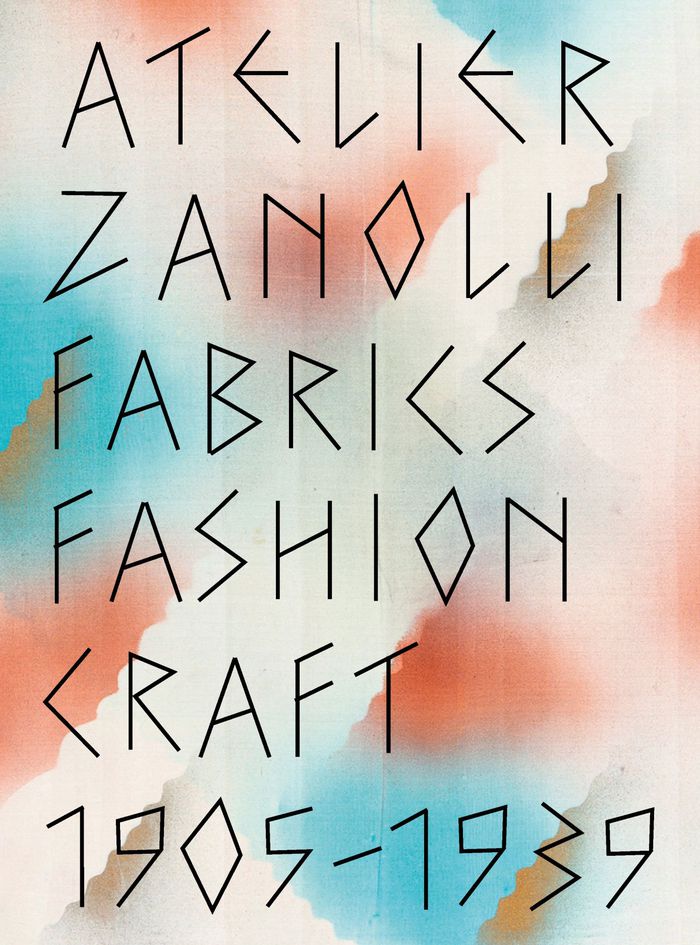
Atelier Zanolli: Fabrics, fashion, craft 1905-1939
Actions:
Prix:
$76.00
(disponible sur commande)
Résumé:
Under the label Atelier Zanolli, a fantastic world of silk fabrics painted and imprinted with patterns, opulently embroidered cushions, colorful pearl creations, and finely crafted leather and wood articles, was created between 1905 and 1939 in Zurich. The Zanollis had immigrated from Italy in 1905. Their family business was run by Antonietta and her daughters Pia, Lea, and Zoe Zanolli. The cultural and stylistic influences manifested in the Zanollis’ visually appealing products range from the avant-garde to an aesthetic forged by a spirit of intellectual national defense against the increasing threat of the totalitarian regimes in Nazi Germany, fascist Italy, and the communist Soviet Union, that was prevalent in Switzerland in the 1930s. Driven by a striving for artistic self-realization, the atelier defied the many economic challenges of the period and carried out many commissions for Zurich’s leading textile businesses and department stores. This book traces the history of Atelier Zanolli, places its work in the context of the growth of Zurich and the Swiss textile industry in the first half of the twentieth century, and for the first time positions the “Zanolli style” internationally. More than six hundred images show the wealth of colors and shapes in a veritable cosmos of textiles and crafted objects, as well as templates, sketches, private photographs, business cards, and letters. The essays illuminate the techniques and work processes used, discuss entire motif families and unique designs, and grant rare comprehensive insight into the tastes of the time.
Atelier Zanolli: Fabrics, fashion, craft 1905-1939
Actions:
Prix:
$76.00
(disponible sur commande)
Résumé:
Under the label Atelier Zanolli, a fantastic world of silk fabrics painted and imprinted with patterns, opulently embroidered cushions, colorful pearl creations, and finely crafted leather and wood articles, was created between 1905 and 1939 in Zurich. The Zanollis had immigrated from Italy in 1905. Their family business was run by Antonietta and her daughters Pia, Lea, and Zoe Zanolli. The cultural and stylistic influences manifested in the Zanollis’ visually appealing products range from the avant-garde to an aesthetic forged by a spirit of intellectual national defense against the increasing threat of the totalitarian regimes in Nazi Germany, fascist Italy, and the communist Soviet Union, that was prevalent in Switzerland in the 1930s. Driven by a striving for artistic self-realization, the atelier defied the many economic challenges of the period and carried out many commissions for Zurich’s leading textile businesses and department stores. This book traces the history of Atelier Zanolli, places its work in the context of the growth of Zurich and the Swiss textile industry in the first half of the twentieth century, and for the first time positions the “Zanolli style” internationally. More than six hundred images show the wealth of colors and shapes in a veritable cosmos of textiles and crafted objects, as well as templates, sketches, private photographs, business cards, and letters. The essays illuminate the techniques and work processes used, discuss entire motif families and unique designs, and grant rare comprehensive insight into the tastes of the time.
Classification:
livres
livres
Publication:
septembre 2022
septembre 2022
Sujet:
Création de mode
Création de mode
Classification:
livres
livres
Actions:
Prix:
$55.00
(disponible sur commande)
Résumé:
The modern poster dates back to around 1870, when color lithography had been sufficiently perfected to permit mass production. Artists such as Toulouse-Lautrec and Jules Chéret were quick to perceive and embrace the possibilities of the poster as a form, as means of disseminating their work and as a source of income. New movements in late nineteenth-century art, such as(...)
$55.00
(disponible sur commande)
Résumé:
The modern poster dates back to around 1870, when color lithography had been sufficiently perfected to permit mass production. Artists such as Toulouse-Lautrec and Jules Chéret were quick to perceive and embrace the possibilities of the poster as a form, as means of disseminating their work and as a source of income. New movements in late nineteenth-century art, such as(...)
Titre:
The European poster 1881-1938
Actions:
Prix:
$55.00
(disponible sur commande)
Résumé:
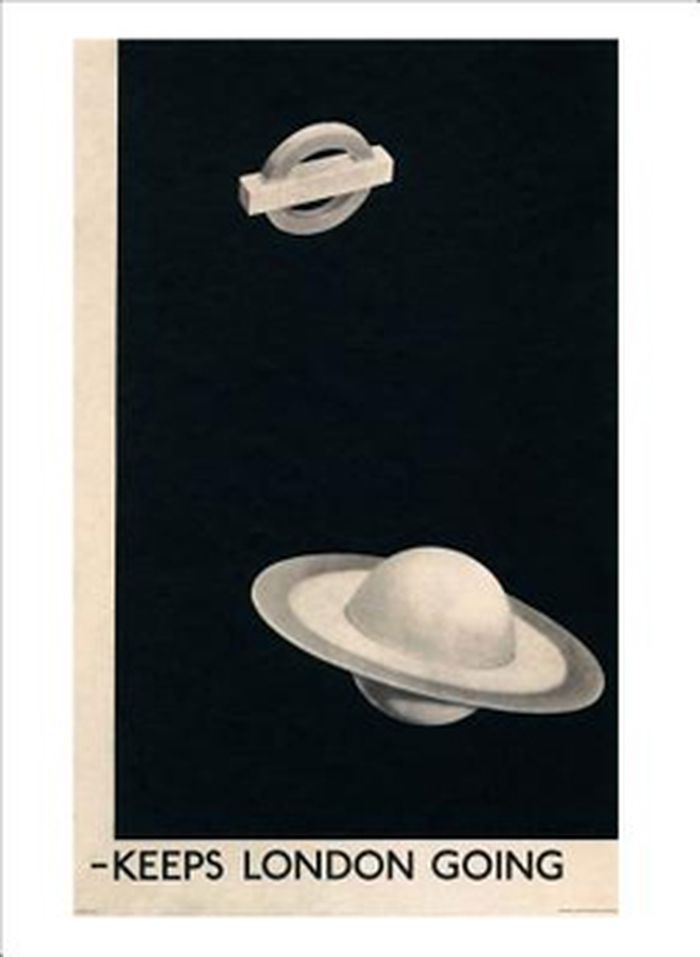
The modern poster dates back to around 1870, when color lithography had been sufficiently perfected to permit mass production. Artists such as Toulouse-Lautrec and Jules Chéret were quick to perceive and embrace the possibilities of the poster as a form, as means of disseminating their work and as a source of income. New movements in late nineteenth-century art, such as Art Nouveau and Symbolism, also adapted their respective styles to commercial demands, and their graphic power was such that major poster surveys were held as early as 1884. Later on, in the early days of the Soviet avant-garde, artists like Rodchenko and Klutsis were also to apply their graphic know-how to the poster form, in the service of a new communist Russia and its booming industries. This boxed volume reproduces 175 posters from the last decades of the nineteenth century to the early twentieth century, loose-leaf and in full color. The works have been gathered by expert Carlos Pérez from European museums and renowned international private collections. An accompanying paperback book, housed within the box, provides an historical overview. Among the 90-plus artists included here are Chéret, Ramón Casas, Toulouse-Lautrec, Pierre Bonnard, Alfons Mucha, Henri Matisse, Cassandre, Paul Colin, Jean Carlu, Giacomo Balla, Herbert Bayer, Otto Baumberger, John Heartfield, Vladimir Lebedev, Alexander Rodchenko, Man Ray, Kurt Schwitters, Oskar Schlemmer, Gustav Klutsis, Robert Béreny and Fortunato Depero.
The European poster 1881-1938
Actions:
Prix:
$55.00
(disponible sur commande)
Résumé:
The modern poster dates back to around 1870, when color lithography had been sufficiently perfected to permit mass production. Artists such as Toulouse-Lautrec and Jules Chéret were quick to perceive and embrace the possibilities of the poster as a form, as means of disseminating their work and as a source of income. New movements in late nineteenth-century art, such as Art Nouveau and Symbolism, also adapted their respective styles to commercial demands, and their graphic power was such that major poster surveys were held as early as 1884. Later on, in the early days of the Soviet avant-garde, artists like Rodchenko and Klutsis were also to apply their graphic know-how to the poster form, in the service of a new communist Russia and its booming industries. This boxed volume reproduces 175 posters from the last decades of the nineteenth century to the early twentieth century, loose-leaf and in full color. The works have been gathered by expert Carlos Pérez from European museums and renowned international private collections. An accompanying paperback book, housed within the box, provides an historical overview. Among the 90-plus artists included here are Chéret, Ramón Casas, Toulouse-Lautrec, Pierre Bonnard, Alfons Mucha, Henri Matisse, Cassandre, Paul Colin, Jean Carlu, Giacomo Balla, Herbert Bayer, Otto Baumberger, John Heartfield, Vladimir Lebedev, Alexander Rodchenko, Man Ray, Kurt Schwitters, Oskar Schlemmer, Gustav Klutsis, Robert Béreny and Fortunato Depero.
Classification:
livres
livres
Publication:
juillet 2012
juillet 2012
Sujet:
Arts graphiques imprimés
Arts graphiques imprimés
Classification:
livres
livres
Actions:
Prix:
$90.00
(disponible sur commande)
Résumé:
Henri Cartier-Bresson (1908–2004) is one of the most influential and beloved figures in the history of photography. His inventive work of the early 1930s helped define the creative potential of modern photography. Following World War II, he helped found the Magnum photo agency, which enabled photojournalists to reach a broad audience through magazines such as Life while(...)
$90.00
(disponible sur commande)
Résumé:
Henri Cartier-Bresson (1908–2004) is one of the most influential and beloved figures in the history of photography. His inventive work of the early 1930s helped define the creative potential of modern photography. Following World War II, he helped found the Magnum photo agency, which enabled photojournalists to reach a broad audience through magazines such as Life while(...)
Titre:
Henri Cartier-Bresson : the modern century
Actions:
Prix:
$90.00
(disponible sur commande)
Résumé:
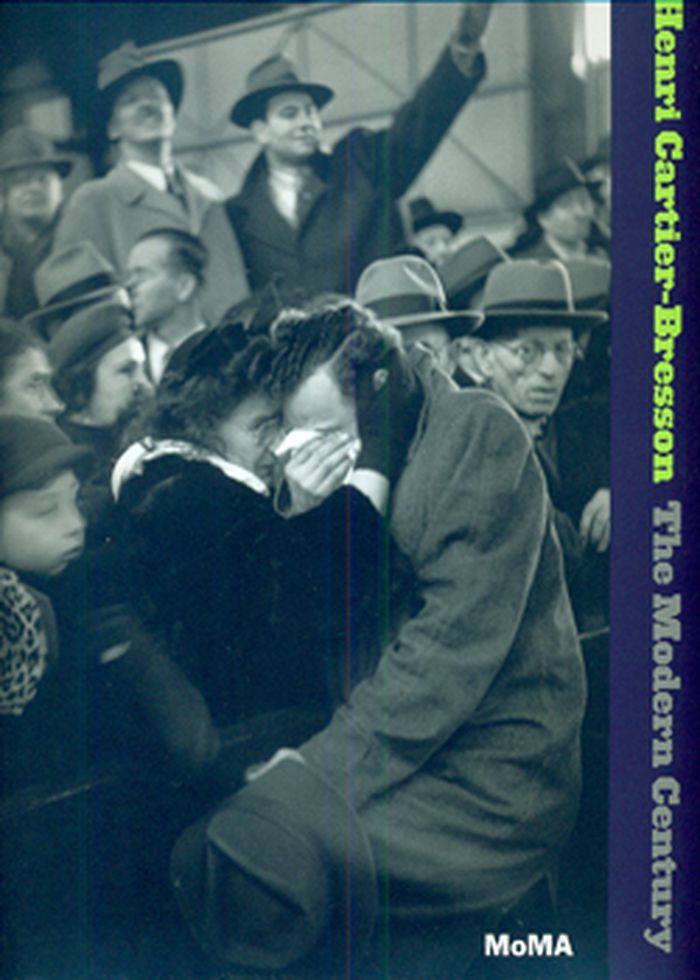
Henri Cartier-Bresson (1908–2004) is one of the most influential and beloved figures in the history of photography. His inventive work of the early 1930s helped define the creative potential of modern photography. Following World War II, he helped found the Magnum photo agency, which enabled photojournalists to reach a broad audience through magazines such as Life while retaining control over their work. Cartier-Bresson would go on to produce major bodies of photographic reportage, capturing such events as China during the revolution, the Soviet Union after Stalin's death, the United States in the postwar boom and Europe as its older cultures confronted modern realities. Published to accompany an exhibition at The Museum of Modern Art, this is the first major publication to make full use of the extensive holdings of the Fondation Cartier-Bresson — including thousands of prints and a vast resource of documents relating to the photographer's life and work. The heart of the book surveys Cartier-Bresson's career through 300 photographs divided into 12 chapters. While many of his most famous pictures are included, a great number of images will be unfamiliar even to specialists. A wide-ranging essay by Peter Galassi, Chief Curator of Photography at the Museum, offers an entirely new understanding of Cartier-Bresson's extraordinary career and its overlapping contexts of journalism and art. The extensive supporting material — featuring detailed chronologies of the photographer's professional travels and of spreads of his picture stories as they appeared in magazines — will revolutionize the study of Cartier-Bresson's work.
Henri Cartier-Bresson : the modern century
Actions:
Prix:
$90.00
(disponible sur commande)
Résumé:
Henri Cartier-Bresson (1908–2004) is one of the most influential and beloved figures in the history of photography. His inventive work of the early 1930s helped define the creative potential of modern photography. Following World War II, he helped found the Magnum photo agency, which enabled photojournalists to reach a broad audience through magazines such as Life while retaining control over their work. Cartier-Bresson would go on to produce major bodies of photographic reportage, capturing such events as China during the revolution, the Soviet Union after Stalin's death, the United States in the postwar boom and Europe as its older cultures confronted modern realities. Published to accompany an exhibition at The Museum of Modern Art, this is the first major publication to make full use of the extensive holdings of the Fondation Cartier-Bresson — including thousands of prints and a vast resource of documents relating to the photographer's life and work. The heart of the book surveys Cartier-Bresson's career through 300 photographs divided into 12 chapters. While many of his most famous pictures are included, a great number of images will be unfamiliar even to specialists. A wide-ranging essay by Peter Galassi, Chief Curator of Photography at the Museum, offers an entirely new understanding of Cartier-Bresson's extraordinary career and its overlapping contexts of journalism and art. The extensive supporting material — featuring detailed chronologies of the photographer's professional travels and of spreads of his picture stories as they appeared in magazines — will revolutionize the study of Cartier-Bresson's work.
Classification:
livres
livres
Publication:
avril 2010
avril 2010
Sujet:
Monographies photo
Monographies photo


