


2692 Résultats
Classification:
livres
livres
Titre:
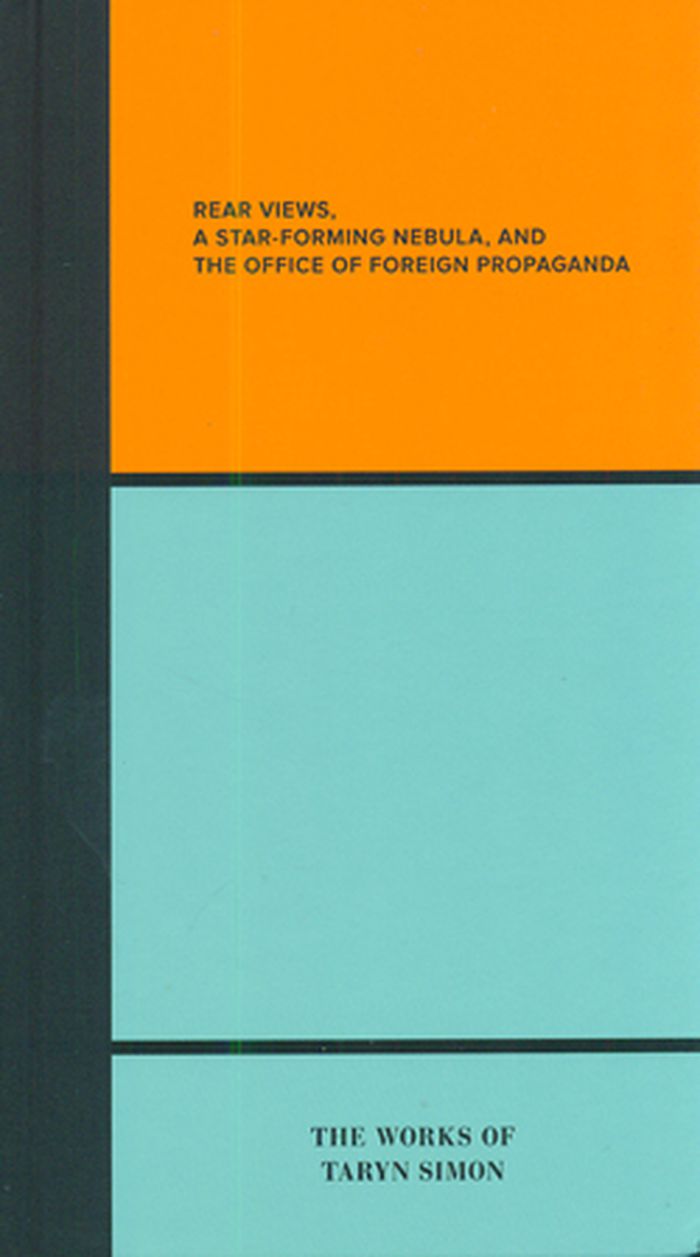
Rear views, a star-forming nebula, and the Office of Foreign Propaganda: the works of Taryn Simon
Rear views, a star-forming nebula, and the Office of Foreign Propaganda: the works of Taryn Simon
Actions:
Prix:
$60.00
(disponible sur commande)
Résumé:
Born in New York in 1975, Taryn Simon is at the forefront of contemporary photography practice. Her artistic medium is based around three equal elements: photography, text, and graphic design, which combined investigate the limitations of absolute understanding, examining the gaps between each element and how this can lead to disorientation and ambiguity. In the last ten(...)
$60.00
(disponible sur commande)
Résumé:
Born in New York in 1975, Taryn Simon is at the forefront of contemporary photography practice. Her artistic medium is based around three equal elements: photography, text, and graphic design, which combined investigate the limitations of absolute understanding, examining the gaps between each element and how this can lead to disorientation and ambiguity. In the last ten(...)
Titre:
Rear views, a star-forming nebula, and the Office of Foreign Propaganda: the works of Taryn Simon
Actions:
Prix:
$60.00
(disponible sur commande)
Résumé:
Born in New York in 1975, Taryn Simon is at the forefront of contemporary photography practice. Her artistic medium is based around three equal elements: photography, text, and graphic design, which combined investigate the limitations of absolute understanding, examining the gaps between each element and how this can lead to disorientation and ambiguity. In the last ten years she has created a suite of projects which deal with a number of theoretical and visual concerns. Her formal interest in arrangement and cataloguing has seen her experiment with different methods of presentation and display, particularly in A Living Man Declared Dead and Other Chapters (2008-11) in which she travelled around the world researching bloodlines: splitting each work in the final piece up into three segments, she presented large portrait sequences of related individuals on the left, a text panel containing details and narratives in the centre, and 'footnote images' on the right of fragmented pieces of established narratives and other photographic evidence. Simon has also skilfully and poetically tackled aspects of the underbelly of American life. With new and re-published essays by amongst others Salman Rushdie, Homi Bhabha, Daniel Baumann, Tim Griffin, Tina Kuklieski, Hans Ulrich Obrist and Elisabeth Sussman. With an introduction by Simon Baker, Curator of Photography at Tate Modern.
Rear views, a star-forming nebula, and the Office of Foreign Propaganda: the works of Taryn Simon
Actions:
Prix:
$60.00
(disponible sur commande)
Résumé:
Born in New York in 1975, Taryn Simon is at the forefront of contemporary photography practice. Her artistic medium is based around three equal elements: photography, text, and graphic design, which combined investigate the limitations of absolute understanding, examining the gaps between each element and how this can lead to disorientation and ambiguity. In the last ten years she has created a suite of projects which deal with a number of theoretical and visual concerns. Her formal interest in arrangement and cataloguing has seen her experiment with different methods of presentation and display, particularly in A Living Man Declared Dead and Other Chapters (2008-11) in which she travelled around the world researching bloodlines: splitting each work in the final piece up into three segments, she presented large portrait sequences of related individuals on the left, a text panel containing details and narratives in the centre, and 'footnote images' on the right of fragmented pieces of established narratives and other photographic evidence. Simon has also skilfully and poetically tackled aspects of the underbelly of American life. With new and re-published essays by amongst others Salman Rushdie, Homi Bhabha, Daniel Baumann, Tim Griffin, Tina Kuklieski, Hans Ulrich Obrist and Elisabeth Sussman. With an introduction by Simon Baker, Curator of Photography at Tate Modern.
Classification:
livres
livres
Publication:
septembre 2015
septembre 2015
Classification:
livres
livres
Actions:
Prix:
$50.00
(disponible sur commande)
Résumé:
In landscape architecture, representation has become the subject of contention and much discussion. While computer techniques have been a catalyst for change across the field of design as a whole, nowhere have the conventions of representation been called into question more than in landscape architecture – which in itself is undergoing a process of reinvention. With the(...)
$50.00
(disponible sur commande)
Résumé:
In landscape architecture, representation has become the subject of contention and much discussion. While computer techniques have been a catalyst for change across the field of design as a whole, nowhere have the conventions of representation been called into question more than in landscape architecture – which in itself is undergoing a process of reinvention. With the(...)
Titre:
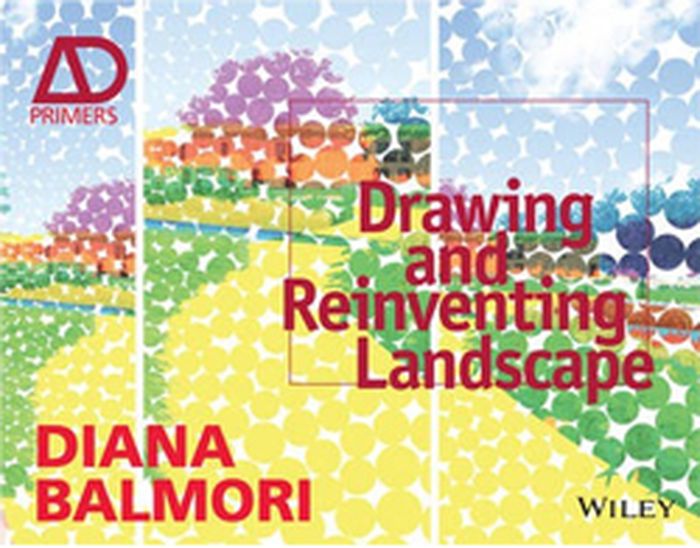
Drawing and reinventing landscape
Actions:
Prix:
$50.00
(disponible sur commande)
Résumé:
In landscape architecture, representation has become the subject of contention and much discussion. While computer techniques have been a catalyst for change across the field of design as a whole, nowhere have the conventions of representation been called into question more than in landscape architecture – which in itself is undergoing a process of reinvention. With the onset of rapid urbanisation and our shifting relationship with nature, landscape architecture has proved a potent lens for expressing a wider dialogue taking place in the world. It is, however, only through the introduction of innovative forms of representation – whether digital, analogue or hybrid – that one most vividly sees the emergence of the new. In this book, Diana Balmori explores notions of representation in the discipline at large and across time. She takes us back to landscape design’s roots in the seventeenth century in France and the eighteenth century in England, when it first grappled with questions of imagined exterior space. She explores the discipline’s relationship to painting and the influence of cartography with its bird's-eye views, topographic sections and perspectives. She highlights how new attempts at representation by modern landscape artists such as Patricia Johanson, Ian Hamilton Finlay and David Hockney continue to wrestle with the depiction of landscape.
Drawing and reinventing landscape
Actions:
Prix:
$50.00
(disponible sur commande)
Résumé:
In landscape architecture, representation has become the subject of contention and much discussion. While computer techniques have been a catalyst for change across the field of design as a whole, nowhere have the conventions of representation been called into question more than in landscape architecture – which in itself is undergoing a process of reinvention. With the onset of rapid urbanisation and our shifting relationship with nature, landscape architecture has proved a potent lens for expressing a wider dialogue taking place in the world. It is, however, only through the introduction of innovative forms of representation – whether digital, analogue or hybrid – that one most vividly sees the emergence of the new. In this book, Diana Balmori explores notions of representation in the discipline at large and across time. She takes us back to landscape design’s roots in the seventeenth century in France and the eighteenth century in England, when it first grappled with questions of imagined exterior space. She explores the discipline’s relationship to painting and the influence of cartography with its bird's-eye views, topographic sections and perspectives. She highlights how new attempts at representation by modern landscape artists such as Patricia Johanson, Ian Hamilton Finlay and David Hockney continue to wrestle with the depiction of landscape.
Classification:
livres
livres
Publication:
janvier 2015
janvier 2015
Sujet:
Théorie du paysage
Théorie du paysage
Classification:
livres
livres
Actions:
Prix:
$84.00
(disponible sur commande)
Résumé:
This monograph of work and projects by Venezuelan-born, Swiss-based architect Christian Kerez seeks to elucidate his particular approach, which emphasises how architecture does not exist in and of itself, but is rather a reflection of a practice of questioning, and of working with the unexpected. At its core, the things we take for granted must be seen again, in a new(...)
$84.00
(disponible sur commande)
Résumé:
This monograph of work and projects by Venezuelan-born, Swiss-based architect Christian Kerez seeks to elucidate his particular approach, which emphasises how architecture does not exist in and of itself, but is rather a reflection of a practice of questioning, and of working with the unexpected. At its core, the things we take for granted must be seen again, in a new(...)
Titre:
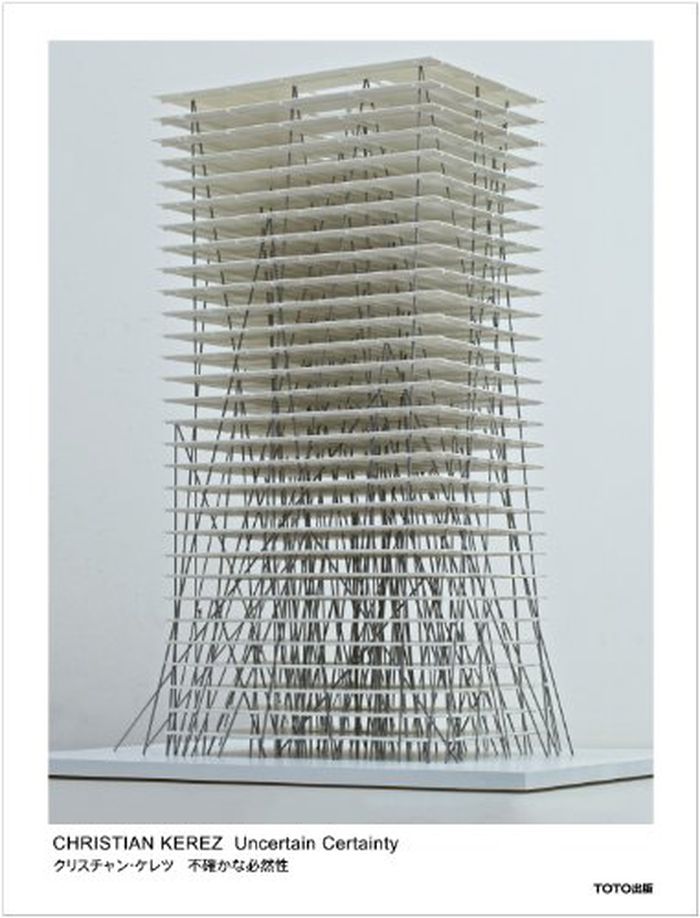
Christian Kerez: uncertain certainty
Actions:
Prix:
$84.00
(disponible sur commande)
Résumé:
This monograph of work and projects by Venezuelan-born, Swiss-based architect Christian Kerez seeks to elucidate his particular approach, which emphasises how architecture does not exist in and of itself, but is rather a reflection of a practice of questioning, and of working with the unexpected. At its core, the things we take for granted must be seen again, in a new light. Architecture critic Erwin Viray delves into this kind of reasoning in a conversation with Kerez, while the book beautifully presents examples of his designs, among them, a high-rise in Zhengzhou, the Museum of Modern Art in Warsaw, social housing in Paraisópolis and a school building in Munich.
Christian Kerez: uncertain certainty
Actions:
Prix:
$84.00
(disponible sur commande)
Résumé:
This monograph of work and projects by Venezuelan-born, Swiss-based architect Christian Kerez seeks to elucidate his particular approach, which emphasises how architecture does not exist in and of itself, but is rather a reflection of a practice of questioning, and of working with the unexpected. At its core, the things we take for granted must be seen again, in a new light. Architecture critic Erwin Viray delves into this kind of reasoning in a conversation with Kerez, while the book beautifully presents examples of his designs, among them, a high-rise in Zhengzhou, the Museum of Modern Art in Warsaw, social housing in Paraisópolis and a school building in Munich.
Classification:
livres
livres
Publication:
mars 2014
mars 2014
Sujet:
Architecture, monographies
Architecture, monographies
Classification:
livres
livres
Actions:
Prix:
$63.95
(disponible sur commande)
Résumé:
First built in Europe and grandly imported to the United States in the mid-nineteenth century, the classic multiway boulevard has been in decline for many years, victim of a narrowly focused approach to street design that views unencumbered vehicular traffic flow as the highest priority. The American preoccupation with destination and speed has made multiway boulevards(...)
$63.95
(disponible sur commande)
Résumé:
First built in Europe and grandly imported to the United States in the mid-nineteenth century, the classic multiway boulevard has been in decline for many years, victim of a narrowly focused approach to street design that views unencumbered vehicular traffic flow as the highest priority. The American preoccupation with destination and speed has made multiway boulevards(...)
Sujet:
Théorie de l’urbanisme
Théorie de l’urbanisme
Publication:
octobre 2001, Cambridge, Mass.
octobre 2001, Cambridge, Mass.
Titre:
The boulevard book : history, evolution, design of multiway boulevards
Actions:
Prix:
$63.95
(disponible sur commande)
Résumé:
First built in Europe and grandly imported to the United States in the mid-nineteenth century, the classic multiway boulevard has been in decline for many years, victim of a narrowly focused approach to street design that views unencumbered vehicular traffic flow as the highest priority. The American preoccupation with destination and speed has made multiway boulevards increasingly rare as artifacts of the urban landscape. This book reintroduces the boulevard, tree-lined and with separate realms for through traffic and for slow-paced vehicular-pedestrian movement, as an important and often crucial feature of both historic and contemporary cities. It presents more than fifty boulevards—-as varied as Avenue Montaigne, in Paris; C. G. Road, in Ahmedabad, India; and The Esplanade, in Chico, California--celebrating their usefulness and beauty. It discusses their history and evolution, the misconceptions that led to their near-demise in the United States, and their potential as a modern street type. Based on wide research, "The Boulevard Book" examines the safety of these streets and offers design guidelines for professionals, scholars, and community decision makers. Extensive plans, cross sections, and perspective drawings permit visual comparisons. The book shows how multiway boulevards respond to many issues that are central to urban life, including livability, mobility, safety, interest, economic opportunity, mass transit, and open space.
The boulevard book : history, evolution, design of multiway boulevards
Actions:
Prix:
$63.95
(disponible sur commande)
Résumé:
First built in Europe and grandly imported to the United States in the mid-nineteenth century, the classic multiway boulevard has been in decline for many years, victim of a narrowly focused approach to street design that views unencumbered vehicular traffic flow as the highest priority. The American preoccupation with destination and speed has made multiway boulevards increasingly rare as artifacts of the urban landscape. This book reintroduces the boulevard, tree-lined and with separate realms for through traffic and for slow-paced vehicular-pedestrian movement, as an important and often crucial feature of both historic and contemporary cities. It presents more than fifty boulevards—-as varied as Avenue Montaigne, in Paris; C. G. Road, in Ahmedabad, India; and The Esplanade, in Chico, California--celebrating their usefulness and beauty. It discusses their history and evolution, the misconceptions that led to their near-demise in the United States, and their potential as a modern street type. Based on wide research, "The Boulevard Book" examines the safety of these streets and offers design guidelines for professionals, scholars, and community decision makers. Extensive plans, cross sections, and perspective drawings permit visual comparisons. The book shows how multiway boulevards respond to many issues that are central to urban life, including livability, mobility, safety, interest, economic opportunity, mass transit, and open space.
Classification:
livres
livres
Publication:
octobre 2001, Cambridge, Mass.
octobre 2001, Cambridge, Mass.
Sujet:
Théorie de l’urbanisme
Théorie de l’urbanisme
Classification:
livres
livres
Titre:
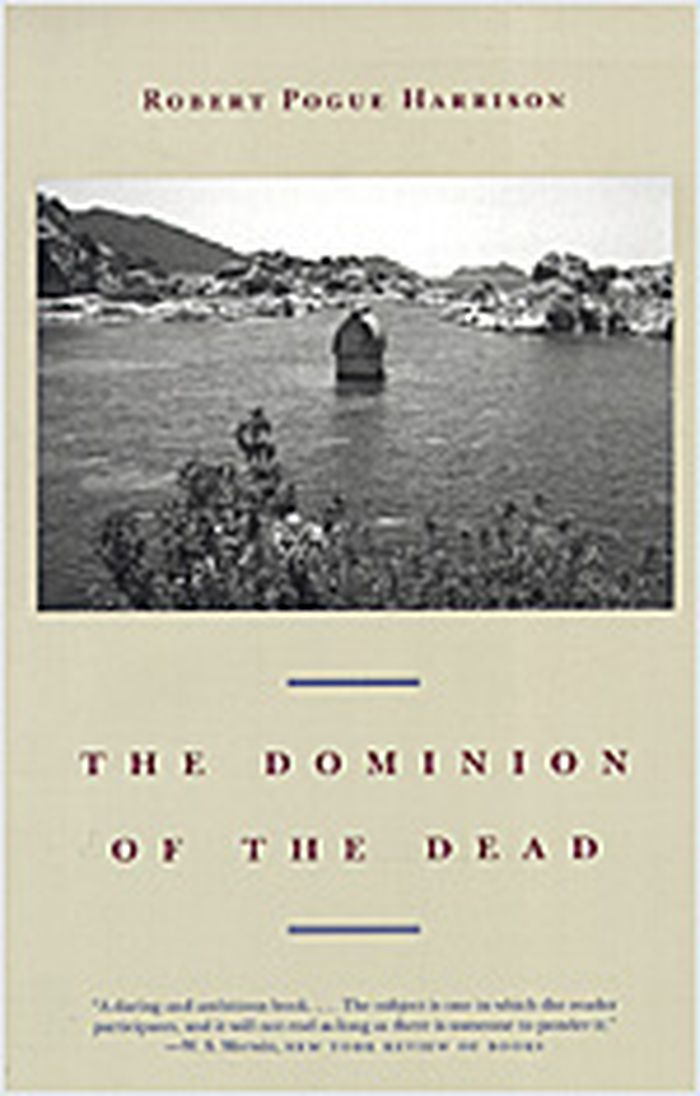
The dominion of the dead
The dominion of the dead
Actions:
Prix:
$17.50
(disponible sur commande)
Résumé:
How do the living maintain relations to the dead? Why do we bury people when they die? And what is at stake when we do? In "The dominion of the dead", Robert Pogue Harrison considers the supreme importance of these questions to Western civilization, exploring the many places where the dead cohabit the world of the living-the graves, images, literature, architecture, and(...)
$17.50
(disponible sur commande)
Résumé:
How do the living maintain relations to the dead? Why do we bury people when they die? And what is at stake when we do? In "The dominion of the dead", Robert Pogue Harrison considers the supreme importance of these questions to Western civilization, exploring the many places where the dead cohabit the world of the living-the graves, images, literature, architecture, and(...)
Titre:
The dominion of the dead
Actions:
Prix:
$17.50
(disponible sur commande)
Résumé:
How do the living maintain relations to the dead? Why do we bury people when they die? And what is at stake when we do? In "The dominion of the dead", Robert Pogue Harrison considers the supreme importance of these questions to Western civilization, exploring the many places where the dead cohabit the world of the living-the graves, images, literature, architecture, and monuments that house the dead in their afterlife among us. This work devotes particular attention to the practice of burial. Harrison contends that we bury our dead to humanize the lands where we build our present and imagine our future. As long as the dead are interred in graves and tombs, they never truly depart from this world, but remain, if only symbolically, among the living. Spanning a broad range of examples, from the graves of our first human ancestors to the empty tomb of the Gospels to the Vietnam Veterans Memorial, Harrison also considers the authority of predecessors in both modern and premodern societies. Through inspired readings of major writers and thinkers such as Vico, Virgil, Dante, Pater, Nietzsche, Heidegger, and Rilke, he argues that the buried dead form an essential foundation where future generations can retrieve their past, while burial grounds provide an important bedrock where past generations can preserve their legacy for the unborn.
The dominion of the dead
Actions:
Prix:
$17.50
(disponible sur commande)
Résumé:
How do the living maintain relations to the dead? Why do we bury people when they die? And what is at stake when we do? In "The dominion of the dead", Robert Pogue Harrison considers the supreme importance of these questions to Western civilization, exploring the many places where the dead cohabit the world of the living-the graves, images, literature, architecture, and monuments that house the dead in their afterlife among us. This work devotes particular attention to the practice of burial. Harrison contends that we bury our dead to humanize the lands where we build our present and imagine our future. As long as the dead are interred in graves and tombs, they never truly depart from this world, but remain, if only symbolically, among the living. Spanning a broad range of examples, from the graves of our first human ancestors to the empty tomb of the Gospels to the Vietnam Veterans Memorial, Harrison also considers the authority of predecessors in both modern and premodern societies. Through inspired readings of major writers and thinkers such as Vico, Virgil, Dante, Pater, Nietzsche, Heidegger, and Rilke, he argues that the buried dead form an essential foundation where future generations can retrieve their past, while burial grounds provide an important bedrock where past generations can preserve their legacy for the unborn.
Classification:
livres
livres
Publication:
mai 2005, Chicago, London
mai 2005, Chicago, London
Sujet:
Théorie du paysage
Théorie du paysage
Classification:
livres
livres
Actions:
Prix:
$82.50
(disponible sur commande)
Résumé:
In this provocative revisionist work, Evonne Levy brings fresh theoretical perspectives to the study of the "propagandistic" art and architecture of the Jesuit order as exemplified by its late Baroque Roman church interiors. The first extensive analysis of the aims, mechanisms, and effects of Jesuit art and architecture, this original and sophisticated study also(...)
$82.50
(disponible sur commande)
Résumé:
In this provocative revisionist work, Evonne Levy brings fresh theoretical perspectives to the study of the "propagandistic" art and architecture of the Jesuit order as exemplified by its late Baroque Roman church interiors. The first extensive analysis of the aims, mechanisms, and effects of Jesuit art and architecture, this original and sophisticated study also(...)
Titre:
Propaganda and the Jesuit Baroque
Actions:
Prix:
$82.50
(disponible sur commande)
Résumé:
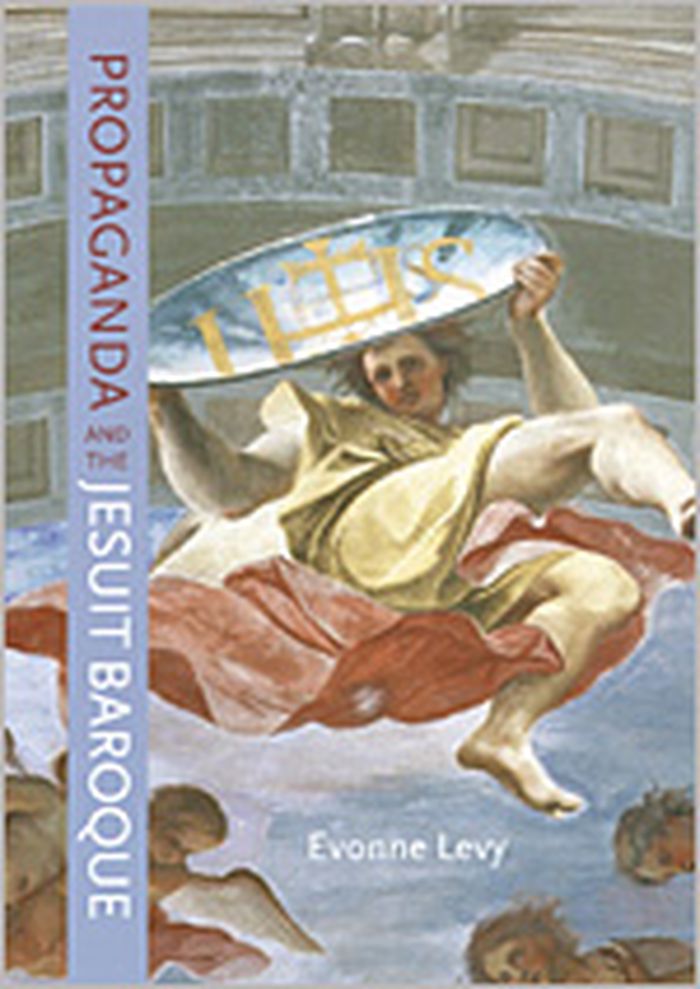
In this provocative revisionist work, Evonne Levy brings fresh theoretical perspectives to the study of the "propagandistic" art and architecture of the Jesuit order as exemplified by its late Baroque Roman church interiors. The first extensive analysis of the aims, mechanisms, and effects of Jesuit art and architecture, this original and sophisticated study also evaluates how the term "propaganda" functions in art history, distinguishes it from rhetoric, and proposes a precise use of the term for the visual arts for the first time. Levy begins by looking at Nazi architecture as a gateway to the emotional and ethical issues raised by the term "propaganda." Jesuit art once stirred similar passions, as she shows in a discussion of the controversial nineteenth-century rubric the "Jesuit Style." She then considers three central aspects of Jesuit art as essential components of propaganda: authorship, message, and diffusion. Levy tests her theoretical formulations against a broad range of documents and works of art, including the Chapel of St. Ignatius and other major works in Rome by Andrea Pozzo as well as chapels in Central Europe and Poland. Innovative in bringing a broad range of social and critical theory to bear on Baroque art and architecture in Europe and beyond, Levy's work highlights the subject-forming capacity of early modern Catholic art and architecture while establishing "propaganda" as a productive term for art history.
Propaganda and the Jesuit Baroque
Actions:
Prix:
$82.50
(disponible sur commande)
Résumé:
In this provocative revisionist work, Evonne Levy brings fresh theoretical perspectives to the study of the "propagandistic" art and architecture of the Jesuit order as exemplified by its late Baroque Roman church interiors. The first extensive analysis of the aims, mechanisms, and effects of Jesuit art and architecture, this original and sophisticated study also evaluates how the term "propaganda" functions in art history, distinguishes it from rhetoric, and proposes a precise use of the term for the visual arts for the first time. Levy begins by looking at Nazi architecture as a gateway to the emotional and ethical issues raised by the term "propaganda." Jesuit art once stirred similar passions, as she shows in a discussion of the controversial nineteenth-century rubric the "Jesuit Style." She then considers three central aspects of Jesuit art as essential components of propaganda: authorship, message, and diffusion. Levy tests her theoretical formulations against a broad range of documents and works of art, including the Chapel of St. Ignatius and other major works in Rome by Andrea Pozzo as well as chapels in Central Europe and Poland. Innovative in bringing a broad range of social and critical theory to bear on Baroque art and architecture in Europe and beyond, Levy's work highlights the subject-forming capacity of early modern Catholic art and architecture while establishing "propaganda" as a productive term for art history.
Classification:
livres
livres
Publication:
avril 2004, Berkeley
avril 2004, Berkeley
Sujet:
Histoire jusqu’à 1900
Histoire jusqu’à 1900
Classification:
livres
livres
Actions:
Prix:
$90.00
(disponible en magasin)
Résumé:
How and where we work and spend our leisure time has changed dramatically in recent years. The increased mobility and global networking that pervade all aspects of our lives have had a considerable impact on the spaces in which we live, meet, and work. SpaceCraft presents projects that meet the changing spatial needs of our modern lifestyles and that are simultaneously(...)
$90.00
(disponible en magasin)
Résumé:
How and where we work and spend our leisure time has changed dramatically in recent years. The increased mobility and global networking that pervade all aspects of our lives have had a considerable impact on the spaces in which we live, meet, and work. SpaceCraft presents projects that meet the changing spatial needs of our modern lifestyles and that are simultaneously(...)
Sujet:
Architecture miniature
Architecture miniature
Publication:
octobre 2007, Berlin
octobre 2007, Berlin
Titre:
Space craft: Fleeting architecture and hideouts
Actions:
Prix:
$90.00
(disponible en magasin)
Résumé:
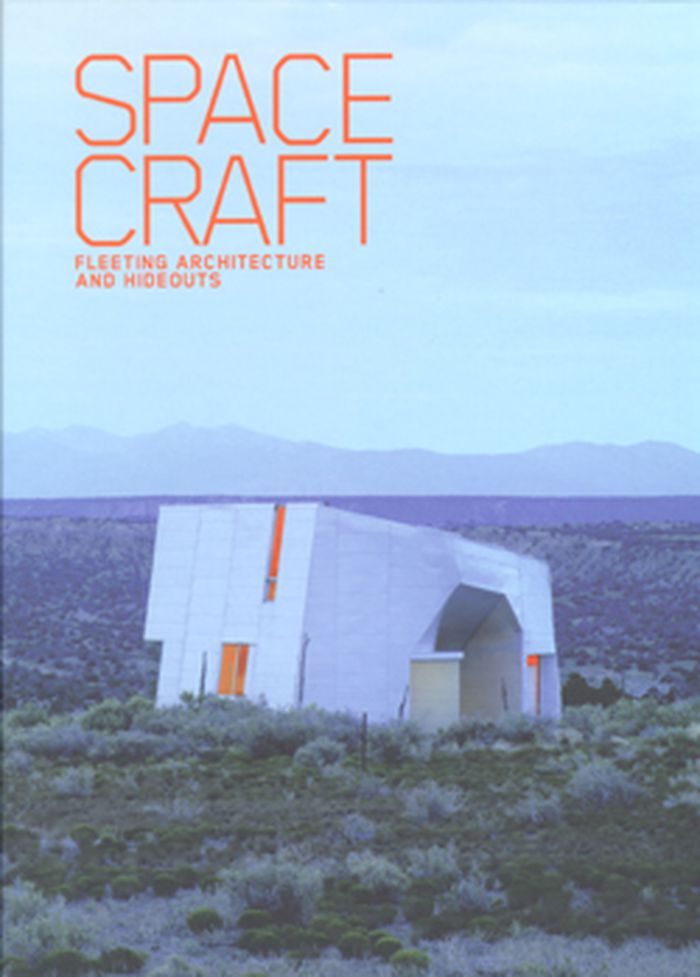
How and where we work and spend our leisure time has changed dramatically in recent years. The increased mobility and global networking that pervade all aspects of our lives have had a considerable impact on the spaces in which we live, meet, and work. SpaceCraft presents projects that meet the changing spatial needs of our modern lifestyles and that are simultaneously expanding our current understanding of architecture. On the one hand, the book features flexible, fleeting structures that only exist for a limited time; these include pavilions, art projects or exhibition spaces. On the other hand, SpaceCraft focuses on spaces that are used temporarily such as studios, offices or vacation homes. These structures, which are often used as hideouts from our hectic lives, can either blend in harmoniously with their surroundings or seem as exotic as a spaceship that has just landed. The book documents original work by architects, artists and others that is distinguished by a playful, unconventional use of space. Many of the projects are experimental interventions within urban environments that are strongly influenced by a street art context. As SpaceCraft proves, it is this contemporary influence in particular that is currently redefining the boundaries of architecture. SpaceCraft presents work that expresses our current modes of work and play. The book is thus inspiring both for architects and interior designers, and also for all creatives who work with space.
Space craft: Fleeting architecture and hideouts
Actions:
Prix:
$90.00
(disponible en magasin)
Résumé:
How and where we work and spend our leisure time has changed dramatically in recent years. The increased mobility and global networking that pervade all aspects of our lives have had a considerable impact on the spaces in which we live, meet, and work. SpaceCraft presents projects that meet the changing spatial needs of our modern lifestyles and that are simultaneously expanding our current understanding of architecture. On the one hand, the book features flexible, fleeting structures that only exist for a limited time; these include pavilions, art projects or exhibition spaces. On the other hand, SpaceCraft focuses on spaces that are used temporarily such as studios, offices or vacation homes. These structures, which are often used as hideouts from our hectic lives, can either blend in harmoniously with their surroundings or seem as exotic as a spaceship that has just landed. The book documents original work by architects, artists and others that is distinguished by a playful, unconventional use of space. Many of the projects are experimental interventions within urban environments that are strongly influenced by a street art context. As SpaceCraft proves, it is this contemporary influence in particular that is currently redefining the boundaries of architecture. SpaceCraft presents work that expresses our current modes of work and play. The book is thus inspiring both for architects and interior designers, and also for all creatives who work with space.
Classification:
livres
livres
Publication:
octobre 2007, Berlin
octobre 2007, Berlin
Sujet:
Architecture miniature
Architecture miniature
Classification:
livres
livres
Titre:
Chaos and culture: Renzo Piano Building Workshop and the Stavros Niarchos Foundation Cultural center
Chaos and culture: Renzo Piano Building Workshop and the Stavros Niarchos Foundation Cultural center
Actions:
Prix:
$66.00
(disponible sur commande)
Résumé:
In 2006 the Stavros Niarchos Foundation announced its gift of a new cultural center in Athens to house both Greek National Library and the Greek National Opera House within a forty-acre landscaped public park. Two years later, with designers and engineers in place and the project underway, the Greek economy collapsed. In "Chaos and culture", Victoria Newhouse weaves a(...)
$66.00
(disponible sur commande)
Résumé:
In 2006 the Stavros Niarchos Foundation announced its gift of a new cultural center in Athens to house both Greek National Library and the Greek National Opera House within a forty-acre landscaped public park. Two years later, with designers and engineers in place and the project underway, the Greek economy collapsed. In "Chaos and culture", Victoria Newhouse weaves a(...)
Titre:
Chaos and culture: Renzo Piano Building Workshop and the Stavros Niarchos Foundation Cultural center
Actions:
Prix:
$66.00
(disponible sur commande)
Résumé:
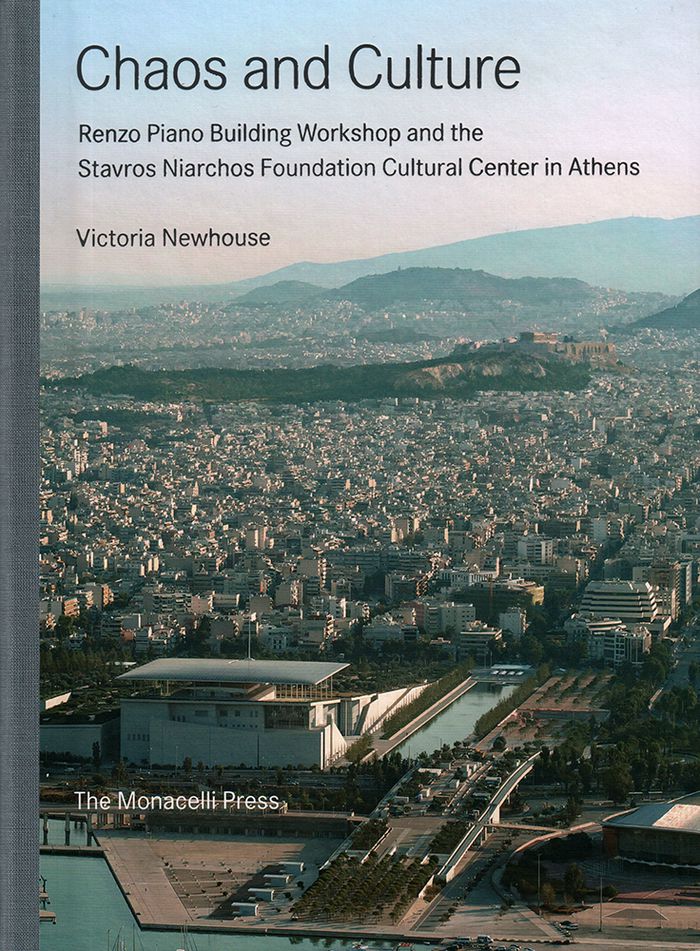
In 2006 the Stavros Niarchos Foundation announced its gift of a new cultural center in Athens to house both Greek National Library and the Greek National Opera House within a forty-acre landscaped public park. Two years later, with designers and engineers in place and the project underway, the Greek economy collapsed. In "Chaos and culture", Victoria Newhouse weaves a fascinating narrative of how a philanthropist and an extraordinary design team became convinced that architecture could serve as a beacon of hope amid Greece’s economic crisis and political upheaval. With meticulous methodology of primary research, interviews with designers, and historic context, Newhouse describes the decade-long process leading to the creation of the Stavros Niarchos Foundation Cultural Center (SNFCC), an $800 million dollar project that became the symbol of recovery and survival. The Stavros Niarchos Foundation Cultural Center (SNFCC) cannot but assume unusual cultural significance, standing as it does on a hill in view of the Parthenon (to the north) and Faliro Bay (to the south). Newhouse further situates the project within the modern history of Athens, beginning with Greece’s independence in 1832, and reaches back much earlier to describe two-thousand-year old cemeteries unearthed on the site. Aerial views by the photographer Iwan Baan are among the 200 photographs and drawings documenting the process and context of the SNFCC.
Chaos and culture: Renzo Piano Building Workshop and the Stavros Niarchos Foundation Cultural center
Actions:
Prix:
$66.00
(disponible sur commande)
Résumé:
In 2006 the Stavros Niarchos Foundation announced its gift of a new cultural center in Athens to house both Greek National Library and the Greek National Opera House within a forty-acre landscaped public park. Two years later, with designers and engineers in place and the project underway, the Greek economy collapsed. In "Chaos and culture", Victoria Newhouse weaves a fascinating narrative of how a philanthropist and an extraordinary design team became convinced that architecture could serve as a beacon of hope amid Greece’s economic crisis and political upheaval. With meticulous methodology of primary research, interviews with designers, and historic context, Newhouse describes the decade-long process leading to the creation of the Stavros Niarchos Foundation Cultural Center (SNFCC), an $800 million dollar project that became the symbol of recovery and survival. The Stavros Niarchos Foundation Cultural Center (SNFCC) cannot but assume unusual cultural significance, standing as it does on a hill in view of the Parthenon (to the north) and Faliro Bay (to the south). Newhouse further situates the project within the modern history of Athens, beginning with Greece’s independence in 1832, and reaches back much earlier to describe two-thousand-year old cemeteries unearthed on the site. Aerial views by the photographer Iwan Baan are among the 200 photographs and drawings documenting the process and context of the SNFCC.
Classification:
livres
livres
Publication:
mai 2017
mai 2017
Sujet:
Architecture, monographies
Architecture, monographies
Classification:
livres
livres
Actions:
Prix:
$75.00
(disponible sur commande)
Résumé:
The grand exhibitions of the Victorian and Edwardian eras are the lens through which Peter Hoffenberg examines the economic, cultural, and social forces that helped define Britain and the British Empire. He focuses on major exhibitions in England, Australia, and India between the Great Exhibition of 1851 and the Festival of Empire sixty years later, taking special(...)
$75.00
(disponible sur commande)
Résumé:
The grand exhibitions of the Victorian and Edwardian eras are the lens through which Peter Hoffenberg examines the economic, cultural, and social forces that helped define Britain and the British Empire. He focuses on major exhibitions in England, Australia, and India between the Great Exhibition of 1851 and the Festival of Empire sixty years later, taking special(...)
Publication:
janvier 1900, Berkeley
janvier 1900, Berkeley
Titre:
An empire on display : English, Indian, and Australian exhibitions from the Crystal Palace to the Great War
Actions:
Prix:
$75.00
(disponible sur commande)
Résumé:
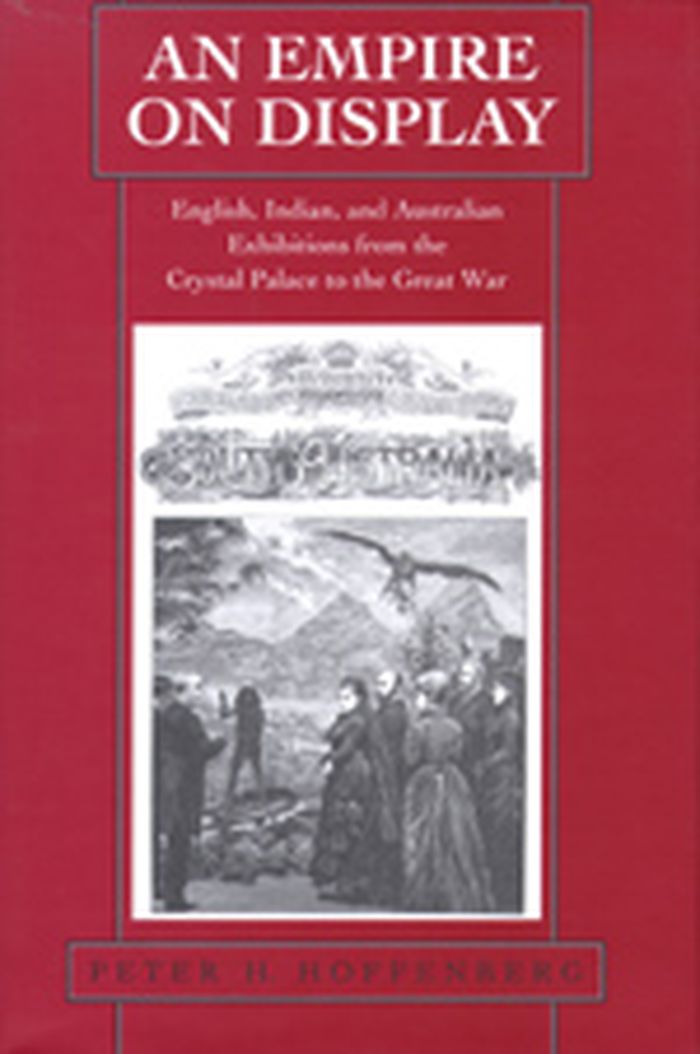
The grand exhibitions of the Victorian and Edwardian eras are the lens through which Peter Hoffenberg examines the economic, cultural, and social forces that helped define Britain and the British Empire. He focuses on major exhibitions in England, Australia, and India between the Great Exhibition of 1851 and the Festival of Empire sixty years later, taking special interest in the interactive nature of the exhibition experience, the long-term consequences for the participants and host societies, and the ways in which such popular gatherings revealed dissent as well as celebration. Hoffenberg shows how exhibitions shaped culture and society within and across borders in the transnational working of the British Empire. The exhibitions were central to establishing and developing a participatory imperial world, and each polity in that world provided distinctive information, visitors, and exhibits. Among the displays were commercial goods, working machines, and ethnographic scenes. Exhibits were intended to promote external commonwealth and internal nationalism. The imperial overlay did not erase significant differences but explained and used them in economic and cultural terms. The exhibitions in cities such as London, Sydney, and Calcutta were living and active public inventories of the Empire and its national political communities. The process of building and consuming such inventories persists today in the cultural bureaucracies, museums, and festivals of modern nation-states, the appeal to tradition and social order, and the actions of transnational bodies.
An empire on display : English, Indian, and Australian exhibitions from the Crystal Palace to the Great War
Actions:
Prix:
$75.00
(disponible sur commande)
Résumé:
The grand exhibitions of the Victorian and Edwardian eras are the lens through which Peter Hoffenberg examines the economic, cultural, and social forces that helped define Britain and the British Empire. He focuses on major exhibitions in England, Australia, and India between the Great Exhibition of 1851 and the Festival of Empire sixty years later, taking special interest in the interactive nature of the exhibition experience, the long-term consequences for the participants and host societies, and the ways in which such popular gatherings revealed dissent as well as celebration. Hoffenberg shows how exhibitions shaped culture and society within and across borders in the transnational working of the British Empire. The exhibitions were central to establishing and developing a participatory imperial world, and each polity in that world provided distinctive information, visitors, and exhibits. Among the displays were commercial goods, working machines, and ethnographic scenes. Exhibits were intended to promote external commonwealth and internal nationalism. The imperial overlay did not erase significant differences but explained and used them in economic and cultural terms. The exhibitions in cities such as London, Sydney, and Calcutta were living and active public inventories of the Empire and its national political communities. The process of building and consuming such inventories persists today in the cultural bureaucracies, museums, and festivals of modern nation-states, the appeal to tradition and social order, and the actions of transnational bodies.
Classification:
livres
livres
Publication:
janvier 1900, Berkeley
janvier 1900, Berkeley
Classification:
périodiques
périodiques

Actions:
Prix:
$33.00
(disponible sur commande)
Résumé:
In July, Melbourne experienced a second wave of the virus and the introduction of further restrictions forced the city to a standstill. Workplaces, student accommodation and universities remained empty as local businesses were also required to close their premises. During this period, we witnessed public housing residents forcibly contained to several inner-city housing(...)
$33.00
(disponible sur commande)
Résumé:
In July, Melbourne experienced a second wave of the virus and the introduction of further restrictions forced the city to a standstill. Workplaces, student accommodation and universities remained empty as local businesses were also required to close their premises. During this period, we witnessed public housing residents forcibly contained to several inner-city housing(...)
Titre:
Politics of public space, Volume 3
Actions:
Prix:
$33.00
(disponible sur commande)
Résumé:
In July, Melbourne experienced a second wave of the virus and the introduction of further restrictions forced the city to a standstill. Workplaces, student accommodation and universities remained empty as local businesses were also required to close their premises. During this period, we witnessed public housing residents forcibly contained to several inner-city housing towers, and a small minority of anti-lockdown protestors used the Shrine of Remembrance as the backdrop for a supposed symbol of individual freedom. The structures of the state, city and its residents were again laid bare. This volume addresses many of these issues by gathering talks held prior to the pandemic alongside recent interviews. Kate Shaw shows how the recent lockdown of the housing towers in Flemington and North Melbourne reveals the government's underlying attitude towards public housing tenants. Tony Birch used the Shrine of Remembrance as the site for his talk on the Indigenous protest movement Camp Sovereignty and the significance of monuments in shaping collective values. Nicole Kalms outlines the experiences of women in Melbourne's public spaces through data gathered by XYX Lab. Sarah Lynn Rees discusses the complexities of engaging and working respectfully with Traditional Owners when intervening in the built environment. Andy Fergus & Brighid Sammon expose the failings of planning in the modern development of Melbourne, and Philip Brophy declares the general failings of the built environment profession at large.
Politics of public space, Volume 3
Actions:
Prix:
$33.00
(disponible sur commande)
Résumé:
In July, Melbourne experienced a second wave of the virus and the introduction of further restrictions forced the city to a standstill. Workplaces, student accommodation and universities remained empty as local businesses were also required to close their premises. During this period, we witnessed public housing residents forcibly contained to several inner-city housing towers, and a small minority of anti-lockdown protestors used the Shrine of Remembrance as the backdrop for a supposed symbol of individual freedom. The structures of the state, city and its residents were again laid bare. This volume addresses many of these issues by gathering talks held prior to the pandemic alongside recent interviews. Kate Shaw shows how the recent lockdown of the housing towers in Flemington and North Melbourne reveals the government's underlying attitude towards public housing tenants. Tony Birch used the Shrine of Remembrance as the site for his talk on the Indigenous protest movement Camp Sovereignty and the significance of monuments in shaping collective values. Nicole Kalms outlines the experiences of women in Melbourne's public spaces through data gathered by XYX Lab. Sarah Lynn Rees discusses the complexities of engaging and working respectfully with Traditional Owners when intervening in the built environment. Andy Fergus & Brighid Sammon expose the failings of planning in the modern development of Melbourne, and Philip Brophy declares the general failings of the built environment profession at large.
Classification:
périodiques
périodiques
Publication:
juin 2021
juin 2021
Sujet:
Revues
Revues


