


2695 Résultats
Classification:
livres
livres
Actions:
Prix:
$88.00
(disponible en magasin)
Résumé:
A retrospective of Edward Burtynsky's (born 1955) photography from the past 40 years, The Great Acceleration reveals the depth of the photographer's investigation into the human alteration of natural landscapes around the world, showing their present fragility and enduring beauty in equal measure. "The Great Acceleration" is an established term used to describe the rapid(...)
$88.00
(disponible en magasin)
Résumé:
A retrospective of Edward Burtynsky's (born 1955) photography from the past 40 years, The Great Acceleration reveals the depth of the photographer's investigation into the human alteration of natural landscapes around the world, showing their present fragility and enduring beauty in equal measure. "The Great Acceleration" is an established term used to describe the rapid(...)
Titre:
Edward Burtynsky: The great acceleration
Actions:
Prix:
$88.00
(disponible en magasin)
Résumé:
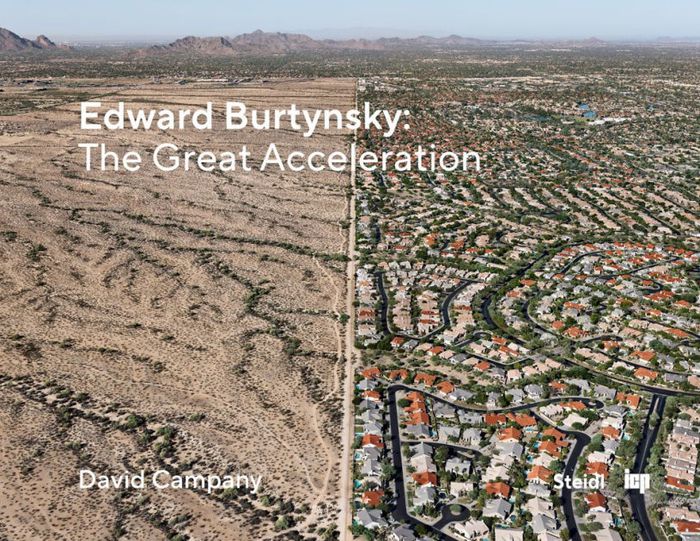
A retrospective of Edward Burtynsky's (born 1955) photography from the past 40 years, The Great Acceleration reveals the depth of the photographer's investigation into the human alteration of natural landscapes around the world, showing their present fragility and enduring beauty in equal measure. "The Great Acceleration" is an established term used to describe the rapid rise of human impact on our planet, among them population growth, water usage, transportation, greenhouse gas emissions, resource extraction and food production, each of which Burtynsky has photographed the signs of in great detail throughout his career. From open pit mines across North America to oil derricks in Azerbaijan, from rice terraces in China to oil bunkering in Nigeria, Burtynsky has traveled the world and back again as part of his restless and seemingly inexhaustible drive to discover the ways, both old and new, that organized human activity has transformed the earth. Including many of Burtynsky's landmark images, and which have never been published, the book is an urgent call to action, inviting us to appreciate the sublimity that remains in nature while deepening our understanding of the challenges and responsibilities confronting us today.
Edward Burtynsky: The great acceleration
Actions:
Prix:
$88.00
(disponible en magasin)
Résumé:
A retrospective of Edward Burtynsky's (born 1955) photography from the past 40 years, The Great Acceleration reveals the depth of the photographer's investigation into the human alteration of natural landscapes around the world, showing their present fragility and enduring beauty in equal measure. "The Great Acceleration" is an established term used to describe the rapid rise of human impact on our planet, among them population growth, water usage, transportation, greenhouse gas emissions, resource extraction and food production, each of which Burtynsky has photographed the signs of in great detail throughout his career. From open pit mines across North America to oil derricks in Azerbaijan, from rice terraces in China to oil bunkering in Nigeria, Burtynsky has traveled the world and back again as part of his restless and seemingly inexhaustible drive to discover the ways, both old and new, that organized human activity has transformed the earth. Including many of Burtynsky's landmark images, and which have never been published, the book is an urgent call to action, inviting us to appreciate the sublimity that remains in nature while deepening our understanding of the challenges and responsibilities confronting us today.
Classification:
livres
livres
Publication:
décembre 2025
décembre 2025
Sujet:
Monographies photo
Monographies photo
Classification:
livres
livres
Titre:
Joel Sternfeld: Nags Head
Joel Sternfeld: Nags Head
Actions:
Prix:
$79.00
(disponible sur commande)
Résumé:
In the summer of 1975, facing surgery with the potential of paralysis, a young Joel Sternfeld went off in search of a last idyll-- and found it in Nags Head, on North Carolina’s Outer Banks. From June to August he captured the beach town floating in time, a sense of spatial and temporal fluidity. Sternfeld’s images show beachgoers of all ages enjoying scenes of leisure(...)
$79.00
(disponible sur commande)
Résumé:
In the summer of 1975, facing surgery with the potential of paralysis, a young Joel Sternfeld went off in search of a last idyll-- and found it in Nags Head, on North Carolina’s Outer Banks. From June to August he captured the beach town floating in time, a sense of spatial and temporal fluidity. Sternfeld’s images show beachgoers of all ages enjoying scenes of leisure(...)
Titre:
Joel Sternfeld: Nags Head
Actions:
Prix:
$79.00
(disponible sur commande)
Résumé:
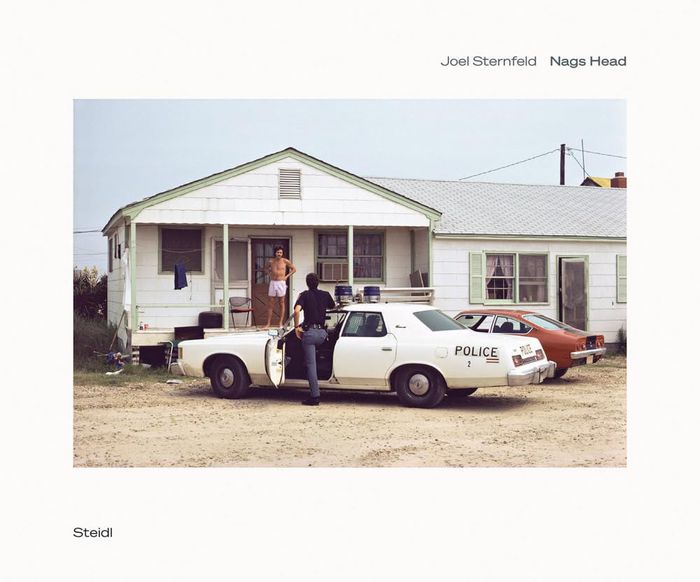
In the summer of 1975, facing surgery with the potential of paralysis, a young Joel Sternfeld went off in search of a last idyll-- and found it in Nags Head, on North Carolina’s Outer Banks. From June to August he captured the beach town floating in time, a sense of spatial and temporal fluidity. Sternfeld’s images show beachgoers of all ages enjoying scenes of leisure and partying in what became his first body of work addressing a season. Yet this summer sojourn was tragically broken by the news of the death of his brother; Sternfeld returned to New York, never to go back to Nags Head. Eventually he began working again and one day ventured to Rockaway Beach, Queens. Here he took a picture in which "all at once the ugly scene appeared beautiful to me": the hues of sand, apartments and sky fuse into a cohesive whole. This photo, with its conceptual roots in Nags Head, would lead to the color structures of Sternfeld’s magnum opus American Prospects, his ambitious realization of what he had always wanted to do: follow the seasons across America.
Joel Sternfeld: Nags Head
Actions:
Prix:
$79.00
(disponible sur commande)
Résumé:
In the summer of 1975, facing surgery with the potential of paralysis, a young Joel Sternfeld went off in search of a last idyll-- and found it in Nags Head, on North Carolina’s Outer Banks. From June to August he captured the beach town floating in time, a sense of spatial and temporal fluidity. Sternfeld’s images show beachgoers of all ages enjoying scenes of leisure and partying in what became his first body of work addressing a season. Yet this summer sojourn was tragically broken by the news of the death of his brother; Sternfeld returned to New York, never to go back to Nags Head. Eventually he began working again and one day ventured to Rockaway Beach, Queens. Here he took a picture in which "all at once the ugly scene appeared beautiful to me": the hues of sand, apartments and sky fuse into a cohesive whole. This photo, with its conceptual roots in Nags Head, would lead to the color structures of Sternfeld’s magnum opus American Prospects, his ambitious realization of what he had always wanted to do: follow the seasons across America.
Classification:
livres
livres
Publication:
juin 2024
juin 2024
Sujet:
Monographies photo
Monographies photo
Classification:
livres
livres
Actions:
Prix:
$35.95
(disponible sur commande)
Résumé:
Borrowing its title from Gregg Araki’s 2005 film, in which the camera’s contemplation of the male body encourages us to feel that body, and covering a broad span of subjects and films, Mysterious Skin offers a wider, more representative picture of the depiction of the male body in contemporary world cinemas than has hitherto been attempted. An international array of(...)
$35.95
(disponible sur commande)
Résumé:
Borrowing its title from Gregg Araki’s 2005 film, in which the camera’s contemplation of the male body encourages us to feel that body, and covering a broad span of subjects and films, Mysterious Skin offers a wider, more representative picture of the depiction of the male body in contemporary world cinemas than has hitherto been attempted. An international array of(...)
Titre:
Mysterious skin: male bodies in contemporary cinema
Actions:
Prix:
$35.95
(disponible sur commande)
Résumé:
Borrowing its title from Gregg Araki’s 2005 film, in which the camera’s contemplation of the male body encourages us to feel that body, and covering a broad span of subjects and films, Mysterious Skin offers a wider, more representative picture of the depiction of the male body in contemporary world cinemas than has hitherto been attempted. An international array of major experts explore the treatment of masculinity and the male body in the cinemas of Africa, Australia, China, France, Germany, Great Britain, India, North America, Spain, Taiwan and Vietnam, as well as Hollywood. Their common concern is to reveal how the representation of the male body is used in films to convey a country’s anxieties about its national identity and history, as well as how it engages with questions of racial, sexual or gender politics. They discuss key actors, directors and films of these countries, from Ewan MacGregor in Peter Greenaway’s The Pillow Book, through the films of Wong Kar Wai, to Paul Hogan as Mick Dundee in Crocodile Dundee. In so doing, Mysterious Skin also provides a strong overview of important cinema produced around the world in the last twenty years.
Mysterious skin: male bodies in contemporary cinema
Actions:
Prix:
$35.95
(disponible sur commande)
Résumé:
Borrowing its title from Gregg Araki’s 2005 film, in which the camera’s contemplation of the male body encourages us to feel that body, and covering a broad span of subjects and films, Mysterious Skin offers a wider, more representative picture of the depiction of the male body in contemporary world cinemas than has hitherto been attempted. An international array of major experts explore the treatment of masculinity and the male body in the cinemas of Africa, Australia, China, France, Germany, Great Britain, India, North America, Spain, Taiwan and Vietnam, as well as Hollywood. Their common concern is to reveal how the representation of the male body is used in films to convey a country’s anxieties about its national identity and history, as well as how it engages with questions of racial, sexual or gender politics. They discuss key actors, directors and films of these countries, from Ewan MacGregor in Peter Greenaway’s The Pillow Book, through the films of Wong Kar Wai, to Paul Hogan as Mick Dundee in Crocodile Dundee. In so doing, Mysterious Skin also provides a strong overview of important cinema produced around the world in the last twenty years.
Classification:
livres
livres
Publication:
janvier 1900
janvier 1900
Classification:
livres
livres
Titre:
Taking to the streets: crowds, politics, and the urban experience in mid-nineteenth-Century Montreal
Taking to the streets: crowds, politics, and the urban experience in mid-nineteenth-Century Montreal
Actions:
Prix:
$37.95
(disponible sur commande)
Résumé:
The 1840s were a period of rapid growth and social conflict in Montreal. The city''s public life was marked by a series of labour conflicts and bloody sectarian riots; at the same time, the ways that elites wielded power and ordinary people engaged in the political process were changing, particularly in public space. In Taking to the Streets Dan Horner examines how the(...)
$37.95
(disponible sur commande)
Résumé:
The 1840s were a period of rapid growth and social conflict in Montreal. The city''s public life was marked by a series of labour conflicts and bloody sectarian riots; at the same time, the ways that elites wielded power and ordinary people engaged in the political process were changing, particularly in public space. In Taking to the Streets Dan Horner examines how the(...)
Titre:
Taking to the streets: crowds, politics, and the urban experience in mid-nineteenth-Century Montreal
Actions:
Prix:
$37.95
(disponible sur commande)
Résumé:
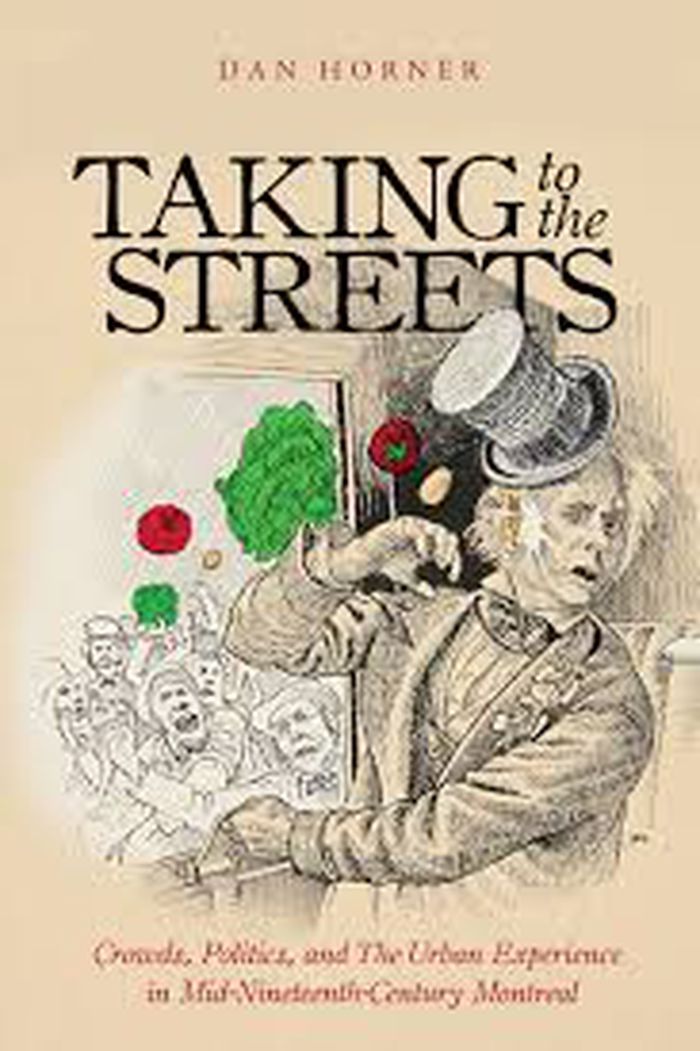
The 1840s were a period of rapid growth and social conflict in Montreal. The city''s public life was marked by a series of labour conflicts and bloody sectarian riots; at the same time, the ways that elites wielded power and ordinary people engaged in the political process were changing, particularly in public space. In Taking to the Streets Dan Horner examines how the urban environment became a vital and contentious political site during the tumultuous period from the end of the 1837-38 rebellions to the burning of Parliament in 1849. Employing a close reading of newspaper and judicial archives, he looks at a broad range of collective crowd experiences, including riots, labour demonstrations, religious processions, and parades. By examining how crowd events were used both to assert claims of political authority and to challenge their legitimacy, Horner charts the development of a contentious democratic political culture in British North America. Taking to the Streets is an important contribution to the political and urban history of pre-Confederation Canada and a timely reminder of how Montrealers from all walks of life have always used the streets to build community and make their voices heard.
Taking to the streets: crowds, politics, and the urban experience in mid-nineteenth-Century Montreal
Actions:
Prix:
$37.95
(disponible sur commande)
Résumé:
The 1840s were a period of rapid growth and social conflict in Montreal. The city''s public life was marked by a series of labour conflicts and bloody sectarian riots; at the same time, the ways that elites wielded power and ordinary people engaged in the political process were changing, particularly in public space. In Taking to the Streets Dan Horner examines how the urban environment became a vital and contentious political site during the tumultuous period from the end of the 1837-38 rebellions to the burning of Parliament in 1849. Employing a close reading of newspaper and judicial archives, he looks at a broad range of collective crowd experiences, including riots, labour demonstrations, religious processions, and parades. By examining how crowd events were used both to assert claims of political authority and to challenge their legitimacy, Horner charts the development of a contentious democratic political culture in British North America. Taking to the Streets is an important contribution to the political and urban history of pre-Confederation Canada and a timely reminder of how Montrealers from all walks of life have always used the streets to build community and make their voices heard.
Classification:
livres
livres
Publication:
juin 2020
juin 2020
Classification:
livres
livres
Titre:
New museum design
New museum design
Actions:
Prix:
$73.50
(disponible sur commande)
Résumé:
"New museum design" provides a critical and compelling selective survey of contemporary international museum design since 2010. It provides an accessible and analytic review of the architectural landscape of museum and gallery design in the 2010s. The book comprises twelve case study museum and gallery projects from across Europe, Asia, North America, Africa, the(...)
$73.50
(disponible sur commande)
Résumé:
"New museum design" provides a critical and compelling selective survey of contemporary international museum design since 2010. It provides an accessible and analytic review of the architectural landscape of museum and gallery design in the 2010s. The book comprises twelve case study museum and gallery projects from across Europe, Asia, North America, Africa, the(...)
Titre:
New museum design
Actions:
Prix:
$73.50
(disponible sur commande)
Résumé:
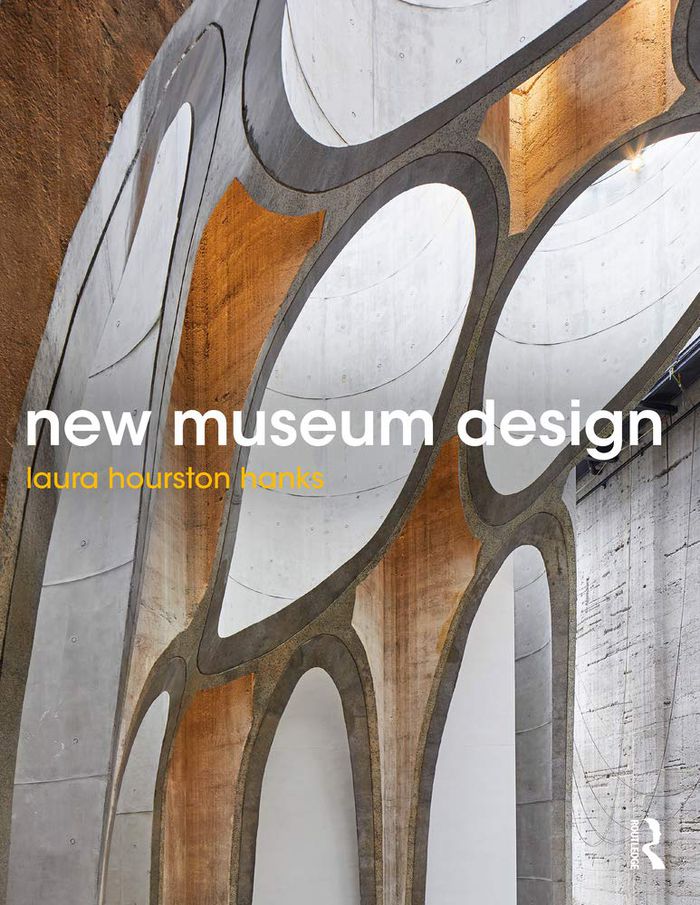
"New museum design" provides a critical and compelling selective survey of contemporary international museum design since 2010. It provides an accessible and analytic review of the architectural landscape of museum and gallery design in the 2010s. The book comprises twelve case study museum and gallery projects from across Europe, Asia, North America, Africa, the Middle East and Australia. Each built example is interrogated through an essay and a series of beautiful supporting illustrations and drawings. Where appropriate architectural analysis is cross-scale, extending from consideration of the artefact’s encounter with museum space at the most intimate scale, through detailed architectural readings, to the wider perspective of urban/landscape response. Similarly, the book is not confined in its thematic or architectural ‘typological’ scope, including museums and art galleries, as well as remodellings, extensions and new build examples. "New museum design" provides a critical snapshot of contemporary international museum architecture, in order to: better understand reasons for the state of current practice; reveal and explore on-going themes and approaches in the field; and to point towards seminal future design directions. This book is essential reading for any student or professional interested in museum design.
New museum design
Actions:
Prix:
$73.50
(disponible sur commande)
Résumé:
"New museum design" provides a critical and compelling selective survey of contemporary international museum design since 2010. It provides an accessible and analytic review of the architectural landscape of museum and gallery design in the 2010s. The book comprises twelve case study museum and gallery projects from across Europe, Asia, North America, Africa, the Middle East and Australia. Each built example is interrogated through an essay and a series of beautiful supporting illustrations and drawings. Where appropriate architectural analysis is cross-scale, extending from consideration of the artefact’s encounter with museum space at the most intimate scale, through detailed architectural readings, to the wider perspective of urban/landscape response. Similarly, the book is not confined in its thematic or architectural ‘typological’ scope, including museums and art galleries, as well as remodellings, extensions and new build examples. "New museum design" provides a critical snapshot of contemporary international museum architecture, in order to: better understand reasons for the state of current practice; reveal and explore on-going themes and approaches in the field; and to point towards seminal future design directions. This book is essential reading for any student or professional interested in museum design.
Classification:
livres
livres
Publication:
avril 2021
avril 2021
Classification:
livres
livres
Actions:
Exemplaires:
Description:
320 pages : illustrations (some color) ; 25 cm
Description:
320 pages : illustrations (some color) ; 25 cm
Auteur:
Sujet:
Publication:
Boston : Little, Brown and Company, [1992]., ©1992
Boston : Little, Brown and Company, [1992]., ©1992
Titre:
The City Assembled : The Elements of Urban Form Through History / Spiro Kostof with the collaboration of Greg Castillo ; original drawings by Richard Tobias.
Actions:
Exemplaires:
Description:
320 pages : illustrations (some color) ; 25 cm
The City Assembled : The Elements of Urban Form Through History / Spiro Kostof with the collaboration of Greg Castillo ; original drawings by Richard Tobias.
Actions:
Exemplaires:
Description:
320 pages : illustrations (some color) ; 25 cm
Classification:
livres
livres
Publication:
Boston : Little, Brown and Company, [1992]., ©1992
Boston : Little, Brown and Company, [1992]., ©1992
Auteur:
Sujet:
Classification:
livres
livres
Titre:
City cycling
City cycling
Actions:
Prix:
$31.95
(disponible sur commande)
Résumé:
Bicycling in cities is booming, for many reasons: health and environmental benefits, time and cost savings, more and better bike lanes and paths, innovative bike sharing programs, and the sheer fun of riding. City Cycling offers a guide to this urban cycling, with the goal of promoting cycling as sustainable urban transportation available to everyone. It reports on(...)
$31.95
(disponible sur commande)
Résumé:
Bicycling in cities is booming, for many reasons: health and environmental benefits, time and cost savings, more and better bike lanes and paths, innovative bike sharing programs, and the sheer fun of riding. City Cycling offers a guide to this urban cycling, with the goal of promoting cycling as sustainable urban transportation available to everyone. It reports on(...)
Titre:
City cycling
Actions:
Prix:
$31.95
(disponible sur commande)
Résumé:
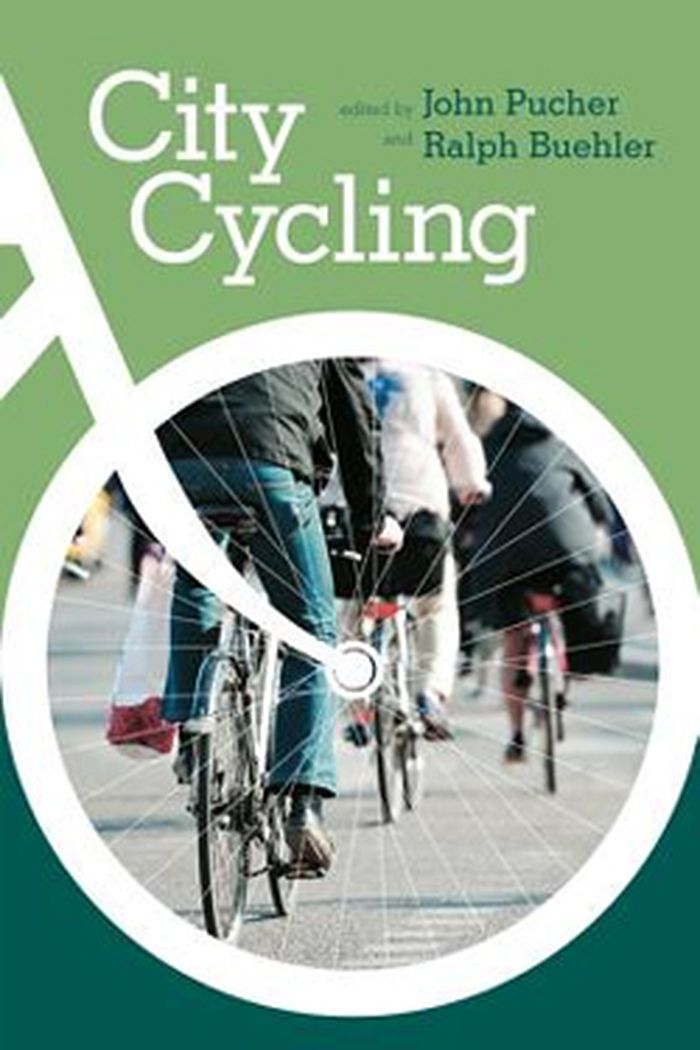
Bicycling in cities is booming, for many reasons: health and environmental benefits, time and cost savings, more and better bike lanes and paths, innovative bike sharing programs, and the sheer fun of riding. City Cycling offers a guide to this urban cycling, with the goal of promoting cycling as sustainable urban transportation available to everyone. It reports on cycling trends and policies in cities in North America, Europe, and Australia, and offers information on such topics as cycling safety, cycling infrastructure provisions including bikeways and bike parking, the wide range of bike designs and bike equipment, integration of cycling with public transportation, and promoting cycling for women and children. The chapters describe ways to make city cycling feasible, convenient, and safe for commutes to work and school, shopping trips, visits, and other daily transportation needs. The book also offers detailed examinations and illustrations of cycling conditions in different urban environments: small cities (including Davis, California, and Delft, the Netherlands), large cities (including Sydney, Chicago, Toronto and Berlin), and "megacities" (London, New York, Paris, and Tokyo). These chapters offer a closer look at how cities both with and without historical cycling cultures have developed cycling programs over time. The book makes clear that successful promotion of city cycling depends on coordinating infrastructure, programs, and government policies.
City cycling
Actions:
Prix:
$31.95
(disponible sur commande)
Résumé:
Bicycling in cities is booming, for many reasons: health and environmental benefits, time and cost savings, more and better bike lanes and paths, innovative bike sharing programs, and the sheer fun of riding. City Cycling offers a guide to this urban cycling, with the goal of promoting cycling as sustainable urban transportation available to everyone. It reports on cycling trends and policies in cities in North America, Europe, and Australia, and offers information on such topics as cycling safety, cycling infrastructure provisions including bikeways and bike parking, the wide range of bike designs and bike equipment, integration of cycling with public transportation, and promoting cycling for women and children. The chapters describe ways to make city cycling feasible, convenient, and safe for commutes to work and school, shopping trips, visits, and other daily transportation needs. The book also offers detailed examinations and illustrations of cycling conditions in different urban environments: small cities (including Davis, California, and Delft, the Netherlands), large cities (including Sydney, Chicago, Toronto and Berlin), and "megacities" (London, New York, Paris, and Tokyo). These chapters offer a closer look at how cities both with and without historical cycling cultures have developed cycling programs over time. The book makes clear that successful promotion of city cycling depends on coordinating infrastructure, programs, and government policies.
Classification:
livres
livres
Publication:
novembre 2012
novembre 2012
Classification:
livres
livres
Actions:
Prix:
$39.95
(disponible sur commande)
Résumé:
Letters profiles Canadian artist Michael Morris during the period between 1964 and 1971 with a particular focus on his relationship with concrete poetry, considered to be among the first global art movements, springing up in South and North America, Japan and Europe. Artist, educator, and curator Michael Morris has been a key figure in the West Coast art scene for more(...)
$39.95
(disponible sur commande)
Résumé:
Letters profiles Canadian artist Michael Morris during the period between 1964 and 1971 with a particular focus on his relationship with concrete poetry, considered to be among the first global art movements, springing up in South and North America, Japan and Europe. Artist, educator, and curator Michael Morris has been a key figure in the West Coast art scene for more(...)
Titre:
Letters: Michael Morris and concrete poetry
Actions:
Prix:
$39.95
(disponible sur commande)
Résumé:
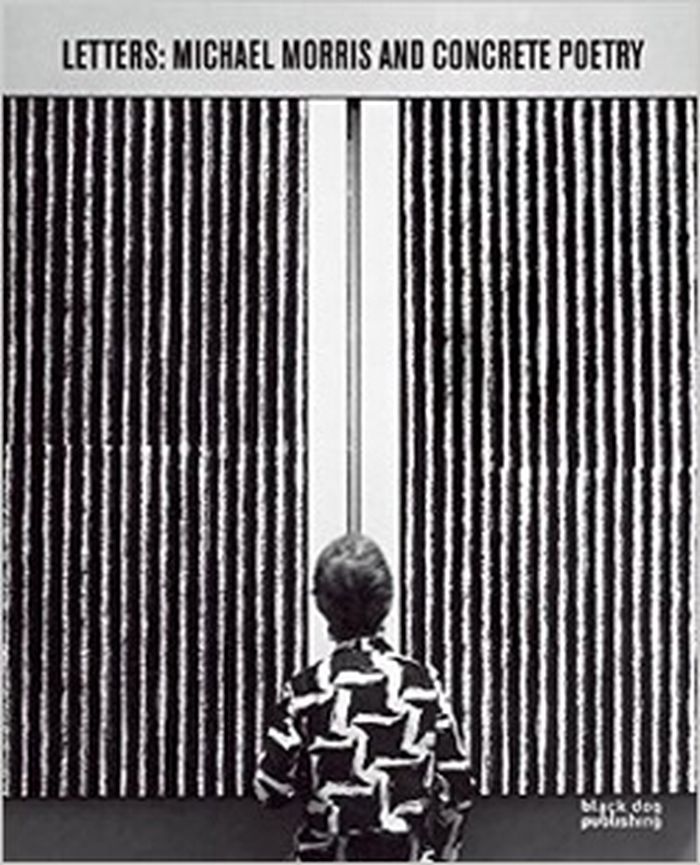
Letters profiles Canadian artist Michael Morris during the period between 1964 and 1971 with a particular focus on his relationship with concrete poetry, considered to be among the first global art movements, springing up in South and North America, Japan and Europe. Artist, educator, and curator Michael Morris has been a key figure in the West Coast art scene for more than four decades. His interest in concrete poems underlies his desire to develop the relationship between one medium and another—this was a period in which his work shifted from primarily painting to photography, sculpture, performance, and video. Artist, educator, and curator Michael Morris has been a key figure in the West Coast art scene for more than four decades. His interest in concrete poems underlies his desire to develop the relationship between one medium and another—this was a period in which his work shifted from primarily painting to photography, sculpture, performance, and video. Letters, a series of six painted triptychs executed in the late 1960s that form the basis of this book, embody this interdisciplinary thinking. Incorporating vertical mirrors, they were imagined not only as objects in themselves, expressing the pivotal role light plays in painting, but also as ‘props’, before which a dance performance might take place.
Letters: Michael Morris and concrete poetry
Actions:
Prix:
$39.95
(disponible sur commande)
Résumé:
Letters profiles Canadian artist Michael Morris during the period between 1964 and 1971 with a particular focus on his relationship with concrete poetry, considered to be among the first global art movements, springing up in South and North America, Japan and Europe. Artist, educator, and curator Michael Morris has been a key figure in the West Coast art scene for more than four decades. His interest in concrete poems underlies his desire to develop the relationship between one medium and another—this was a period in which his work shifted from primarily painting to photography, sculpture, performance, and video. Artist, educator, and curator Michael Morris has been a key figure in the West Coast art scene for more than four decades. His interest in concrete poems underlies his desire to develop the relationship between one medium and another—this was a period in which his work shifted from primarily painting to photography, sculpture, performance, and video. Letters, a series of six painted triptychs executed in the late 1960s that form the basis of this book, embody this interdisciplinary thinking. Incorporating vertical mirrors, they were imagined not only as objects in themselves, expressing the pivotal role light plays in painting, but also as ‘props’, before which a dance performance might take place.
Classification:
livres
livres
Publication:
mars 2015
mars 2015
Sujet:
Art canadien
Art canadien
Classification:
livres
livres
Prix:
$32.50
(disponible sur commande)
Résumé:
"Museum frictions" is the third volume in a series on culture, society, and museums. "Museum frictions" is an illustrated examination of the significant and varied effects of the increasingly globalized world on contemporary museum, heritage, and exhibition practice. The contributors — scholars, artists, and curators —present case studies drawn from Africa, Australia,(...)
$32.50
(disponible sur commande)
Résumé:
"Museum frictions" is the third volume in a series on culture, society, and museums. "Museum frictions" is an illustrated examination of the significant and varied effects of the increasingly globalized world on contemporary museum, heritage, and exhibition practice. The contributors — scholars, artists, and curators —present case studies drawn from Africa, Australia,(...)
Sujet:
Muséologie
Muséologie
Publication:
janvier 2007, Durham, London
janvier 2007, Durham, London
Titre:
Museum frictions : public cultures / global transformations
Actions:
Prix:
$32.50
(disponible sur commande)
Résumé:
"Museum frictions" is the third volume in a series on culture, society, and museums. "Museum frictions" is an illustrated examination of the significant and varied effects of the increasingly globalized world on contemporary museum, heritage, and exhibition practice. The contributors — scholars, artists, and curators —present case studies drawn from Africa, Australia, North and South America, Europe, and Asia. Together they offer a multifaceted analysis of the complex roles that national and community museums, museums of art and history, monuments, heritage sites, and theme parks play in creating public cultures. Whether contrasting the transformation of Africa’s oldest museum, the South Africa Museum, with one of its newest, the Lwandle Migrant Labor Museum; offering an interpretation of the audio guide at the Guggenheim Bilbao; reflecting on the relative paucity of art museums in Peru and Cambodia; considering representations of slavery in the United States and Ghana; or meditating on the ramifications of an exhibition of Australian aboriginal art at the Asia Society in New York City, the contributors highlight the frictions, contradictions, and collaborations emerging in museums and heritage sites around the world. The volume opens with an extensive introductory essay by Ivan Karp and Corinne A. Kratz, leading scholars in museum and heritage studies.
Museum frictions : public cultures / global transformations
Actions:
Prix:
$32.50
(disponible sur commande)
Résumé:
"Museum frictions" is the third volume in a series on culture, society, and museums. "Museum frictions" is an illustrated examination of the significant and varied effects of the increasingly globalized world on contemporary museum, heritage, and exhibition practice. The contributors — scholars, artists, and curators —present case studies drawn from Africa, Australia, North and South America, Europe, and Asia. Together they offer a multifaceted analysis of the complex roles that national and community museums, museums of art and history, monuments, heritage sites, and theme parks play in creating public cultures. Whether contrasting the transformation of Africa’s oldest museum, the South Africa Museum, with one of its newest, the Lwandle Migrant Labor Museum; offering an interpretation of the audio guide at the Guggenheim Bilbao; reflecting on the relative paucity of art museums in Peru and Cambodia; considering representations of slavery in the United States and Ghana; or meditating on the ramifications of an exhibition of Australian aboriginal art at the Asia Society in New York City, the contributors highlight the frictions, contradictions, and collaborations emerging in museums and heritage sites around the world. The volume opens with an extensive introductory essay by Ivan Karp and Corinne A. Kratz, leading scholars in museum and heritage studies.
Classification:
livres
livres
Publication:
janvier 2007, Durham, London
janvier 2007, Durham, London
Sujet:
Muséologie
Muséologie
Classification:
livres
livres
Actions:
Prix:
$98.00
(disponible sur commande)
Résumé:
Robert A. M. Stern is dedicated to the synthesis of tradition and innovation. In more than thirty-five years of practice, he has produced a wide range of building types with a variety of stylistic influences, all inspired by the great legacy of American architecture. His firm, Robert A. M. Stern architects, was first recognized for its distinguished houses, and(...)
$98.00
(disponible sur commande)
Résumé:
Robert A. M. Stern is dedicated to the synthesis of tradition and innovation. In more than thirty-five years of practice, he has produced a wide range of building types with a variety of stylistic influences, all inspired by the great legacy of American architecture. His firm, Robert A. M. Stern architects, was first recognized for its distinguished houses, and(...)
Titre:
Robert A. M. Stern : houses and gardens
Actions:
Prix:
$98.00
(disponible sur commande)
Résumé:
Robert A. M. Stern is dedicated to the synthesis of tradition and innovation. In more than thirty-five years of practice, he has produced a wide range of building types with a variety of stylistic influences, all inspired by the great legacy of American architecture. His firm, Robert A. M. Stern architects, was first recognized for its distinguished houses, and residential design remains the cornerstone of the practice. This illustrated monograph-a companion to "Robert A. M. Stern: houses"- presents twenty-six of the firm's most memorable houses. Located in diverse settings across North America-from a valley in Colorado with views of the Aspen mountains to a bluff overlooking Long Island Sound to an island off the coast of British Columbia-these houses reveal the architect's emphasis on the importance of context and his dedication to exploring the nature of space. Each house invokes the vernacular architectural heritage particular to its region while reflecting its unique natural surroundings. Whether they are Shingle style "cottages" by the sea, colonial Georgian country estates, or elegant Regency designs, Stern's houses are unique both for their timelessness and their ability to evoke a conversation with the past-a dialogue he believes lies at the heart of architecture.
Robert A. M. Stern : houses and gardens
Actions:
Prix:
$98.00
(disponible sur commande)
Résumé:
Robert A. M. Stern is dedicated to the synthesis of tradition and innovation. In more than thirty-five years of practice, he has produced a wide range of building types with a variety of stylistic influences, all inspired by the great legacy of American architecture. His firm, Robert A. M. Stern architects, was first recognized for its distinguished houses, and residential design remains the cornerstone of the practice. This illustrated monograph-a companion to "Robert A. M. Stern: houses"- presents twenty-six of the firm's most memorable houses. Located in diverse settings across North America-from a valley in Colorado with views of the Aspen mountains to a bluff overlooking Long Island Sound to an island off the coast of British Columbia-these houses reveal the architect's emphasis on the importance of context and his dedication to exploring the nature of space. Each house invokes the vernacular architectural heritage particular to its region while reflecting its unique natural surroundings. Whether they are Shingle style "cottages" by the sea, colonial Georgian country estates, or elegant Regency designs, Stern's houses are unique both for their timelessness and their ability to evoke a conversation with the past-a dialogue he believes lies at the heart of architecture.
Classification:
livres
livres
Publication:
décembre 2005, New York
décembre 2005, New York
Sujet:
Architecture, monographies
Architecture, monographies


