


299 Résultats
Classification:
livres
livres
Titre:
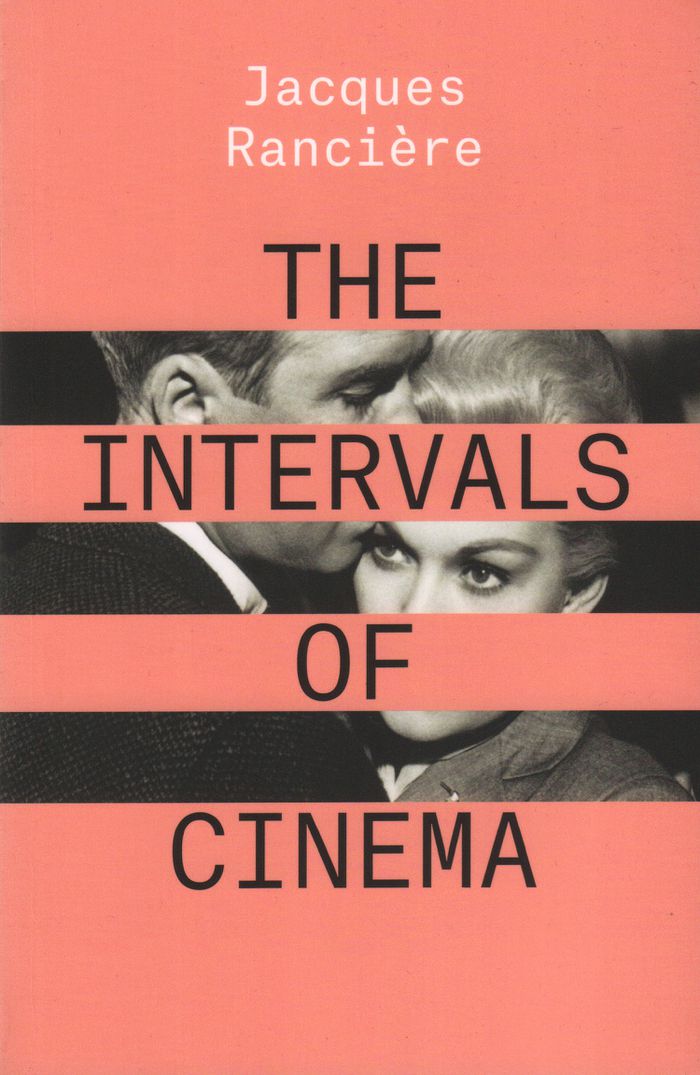
The intervals of cinema
The intervals of cinema
Actions:
Prix:
$25.95
(disponible sur commande)
Résumé:
The cinema, like language, can be said to exist as a system of differences. In his latest book, the acclaimed philosopher Jacques Rancière relates cinema to literature and theatre. With literature, he argues, cinema takes its narrative conventions, while at the same time effacing its images and its philosophy; and it rejects theatre, while also fulfilling theatre’s dream.(...)
$25.95
(disponible sur commande)
Résumé:
The cinema, like language, can be said to exist as a system of differences. In his latest book, the acclaimed philosopher Jacques Rancière relates cinema to literature and theatre. With literature, he argues, cinema takes its narrative conventions, while at the same time effacing its images and its philosophy; and it rejects theatre, while also fulfilling theatre’s dream.(...)
Publication:
septembre 2019
septembre 2019
Titre:
The intervals of cinema
Actions:
Prix:
$25.95
(disponible sur commande)
Résumé:
The cinema, like language, can be said to exist as a system of differences. In his latest book, the acclaimed philosopher Jacques Rancière relates cinema to literature and theatre. With literature, he argues, cinema takes its narrative conventions, while at the same time effacing its images and its philosophy; and it rejects theatre, while also fulfilling theatre’s dream. Built on these contradictions, the cinema is the real, material space in which one feels moved by the spectacle of shadows. Thus for Rancière, the cinema is the always disappointed dream of a language of images.
The intervals of cinema
Actions:
Prix:
$25.95
(disponible sur commande)
Résumé:
The cinema, like language, can be said to exist as a system of differences. In his latest book, the acclaimed philosopher Jacques Rancière relates cinema to literature and theatre. With literature, he argues, cinema takes its narrative conventions, while at the same time effacing its images and its philosophy; and it rejects theatre, while also fulfilling theatre’s dream. Built on these contradictions, the cinema is the real, material space in which one feels moved by the spectacle of shadows. Thus for Rancière, the cinema is the always disappointed dream of a language of images.
Classification:
livres
livres
Publication:
septembre 2019
septembre 2019
Classification:
livres
livres
Actions:
Prix:
$36.00
(disponible sur commande)
Résumé:
In the tradition of "Paris, Texas" and "Faraway, So Close", the texts and pictures in this publication weave ambiguous and moving narratives in fits of rhythmic prose and inventive imagery. Prefaced by Wenders' poetic meditations on the metaphysics of photography and film, the book consists of short, autobiographical sketches relating Wenders' experiences — both(...)
$36.00
(disponible sur commande)
Résumé:
In the tradition of "Paris, Texas" and "Faraway, So Close", the texts and pictures in this publication weave ambiguous and moving narratives in fits of rhythmic prose and inventive imagery. Prefaced by Wenders' poetic meditations on the metaphysics of photography and film, the book consists of short, autobiographical sketches relating Wenders' experiences — both(...)
Publication:
octobre 2010
octobre 2010
Titre:
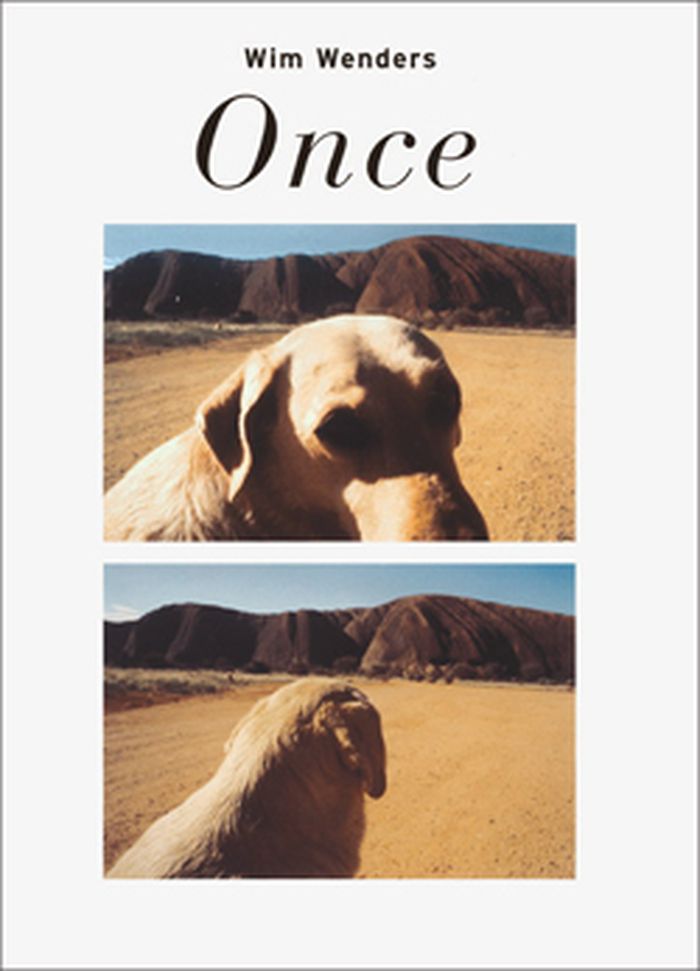
Wim Wenders : once, pictures and stories
Actions:
Prix:
$36.00
(disponible sur commande)
Résumé:
In the tradition of "Paris, Texas" and "Faraway, So Close", the texts and pictures in this publication weave ambiguous and moving narratives in fits of rhythmic prose and inventive imagery. Prefaced by Wenders' poetic meditations on the metaphysics of photography and film, the book consists of short, autobiographical sketches relating Wenders' experiences — both meaningful and apparently trivial — on his trips across the world scouting locations for his films, as well as photographs taken during these excursions. The result is at once travel diary, photo album, and a series of short films or short stories — revealing the views and sentiments of an auteur inspired by the poetry of the eye and the melody of speech.
Wim Wenders : once, pictures and stories
Actions:
Prix:
$36.00
(disponible sur commande)
Résumé:
In the tradition of "Paris, Texas" and "Faraway, So Close", the texts and pictures in this publication weave ambiguous and moving narratives in fits of rhythmic prose and inventive imagery. Prefaced by Wenders' poetic meditations on the metaphysics of photography and film, the book consists of short, autobiographical sketches relating Wenders' experiences — both meaningful and apparently trivial — on his trips across the world scouting locations for his films, as well as photographs taken during these excursions. The result is at once travel diary, photo album, and a series of short films or short stories — revealing the views and sentiments of an auteur inspired by the poetry of the eye and the melody of speech.
Classification:
livres
livres
Publication:
octobre 2010
octobre 2010
Classification:
livres
livres
Titre:
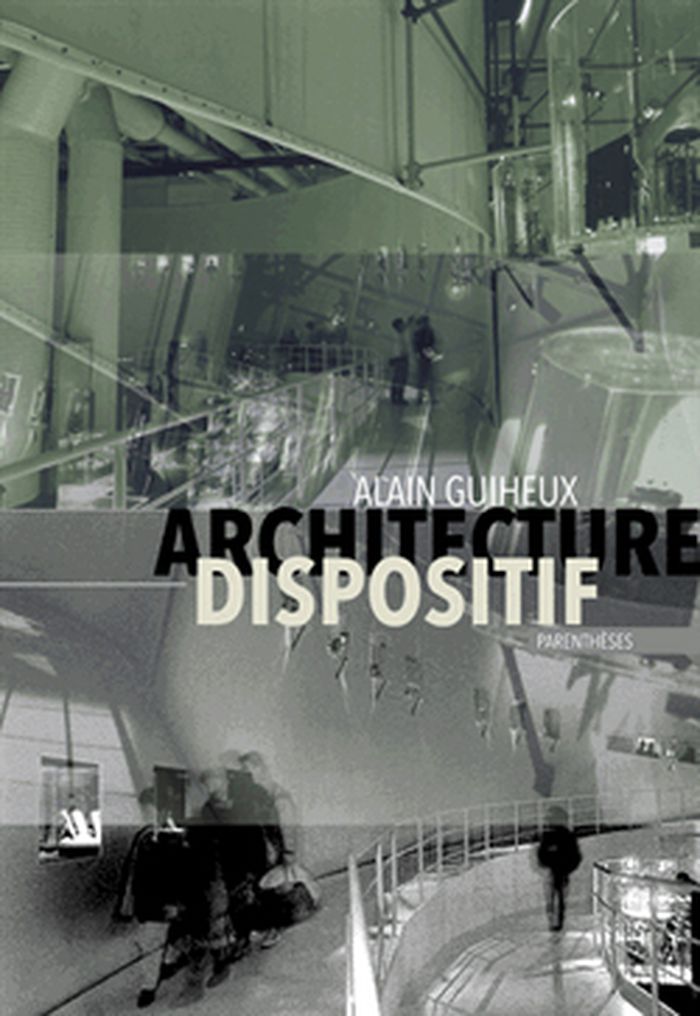
Architecture dispositif
Architecture dispositif
Actions:
Prix:
$42.95
(disponible sur commande)
Résumé:
De la critique théorique à l'analyse des tendances, de la théorie des objets à la scénographie ou à l'aménagement du territoire, l'architecture est toujours un projet. Elle interroge par le projet, invente formes et concepts ; participe davantage à la transformation des sujets, des manières d'être et de percevoir qu'elle ne construit des bâtiments. L'objet qu'elle partage(...)
$42.95
(disponible sur commande)
Résumé:
De la critique théorique à l'analyse des tendances, de la théorie des objets à la scénographie ou à l'aménagement du territoire, l'architecture est toujours un projet. Elle interroge par le projet, invente formes et concepts ; participe davantage à la transformation des sujets, des manières d'être et de percevoir qu'elle ne construit des bâtiments. L'objet qu'elle partage(...)
Titre:
Architecture dispositif
Actions:
Prix:
$42.95
(disponible sur commande)
Résumé:
De la critique théorique à l'analyse des tendances, de la théorie des objets à la scénographie ou à l'aménagement du territoire, l'architecture est toujours un projet. Elle interroge par le projet, invente formes et concepts ; participe davantage à la transformation des sujets, des manières d'être et de percevoir qu'elle ne construit des bâtiments. L'objet qu'elle partage avec tous les producteurs de sens ou de forme est"l'invention de nous-mêmes". Le "dispositif architecture" décrit la transmutation des habitudes de faire, la disparition de notions obsolètes et la formation d'une nouvelle réalité. Cet assemblage constitue une stratégie de projet et un label, Architecture Action. Cette activité est la création de concepts, dans une signification qui rend compte aussi bien du travail de l'agence de communication que du travail de la philosophie et de la construction de nos manières de vivre. Les textes sont ainsi rassemblés, sans distinction entre les documents critiques et ceux plus directement entrelacés à des démarches de projet. La brièveté de la valeur accordée aux produits - les bâtiments et les villes se déclassent comme les objets - s'est accompagnée du déplacement de l'intérêt des architectes vers les procédures de conception : l'objet compte moins que l'appareil de sa conception.
Architecture dispositif
Actions:
Prix:
$42.95
(disponible sur commande)
Résumé:
De la critique théorique à l'analyse des tendances, de la théorie des objets à la scénographie ou à l'aménagement du territoire, l'architecture est toujours un projet. Elle interroge par le projet, invente formes et concepts ; participe davantage à la transformation des sujets, des manières d'être et de percevoir qu'elle ne construit des bâtiments. L'objet qu'elle partage avec tous les producteurs de sens ou de forme est"l'invention de nous-mêmes". Le "dispositif architecture" décrit la transmutation des habitudes de faire, la disparition de notions obsolètes et la formation d'une nouvelle réalité. Cet assemblage constitue une stratégie de projet et un label, Architecture Action. Cette activité est la création de concepts, dans une signification qui rend compte aussi bien du travail de l'agence de communication que du travail de la philosophie et de la construction de nos manières de vivre. Les textes sont ainsi rassemblés, sans distinction entre les documents critiques et ceux plus directement entrelacés à des démarches de projet. La brièveté de la valeur accordée aux produits - les bâtiments et les villes se déclassent comme les objets - s'est accompagnée du déplacement de l'intérêt des architectes vers les procédures de conception : l'objet compte moins que l'appareil de sa conception.
Classification:
livres
livres
Publication:
janvier 2013
janvier 2013
Sujet:
Théorie de l’architecture
Théorie de l’architecture
Classification:
livres
livres
Actions:
Exemplaires:
Description:
79 pages, 43 unnumbered pages of illustrations ; 22 cm
Description:
79 pages, 43 unnumbered pages of illustrations ; 22 cm
Auteur:
Sujet:
Publication:
Moskva ; Leningrad : Ministerstvo kulʹtury SSSR, 1956.
Moskva ; Leningrad : Ministerstvo kulʹtury SSSR, 1956.
Titre:
Выставка произведений Народного артиста Республики художника Александра Яковлевича Головина 1863-1930 / редактор С.А. Морщихин. Vystavka proizvedeniĭ Narodnogo artista Respubliki khudozhnika Aleksandra I︠A︡kovlevicha Golovina 1863-1930 / redaktor S.A. Morshchikhin.
Actions:
Exemplaires:
Description:
79 pages, 43 unnumbered pages of illustrations ; 22 cm
Выставка произведений Народного артиста Республики художника Александра Яковлевича Головина 1863-1930 / редактор С.А. Морщихин. Vystavka proizvedeniĭ Narodnogo artista Respubliki khudozhnika Aleksandra I︠A︡kovlevicha Golovina 1863-1930 / redaktor S.A. Morshchikhin.
Actions:
Exemplaires:
Description:
79 pages, 43 unnumbered pages of illustrations ; 22 cm
Classification:
livres
livres
Publication:
Moskva ; Leningrad : Ministerstvo kulʹtury SSSR, 1956.
Moskva ; Leningrad : Ministerstvo kulʹtury SSSR, 1956.
Auteur:
Sujet:
Classification:
livres
livres
Prix:
$63.95
(disponible sur commande)
Résumé:
In exploring how artificial darkness shaped modern art, film, and media, Noam M. Elcott addresses seminal and obscure works alongside their sites of production—such as photography darkrooms, film studios, and laboratories—and their sites of reception, including theaters, cinemas, and exhibitions. He argues that artists, scientists, and entertainers like Étienne-Jules(...)
$63.95
(disponible sur commande)
Résumé:
In exploring how artificial darkness shaped modern art, film, and media, Noam M. Elcott addresses seminal and obscure works alongside their sites of production—such as photography darkrooms, film studios, and laboratories—and their sites of reception, including theaters, cinemas, and exhibitions. He argues that artists, scientists, and entertainers like Étienne-Jules(...)
Publication:
mai 2016
mai 2016
Titre:
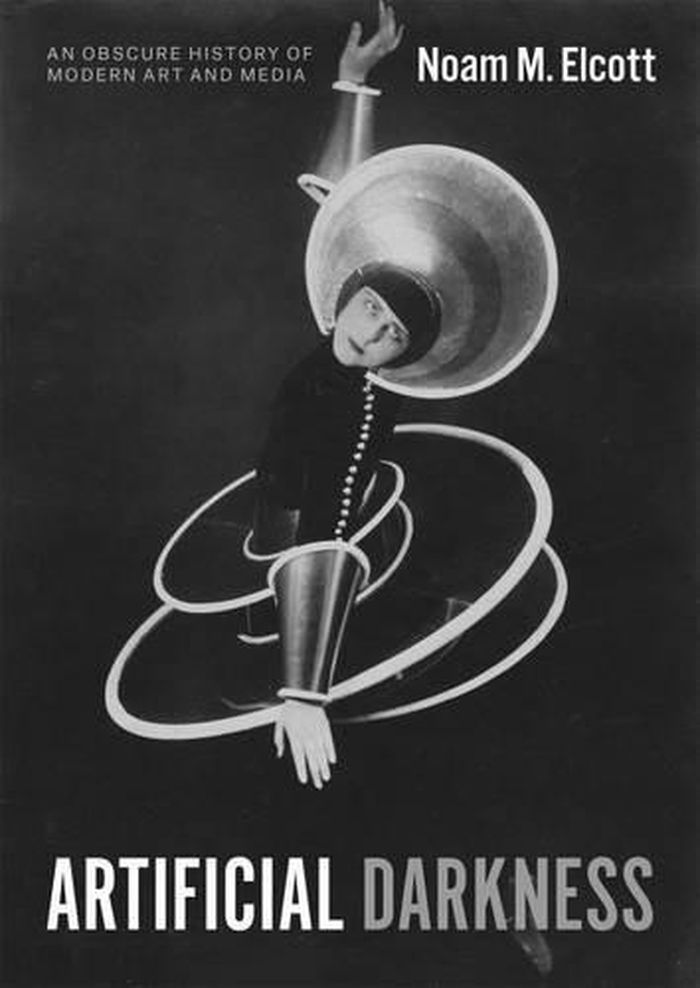
Artificial darkness: an obscure history of modern art and media
Actions:
Prix:
$63.95
(disponible sur commande)
Résumé:
In exploring how artificial darkness shaped modern art, film, and media, Noam M. Elcott addresses seminal and obscure works alongside their sites of production—such as photography darkrooms, film studios, and laboratories—and their sites of reception, including theaters, cinemas, and exhibitions. He argues that artists, scientists, and entertainers like Étienne-Jules Marey, Richard Wagner, Georges Méliès, and Oskar Schlemmer revolutionized not only images but also everything surrounding them: the screen, the darkness, and the experience of bodies and space.
Artificial darkness: an obscure history of modern art and media
Actions:
Prix:
$63.95
(disponible sur commande)
Résumé:
In exploring how artificial darkness shaped modern art, film, and media, Noam M. Elcott addresses seminal and obscure works alongside their sites of production—such as photography darkrooms, film studios, and laboratories—and their sites of reception, including theaters, cinemas, and exhibitions. He argues that artists, scientists, and entertainers like Étienne-Jules Marey, Richard Wagner, Georges Méliès, and Oskar Schlemmer revolutionized not only images but also everything surrounding them: the screen, the darkness, and the experience of bodies and space.
Classification:
livres
livres
Publication:
mai 2016
mai 2016
Classification:
livres
livres
Prix:
$68.95
(disponible sur commande)
Résumé:
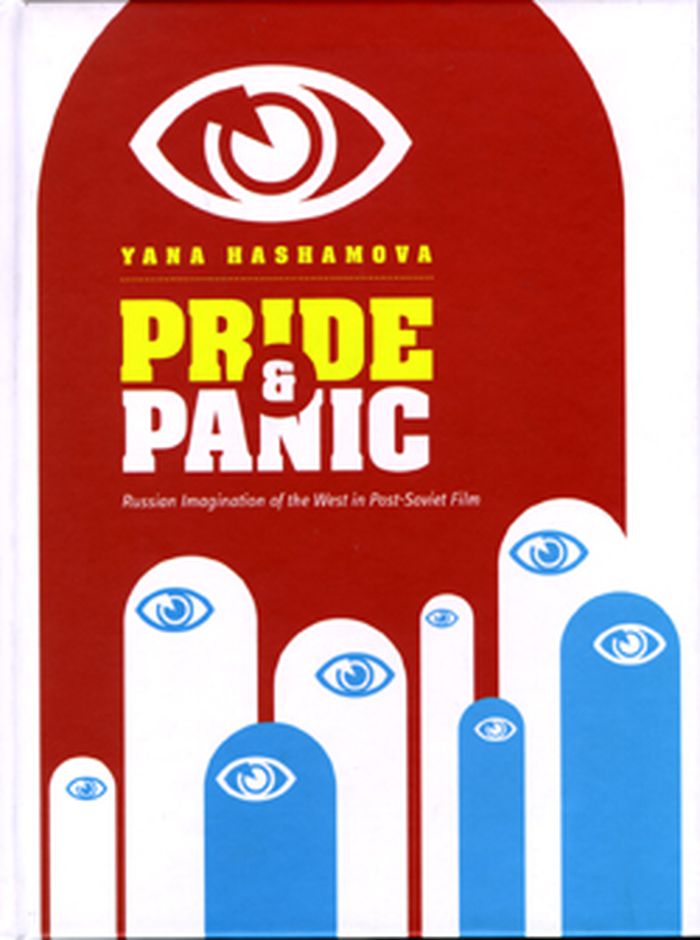
Since the fall of Communism, Russians have struggled to reconcile their social traditions with a flood of Western cultural imports. Contemporary Russian cinema has latched on to the resulting confusion and ambivalence, mining societal upheaval for revolutionary cinematic topics. Yana Hashamova explores this largely uncharted territory in Pride and Panic.
$68.95
(disponible sur commande)
Résumé:
Since the fall of Communism, Russians have struggled to reconcile their social traditions with a flood of Western cultural imports. Contemporary Russian cinema has latched on to the resulting confusion and ambivalence, mining societal upheaval for revolutionary cinematic topics. Yana Hashamova explores this largely uncharted territory in Pride and Panic.
Publication:
mai 2007, Bristol
mai 2007, Bristol
Titre:
Pride & panic: Russian imagination of the west in post-soviet film
Actions:
Prix:
$68.95
(disponible sur commande)
Résumé:
Since the fall of Communism, Russians have struggled to reconcile their social traditions with a flood of Western cultural imports. Contemporary Russian cinema has latched on to the resulting confusion and ambivalence, mining societal upheaval for revolutionary cinematic topics. Yana Hashamova explores this largely uncharted territory in Pride and Panic.
Pride & panic: Russian imagination of the west in post-soviet film
Actions:
Prix:
$68.95
(disponible sur commande)
Résumé:
Since the fall of Communism, Russians have struggled to reconcile their social traditions with a flood of Western cultural imports. Contemporary Russian cinema has latched on to the resulting confusion and ambivalence, mining societal upheaval for revolutionary cinematic topics. Yana Hashamova explores this largely uncharted territory in Pride and Panic.
Classification:
livres
livres
Publication:
mai 2007, Bristol
mai 2007, Bristol
Classification:
livres
livres
Prix:
$74.95
(disponible en magasin)
Résumé:
Cinematic Rotterdam is not only a thorough study of the audiovisual history of Rotterdam but is more especially a conceptual exploration of a hidden dimension of the city itself. Besides being an exhaustive reference work for policymakers, clients, producers and researchers in architecture, media and social studies, this overview makes a visual guide for anyone(...)
$74.95
(disponible en magasin)
Résumé:
Cinematic Rotterdam is not only a thorough study of the audiovisual history of Rotterdam but is more especially a conceptual exploration of a hidden dimension of the city itself. Besides being an exhaustive reference work for policymakers, clients, producers and researchers in architecture, media and social studies, this overview makes a visual guide for anyone(...)
Publication:
mai 2011
mai 2011
Titre:
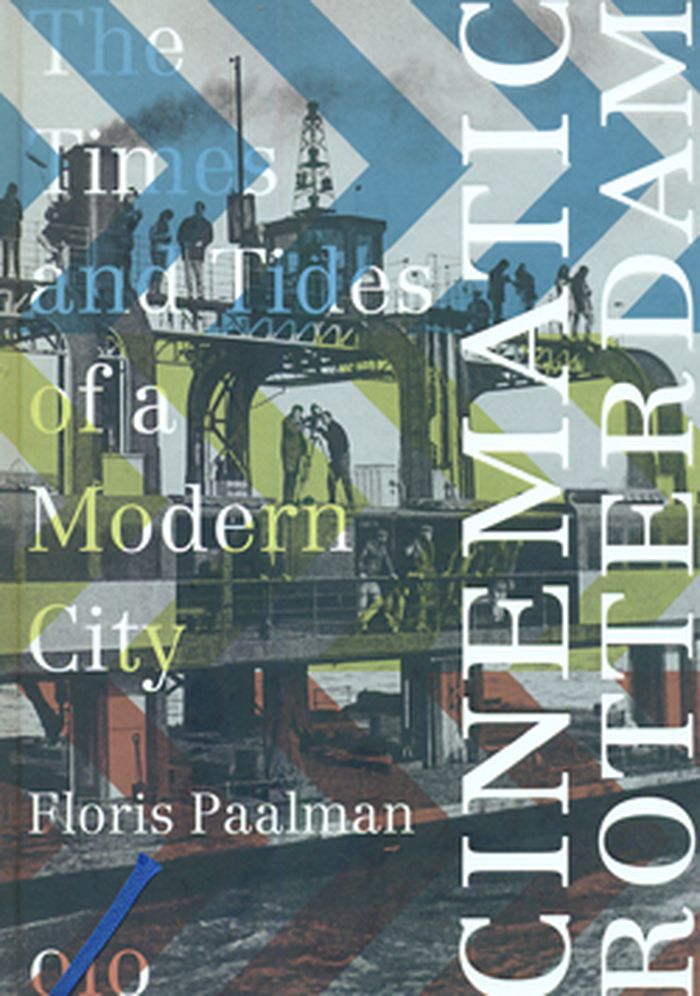
Cinematic Rotterdam:The times and tides of a modern city
Actions:
Prix:
$74.95
(disponible en magasin)
Résumé:
Cinematic Rotterdam is not only a thorough study of the audiovisual history of Rotterdam but is more especially a conceptual exploration of a hidden dimension of the city itself. Besides being an exhaustive reference work for policymakers, clients, producers and researchers in architecture, media and social studies, this overview makes a visual guide for anyone interested in looking at the city of Rotterdam from a different angle.
Cinematic Rotterdam:The times and tides of a modern city
Actions:
Prix:
$74.95
(disponible en magasin)
Résumé:
Cinematic Rotterdam is not only a thorough study of the audiovisual history of Rotterdam but is more especially a conceptual exploration of a hidden dimension of the city itself. Besides being an exhaustive reference work for policymakers, clients, producers and researchers in architecture, media and social studies, this overview makes a visual guide for anyone interested in looking at the city of Rotterdam from a different angle.
Classification:
livres
livres
Publication:
mai 2011
mai 2011
Classification:
livres
livres
Actions:
Prix:
$71.95
(disponible sur commande)
Résumé:
Films use architecture as visual shorthand to tell viewers everything they need to know about the characters in a short amount of time. Illustrated by a diverse range of films from different eras and cultures, this book investigates the reciprocity between film and architecture. Using a phenomenological approach, it describes how we, the viewers, can learn how to read(...)
$71.95
(disponible sur commande)
Résumé:
Films use architecture as visual shorthand to tell viewers everything they need to know about the characters in a short amount of time. Illustrated by a diverse range of films from different eras and cultures, this book investigates the reciprocity between film and architecture. Using a phenomenological approach, it describes how we, the viewers, can learn how to read(...)
Publication:
avril 2018
avril 2018
Titre:
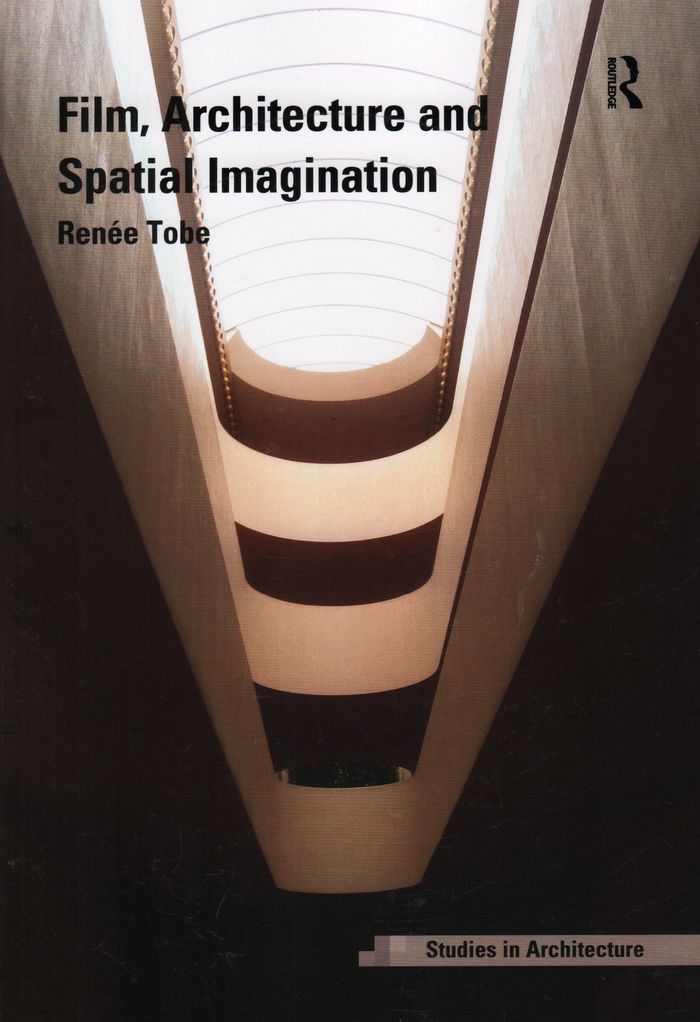
Film, architecture and spatial imagination
Actions:
Prix:
$71.95
(disponible sur commande)
Résumé:
Films use architecture as visual shorthand to tell viewers everything they need to know about the characters in a short amount of time. Illustrated by a diverse range of films from different eras and cultures, this book investigates the reciprocity between film and architecture. Using a phenomenological approach, it describes how we, the viewers, can learn how to read architecture and design in film in order to see the many inherent messages. Architecture’s representational capacity contributes to the plausibility or 'reality' possible in film. The book provides an ontological understanding that clarifies and stabilizes the reciprocity of the actual world and a filmic world of illusion and human imagination, thereby shedding light on both film and architecture.
Film, architecture and spatial imagination
Actions:
Prix:
$71.95
(disponible sur commande)
Résumé:
Films use architecture as visual shorthand to tell viewers everything they need to know about the characters in a short amount of time. Illustrated by a diverse range of films from different eras and cultures, this book investigates the reciprocity between film and architecture. Using a phenomenological approach, it describes how we, the viewers, can learn how to read architecture and design in film in order to see the many inherent messages. Architecture’s representational capacity contributes to the plausibility or 'reality' possible in film. The book provides an ontological understanding that clarifies and stabilizes the reciprocity of the actual world and a filmic world of illusion and human imagination, thereby shedding light on both film and architecture.
Classification:
livres
livres
Publication:
avril 2018
avril 2018
Classification:
livres
livres
Prix:
$64.95
(disponible en magasin)
Résumé:
The publication is the first comprehensive study of Baruchello’s relationship with the moving image from the sixties on. Produced on the occasion of the exhibition "Gianfranco Baruchello: Cold Cinema". "Film, video e opere 1960-1999", held at La Triennale di Milano in 2014 and 2015, the book opens with a densely packed montage of Baruchello’s own notes, images, and(...)
$64.95
(disponible en magasin)
Résumé:
The publication is the first comprehensive study of Baruchello’s relationship with the moving image from the sixties on. Produced on the occasion of the exhibition "Gianfranco Baruchello: Cold Cinema". "Film, video e opere 1960-1999", held at La Triennale di Milano in 2014 and 2015, the book opens with a densely packed montage of Baruchello’s own notes, images, and(...)
Publication:
avril 2018
avril 2018
Titre:
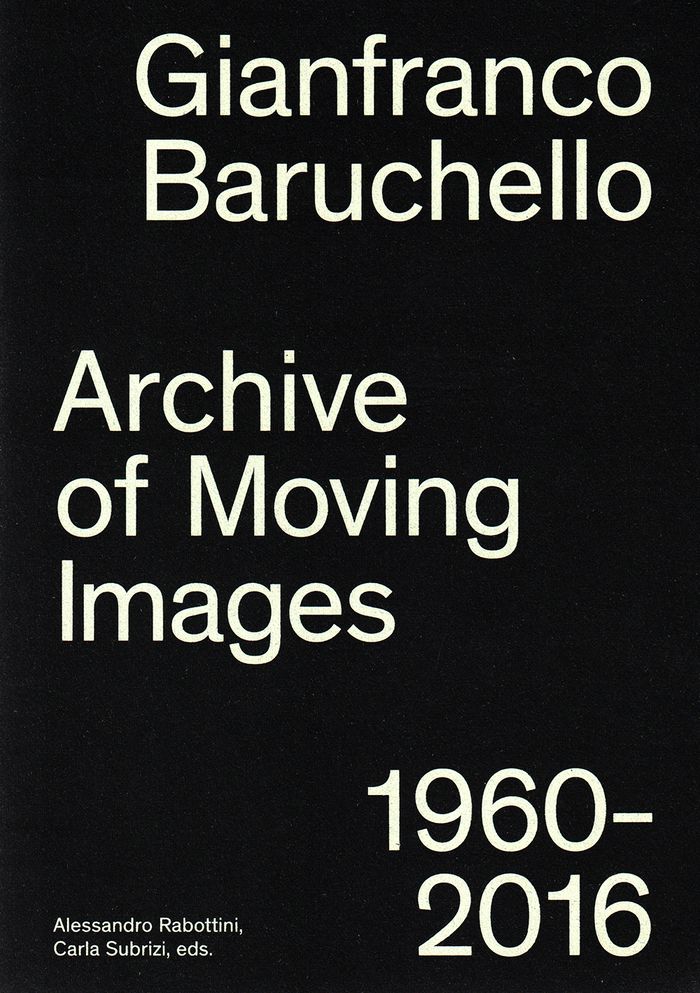
Gianfranco Baruchello : archive of moving images, 1960-2016
Actions:
Prix:
$64.95
(disponible en magasin)
Résumé:
The publication is the first comprehensive study of Baruchello’s relationship with the moving image from the sixties on. Produced on the occasion of the exhibition "Gianfranco Baruchello: Cold Cinema". "Film, video e opere 1960-1999", held at La Triennale di Milano in 2014 and 2015, the book opens with a densely packed montage of Baruchello’s own notes, images, and documents, presented by means of a medium dear to the artist, photocopies. An essay by Alessandro Rabottini takes us through the rooms of the exhibition at La Triennale di Milano, while a conversation between Baruchello and Massimiliano Gioni highlights some key aspects of his ideas about cinema. Carla Subrizi’s text winds its way through his entire production of films and videos, whereas an essay by Philippe-Alain Michaud examines some of the historical roots of Verifica incerta (1964-65).
Gianfranco Baruchello : archive of moving images, 1960-2016
Actions:
Prix:
$64.95
(disponible en magasin)
Résumé:
The publication is the first comprehensive study of Baruchello’s relationship with the moving image from the sixties on. Produced on the occasion of the exhibition "Gianfranco Baruchello: Cold Cinema". "Film, video e opere 1960-1999", held at La Triennale di Milano in 2014 and 2015, the book opens with a densely packed montage of Baruchello’s own notes, images, and documents, presented by means of a medium dear to the artist, photocopies. An essay by Alessandro Rabottini takes us through the rooms of the exhibition at La Triennale di Milano, while a conversation between Baruchello and Massimiliano Gioni highlights some key aspects of his ideas about cinema. Carla Subrizi’s text winds its way through his entire production of films and videos, whereas an essay by Philippe-Alain Michaud examines some of the historical roots of Verifica incerta (1964-65).
Classification:
livres
livres
Publication:
avril 2018
avril 2018
Classification:
livres
livres
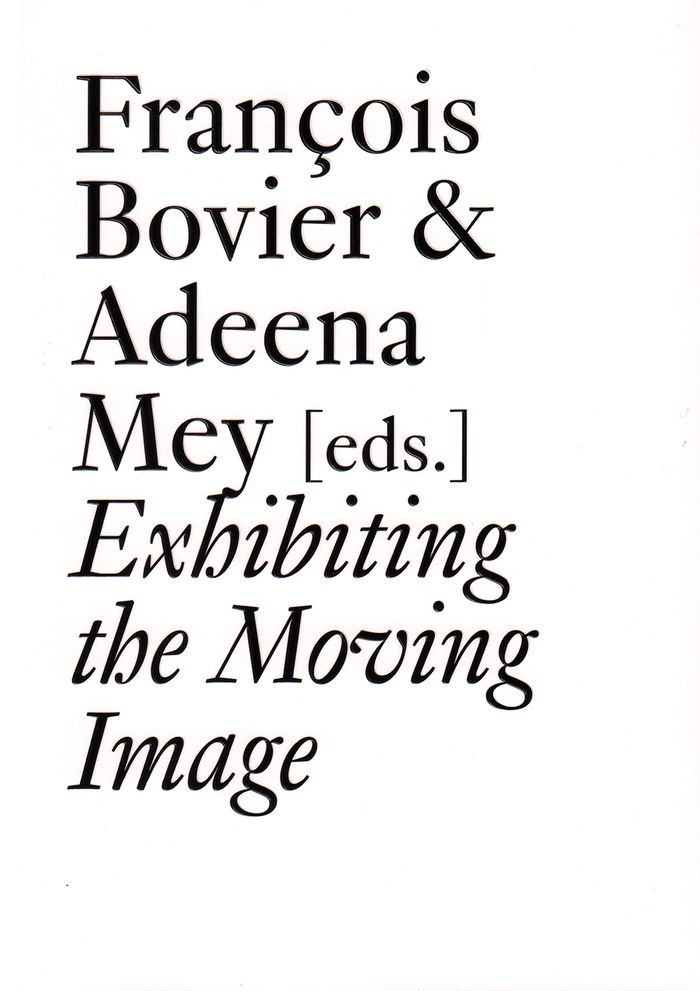
Titre:
Exhibiting the moving image
Exhibiting the moving image
Actions:
Prix:
$39.95
(disponible sur commande)
Résumé:
Since the 1990s, a "cinematographic turn" has taken place in contemporary art, paralleled by the emergence of a "cinema of exhibition." This collection of new essays investigates the relationships between the "white cube" and the "black box," focusing mainly on the 1970s, a decade in which film practices and moving images were integrated into museums and art spaces. The(...)
$39.95
(disponible sur commande)
Résumé:
Since the 1990s, a "cinematographic turn" has taken place in contemporary art, paralleled by the emergence of a "cinema of exhibition." This collection of new essays investigates the relationships between the "white cube" and the "black box," focusing mainly on the 1970s, a decade in which film practices and moving images were integrated into museums and art spaces. The(...)
Publication:
mars 2016
mars 2016
Titre:
Exhibiting the moving image
Actions:
Prix:
$39.95
(disponible sur commande)
Résumé:
Since the 1990s, a "cinematographic turn" has taken place in contemporary art, paralleled by the emergence of a "cinema of exhibition." This collection of new essays investigates the relationships between the "white cube" and the "black box," focusing mainly on the 1970s, a decade in which film practices and moving images were integrated into museums and art spaces. The authors analyze multiple modalities of presenting the moving image through historical case studies: the anatomy of video art, expanded cinema, artists’ films and installations, and the moving image in the public sphere. Exploring examples from the 1930s to the present, these contributions address commercial, spectacular or advertising forms of moving images, artists’ performative practices, installations in large museums, exhibitions devoted to projections and festivals of experimental films.
Exhibiting the moving image
Actions:
Prix:
$39.95
(disponible sur commande)
Résumé:
Since the 1990s, a "cinematographic turn" has taken place in contemporary art, paralleled by the emergence of a "cinema of exhibition." This collection of new essays investigates the relationships between the "white cube" and the "black box," focusing mainly on the 1970s, a decade in which film practices and moving images were integrated into museums and art spaces. The authors analyze multiple modalities of presenting the moving image through historical case studies: the anatomy of video art, expanded cinema, artists’ films and installations, and the moving image in the public sphere. Exploring examples from the 1930s to the present, these contributions address commercial, spectacular or advertising forms of moving images, artists’ performative practices, installations in large museums, exhibitions devoted to projections and festivals of experimental films.
Classification:
livres
livres
Publication:
mars 2016
mars 2016


