


3067 Résultats
Classification:
livres
livres
Titre:
Eco-operations
Eco-operations
Actions:
Prix:
$88.00
(disponible sur commande)
Résumé:
The climate change crisis has become part of aesthetic discourse and critical research in culture and the arts. Future-oriented, ecologically conceived possibilities for action are being explored by artists, curators, and scholars alike. eco-operations addresses these emerging aesthetic ecologies and new technologies of cooperation that both challenge and shape a(...)
$88.00
(disponible sur commande)
Résumé:
The climate change crisis has become part of aesthetic discourse and critical research in culture and the arts. Future-oriented, ecologically conceived possibilities for action are being explored by artists, curators, and scholars alike. eco-operations addresses these emerging aesthetic ecologies and new technologies of cooperation that both challenge and shape a(...)
Titre:
Eco-operations
Actions:
Prix:
$88.00
(disponible sur commande)
Résumé:
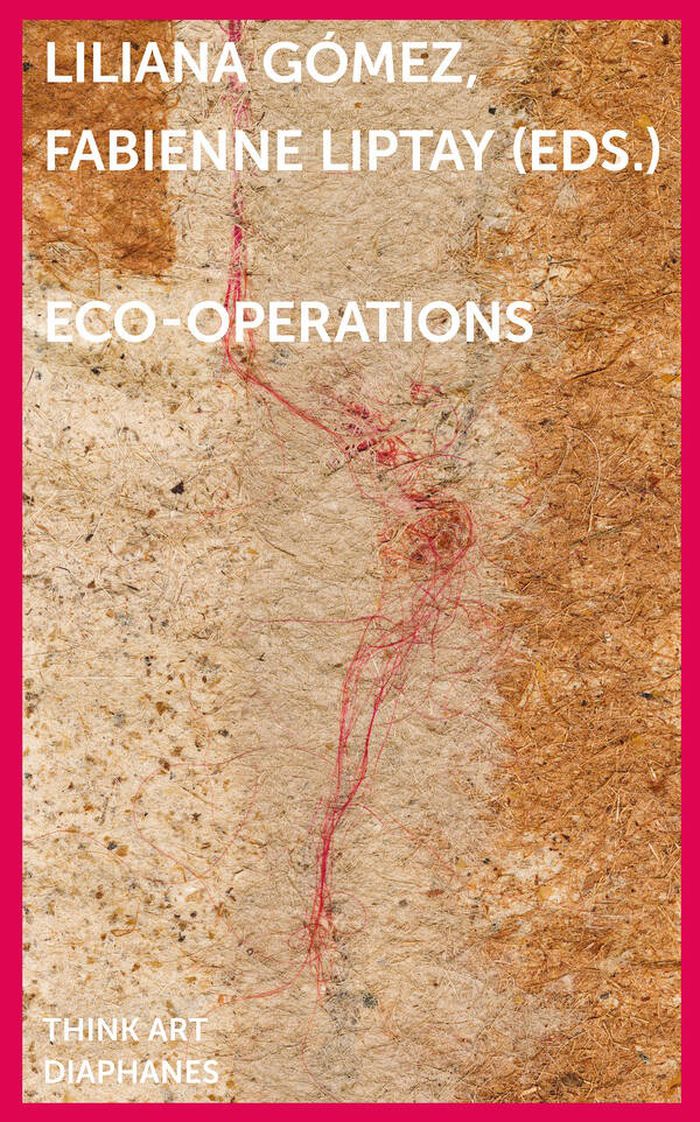
The climate change crisis has become part of aesthetic discourse and critical research in culture and the arts. Future-oriented, ecologically conceived possibilities for action are being explored by artists, curators, and scholars alike. eco-operations addresses these emerging aesthetic ecologies and new technologies of cooperation that both challenge and shape a sustainable future, foregrounding interruptions, ruptures, disconnections, dissonances, exclusions, and allochronism. Moving beyond the concepts of “flow” and “network” as a single, coherent (ecological or technological) system, "eco-operations" instead emphasizes the frictions within asynchronously running systems. The infrastructures and formats of artistic production and exhibition play a central role here, as they themselves constitute ecosystems that invite and regulate processes of sharing and exchange. Artists and activists are embedded in these ecosystems, in which they simultaneously intervene when searching for alternative ways of creating collaborative practice. Bringing together scholars, artists, writers, and curators, and working across a range of disciplines, "eco-operations" explores this field of tension between global and local ecologies and aims to speculate on where dissonances imply both creative potential and political challenges.
Eco-operations
Actions:
Prix:
$88.00
(disponible sur commande)
Résumé:
The climate change crisis has become part of aesthetic discourse and critical research in culture and the arts. Future-oriented, ecologically conceived possibilities for action are being explored by artists, curators, and scholars alike. eco-operations addresses these emerging aesthetic ecologies and new technologies of cooperation that both challenge and shape a sustainable future, foregrounding interruptions, ruptures, disconnections, dissonances, exclusions, and allochronism. Moving beyond the concepts of “flow” and “network” as a single, coherent (ecological or technological) system, "eco-operations" instead emphasizes the frictions within asynchronously running systems. The infrastructures and formats of artistic production and exhibition play a central role here, as they themselves constitute ecosystems that invite and regulate processes of sharing and exchange. Artists and activists are embedded in these ecosystems, in which they simultaneously intervene when searching for alternative ways of creating collaborative practice. Bringing together scholars, artists, writers, and curators, and working across a range of disciplines, "eco-operations" explores this field of tension between global and local ecologies and aims to speculate on where dissonances imply both creative potential and political challenges.
Classification:
livres
livres
Publication:
mars 2025
mars 2025
Sujet:
L'écologie de l'architecure
L'écologie de l'architecure
Classification:
livres
livres
Titre:
Flatness
Flatness
Actions:
Prix:
$32.50
(disponible sur commande)
Résumé:
The modern world is dominated by flat surfaces. We write, print and project on flat paper or flat screens, which we stare at all day. We inhabit spaces constructed from flat materials. We play sport on level fields. Engineered planar surfaces have become so pervasive and fundamental to behaviour and thought that we barely notice their existence. But flat landscapes are(...)
$32.50
(disponible sur commande)
Résumé:
The modern world is dominated by flat surfaces. We write, print and project on flat paper or flat screens, which we stare at all day. We inhabit spaces constructed from flat materials. We play sport on level fields. Engineered planar surfaces have become so pervasive and fundamental to behaviour and thought that we barely notice their existence. But flat landscapes are(...)
Titre:
Flatness
Actions:
Prix:
$32.50
(disponible sur commande)
Résumé:
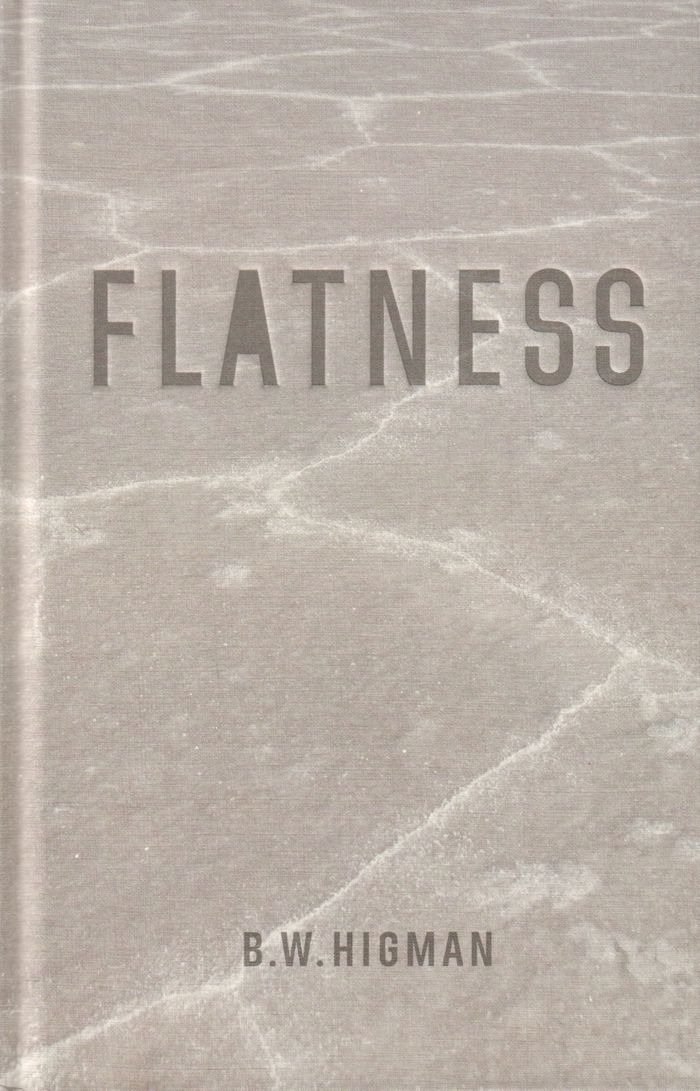
The modern world is dominated by flat surfaces. We write, print and project on flat paper or flat screens, which we stare at all day. We inhabit spaces constructed from flat materials. We play sport on level fields. Engineered planar surfaces have become so pervasive and fundamental to behaviour and thought that we barely notice their existence. But flat landscapes are also often disparaged, viewed as featureless, empty and monotonous. Metaphorically, to ‘feel flat’ is to be bored, dull, lacking energy or inspiration. So what is it about flatness that makes it so desirable and practical in everyday life, yet so unattractive in landscape and as an idea? How has the construction of flat surfaces contributed to a degradation of visual diversity? "Flatness" attacks these questions by looking first at the ways humans have perceived the natural world around them, from Flat Earth theories to abstract geometric concepts and the Flatness Problem in modern cosmology. It also traces the long historical trajectory of flatness as an engineering ideal, and the representation of the concept in art, music and literature.
Flatness
Actions:
Prix:
$32.50
(disponible sur commande)
Résumé:
The modern world is dominated by flat surfaces. We write, print and project on flat paper or flat screens, which we stare at all day. We inhabit spaces constructed from flat materials. We play sport on level fields. Engineered planar surfaces have become so pervasive and fundamental to behaviour and thought that we barely notice their existence. But flat landscapes are also often disparaged, viewed as featureless, empty and monotonous. Metaphorically, to ‘feel flat’ is to be bored, dull, lacking energy or inspiration. So what is it about flatness that makes it so desirable and practical in everyday life, yet so unattractive in landscape and as an idea? How has the construction of flat surfaces contributed to a degradation of visual diversity? "Flatness" attacks these questions by looking first at the ways humans have perceived the natural world around them, from Flat Earth theories to abstract geometric concepts and the Flatness Problem in modern cosmology. It also traces the long historical trajectory of flatness as an engineering ideal, and the representation of the concept in art, music and literature.
Classification:
livres
livres
Publication:
février 2017
février 2017
Sujet:
Théorie/ philosophie
Théorie/ philosophie
Classification:
livres
livres
Prix:
$57.95
(disponible sur commande)
Résumé:
The striking inequalities in living conditions in today's cities and metropolises reveal one of the greatest humanitarian challenges of our time. Ascertaining that architecture can never be neutral, those involved in this field of design are called on to recognize and to act on their social responsibility – not only – in the city-making process. Their work should(...)
$57.95
(disponible sur commande)
Résumé:
The striking inequalities in living conditions in today's cities and metropolises reveal one of the greatest humanitarian challenges of our time. Ascertaining that architecture can never be neutral, those involved in this field of design are called on to recognize and to act on their social responsibility – not only – in the city-making process. Their work should(...)
Sujet:
Théorie de l’architecture
Théorie de l’architecture
Publication:
avril 2018
avril 2018
Titre:
A book on urban thinking: architecture and human rights
Actions:
Prix:
$57.95
(disponible sur commande)
Résumé:
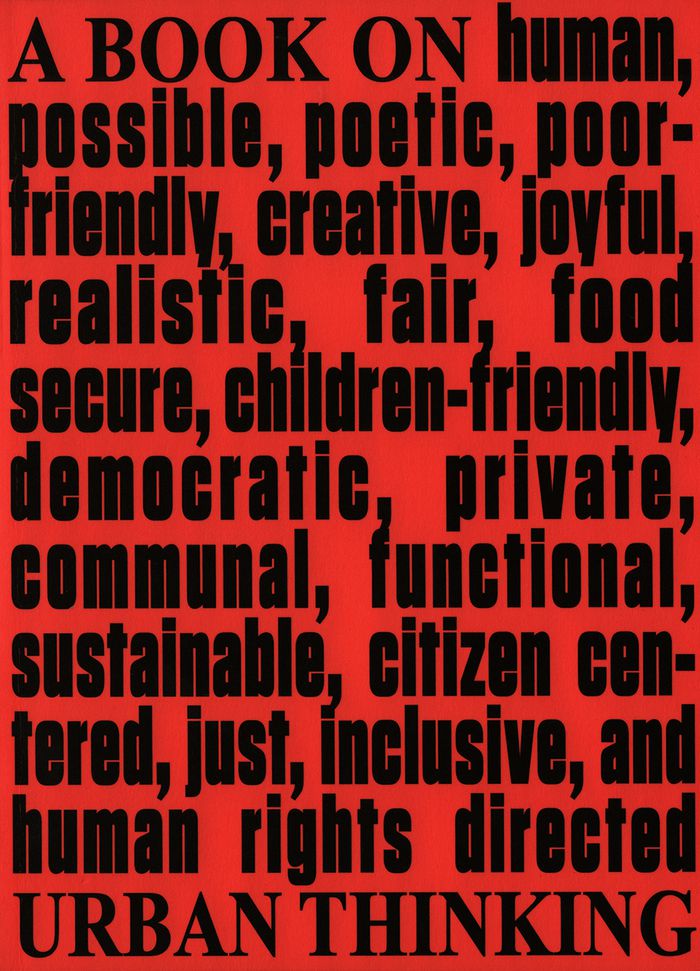
The striking inequalities in living conditions in today's cities and metropolises reveal one of the greatest humanitarian challenges of our time. Ascertaining that architecture can never be neutral, those involved in this field of design are called on to recognize and to act on their social responsibility – not only – in the city-making process. Their work should therefore not be limited to creating living space as questions of the distribution of resources, so closely interwoven with architectural design, must also play a role. This book is conceived as a collage of narratives, photos and critical conversations on the link between human rights and architecture. In its hybrid form, all of the people involved at every level are given a voice and encouraged to question whether the architecture of the towns, streets and buildings for which they are responsible contributes to the protection and advancement of human rights. The ultimate goal is that the consideration of human rights become an architect's powerful tool for better and fairer urban planning.
A book on urban thinking: architecture and human rights
Actions:
Prix:
$57.95
(disponible sur commande)
Résumé:
The striking inequalities in living conditions in today's cities and metropolises reveal one of the greatest humanitarian challenges of our time. Ascertaining that architecture can never be neutral, those involved in this field of design are called on to recognize and to act on their social responsibility – not only – in the city-making process. Their work should therefore not be limited to creating living space as questions of the distribution of resources, so closely interwoven with architectural design, must also play a role. This book is conceived as a collage of narratives, photos and critical conversations on the link between human rights and architecture. In its hybrid form, all of the people involved at every level are given a voice and encouraged to question whether the architecture of the towns, streets and buildings for which they are responsible contributes to the protection and advancement of human rights. The ultimate goal is that the consideration of human rights become an architect's powerful tool for better and fairer urban planning.
Classification:
livres
livres
Publication:
avril 2018
avril 2018
Sujet:
Théorie de l’architecture
Théorie de l’architecture
Classification:
livres
livres
Actions:
Prix:
$45.00
(disponible en magasin)
Résumé:
What is architectural form? What does architectural form mean? And why is it so significant today? Despite the historical signi?cance of form in architecture, the subject is frequently undervalued in debate. The publication The Form of Form examines a variety of ideas regarding form, not only through aesthetic and technological approaches, but also from social and(...)
$45.00
(disponible en magasin)
Résumé:
What is architectural form? What does architectural form mean? And why is it so significant today? Despite the historical signi?cance of form in architecture, the subject is frequently undervalued in debate. The publication The Form of Form examines a variety of ideas regarding form, not only through aesthetic and technological approaches, but also from social and(...)
Publication:
octobre 2016
octobre 2016
Titre:
The form of form: Lisbon Architecture Triennale
Actions:
Prix:
$45.00
(disponible en magasin)
Résumé:
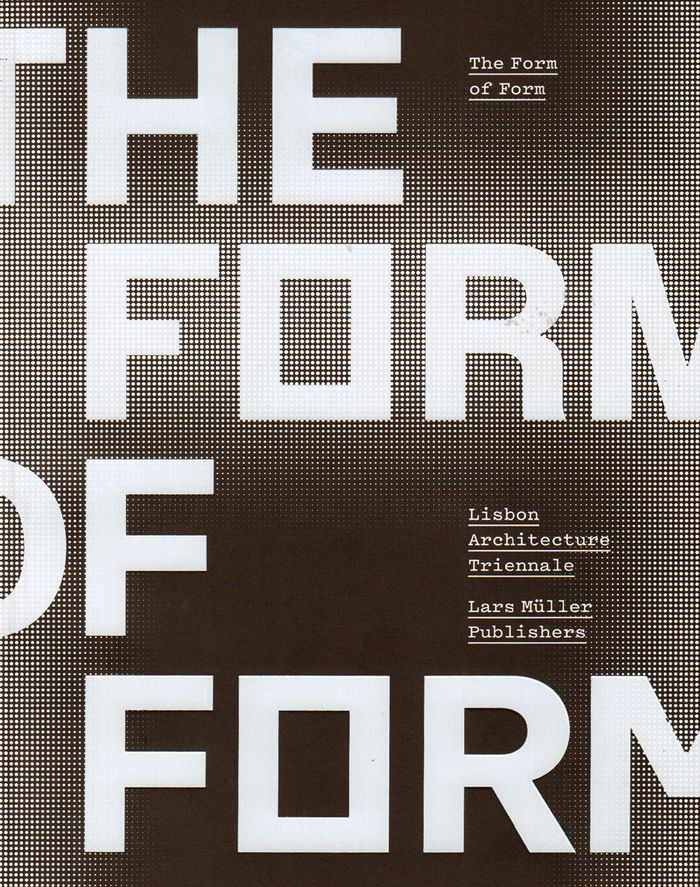
What is architectural form? What does architectural form mean? And why is it so significant today? Despite the historical signi?cance of form in architecture, the subject is frequently undervalued in debate. The publication The Form of Form examines a variety of ideas regarding form, not only through aesthetic and technological approaches, but also from social and political points of view. "The form of form" is the official publication of the same-named 4th Lisbon Architecture Triennale. The content of the book underlines the cultural and technical relevance of architecture within society. It aims to foster new thoughts as we reach the dawn of a rapidly changing society driven by fast access to information. After all the tensions and frictions that happen during the physical and social transformations of our cities and landscapes, when all the fuss is over and the different agents who contributed to change have left the field of play, what is left is a built form. Citizens live among forms; architectural forms have endured from the past and they will populate the future.
The form of form: Lisbon Architecture Triennale
Actions:
Prix:
$45.00
(disponible en magasin)
Résumé:
What is architectural form? What does architectural form mean? And why is it so significant today? Despite the historical signi?cance of form in architecture, the subject is frequently undervalued in debate. The publication The Form of Form examines a variety of ideas regarding form, not only through aesthetic and technological approaches, but also from social and political points of view. "The form of form" is the official publication of the same-named 4th Lisbon Architecture Triennale. The content of the book underlines the cultural and technical relevance of architecture within society. It aims to foster new thoughts as we reach the dawn of a rapidly changing society driven by fast access to information. After all the tensions and frictions that happen during the physical and social transformations of our cities and landscapes, when all the fuss is over and the different agents who contributed to change have left the field of play, what is left is a built form. Citizens live among forms; architectural forms have endured from the past and they will populate the future.
Classification:
livres
livres
Publication:
octobre 2016
octobre 2016
Classification:
livres
livres
Prix:
$31.95
(disponible sur commande)
Résumé:
In this fresh and authoritative account John Macarthur presents the eighteenth century idea of the picturesque – when it was a risky term concerned with a refined taste for everyday things, such as the hovels of the labouring poor in the light of its reception and effects in modern culture. In a series of linked essays Macarthur shows: what the concept of picture does(...)
$31.95
(disponible sur commande)
Résumé:
In this fresh and authoritative account John Macarthur presents the eighteenth century idea of the picturesque – when it was a risky term concerned with a refined taste for everyday things, such as the hovels of the labouring poor in the light of its reception and effects in modern culture. In a series of linked essays Macarthur shows: what the concept of picture does(...)
Titre:
The picturesque: architecture, disgust and other irregularities
Actions:
Prix:
$31.95
(disponible sur commande)
Résumé:
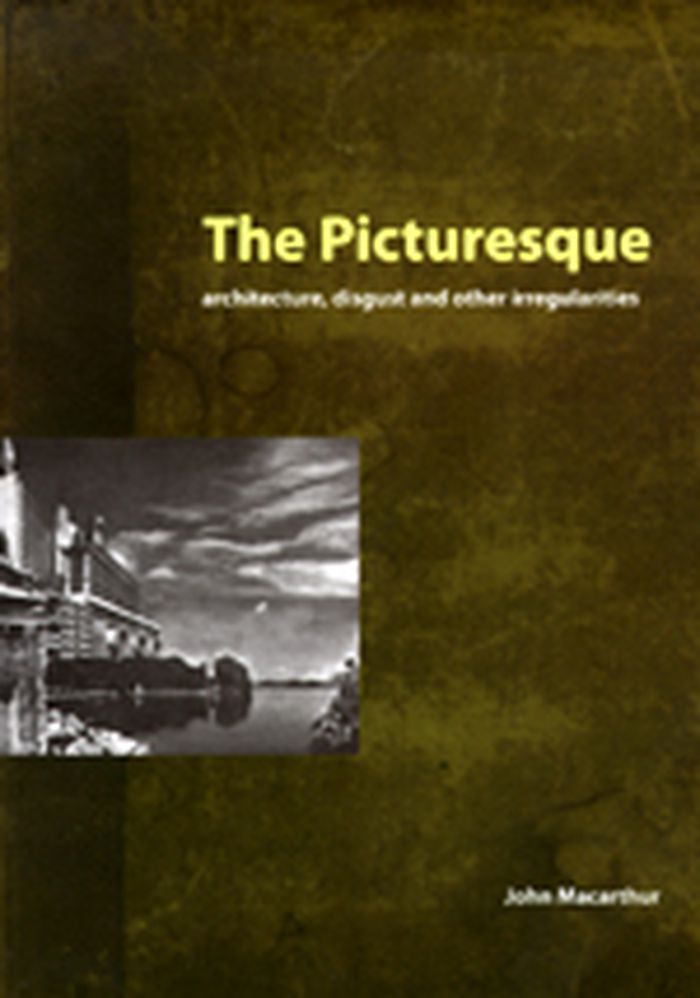
In this fresh and authoritative account John Macarthur presents the eighteenth century idea of the picturesque – when it was a risky term concerned with a refined taste for everyday things, such as the hovels of the labouring poor in the light of its reception and effects in modern culture. In a series of linked essays Macarthur shows: what the concept of picture does in the picturesque and how this relates to modern theories of the image how the distaste that might be felt today at the sentimentality of the picturesque was already at play in the eighteenth century how visual values such as ‘irregularity’ become the basis of modern architectural planning; how the concept of appropriating a view moves from landscape design into urban design why movement is fundamental to picturing the stillness of buildings, cities and landscapes. Drawing on examples from architecture, art and broader culture, John Macarthur's account of this key topic in cultural history, makes engaging reading for all those studying architecture, art history, cultural history or visual studies.
The picturesque: architecture, disgust and other irregularities
Actions:
Prix:
$31.95
(disponible sur commande)
Résumé:
In this fresh and authoritative account John Macarthur presents the eighteenth century idea of the picturesque – when it was a risky term concerned with a refined taste for everyday things, such as the hovels of the labouring poor in the light of its reception and effects in modern culture. In a series of linked essays Macarthur shows: what the concept of picture does in the picturesque and how this relates to modern theories of the image how the distaste that might be felt today at the sentimentality of the picturesque was already at play in the eighteenth century how visual values such as ‘irregularity’ become the basis of modern architectural planning; how the concept of appropriating a view moves from landscape design into urban design why movement is fundamental to picturing the stillness of buildings, cities and landscapes. Drawing on examples from architecture, art and broader culture, John Macarthur's account of this key topic in cultural history, makes engaging reading for all those studying architecture, art history, cultural history or visual studies.
Classification:
livres
livres
Publication:
octobre 2007, London, New York
octobre 2007, London, New York
Sujet:
Théorie de l’architecture
Théorie de l’architecture
Classification:
livres
livres
Titre:
The critic as artist
The critic as artist
Actions:
Prix:
$20.00
(disponible sur commande)
Résumé:
In “The Critic as Artist”, Oscar Wilde harnesses his famous wit to demolish the supposed boundary between art and criticism. Subtitled “Upon the Importance of Doing Nothing and Discussing Everything”, the essay takes the form of a leisurely dialogue between two characters: Ernest, who insists upon Wilde’s own belief in art’s freedom from societal mandates and values, and(...)
$20.00
(disponible sur commande)
Résumé:
In “The Critic as Artist”, Oscar Wilde harnesses his famous wit to demolish the supposed boundary between art and criticism. Subtitled “Upon the Importance of Doing Nothing and Discussing Everything”, the essay takes the form of a leisurely dialogue between two characters: Ernest, who insists upon Wilde’s own belief in art’s freedom from societal mandates and values, and(...)
Titre:
The critic as artist
Actions:
Prix:
$20.00
(disponible sur commande)
Résumé:
In “The Critic as Artist”, Oscar Wilde harnesses his famous wit to demolish the supposed boundary between art and criticism. Subtitled “Upon the Importance of Doing Nothing and Discussing Everything”, the essay takes the form of a leisurely dialogue between two characters: Ernest, who insists upon Wilde’s own belief in art’s freedom from societal mandates and values, and a quizzical Gilbert. With his playwright’s ear for dialogue, Wilde champions idleness and contemplation as prerequisites to artistic cultivation. Beyond the well-known dictum of art for art’s sake, Wilde’s originality lays an argument for the equality of criticism and art. For him, criticism is not subject to the work of art, but can in fact precede it: the artist cannot create without engaging his or her critical faculties first. And, as Wilde writes, “To the critic the work of art is simply a suggestion for a new work of his own.” The field of art and criticism should be open to the free play of the mind, but Wilde plays seriously, even prophetically.
The critic as artist
Actions:
Prix:
$20.00
(disponible sur commande)
Résumé:
In “The Critic as Artist”, Oscar Wilde harnesses his famous wit to demolish the supposed boundary between art and criticism. Subtitled “Upon the Importance of Doing Nothing and Discussing Everything”, the essay takes the form of a leisurely dialogue between two characters: Ernest, who insists upon Wilde’s own belief in art’s freedom from societal mandates and values, and a quizzical Gilbert. With his playwright’s ear for dialogue, Wilde champions idleness and contemplation as prerequisites to artistic cultivation. Beyond the well-known dictum of art for art’s sake, Wilde’s originality lays an argument for the equality of criticism and art. For him, criticism is not subject to the work of art, but can in fact precede it: the artist cannot create without engaging his or her critical faculties first. And, as Wilde writes, “To the critic the work of art is simply a suggestion for a new work of his own.” The field of art and criticism should be open to the free play of the mind, but Wilde plays seriously, even prophetically.
Classification:
livres
livres
Publication:
janvier 2019
janvier 2019
Sujet:
Théorie de l’art
Théorie de l’art
Classification:
livres
livres
Actions:
Prix:
$29.95
(disponible sur commande)
Résumé:
What is the role of art in modern society? Is it made to entertain us, to teach us? Both? And what of philosophy? What relevance does it have to how we think and live? In Opening Gambits , cultural critic and philosopher Mark Kingwell puts forth an argument for the similarity between art and philosophy as forms of play, working at the margins of meaning and sense.(...)
$29.95
(disponible sur commande)
Résumé:
What is the role of art in modern society? Is it made to entertain us, to teach us? Both? And what of philosophy? What relevance does it have to how we think and live? In Opening Gambits , cultural critic and philosopher Mark Kingwell puts forth an argument for the similarity between art and philosophy as forms of play, working at the margins of meaning and sense.(...)
Titre:
Opening gambits: essays on art and philosophy
Actions:
Prix:
$29.95
(disponible sur commande)
Résumé:
What is the role of art in modern society? Is it made to entertain us, to teach us? Both? And what of philosophy? What relevance does it have to how we think and live? In Opening Gambits , cultural critic and philosopher Mark Kingwell puts forth an argument for the similarity between art and philosophy as forms of play, working at the margins of meaning and sense. Featuring essays previously published in Queen’s Quarterly, Descant, Harvard Design Magazine, Canadian Art , and Harper’s, the book begins with general assessments of the art world and the relationship between art and architecture. Including lively critical engagements with artists such as Edward Burtynsky, David Bierk, James Lahey, and Blue Republic, these pieces draw out the philosophical issues embedded in the aesthetic experience of art. In the second half of the collection, Kingwell reverses the polarity, investigating philosophy as a kind of art form that is constantly questioning its own possibility. The two parts of the book are simultaneously separated and joined by a collection of images that feature the works discussed in Part One.
Opening gambits: essays on art and philosophy
Actions:
Prix:
$29.95
(disponible sur commande)
Résumé:
What is the role of art in modern society? Is it made to entertain us, to teach us? Both? And what of philosophy? What relevance does it have to how we think and live? In Opening Gambits , cultural critic and philosopher Mark Kingwell puts forth an argument for the similarity between art and philosophy as forms of play, working at the margins of meaning and sense. Featuring essays previously published in Queen’s Quarterly, Descant, Harvard Design Magazine, Canadian Art , and Harper’s, the book begins with general assessments of the art world and the relationship between art and architecture. Including lively critical engagements with artists such as Edward Burtynsky, David Bierk, James Lahey, and Blue Republic, these pieces draw out the philosophical issues embedded in the aesthetic experience of art. In the second half of the collection, Kingwell reverses the polarity, investigating philosophy as a kind of art form that is constantly questioning its own possibility. The two parts of the book are simultaneously separated and joined by a collection of images that feature the works discussed in Part One.
Classification:
livres
livres
Publication:
octobre 2008, Toronto
octobre 2008, Toronto
Sujet:
Théorie de l’art
Théorie de l’art
Classification:
livres
livres
Prix:
$140.00
(disponible sur commande)
Résumé:
Bar, surface, body, and space are the fundamental elements of the design process. Every form, however complex, may be understood as a variation of them. And underlying every concrete design is a design methodology that can be analyzed, taught, and learned as a transformation of these four categories. Taking this theory as its starting point, this book is nothing less(...)
$140.00
(disponible sur commande)
Résumé:
Bar, surface, body, and space are the fundamental elements of the design process. Every form, however complex, may be understood as a variation of them. And underlying every concrete design is a design methodology that can be analyzed, taught, and learned as a transformation of these four categories. Taking this theory as its starting point, this book is nothing less(...)
Titre:
Transformation: basic principles and methodology of design
Actions:
Prix:
$140.00
(disponible sur commande)
Résumé:
Bar, surface, body, and space are the fundamental elements of the design process. Every form, however complex, may be understood as a variation of them. And underlying every concrete design is a design methodology that can be analyzed, taught, and learned as a transformation of these four categories. Taking this theory as its starting point, this book is nothing less than a foundational work for architects, designers, and lay people with an interest in cultural history. It details what could be called the unrivaled grammar of design. With a systematic aim and progressively increasing complexity, it unfolds the creative potential of these categories with succinct texts, uniform drawings, and a broad array of examples from architecture, design, and art. However, the book also occupies an exceptional position as a physical book: the layout makes it especially easy to compare and combine different design steps, and the separate binding of individual groups of pages makes doing so even easier. The result is a kind of construction set that invites the reader to play as well as research.
Transformation: basic principles and methodology of design
Actions:
Prix:
$140.00
(disponible sur commande)
Résumé:
Bar, surface, body, and space are the fundamental elements of the design process. Every form, however complex, may be understood as a variation of them. And underlying every concrete design is a design methodology that can be analyzed, taught, and learned as a transformation of these four categories. Taking this theory as its starting point, this book is nothing less than a foundational work for architects, designers, and lay people with an interest in cultural history. It details what could be called the unrivaled grammar of design. With a systematic aim and progressively increasing complexity, it unfolds the creative potential of these categories with succinct texts, uniform drawings, and a broad array of examples from architecture, design, and art. However, the book also occupies an exceptional position as a physical book: the layout makes it especially easy to compare and combine different design steps, and the separate binding of individual groups of pages makes doing so even easier. The result is a kind of construction set that invites the reader to play as well as research.
Classification:
livres
livres
Publication:
avril 2008, Basel, Berlin, Boston
avril 2008, Basel, Berlin, Boston
Sujet:
Design d’intérieur
Design d’intérieur
Classification:
livres
livres
Actions:
Prix:
$115.00
(disponible sur commande)
Résumé:
The squares of Venice as a source of inspiration for modern architects and urban planners. Is it possible to interpret the urban spaces in ancient Venice as we would analyse those in Los Angeles or Rotterdam? This book is the attempt to analyse Venice's Campi in the same way we would consider public space today. It focuses on those places so essential to public life(...)
$115.00
(disponible sur commande)
Résumé:
The squares of Venice as a source of inspiration for modern architects and urban planners. Is it possible to interpret the urban spaces in ancient Venice as we would analyse those in Los Angeles or Rotterdam? This book is the attempt to analyse Venice's Campi in the same way we would consider public space today. It focuses on those places so essential to public life(...)
Titre:
Auftritte/ Scenes : interaction with architectural space : the Campi of Venice
Actions:
Prix:
$115.00
(disponible sur commande)
Résumé:
The squares of Venice as a source of inspiration for modern architects and urban planners. Is it possible to interpret the urban spaces in ancient Venice as we would analyse those in Los Angeles or Rotterdam? This book is the attempt to analyse Venice's Campi in the same way we would consider public space today. It focuses on those places so essential to public life and which offer an endless number of variations in our urban surroundings. We are actors on the stages of the city. The continual fascination with Venice's campi shows that this feature of urban architecture still has a significant role to play in modern life and they have a great creative potential to offer today's architects and planners. This publication documents Venice's squares in detail, analysing them precisely. Extensive visual material including plans, photographs of models, and photo sequences of the actual squares complement the texts to provide a comprehensive reference on this topic. Alban Janson and Thorsten Bürklin led this research project from the University of Karlsruhe in Venice.
Auftritte/ Scenes : interaction with architectural space : the Campi of Venice
Actions:
Prix:
$115.00
(disponible sur commande)
Résumé:
The squares of Venice as a source of inspiration for modern architects and urban planners. Is it possible to interpret the urban spaces in ancient Venice as we would analyse those in Los Angeles or Rotterdam? This book is the attempt to analyse Venice's Campi in the same way we would consider public space today. It focuses on those places so essential to public life and which offer an endless number of variations in our urban surroundings. We are actors on the stages of the city. The continual fascination with Venice's campi shows that this feature of urban architecture still has a significant role to play in modern life and they have a great creative potential to offer today's architects and planners. This publication documents Venice's squares in detail, analysing them precisely. Extensive visual material including plans, photographs of models, and photo sequences of the actual squares complement the texts to provide a comprehensive reference on this topic. Alban Janson and Thorsten Bürklin led this research project from the University of Karlsruhe in Venice.
Classification:
livres
livres
Publication:
juillet 2002, Basel
juillet 2002, Basel
Sujet:
Théorie de l’urbanisme
Théorie de l’urbanisme
Classification:
livres
livres
Actions:
Prix:
$80.95
(disponible sur commande)
Résumé:
In late 20th century urban Europe, a great many landmarks of industrial, merchant and military activity were abandoned and fell into disuse. No longer limited to a specific use or content, these 'available' structures could be adapted to house a wide range of cultural projects. The modular nature of the buildings enabled them to be transformed and utilized for(...)
$80.95
(disponible sur commande)
Résumé:
In late 20th century urban Europe, a great many landmarks of industrial, merchant and military activity were abandoned and fell into disuse. No longer limited to a specific use or content, these 'available' structures could be adapted to house a wide range of cultural projects. The modular nature of the buildings enabled them to be transformed and utilized for(...)
Sujet:
Structures d’ingénierie
Structures d’ingénierie
Publication:
avril 2002, Basel / Berlin / Boston
avril 2002, Basel / Berlin / Boston
Titre:
Factories : conversions for urban culture
Actions:
Prix:
$80.95
(disponible sur commande)
Résumé:
In late 20th century urban Europe, a great many landmarks of industrial, merchant and military activity were abandoned and fell into disuse. No longer limited to a specific use or content, these 'available' structures could be adapted to house a wide range of cultural projects. The modular nature of the buildings enabled them to be transformed and utilized for experimentation, artistic creation and the blending of people and cultures. An international team of photographers and authors including artists, sociologists and exhibition designers have come together to present a striking visual portrayal of industrial buildings - some typical, some extraordinary - which have all been converted into cultural buildings. Amongst the projects are Ateneu Popular in Barcelona, the City Arts Centre in Dublin, the WUK in Vienna, and the Kaapelitehdas in Helsinki. Further examples have been taken from Belgium, Denmark, Germany, France, Great Britain, Italy, the Netherlands, Sweden, and Slovenia. The wide variety of uses featured in this book clearly show that architecture has a significant role to play in an urban life beyond the monotony of commerce.
Factories : conversions for urban culture
Actions:
Prix:
$80.95
(disponible sur commande)
Résumé:
In late 20th century urban Europe, a great many landmarks of industrial, merchant and military activity were abandoned and fell into disuse. No longer limited to a specific use or content, these 'available' structures could be adapted to house a wide range of cultural projects. The modular nature of the buildings enabled them to be transformed and utilized for experimentation, artistic creation and the blending of people and cultures. An international team of photographers and authors including artists, sociologists and exhibition designers have come together to present a striking visual portrayal of industrial buildings - some typical, some extraordinary - which have all been converted into cultural buildings. Amongst the projects are Ateneu Popular in Barcelona, the City Arts Centre in Dublin, the WUK in Vienna, and the Kaapelitehdas in Helsinki. Further examples have been taken from Belgium, Denmark, Germany, France, Great Britain, Italy, the Netherlands, Sweden, and Slovenia. The wide variety of uses featured in this book clearly show that architecture has a significant role to play in an urban life beyond the monotony of commerce.
Classification:
livres
livres
Publication:
avril 2002, Basel / Berlin / Boston
avril 2002, Basel / Berlin / Boston
Sujet:
Structures d’ingénierie
Structures d’ingénierie


