


3318 Résultats
Classification:
livres
livres
Actions:
Prix:
$45.95
(disponible sur commande)
Résumé:
Longtemps en Europe le roi des animaux ne fut pas le lion mais l'ours, admiré, vénéré, pensé comme un parent ou un ancêtre de l'homme. Les cultes dont il a fait l'objet plusieurs dizaines de millénaires avant notre ère ont laissé des traces dans l'imaginaire et les mythologies jusqu'au cœur du Moyen Âge chrétien. De bonne heure l'Église chercha à les éradiquer. Prélats et(...)
$45.95
(disponible sur commande)
Résumé:
Longtemps en Europe le roi des animaux ne fut pas le lion mais l'ours, admiré, vénéré, pensé comme un parent ou un ancêtre de l'homme. Les cultes dont il a fait l'objet plusieurs dizaines de millénaires avant notre ère ont laissé des traces dans l'imaginaire et les mythologies jusqu'au cœur du Moyen Âge chrétien. De bonne heure l'Église chercha à les éradiquer. Prélats et(...)
Titre:
L'ours histoire d'un roi déchu
Actions:
Prix:
$45.95
(disponible sur commande)
Résumé:
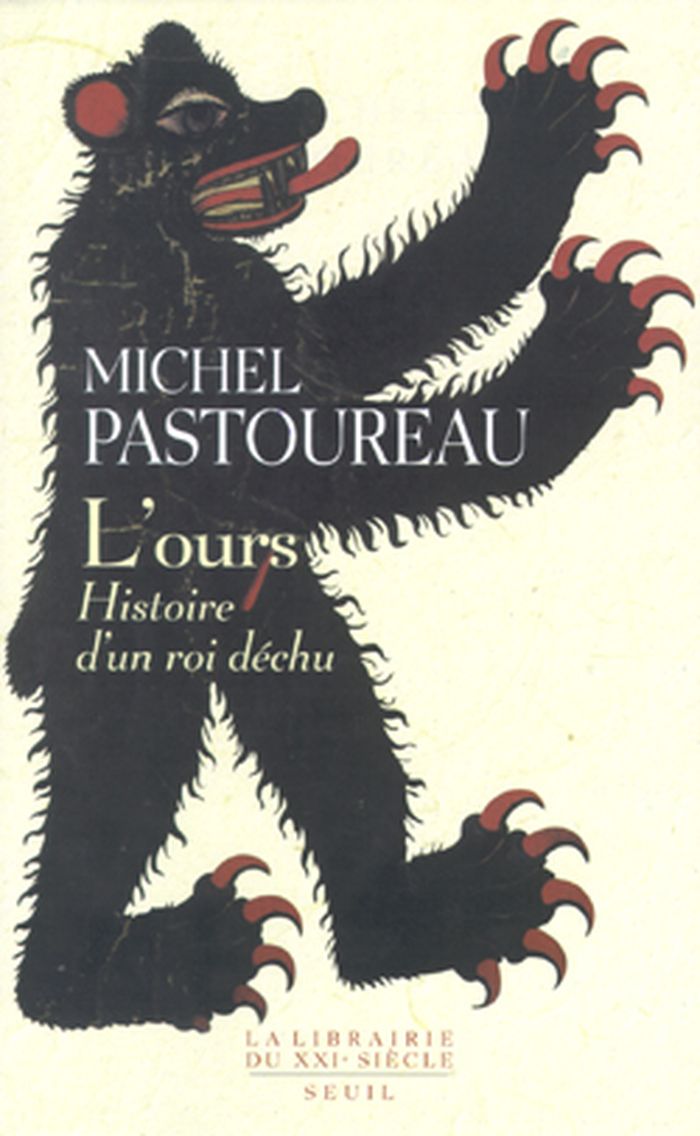
Longtemps en Europe le roi des animaux ne fut pas le lion mais l'ours, admiré, vénéré, pensé comme un parent ou un ancêtre de l'homme. Les cultes dont il a fait l'objet plusieurs dizaines de millénaires avant notre ère ont laissé des traces dans l'imaginaire et les mythologies jusqu'au cœur du Moyen Âge chrétien. De bonne heure l'Église chercha à les éradiquer. Prélats et théologiens étaient effrayés par la force brutale du fauve, par la fascination qu'il exerçait sur les rois et les chasseurs et surtout par une croyance, largement répandue, selon laquelle l'ours mâle était sexuellement attiré par les jeunes femmes. Il les enlevait et les violait. De ces unions naissaient des êtres mi-hommes mi-ours, tous guerriers invincibles, fondateurs de dynasties ou ancêtres totémiques. Michel Pastoureau retrace les différents aspects de cette lutte de l'Église contre l'ours pendant près d'un millénaire : massacres de grande ampleur, diabolisation systématique, transformation du fauve redoutable en une bête de cirque, promotion du lion sur le trône animal.
L'ours histoire d'un roi déchu
Actions:
Prix:
$45.95
(disponible sur commande)
Résumé:
Longtemps en Europe le roi des animaux ne fut pas le lion mais l'ours, admiré, vénéré, pensé comme un parent ou un ancêtre de l'homme. Les cultes dont il a fait l'objet plusieurs dizaines de millénaires avant notre ère ont laissé des traces dans l'imaginaire et les mythologies jusqu'au cœur du Moyen Âge chrétien. De bonne heure l'Église chercha à les éradiquer. Prélats et théologiens étaient effrayés par la force brutale du fauve, par la fascination qu'il exerçait sur les rois et les chasseurs et surtout par une croyance, largement répandue, selon laquelle l'ours mâle était sexuellement attiré par les jeunes femmes. Il les enlevait et les violait. De ces unions naissaient des êtres mi-hommes mi-ours, tous guerriers invincibles, fondateurs de dynasties ou ancêtres totémiques. Michel Pastoureau retrace les différents aspects de cette lutte de l'Église contre l'ours pendant près d'un millénaire : massacres de grande ampleur, diabolisation systématique, transformation du fauve redoutable en une bête de cirque, promotion du lion sur le trône animal.
Classification:
livres
livres
Publication:
janvier 1900, Paris
janvier 1900, Paris
Sujet:
Théorie de l’architecture
Théorie de l’architecture
Classification:
livres
livres
Actions:
Prix:
$45.95
(disponible en magasin)
Résumé:
Anarchitecture, a radical aesthetic practice of unmaking the built environment, staged a vigorous confrontation with urban renewal and gentrification projects in the 1970s. In Anarchitecture After Everything, Jack Halberstam identifies a powerful lexicon of transformation within anarchitecture, joining the movement’s practices of cutting and splitting with the(...)
$45.95
(disponible en magasin)
Résumé:
Anarchitecture, a radical aesthetic practice of unmaking the built environment, staged a vigorous confrontation with urban renewal and gentrification projects in the 1970s. In Anarchitecture After Everything, Jack Halberstam identifies a powerful lexicon of transformation within anarchitecture, joining the movement’s practices of cutting and splitting with the(...)
Titre:
Anarchitecture after everything: A trans manifesto
Actions:
Prix:
$45.95
(disponible en magasin)
Résumé:
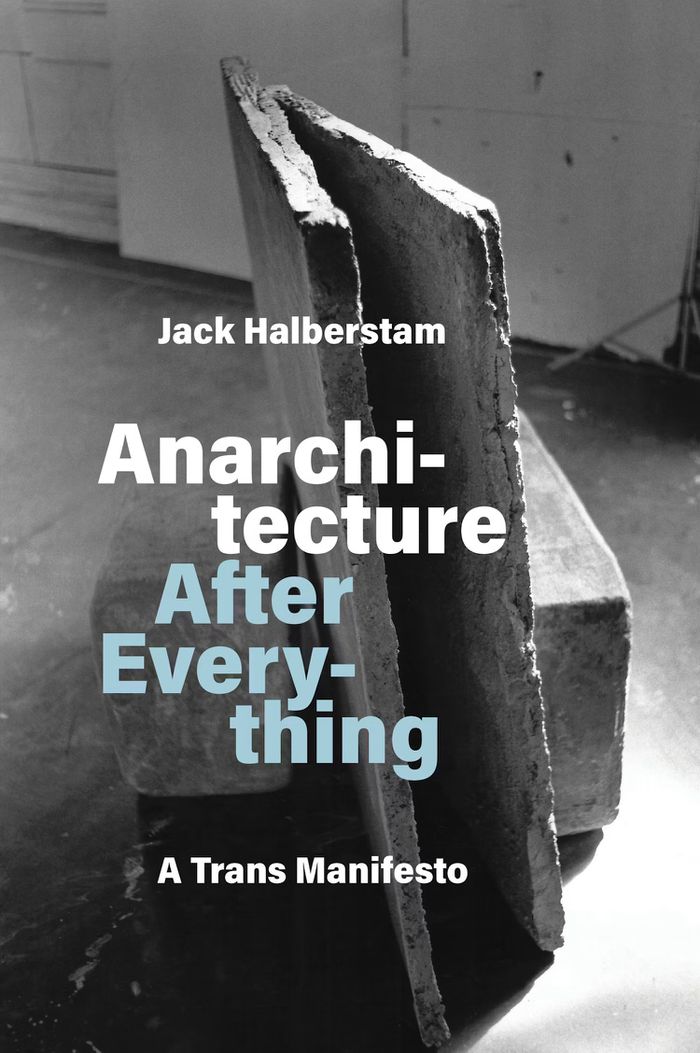
Anarchitecture, a radical aesthetic practice of unmaking the built environment, staged a vigorous confrontation with urban renewal and gentrification projects in the 1970s. In Anarchitecture After Everything, Jack Halberstam identifies a powerful lexicon of transformation within anarchitecture, joining the movement’s practices of cutting and splitting with the destabilizing power of transness to detonate acts of formal violence in our time. "Anarchitecture" describes the aesthetic practice of splitting and cutting, dismantling and undoing, unmaking, unbuilding, and ultimately unworlding. The trans body splits bodily coherence, dismantles the gender binary, and unbuilds bodily meaning. In these chapters, Gordon Matta-Clark’s cuts, along with Alvin Baltrop’s 1970s images of collapsing warehouses and Beverly Buchanan’s post-demolition fragmentary sculptures, return with a vengeance through the contemporary aesthetic gestures of Yve Laris Cohen, Jesse Darling, Nicole Eisenman, Kiyan Williams, Cassils, boychild, and Every Ocean Hughes. Anarchitecture unmakes space and offers a new rhetoric for emptiness. In its conclusion, the book explores this rhetoric through Renee Gladman’s anarchitectural experiments with language.
Anarchitecture after everything: A trans manifesto
Actions:
Prix:
$45.95
(disponible en magasin)
Résumé:
Anarchitecture, a radical aesthetic practice of unmaking the built environment, staged a vigorous confrontation with urban renewal and gentrification projects in the 1970s. In Anarchitecture After Everything, Jack Halberstam identifies a powerful lexicon of transformation within anarchitecture, joining the movement’s practices of cutting and splitting with the destabilizing power of transness to detonate acts of formal violence in our time. "Anarchitecture" describes the aesthetic practice of splitting and cutting, dismantling and undoing, unmaking, unbuilding, and ultimately unworlding. The trans body splits bodily coherence, dismantles the gender binary, and unbuilds bodily meaning. In these chapters, Gordon Matta-Clark’s cuts, along with Alvin Baltrop’s 1970s images of collapsing warehouses and Beverly Buchanan’s post-demolition fragmentary sculptures, return with a vengeance through the contemporary aesthetic gestures of Yve Laris Cohen, Jesse Darling, Nicole Eisenman, Kiyan Williams, Cassils, boychild, and Every Ocean Hughes. Anarchitecture unmakes space and offers a new rhetoric for emptiness. In its conclusion, the book explores this rhetoric through Renee Gladman’s anarchitectural experiments with language.
Classification:
livres
livres
Publication:
août 2026
août 2026
Sujet:
Théorie de l’architecture
Théorie de l’architecture
Classification:
livres
livres
Actions:
Prix:
$75.00
(disponible sur commande)
Résumé:
The classical architectural and planning schemes conceived by Canada’s Anglo-settler elite in the early twentieth century embodied a prescriptive vision of power and grandeur for the country and its people on a scale almost unimaginable today. This provocative collection of essays examines the classical design precepts that shaped much of Canada’s built environment –(...)
$75.00
(disponible sur commande)
Résumé:
The classical architectural and planning schemes conceived by Canada’s Anglo-settler elite in the early twentieth century embodied a prescriptive vision of power and grandeur for the country and its people on a scale almost unimaginable today. This provocative collection of essays examines the classical design precepts that shaped much of Canada’s built environment –(...)
Titre:
Classicism in Canada: Ambition, utopia, hubris
Actions:
Prix:
$75.00
(disponible sur commande)
Résumé:
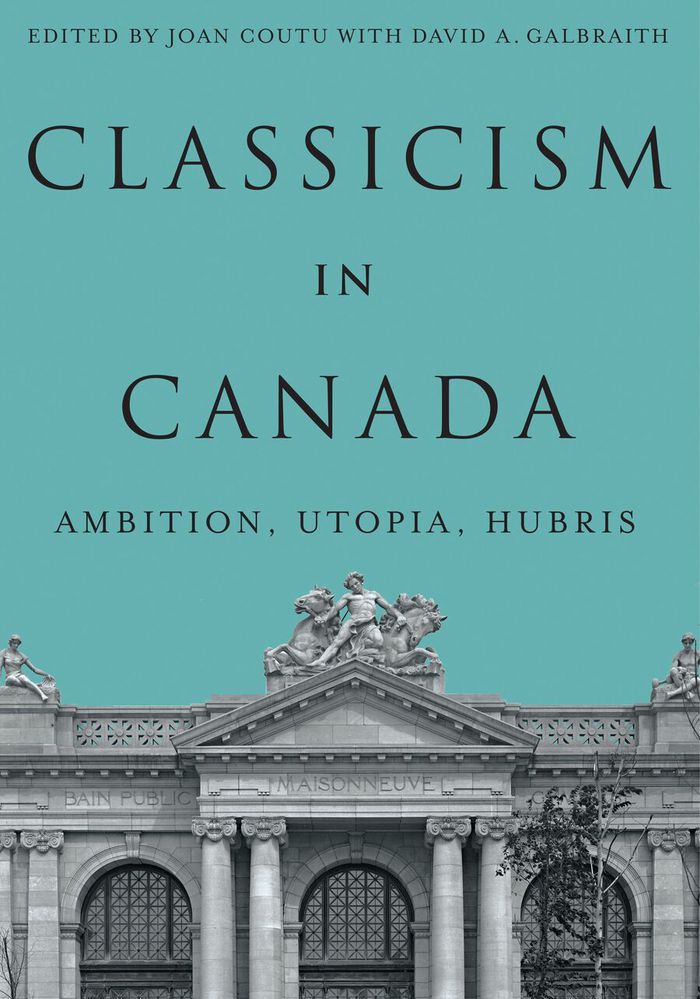
The classical architectural and planning schemes conceived by Canada’s Anglo-settler elite in the early twentieth century embodied a prescriptive vision of power and grandeur for the country and its people on a scale almost unimaginable today. This provocative collection of essays examines the classical design precepts that shaped much of Canada’s built environment – leaving an imprint for how we continue to experience place today. "Classicism in Canada" brings together essays by planning, architectural, art, political, and social historians. Drawing on primary sources and the physical sites themselves, the contributors probe the meaning of a style that melded the École des Beaux-Arts with the sensibilities of the City Beautiful movement and that was rooted in assumptions about order and historical continuity. The transformation of built space and land was motivated by pragmatism, aesthetics, and an ideological infrastructure that reverberated with utopian zeal as much as it was driven by racial discrimination and Indigenous erasure.
Classicism in Canada: Ambition, utopia, hubris
Actions:
Prix:
$75.00
(disponible sur commande)
Résumé:
The classical architectural and planning schemes conceived by Canada’s Anglo-settler elite in the early twentieth century embodied a prescriptive vision of power and grandeur for the country and its people on a scale almost unimaginable today. This provocative collection of essays examines the classical design precepts that shaped much of Canada’s built environment – leaving an imprint for how we continue to experience place today. "Classicism in Canada" brings together essays by planning, architectural, art, political, and social historians. Drawing on primary sources and the physical sites themselves, the contributors probe the meaning of a style that melded the École des Beaux-Arts with the sensibilities of the City Beautiful movement and that was rooted in assumptions about order and historical continuity. The transformation of built space and land was motivated by pragmatism, aesthetics, and an ideological infrastructure that reverberated with utopian zeal as much as it was driven by racial discrimination and Indigenous erasure.
Classification:
livres
livres
Publication:
août 2026
août 2026
Sujet:
Architecture du Canada
Architecture du Canada
Classification:
livres
livres
Titre:
BIG Atlas
BIG Atlas
Actions:
Prix:
$115.00
(disponible en magasin)
Résumé:
For over two decades, the pioneering, multidisciplinary Danish firm BIG-Bjarke Ingels Group has created a wide range of projects that give form to the future, standing out for their bold-yet-practical forms, elements of surprise, and people-focused solutions. ''BIG Atlas'' offers an ambitious and all-encompassing survey of more than fifty completed projects from around(...)
$115.00
(disponible en magasin)
Résumé:
For over two decades, the pioneering, multidisciplinary Danish firm BIG-Bjarke Ingels Group has created a wide range of projects that give form to the future, standing out for their bold-yet-practical forms, elements of surprise, and people-focused solutions. ''BIG Atlas'' offers an ambitious and all-encompassing survey of more than fifty completed projects from around(...)
Sujet:
Architecture, monographies
Architecture, monographies
Publication:
juin 2026
juin 2026
Titre:
BIG Atlas
Actions:
Prix:
$115.00
(disponible en magasin)
Résumé:
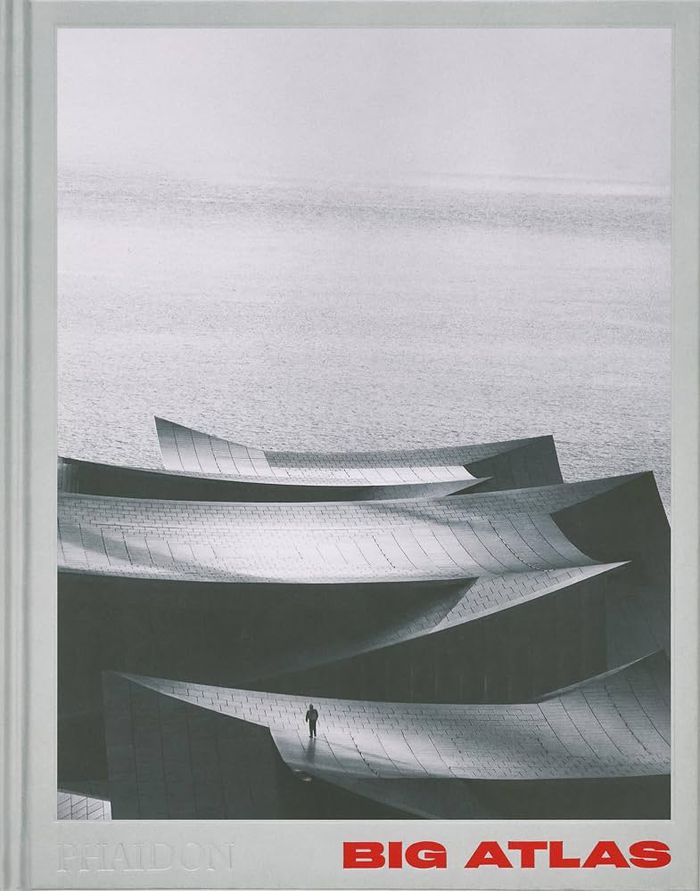
For over two decades, the pioneering, multidisciplinary Danish firm BIG-Bjarke Ingels Group has created a wide range of projects that give form to the future, standing out for their bold-yet-practical forms, elements of surprise, and people-focused solutions. ''BIG Atlas'' offers an ambitious and all-encompassing survey of more than fifty completed projects from around the world, from an energy plant topped with a ski slope and a LEGO Museum that seems to be made out of the famous bricks to the firm’s own recently completed Copenhagen headquarters. Spanning a rich variety of typologies, scales, and materials, the featured projects are brought to life through more than 600 photographs, plans, and drawings. Presented together for the first time, they trace BIG’s transformation into fully integrated design, synthesizing the fields of architecture, interiors, landscape, engineering, planning, and product design to advance more sustainable ways of living within our environments while simultaneously raising the quality of our lives.
BIG Atlas
Actions:
Prix:
$115.00
(disponible en magasin)
Résumé:
For over two decades, the pioneering, multidisciplinary Danish firm BIG-Bjarke Ingels Group has created a wide range of projects that give form to the future, standing out for their bold-yet-practical forms, elements of surprise, and people-focused solutions. ''BIG Atlas'' offers an ambitious and all-encompassing survey of more than fifty completed projects from around the world, from an energy plant topped with a ski slope and a LEGO Museum that seems to be made out of the famous bricks to the firm’s own recently completed Copenhagen headquarters. Spanning a rich variety of typologies, scales, and materials, the featured projects are brought to life through more than 600 photographs, plans, and drawings. Presented together for the first time, they trace BIG’s transformation into fully integrated design, synthesizing the fields of architecture, interiors, landscape, engineering, planning, and product design to advance more sustainable ways of living within our environments while simultaneously raising the quality of our lives.
Classification:
livres
livres
Publication:
juin 2026
juin 2026
Sujet:
Architecture, monographies
Architecture, monographies
Classification:
périodiques
périodiques
Actions:
Prix:
$29.95
(disponible sur commande)
Résumé:
"Perspecta 34" explores the temporary relationship between architecture and the larger contexts within which social crisis and cultural transformation take place. The issue examines many questions associated with modernism, including the limits of utopian urban planning, and considers alternatives to space as the dominant organizing concept for architecture. It views the(...)
$29.95
(disponible sur commande)
Résumé:
"Perspecta 34" explores the temporary relationship between architecture and the larger contexts within which social crisis and cultural transformation take place. The issue examines many questions associated with modernism, including the limits of utopian urban planning, and considers alternatives to space as the dominant organizing concept for architecture. It views the(...)
Sujet:
Revues
Revues
Publication:
juin 2003, New Haven
juin 2003, New Haven
Titre:
Perspecta 34 : temporary architecture
Actions:
Prix:
$29.95
(disponible sur commande)
Résumé:
"Perspecta 34" explores the temporary relationship between architecture and the larger contexts within which social crisis and cultural transformation take place. The issue examines many questions associated with modernism, including the limits of utopian urban planning, and considers alternatives to space as the dominant organizing concept for architecture. It views the contemporary as a fluid practice in which games, intuition, collective imagination, and style emerge alongside conventional architectural approaches as ways to comprehend and shape the temporary landscape. Case studies--on the Olympics, Belgrade protests, refugee housing--ask how temporary events intensify the possibilities and limitations for architectural innovation. Perspecta 34 also explores the built environment as an ecology of change consisting of dynamic economies, movements of people, and overlapping systems of authority. The issue includes a portfolio of twentieth-century temporary projects that reflect changing ideas of fabrication, the deployment of the architectural object, and architecture's relationship to social and cultural practices.
Perspecta 34 : temporary architecture
Actions:
Prix:
$29.95
(disponible sur commande)
Résumé:
"Perspecta 34" explores the temporary relationship between architecture and the larger contexts within which social crisis and cultural transformation take place. The issue examines many questions associated with modernism, including the limits of utopian urban planning, and considers alternatives to space as the dominant organizing concept for architecture. It views the contemporary as a fluid practice in which games, intuition, collective imagination, and style emerge alongside conventional architectural approaches as ways to comprehend and shape the temporary landscape. Case studies--on the Olympics, Belgrade protests, refugee housing--ask how temporary events intensify the possibilities and limitations for architectural innovation. Perspecta 34 also explores the built environment as an ecology of change consisting of dynamic economies, movements of people, and overlapping systems of authority. The issue includes a portfolio of twentieth-century temporary projects that reflect changing ideas of fabrication, the deployment of the architectural object, and architecture's relationship to social and cultural practices.
Classification:
périodiques
périodiques
Publication:
juin 2003, New Haven
juin 2003, New Haven
Sujet:
Revues
Revues
Classification:
livres
livres
Actions:
Prix:
$44.95
(disponible sur commande)
Résumé:
Cet ouvrage prolonge les rendez-vous de l'architecture organisés par le Ministère de la Culture et de la Communication en nevembre 2000 autour de la question : «Que faire pour améliorer la vie en ville?» Depuis plusieurs décennies, les questions urbaines font l'objet de nombreuses études et analyses, favorisant l'émergence d'une pensée du projet et de l'action, on(...)
$44.95
(disponible sur commande)
Résumé:
Cet ouvrage prolonge les rendez-vous de l'architecture organisés par le Ministère de la Culture et de la Communication en nevembre 2000 autour de la question : «Que faire pour améliorer la vie en ville?» Depuis plusieurs décennies, les questions urbaines font l'objet de nombreuses études et analyses, favorisant l'émergence d'une pensée du projet et de l'action, on(...)
Titre:
Rendez-vous de l'architecture : transforma(c)tions
Actions:
Prix:
$44.95
(disponible sur commande)
Résumé:
Cet ouvrage prolonge les rendez-vous de l'architecture organisés par le Ministère de la Culture et de la Communication en nevembre 2000 autour de la question : «Que faire pour améliorer la vie en ville?» Depuis plusieurs décennies, les questions urbaines font l'objet de nombreuses études et analyses, favorisant l'émergence d'une pensée du projet et de l'action, on commence à savoir comment agir, et des projets se dessinent, sur les espaces publics, les friches, les transports, les infrastructures..., qui témoignent d'une transformation de l'action urbaine en une démarche plus résolue, et aussi plus participative. D'où le titre de transforma(c)tions donné à une manifestation qui veut rendre compte d'un métier qui bouge, acquiert de nouvellees compétences, et retrouve son rôle social, une grande diversité de situations et de points de vue s'expriment ic, allant de La Plaine Saint-Denis au Brésil, et de Boulogne-Billancourt au Liban, en passant par Marseille, Lisbonne, Rennes, Rotterdam...
Rendez-vous de l'architecture : transforma(c)tions
Actions:
Prix:
$44.95
(disponible sur commande)
Résumé:
Cet ouvrage prolonge les rendez-vous de l'architecture organisés par le Ministère de la Culture et de la Communication en nevembre 2000 autour de la question : «Que faire pour améliorer la vie en ville?» Depuis plusieurs décennies, les questions urbaines font l'objet de nombreuses études et analyses, favorisant l'émergence d'une pensée du projet et de l'action, on commence à savoir comment agir, et des projets se dessinent, sur les espaces publics, les friches, les transports, les infrastructures..., qui témoignent d'une transformation de l'action urbaine en une démarche plus résolue, et aussi plus participative. D'où le titre de transforma(c)tions donné à une manifestation qui veut rendre compte d'un métier qui bouge, acquiert de nouvellees compétences, et retrouve son rôle social, une grande diversité de situations et de points de vue s'expriment ic, allant de La Plaine Saint-Denis au Brésil, et de Boulogne-Billancourt au Liban, en passant par Marseille, Lisbonne, Rennes, Rotterdam...
Classification:
livres
livres
Publication:
novembre 2002, Paris
novembre 2002, Paris
Sujet:
Théorie de l’architecture
Théorie de l’architecture
Classification:
livres
livres
Prix:
$23.95
(disponible sur commande)
Résumé:
Our cities are changing. Around the world, more and more money is being invested in buildings and land. Real estate is now a $217 trillion dollar industry, worth thirty-six times the value of all the gold ever mined. It forms sixty percent of global assets, and one of the most powerful people in the world—the president of the United States—made his name as a landlord and(...)
$23.95
(disponible sur commande)
Résumé:
Our cities are changing. Around the world, more and more money is being invested in buildings and land. Real estate is now a $217 trillion dollar industry, worth thirty-six times the value of all the gold ever mined. It forms sixty percent of global assets, and one of the most powerful people in the world—the president of the United States—made his name as a landlord and(...)
Titre:
Capital city: gentrification and the real estate state
Actions:
Prix:
$23.95
(disponible sur commande)
Résumé:
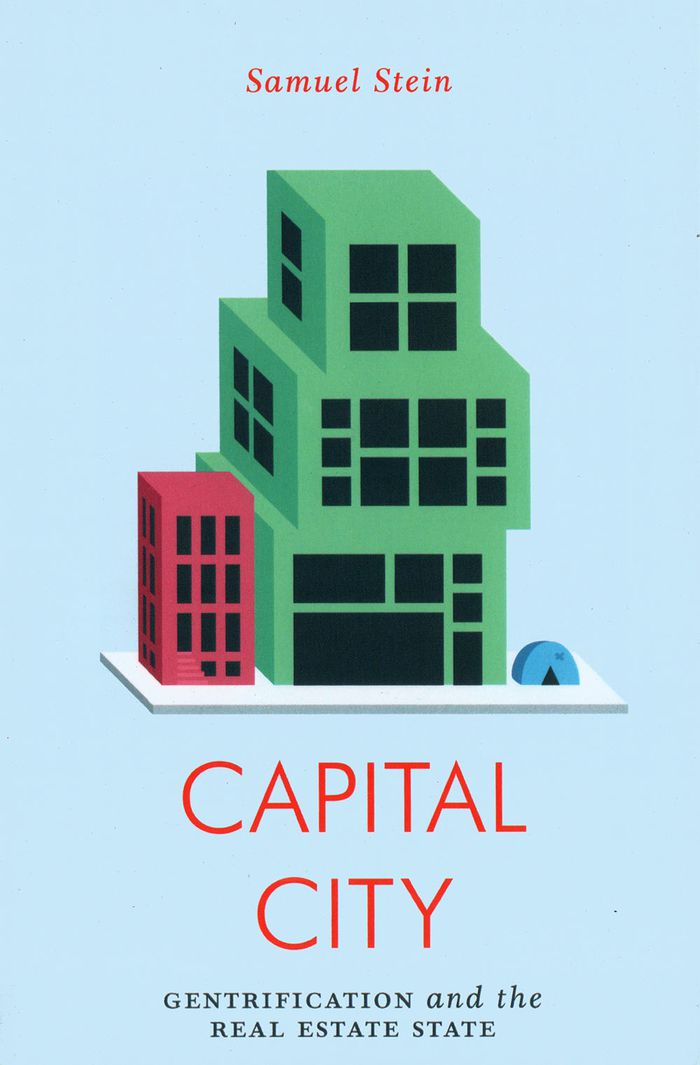
Our cities are changing. Around the world, more and more money is being invested in buildings and land. Real estate is now a $217 trillion dollar industry, worth thirty-six times the value of all the gold ever mined. It forms sixty percent of global assets, and one of the most powerful people in the world—the president of the United States—made his name as a landlord and developer. Samuel Stein shows that this explosive transformation of urban life and politics has been driven not only by the tastes of wealthy newcomers, but by the state-driven process of urban planning. Planning agencies provide a unique window into the ways the state uses and is used by capital, and the means by which urban renovations are translated into rising real estate values and rising rents. “Capital City” explains the role of planners in the real estate state, as well as the remarkable power of planning to reclaim urban life.
Capital city: gentrification and the real estate state
Actions:
Prix:
$23.95
(disponible sur commande)
Résumé:
Our cities are changing. Around the world, more and more money is being invested in buildings and land. Real estate is now a $217 trillion dollar industry, worth thirty-six times the value of all the gold ever mined. It forms sixty percent of global assets, and one of the most powerful people in the world—the president of the United States—made his name as a landlord and developer. Samuel Stein shows that this explosive transformation of urban life and politics has been driven not only by the tastes of wealthy newcomers, but by the state-driven process of urban planning. Planning agencies provide a unique window into the ways the state uses and is used by capital, and the means by which urban renovations are translated into rising real estate values and rising rents. “Capital City” explains the role of planners in the real estate state, as well as the remarkable power of planning to reclaim urban life.
Classification:
livres
livres
Publication:
mars 2019
mars 2019
Sujet:
Théorie de l’urbanisme
Théorie de l’urbanisme
Classification:
livres
livres
Actions:
Prix:
$66.00
(disponible sur commande)
Résumé:
Newtown Creek is a tributary of New York's East River that forms part of the border between the boroughs of Brooklyn and Queens. During the Industrial Revolution, when its volume of commercial shipping traffic exceeded that of the Mississippi River, the creek was widened, deepened, and bulkheaded to accommodate bigger barges, destroying all its freshwater sources. As one(...)
$66.00
(disponible sur commande)
Résumé:
Newtown Creek is a tributary of New York's East River that forms part of the border between the boroughs of Brooklyn and Queens. During the Industrial Revolution, when its volume of commercial shipping traffic exceeded that of the Mississippi River, the creek was widened, deepened, and bulkheaded to accommodate bigger barges, destroying all its freshwater sources. As one(...)
Titre:
Newtown Creek: a photographic survey of New York's industrial waterway
Actions:
Prix:
$66.00
(disponible sur commande)
Résumé:
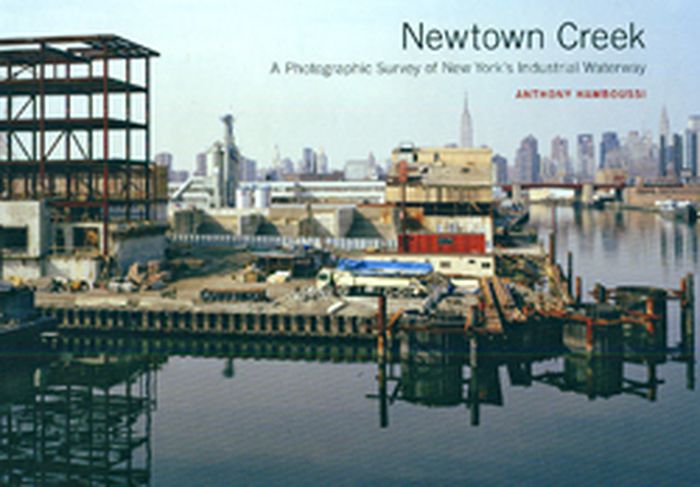
Newtown Creek is a tributary of New York's East River that forms part of the border between the boroughs of Brooklyn and Queens. During the Industrial Revolution, when its volume of commercial shipping traffic exceeded that of the Mississippi River, the creek was widened, deepened, and bulkheaded to accommodate bigger barges, destroying all its freshwater sources. As one of the oldest continuous industrial areas in the nation, it is now one of the most polluted. Newtown Creek is the first extensive documentation of this forgotten landscape. Anthony Hamboussi's five-year photographic survey captures the creek at a critical moment when gentrification and revitalization are just starting to change the area. From the ruins of Morgan Oil Company and the Newtown Metal Corporation to the footprints of the former Maspeth gasholders, Newtown Creek is a lost chapter in the visual history of industrial New York framed at the moment of its disappearance and transformation.
Newtown Creek: a photographic survey of New York's industrial waterway
Actions:
Prix:
$66.00
(disponible sur commande)
Résumé:
Newtown Creek is a tributary of New York's East River that forms part of the border between the boroughs of Brooklyn and Queens. During the Industrial Revolution, when its volume of commercial shipping traffic exceeded that of the Mississippi River, the creek was widened, deepened, and bulkheaded to accommodate bigger barges, destroying all its freshwater sources. As one of the oldest continuous industrial areas in the nation, it is now one of the most polluted. Newtown Creek is the first extensive documentation of this forgotten landscape. Anthony Hamboussi's five-year photographic survey captures the creek at a critical moment when gentrification and revitalization are just starting to change the area. From the ruins of Morgan Oil Company and the Newtown Metal Corporation to the footprints of the former Maspeth gasholders, Newtown Creek is a lost chapter in the visual history of industrial New York framed at the moment of its disappearance and transformation.
Classification:
livres
livres
Publication:
mars 2010
mars 2010
Sujet:
Photographie- collections
Photographie- collections
Classification:
livres
livres
Actions:
Prix:
$44.92
(disponible en magasin)
Résumé:
À la façon d'un journal de bord construit rétrospectivement, cet ouvrage revisite quatre opérations de logements mises en œuvre vers la fin des années cinquante : la ville verte de Briey-en-Forêt, la ville nouvelle de Bagnols-sur-Cèze, la ZUP de Bures-Orsay et la cité des 4000 à La Courneuve. Il rend compte de la façon dont le site, avec ses contraintes géographiques et(...)
$44.92
(disponible en magasin)
Résumé:
À la façon d'un journal de bord construit rétrospectivement, cet ouvrage revisite quatre opérations de logements mises en œuvre vers la fin des années cinquante : la ville verte de Briey-en-Forêt, la ville nouvelle de Bagnols-sur-Cèze, la ZUP de Bures-Orsay et la cité des 4000 à La Courneuve. Il rend compte de la façon dont le site, avec ses contraintes géographiques et(...)
Publication:
avril 2010
avril 2010
Titre:
Grands ensembles en situation : journal de bord de quatre chantiers
Actions:
Prix:
$44.92
(disponible en magasin)
Résumé:
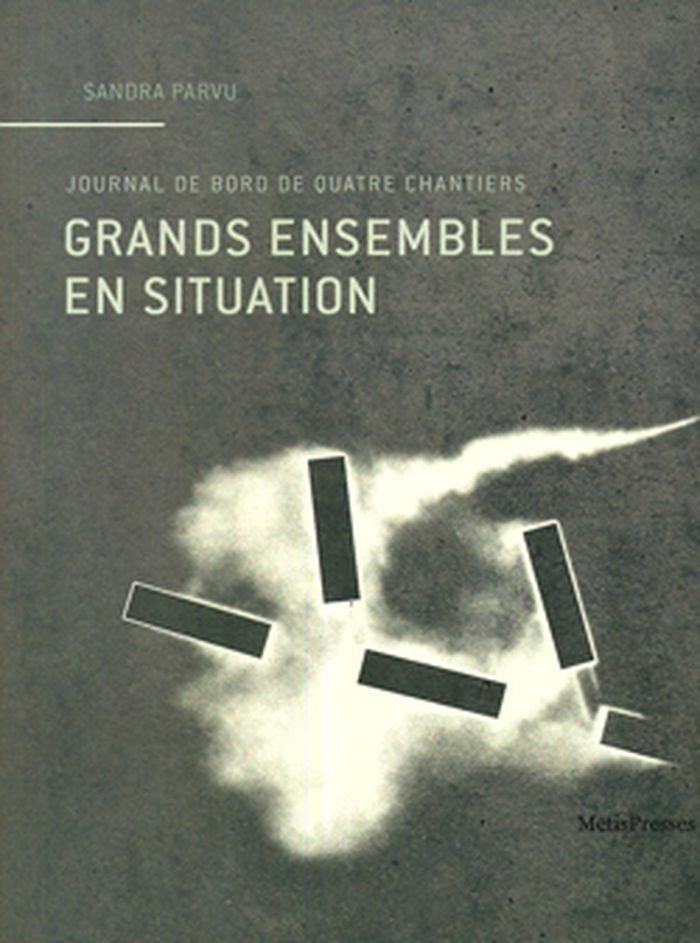
À la façon d'un journal de bord construit rétrospectivement, cet ouvrage revisite quatre opérations de logements mises en œuvre vers la fin des années cinquante : la ville verte de Briey-en-Forêt, la ville nouvelle de Bagnols-sur-Cèze, la ZUP de Bures-Orsay et la cité des 4000 à La Courneuve. Il rend compte de la façon dont le site, avec ses contraintes géographiques et administratives, a singularisé cet habitat pensé a priori comme uniforme. Visites de chantier, relevés de terrain, croquis in situ et échanges entre architectes et élus locaux sont examinés en détail afin d'exposer les lignes de conflit et les divergences d'intérêts qui peu à peu détournent les chantiers de leur programme initial. Remettant en question l'idée du site comme impensé des grands ensembles, ce livre prend part au débat actuel sur la démolition reconstruction du logement subventionné en proposant une politique de transformation fondée sur la spécificité du lieu.
Grands ensembles en situation : journal de bord de quatre chantiers
Actions:
Prix:
$44.92
(disponible en magasin)
Résumé:
À la façon d'un journal de bord construit rétrospectivement, cet ouvrage revisite quatre opérations de logements mises en œuvre vers la fin des années cinquante : la ville verte de Briey-en-Forêt, la ville nouvelle de Bagnols-sur-Cèze, la ZUP de Bures-Orsay et la cité des 4000 à La Courneuve. Il rend compte de la façon dont le site, avec ses contraintes géographiques et administratives, a singularisé cet habitat pensé a priori comme uniforme. Visites de chantier, relevés de terrain, croquis in situ et échanges entre architectes et élus locaux sont examinés en détail afin d'exposer les lignes de conflit et les divergences d'intérêts qui peu à peu détournent les chantiers de leur programme initial. Remettant en question l'idée du site comme impensé des grands ensembles, ce livre prend part au débat actuel sur la démolition reconstruction du logement subventionné en proposant une politique de transformation fondée sur la spécificité du lieu.
Classification:
livres
livres
Publication:
avril 2010
avril 2010
Classification:
livres
livres
Actions:
Prix:
$42.95
(disponible sur commande)
Résumé:
Samuel Zipp sheds new light on the rise and fall of New York's urban renewal in the decades after World War II. Focusing on four iconic "Manhattan projects"--the United Nations building, Stuyvesant Town, Lincoln Center, and the great swaths of public housing in East Harlem--Zipp unearths a host of forgotten stories and characters that flesh out the conventional history of(...)
$42.95
(disponible sur commande)
Résumé:
Samuel Zipp sheds new light on the rise and fall of New York's urban renewal in the decades after World War II. Focusing on four iconic "Manhattan projects"--the United Nations building, Stuyvesant Town, Lincoln Center, and the great swaths of public housing in East Harlem--Zipp unearths a host of forgotten stories and characters that flesh out the conventional history of(...)
Publication:
juin 2010
juin 2010
Titre:
Manhattan projects: The rise and fall of urban renewal in Cold War New York
Actions:
Prix:
$42.95
(disponible sur commande)
Résumé:
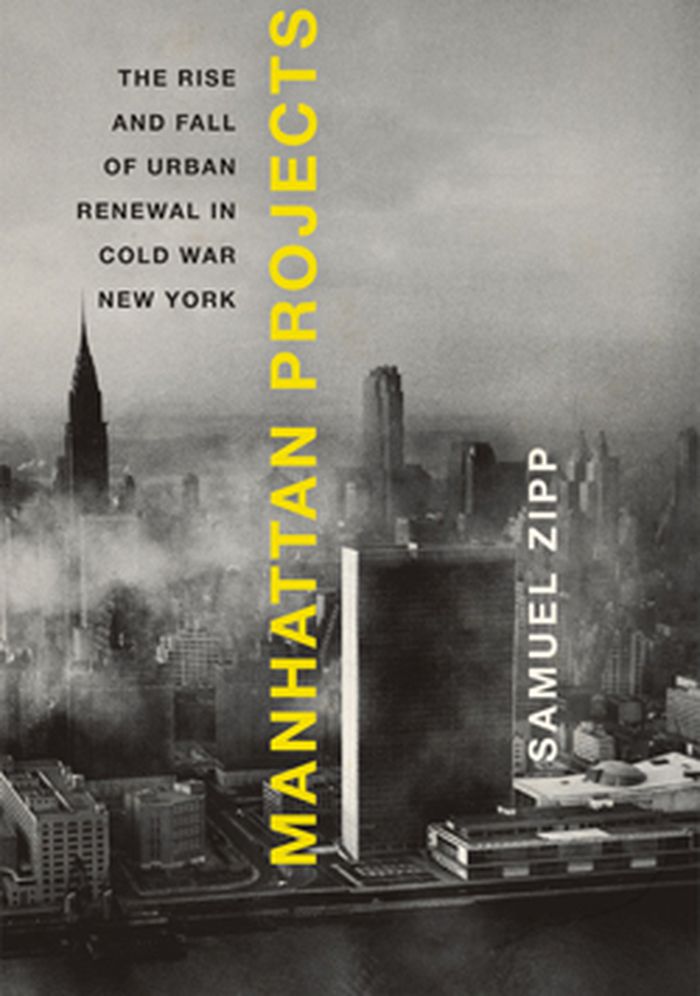
Samuel Zipp sheds new light on the rise and fall of New York's urban renewal in the decades after World War II. Focusing on four iconic "Manhattan projects"--the United Nations building, Stuyvesant Town, Lincoln Center, and the great swaths of public housing in East Harlem--Zipp unearths a host of forgotten stories and characters that flesh out the conventional history of urban renewal. He shows how boosters hoped to make Manhattan the capital of modernity and a symbol of American power, but even as the builders executed their plans, a chorus of critics revealed the dark side of those Cold War visions, attacking urban renewal for perpetuating deindustrialization, racial segregation, and class division; for uprooting thousands, and for implanting a new, alienating cityscape. Cold War-era urban renewal was not merely a failed planning ideal, Zipp concludes, but also a crucial phase in the transformation of New York into both a world city and one mired in urban crisis.
Manhattan projects: The rise and fall of urban renewal in Cold War New York
Actions:
Prix:
$42.95
(disponible sur commande)
Résumé:
Samuel Zipp sheds new light on the rise and fall of New York's urban renewal in the decades after World War II. Focusing on four iconic "Manhattan projects"--the United Nations building, Stuyvesant Town, Lincoln Center, and the great swaths of public housing in East Harlem--Zipp unearths a host of forgotten stories and characters that flesh out the conventional history of urban renewal. He shows how boosters hoped to make Manhattan the capital of modernity and a symbol of American power, but even as the builders executed their plans, a chorus of critics revealed the dark side of those Cold War visions, attacking urban renewal for perpetuating deindustrialization, racial segregation, and class division; for uprooting thousands, and for implanting a new, alienating cityscape. Cold War-era urban renewal was not merely a failed planning ideal, Zipp concludes, but also a crucial phase in the transformation of New York into both a world city and one mired in urban crisis.
Classification:
livres
livres
Publication:
juin 2010
juin 2010


