


2989 Résultats
Classification:
livres
livres
Actions:
Prix:
$88.00
(disponible en magasin)
Résumé:
Large bunk beds line the walls of a luminous all-white basement; "elephant drum" tables double as dancing podiums; a huge bed (for 45 people) fills the "Bed Baroque" room: this is the Supperclub nightclub and restaurant in Rome, designed by the Dutch design firm Concrete. The group's design concept has been a success in Amsterdam, Rome and San Francisco, and will land(...)
$88.00
(disponible en magasin)
Résumé:
Large bunk beds line the walls of a luminous all-white basement; "elephant drum" tables double as dancing podiums; a huge bed (for 45 people) fills the "Bed Baroque" room: this is the Supperclub nightclub and restaurant in Rome, designed by the Dutch design firm Concrete. The group's design concept has been a success in Amsterdam, Rome and San Francisco, and will land(...)
Sujet:
Architecture, monographies
Architecture, monographies
Publication:
juillet 2007, Rotterdam
juillet 2007, Rotterdam
Titre:
The world according to concrete
Actions:
Prix:
$88.00
(disponible en magasin)
Résumé:
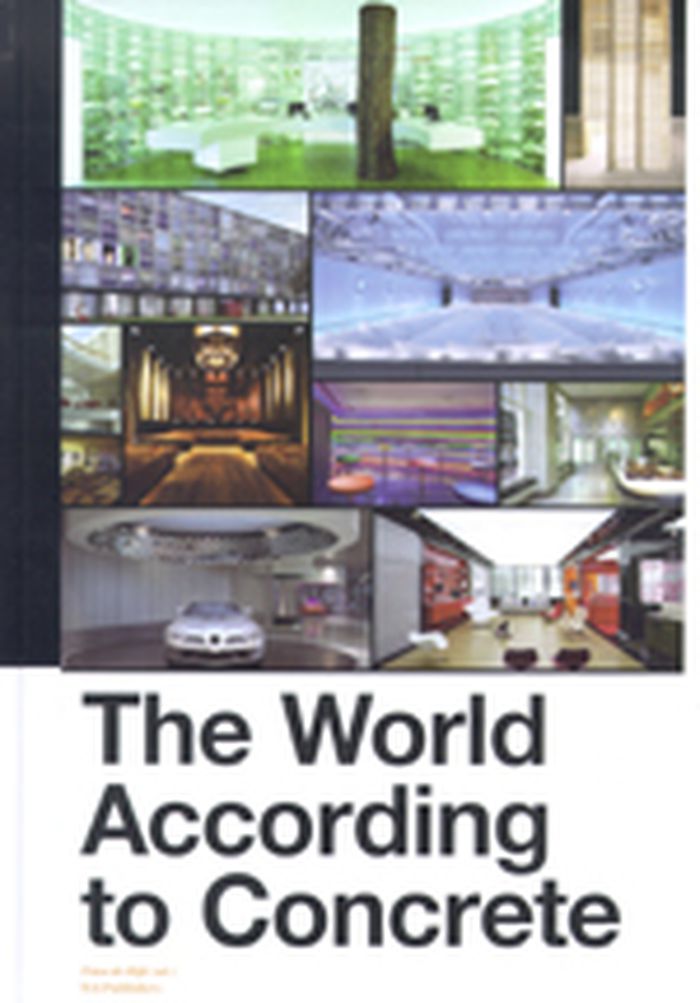
Large bunk beds line the walls of a luminous all-white basement; "elephant drum" tables double as dancing podiums; a huge bed (for 45 people) fills the "Bed Baroque" room: this is the Supperclub nightclub and restaurant in Rome, designed by the Dutch design firm Concrete. The group's design concept has been a success in Amsterdam, Rome and San Francisco, and will land soon in New York City. It has also mutated into Supperclub on Location and the Supperclub Cruise. Over the past decade, Concrete has set tongues wagging with their subtle amalgamation of architecture, advertising, fashion and product design for clients including De Lairesse Pharmacy in Amsterdam (winner, along with Supperclub, of the Lensvelt-de Architect Interior Prize), Rituals Home & Body Cosmetics, Australian Homemade, The Coffee Company, London's Laundry Industry, the Centraal Museum in Utrecht and the Van Gogh Museum, Amsterdam. It has also made its mark with projects for Hyundai in Seoul, the UberFluss design hotel in Bremen and the recently completed designs for the restaurants and shops at the Mercedes-Benz Museum Stuttgart (a building designed by UN Studio architects), which have already garnered much critical admiration. The World According to Concrete examines this chic young bureau's working methods and its position within the world of (interior) architecture. Featuring 300 color images and essays by esteemed design critic Timo de Rijk among others, it provides a timely appraisal of one of the boldest and most innovative design companies on the international scene.
The world according to concrete
Actions:
Prix:
$88.00
(disponible en magasin)
Résumé:
Large bunk beds line the walls of a luminous all-white basement; "elephant drum" tables double as dancing podiums; a huge bed (for 45 people) fills the "Bed Baroque" room: this is the Supperclub nightclub and restaurant in Rome, designed by the Dutch design firm Concrete. The group's design concept has been a success in Amsterdam, Rome and San Francisco, and will land soon in New York City. It has also mutated into Supperclub on Location and the Supperclub Cruise. Over the past decade, Concrete has set tongues wagging with their subtle amalgamation of architecture, advertising, fashion and product design for clients including De Lairesse Pharmacy in Amsterdam (winner, along with Supperclub, of the Lensvelt-de Architect Interior Prize), Rituals Home & Body Cosmetics, Australian Homemade, The Coffee Company, London's Laundry Industry, the Centraal Museum in Utrecht and the Van Gogh Museum, Amsterdam. It has also made its mark with projects for Hyundai in Seoul, the UberFluss design hotel in Bremen and the recently completed designs for the restaurants and shops at the Mercedes-Benz Museum Stuttgart (a building designed by UN Studio architects), which have already garnered much critical admiration. The World According to Concrete examines this chic young bureau's working methods and its position within the world of (interior) architecture. Featuring 300 color images and essays by esteemed design critic Timo de Rijk among others, it provides a timely appraisal of one of the boldest and most innovative design companies on the international scene.
Classification:
livres
livres
Publication:
juillet 2007, Rotterdam
juillet 2007, Rotterdam
Sujet:
Architecture, monographies
Architecture, monographies
Classification:
livres
livres
Actions:
Prix:
$46.00
(disponible sur commande)
Résumé:
Spanning four continents and six countries, this book introduces "new art landscapes" that fuse architecture, the reuse of found structures, environmentalism, and artistic experimentation. Through words and pictures, readers explore six institutions--Olympic Sculpture Park, Seattle, USA; Raketenstation Hombroich, near Neuss, Germany; Benesse Art Site in Naoshima, Japan;(...)
$46.00
(disponible sur commande)
Résumé:
Spanning four continents and six countries, this book introduces "new art landscapes" that fuse architecture, the reuse of found structures, environmentalism, and artistic experimentation. Through words and pictures, readers explore six institutions--Olympic Sculpture Park, Seattle, USA; Raketenstation Hombroich, near Neuss, Germany; Benesse Art Site in Naoshima, Japan;(...)
Titre:
White cube, green maze: new art landscapes
Actions:
Prix:
$46.00
(disponible sur commande)
Résumé:
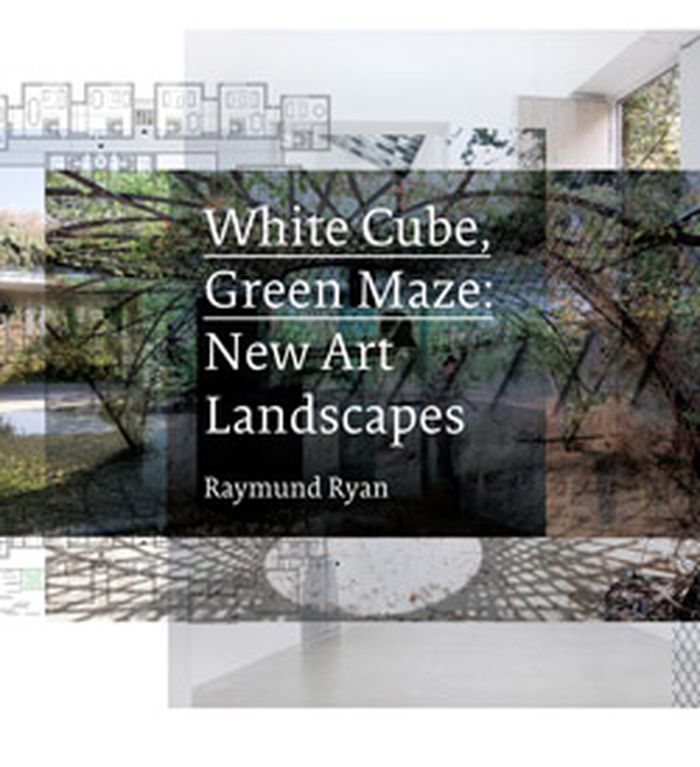
Spanning four continents and six countries, this book introduces "new art landscapes" that fuse architecture, the reuse of found structures, environmentalism, and artistic experimentation. Through words and pictures, readers explore six institutions--Olympic Sculpture Park, Seattle, USA; Raketenstation Hombroich, near Neuss, Germany; Benesse Art Site in Naoshima, Japan; Inhotim, near Belo Horizonte, Brazil; Jardin Botanico, Culiacan, Mexico; and Grand Traiano Art Complex, Grottaferrata, Italy--dedicated to the experience of culture and nature. Integrating vegetation and non-linear sequences of spaces, the sites offer multiple experiences enticing the visitor to circulate between and within buildings. The sites are depicted with architects' plans and sketches, historical photographs, and maquettes and sketches by key installation artists. Raymund Ryan's essay discusses important historical precedents and considers the defining characteristics of "new art landscapes" through descriptions of each of the projects. Brian O'Doherty offers an artist's critical perspective, while Marc Treib situates the projects in the history of landscape design Architects under consideration include such established masters as Tadao Ando and Alvaro Siza Vieira as well as emerging practices such as Tatiana Bilbao and Johnston Marklee.
White cube, green maze: new art landscapes
Actions:
Prix:
$46.00
(disponible sur commande)
Résumé:
Spanning four continents and six countries, this book introduces "new art landscapes" that fuse architecture, the reuse of found structures, environmentalism, and artistic experimentation. Through words and pictures, readers explore six institutions--Olympic Sculpture Park, Seattle, USA; Raketenstation Hombroich, near Neuss, Germany; Benesse Art Site in Naoshima, Japan; Inhotim, near Belo Horizonte, Brazil; Jardin Botanico, Culiacan, Mexico; and Grand Traiano Art Complex, Grottaferrata, Italy--dedicated to the experience of culture and nature. Integrating vegetation and non-linear sequences of spaces, the sites offer multiple experiences enticing the visitor to circulate between and within buildings. The sites are depicted with architects' plans and sketches, historical photographs, and maquettes and sketches by key installation artists. Raymund Ryan's essay discusses important historical precedents and considers the defining characteristics of "new art landscapes" through descriptions of each of the projects. Brian O'Doherty offers an artist's critical perspective, while Marc Treib situates the projects in the history of landscape design Architects under consideration include such established masters as Tadao Ando and Alvaro Siza Vieira as well as emerging practices such as Tatiana Bilbao and Johnston Marklee.
Classification:
livres
livres
Publication:
septembre 2012
septembre 2012
Sujet:
Jardins
Jardins
Classification:
livres
livres
Actions:
Prix:
$33.00
(disponible sur commande)
Résumé:
The Politics of Public Space is a quarterly publication of transcripts that speak directly to the city and the way we read it. The second volume addresses the effects of COVID-19, including the sudden changes in the way we interact and view our public spaces. It contains excerpts from Myria Georgiou, Saskia Sassen, Jack Self, Brooke Holmes, Ian Strange and Alfredo(...)
$33.00
(disponible sur commande)
Résumé:
The Politics of Public Space is a quarterly publication of transcripts that speak directly to the city and the way we read it. The second volume addresses the effects of COVID-19, including the sudden changes in the way we interact and view our public spaces. It contains excerpts from Myria Georgiou, Saskia Sassen, Jack Self, Brooke Holmes, Ian Strange and Alfredo(...)
Titre:
Politics of Public Space, Volume 2
Actions:
Prix:
$33.00
(disponible sur commande)
Résumé:
The Politics of Public Space is a quarterly publication of transcripts that speak directly to the city and the way we read it. The second volume addresses the effects of COVID-19, including the sudden changes in the way we interact and view our public spaces. It contains excerpts from Myria Georgiou, Saskia Sassen, Jack Self, Brooke Holmes, Ian Strange and Alfredo Brillembourg. This publication curates a series of global perspectives as we all come to terms with a new way of life due to the virus. Myria Georgiou observes the emergence of digital solidarity groups throughout the UK as inequalities and vulnerabilities are foregrounded. World-renowned sociologist Saskia Sassen reveals the pervasiveness of power as the fragility of our global connectedness is further disclosed. The true publicness of our cities is revealed in Jack Self’s account of protest and opposition to the political structures. Brooke Holmes depicts an interconnectedness between the health of the city and it’s citizens traced back to antiquity. Australian artist Ian Strange unpacks his understanding of the home as he recounts a decade of practice into the subject. And Venezuelan architect Alfredo Brillembourg calls to arms the architecture profession to deal directly with issues of injustice within the built environment.
Politics of Public Space, Volume 2
Actions:
Prix:
$33.00
(disponible sur commande)
Résumé:
The Politics of Public Space is a quarterly publication of transcripts that speak directly to the city and the way we read it. The second volume addresses the effects of COVID-19, including the sudden changes in the way we interact and view our public spaces. It contains excerpts from Myria Georgiou, Saskia Sassen, Jack Self, Brooke Holmes, Ian Strange and Alfredo Brillembourg. This publication curates a series of global perspectives as we all come to terms with a new way of life due to the virus. Myria Georgiou observes the emergence of digital solidarity groups throughout the UK as inequalities and vulnerabilities are foregrounded. World-renowned sociologist Saskia Sassen reveals the pervasiveness of power as the fragility of our global connectedness is further disclosed. The true publicness of our cities is revealed in Jack Self’s account of protest and opposition to the political structures. Brooke Holmes depicts an interconnectedness between the health of the city and it’s citizens traced back to antiquity. Australian artist Ian Strange unpacks his understanding of the home as he recounts a decade of practice into the subject. And Venezuelan architect Alfredo Brillembourg calls to arms the architecture profession to deal directly with issues of injustice within the built environment.
Classification:
livres
livres
Publication:
août 2020
août 2020
Sujet:
Théorie de l’urbanisme
Théorie de l’urbanisme
Classification:
livres
livres
Actions:
Prix:
$66.95
(disponible sur commande)
Résumé:
Windows are moments in modern architecture where we look to ascertain elegance, technical expression and material language or to capture a certain atmosphere. A window opening is as much an interval and an opportunity as it is a device for admitting light, air or views; it is simultaneously a physical aperture but also a philosophical opening of collaboration and(...)
$66.95
(disponible sur commande)
Résumé:
Windows are moments in modern architecture where we look to ascertain elegance, technical expression and material language or to capture a certain atmosphere. A window opening is as much an interval and an opportunity as it is a device for admitting light, air or views; it is simultaneously a physical aperture but also a philosophical opening of collaboration and(...)
Titre:
Great windows in modern architecture
Actions:
Prix:
$66.95
(disponible sur commande)
Résumé:
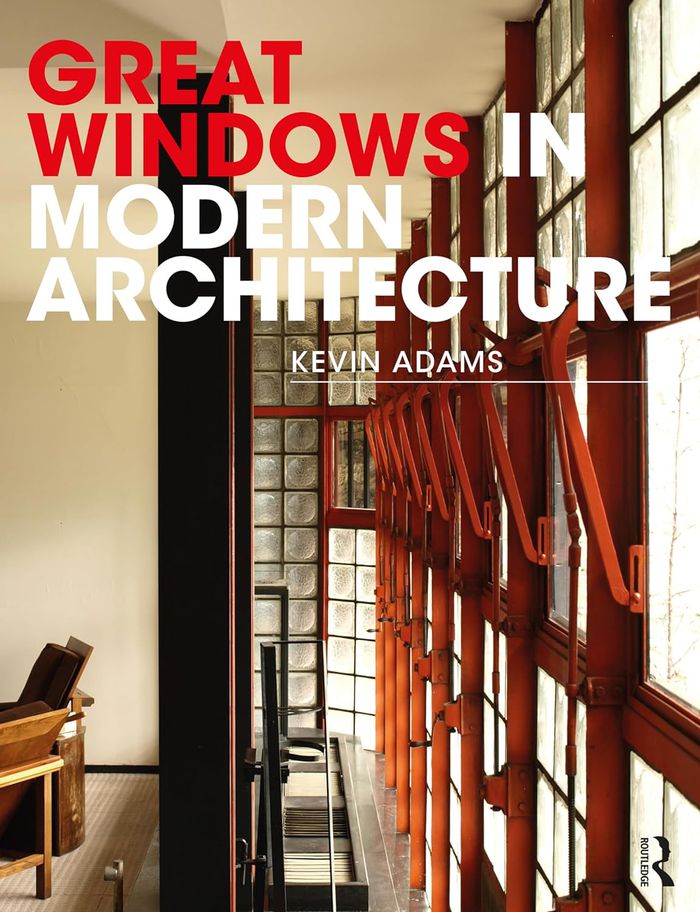
Windows are moments in modern architecture where we look to ascertain elegance, technical expression and material language or to capture a certain atmosphere. A window opening is as much an interval and an opportunity as it is a device for admitting light, air or views; it is simultaneously a physical aperture but also a philosophical opening of collaboration and reflection. In order to understand the language of a building we might look to the detail of the window. But what does this mean and why does modern architecture invest so much expression in the window? This book explores how the act of detailing and situating windows in buildings is a key proponent in the language of architecture, which both informs and works with the contingencies of design and construction. It investigates 18 case studies in-depth using painstakingly drawn details and vivid photographs in full colour to define what makes these windows “great” and how each window is situated within both its technical and philosophical context and as an overall development of modern architecture.
Great windows in modern architecture
Actions:
Prix:
$66.95
(disponible sur commande)
Résumé:
Windows are moments in modern architecture where we look to ascertain elegance, technical expression and material language or to capture a certain atmosphere. A window opening is as much an interval and an opportunity as it is a device for admitting light, air or views; it is simultaneously a physical aperture but also a philosophical opening of collaboration and reflection. In order to understand the language of a building we might look to the detail of the window. But what does this mean and why does modern architecture invest so much expression in the window? This book explores how the act of detailing and situating windows in buildings is a key proponent in the language of architecture, which both informs and works with the contingencies of design and construction. It investigates 18 case studies in-depth using painstakingly drawn details and vivid photographs in full colour to define what makes these windows “great” and how each window is situated within both its technical and philosophical context and as an overall development of modern architecture.
Classification:
livres
livres
Publication:
mars 2024
mars 2024
Sujet:
Modernisme
Modernisme
Classification:
livres
livres
Titre:
Food + architecture
Food + architecture
Actions:
Prix:
$54.99
(disponible sur commande)
Résumé:
Food is in architecture. We buy, cook and consume it in many different public places designed to accommodate, even enhance, these activities of daily life. Much of the urban streetscape is composed of just such places: the market, the grocery, the pub, the café and the restaurant, as well as the supermarket, fast-food outlet or takeaway. Likewise, architecture is in(...)
$54.99
(disponible sur commande)
Résumé:
Food is in architecture. We buy, cook and consume it in many different public places designed to accommodate, even enhance, these activities of daily life. Much of the urban streetscape is composed of just such places: the market, the grocery, the pub, the café and the restaurant, as well as the supermarket, fast-food outlet or takeaway. Likewise, architecture is in(...)
Publication:
janvier 2003, London
janvier 2003, London
Titre:
Food + architecture
Actions:
Prix:
$54.99
(disponible sur commande)
Résumé:
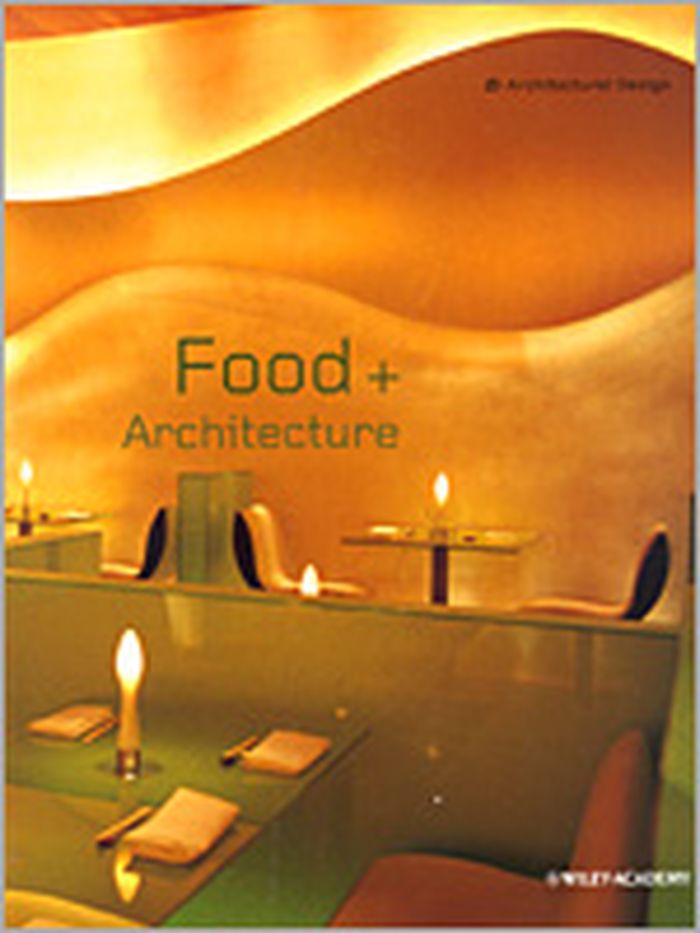
Food is in architecture. We buy, cook and consume it in many different public places designed to accommodate, even enhance, these activities of daily life. Much of the urban streetscape is composed of just such places: the market, the grocery, the pub, the café and the restaurant, as well as the supermarket, fast-food outlet or takeaway. Likewise, architecture is in food. Chefs design dishes that resemble works of art but which must also stand up and be eaten. And architecture is like food. Each is fashioned from raw materials into a cultural product. We depend on both to meet ordinary needs and to celebrate special events. Architect and cook alike manipulate colour, texture and shape to tantalise our senses. Despite a burgeoning interest in many fields within the topic of food, "Food and architecture" explores the relationship between food and architecture. Featuring new restaurants in Tokyo, Sydney, London, and New York, it showcases the architectural pleasures of dining out, while interviews with restaurateur Alan Yau and designer James Soane reveal the creative thinking that makes a restaurant a theatrical experience.
Food + architecture
Actions:
Prix:
$54.99
(disponible sur commande)
Résumé:
Food is in architecture. We buy, cook and consume it in many different public places designed to accommodate, even enhance, these activities of daily life. Much of the urban streetscape is composed of just such places: the market, the grocery, the pub, the café and the restaurant, as well as the supermarket, fast-food outlet or takeaway. Likewise, architecture is in food. Chefs design dishes that resemble works of art but which must also stand up and be eaten. And architecture is like food. Each is fashioned from raw materials into a cultural product. We depend on both to meet ordinary needs and to celebrate special events. Architect and cook alike manipulate colour, texture and shape to tantalise our senses. Despite a burgeoning interest in many fields within the topic of food, "Food and architecture" explores the relationship between food and architecture. Featuring new restaurants in Tokyo, Sydney, London, and New York, it showcases the architectural pleasures of dining out, while interviews with restaurateur Alan Yau and designer James Soane reveal the creative thinking that makes a restaurant a theatrical experience.
Classification:
livres
livres
Publication:
janvier 2003, London
janvier 2003, London
Classification:
livres
livres
Titre:
History's shadow
History's shadow
Actions:
Prix:
$85.00
(disponible sur commande)
Résumé:
Maisel’s work has always been concerned with processes of memory, excavation, and transformation. These themes are given new form in his latest work, History’s Shadow. In this series, Maisel re-photographs x-rays from museum archives that depict artifacts from antiquity, scanning and digitally manipulating the selected source material. X-rays have historically been used(...)
$85.00
(disponible sur commande)
Résumé:
Maisel’s work has always been concerned with processes of memory, excavation, and transformation. These themes are given new form in his latest work, History’s Shadow. In this series, Maisel re-photographs x-rays from museum archives that depict artifacts from antiquity, scanning and digitally manipulating the selected source material. X-rays have historically been used(...)
Titre:
History's shadow
Actions:
Prix:
$85.00
(disponible sur commande)
Résumé:
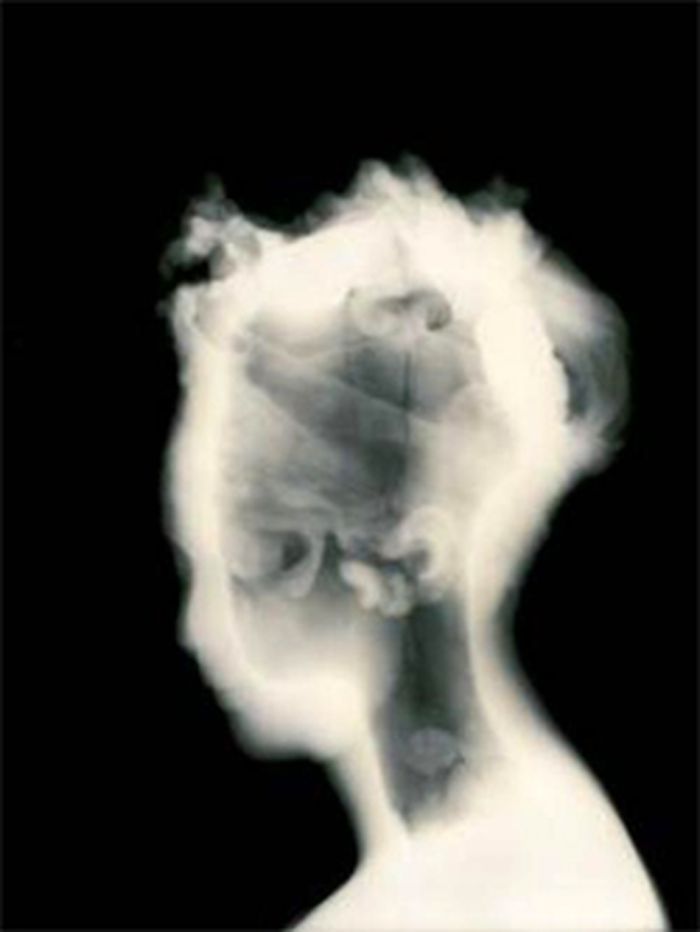
Maisel’s work has always been concerned with processes of memory, excavation, and transformation. These themes are given new form in his latest work, History’s Shadow. In this series, Maisel re-photographs x-rays from museum archives that depict artifacts from antiquity, scanning and digitally manipulating the selected source material. X-rays have historically been used by art conservators for structural examination of art and artifacts much as physicians examine bones and internal organs; they reveal losses, replacements, construction methods, and internal trauma invisible to the naked eye. By transcribing both the inner and outer surfaces of their subjects simultaneously, they form spectral images of indeterminate space, depth, and scale. The resulting photographs seem like transmissions from the distant past, both spanning and collapsing time. They express – through feeling and art, as well as science and reason – the shape-shifting nature of time itself, and the continuous presence of the past contained within us. The book contains an original short story by Jonathan Lethem that was inspired by Maisel’s images.
History's shadow
Actions:
Prix:
$85.00
(disponible sur commande)
Résumé:
Maisel’s work has always been concerned with processes of memory, excavation, and transformation. These themes are given new form in his latest work, History’s Shadow. In this series, Maisel re-photographs x-rays from museum archives that depict artifacts from antiquity, scanning and digitally manipulating the selected source material. X-rays have historically been used by art conservators for structural examination of art and artifacts much as physicians examine bones and internal organs; they reveal losses, replacements, construction methods, and internal trauma invisible to the naked eye. By transcribing both the inner and outer surfaces of their subjects simultaneously, they form spectral images of indeterminate space, depth, and scale. The resulting photographs seem like transmissions from the distant past, both spanning and collapsing time. They express – through feeling and art, as well as science and reason – the shape-shifting nature of time itself, and the continuous presence of the past contained within us. The book contains an original short story by Jonathan Lethem that was inspired by Maisel’s images.
Classification:
livres
livres
Publication:
septembre 2011
septembre 2011
Sujet:
Monographies photo
Monographies photo
Classification:
livres
livres
Titre:
Other things
Other things
Actions:
Prix:
$59.95
(disponible sur commande)
Résumé:
From the pencil to the puppet to the drone, the humanities and the social sciences continue to ride a wave of interest in material culture and the world of things. How should we understand the force and figure of that wave as it shapes different disciplines? Other Things explores this question by considering a wide assortment of objects—from beach glass to cell phones,(...)
$59.95
(disponible sur commande)
Résumé:
From the pencil to the puppet to the drone, the humanities and the social sciences continue to ride a wave of interest in material culture and the world of things. How should we understand the force and figure of that wave as it shapes different disciplines? Other Things explores this question by considering a wide assortment of objects—from beach glass to cell phones,(...)
Titre:
Other things
Actions:
Prix:
$59.95
(disponible sur commande)
Résumé:
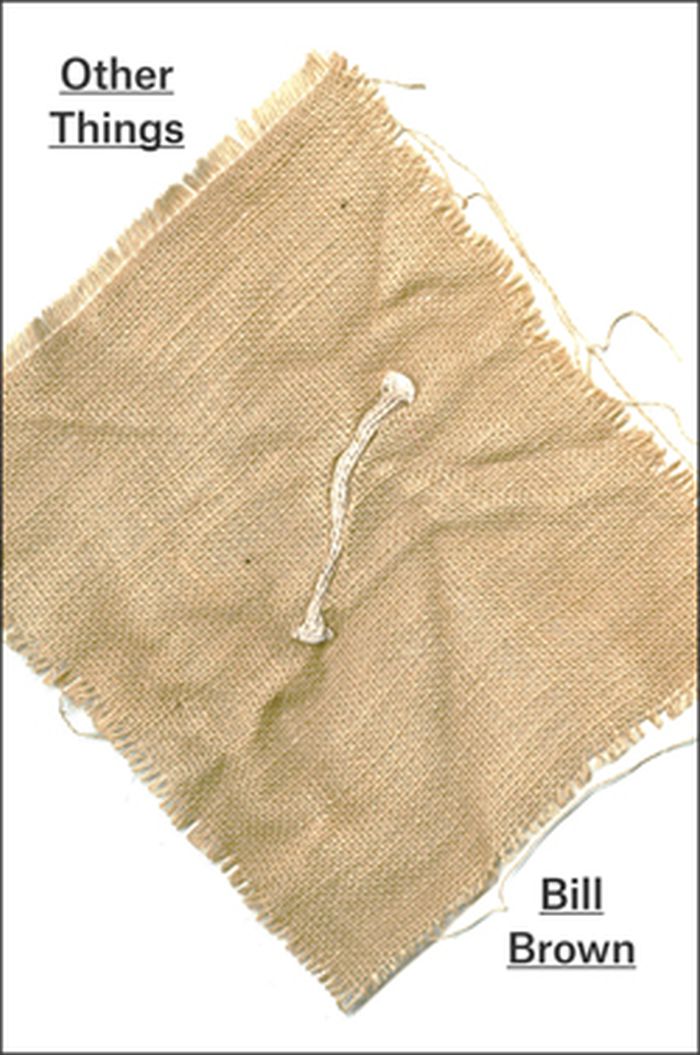
From the pencil to the puppet to the drone, the humanities and the social sciences continue to ride a wave of interest in material culture and the world of things. How should we understand the force and figure of that wave as it shapes different disciplines? Other Things explores this question by considering a wide assortment of objects—from beach glass to cell phones, sneakers to skyscrapers—that have fascinated a range of writers and artists, including Virginia Woolf, Man Ray, Spike Lee, and Don DeLillo. The book ranges across the literary, visual, and plastic arts to depict the curious lives of things. Beginning with Achilles’s Shield, then tracking the object/thing distinction as it appears in the work of Martin Heidegger and Jacques Lacan, Bill Brown ultimately focuses on the thingness disclosed by specific literary and artistic works. Combining history and literature, criticism and theory, Other Things provides a new way of understanding the inanimate object world and the place of the human within it, encouraging us to think anew about what we mean by materiality itself.
Other things
Actions:
Prix:
$59.95
(disponible sur commande)
Résumé:
From the pencil to the puppet to the drone, the humanities and the social sciences continue to ride a wave of interest in material culture and the world of things. How should we understand the force and figure of that wave as it shapes different disciplines? Other Things explores this question by considering a wide assortment of objects—from beach glass to cell phones, sneakers to skyscrapers—that have fascinated a range of writers and artists, including Virginia Woolf, Man Ray, Spike Lee, and Don DeLillo. The book ranges across the literary, visual, and plastic arts to depict the curious lives of things. Beginning with Achilles’s Shield, then tracking the object/thing distinction as it appears in the work of Martin Heidegger and Jacques Lacan, Bill Brown ultimately focuses on the thingness disclosed by specific literary and artistic works. Combining history and literature, criticism and theory, Other Things provides a new way of understanding the inanimate object world and the place of the human within it, encouraging us to think anew about what we mean by materiality itself.
Classification:
livres
livres
Publication:
novembre 2015
novembre 2015
Sujet:
Théorie du design
Théorie du design
Classification:
livres
livres
Actions:
Prix:
$57.95
(disponible sur commande)
Résumé:
Novartis Campus at Basel will be an international significant place of knowledge, innovation and encounters, characterized by far-reaching visions of urban space and architecture. Peter Märklis Visitor Center is the second building to be finished in that area and will be followed by others to be designed and realized by invited architects. With his building Peter(...)
$57.95
(disponible sur commande)
Résumé:
Novartis Campus at Basel will be an international significant place of knowledge, innovation and encounters, characterized by far-reaching visions of urban space and architecture. Peter Märklis Visitor Center is the second building to be finished in that area and will be followed by others to be designed and realized by invited architects. With his building Peter(...)
Sujet:
Architecture, monographies
Architecture, monographies
Publication:
janvier 2007, Basel
janvier 2007, Basel
Titre:
Peter Märkli : Novartis Campus - Fabrikstrasse 6
Actions:
Prix:
$57.95
(disponible sur commande)
Résumé:
Novartis Campus at Basel will be an international significant place of knowledge, innovation and encounters, characterized by far-reaching visions of urban space and architecture. Peter Märklis Visitor Center is the second building to be finished in that area and will be followed by others to be designed and realized by invited architects. With his building Peter Märkli is relying on architecture's traditional terminology in order to win back lost or forgotten values. This is achieved within contemporary forms and composition and also means exposing the inherent qualities of the materials. Champagne-coloured profiles at the outside, gleaming marble at the inside, yew- and olive-wood as well as cast aluminium at the banisters and the lettering create a richness and variety of materialisation. This publication presents photos of Paolo Rosselli und Goran Potkonjak as well as drawings and sketches by Peter Märkli, showing his design strategy. Ulrike Jehle-Schulte Strathaus has written an introduction to the building, also appreciating the artistic contributions by Jenny Holzer, Alex Herter und Bringolf, Irion, Vögeli as integral parts of the building.
Peter Märkli : Novartis Campus - Fabrikstrasse 6
Actions:
Prix:
$57.95
(disponible sur commande)
Résumé:
Novartis Campus at Basel will be an international significant place of knowledge, innovation and encounters, characterized by far-reaching visions of urban space and architecture. Peter Märklis Visitor Center is the second building to be finished in that area and will be followed by others to be designed and realized by invited architects. With his building Peter Märkli is relying on architecture's traditional terminology in order to win back lost or forgotten values. This is achieved within contemporary forms and composition and also means exposing the inherent qualities of the materials. Champagne-coloured profiles at the outside, gleaming marble at the inside, yew- and olive-wood as well as cast aluminium at the banisters and the lettering create a richness and variety of materialisation. This publication presents photos of Paolo Rosselli und Goran Potkonjak as well as drawings and sketches by Peter Märkli, showing his design strategy. Ulrike Jehle-Schulte Strathaus has written an introduction to the building, also appreciating the artistic contributions by Jenny Holzer, Alex Herter und Bringolf, Irion, Vögeli as integral parts of the building.
Classification:
livres
livres
Publication:
janvier 2007, Basel
janvier 2007, Basel
Sujet:
Architecture, monographies
Architecture, monographies
Classification:
livres
livres
Prix:
$48.95
(disponible sur commande)
Résumé:
Although highly regarded during his short life--and honored by artists and architects today--the American artist Gordon Matta-Clark (1943-78) has been largely ignored within the history of art. Matta-Clark is best remembered for site-specific projects known as(...)
$48.95
(disponible sur commande)
Résumé:
Although highly regarded during his short life--and honored by artists and architects today--the American artist Gordon Matta-Clark (1943-78) has been largely ignored within the history of art. Matta-Clark is best remembered for site-specific projects known as(...)
Publication:
octobre 2001
octobre 2001
Titre:
Object to be destroyed : the work of Gordon Matta-Clark
Actions:
Prix:
$48.95
(disponible sur commande)
Résumé:
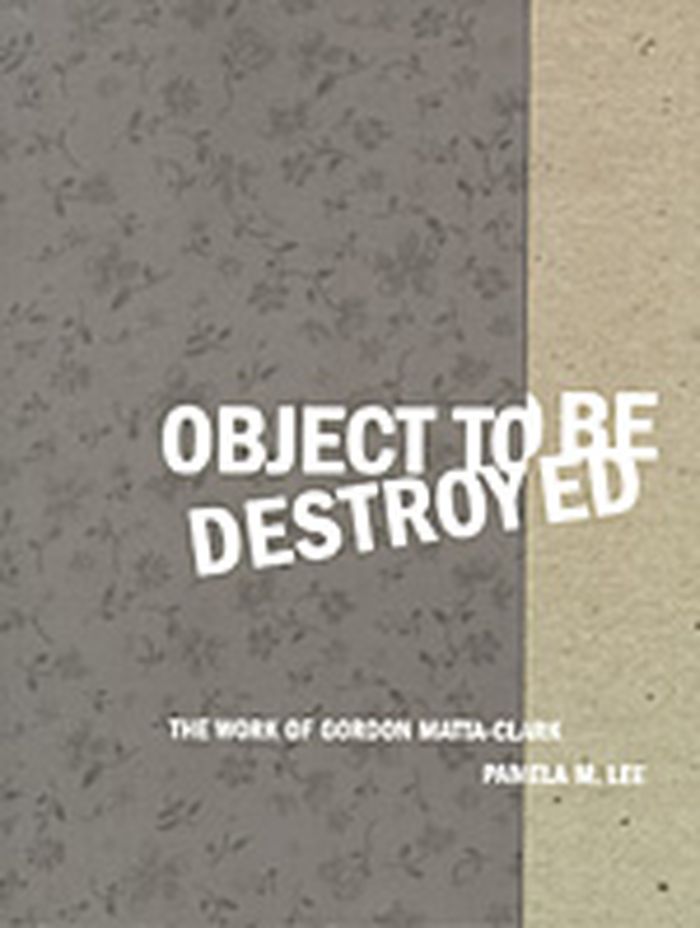
Although highly regarded during his short life--and honored by artists and architects today--the American artist Gordon Matta-Clark (1943-78) has been largely ignored within the history of art. Matta-Clark is best remembered for site-specific projects known as "building cuts." Sculptural transformations of architecture produced through direct cuts into buildings scheduled for demolition, these works now exist only as sculptural fragments, photographs, and film and video documentations. Matta-Clark is also remembered as a catalytic force in the creation of SoHo in the early 1970s. Through loft activities, site projects at the exhibition space 112 Greene Street, and his work at the restaurant Food, he participated in the production of a new social and artistic space. In this first critical account of Matta-Clark's work, Lee considers it in the context of the art of the 1970s--particularly site-specific, conceptual, and minimalist practices--and its confrontation with issues of community, property, the alienation of urban space, the "right to the city," and the ideologies of progress that have defined modern building programs.
Object to be destroyed : the work of Gordon Matta-Clark
Actions:
Prix:
$48.95
(disponible sur commande)
Résumé:
Although highly regarded during his short life--and honored by artists and architects today--the American artist Gordon Matta-Clark (1943-78) has been largely ignored within the history of art. Matta-Clark is best remembered for site-specific projects known as "building cuts." Sculptural transformations of architecture produced through direct cuts into buildings scheduled for demolition, these works now exist only as sculptural fragments, photographs, and film and video documentations. Matta-Clark is also remembered as a catalytic force in the creation of SoHo in the early 1970s. Through loft activities, site projects at the exhibition space 112 Greene Street, and his work at the restaurant Food, he participated in the production of a new social and artistic space. In this first critical account of Matta-Clark's work, Lee considers it in the context of the art of the 1970s--particularly site-specific, conceptual, and minimalist practices--and its confrontation with issues of community, property, the alienation of urban space, the "right to the city," and the ideologies of progress that have defined modern building programs.
Classification:
livres
livres
Publication:
octobre 2001
octobre 2001
Classification:
livres
livres
Titre:
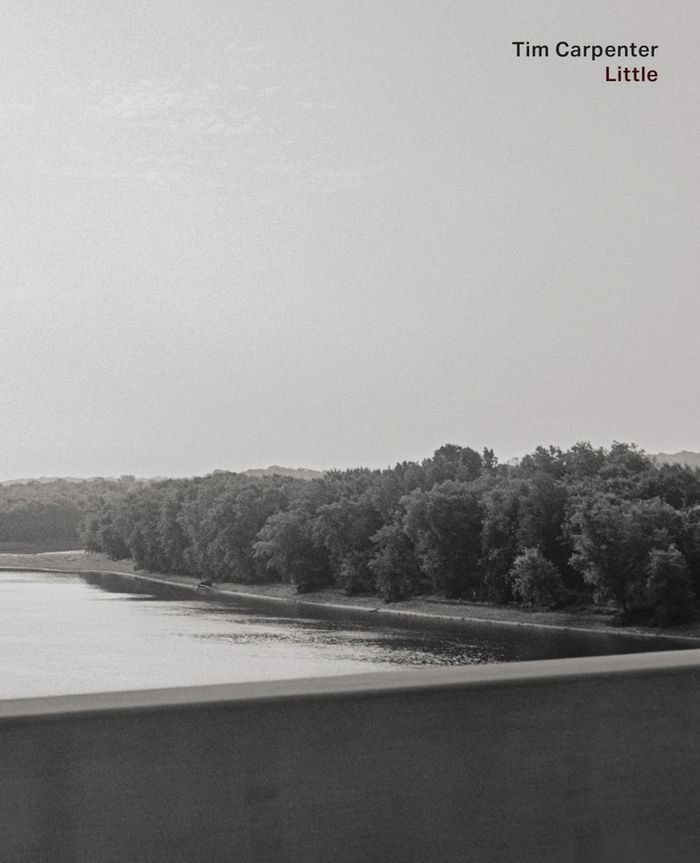
Tim Carpenter: Little
Tim Carpenter: Little
Actions:
Prix:
$55.00
(disponible sur commande)
Résumé:
Tim Carpenter’s (born 1968) ''Little'' is a visual memoir that completes a trilogy rooted in the sensibility and approach to the practice of “camera” he elaborated in the best-selling, book-length essay ''To Photograph Is to Learn How to Die'' (2022). In other words, he steadfastly upholds photography’s capacity to bridge the gap between self and other, and to cultivate(...)
$55.00
(disponible sur commande)
Résumé:
Tim Carpenter’s (born 1968) ''Little'' is a visual memoir that completes a trilogy rooted in the sensibility and approach to the practice of “camera” he elaborated in the best-selling, book-length essay ''To Photograph Is to Learn How to Die'' (2022). In other words, he steadfastly upholds photography’s capacity to bridge the gap between self and other, and to cultivate(...)
Titre:
Tim Carpenter: Little
Actions:
Prix:
$55.00
(disponible sur commande)
Résumé:
Tim Carpenter’s (born 1968) ''Little'' is a visual memoir that completes a trilogy rooted in the sensibility and approach to the practice of “camera” he elaborated in the best-selling, book-length essay ''To Photograph Is to Learn How to Die'' (2022). In other words, he steadfastly upholds photography’s capacity to bridge the gap between self and other, and to cultivate meaning in an alienating world. Less formally rigorous than ''Local Objects'' (2017) and less introspective and linear than ''Christmas Day, Bucks Pond Road'', this new installment channels the perspective of a child’s meandering mind, open to possible meanings, absorbing whatever the eyes encounter—marks, buildings, branches, paths, the daylight of a Central Illinois afternoon—nascent symbols everywhere, fleeting images improvised of mind and matter. Adapting a style in the lineage of the New Topographics photographers—Robert Adams, John Gossage and Lewis Baltz—these black-and-white photographs are affecting in their minimalism, imbuing poignance within the banal composites of the Midwestern landscape. The volume itself is beautifully produced with a flush-cut cover treatment and a foil-stamped title.
Tim Carpenter: Little
Actions:
Prix:
$55.00
(disponible sur commande)
Résumé:
Tim Carpenter’s (born 1968) ''Little'' is a visual memoir that completes a trilogy rooted in the sensibility and approach to the practice of “camera” he elaborated in the best-selling, book-length essay ''To Photograph Is to Learn How to Die'' (2022). In other words, he steadfastly upholds photography’s capacity to bridge the gap between self and other, and to cultivate meaning in an alienating world. Less formally rigorous than ''Local Objects'' (2017) and less introspective and linear than ''Christmas Day, Bucks Pond Road'', this new installment channels the perspective of a child’s meandering mind, open to possible meanings, absorbing whatever the eyes encounter—marks, buildings, branches, paths, the daylight of a Central Illinois afternoon—nascent symbols everywhere, fleeting images improvised of mind and matter. Adapting a style in the lineage of the New Topographics photographers—Robert Adams, John Gossage and Lewis Baltz—these black-and-white photographs are affecting in their minimalism, imbuing poignance within the banal composites of the Midwestern landscape. The volume itself is beautifully produced with a flush-cut cover treatment and a foil-stamped title.
Classification:
livres
livres
Publication:
juillet 2024
juillet 2024
Sujet:
Monographies photo
Monographies photo


