


3021 Résultats
Classification:
livres
livres
Actions:
Description:
1 online resource : illustrations
Auteur:
Sujet:
Publication:
[Place of publication not identified] : The Serving Library, 2015., [New Haven, Connecticut] : Library Stack, [2022]
[Place of publication not identified] : The Serving Library, 2015., [New Haven, Connecticut] : Library Stack, [2022]
Titre:
Bulletins of the Serving Library. #9 / editors, David Reinfurt, Stuart Bailey, Angie Keefer ; contributors, Junior Aspirin Records [and 15 others].
Actions:
Description:
1 online resource : illustrations
Bulletins of the Serving Library. #9 / editors, David Reinfurt, Stuart Bailey, Angie Keefer ; contributors, Junior Aspirin Records [and 15 others].
Actions:
Description:
1 online resource : illustrations
Classification:
livres
livres
Publication:
[Place of publication not identified] : The Serving Library, 2015., [New Haven, Connecticut] : Library Stack, [2022]
[Place of publication not identified] : The Serving Library, 2015., [New Haven, Connecticut] : Library Stack, [2022]
Auteur:
Sujet:
Classification:
livres
livres
Actions:
Exemplaires:
Description:
vi, 458 pages : map ; 24 cm
Description:
vi, 458 pages : map ; 24 cm
Auteur:
Sujet:
Publication:
Cambridge, Mass. : Harvard University Press, 1981.
Cambridge, Mass. : Harvard University Press, 1981.
Titre:
Constantine and Eusebius / Timothy D. Barnes.
Actions:
Exemplaires:
Description:
vi, 458 pages : map ; 24 cm
Constantine and Eusebius / Timothy D. Barnes.
Actions:
Exemplaires:
Description:
vi, 458 pages : map ; 24 cm
Classification:
livres
livres
Publication:
Cambridge, Mass. : Harvard University Press, 1981.
Cambridge, Mass. : Harvard University Press, 1981.
Auteur:
Sujet:
Classification:
livres
livres
Actions:
Exemplaires:
Description:
328 pages : illustrations (chiefly colour) ; 29 cm
Description:
328 pages : illustrations (chiefly colour) ; 29 cm
Auteur:
Sujet:
Publication:
New York : Thames & Hudson, 2018., ©2018
New York : Thames & Hudson, 2018., ©2018
Titre:
3D thinking in design and architecture : from antiquity to the future / Roger Burrows.
Actions:
Exemplaires:
Description:
328 pages : illustrations (chiefly colour) ; 29 cm
3D thinking in design and architecture : from antiquity to the future / Roger Burrows.
Actions:
Exemplaires:
Description:
328 pages : illustrations (chiefly colour) ; 29 cm
Classification:
livres
livres
Publication:
New York : Thames & Hudson, 2018., ©2018
New York : Thames & Hudson, 2018., ©2018
Auteur:
Sujet:
Classification:
livres
livres
Actions:
Exemplaires:
Description:
79 pages : color illustrations ; 20 cm.
Description:
79 pages : color illustrations ; 20 cm.
Auteur:
Sujet:
Publication:
Florence, Italy : I Tatti ; Rome : Officina libraria, [2023], [Cambridge, Massachusetts] : Worldwide distribution by Harvard University Press, ©2023
Florence, Italy : I Tatti ; Rome : Officina libraria, [2023], [Cambridge, Massachusetts] : Worldwide distribution by Harvard University Press, ©2023
Titre:
Ulysses and the limits of Dante's humanism = Ulisse o dei limiti dell'umanesimo dantesco / Lino Pertile.
Actions:
Exemplaires:
Description:
79 pages : color illustrations ; 20 cm.
Ulysses and the limits of Dante's humanism = Ulisse o dei limiti dell'umanesimo dantesco / Lino Pertile.
Actions:
Exemplaires:
Description:
79 pages : color illustrations ; 20 cm.
Classification:
livres
livres
Publication:
Florence, Italy : I Tatti ; Rome : Officina libraria, [2023], [Cambridge, Massachusetts] : Worldwide distribution by Harvard University Press, ©2023
Florence, Italy : I Tatti ; Rome : Officina libraria, [2023], [Cambridge, Massachusetts] : Worldwide distribution by Harvard University Press, ©2023
Auteur:
Sujet:
Classification:
livres
livres
Actions:
Prix:
$71.00
(disponible sur commande)
Résumé:
In 1966, at the age of 28, photographer Joel Meyerowitz embarked on a journey that would take him to the United Kingdom, Ireland, Spain, France, Germany, Eastern Europe, Turkey and Greece. In total, he drove 20,000 miles through 10 countries and ended up taking 25,000 photographs. This trip was a transcendental experience and formative in shaping Meyerowitz's instinctive(...)
$71.00
(disponible sur commande)
Résumé:
In 1966, at the age of 28, photographer Joel Meyerowitz embarked on a journey that would take him to the United Kingdom, Ireland, Spain, France, Germany, Eastern Europe, Turkey and Greece. In total, he drove 20,000 miles through 10 countries and ended up taking 25,000 photographs. This trip was a transcendental experience and formative in shaping Meyerowitz's instinctive(...)
Titre:
Joel Meyerowitz: Europa 1966-1967
Actions:
Prix:
$71.00
(disponible sur commande)
Résumé:
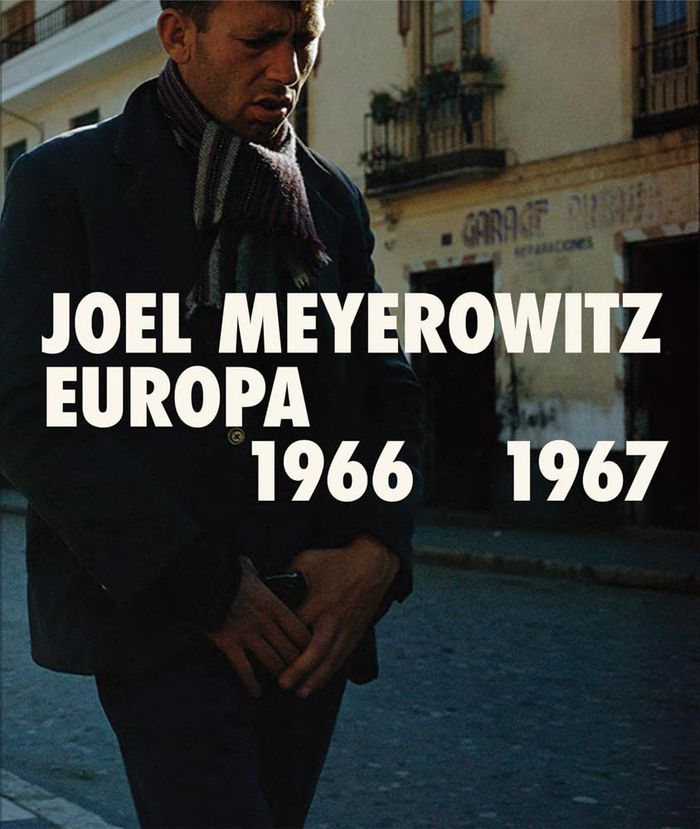
In 1966, at the age of 28, photographer Joel Meyerowitz embarked on a journey that would take him to the United Kingdom, Ireland, Spain, France, Germany, Eastern Europe, Turkey and Greece. In total, he drove 20,000 miles through 10 countries and ended up taking 25,000 photographs. This trip was a transcendental experience and formative in shaping Meyerowitz's instinctive and brilliant identity that he is known for today. Europa 1966–1967 compiles a selection of photographs taken by Meyerowitz on his yearlong trip through Europe, offering an exciting glimpse of the “New Old World” that, having lately overcome the trauma of World War II, opened itself to modernity and progress. Meyerowitz witnessed societies in transition, stuck between dictatorship and economic blossoming. Yet he also documented unshakable cultural traditions, such as when he lived with a flamenco-performing family in Francoist Spain for six months. The strength and freshness of Meyerowitz’s gaze and the new codes that were captured in these pictures inspired the next generation of photographers.
Joel Meyerowitz: Europa 1966-1967
Actions:
Prix:
$71.00
(disponible sur commande)
Résumé:
In 1966, at the age of 28, photographer Joel Meyerowitz embarked on a journey that would take him to the United Kingdom, Ireland, Spain, France, Germany, Eastern Europe, Turkey and Greece. In total, he drove 20,000 miles through 10 countries and ended up taking 25,000 photographs. This trip was a transcendental experience and formative in shaping Meyerowitz's instinctive and brilliant identity that he is known for today. Europa 1966–1967 compiles a selection of photographs taken by Meyerowitz on his yearlong trip through Europe, offering an exciting glimpse of the “New Old World” that, having lately overcome the trauma of World War II, opened itself to modernity and progress. Meyerowitz witnessed societies in transition, stuck between dictatorship and economic blossoming. Yet he also documented unshakable cultural traditions, such as when he lived with a flamenco-performing family in Francoist Spain for six months. The strength and freshness of Meyerowitz’s gaze and the new codes that were captured in these pictures inspired the next generation of photographers.
Classification:
livres
livres
Publication:
octobre 2024
octobre 2024
Sujet:
Monographies photo
Monographies photo
Classification:
livres
livres
Actions:
Prix:
$34.95
(disponible sur commande)
Résumé:
In "Apollo's Eye", geographer Denis Cosgrove examines the historical implications for the West of conceiving and representing the earth as a globe: a unified, spherical body. Cosgrove traces how ideas of globalism and globalization have shifted historically in relation to changing images of the earth, from antiquity to the Space Age. He connects the evolving image(...)
$34.95
(disponible sur commande)
Résumé:
In "Apollo's Eye", geographer Denis Cosgrove examines the historical implications for the West of conceiving and representing the earth as a globe: a unified, spherical body. Cosgrove traces how ideas of globalism and globalization have shifted historically in relation to changing images of the earth, from antiquity to the Space Age. He connects the evolving image(...)
Titre:
Apollo's eye : a cartographic genealogy of the earth in the Western imagination
Actions:
Prix:
$34.95
(disponible sur commande)
Résumé:
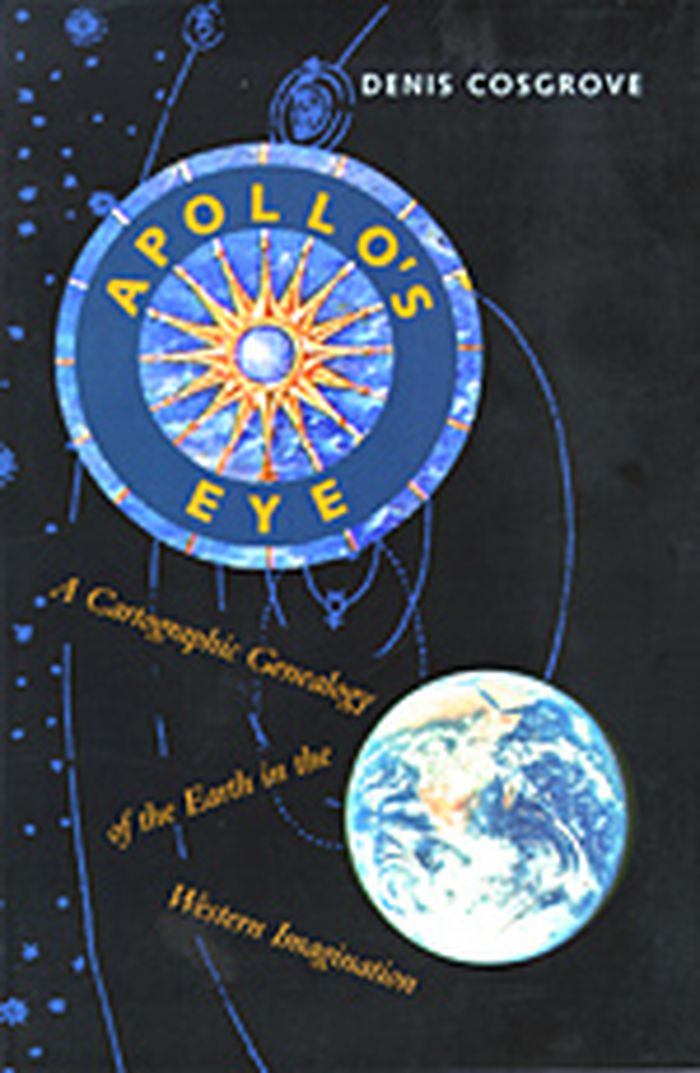
In "Apollo's Eye", geographer Denis Cosgrove examines the historical implications for the West of conceiving and representing the earth as a globe: a unified, spherical body. Cosgrove traces how ideas of globalism and globalization have shifted historically in relation to changing images of the earth, from antiquity to the Space Age. He connects the evolving image of a unified globe to politically powerful conceptions of human unity. Cosgrove constructs a genealogy of global images from classical Greece and Rome to the present, giving special attention to the early sixteenth century, when Europeans circumnavigated the earth, relocated it within their understanding of the cosmos, and revolutionized its representation in models and maps. Each chapter focuses on specific images of the globe or whole earth, reproduced in a wealth of illustrations. Cosgrove's analysis traces a pattern of associations between global images and the formation of Western identities, paying tribute to the complex cosmographic tradition out of which today's geographical imagination has emerged.
Apollo's eye : a cartographic genealogy of the earth in the Western imagination
Actions:
Prix:
$34.95
(disponible sur commande)
Résumé:
In "Apollo's Eye", geographer Denis Cosgrove examines the historical implications for the West of conceiving and representing the earth as a globe: a unified, spherical body. Cosgrove traces how ideas of globalism and globalization have shifted historically in relation to changing images of the earth, from antiquity to the Space Age. He connects the evolving image of a unified globe to politically powerful conceptions of human unity. Cosgrove constructs a genealogy of global images from classical Greece and Rome to the present, giving special attention to the early sixteenth century, when Europeans circumnavigated the earth, relocated it within their understanding of the cosmos, and revolutionized its representation in models and maps. Each chapter focuses on specific images of the globe or whole earth, reproduced in a wealth of illustrations. Cosgrove's analysis traces a pattern of associations between global images and the formation of Western identities, paying tribute to the complex cosmographic tradition out of which today's geographical imagination has emerged.
Classification:
livres
livres
Publication:
octobre 2003, Baltimore
octobre 2003, Baltimore
Sujet:
Dessin d’architecture
Dessin d’architecture
Classification:
livres
livres
Titre:
The Mycenaeans
The Mycenaeans
Actions:
Prix:
$40.00
(disponible sur commande)
Résumé:
For almost three thousand years, the Mycenaeans, ancestors of the classical Greeks, lay lost and forgotten beneath the soil of Greece. In 1876, however, a German businessman, Heinrich Schliemann, in his search for the great Mycenaean king Agamemnon and other heroes of the Trojan War, made an astounding discovery in Mycenae: inside the monumental Lion Gate he discovered(...)
$40.00
(disponible sur commande)
Résumé:
For almost three thousand years, the Mycenaeans, ancestors of the classical Greeks, lay lost and forgotten beneath the soil of Greece. In 1876, however, a German businessman, Heinrich Schliemann, in his search for the great Mycenaean king Agamemnon and other heroes of the Trojan War, made an astounding discovery in Mycenae: inside the monumental Lion Gate he discovered(...)
Titre:
The Mycenaeans
Actions:
Prix:
$40.00
(disponible sur commande)
Résumé:
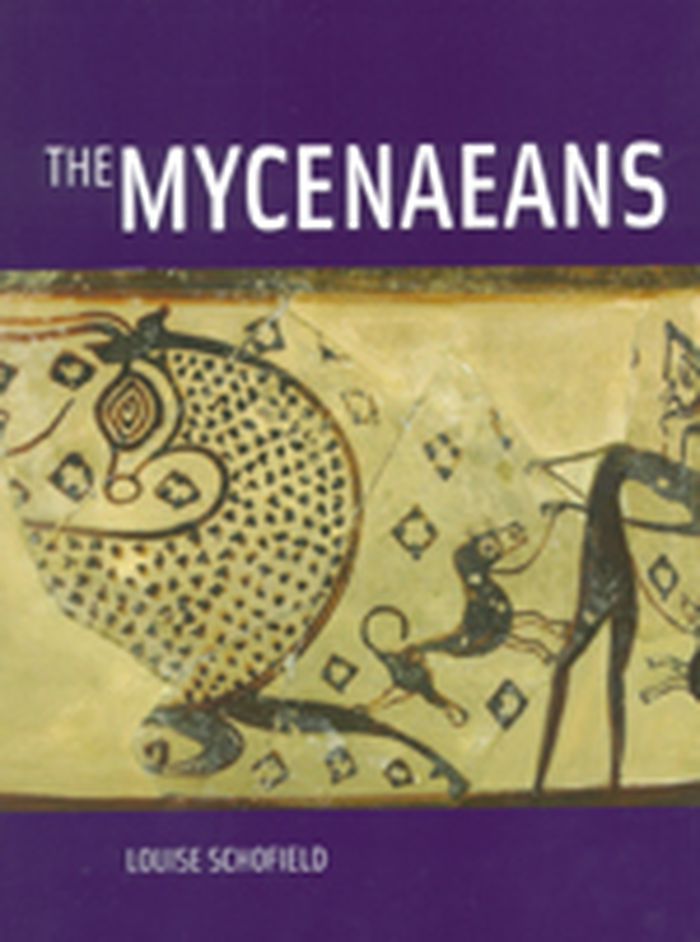
For almost three thousand years, the Mycenaeans, ancestors of the classical Greeks, lay lost and forgotten beneath the soil of Greece. In 1876, however, a German businessman, Heinrich Schliemann, in his search for the great Mycenaean king Agamemnon and other heroes of the Trojan War, made an astounding discovery in Mycenae: inside the monumental Lion Gate he discovered shaft graves belonging to a warrior elite, many of whom were buried wearing striking gold funerary masks and armor. In this authoritative new survey, Schofield examines these initial discoveries and other material evidence from Mycenaean culture, including painted pottery, documents in Linear B script, and the remains of fortress-palaces, all of which have yielded important information about the social hierarchies, religion, and military and trading activities of this wealthy and sophisticated culture. The author also considers the factual basis for the Mycenaeans' legendary links with the Trojan War and the various explanations for the eventual decline of their civilization.
The Mycenaeans
Actions:
Prix:
$40.00
(disponible sur commande)
Résumé:
For almost three thousand years, the Mycenaeans, ancestors of the classical Greeks, lay lost and forgotten beneath the soil of Greece. In 1876, however, a German businessman, Heinrich Schliemann, in his search for the great Mycenaean king Agamemnon and other heroes of the Trojan War, made an astounding discovery in Mycenae: inside the monumental Lion Gate he discovered shaft graves belonging to a warrior elite, many of whom were buried wearing striking gold funerary masks and armor. In this authoritative new survey, Schofield examines these initial discoveries and other material evidence from Mycenaean culture, including painted pottery, documents in Linear B script, and the remains of fortress-palaces, all of which have yielded important information about the social hierarchies, religion, and military and trading activities of this wealthy and sophisticated culture. The author also considers the factual basis for the Mycenaeans' legendary links with the Trojan War and the various explanations for the eventual decline of their civilization.
Classification:
livres
livres
Publication:
janvier 2001, Los Angeles
janvier 2001, Los Angeles
Sujet:
Théorie de l’architecture
Théorie de l’architecture
Classification:
livres
livres
Actions:
Prix:
$69.75
(disponible sur commande)
Résumé:
In "Apollo's Eye", geographer Denis Cosgrove examines the historical implications for the West of conceiving and representing the earth as a globe: a unified, spherical body. Cosgrove traces how ideas of globalism and globalization have shifted historically in relation to changing images of the earth, from antiquity to the Space Age. He connects the evolving image(...)
$69.75
(disponible sur commande)
Résumé:
In "Apollo's Eye", geographer Denis Cosgrove examines the historical implications for the West of conceiving and representing the earth as a globe: a unified, spherical body. Cosgrove traces how ideas of globalism and globalization have shifted historically in relation to changing images of the earth, from antiquity to the Space Age. He connects the evolving image(...)
Titre:
Apollo's eye : a cartographic genealogy of the earth in the Western imagination
Actions:
Prix:
$69.75
(disponible sur commande)
Résumé:
In "Apollo's Eye", geographer Denis Cosgrove examines the historical implications for the West of conceiving and representing the earth as a globe: a unified, spherical body. Cosgrove traces how ideas of globalism and globalization have shifted historically in relation to changing images of the earth, from antiquity to the Space Age. He connects the evolving image of a unified globe to politically powerful conceptions of human unity. Cosgrove constructs a genealogy of global images from classical Greece and Rome to the present, giving special attention to the early sixteenth century, when Europeans circumnavigated the earth, relocated it within their understanding of the cosmos, and revolutionized its representation in models and maps. Each chapter focuses on specific images of the globe or whole earth, reproduced in a wealth of illustrations. Cosgrove's analysis traces a pattern of associations between global images and the formation of Western identities, paying tribute to the complex cosmographic tradition out of which today's geographical imagination has emerged.
Apollo's eye : a cartographic genealogy of the earth in the Western imagination
Actions:
Prix:
$69.75
(disponible sur commande)
Résumé:
In "Apollo's Eye", geographer Denis Cosgrove examines the historical implications for the West of conceiving and representing the earth as a globe: a unified, spherical body. Cosgrove traces how ideas of globalism and globalization have shifted historically in relation to changing images of the earth, from antiquity to the Space Age. He connects the evolving image of a unified globe to politically powerful conceptions of human unity. Cosgrove constructs a genealogy of global images from classical Greece and Rome to the present, giving special attention to the early sixteenth century, when Europeans circumnavigated the earth, relocated it within their understanding of the cosmos, and revolutionized its representation in models and maps. Each chapter focuses on specific images of the globe or whole earth, reproduced in a wealth of illustrations. Cosgrove's analysis traces a pattern of associations between global images and the formation of Western identities, paying tribute to the complex cosmographic tradition out of which today's geographical imagination has emerged.
Classification:
livres
livres
Publication:
mars 2001, Baltimore
mars 2001, Baltimore
Sujet:
Dessin d’architecture
Dessin d’architecture
Classification:
livres
livres

Titre:
Visions and ecstasies
Visions and ecstasies
Actions:
Prix:
$20.00
(disponible en magasin)
Résumé:
While H.D. is best known for her elemental poetry, which draws heavily on the imagery of natural and ancient worlds, her critical writings remain a largely underexplored and unpublished part of her oeuvre. Crucial to understanding both the formative contexts surrounding her departure from Imagism following the First World War and her own remarkable creative vision, "Notes(...)
$20.00
(disponible en magasin)
Résumé:
While H.D. is best known for her elemental poetry, which draws heavily on the imagery of natural and ancient worlds, her critical writings remain a largely underexplored and unpublished part of her oeuvre. Crucial to understanding both the formative contexts surrounding her departure from Imagism following the First World War and her own remarkable creative vision, "Notes(...)
Titre:
Visions and ecstasies
Actions:
Prix:
$20.00
(disponible en magasin)
Résumé:
While H.D. is best known for her elemental poetry, which draws heavily on the imagery of natural and ancient worlds, her critical writings remain a largely underexplored and unpublished part of her oeuvre. Crucial to understanding both the formative contexts surrounding her departure from Imagism following the First World War and her own remarkable creative vision, "Notes on Thought and Vision," written in 1918, is one of the central works in this collection. H.D. guides her reader to the untamed shores of the Scilly Isles, where we hear of powerful, transformative experiences and of her intense relationship with the paintings of Leonardo da Vinci. The accompanying essays, many published here for the first time, help colour H.D.’s astute critical engagement with the past, from the city of Athens and the poetry of ancient Greece. Like Letters to a Young Painter (2017), also published in the ekphrasis series, this collection is essential reading for anyone interested in the creative process.
Visions and ecstasies
Actions:
Prix:
$20.00
(disponible en magasin)
Résumé:
While H.D. is best known for her elemental poetry, which draws heavily on the imagery of natural and ancient worlds, her critical writings remain a largely underexplored and unpublished part of her oeuvre. Crucial to understanding both the formative contexts surrounding her departure from Imagism following the First World War and her own remarkable creative vision, "Notes on Thought and Vision," written in 1918, is one of the central works in this collection. H.D. guides her reader to the untamed shores of the Scilly Isles, where we hear of powerful, transformative experiences and of her intense relationship with the paintings of Leonardo da Vinci. The accompanying essays, many published here for the first time, help colour H.D.’s astute critical engagement with the past, from the city of Athens and the poetry of ancient Greece. Like Letters to a Young Painter (2017), also published in the ekphrasis series, this collection is essential reading for anyone interested in the creative process.
Classification:
livres
livres
Publication:
novembre 2019
novembre 2019
Sujet:
Théorie de l’art
Théorie de l’art
Classification:
livres
livres
Actions:
Prix:
$39.95
(disponible sur commande)
Résumé:
The peculiar arrangement of the psychoanalyst’s office for an analytic session seems inexplicable. The analyst sits in a chair out of sight while the patient lies on a couch facing away. It has been this way since Freud, although, as Nathan Kravis points out in On the Couch, this practice is grounded more in the cultural history of reclining posture than in empirical(...)
$39.95
(disponible sur commande)
Résumé:
The peculiar arrangement of the psychoanalyst’s office for an analytic session seems inexplicable. The analyst sits in a chair out of sight while the patient lies on a couch facing away. It has been this way since Freud, although, as Nathan Kravis points out in On the Couch, this practice is grounded more in the cultural history of reclining posture than in empirical(...)
Titre:
On the couch : a repressed history of the analytic couch from Plato to Freud
Actions:
Prix:
$39.95
(disponible sur commande)
Résumé:
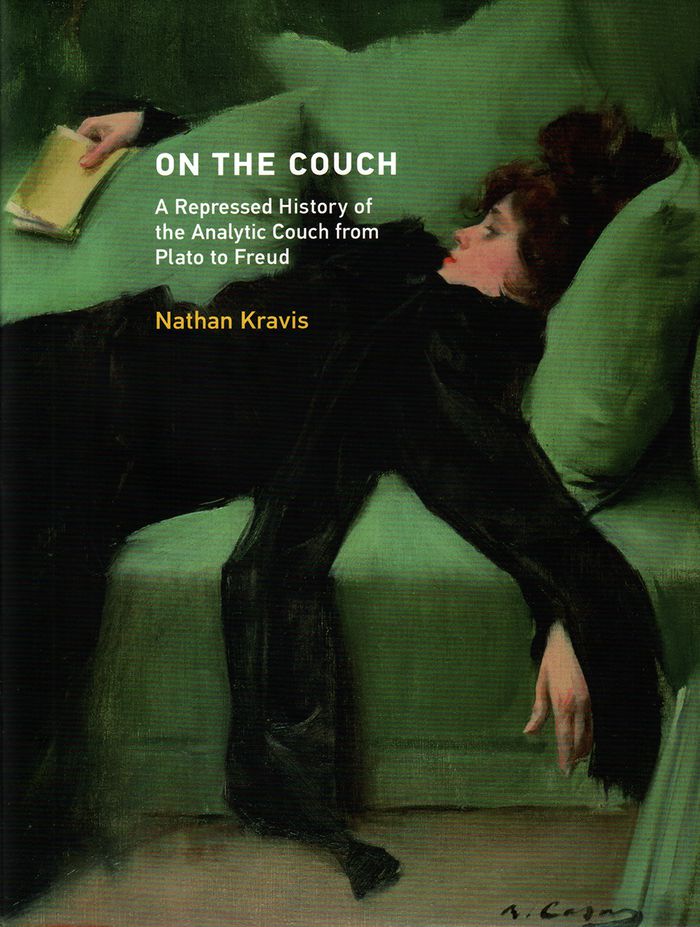
The peculiar arrangement of the psychoanalyst’s office for an analytic session seems inexplicable. The analyst sits in a chair out of sight while the patient lies on a couch facing away. It has been this way since Freud, although, as Nathan Kravis points out in On the Couch, this practice is grounded more in the cultural history of reclining posture than in empirical research. Kravis, himself a practicing psychoanalyst, shows that the tradition of recumbent speech wasn’t dreamed up by Freud but can be traced back to ancient Greece, where guests reclined on couches at the symposion (a gathering for upper-class males to discuss philosophy and drink wine), and to the Roman convivium (a banquet at which men and women reclined together). From bed to bench to settee to chaise-longue to sofa: Kravis tells how the couch became an icon of self-knowledge and self-reflection as well as a site for pleasure, privacy, transgression, and healing.
On the couch : a repressed history of the analytic couch from Plato to Freud
Actions:
Prix:
$39.95
(disponible sur commande)
Résumé:
The peculiar arrangement of the psychoanalyst’s office for an analytic session seems inexplicable. The analyst sits in a chair out of sight while the patient lies on a couch facing away. It has been this way since Freud, although, as Nathan Kravis points out in On the Couch, this practice is grounded more in the cultural history of reclining posture than in empirical research. Kravis, himself a practicing psychoanalyst, shows that the tradition of recumbent speech wasn’t dreamed up by Freud but can be traced back to ancient Greece, where guests reclined on couches at the symposion (a gathering for upper-class males to discuss philosophy and drink wine), and to the Roman convivium (a banquet at which men and women reclined together). From bed to bench to settee to chaise-longue to sofa: Kravis tells how the couch became an icon of self-knowledge and self-reflection as well as a site for pleasure, privacy, transgression, and healing.
Classification:
livres
livres
Publication:
août 2017
août 2017


