


3071 Résultats
Classification:
livres
livres
Actions:
Exemplaires:
Description:
335 pages : illustrations ; 25 cm
Description:
335 pages : illustrations ; 25 cm
Auteur:
Sujet:
Publication:
New York : Thames & Hudson, ©2000.
New York : Thames & Hudson, ©2000.
Titre:
Words and buildings : a vocabulary of modern architecture / Adrian Forty.
Actions:
Exemplaires:
Description:
335 pages : illustrations ; 25 cm
Words and buildings : a vocabulary of modern architecture / Adrian Forty.
Actions:
Exemplaires:
Description:
335 pages : illustrations ; 25 cm
Classification:
livres
livres
Publication:
New York : Thames & Hudson, ©2000.
New York : Thames & Hudson, ©2000.
Auteur:
Sujet:
Classification:
livres
livres
Actions:
Exemplaires:
Description:
x, 224 pages : illustrations ; 24 cm
Description:
x, 224 pages : illustrations ; 24 cm
Auteur:
Sujet:
Publication:
Toronto ; Buffalo : University of Toronto Press, ©1995.
Toronto ; Buffalo : University of Toronto Press, ©1995.
Titre:
Reconstructing architecture for the twenty-first century : an inquiry into the architect's world / Anthony Jackson.
Actions:
Exemplaires:
Description:
x, 224 pages : illustrations ; 24 cm
Reconstructing architecture for the twenty-first century : an inquiry into the architect's world / Anthony Jackson.
Actions:
Exemplaires:
Description:
x, 224 pages : illustrations ; 24 cm
Classification:
livres
livres
Publication:
Toronto ; Buffalo : University of Toronto Press, ©1995.
Toronto ; Buffalo : University of Toronto Press, ©1995.
Auteur:
Sujet:
Classification:
livres
livres
Actions:
Exemplaires:
Description:
256 pages : illustrations (some color) ; 26 cm
Description:
256 pages : illustrations (some color) ; 26 cm
Auteur:
Sujet:
Publication:
London : National Trust ; New York : Distributed in North America by Harry N. Abrams, Publisher, 1997.
London : National Trust ; New York : Distributed in North America by Harry N. Abrams, Publisher, 1997.
Titre:
Behind the scenes : domestic arrangements in historic houses / Christina Hardyment.
Actions:
Exemplaires:
Description:
256 pages : illustrations (some color) ; 26 cm
Behind the scenes : domestic arrangements in historic houses / Christina Hardyment.
Actions:
Exemplaires:
Description:
256 pages : illustrations (some color) ; 26 cm
Classification:
livres
livres
Publication:
London : National Trust ; New York : Distributed in North America by Harry N. Abrams, Publisher, 1997.
London : National Trust ; New York : Distributed in North America by Harry N. Abrams, Publisher, 1997.
Auteur:
Sujet:
Classification:
livres
livres
Actions:
Exemplaires:
Description:
166 pages illustrations, XLVIII plates on 24 leaves 22 cm
Description:
166 pages illustrations, XLVIII plates on 24 leaves 22 cm
Auteur:
Sujet:
Publication:
London, G. Allen & Unwin Ltd [1945]
London, G. Allen & Unwin Ltd [1945]
Titre:
Plastics and industrial design, by John Gloag. With a section on the different types of plastics, their properties and uses, by Grace Lovat Fraser.
Actions:
Exemplaires:
Description:
166 pages illustrations, XLVIII plates on 24 leaves 22 cm
Plastics and industrial design, by John Gloag. With a section on the different types of plastics, their properties and uses, by Grace Lovat Fraser.
Actions:
Exemplaires:
Description:
166 pages illustrations, XLVIII plates on 24 leaves 22 cm
Classification:
livres
livres
Publication:
London, G. Allen & Unwin Ltd [1945]
London, G. Allen & Unwin Ltd [1945]
Auteur:
Sujet:
Classification:
livres
livres
Titre:
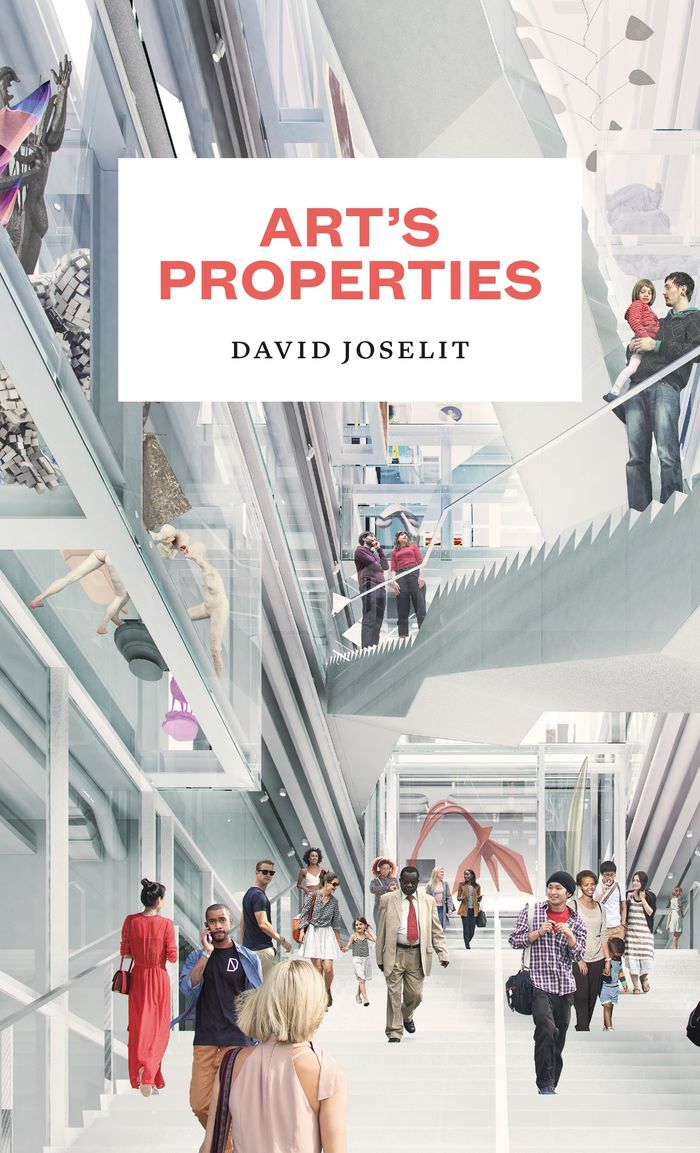
Art's properties
Art's properties
Actions:
Prix:
$37.50
(disponible en magasin)
Résumé:
In this provocative new account, David Joselit shows how art from the nineteenth to the twenty-first centuries began to function as a commodity, while the qualities of the artist, nation, or period themselves became valuable properties. Joselit explores repatriation, explaining that this is not just a contemporary conflict between the Global South and Euro-American(...)
$37.50
(disponible en magasin)
Résumé:
In this provocative new account, David Joselit shows how art from the nineteenth to the twenty-first centuries began to function as a commodity, while the qualities of the artist, nation, or period themselves became valuable properties. Joselit explores repatriation, explaining that this is not just a contemporary conflict between the Global South and Euro-American(...)
Titre:
Art's properties
Actions:
Prix:
$37.50
(disponible en magasin)
Résumé:
In this provocative new account, David Joselit shows how art from the nineteenth to the twenty-first centuries began to function as a commodity, while the qualities of the artist, nation, or period themselves became valuable properties. Joselit explores repatriation, explaining that this is not just a contemporary conflict between the Global South and Euro-American museums, noting that the Louvre, the first modern museum, was built on looted works and faced demands for restitution and repatriation early in its history. Joselit argues that the property values of white supremacy underlie the ideology of possessive individualism animating modern art, and he considers issues of identity and proprietary authorship.
Art's properties
Actions:
Prix:
$37.50
(disponible en magasin)
Résumé:
In this provocative new account, David Joselit shows how art from the nineteenth to the twenty-first centuries began to function as a commodity, while the qualities of the artist, nation, or period themselves became valuable properties. Joselit explores repatriation, explaining that this is not just a contemporary conflict between the Global South and Euro-American museums, noting that the Louvre, the first modern museum, was built on looted works and faced demands for restitution and repatriation early in its history. Joselit argues that the property values of white supremacy underlie the ideology of possessive individualism animating modern art, and he considers issues of identity and proprietary authorship.
Classification:
livres
livres
Publication:
mars 2023
mars 2023
Sujet:
Théorie de l’art
Théorie de l’art
Classification:
livres
livres
Prix:
$66.00
(disponible sur commande)
Résumé:
Although patents existed in Renaissance Italy and even in Confucian thought, it was not until the middle third of the nineteenth century that architects embraced the practice of patenting in significant numbers. Patents could ensure, as they did for architects' engineering brethren, the economic and cultural benefits afforded by exclusive intellectual property rights. But(...)
$66.00
(disponible sur commande)
Résumé:
Although patents existed in Renaissance Italy and even in Confucian thought, it was not until the middle third of the nineteenth century that architects embraced the practice of patenting in significant numbers. Patents could ensure, as they did for architects' engineering brethren, the economic and cultural benefits afforded by exclusive intellectual property rights. But(...)
Titre:
Prior art: Patents and the nature of invention in architecture
Actions:
Prix:
$66.00
(disponible sur commande)
Résumé:
Although patents existed in Renaissance Italy and even in Confucian thought, it was not until the middle third of the nineteenth century that architects embraced the practice of patenting in significant numbers. Patents could ensure, as they did for architects' engineering brethren, the economic and cultural benefits afforded by exclusive intellectual property rights. But patent culture was never directly translatable to the field of architecture, which tended to negotiate issues of technological innovation in the context of the more abstract issues of artistic influence and formal expression. In "Prior art," scholar Peter Christensen offers the first full-scale monographic treatment of this complex relationship between art and invention.
Prior art: Patents and the nature of invention in architecture
Actions:
Prix:
$66.00
(disponible sur commande)
Résumé:
Although patents existed in Renaissance Italy and even in Confucian thought, it was not until the middle third of the nineteenth century that architects embraced the practice of patenting in significant numbers. Patents could ensure, as they did for architects' engineering brethren, the economic and cultural benefits afforded by exclusive intellectual property rights. But patent culture was never directly translatable to the field of architecture, which tended to negotiate issues of technological innovation in the context of the more abstract issues of artistic influence and formal expression. In "Prior art," scholar Peter Christensen offers the first full-scale monographic treatment of this complex relationship between art and invention.
Classification:
livres
livres
Publication:
mai 2024
mai 2024
Sujet:
Théorie de l’architecture
Théorie de l’architecture
Classification:
livres
livres
Actions:
Prix:
$33.00
(disponible sur commande)
Résumé:
"City of Segregation" documents one hundred years of struggle against the enforced separation of racial groups through property markets, constructions of community, and the growth of neoliberalism. This movement history covers the decades of work to end legal support for segregation in 1948; the 1960s Civil Rights movement and CORE’s efforts to integrate LA’s white(...)
$33.00
(disponible sur commande)
Résumé:
"City of Segregation" documents one hundred years of struggle against the enforced separation of racial groups through property markets, constructions of community, and the growth of neoliberalism. This movement history covers the decades of work to end legal support for segregation in 1948; the 1960s Civil Rights movement and CORE’s efforts to integrate LA’s white(...)
Titre:
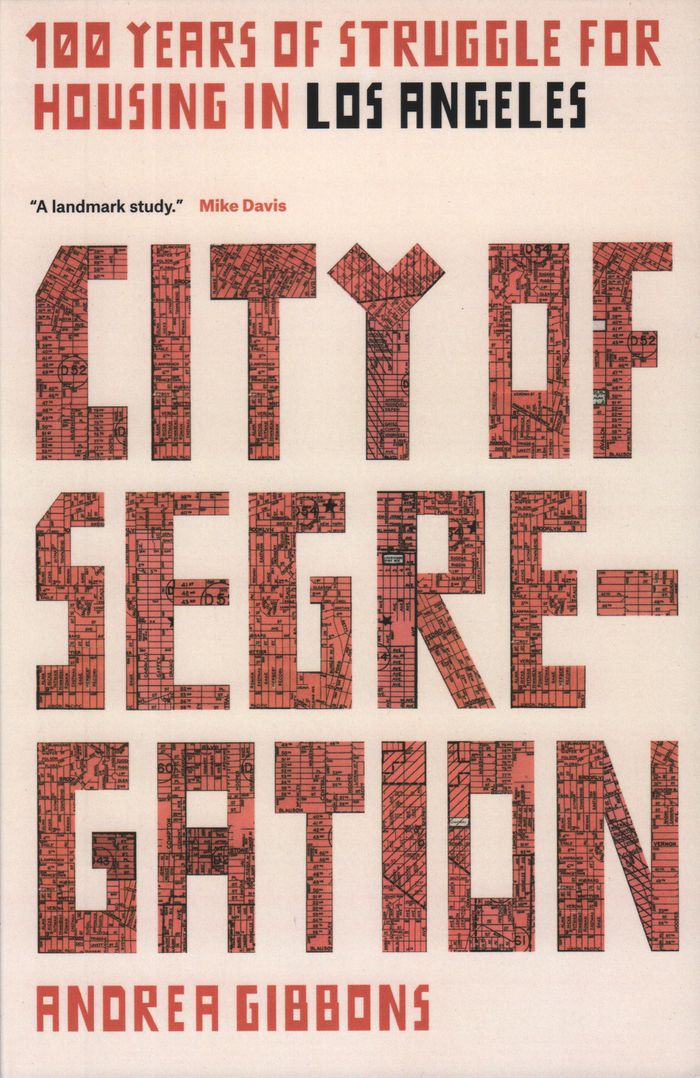
City of segregation: 100 years of struggle for housing in Los Angeles
Actions:
Prix:
$33.00
(disponible sur commande)
Résumé:
"City of Segregation" documents one hundred years of struggle against the enforced separation of racial groups through property markets, constructions of community, and the growth of neoliberalism. This movement history covers the decades of work to end legal support for segregation in 1948; the 1960s Civil Rights movement and CORE’s efforts to integrate LA’s white suburbs; and the 2006 victory preserving 10,000 downtown residential hotel units from gentrification enfolded within ongoing resistance to the criminalization and displacement of the homeless. Andrea Gibbons reveals the shape and nature of th e racist ideology that must be fought, in Los Angeles and across the United States, if we hope to found just cities.
City of segregation: 100 years of struggle for housing in Los Angeles
Actions:
Prix:
$33.00
(disponible sur commande)
Résumé:
"City of Segregation" documents one hundred years of struggle against the enforced separation of racial groups through property markets, constructions of community, and the growth of neoliberalism. This movement history covers the decades of work to end legal support for segregation in 1948; the 1960s Civil Rights movement and CORE’s efforts to integrate LA’s white suburbs; and the 2006 victory preserving 10,000 downtown residential hotel units from gentrification enfolded within ongoing resistance to the criminalization and displacement of the homeless. Andrea Gibbons reveals the shape and nature of th e racist ideology that must be fought, in Los Angeles and across the United States, if we hope to found just cities.
Classification:
livres
livres
Publication:
septembre 2018
septembre 2018
Sujet:
Théorie de l’urbanisme
Théorie de l’urbanisme
Classification:
livres
livres
Actions:
Prix:
$45.00
(disponible sur commande)
Résumé:
''After Belonging'' examines the objects, spaces, and territories of our transforming condition of belonging. The global circulation of people, information, and goods has destabilised what we under- stand by residence, questioning spatial permanence, property, and identity - a crisis of belonging. Circulation brings greater accessibility to ever-new commodities and(...)
$45.00
(disponible sur commande)
Résumé:
''After Belonging'' examines the objects, spaces, and territories of our transforming condition of belonging. The global circulation of people, information, and goods has destabilised what we under- stand by residence, questioning spatial permanence, property, and identity - a crisis of belonging. Circulation brings greater accessibility to ever-new commodities and(...)
Sujet:
Architecture contemporaine
Architecture contemporaine
Publication:
octobre 2016
octobre 2016
Titre:
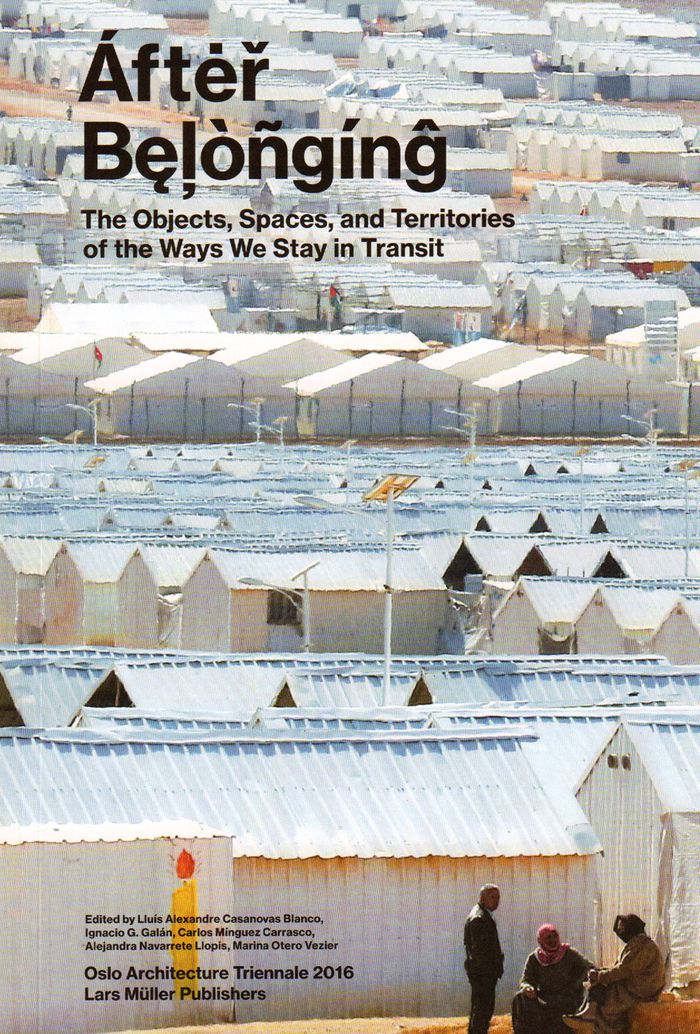
After belonging: objects, spaces, and territories of the ways we stay in transit. Oslo Architecture Trienniale 2016.
Actions:
Prix:
$45.00
(disponible sur commande)
Résumé:
''After Belonging'' examines the objects, spaces, and territories of our transforming condition of belonging. The global circulation of people, information, and goods has destabilised what we under- stand by residence, questioning spatial permanence, property, and identity - a crisis of belonging. Circulation brings greater accessibility to ever-new commodities and further geographies. But, simultaneously, circulation also promotes growing inequalities for large groups who are kept in precarious states of transit. The publication examines both our attachment to places and collectivities as well as our relation to the objects we produce, own, share, and exchange. It analyses the architectures entangled in these definitions through a selection of projects, texts, and case studies.
After belonging: objects, spaces, and territories of the ways we stay in transit. Oslo Architecture Trienniale 2016.
Actions:
Prix:
$45.00
(disponible sur commande)
Résumé:
''After Belonging'' examines the objects, spaces, and territories of our transforming condition of belonging. The global circulation of people, information, and goods has destabilised what we under- stand by residence, questioning spatial permanence, property, and identity - a crisis of belonging. Circulation brings greater accessibility to ever-new commodities and further geographies. But, simultaneously, circulation also promotes growing inequalities for large groups who are kept in precarious states of transit. The publication examines both our attachment to places and collectivities as well as our relation to the objects we produce, own, share, and exchange. It analyses the architectures entangled in these definitions through a selection of projects, texts, and case studies.
Classification:
livres
livres
Publication:
octobre 2016
octobre 2016
Sujet:
Architecture contemporaine
Architecture contemporaine
Classification:
livres
livres
Actions:
Prix:
$39.95
(disponible en magasin)
Résumé:
Bridging histories of technology, media studies, and aesthetics, ''Electrographic architecture'' forges a critical narrative of the ways in which illuminated light and color have played key roles in the formation of America's white imaginary. Carolyn L. Kane charts the rise of the country's urban advertisements, light empires, and neoclassical buildings in the early(...)
$39.95
(disponible en magasin)
Résumé:
Bridging histories of technology, media studies, and aesthetics, ''Electrographic architecture'' forges a critical narrative of the ways in which illuminated light and color have played key roles in the formation of America's white imaginary. Carolyn L. Kane charts the rise of the country's urban advertisements, light empires, and neoclassical buildings in the early(...)
Titre:
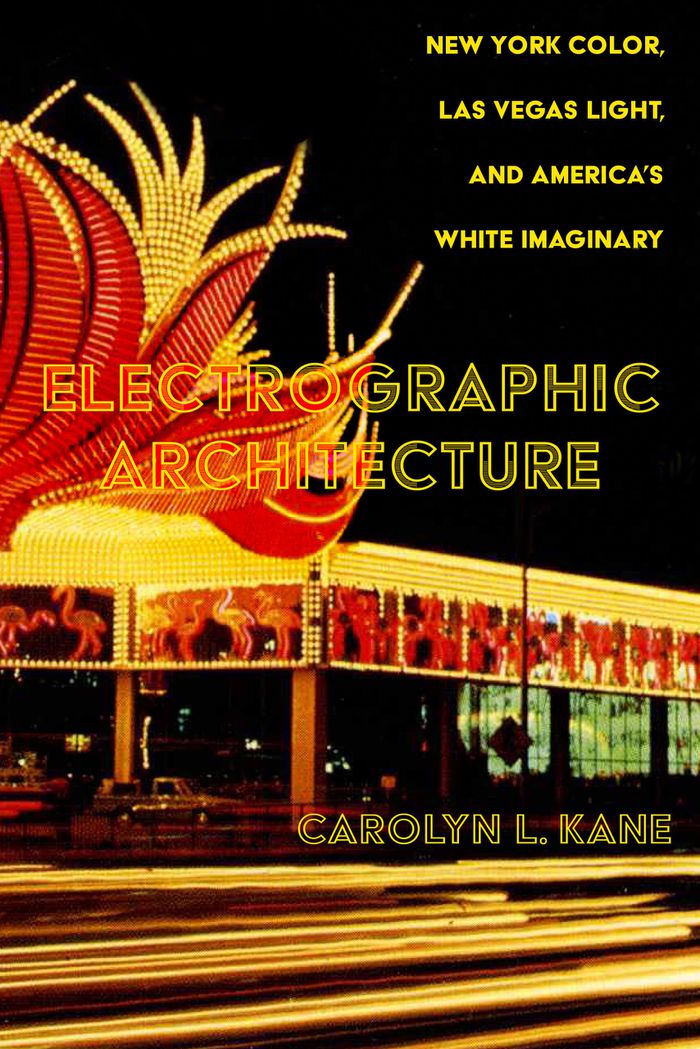
Electrographic architecture: New York color, Las Vegas light, and America's white imaginary
Actions:
Prix:
$39.95
(disponible en magasin)
Résumé:
Bridging histories of technology, media studies, and aesthetics, ''Electrographic architecture'' forges a critical narrative of the ways in which illuminated light and color have played key roles in the formation of America's white imaginary. Carolyn L. Kane charts the rise of the country's urban advertisements, light empires, and neoclassical buildings in the early twentieth century; the midcentury construction of polychromatic electrographic spectacles; and their eclipse by informatically intense, invisible algorithms at the dawn of the new millennium. Drawing on archival research, interviews, and visual analysis, Electrographic Architecture shows how the development of America's electrographic surround runs parallel to a new paradigm of power, property, and possession.
Electrographic architecture: New York color, Las Vegas light, and America's white imaginary
Actions:
Prix:
$39.95
(disponible en magasin)
Résumé:
Bridging histories of technology, media studies, and aesthetics, ''Electrographic architecture'' forges a critical narrative of the ways in which illuminated light and color have played key roles in the formation of America's white imaginary. Carolyn L. Kane charts the rise of the country's urban advertisements, light empires, and neoclassical buildings in the early twentieth century; the midcentury construction of polychromatic electrographic spectacles; and their eclipse by informatically intense, invisible algorithms at the dawn of the new millennium. Drawing on archival research, interviews, and visual analysis, Electrographic Architecture shows how the development of America's electrographic surround runs parallel to a new paradigm of power, property, and possession.
Classification:
livres
livres
Publication:
août 2023
août 2023
Sujet:
Théorie de l’architecture
Théorie de l’architecture
Classification:
livres
livres
Actions:
Prix:
$61.95
(disponible en magasin)
Résumé:
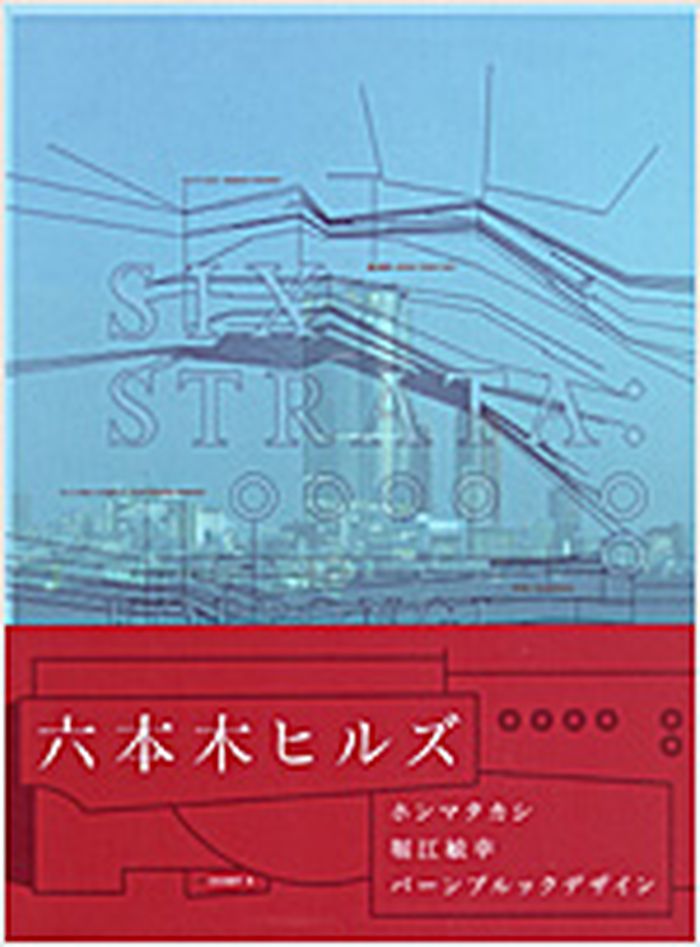
Photographs by Homma Takashi. Roppongi Hills is one of Japan's largest integrated property developments, located in the Roppongi district of Tokyo. Constructed by building tycoon Minoru Mori, the mega-complex incorporates office space, apartments, shops, restaurants, cafés, movie theaters, a museum, a hotel, a major TV studio, an outdoor amphitheater, and a few parks. The(...)
$61.95
(disponible en magasin)
Résumé:
Photographs by Homma Takashi. Roppongi Hills is one of Japan's largest integrated property developments, located in the Roppongi district of Tokyo. Constructed by building tycoon Minoru Mori, the mega-complex incorporates office space, apartments, shops, restaurants, cafés, movie theaters, a museum, a hotel, a major TV studio, an outdoor amphitheater, and a few parks. The(...)
Publication:
mars 2006, Tokyo
mars 2006, Tokyo
Titre:
Six strata : Roppongi Hills defined
Actions:
Prix:
$61.95
(disponible en magasin)
Résumé:
Photographs by Homma Takashi. Roppongi Hills is one of Japan's largest integrated property developments, located in the Roppongi district of Tokyo. Constructed by building tycoon Minoru Mori, the mega-complex incorporates office space, apartments, shops, restaurants, cafés, movie theaters, a museum, a hotel, a major TV studio, an outdoor amphitheater, and a few parks. The centerpiece is the 54-story eponymous Mori Tower. Mori's stated vision was to build an integrated development where high-rise inner-urban communities allow people to live, work, play, and shop in close proximity to eliminate commuting time. Seventeen years in the making, the complex opened to the public on april 23, 2003.
Six strata : Roppongi Hills defined
Actions:
Prix:
$61.95
(disponible en magasin)
Résumé:
Photographs by Homma Takashi. Roppongi Hills is one of Japan's largest integrated property developments, located in the Roppongi district of Tokyo. Constructed by building tycoon Minoru Mori, the mega-complex incorporates office space, apartments, shops, restaurants, cafés, movie theaters, a museum, a hotel, a major TV studio, an outdoor amphitheater, and a few parks. The centerpiece is the 54-story eponymous Mori Tower. Mori's stated vision was to build an integrated development where high-rise inner-urban communities allow people to live, work, play, and shop in close proximity to eliminate commuting time. Seventeen years in the making, the complex opened to the public on april 23, 2003.
Classification:
livres
livres
Publication:
mars 2006, Tokyo
mars 2006, Tokyo


