


2989 Résultats
Classification:
livres
livres
Actions:
Prix:
$56.00
(disponible sur commande)
Résumé:
The last decade has seen an accelerated evolution of typologies. Today’s cities are marked by a growing digital presence and the emergence of a global sharing economy; shared spaces have increased our social and sustainable focus, drastically altered our understanding of ownership and responsibility, and redefined our experience of public and private domains. Such changes(...)
$56.00
(disponible sur commande)
Résumé:
The last decade has seen an accelerated evolution of typologies. Today’s cities are marked by a growing digital presence and the emergence of a global sharing economy; shared spaces have increased our social and sustainable focus, drastically altered our understanding of ownership and responsibility, and redefined our experience of public and private domains. Such changes(...)
Sujet:
Théorie de l’urbanisme
Théorie de l’urbanisme
Publication:
janvier 2021
janvier 2021
Titre:
Another kind: a survey of the possible city
Actions:
Prix:
$56.00
(disponible sur commande)
Résumé:
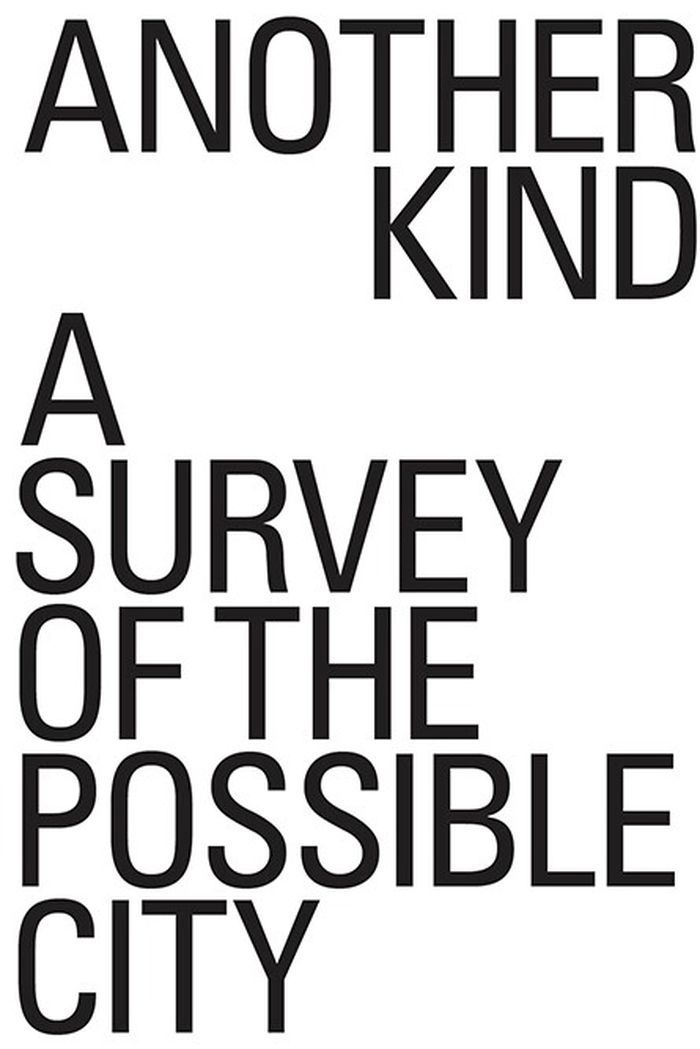
The last decade has seen an accelerated evolution of typologies. Today’s cities are marked by a growing digital presence and the emergence of a global sharing economy; shared spaces have increased our social and sustainable focus, drastically altered our understanding of ownership and responsibility, and redefined our experience of public and private domains. Such changes have in turn rewritten the demands on architecture, the role of the designer, and the power of the profession. In 'Another Kind', PLP Architecture presents ten projects as case studies to examine the emergence of a new typological fluidity. These projects serve as anchors to survey the cultural landscape of the past ten years. Projects can no longer be traditionally codified and instead present themselves as assemblages of exterior influences, new cultural interests, and 21st century social habits. In 'Another Kind', projects are intertwined with essays by cultural observers both within and outside of the discipline. Through this multi-layered infrastructure and pluralistic dissection, Another Kind cracks the surface and explores the contents of architecture today. Marking this moment in time, PLP examines how we have evolved and speculates on what we can learn for the years that lie ahead.
Another kind: a survey of the possible city
Actions:
Prix:
$56.00
(disponible sur commande)
Résumé:
The last decade has seen an accelerated evolution of typologies. Today’s cities are marked by a growing digital presence and the emergence of a global sharing economy; shared spaces have increased our social and sustainable focus, drastically altered our understanding of ownership and responsibility, and redefined our experience of public and private domains. Such changes have in turn rewritten the demands on architecture, the role of the designer, and the power of the profession. In 'Another Kind', PLP Architecture presents ten projects as case studies to examine the emergence of a new typological fluidity. These projects serve as anchors to survey the cultural landscape of the past ten years. Projects can no longer be traditionally codified and instead present themselves as assemblages of exterior influences, new cultural interests, and 21st century social habits. In 'Another Kind', projects are intertwined with essays by cultural observers both within and outside of the discipline. Through this multi-layered infrastructure and pluralistic dissection, Another Kind cracks the surface and explores the contents of architecture today. Marking this moment in time, PLP examines how we have evolved and speculates on what we can learn for the years that lie ahead.
Classification:
livres
livres
Publication:
janvier 2021
janvier 2021
Sujet:
Théorie de l’urbanisme
Théorie de l’urbanisme
Classification:
livres
livres
Titre:
Aesthetic subjects
Aesthetic subjects
Actions:
Prix:
$37.50
(disponible sur commande)
Résumé:
Determined to recover the value of aesthetic experience for artistic, cultural, and social analysis, the contributors to this volume-prominent scholars in literature, philosophy, art history, architecture, history, and anthropology-begin from a shared recognition that ideological readings of the aesthetic have provided invaluable insights, in particular, that analyses of(...)
$37.50
(disponible sur commande)
Résumé:
Determined to recover the value of aesthetic experience for artistic, cultural, and social analysis, the contributors to this volume-prominent scholars in literature, philosophy, art history, architecture, history, and anthropology-begin from a shared recognition that ideological readings of the aesthetic have provided invaluable insights, in particular, that analyses of(...)
Sujet:
Théorie de l’art
Théorie de l’art
Publication:
avril 2003, Minneapolis
avril 2003, Minneapolis
Titre:
Aesthetic subjects
Actions:
Prix:
$37.50
(disponible sur commande)
Résumé:
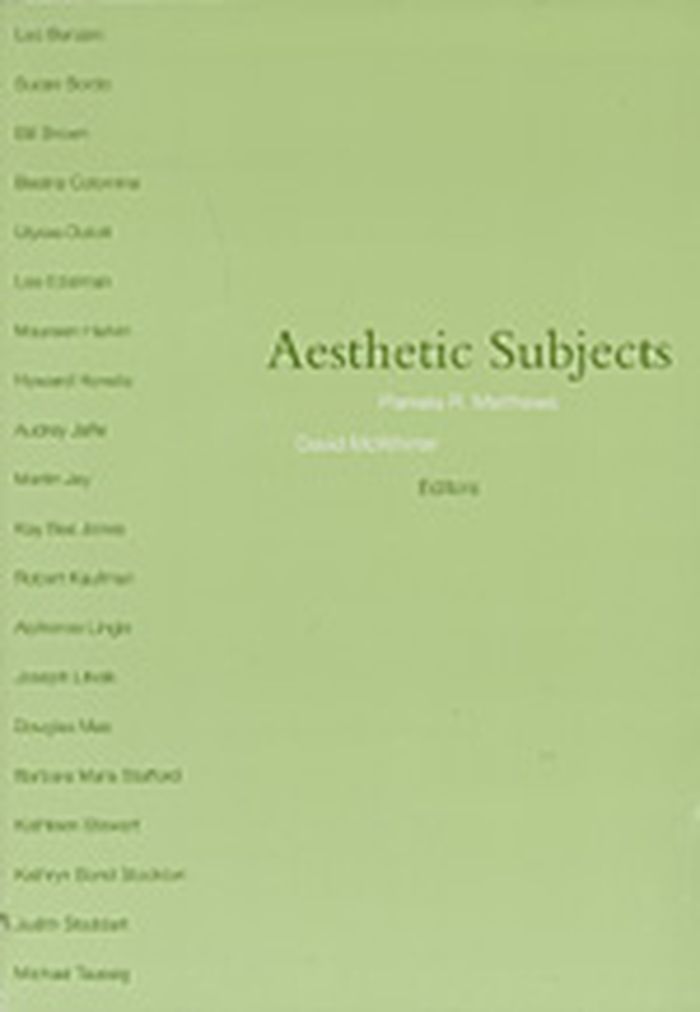
Determined to recover the value of aesthetic experience for artistic, cultural, and social analysis, the contributors to this volume-prominent scholars in literature, philosophy, art history, architecture, history, and anthropology-begin from a shared recognition that ideological readings of the aesthetic have provided invaluable insights, in particular, that analyses of aesthetics within historical and social contexts tell us a great deal about the experience of aesthetic encounters. From multiple and complementary perspectives, the contributors address topics as varied as Nabokov and Dickens, Caravaggio and Shelley Winters, gender and sexuality, advertising and AIDS. Taken together, their essays constitute a sustained and multifarious effort to resituate aesthetic pleasure in the mixed, impure conditions characteristic of every social practice and experience, however privileged or marginalized, and to ask what happens to the aesthetic if we consider it apart from-or at least in tension with-its historically dominant discursive formulations. Contributors : Leo Bersani, Susan Bordo, Bill Brown, Beatriz Colomina, Ulysse Dutoit, Lee Edelman, Maureen Harkin, Howard Horwitz, Audrey Jaffe, Martin Jay, Kay Bea Jones, Robert Kaufman, Alphonso Lingis, Joseph Litvak, Douglas Mao, Barbara Stafford, Kathleen Stewart, Kathryn Bond Stockton, Judith Stoddart, Michael Taussig.
Aesthetic subjects
Actions:
Prix:
$37.50
(disponible sur commande)
Résumé:
Determined to recover the value of aesthetic experience for artistic, cultural, and social analysis, the contributors to this volume-prominent scholars in literature, philosophy, art history, architecture, history, and anthropology-begin from a shared recognition that ideological readings of the aesthetic have provided invaluable insights, in particular, that analyses of aesthetics within historical and social contexts tell us a great deal about the experience of aesthetic encounters. From multiple and complementary perspectives, the contributors address topics as varied as Nabokov and Dickens, Caravaggio and Shelley Winters, gender and sexuality, advertising and AIDS. Taken together, their essays constitute a sustained and multifarious effort to resituate aesthetic pleasure in the mixed, impure conditions characteristic of every social practice and experience, however privileged or marginalized, and to ask what happens to the aesthetic if we consider it apart from-or at least in tension with-its historically dominant discursive formulations. Contributors : Leo Bersani, Susan Bordo, Bill Brown, Beatriz Colomina, Ulysse Dutoit, Lee Edelman, Maureen Harkin, Howard Horwitz, Audrey Jaffe, Martin Jay, Kay Bea Jones, Robert Kaufman, Alphonso Lingis, Joseph Litvak, Douglas Mao, Barbara Stafford, Kathleen Stewart, Kathryn Bond Stockton, Judith Stoddart, Michael Taussig.
Classification:
livres
livres
Publication:
avril 2003, Minneapolis
avril 2003, Minneapolis
Sujet:
Théorie de l’art
Théorie de l’art
Classification:
livres
livres

Titre:
Hilde Bouchez: A wild thing
Hilde Bouchez: A wild thing
Actions:
Prix:
$38.00
(disponible sur commande)
Résumé:
Everyday objects can have an extra dimension or quality that has no relation to functionality, form, a concept or a trend. So what is it that gives a particular glass an 'aura'? Why should one thing have more shine, passion and 'mystical allure' than another? 'A Wild Thing' attempts to identify and describe these often intangible qualities. There seems to be an inner(...)
$38.00
(disponible sur commande)
Résumé:
Everyday objects can have an extra dimension or quality that has no relation to functionality, form, a concept or a trend. So what is it that gives a particular glass an 'aura'? Why should one thing have more shine, passion and 'mystical allure' than another? 'A Wild Thing' attempts to identify and describe these often intangible qualities. There seems to be an inner(...)
Titre:
Hilde Bouchez: A wild thing
Actions:
Prix:
$38.00
(disponible sur commande)
Résumé:
Everyday objects can have an extra dimension or quality that has no relation to functionality, form, a concept or a trend. So what is it that gives a particular glass an 'aura'? Why should one thing have more shine, passion and 'mystical allure' than another? 'A Wild Thing' attempts to identify and describe these often intangible qualities. There seems to be an inner light that shines from certain things. Unlike the blinding spotlight of media and marketing, this light is gentle and clear and reflects the methodology and intention of the maker. Ancient craftsmen designed from a place of unity with matter and the cosmos, putting themselves at the service of the making process and thereby creating a moment of transference from maker to thing. In a series of essays, Hilde Bouchez reflects on design history and the latest movements within the design world. She also presents a phenomenological methodology that opens up a new, more poetic approach to everyday objects for both maker and consumer. The texts are linked by the author’s search for a sustainability and meaning that transcends the organic component of materials.
Hilde Bouchez: A wild thing
Actions:
Prix:
$38.00
(disponible sur commande)
Résumé:
Everyday objects can have an extra dimension or quality that has no relation to functionality, form, a concept or a trend. So what is it that gives a particular glass an 'aura'? Why should one thing have more shine, passion and 'mystical allure' than another? 'A Wild Thing' attempts to identify and describe these often intangible qualities. There seems to be an inner light that shines from certain things. Unlike the blinding spotlight of media and marketing, this light is gentle and clear and reflects the methodology and intention of the maker. Ancient craftsmen designed from a place of unity with matter and the cosmos, putting themselves at the service of the making process and thereby creating a moment of transference from maker to thing. In a series of essays, Hilde Bouchez reflects on design history and the latest movements within the design world. She also presents a phenomenological methodology that opens up a new, more poetic approach to everyday objects for both maker and consumer. The texts are linked by the author’s search for a sustainability and meaning that transcends the organic component of materials.
Classification:
livres
livres
Publication:
février 2020
février 2020
Sujet:
Théorie du design
Théorie du design
Classification:
livres
livres
Actions:
Prix:
$46.50
(disponible sur commande)
Résumé:
Are there significant variations in the ways planners in different nations have influenced urban, regional, and national development? Do such variations arise from differences in planning cultures, meaning the collective ethos and dominant attitude of planners in different nations towards the appropriate roles of the state, market forces, and civil society? How are such(...)
$46.50
(disponible sur commande)
Résumé:
Are there significant variations in the ways planners in different nations have influenced urban, regional, and national development? Do such variations arise from differences in planning cultures, meaning the collective ethos and dominant attitude of planners in different nations towards the appropriate roles of the state, market forces, and civil society? How are such(...)
Titre:
Comparative planning cultures
Actions:
Prix:
$46.50
(disponible sur commande)
Résumé:
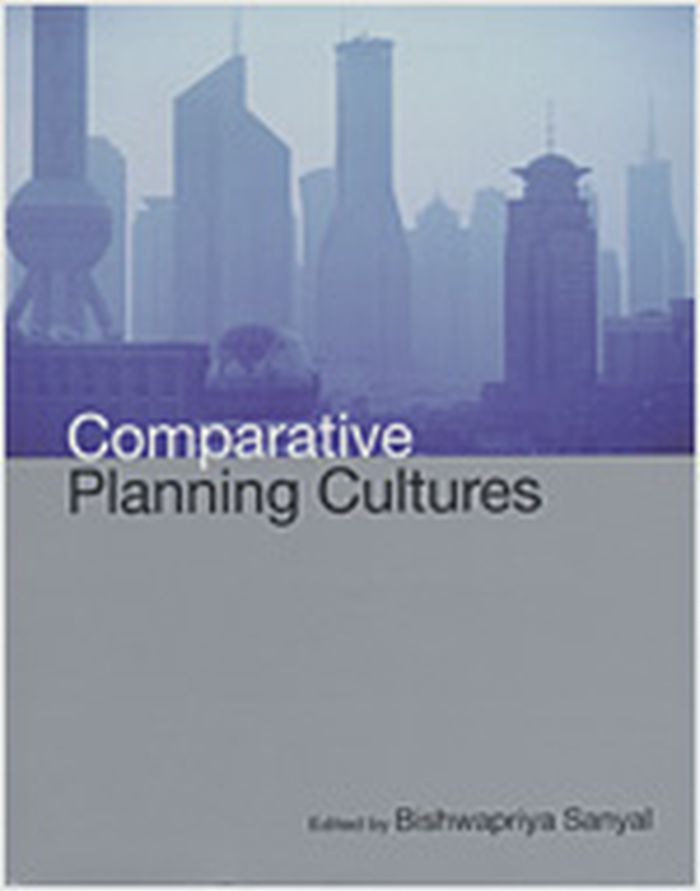
Are there significant variations in the ways planners in different nations have influenced urban, regional, and national development? Do such variations arise from differences in planning cultures, meaning the collective ethos and dominant attitude of planners in different nations towards the appropriate roles of the state, market forces, and civil society? How are such professional cultures formed? Are they indigenous and immutable, or do they evolve with social, political, and economic changes both within and outside the national territories? Specifically, what has been the impact of the intensification of global interconnectedness in trade, capital flows, labor migration, and technological connectivity on national planning cultures? "Comparative planning cultures" addresses these questions, drawing on the planning experience in ten nations and at different territorial levels. The result is an understanding of planning culture that is complex and dynamic-in contrast to traditional notions of culture that evoke a sense of immutability and inheritance of unchanging social attributes of planners. The volume concludes that there is no cultural nucleus or core planning culture, no social gene that can be decoded to reveal the cultural DNA of planning practice of any nation.
Comparative planning cultures
Actions:
Prix:
$46.50
(disponible sur commande)
Résumé:
Are there significant variations in the ways planners in different nations have influenced urban, regional, and national development? Do such variations arise from differences in planning cultures, meaning the collective ethos and dominant attitude of planners in different nations towards the appropriate roles of the state, market forces, and civil society? How are such professional cultures formed? Are they indigenous and immutable, or do they evolve with social, political, and economic changes both within and outside the national territories? Specifically, what has been the impact of the intensification of global interconnectedness in trade, capital flows, labor migration, and technological connectivity on national planning cultures? "Comparative planning cultures" addresses these questions, drawing on the planning experience in ten nations and at different territorial levels. The result is an understanding of planning culture that is complex and dynamic-in contrast to traditional notions of culture that evoke a sense of immutability and inheritance of unchanging social attributes of planners. The volume concludes that there is no cultural nucleus or core planning culture, no social gene that can be decoded to reveal the cultural DNA of planning practice of any nation.
Classification:
livres
livres
Publication:
avril 2005, New York / London
avril 2005, New York / London
Sujet:
Théorie de l’urbanisme
Théorie de l’urbanisme
Classification:
livres
livres
Prix:
$80.95
(disponible sur commande)
Résumé:
This new monograph delves into an exciting selection of esteemed works by Delhi-based firm Morphogenesis, one of the most productive and creative architectural firms in India and a world-leader in zero net energy and sustainable design. This richly illustrated book combines stunning imagery with a comprehensive study outlining the firms strong philosophical design intent(...)
$80.95
(disponible sur commande)
Résumé:
This new monograph delves into an exciting selection of esteemed works by Delhi-based firm Morphogenesis, one of the most productive and creative architectural firms in India and a world-leader in zero net energy and sustainable design. This richly illustrated book combines stunning imagery with a comprehensive study outlining the firms strong philosophical design intent(...)
Titre:
Morphogenesis. The Indian perspective. The global context.
Actions:
Prix:
$80.95
(disponible sur commande)
Résumé:
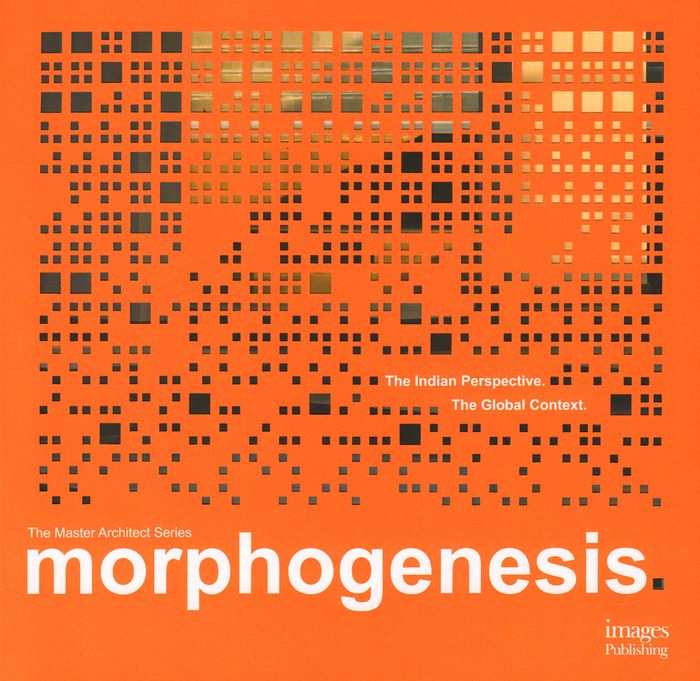
This new monograph delves into an exciting selection of esteemed works by Delhi-based firm Morphogenesis, one of the most productive and creative architectural firms in India and a world-leader in zero net energy and sustainable design. This richly illustrated book combines stunning imagery with a comprehensive study outlining the firms strong philosophical design intent across a vast range of typologies: residential; institutional; commercial; hospitality; offices; houses; interiors; public and master planning. Morphogenesis reinterprets India's architectural roots and consistently employs passive environmental solutions for a unique, contextual contemporary language. The Morphogenesis journey is a reflection of the contemporary Indian perspective within the global context, incorporating its inspired, forward-thinking vision while respectfully referencing the spirit of traditional Indian subcontinental architecture, and all the while maintaining an intimate focus on the environmental context and culture of the project. This spectacularly beautiful volume is a strong addition to IMAGES' collection of the renowned Master Architect Series and a superb example of an engaged, highly principled and vibrant emerging architectural practice in Asia that is defining a global architectural brand for countries that share similar extraordinary levels of diversity in climate, scale, economy, and typology as is seen across the subcontinent.
Morphogenesis. The Indian perspective. The global context.
Actions:
Prix:
$80.95
(disponible sur commande)
Résumé:
This new monograph delves into an exciting selection of esteemed works by Delhi-based firm Morphogenesis, one of the most productive and creative architectural firms in India and a world-leader in zero net energy and sustainable design. This richly illustrated book combines stunning imagery with a comprehensive study outlining the firms strong philosophical design intent across a vast range of typologies: residential; institutional; commercial; hospitality; offices; houses; interiors; public and master planning. Morphogenesis reinterprets India's architectural roots and consistently employs passive environmental solutions for a unique, contextual contemporary language. The Morphogenesis journey is a reflection of the contemporary Indian perspective within the global context, incorporating its inspired, forward-thinking vision while respectfully referencing the spirit of traditional Indian subcontinental architecture, and all the while maintaining an intimate focus on the environmental context and culture of the project. This spectacularly beautiful volume is a strong addition to IMAGES' collection of the renowned Master Architect Series and a superb example of an engaged, highly principled and vibrant emerging architectural practice in Asia that is defining a global architectural brand for countries that share similar extraordinary levels of diversity in climate, scale, economy, and typology as is seen across the subcontinent.
Classification:
livres
livres
Publication:
décembre 2016
décembre 2016
Sujet:
Architecture, monographies
Architecture, monographies
Classification:
livres
livres
Titre:
Gunnar Asplund
Gunnar Asplund
Actions:
Prix:
$99.95
(disponible sur commande)
Résumé:
Although a contemporary of Walter Gropius and Le Corbusier, Asplund pursued an architecture that does not fit easily into their view of Modernism as a movement that rejected the applied styles and ornamentation of the nineteenth century. Instead, Asplund was at ease with classical or vernacular elements blending with modernist ideals, and displayed a sensitive(...)
$99.95
(disponible sur commande)
Résumé:
Although a contemporary of Walter Gropius and Le Corbusier, Asplund pursued an architecture that does not fit easily into their view of Modernism as a movement that rejected the applied styles and ornamentation of the nineteenth century. Instead, Asplund was at ease with classical or vernacular elements blending with modernist ideals, and displayed a sensitive(...)
Titre:
Gunnar Asplund
Actions:
Prix:
$99.95
(disponible sur commande)
Résumé:
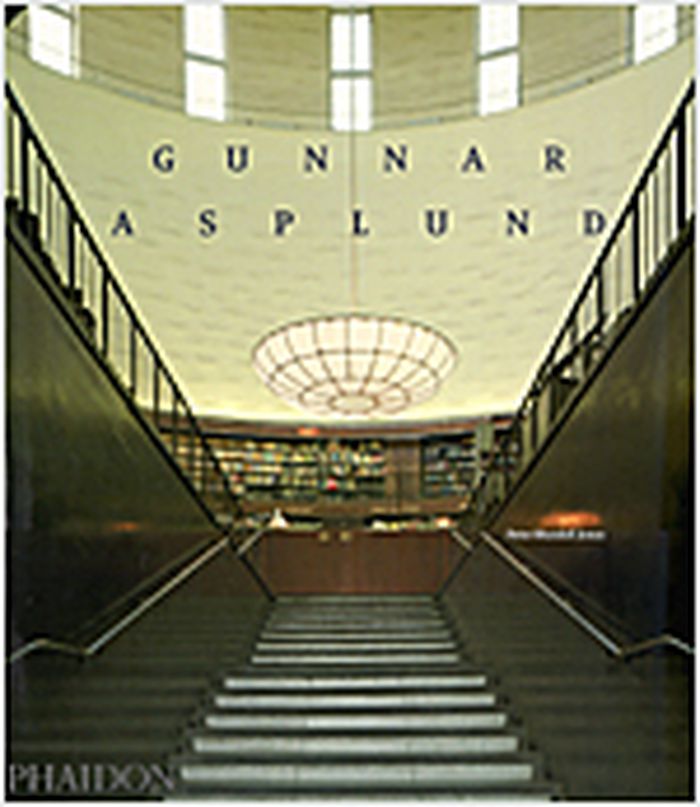
Although a contemporary of Walter Gropius and Le Corbusier, Asplund pursued an architecture that does not fit easily into their view of Modernism as a movement that rejected the applied styles and ornamentation of the nineteenth century. Instead, Asplund was at ease with classical or vernacular elements blending with modernist ideals, and displayed a sensitive understanding of the relationship between architecture and its surrounding landscape. His abilities are amply demonstrated in masterpieces like the Woodland Cemetery. In 1915 Asplund and Sigurd Lewerentz won the competition to plan a new cemetery for Stockholm. Their romantic plan, in which a symbolically straight, narrow pathway abruptly curves blindly away into the forest, and with open fields capped by burial-mound-like hillocks, earned both of them further commissions for buildings within the cemetery. Asplund’s Woodland Chapel of 1920 is tucked into the forest and uses classical elements such as Doric columns, but sparingly and in unusual ways, while manipulating scale in ways that further the spiritual and contemplative nature of the building. The Crematorium and Monument Hall of 1935 are dignified and powerful, unornamented but not austere, to offer comfort to those who use them. The Gothenburg Law Courts, another critical work which was finally completed in 1937, shows how Asplund relates the architecture of Modernism to a historical plan and façade. Buildings such as the architect’s own summer house at Stennäs and the crematoria at Kviberg and Skövde, dating from the later part of his life when he had begun to embrace Modernism, still show traditional classical and vernacular influences and are evidence that not all forms of Modernism constituted a fresh start.
Gunnar Asplund
Actions:
Prix:
$99.95
(disponible sur commande)
Résumé:
Although a contemporary of Walter Gropius and Le Corbusier, Asplund pursued an architecture that does not fit easily into their view of Modernism as a movement that rejected the applied styles and ornamentation of the nineteenth century. Instead, Asplund was at ease with classical or vernacular elements blending with modernist ideals, and displayed a sensitive understanding of the relationship between architecture and its surrounding landscape. His abilities are amply demonstrated in masterpieces like the Woodland Cemetery. In 1915 Asplund and Sigurd Lewerentz won the competition to plan a new cemetery for Stockholm. Their romantic plan, in which a symbolically straight, narrow pathway abruptly curves blindly away into the forest, and with open fields capped by burial-mound-like hillocks, earned both of them further commissions for buildings within the cemetery. Asplund’s Woodland Chapel of 1920 is tucked into the forest and uses classical elements such as Doric columns, but sparingly and in unusual ways, while manipulating scale in ways that further the spiritual and contemplative nature of the building. The Crematorium and Monument Hall of 1935 are dignified and powerful, unornamented but not austere, to offer comfort to those who use them. The Gothenburg Law Courts, another critical work which was finally completed in 1937, shows how Asplund relates the architecture of Modernism to a historical plan and façade. Buildings such as the architect’s own summer house at Stennäs and the crematoria at Kviberg and Skövde, dating from the later part of his life when he had begun to embrace Modernism, still show traditional classical and vernacular influences and are evidence that not all forms of Modernism constituted a fresh start.
Classification:
livres
livres
Publication:
octobre 2004, London
octobre 2004, London
Sujet:
Architecture, monographies
Architecture, monographies
Classification:
livres
livres
Actions:
Prix:
$36.95
(disponible sur commande)
Résumé:
The world is marked by deepening conflicts—between democracies and autocracies, woke and populist identity politics, rich and poor, continued environmental exploitation and harsh complications like climate change. In "The monadic age," Ingo Niermann argues that, stirred by rapid developments in automation and AI, these manifold crises are about to culminate in a new(...)
$36.95
(disponible sur commande)
Résumé:
The world is marked by deepening conflicts—between democracies and autocracies, woke and populist identity politics, rich and poor, continued environmental exploitation and harsh complications like climate change. In "The monadic age," Ingo Niermann argues that, stirred by rapid developments in automation and AI, these manifold crises are about to culminate in a new(...)
Titre:
The monadic age: Notes on the coming social order
Actions:
Prix:
$36.95
(disponible sur commande)
Résumé:
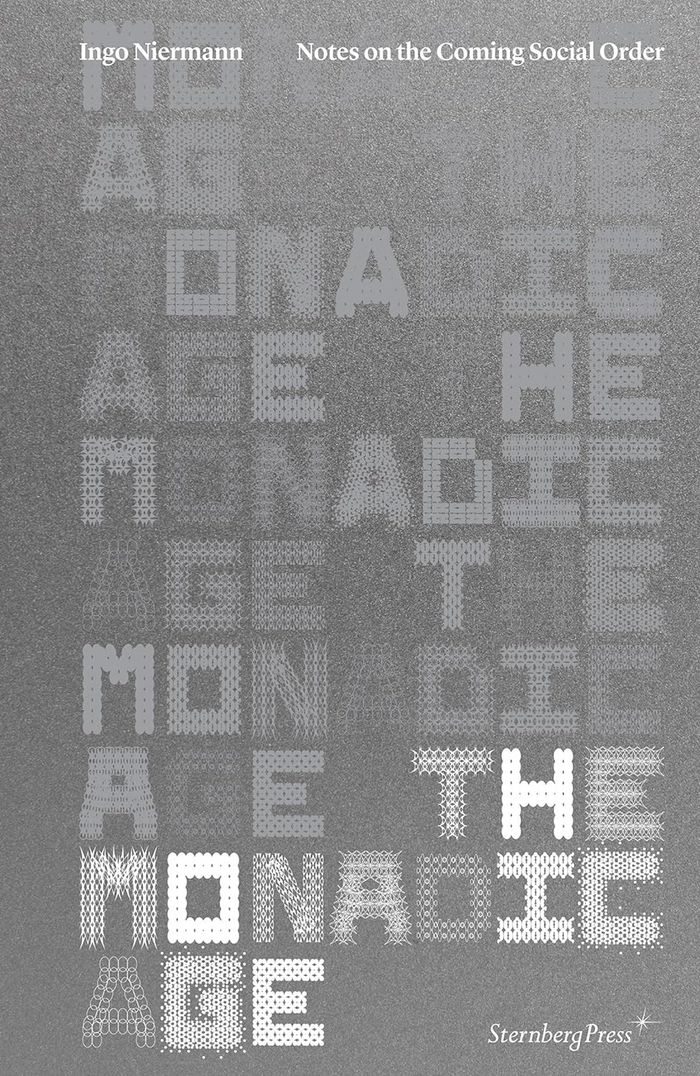
The world is marked by deepening conflicts—between democracies and autocracies, woke and populist identity politics, rich and poor, continued environmental exploitation and harsh complications like climate change. In "The monadic age," Ingo Niermann argues that, stirred by rapid developments in automation and AI, these manifold crises are about to culminate in a new paradigm of self-sufficiency—monadism—that overturns the liberal era and forces a reinvention of all social parameters. Today, two major post-liberal dispositions are unfolding. On the one side, people envision a harmonious community of all human and nonhuman beings (multi-species kinship, a rainbow of identities). On the other side, people isolate themselves within their own identities and belongings (filter bubbles, safe spaces, gated communities, charter cities, prepping). Monadism recognizes that these two seemingly contradictory dispositions stem from a similar understanding of the world: one is more optimistic, the other more pessimistic, but ultimately they’re interdependent. Before seeking harmony, we humans, a highly dominant species, must first of all restrain ourselves from coercive interactions with our environment. And to protect ourselves sufficiently from our environment, we must minimize its abuse.
The monadic age: Notes on the coming social order
Actions:
Prix:
$36.95
(disponible sur commande)
Résumé:
The world is marked by deepening conflicts—between democracies and autocracies, woke and populist identity politics, rich and poor, continued environmental exploitation and harsh complications like climate change. In "The monadic age," Ingo Niermann argues that, stirred by rapid developments in automation and AI, these manifold crises are about to culminate in a new paradigm of self-sufficiency—monadism—that overturns the liberal era and forces a reinvention of all social parameters. Today, two major post-liberal dispositions are unfolding. On the one side, people envision a harmonious community of all human and nonhuman beings (multi-species kinship, a rainbow of identities). On the other side, people isolate themselves within their own identities and belongings (filter bubbles, safe spaces, gated communities, charter cities, prepping). Monadism recognizes that these two seemingly contradictory dispositions stem from a similar understanding of the world: one is more optimistic, the other more pessimistic, but ultimately they’re interdependent. Before seeking harmony, we humans, a highly dominant species, must first of all restrain ourselves from coercive interactions with our environment. And to protect ourselves sufficiently from our environment, we must minimize its abuse.
Classification:
livres
livres
Publication:
avril 2024
avril 2024
Sujet:
Théorie/ philosophie
Théorie/ philosophie
Classification:
livres
livres
Titre:
Aernout Mik
Aernout Mik
Actions:
Prix:
$30.00
(disponible sur commande)
Résumé:
Dutch artist Aernout Mik's moving-image installations meld filmmaking, sculpture and architecture into experiences that are at once compelling and unsettling, irrational yet plausible. The artist designs and constructs architectural spaces that hold his moving images, making the viewer's physical relationship to the piece a critical component of the overall experience. By(...)
$30.00
(disponible sur commande)
Résumé:
Dutch artist Aernout Mik's moving-image installations meld filmmaking, sculpture and architecture into experiences that are at once compelling and unsettling, irrational yet plausible. The artist designs and constructs architectural spaces that hold his moving images, making the viewer's physical relationship to the piece a critical component of the overall experience. By(...)
Titre:
Aernout Mik
Actions:
Prix:
$30.00
(disponible sur commande)
Résumé:
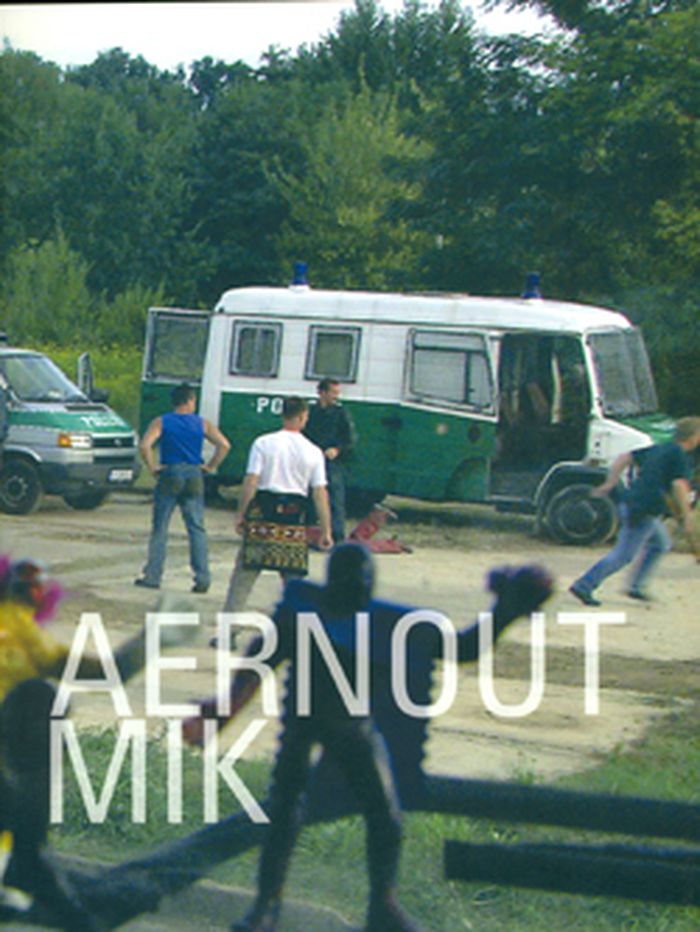
Dutch artist Aernout Mik's moving-image installations meld filmmaking, sculpture and architecture into experiences that are at once compelling and unsettling, irrational yet plausible. The artist designs and constructs architectural spaces that hold his moving images, making the viewer's physical relationship to the piece a critical component of the overall experience. By interrogating the most basic ideas of narrative and reality and rejecting classical cinematic ideals, Mik creates works that are rich in allusion but subversive of codes. Published to accompany the artist's first U.S. retrospective, this volume is a vivid exploration of Mik's work and process. Laurence Kardish, MoMA's Senior Curator in the Department of Film, situates Mik within the history of documentary and nonnarrative cinema, while Michael Taussig, Professor of Anthropology at Columbia University, investigates the ways in which the artist's work changes the way we see reality while simultaneously reinforcing the norms of visual culture. Abundantly illustrated with stills and the artist's own drawings, the book also features detailed descriptions of the installations, an exhibition history and a bibliography, making it the most comprehensive volume on the artist available in English.
Aernout Mik
Actions:
Prix:
$30.00
(disponible sur commande)
Résumé:
Dutch artist Aernout Mik's moving-image installations meld filmmaking, sculpture and architecture into experiences that are at once compelling and unsettling, irrational yet plausible. The artist designs and constructs architectural spaces that hold his moving images, making the viewer's physical relationship to the piece a critical component of the overall experience. By interrogating the most basic ideas of narrative and reality and rejecting classical cinematic ideals, Mik creates works that are rich in allusion but subversive of codes. Published to accompany the artist's first U.S. retrospective, this volume is a vivid exploration of Mik's work and process. Laurence Kardish, MoMA's Senior Curator in the Department of Film, situates Mik within the history of documentary and nonnarrative cinema, while Michael Taussig, Professor of Anthropology at Columbia University, investigates the ways in which the artist's work changes the way we see reality while simultaneously reinforcing the norms of visual culture. Abundantly illustrated with stills and the artist's own drawings, the book also features detailed descriptions of the installations, an exhibition history and a bibliography, making it the most comprehensive volume on the artist available in English.
Classification:
livres
livres
Publication:
juin 2009
juin 2009
Classification:
livres
livres

Titre:
Timber
Timber
Actions:
Prix:
$26.95
(disponible sur commande)
Résumé:
Timber is a vital resource that is all around us. It is the house that shelters us, the furniture we relax in, the books we read, the paper we print, the disposable diapers for our babies, and the boxes that contain our cereal, detergent, and new appliances. The way we produce and consume timber, however, is changing. With international timber companies and big box(...)
$26.95
(disponible sur commande)
Résumé:
Timber is a vital resource that is all around us. It is the house that shelters us, the furniture we relax in, the books we read, the paper we print, the disposable diapers for our babies, and the boxes that contain our cereal, detergent, and new appliances. The way we produce and consume timber, however, is changing. With international timber companies and big box(...)
Titre:
Timber
Actions:
Prix:
$26.95
(disponible sur commande)
Résumé:
Timber is a vital resource that is all around us. It is the house that shelters us, the furniture we relax in, the books we read, the paper we print, the disposable diapers for our babies, and the boxes that contain our cereal, detergent, and new appliances. The way we produce and consume timber, however, is changing. With international timber companies and big box discount retailers increasingly controlling through global commodity chains where and how much timber is traded, the world's remaining old-growth forests, particularly in the developing world, are under threat of disappearing - all for the price of a consumer bargain. This trailblazing book is the first to expose what's happening inside corporate commodity chains with conclusions that fundamentally challenge our understanding of how and why deforestation persists. Authors Peter Dauvergne and Jane Lister reveal how timber now moves through long and complex supply chains from the forests of the global South through the factories of emerging economies like China to the big box retail shelves of Europe and North America. Well-off consumers are getting unprecedented deals. But the social and environmental costs are extraordinarily high as corporations mine the world's poorest regions and most vulnerable ecosystems. The growing power of big retail within these commodity chains is further increasing South-North inequities and unsustainable global consumption. Yet, as this book's highly original analysis uncovers, it is also creating some intriguing opportunities to promote more responsible business practices and better global forest governance.
Timber
Actions:
Prix:
$26.95
(disponible sur commande)
Résumé:
Timber is a vital resource that is all around us. It is the house that shelters us, the furniture we relax in, the books we read, the paper we print, the disposable diapers for our babies, and the boxes that contain our cereal, detergent, and new appliances. The way we produce and consume timber, however, is changing. With international timber companies and big box discount retailers increasingly controlling through global commodity chains where and how much timber is traded, the world's remaining old-growth forests, particularly in the developing world, are under threat of disappearing - all for the price of a consumer bargain. This trailblazing book is the first to expose what's happening inside corporate commodity chains with conclusions that fundamentally challenge our understanding of how and why deforestation persists. Authors Peter Dauvergne and Jane Lister reveal how timber now moves through long and complex supply chains from the forests of the global South through the factories of emerging economies like China to the big box retail shelves of Europe and North America. Well-off consumers are getting unprecedented deals. But the social and environmental costs are extraordinarily high as corporations mine the world's poorest regions and most vulnerable ecosystems. The growing power of big retail within these commodity chains is further increasing South-North inequities and unsustainable global consumption. Yet, as this book's highly original analysis uncovers, it is also creating some intriguing opportunities to promote more responsible business practices and better global forest governance.
Classification:
livres
livres
Publication:
avril 2011
avril 2011
Sujet:
Expositions en cours
Expositions en cours
Classification:
livres
livres
Titre:
Hotel an american history
Hotel an american history
Actions:
Prix:
$39.50
(disponible sur commande)
Résumé:
In this lucid and creative work, Sandoval-Strausz, an assistant professor of history at the University of New Mexico, situates the rise of hotels within the history of the triumph of capitalism and of an increasingly mobile society. Hotels, he says, facilitated mobility and the integration of frontier lands into larger networks of capital and commerce. Hotels were also(...)
$39.50
(disponible sur commande)
Résumé:
In this lucid and creative work, Sandoval-Strausz, an assistant professor of history at the University of New Mexico, situates the rise of hotels within the history of the triumph of capitalism and of an increasingly mobile society. Hotels, he says, facilitated mobility and the integration of frontier lands into larger networks of capital and commerce. Hotels were also(...)
Publication:
novembre 2007, New York
novembre 2007, New York
Titre:
Hotel an american history
Actions:
Prix:
$39.50
(disponible sur commande)
Résumé:
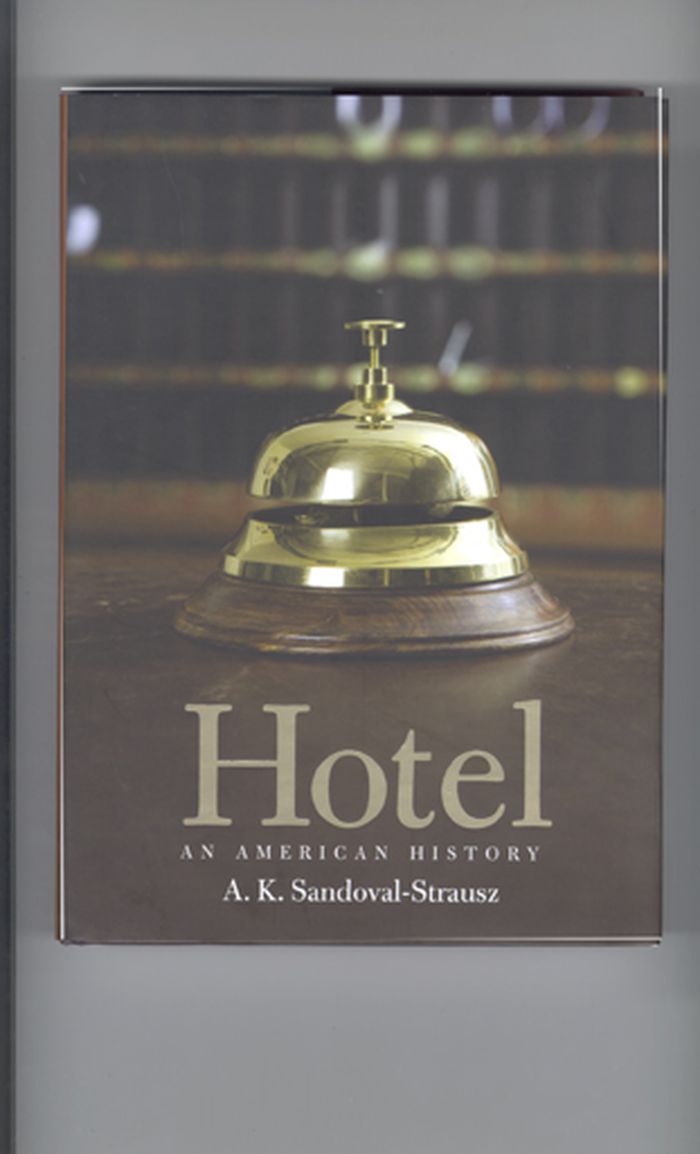
In this lucid and creative work, Sandoval-Strausz, an assistant professor of history at the University of New Mexico, situates the rise of hotels within the history of the triumph of capitalism and of an increasingly mobile society. Hotels, he says, facilitated mobility and the integration of frontier lands into larger networks of capital and commerce. Hotels were also part of the gradual process that dissociated people from particular places. If hotels solved some social problems, Sandoval-Strausz shows, they created others: guardians of domesticity, for example, worried about urban dwellers who chose to live full-time in hotels. In exploring the social and political meaning of hotels, the author pursues countless avenues, from menus to morals (Hotels were magnets for prostitution and other forms of illicit sex). There's a bit of labor history thrown in, too, since, in order to make good on the promise to be patrons' home away from home, hotels employed a huge number of workers, from cooks and launderers to janitors, Sandoval-Strausz also traces hotels' exclusion of Jews and blacks—the book ends with the 1964 Supreme Court case that desegregated public accommodations.
Hotel an american history
Actions:
Prix:
$39.50
(disponible sur commande)
Résumé:
In this lucid and creative work, Sandoval-Strausz, an assistant professor of history at the University of New Mexico, situates the rise of hotels within the history of the triumph of capitalism and of an increasingly mobile society. Hotels, he says, facilitated mobility and the integration of frontier lands into larger networks of capital and commerce. Hotels were also part of the gradual process that dissociated people from particular places. If hotels solved some social problems, Sandoval-Strausz shows, they created others: guardians of domesticity, for example, worried about urban dwellers who chose to live full-time in hotels. In exploring the social and political meaning of hotels, the author pursues countless avenues, from menus to morals (Hotels were magnets for prostitution and other forms of illicit sex). There's a bit of labor history thrown in, too, since, in order to make good on the promise to be patrons' home away from home, hotels employed a huge number of workers, from cooks and launderers to janitors, Sandoval-Strausz also traces hotels' exclusion of Jews and blacks—the book ends with the 1964 Supreme Court case that desegregated public accommodations.
Classification:
livres
livres
Publication:
novembre 2007, New York
novembre 2007, New York


