


3068 Résultats
Classification:
livres
livres

Actions:
Prix:
$60.00
(disponible sur commande)
Résumé:
The Bitter Years was the title of a seminal exhibition held in 1962 at The Museum of Modern Art, New York, curated by Edward Steichen, and 2012 marks its fiftieth anniversary. The show featured 209 images by photographers who worked under the aegis of the U.S. Farm Security Administration (FSA) in 1935–41, as part of Roosevelt’s New Deal. The FSA, set up to combat rural(...)
$60.00
(disponible sur commande)
Résumé:
The Bitter Years was the title of a seminal exhibition held in 1962 at The Museum of Modern Art, New York, curated by Edward Steichen, and 2012 marks its fiftieth anniversary. The show featured 209 images by photographers who worked under the aegis of the U.S. Farm Security Administration (FSA) in 1935–41, as part of Roosevelt’s New Deal. The FSA, set up to combat rural(...)
Titre:
The bitter years: Edward Steichen and the Farm Security Administration photographs
Actions:
Prix:
$60.00
(disponible sur commande)
Résumé:
The Bitter Years was the title of a seminal exhibition held in 1962 at The Museum of Modern Art, New York, curated by Edward Steichen, and 2012 marks its fiftieth anniversary. The show featured 209 images by photographers who worked under the aegis of the U.S. Farm Security Administration (FSA) in 1935–41, as part of Roosevelt’s New Deal. The FSA, set up to combat rural poverty during the Great Depression, included an ambitious photography project that launched many photographic careers, most notably those of Walker Evans and Dorothea Lange. The exhibition featured their work as well as that of ten other FSA photographers, including Ben Shahn, Carl Mydans and Arthur Rothstein. Their images are among the most remarkable in documentary photography--testimonies of a people in crisis, hit by the full force of economic turmoil and the effects of drought and dust storms.
The bitter years: Edward Steichen and the Farm Security Administration photographs
Actions:
Prix:
$60.00
(disponible sur commande)
Résumé:
The Bitter Years was the title of a seminal exhibition held in 1962 at The Museum of Modern Art, New York, curated by Edward Steichen, and 2012 marks its fiftieth anniversary. The show featured 209 images by photographers who worked under the aegis of the U.S. Farm Security Administration (FSA) in 1935–41, as part of Roosevelt’s New Deal. The FSA, set up to combat rural poverty during the Great Depression, included an ambitious photography project that launched many photographic careers, most notably those of Walker Evans and Dorothea Lange. The exhibition featured their work as well as that of ten other FSA photographers, including Ben Shahn, Carl Mydans and Arthur Rothstein. Their images are among the most remarkable in documentary photography--testimonies of a people in crisis, hit by the full force of economic turmoil and the effects of drought and dust storms.
Classification:
livres
livres
Publication:
octobre 2012
octobre 2012
Sujet:
Photographie- collections
Photographie- collections
Classification:
livres
livres
Actions:
Exemplaires:
Description:
192 pages, 16 unnumbered pages of plates : illustrations (some color) ; 27 cm
Description:
192 pages, 16 unnumbered pages of plates : illustrations (some color) ; 27 cm
Auteur:
Sujet:
Publication:
New Haven : Yale University Press, 1987.
New Haven : Yale University Press, 1987.
Titre:
A country house companion / Mark Girouard.
Actions:
Exemplaires:
Description:
192 pages, 16 unnumbered pages of plates : illustrations (some color) ; 27 cm
A country house companion / Mark Girouard.
Actions:
Exemplaires:
Description:
192 pages, 16 unnumbered pages of plates : illustrations (some color) ; 27 cm
Classification:
livres
livres
Publication:
New Haven : Yale University Press, 1987.
New Haven : Yale University Press, 1987.
Auteur:
Sujet:
Classification:
livres
livres
Actions:
Prix:
$52.00
(disponible en magasin)
Résumé:
Traditional building forms have undergone repeated revivals and rejections throughout architectural history - from the medievalist nostalgia of the ''Arts and Crafts'' movement to early modernism’s deliberate break with the past, from the fraught alliance of traditionalist styles like Heimatstil with 1930s fascism to the regionalist tendencies of the 1970s. While those(...)
$52.00
(disponible en magasin)
Résumé:
Traditional building forms have undergone repeated revivals and rejections throughout architectural history - from the medievalist nostalgia of the ''Arts and Crafts'' movement to early modernism’s deliberate break with the past, from the fraught alliance of traditionalist styles like Heimatstil with 1930s fascism to the regionalist tendencies of the 1970s. While those(...)
Titre:
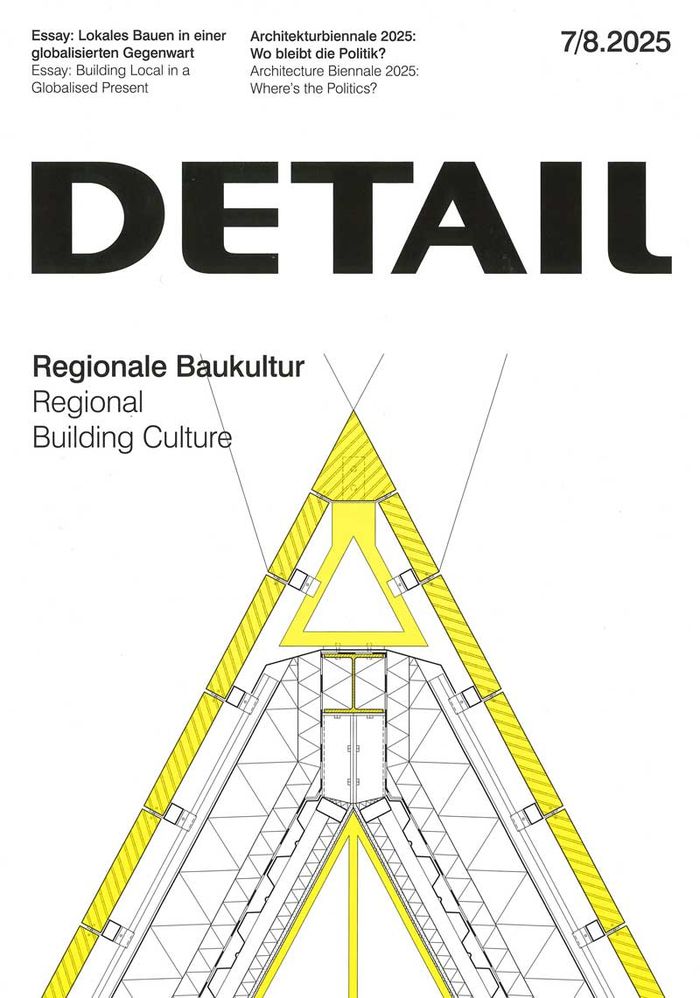
Detail 7/8 2025: Regional Building Culture
Actions:
Prix:
$52.00
(disponible en magasin)
Résumé:
Traditional building forms have undergone repeated revivals and rejections throughout architectural history - from the medievalist nostalgia of the ''Arts and Crafts'' movement to early modernism’s deliberate break with the past, from the fraught alliance of traditionalist styles like Heimatstil with 1930s fascism to the regionalist tendencies of the 1970s. While those earlier movements often focused on formal opposition to the perceived failures of modernism, today’s discourse goes further: there is growing recognition that building regionally also means building in a climate-conscious way, using locally available materials and resources. The projects presented - mainly in rural Austria, Switzerland, France, and the UK - show how this can be done in practice. The motivations behind a return to traditional forms vary: in some cases, building codes or a protected historic setting played a decisive role; in others, the regional architectural language aligned with the values of the architect or client.
Detail 7/8 2025: Regional Building Culture
Actions:
Prix:
$52.00
(disponible en magasin)
Résumé:
Traditional building forms have undergone repeated revivals and rejections throughout architectural history - from the medievalist nostalgia of the ''Arts and Crafts'' movement to early modernism’s deliberate break with the past, from the fraught alliance of traditionalist styles like Heimatstil with 1930s fascism to the regionalist tendencies of the 1970s. While those earlier movements often focused on formal opposition to the perceived failures of modernism, today’s discourse goes further: there is growing recognition that building regionally also means building in a climate-conscious way, using locally available materials and resources. The projects presented - mainly in rural Austria, Switzerland, France, and the UK - show how this can be done in practice. The motivations behind a return to traditional forms vary: in some cases, building codes or a protected historic setting played a decisive role; in others, the regional architectural language aligned with the values of the architect or client.
Classification:
livres
livres
Publication:
juillet 2025
juillet 2025
Sujet:
Revues
Revues
Classification:
livres
livres
Prix:
$28.00
(disponible en magasin)
Résumé:
Lamentation practices can empower the potentiality to defy patriarchal orders ruling everyday life. Always a collective process, lamentation inscribes loss and vulnerability by tending bridges towards the world of the dead and the more-than-human. Gestures such as singing or breathing, gathering, and performances that exceed rationality can inspire a renewed approach to(...)
$28.00
(disponible en magasin)
Résumé:
Lamentation practices can empower the potentiality to defy patriarchal orders ruling everyday life. Always a collective process, lamentation inscribes loss and vulnerability by tending bridges towards the world of the dead and the more-than-human. Gestures such as singing or breathing, gathering, and performances that exceed rationality can inspire a renewed approach to(...)
Sujet:
Théorie/ philosophie
Théorie/ philosophie
Publication:
octobre 2023
octobre 2023
Titre:
Urban lament: Collective expressions of pain, rage and affection
Actions:
Prix:
$28.00
(disponible en magasin)
Résumé:
Lamentation practices can empower the potentiality to defy patriarchal orders ruling everyday life. Always a collective process, lamentation inscribes loss and vulnerability by tending bridges towards the world of the dead and the more-than-human. Gestures such as singing or breathing, gathering, and performances that exceed rationality can inspire a renewed approach to life and death, rural and urban. After all, amidst ongoing processes of extinction, how to mourn a queer activist, a Roma father, a burnt forest, an exiled body, and a ship sunken in the Mediterranean? How to experience loss not as something individual, but within an expanded continuum of pain? How to explore emotions beyond the private sphere? Through case studies and narrations, in different times and geographies surrounding the Aegean Sea, this book amplifies the echoes of collective tears to invigorate contemporary mourning practices that claim public space by grief, rage, and affect.
Urban lament: Collective expressions of pain, rage and affection
Actions:
Prix:
$28.00
(disponible en magasin)
Résumé:
Lamentation practices can empower the potentiality to defy patriarchal orders ruling everyday life. Always a collective process, lamentation inscribes loss and vulnerability by tending bridges towards the world of the dead and the more-than-human. Gestures such as singing or breathing, gathering, and performances that exceed rationality can inspire a renewed approach to life and death, rural and urban. After all, amidst ongoing processes of extinction, how to mourn a queer activist, a Roma father, a burnt forest, an exiled body, and a ship sunken in the Mediterranean? How to experience loss not as something individual, but within an expanded continuum of pain? How to explore emotions beyond the private sphere? Through case studies and narrations, in different times and geographies surrounding the Aegean Sea, this book amplifies the echoes of collective tears to invigorate contemporary mourning practices that claim public space by grief, rage, and affect.
Classification:
livres
livres
Publication:
octobre 2023
octobre 2023
Sujet:
Théorie/ philosophie
Théorie/ philosophie
Classification:
livres
livres
Actions:
Prix:
$45.00
(disponible en magasin)
Résumé:
Geoffrey James directs his gaze to the in-between spaces and forgotten places that resist the idea of a cohesive national identity. With an equable eye, James documents the ephemeral and the monumental: a demolition derby in Quebec, how an inmate at Kingston Penitentiary has decorated his cell, the Dickensian side door of Massey Hall in Toronto. The photographs in this(...)
$45.00
(disponible en magasin)
Résumé:
Geoffrey James directs his gaze to the in-between spaces and forgotten places that resist the idea of a cohesive national identity. With an equable eye, James documents the ephemeral and the monumental: a demolition derby in Quebec, how an inmate at Kingston Penitentiary has decorated his cell, the Dickensian side door of Massey Hall in Toronto. The photographs in this(...)
Titre:
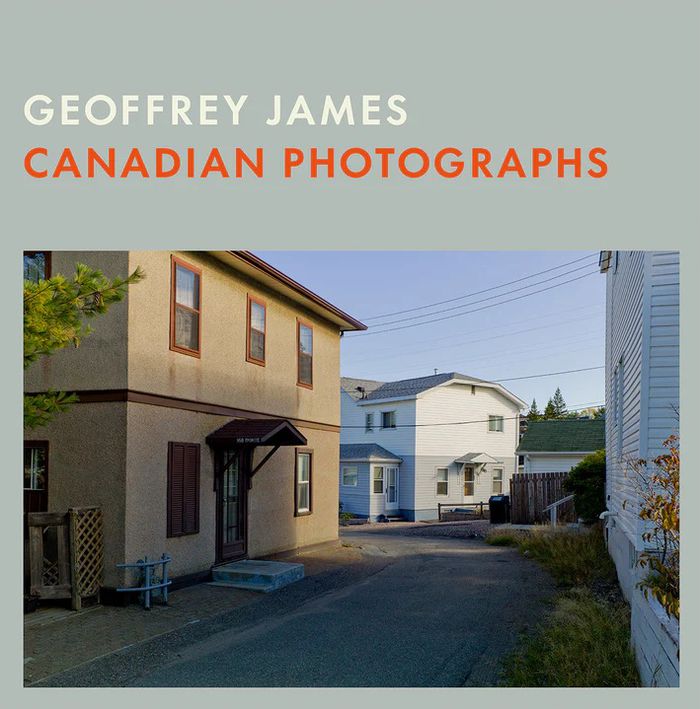
Geoffrey James: Canadian photographs
Actions:
Prix:
$45.00
(disponible en magasin)
Résumé:
Geoffrey James directs his gaze to the in-between spaces and forgotten places that resist the idea of a cohesive national identity. With an equable eye, James documents the ephemeral and the monumental: a demolition derby in Quebec, how an inmate at Kingston Penitentiary has decorated his cell, the Dickensian side door of Massey Hall in Toronto. The photographs in this collection celebrate the everyday while meditating on the issues James’s adopted home faces: the bifurcation of rural and urban, rapid growth and increasing inequality, and its journey toward truth and reconciliation. Linked by views taken from train windows from British Columbia to Nova Scotia, James’s unofficial portrait of Canada brings into sharp relief the unfinished business of the nation as it lurches into the next century. Canadian Photographs includes a conversation between the photographer and Peter Galassi, former Chief Curator of Photography at the Museum of Modern Art.
Geoffrey James: Canadian photographs
Actions:
Prix:
$45.00
(disponible en magasin)
Résumé:
Geoffrey James directs his gaze to the in-between spaces and forgotten places that resist the idea of a cohesive national identity. With an equable eye, James documents the ephemeral and the monumental: a demolition derby in Quebec, how an inmate at Kingston Penitentiary has decorated his cell, the Dickensian side door of Massey Hall in Toronto. The photographs in this collection celebrate the everyday while meditating on the issues James’s adopted home faces: the bifurcation of rural and urban, rapid growth and increasing inequality, and its journey toward truth and reconciliation. Linked by views taken from train windows from British Columbia to Nova Scotia, James’s unofficial portrait of Canada brings into sharp relief the unfinished business of the nation as it lurches into the next century. Canadian Photographs includes a conversation between the photographer and Peter Galassi, former Chief Curator of Photography at the Museum of Modern Art.
Classification:
livres
livres
Publication:
octobre 2024
octobre 2024
Sujet:
Monographies photo
Monographies photo
Classification:
livres
livres
Actions:
Prix:
$26.95
(disponible en magasin)
Résumé:
Dépendance au pétrole, étalement urbain, routes saturées, pollutions sonores et atmosphériques, insécurité routière, perte de biodiversité... Les conséquences de l'usage excessif de la voiture individuelle sont lourdes pour l'environnement, la santé et la qualité de vie. La promesse de toujours aller plus vite et plus loin, grâce à des véhicules toujours plus lourds,(...)
$26.95
(disponible en magasin)
Résumé:
Dépendance au pétrole, étalement urbain, routes saturées, pollutions sonores et atmosphériques, insécurité routière, perte de biodiversité... Les conséquences de l'usage excessif de la voiture individuelle sont lourdes pour l'environnement, la santé et la qualité de vie. La promesse de toujours aller plus vite et plus loin, grâce à des véhicules toujours plus lourds,(...)
Titre:
Tout-voiture : On arrête tout et on réfléchit !
Actions:
Prix:
$26.95
(disponible en magasin)
Résumé:
Dépendance au pétrole, étalement urbain, routes saturées, pollutions sonores et atmosphériques, insécurité routière, perte de biodiversité... Les conséquences de l'usage excessif de la voiture individuelle sont lourdes pour l'environnement, la santé et la qualité de vie. La promesse de toujours aller plus vite et plus loin, grâce à des véhicules toujours plus lourds, plus gros et plus puissants, nous a rendus dépendants de ce mode de transport : en France, 60 % des déplacements se font en voiture, et jusqu'à 80 % en milieu rural et périurbain. Comment lutter contre l'obésité automobile et l'injonction à se déplacer sans cesse ? Spécialiste des questions de mobilités, Ludovic Bu l'affirme : oui, on peut se déplacer sans voiture. Il faut pour cela transformer les villes, favoriser les déplacements à pied et à vélo, mais aussi recréer de la proximité dans les zones périurbaines et rurales avec les services et les commerces dont chacun a besoin au quotidien.
Tout-voiture : On arrête tout et on réfléchit !
Actions:
Prix:
$26.95
(disponible en magasin)
Résumé:
Dépendance au pétrole, étalement urbain, routes saturées, pollutions sonores et atmosphériques, insécurité routière, perte de biodiversité... Les conséquences de l'usage excessif de la voiture individuelle sont lourdes pour l'environnement, la santé et la qualité de vie. La promesse de toujours aller plus vite et plus loin, grâce à des véhicules toujours plus lourds, plus gros et plus puissants, nous a rendus dépendants de ce mode de transport : en France, 60 % des déplacements se font en voiture, et jusqu'à 80 % en milieu rural et périurbain. Comment lutter contre l'obésité automobile et l'injonction à se déplacer sans cesse ? Spécialiste des questions de mobilités, Ludovic Bu l'affirme : oui, on peut se déplacer sans voiture. Il faut pour cela transformer les villes, favoriser les déplacements à pied et à vélo, mais aussi recréer de la proximité dans les zones périurbaines et rurales avec les services et les commerces dont chacun a besoin au quotidien.
Classification:
livres
livres
Publication:
août 2024
août 2024
Classification:
livres
livres
Prix:
$25.95
(disponible en magasin)
Résumé:
When the state recedes, the commune-form flourishes. This was as true in Paris in 1871 as it is now whenever ordinary people begin to manage their daily lives collectively. Contemporary struggles over land - from the zad at Notre-Dame-des-Landes to Cop City in Atlanta, from the pipeline battles in Canada to Soulèvements de la terre - have reinvented practices of(...)
$25.95
(disponible en magasin)
Résumé:
When the state recedes, the commune-form flourishes. This was as true in Paris in 1871 as it is now whenever ordinary people begin to manage their daily lives collectively. Contemporary struggles over land - from the zad at Notre-Dame-des-Landes to Cop City in Atlanta, from the pipeline battles in Canada to Soulèvements de la terre - have reinvented practices of(...)
Titre:
The Commune form: The transformation of everyday life
Actions:
Prix:
$25.95
(disponible en magasin)
Résumé:
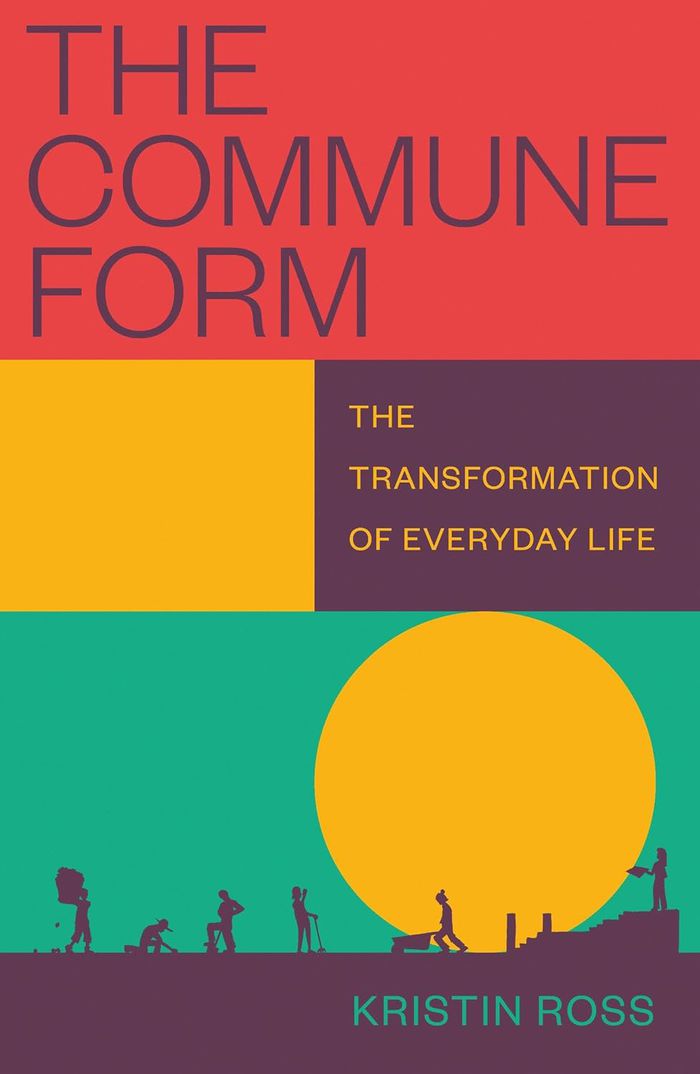
When the state recedes, the commune-form flourishes. This was as true in Paris in 1871 as it is now whenever ordinary people begin to manage their daily lives collectively. Contemporary struggles over land - from the zad at Notre-Dame-des-Landes to Cop City in Atlanta, from the pipeline battles in Canada to Soulèvements de la terre - have reinvented practices of appropriating lived space and time. This transforms dramatically our perception of the recent past. Rural struggles of the 1960s and 70s, like the "Nantes Commune," the Larzac, and Sanrizuka in Japan, appear now as the defining battles of our era. In the defense of threatened territories against all manners of privatization, hoarding, and infrastructures of disaster, new ways of producing and inhabiting are devised that side-step the state and that give rise to unprecedented kinds of solidarity built on pleasurable, fruitful collaborations.
The Commune form: The transformation of everyday life
Actions:
Prix:
$25.95
(disponible en magasin)
Résumé:
When the state recedes, the commune-form flourishes. This was as true in Paris in 1871 as it is now whenever ordinary people begin to manage their daily lives collectively. Contemporary struggles over land - from the zad at Notre-Dame-des-Landes to Cop City in Atlanta, from the pipeline battles in Canada to Soulèvements de la terre - have reinvented practices of appropriating lived space and time. This transforms dramatically our perception of the recent past. Rural struggles of the 1960s and 70s, like the "Nantes Commune," the Larzac, and Sanrizuka in Japan, appear now as the defining battles of our era. In the defense of threatened territories against all manners of privatization, hoarding, and infrastructures of disaster, new ways of producing and inhabiting are devised that side-step the state and that give rise to unprecedented kinds of solidarity built on pleasurable, fruitful collaborations.
Classification:
livres
livres
Publication:
septembre 2024
septembre 2024
Sujet:
Social
Social
Classification:
livres
livres
Actions:
Prix:
$66.95
(disponible en magasin)
Résumé:
''Designed Forests: A Cultural History'' explores the unique kinship that exists between forests and spatial design; the forest’s influence on architectural culture and practice; and the potentials and pitfalls of “forest thinking” for more sustainable and ethical ways of doing architecture today. It tackles these subjects by focusing on architecture’s own dispositions,(...)
$66.95
(disponible en magasin)
Résumé:
''Designed Forests: A Cultural History'' explores the unique kinship that exists between forests and spatial design; the forest’s influence on architectural culture and practice; and the potentials and pitfalls of “forest thinking” for more sustainable and ethical ways of doing architecture today. It tackles these subjects by focusing on architecture’s own dispositions,(...)
Titre:
Designed forests: A cultural history
Actions:
Prix:
$66.95
(disponible en magasin)
Résumé:
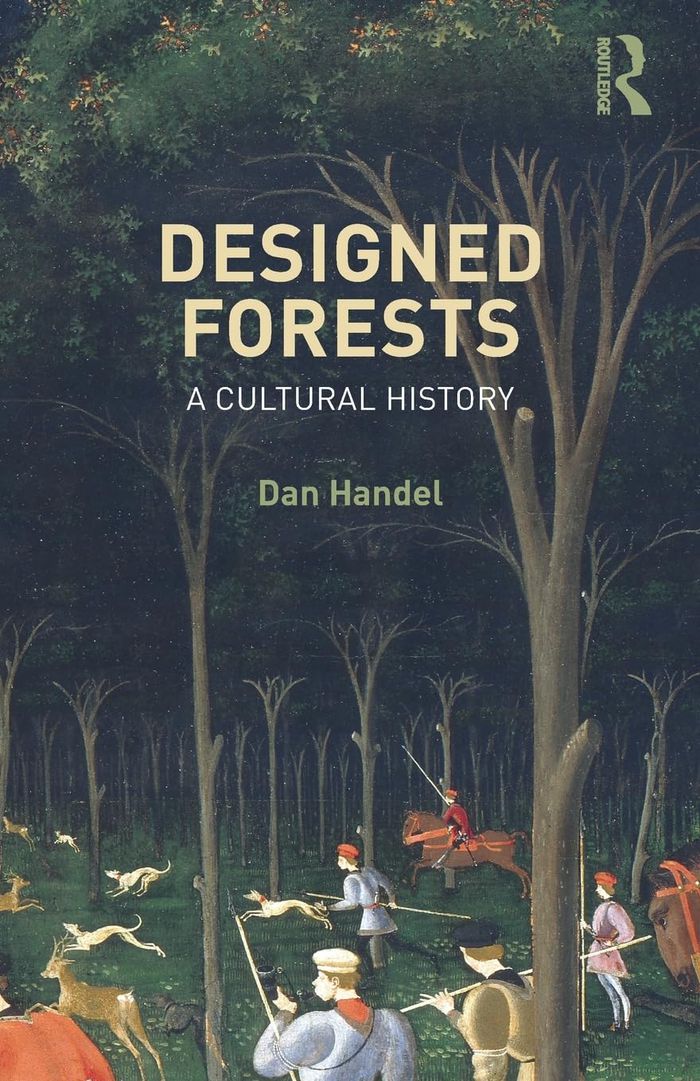
''Designed Forests: A Cultural History'' explores the unique kinship that exists between forests and spatial design; the forest’s influence on architectural culture and practice; and the potentials and pitfalls of “forest thinking” for more sustainable and ethical ways of doing architecture today. It tackles these subjects by focusing on architecture’s own dispositions, which stem from an ecology of metaphor that surrounds its encounters with the forest and undergird ideas about Nature and natural systems. The book weaves together global narratives and chapters explore a range of topics, such as the invention of forest plans in colonial India, the war waged on the jungles of Vietnam, economic land use concepts in rural Germany, precolonial ecological pasts in Manhattan, and technologically saturated forests in California. This book is essential for landscape architects, urbanists, architects, forestry experts, and everyone concerned with larger environmental contexts and the ever-evolving relationship between nature and culture.
Designed forests: A cultural history
Actions:
Prix:
$66.95
(disponible en magasin)
Résumé:
''Designed Forests: A Cultural History'' explores the unique kinship that exists between forests and spatial design; the forest’s influence on architectural culture and practice; and the potentials and pitfalls of “forest thinking” for more sustainable and ethical ways of doing architecture today. It tackles these subjects by focusing on architecture’s own dispositions, which stem from an ecology of metaphor that surrounds its encounters with the forest and undergird ideas about Nature and natural systems. The book weaves together global narratives and chapters explore a range of topics, such as the invention of forest plans in colonial India, the war waged on the jungles of Vietnam, economic land use concepts in rural Germany, precolonial ecological pasts in Manhattan, and technologically saturated forests in California. This book is essential for landscape architects, urbanists, architects, forestry experts, and everyone concerned with larger environmental contexts and the ever-evolving relationship between nature and culture.
Classification:
livres
livres
Publication:
décembre 2024
décembre 2024
Sujet:
Théorie du paysage
Théorie du paysage
Classification:
livres
livres
Actions:
Prix:
$62.50
(disponible sur commande)
Résumé:
The artists Cy Twombly and Sally Mann may at first seem an unlikely pairing. He was a leading contemporary artist who defied easy categorization, a painter and sculptor whose enigmatic work often referenced mythology and epic poetry. She is a photographer with an uncanny ability to tap raw human emotion, whether depicting members of her family or the landscape of the(...)
$62.50
(disponible sur commande)
Résumé:
The artists Cy Twombly and Sally Mann may at first seem an unlikely pairing. He was a leading contemporary artist who defied easy categorization, a painter and sculptor whose enigmatic work often referenced mythology and epic poetry. She is a photographer with an uncanny ability to tap raw human emotion, whether depicting members of her family or the landscape of the(...)
Titre:
Remembered light: Cy Twombly in Lexington
Actions:
Prix:
$62.50
(disponible sur commande)
Résumé:
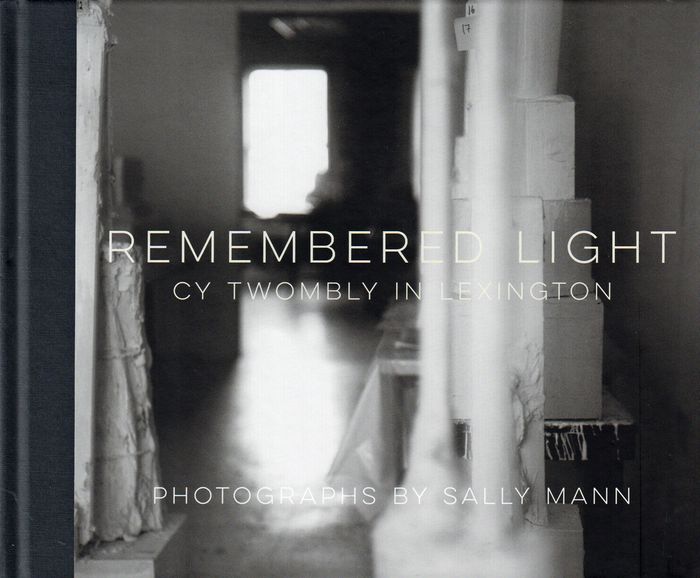
The artists Cy Twombly and Sally Mann may at first seem an unlikely pairing. He was a leading contemporary artist who defied easy categorization, a painter and sculptor whose enigmatic work often referenced mythology and epic poetry. She is a photographer with an uncanny ability to tap raw human emotion, whether depicting members of her family or the landscape of the American South. What they had in common was place—both grew up in rural Lexington, Virginia, where Twombly kept a studio and produced some of his most important work until his death in 2011, and where Mann has lived and worked all her life.Over the course of several years, Mann photographed inside Twombly’s studio. The result is a rare insider’s view of Twombly’s process—we sense him in the room at every turn, although he is always just beyond the frame—and a poetic dialogue between two artistic visions.
Remembered light: Cy Twombly in Lexington
Actions:
Prix:
$62.50
(disponible sur commande)
Résumé:
The artists Cy Twombly and Sally Mann may at first seem an unlikely pairing. He was a leading contemporary artist who defied easy categorization, a painter and sculptor whose enigmatic work often referenced mythology and epic poetry. She is a photographer with an uncanny ability to tap raw human emotion, whether depicting members of her family or the landscape of the American South. What they had in common was place—both grew up in rural Lexington, Virginia, where Twombly kept a studio and produced some of his most important work until his death in 2011, and where Mann has lived and worked all her life.Over the course of several years, Mann photographed inside Twombly’s studio. The result is a rare insider’s view of Twombly’s process—we sense him in the room at every turn, although he is always just beyond the frame—and a poetic dialogue between two artistic visions.
Classification:
livres
livres
Publication:
octobre 2016
octobre 2016
Classification:
livres
livres
Prix:
$29.00
(disponible sur commande)
Résumé:
This book examines the history of the one-room school and how successive generations of Americans have remembered—and just as often misremembered — this powerful national icon. Drawing on a rich range of sources, from firsthand accounts to poems, songs, and films, Jonathan Zimmerman traces the evolution of attitudes toward the little red schoolhouse from the late(...)
$29.00
(disponible sur commande)
Résumé:
This book examines the history of the one-room school and how successive generations of Americans have remembered—and just as often misremembered — this powerful national icon. Drawing on a rich range of sources, from firsthand accounts to poems, songs, and films, Jonathan Zimmerman traces the evolution of attitudes toward the little red schoolhouse from the late(...)
Sujet:
Théorie de l’urbanisme
Théorie de l’urbanisme
Publication:
juillet 2009
juillet 2009
Titre:
Small wonder : the little red school house in history and memory
Actions:
Prix:
$29.00
(disponible sur commande)
Résumé:
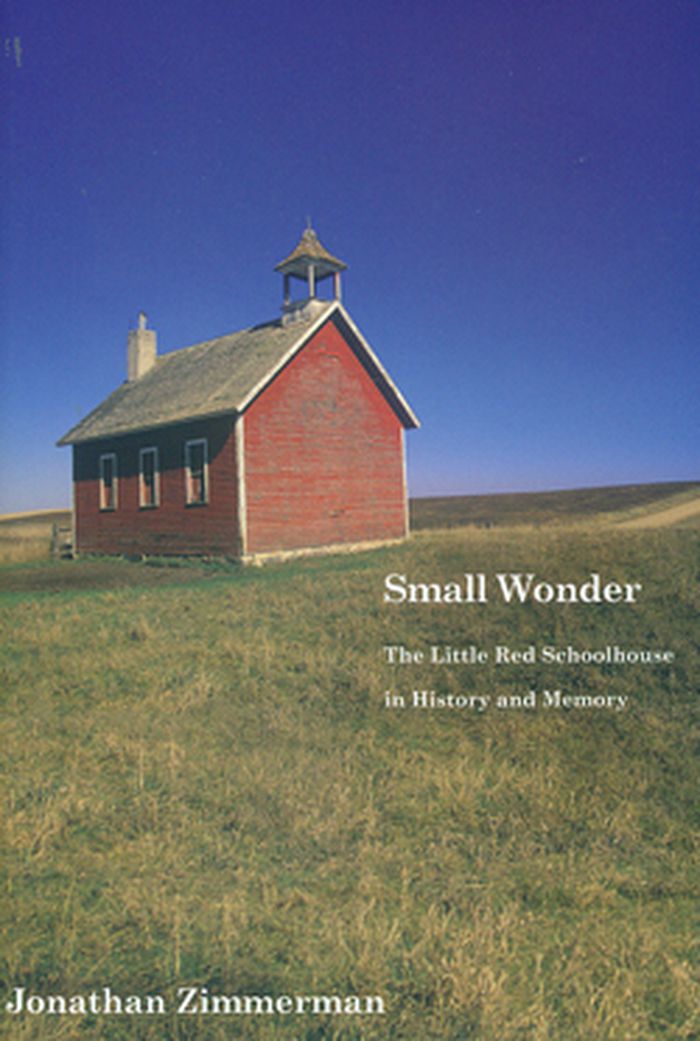
This book examines the history of the one-room school and how successive generations of Americans have remembered—and just as often misremembered — this powerful national icon. Drawing on a rich range of sources, from firsthand accounts to poems, songs, and films, Jonathan Zimmerman traces the evolution of attitudes toward the little red schoolhouse from the late nineteenth century to the present day. At times it was celebrated as a symbol of lost rural virtues or America’s democratic heritage; at others it was denounced as the epitome of inefficiency and substandard academics. And because the one-room school has been a useful emblem for liberal, conservative, and other agendas, the truth of its history has sometimes been stretched. Yet the idyllic image of the schoolhouse still unites Americans. For more than a century, it has embodied the nation’s best aspirations and—especially—its continuing faith in education itself.
Small wonder : the little red school house in history and memory
Actions:
Prix:
$29.00
(disponible sur commande)
Résumé:
This book examines the history of the one-room school and how successive generations of Americans have remembered—and just as often misremembered — this powerful national icon. Drawing on a rich range of sources, from firsthand accounts to poems, songs, and films, Jonathan Zimmerman traces the evolution of attitudes toward the little red schoolhouse from the late nineteenth century to the present day. At times it was celebrated as a symbol of lost rural virtues or America’s democratic heritage; at others it was denounced as the epitome of inefficiency and substandard academics. And because the one-room school has been a useful emblem for liberal, conservative, and other agendas, the truth of its history has sometimes been stretched. Yet the idyllic image of the schoolhouse still unites Americans. For more than a century, it has embodied the nation’s best aspirations and—especially—its continuing faith in education itself.
Classification:
livres
livres
Publication:
juillet 2009
juillet 2009
Sujet:
Théorie de l’urbanisme
Théorie de l’urbanisme


