


3853 Résultats
Niveau de description archivistique:
Série(s)
Série(s)
Titre:
Documents professionnels
Documents professionnels
Numéro de référence:
AP086.S2
Description:
Cette série contient des documents de deux natures. D'abord, les 26 photographies que Blaise Marchand a colligées alors qu'il était architecte en chef pour l'entretien au ministère des Travaux publics du Québec (1945-1968), illustrent principalement les différentes décorations temporaires installées sur les façades de l'Hôtel du Parlement à Québec, et dans les environs, à l'occasion d'événements spéciaux entre 1949 et 1960 [1963]. Pour la grande majorité, les photographies ont été réalisées par le Service de ciné-photographie de l'Office provincial de publicité du Québec, mais aussi par le ministère des Travaux publics - Service des architectes, ainsi que par le photographe Michel, photographie artistique et commerciale (Québec) et par le studio Photo Montcalm (Québec). Ensuite, les trois publications et le manuscrit ([1956]-1963) conservés dans la série documentent l'intérêt que Marchand portait à l'urbanisme et à la conservation et la restauration du patrimoine bâti. Les titres entre guillemets ont été tirés des légendes qui accompagnaient les photographies lorsque les documents sont arrivés aux archives.
AP086.S2
Description:
Cette série contient des documents de deux natures. D'abord, les 26 photographies que Blaise Marchand a colligées alors qu'il était architecte en chef pour l'entretien au ministère des Travaux publics du Québec (1945-1968), illustrent principalement les différentes décorations temporaires installées sur les façades de l'Hôtel du Parlement à Québec, et dans les environs, à l'occasion d'événements spéciaux entre 1949 et 1960 [1963]. Pour la grande majorité, les photographies ont été réalisées par le Service de ciné-photographie de l'Office provincial de publicité du Québec, mais aussi par le ministère des Travaux publics - Service des architectes, ainsi que par le photographe Michel, photographie artistique et commerciale (Québec) et par le studio Photo Montcalm (Québec). Ensuite, les trois publications et le manuscrit ([1956]-1963) conservés dans la série documentent l'intérêt que Marchand portait à l'urbanisme et à la conservation et la restauration du patrimoine bâti. Les titres entre guillemets ont été tirés des légendes qui accompagnaient les photographies lorsque les documents sont arrivés aux archives.
Personnes et institutions:
Date:
1949-1963
1949-1963
Titre:
Documents professionnels
Actions:
AP086.S2
Description:
Cette série contient des documents de deux natures. D'abord, les 26 photographies que Blaise Marchand a colligées alors qu'il était architecte en chef pour l'entretien au ministère des Travaux publics du Québec (1945-1968), illustrent principalement les différentes décorations temporaires installées sur les façades de l'Hôtel du Parlement à Québec, et dans les environs, à l'occasion d'événements spéciaux entre 1949 et 1960 [1963]. Pour la grande majorité, les photographies ont été réalisées par le Service de ciné-photographie de l'Office provincial de publicité du Québec, mais aussi par le ministère des Travaux publics - Service des architectes, ainsi que par le photographe Michel, photographie artistique et commerciale (Québec) et par le studio Photo Montcalm (Québec). Ensuite, les trois publications et le manuscrit ([1956]-1963) conservés dans la série documentent l'intérêt que Marchand portait à l'urbanisme et à la conservation et la restauration du patrimoine bâti. Les titres entre guillemets ont été tirés des légendes qui accompagnaient les photographies lorsque les documents sont arrivés aux archives.
Documents professionnels
Actions:
AP086.S2
Description:
Cette série contient des documents de deux natures. D'abord, les 26 photographies que Blaise Marchand a colligées alors qu'il était architecte en chef pour l'entretien au ministère des Travaux publics du Québec (1945-1968), illustrent principalement les différentes décorations temporaires installées sur les façades de l'Hôtel du Parlement à Québec, et dans les environs, à l'occasion d'événements spéciaux entre 1949 et 1960 [1963]. Pour la grande majorité, les photographies ont été réalisées par le Service de ciné-photographie de l'Office provincial de publicité du Québec, mais aussi par le ministère des Travaux publics - Service des architectes, ainsi que par le photographe Michel, photographie artistique et commerciale (Québec) et par le studio Photo Montcalm (Québec). Ensuite, les trois publications et le manuscrit ([1956]-1963) conservés dans la série documentent l'intérêt que Marchand portait à l'urbanisme et à la conservation et la restauration du patrimoine bâti. Les titres entre guillemets ont été tirés des légendes qui accompagnaient les photographies lorsque les documents sont arrivés aux archives.
Niveau de description archivistique:
Série
Série
Date:
1949-1963
1949-1963
Personnes et institutions:
Classification:
articles
articles

Titre:
5 000 espèces d’arbres
5 000 espèces d’arbres
Actions:
Sur la conservation et la restauration de la forêt atlantique du Brésil
Mot(s)-clé(s):
forêt, déforestation, ecosystème, café, plantation, colonialisme, extraction, Minas Gerais, Belo Horizonte
forêt, déforestation, ecosystème, café, plantation, colonialisme, extraction, Minas Gerais, Belo Horizonte
Publié:
8 septembre 2025
8 septembre 2025
Titre:
5 000 espèces d’arbres
Sur la conservation et la restauration de la forêt atlantique du Brésil
Actions:
5 000 espèces d’arbres
Sur la conservation et la restauration de la forêt atlantique du Brésil
Actions:
Classification:
expositions
expositions
Description:
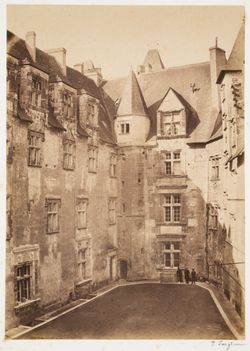
À l’aide d’objets tirés de la collection du CCA, Photographie et pratique de l’architecture en France, 1839-1870 montre comment la photographie est devenue, dans la seconde moitié du XIXe siècle, partie intégrante du processus de conception, de construction et de restauration architecturale, et élément de publication dans ce domaine. Commissaires : David Harris, CCA, et(...)
À l’aide d’objets tirés de la collection du CCA, Photographie et pratique de l’architecture en France, 1839-1870 montre comment la photographie est devenue, dans la seconde moitié du XIXe siècle, partie intégrante du processus de conception, de construction et de restauration architecturale, et élément de publication dans ce domaine. Commissaires : David Harris, CCA, et(...)
Localisation:
Vitrines
Vitrines
Date:
25 janvier 1995 au 4 juin 1995
25 janvier 1995 au 4 juin 1995
Titre:
Photographie et pratique de l'architecture en France, 1839-1870
Actions:
Description:
À l’aide d’objets tirés de la collection du CCA, Photographie et pratique de l’architecture en France, 1839-1870 montre comment la photographie est devenue, dans la seconde moitié du XIXe siècle, partie intégrante du processus de conception, de construction et de restauration architecturale, et élément de publication dans ce domaine. Commissaires : David Harris, CCA, et(...)
Photographie et pratique de l'architecture en France, 1839-1870
Actions:
Description:
À l’aide d’objets tirés de la collection du CCA, Photographie et pratique de l’architecture en France, 1839-1870 montre comment la photographie est devenue, dans la seconde moitié du XIXe siècle, partie intégrante du processus de conception, de construction et de restauration architecturale, et élément de publication dans ce domaine. Commissaires : David Harris, CCA, et(...)
Classification:
expositions
expositions
Date:
25 janvier 1995 au
4 juin 1995
25 janvier 1995 au
4 juin 1995
Localisation:
Vitrines
Vitrines
Classification:
archives
Niveau de description archivistique:
Fonds
archives
Niveau de description archivistique:
Fonds
Titre:
Fonds Victor Depocas
Fonds Victor Depocas
Numéro de référence:
AP028
Résumé:
Victor Depocas fonds is composed of documents and graphic materials produced between 1921 and 1986, predominantly between 1956 and 1984. It records Depocas activities as a member of the Province of Québec Association of Architects (A.A.P.Q.), the Ordre d’Architects du Québec (O.A.P.), and the Commission des monuments historiques du Québec; his activities as a Professor of architectural composition at l’École de Beaux-arts de Montréal (1953-1957); and his work as a professional architect along with general office files of the short-life firms David & Depocas and Deshaies & Depocas (1946-1950). The fonds documents mainly the architectural projects from the Commission that include restorations, renovations and modifications of residential, educational, ecclesiastical, and commercial buildings across Québec. Represented in drawings, textual records and photographs.
AP028
Résumé:
Victor Depocas fonds is composed of documents and graphic materials produced between 1921 and 1986, predominantly between 1956 and 1984. It records Depocas activities as a member of the Province of Québec Association of Architects (A.A.P.Q.), the Ordre d’Architects du Québec (O.A.P.), and the Commission des monuments historiques du Québec; his activities as a Professor of architectural composition at l’École de Beaux-arts de Montréal (1953-1957); and his work as a professional architect along with general office files of the short-life firms David & Depocas and Deshaies & Depocas (1946-1950). The fonds documents mainly the architectural projects from the Commission that include restorations, renovations and modifications of residential, educational, ecclesiastical, and commercial buildings across Québec. Represented in drawings, textual records and photographs.
Personnes et institutions:
Date:
1921-1986
1921-1986
Titre:
Fonds Victor Depocas
Actions:
AP028
Résumé:
Victor Depocas fonds is composed of documents and graphic materials produced between 1921 and 1986, predominantly between 1956 and 1984. It records Depocas activities as a member of the Province of Québec Association of Architects (A.A.P.Q.), the Ordre d’Architects du Québec (O.A.P.), and the Commission des monuments historiques du Québec; his activities as a Professor of architectural composition at l’École de Beaux-arts de Montréal (1953-1957); and his work as a professional architect along with general office files of the short-life firms David & Depocas and Deshaies & Depocas (1946-1950). The fonds documents mainly the architectural projects from the Commission that include restorations, renovations and modifications of residential, educational, ecclesiastical, and commercial buildings across Québec. Represented in drawings, textual records and photographs.
Fonds Victor Depocas
Actions:
AP028
Résumé:
Victor Depocas fonds is composed of documents and graphic materials produced between 1921 and 1986, predominantly between 1956 and 1984. It records Depocas activities as a member of the Province of Québec Association of Architects (A.A.P.Q.), the Ordre d’Architects du Québec (O.A.P.), and the Commission des monuments historiques du Québec; his activities as a Professor of architectural composition at l’École de Beaux-arts de Montréal (1953-1957); and his work as a professional architect along with general office files of the short-life firms David & Depocas and Deshaies & Depocas (1946-1950). The fonds documents mainly the architectural projects from the Commission that include restorations, renovations and modifications of residential, educational, ecclesiastical, and commercial buildings across Québec. Represented in drawings, textual records and photographs.
Classification:
archives
Niveau de description archivistique:
Fonds
archives
Niveau de description archivistique:
Fonds
Date:
1921-1986
1921-1986
Personnes et institutions:
Classification:
documents textuels
documents textuels
Numéro de référence:
PHCON2002:0016:003:135
PHCON2002:0016:003:135
Personnes et institutions:
Date:
24 September 1975
24 September 1975
Classification:
documents textuels
documents textuels
Date:
24 September 1975
24 September 1975
Personnes et institutions:
Niveau de description archivistique:
Projet
Projet
Numéro de référence:
AP178.S1.2002.PR06
Description:
This project series documents the Parque de Pedras Salgadas in Pedras Salgadas, Portugal. While the records were held in the office’s archives this project was assigned the number 50/00. The office assigned the date 2002 to this project. The project consisted of extensive work to the spa resort located in Pedras Salgadas Park for owner VMPS - Águas & Turismo, S.A, part of Unicer (now Super Bock Group). The work included the demolition of many buildings, the restauration and alterations of others and the construction of new buildings. Work on the Hotel Avelames, the thermal spa, the public pools and the Casa de Chá were the primary focus of the site for Siza. These four components of the project were divided by the office, with the Hotel Avelames, spa and Casa de Chá arranged together under AP178.S1.2002.PR06.SS1 and the public pools arranged under AP178.S1.2002.PR06.SS2. Architect Luís Rebelo de Andrade also constructed eco-houses and treehouses on the site later on. This project was realized in tandem with a similar project by Siza, the Parque de Vidago (AP178.S1.2002.PR05), also owned by Unicer. For this reason, the materials for both projects are mixed together. A large number of materials for this project can be found in project subseries AP178.S1.2002.PR05.SS1. These files have been identified at the file level in the Parque de Vidago project subseries.
AP178.S1.2002.PR06
Description:
This project series documents the Parque de Pedras Salgadas in Pedras Salgadas, Portugal. While the records were held in the office’s archives this project was assigned the number 50/00. The office assigned the date 2002 to this project. The project consisted of extensive work to the spa resort located in Pedras Salgadas Park for owner VMPS - Águas & Turismo, S.A, part of Unicer (now Super Bock Group). The work included the demolition of many buildings, the restauration and alterations of others and the construction of new buildings. Work on the Hotel Avelames, the thermal spa, the public pools and the Casa de Chá were the primary focus of the site for Siza. These four components of the project were divided by the office, with the Hotel Avelames, spa and Casa de Chá arranged together under AP178.S1.2002.PR06.SS1 and the public pools arranged under AP178.S1.2002.PR06.SS2. Architect Luís Rebelo de Andrade also constructed eco-houses and treehouses on the site later on. This project was realized in tandem with a similar project by Siza, the Parque de Vidago (AP178.S1.2002.PR05), also owned by Unicer. For this reason, the materials for both projects are mixed together. A large number of materials for this project can be found in project subseries AP178.S1.2002.PR05.SS1. These files have been identified at the file level in the Parque de Vidago project subseries.
Personnes et institutions:
Date:
2002-2010
2002-2010
Titre:
Parque de Pedras Salgadas, Pedras Salgadas, Portugal (2002-2010)
Actions:
AP178.S1.2002.PR06
Description:
This project series documents the Parque de Pedras Salgadas in Pedras Salgadas, Portugal. While the records were held in the office’s archives this project was assigned the number 50/00. The office assigned the date 2002 to this project. The project consisted of extensive work to the spa resort located in Pedras Salgadas Park for owner VMPS - Águas & Turismo, S.A, part of Unicer (now Super Bock Group). The work included the demolition of many buildings, the restauration and alterations of others and the construction of new buildings. Work on the Hotel Avelames, the thermal spa, the public pools and the Casa de Chá were the primary focus of the site for Siza. These four components of the project were divided by the office, with the Hotel Avelames, spa and Casa de Chá arranged together under AP178.S1.2002.PR06.SS1 and the public pools arranged under AP178.S1.2002.PR06.SS2. Architect Luís Rebelo de Andrade also constructed eco-houses and treehouses on the site later on. This project was realized in tandem with a similar project by Siza, the Parque de Vidago (AP178.S1.2002.PR05), also owned by Unicer. For this reason, the materials for both projects are mixed together. A large number of materials for this project can be found in project subseries AP178.S1.2002.PR05.SS1. These files have been identified at the file level in the Parque de Vidago project subseries.
Parque de Pedras Salgadas, Pedras Salgadas, Portugal (2002-2010)
Actions:
AP178.S1.2002.PR06
Description:
This project series documents the Parque de Pedras Salgadas in Pedras Salgadas, Portugal. While the records were held in the office’s archives this project was assigned the number 50/00. The office assigned the date 2002 to this project. The project consisted of extensive work to the spa resort located in Pedras Salgadas Park for owner VMPS - Águas & Turismo, S.A, part of Unicer (now Super Bock Group). The work included the demolition of many buildings, the restauration and alterations of others and the construction of new buildings. Work on the Hotel Avelames, the thermal spa, the public pools and the Casa de Chá were the primary focus of the site for Siza. These four components of the project were divided by the office, with the Hotel Avelames, spa and Casa de Chá arranged together under AP178.S1.2002.PR06.SS1 and the public pools arranged under AP178.S1.2002.PR06.SS2. Architect Luís Rebelo de Andrade also constructed eco-houses and treehouses on the site later on. This project was realized in tandem with a similar project by Siza, the Parque de Vidago (AP178.S1.2002.PR05), also owned by Unicer. For this reason, the materials for both projects are mixed together. A large number of materials for this project can be found in project subseries AP178.S1.2002.PR05.SS1. These files have been identified at the file level in the Parque de Vidago project subseries.
Niveau de description archivistique:
Project
Project
Date:
2002-2010
2002-2010
Personnes et institutions:
Classification:
expositions
expositions
Description:
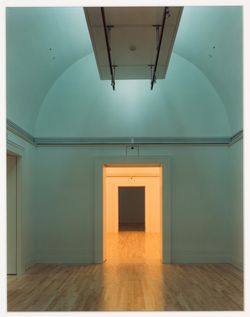
Dans le cadre des célébrations soulignant l’inauguration de son nouvel édifice de la rue Baile, Centre Canadien d’Architecture : Architecture et paysage révèle des motifs sous-jacents ayant influé sur la conception de l’architecture et l’aménagement du CCA. Les objets présentés se complètent pour dire le musée d’architecture : la nature des œuvres qu’il collectionne et(...)
Dans le cadre des célébrations soulignant l’inauguration de son nouvel édifice de la rue Baile, Centre Canadien d’Architecture : Architecture et paysage révèle des motifs sous-jacents ayant influé sur la conception de l’architecture et l’aménagement du CCA. Les objets présentés se complètent pour dire le musée d’architecture : la nature des œuvres qu’il collectionne et(...)
Localisation:
Salle octogonale
Salle octogonale
Date:
7 mai 1989 au 25 mars 1990
7 mai 1989 au 25 mars 1990
Titre:
Centre Canadien d'Architecture : architecture et paysage
Actions:
Description:
Dans le cadre des célébrations soulignant l’inauguration de son nouvel édifice de la rue Baile, Centre Canadien d’Architecture : Architecture et paysage révèle des motifs sous-jacents ayant influé sur la conception de l’architecture et l’aménagement du CCA. Les objets présentés se complètent pour dire le musée d’architecture : la nature des œuvres qu’il collectionne et(...)
Centre Canadien d'Architecture : architecture et paysage
Actions:
Description:
Dans le cadre des célébrations soulignant l’inauguration de son nouvel édifice de la rue Baile, Centre Canadien d’Architecture : Architecture et paysage révèle des motifs sous-jacents ayant influé sur la conception de l’architecture et l’aménagement du CCA. Les objets présentés se complètent pour dire le musée d’architecture : la nature des œuvres qu’il collectionne et(...)
Classification:
expositions
expositions
Date:
7 mai 1989 au
25 mars 1990
7 mai 1989 au
25 mars 1990
Localisation:
Salle octogonale
Salle octogonale
Niveau de description archivistique:
Projet
Projet
Numéro de référence:
AP075.S1.2006.PR01
Description:
Project series documents Cornelia Hahn Oberlander's landscape project for the restauration of the Evergreen Building, a ten-story office tower on West Pender Street, in Vancouver, British Columbia. The building was previously known as the Laxton Building. The project consisted in renovations work to the building, design by architect Arthur Erickson in the 1980. Oberlander herself worked with Erickson at the time. After helping to save the building from demolition in the early 2000s, Oberlander worked as a landscape consultant for Omicron Architecture Engineering Construction Co. in 2006-2007. She was consulted for the restoration of the landscaping at the street level and the replanting of the planted balconies she had created while working with Erickson. As the building facade consisted in a stepped facade with an alternance of zigzag floor plates and straight floor plates, Oberlander chose cascading plants for the zigzag floors and upright planting for the straight floors. "Since the plants were brought to the structure's edges, the geometries of the building were dramatically amplified." [1] The Evergreen Building received a heritage status in the mid-2000s. This project series contains only materials related to the 2006-2007 renovations project. The project series comprises sketches, design development drawings, including site plans, plantings plans and landscape elevations, and buildings plans used as reference. The project series is also documented through corrsepondence, including correspondence with architects and contractors, specifications, plant lists, digital files of a presentation on the existing site condition, financial material, and research material for the project. Source: [1] Herrington, Susan. Cornelia Hahn Oberlander: Making the Modern Landscape, University of Virginia Press, 2014, 304 pages, p. 139.
AP075.S1.2006.PR01
Description:
Project series documents Cornelia Hahn Oberlander's landscape project for the restauration of the Evergreen Building, a ten-story office tower on West Pender Street, in Vancouver, British Columbia. The building was previously known as the Laxton Building. The project consisted in renovations work to the building, design by architect Arthur Erickson in the 1980. Oberlander herself worked with Erickson at the time. After helping to save the building from demolition in the early 2000s, Oberlander worked as a landscape consultant for Omicron Architecture Engineering Construction Co. in 2006-2007. She was consulted for the restoration of the landscaping at the street level and the replanting of the planted balconies she had created while working with Erickson. As the building facade consisted in a stepped facade with an alternance of zigzag floor plates and straight floor plates, Oberlander chose cascading plants for the zigzag floors and upright planting for the straight floors. "Since the plants were brought to the structure's edges, the geometries of the building were dramatically amplified." [1] The Evergreen Building received a heritage status in the mid-2000s. This project series contains only materials related to the 2006-2007 renovations project. The project series comprises sketches, design development drawings, including site plans, plantings plans and landscape elevations, and buildings plans used as reference. The project series is also documented through corrsepondence, including correspondence with architects and contractors, specifications, plant lists, digital files of a presentation on the existing site condition, financial material, and research material for the project. Source: [1] Herrington, Susan. Cornelia Hahn Oberlander: Making the Modern Landscape, University of Virginia Press, 2014, 304 pages, p. 139.
Personnes et institutions:
Date:
2006-2007
2006-2007
Titre:
Evergreen Building restoration, Vancouver, British Columbia (2006)
Actions:
AP075.S1.2006.PR01
Description:
Project series documents Cornelia Hahn Oberlander's landscape project for the restauration of the Evergreen Building, a ten-story office tower on West Pender Street, in Vancouver, British Columbia. The building was previously known as the Laxton Building. The project consisted in renovations work to the building, design by architect Arthur Erickson in the 1980. Oberlander herself worked with Erickson at the time. After helping to save the building from demolition in the early 2000s, Oberlander worked as a landscape consultant for Omicron Architecture Engineering Construction Co. in 2006-2007. She was consulted for the restoration of the landscaping at the street level and the replanting of the planted balconies she had created while working with Erickson. As the building facade consisted in a stepped facade with an alternance of zigzag floor plates and straight floor plates, Oberlander chose cascading plants for the zigzag floors and upright planting for the straight floors. "Since the plants were brought to the structure's edges, the geometries of the building were dramatically amplified." [1] The Evergreen Building received a heritage status in the mid-2000s. This project series contains only materials related to the 2006-2007 renovations project. The project series comprises sketches, design development drawings, including site plans, plantings plans and landscape elevations, and buildings plans used as reference. The project series is also documented through corrsepondence, including correspondence with architects and contractors, specifications, plant lists, digital files of a presentation on the existing site condition, financial material, and research material for the project. Source: [1] Herrington, Susan. Cornelia Hahn Oberlander: Making the Modern Landscape, University of Virginia Press, 2014, 304 pages, p. 139.
Evergreen Building restoration, Vancouver, British Columbia (2006)
Actions:
AP075.S1.2006.PR01
Description:
Project series documents Cornelia Hahn Oberlander's landscape project for the restauration of the Evergreen Building, a ten-story office tower on West Pender Street, in Vancouver, British Columbia. The building was previously known as the Laxton Building. The project consisted in renovations work to the building, design by architect Arthur Erickson in the 1980. Oberlander herself worked with Erickson at the time. After helping to save the building from demolition in the early 2000s, Oberlander worked as a landscape consultant for Omicron Architecture Engineering Construction Co. in 2006-2007. She was consulted for the restoration of the landscaping at the street level and the replanting of the planted balconies she had created while working with Erickson. As the building facade consisted in a stepped facade with an alternance of zigzag floor plates and straight floor plates, Oberlander chose cascading plants for the zigzag floors and upright planting for the straight floors. "Since the plants were brought to the structure's edges, the geometries of the building were dramatically amplified." [1] The Evergreen Building received a heritage status in the mid-2000s. This project series contains only materials related to the 2006-2007 renovations project. The project series comprises sketches, design development drawings, including site plans, plantings plans and landscape elevations, and buildings plans used as reference. The project series is also documented through corrsepondence, including correspondence with architects and contractors, specifications, plant lists, digital files of a presentation on the existing site condition, financial material, and research material for the project. Source: [1] Herrington, Susan. Cornelia Hahn Oberlander: Making the Modern Landscape, University of Virginia Press, 2014, 304 pages, p. 139.
Niveau de description archivistique:
Project
Project
Date:
2006-2007
2006-2007
Personnes et institutions:
Niveau de description archivistique:
Projet
Projet
Numéro de référence:
AP056.S1.1988.PR04
Description:
This project series documents the first scheme and final design of The Design Exchange in Toronto from 1988-1994. The office identified the project numbers as 8801 for the first scheme and 9231 for the final design. Although two project numbers were used, materials for each project cannot be clearly separated. This project consisted of the renovation, restauration and expansion of the old Toronto Stock Exchange building, located at the base of the Ernst Young Tower in the Toronto Dominion Centre. The Design Exchange (D/X) was a new cultural institution, dedicated to the economic and cultural promotion of design in the country through exhibits, lectures, banquets, trade shows and other events. With Shirley Blumberg as the partner-in-charge, the art deco style trading floor was restored as an open event space, with the original Charles Comfort murals retained. In order to create harmony between the art deco building and the neo-modernist renovations, bold, linear architectural elements such as stairs, walls, screens and bridges were reiterated throughout the design. A staircase from the trading floor led to an overlooking bridge and created a connection between the trading floor, trading gallery and resource centre. Other areas of the 40,000 square foot building included an exhibit space, café, member's lounge, retail store, seminar rooms and administrative offices. Coloured planes of cobalt blue, chartreuse and ochre were set against a material palette of red oak, cherry, limestone, glass and stainless steel. The project is recorded through drawings and photographs dating from 1988-1994. The drawings are mostly originals and include a large amount of sketches. Also included are plans, elevations, sections, perspectives, details and drawings for custom furnishings. The photographs show the completed interiors of the building.
AP056.S1.1988.PR04
Description:
This project series documents the first scheme and final design of The Design Exchange in Toronto from 1988-1994. The office identified the project numbers as 8801 for the first scheme and 9231 for the final design. Although two project numbers were used, materials for each project cannot be clearly separated. This project consisted of the renovation, restauration and expansion of the old Toronto Stock Exchange building, located at the base of the Ernst Young Tower in the Toronto Dominion Centre. The Design Exchange (D/X) was a new cultural institution, dedicated to the economic and cultural promotion of design in the country through exhibits, lectures, banquets, trade shows and other events. With Shirley Blumberg as the partner-in-charge, the art deco style trading floor was restored as an open event space, with the original Charles Comfort murals retained. In order to create harmony between the art deco building and the neo-modernist renovations, bold, linear architectural elements such as stairs, walls, screens and bridges were reiterated throughout the design. A staircase from the trading floor led to an overlooking bridge and created a connection between the trading floor, trading gallery and resource centre. Other areas of the 40,000 square foot building included an exhibit space, café, member's lounge, retail store, seminar rooms and administrative offices. Coloured planes of cobalt blue, chartreuse and ochre were set against a material palette of red oak, cherry, limestone, glass and stainless steel. The project is recorded through drawings and photographs dating from 1988-1994. The drawings are mostly originals and include a large amount of sketches. Also included are plans, elevations, sections, perspectives, details and drawings for custom furnishings. The photographs show the completed interiors of the building.
Personnes et institutions:
Date:
1988-1994
1988-1994
Titre:
The Design Exchange, Toronto (1988-1994)
Actions:
AP056.S1.1988.PR04
Description:
This project series documents the first scheme and final design of The Design Exchange in Toronto from 1988-1994. The office identified the project numbers as 8801 for the first scheme and 9231 for the final design. Although two project numbers were used, materials for each project cannot be clearly separated. This project consisted of the renovation, restauration and expansion of the old Toronto Stock Exchange building, located at the base of the Ernst Young Tower in the Toronto Dominion Centre. The Design Exchange (D/X) was a new cultural institution, dedicated to the economic and cultural promotion of design in the country through exhibits, lectures, banquets, trade shows and other events. With Shirley Blumberg as the partner-in-charge, the art deco style trading floor was restored as an open event space, with the original Charles Comfort murals retained. In order to create harmony between the art deco building and the neo-modernist renovations, bold, linear architectural elements such as stairs, walls, screens and bridges were reiterated throughout the design. A staircase from the trading floor led to an overlooking bridge and created a connection between the trading floor, trading gallery and resource centre. Other areas of the 40,000 square foot building included an exhibit space, café, member's lounge, retail store, seminar rooms and administrative offices. Coloured planes of cobalt blue, chartreuse and ochre were set against a material palette of red oak, cherry, limestone, glass and stainless steel. The project is recorded through drawings and photographs dating from 1988-1994. The drawings are mostly originals and include a large amount of sketches. Also included are plans, elevations, sections, perspectives, details and drawings for custom furnishings. The photographs show the completed interiors of the building.
The Design Exchange, Toronto (1988-1994)
Actions:
AP056.S1.1988.PR04
Description:
This project series documents the first scheme and final design of The Design Exchange in Toronto from 1988-1994. The office identified the project numbers as 8801 for the first scheme and 9231 for the final design. Although two project numbers were used, materials for each project cannot be clearly separated. This project consisted of the renovation, restauration and expansion of the old Toronto Stock Exchange building, located at the base of the Ernst Young Tower in the Toronto Dominion Centre. The Design Exchange (D/X) was a new cultural institution, dedicated to the economic and cultural promotion of design in the country through exhibits, lectures, banquets, trade shows and other events. With Shirley Blumberg as the partner-in-charge, the art deco style trading floor was restored as an open event space, with the original Charles Comfort murals retained. In order to create harmony between the art deco building and the neo-modernist renovations, bold, linear architectural elements such as stairs, walls, screens and bridges were reiterated throughout the design. A staircase from the trading floor led to an overlooking bridge and created a connection between the trading floor, trading gallery and resource centre. Other areas of the 40,000 square foot building included an exhibit space, café, member's lounge, retail store, seminar rooms and administrative offices. Coloured planes of cobalt blue, chartreuse and ochre were set against a material palette of red oak, cherry, limestone, glass and stainless steel. The project is recorded through drawings and photographs dating from 1988-1994. The drawings are mostly originals and include a large amount of sketches. Also included are plans, elevations, sections, perspectives, details and drawings for custom furnishings. The photographs show the completed interiors of the building.
Niveau de description archivistique:
Project
Project
Date:
1988-1994
1988-1994
Personnes et institutions:
Classification:
expositions
expositions
Actions:
Description:
L’exposition se concentre sur un aspect déterminant et actuel de l’œuvre de Scarpa : l’approche originale qu’il utilisait pour composer avec les strates historiques qui forment le tissu d’une ville ou d’un bâtiment. En se concentrant sur l’habileté avec laquelle Scarpa pouvait développer une nouvelle œuvre à l’intérieur même, et souvent à partir, de fragments disparates(...)
L’exposition se concentre sur un aspect déterminant et actuel de l’œuvre de Scarpa : l’approche originale qu’il utilisait pour composer avec les strates historiques qui forment le tissu d’une ville ou d’un bâtiment. En se concentrant sur l’habileté avec laquelle Scarpa pouvait développer une nouvelle œuvre à l’intérieur même, et souvent à partir, de fragments disparates(...)
Localisation:
Salles principales
Salles principales
Date:
26 mai 1999 au 31 octobre 1999
26 mai 1999 au 31 octobre 1999
Titre:
Carlo Scarpa, architecte : composer avec l’histoire
Actions:
Description:
L’exposition se concentre sur un aspect déterminant et actuel de l’œuvre de Scarpa : l’approche originale qu’il utilisait pour composer avec les strates historiques qui forment le tissu d’une ville ou d’un bâtiment. En se concentrant sur l’habileté avec laquelle Scarpa pouvait développer une nouvelle œuvre à l’intérieur même, et souvent à partir, de fragments disparates(...)
Carlo Scarpa, architecte : composer avec l’histoire
Actions:
Description:
L’exposition se concentre sur un aspect déterminant et actuel de l’œuvre de Scarpa : l’approche originale qu’il utilisait pour composer avec les strates historiques qui forment le tissu d’une ville ou d’un bâtiment. En se concentrant sur l’habileté avec laquelle Scarpa pouvait développer une nouvelle œuvre à l’intérieur même, et souvent à partir, de fragments disparates(...)
Classification:
expositions
expositions
Date:
26 mai 1999 au
31 octobre 1999
26 mai 1999 au
31 octobre 1999
Localisation:
Salles principales
Salles principales


