


332 Résultats
Classification:
livres
livres
Titre:
Operational.
Operational.
Actions:
Description:
1 online resource
Auteur:
Sujet:
Publication:
[Place of publication not identified] : Adina Glickstein, 2024.
[Place of publication not identified] : Adina Glickstein, 2024.
Classification:
livres
livres
Publication:
[Place of publication not identified] : Adina Glickstein, 2024.
[Place of publication not identified] : Adina Glickstein, 2024.
Auteur:
Sujet:
Classification:
livres
livres
Prix:
$62.00
(disponible sur commande)
Résumé:
Artificial intelligence is becoming an increasingly important topic in the cultural sector. While museums have long focused on building digital object databases, the existing data can now become a field of application for machine learning, deep learning and foundation model approaches. This goes hand in hand with new artistic practices, curation tools, visitor analytics,(...)
$62.00
(disponible sur commande)
Résumé:
Artificial intelligence is becoming an increasingly important topic in the cultural sector. While museums have long focused on building digital object databases, the existing data can now become a field of application for machine learning, deep learning and foundation model approaches. This goes hand in hand with new artistic practices, curation tools, visitor analytics,(...)
Titre:
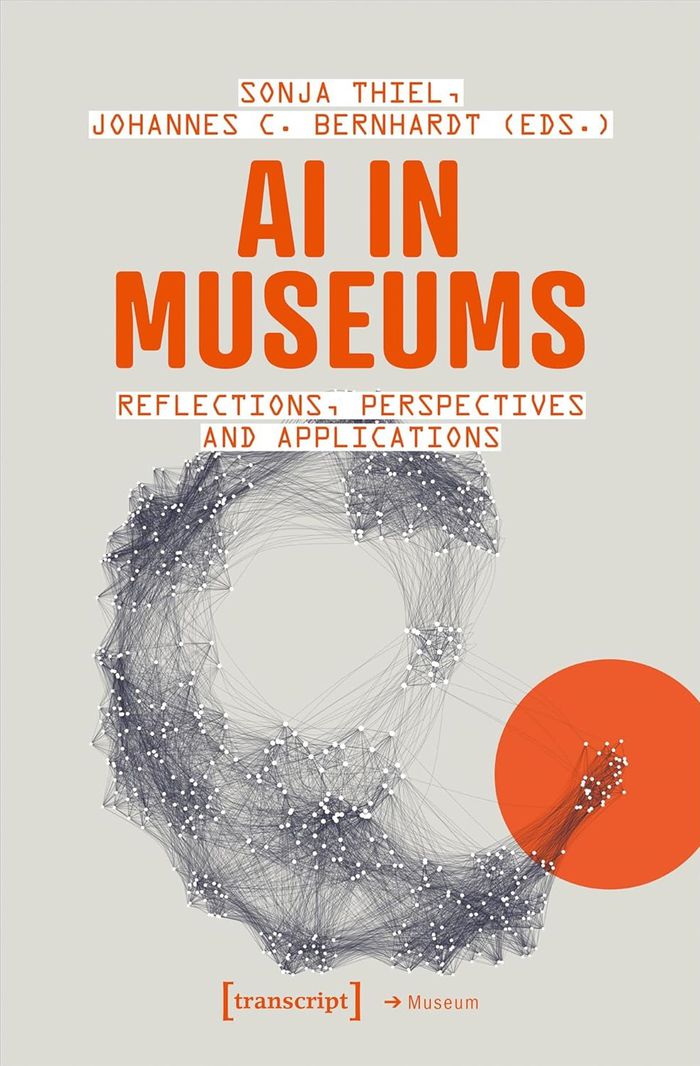
AI in museums: Reflections, perspectives and applications
Actions:
Prix:
$62.00
(disponible sur commande)
Résumé:
Artificial intelligence is becoming an increasingly important topic in the cultural sector. While museums have long focused on building digital object databases, the existing data can now become a field of application for machine learning, deep learning and foundation model approaches. This goes hand in hand with new artistic practices, curation tools, visitor analytics, chatbots, automatic translations and tailor-made text generation. With a decidedly interdisciplinary approach, the volume brings together a wide range of critical reflections, practical perspectives and concrete applications of artificial intelligence in museums, and provides an overview of the current state of the debate.
AI in museums: Reflections, perspectives and applications
Actions:
Prix:
$62.00
(disponible sur commande)
Résumé:
Artificial intelligence is becoming an increasingly important topic in the cultural sector. While museums have long focused on building digital object databases, the existing data can now become a field of application for machine learning, deep learning and foundation model approaches. This goes hand in hand with new artistic practices, curation tools, visitor analytics, chatbots, automatic translations and tailor-made text generation. With a decidedly interdisciplinary approach, the volume brings together a wide range of critical reflections, practical perspectives and concrete applications of artificial intelligence in museums, and provides an overview of the current state of the debate.
Classification:
livres
livres
Publication:
avril 2024
avril 2024
Sujet:
Muséologie
Muséologie
Classification:
livres
livres

Actions:
Prix:
$120.00
(disponible sur commande)
Résumé:
What is architecture when computers redefine it? Two books explore the nature and potential of architecture in the age of artificial intelligence. Inspired by architect Fritz Haller (1924-2012), a virtual persona asks him about the architecture of the future. The first book uses artificial intelligence to network the Internet of Things into a new architecture. The second(...)
$120.00
(disponible sur commande)
Résumé:
What is architecture when computers redefine it? Two books explore the nature and potential of architecture in the age of artificial intelligence. Inspired by architect Fritz Haller (1924-2012), a virtual persona asks him about the architecture of the future. The first book uses artificial intelligence to network the Internet of Things into a new architecture. The second(...)
Titre:
Jointing things... on Fritz Haller volume 1 & 2
Actions:
Prix:
$120.00
(disponible sur commande)
Résumé:
What is architecture when computers redefine it? Two books explore the nature and potential of architecture in the age of artificial intelligence. Inspired by architect Fritz Haller (1924-2012), a virtual persona asks him about the architecture of the future. The first book uses artificial intelligence to network the Internet of Things into a new architecture. The second presents six works by Fritz Haller in the multidisciplinary light of the 2020s and shows them like icons that already contain what was only thought of later. The two volumes are neither historical nor analytical - they are visionary and projective and, in some respects, represent an experiment in themselves. They show an architecture that does rethink and does not evaluate.
Jointing things... on Fritz Haller volume 1 & 2
Actions:
Prix:
$120.00
(disponible sur commande)
Résumé:
What is architecture when computers redefine it? Two books explore the nature and potential of architecture in the age of artificial intelligence. Inspired by architect Fritz Haller (1924-2012), a virtual persona asks him about the architecture of the future. The first book uses artificial intelligence to network the Internet of Things into a new architecture. The second presents six works by Fritz Haller in the multidisciplinary light of the 2020s and shows them like icons that already contain what was only thought of later. The two volumes are neither historical nor analytical - they are visionary and projective and, in some respects, represent an experiment in themselves. They show an architecture that does rethink and does not evaluate.
Classification:
livres
livres
Publication:
mai 2026
mai 2026
Sujet:
Théorie de l’architecture
Théorie de l’architecture
Classification:
livres
livres
Titre:
Atlas of AI
Atlas of AI
Actions:
Prix:
$39.95
(disponible sur commande)
Résumé:
What happens when artificial intelligence saturates political life and depletes the planet? How is AI shaping our understanding of ourselves and our societies? Drawing on more than a decade of research, award-winning scholar Kate Crawford reveals how AI is a technology of extraction: from the minerals drawn from the earth, to the labor pulled from low-wage information(...)
$39.95
(disponible sur commande)
Résumé:
What happens when artificial intelligence saturates political life and depletes the planet? How is AI shaping our understanding of ourselves and our societies? Drawing on more than a decade of research, award-winning scholar Kate Crawford reveals how AI is a technology of extraction: from the minerals drawn from the earth, to the labor pulled from low-wage information(...)
Titre:
Atlas of AI
Actions:
Prix:
$39.95
(disponible sur commande)
Résumé:
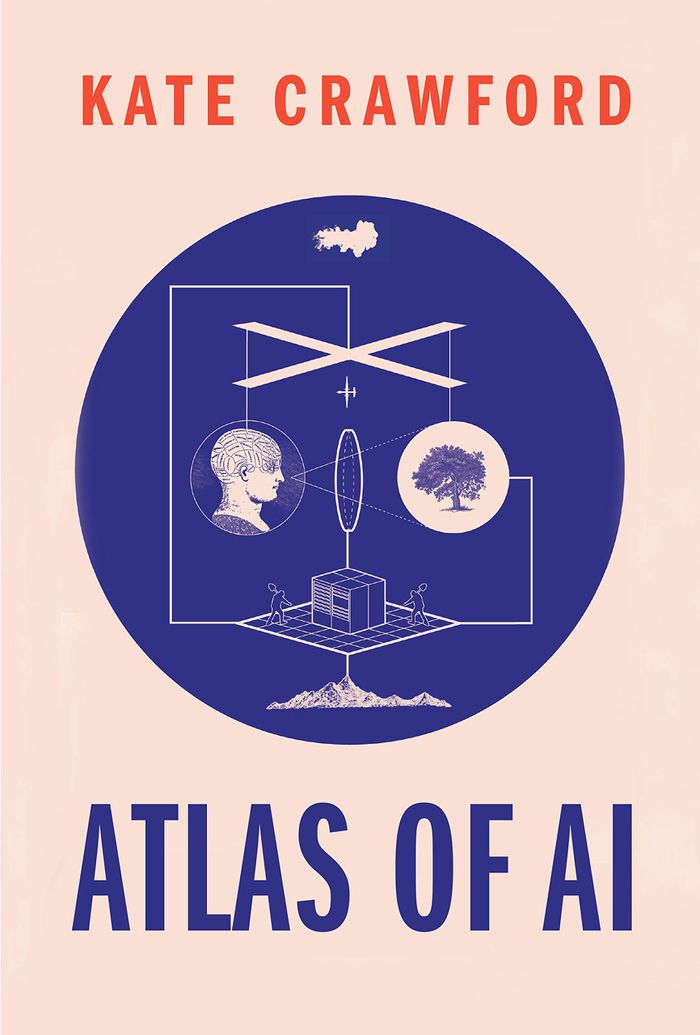
What happens when artificial intelligence saturates political life and depletes the planet? How is AI shaping our understanding of ourselves and our societies? Drawing on more than a decade of research, award-winning scholar Kate Crawford reveals how AI is a technology of extraction: from the minerals drawn from the earth, to the labor pulled from low-wage information workers, to the data taken from every action and expression. This book reveals how this planetary network is fueling a shift toward undemocratic governance and increased inequity. Rather than taking a narrow focus on code and algorithms, Crawford offers us a material and political perspective on what it takes to make AI and how it centralizes power. This is an urgent account of what is at stake as technology companies use artificial intelligence to reshape the world.
Atlas of AI
Actions:
Prix:
$39.95
(disponible sur commande)
Résumé:
What happens when artificial intelligence saturates political life and depletes the planet? How is AI shaping our understanding of ourselves and our societies? Drawing on more than a decade of research, award-winning scholar Kate Crawford reveals how AI is a technology of extraction: from the minerals drawn from the earth, to the labor pulled from low-wage information workers, to the data taken from every action and expression. This book reveals how this planetary network is fueling a shift toward undemocratic governance and increased inequity. Rather than taking a narrow focus on code and algorithms, Crawford offers us a material and political perspective on what it takes to make AI and how it centralizes power. This is an urgent account of what is at stake as technology companies use artificial intelligence to reshape the world.
Classification:
livres
livres
Publication:
avril 2021
avril 2021
Classification:
livres
livres
Titre:
Living as nature?
Living as nature?
Actions:
Prix:
$17.00
(disponible sur commande)
Résumé:
In a world where artificial intelligence has and increasingly important place in our daily lives, and more and more of our time is spent on screens, what does "Living as Nature" mean anymore? We wanted to answer this question in a two eyed seeing approach, a term coined by Mi’kmaw elder Albert Marshall referring to seeing from one eye with strengths of Indigenous ways of(...)
$17.00
(disponible sur commande)
Résumé:
In a world where artificial intelligence has and increasingly important place in our daily lives, and more and more of our time is spent on screens, what does "Living as Nature" mean anymore? We wanted to answer this question in a two eyed seeing approach, a term coined by Mi’kmaw elder Albert Marshall referring to seeing from one eye with strengths of Indigenous ways of(...)
Publication:
septembre 2025
septembre 2025
Titre:
Living as nature?
Actions:
Prix:
$17.00
(disponible sur commande)
Résumé:
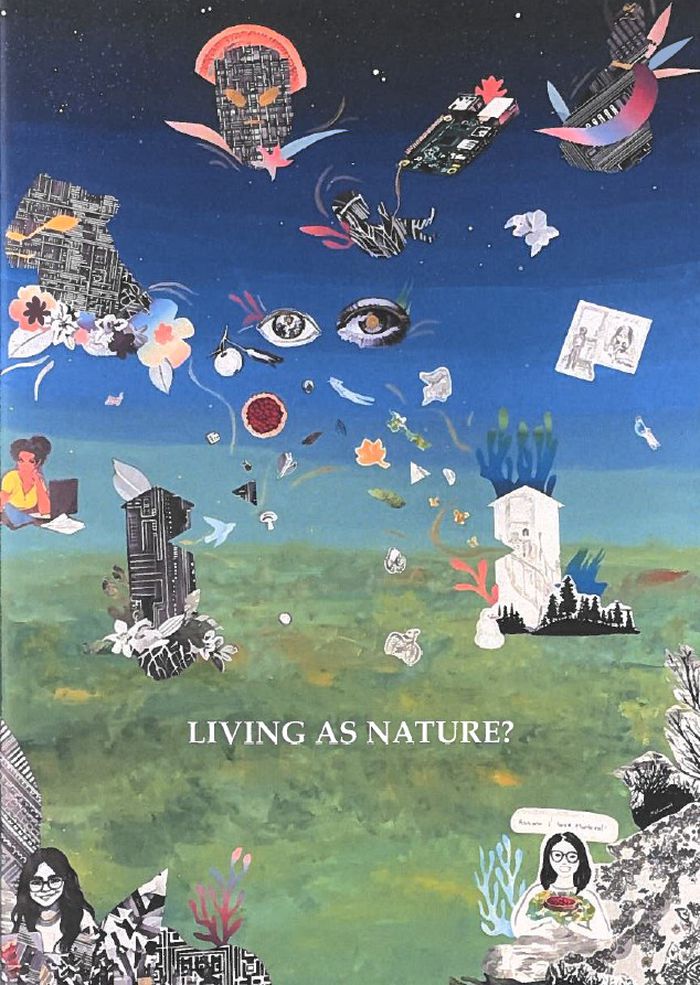
In a world where artificial intelligence has and increasingly important place in our daily lives, and more and more of our time is spent on screens, what does "Living as Nature" mean anymore? We wanted to answer this question in a two eyed seeing approach, a term coined by Mi’kmaw elder Albert Marshall referring to seeing from one eye with strengths of Indigenous ways of knowing, and from the other eye with the strengths of Western ways of knowing, and to use both of these eyes together to move forward. This can be seen through the pairing of Wendat values and the principles of the Montréal Declaration for a Responsible Development of Artificial Intelligence. We offer a mirrored reflection on this topic, from the perspectives of a researcher in AI for biodiversity conservation (Mélisande) and an Indigenous landscape architect (Carling): How can AI researchers working on applications in biodiversity reconcile Western science with Indigenous knowledge and ways of knowing of "Living as Nature?"
Living as nature?
Actions:
Prix:
$17.00
(disponible sur commande)
Résumé:
In a world where artificial intelligence has and increasingly important place in our daily lives, and more and more of our time is spent on screens, what does "Living as Nature" mean anymore? We wanted to answer this question in a two eyed seeing approach, a term coined by Mi’kmaw elder Albert Marshall referring to seeing from one eye with strengths of Indigenous ways of knowing, and from the other eye with the strengths of Western ways of knowing, and to use both of these eyes together to move forward. This can be seen through the pairing of Wendat values and the principles of the Montréal Declaration for a Responsible Development of Artificial Intelligence. We offer a mirrored reflection on this topic, from the perspectives of a researcher in AI for biodiversity conservation (Mélisande) and an Indigenous landscape architect (Carling): How can AI researchers working on applications in biodiversity reconcile Western science with Indigenous knowledge and ways of knowing of "Living as Nature?"
Classification:
livres
livres
Publication:
septembre 2025
septembre 2025
Classification:
livres
livres

Titre:
The original accident
The original accident
Actions:
Prix:
$21.99
(disponible sur commande)
Résumé:
Urging us to face up to the consequences of our braves-new-world technologies, Virilio calls for the creation of a Museum of the Accident to fight our habituation to horror and violence, and our daily overexposure to terror, in the name, not of some preventive war, but of a preventive intelligence that would help us deal with both natural and artificial disasters.
$21.99
(disponible sur commande)
Résumé:
Urging us to face up to the consequences of our braves-new-world technologies, Virilio calls for the creation of a Museum of the Accident to fight our habituation to horror and violence, and our daily overexposure to terror, in the name, not of some preventive war, but of a preventive intelligence that would help us deal with both natural and artificial disasters.
Titre:
The original accident
Actions:
Prix:
$21.99
(disponible sur commande)
Résumé:
Urging us to face up to the consequences of our braves-new-world technologies, Virilio calls for the creation of a Museum of the Accident to fight our habituation to horror and violence, and our daily overexposure to terror, in the name, not of some preventive war, but of a preventive intelligence that would help us deal with both natural and artificial disasters.
The original accident
Actions:
Prix:
$21.99
(disponible sur commande)
Résumé:
Urging us to face up to the consequences of our braves-new-world technologies, Virilio calls for the creation of a Museum of the Accident to fight our habituation to horror and violence, and our daily overexposure to terror, in the name, not of some preventive war, but of a preventive intelligence that would help us deal with both natural and artificial disasters.
Classification:
livres
livres
Publication:
novembre 2006, Cambridge
novembre 2006, Cambridge
Sujet:
Théorie/ philosophie
Théorie/ philosophie
Classification:
livres
livres
Titre:
Eyes of the city
Eyes of the city
Actions:
Prix:
$50.75
(disponible sur commande)
Résumé:
Digital devices gather real-time data about urban space with sensors, actuators, and artificial intelligence. We have entered the era of the ''eyes of the city,'' when each of us must negotiate everyday life under the omnipresent gaze. Following up on the eponymous exhibition at the Bi-City Shenzhen Biennale of Urbanism/Architecture 2019, this book examines the(...)
$50.75
(disponible sur commande)
Résumé:
Digital devices gather real-time data about urban space with sensors, actuators, and artificial intelligence. We have entered the era of the ''eyes of the city,'' when each of us must negotiate everyday life under the omnipresent gaze. Following up on the eponymous exhibition at the Bi-City Shenzhen Biennale of Urbanism/Architecture 2019, this book examines the(...)
Sujet:
Architecture contemporaine
Architecture contemporaine
Publication:
novembre 2021
novembre 2021
Titre:
Eyes of the city
Actions:
Prix:
$50.75
(disponible sur commande)
Résumé:
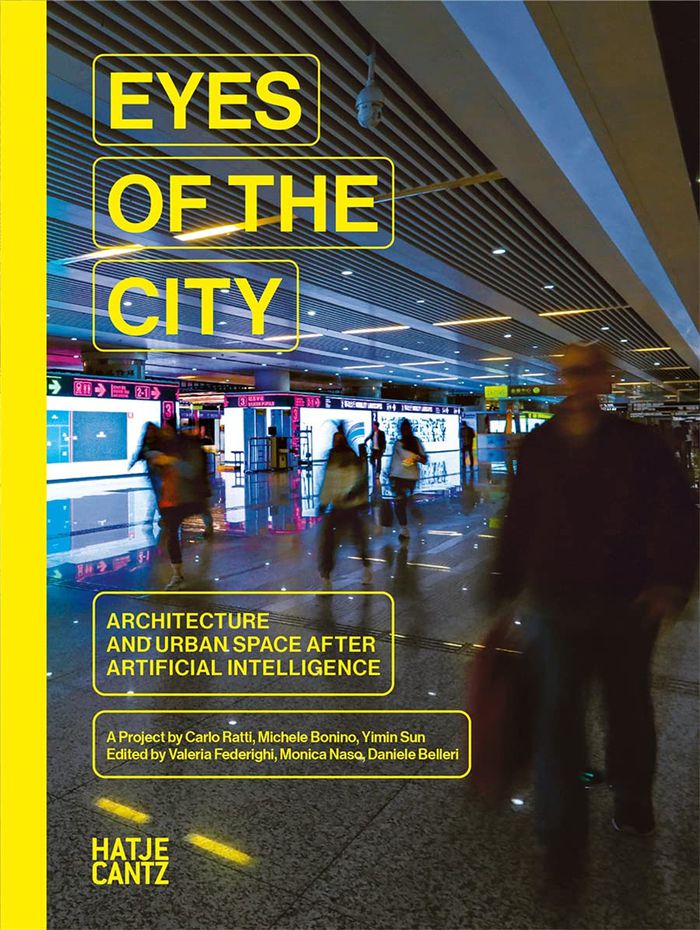
Digital devices gather real-time data about urban space with sensors, actuators, and artificial intelligence. We have entered the era of the ''eyes of the city,'' when each of us must negotiate everyday life under the omnipresent gaze. Following up on the eponymous exhibition at the Bi-City Shenzhen Biennale of Urbanism/Architecture 2019, this book examines the relationships between cities and digital technologies across various disciplines. As the Internet of Things dramatically expands its reach, touching upon critical issues including individual anonymity, data ownership, and design by proxy, how can designers, architects, and urban stakeholders see eye to eye with our artificial counterparts?
Eyes of the city
Actions:
Prix:
$50.75
(disponible sur commande)
Résumé:
Digital devices gather real-time data about urban space with sensors, actuators, and artificial intelligence. We have entered the era of the ''eyes of the city,'' when each of us must negotiate everyday life under the omnipresent gaze. Following up on the eponymous exhibition at the Bi-City Shenzhen Biennale of Urbanism/Architecture 2019, this book examines the relationships between cities and digital technologies across various disciplines. As the Internet of Things dramatically expands its reach, touching upon critical issues including individual anonymity, data ownership, and design by proxy, how can designers, architects, and urban stakeholders see eye to eye with our artificial counterparts?
Classification:
livres
livres
Publication:
novembre 2021
novembre 2021
Sujet:
Architecture contemporaine
Architecture contemporaine
Classification:
livres
livres

Titre:
Persons and things
Persons and things
Actions:
Prix:
$24.95
(disponible sur commande)
Résumé:
In Persons and Things, Johnson turns deconstruction around to make a fundamental contribution to the new aesthetics. Moving effortlessly between symbolist poetry and Barbie dolls, artificial intelligence and Kleist, Kant, and Winnicott, Barbara Johnson not only clarifies psychological and social dynamics; she also re-dramatizes the work of important tropes—without ever(...)
$24.95
(disponible sur commande)
Résumé:
In Persons and Things, Johnson turns deconstruction around to make a fundamental contribution to the new aesthetics. Moving effortlessly between symbolist poetry and Barbie dolls, artificial intelligence and Kleist, Kant, and Winnicott, Barbara Johnson not only clarifies psychological and social dynamics; she also re-dramatizes the work of important tropes—without ever(...)
Titre:
Persons and things
Actions:
Prix:
$24.95
(disponible sur commande)
Résumé:
In Persons and Things, Johnson turns deconstruction around to make a fundamental contribution to the new aesthetics. Moving effortlessly between symbolist poetry and Barbie dolls, artificial intelligence and Kleist, Kant, and Winnicott, Barbara Johnson not only clarifies psychological and social dynamics; she also re-dramatizes the work of important tropes—without ever losing sight of the ethical imperative with which she begins: the need to treat persons as persons.
Persons and things
Actions:
Prix:
$24.95
(disponible sur commande)
Résumé:
In Persons and Things, Johnson turns deconstruction around to make a fundamental contribution to the new aesthetics. Moving effortlessly between symbolist poetry and Barbie dolls, artificial intelligence and Kleist, Kant, and Winnicott, Barbara Johnson not only clarifies psychological and social dynamics; she also re-dramatizes the work of important tropes—without ever losing sight of the ethical imperative with which she begins: the need to treat persons as persons.
Classification:
livres
livres
Publication:
mars 2010
mars 2010
Sujet:
Théorie de l’art
Théorie de l’art
Classification:
livres
livres
Actions:
Description:
1 online resource
Auteur:
Sujet:
Publication:
[Place of publication not identified] : Minor Compositions, 2026.
[Place of publication not identified] : Minor Compositions, 2026.
Titre:
CERFI: Analysis Everywhere. Militancy, Research, Architecture and Psychiatry.
Actions:
Description:
1 online resource
CERFI: Analysis Everywhere. Militancy, Research, Architecture and Psychiatry.
Actions:
Description:
1 online resource
Classification:
livres
livres
Publication:
[Place of publication not identified] : Minor Compositions, 2026.
[Place of publication not identified] : Minor Compositions, 2026.
Auteur:
Sujet:
Classification:
livres
livres

Actions:
Prix:
$69.00
(disponible en magasin)
Résumé:
In the form of a dystopian fable describing the world after the advent of AI, "The third atlas" goes beyond the astonishment or rejection aroused by these images of a new kind. It is a reflection on the way in which artificial intelligence calls into question our way of seeing and, beyond that, our perception of the real, leading us to formulate the hypothesis that this(...)
$69.00
(disponible en magasin)
Résumé:
In the form of a dystopian fable describing the world after the advent of AI, "The third atlas" goes beyond the astonishment or rejection aroused by these images of a new kind. It is a reflection on the way in which artificial intelligence calls into question our way of seeing and, beyond that, our perception of the real, leading us to formulate the hypothesis that this(...)
Titre:
Eric Tabuchi: The third atlas
Actions:
Prix:
$69.00
(disponible en magasin)
Résumé:
In the form of a dystopian fable describing the world after the advent of AI, "The third atlas" goes beyond the astonishment or rejection aroused by these images of a new kind. It is a reflection on the way in which artificial intelligence calls into question our way of seeing and, beyond that, our perception of the real, leading us to formulate the hypothesis that this modified vision will shape the future forms of architecture, but also of design, sculpture and painting, perhaps even more than those of photography.
Eric Tabuchi: The third atlas
Actions:
Prix:
$69.00
(disponible en magasin)
Résumé:
In the form of a dystopian fable describing the world after the advent of AI, "The third atlas" goes beyond the astonishment or rejection aroused by these images of a new kind. It is a reflection on the way in which artificial intelligence calls into question our way of seeing and, beyond that, our perception of the real, leading us to formulate the hypothesis that this modified vision will shape the future forms of architecture, but also of design, sculpture and painting, perhaps even more than those of photography.
Classification:
livres
livres
Publication:
novembre 2023
novembre 2023
Sujet:
Monographies photo
Monographies photo


