


318 Résultats
Classification:
livres
livres
Titre:
Walking sculpture: 1967-2015
Walking sculpture: 1967-2015
Actions:
Prix:
$34.95
(disponible sur commande)
Résumé:
Artists have utilized walking as an autonomous form of art, a subject in their work, and as social practice since the early 20th century. Today walking continues to offer a salient means for artists to challenge social, political, and economic orders through a radical remapping of civic space. In this book, Lexi Lee Sullivan traces the history of walking as an aesthetic(...)
$34.95
(disponible sur commande)
Résumé:
Artists have utilized walking as an autonomous form of art, a subject in their work, and as social practice since the early 20th century. Today walking continues to offer a salient means for artists to challenge social, political, and economic orders through a radical remapping of civic space. In this book, Lexi Lee Sullivan traces the history of walking as an aesthetic(...)
Titre:
Walking sculpture: 1967-2015
Actions:
Prix:
$34.95
(disponible sur commande)
Résumé:
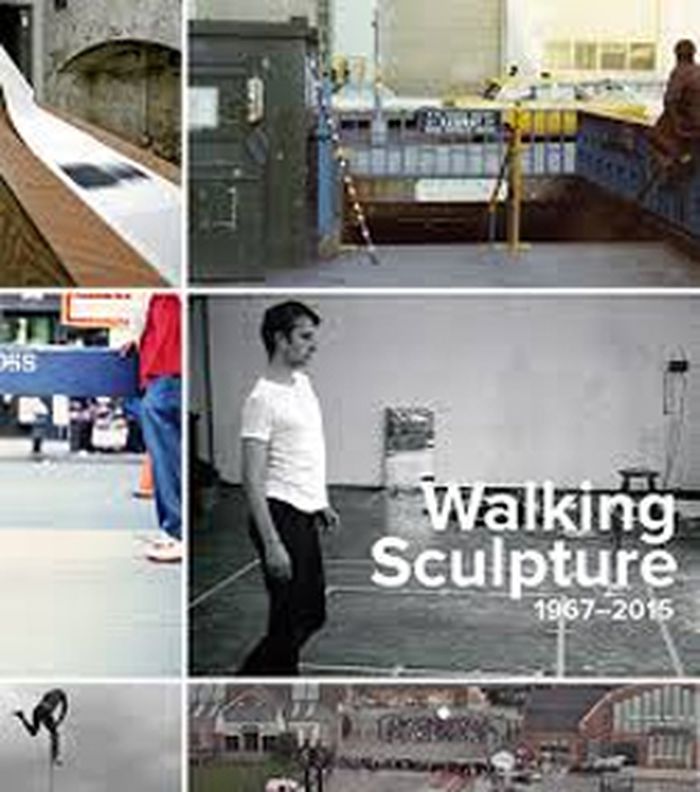
Artists have utilized walking as an autonomous form of art, a subject in their work, and as social practice since the early 20th century. Today walking continues to offer a salient means for artists to challenge social, political, and economic orders through a radical remapping of civic space. In this book, Lexi Lee Sullivan traces the history of walking as an aesthetic action from the Dadaists to contemporary ramblers. Titled after Michelangelo Pistoletto’s performance Walking Sculpture, the catalogue features 50 color illustrations ranging from photographs of Yvonne Rainer’s street actions to Francis Alÿs’s fantastical processions, poems by Cole Swensen, and a new project by artist Helen Mirra, who produces poetic meditations on landscape, ecology, and locomotion. Sculpture, film, video, photography, and performance converge to address the multi-disciplinary practice of ambulation through the cityscape and the countryside. For those who hike; march in fundraisers, protests, or parades; walk the dog; stroll in the park; or commute daily, this catalogue will invite new thought into basic human movement.
Walking sculpture: 1967-2015
Actions:
Prix:
$34.95
(disponible sur commande)
Résumé:
Artists have utilized walking as an autonomous form of art, a subject in their work, and as social practice since the early 20th century. Today walking continues to offer a salient means for artists to challenge social, political, and economic orders through a radical remapping of civic space. In this book, Lexi Lee Sullivan traces the history of walking as an aesthetic action from the Dadaists to contemporary ramblers. Titled after Michelangelo Pistoletto’s performance Walking Sculpture, the catalogue features 50 color illustrations ranging from photographs of Yvonne Rainer’s street actions to Francis Alÿs’s fantastical processions, poems by Cole Swensen, and a new project by artist Helen Mirra, who produces poetic meditations on landscape, ecology, and locomotion. Sculpture, film, video, photography, and performance converge to address the multi-disciplinary practice of ambulation through the cityscape and the countryside. For those who hike; march in fundraisers, protests, or parades; walk the dog; stroll in the park; or commute daily, this catalogue will invite new thought into basic human movement.
Classification:
livres
livres
Publication:
mai 2015
mai 2015
Classification:
livres
livres
Titre:
Harry Gruyaert
Harry Gruyaert
Actions:
Prix:
$74.00
(disponible sur commande)
Résumé:
Born in Antwerp in 1941 and a member of Magnum Photos since 1982, Harry Gruyaert revolutionized creative and experimental uses of color in the 1970s and 1980s. Influenced by cinema and American photographers, his work defined new territory for color photography: an emotive, non-narrative, and boldly graphic way of perceiving the world. In 1972, while living in London,(...)
$74.00
(disponible sur commande)
Résumé:
Born in Antwerp in 1941 and a member of Magnum Photos since 1982, Harry Gruyaert revolutionized creative and experimental uses of color in the 1970s and 1980s. Influenced by cinema and American photographers, his work defined new territory for color photography: an emotive, non-narrative, and boldly graphic way of perceiving the world. In 1972, while living in London,(...)
Titre:
Harry Gruyaert
Actions:
Prix:
$74.00
(disponible sur commande)
Résumé:
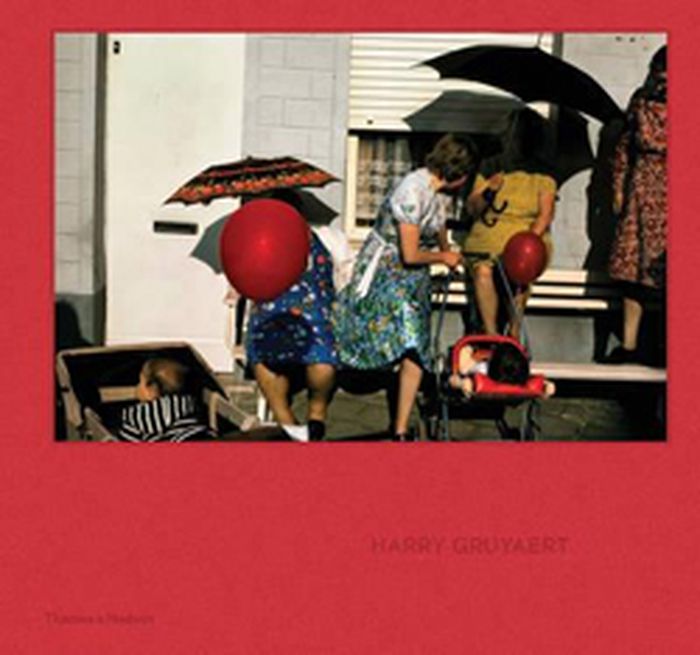
Born in Antwerp in 1941 and a member of Magnum Photos since 1982, Harry Gruyaert revolutionized creative and experimental uses of color in the 1970s and 1980s. Influenced by cinema and American photographers, his work defined new territory for color photography: an emotive, non-narrative, and boldly graphic way of perceiving the world. In 1972, while living in London, Gruyaert created the striking series by turning the dial on a television set at random and photographing the distorted images he saw there. A later series, , portrays his ambivalent relationship with his homeland in a palette of saturated tones. In his most recent work, he embraces the possibilities of digital photography, taking further creative risks to capture light in new ways. Gruyaert’s images are autonomous, often independent of any context or thematic logic. This volume, the first retrospective of his work, is a superb overview of his personal quest for freedom of expression and the liberation of the senses.
Harry Gruyaert
Actions:
Prix:
$74.00
(disponible sur commande)
Résumé:
Born in Antwerp in 1941 and a member of Magnum Photos since 1982, Harry Gruyaert revolutionized creative and experimental uses of color in the 1970s and 1980s. Influenced by cinema and American photographers, his work defined new territory for color photography: an emotive, non-narrative, and boldly graphic way of perceiving the world. In 1972, while living in London, Gruyaert created the striking series by turning the dial on a television set at random and photographing the distorted images he saw there. A later series, , portrays his ambivalent relationship with his homeland in a palette of saturated tones. In his most recent work, he embraces the possibilities of digital photography, taking further creative risks to capture light in new ways. Gruyaert’s images are autonomous, often independent of any context or thematic logic. This volume, the first retrospective of his work, is a superb overview of his personal quest for freedom of expression and the liberation of the senses.
Classification:
livres
livres
Publication:
septembre 2015
septembre 2015
Sujet:
Monographies photo
Monographies photo
Classification:
livres
livres
Actions:
Prix:
$36.95
(disponible sur commande)
Résumé:
In ''The sovereign self', Grant H. Kester examines the evolving discourse of aesthetic autonomy from its origins in the Enlightenment through avant-garde projects and movements in the nineteenth and twentieth centuries. Kester traces the idea of aesthetic autonomy-the sense that art should be autonomous from social forces while retaining the ability to reflect back(...)
$36.95
(disponible sur commande)
Résumé:
In ''The sovereign self', Grant H. Kester examines the evolving discourse of aesthetic autonomy from its origins in the Enlightenment through avant-garde projects and movements in the nineteenth and twentieth centuries. Kester traces the idea of aesthetic autonomy-the sense that art should be autonomous from social forces while retaining the ability to reflect back(...)
Titre:
The sovereign self: Aesthetic autonomy from the Enlightenment to the Avant-Garde
Actions:
Prix:
$36.95
(disponible sur commande)
Résumé:
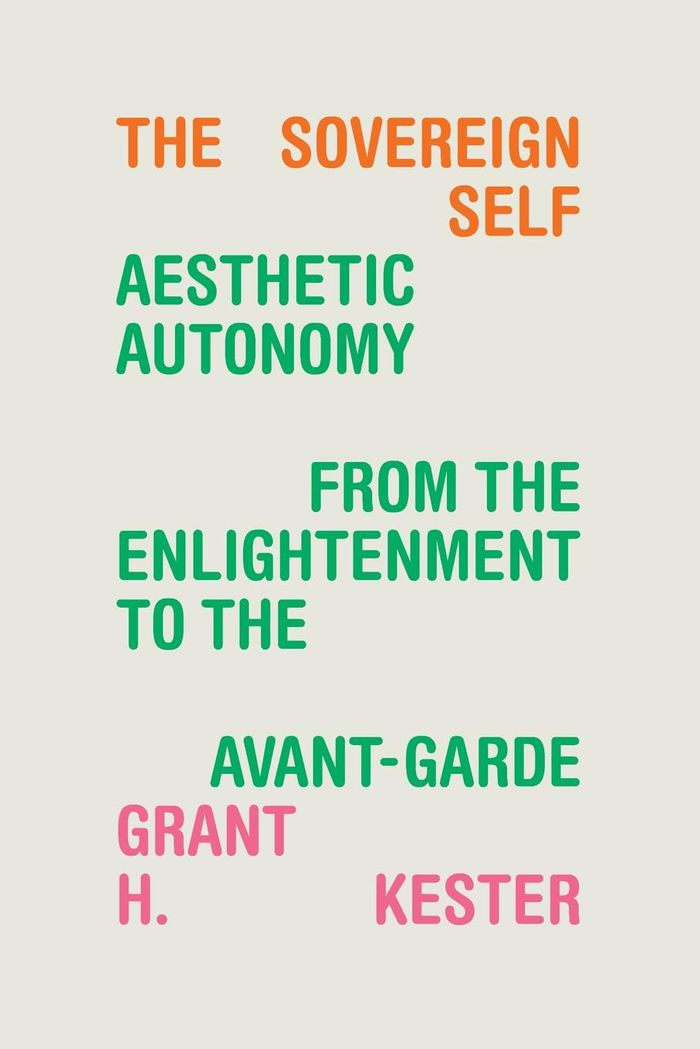
In ''The sovereign self', Grant H. Kester examines the evolving discourse of aesthetic autonomy from its origins in the Enlightenment through avant-garde projects and movements in the nineteenth and twentieth centuries. Kester traces the idea of aesthetic autonomy-the sense that art should be autonomous from social forces while retaining the ability to reflect back critically on society-through Kant, Schiller, Hegel, Marx, and Adorno. Kester critiques the use of aesthetic autonomy as the basis for understanding the nature of art and the shifting relationship between art and revolutionary praxis. He shows that dominant discourses of aesthetic autonomy reproduce the very forms of bourgeois liberalism that autonomy discourse itself claims to challenge. Analyzing avant-garde art and political movements in Russia, India, Latin America, and elsewhere, Kester retheorizes the aesthetic beyond autonomy. Ultimately, Kester demonstrates that the question of aesthetic autonomy has ramifications that extend beyond art to encompass the nature of political transformation and forms of anticolonial resistance that challenge the Eurocentric concept of ''Man,'' upon which the aesthetic itself often depends.
The sovereign self: Aesthetic autonomy from the Enlightenment to the Avant-Garde
Actions:
Prix:
$36.95
(disponible sur commande)
Résumé:
In ''The sovereign self', Grant H. Kester examines the evolving discourse of aesthetic autonomy from its origins in the Enlightenment through avant-garde projects and movements in the nineteenth and twentieth centuries. Kester traces the idea of aesthetic autonomy-the sense that art should be autonomous from social forces while retaining the ability to reflect back critically on society-through Kant, Schiller, Hegel, Marx, and Adorno. Kester critiques the use of aesthetic autonomy as the basis for understanding the nature of art and the shifting relationship between art and revolutionary praxis. He shows that dominant discourses of aesthetic autonomy reproduce the very forms of bourgeois liberalism that autonomy discourse itself claims to challenge. Analyzing avant-garde art and political movements in Russia, India, Latin America, and elsewhere, Kester retheorizes the aesthetic beyond autonomy. Ultimately, Kester demonstrates that the question of aesthetic autonomy has ramifications that extend beyond art to encompass the nature of political transformation and forms of anticolonial resistance that challenge the Eurocentric concept of ''Man,'' upon which the aesthetic itself often depends.
Classification:
livres
livres
Publication:
août 2023
août 2023
Sujet:
Théorie de l’art
Théorie de l’art
Classification:
livres
livres
Titre:
Jeff Wall
Jeff Wall
Actions:
Prix:
$102.00
(disponible en magasin)
Résumé:
Since the late 1970s, Canadian photographer Jeff Wall has made significant contributions to establishing photography as an autonomous medium. He is considered the founder of "staged" photography and generates mostly large-format photographs—often inspired by literature, film and art history—composed in a multilayered and subtle way from a multitude of individual shots.(...)
$102.00
(disponible en magasin)
Résumé:
Since the late 1970s, Canadian photographer Jeff Wall has made significant contributions to establishing photography as an autonomous medium. He is considered the founder of "staged" photography and generates mostly large-format photographs—often inspired by literature, film and art history—composed in a multilayered and subtle way from a multitude of individual shots.(...)
Titre:
Jeff Wall
Actions:
Prix:
$102.00
(disponible en magasin)
Résumé:
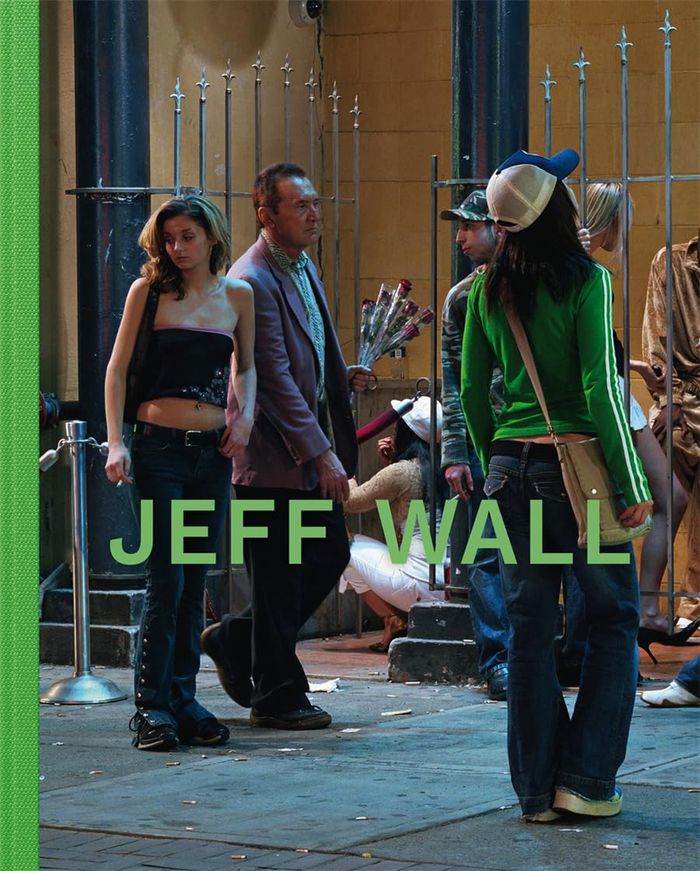
Since the late 1970s, Canadian photographer Jeff Wall has made significant contributions to establishing photography as an autonomous medium. He is considered the founder of "staged" photography and generates mostly large-format photographs—often inspired by literature, film and art history—composed in a multilayered and subtle way from a multitude of individual shots. Wall makes a distinction between his documentary still life photos and his "cinematographic" pictures, the latter of which take months or even years to complete. His contemporary genre scenes invoke famous works by Hokusai, Manet, Kafka, Ellison and others.Among the more than 50 works collected in the catalog of the large-scale solo exhibition at the Fondation Beyeler are Wall’s iconic large-format slides in light boxes, black-and-white photographs and color photographic prints. His most recent images, representing the entire spectrum of his oeuvre, enter into a dialogue with works from the time of Wall’s beginnings as an artist and reveal a wide range of references in terms of content and form.
Jeff Wall
Actions:
Prix:
$102.00
(disponible en magasin)
Résumé:
Since the late 1970s, Canadian photographer Jeff Wall has made significant contributions to establishing photography as an autonomous medium. He is considered the founder of "staged" photography and generates mostly large-format photographs—often inspired by literature, film and art history—composed in a multilayered and subtle way from a multitude of individual shots. Wall makes a distinction between his documentary still life photos and his "cinematographic" pictures, the latter of which take months or even years to complete. His contemporary genre scenes invoke famous works by Hokusai, Manet, Kafka, Ellison and others.Among the more than 50 works collected in the catalog of the large-scale solo exhibition at the Fondation Beyeler are Wall’s iconic large-format slides in light boxes, black-and-white photographs and color photographic prints. His most recent images, representing the entire spectrum of his oeuvre, enter into a dialogue with works from the time of Wall’s beginnings as an artist and reveal a wide range of references in terms of content and form.
Classification:
livres
livres
Publication:
avril 2024
avril 2024
Sujet:
Monographies photo
Monographies photo
Classification:
livres
livres

Prix:
$37.95
(disponible sur commande)
Résumé:
In ''Beyond the World's End,'' T. J. Demos explores cultural practices that provide radical propositions for living in a world beset by environmental and political crises. Rethinking relationships between aesthetics and an expanded political ecology that foregrounds just futurity, Demos examines how contemporary artists are diversely addressing urgent themes, including(...)
$37.95
(disponible sur commande)
Résumé:
In ''Beyond the World's End,'' T. J. Demos explores cultural practices that provide radical propositions for living in a world beset by environmental and political crises. Rethinking relationships between aesthetics and an expanded political ecology that foregrounds just futurity, Demos examines how contemporary artists are diversely addressing urgent themes, including(...)
Titre:
Beyond the world's end: arts of living at the crossing
Actions:
Prix:
$37.95
(disponible sur commande)
Résumé:
In ''Beyond the World's End,'' T. J. Demos explores cultural practices that provide radical propositions for living in a world beset by environmental and political crises. Rethinking relationships between aesthetics and an expanded political ecology that foregrounds just futurity, Demos examines how contemporary artists are diversely addressing urgent themes, including John Akomfrah's cinematic entanglements of racial capitalism with current environmental threats, the visual politics of climate refugees in work by Forensic Architecture and Teddy Cruz and Fonna Forman, and moving images of Afrofuturist climate justice in projects by Arthur Jafa and Martine Syms. Demos considers video and mixed-media art that responds to resource extraction in works by Angela Melitopoulos, Allora & Calzadilla, and Ursula Biemann, as well as the multispecies ecologies of Terike Haapoja and Public Studio. Throughout Demos contends that contemporary intersections of aesthetics and politics, as exemplified in the Standing Rock #NoDAPL campaign and the Zad's autonomous zone in France, are creating the imaginaries that will be crucial to building a socially just and flourishing future.
Beyond the world's end: arts of living at the crossing
Actions:
Prix:
$37.95
(disponible sur commande)
Résumé:
In ''Beyond the World's End,'' T. J. Demos explores cultural practices that provide radical propositions for living in a world beset by environmental and political crises. Rethinking relationships between aesthetics and an expanded political ecology that foregrounds just futurity, Demos examines how contemporary artists are diversely addressing urgent themes, including John Akomfrah's cinematic entanglements of racial capitalism with current environmental threats, the visual politics of climate refugees in work by Forensic Architecture and Teddy Cruz and Fonna Forman, and moving images of Afrofuturist climate justice in projects by Arthur Jafa and Martine Syms. Demos considers video and mixed-media art that responds to resource extraction in works by Angela Melitopoulos, Allora & Calzadilla, and Ursula Biemann, as well as the multispecies ecologies of Terike Haapoja and Public Studio. Throughout Demos contends that contemporary intersections of aesthetics and politics, as exemplified in the Standing Rock #NoDAPL campaign and the Zad's autonomous zone in France, are creating the imaginaries that will be crucial to building a socially just and flourishing future.
Classification:
livres
livres
Publication:
septembre 2020
septembre 2020
Classification:
livres
livres
Prix:
$36.95
(disponible en magasin)
Résumé:
We are on the verge of sharing our cities with autonomous vehicles. Recent developments in driverless technologies are having an impact on our urban environment, raising questions about how self-driving vehicles could be integrated into our daily lives. Automotive and technological industries are not only developing the vehicles but also envisioning the future of our(...)
$36.95
(disponible en magasin)
Résumé:
We are on the verge of sharing our cities with autonomous vehicles. Recent developments in driverless technologies are having an impact on our urban environment, raising questions about how self-driving vehicles could be integrated into our daily lives. Automotive and technological industries are not only developing the vehicles but also envisioning the future of our(...)
Publication:
janvier 2021
janvier 2021
Titre:
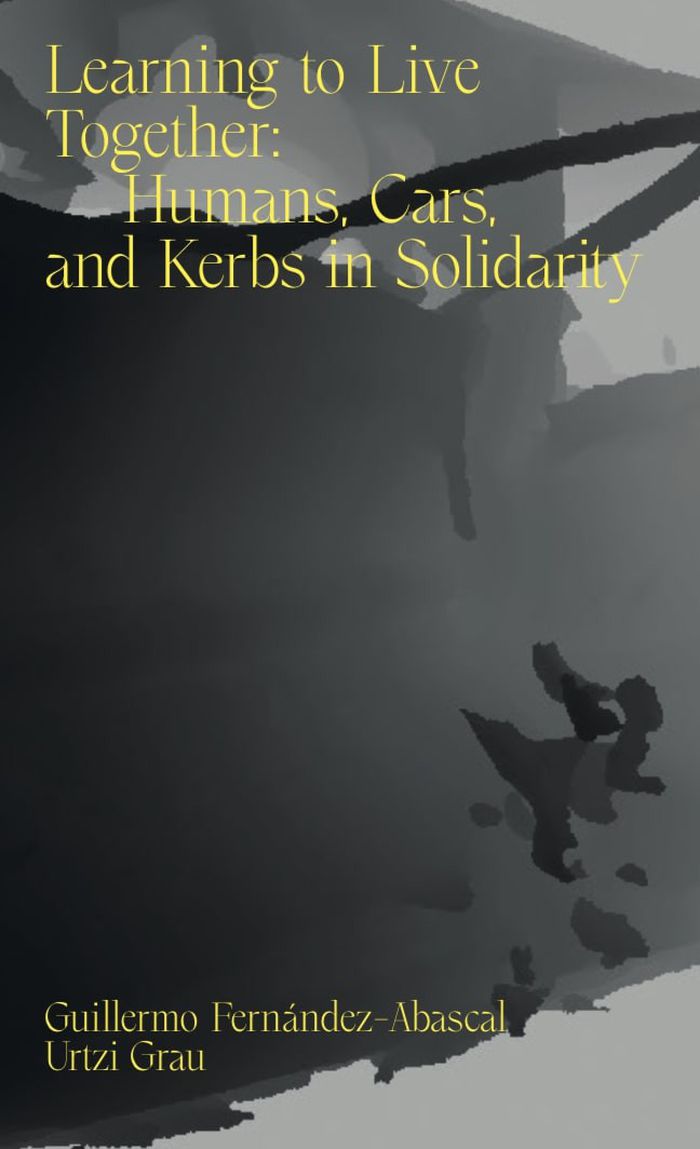
Learning to live together: cars, humans, and kerbs in solidarity
Actions:
Prix:
$36.95
(disponible en magasin)
Résumé:
We are on the verge of sharing our cities with autonomous vehicles. Recent developments in driverless technologies are having an impact on our urban environment, raising questions about how self-driving vehicles could be integrated into our daily lives. Automotive and technological industries are not only developing the vehicles but also envisioning the future of our cities, a future where streets have seamlessly integrated driverless technologies and humans wander about, unconcerned by the presence of new automated machines circulating at high speeds through public space. These visions skip to a distant time and ignore the issues that these vehicles raise in the immediate future. In response to such an oversight, this essay and the accompanying meditations explore the conflicts soon to be unleashed by this new technology and the transformation of our streets it will trigger. The current implementations of driverless technology, which are fast and disruptive, do not suggest an eventual integrated urban solution. Yet this book allows us to imagine how humans and cars might collectively influence the urban environment.
Learning to live together: cars, humans, and kerbs in solidarity
Actions:
Prix:
$36.95
(disponible en magasin)
Résumé:
We are on the verge of sharing our cities with autonomous vehicles. Recent developments in driverless technologies are having an impact on our urban environment, raising questions about how self-driving vehicles could be integrated into our daily lives. Automotive and technological industries are not only developing the vehicles but also envisioning the future of our cities, a future where streets have seamlessly integrated driverless technologies and humans wander about, unconcerned by the presence of new automated machines circulating at high speeds through public space. These visions skip to a distant time and ignore the issues that these vehicles raise in the immediate future. In response to such an oversight, this essay and the accompanying meditations explore the conflicts soon to be unleashed by this new technology and the transformation of our streets it will trigger. The current implementations of driverless technology, which are fast and disruptive, do not suggest an eventual integrated urban solution. Yet this book allows us to imagine how humans and cars might collectively influence the urban environment.
Classification:
livres
livres
Publication:
janvier 2021
janvier 2021
Classification:
périodiques
périodiques
Actions:
Prix:
$49.65
(disponible sur commande)
Résumé:
The Industrial Revolution caused a paradigm shift from an agrarian economy to a manufacturing economy, giving birth to the industrial city. ‘City’ became synonymous with a concentration of factories causing unfiltered scenes between centres of production and urban dwellings. The corrupted image of the city ultimately led to the displacement and separation of production(...)
$49.65
(disponible sur commande)
Résumé:
The Industrial Revolution caused a paradigm shift from an agrarian economy to a manufacturing economy, giving birth to the industrial city. ‘City’ became synonymous with a concentration of factories causing unfiltered scenes between centres of production and urban dwellings. The corrupted image of the city ultimately led to the displacement and separation of production(...)
Titre:
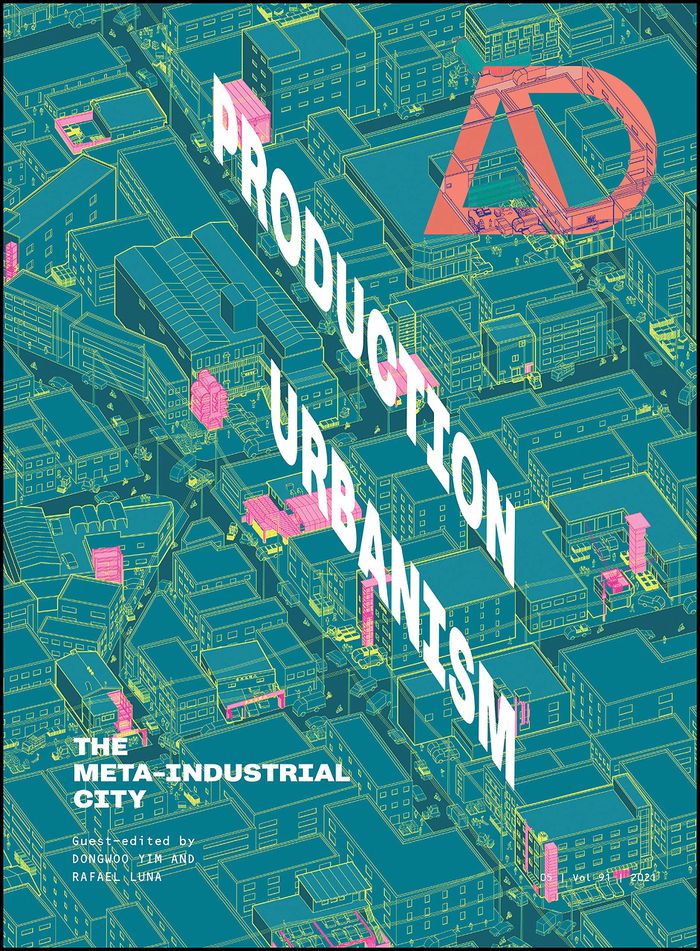
AD Production urbanism: The meta industrial city
Actions:
Prix:
$49.65
(disponible sur commande)
Résumé:
The Industrial Revolution caused a paradigm shift from an agrarian economy to a manufacturing economy, giving birth to the industrial city. ‘City’ became synonymous with a concentration of factories causing unfiltered scenes between centres of production and urban dwellings. The corrupted image of the city ultimately led to the displacement and separation of production away from residential zones in the 20th century. However, new innovative manufacturing technologies are allowing a coexistence between factories and dwellings through hybrid typologies that blend production back into the urban fabric. This AD issue discusses the implications of the re-emergence of production as an architectural and urban agenda through hybrid models that engage a new socioeconomic shift. Given the contemporary circumstances of a global pandemic affecting global supply chains, it is necessary to deliver a vision for a new productive urbanism that allows autonomous circular economies to flourish. Our 21st-century cities have an obligation to explore a new industrial revolution of shared economies that optimise the use of the legacy systems, infrastructure and building stock. Yet it is ultimately up to architecture to take arms in delivering new typologies.
AD Production urbanism: The meta industrial city
Actions:
Prix:
$49.65
(disponible sur commande)
Résumé:
The Industrial Revolution caused a paradigm shift from an agrarian economy to a manufacturing economy, giving birth to the industrial city. ‘City’ became synonymous with a concentration of factories causing unfiltered scenes between centres of production and urban dwellings. The corrupted image of the city ultimately led to the displacement and separation of production away from residential zones in the 20th century. However, new innovative manufacturing technologies are allowing a coexistence between factories and dwellings through hybrid typologies that blend production back into the urban fabric. This AD issue discusses the implications of the re-emergence of production as an architectural and urban agenda through hybrid models that engage a new socioeconomic shift. Given the contemporary circumstances of a global pandemic affecting global supply chains, it is necessary to deliver a vision for a new productive urbanism that allows autonomous circular economies to flourish. Our 21st-century cities have an obligation to explore a new industrial revolution of shared economies that optimise the use of the legacy systems, infrastructure and building stock. Yet it is ultimately up to architecture to take arms in delivering new typologies.
Classification:
périodiques
périodiques
Publication:
octobre 2021
octobre 2021
Sujet:
Revues
Revues
Classification:
livres
livres
Prix:
$33.95
(disponible sur commande)
Résumé:
A social history of AI that finally reveals its roots in the spatial computation of industrial factories and the surveillance of collective behaviour. What is AI? A dominant view describes it as the quest ''to solve intelligence,'' a solution supposedly to be found in the secret logic of the mind or in the deep physiology of the brain, such as in its complex neural(...)
$33.95
(disponible sur commande)
Résumé:
A social history of AI that finally reveals its roots in the spatial computation of industrial factories and the surveillance of collective behaviour. What is AI? A dominant view describes it as the quest ''to solve intelligence,'' a solution supposedly to be found in the secret logic of the mind or in the deep physiology of the brain, such as in its complex neural(...)
Titre:
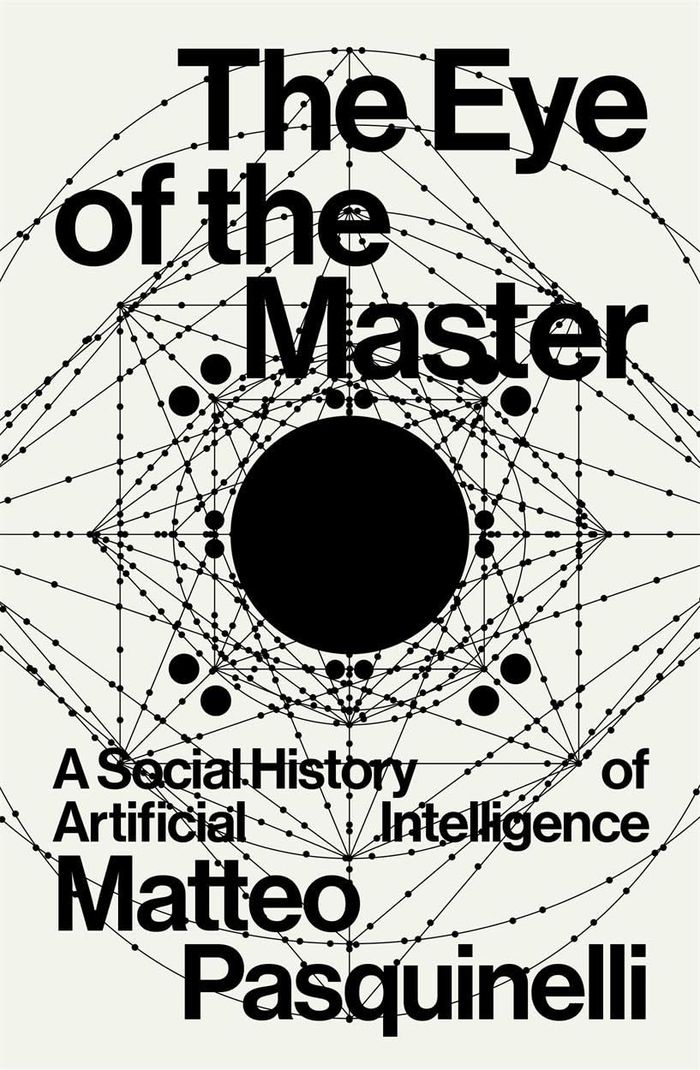
The eye of the master: A social history of artificial intelligence
Actions:
Prix:
$33.95
(disponible sur commande)
Résumé:
A social history of AI that finally reveals its roots in the spatial computation of industrial factories and the surveillance of collective behaviour. What is AI? A dominant view describes it as the quest ''to solve intelligence,'' a solution supposedly to be found in the secret logic of the mind or in the deep physiology of the brain, such as in its complex neural networks. ''The eye of the master'' argues, to the contrary, that the inner code of AI is shaped not by the imitation of biological intelligence, but the intelligence of labour and social relations, as it is found in Babbage's ''calculating engines'' of the industrial age as well as in the recent algorithms for image recognition and surveillance. The idea that AI may one day become autonomous (or ''sentient'', as someone thought of Google's LaMDA) is pure fantasy. Computer algorithms have always imitated the form of social relations and the organisation of labour in their own inner structure and their purpose remains blind automation. ''The eye of the master'' urges a new literacy on AI for scientists, journalists and new generations of activists, who should recognise that the ''mystery'' of AI is just the automation of labour at the highest degree, not intelligence per se.
The eye of the master: A social history of artificial intelligence
Actions:
Prix:
$33.95
(disponible sur commande)
Résumé:
A social history of AI that finally reveals its roots in the spatial computation of industrial factories and the surveillance of collective behaviour. What is AI? A dominant view describes it as the quest ''to solve intelligence,'' a solution supposedly to be found in the secret logic of the mind or in the deep physiology of the brain, such as in its complex neural networks. ''The eye of the master'' argues, to the contrary, that the inner code of AI is shaped not by the imitation of biological intelligence, but the intelligence of labour and social relations, as it is found in Babbage's ''calculating engines'' of the industrial age as well as in the recent algorithms for image recognition and surveillance. The idea that AI may one day become autonomous (or ''sentient'', as someone thought of Google's LaMDA) is pure fantasy. Computer algorithms have always imitated the form of social relations and the organisation of labour in their own inner structure and their purpose remains blind automation. ''The eye of the master'' urges a new literacy on AI for scientists, journalists and new generations of activists, who should recognise that the ''mystery'' of AI is just the automation of labour at the highest degree, not intelligence per se.
Classification:
livres
livres
Publication:
octobre 2023
octobre 2023
Classification:
livres
livres
Titre:
Proto-Habitat
Proto-Habitat
Actions:
Prix:
$52.00
(disponible en magasin)
Résumé:
Proto-Habitat is a name composed of the prefix proto-, which comes from the ancient Greek protos, meaning "the first", but also its inscription in a series of events of which it is the trigger. Proto-Habitat evokes a return to basics, where "living" resonates in harmony with nature and awakens to the idea of ??human communities in which the social pact is characterized by(...)
$52.00
(disponible en magasin)
Résumé:
Proto-Habitat is a name composed of the prefix proto-, which comes from the ancient Greek protos, meaning "the first", but also its inscription in a series of events of which it is the trigger. Proto-Habitat evokes a return to basics, where "living" resonates in harmony with nature and awakens to the idea of ??human communities in which the social pact is characterized by(...)
Titre:
Proto-Habitat
Actions:
Prix:
$52.00
(disponible en magasin)
Résumé:
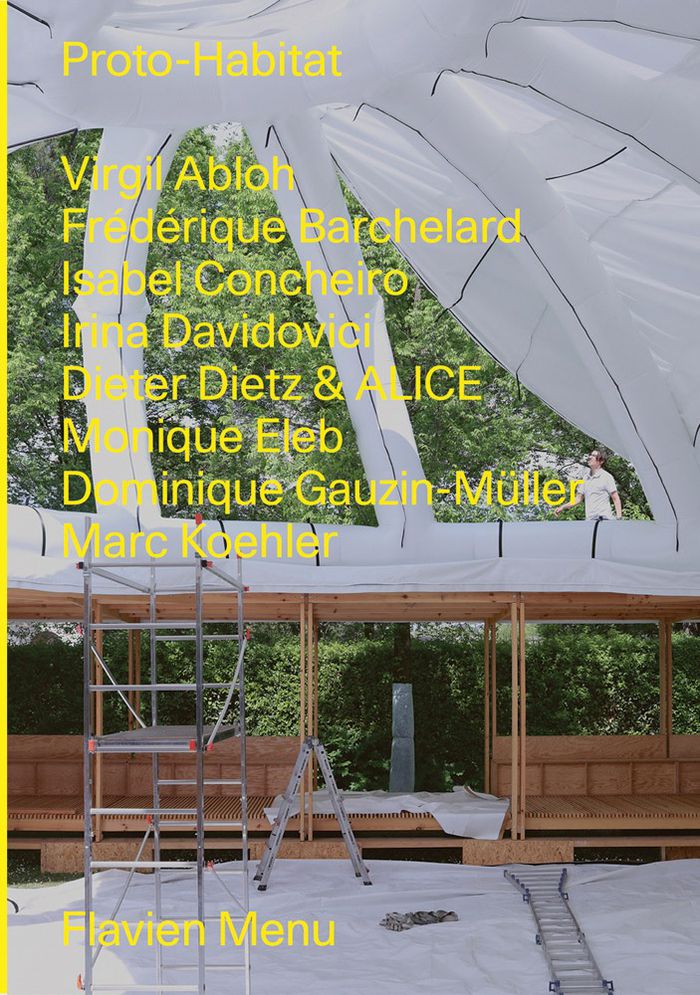
Proto-Habitat is a name composed of the prefix proto-, which comes from the ancient Greek protos, meaning "the first", but also its inscription in a series of events of which it is the trigger. Proto-Habitat evokes a return to basics, where "living" resonates in harmony with nature and awakens to the idea of ??human communities in which the social pact is characterized by diversity, solidarity and the common good. The book "Proto-Habitat" retraces a reflection combining interviews, visits, paintings, objects, images and architecture exploring the imagination of our ways of existing as well as their means of production. This reflection gave rise to and participated in several exhibitions: Fabricating differently: from the prototype to inhabiting it at the Arc en Rêve architecture center, Tiny Lives at the Collection. Lambert and Home Made at CID Grand Hornu. The Proto-Habitat was installed in Bordeaux, in Chamonix for the Artocène festival and Clermont-Ferrand as part of the candidacy for European Capital of Culture 2028. In the meantime two other demonstrator prototypes were built, assembled then dismantled: the protoCAMPO - an events venue for 300 people in the Gardens of the Villa Medici in Rome - and the SOLARproto - an autonomous water and electricity exhibition space on a polder in the Netherlands.
Proto-Habitat
Actions:
Prix:
$52.00
(disponible en magasin)
Résumé:
Proto-Habitat is a name composed of the prefix proto-, which comes from the ancient Greek protos, meaning "the first", but also its inscription in a series of events of which it is the trigger. Proto-Habitat evokes a return to basics, where "living" resonates in harmony with nature and awakens to the idea of ??human communities in which the social pact is characterized by diversity, solidarity and the common good. The book "Proto-Habitat" retraces a reflection combining interviews, visits, paintings, objects, images and architecture exploring the imagination of our ways of existing as well as their means of production. This reflection gave rise to and participated in several exhibitions: Fabricating differently: from the prototype to inhabiting it at the Arc en Rêve architecture center, Tiny Lives at the Collection. Lambert and Home Made at CID Grand Hornu. The Proto-Habitat was installed in Bordeaux, in Chamonix for the Artocène festival and Clermont-Ferrand as part of the candidacy for European Capital of Culture 2028. In the meantime two other demonstrator prototypes were built, assembled then dismantled: the protoCAMPO - an events venue for 300 people in the Gardens of the Villa Medici in Rome - and the SOLARproto - an autonomous water and electricity exhibition space on a polder in the Netherlands.
Classification:
livres
livres
Publication:
novembre 2023
novembre 2023
Sujet:
Architecture expérimentale
Architecture expérimentale
Classification:
livres
livres
Titre:
Atelier Van Lieshout
Atelier Van Lieshout
Actions:
Prix:
$58.00
(disponible sur commande)
Résumé:
When Joep van Lieshout (b. 1963) founded the art and architecture studio that bears his name, he set in motion what has been described as "a new Dutch architectural style dirty, delicious and direct." Now Atelier Van Lieshout is 10, and the first major monograph devoted to it, A Manual (1997), has been sold out for years. This new overview brings readers into AVL's(...)
$58.00
(disponible sur commande)
Résumé:
When Joep van Lieshout (b. 1963) founded the art and architecture studio that bears his name, he set in motion what has been described as "a new Dutch architectural style dirty, delicious and direct." Now Atelier Van Lieshout is 10, and the first major monograph devoted to it, A Manual (1997), has been sold out for years. This new overview brings readers into AVL's(...)
Titre:
Atelier Van Lieshout
Actions:
Prix:
$58.00
(disponible sur commande)
Résumé:
When Joep van Lieshout (b. 1963) founded the art and architecture studio that bears his name, he set in motion what has been described as "a new Dutch architectural style dirty, delicious and direct." Now Atelier Van Lieshout is 10, and the first major monograph devoted to it, A Manual (1997), has been sold out for years. This new overview brings readers into AVL's contrarian applied art via luxuriously appointed "mobile homes," autonomous communes and surreal art projects, with equal time given to AVL-Ville (2001), a "free state" in Rotterdam's port, complete with its own flag, its own constitution and its own currency, and the revealing minutia of AVL's portfolio, from furniture to the "Bar Rectum," a perverse take on the Oscar-Meyer Weiner Mobile. The idea of art that can be used for a self-sufficient and independent lifestyle hits a uniquely high point in AVL-Ville, a culmination of all the work AVL has done before. And it lives on: After a successful and tumultuous year of work, AVL has recently located its first AVL-Ville export product in Park Middelheim in Antwerp: the AVL Franchise Unit. This richly illustrated survey tracks AVL's serious and often provocative portfolio through a crucial period in its growth and development.
Atelier Van Lieshout
Actions:
Prix:
$58.00
(disponible sur commande)
Résumé:
When Joep van Lieshout (b. 1963) founded the art and architecture studio that bears his name, he set in motion what has been described as "a new Dutch architectural style dirty, delicious and direct." Now Atelier Van Lieshout is 10, and the first major monograph devoted to it, A Manual (1997), has been sold out for years. This new overview brings readers into AVL's contrarian applied art via luxuriously appointed "mobile homes," autonomous communes and surreal art projects, with equal time given to AVL-Ville (2001), a "free state" in Rotterdam's port, complete with its own flag, its own constitution and its own currency, and the revealing minutia of AVL's portfolio, from furniture to the "Bar Rectum," a perverse take on the Oscar-Meyer Weiner Mobile. The idea of art that can be used for a self-sufficient and independent lifestyle hits a uniquely high point in AVL-Ville, a culmination of all the work AVL has done before. And it lives on: After a successful and tumultuous year of work, AVL has recently located its first AVL-Ville export product in Park Middelheim in Antwerp: the AVL Franchise Unit. This richly illustrated survey tracks AVL's serious and often provocative portfolio through a crucial period in its growth and development.
Classification:
livres
livres
Publication:
octobre 2007, Rotterdam
octobre 2007, Rotterdam


