


3106 Résultats
Classification:
livres
livres
Titre:
Dan Flavin : new light
Dan Flavin : new light
Actions:
Prix:
$31.50
(disponible sur commande)
Résumé:
In making light his primary medium, Dan Flavin (1933–1996) established himself as one of the most innovative and significant artists of the minimalist movement. A new generation encountered Flavin’s work through the critically acclaimed exhibition "Dan Flavin : a retrospective", which opened in October 2004 at the National Gallery of Art, Washington. "Dan Flavin : new(...)
$31.50
(disponible sur commande)
Résumé:
In making light his primary medium, Dan Flavin (1933–1996) established himself as one of the most innovative and significant artists of the minimalist movement. A new generation encountered Flavin’s work through the critically acclaimed exhibition "Dan Flavin : a retrospective", which opened in October 2004 at the National Gallery of Art, Washington. "Dan Flavin : new(...)
Publication:
octobre 2006, New Haven, London
octobre 2006, New Haven, London
Titre:
Dan Flavin : new light
Actions:
Prix:
$31.50
(disponible sur commande)
Résumé:
In making light his primary medium, Dan Flavin (1933–1996) established himself as one of the most innovative and significant artists of the minimalist movement. A new generation encountered Flavin’s work through the critically acclaimed exhibition "Dan Flavin : a retrospective", which opened in October 2004 at the National Gallery of Art, Washington. "Dan Flavin : new light" includes essays that respond to this exhibition and to the renewed interest in Flavin’s work and its place in 20th-century art. In this volume, six leading scholars of contemporary art consider the ambiguities and multiple resonances of Flavin’s light works. Each addresses the ontological complexity of the work –object-based, yet "situational", and painterly in its deployment of colored light – within the insistently sculptural world of minimalism. The book’s contributors interpret this tension by exploring Flavin’s early assemblages, the relationship of drawing to his installation practice, the specificity of his materials and their operation in actual space, and the openly ambivalent place of Flavin’s work within the history of late modernism.
Dan Flavin : new light
Actions:
Prix:
$31.50
(disponible sur commande)
Résumé:
In making light his primary medium, Dan Flavin (1933–1996) established himself as one of the most innovative and significant artists of the minimalist movement. A new generation encountered Flavin’s work through the critically acclaimed exhibition "Dan Flavin : a retrospective", which opened in October 2004 at the National Gallery of Art, Washington. "Dan Flavin : new light" includes essays that respond to this exhibition and to the renewed interest in Flavin’s work and its place in 20th-century art. In this volume, six leading scholars of contemporary art consider the ambiguities and multiple resonances of Flavin’s light works. Each addresses the ontological complexity of the work –object-based, yet "situational", and painterly in its deployment of colored light – within the insistently sculptural world of minimalism. The book’s contributors interpret this tension by exploring Flavin’s early assemblages, the relationship of drawing to his installation practice, the specificity of his materials and their operation in actual space, and the openly ambivalent place of Flavin’s work within the history of late modernism.
Classification:
livres
livres
Publication:
octobre 2006, New Haven, London
octobre 2006, New Haven, London
Classification:
livres
livres
Titre:
Grave Matters
Grave Matters
Actions:
Prix:
$39.95
(disponible sur commande)
Résumé:
'Cemeteries', writes Mark C. Taylor, 'are where I go to commune with "my" ghosts. The journey to the cemetery is always solitary even when I am with people who are closest to me. In the graveyard, the we is dispersed and the I stripped bare.' In "Grave Matters", Taylor's ghosts become our own. His thoughtful, poignant essay interweaves personal narrative, historical(...)
$39.95
(disponible sur commande)
Résumé:
'Cemeteries', writes Mark C. Taylor, 'are where I go to commune with "my" ghosts. The journey to the cemetery is always solitary even when I am with people who are closest to me. In the graveyard, the we is dispersed and the I stripped bare.' In "Grave Matters", Taylor's ghosts become our own. His thoughtful, poignant essay interweaves personal narrative, historical(...)
Titre:
Grave Matters
Actions:
Prix:
$39.95
(disponible sur commande)
Résumé:
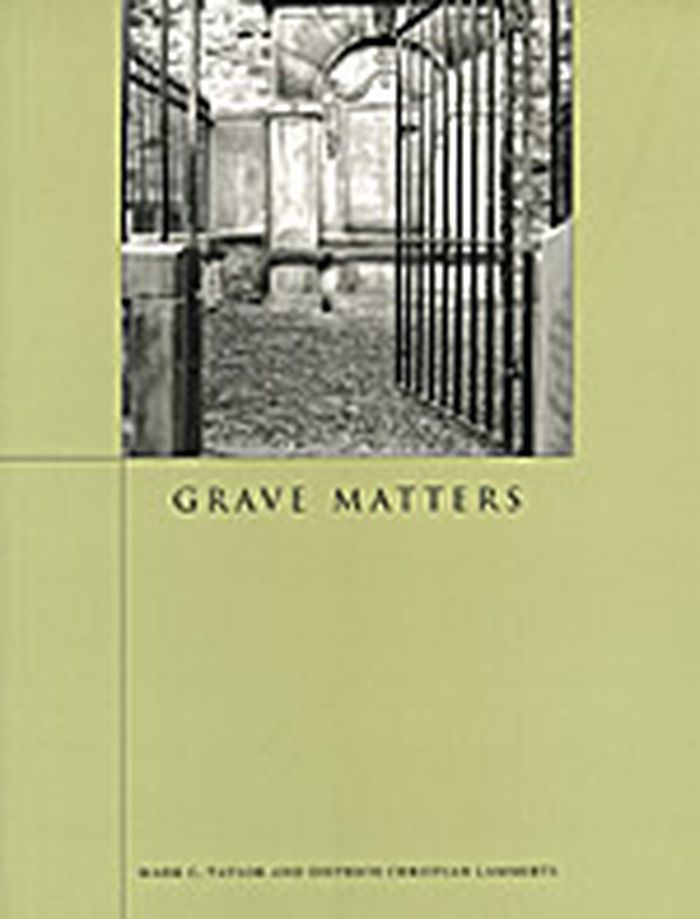
'Cemeteries', writes Mark C. Taylor, 'are where I go to commune with "my" ghosts. The journey to the cemetery is always solitary even when I am with people who are closest to me. In the graveyard, the we is dispersed and the I stripped bare.' In "Grave Matters", Taylor's ghosts become our own. His thoughtful, poignant essay interweaves personal narrative, historical analysis, cultural commentary and philosophical reflection. Dietrich Christian Lammerts's photographs show us the graves of the artists, architects, writers, philosophers and musicians who shaped Western culture; at once beautiful and disturbing, they suggest an alternative history of modernism and its precursors. Grave Matters raises difficult questions: What place do the modern greats have in the postmodern age? Who decided where and how they would be buried? Who wrote their epitaphs? What do their deaths, and their graves, tell us about their lives and suggest about our own? The words and images of Grave Matters inscribe the future that we all face, and to ponder this memento mori is to meet life anew.
Grave Matters
Actions:
Prix:
$39.95
(disponible sur commande)
Résumé:
'Cemeteries', writes Mark C. Taylor, 'are where I go to commune with "my" ghosts. The journey to the cemetery is always solitary even when I am with people who are closest to me. In the graveyard, the we is dispersed and the I stripped bare.' In "Grave Matters", Taylor's ghosts become our own. His thoughtful, poignant essay interweaves personal narrative, historical analysis, cultural commentary and philosophical reflection. Dietrich Christian Lammerts's photographs show us the graves of the artists, architects, writers, philosophers and musicians who shaped Western culture; at once beautiful and disturbing, they suggest an alternative history of modernism and its precursors. Grave Matters raises difficult questions: What place do the modern greats have in the postmodern age? Who decided where and how they would be buried? Who wrote their epitaphs? What do their deaths, and their graves, tell us about their lives and suggest about our own? The words and images of Grave Matters inscribe the future that we all face, and to ponder this memento mori is to meet life anew.
Classification:
livres
livres
Publication:
juin 2002, London
juin 2002, London
Sujet:
Bouffe
Bouffe
Classification:
livres
livres
Actions:
Prix:
$79.95
(disponible sur commande)
Résumé:
"The Portfolio and the Diagram" is about the changing ways architects see, read, and use the words and images of architectural publications. It begins with an outline of the academic discipline and the mimetic practice of the portfolio, established in America during the late nineteenth century. World War I triggered a historical process that resulted in the demise of the(...)
$79.95
(disponible sur commande)
Résumé:
"The Portfolio and the Diagram" is about the changing ways architects see, read, and use the words and images of architectural publications. It begins with an outline of the academic discipline and the mimetic practice of the portfolio, established in America during the late nineteenth century. World War I triggered a historical process that resulted in the demise of the(...)
Sujet:
Théorie de l’architecture
Théorie de l’architecture
Publication:
avril 2002, Cambridge, Massachusetts
avril 2002, Cambridge, Massachusetts
Titre:
The portfolio and the diagram : architecture, discourse, and modernity in America
Actions:
Prix:
$79.95
(disponible sur commande)
Résumé:
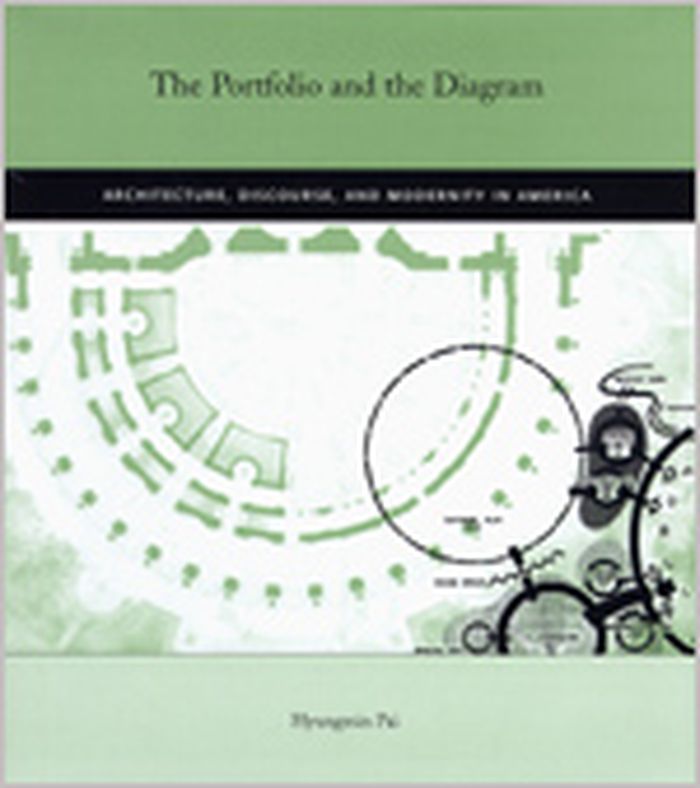
"The Portfolio and the Diagram" is about the changing ways architects see, read, and use the words and images of architectural publications. It begins with an outline of the academic discipline and the mimetic practice of the portfolio, established in America during the late nineteenth century. World War I triggered a historical process that resulted in the demise of the portfolio and the emergence of the discourse of the diagram. The Beaux Arts-trained architects had fashioned their discipline through the meticulous object-centered images of the portfolio. The discourse of the diagram provided a new range of possibility in the architect’s relation to words, images, and buildings. More than the diagram itself, more than the province of narrow-minded functionalists, the discourse of the diagram is a complex formation of texts, concepts, and modes of representation. Concerned less with constructing a new kind of modernism than with understanding the boundaries and structures of modernity, the book is a history of modern architecture as a discursive practice and its striving to become a viable discipline.
The portfolio and the diagram : architecture, discourse, and modernity in America
Actions:
Prix:
$79.95
(disponible sur commande)
Résumé:
"The Portfolio and the Diagram" is about the changing ways architects see, read, and use the words and images of architectural publications. It begins with an outline of the academic discipline and the mimetic practice of the portfolio, established in America during the late nineteenth century. World War I triggered a historical process that resulted in the demise of the portfolio and the emergence of the discourse of the diagram. The Beaux Arts-trained architects had fashioned their discipline through the meticulous object-centered images of the portfolio. The discourse of the diagram provided a new range of possibility in the architect’s relation to words, images, and buildings. More than the diagram itself, more than the province of narrow-minded functionalists, the discourse of the diagram is a complex formation of texts, concepts, and modes of representation. Concerned less with constructing a new kind of modernism than with understanding the boundaries and structures of modernity, the book is a history of modern architecture as a discursive practice and its striving to become a viable discipline.
Classification:
livres
livres
Publication:
avril 2002, Cambridge, Massachusetts
avril 2002, Cambridge, Massachusetts
Sujet:
Théorie de l’architecture
Théorie de l’architecture
Classification:
livres
livres
Actions:
Prix:
$63.95
(disponible sur commande)
Résumé:
Reyner Banham (1922-88) was one of the most influential writers on architecture, design, and popular culture from the mid-1950s to the late 1980s. Trained in mechanical engineering and art history, he was convinced that technology was making society not only more exciting but more democratic. His combination of academic rigor and pop culture sensibility put him in(...)
$63.95
(disponible sur commande)
Résumé:
Reyner Banham (1922-88) was one of the most influential writers on architecture, design, and popular culture from the mid-1950s to the late 1980s. Trained in mechanical engineering and art history, he was convinced that technology was making society not only more exciting but more democratic. His combination of academic rigor and pop culture sensibility put him in(...)
Titre:
Reyner Banham : historian of the immediate future
Actions:
Prix:
$63.95
(disponible sur commande)
Résumé:
Reyner Banham (1922-88) was one of the most influential writers on architecture, design, and popular culture from the mid-1950s to the late 1980s. Trained in mechanical engineering and art history, he was convinced that technology was making society not only more exciting but more democratic. His combination of academic rigor and pop culture sensibility put him in opposition to both traditionalists and orthodox Modernists, but placed him in a unique position to understand the cultural, social, and political implications of the visual arts in the postwar period. His first book, "Theory and Design in the First Machine Age", was central to the overhaul of Modernism, and it gave Futurism and Expressionism credibility amid the dynamism and change of the 1960s. This intellectual biography is the first comprehensive critical examination of Banham’s theories and ideas, not only on architecture but also on the wide variety of subjects that interested him. It covers the full range of his oeuvre and discusses the values, enthusiasms, and influences that formed his thinking.
Reyner Banham : historian of the immediate future
Actions:
Prix:
$63.95
(disponible sur commande)
Résumé:
Reyner Banham (1922-88) was one of the most influential writers on architecture, design, and popular culture from the mid-1950s to the late 1980s. Trained in mechanical engineering and art history, he was convinced that technology was making society not only more exciting but more democratic. His combination of academic rigor and pop culture sensibility put him in opposition to both traditionalists and orthodox Modernists, but placed him in a unique position to understand the cultural, social, and political implications of the visual arts in the postwar period. His first book, "Theory and Design in the First Machine Age", was central to the overhaul of Modernism, and it gave Futurism and Expressionism credibility amid the dynamism and change of the 1960s. This intellectual biography is the first comprehensive critical examination of Banham’s theories and ideas, not only on architecture but also on the wide variety of subjects that interested him. It covers the full range of his oeuvre and discusses the values, enthusiasms, and influences that formed his thinking.
Classification:
livres
livres
Publication:
octobre 2001, Cambridge, MA
octobre 2001, Cambridge, MA
Sujet:
Théorie de l’architecture
Théorie de l’architecture
Classification:
livres
livres
Actions:
Prix:
$66.00
(disponible sur commande)
Résumé:
Paul Rudolph, one of the 20th century's most iconoclastic architects, is best known -- and most maligned--for his large "brutalist" buildings, like the Yale Art and Architecture Building. So it will surprise many to learn that early in his career he developed a series of houses that represent the unrivaled possibilities of a modest American modernism. With their(...)
$66.00
(disponible sur commande)
Résumé:
Paul Rudolph, one of the 20th century's most iconoclastic architects, is best known -- and most maligned--for his large "brutalist" buildings, like the Yale Art and Architecture Building. So it will surprise many to learn that early in his career he developed a series of houses that represent the unrivaled possibilities of a modest American modernism. With their(...)
Sujet:
Architecture, monographies
Architecture, monographies
Publication:
janvier 2002, New York
janvier 2002, New York
Titre:
Paul Rudolph : the Florida houses
Actions:
Prix:
$66.00
(disponible sur commande)
Résumé:
Paul Rudolph, one of the 20th century's most iconoclastic architects, is best known -- and most maligned--for his large "brutalist" buildings, like the Yale Art and Architecture Building. So it will surprise many to learn that early in his career he developed a series of houses that represent the unrivaled possibilities of a modest American modernism. With their distinctive natural landscapes, local architectural precedents, and exploitation of innovative construction materials, the Florida houses, some eighty projects built between 1946 and 1961, brought modern architectural form into a gracious subtropical world of natural abundance. Like the locally inspired desert houses of another modern master, Albert Frey, Rudolph's Florida houses represent a distillation and reinterpretation of traditional architectural ideas developed to a high pitch of stylistic refinement. "Paul Rudolph: The Florida Houses" reveals all of Rudolph's early residential work. Along with Rudolph's personal essays and renderings, duotone photographs by Ezra Stoller and Joseph Molitor, and text by Joseph King and Christopher Domin, this new book conveys the lightness, timelessness, strength, materiality, and transcendency of Rudolph's work.
Paul Rudolph : the Florida houses
Actions:
Prix:
$66.00
(disponible sur commande)
Résumé:
Paul Rudolph, one of the 20th century's most iconoclastic architects, is best known -- and most maligned--for his large "brutalist" buildings, like the Yale Art and Architecture Building. So it will surprise many to learn that early in his career he developed a series of houses that represent the unrivaled possibilities of a modest American modernism. With their distinctive natural landscapes, local architectural precedents, and exploitation of innovative construction materials, the Florida houses, some eighty projects built between 1946 and 1961, brought modern architectural form into a gracious subtropical world of natural abundance. Like the locally inspired desert houses of another modern master, Albert Frey, Rudolph's Florida houses represent a distillation and reinterpretation of traditional architectural ideas developed to a high pitch of stylistic refinement. "Paul Rudolph: The Florida Houses" reveals all of Rudolph's early residential work. Along with Rudolph's personal essays and renderings, duotone photographs by Ezra Stoller and Joseph Molitor, and text by Joseph King and Christopher Domin, this new book conveys the lightness, timelessness, strength, materiality, and transcendency of Rudolph's work.
Classification:
livres
livres
Publication:
janvier 2002, New York
janvier 2002, New York
Sujet:
Architecture, monographies
Architecture, monographies
Classification:
livres
livres
Actions:
Prix:
$54.00
(disponible en magasin)
Résumé:
Among distinguished contemporary designers, Alessandro Mendini is perhaps most deserving of the overused title of Renaissance man. Painter, writer, architect, theorist, designer: his work in all these fields has influenced generations of other artists and craftsmen and delighted even those who don’t know his name but have entered his spaces (like his stores for Alessi and(...)
$54.00
(disponible en magasin)
Résumé:
Among distinguished contemporary designers, Alessandro Mendini is perhaps most deserving of the overused title of Renaissance man. Painter, writer, architect, theorist, designer: his work in all these fields has influenced generations of other artists and craftsmen and delighted even those who don’t know his name but have entered his spaces (like his stores for Alessi and(...)
Titre:
Pulviscoli : 2469 drawings of Alessandro Mendini
Actions:
Prix:
$54.00
(disponible en magasin)
Résumé:
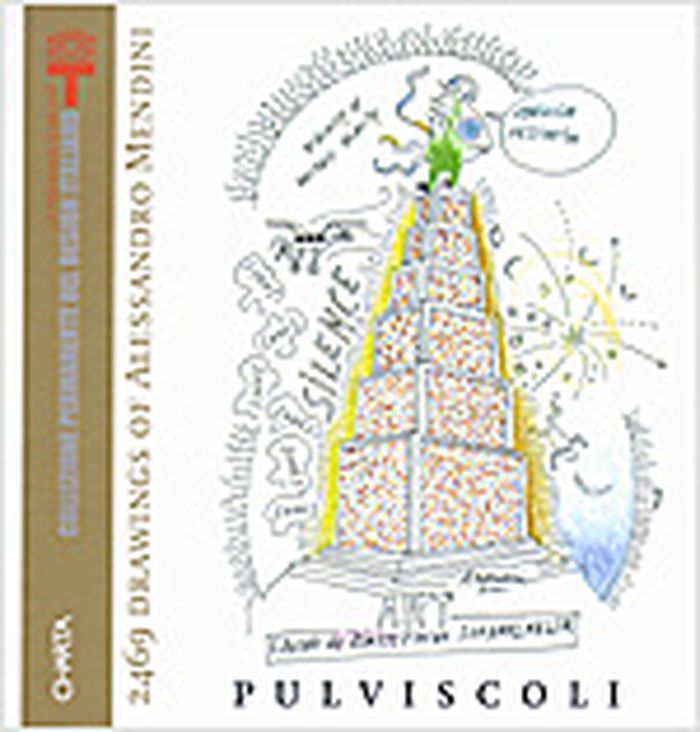
Among distinguished contemporary designers, Alessandro Mendini is perhaps most deserving of the overused title of Renaissance man. Painter, writer, architect, theorist, designer: his work in all these fields has influenced generations of other artists and craftsmen and delighted even those who don’t know his name but have entered his spaces (like his stores for Alessi and Swatch), sipped from his espresso cups, and rested in his chairs. Through his work as a founder of Studio Alchimia in 1979 and editor of the magazines Casabella, Modo, and domus, Mendini has fought the strictures of modernism and championed the expressive value of decoration, which is the foundation for the development of his designs. This book offers a window into Mendini's working methods by presenting some 2,000 of his introductory designs, sketches, and texts that would eventually be realized as objects and buildings. This one-of-a-kind archive is both an important contribution to the history of design for scholars and students and a source of inspiration for designers and artists.
Pulviscoli : 2469 drawings of Alessandro Mendini
Actions:
Prix:
$54.00
(disponible en magasin)
Résumé:
Among distinguished contemporary designers, Alessandro Mendini is perhaps most deserving of the overused title of Renaissance man. Painter, writer, architect, theorist, designer: his work in all these fields has influenced generations of other artists and craftsmen and delighted even those who don’t know his name but have entered his spaces (like his stores for Alessi and Swatch), sipped from his espresso cups, and rested in his chairs. Through his work as a founder of Studio Alchimia in 1979 and editor of the magazines Casabella, Modo, and domus, Mendini has fought the strictures of modernism and championed the expressive value of decoration, which is the foundation for the development of his designs. This book offers a window into Mendini's working methods by presenting some 2,000 of his introductory designs, sketches, and texts that would eventually be realized as objects and buildings. This one-of-a-kind archive is both an important contribution to the history of design for scholars and students and a source of inspiration for designers and artists.
Classification:
livres
livres
Publication:
octobre 2005, Milano
octobre 2005, Milano
Sujet:
Design, monographies
Design, monographies
Classification:
livres
livres
Actions:
Prix:
$57.00
(disponible sur commande)
Résumé:
Paul Rudolph, one of the 20th century's most iconoclastic architects, is best known—and most maligned—for his large "brutalist" buildings, like the Yale art and architecture building. So it will surprise many to learn that early in his career he developed a series of houses that represent the unrivaled possibilities of a modest American modernism. With their distinctive(...)
$57.00
(disponible sur commande)
Résumé:
Paul Rudolph, one of the 20th century's most iconoclastic architects, is best known—and most maligned—for his large "brutalist" buildings, like the Yale art and architecture building. So it will surprise many to learn that early in his career he developed a series of houses that represent the unrivaled possibilities of a modest American modernism. With their distinctive(...)
Sujet:
Architecture, monographies
Architecture, monographies
Publication:
septembre 2005, New York
septembre 2005, New York
Titre:
Paul Rudolph : the Florida houses
Actions:
Prix:
$57.00
(disponible sur commande)
Résumé:
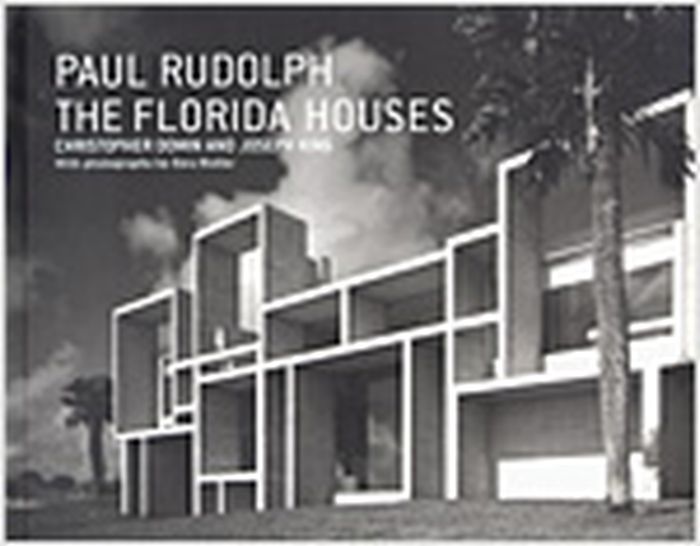
Paul Rudolph, one of the 20th century's most iconoclastic architects, is best known—and most maligned—for his large "brutalist" buildings, like the Yale art and architecture building. So it will surprise many to learn that early in his career he developed a series of houses that represent the unrivaled possibilities of a modest American modernism. With their distinctive natural landscapes, local architectural precedents, and exploitation of innovative construction materials, the Florida houses, some eighty projects built between 1946 and 1961, brought modern architectural form into a gracious subtropical world of natural abundance. Like the locally inspired desert houses of another modern master, Albert Frey, Rudolph's Florida houses represent a distillation and reinterpretation of traditional architectural ideas developed to a high pitch of stylistic refinement. "Paul Rudolph : the Florida houses" reveals all of Rudolph's early residential work. Along with Rudolph's personal essays and renderings, duotone photographs by Ezra Stoller and Joseph Molitor, and text by Joseph King and Christopher Domin, this new book conveys the lightness, timelessness, strength, materiality, and transcendency of Rudolph's work.
Paul Rudolph : the Florida houses
Actions:
Prix:
$57.00
(disponible sur commande)
Résumé:
Paul Rudolph, one of the 20th century's most iconoclastic architects, is best known—and most maligned—for his large "brutalist" buildings, like the Yale art and architecture building. So it will surprise many to learn that early in his career he developed a series of houses that represent the unrivaled possibilities of a modest American modernism. With their distinctive natural landscapes, local architectural precedents, and exploitation of innovative construction materials, the Florida houses, some eighty projects built between 1946 and 1961, brought modern architectural form into a gracious subtropical world of natural abundance. Like the locally inspired desert houses of another modern master, Albert Frey, Rudolph's Florida houses represent a distillation and reinterpretation of traditional architectural ideas developed to a high pitch of stylistic refinement. "Paul Rudolph : the Florida houses" reveals all of Rudolph's early residential work. Along with Rudolph's personal essays and renderings, duotone photographs by Ezra Stoller and Joseph Molitor, and text by Joseph King and Christopher Domin, this new book conveys the lightness, timelessness, strength, materiality, and transcendency of Rudolph's work.
Classification:
livres
livres
Publication:
septembre 2005, New York
septembre 2005, New York
Sujet:
Architecture, monographies
Architecture, monographies
Classification:
livres
livres
Actions:
Prix:
$39.95
(disponible sur commande)
Résumé:
In 1960, before his skyscrapers and teapots made him a household name, Michael Graves set out on a journey once considered obligatory for a young architect: a grand tour of the great monuments of Europe. As a recipient of the prestigious Prix de Rome, Graves traveled through Italy, Greece, Turkey, Spain, England, Germany, and France, studying and recording the masterworks(...)
$39.95
(disponible sur commande)
Résumé:
In 1960, before his skyscrapers and teapots made him a household name, Michael Graves set out on a journey once considered obligatory for a young architect: a grand tour of the great monuments of Europe. As a recipient of the prestigious Prix de Rome, Graves traveled through Italy, Greece, Turkey, Spain, England, Germany, and France, studying and recording the masterworks(...)
Titre:
Michael Graves : images of a grand tour
Actions:
Prix:
$39.95
(disponible sur commande)
Résumé:
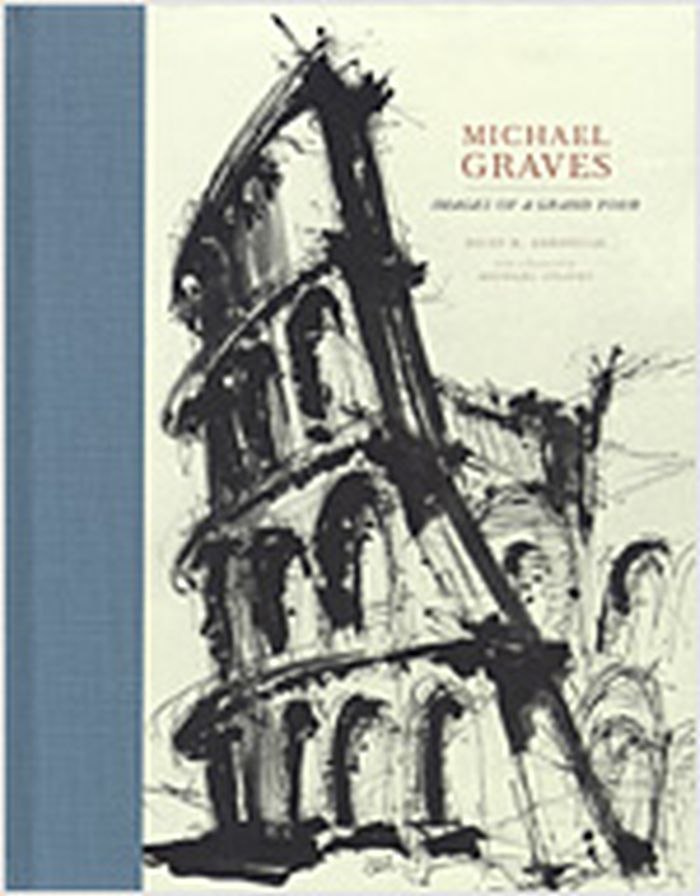
In 1960, before his skyscrapers and teapots made him a household name, Michael Graves set out on a journey once considered obligatory for a young architect: a grand tour of the great monuments of Europe. As a recipient of the prestigious Prix de Rome, Graves traveled through Italy, Greece, Turkey, Spain, England, Germany, and France, studying and recording the masterworks of both ancient and modern architecture. "Michael Graves: Images of A Grand Tour" collects for the first time the stunning artwork produced during this trip. Delicate pencil sketches, striking ink washes, and colourful photographs show the deep connection Graves had to the places he visited, from the Roman Forum to the Grecian Acropolis to Wiltshires Stonehenge. They also tell something of the education of an architect, bringing to light the classical buildings that caused Graves to reexamine his early devotion to modernism. A foreword by Graves reflects on these travels from the distance of forty years, while author Brian Ambroziak puts the tour into the context of Graves's life and work.
Michael Graves : images of a grand tour
Actions:
Prix:
$39.95
(disponible sur commande)
Résumé:
In 1960, before his skyscrapers and teapots made him a household name, Michael Graves set out on a journey once considered obligatory for a young architect: a grand tour of the great monuments of Europe. As a recipient of the prestigious Prix de Rome, Graves traveled through Italy, Greece, Turkey, Spain, England, Germany, and France, studying and recording the masterworks of both ancient and modern architecture. "Michael Graves: Images of A Grand Tour" collects for the first time the stunning artwork produced during this trip. Delicate pencil sketches, striking ink washes, and colourful photographs show the deep connection Graves had to the places he visited, from the Roman Forum to the Grecian Acropolis to Wiltshires Stonehenge. They also tell something of the education of an architect, bringing to light the classical buildings that caused Graves to reexamine his early devotion to modernism. A foreword by Graves reflects on these travels from the distance of forty years, while author Brian Ambroziak puts the tour into the context of Graves's life and work.
Classification:
livres
livres
Publication:
octobre 2005, New York
octobre 2005, New York
Sujet:
Architecture, monographies
Architecture, monographies
Classification:
livres
livres
Actions:
Prix:
$82.00
(disponible sur commande)
Résumé:
Hermann Czech, born in 1936, is one of Austria’s most eminent and influential architects and theorists. This influence is based not only on his work as a designing architect; Czech is also widely admired for his writings on architectural theory and as the editor and translator of architectural history classics. This book is the long-awaited updated and expanded English(...)
$82.00
(disponible sur commande)
Résumé:
Hermann Czech, born in 1936, is one of Austria’s most eminent and influential architects and theorists. This influence is based not only on his work as a designing architect; Czech is also widely admired for his writings on architectural theory and as the editor and translator of architectural history classics. This book is the long-awaited updated and expanded English(...)
Titre:
Hermann Czech: An architect in Vienna
Actions:
Prix:
$82.00
(disponible sur commande)
Résumé:
Hermann Czech, born in 1936, is one of Austria’s most eminent and influential architects and theorists. This influence is based not only on his work as a designing architect; Czech is also widely admired for his writings on architectural theory and as the editor and translator of architectural history classics. This book is the long-awaited updated and expanded English edition of the only complete examination of Hermann Czech’s work to date. First published in German in 2018, it goes far beyond a mere presentation of an architecture practice’s buildings and projects. The first part traces what links Czech’s work to the approaches of Viennese modernism. The second part explores Czech’s biography and the trajectory of his career, analyzing the contemporary influences that shape his thinking and designs. The third part features selected buildings, unrealized projects, and Czech’s numerous references and underlying reflections. A complete index of his buildings, projects, and writings, an essay by Vienna-based philosopher Elisabeth Nemeth on the relationship between architecture and philosophy in Czech’s work, and an introduction by architectural historian Liane Lefaivre round off this volume.
Hermann Czech: An architect in Vienna
Actions:
Prix:
$82.00
(disponible sur commande)
Résumé:
Hermann Czech, born in 1936, is one of Austria’s most eminent and influential architects and theorists. This influence is based not only on his work as a designing architect; Czech is also widely admired for his writings on architectural theory and as the editor and translator of architectural history classics. This book is the long-awaited updated and expanded English edition of the only complete examination of Hermann Czech’s work to date. First published in German in 2018, it goes far beyond a mere presentation of an architecture practice’s buildings and projects. The first part traces what links Czech’s work to the approaches of Viennese modernism. The second part explores Czech’s biography and the trajectory of his career, analyzing the contemporary influences that shape his thinking and designs. The third part features selected buildings, unrealized projects, and Czech’s numerous references and underlying reflections. A complete index of his buildings, projects, and writings, an essay by Vienna-based philosopher Elisabeth Nemeth on the relationship between architecture and philosophy in Czech’s work, and an introduction by architectural historian Liane Lefaivre round off this volume.
Classification:
livres
livres
Publication:
octobre 2023
octobre 2023
Sujet:
Architecture, monographies
Architecture, monographies
Classification:
livres
livres
Prix:
$102.00
(disponible sur commande)
Résumé:
Lux Guyer (1894–1955) was the first female architect to establish her own studio in Switzerland in 1924. One of her key designs is the Obere Schiedhalde, a single-family home above Küsnacht near Zurich. Completed in 1929 and temporarily occupied by Guyer and her family, it is a variation of her legendary SAFFA-Haus of 1928. Between 2012 and 2018, the building and the(...)
$102.00
(disponible sur commande)
Résumé:
Lux Guyer (1894–1955) was the first female architect to establish her own studio in Switzerland in 1924. One of her key designs is the Obere Schiedhalde, a single-family home above Küsnacht near Zurich. Completed in 1929 and temporarily occupied by Guyer and her family, it is a variation of her legendary SAFFA-Haus of 1928. Between 2012 and 2018, the building and the(...)
Sujet:
Architecture, monographies
Architecture, monographies
Publication:
janvier 2024
janvier 2024
Titre:
Lux Guyer: Obere Schiedhalde. Renovation of a house from 1920
Actions:
Prix:
$102.00
(disponible sur commande)
Résumé:
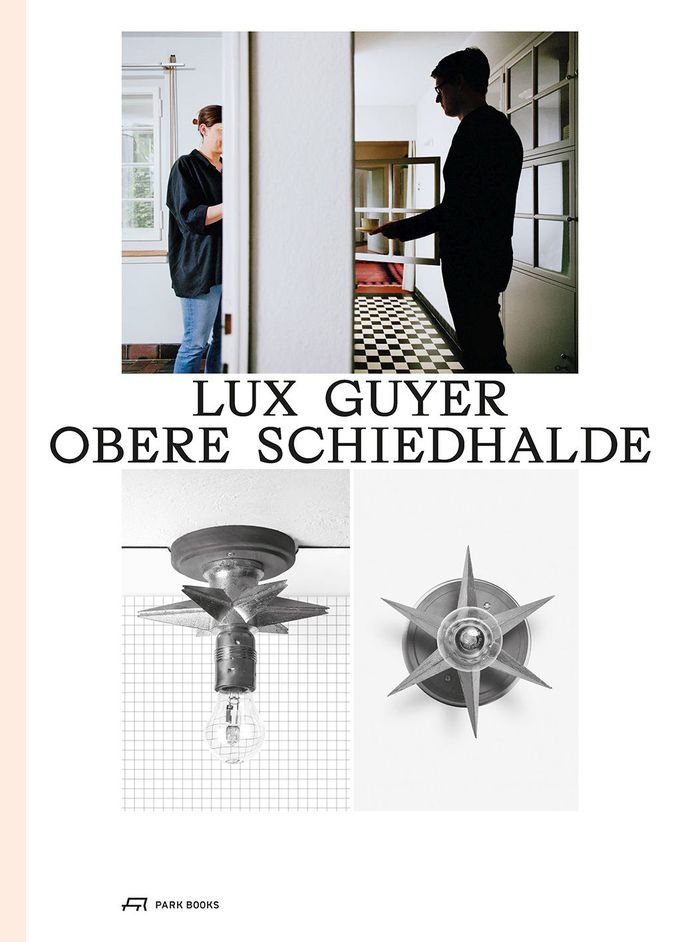
Lux Guyer (1894–1955) was the first female architect to establish her own studio in Switzerland in 1924. One of her key designs is the Obere Schiedhalde, a single-family home above Küsnacht near Zurich. Completed in 1929 and temporarily occupied by Guyer and her family, it is a variation of her legendary SAFFA-Haus of 1928. Between 2012 and 2018, the building and the surrounding garden were extensively and carefully restored by Basel-based architecture firm Christ & Gantenbein together with Sven Richter, cofounder of Richter Tobler Architects in Basel. Working in close collaboration with the Canton of Zurich’s office for the preservation of historic monuments, they also called in experts for a historically conscious overhaul of the building. Together with the current owners, the architects made it their mission to not only preserve this significant architectural monument of Swiss Modernism but also make it accessible to the public through this book. Conceived by graphic designers Ludovic Balland and Annina Schepping, "Lux Guyer—Obere Schiedhalde" offers in-depth documentation of the renovated Obere Schiedhalde.
Lux Guyer: Obere Schiedhalde. Renovation of a house from 1920
Actions:
Prix:
$102.00
(disponible sur commande)
Résumé:
Lux Guyer (1894–1955) was the first female architect to establish her own studio in Switzerland in 1924. One of her key designs is the Obere Schiedhalde, a single-family home above Küsnacht near Zurich. Completed in 1929 and temporarily occupied by Guyer and her family, it is a variation of her legendary SAFFA-Haus of 1928. Between 2012 and 2018, the building and the surrounding garden were extensively and carefully restored by Basel-based architecture firm Christ & Gantenbein together with Sven Richter, cofounder of Richter Tobler Architects in Basel. Working in close collaboration with the Canton of Zurich’s office for the preservation of historic monuments, they also called in experts for a historically conscious overhaul of the building. Together with the current owners, the architects made it their mission to not only preserve this significant architectural monument of Swiss Modernism but also make it accessible to the public through this book. Conceived by graphic designers Ludovic Balland and Annina Schepping, "Lux Guyer—Obere Schiedhalde" offers in-depth documentation of the renovated Obere Schiedhalde.
Classification:
livres
livres
Publication:
janvier 2024
janvier 2024
Sujet:
Architecture, monographies
Architecture, monographies


