


3318 Résultats
Classification:
livres
livres
Titre:
La Fábrica, Ricardo Bofill
La Fábrica, Ricardo Bofill
Actions:
Prix:
$81.00
(disponible sur commande)
Résumé:
La Fábrica is one of Ricardo Bofill’s most iconoclastic creations. A former cement factory on the outskirts of Barcelona, serendipitously discovered while driving, the building became the centre of the late Catalan architect’s life, serving both as his home and as the headquarters of his practice since 1973. Here, Ricardo created a world of his own, exposing the concrete(...)
$81.00
(disponible sur commande)
Résumé:
La Fábrica is one of Ricardo Bofill’s most iconoclastic creations. A former cement factory on the outskirts of Barcelona, serendipitously discovered while driving, the building became the centre of the late Catalan architect’s life, serving both as his home and as the headquarters of his practice since 1973. Here, Ricardo created a world of his own, exposing the concrete(...)
Titre:
La Fábrica, Ricardo Bofill
Actions:
Prix:
$81.00
(disponible sur commande)
Résumé:
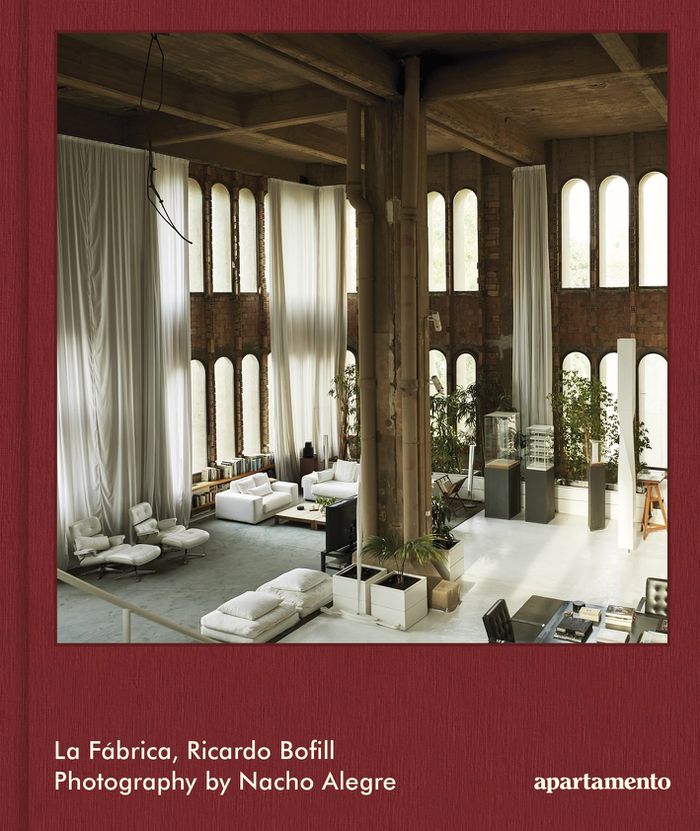
La Fábrica is one of Ricardo Bofill’s most iconoclastic creations. A former cement factory on the outskirts of Barcelona, serendipitously discovered while driving, the building became the centre of the late Catalan architect’s life, serving both as his home and as the headquarters of his practice since 1973. Here, Ricardo created a world of his own, exposing the concrete forms from beneath years of dust and smoke, encouraging nature back onto the structure, and fine-tuning the balance between its monumental scale and a delicate, human sensibility, in one of the earliest examples of the reuse of an industrial building—and it’s still changing. This new edition expands on the book originally published in 2018, featuring exclusive archival imagery courtesy of RBTA and an expansive selection of photographs taken by Nacho Alegre on his visits to La Fábrica over the last decade. He returned in November 2022 to document the building in its current state, closing the book with 32 pages of otherwise unseen images—a portrait of Ricardo’s most cherished work at a moment of profound transformation. With an introduction by Pablo Bofill, the book also features an interview with Ricardo himself by Barcelona-based architects Arquitectura-G and Guillermo López, an extended version of the conversation originally published in issue #11 of Apartamento magazine.
La Fábrica, Ricardo Bofill
Actions:
Prix:
$81.00
(disponible sur commande)
Résumé:
La Fábrica is one of Ricardo Bofill’s most iconoclastic creations. A former cement factory on the outskirts of Barcelona, serendipitously discovered while driving, the building became the centre of the late Catalan architect’s life, serving both as his home and as the headquarters of his practice since 1973. Here, Ricardo created a world of his own, exposing the concrete forms from beneath years of dust and smoke, encouraging nature back onto the structure, and fine-tuning the balance between its monumental scale and a delicate, human sensibility, in one of the earliest examples of the reuse of an industrial building—and it’s still changing. This new edition expands on the book originally published in 2018, featuring exclusive archival imagery courtesy of RBTA and an expansive selection of photographs taken by Nacho Alegre on his visits to La Fábrica over the last decade. He returned in November 2022 to document the building in its current state, closing the book with 32 pages of otherwise unseen images—a portrait of Ricardo’s most cherished work at a moment of profound transformation. With an introduction by Pablo Bofill, the book also features an interview with Ricardo himself by Barcelona-based architects Arquitectura-G and Guillermo López, an extended version of the conversation originally published in issue #11 of Apartamento magazine.
Classification:
livres
livres
Publication:
décembre 2022
décembre 2022
Sujet:
Architecture, monographies
Architecture, monographies
Classification:
livres
livres
Actions:
Prix:
$56.95
(disponible sur commande)
Résumé:
Après l'Art Nouveau et l'Art Déco, est fondée en 1929 l'U.A.M. (Union des Artistes modernes) qui réunit tous les grands créateurs de l'époque. L' « équipement » moderne se substitue à l'ornementation des salons décorés de « bibelots ». Il s'agit à présent de « désencombrer » l'espace intérieur.. A travers une quinzaine d'essais d'historiens de l'art, ce catalogue explore(...)
$56.95
(disponible sur commande)
Résumé:
Après l'Art Nouveau et l'Art Déco, est fondée en 1929 l'U.A.M. (Union des Artistes modernes) qui réunit tous les grands créateurs de l'époque. L' « équipement » moderne se substitue à l'ornementation des salons décorés de « bibelots ». Il s'agit à présent de « désencombrer » l'espace intérieur.. A travers une quinzaine d'essais d'historiens de l'art, ce catalogue explore(...)
Titre:
Intérieurs modernes 1920-1930
Actions:
Prix:
$56.95
(disponible sur commande)
Résumé:
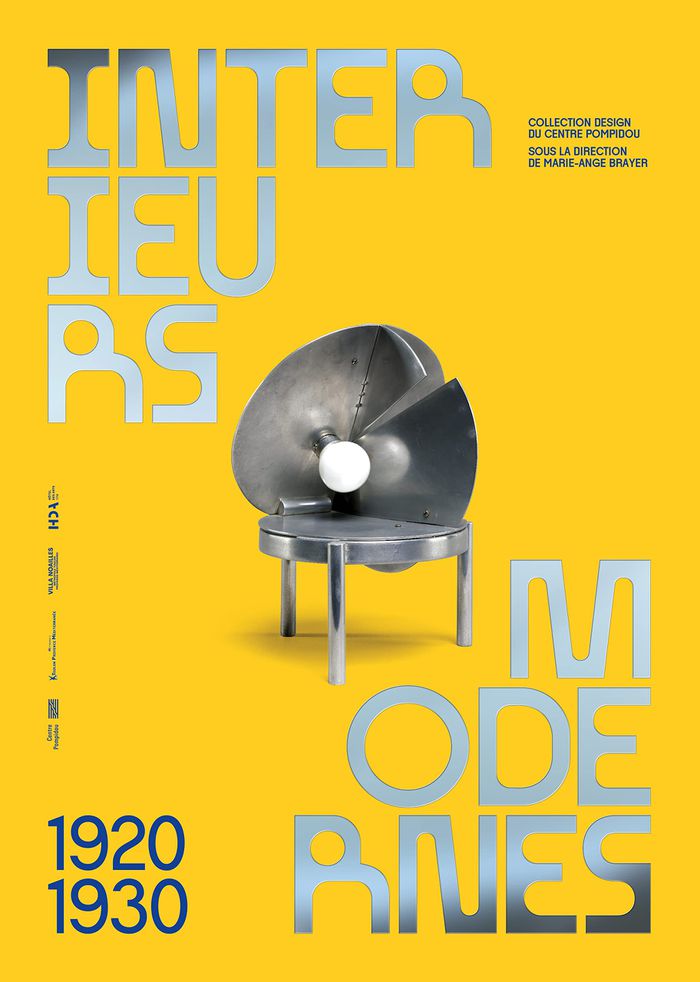
Après l'Art Nouveau et l'Art Déco, est fondée en 1929 l'U.A.M. (Union des Artistes modernes) qui réunit tous les grands créateurs de l'époque. L' « équipement » moderne se substitue à l'ornementation des salons décorés de « bibelots ». Il s'agit à présent de « désencombrer » l'espace intérieur.. A travers une quinzaine d'essais d'historiens de l'art, ce catalogue explore toutes les facettes de l'intérieur moderne en France dans les années 1920-1930 : son héritage des arts décoratifs, son articulation avec les avant-gardes internationales, tel que le Bauhaus ; sa dimension syncrétique impliquant toutes les dimensions de la création ; l'esthétique de la machine et les métaphores de la modernité tel que le paquebot ; la nature comme artifice décoratif. Trois créations architecturales majeures sont également analysées : la villa Noailles de Robert Mallet-Stevens, la Maison de Verre de Pierre Chareau et la villa E-1027 d'Eileen Gray. Enfin, entre design et mode, la mise en mouvement des corps redessine également une nouvelle figure de la femme moderne, aux avant-postes de la création. La transformation de l'espace intérieur trouvera également dans le cinéma un dispositif d'exposition et un outil de communication privilégié de ces changements de paradigme dans la perception de l'intérieur. Le catalogue qui explore une décennie de design met en avant la richesse de la collection du Musée national d'art moderne qui prête l'essentiel des œuvres et des objets de l'exposition.
Intérieurs modernes 1920-1930
Actions:
Prix:
$56.95
(disponible sur commande)
Résumé:
Après l'Art Nouveau et l'Art Déco, est fondée en 1929 l'U.A.M. (Union des Artistes modernes) qui réunit tous les grands créateurs de l'époque. L' « équipement » moderne se substitue à l'ornementation des salons décorés de « bibelots ». Il s'agit à présent de « désencombrer » l'espace intérieur.. A travers une quinzaine d'essais d'historiens de l'art, ce catalogue explore toutes les facettes de l'intérieur moderne en France dans les années 1920-1930 : son héritage des arts décoratifs, son articulation avec les avant-gardes internationales, tel que le Bauhaus ; sa dimension syncrétique impliquant toutes les dimensions de la création ; l'esthétique de la machine et les métaphores de la modernité tel que le paquebot ; la nature comme artifice décoratif. Trois créations architecturales majeures sont également analysées : la villa Noailles de Robert Mallet-Stevens, la Maison de Verre de Pierre Chareau et la villa E-1027 d'Eileen Gray. Enfin, entre design et mode, la mise en mouvement des corps redessine également une nouvelle figure de la femme moderne, aux avant-postes de la création. La transformation de l'espace intérieur trouvera également dans le cinéma un dispositif d'exposition et un outil de communication privilégié de ces changements de paradigme dans la perception de l'intérieur. Le catalogue qui explore une décennie de design met en avant la richesse de la collection du Musée national d'art moderne qui prête l'essentiel des œuvres et des objets de l'exposition.
Classification:
livres
livres
Publication:
octobre 2022
octobre 2022
Sujet:
Design, époques et styles
Design, époques et styles
Classification:
livres
livres
Prix:
$47.95
(disponible sur commande)
Résumé:
Builders, Housewives and the Construction of Modern Athens reassesses the explosive growth of postwar Athens through its most distinctive building type, the polykatoikía, and its different connotations through the decades: from a monotonous and ugly element of the city to the role it might play in the urban sustainability. Sprawling beneath the Acropolis, modern Athens(...)
$47.95
(disponible sur commande)
Résumé:
Builders, Housewives and the Construction of Modern Athens reassesses the explosive growth of postwar Athens through its most distinctive building type, the polykatoikía, and its different connotations through the decades: from a monotonous and ugly element of the city to the role it might play in the urban sustainability. Sprawling beneath the Acropolis, modern Athens(...)
Titre:
Builders, housewives, and the construction of modern Athens
Actions:
Prix:
$47.95
(disponible sur commande)
Résumé:
Builders, Housewives and the Construction of Modern Athens reassesses the explosive growth of postwar Athens through its most distinctive building type, the polykatoikía, and its different connotations through the decades: from a monotonous and ugly element of the city to the role it might play in the urban sustainability. Sprawling beneath the Acropolis, modern Athens is commonly viewed in negative terms: congested, ugly and monotonous. Builders, Housewives and the Construction of Modern Athens questions this stereotype, reassessing the explosive growth of postwar Athens through its most distinctive building type: the polykatoikía (a small-scale multistory apartment block). Theocharopoulou re-evaluates the polykatoikía as a low-tech, easily constructible innovation that stimulated the postwar urban economy, triggering the city's social mid-twentieth-century transformation. The interiors of the polykatoikía apartments reflect a desire for modernity as marketed to housewives through film and magazines. Regular builders became unlikely allies in designing these polykatoikía interiors, enabling inhabitants to exert agency over their daily lives and the shape of the postwar city. This revised edition of Theocharopoulou's study draws on popular media as well as urban and regional planning theory, cultural studies and anthropology to examine the evolution of this phenomenon. Written in the light of Greece's recent financial crisis, the book's updated Postscript considers the role polykatoikía might play in building an equitable and sustainable twenty-first-century city.
Builders, housewives, and the construction of modern Athens
Actions:
Prix:
$47.95
(disponible sur commande)
Résumé:
Builders, Housewives and the Construction of Modern Athens reassesses the explosive growth of postwar Athens through its most distinctive building type, the polykatoikía, and its different connotations through the decades: from a monotonous and ugly element of the city to the role it might play in the urban sustainability. Sprawling beneath the Acropolis, modern Athens is commonly viewed in negative terms: congested, ugly and monotonous. Builders, Housewives and the Construction of Modern Athens questions this stereotype, reassessing the explosive growth of postwar Athens through its most distinctive building type: the polykatoikía (a small-scale multistory apartment block). Theocharopoulou re-evaluates the polykatoikía as a low-tech, easily constructible innovation that stimulated the postwar urban economy, triggering the city's social mid-twentieth-century transformation. The interiors of the polykatoikía apartments reflect a desire for modernity as marketed to housewives through film and magazines. Regular builders became unlikely allies in designing these polykatoikía interiors, enabling inhabitants to exert agency over their daily lives and the shape of the postwar city. This revised edition of Theocharopoulou's study draws on popular media as well as urban and regional planning theory, cultural studies and anthropology to examine the evolution of this phenomenon. Written in the light of Greece's recent financial crisis, the book's updated Postscript considers the role polykatoikía might play in building an equitable and sustainable twenty-first-century city.
Classification:
livres
livres
Publication:
septembre 2022
septembre 2022
Sujet:
Théorie de l’urbanisme
Théorie de l’urbanisme
Classification:
livres
livres
Actions:
Prix:
$44.00
(disponible en magasin)
Résumé:
La crise sanitaire de 2020-2022 a révélé la fragilité des modèles touristiques basés sur une croissance illimitée et a mis en évidence la nécessité d’une approche systémique pour concilier les intérêts économiques, la protection de l’environnement et la justice sociale. Le tourisme, longtemps perçu comme un moteur de développement, a-t-il encore sa place dans un monde(...)
$44.00
(disponible en magasin)
Résumé:
La crise sanitaire de 2020-2022 a révélé la fragilité des modèles touristiques basés sur une croissance illimitée et a mis en évidence la nécessité d’une approche systémique pour concilier les intérêts économiques, la protection de l’environnement et la justice sociale. Le tourisme, longtemps perçu comme un moteur de développement, a-t-il encore sa place dans un monde(...)
Publication:
juillet 2025
juillet 2025
Titre:
Postdéveloppement et tourisme : l'heure des choix
Actions:
Prix:
$44.00
(disponible en magasin)
Résumé:
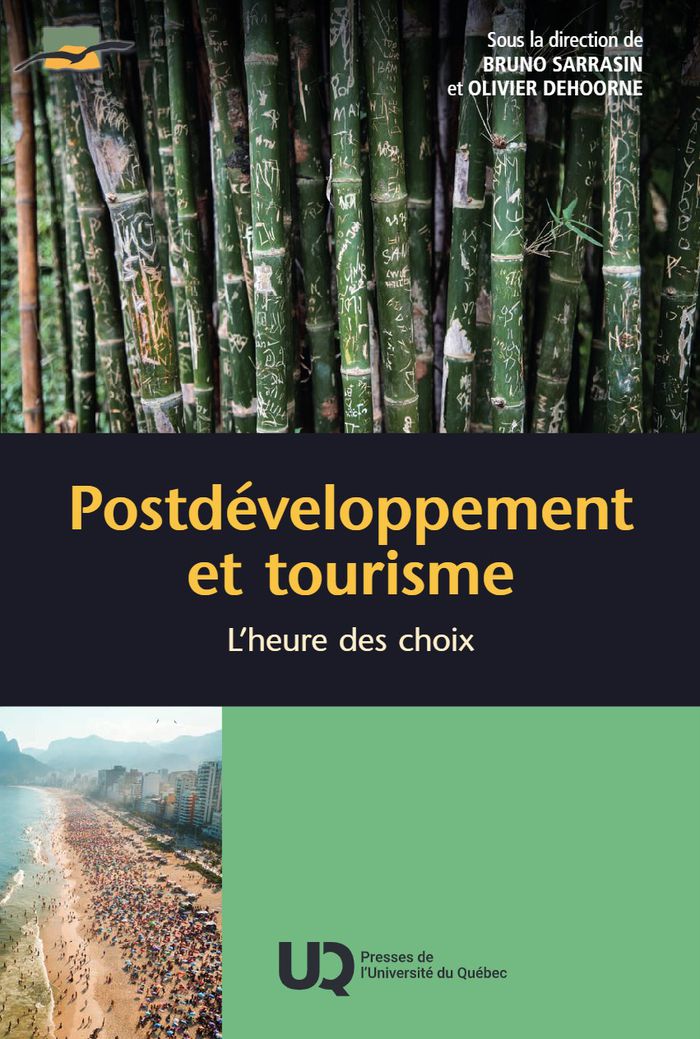
La crise sanitaire de 2020-2022 a révélé la fragilité des modèles touristiques basés sur une croissance illimitée et a mis en évidence la nécessité d’une approche systémique pour concilier les intérêts économiques, la protection de l’environnement et la justice sociale. Le tourisme, longtemps perçu comme un moteur de développement, a-t-il encore sa place dans un monde marqué par des crises environnementales et sociales croissantes ? Peut-on réinventer le secteur pour qu’il devienne un vecteur de transformation durable et responsable ? Cet ouvrage collectif répond à ces questions en explorant les enjeux contemporains du tourisme, notamment la crise climatique, les inégalités économiques et les défis mondiaux. À travers neuf chapitres, les autrices et les auteurs abordent des thèmes tels que la décroissance, le « tourisme de masse éclairé » et le postdéveloppement. L’ouvrage interroge le modèle de développement actuel, qui repose sur une exploitation sans fin des ressources naturelles et sociales. Il s’adresse à toute personne cherchant à comprendre les limites du modèle actuel et le rôle du tourisme, et invite à une approche plus relationnelle du tourisme, intégrant les perspectives locales et globales. Il urge de redéfinir notre rapport au monde naturel, en réévaluant notre place et nos liens avec les territoires. Postdéveloppement et tourisme : la dernière chance ? ouvre la voie à un tourisme plus responsable et conscient, porteur d’un avenir respectueux des êtres humains et non humains.
Postdéveloppement et tourisme : l'heure des choix
Actions:
Prix:
$44.00
(disponible en magasin)
Résumé:
La crise sanitaire de 2020-2022 a révélé la fragilité des modèles touristiques basés sur une croissance illimitée et a mis en évidence la nécessité d’une approche systémique pour concilier les intérêts économiques, la protection de l’environnement et la justice sociale. Le tourisme, longtemps perçu comme un moteur de développement, a-t-il encore sa place dans un monde marqué par des crises environnementales et sociales croissantes ? Peut-on réinventer le secteur pour qu’il devienne un vecteur de transformation durable et responsable ? Cet ouvrage collectif répond à ces questions en explorant les enjeux contemporains du tourisme, notamment la crise climatique, les inégalités économiques et les défis mondiaux. À travers neuf chapitres, les autrices et les auteurs abordent des thèmes tels que la décroissance, le « tourisme de masse éclairé » et le postdéveloppement. L’ouvrage interroge le modèle de développement actuel, qui repose sur une exploitation sans fin des ressources naturelles et sociales. Il s’adresse à toute personne cherchant à comprendre les limites du modèle actuel et le rôle du tourisme, et invite à une approche plus relationnelle du tourisme, intégrant les perspectives locales et globales. Il urge de redéfinir notre rapport au monde naturel, en réévaluant notre place et nos liens avec les territoires. Postdéveloppement et tourisme : la dernière chance ? ouvre la voie à un tourisme plus responsable et conscient, porteur d’un avenir respectueux des êtres humains et non humains.
Classification:
livres
livres
Publication:
juillet 2025
juillet 2025
Classification:
livres
livres
Actions:
Prix:
$58.50
(disponible en magasin)
Résumé:
Over 60 years on from its inception, the celebrated Fun Palace civic project – developed in the 1960s by the radical theatre director Joan Littlewood and the architect Cedric Price – continues to capture the architectural imagination. Despite the building itself never being realized, much of the previous analysis of the Fun Palace has been devoted to Price and his(...)
$58.50
(disponible en magasin)
Résumé:
Over 60 years on from its inception, the celebrated Fun Palace civic project – developed in the 1960s by the radical theatre director Joan Littlewood and the architect Cedric Price – continues to capture the architectural imagination. Despite the building itself never being realized, much of the previous analysis of the Fun Palace has been devoted to Price and his(...)
Titre:
Architecture, media, archives: The fun palace of Joan Littlewood and Cedric Price as a cultural project
Actions:
Prix:
$58.50
(disponible en magasin)
Résumé:
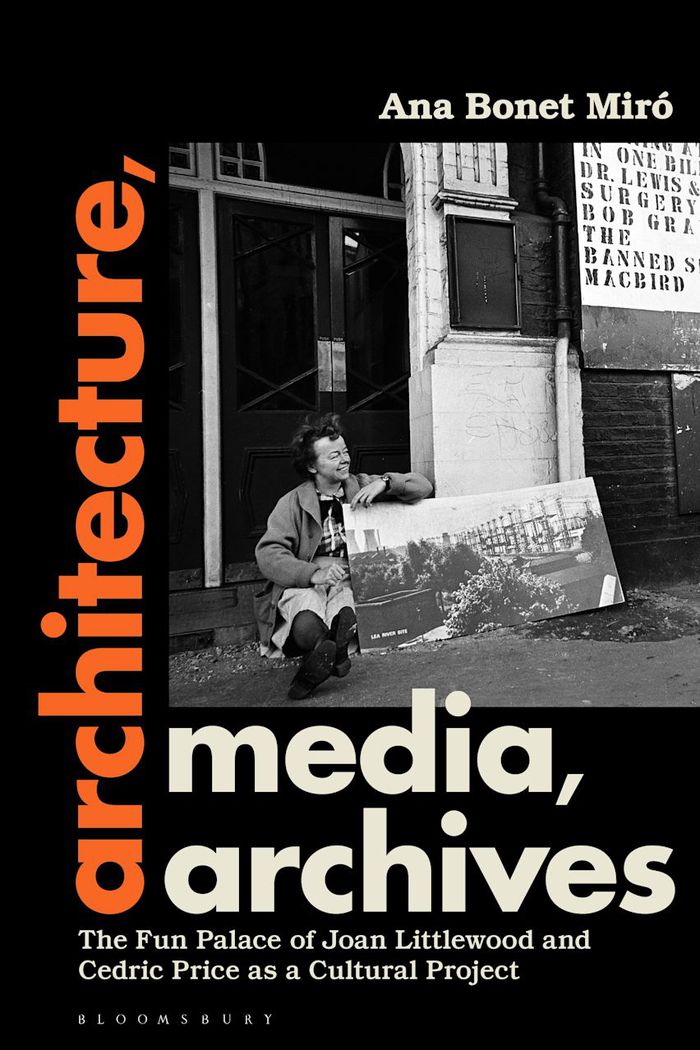
Over 60 years on from its inception, the celebrated Fun Palace civic project – developed in the 1960s by the radical theatre director Joan Littlewood and the architect Cedric Price – continues to capture the architectural imagination. Despite the building itself never being realized, much of the previous analysis of the Fun Palace has been devoted to Price and his drawings. The critical role that Littlewood played, however, remains largely unrecognized by architectural scholarship, and a whole area of the project's cultural agenda remains overlooked. ''Architecture, Media, Archives'' is the first serious study of the complex relations between Littlewood and Price, reframing the Fun Palace as an extended media project and positioning Littlewood more clearly as co-designer. Drawing on extensive archival material, the book considers how, due to a lack of institutional support, the aims of the Fun Palace – to transform the passive mass-audiences of post-war consumer society into active citizens, through forms of self-directed, pleasure-led and open exchange – were realized through different 'sites of information' throughout the 1960s. From broadsheets, pamphlets and journals to films and press news, the book addresses the conditions of production, circulation, storage and reception of these 'sites' and reveals how they not only recorded the transformation of the project, but also fundamentally enhanced and informed its meaning in specific ways.
Architecture, media, archives: The fun palace of Joan Littlewood and Cedric Price as a cultural project
Actions:
Prix:
$58.50
(disponible en magasin)
Résumé:
Over 60 years on from its inception, the celebrated Fun Palace civic project – developed in the 1960s by the radical theatre director Joan Littlewood and the architect Cedric Price – continues to capture the architectural imagination. Despite the building itself never being realized, much of the previous analysis of the Fun Palace has been devoted to Price and his drawings. The critical role that Littlewood played, however, remains largely unrecognized by architectural scholarship, and a whole area of the project's cultural agenda remains overlooked. ''Architecture, Media, Archives'' is the first serious study of the complex relations between Littlewood and Price, reframing the Fun Palace as an extended media project and positioning Littlewood more clearly as co-designer. Drawing on extensive archival material, the book considers how, due to a lack of institutional support, the aims of the Fun Palace – to transform the passive mass-audiences of post-war consumer society into active citizens, through forms of self-directed, pleasure-led and open exchange – were realized through different 'sites of information' throughout the 1960s. From broadsheets, pamphlets and journals to films and press news, the book addresses the conditions of production, circulation, storage and reception of these 'sites' and reveals how they not only recorded the transformation of the project, but also fundamentally enhanced and informed its meaning in specific ways.
Classification:
livres
livres
Publication:
avril 2026
avril 2026
Sujet:
Théorie de l’architecture
Théorie de l’architecture
Classification:
livres
livres
Actions:
Prix:
$35.95
(disponible en magasin)
Résumé:
Over the last twenty-five years, the concept of personhood has become central to many contentious debates. Corporations have won free speech protections, as if they were individuals. The right to life or freedom has been claimed on behalf of fetuses, trees, and elephants. The fund of human rights is spilling over into the nonhuman. ''The Problem of Personhood'' reveals(...)
$35.95
(disponible en magasin)
Résumé:
Over the last twenty-five years, the concept of personhood has become central to many contentious debates. Corporations have won free speech protections, as if they were individuals. The right to life or freedom has been claimed on behalf of fetuses, trees, and elephants. The fund of human rights is spilling over into the nonhuman. ''The Problem of Personhood'' reveals(...)
Titre:
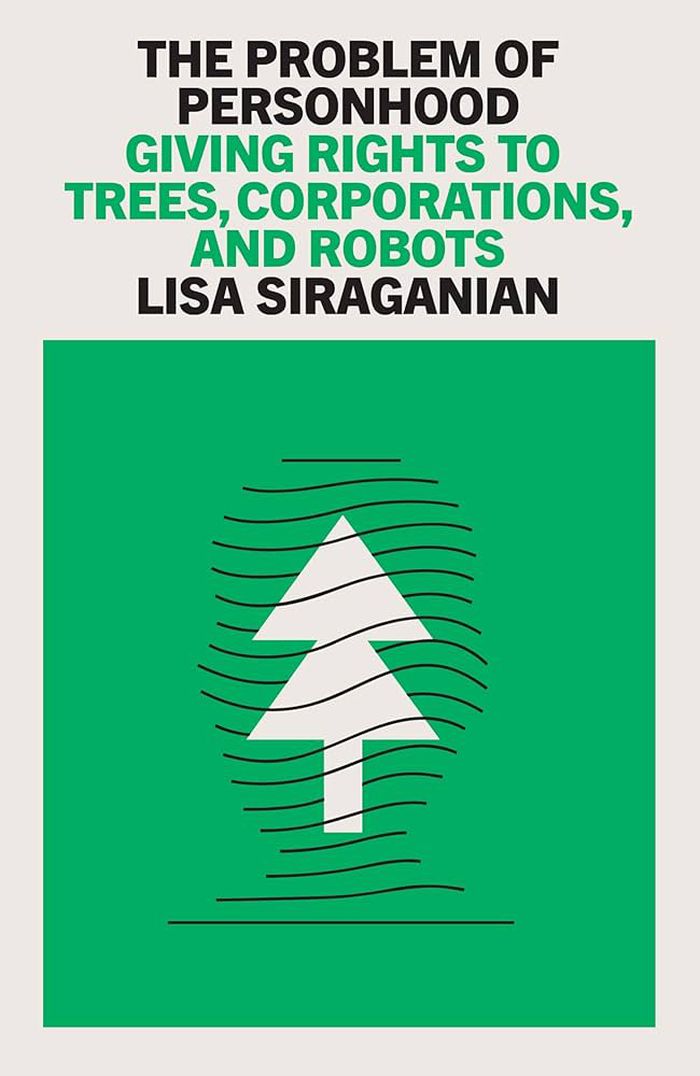
The problem of personhood: Giving rights to trees, corporations and robots
Actions:
Prix:
$35.95
(disponible en magasin)
Résumé:
Over the last twenty-five years, the concept of personhood has become central to many contentious debates. Corporations have won free speech protections, as if they were individuals. The right to life or freedom has been claimed on behalf of fetuses, trees, and elephants. The fund of human rights is spilling over into the nonhuman. ''The Problem of Personhood'' reveals the unsettling consequences of granting rights to imagined persons, such as Sophia the robot citizen or New Zealand’s Whanganui River. Synthesizing the political and philosophical debates on personhood and drawing on a varied cast of thinkers that includes Simone Weil, Hannah Arendt, and Dr. Seuss, Lisa Siraganian uncovers the disturbing impact of this contemporary development. Awarding rights to robots and rivers all too easily becomes a legal tool to turn people into capital. When robot Sophia is made a citizen, “she” is transformed into a subject in the law without the corresponding legal duties that protect us from her. At the root of this trend is the US Supreme Court’s Citizens United ruling that grants First Amendment rights to corporations as if they were individuals. The result has not been the transformation of things into humans so much as humans into things, when animals and the environment would be better protected with reference to our humanity rather than to theirs.
The problem of personhood: Giving rights to trees, corporations and robots
Actions:
Prix:
$35.95
(disponible en magasin)
Résumé:
Over the last twenty-five years, the concept of personhood has become central to many contentious debates. Corporations have won free speech protections, as if they were individuals. The right to life or freedom has been claimed on behalf of fetuses, trees, and elephants. The fund of human rights is spilling over into the nonhuman. ''The Problem of Personhood'' reveals the unsettling consequences of granting rights to imagined persons, such as Sophia the robot citizen or New Zealand’s Whanganui River. Synthesizing the political and philosophical debates on personhood and drawing on a varied cast of thinkers that includes Simone Weil, Hannah Arendt, and Dr. Seuss, Lisa Siraganian uncovers the disturbing impact of this contemporary development. Awarding rights to robots and rivers all too easily becomes a legal tool to turn people into capital. When robot Sophia is made a citizen, “she” is transformed into a subject in the law without the corresponding legal duties that protect us from her. At the root of this trend is the US Supreme Court’s Citizens United ruling that grants First Amendment rights to corporations as if they were individuals. The result has not been the transformation of things into humans so much as humans into things, when animals and the environment would be better protected with reference to our humanity rather than to theirs.
Classification:
livres
livres
Publication:
avril 2026
avril 2026
Sujet:
Social
Social
Classification:
livres
livres
Prix:
$79.95
(disponible sur commande)
Résumé:
La médiocrité esthétique et le fonctionnalisme primaire de la reconstruction post 1945 sécrète une crise durable qui affecte l’architecture et l’urbanisme dans l’ensemble du monde occidental. A la "Cité radieuse" des années 1930 succède, au milieu du siècle, une nouvelle utopie la "Mégastructure". Hybride colossal traversant des territoires sans frontières, elle règle du(...)
$79.95
(disponible sur commande)
Résumé:
La médiocrité esthétique et le fonctionnalisme primaire de la reconstruction post 1945 sécrète une crise durable qui affecte l’architecture et l’urbanisme dans l’ensemble du monde occidental. A la "Cité radieuse" des années 1930 succède, au milieu du siècle, une nouvelle utopie la "Mégastructure". Hybride colossal traversant des territoires sans frontières, elle règle du(...)
Publication:
octobre 2004, Paris
octobre 2004, Paris
Titre:
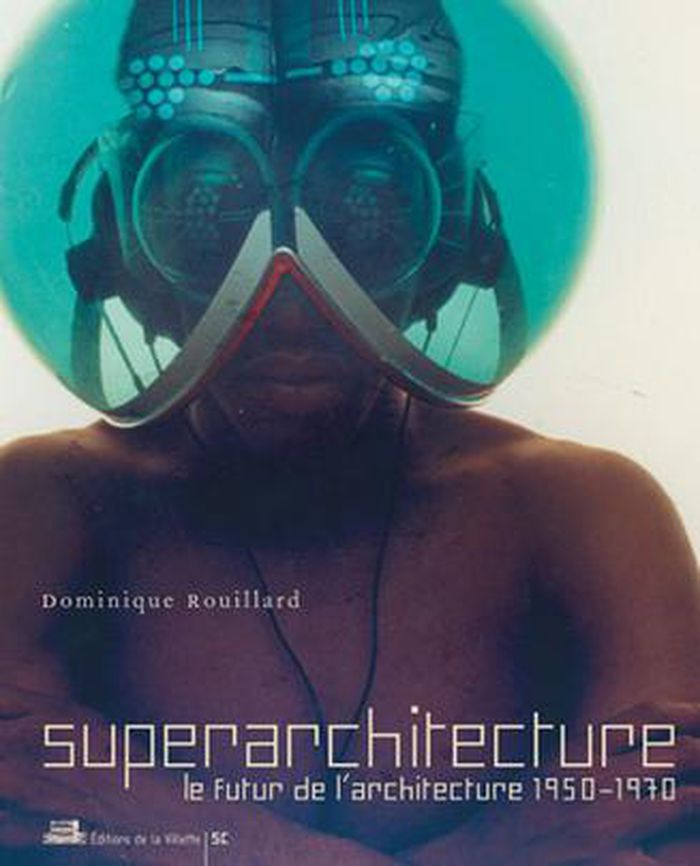
Superarchitecture : le futur de l'architecture 1950-1970
Actions:
Prix:
$79.95
(disponible sur commande)
Résumé:
La médiocrité esthétique et le fonctionnalisme primaire de la reconstruction post 1945 sécrète une crise durable qui affecte l’architecture et l’urbanisme dans l’ensemble du monde occidental. A la "Cité radieuse" des années 1930 succède, au milieu du siècle, une nouvelle utopie la "Mégastructure". Hybride colossal traversant des territoires sans frontières, elle règle du même élan, et l’architecture, et l’urbanisme, et les infrastructures. Mais l’engouement pour ces grandes machines sensées résoudre les problèmes à l’échelle planétaire s’émousse durant les sixties. La "Mégastructure" cède le pas à l’"Architecture radicale", ce faisant on assiste au basculement d’une approche de l’architecture dont les références sont le besoin et la construction à une autre dont les références sont l’immédiateté et la consommation, les objets mobiles et le plaisir du corps. Cette transformation correspond au passage d’une architecture conçue en terme de progrès social et de bonheur humain, à une architecture de la révélation du monde existant. Première monographie exhaustive sur la période, Superarchitecture est abondamment illustrée à l’aide d’une iconographie originale issue des archives des Smithson, d’Hollein, de Fuller, Friedman, Archigram, Price, Archizoom, Superstudio, etc. De l’utopie critique qui se dégage des projets de ces acteurs et de la puissance évocatrice de leurs dessins, les architectes contemporains comme Koolhaas, Tschumi ou MRDV se sont fortement inspirés pour construire leur univers conceptuel.
Superarchitecture : le futur de l'architecture 1950-1970
Actions:
Prix:
$79.95
(disponible sur commande)
Résumé:
La médiocrité esthétique et le fonctionnalisme primaire de la reconstruction post 1945 sécrète une crise durable qui affecte l’architecture et l’urbanisme dans l’ensemble du monde occidental. A la "Cité radieuse" des années 1930 succède, au milieu du siècle, une nouvelle utopie la "Mégastructure". Hybride colossal traversant des territoires sans frontières, elle règle du même élan, et l’architecture, et l’urbanisme, et les infrastructures. Mais l’engouement pour ces grandes machines sensées résoudre les problèmes à l’échelle planétaire s’émousse durant les sixties. La "Mégastructure" cède le pas à l’"Architecture radicale", ce faisant on assiste au basculement d’une approche de l’architecture dont les références sont le besoin et la construction à une autre dont les références sont l’immédiateté et la consommation, les objets mobiles et le plaisir du corps. Cette transformation correspond au passage d’une architecture conçue en terme de progrès social et de bonheur humain, à une architecture de la révélation du monde existant. Première monographie exhaustive sur la période, Superarchitecture est abondamment illustrée à l’aide d’une iconographie originale issue des archives des Smithson, d’Hollein, de Fuller, Friedman, Archigram, Price, Archizoom, Superstudio, etc. De l’utopie critique qui se dégage des projets de ces acteurs et de la puissance évocatrice de leurs dessins, les architectes contemporains comme Koolhaas, Tschumi ou MRDV se sont fortement inspirés pour construire leur univers conceptuel.
Classification:
livres
livres
Publication:
octobre 2004, Paris
octobre 2004, Paris
Classification:
périodiques
périodiques

Titre:
Real Review 16 Autumn 2024
Real Review 16 Autumn 2024
Actions:
Prix:
$26.00
(disponible en magasin)
Résumé:
There is no snow on Mount Fuji. Any hack will tell you the phase change is here, the restructuring of the world is underway. That would be a relief, like a broken fever. But they are wrong. We are still waiting. This period is merely the static on the skin, the rising pressure and building tension before the impending climax of a deluge. We live under a lavender sky,(...)
$26.00
(disponible en magasin)
Résumé:
There is no snow on Mount Fuji. Any hack will tell you the phase change is here, the restructuring of the world is underway. That would be a relief, like a broken fever. But they are wrong. We are still waiting. This period is merely the static on the skin, the rising pressure and building tension before the impending climax of a deluge. We live under a lavender sky,(...)
Titre:
Real Review 16 Autumn 2024
Actions:
Prix:
$26.00
(disponible en magasin)
Résumé:
There is no snow on Mount Fuji. Any hack will tell you the phase change is here, the restructuring of the world is underway. That would be a relief, like a broken fever. But they are wrong. We are still waiting. This period is merely the static on the skin, the rising pressure and building tension before the impending climax of a deluge. We live under a lavender sky, silver and green; this is the time of unsettled air, heavy with that metallic smell of the earth. Soon the wind will awake, driving the rain forward like a cloud of smoke. The tremendous powers by which our lives are encompassed are stirring. How can we prepare for this transformation? We interview professor Jonathan White on the future as a political idea. Artist Dozie Kanu presents a flyer for higher education, while Opioid Crisis Lookbook speculates on semiotics. Peter Saville reviews the mood with Jack Self, who reviews voice notes, moral killing, and the Star Trek universe. Isabelle Bucklow binge-watches tech demos. Satoshi Fujiwara captures law enforcement hardware. Ruba Al-Sweel reviews the non-commercial image, while Martina Rocca and Izzy Farmiloe review the production of culture. Carmen Winant documents the last safe abortion, Felix Mcnamara writes notes on minutiae, John Sunyer attends a run club, plus much more.
Real Review 16 Autumn 2024
Actions:
Prix:
$26.00
(disponible en magasin)
Résumé:
There is no snow on Mount Fuji. Any hack will tell you the phase change is here, the restructuring of the world is underway. That would be a relief, like a broken fever. But they are wrong. We are still waiting. This period is merely the static on the skin, the rising pressure and building tension before the impending climax of a deluge. We live under a lavender sky, silver and green; this is the time of unsettled air, heavy with that metallic smell of the earth. Soon the wind will awake, driving the rain forward like a cloud of smoke. The tremendous powers by which our lives are encompassed are stirring. How can we prepare for this transformation? We interview professor Jonathan White on the future as a political idea. Artist Dozie Kanu presents a flyer for higher education, while Opioid Crisis Lookbook speculates on semiotics. Peter Saville reviews the mood with Jack Self, who reviews voice notes, moral killing, and the Star Trek universe. Isabelle Bucklow binge-watches tech demos. Satoshi Fujiwara captures law enforcement hardware. Ruba Al-Sweel reviews the non-commercial image, while Martina Rocca and Izzy Farmiloe review the production of culture. Carmen Winant documents the last safe abortion, Felix Mcnamara writes notes on minutiae, John Sunyer attends a run club, plus much more.
Classification:
périodiques
périodiques
Publication:
mars 2025
mars 2025
Sujet:
Revues
Revues
Classification:
livres
livres
Prix:
$95.00
(disponible sur commande)
Résumé:
This book presents three independent bodies of work by Henry Wessel, each being a precise sequence arranged to give the viewer the experience of what it felt like to pass through the territory described. The first series “Traffic” shows Wessel’s photos of drivers stuck in traffic as he commuted in the early 1980s from Richmond, California, to San Francisco in the morning(...)
$95.00
(disponible sur commande)
Résumé:
This book presents three independent bodies of work by Henry Wessel, each being a precise sequence arranged to give the viewer the experience of what it felt like to pass through the territory described. The first series “Traffic” shows Wessel’s photos of drivers stuck in traffic as he commuted in the early 1980s from Richmond, California, to San Francisco in the morning(...)
Titre:
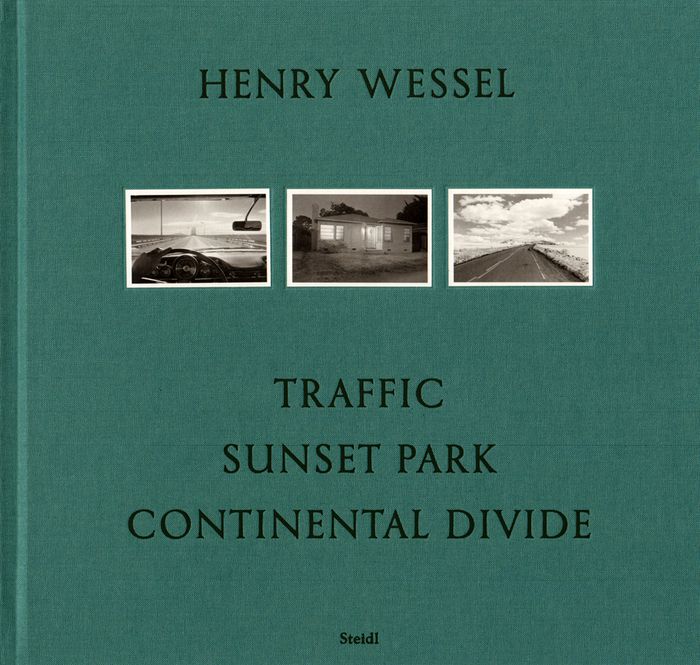
Henry Wessel: Traffic / Sunset Park / Continental Divide
Actions:
Prix:
$95.00
(disponible sur commande)
Résumé:
This book presents three independent bodies of work by Henry Wessel, each being a precise sequence arranged to give the viewer the experience of what it felt like to pass through the territory described. The first series “Traffic” shows Wessel’s photos of drivers stuck in traffic as he commuted in the early 1980s from Richmond, California, to San Francisco in the morning rush hour. Wessel records the determination, impatience and blank boredom of his fellow drivers as they navigate a daily drill that seems at times daunting and hopeless. “Sunset Park” is Wessel’s series of night photos of the modest working-class neighborhood of Sunset Park in Santa Monica. Over four years in the mid-1990s, Wessel captured the nocturnal transformation of suburbia into a strange, sometimes eerie,landscape. In his words: “You can’t help but notice how the world is reconfigured by the lights at night. The spot lighting of particular areas, the lack of ambient light, the unnatural way that shadows are cast, all take us to an unfamiliar place…” Wessel’s final series “Continental Divide” takes the viewer on a ride from the dense, suburban flatlands of the Midwest, up across the Rocky Mountains, and down into the sparse desert landscape of the American West. Wessel depicts its houses, shacks, street corners, and the highway, reminding us of the inherent aesthetics of the everyday.
Henry Wessel: Traffic / Sunset Park / Continental Divide
Actions:
Prix:
$95.00
(disponible sur commande)
Résumé:
This book presents three independent bodies of work by Henry Wessel, each being a precise sequence arranged to give the viewer the experience of what it felt like to pass through the territory described. The first series “Traffic” shows Wessel’s photos of drivers stuck in traffic as he commuted in the early 1980s from Richmond, California, to San Francisco in the morning rush hour. Wessel records the determination, impatience and blank boredom of his fellow drivers as they navigate a daily drill that seems at times daunting and hopeless. “Sunset Park” is Wessel’s series of night photos of the modest working-class neighborhood of Sunset Park in Santa Monica. Over four years in the mid-1990s, Wessel captured the nocturnal transformation of suburbia into a strange, sometimes eerie,landscape. In his words: “You can’t help but notice how the world is reconfigured by the lights at night. The spot lighting of particular areas, the lack of ambient light, the unnatural way that shadows are cast, all take us to an unfamiliar place…” Wessel’s final series “Continental Divide” takes the viewer on a ride from the dense, suburban flatlands of the Midwest, up across the Rocky Mountains, and down into the sparse desert landscape of the American West. Wessel depicts its houses, shacks, street corners, and the highway, reminding us of the inherent aesthetics of the everyday.
Classification:
livres
livres
Publication:
janvier 2017
janvier 2017
Sujet:
Monographies photo
Monographies photo
Classification:
livres
livres
Prix:
$34.95
(disponible en magasin)
Résumé:
National historic sites commemorate decisive moments in the making of Canada. But seen through an environmental lens, these sites become artifacts of a bigger story: the occupation and transformation of nature into nation. In an age of pressing discussions about environmental sustainability, there is a growing need to know more about the history of our relationship with(...)
$34.95
(disponible en magasin)
Résumé:
National historic sites commemorate decisive moments in the making of Canada. But seen through an environmental lens, these sites become artifacts of a bigger story: the occupation and transformation of nature into nation. In an age of pressing discussions about environmental sustainability, there is a growing need to know more about the history of our relationship with(...)
Titre:
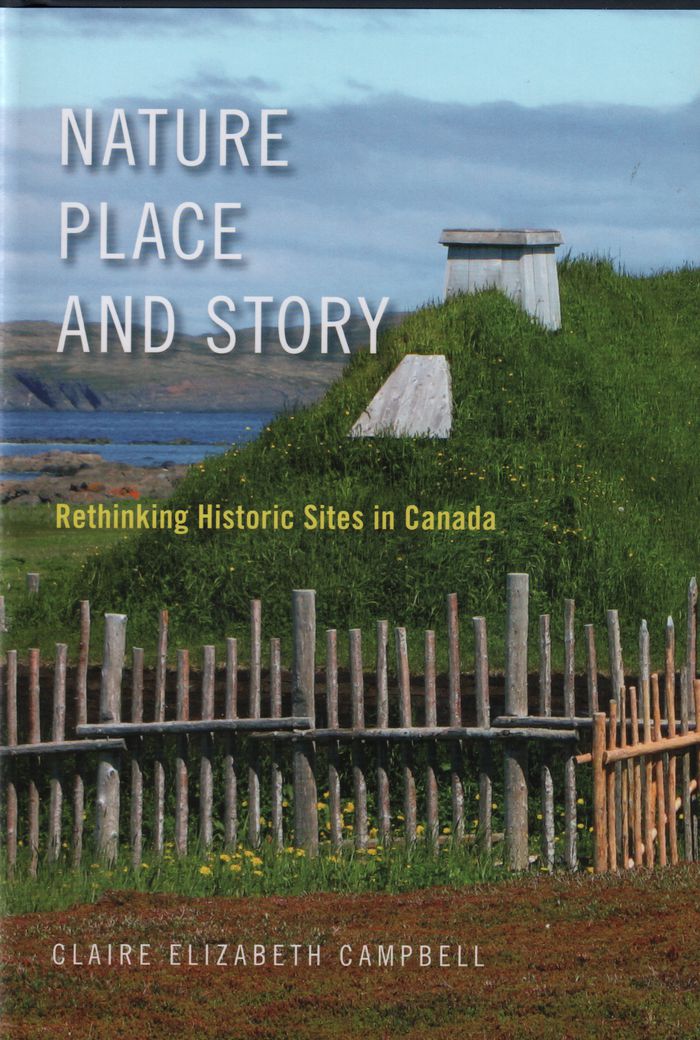
Nature, place, and story: rethinking historic sites in Canada
Actions:
Prix:
$34.95
(disponible en magasin)
Résumé:
National historic sites commemorate decisive moments in the making of Canada. But seen through an environmental lens, these sites become artifacts of a bigger story: the occupation and transformation of nature into nation. In an age of pressing discussions about environmental sustainability, there is a growing need to know more about the history of our relationship with the natural world and what lessons these places of public history, regional identity, and national narrative can teach us. "Nature, place, and story" provides new interpretations for five of Canada’s largest and most iconic historic sites (two of which are UNESCO World Heritage Sites): L’Anse aux Meadows, Newfoundland; Grand Pré, Nova Scotia; Fort William, Ontario; the Forks of the Red River, Manitoba; and the Bar U Ranch, Alberta. At each location, Claire Campbell rewrites public history as environmental history, revealing the country’s debt to the power and fragility of the natural world, and the relevance of the past to understanding climate change, agricultural sustainability, wilderness protection, urban reclamation, and fossil fuel extraction. From the medieval Atlantic to modern ranchlands, environmental history speaks directly to contemporary questions about the health of Canada’s habitat. Bringing together public and environmental history in an entirely new way, "Nature, place, and story" is a lively and ambitious call for a fresh perspective on natural heritage.
Nature, place, and story: rethinking historic sites in Canada
Actions:
Prix:
$34.95
(disponible en magasin)
Résumé:
National historic sites commemorate decisive moments in the making of Canada. But seen through an environmental lens, these sites become artifacts of a bigger story: the occupation and transformation of nature into nation. In an age of pressing discussions about environmental sustainability, there is a growing need to know more about the history of our relationship with the natural world and what lessons these places of public history, regional identity, and national narrative can teach us. "Nature, place, and story" provides new interpretations for five of Canada’s largest and most iconic historic sites (two of which are UNESCO World Heritage Sites): L’Anse aux Meadows, Newfoundland; Grand Pré, Nova Scotia; Fort William, Ontario; the Forks of the Red River, Manitoba; and the Bar U Ranch, Alberta. At each location, Claire Campbell rewrites public history as environmental history, revealing the country’s debt to the power and fragility of the natural world, and the relevance of the past to understanding climate change, agricultural sustainability, wilderness protection, urban reclamation, and fossil fuel extraction. From the medieval Atlantic to modern ranchlands, environmental history speaks directly to contemporary questions about the health of Canada’s habitat. Bringing together public and environmental history in an entirely new way, "Nature, place, and story" is a lively and ambitious call for a fresh perspective on natural heritage.
Classification:
livres
livres
Publication:
août 2017
août 2017
Sujet:
Architecture du Canada
Architecture du Canada


