


349 Résultats
Classification:
livres
livres
Prix:
$44.00
(disponible sur commande)
Résumé:
First published in 1923, the journal G: Material zur Elementaren Gestaltung helped shape a new phase in the history of the European avant-garde. Founded by Hans Richter, a pioneer of abstract animated film, G featured works by some of the important names in the advanced cultures of Europe: Hans Arp, Walter Benjamin, Theo van Doesburg, Viking Eggeling, Naum Gabo, Werner(...)
$44.00
(disponible sur commande)
Résumé:
First published in 1923, the journal G: Material zur Elementaren Gestaltung helped shape a new phase in the history of the European avant-garde. Founded by Hans Richter, a pioneer of abstract animated film, G featured works by some of the important names in the advanced cultures of Europe: Hans Arp, Walter Benjamin, Theo van Doesburg, Viking Eggeling, Naum Gabo, Werner(...)
Titre:
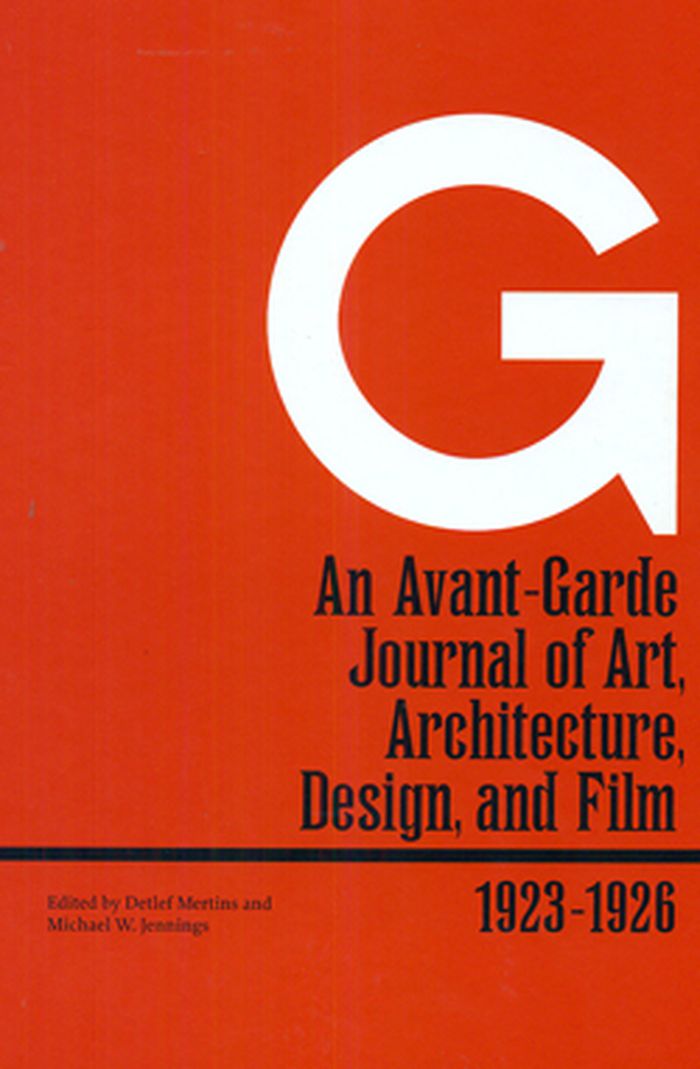
G: An avant-garde journal of art, architecture, design, and film
Actions:
Prix:
$44.00
(disponible sur commande)
Résumé:
First published in 1923, the journal G: Material zur Elementaren Gestaltung helped shape a new phase in the history of the European avant-garde. Founded by Hans Richter, a pioneer of abstract animated film, G featured works by some of the important names in the advanced cultures of Europe: Hans Arp, Walter Benjamin, Theo van Doesburg, Viking Eggeling, Naum Gabo, Werner Graeff, George Grosz, Hugo Häring, Raoul Hausmann, Ludwig Hilberseimer, Frederick Kiesler, El Lissitzky, Ludwig Mies van der Rohe, Antoine Pevsner, Man Ray, and Tristan Tzara. This edition, the first in English translation, preserves the original design by Lissitzky, Richter, and Graeff, and includes essays that explore the role of the journal in its time and in relation to contemporary culture.
G: An avant-garde journal of art, architecture, design, and film
Actions:
Prix:
$44.00
(disponible sur commande)
Résumé:
First published in 1923, the journal G: Material zur Elementaren Gestaltung helped shape a new phase in the history of the European avant-garde. Founded by Hans Richter, a pioneer of abstract animated film, G featured works by some of the important names in the advanced cultures of Europe: Hans Arp, Walter Benjamin, Theo van Doesburg, Viking Eggeling, Naum Gabo, Werner Graeff, George Grosz, Hugo Häring, Raoul Hausmann, Ludwig Hilberseimer, Frederick Kiesler, El Lissitzky, Ludwig Mies van der Rohe, Antoine Pevsner, Man Ray, and Tristan Tzara. This edition, the first in English translation, preserves the original design by Lissitzky, Richter, and Graeff, and includes essays that explore the role of the journal in its time and in relation to contemporary culture.
Classification:
livres
livres
Publication:
décembre 2010
décembre 2010
Sujet:
Théorie/ philosophie
Théorie/ philosophie
Classification:
livres
livres
Prix:
$34.95
(disponible sur commande)
Résumé:
In the first decades of the twentieth century, Marseille was a booming Mediterranean port. Positioned at the very edge of France, the city functioned as a critical fulcrum between the metropolitan center and its overseas empire. A notoriously dangerous and cosmopolitan city, Marseille became the focus of the extraordinary energies of some of the most remarkable architects(...)
$34.95
(disponible sur commande)
Résumé:
In the first decades of the twentieth century, Marseille was a booming Mediterranean port. Positioned at the very edge of France, the city functioned as a critical fulcrum between the metropolitan center and its overseas empire. A notoriously dangerous and cosmopolitan city, Marseille became the focus of the extraordinary energies of some of the most remarkable architects(...)
Titre:
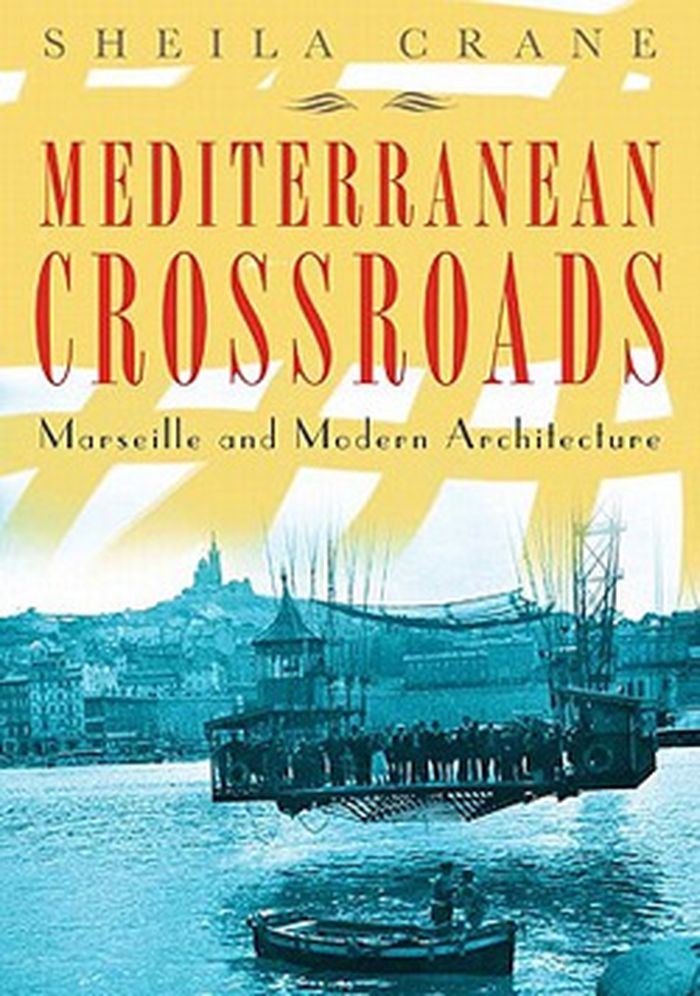
Mediterranean crossroads: Marseille and Modern architecture
Actions:
Prix:
$34.95
(disponible sur commande)
Résumé:
In the first decades of the twentieth century, Marseille was a booming Mediterranean port. Positioned at the very edge of France, the city functioned as a critical fulcrum between the metropolitan center and its overseas empire. A notoriously dangerous and cosmopolitan city, Marseille became the focus of the extraordinary energies of some of the most remarkable architects and theorists of urban modernity. Drawing together architects, photographers, and cultural theorists, including Le Corbusier, Sigfried Giedion, Walter Benjamin, and László Moholy-Nagy, Mediterranean Crossroads examines how mythic ideas about Marseille helped to shape its urban landscape. Tracing successive planning proposals in tandem with shifting representations of the city in photographs, film, guidebooks, and postcards, Sheila Crane reconstructs the history and politics of architecture in Marseille from the 1920s through the years of rebuilding after World War II.
Mediterranean crossroads: Marseille and Modern architecture
Actions:
Prix:
$34.95
(disponible sur commande)
Résumé:
In the first decades of the twentieth century, Marseille was a booming Mediterranean port. Positioned at the very edge of France, the city functioned as a critical fulcrum between the metropolitan center and its overseas empire. A notoriously dangerous and cosmopolitan city, Marseille became the focus of the extraordinary energies of some of the most remarkable architects and theorists of urban modernity. Drawing together architects, photographers, and cultural theorists, including Le Corbusier, Sigfried Giedion, Walter Benjamin, and László Moholy-Nagy, Mediterranean Crossroads examines how mythic ideas about Marseille helped to shape its urban landscape. Tracing successive planning proposals in tandem with shifting representations of the city in photographs, film, guidebooks, and postcards, Sheila Crane reconstructs the history and politics of architecture in Marseille from the 1920s through the years of rebuilding after World War II.
Classification:
livres
livres
Publication:
avril 2011
avril 2011
Sujet:
Théorie de l’urbanisme
Théorie de l’urbanisme
Classification:
livres
livres

Titre:
On contemporary art
On contemporary art
Actions:
Prix:
$18.50
(disponible sur commande)
Résumé:
Translated into English for the first time, ''On Contemporary Art,'' a speech by the renowned novelist César Aira, was delivered at a 2010 colloquium in Madrid dedicated to bridging the gap between writing and the visual arts. On Aira's path, everything comes under question - from reproducibility of artworks to the value of the written word itself. In the end, Aira leaves(...)
$18.50
(disponible sur commande)
Résumé:
Translated into English for the first time, ''On Contemporary Art,'' a speech by the renowned novelist César Aira, was delivered at a 2010 colloquium in Madrid dedicated to bridging the gap between writing and the visual arts. On Aira's path, everything comes under question - from reproducibility of artworks to the value of the written word itself. In the end, Aira leaves(...)
Titre:
On contemporary art
Actions:
Prix:
$18.50
(disponible sur commande)
Résumé:
Translated into English for the first time, ''On Contemporary Art,'' a speech by the renowned novelist César Aira, was delivered at a 2010 colloquium in Madrid dedicated to bridging the gap between writing and the visual arts. On Aira's path, everything comes under question - from reproducibility of artworks to the value of the written word itself. In the end, Aira leaves us stranded on the bridge between writing and art that he set out to construct in the first place. Like the great writers Walter Benjamin and Hermann Broch before him, Aira operates in the space between fiction and essay writing, art and analysis. Pursuing questions about reproducibility, art making, and limits of language, Aira's unique voice adds new insights to the essential conversations that continue to inform our understanding of art.
On contemporary art
Actions:
Prix:
$18.50
(disponible sur commande)
Résumé:
Translated into English for the first time, ''On Contemporary Art,'' a speech by the renowned novelist César Aira, was delivered at a 2010 colloquium in Madrid dedicated to bridging the gap between writing and the visual arts. On Aira's path, everything comes under question - from reproducibility of artworks to the value of the written word itself. In the end, Aira leaves us stranded on the bridge between writing and art that he set out to construct in the first place. Like the great writers Walter Benjamin and Hermann Broch before him, Aira operates in the space between fiction and essay writing, art and analysis. Pursuing questions about reproducibility, art making, and limits of language, Aira's unique voice adds new insights to the essential conversations that continue to inform our understanding of art.
Classification:
livres
livres
Publication:
novembre 2018
novembre 2018
Sujet:
Théorie de l’art
Théorie de l’art
Classification:
livres
livres
Actions:
Prix:
$24.00
(disponible sur commande)
Résumé:
In ''Building and dwelling,'' Richard Sennett distils a lifetime's thinking and practical experience to explore the relationship between the good built environment and the good life. He argues for, and describes in rich detail, the idea of an open city, one in which people learn to manage complexity. He shows how the design of cities can enrich or diminish the everyday(...)
$24.00
(disponible sur commande)
Résumé:
In ''Building and dwelling,'' Richard Sennett distils a lifetime's thinking and practical experience to explore the relationship between the good built environment and the good life. He argues for, and describes in rich detail, the idea of an open city, one in which people learn to manage complexity. He shows how the design of cities can enrich or diminish the everyday(...)
Titre:
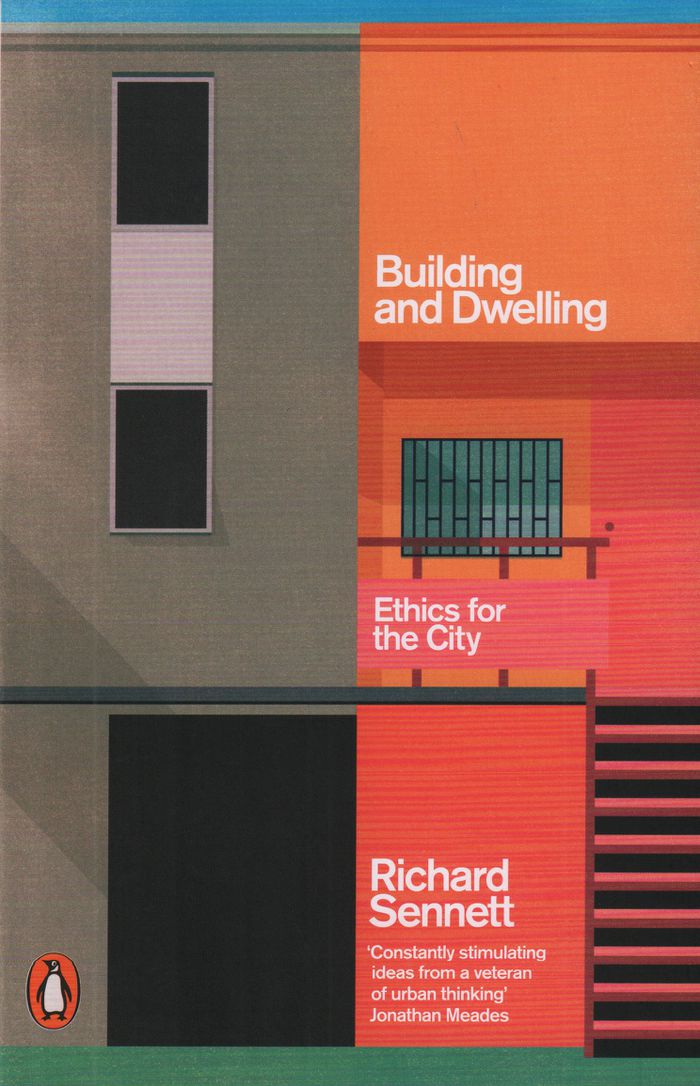
Building and dwelling: ethics for the city
Actions:
Prix:
$24.00
(disponible sur commande)
Résumé:
In ''Building and dwelling,'' Richard Sennett distils a lifetime's thinking and practical experience to explore the relationship between the good built environment and the good life. He argues for, and describes in rich detail, the idea of an open city, one in which people learn to manage complexity. He shows how the design of cities can enrich or diminish the everyday experience of those who dwell in them. The book ranges widely - from London, Paris and Barcelona to Shanghai, Mumbai and Medellin in Colombia - and draws on classic thinkers such as Tocqueville, Heidegger, Max Weber, and Walter Benjamin. It also draws on Sennett's many decades as a practical planner himself, testing what works, what doesn't, and why. He shows what works ethically is often the most practical solution for cities' problems.
Building and dwelling: ethics for the city
Actions:
Prix:
$24.00
(disponible sur commande)
Résumé:
In ''Building and dwelling,'' Richard Sennett distils a lifetime's thinking and practical experience to explore the relationship between the good built environment and the good life. He argues for, and describes in rich detail, the idea of an open city, one in which people learn to manage complexity. He shows how the design of cities can enrich or diminish the everyday experience of those who dwell in them. The book ranges widely - from London, Paris and Barcelona to Shanghai, Mumbai and Medellin in Colombia - and draws on classic thinkers such as Tocqueville, Heidegger, Max Weber, and Walter Benjamin. It also draws on Sennett's many decades as a practical planner himself, testing what works, what doesn't, and why. He shows what works ethically is often the most practical solution for cities' problems.
Classification:
livres
livres
Publication:
juin 2019
juin 2019
Sujet:
Théorie de l’urbanisme
Théorie de l’urbanisme
Classification:
livres
livres
Actions:
Prix:
$83.95
(disponible sur commande)
Résumé:
Taking a radical position counter to many previous histories and theories of the interior, domesticity and the home, "The emergence of the interior" considers how the concept and experience of the domestic interior have been formed from the beginning of the nineteenth century. It considers the interior's emergence in relation to the thinking of Walter Benjamin and Sigmund(...)
$83.95
(disponible sur commande)
Résumé:
Taking a radical position counter to many previous histories and theories of the interior, domesticity and the home, "The emergence of the interior" considers how the concept and experience of the domestic interior have been formed from the beginning of the nineteenth century. It considers the interior's emergence in relation to the thinking of Walter Benjamin and Sigmund(...)
Titre:
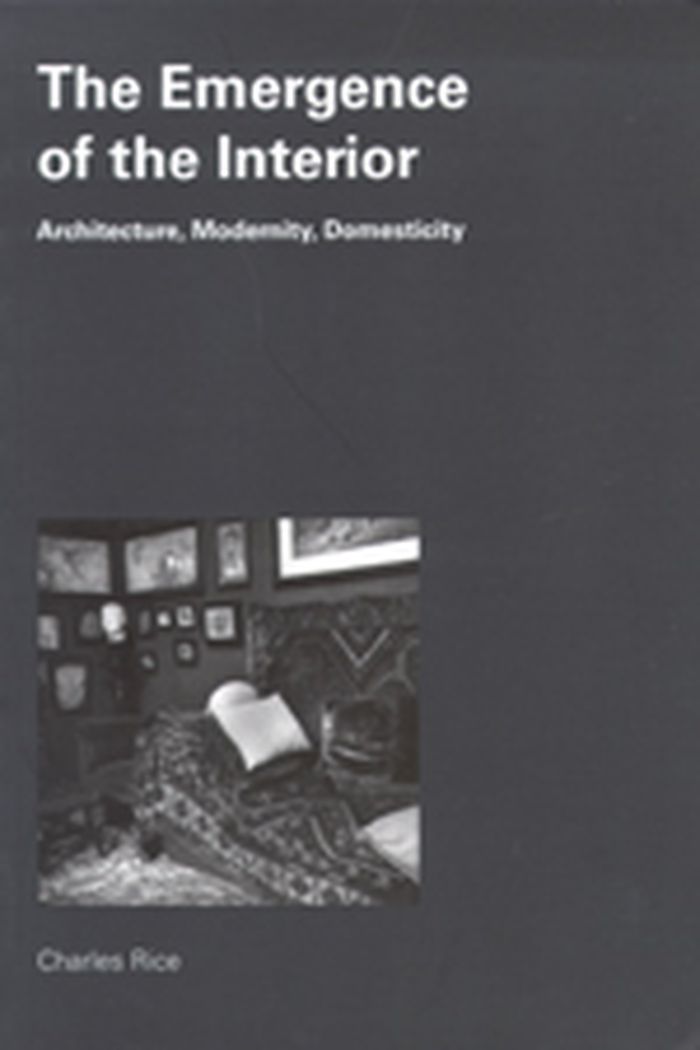
The emergence of the interior : architecture, modernity, domesticity
Actions:
Prix:
$83.95
(disponible sur commande)
Résumé:
Taking a radical position counter to many previous histories and theories of the interior, domesticity and the home, "The emergence of the interior" considers how the concept and experience of the domestic interior have been formed from the beginning of the nineteenth century. It considers the interior's emergence in relation to the thinking of Walter Benjamin and Sigmund Freud, and, through case studies, in architecture's trajectories toward modernism. The book argues that the interior emerged with a sense of 'doubleness', being understood and experienced as both a spatial and an image-based condition. Incorporating perspectives from architecture, critical history and theory, and psychoanalysis, "The emergence of the interior" will be of interest to academics and students of the history and theory of architecture and design, social history, and cultural studies.
The emergence of the interior : architecture, modernity, domesticity
Actions:
Prix:
$83.95
(disponible sur commande)
Résumé:
Taking a radical position counter to many previous histories and theories of the interior, domesticity and the home, "The emergence of the interior" considers how the concept and experience of the domestic interior have been formed from the beginning of the nineteenth century. It considers the interior's emergence in relation to the thinking of Walter Benjamin and Sigmund Freud, and, through case studies, in architecture's trajectories toward modernism. The book argues that the interior emerged with a sense of 'doubleness', being understood and experienced as both a spatial and an image-based condition. Incorporating perspectives from architecture, critical history and theory, and psychoanalysis, "The emergence of the interior" will be of interest to academics and students of the history and theory of architecture and design, social history, and cultural studies.
Classification:
livres
livres
Publication:
décembre 2006, London, New York
décembre 2006, London, New York
Sujet:
Théorie de l’architecture
Théorie de l’architecture
Classification:
livres
livres

Titre:
(Mis)Reading Masquerades
(Mis)Reading Masquerades
Actions:
Prix:
$52.00
(disponible sur commande)
Résumé:
This publication focuses on the notion of Masquerade. For the past two years, "If I Can’t Dance, I Don’t Want To Be Part Of Your Revolution" has been exploring the cultural, social and political meanings of this concept from a critical and interdisciplinary perspective together with more than fifty artists, curators, writers and theoreticians. This book comprises a(...)
$52.00
(disponible sur commande)
Résumé:
This publication focuses on the notion of Masquerade. For the past two years, "If I Can’t Dance, I Don’t Want To Be Part Of Your Revolution" has been exploring the cultural, social and political meanings of this concept from a critical and interdisciplinary perspective together with more than fifty artists, curators, writers and theoreticians. This book comprises a(...)
Titre:
(Mis)Reading Masquerades
Actions:
Prix:
$52.00
(disponible sur commande)
Résumé:
This publication focuses on the notion of Masquerade. For the past two years, "If I Can’t Dance, I Don’t Want To Be Part Of Your Revolution" has been exploring the cultural, social and political meanings of this concept from a critical and interdisciplinary perspective together with more than fifty artists, curators, writers and theoreticians. This book comprises a selection of theoretical texts drawn from different fields of knowledge that address questions such as transgression, gender identity and subversion, gesture, the carnivalesque, the construction of subjectivity, authorship, mimesis, and alterity. With : Giorgio Agamben, Mikhail Bakhtin, Roland Barthes, Walter Benjamin, Homi K. Bhabha, Judith Butler, Gilles Deleuze & Felix Guattari, Jacques Derrida, Frantz Fanon, Michel Foucault, Francoise Frontisi-Ducroux, René Girard, Philippe-Alain Michaud, Fernando Pessoa, Peggy Phelan, Beatriz Preciado, Joan Riviere, Dieter Roelstraete, Suely Rolnik, Peter Stallybrass & Allon White, Michael Taussig.
(Mis)Reading Masquerades
Actions:
Prix:
$52.00
(disponible sur commande)
Résumé:
This publication focuses on the notion of Masquerade. For the past two years, "If I Can’t Dance, I Don’t Want To Be Part Of Your Revolution" has been exploring the cultural, social and political meanings of this concept from a critical and interdisciplinary perspective together with more than fifty artists, curators, writers and theoreticians. This book comprises a selection of theoretical texts drawn from different fields of knowledge that address questions such as transgression, gender identity and subversion, gesture, the carnivalesque, the construction of subjectivity, authorship, mimesis, and alterity. With : Giorgio Agamben, Mikhail Bakhtin, Roland Barthes, Walter Benjamin, Homi K. Bhabha, Judith Butler, Gilles Deleuze & Felix Guattari, Jacques Derrida, Frantz Fanon, Michel Foucault, Francoise Frontisi-Ducroux, René Girard, Philippe-Alain Michaud, Fernando Pessoa, Peggy Phelan, Beatriz Preciado, Joan Riviere, Dieter Roelstraete, Suely Rolnik, Peter Stallybrass & Allon White, Michael Taussig.
Classification:
livres
livres
Publication:
mai 2010
mai 2010
Sujet:
Théorie/ philosophie
Théorie/ philosophie
Classification:
livres
livres
Actions:
Prix:
$39.95
(disponible sur commande)
Résumé:
C'est l'histoire d'un petit bout de terre au coeur de Tel-Aviv, sur lequel est bâti aujourd'hui le centre commercial Dizengoff Center ; qui était auparavant Nordia, le quartier de baraquements des immigrés polonais immortalisé par Yaacov Shabtaï dans Pour inventaire ; qui était auparavant une étendue de vignes, de sables et d'orangeraies appartenant à un grand(...)
$39.95
(disponible sur commande)
Résumé:
C'est l'histoire d'un petit bout de terre au coeur de Tel-Aviv, sur lequel est bâti aujourd'hui le centre commercial Dizengoff Center ; qui était auparavant Nordia, le quartier de baraquements des immigrés polonais immortalisé par Yaacov Shabtaï dans Pour inventaire ; qui était auparavant une étendue de vignes, de sables et d'orangeraies appartenant à un grand(...)
Titre:
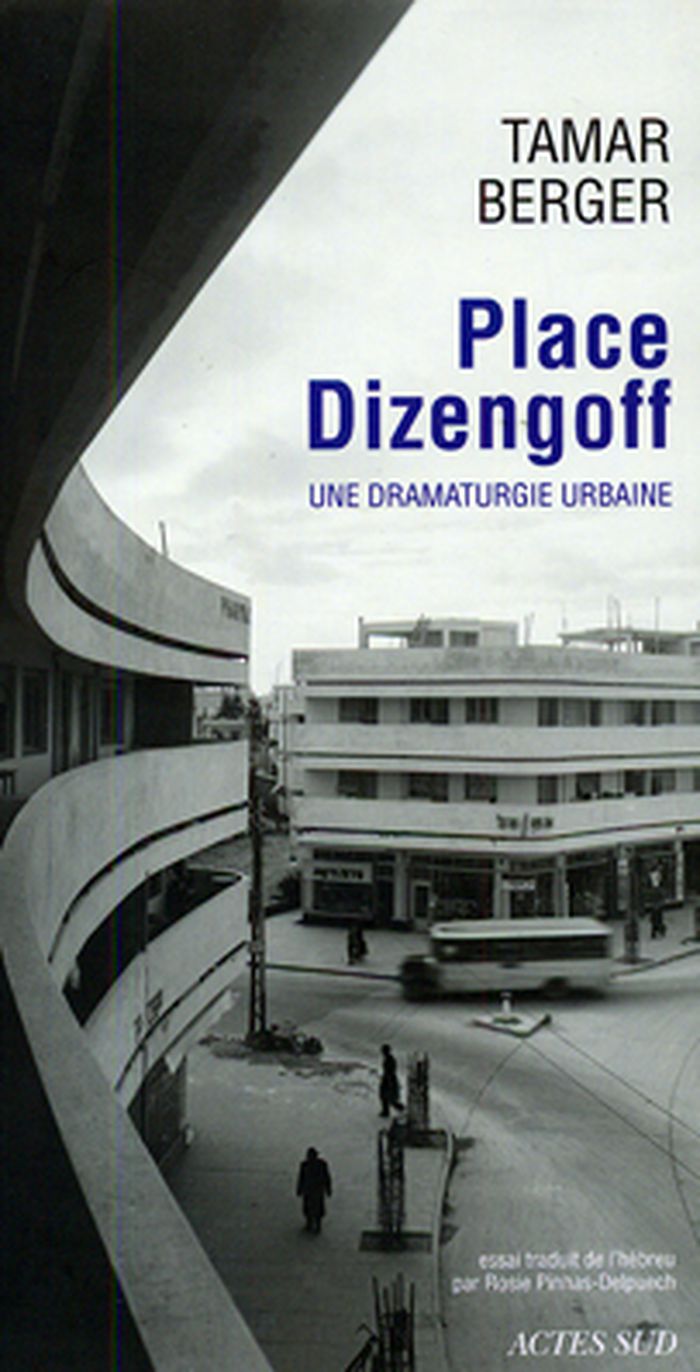
Place Dizengoff, une dramaturgie urbaine
Actions:
Prix:
$39.95
(disponible sur commande)
Résumé:
C'est l'histoire d'un petit bout de terre au coeur de Tel-Aviv, sur lequel est bâti aujourd'hui le centre commercial Dizengoff Center ; qui était auparavant Nordia, le quartier de baraquements des immigrés polonais immortalisé par Yaacov Shabtaï dans Pour inventaire ; qui était auparavant une étendue de vignes, de sables et d'orangeraies appartenant à un grand propriétaire terrien arabe de Jaffa : Adib Mahmad Hinawi. Lequel est mystérieusement assassiné à l'arme blanche, le 3 novembre 1939, dans une rue de Jaffa... De ce crime "originel" à l'explosion d'un autobus en 1996, Tamar Berger livre une passionnante enquête sur la naissance d'une jeune métropole, véritable généalogie urbaine d'un territoire ultrasensible : Tel-Aviv. Flânerie littéraire et historique hantée par Walter Benjamin et Charles Baudelaire, réflexion poétique et politique sur la ville, un document d'une richesse unique, entre histoire littéraire, archéologie familiale et saga immobilière, enquête cadastrale et analyse géopolitique.
Place Dizengoff, une dramaturgie urbaine
Actions:
Prix:
$39.95
(disponible sur commande)
Résumé:
C'est l'histoire d'un petit bout de terre au coeur de Tel-Aviv, sur lequel est bâti aujourd'hui le centre commercial Dizengoff Center ; qui était auparavant Nordia, le quartier de baraquements des immigrés polonais immortalisé par Yaacov Shabtaï dans Pour inventaire ; qui était auparavant une étendue de vignes, de sables et d'orangeraies appartenant à un grand propriétaire terrien arabe de Jaffa : Adib Mahmad Hinawi. Lequel est mystérieusement assassiné à l'arme blanche, le 3 novembre 1939, dans une rue de Jaffa... De ce crime "originel" à l'explosion d'un autobus en 1996, Tamar Berger livre une passionnante enquête sur la naissance d'une jeune métropole, véritable généalogie urbaine d'un territoire ultrasensible : Tel-Aviv. Flânerie littéraire et historique hantée par Walter Benjamin et Charles Baudelaire, réflexion poétique et politique sur la ville, un document d'une richesse unique, entre histoire littéraire, archéologie familiale et saga immobilière, enquête cadastrale et analyse géopolitique.
Classification:
livres
livres
Publication:
janvier 2009
janvier 2009
Sujet:
Théorie de l’architecture
Théorie de l’architecture
Classification:
livres
livres
Actions:
Prix:
$79.00
(disponible sur commande)
Résumé:
Life in the digital economy of information and images enriches us but often induces a sense of being overwhelmed. ''Sensing the Future: Moholy-Nagy, Media and the Arts'' considers the impact of technology by exploring ways it was addressed in the practice of the Hungarian polymath artist László Moholy-Nagy (1895-1946), a prominent professor at the Bauhaus and a key figure(...)
$79.00
(disponible sur commande)
Résumé:
Life in the digital economy of information and images enriches us but often induces a sense of being overwhelmed. ''Sensing the Future: Moholy-Nagy, Media and the Arts'' considers the impact of technology by exploring ways it was addressed in the practice of the Hungarian polymath artist László Moholy-Nagy (1895-1946), a prominent professor at the Bauhaus and a key figure(...)
Titre:
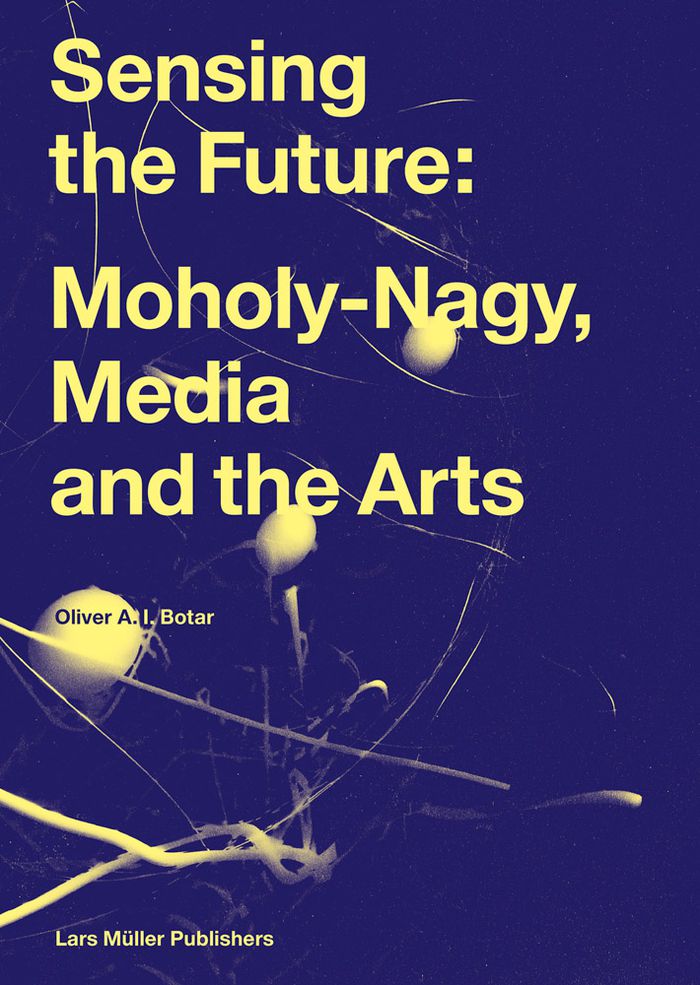
Sensing the future: Moholy-Nagy, media and the arts.Revised edition
Actions:
Prix:
$79.00
(disponible sur commande)
Résumé:
Life in the digital economy of information and images enriches us but often induces a sense of being overwhelmed. ''Sensing the Future: Moholy-Nagy, Media and the Arts'' considers the impact of technology by exploring ways it was addressed in the practice of the Hungarian polymath artist László Moholy-Nagy (1895-1946), a prominent professor at the Bauhaus and a key figure in the history of Modernism. Moholy-Nagy felt that people needed guidance to cope with the onslaught of sensory input in an increasingly technologized, mediatized, hyper-stimulating environment. His ideas informed media theorists such as Walter Benjamin, John Cage, Sigfried Giedion, and Marshall McLuhan, who anticipated digital culture as it emerged. Should we then regard Moholy-Nagy as a pioneer of the digital? His aesthetic engagement with the technology/body problematic broached the notions of immersion, interactivity and bodily participation, innately offering a critique of today’s disembodiment.
Sensing the future: Moholy-Nagy, media and the arts.Revised edition
Actions:
Prix:
$79.00
(disponible sur commande)
Résumé:
Life in the digital economy of information and images enriches us but often induces a sense of being overwhelmed. ''Sensing the Future: Moholy-Nagy, Media and the Arts'' considers the impact of technology by exploring ways it was addressed in the practice of the Hungarian polymath artist László Moholy-Nagy (1895-1946), a prominent professor at the Bauhaus and a key figure in the history of Modernism. Moholy-Nagy felt that people needed guidance to cope with the onslaught of sensory input in an increasingly technologized, mediatized, hyper-stimulating environment. His ideas informed media theorists such as Walter Benjamin, John Cage, Sigfried Giedion, and Marshall McLuhan, who anticipated digital culture as it emerged. Should we then regard Moholy-Nagy as a pioneer of the digital? His aesthetic engagement with the technology/body problematic broached the notions of immersion, interactivity and bodily participation, innately offering a critique of today’s disembodiment.
Classification:
livres
livres
Publication:
novembre 2023
novembre 2023
Classification:
livres
livres
Prix:
$64.95
(disponible en magasin)
Résumé:
Dans son étude magistrale de 1948, Sigfried Giedion propose d'ausculter la vie moderne à partir de ses objets les plus insignifiants. Les protagonistes de cette « histoire anonyme » sont des machines à pain, des moissonneuses-batteuses, des tapis roulants et des fauteuils de barbier. En s'intéressant ainsi moins à ses créateurs illustres qu'aux processus de(...)
$64.95
(disponible en magasin)
Résumé:
Dans son étude magistrale de 1948, Sigfried Giedion propose d'ausculter la vie moderne à partir de ses objets les plus insignifiants. Les protagonistes de cette « histoire anonyme » sont des machines à pain, des moissonneuses-batteuses, des tapis roulants et des fauteuils de barbier. En s'intéressant ainsi moins à ses créateurs illustres qu'aux processus de(...)
Titre:
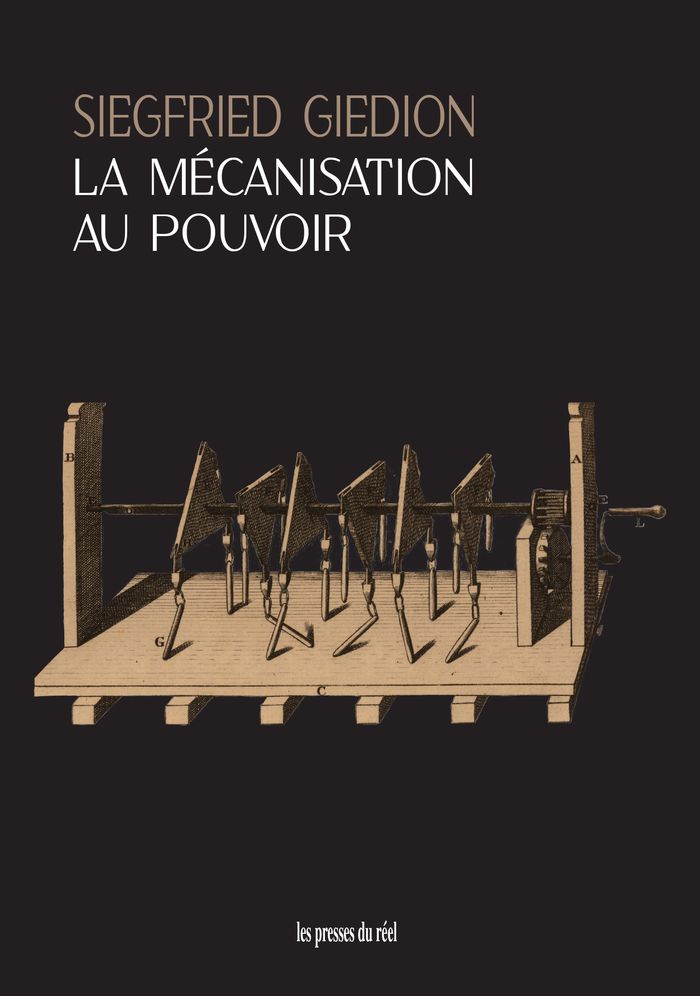
La mécanisation au pouvoir : Une contribution à l'histoire anonyme
Actions:
Prix:
$64.95
(disponible en magasin)
Résumé:
Dans son étude magistrale de 1948, Sigfried Giedion propose d'ausculter la vie moderne à partir de ses objets les plus insignifiants. Les protagonistes de cette « histoire anonyme » sont des machines à pain, des moissonneuses-batteuses, des tapis roulants et des fauteuils de barbier. En s'intéressant ainsi moins à ses créateurs illustres qu'aux processus de standardisation et de mécanisation, Giedion prouve que la modernité est autant une affaire de singularité que de numéro de série. Référence incontournable pour l'histoire des techniques, la sociologie du quotidien, la théorie du design et l'étude des médias, « La mécanisation au pouvoir » est de ces livres dont on n'a toujours pas assimilé toutes les fulgurances. Epuisée depuis longtemps, cette édition nouvelle restitue enfin toute l'importance du montage visuel qui fascina tant de lecteurs de Giedion, de Walter Benjamin à Marshall McLuhan. Avec une préface d'Emmanuel Alloa et une postface d'Emanuele Quinz.
La mécanisation au pouvoir : Une contribution à l'histoire anonyme
Actions:
Prix:
$64.95
(disponible en magasin)
Résumé:
Dans son étude magistrale de 1948, Sigfried Giedion propose d'ausculter la vie moderne à partir de ses objets les plus insignifiants. Les protagonistes de cette « histoire anonyme » sont des machines à pain, des moissonneuses-batteuses, des tapis roulants et des fauteuils de barbier. En s'intéressant ainsi moins à ses créateurs illustres qu'aux processus de standardisation et de mécanisation, Giedion prouve que la modernité est autant une affaire de singularité que de numéro de série. Référence incontournable pour l'histoire des techniques, la sociologie du quotidien, la théorie du design et l'étude des médias, « La mécanisation au pouvoir » est de ces livres dont on n'a toujours pas assimilé toutes les fulgurances. Epuisée depuis longtemps, cette édition nouvelle restitue enfin toute l'importance du montage visuel qui fascina tant de lecteurs de Giedion, de Walter Benjamin à Marshall McLuhan. Avec une préface d'Emmanuel Alloa et une postface d'Emanuele Quinz.
Classification:
livres
livres
Publication:
septembre 2025
septembre 2025
Sujet:
Théorie/ philosophie
Théorie/ philosophie
Classification:
livres
livres
Titre:
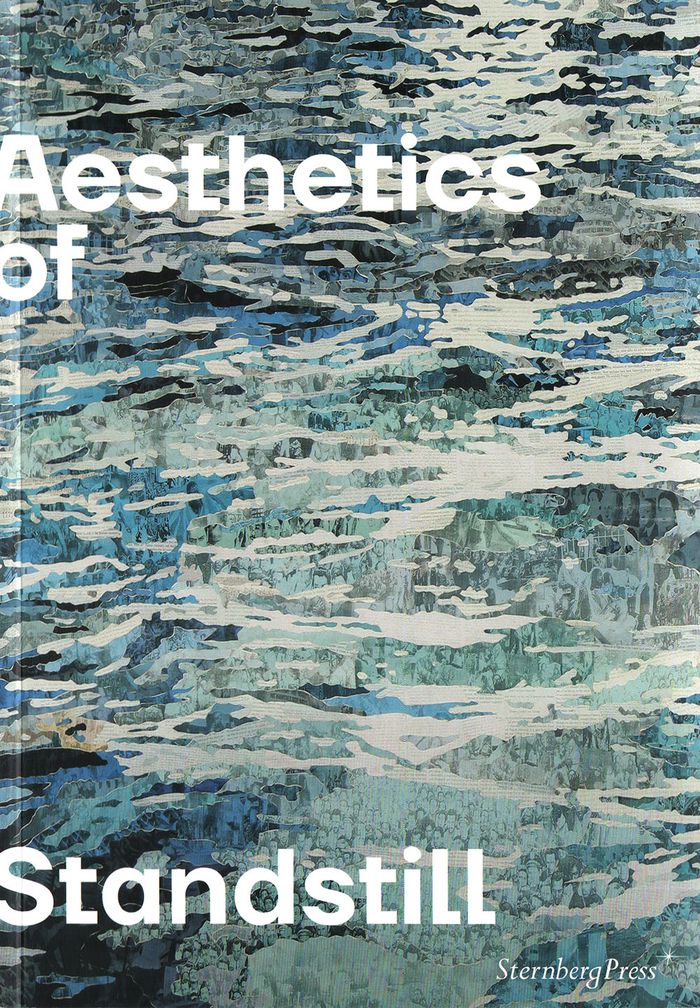
Aesthetics of standstill
Aesthetics of standstill
Actions:
Prix:
$41.95
(disponible sur commande)
Résumé:
“Standstill” could be the name for the exact kind of experience that is the hiatus between social expectations and real possibilities of agency. Standstill may also be the name of an aesthetic strategy to instill a non-linear time of resistance and experience into the political protocol of progress. Finally, standstill can be the name for the temporal fissure in the midst(...)
$41.95
(disponible sur commande)
Résumé:
“Standstill” could be the name for the exact kind of experience that is the hiatus between social expectations and real possibilities of agency. Standstill may also be the name of an aesthetic strategy to instill a non-linear time of resistance and experience into the political protocol of progress. Finally, standstill can be the name for the temporal fissure in the midst(...)
Sujet:
Théorie/ philosophie
Théorie/ philosophie
Publication:
juillet 2019
juillet 2019
Titre:
Aesthetics of standstill
Actions:
Prix:
$41.95
(disponible sur commande)
Résumé:
“Standstill” could be the name for the exact kind of experience that is the hiatus between social expectations and real possibilities of agency. Standstill may also be the name of an aesthetic strategy to instill a non-linear time of resistance and experience into the political protocol of progress. Finally, standstill can be the name for the temporal fissure in the midst of the subject, for the lapse between the subject of the enunciation and the subject of a statement, the limit that is the border between the inside and the outside. It can be the name for the mode of potentiality, for the moment of gesture, or, with Walter Benjamin, the medium of the dialectical image. The essays of this book transverse these dimensions of standstill as an in-between of time. The book includes essays by Georges Didi-Huberman, David Lapoujade, Peter Osborne, Jacques Rancière, Christine Ross, and others as well as conversations with Via Lewandowsky, Aernout Mik and Marcel Odenbach.
Aesthetics of standstill
Actions:
Prix:
$41.95
(disponible sur commande)
Résumé:
“Standstill” could be the name for the exact kind of experience that is the hiatus between social expectations and real possibilities of agency. Standstill may also be the name of an aesthetic strategy to instill a non-linear time of resistance and experience into the political protocol of progress. Finally, standstill can be the name for the temporal fissure in the midst of the subject, for the lapse between the subject of the enunciation and the subject of a statement, the limit that is the border between the inside and the outside. It can be the name for the mode of potentiality, for the moment of gesture, or, with Walter Benjamin, the medium of the dialectical image. The essays of this book transverse these dimensions of standstill as an in-between of time. The book includes essays by Georges Didi-Huberman, David Lapoujade, Peter Osborne, Jacques Rancière, Christine Ross, and others as well as conversations with Via Lewandowsky, Aernout Mik and Marcel Odenbach.
Classification:
livres
livres
Publication:
juillet 2019
juillet 2019
Sujet:
Théorie/ philosophie
Théorie/ philosophie


