


337 Résultats
Classification:
livres
livres
Titre:
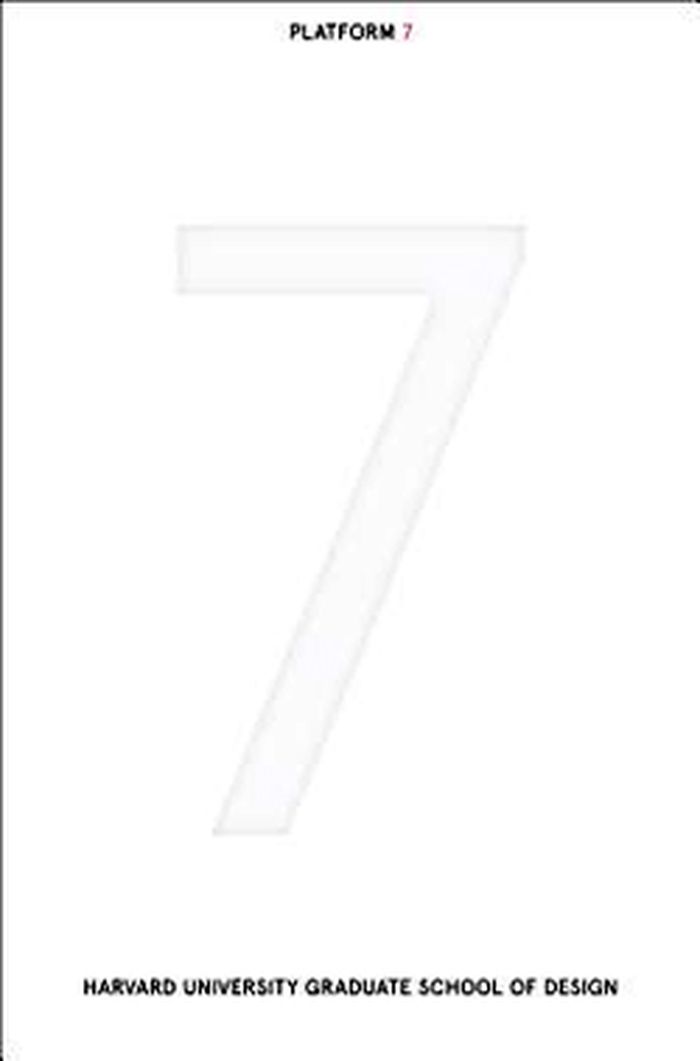
GSD platform 7
GSD platform 7
Actions:
Prix:
$42.95
(disponible sur commande)
Résumé:
This volume documents a selection of activities and events at the Harvard Graduate School of Design during the past academic year; bringing together the production of a multitude of designers, authors, and makers. Many of the featured projects reflect the School’s desire to have global impact and transform the built environment for the better. This work has often been(...)
$42.95
(disponible sur commande)
Résumé:
This volume documents a selection of activities and events at the Harvard Graduate School of Design during the past academic year; bringing together the production of a multitude of designers, authors, and makers. Many of the featured projects reflect the School’s desire to have global impact and transform the built environment for the better. This work has often been(...)
Titre:
GSD platform 7
Actions:
Prix:
$42.95
(disponible sur commande)
Résumé:
This volume documents a selection of activities and events at the Harvard Graduate School of Design during the past academic year; bringing together the production of a multitude of designers, authors, and makers. Many of the featured projects reflect the School’s desire to have global impact and transform the built environment for the better. This work has often been undertaken through a combination of individual effort and collaborative practice, with a mindfulness of its reception and consequences for others. We feel compelled to highlight both the autonomy of the output as presented and the performative, circumstantial, and globally responsive conditions of its making. It is very important for us that the work of students and faculty is situated in the world and in the process rethinks and remakes that world.
GSD platform 7
Actions:
Prix:
$42.95
(disponible sur commande)
Résumé:
This volume documents a selection of activities and events at the Harvard Graduate School of Design during the past academic year; bringing together the production of a multitude of designers, authors, and makers. Many of the featured projects reflect the School’s desire to have global impact and transform the built environment for the better. This work has often been undertaken through a combination of individual effort and collaborative practice, with a mindfulness of its reception and consequences for others. We feel compelled to highlight both the autonomy of the output as presented and the performative, circumstantial, and globally responsive conditions of its making. It is very important for us that the work of students and faculty is situated in the world and in the process rethinks and remakes that world.
Classification:
livres
livres
Publication:
décembre 2014
décembre 2014
Sujet:
Architecture contemporaine
Architecture contemporaine
Classification:
livres
livres
Titre:
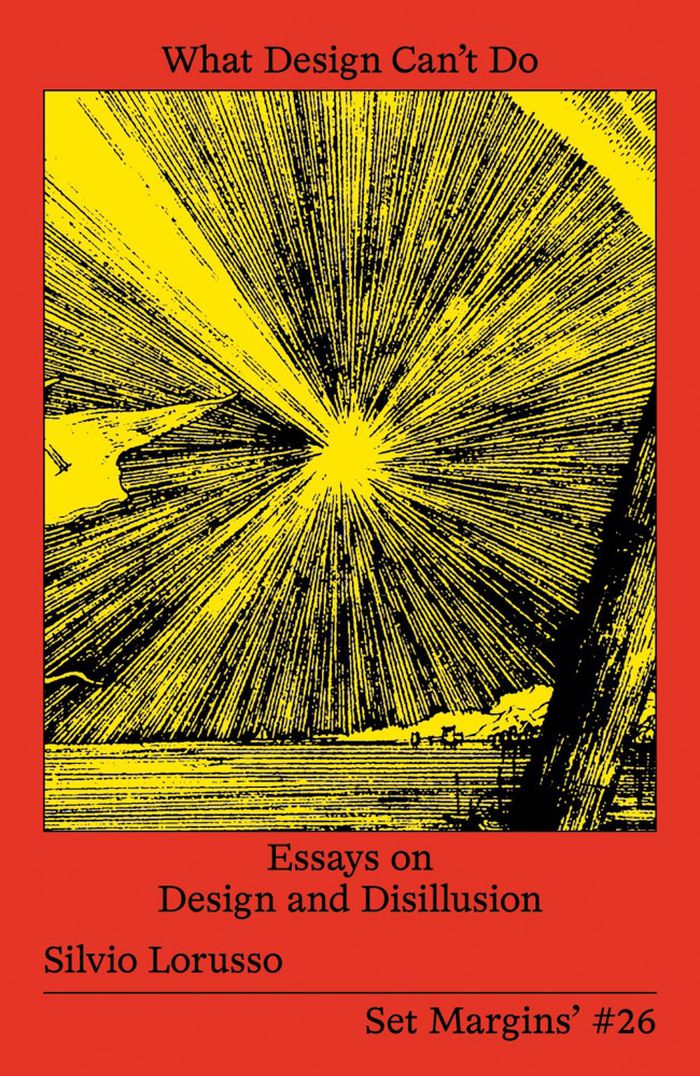
What design can't do
What design can't do
Actions:
Prix:
$37.50
(disponible en magasin)
Résumé:
In focusing on creating preferable conditions, the discipline of design is optimistic by default. And yet, vernacular manifestations of skepticism, dissatisfaction and even resentment toward design abound. Instead of systematically discarding them, can these "sad passions" shed a valuable light on the blind spots of the field? Can disillusion be something more than(...)
$37.50
(disponible en magasin)
Résumé:
In focusing on creating preferable conditions, the discipline of design is optimistic by default. And yet, vernacular manifestations of skepticism, dissatisfaction and even resentment toward design abound. Instead of systematically discarding them, can these "sad passions" shed a valuable light on the blind spots of the field? Can disillusion be something more than(...)
Titre:
What design can't do
Actions:
Prix:
$37.50
(disponible en magasin)
Résumé:
In focusing on creating preferable conditions, the discipline of design is optimistic by default. And yet, vernacular manifestations of skepticism, dissatisfaction and even resentment toward design abound. Instead of systematically discarding them, can these "sad passions" shed a valuable light on the blind spots of the field? Can disillusion be something more than disillusionment? Can it become an emotional method to unveil design’s dysfunctions and contradictions? Author Silvio Lorusso looks into historical and present manifestations of design disillusion to shorten the gap between expectations and reality when it comes to the everyday practice of designers. Using humorous and irreverent visuals, often containing jokes about design, Lorusso constructs thoughtful dichotomies on such topics as synthesis and autonomy, power and impotence, and aspirations and compromise. The result is an amusing yet academic consideration of the design profession and its future.
What design can't do
Actions:
Prix:
$37.50
(disponible en magasin)
Résumé:
In focusing on creating preferable conditions, the discipline of design is optimistic by default. And yet, vernacular manifestations of skepticism, dissatisfaction and even resentment toward design abound. Instead of systematically discarding them, can these "sad passions" shed a valuable light on the blind spots of the field? Can disillusion be something more than disillusionment? Can it become an emotional method to unveil design’s dysfunctions and contradictions? Author Silvio Lorusso looks into historical and present manifestations of design disillusion to shorten the gap between expectations and reality when it comes to the everyday practice of designers. Using humorous and irreverent visuals, often containing jokes about design, Lorusso constructs thoughtful dichotomies on such topics as synthesis and autonomy, power and impotence, and aspirations and compromise. The result is an amusing yet academic consideration of the design profession and its future.
Classification:
livres
livres
Publication:
mars 2024
mars 2024
Sujet:
Théorie du design
Théorie du design
Classification:
livres
livres
Actions:
Prix:
$36.00
(disponible sur commande)
Résumé:
In "Design by accident," Alexandra Midal declares the autonomy of design, in and on its own terms. This meticulously researched work proposes not only a counterhistory but a new historiography of design, shedding light on overlooked historical landmarks and figures while reevaluating the legacies of design's established luminaries from the nineteenth century to the(...)
$36.00
(disponible sur commande)
Résumé:
In "Design by accident," Alexandra Midal declares the autonomy of design, in and on its own terms. This meticulously researched work proposes not only a counterhistory but a new historiography of design, shedding light on overlooked historical landmarks and figures while reevaluating the legacies of design's established luminaries from the nineteenth century to the(...)
Titre:
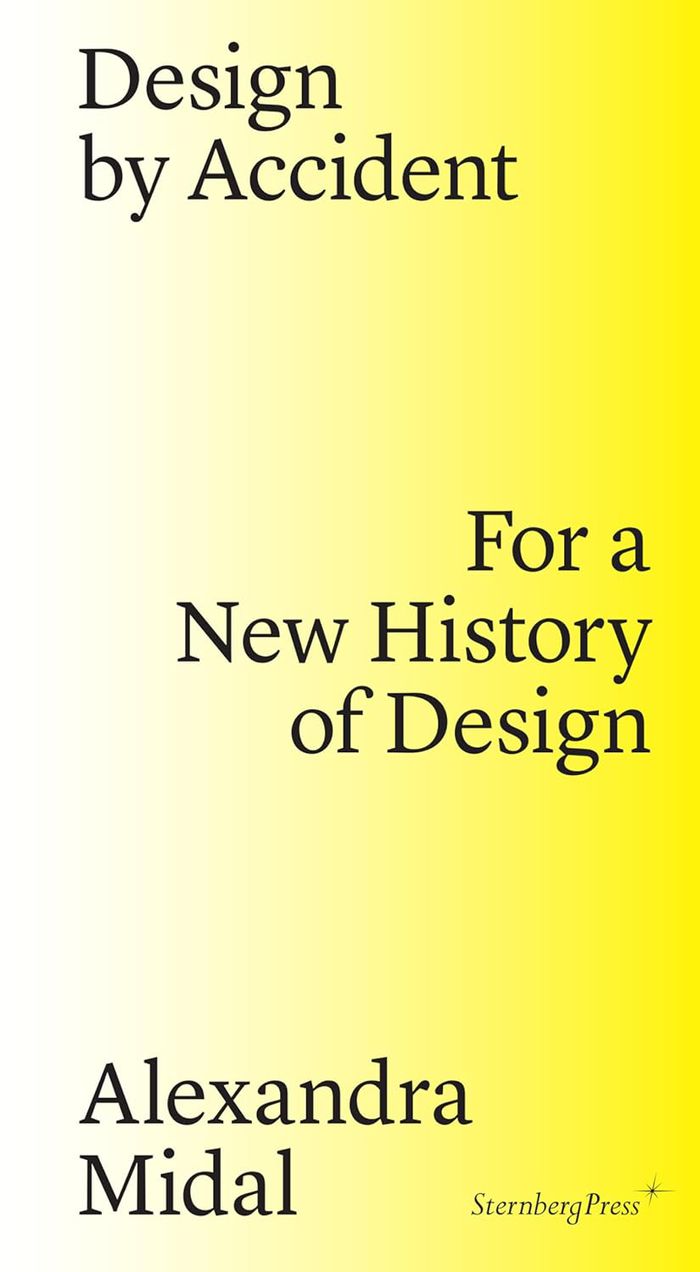
Design by accident: for a new history of design
Actions:
Prix:
$36.00
(disponible sur commande)
Résumé:
In "Design by accident," Alexandra Midal declares the autonomy of design, in and on its own terms. This meticulously researched work proposes not only a counterhistory but a new historiography of design, shedding light on overlooked historical landmarks and figures while reevaluating the legacies of design's established luminaries from the nineteenth century to the present. Midal rejects both linear narratives of progress and the long-held perception of design as a footnote to the histories of fine art and architecture. By weaving critical analysis of the canon of design history and theory together, with special attention to the writings of designers themselves, she draws out the nuances and radical potentials of the discipline—from William Morris's ambivalence toward industry, to Catharine Beecher's proto-feminist household appliances, to the Bauhaus's Expressionist origins, and the influence of Herbert Marcuse on Joe Colombo.
Design by accident: for a new history of design
Actions:
Prix:
$36.00
(disponible sur commande)
Résumé:
In "Design by accident," Alexandra Midal declares the autonomy of design, in and on its own terms. This meticulously researched work proposes not only a counterhistory but a new historiography of design, shedding light on overlooked historical landmarks and figures while reevaluating the legacies of design's established luminaries from the nineteenth century to the present. Midal rejects both linear narratives of progress and the long-held perception of design as a footnote to the histories of fine art and architecture. By weaving critical analysis of the canon of design history and theory together, with special attention to the writings of designers themselves, she draws out the nuances and radical potentials of the discipline—from William Morris's ambivalence toward industry, to Catharine Beecher's proto-feminist household appliances, to the Bauhaus's Expressionist origins, and the influence of Herbert Marcuse on Joe Colombo.
Classification:
livres
livres
Publication:
août 2019
août 2019
Sujet:
Théorie du design
Théorie du design
Classification:
livres
livres
Actions:
Prix:
$38.50
(disponible sur commande)
Résumé:
During the last decades architecture has been largely characterized by a lack of strong positions. A form of neoliberal indifference has become endemic, something that can be attributed to the fact that modernism has lost its claim to be both emancipatory and educational. More recently though, one can again observe attitudes that claim to address architecture and urbanism(...)
$38.50
(disponible sur commande)
Résumé:
During the last decades architecture has been largely characterized by a lack of strong positions. A form of neoliberal indifference has become endemic, something that can be attributed to the fact that modernism has lost its claim to be both emancipatory and educational. More recently though, one can again observe attitudes that claim to address architecture and urbanism(...)
Titre:
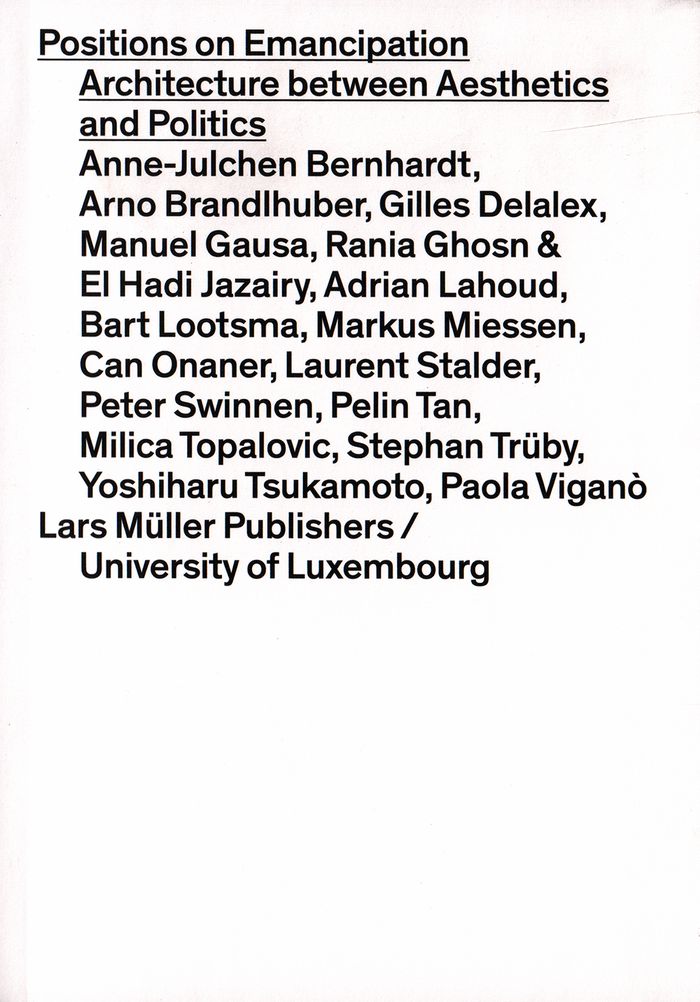
Positions on emancipation: architecture between aesthetics and politics
Actions:
Prix:
$38.50
(disponible sur commande)
Résumé:
During the last decades architecture has been largely characterized by a lack of strong positions. A form of neoliberal indifference has become endemic, something that can be attributed to the fact that modernism has lost its claim to be both emancipatory and educational. More recently though, one can again observe attitudes that claim to address architecture and urbanism as more engaged with the social and political effects of global capitalism. This book relays a passionate debate between some of the most outstanding theoreticians and eloquent protagonists of this new attitude, leaving us with an overview of such postulated ambitions. Against the liberal “anything goes” and the revival of architectural autonomy, these attitudes believe less in the possibility for even the most experimental architectural object to have a changing effect on society. Their approaches instead vary from activism to the construction of new critical narratives.
Positions on emancipation: architecture between aesthetics and politics
Actions:
Prix:
$38.50
(disponible sur commande)
Résumé:
During the last decades architecture has been largely characterized by a lack of strong positions. A form of neoliberal indifference has become endemic, something that can be attributed to the fact that modernism has lost its claim to be both emancipatory and educational. More recently though, one can again observe attitudes that claim to address architecture and urbanism as more engaged with the social and political effects of global capitalism. This book relays a passionate debate between some of the most outstanding theoreticians and eloquent protagonists of this new attitude, leaving us with an overview of such postulated ambitions. Against the liberal “anything goes” and the revival of architectural autonomy, these attitudes believe less in the possibility for even the most experimental architectural object to have a changing effect on society. Their approaches instead vary from activism to the construction of new critical narratives.
Classification:
livres
livres
Publication:
mai 2018
mai 2018
Sujet:
Théorie de l’architecture
Théorie de l’architecture
Classification:
livres
livres
Actions:
Prix:
$47.50
(disponible sur commande)
Résumé:
First published in 2006 (and now rare), and originally written as a dissertation in 1963, "The Formal Basis of Modern Architecture" is the acclaimed American architect Peter Eisenman's masterly formal analysis of architecture. "I wanted to write an analytic work that related what I had learned to see, from Palladio to Terragni, from Raphael to Guido Reni, into some(...)
$47.50
(disponible sur commande)
Résumé:
First published in 2006 (and now rare), and originally written as a dissertation in 1963, "The Formal Basis of Modern Architecture" is the acclaimed American architect Peter Eisenman's masterly formal analysis of architecture. "I wanted to write an analytic work that related what I had learned to see, from Palladio to Terragni, from Raphael to Guido Reni, into some(...)
Titre:
The formal basis of modern architecture
Actions:
Prix:
$47.50
(disponible sur commande)
Résumé:
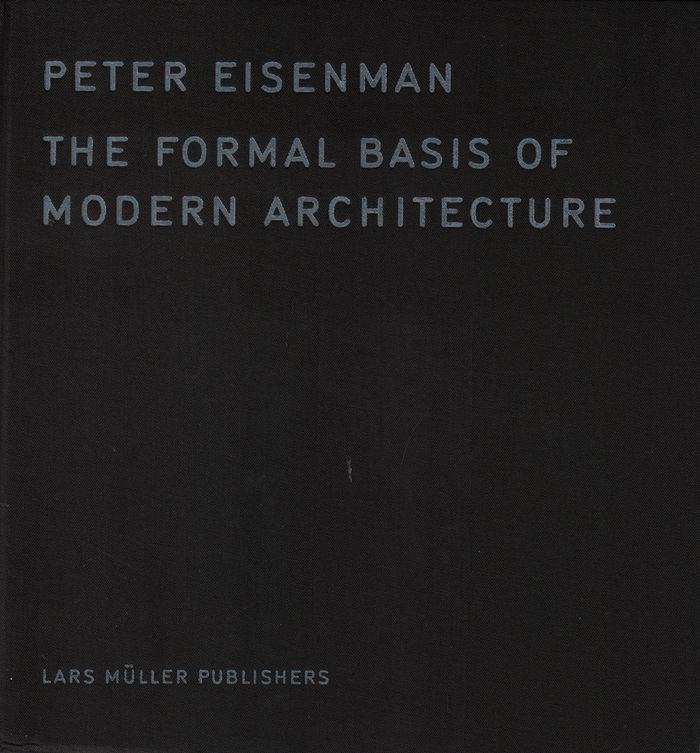
First published in 2006 (and now rare), and originally written as a dissertation in 1963, "The Formal Basis of Modern Architecture" is the acclaimed American architect Peter Eisenman's masterly formal analysis of architecture. "I wanted to write an analytic work that related what I had learned to see, from Palladio to Terragni, from Raphael to Guido Reni, into some theoretical construct that would bear on modern architecture, but from the point of view of a certain autonomy of form." Here, Eisenman—world famous for his Holocaust Memorial in Berlin (2005)—confronts historicism with theory and the analysis of form, illustrating his observations with numerous precisely executed drawings. "The Formal Basis of Modern Architecture" was Eisenman's dissertation at the University of Cambridge, and was first published as a facsimile edition by Lars Müller Publishers in 2006; that edition is now reprinted in a smaller format.
The formal basis of modern architecture
Actions:
Prix:
$47.50
(disponible sur commande)
Résumé:
First published in 2006 (and now rare), and originally written as a dissertation in 1963, "The Formal Basis of Modern Architecture" is the acclaimed American architect Peter Eisenman's masterly formal analysis of architecture. "I wanted to write an analytic work that related what I had learned to see, from Palladio to Terragni, from Raphael to Guido Reni, into some theoretical construct that would bear on modern architecture, but from the point of view of a certain autonomy of form." Here, Eisenman—world famous for his Holocaust Memorial in Berlin (2005)—confronts historicism with theory and the analysis of form, illustrating his observations with numerous precisely executed drawings. "The Formal Basis of Modern Architecture" was Eisenman's dissertation at the University of Cambridge, and was first published as a facsimile edition by Lars Müller Publishers in 2006; that edition is now reprinted in a smaller format.
Classification:
livres
livres
Publication:
août 2018
août 2018
Sujet:
Théorie de l’architecture
Théorie de l’architecture
Classification:
livres
livres
Titre:
Theory of seeing
Theory of seeing
Actions:
Prix:
$48.99
(disponible en magasin)
Résumé:
The first English translation of a radical and influential theory of art by a leader of Poland’s avant-garde After World War II, socialist realism became the official state doctrine of art in Poland, with abstract works deemed counterrevolutionary and forbidden from public view. Wladyslaw Strzeminski, a leader of the Polish constructivist avant-garde, developed a treatise(...)
$48.99
(disponible en magasin)
Résumé:
The first English translation of a radical and influential theory of art by a leader of Poland’s avant-garde After World War II, socialist realism became the official state doctrine of art in Poland, with abstract works deemed counterrevolutionary and forbidden from public view. Wladyslaw Strzeminski, a leader of the Polish constructivist avant-garde, developed a treatise(...)
Titre:
Theory of seeing
Actions:
Prix:
$48.99
(disponible en magasin)
Résumé:
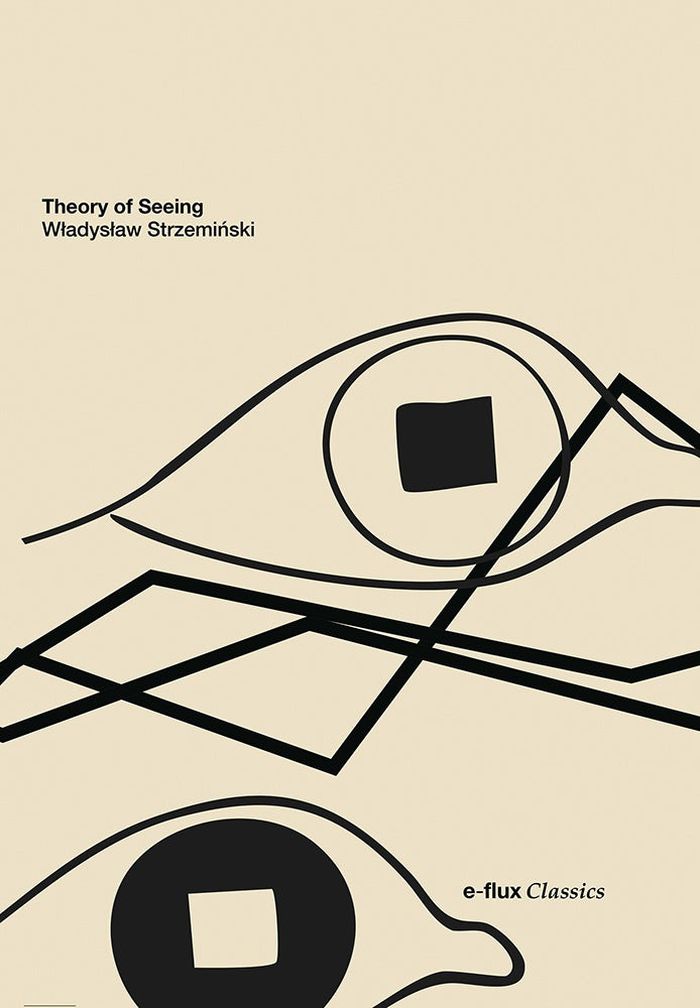
The first English translation of a radical and influential theory of art by a leader of Poland’s avant-garde After World War II, socialist realism became the official state doctrine of art in Poland, with abstract works deemed counterrevolutionary and forbidden from public view. Wladyslaw Strzeminski, a leader of the Polish constructivist avant-garde, developed a treatise of visual consciousness as a foundation for progressive art, emphasizing art’s autonomy. His application of Marxist aesthetics to the physiology of seeing is expressed in Theory of Seeing, which was published posthumously in 1958 by his students from notes collected from his lectures. Preceding the comparable perspectives developed by Jacques Rancière, David Hockney, and John Berger, and even the cinema of Jean-Luc Godard, Strzeminski’s "Theory of seeing" introduces the radical and groundbreaking ideas of one of Poland’s most important artists to English-speaking audiences for the first time.
Theory of seeing
Actions:
Prix:
$48.99
(disponible en magasin)
Résumé:
The first English translation of a radical and influential theory of art by a leader of Poland’s avant-garde After World War II, socialist realism became the official state doctrine of art in Poland, with abstract works deemed counterrevolutionary and forbidden from public view. Wladyslaw Strzeminski, a leader of the Polish constructivist avant-garde, developed a treatise of visual consciousness as a foundation for progressive art, emphasizing art’s autonomy. His application of Marxist aesthetics to the physiology of seeing is expressed in Theory of Seeing, which was published posthumously in 1958 by his students from notes collected from his lectures. Preceding the comparable perspectives developed by Jacques Rancière, David Hockney, and John Berger, and even the cinema of Jean-Luc Godard, Strzeminski’s "Theory of seeing" introduces the radical and groundbreaking ideas of one of Poland’s most important artists to English-speaking audiences for the first time.
Classification:
livres
livres
Publication:
septembre 2025
septembre 2025
Sujet:
Théorie de l’art
Théorie de l’art
Classification:
livres
livres
Actions:
Prix:
$38.00
(disponible sur commande)
Résumé:
The world today faces overwhelming ecological and social problems and the concern for material existence on earth is more pressing than ever. This book spells out various roles that visual artists and designers play facing these issues. Collective action is necessary and inevitable. This approach often changes the artist’s identity and working habits: from individuality(...)
$38.00
(disponible sur commande)
Résumé:
The world today faces overwhelming ecological and social problems and the concern for material existence on earth is more pressing than ever. This book spells out various roles that visual artists and designers play facing these issues. Collective action is necessary and inevitable. This approach often changes the artist’s identity and working habits: from individuality(...)
Titre:
Making matters: A vocabulary for collective arts
Actions:
Prix:
$38.00
(disponible sur commande)
Résumé:
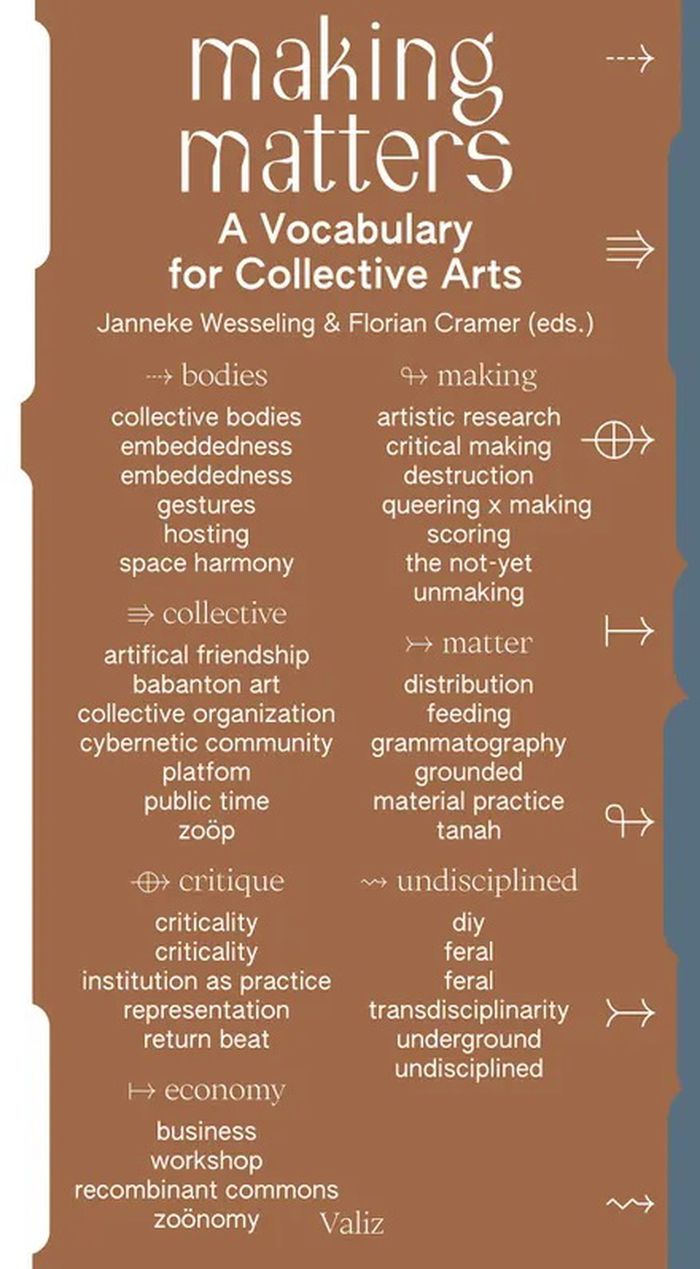
The world today faces overwhelming ecological and social problems and the concern for material existence on earth is more pressing than ever. This book spells out various roles that visual artists and designers play facing these issues. Collective action is necessary and inevitable. This approach often changes the artist’s identity and working habits: from individuality and autonomy to collectivity and collaboration, both locally and globally. These developments have given rise to new kinds of collective art and design practices: artists work together with non-artists, make products for their local environment and take on multiple identities, such as researcher, community activist, computer hacker or business consultant. This volume looks at art practices across all continents that do not conform to a Western concept of art nor to traditional distinctions between art, design, research and activism—where the boundaries between art, design, research and activism become blurred or are dissolved.
Making matters: A vocabulary for collective arts
Actions:
Prix:
$38.00
(disponible sur commande)
Résumé:
The world today faces overwhelming ecological and social problems and the concern for material existence on earth is more pressing than ever. This book spells out various roles that visual artists and designers play facing these issues. Collective action is necessary and inevitable. This approach often changes the artist’s identity and working habits: from individuality and autonomy to collectivity and collaboration, both locally and globally. These developments have given rise to new kinds of collective art and design practices: artists work together with non-artists, make products for their local environment and take on multiple identities, such as researcher, community activist, computer hacker or business consultant. This volume looks at art practices across all continents that do not conform to a Western concept of art nor to traditional distinctions between art, design, research and activism—where the boundaries between art, design, research and activism become blurred or are dissolved.
Classification:
livres
livres
Publication:
septembre 2022
septembre 2022
Sujet:
Théorie de l’art
Théorie de l’art
Classification:
livres
livres

Titre:
The reservoir
The reservoir
Actions:
Prix:
$30.00
(disponible sur commande)
Résumé:
''What does it mean to build a life in common at the end of the world? The crises in which we find ourselves living – constant, and newly surprising – require us to be present for each other in all kinds of ways. And yet the system in which we live wants to keep us distracted, plugged-in, doom-scrolling, and separate. Woodbine, a physical space in Ridgewood, Queens from(...)
$30.00
(disponible sur commande)
Résumé:
''What does it mean to build a life in common at the end of the world? The crises in which we find ourselves living – constant, and newly surprising – require us to be present for each other in all kinds of ways. And yet the system in which we live wants to keep us distracted, plugged-in, doom-scrolling, and separate. Woodbine, a physical space in Ridgewood, Queens from(...)
Titre:
The reservoir
Actions:
Prix:
$30.00
(disponible sur commande)
Résumé:
''What does it mean to build a life in common at the end of the world? The crises in which we find ourselves living – constant, and newly surprising – require us to be present for each other in all kinds of ways. And yet the system in which we live wants to keep us distracted, plugged-in, doom-scrolling, and separate. Woodbine, a physical space in Ridgewood, Queens from which this publication was born, was founded, in part, as a means to create that presence... '' ''The reservoir'' is a new journal from Woodbine, an experimental hub for developing the practices, skills, and tools needed to build autonomy. ''The reservoir'' features new and previously unavailable texts by Silvia Federici, Fred Moten, Franco “Bifo” Berardi, Ben Morea, and P.M., as well as fiction, poetry, interviews, photography, essays, illustrations, and archival material from more than 20 contributors, with design by Kevin McCaughey.
The reservoir
Actions:
Prix:
$30.00
(disponible sur commande)
Résumé:
''What does it mean to build a life in common at the end of the world? The crises in which we find ourselves living – constant, and newly surprising – require us to be present for each other in all kinds of ways. And yet the system in which we live wants to keep us distracted, plugged-in, doom-scrolling, and separate. Woodbine, a physical space in Ridgewood, Queens from which this publication was born, was founded, in part, as a means to create that presence... '' ''The reservoir'' is a new journal from Woodbine, an experimental hub for developing the practices, skills, and tools needed to build autonomy. ''The reservoir'' features new and previously unavailable texts by Silvia Federici, Fred Moten, Franco “Bifo” Berardi, Ben Morea, and P.M., as well as fiction, poetry, interviews, photography, essays, illustrations, and archival material from more than 20 contributors, with design by Kevin McCaughey.
Classification:
livres
livres
Publication:
décembre 2022
décembre 2022
Sujet:
Social
Social
Classification:
livres
livres

Titre:
Toward a minor architecture
Toward a minor architecture
Actions:
Prix:
$28.95
(disponible sur commande)
Résumé:
Architecture can no longer limit itself to the art of making buildings; it must also invent the politics of taking them apart. This is Jill Stoner’s premise for a minor architecture. Her architect’s eye tracks differently from most, drawn not to the lauded and iconic but to what she calls “the landscape of our constructed mistakes”--metropolitan hinterlands rife with(...)
$28.95
(disponible sur commande)
Résumé:
Architecture can no longer limit itself to the art of making buildings; it must also invent the politics of taking them apart. This is Jill Stoner’s premise for a minor architecture. Her architect’s eye tracks differently from most, drawn not to the lauded and iconic but to what she calls “the landscape of our constructed mistakes”--metropolitan hinterlands rife with(...)
Titre:
Toward a minor architecture
Actions:
Prix:
$28.95
(disponible sur commande)
Résumé:
Architecture can no longer limit itself to the art of making buildings; it must also invent the politics of taking them apart. This is Jill Stoner’s premise for a minor architecture. Her architect’s eye tracks differently from most, drawn not to the lauded and iconic but to what she calls “the landscape of our constructed mistakes”--metropolitan hinterlands rife with failed and foreclosed developments, undersubscribed office parks, chain hotels, and abandoned malls. These graveyards of capital, Stoner asserts, may be stripped of their excess and become sites of strategic spatial operations. But first we must dissect and dismantle prevalent architectural mythologies that brought them into being--western obsessions with interiority, with the autonomy of the building-object, with the architect’s mantle of celebrity, and with the idea of nature as that which is “other” than the built metropolis. These four myths form the warp of the book.
Toward a minor architecture
Actions:
Prix:
$28.95
(disponible sur commande)
Résumé:
Architecture can no longer limit itself to the art of making buildings; it must also invent the politics of taking them apart. This is Jill Stoner’s premise for a minor architecture. Her architect’s eye tracks differently from most, drawn not to the lauded and iconic but to what she calls “the landscape of our constructed mistakes”--metropolitan hinterlands rife with failed and foreclosed developments, undersubscribed office parks, chain hotels, and abandoned malls. These graveyards of capital, Stoner asserts, may be stripped of their excess and become sites of strategic spatial operations. But first we must dissect and dismantle prevalent architectural mythologies that brought them into being--western obsessions with interiority, with the autonomy of the building-object, with the architect’s mantle of celebrity, and with the idea of nature as that which is “other” than the built metropolis. These four myths form the warp of the book.
Classification:
livres
livres
Publication:
mars 2012
mars 2012
Sujet:
Théorie de l’architecture
Théorie de l’architecture
Classification:
livres
livres
Actions:
Prix:
$69.95
(disponible sur commande)
Résumé:
Walker Evans (1903-1975) was one of the most important and influential artists of the twentieth century, producing a body of photographs that continues to shape our understanding of the modern era. He worked in every genre and format, in black & white and colour, but two passions were constant: literature and the printed page. While his photographic books are among the(...)
$69.95
(disponible sur commande)
Résumé:
Walker Evans (1903-1975) was one of the most important and influential artists of the twentieth century, producing a body of photographs that continues to shape our understanding of the modern era. He worked in every genre and format, in black & white and colour, but two passions were constant: literature and the printed page. While his photographic books are among the(...)
Titre:
Walker Evans: the magazine work
Actions:
Prix:
$69.95
(disponible sur commande)
Résumé:
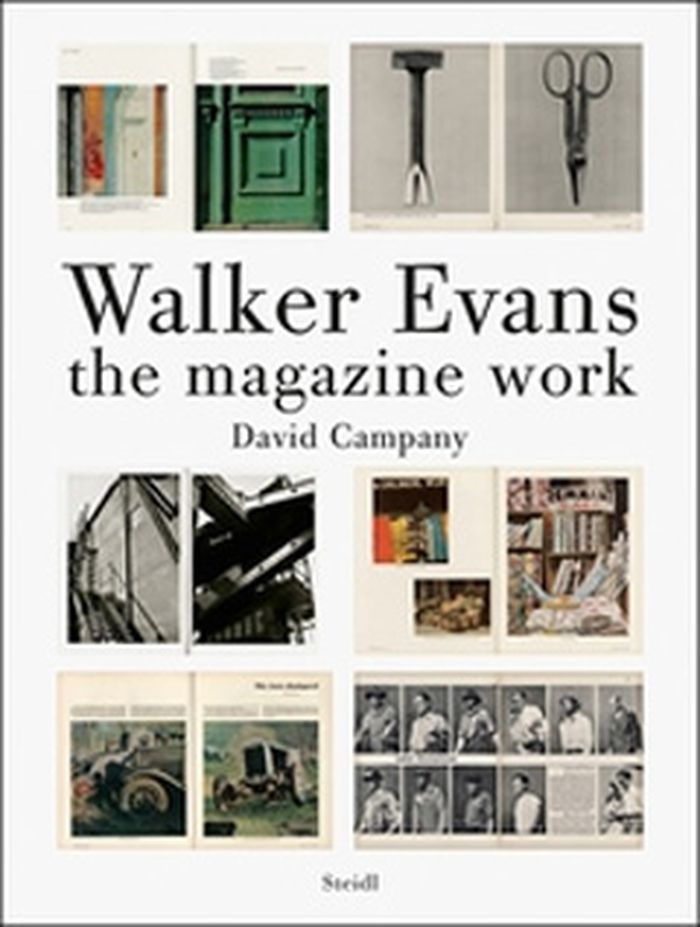
Walker Evans (1903-1975) was one of the most important and influential artists of the twentieth century, producing a body of photographs that continues to shape our understanding of the modern era. He worked in every genre and format, in black & white and colour, but two passions were constant: literature and the printed page. While his photographic books are among the most influential in the medium's history, Evans's more ephemeral pages remain largely unknown. From small avant-garde publications to mainstream titles such as Harper's Bazaar, Vogue, Architectural Forum, Life and Fortune he produced innovative and independent journalism, often setting his own assignments, editing, writing and designing his pages. Presenting many of his photo-essays in their entirety Walker Evans: the Magazine Work assembles the unwritten history of this work, allowing us to see how he protected his autonomy, earned a living and found audiences far beyond the museum and gallery.
Walker Evans: the magazine work
Actions:
Prix:
$69.95
(disponible sur commande)
Résumé:
Walker Evans (1903-1975) was one of the most important and influential artists of the twentieth century, producing a body of photographs that continues to shape our understanding of the modern era. He worked in every genre and format, in black & white and colour, but two passions were constant: literature and the printed page. While his photographic books are among the most influential in the medium's history, Evans's more ephemeral pages remain largely unknown. From small avant-garde publications to mainstream titles such as Harper's Bazaar, Vogue, Architectural Forum, Life and Fortune he produced innovative and independent journalism, often setting his own assignments, editing, writing and designing his pages. Presenting many of his photo-essays in their entirety Walker Evans: the Magazine Work assembles the unwritten history of this work, allowing us to see how he protected his autonomy, earned a living and found audiences far beyond the museum and gallery.
Classification:
livres
livres
Publication:
avril 2013
avril 2013
Sujet:
Monographies photo
Monographies photo


