


3189 Résultats
Classification:
livres
livres
Actions:
Prix:
$23.95
(disponible sur commande)
Résumé:
Le nom de Victor Baltard évoque encore à tous une architecture symbolique de la capitale parisienne bien qu'aujourd'hui disparue, les halles de Paris. Cet extraordinaire édifice de verre et de métal, si souvent imité par la suite, fut à l'origine de l'immense renommée dont bénéficie toujours aujourd'hui l'architecte. Pourtant la carrière de Victor Baltard est loin de se(...)
$23.95
(disponible sur commande)
Résumé:
Le nom de Victor Baltard évoque encore à tous une architecture symbolique de la capitale parisienne bien qu'aujourd'hui disparue, les halles de Paris. Cet extraordinaire édifice de verre et de métal, si souvent imité par la suite, fut à l'origine de l'immense renommée dont bénéficie toujours aujourd'hui l'architecte. Pourtant la carrière de Victor Baltard est loin de se(...)
Titre:
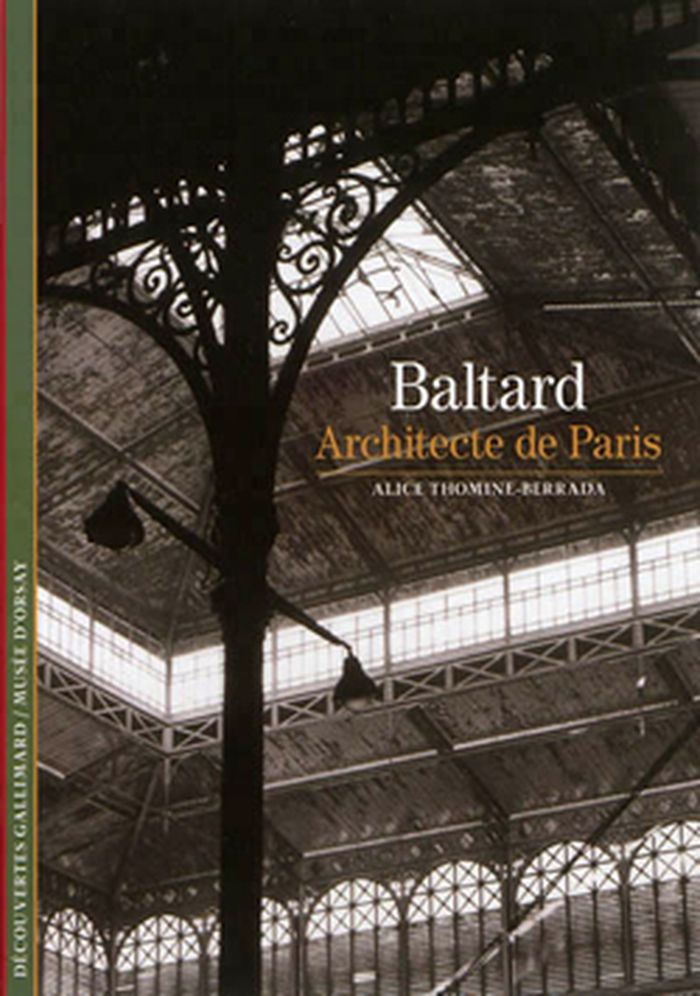
Baltard : architecte de Paris
Actions:
Prix:
$23.95
(disponible sur commande)
Résumé:
Le nom de Victor Baltard évoque encore à tous une architecture symbolique de la capitale parisienne bien qu'aujourd'hui disparue, les halles de Paris. Cet extraordinaire édifice de verre et de métal, si souvent imité par la suite, fut à l'origine de l'immense renommée dont bénéficie toujours aujourd'hui l'architecte. Pourtant la carrière de Victor Baltard est loin de se limiter à cette unique réalisation. Architecte officiel de la ville de Paris, au service de laquelle il travailla pendant presque trente ans (1841-1870), il fut un des principaux contributeurs du «Nouveau Paris» auquel aspiraient les édiles de la Monarchie de Juillet et qu'Haussmann mit en oeuvre. Des fastueuses festivités de l'hôtel de ville de Paris aux Halles centrales, ses réalisations forgèrent l'image du Paris du Second Empire, une ville à la fois moderne et classique. Antique ou romantique? Peintre ou architecte? Conservateur ou révolutionnaire? Victor Baltard fut tout cela à la fois.
Baltard : architecte de Paris
Actions:
Prix:
$23.95
(disponible sur commande)
Résumé:
Le nom de Victor Baltard évoque encore à tous une architecture symbolique de la capitale parisienne bien qu'aujourd'hui disparue, les halles de Paris. Cet extraordinaire édifice de verre et de métal, si souvent imité par la suite, fut à l'origine de l'immense renommée dont bénéficie toujours aujourd'hui l'architecte. Pourtant la carrière de Victor Baltard est loin de se limiter à cette unique réalisation. Architecte officiel de la ville de Paris, au service de laquelle il travailla pendant presque trente ans (1841-1870), il fut un des principaux contributeurs du «Nouveau Paris» auquel aspiraient les édiles de la Monarchie de Juillet et qu'Haussmann mit en oeuvre. Des fastueuses festivités de l'hôtel de ville de Paris aux Halles centrales, ses réalisations forgèrent l'image du Paris du Second Empire, une ville à la fois moderne et classique. Antique ou romantique? Peintre ou architecte? Conservateur ou révolutionnaire? Victor Baltard fut tout cela à la fois.
Classification:
livres
livres
Publication:
novembre 2012
novembre 2012
Sujet:
Architecture, monographies
Architecture, monographies
Classification:
livres
livres
Actions:
Prix:
$90.00
(disponible en magasin)
Résumé:
In the second volume of Mark Ruwedel’s epic study of the landscapes of Los Angeles, the artist heads to the coast – the furthest edge of the basin’s sprawl before it meets the Pacific Ocean. These absorbing and layered photographs suggest extremes of many kinds: the far reaches of urbanisation, the dramatic geographies of desert and sea, the boundless ambitions of empire,(...)
$90.00
(disponible en magasin)
Résumé:
In the second volume of Mark Ruwedel’s epic study of the landscapes of Los Angeles, the artist heads to the coast – the furthest edge of the basin’s sprawl before it meets the Pacific Ocean. These absorbing and layered photographs suggest extremes of many kinds: the far reaches of urbanisation, the dramatic geographies of desert and sea, the boundless ambitions of empire,(...)
Titre:
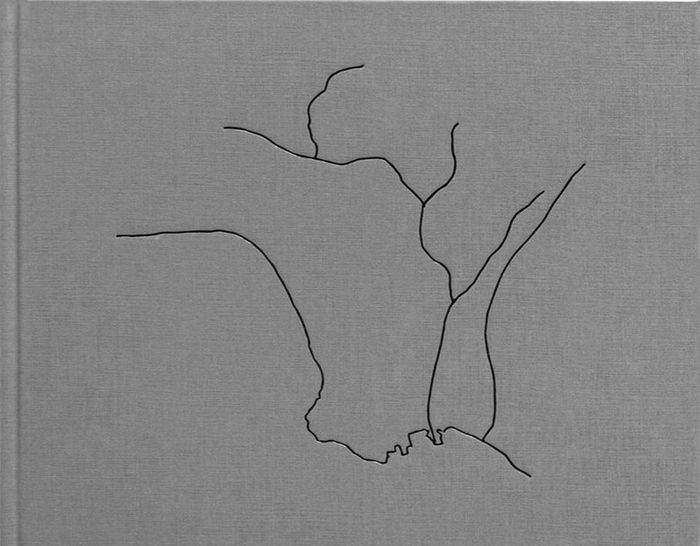
Mark Ruwedel: The western edge. Los Angeles: Landscapes of Four Ecologies 2
Actions:
Prix:
$90.00
(disponible en magasin)
Résumé:
In the second volume of Mark Ruwedel’s epic study of the landscapes of Los Angeles, the artist heads to the coast – the furthest edge of the basin’s sprawl before it meets the Pacific Ocean. These absorbing and layered photographs suggest extremes of many kinds: the far reaches of urbanisation, the dramatic geographies of desert and sea, the boundless ambitions of empire, and the spiralling climate conditions that most recently have seen these areas devastated by fires. Charting a hundred-mile route from Point Mugu, north of Malibu, down to the Bolsa Chica Wetlands of Orange County, Ruwedel studies a range of intricately textured landscapes, woven with the traces of decades of human intervention and the countervailing forces of nature and time. His large-format black-and-white photography recalls iconic photographer-cartographers of the nineteenth century while calling into question the taxonomic certainty and implicit politics of their surveying projects.
Mark Ruwedel: The western edge. Los Angeles: Landscapes of Four Ecologies 2
Actions:
Prix:
$90.00
(disponible en magasin)
Résumé:
In the second volume of Mark Ruwedel’s epic study of the landscapes of Los Angeles, the artist heads to the coast – the furthest edge of the basin’s sprawl before it meets the Pacific Ocean. These absorbing and layered photographs suggest extremes of many kinds: the far reaches of urbanisation, the dramatic geographies of desert and sea, the boundless ambitions of empire, and the spiralling climate conditions that most recently have seen these areas devastated by fires. Charting a hundred-mile route from Point Mugu, north of Malibu, down to the Bolsa Chica Wetlands of Orange County, Ruwedel studies a range of intricately textured landscapes, woven with the traces of decades of human intervention and the countervailing forces of nature and time. His large-format black-and-white photography recalls iconic photographer-cartographers of the nineteenth century while calling into question the taxonomic certainty and implicit politics of their surveying projects.
Classification:
livres
livres
Publication:
octobre 2025
octobre 2025
Sujet:
Monographies photo
Monographies photo
Classification:
livres
livres
Prix:
$93.95
(disponible en magasin)
Résumé:
In this wide-ranging account of art, design, and architecture in the complex Central Europe of the Austro-Hungarian Empire during its momentous last decades, Elizabeth Clegg achieves an integration of political and cultural developments. Comparing the situation in eight cities—among them Vienna, Prague, Budapest, Cracow, and Zagreb—the author highlights contrasts,(...)
$93.95
(disponible en magasin)
Résumé:
In this wide-ranging account of art, design, and architecture in the complex Central Europe of the Austro-Hungarian Empire during its momentous last decades, Elizabeth Clegg achieves an integration of political and cultural developments. Comparing the situation in eight cities—among them Vienna, Prague, Budapest, Cracow, and Zagreb—the author highlights contrasts,(...)
Publication:
avril 2006, New Haven, London
avril 2006, New Haven, London
Titre:
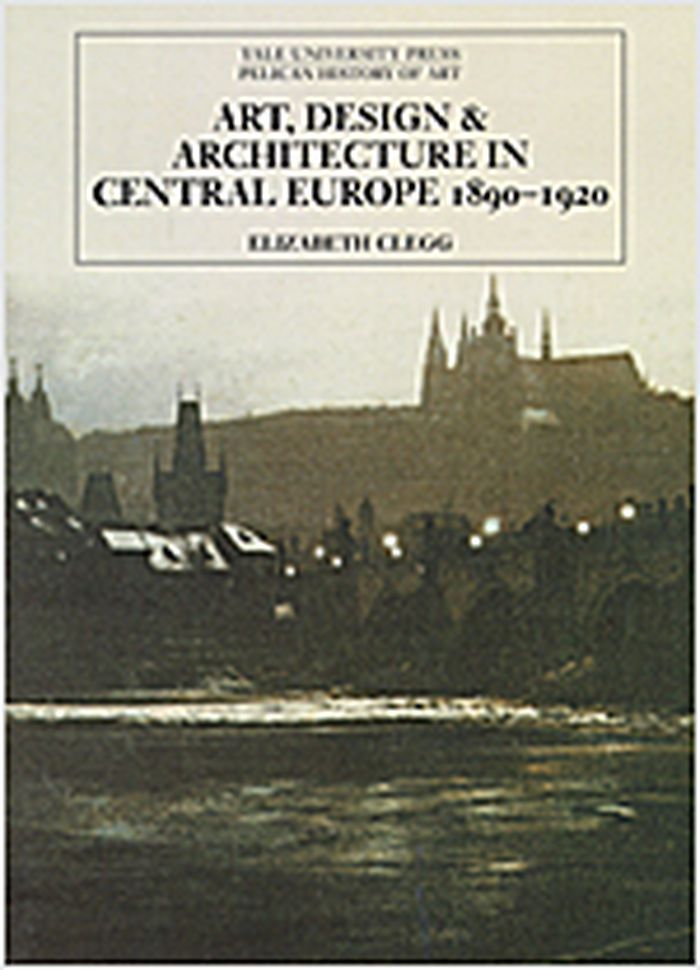
Art, design & archtiecture in Central Europe, 1890-1920
Actions:
Prix:
$93.95
(disponible en magasin)
Résumé:
In this wide-ranging account of art, design, and architecture in the complex Central Europe of the Austro-Hungarian Empire during its momentous last decades, Elizabeth Clegg achieves an integration of political and cultural developments. Comparing the situation in eight cities—among them Vienna, Prague, Budapest, Cracow, and Zagreb—the author highlights contrasts, rivalries, parallels, and interconnections across this colorful and important region. The book deals with all the chief ethnic/national categories of Austria-Hungary and embraces all the visual arts. Focusing on their public display, appraisal, and consumption, Clegg shows how the harmonious/antagonistic coexistence of institutions, publications, and events gave rise to the dynamic art life of a period that would end in a turning point for Central Europe. As revealed, this was a time and place marked by a simultaneous fear and celebration of ethnic, linguistic, and cultural diversity that has enormous international resonance a century later.
Art, design & archtiecture in Central Europe, 1890-1920
Actions:
Prix:
$93.95
(disponible en magasin)
Résumé:
In this wide-ranging account of art, design, and architecture in the complex Central Europe of the Austro-Hungarian Empire during its momentous last decades, Elizabeth Clegg achieves an integration of political and cultural developments. Comparing the situation in eight cities—among them Vienna, Prague, Budapest, Cracow, and Zagreb—the author highlights contrasts, rivalries, parallels, and interconnections across this colorful and important region. The book deals with all the chief ethnic/national categories of Austria-Hungary and embraces all the visual arts. Focusing on their public display, appraisal, and consumption, Clegg shows how the harmonious/antagonistic coexistence of institutions, publications, and events gave rise to the dynamic art life of a period that would end in a turning point for Central Europe. As revealed, this was a time and place marked by a simultaneous fear and celebration of ethnic, linguistic, and cultural diversity that has enormous international resonance a century later.
Classification:
livres
livres
Publication:
avril 2006, New Haven, London
avril 2006, New Haven, London
Classification:
livres
livres

Titre:
A right to housing?
A right to housing?
Actions:
Prix:
$25.95
(disponible en magasin)
Résumé:
In the fight for housing, we are caught between the world we know and the world we want. This book is both a road map and a reckoning. Drawing on his own experience of on-the-ground organizing, Samuel Stein presents practical policies for enacting a right to shelter, a right to a home, and a right to the city itself. With raw honesty, he then explores why these visions(...)
$25.95
(disponible en magasin)
Résumé:
In the fight for housing, we are caught between the world we know and the world we want. This book is both a road map and a reckoning. Drawing on his own experience of on-the-ground organizing, Samuel Stein presents practical policies for enacting a right to shelter, a right to a home, and a right to the city itself. With raw honesty, he then explores why these visions(...)
Titre:
A right to housing?
Actions:
Prix:
$25.95
(disponible en magasin)
Résumé:
In the fight for housing, we are caught between the world we know and the world we want. This book is both a road map and a reckoning. Drawing on his own experience of on-the-ground organizing, Samuel Stein presents practical policies for enacting a right to shelter, a right to a home, and a right to the city itself. With raw honesty, he then explores why these visions founder on the rocks of political reality. He reveals the forces blocking our path—from the power of real estate capital to the inadequacy of our institutions—and captures the complex feelings of a left that has lost faith in the future. Written in the heady weeks surrounding Zohran Mamdani’s historic election for New York City mayor, Stein frames the book around the stirring possibilities and structural constraints of a socialist administration in the financial center of a sputtering empire.
A right to housing?
Actions:
Prix:
$25.95
(disponible en magasin)
Résumé:
In the fight for housing, we are caught between the world we know and the world we want. This book is both a road map and a reckoning. Drawing on his own experience of on-the-ground organizing, Samuel Stein presents practical policies for enacting a right to shelter, a right to a home, and a right to the city itself. With raw honesty, he then explores why these visions founder on the rocks of political reality. He reveals the forces blocking our path—from the power of real estate capital to the inadequacy of our institutions—and captures the complex feelings of a left that has lost faith in the future. Written in the heady weeks surrounding Zohran Mamdani’s historic election for New York City mayor, Stein frames the book around the stirring possibilities and structural constraints of a socialist administration in the financial center of a sputtering empire.
Classification:
livres
livres
Publication:
septembre 2026
septembre 2026
Sujet:
Social
Social
Classification:
livres
livres
Actions:
Prix:
$202.50
(disponible sur commande)
Résumé:
This book provides a comprehensive account of mosaics in the ancient world from the early pebble mosaics of Greece to the pavements of Christian churches in the (...)
$202.50
(disponible sur commande)
Résumé:
This book provides a comprehensive account of mosaics in the ancient world from the early pebble mosaics of Greece to the pavements of Christian churches in the (...)
Titre:
Mosaics of the Greek and Roman World
Actions:
Prix:
$202.50
(disponible sur commande)
Résumé:
This book provides a comprehensive account of mosaics in the ancient world from the early pebble mosaics of Greece to the pavements of Christian churches in the East. Separate chapters in Part I cover the principal regions of the Roman Empire in turn, bringing out the distinctive characteristics of their mosaic workshops. Questions of technique and production, of the role of mosaics in architecture, and of their social functions and implications are treated in Part II. The book discusses both well known works and recent finds, and balances consideration of exceptional masterpieces against standard workshop production. Two main lines of approach are followed throughout: first, the role of mosaics as a significant art form, which over an unbroken span illuminates the evolution of pictorial style better than any comparable surviving medium; and secondly, their character as works of artisan production closely linked to their architectural context.
Mosaics of the Greek and Roman World
Actions:
Prix:
$202.50
(disponible sur commande)
Résumé:
This book provides a comprehensive account of mosaics in the ancient world from the early pebble mosaics of Greece to the pavements of Christian churches in the East. Separate chapters in Part I cover the principal regions of the Roman Empire in turn, bringing out the distinctive characteristics of their mosaic workshops. Questions of technique and production, of the role of mosaics in architecture, and of their social functions and implications are treated in Part II. The book discusses both well known works and recent finds, and balances consideration of exceptional masterpieces against standard workshop production. Two main lines of approach are followed throughout: first, the role of mosaics as a significant art form, which over an unbroken span illuminates the evolution of pictorial style better than any comparable surviving medium; and secondly, their character as works of artisan production closely linked to their architectural context.
Classification:
livres
livres
Publication:
janvier 1900, Cambridge
janvier 1900, Cambridge
Sujet:
Histoire jusqu’à 1900
Histoire jusqu’à 1900
Classification:
livres
livres
Actions:
Prix:
$21.95
(disponible sur commande)
Résumé:
In 1997 the United Kingdom returned control of Hong Kong to China, ending the city’s status as one of the last remnants of the British Empire and initiating a new phase for it as both a modern city and a hub for global migrations. Hong Kong is a tour of the city’s postcolonial urban landscape, innovatively told through fieldwork and photography. Caroline(...)
$21.95
(disponible sur commande)
Résumé:
In 1997 the United Kingdom returned control of Hong Kong to China, ending the city’s status as one of the last remnants of the British Empire and initiating a new phase for it as both a modern city and a hub for global migrations. Hong Kong is a tour of the city’s postcolonial urban landscape, innovatively told through fieldwork and photography. Caroline(...)
Titre:
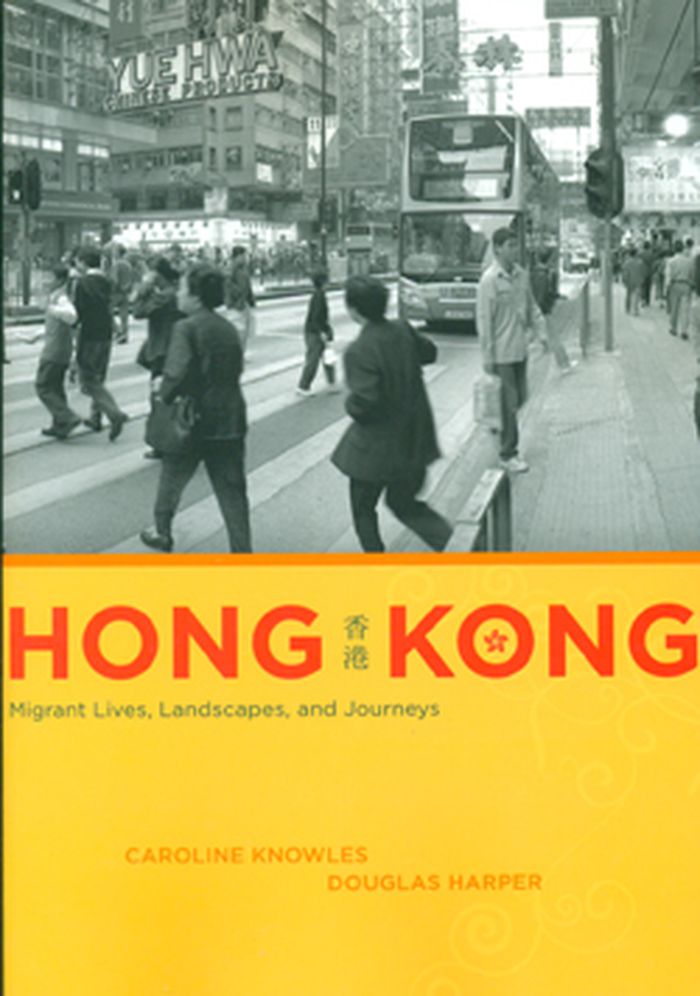
Hong Kong; migrant lives, landscapes, and journeys
Actions:
Prix:
$21.95
(disponible sur commande)
Résumé:
In 1997 the United Kingdom returned control of Hong Kong to China, ending the city’s status as one of the last remnants of the British Empire and initiating a new phase for it as both a modern city and a hub for global migrations. Hong Kong is a tour of the city’s postcolonial urban landscape, innovatively told through fieldwork and photography. Caroline Knowles and Douglas Harper’s point of entry into Hong Kong is the unusual position of the British expatriates who chose to remain in the city after the transition. Now a relatively insignificant presence, British migrants in Hong Kong have become intimately connected with another small minority group there: immigrants from Southeast Asia. The lives, journeys, and stories of these two groups bring to life a place where the past continues to resonate for all its residents, even as the city hurtles forward into a future marked by transience and transition.
Hong Kong; migrant lives, landscapes, and journeys
Actions:
Prix:
$21.95
(disponible sur commande)
Résumé:
In 1997 the United Kingdom returned control of Hong Kong to China, ending the city’s status as one of the last remnants of the British Empire and initiating a new phase for it as both a modern city and a hub for global migrations. Hong Kong is a tour of the city’s postcolonial urban landscape, innovatively told through fieldwork and photography. Caroline Knowles and Douglas Harper’s point of entry into Hong Kong is the unusual position of the British expatriates who chose to remain in the city after the transition. Now a relatively insignificant presence, British migrants in Hong Kong have become intimately connected with another small minority group there: immigrants from Southeast Asia. The lives, journeys, and stories of these two groups bring to life a place where the past continues to resonate for all its residents, even as the city hurtles forward into a future marked by transience and transition.
Classification:
livres
livres
Publication:
juillet 2009
juillet 2009
Classification:
livres
livres
Prix:
$45.99
(disponible sur commande)
Résumé:
'Human zoos', forgotten symbols of the colonial era, have been totally repressed in our collective memory. In these 'anthropo-zoological' exhibitions, 'exotic' individuals were placed alongside wild beasts and presented behind bars or in enclosures. Human zoos were a key factor, however, in the progressive shift in the West from scientific to popular racism."Human Zoos"(...)
$45.99
(disponible sur commande)
Résumé:
'Human zoos', forgotten symbols of the colonial era, have been totally repressed in our collective memory. In these 'anthropo-zoological' exhibitions, 'exotic' individuals were placed alongside wild beasts and presented behind bars or in enclosures. Human zoos were a key factor, however, in the progressive shift in the West from scientific to popular racism."Human Zoos"(...)
Sujet:
Théorie de l’architecture
Théorie de l’architecture
Publication:
novembre 2008, Liverpool
novembre 2008, Liverpool
Titre:
Human zoos science and spectacle in the age of colonial empires
Actions:
Prix:
$45.99
(disponible sur commande)
Résumé:
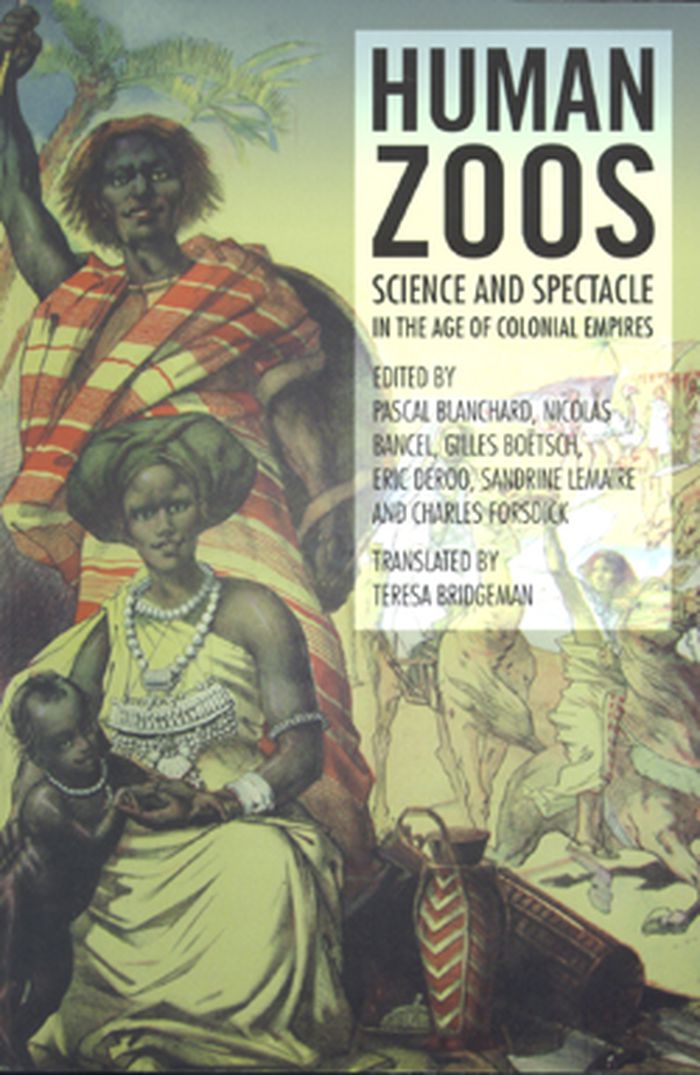
'Human zoos', forgotten symbols of the colonial era, have been totally repressed in our collective memory. In these 'anthropo-zoological' exhibitions, 'exotic' individuals were placed alongside wild beasts and presented behind bars or in enclosures. Human zoos were a key factor, however, in the progressive shift in the West from scientific to popular racism."Human Zoos" puts into perspective the 'spectacularization' of the other, a process that is at the origin of contemporary stereotypes and of the construction of our own identities. This is a unique book, on a crucial phenomenon, which takes us to the heart of Western fantasies, and allows us to understand the genesis of identity in Japan, Europe and North America.
Human zoos science and spectacle in the age of colonial empires
Actions:
Prix:
$45.99
(disponible sur commande)
Résumé:
'Human zoos', forgotten symbols of the colonial era, have been totally repressed in our collective memory. In these 'anthropo-zoological' exhibitions, 'exotic' individuals were placed alongside wild beasts and presented behind bars or in enclosures. Human zoos were a key factor, however, in the progressive shift in the West from scientific to popular racism."Human Zoos" puts into perspective the 'spectacularization' of the other, a process that is at the origin of contemporary stereotypes and of the construction of our own identities. This is a unique book, on a crucial phenomenon, which takes us to the heart of Western fantasies, and allows us to understand the genesis of identity in Japan, Europe and North America.
Classification:
livres
livres
Publication:
novembre 2008, Liverpool
novembre 2008, Liverpool
Sujet:
Théorie de l’architecture
Théorie de l’architecture
Classification:
livres
livres
Actions:
Prix:
$24.95
(disponible sur commande)
Résumé:
Some cities seem destined to become major financial capitals, yet never do--Seville, for instance, was the centre of Spain's opulent New World Empire, but failed to become a financial metropolis. Others, like former colonial backwater Hong Kong, defy the odds by growing into major trading centres. What are the key factors distinguishing those cities that become wealthy(...)
$24.95
(disponible sur commande)
Résumé:
Some cities seem destined to become major financial capitals, yet never do--Seville, for instance, was the centre of Spain's opulent New World Empire, but failed to become a financial metropolis. Others, like former colonial backwater Hong Kong, defy the odds by growing into major trading centres. What are the key factors distinguishing those cities that become wealthy(...)
Titre:
The evolution of great world cities : urban wealth and economic growth
Actions:
Prix:
$24.95
(disponible sur commande)
Résumé:
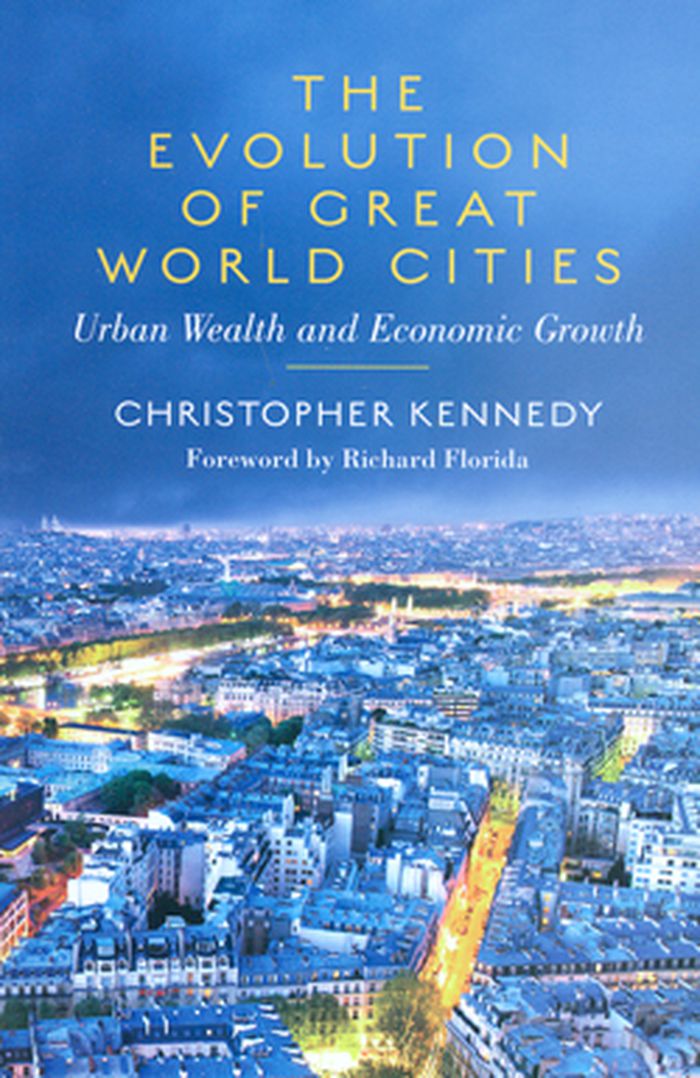
Some cities seem destined to become major financial capitals, yet never do--Seville, for instance, was the centre of Spain's opulent New World Empire, but failed to become a financial metropolis. Others, like former colonial backwater Hong Kong, defy the odds by growing into major trading centres. What are the key factors distinguishing those cities that become wealthy from those that don't? Christopher Kennedy illuminates how geography, technology, and especially the infrastructure of urban economies allow cities to develop and thrive. The Evolution of Great World Cities unfolds through the tales of several urban centres -including Venice, Amsterdam, London, and New York City - at key junctures in their histories. Kennedy weaves together significant insights from urbanists such as Jane Jacobs and economists such as John Maynard Keynes, drawing striking parallels between the functioning of ecosystems and of wealthy capitals. The Evolution of Great World Cities offers an accessible introduction to urban economies that "will change the way you think about cities."
The evolution of great world cities : urban wealth and economic growth
Actions:
Prix:
$24.95
(disponible sur commande)
Résumé:
Some cities seem destined to become major financial capitals, yet never do--Seville, for instance, was the centre of Spain's opulent New World Empire, but failed to become a financial metropolis. Others, like former colonial backwater Hong Kong, defy the odds by growing into major trading centres. What are the key factors distinguishing those cities that become wealthy from those that don't? Christopher Kennedy illuminates how geography, technology, and especially the infrastructure of urban economies allow cities to develop and thrive. The Evolution of Great World Cities unfolds through the tales of several urban centres -including Venice, Amsterdam, London, and New York City - at key junctures in their histories. Kennedy weaves together significant insights from urbanists such as Jane Jacobs and economists such as John Maynard Keynes, drawing striking parallels between the functioning of ecosystems and of wealthy capitals. The Evolution of Great World Cities offers an accessible introduction to urban economies that "will change the way you think about cities."
Classification:
livres
livres
Publication:
juin 2011
juin 2011
Sujet:
Théorie de l’urbanisme
Théorie de l’urbanisme
Classification:
livres
livres
Titre:
Photo/montage in print
Photo/montage in print
Actions:
Prix:
$83.00
(disponible sur commande)
Résumé:
Photomontage was pioneered as a technique in central Europe in the 1910s, where it flourished as an art form through the end of World War II. While German artists such as John Heartfield, Max Ernst and Hannah Hoch used the medium to respond to the atrocities of war, other areas of Europe were simultaneously experiencing a newfound political autonomy as the(...)
$83.00
(disponible sur commande)
Résumé:
Photomontage was pioneered as a technique in central Europe in the 1910s, where it flourished as an art form through the end of World War II. While German artists such as John Heartfield, Max Ernst and Hannah Hoch used the medium to respond to the atrocities of war, other areas of Europe were simultaneously experiencing a newfound political autonomy as the(...)
Titre:
Photo/montage in print
Actions:
Prix:
$83.00
(disponible sur commande)
Résumé:
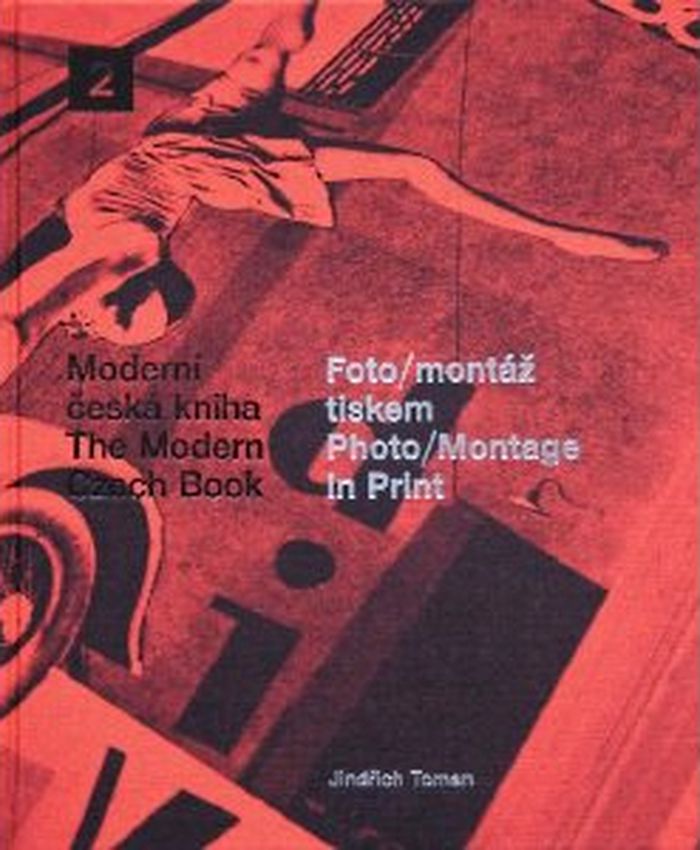
Photomontage was pioneered as a technique in central Europe in the 1910s, where it flourished as an art form through the end of World War II. While German artists such as John Heartfield, Max Ernst and Hannah Hoch used the medium to respond to the atrocities of war, other areas of Europe were simultaneously experiencing a newfound political autonomy as the Austro-Hungarian Empire collapsed. For these artists, namely Polish and Czech, photomontage manifested itself in a Surrealist approach to cut-and-paste imagery that emphasized its potential for visual poetry. "Photo/Montage in Print" traces the explosion of photomontage art in book cover design and illustrated magazines in the interwar period. Documenting the remarkable contributions of Czech artists in the creation of the visual language of modern print media, the publication includes some of the leading artists of the Czech avant garde such as Karel Teige, Jindrich Styrsky, Toyen, Ladislav Sutnar and Frantisek Muzika.
Photo/montage in print
Actions:
Prix:
$83.00
(disponible sur commande)
Résumé:
Photomontage was pioneered as a technique in central Europe in the 1910s, where it flourished as an art form through the end of World War II. While German artists such as John Heartfield, Max Ernst and Hannah Hoch used the medium to respond to the atrocities of war, other areas of Europe were simultaneously experiencing a newfound political autonomy as the Austro-Hungarian Empire collapsed. For these artists, namely Polish and Czech, photomontage manifested itself in a Surrealist approach to cut-and-paste imagery that emphasized its potential for visual poetry. "Photo/Montage in Print" traces the explosion of photomontage art in book cover design and illustrated magazines in the interwar period. Documenting the remarkable contributions of Czech artists in the creation of the visual language of modern print media, the publication includes some of the leading artists of the Czech avant garde such as Karel Teige, Jindrich Styrsky, Toyen, Ladislav Sutnar and Frantisek Muzika.
Classification:
livres
livres
Publication:
septembre 2011
septembre 2011
Sujet:
Photographie- collections
Photographie- collections
Classification:
livres
livres
Prix:
$21.50
(disponible sur commande)
Résumé:
Paul Hawken, the entrepreneur behind the Smith & Hawken gardening supplies empire, is no ordinary capitalist. Drawing as much on Baba Ram Dass and Vaclav Havel as he does on Peter Drucker and WalMart for his case studies, Hawken is on a one-man crusade to reform our economic system by demanding that First World businesses reduce their consumption of energy and resources(...)
$21.50
(disponible sur commande)
Résumé:
Paul Hawken, the entrepreneur behind the Smith & Hawken gardening supplies empire, is no ordinary capitalist. Drawing as much on Baba Ram Dass and Vaclav Havel as he does on Peter Drucker and WalMart for his case studies, Hawken is on a one-man crusade to reform our economic system by demanding that First World businesses reduce their consumption of energy and resources(...)
Titre:
The ecology of commerce : a declaration of sustainability
Actions:
Prix:
$21.50
(disponible sur commande)
Résumé:
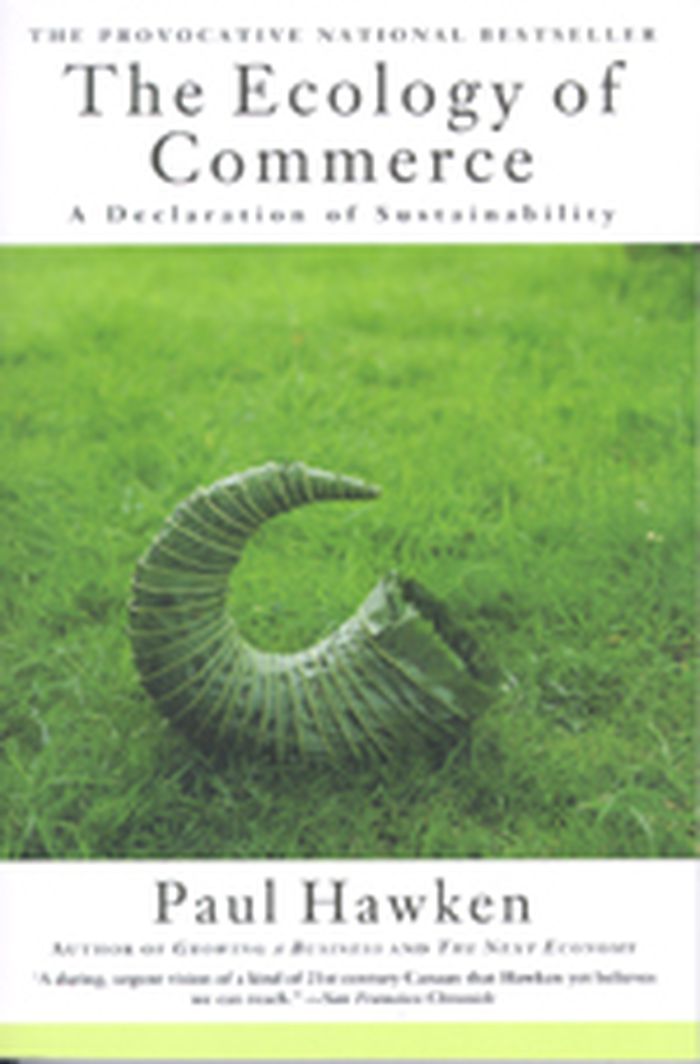
Paul Hawken, the entrepreneur behind the Smith & Hawken gardening supplies empire, is no ordinary capitalist. Drawing as much on Baba Ram Dass and Vaclav Havel as he does on Peter Drucker and WalMart for his case studies, Hawken is on a one-man crusade to reform our economic system by demanding that First World businesses reduce their consumption of energy and resources by 80 percent in the next 50 years. As if that weren't enough, Hawken argues that business goals should be redefined to embrace such fuzzy categories as whether the work is aesthetically pleasing and the employees are having fun; this applies to corporate giants and mom-and-pop operations alike. He proposes a culture of business in which the real world, the natural world, is allowed to flourish as well, and in which the planet's needs are addressed. Wall Street may not be ready for Hawken's provocative brand of environmental awareness, but this fine book is full of captivating ideas.
The ecology of commerce : a declaration of sustainability
Actions:
Prix:
$21.50
(disponible sur commande)
Résumé:
Paul Hawken, the entrepreneur behind the Smith & Hawken gardening supplies empire, is no ordinary capitalist. Drawing as much on Baba Ram Dass and Vaclav Havel as he does on Peter Drucker and WalMart for his case studies, Hawken is on a one-man crusade to reform our economic system by demanding that First World businesses reduce their consumption of energy and resources by 80 percent in the next 50 years. As if that weren't enough, Hawken argues that business goals should be redefined to embrace such fuzzy categories as whether the work is aesthetically pleasing and the employees are having fun; this applies to corporate giants and mom-and-pop operations alike. He proposes a culture of business in which the real world, the natural world, is allowed to flourish as well, and in which the planet's needs are addressed. Wall Street may not be ready for Hawken's provocative brand of environmental awareness, but this fine book is full of captivating ideas.
Classification:
livres
livres
Publication:
juin 1994, New York
juin 1994, New York
Sujet:
Architecture écologique
Architecture écologique


