


341 Résultats
Classification:
livres
livres
Prix:
$21.00
(disponible sur commande)
Résumé:
In this meditation on ruins, Christopher Woodward takes us on a thousand-year journey from the plains of Troy to the monuments of ancient Rome, from the crumbling palaces of Sicily, Cuba, and Zanzibar to the rubble of the London Blitz. With an exquisite sense of romantic melancholy, we encounter the teenage Byron in the moldering Newstead Abbey, Flaubert watching the(...)
$21.00
(disponible sur commande)
Résumé:
In this meditation on ruins, Christopher Woodward takes us on a thousand-year journey from the plains of Troy to the monuments of ancient Rome, from the crumbling palaces of Sicily, Cuba, and Zanzibar to the rubble of the London Blitz. With an exquisite sense of romantic melancholy, we encounter the teenage Byron in the moldering Newstead Abbey, Flaubert watching the(...)
Titre:
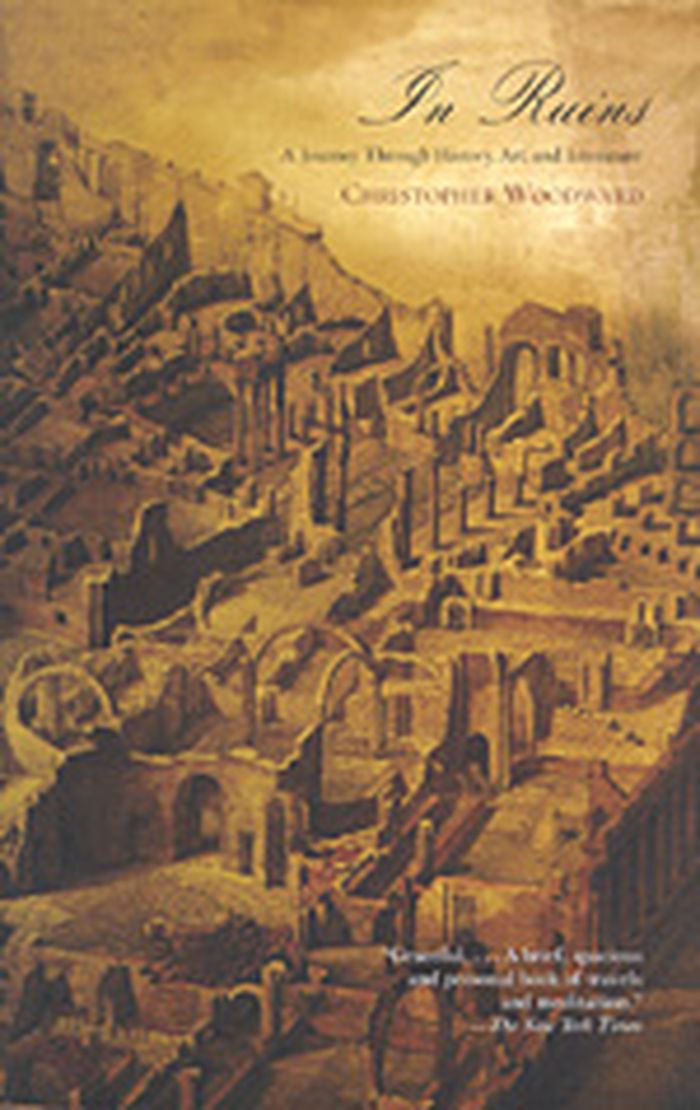
In ruins : a journey through history, art, and literature
Actions:
Prix:
$21.00
(disponible sur commande)
Résumé:
In this meditation on ruins, Christopher Woodward takes us on a thousand-year journey from the plains of Troy to the monuments of ancient Rome, from the crumbling palaces of Sicily, Cuba, and Zanzibar to the rubble of the London Blitz. With an exquisite sense of romantic melancholy, we encounter the teenage Byron in the moldering Newstead Abbey, Flaubert watching the buzzards on the pyramids, Henry James in the Colosseum, and Freud at Pompeii. We travel the Appian Way with Dickens and behold the Baths of Caracalla with Shelley. An exhilarating tour, at once elegant and stimulating, "In Ruins" casts an exalting spell as it explores the bewitching power of architectural remains and their persistent hold on the imagination.
In ruins : a journey through history, art, and literature
Actions:
Prix:
$21.00
(disponible sur commande)
Résumé:
In this meditation on ruins, Christopher Woodward takes us on a thousand-year journey from the plains of Troy to the monuments of ancient Rome, from the crumbling palaces of Sicily, Cuba, and Zanzibar to the rubble of the London Blitz. With an exquisite sense of romantic melancholy, we encounter the teenage Byron in the moldering Newstead Abbey, Flaubert watching the buzzards on the pyramids, Henry James in the Colosseum, and Freud at Pompeii. We travel the Appian Way with Dickens and behold the Baths of Caracalla with Shelley. An exhilarating tour, at once elegant and stimulating, "In Ruins" casts an exalting spell as it explores the bewitching power of architectural remains and their persistent hold on the imagination.
Classification:
livres
livres
Publication:
octobre 2003, New York
octobre 2003, New York
Sujet:
Théorie de l’architecture
Théorie de l’architecture
Classification:
livres
livres
Prix:
$27.95
(disponible sur commande)
Résumé:
Guantánamo has become a symbol of what has gone wrong in the War on Terror. Yet Guantánamo is more than a U.S. naval base and prison in Cuba, it is a town, and our military occupation there has required more than soldiers and sailors--it has required workers. This revealing history of the women and men who worked on the U.S. naval base in Guantánamo Bay tells the story of(...)
$27.95
(disponible sur commande)
Résumé:
Guantánamo has become a symbol of what has gone wrong in the War on Terror. Yet Guantánamo is more than a U.S. naval base and prison in Cuba, it is a town, and our military occupation there has required more than soldiers and sailors--it has required workers. This revealing history of the women and men who worked on the U.S. naval base in Guantánamo Bay tells the story of(...)
Sujet:
Théorie/ philosophie
Théorie/ philosophie
Publication:
décembre 2008, Berkeley, Los Angeles
décembre 2008, Berkeley, Los Angeles
Titre:
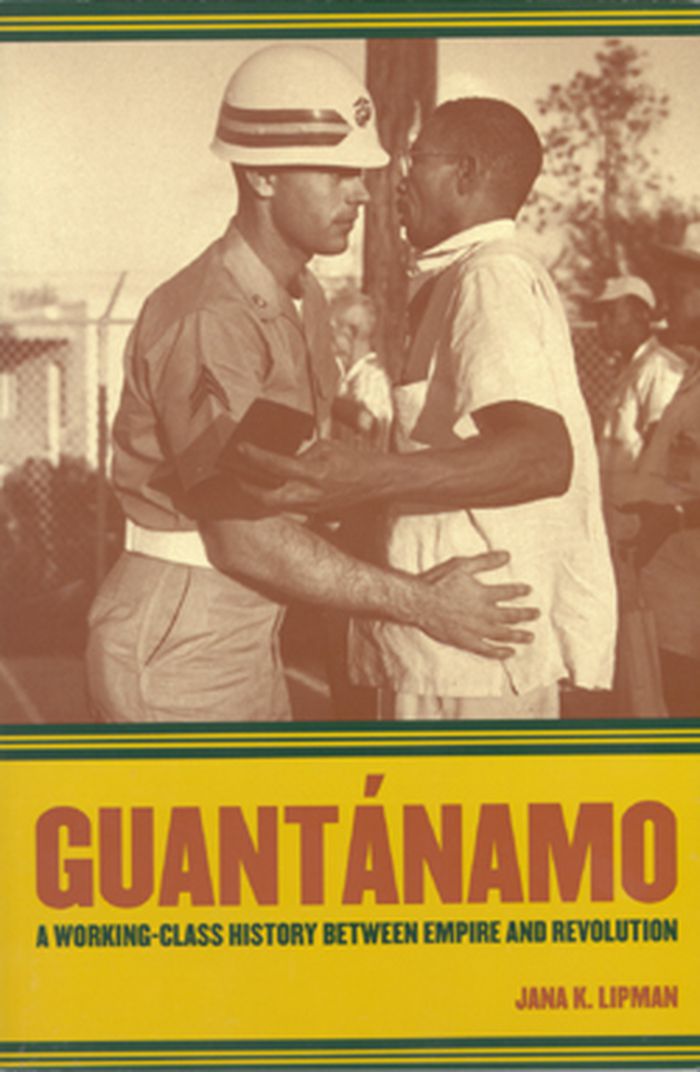
Guantanamo: a working-class history between empire and revolution
Actions:
Prix:
$27.95
(disponible sur commande)
Résumé:
Guantánamo has become a symbol of what has gone wrong in the War on Terror. Yet Guantánamo is more than a U.S. naval base and prison in Cuba, it is a town, and our military occupation there has required more than soldiers and sailors--it has required workers. This revealing history of the women and men who worked on the U.S. naval base in Guantánamo Bay tells the story of U.S.-Cuban relations from a new perspective, and at the same time, shows how neocolonialism, empire, and revolution transformed the lives of everyday people. Drawing from rich oral histories and little-explored Cuban archives, Jana K. Lipman analyzes how the Cold War and the Cuban revolution made the naval base a place devoid of law and accountability.
Guantanamo: a working-class history between empire and revolution
Actions:
Prix:
$27.95
(disponible sur commande)
Résumé:
Guantánamo has become a symbol of what has gone wrong in the War on Terror. Yet Guantánamo is more than a U.S. naval base and prison in Cuba, it is a town, and our military occupation there has required more than soldiers and sailors--it has required workers. This revealing history of the women and men who worked on the U.S. naval base in Guantánamo Bay tells the story of U.S.-Cuban relations from a new perspective, and at the same time, shows how neocolonialism, empire, and revolution transformed the lives of everyday people. Drawing from rich oral histories and little-explored Cuban archives, Jana K. Lipman analyzes how the Cold War and the Cuban revolution made the naval base a place devoid of law and accountability.
Classification:
livres
livres
Publication:
décembre 2008, Berkeley, Los Angeles
décembre 2008, Berkeley, Los Angeles
Sujet:
Théorie/ philosophie
Théorie/ philosophie
Classification:
livres
livres
Actions:
Prix:
$76.95
(disponible sur commande)
Résumé:
For several decades, 20th century architecture thrived in Cuba and a wealth of buildings was realized prior to the revolution 1959 and in its wake. The designs comprise luxurious nightclubs and stylish hotels, sports facilities, elegant private homes and apartment complexes. Drawing on the vernacular, their architects defined a way to be modern and Cuban at the same time(...)
$76.95
(disponible sur commande)
Résumé:
For several decades, 20th century architecture thrived in Cuba and a wealth of buildings was realized prior to the revolution 1959 and in its wake. The designs comprise luxurious nightclubs and stylish hotels, sports facilities, elegant private homes and apartment complexes. Drawing on the vernacular, their architects defined a way to be modern and Cuban at the same time(...)
Titre:
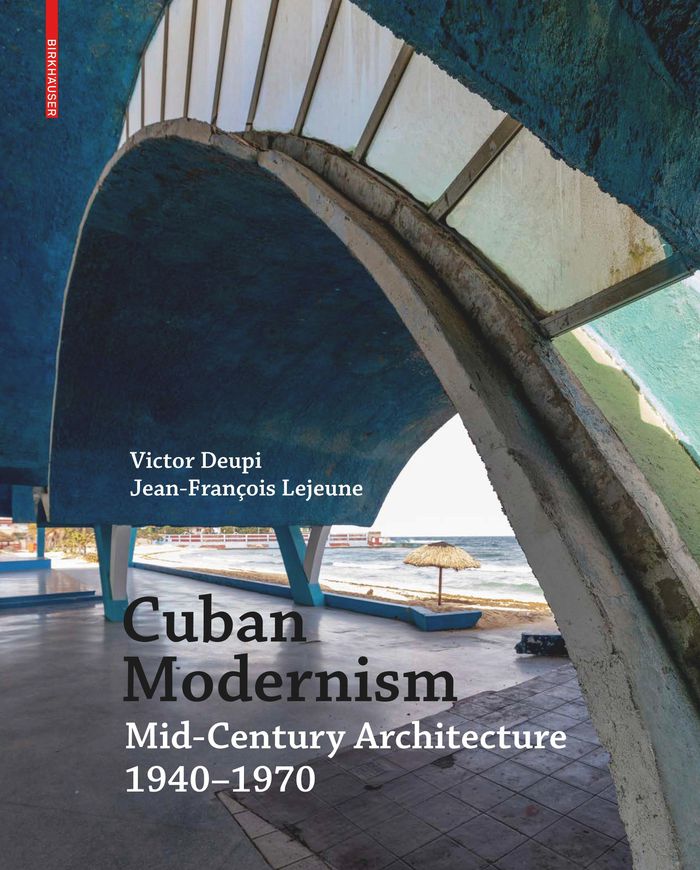
Cuban modernism: mid-century architecture, 1940-1970
Actions:
Prix:
$76.95
(disponible sur commande)
Résumé:
For several decades, 20th century architecture thrived in Cuba and a wealth of buildings was realized prior to the revolution 1959 and in its wake. The designs comprise luxurious nightclubs and stylish hotels, sports facilities, elegant private homes and apartment complexes. Drawing on the vernacular, their architects defined a way to be modern and Cuban at the same time – creating an architecture oscillating between tradition and avantgarde. Audacious concrete shells, curving ramps, elegant brises-soleils and a fluidity of interior and exterior spaces are characteristic of an airy, often colorful architecture well-suited to life in the tropics. New photographs and drawings were specially prepared for this publication. A biographical survey portraits the 40 most important Cuban architects of the era.
Cuban modernism: mid-century architecture, 1940-1970
Actions:
Prix:
$76.95
(disponible sur commande)
Résumé:
For several decades, 20th century architecture thrived in Cuba and a wealth of buildings was realized prior to the revolution 1959 and in its wake. The designs comprise luxurious nightclubs and stylish hotels, sports facilities, elegant private homes and apartment complexes. Drawing on the vernacular, their architects defined a way to be modern and Cuban at the same time – creating an architecture oscillating between tradition and avantgarde. Audacious concrete shells, curving ramps, elegant brises-soleils and a fluidity of interior and exterior spaces are characteristic of an airy, often colorful architecture well-suited to life in the tropics. New photographs and drawings were specially prepared for this publication. A biographical survey portraits the 40 most important Cuban architects of the era.
Classification:
livres
livres
Publication:
février 2021
février 2021
Sujet:
Modernisme
Modernisme
Classification:
livres
livres
Actions:
Prix:
$60.00
(disponible sur commande)
Résumé:
Intrepid Prussian explorer, scientist, diplomat and author Alexander von Humboldt (1769-1859) was reputedly the second best-known person in early nineteenth-century France (Stephen Jay Gould describes him as "probably the world's most famous and influential intellectual [of his time]"), yet he is little known in the US today. From 1799 to 1804, Humboldt traversed about(...)
$60.00
(disponible sur commande)
Résumé:
Intrepid Prussian explorer, scientist, diplomat and author Alexander von Humboldt (1769-1859) was reputedly the second best-known person in early nineteenth-century France (Stephen Jay Gould describes him as "probably the world's most famous and influential intellectual [of his time]"), yet he is little known in the US today. From 1799 to 1804, Humboldt traversed about(...)
Titre:
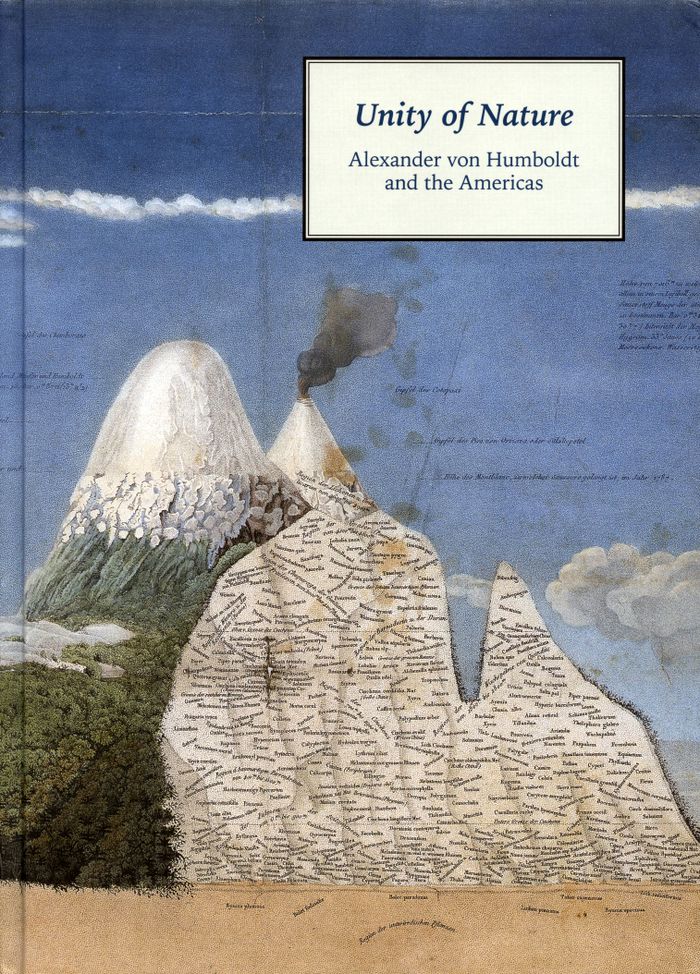
Unity of nature: Humboldt and the Americas
Actions:
Prix:
$60.00
(disponible sur commande)
Résumé:
Intrepid Prussian explorer, scientist, diplomat and author Alexander von Humboldt (1769-1859) was reputedly the second best-known person in early nineteenth-century France (Stephen Jay Gould describes him as "probably the world's most famous and influential intellectual [of his time]"), yet he is little known in the US today. From 1799 to 1804, Humboldt traversed about 6,000 miles, journeying through the Spanish American colonies (modern-day Venezuela, Colombia, Ecuador, Peru, Mexico and Cuba) to observe nature in the "torrid zone," and later published some 30 volumes about his travels. This catalogue traces the breadth of Humboldt's influence through painting and objects, including work by Albert Bierstadt, Adela Breton, Norton Bush, Frederic Edwin Church, George Catlin, Martin Johnson Heade, Louis Rémy Mignot, Thomas Moran, Johann Moritz Rugendas and Mark Dion.
Unity of nature: Humboldt and the Americas
Actions:
Prix:
$60.00
(disponible sur commande)
Résumé:
Intrepid Prussian explorer, scientist, diplomat and author Alexander von Humboldt (1769-1859) was reputedly the second best-known person in early nineteenth-century France (Stephen Jay Gould describes him as "probably the world's most famous and influential intellectual [of his time]"), yet he is little known in the US today. From 1799 to 1804, Humboldt traversed about 6,000 miles, journeying through the Spanish American colonies (modern-day Venezuela, Colombia, Ecuador, Peru, Mexico and Cuba) to observe nature in the "torrid zone," and later published some 30 volumes about his travels. This catalogue traces the breadth of Humboldt's influence through painting and objects, including work by Albert Bierstadt, Adela Breton, Norton Bush, Frederic Edwin Church, George Catlin, Martin Johnson Heade, Louis Rémy Mignot, Thomas Moran, Johann Moritz Rugendas and Mark Dion.
Classification:
livres
livres
Publication:
septembre 2014
septembre 2014
Sujet:
Jardins
Jardins
Classification:
livres
livres
Titre:
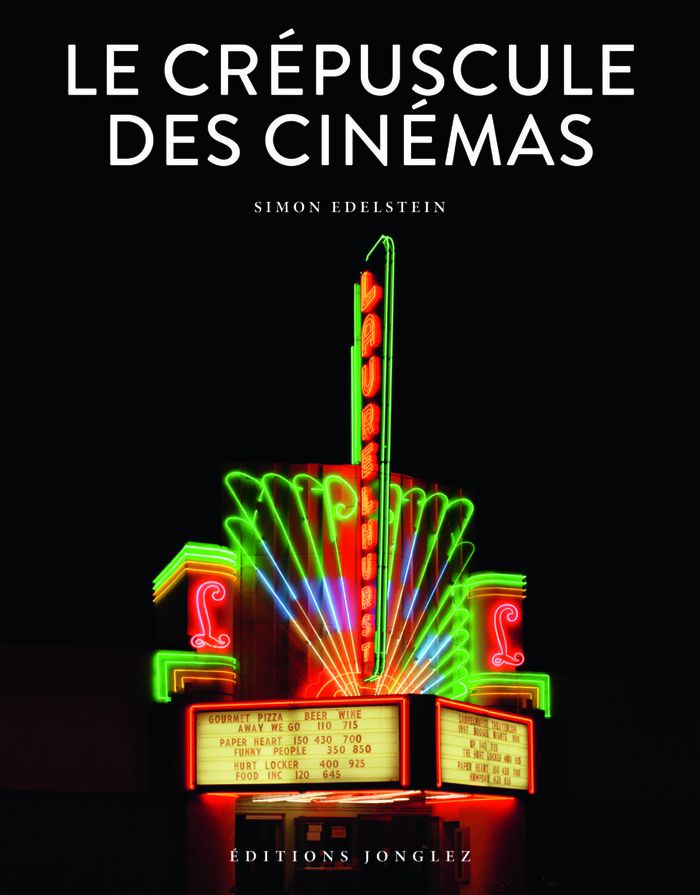
Le crépuscule des cinémas
Le crépuscule des cinémas
Actions:
Prix:
$75.95
(disponible sur commande)
Résumé:
Simon Edelstein parcourt le monde depuis douze ans sur les traces des cinémas abandonnés aux USA, en France, en Italie, en Inde, au Maroc, à Cuba. Il s’est rendu dans plus de trente pays, patrouillant à travers les quartiers lointains de nombreuses villes pour retrouver sur les façades usées par le temps et l’oubli les stigmates de leurs splendeurs passées. Si la foule du(...)
$75.95
(disponible sur commande)
Résumé:
Simon Edelstein parcourt le monde depuis douze ans sur les traces des cinémas abandonnés aux USA, en France, en Italie, en Inde, au Maroc, à Cuba. Il s’est rendu dans plus de trente pays, patrouillant à travers les quartiers lointains de nombreuses villes pour retrouver sur les façades usées par le temps et l’oubli les stigmates de leurs splendeurs passées. Si la foule du(...)
Publication:
septembre 2022
septembre 2022
Titre:
Le crépuscule des cinémas
Actions:
Prix:
$75.95
(disponible sur commande)
Résumé:
Simon Edelstein parcourt le monde depuis douze ans sur les traces des cinémas abandonnés aux USA, en France, en Italie, en Inde, au Maroc, à Cuba. Il s’est rendu dans plus de trente pays, patrouillant à travers les quartiers lointains de nombreuses villes pour retrouver sur les façades usées par le temps et l’oubli les stigmates de leurs splendeurs passées. Si la foule du samedi soir ne converge plus vers ces cinémas endormis sous la poussière des ans, ils dévoilent sous l’objectif d’Edelstein la belle archéologie de leurs façades, de leurs entrées, de leurs vastes salles de navires à la dérive. Ce livre est un hommage à ce qui demeure de l’âge d’or des salles de cinémas du monde entier. Mais aussi à leur silence et à leur résistance.
Le crépuscule des cinémas
Actions:
Prix:
$75.95
(disponible sur commande)
Résumé:
Simon Edelstein parcourt le monde depuis douze ans sur les traces des cinémas abandonnés aux USA, en France, en Italie, en Inde, au Maroc, à Cuba. Il s’est rendu dans plus de trente pays, patrouillant à travers les quartiers lointains de nombreuses villes pour retrouver sur les façades usées par le temps et l’oubli les stigmates de leurs splendeurs passées. Si la foule du samedi soir ne converge plus vers ces cinémas endormis sous la poussière des ans, ils dévoilent sous l’objectif d’Edelstein la belle archéologie de leurs façades, de leurs entrées, de leurs vastes salles de navires à la dérive. Ce livre est un hommage à ce qui demeure de l’âge d’or des salles de cinémas du monde entier. Mais aussi à leur silence et à leur résistance.
Classification:
livres
livres
Publication:
septembre 2022
septembre 2022
Classification:
livres
livres
Prix:
$17.00
(disponible sur commande)
Résumé:
De la Prohibition américaine sur les jeux et l'alcool dans les années 1920 à l'arrivée de Fidel Castro en 1959, Cuba accueille, bien avant Las Vegas, un glissement progressif du plaisir qui, d'antichambre du vice de Miami au tourisme familial, transforme la dictature du général Batista en un ludique et balnéaire parc à thème. Une Cythère de l'American Way of Life, une(...)
$17.00
(disponible sur commande)
Résumé:
De la Prohibition américaine sur les jeux et l'alcool dans les années 1920 à l'arrivée de Fidel Castro en 1959, Cuba accueille, bien avant Las Vegas, un glissement progressif du plaisir qui, d'antichambre du vice de Miami au tourisme familial, transforme la dictature du général Batista en un ludique et balnéaire parc à thème. Une Cythère de l'American Way of Life, une(...)
Titre:
Modernisme et vanité: happy days à Miami et la Havane
Actions:
Prix:
$17.00
(disponible sur commande)
Résumé:
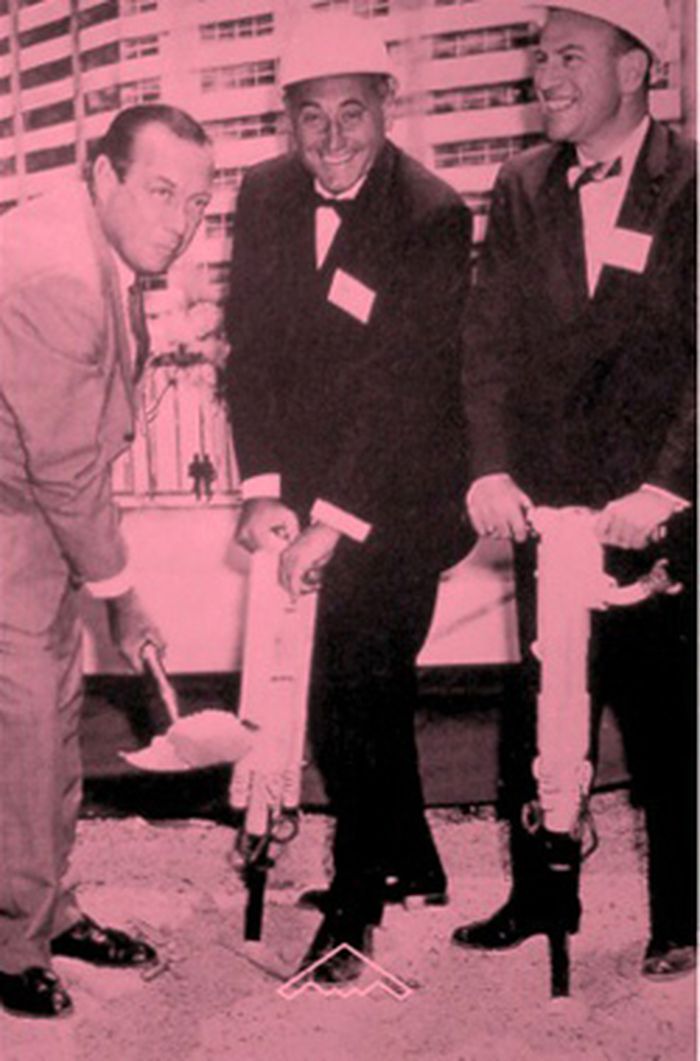
De la Prohibition américaine sur les jeux et l'alcool dans les années 1920 à l'arrivée de Fidel Castro en 1959, Cuba accueille, bien avant Las Vegas, un glissement progressif du plaisir qui, d'antichambre du vice de Miami au tourisme familial, transforme la dictature du général Batista en un ludique et balnéaire parc à thème. Une Cythère de l'American Way of Life, une pure vacance offshore, une plateforme du loisir en voie de massification. Après ses premiers succès au Fontainebleau (1954) et à l'Eden Roc (1955), l'architecte Morris Lapidus – le kitchissime maître du « bon goût » – et quelques autres seront les principaux promoteurs de ce too much is more ! Tout n'y est alors que jour sans fin : rhum Bacardi au pied d'hôtels-chantilly ou au bord de leur piscine-haricot. À l'ombre des palmiers, rien de nouveau...
Modernisme et vanité: happy days à Miami et la Havane
Actions:
Prix:
$17.00
(disponible sur commande)
Résumé:
De la Prohibition américaine sur les jeux et l'alcool dans les années 1920 à l'arrivée de Fidel Castro en 1959, Cuba accueille, bien avant Las Vegas, un glissement progressif du plaisir qui, d'antichambre du vice de Miami au tourisme familial, transforme la dictature du général Batista en un ludique et balnéaire parc à thème. Une Cythère de l'American Way of Life, une pure vacance offshore, une plateforme du loisir en voie de massification. Après ses premiers succès au Fontainebleau (1954) et à l'Eden Roc (1955), l'architecte Morris Lapidus – le kitchissime maître du « bon goût » – et quelques autres seront les principaux promoteurs de ce too much is more ! Tout n'y est alors que jour sans fin : rhum Bacardi au pied d'hôtels-chantilly ou au bord de leur piscine-haricot. À l'ombre des palmiers, rien de nouveau...
Classification:
livres
livres
Publication:
novembre 2012
novembre 2012
Sujet:
Théorie de l’architecture
Théorie de l’architecture
Classification:
périodiques
périodiques
Titre:
White Review #20
White Review #20
Actions:
Prix:
$28.95
(disponible sur commande)
Résumé:
"The White Review #20" features interviews with the Canadian poet, artist and bookmaker Anne Carson, the French philosopher Jean-Luc Nancy, and artist Mounira Al Solh. Through the testimony of an ex-inmate, Felix Bazalgette considers state systems of control, dehumanisation, and imprisonment without trial, while J. S. Tennant describes life in Havana as Cuba adjusts to(...)
$28.95
(disponible sur commande)
Résumé:
"The White Review #20" features interviews with the Canadian poet, artist and bookmaker Anne Carson, the French philosopher Jean-Luc Nancy, and artist Mounira Al Solh. Through the testimony of an ex-inmate, Felix Bazalgette considers state systems of control, dehumanisation, and imprisonment without trial, while J. S. Tennant describes life in Havana as Cuba adjusts to(...)
Titre:
White Review #20
Actions:
Prix:
$28.95
(disponible sur commande)
Résumé:
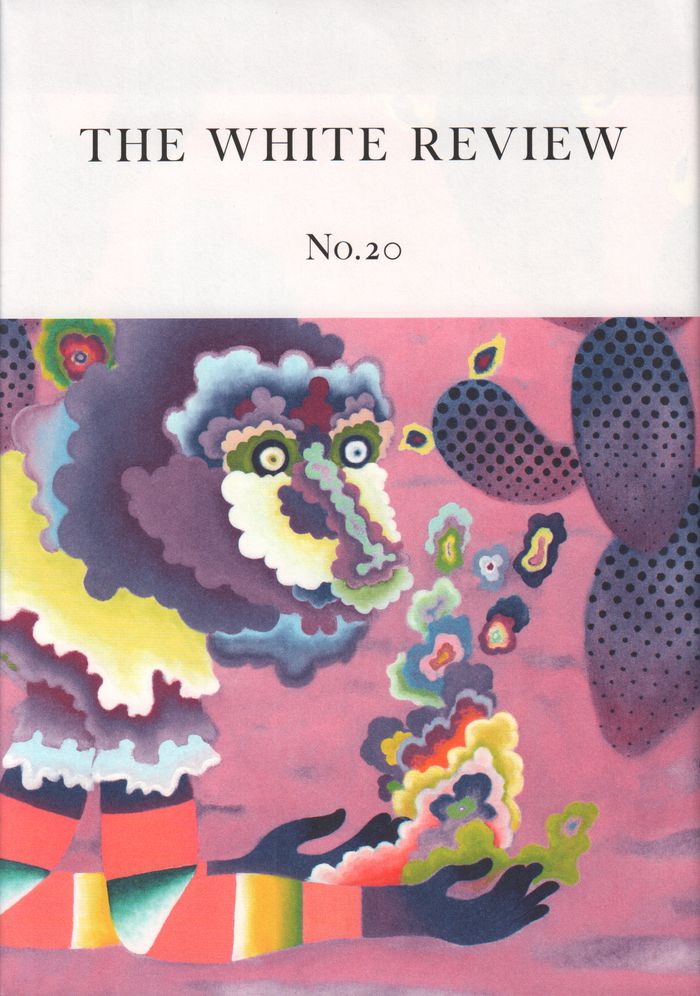
"The White Review #20" features interviews with the Canadian poet, artist and bookmaker Anne Carson, the French philosopher Jean-Luc Nancy, and artist Mounira Al Solh. Through the testimony of an ex-inmate, Felix Bazalgette considers state systems of control, dehumanisation, and imprisonment without trial, while J. S. Tennant describes life in Havana as Cuba adjusts to the normalisation of relations with the United States, the death of Fidel Castro and the influx of foreign investment. Tom McCarthy’s essay ‘The Wandering Bourgeois’ drifts through the history of twentieth-century art to consider how vanguard strategies of recording, mapping and marking are now embedded in digital culture. Alongside these essays, we are pleased to present poems by Nisha Ramayya and Heather Phillipson, who also contributes an exclusive new limited edition artwork. We also feature series of artworks by Nicolas Party and John Divola.
White Review #20
Actions:
Prix:
$28.95
(disponible sur commande)
Résumé:
"The White Review #20" features interviews with the Canadian poet, artist and bookmaker Anne Carson, the French philosopher Jean-Luc Nancy, and artist Mounira Al Solh. Through the testimony of an ex-inmate, Felix Bazalgette considers state systems of control, dehumanisation, and imprisonment without trial, while J. S. Tennant describes life in Havana as Cuba adjusts to the normalisation of relations with the United States, the death of Fidel Castro and the influx of foreign investment. Tom McCarthy’s essay ‘The Wandering Bourgeois’ drifts through the history of twentieth-century art to consider how vanguard strategies of recording, mapping and marking are now embedded in digital culture. Alongside these essays, we are pleased to present poems by Nisha Ramayya and Heather Phillipson, who also contributes an exclusive new limited edition artwork. We also feature series of artworks by Nicolas Party and John Divola.
Classification:
périodiques
périodiques
Publication:
juin 2017
juin 2017
Sujet:
Revues
Revues
Classification:
livres
livres
Actions:
Exemplaires:
Description:
135 pages : chiefly illustrations ; 30 x 30 cm
Description:
135 pages : chiefly illustrations ; 30 x 30 cm
Auteur:
Sujet:
Publication:
London ; New York : Phaidon, 2005.
London ; New York : Phaidon, 2005.
Titre:
Abelardo Morell / Richard B. Woodward.
Actions:
Exemplaires:
Description:
135 pages : chiefly illustrations ; 30 x 30 cm
Abelardo Morell / Richard B. Woodward.
Actions:
Exemplaires:
Description:
135 pages : chiefly illustrations ; 30 x 30 cm
Classification:
livres
livres
Publication:
London ; New York : Phaidon, 2005.
London ; New York : Phaidon, 2005.
Auteur:
Sujet:
Classification:
livres
livres
Prix:
$61.95
(disponible sur commande)
Résumé:
Armed by Design reflects on the intersection of graphic design and political solidarity work in revolutionary Cuba through the lens of the production of OSPAAAL, the Organization of Solidarity of the Peoples of Africa, Asia, and Latin America. OSPAAAL developed out of the 1966 Tricontinental Conference in Havana, a meeting of delegates representing national liberation(...)
$61.95
(disponible sur commande)
Résumé:
Armed by Design reflects on the intersection of graphic design and political solidarity work in revolutionary Cuba through the lens of the production of OSPAAAL, the Organization of Solidarity of the Peoples of Africa, Asia, and Latin America. OSPAAAL developed out of the 1966 Tricontinental Conference in Havana, a meeting of delegates representing national liberation(...)
Titre:
Armed by design: osters and Publications of Cuba's OSPAAAL
Actions:
Prix:
$61.95
(disponible sur commande)
Résumé:
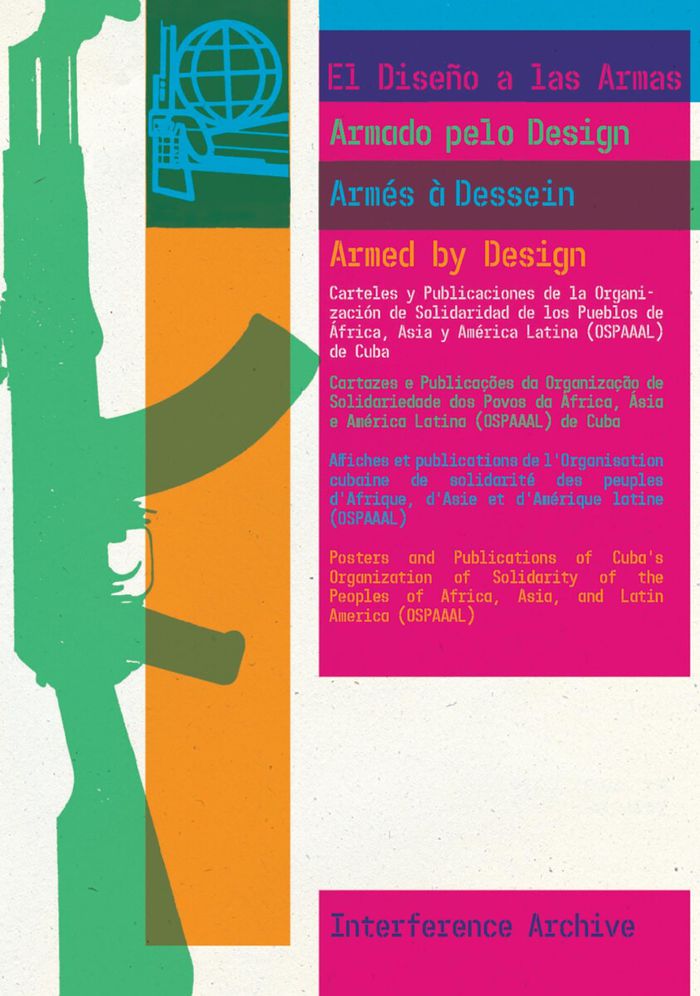
Armed by Design reflects on the intersection of graphic design and political solidarity work in revolutionary Cuba through the lens of the production of OSPAAAL, the Organization of Solidarity of the Peoples of Africa, Asia, and Latin America. OSPAAAL developed out of the 1966 Tricontinental Conference in Havana, a meeting of delegates representing national liberation movements and leftist political parties almost exclusively from the Global South. Based in Havana, OSPAAAL produced nearly five hundred posters, magazines, and books beginning in the late 1960s, with most of their work ceasing by the late 1980s. Until 2019, OSPAAAL was a political organization focused on fighting US imperialism and supporting liberation movements aroundthe world through poster production, regularly produced publications, and a series of books featuring the writings of the intellectual leadership of these movements. ''Armed By Design'' brings together artists and thinkers from around the world whose work has been impacted by the legacy of OSPAAAL. These contributions reflect on impacts of OSPAAAL's work on regional movements, including in the Arab world and Korea, design iconography, the evolution of tricontinentalism, our present-day.
Armed by design: osters and Publications of Cuba's OSPAAAL
Actions:
Prix:
$61.95
(disponible sur commande)
Résumé:
Armed by Design reflects on the intersection of graphic design and political solidarity work in revolutionary Cuba through the lens of the production of OSPAAAL, the Organization of Solidarity of the Peoples of Africa, Asia, and Latin America. OSPAAAL developed out of the 1966 Tricontinental Conference in Havana, a meeting of delegates representing national liberation movements and leftist political parties almost exclusively from the Global South. Based in Havana, OSPAAAL produced nearly five hundred posters, magazines, and books beginning in the late 1960s, with most of their work ceasing by the late 1980s. Until 2019, OSPAAAL was a political organization focused on fighting US imperialism and supporting liberation movements aroundthe world through poster production, regularly produced publications, and a series of books featuring the writings of the intellectual leadership of these movements. ''Armed By Design'' brings together artists and thinkers from around the world whose work has been impacted by the legacy of OSPAAAL. These contributions reflect on impacts of OSPAAAL's work on regional movements, including in the Arab world and Korea, design iconography, the evolution of tricontinentalism, our present-day.
Classification:
livres
livres
Publication:
février 2025
février 2025
Sujet:
Théorie de l’art
Théorie de l’art
Classification:
livres
livres
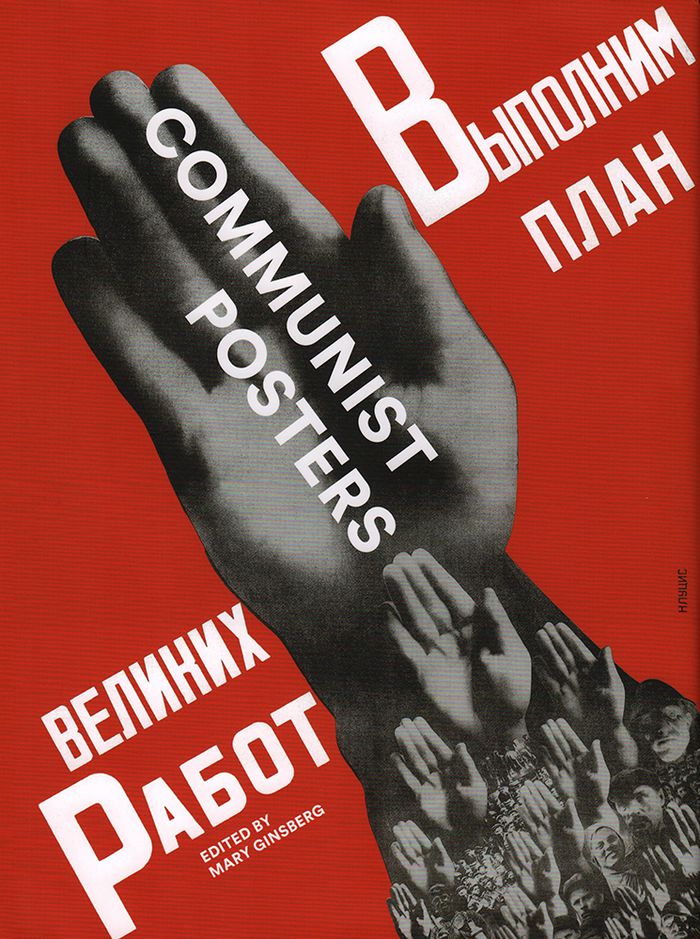
Titre:
Communist posters
Communist posters
Actions:
Prix:
$79.95
(disponible sur commande)
Résumé:
One of the common features of communist regimes is the use of art for revolutionary means. Posters in particular have served as beacons of propaganda – vehicles of coercion, instruction, censure and debate – in every communist nation. They have promoted the authority of state and revolution, but have also been used as an effective means of protest. By their nature posters(...)
$79.95
(disponible sur commande)
Résumé:
One of the common features of communist regimes is the use of art for revolutionary means. Posters in particular have served as beacons of propaganda – vehicles of coercion, instruction, censure and debate – in every communist nation. They have promoted the authority of state and revolution, but have also been used as an effective means of protest. By their nature posters(...)
Titre:
Communist posters
Actions:
Prix:
$79.95
(disponible sur commande)
Résumé:
One of the common features of communist regimes is the use of art for revolutionary means. Posters in particular have served as beacons of propaganda – vehicles of coercion, instruction, censure and debate – in every communist nation. They have promoted the authority of state and revolution, but have also been used as an effective means of protest. By their nature posters are ephemeral, tied to time and place, but many have had far-reaching, long-lasting impact. They are imbued with both artistic integrity and personal conviction – Bolshevik posters, for example, are among the most vibrant, passionate graphics in art history. This is the first truly global survey of the history and variety of communist poster art. Each chapter is written by an expert in the field, and examines a different region of the world: Russia, China, Mongolia, Eastern Europe, North Korea, Vietnam and Cuba. This beautifully illustrated, comprehensive survey examines the broad range of political and visual cultures of communist posters, and will appeal to a wide audience interested in art, history and politics.
Communist posters
Actions:
Prix:
$79.95
(disponible sur commande)
Résumé:
One of the common features of communist regimes is the use of art for revolutionary means. Posters in particular have served as beacons of propaganda – vehicles of coercion, instruction, censure and debate – in every communist nation. They have promoted the authority of state and revolution, but have also been used as an effective means of protest. By their nature posters are ephemeral, tied to time and place, but many have had far-reaching, long-lasting impact. They are imbued with both artistic integrity and personal conviction – Bolshevik posters, for example, are among the most vibrant, passionate graphics in art history. This is the first truly global survey of the history and variety of communist poster art. Each chapter is written by an expert in the field, and examines a different region of the world: Russia, China, Mongolia, Eastern Europe, North Korea, Vietnam and Cuba. This beautifully illustrated, comprehensive survey examines the broad range of political and visual cultures of communist posters, and will appeal to a wide audience interested in art, history and politics.
Classification:
livres
livres
Publication:
mai 2017
mai 2017
Sujet:
Arts graphiques imprimés
Arts graphiques imprimés


