


4031 Résultats
Niveau de description archivistique:
Sous-série
Sous-série
Numéro de référence:
AP178.S1.2002.PR05.SS1
Description:
This project subseries documents the Parque de Vidago Complexo Termal e Hotel Palace in Vidago, Portugal. While the records were held in the office’s archives this project was assigned the number 49/00. The office assigned the date 2002 to this project. The project consisted of major renovations to update and modernize the Vidago Palace Hotel, originally opened in 1910, and the addition of a new thermal spa. Architects José Pedro Lopes Vieira and Diogo Rosa Lã were responsible for the interior decoration of the Palace Hotel, while Siza designed the Spa. The full or partial demolition of some parts of the hotel and nearby buildings was necessary to maintain the original character of the resort. In contrast to the historic hotel, the new spa was contemporary and minimalist with marble interiors. It included pools, Turkish baths, treatment and relaxation rooms, a gym, bars and meditation area. This project subseries is documented through drawings, photographic materials, study models and textual records dating from 2002-2012. These materials primarily document the spa but documentation for the surrounding site, Palace Hotel, Fonte Salus (spring), gatehouse and Serralves exhibition space is also included. The drawings are largely reprographic copies of printed CAD drawings and include sketches, studies, plans, details, sections, elevations, demolition drawings and mechanical, electrical and structural drawings. The textual records include correspondence, meeting minutes, studies, building programs, furniture and spa equipment documentation, budgets and contracts. A large amount of documentation on various electrical, structural and mechanical systems is also included. The photographic materials are mostly printed digital photos showing buildings across the site, pre and post construction work and reference images. There are also a number of photos, postcards and brochures showing historical images of the hotel.
AP178.S1.2002.PR05.SS1
Description:
This project subseries documents the Parque de Vidago Complexo Termal e Hotel Palace in Vidago, Portugal. While the records were held in the office’s archives this project was assigned the number 49/00. The office assigned the date 2002 to this project. The project consisted of major renovations to update and modernize the Vidago Palace Hotel, originally opened in 1910, and the addition of a new thermal spa. Architects José Pedro Lopes Vieira and Diogo Rosa Lã were responsible for the interior decoration of the Palace Hotel, while Siza designed the Spa. The full or partial demolition of some parts of the hotel and nearby buildings was necessary to maintain the original character of the resort. In contrast to the historic hotel, the new spa was contemporary and minimalist with marble interiors. It included pools, Turkish baths, treatment and relaxation rooms, a gym, bars and meditation area. This project subseries is documented through drawings, photographic materials, study models and textual records dating from 2002-2012. These materials primarily document the spa but documentation for the surrounding site, Palace Hotel, Fonte Salus (spring), gatehouse and Serralves exhibition space is also included. The drawings are largely reprographic copies of printed CAD drawings and include sketches, studies, plans, details, sections, elevations, demolition drawings and mechanical, electrical and structural drawings. The textual records include correspondence, meeting minutes, studies, building programs, furniture and spa equipment documentation, budgets and contracts. A large amount of documentation on various electrical, structural and mechanical systems is also included. The photographic materials are mostly printed digital photos showing buildings across the site, pre and post construction work and reference images. There are also a number of photos, postcards and brochures showing historical images of the hotel.
Personnes et institutions:
Date:
2002-2012
2002-2012
Titre:
Parque de Vidago, Complexo Termal e Hotel Palace [Vidago Palace Hotel and Spa], Vidago, Portugal (2002)
Actions:
AP178.S1.2002.PR05.SS1
Description:
This project subseries documents the Parque de Vidago Complexo Termal e Hotel Palace in Vidago, Portugal. While the records were held in the office’s archives this project was assigned the number 49/00. The office assigned the date 2002 to this project. The project consisted of major renovations to update and modernize the Vidago Palace Hotel, originally opened in 1910, and the addition of a new thermal spa. Architects José Pedro Lopes Vieira and Diogo Rosa Lã were responsible for the interior decoration of the Palace Hotel, while Siza designed the Spa. The full or partial demolition of some parts of the hotel and nearby buildings was necessary to maintain the original character of the resort. In contrast to the historic hotel, the new spa was contemporary and minimalist with marble interiors. It included pools, Turkish baths, treatment and relaxation rooms, a gym, bars and meditation area. This project subseries is documented through drawings, photographic materials, study models and textual records dating from 2002-2012. These materials primarily document the spa but documentation for the surrounding site, Palace Hotel, Fonte Salus (spring), gatehouse and Serralves exhibition space is also included. The drawings are largely reprographic copies of printed CAD drawings and include sketches, studies, plans, details, sections, elevations, demolition drawings and mechanical, electrical and structural drawings. The textual records include correspondence, meeting minutes, studies, building programs, furniture and spa equipment documentation, budgets and contracts. A large amount of documentation on various electrical, structural and mechanical systems is also included. The photographic materials are mostly printed digital photos showing buildings across the site, pre and post construction work and reference images. There are also a number of photos, postcards and brochures showing historical images of the hotel.
Parque de Vidago, Complexo Termal e Hotel Palace [Vidago Palace Hotel and Spa], Vidago, Portugal (2002)
Actions:
AP178.S1.2002.PR05.SS1
Description:
This project subseries documents the Parque de Vidago Complexo Termal e Hotel Palace in Vidago, Portugal. While the records were held in the office’s archives this project was assigned the number 49/00. The office assigned the date 2002 to this project. The project consisted of major renovations to update and modernize the Vidago Palace Hotel, originally opened in 1910, and the addition of a new thermal spa. Architects José Pedro Lopes Vieira and Diogo Rosa Lã were responsible for the interior decoration of the Palace Hotel, while Siza designed the Spa. The full or partial demolition of some parts of the hotel and nearby buildings was necessary to maintain the original character of the resort. In contrast to the historic hotel, the new spa was contemporary and minimalist with marble interiors. It included pools, Turkish baths, treatment and relaxation rooms, a gym, bars and meditation area. This project subseries is documented through drawings, photographic materials, study models and textual records dating from 2002-2012. These materials primarily document the spa but documentation for the surrounding site, Palace Hotel, Fonte Salus (spring), gatehouse and Serralves exhibition space is also included. The drawings are largely reprographic copies of printed CAD drawings and include sketches, studies, plans, details, sections, elevations, demolition drawings and mechanical, electrical and structural drawings. The textual records include correspondence, meeting minutes, studies, building programs, furniture and spa equipment documentation, budgets and contracts. A large amount of documentation on various electrical, structural and mechanical systems is also included. The photographic materials are mostly printed digital photos showing buildings across the site, pre and post construction work and reference images. There are also a number of photos, postcards and brochures showing historical images of the hotel.
Niveau de description archivistique:
Project
Project
Date:
2002-2012
2002-2012
Personnes et institutions:
Niveau de description archivistique:
Projet
Projet
Titre:
Quinta da Bela Flor, Lisboa
Quinta da Bela Flor, Lisboa
Numéro de référence:
CD034.S1.1976.PR01
Description:
This project series contains one reproduction of a photograph displayed in the exhibit to document the Quinta da Bela Flor neighbourhood, in Lisbon, Portugal. The exhibit text explained that: Artur Rosa's project in the neighbourhood grew out of a shanty town, built on a difficult site, dating back to the 19th century, with reports of families living in hillside caves that today flank the entrance to a nearby highway. The process was based on voluntary work, and its ending presented a huge disappointment to the local brigade. In 1976 and 1977, Artur Rosa, also a practicing artist, produced three works that reflected on SAAL, its failure and the subsequent sense of persecution felt by many brigade leaders. The decision not to present the project but rather the artistic interventions aims at revealing the performative nature of the process, its poetic intensity and the way it related to its protagonists. In 1977 the architect presented a performance at the Fine Arts Society in Lisbon in which he closed the documentation of the project in a darkened room. The following year, he presented a structure with the documentation closed inside, and finally he used the project drawings in a collage with photographs on the occasion of the first public tap in Quinta da Bela-Flor. Those poetic artistic interventions are his form of publicly mourning the end of the SAAL process. (The SAAL Process, Housing in Portugal 1974–76) Artur Rosa worked for SAAL/Lisbon and Central South with Etelvina José, Hélio Oliveira, José Luís Teles Rebolo, José Miguel Fonseca, Luís Pereira, Manuel Coutinho Raposo, Maria Fernanda Carvalho, Maria Isabel Rodrigues Lobo, Nuno Blanco Bártolo, Nuno Martins and the residents' association Cooperativa de Habitação Económica Bela Flor, that was founded on February 13th, 1976. The project included 288 dwellings. The operation began in September 1976, with a construction date in December 1976. This project series contains a reproduction of a photograph of a model. The original photograph was produced around 1976 and was reproduced in 2015 for the exhibit.
CD034.S1.1976.PR01
Description:
This project series contains one reproduction of a photograph displayed in the exhibit to document the Quinta da Bela Flor neighbourhood, in Lisbon, Portugal. The exhibit text explained that: Artur Rosa's project in the neighbourhood grew out of a shanty town, built on a difficult site, dating back to the 19th century, with reports of families living in hillside caves that today flank the entrance to a nearby highway. The process was based on voluntary work, and its ending presented a huge disappointment to the local brigade. In 1976 and 1977, Artur Rosa, also a practicing artist, produced three works that reflected on SAAL, its failure and the subsequent sense of persecution felt by many brigade leaders. The decision not to present the project but rather the artistic interventions aims at revealing the performative nature of the process, its poetic intensity and the way it related to its protagonists. In 1977 the architect presented a performance at the Fine Arts Society in Lisbon in which he closed the documentation of the project in a darkened room. The following year, he presented a structure with the documentation closed inside, and finally he used the project drawings in a collage with photographs on the occasion of the first public tap in Quinta da Bela-Flor. Those poetic artistic interventions are his form of publicly mourning the end of the SAAL process. (The SAAL Process, Housing in Portugal 1974–76) Artur Rosa worked for SAAL/Lisbon and Central South with Etelvina José, Hélio Oliveira, José Luís Teles Rebolo, José Miguel Fonseca, Luís Pereira, Manuel Coutinho Raposo, Maria Fernanda Carvalho, Maria Isabel Rodrigues Lobo, Nuno Blanco Bártolo, Nuno Martins and the residents' association Cooperativa de Habitação Económica Bela Flor, that was founded on February 13th, 1976. The project included 288 dwellings. The operation began in September 1976, with a construction date in December 1976. This project series contains a reproduction of a photograph of a model. The original photograph was produced around 1976 and was reproduced in 2015 for the exhibit.
Personnes et institutions:
Date:
circa 1976
circa 1976
Titre:
Quinta da Bela Flor, Lisboa
Actions:
CD034.S1.1976.PR01
Description:
This project series contains one reproduction of a photograph displayed in the exhibit to document the Quinta da Bela Flor neighbourhood, in Lisbon, Portugal. The exhibit text explained that: Artur Rosa's project in the neighbourhood grew out of a shanty town, built on a difficult site, dating back to the 19th century, with reports of families living in hillside caves that today flank the entrance to a nearby highway. The process was based on voluntary work, and its ending presented a huge disappointment to the local brigade. In 1976 and 1977, Artur Rosa, also a practicing artist, produced three works that reflected on SAAL, its failure and the subsequent sense of persecution felt by many brigade leaders. The decision not to present the project but rather the artistic interventions aims at revealing the performative nature of the process, its poetic intensity and the way it related to its protagonists. In 1977 the architect presented a performance at the Fine Arts Society in Lisbon in which he closed the documentation of the project in a darkened room. The following year, he presented a structure with the documentation closed inside, and finally he used the project drawings in a collage with photographs on the occasion of the first public tap in Quinta da Bela-Flor. Those poetic artistic interventions are his form of publicly mourning the end of the SAAL process. (The SAAL Process, Housing in Portugal 1974–76) Artur Rosa worked for SAAL/Lisbon and Central South with Etelvina José, Hélio Oliveira, José Luís Teles Rebolo, José Miguel Fonseca, Luís Pereira, Manuel Coutinho Raposo, Maria Fernanda Carvalho, Maria Isabel Rodrigues Lobo, Nuno Blanco Bártolo, Nuno Martins and the residents' association Cooperativa de Habitação Económica Bela Flor, that was founded on February 13th, 1976. The project included 288 dwellings. The operation began in September 1976, with a construction date in December 1976. This project series contains a reproduction of a photograph of a model. The original photograph was produced around 1976 and was reproduced in 2015 for the exhibit.
Quinta da Bela Flor, Lisboa
Actions:
CD034.S1.1976.PR01
Description:
This project series contains one reproduction of a photograph displayed in the exhibit to document the Quinta da Bela Flor neighbourhood, in Lisbon, Portugal. The exhibit text explained that: Artur Rosa's project in the neighbourhood grew out of a shanty town, built on a difficult site, dating back to the 19th century, with reports of families living in hillside caves that today flank the entrance to a nearby highway. The process was based on voluntary work, and its ending presented a huge disappointment to the local brigade. In 1976 and 1977, Artur Rosa, also a practicing artist, produced three works that reflected on SAAL, its failure and the subsequent sense of persecution felt by many brigade leaders. The decision not to present the project but rather the artistic interventions aims at revealing the performative nature of the process, its poetic intensity and the way it related to its protagonists. In 1977 the architect presented a performance at the Fine Arts Society in Lisbon in which he closed the documentation of the project in a darkened room. The following year, he presented a structure with the documentation closed inside, and finally he used the project drawings in a collage with photographs on the occasion of the first public tap in Quinta da Bela-Flor. Those poetic artistic interventions are his form of publicly mourning the end of the SAAL process. (The SAAL Process, Housing in Portugal 1974–76) Artur Rosa worked for SAAL/Lisbon and Central South with Etelvina José, Hélio Oliveira, José Luís Teles Rebolo, José Miguel Fonseca, Luís Pereira, Manuel Coutinho Raposo, Maria Fernanda Carvalho, Maria Isabel Rodrigues Lobo, Nuno Blanco Bártolo, Nuno Martins and the residents' association Cooperativa de Habitação Económica Bela Flor, that was founded on February 13th, 1976. The project included 288 dwellings. The operation began in September 1976, with a construction date in December 1976. This project series contains a reproduction of a photograph of a model. The original photograph was produced around 1976 and was reproduced in 2015 for the exhibit.
Niveau de description archivistique:
Project
Project
Date:
circa 1976
circa 1976
Personnes et institutions:
Classification:
archives
Niveau de description archivistique:
Fonds
archives
Niveau de description archivistique:
Fonds
Numéro de référence:
AP189
Résumé:
L’installation Météorologie d’intérieur fut présentée au Centre Canadien d’Architecture (CCA) lors de l’exposition Environ(ne)ment (18 octobre 2006-10 juin 2007) et à Rovereto en Italie lors de l’exposition Manifesta 7 (19 juillet-2 novembre 2008). Les documents d’archives de l’installation comprennent le logiciel développé pour l’installation et une sélection des objets installés dans les deux espaces d’exposition. *** The installation Interior Weather was presented at the Candian Centre for Architecture (CCA) as part of the exhibition Environ(ne)ment (October 18, 2006-June 10, 2007) and in Rovereto, Italy as part of Manifesta 7 (July 19-November 2, 2008). The records of the installation Interior Weather include the software developed for the installation and a selection of objects installed in the exhibition spaces.
AP189
Résumé:
L’installation Météorologie d’intérieur fut présentée au Centre Canadien d’Architecture (CCA) lors de l’exposition Environ(ne)ment (18 octobre 2006-10 juin 2007) et à Rovereto en Italie lors de l’exposition Manifesta 7 (19 juillet-2 novembre 2008). Les documents d’archives de l’installation comprennent le logiciel développé pour l’installation et une sélection des objets installés dans les deux espaces d’exposition. *** The installation Interior Weather was presented at the Candian Centre for Architecture (CCA) as part of the exhibition Environ(ne)ment (October 18, 2006-June 10, 2007) and in Rovereto, Italy as part of Manifesta 7 (July 19-November 2, 2008). The records of the installation Interior Weather include the software developed for the installation and a selection of objects installed in the exhibition spaces.
Personnes et institutions:
Date:
2000-2008
2000-2008
Titre:
Documents d'archives de l'installation "Météorologie d'intérieur" de Philippe Rahm
Actions:
AP189
Résumé:
L’installation Météorologie d’intérieur fut présentée au Centre Canadien d’Architecture (CCA) lors de l’exposition Environ(ne)ment (18 octobre 2006-10 juin 2007) et à Rovereto en Italie lors de l’exposition Manifesta 7 (19 juillet-2 novembre 2008). Les documents d’archives de l’installation comprennent le logiciel développé pour l’installation et une sélection des objets installés dans les deux espaces d’exposition. *** The installation Interior Weather was presented at the Candian Centre for Architecture (CCA) as part of the exhibition Environ(ne)ment (October 18, 2006-June 10, 2007) and in Rovereto, Italy as part of Manifesta 7 (July 19-November 2, 2008). The records of the installation Interior Weather include the software developed for the installation and a selection of objects installed in the exhibition spaces.
Documents d'archives de l'installation "Météorologie d'intérieur" de Philippe Rahm
Actions:
AP189
Résumé:
L’installation Météorologie d’intérieur fut présentée au Centre Canadien d’Architecture (CCA) lors de l’exposition Environ(ne)ment (18 octobre 2006-10 juin 2007) et à Rovereto en Italie lors de l’exposition Manifesta 7 (19 juillet-2 novembre 2008). Les documents d’archives de l’installation comprennent le logiciel développé pour l’installation et une sélection des objets installés dans les deux espaces d’exposition. *** The installation Interior Weather was presented at the Candian Centre for Architecture (CCA) as part of the exhibition Environ(ne)ment (October 18, 2006-June 10, 2007) and in Rovereto, Italy as part of Manifesta 7 (July 19-November 2, 2008). The records of the installation Interior Weather include the software developed for the installation and a selection of objects installed in the exhibition spaces.
Classification:
archives
Niveau de description archivistique:
Fonds
archives
Niveau de description archivistique:
Fonds
Date:
2000-2008
2000-2008
Personnes et institutions:
Niveau de description archivistique:
Projet
Projet
Titre:
IBA
IBA
Numéro de référence:
AP143.S4.D32
Description:
File documents the partially executed project for the Restricted International Competition "South Friedrichstadt as a Place to Live and Work," West Berlin (now Berlin), West Germany (now in Germany). Material in this file was produced between 1980 and 1988. File documents the design for one of four urban blocks in the area of the Kochstrasse and Friedrichstrasse, Berlin. The competition required the preservation of three existing structures and the construction of mixed-used buildings on vacant lots. The architect develops an overall strategy to occupy the urban block by extending the geometry of the three existing buildings onto the site (DR1991:0018:002; DR1991:0018:004-006), on which he overlays what he calls the "Mercator grid", an orthogonal grid oriented according to the compass (DR1991:0018:016). The "el structures" used by Eisenman in House X, House 11a, and the Cannaregio project reappear in plan, and later as forms emerging from the square compartments delimited by the "Mercator grid", this time developed three-dimensionally (House X, 1975-1977, DR1994:0138:001-1546; House 11a, 1978, DR1994:0139:001-303; Cannaregio project, 1978, DR1991:0017:001-094). After finalizing the urban concept, Eisenman concentrates his efforts on the planning of individual buildings, developing the massing of the building facing Kochstrasse in a series of axonometrics (DR1991:0018:088-092), sections (DR1991:0018:088) and facade studies (DR1991:0018:204-210). A series of scrolled drawings study the L-shaped elements and thin slabs with characteristically gridded surfaces found in House X (DR1991:0018:204 and DR1991:0018:209-210). File contains record drawings, conceptual drawings, design development drawings, schematic drawings, competition drawings, presentation drawings, photographic material, and textual records.
AP143.S4.D32
Description:
File documents the partially executed project for the Restricted International Competition "South Friedrichstadt as a Place to Live and Work," West Berlin (now Berlin), West Germany (now in Germany). Material in this file was produced between 1980 and 1988. File documents the design for one of four urban blocks in the area of the Kochstrasse and Friedrichstrasse, Berlin. The competition required the preservation of three existing structures and the construction of mixed-used buildings on vacant lots. The architect develops an overall strategy to occupy the urban block by extending the geometry of the three existing buildings onto the site (DR1991:0018:002; DR1991:0018:004-006), on which he overlays what he calls the "Mercator grid", an orthogonal grid oriented according to the compass (DR1991:0018:016). The "el structures" used by Eisenman in House X, House 11a, and the Cannaregio project reappear in plan, and later as forms emerging from the square compartments delimited by the "Mercator grid", this time developed three-dimensionally (House X, 1975-1977, DR1994:0138:001-1546; House 11a, 1978, DR1994:0139:001-303; Cannaregio project, 1978, DR1991:0017:001-094). After finalizing the urban concept, Eisenman concentrates his efforts on the planning of individual buildings, developing the massing of the building facing Kochstrasse in a series of axonometrics (DR1991:0018:088-092), sections (DR1991:0018:088) and facade studies (DR1991:0018:204-210). A series of scrolled drawings study the L-shaped elements and thin slabs with characteristically gridded surfaces found in House X (DR1991:0018:204 and DR1991:0018:209-210). File contains record drawings, conceptual drawings, design development drawings, schematic drawings, competition drawings, presentation drawings, photographic material, and textual records.
Personnes et institutions:
Date:
1980-1988
1980-1988
Titre:
IBA
Actions:
AP143.S4.D32
Description:
File documents the partially executed project for the Restricted International Competition "South Friedrichstadt as a Place to Live and Work," West Berlin (now Berlin), West Germany (now in Germany). Material in this file was produced between 1980 and 1988. File documents the design for one of four urban blocks in the area of the Kochstrasse and Friedrichstrasse, Berlin. The competition required the preservation of three existing structures and the construction of mixed-used buildings on vacant lots. The architect develops an overall strategy to occupy the urban block by extending the geometry of the three existing buildings onto the site (DR1991:0018:002; DR1991:0018:004-006), on which he overlays what he calls the "Mercator grid", an orthogonal grid oriented according to the compass (DR1991:0018:016). The "el structures" used by Eisenman in House X, House 11a, and the Cannaregio project reappear in plan, and later as forms emerging from the square compartments delimited by the "Mercator grid", this time developed three-dimensionally (House X, 1975-1977, DR1994:0138:001-1546; House 11a, 1978, DR1994:0139:001-303; Cannaregio project, 1978, DR1991:0017:001-094). After finalizing the urban concept, Eisenman concentrates his efforts on the planning of individual buildings, developing the massing of the building facing Kochstrasse in a series of axonometrics (DR1991:0018:088-092), sections (DR1991:0018:088) and facade studies (DR1991:0018:204-210). A series of scrolled drawings study the L-shaped elements and thin slabs with characteristically gridded surfaces found in House X (DR1991:0018:204 and DR1991:0018:209-210). File contains record drawings, conceptual drawings, design development drawings, schematic drawings, competition drawings, presentation drawings, photographic material, and textual records.
IBA
Actions:
AP143.S4.D32
Description:
File documents the partially executed project for the Restricted International Competition "South Friedrichstadt as a Place to Live and Work," West Berlin (now Berlin), West Germany (now in Germany). Material in this file was produced between 1980 and 1988. File documents the design for one of four urban blocks in the area of the Kochstrasse and Friedrichstrasse, Berlin. The competition required the preservation of three existing structures and the construction of mixed-used buildings on vacant lots. The architect develops an overall strategy to occupy the urban block by extending the geometry of the three existing buildings onto the site (DR1991:0018:002; DR1991:0018:004-006), on which he overlays what he calls the "Mercator grid", an orthogonal grid oriented according to the compass (DR1991:0018:016). The "el structures" used by Eisenman in House X, House 11a, and the Cannaregio project reappear in plan, and later as forms emerging from the square compartments delimited by the "Mercator grid", this time developed three-dimensionally (House X, 1975-1977, DR1994:0138:001-1546; House 11a, 1978, DR1994:0139:001-303; Cannaregio project, 1978, DR1991:0017:001-094). After finalizing the urban concept, Eisenman concentrates his efforts on the planning of individual buildings, developing the massing of the building facing Kochstrasse in a series of axonometrics (DR1991:0018:088-092), sections (DR1991:0018:088) and facade studies (DR1991:0018:204-210). A series of scrolled drawings study the L-shaped elements and thin slabs with characteristically gridded surfaces found in House X (DR1991:0018:204 and DR1991:0018:209-210). File contains record drawings, conceptual drawings, design development drawings, schematic drawings, competition drawings, presentation drawings, photographic material, and textual records.
Niveau de description archivistique:
File 32
File 32
Date:
1980-1988
1980-1988
Personnes et institutions:
Classification:
dessins, documents textuels, oeuvres d'art, périodiques
dessins, documents textuels, oeuvres d'art, périodiques
Actions:
Numéro de référence:
DR1974:0002:017:001-060
Description:
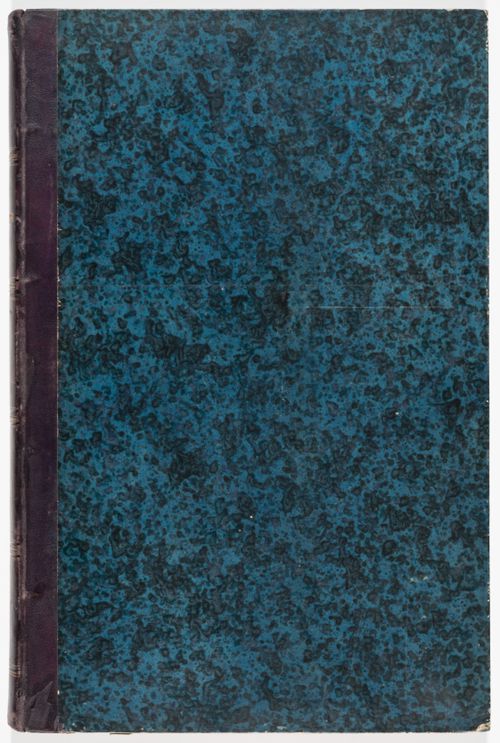
- This album contains plans, elevations and sections as well as written documents - the contract, specifications, work logs, letters and financial records - for the Hippodrome national, Paris. Most of the drawings and documents date from 1845, when the Hippodrome national was constructed, including the contract and contract drawings (DR1974:0002:017:025 and DR1974:0002:017:027 - DR1974:0002:017:031), a description and cost estimate, structural drawings, and plans, sections and elevations, some coloured, showing the various elements of the design. The construction of the building is documented by two work logs, one of which is probably a draft (work log: DR1974:0002:017:017:001-027; draft work log: DR1974:0002:017:044:001-038). The building was designed in the Islamic Revival style. It was constructed primarily of painted canvas stretched on frames and attached to the structural framework (Dupavillion, 81). Several preliminary drawings for the Hippodrome national are included: an elevation and plan dated 1844 and a pencil rendering of an elaborate Moorish façade, probably alternate designs (DR1974:0002:017:004, DR1974:0002:017:026, and DR1974:0002:017:060), and a watercolour perspective view, plan and section (DR1974:0002:017:001 - DR1974:0002:017:003), possibly for a different site, dated February 1845. Four drawings dated February 1846 are for additions to the hippodrome, including a portico on the front of the princes' pavilion, and a pedestrian bridge over the service court entrance (DR1974:0002:017:011, DR1974:0002:017:012, DR1974:0002:017:016 and DR1974:0002:017:037). Plan DR1974:0002:017:015 is probably also related to these additions. It has not been determined if these additions were carried out. Also included are three record drawings of the Circus of Maxentius and the hippodrome at Villa Borghese in Rome; a copy of "L'Entr'acte" containing an article on the proposed construction of a hippodrome (cirque) in Paris; and two letters requesting information on the Hippodrome national.
DR1974:0002:017:001-060
Description:
- This album contains plans, elevations and sections as well as written documents - the contract, specifications, work logs, letters and financial records - for the Hippodrome national, Paris. Most of the drawings and documents date from 1845, when the Hippodrome national was constructed, including the contract and contract drawings (DR1974:0002:017:025 and DR1974:0002:017:027 - DR1974:0002:017:031), a description and cost estimate, structural drawings, and plans, sections and elevations, some coloured, showing the various elements of the design. The construction of the building is documented by two work logs, one of which is probably a draft (work log: DR1974:0002:017:017:001-027; draft work log: DR1974:0002:017:044:001-038). The building was designed in the Islamic Revival style. It was constructed primarily of painted canvas stretched on frames and attached to the structural framework (Dupavillion, 81). Several preliminary drawings for the Hippodrome national are included: an elevation and plan dated 1844 and a pencil rendering of an elaborate Moorish façade, probably alternate designs (DR1974:0002:017:004, DR1974:0002:017:026, and DR1974:0002:017:060), and a watercolour perspective view, plan and section (DR1974:0002:017:001 - DR1974:0002:017:003), possibly for a different site, dated February 1845. Four drawings dated February 1846 are for additions to the hippodrome, including a portico on the front of the princes' pavilion, and a pedestrian bridge over the service court entrance (DR1974:0002:017:011, DR1974:0002:017:012, DR1974:0002:017:016 and DR1974:0002:017:037). Plan DR1974:0002:017:015 is probably also related to these additions. It has not been determined if these additions were carried out. Also included are three record drawings of the Circus of Maxentius and the hippodrome at Villa Borghese in Rome; a copy of "L'Entr'acte" containing an article on the proposed construction of a hippodrome (cirque) in Paris; and two letters requesting information on the Hippodrome national.
Personnes et institutions:
Sujet:
architecture
architecture
Date:
1840-1850, printed 1845, published 11 September 1844
1840-1850, printed 1845, published 11 September 1844
Titre:
Album of drawings and documents for the Hippodrome national, Paris
Actions:
DR1974:0002:017:001-060
Description:
- This album contains plans, elevations and sections as well as written documents - the contract, specifications, work logs, letters and financial records - for the Hippodrome national, Paris. Most of the drawings and documents date from 1845, when the Hippodrome national was constructed, including the contract and contract drawings (DR1974:0002:017:025 and DR1974:0002:017:027 - DR1974:0002:017:031), a description and cost estimate, structural drawings, and plans, sections and elevations, some coloured, showing the various elements of the design. The construction of the building is documented by two work logs, one of which is probably a draft (work log: DR1974:0002:017:017:001-027; draft work log: DR1974:0002:017:044:001-038). The building was designed in the Islamic Revival style. It was constructed primarily of painted canvas stretched on frames and attached to the structural framework (Dupavillion, 81). Several preliminary drawings for the Hippodrome national are included: an elevation and plan dated 1844 and a pencil rendering of an elaborate Moorish façade, probably alternate designs (DR1974:0002:017:004, DR1974:0002:017:026, and DR1974:0002:017:060), and a watercolour perspective view, plan and section (DR1974:0002:017:001 - DR1974:0002:017:003), possibly for a different site, dated February 1845. Four drawings dated February 1846 are for additions to the hippodrome, including a portico on the front of the princes' pavilion, and a pedestrian bridge over the service court entrance (DR1974:0002:017:011, DR1974:0002:017:012, DR1974:0002:017:016 and DR1974:0002:017:037). Plan DR1974:0002:017:015 is probably also related to these additions. It has not been determined if these additions were carried out. Also included are three record drawings of the Circus of Maxentius and the hippodrome at Villa Borghese in Rome; a copy of "L'Entr'acte" containing an article on the proposed construction of a hippodrome (cirque) in Paris; and two letters requesting information on the Hippodrome national.
Album of drawings and documents for the Hippodrome national, Paris
Actions:
DR1974:0002:017:001-060
Description:
- This album contains plans, elevations and sections as well as written documents - the contract, specifications, work logs, letters and financial records - for the Hippodrome national, Paris. Most of the drawings and documents date from 1845, when the Hippodrome national was constructed, including the contract and contract drawings (DR1974:0002:017:025 and DR1974:0002:017:027 - DR1974:0002:017:031), a description and cost estimate, structural drawings, and plans, sections and elevations, some coloured, showing the various elements of the design. The construction of the building is documented by two work logs, one of which is probably a draft (work log: DR1974:0002:017:017:001-027; draft work log: DR1974:0002:017:044:001-038). The building was designed in the Islamic Revival style. It was constructed primarily of painted canvas stretched on frames and attached to the structural framework (Dupavillion, 81). Several preliminary drawings for the Hippodrome national are included: an elevation and plan dated 1844 and a pencil rendering of an elaborate Moorish façade, probably alternate designs (DR1974:0002:017:004, DR1974:0002:017:026, and DR1974:0002:017:060), and a watercolour perspective view, plan and section (DR1974:0002:017:001 - DR1974:0002:017:003), possibly for a different site, dated February 1845. Four drawings dated February 1846 are for additions to the hippodrome, including a portico on the front of the princes' pavilion, and a pedestrian bridge over the service court entrance (DR1974:0002:017:011, DR1974:0002:017:012, DR1974:0002:017:016 and DR1974:0002:017:037). Plan DR1974:0002:017:015 is probably also related to these additions. It has not been determined if these additions were carried out. Also included are three record drawings of the Circus of Maxentius and the hippodrome at Villa Borghese in Rome; a copy of "L'Entr'acte" containing an article on the proposed construction of a hippodrome (cirque) in Paris; and two letters requesting information on the Hippodrome national.
Classification:
dessins, documents textuels, oeuvres d'art, périodiques
dessins, documents textuels, oeuvres d'art, périodiques
Date:
1840-1850, printed 1845, published 11 September 1844
1840-1850, printed 1845, published 11 September 1844
Personnes et institutions:
Sujet:
architecture
architecture
Niveau de description archivistique:
Projet
Projet
Numéro de référence:
AP075.S1.1983.PR01
Description:
Project series documents Cornelia Hahn Oberlander's design for the interior and exterior landscape of National Gallery of Canada in Ottawa. Oberlander worked on this project from 1983-1995 with architects Moshe Safdie and John C. Parkin. Oberlander's overall concept for the landscaping was based on the building organizational pattern of a city. She created "a pathway system that connected the front of the National Gallery to Nepean Point behind the gallery." [1] Oberlander landscape design includes the design of three exterior area and a courtyard. Each space is design in relations to the art displayed in the immediate indoor gallery: the Taiga Garden "flanks the gallery's interior glass-and-concrete collonade that leads to the Canadian and Aboriginal Art galleries." [2]; the Minimalist Courtyard relates to the modern art collection gallery; the zigzag-shaped pathway passes between the National War Museum and the new gallery; and interior courtyard links the restored ninetheeth-century Rideau Chapel relocated inside the National Gallery and provides and church-like atmosphere. The project series contains textual records, including specifications, correspondence, documentation, financial documents, plant lists, press clippings about the project, and Oberlander's concept development notes. The project is also recorded through photographic materials, such as slides and photographs of the construction of the building and the landscape work and the photographs of the completed project. The project series also includes conceptual drawings, design develepment drawings, working drawings and presentation drawings, including landscape plans, planting plans, grading and irrigation plans and building plans used as reference. Source: [1] Herrington, Susan. Cornelia Hahn Oberlander: Making the Modern Landscape, University of Virginia Press, 2014, 304 pages, p. 165. [2] Herrington, Susan. Cornelia Hahn Oberlander: Making the Modern Landscape, University of Virginia Press, 2014, 304 pages, p. 166.
AP075.S1.1983.PR01
Description:
Project series documents Cornelia Hahn Oberlander's design for the interior and exterior landscape of National Gallery of Canada in Ottawa. Oberlander worked on this project from 1983-1995 with architects Moshe Safdie and John C. Parkin. Oberlander's overall concept for the landscaping was based on the building organizational pattern of a city. She created "a pathway system that connected the front of the National Gallery to Nepean Point behind the gallery." [1] Oberlander landscape design includes the design of three exterior area and a courtyard. Each space is design in relations to the art displayed in the immediate indoor gallery: the Taiga Garden "flanks the gallery's interior glass-and-concrete collonade that leads to the Canadian and Aboriginal Art galleries." [2]; the Minimalist Courtyard relates to the modern art collection gallery; the zigzag-shaped pathway passes between the National War Museum and the new gallery; and interior courtyard links the restored ninetheeth-century Rideau Chapel relocated inside the National Gallery and provides and church-like atmosphere. The project series contains textual records, including specifications, correspondence, documentation, financial documents, plant lists, press clippings about the project, and Oberlander's concept development notes. The project is also recorded through photographic materials, such as slides and photographs of the construction of the building and the landscape work and the photographs of the completed project. The project series also includes conceptual drawings, design develepment drawings, working drawings and presentation drawings, including landscape plans, planting plans, grading and irrigation plans and building plans used as reference. Source: [1] Herrington, Susan. Cornelia Hahn Oberlander: Making the Modern Landscape, University of Virginia Press, 2014, 304 pages, p. 165. [2] Herrington, Susan. Cornelia Hahn Oberlander: Making the Modern Landscape, University of Virginia Press, 2014, 304 pages, p. 166.
Personnes et institutions:
Date:
1983-2005
1983-2005
Titre:
National Gallery of Canada, Ottawa, Ontario (1983-1990)
Actions:
AP075.S1.1983.PR01
Description:
Project series documents Cornelia Hahn Oberlander's design for the interior and exterior landscape of National Gallery of Canada in Ottawa. Oberlander worked on this project from 1983-1995 with architects Moshe Safdie and John C. Parkin. Oberlander's overall concept for the landscaping was based on the building organizational pattern of a city. She created "a pathway system that connected the front of the National Gallery to Nepean Point behind the gallery." [1] Oberlander landscape design includes the design of three exterior area and a courtyard. Each space is design in relations to the art displayed in the immediate indoor gallery: the Taiga Garden "flanks the gallery's interior glass-and-concrete collonade that leads to the Canadian and Aboriginal Art galleries." [2]; the Minimalist Courtyard relates to the modern art collection gallery; the zigzag-shaped pathway passes between the National War Museum and the new gallery; and interior courtyard links the restored ninetheeth-century Rideau Chapel relocated inside the National Gallery and provides and church-like atmosphere. The project series contains textual records, including specifications, correspondence, documentation, financial documents, plant lists, press clippings about the project, and Oberlander's concept development notes. The project is also recorded through photographic materials, such as slides and photographs of the construction of the building and the landscape work and the photographs of the completed project. The project series also includes conceptual drawings, design develepment drawings, working drawings and presentation drawings, including landscape plans, planting plans, grading and irrigation plans and building plans used as reference. Source: [1] Herrington, Susan. Cornelia Hahn Oberlander: Making the Modern Landscape, University of Virginia Press, 2014, 304 pages, p. 165. [2] Herrington, Susan. Cornelia Hahn Oberlander: Making the Modern Landscape, University of Virginia Press, 2014, 304 pages, p. 166.
National Gallery of Canada, Ottawa, Ontario (1983-1990)
Actions:
AP075.S1.1983.PR01
Description:
Project series documents Cornelia Hahn Oberlander's design for the interior and exterior landscape of National Gallery of Canada in Ottawa. Oberlander worked on this project from 1983-1995 with architects Moshe Safdie and John C. Parkin. Oberlander's overall concept for the landscaping was based on the building organizational pattern of a city. She created "a pathway system that connected the front of the National Gallery to Nepean Point behind the gallery." [1] Oberlander landscape design includes the design of three exterior area and a courtyard. Each space is design in relations to the art displayed in the immediate indoor gallery: the Taiga Garden "flanks the gallery's interior glass-and-concrete collonade that leads to the Canadian and Aboriginal Art galleries." [2]; the Minimalist Courtyard relates to the modern art collection gallery; the zigzag-shaped pathway passes between the National War Museum and the new gallery; and interior courtyard links the restored ninetheeth-century Rideau Chapel relocated inside the National Gallery and provides and church-like atmosphere. The project series contains textual records, including specifications, correspondence, documentation, financial documents, plant lists, press clippings about the project, and Oberlander's concept development notes. The project is also recorded through photographic materials, such as slides and photographs of the construction of the building and the landscape work and the photographs of the completed project. The project series also includes conceptual drawings, design develepment drawings, working drawings and presentation drawings, including landscape plans, planting plans, grading and irrigation plans and building plans used as reference. Source: [1] Herrington, Susan. Cornelia Hahn Oberlander: Making the Modern Landscape, University of Virginia Press, 2014, 304 pages, p. 165. [2] Herrington, Susan. Cornelia Hahn Oberlander: Making the Modern Landscape, University of Virginia Press, 2014, 304 pages, p. 166.
Niveau de description archivistique:
Project
Project
Date:
1983-2005
1983-2005
Personnes et institutions:
Classification:
archives
Niveau de description archivistique:
Fonds
archives
Niveau de description archivistique:
Fonds
Numéro de référence:
AP096
Résumé:
The Charles B.K. Van Norman fonds consists of photographs, drawings, albums, a presentation panel, and textual records. The material ranges in date from ca. 1942 to 1967, and shows the variety of building types that Van Norman designed, primarily for corporate and government clients, through the busiest period of his career.
AP096
Résumé:
The Charles B.K. Van Norman fonds consists of photographs, drawings, albums, a presentation panel, and textual records. The material ranges in date from ca. 1942 to 1967, and shows the variety of building types that Van Norman designed, primarily for corporate and government clients, through the busiest period of his career.
Personnes et institutions:
Date:
[ca. 1942-1967]
[ca. 1942-1967]
Titre:
Fonds Charles B.K. Van Norman
Actions:
AP096
Résumé:
The Charles B.K. Van Norman fonds consists of photographs, drawings, albums, a presentation panel, and textual records. The material ranges in date from ca. 1942 to 1967, and shows the variety of building types that Van Norman designed, primarily for corporate and government clients, through the busiest period of his career.
Fonds Charles B.K. Van Norman
Actions:
AP096
Résumé:
The Charles B.K. Van Norman fonds consists of photographs, drawings, albums, a presentation panel, and textual records. The material ranges in date from ca. 1942 to 1967, and shows the variety of building types that Van Norman designed, primarily for corporate and government clients, through the busiest period of his career.
Classification:
archives
Niveau de description archivistique:
Fonds
archives
Niveau de description archivistique:
Fonds
Date:
[ca. 1942-1967]
[ca. 1942-1967]
Personnes et institutions:
Niveau de description archivistique:
Projet
Projet
Numéro de référence:
AP018.S1.1974.PR07
Description:
This project series documents long-term planning for airports near Kabul, Afghanistan from 1974-1990. The office identified the project number as 7408. This project consisted of the planning of airports near Kabul for the years 1974-1990. This work was undertaken in joint venture with other Canadian firms who worked together on airport planning projects around the world. The firms, which consisted of Parkin Architects Planners as the architects, the Montreal Engineering Company Limited, and Peat, Marwick and Partners, joined with the local Afghan Bureau of Consulting Architects and Engineers for this project. It was to be funded by the Islamic Bank, with the Canadian government paying the design fees. The proposed airport, referred to as Logar Airport, consisted of a rectangular passenger terminal with each level set back to create the look of a staircase roofline. A 225 car parking lot, an administration building and a tower in the parking lot area were also included. The long-term plan showed a symmetrical addition built onto the passenger building and symmetrical 225 car parking lot to compliment it in the years following the original construction. An airport hotel was also proposed for future additions. A feasibility study for this project investigated Logar as a site for the airport, based on the ability to expand the terminal size for passenger processing and traffic, and the flexibility of the local topography. Planing, deplaning, processing and passenger flows were all investigated in this project, along with phasing and development plans. It is not clear from the project documentation if this project was ever built. The project is recorded through drawings, a photograph, and textual records dating from 1974-1976. The drawings include a large number of base plans with overlays to study planing and deplaning flows, natural lighting, and passenger movements. Plans, sections and presentation drawings are also included. The textual records consist of reports on the project program and costs, interoffice memos, correspondence, and financial records.
AP018.S1.1974.PR07
Description:
This project series documents long-term planning for airports near Kabul, Afghanistan from 1974-1990. The office identified the project number as 7408. This project consisted of the planning of airports near Kabul for the years 1974-1990. This work was undertaken in joint venture with other Canadian firms who worked together on airport planning projects around the world. The firms, which consisted of Parkin Architects Planners as the architects, the Montreal Engineering Company Limited, and Peat, Marwick and Partners, joined with the local Afghan Bureau of Consulting Architects and Engineers for this project. It was to be funded by the Islamic Bank, with the Canadian government paying the design fees. The proposed airport, referred to as Logar Airport, consisted of a rectangular passenger terminal with each level set back to create the look of a staircase roofline. A 225 car parking lot, an administration building and a tower in the parking lot area were also included. The long-term plan showed a symmetrical addition built onto the passenger building and symmetrical 225 car parking lot to compliment it in the years following the original construction. An airport hotel was also proposed for future additions. A feasibility study for this project investigated Logar as a site for the airport, based on the ability to expand the terminal size for passenger processing and traffic, and the flexibility of the local topography. Planing, deplaning, processing and passenger flows were all investigated in this project, along with phasing and development plans. It is not clear from the project documentation if this project was ever built. The project is recorded through drawings, a photograph, and textual records dating from 1974-1976. The drawings include a large number of base plans with overlays to study planing and deplaning flows, natural lighting, and passenger movements. Plans, sections and presentation drawings are also included. The textual records consist of reports on the project program and costs, interoffice memos, correspondence, and financial records.
Personnes et institutions:
Date:
1974-1976
1974-1976
Titre:
Kabul Area Airport Developments, Afghanistan (1974-1990)
Actions:
AP018.S1.1974.PR07
Description:
This project series documents long-term planning for airports near Kabul, Afghanistan from 1974-1990. The office identified the project number as 7408. This project consisted of the planning of airports near Kabul for the years 1974-1990. This work was undertaken in joint venture with other Canadian firms who worked together on airport planning projects around the world. The firms, which consisted of Parkin Architects Planners as the architects, the Montreal Engineering Company Limited, and Peat, Marwick and Partners, joined with the local Afghan Bureau of Consulting Architects and Engineers for this project. It was to be funded by the Islamic Bank, with the Canadian government paying the design fees. The proposed airport, referred to as Logar Airport, consisted of a rectangular passenger terminal with each level set back to create the look of a staircase roofline. A 225 car parking lot, an administration building and a tower in the parking lot area were also included. The long-term plan showed a symmetrical addition built onto the passenger building and symmetrical 225 car parking lot to compliment it in the years following the original construction. An airport hotel was also proposed for future additions. A feasibility study for this project investigated Logar as a site for the airport, based on the ability to expand the terminal size for passenger processing and traffic, and the flexibility of the local topography. Planing, deplaning, processing and passenger flows were all investigated in this project, along with phasing and development plans. It is not clear from the project documentation if this project was ever built. The project is recorded through drawings, a photograph, and textual records dating from 1974-1976. The drawings include a large number of base plans with overlays to study planing and deplaning flows, natural lighting, and passenger movements. Plans, sections and presentation drawings are also included. The textual records consist of reports on the project program and costs, interoffice memos, correspondence, and financial records.
Kabul Area Airport Developments, Afghanistan (1974-1990)
Actions:
AP018.S1.1974.PR07
Description:
This project series documents long-term planning for airports near Kabul, Afghanistan from 1974-1990. The office identified the project number as 7408. This project consisted of the planning of airports near Kabul for the years 1974-1990. This work was undertaken in joint venture with other Canadian firms who worked together on airport planning projects around the world. The firms, which consisted of Parkin Architects Planners as the architects, the Montreal Engineering Company Limited, and Peat, Marwick and Partners, joined with the local Afghan Bureau of Consulting Architects and Engineers for this project. It was to be funded by the Islamic Bank, with the Canadian government paying the design fees. The proposed airport, referred to as Logar Airport, consisted of a rectangular passenger terminal with each level set back to create the look of a staircase roofline. A 225 car parking lot, an administration building and a tower in the parking lot area were also included. The long-term plan showed a symmetrical addition built onto the passenger building and symmetrical 225 car parking lot to compliment it in the years following the original construction. An airport hotel was also proposed for future additions. A feasibility study for this project investigated Logar as a site for the airport, based on the ability to expand the terminal size for passenger processing and traffic, and the flexibility of the local topography. Planing, deplaning, processing and passenger flows were all investigated in this project, along with phasing and development plans. It is not clear from the project documentation if this project was ever built. The project is recorded through drawings, a photograph, and textual records dating from 1974-1976. The drawings include a large number of base plans with overlays to study planing and deplaning flows, natural lighting, and passenger movements. Plans, sections and presentation drawings are also included. The textual records consist of reports on the project program and costs, interoffice memos, correspondence, and financial records.
Niveau de description archivistique:
Project
Project
Date:
1974-1976
1974-1976
Personnes et institutions:
Classification:
photographies
Quantité:
73 photograph(s)
photographies
Quantité:
73 photograph(s)
Actions:
Numéro de référence:
PH1989:0012:001-073
Description:
- This group of photographs shows 38 views of buildings, 31 photographs of drawings and two photographs of models for buildings in the Soviet Union by Konstantin Melnikov, Ivan Leonidov, the Vesnin family and 25 other architects (PH1989:0012:001-073). Also included are a booklet for an exhibition of works by Melnikov (PH1989:0012:024) and a photograph of an exhibition poster for the 1925 Paris Exhibition of the Decorative Arts (PH1989:0012:023). The buildings represented include government buildings, clubs, residential buildings, and various other types of buildings including an exhibition pavilion, a bus garage, mechanized canteens, a school, and a stadium. There are also photographs of three drawings related to town planning. Four of the government buildings by Leonidov are documented by photographs of competition drawings. - The work of Konstantin Melnikov is represented by seven projects which were all constructed. Photographs of three clubs in Moscow include three photographs and one photograph of a drawing for the Rusakov Club, two photographs of the Burevestnik Factory Club, and a photograph of the Kauchuk Club (club for rubber industry workers). There are eight photographs of the Melnikov residence in Moscow, two of which show the house under construction. Documents related to exhibitions include three photographs, two photographs of drawings and a photograph of a poster for the Soviet Pavilion at the 1925 Paris Exhibition of the Decorative Arts, and a booklet for Melnikov's 1965 exhibition of architectural works, drawings and paintings in Moscow. There are two photographs of the Bakhmet'evski Bus Garage in Moscow. - The work of Ivan Leonidov is represented by one project for stairs for a government building (executed) and photographs of drawings for four architectural competitions for government buildings (all unexecuted), and one unexecuted project for housing. Documents for the five projects for government buildings include four photographs of the stairs to the Ordzhonikidze Sanatorium for the People's Commissariat for Heavy Industry (Narkomtyazhprom) in Kislovodsk; three photographs of drawings for a government office building competition in Alma-Ata; three photographs of drawings for the Film Studio competition (Moscow); three photographs of drawings for the Tsentrosoyuz (Centrosoiuz) Building competition (Moscow); and a photograph of a drawing for the Narkomtiazhprom Building (Building of Heavy Industry) competition (Moscow). There is also a photograph of a drawing for Kliuchiki Housing in Nizhnii Tagil (unexecuted). - The work of Aleksandr, Viktor, and Leonid Vesnin is represented by three unexecuted projects for government buildings in Moscow and one project for a club in Moscow (executed). Documents for the three projects for government buildings in Moscow include: three photographs of drawings for the Central Telegraph Office; a photograph of a drawing for the Palace of Labor; and a photograph of a drawing for the Leningrad Pravda Building. There are five photographs of the ZIL Palace of Culture (club for the Likhachev Automobile Plant workers) in Moscow. - The work of the 25 other architects includes government buildings, clubs, residential buildings, mechanized canteens, an experimental design for a school, a stadium, and photographs of drawings for town planning. Documents for the two government buildings (executed) include: five photographs of the Department of Industry and Planning (Gosprom) buildings in Kharkov, Soviet Union (now Ukraine), and a photograph of a drawing for the First Building of Lensovet (Leningrad Union) in Leningrad (now Saint Petersburg). The two clubs in Moscow are documented by one photograph of the Kozhevnikov (Tanner's) Union Club (unexecuted) and one of the Zuev Club (executed). The two residential buildings are documented by one photograph of the Narkomfin (People's Commissariat for Finance) Apartment Building in Moscow (executed) and one photograph of a drawing for the Airman's Planit (unexecuted). Documents for various other projects include: five photographs of drawings for three mechanized canteens in Leningrad (now Saint Petersburg), including the Vasileostrovskaya Mechanized canteen, Vyborgskaya Mechanized Canteen, and Volodarskaya Mechanized Canteen (all executed); three photographs of drawings for an experimental design for a single-storey school (unexecuted); one photograph of a Dinamo Stadium [?] in Moscow; two photographs of models, one for an "architecton" (Moscow) and one for a housing project with integral collective services in Moscow (both unexecuted). There are also two photographs of site plans for industrial housing and related services for the coal mining town of Bogoslovsk (executed ?) and one for the same subject in Mashinostroiteli [?] (executed ?).
PH1989:0012:001-073
Description:
- This group of photographs shows 38 views of buildings, 31 photographs of drawings and two photographs of models for buildings in the Soviet Union by Konstantin Melnikov, Ivan Leonidov, the Vesnin family and 25 other architects (PH1989:0012:001-073). Also included are a booklet for an exhibition of works by Melnikov (PH1989:0012:024) and a photograph of an exhibition poster for the 1925 Paris Exhibition of the Decorative Arts (PH1989:0012:023). The buildings represented include government buildings, clubs, residential buildings, and various other types of buildings including an exhibition pavilion, a bus garage, mechanized canteens, a school, and a stadium. There are also photographs of three drawings related to town planning. Four of the government buildings by Leonidov are documented by photographs of competition drawings. - The work of Konstantin Melnikov is represented by seven projects which were all constructed. Photographs of three clubs in Moscow include three photographs and one photograph of a drawing for the Rusakov Club, two photographs of the Burevestnik Factory Club, and a photograph of the Kauchuk Club (club for rubber industry workers). There are eight photographs of the Melnikov residence in Moscow, two of which show the house under construction. Documents related to exhibitions include three photographs, two photographs of drawings and a photograph of a poster for the Soviet Pavilion at the 1925 Paris Exhibition of the Decorative Arts, and a booklet for Melnikov's 1965 exhibition of architectural works, drawings and paintings in Moscow. There are two photographs of the Bakhmet'evski Bus Garage in Moscow. - The work of Ivan Leonidov is represented by one project for stairs for a government building (executed) and photographs of drawings for four architectural competitions for government buildings (all unexecuted), and one unexecuted project for housing. Documents for the five projects for government buildings include four photographs of the stairs to the Ordzhonikidze Sanatorium for the People's Commissariat for Heavy Industry (Narkomtyazhprom) in Kislovodsk; three photographs of drawings for a government office building competition in Alma-Ata; three photographs of drawings for the Film Studio competition (Moscow); three photographs of drawings for the Tsentrosoyuz (Centrosoiuz) Building competition (Moscow); and a photograph of a drawing for the Narkomtiazhprom Building (Building of Heavy Industry) competition (Moscow). There is also a photograph of a drawing for Kliuchiki Housing in Nizhnii Tagil (unexecuted). - The work of Aleksandr, Viktor, and Leonid Vesnin is represented by three unexecuted projects for government buildings in Moscow and one project for a club in Moscow (executed). Documents for the three projects for government buildings in Moscow include: three photographs of drawings for the Central Telegraph Office; a photograph of a drawing for the Palace of Labor; and a photograph of a drawing for the Leningrad Pravda Building. There are five photographs of the ZIL Palace of Culture (club for the Likhachev Automobile Plant workers) in Moscow. - The work of the 25 other architects includes government buildings, clubs, residential buildings, mechanized canteens, an experimental design for a school, a stadium, and photographs of drawings for town planning. Documents for the two government buildings (executed) include: five photographs of the Department of Industry and Planning (Gosprom) buildings in Kharkov, Soviet Union (now Ukraine), and a photograph of a drawing for the First Building of Lensovet (Leningrad Union) in Leningrad (now Saint Petersburg). The two clubs in Moscow are documented by one photograph of the Kozhevnikov (Tanner's) Union Club (unexecuted) and one of the Zuev Club (executed). The two residential buildings are documented by one photograph of the Narkomfin (People's Commissariat for Finance) Apartment Building in Moscow (executed) and one photograph of a drawing for the Airman's Planit (unexecuted). Documents for various other projects include: five photographs of drawings for three mechanized canteens in Leningrad (now Saint Petersburg), including the Vasileostrovskaya Mechanized canteen, Vyborgskaya Mechanized Canteen, and Volodarskaya Mechanized Canteen (all executed); three photographs of drawings for an experimental design for a single-storey school (unexecuted); one photograph of a Dinamo Stadium [?] in Moscow; two photographs of models, one for an "architecton" (Moscow) and one for a housing project with integral collective services in Moscow (both unexecuted). There are also two photographs of site plans for industrial housing and related services for the coal mining town of Bogoslovsk (executed ?) and one for the same subject in Mashinostroiteli [?] (executed ?).
Personnes et institutions:
Sujet:
architecture, portrait
architecture, portrait
Date:
1920-1965 or later
1920-1965 or later
Titre:
Photographs of drawings, models and buildings designed by Melnikov, Leonidov, the Vesnin family and other architects, Paris, France and the Soviet Union (now in Kazakhstan, Russia, and Ukraine)
Actions:
PH1989:0012:001-073
Description:
- This group of photographs shows 38 views of buildings, 31 photographs of drawings and two photographs of models for buildings in the Soviet Union by Konstantin Melnikov, Ivan Leonidov, the Vesnin family and 25 other architects (PH1989:0012:001-073). Also included are a booklet for an exhibition of works by Melnikov (PH1989:0012:024) and a photograph of an exhibition poster for the 1925 Paris Exhibition of the Decorative Arts (PH1989:0012:023). The buildings represented include government buildings, clubs, residential buildings, and various other types of buildings including an exhibition pavilion, a bus garage, mechanized canteens, a school, and a stadium. There are also photographs of three drawings related to town planning. Four of the government buildings by Leonidov are documented by photographs of competition drawings. - The work of Konstantin Melnikov is represented by seven projects which were all constructed. Photographs of three clubs in Moscow include three photographs and one photograph of a drawing for the Rusakov Club, two photographs of the Burevestnik Factory Club, and a photograph of the Kauchuk Club (club for rubber industry workers). There are eight photographs of the Melnikov residence in Moscow, two of which show the house under construction. Documents related to exhibitions include three photographs, two photographs of drawings and a photograph of a poster for the Soviet Pavilion at the 1925 Paris Exhibition of the Decorative Arts, and a booklet for Melnikov's 1965 exhibition of architectural works, drawings and paintings in Moscow. There are two photographs of the Bakhmet'evski Bus Garage in Moscow. - The work of Ivan Leonidov is represented by one project for stairs for a government building (executed) and photographs of drawings for four architectural competitions for government buildings (all unexecuted), and one unexecuted project for housing. Documents for the five projects for government buildings include four photographs of the stairs to the Ordzhonikidze Sanatorium for the People's Commissariat for Heavy Industry (Narkomtyazhprom) in Kislovodsk; three photographs of drawings for a government office building competition in Alma-Ata; three photographs of drawings for the Film Studio competition (Moscow); three photographs of drawings for the Tsentrosoyuz (Centrosoiuz) Building competition (Moscow); and a photograph of a drawing for the Narkomtiazhprom Building (Building of Heavy Industry) competition (Moscow). There is also a photograph of a drawing for Kliuchiki Housing in Nizhnii Tagil (unexecuted). - The work of Aleksandr, Viktor, and Leonid Vesnin is represented by three unexecuted projects for government buildings in Moscow and one project for a club in Moscow (executed). Documents for the three projects for government buildings in Moscow include: three photographs of drawings for the Central Telegraph Office; a photograph of a drawing for the Palace of Labor; and a photograph of a drawing for the Leningrad Pravda Building. There are five photographs of the ZIL Palace of Culture (club for the Likhachev Automobile Plant workers) in Moscow. - The work of the 25 other architects includes government buildings, clubs, residential buildings, mechanized canteens, an experimental design for a school, a stadium, and photographs of drawings for town planning. Documents for the two government buildings (executed) include: five photographs of the Department of Industry and Planning (Gosprom) buildings in Kharkov, Soviet Union (now Ukraine), and a photograph of a drawing for the First Building of Lensovet (Leningrad Union) in Leningrad (now Saint Petersburg). The two clubs in Moscow are documented by one photograph of the Kozhevnikov (Tanner's) Union Club (unexecuted) and one of the Zuev Club (executed). The two residential buildings are documented by one photograph of the Narkomfin (People's Commissariat for Finance) Apartment Building in Moscow (executed) and one photograph of a drawing for the Airman's Planit (unexecuted). Documents for various other projects include: five photographs of drawings for three mechanized canteens in Leningrad (now Saint Petersburg), including the Vasileostrovskaya Mechanized canteen, Vyborgskaya Mechanized Canteen, and Volodarskaya Mechanized Canteen (all executed); three photographs of drawings for an experimental design for a single-storey school (unexecuted); one photograph of a Dinamo Stadium [?] in Moscow; two photographs of models, one for an "architecton" (Moscow) and one for a housing project with integral collective services in Moscow (both unexecuted). There are also two photographs of site plans for industrial housing and related services for the coal mining town of Bogoslovsk (executed ?) and one for the same subject in Mashinostroiteli [?] (executed ?).
Photographs of drawings, models and buildings designed by Melnikov, Leonidov, the Vesnin family and other architects, Paris, France and the Soviet Union (now in Kazakhstan, Russia, and Ukraine)
Actions:
PH1989:0012:001-073
Description:
- This group of photographs shows 38 views of buildings, 31 photographs of drawings and two photographs of models for buildings in the Soviet Union by Konstantin Melnikov, Ivan Leonidov, the Vesnin family and 25 other architects (PH1989:0012:001-073). Also included are a booklet for an exhibition of works by Melnikov (PH1989:0012:024) and a photograph of an exhibition poster for the 1925 Paris Exhibition of the Decorative Arts (PH1989:0012:023). The buildings represented include government buildings, clubs, residential buildings, and various other types of buildings including an exhibition pavilion, a bus garage, mechanized canteens, a school, and a stadium. There are also photographs of three drawings related to town planning. Four of the government buildings by Leonidov are documented by photographs of competition drawings. - The work of Konstantin Melnikov is represented by seven projects which were all constructed. Photographs of three clubs in Moscow include three photographs and one photograph of a drawing for the Rusakov Club, two photographs of the Burevestnik Factory Club, and a photograph of the Kauchuk Club (club for rubber industry workers). There are eight photographs of the Melnikov residence in Moscow, two of which show the house under construction. Documents related to exhibitions include three photographs, two photographs of drawings and a photograph of a poster for the Soviet Pavilion at the 1925 Paris Exhibition of the Decorative Arts, and a booklet for Melnikov's 1965 exhibition of architectural works, drawings and paintings in Moscow. There are two photographs of the Bakhmet'evski Bus Garage in Moscow. - The work of Ivan Leonidov is represented by one project for stairs for a government building (executed) and photographs of drawings for four architectural competitions for government buildings (all unexecuted), and one unexecuted project for housing. Documents for the five projects for government buildings include four photographs of the stairs to the Ordzhonikidze Sanatorium for the People's Commissariat for Heavy Industry (Narkomtyazhprom) in Kislovodsk; three photographs of drawings for a government office building competition in Alma-Ata; three photographs of drawings for the Film Studio competition (Moscow); three photographs of drawings for the Tsentrosoyuz (Centrosoiuz) Building competition (Moscow); and a photograph of a drawing for the Narkomtiazhprom Building (Building of Heavy Industry) competition (Moscow). There is also a photograph of a drawing for Kliuchiki Housing in Nizhnii Tagil (unexecuted). - The work of Aleksandr, Viktor, and Leonid Vesnin is represented by three unexecuted projects for government buildings in Moscow and one project for a club in Moscow (executed). Documents for the three projects for government buildings in Moscow include: three photographs of drawings for the Central Telegraph Office; a photograph of a drawing for the Palace of Labor; and a photograph of a drawing for the Leningrad Pravda Building. There are five photographs of the ZIL Palace of Culture (club for the Likhachev Automobile Plant workers) in Moscow. - The work of the 25 other architects includes government buildings, clubs, residential buildings, mechanized canteens, an experimental design for a school, a stadium, and photographs of drawings for town planning. Documents for the two government buildings (executed) include: five photographs of the Department of Industry and Planning (Gosprom) buildings in Kharkov, Soviet Union (now Ukraine), and a photograph of a drawing for the First Building of Lensovet (Leningrad Union) in Leningrad (now Saint Petersburg). The two clubs in Moscow are documented by one photograph of the Kozhevnikov (Tanner's) Union Club (unexecuted) and one of the Zuev Club (executed). The two residential buildings are documented by one photograph of the Narkomfin (People's Commissariat for Finance) Apartment Building in Moscow (executed) and one photograph of a drawing for the Airman's Planit (unexecuted). Documents for various other projects include: five photographs of drawings for three mechanized canteens in Leningrad (now Saint Petersburg), including the Vasileostrovskaya Mechanized canteen, Vyborgskaya Mechanized Canteen, and Volodarskaya Mechanized Canteen (all executed); three photographs of drawings for an experimental design for a single-storey school (unexecuted); one photograph of a Dinamo Stadium [?] in Moscow; two photographs of models, one for an "architecton" (Moscow) and one for a housing project with integral collective services in Moscow (both unexecuted). There are also two photographs of site plans for industrial housing and related services for the coal mining town of Bogoslovsk (executed ?) and one for the same subject in Mashinostroiteli [?] (executed ?).
Classification:
photographies
Quantité:
73 photograph(s)
photographies
Quantité:
73 photograph(s)
Date:
1920-1965 or later
1920-1965 or later
Personnes et institutions:
Sujet:
architecture, portrait
architecture, portrait
Niveau de description archivistique:
Projet
Projet
Numéro de référence:
AP178.S1.2002.PR05
Description:
This project series documents the Parque de Vidago in Vidago, Portugal. While the records were held in the office’s archives this project was assigned the number 49/00. The office assigned the dates 2002-2010 to this project. This project consisted of extensive modifications to the spa resort Parque de Vidago Palace Hotel for owner VMPS - Águas & Turismo, S.A, part of Unicer (now Super Bock Group). The Palace Hotel and its surrounding nature park were originally proposed by King Carlos I at the beginning of the 20th century in order to create a luxurious resort around the famous Vidago mineral springs. In 2006, the resort was temporarily closed for the work to begin. For Siza, this primarily consisted of the construction of a new thermal spa, the conversion of rural buildings into vacation homes, and the building of a new clubhouse for the golf course. These three aspects of the project were divided as three subprojects by the office and have been arranged under AP178.S1.2002.PR05.SS1, AP178.S1.2002.PR05.SS2 and AP178.S1.2002.PR05.SS3, respectively. While the spa and clubhouse were both built, the vacation homes were not realized. The resort reopened in 2010. Several smaller buildings were also realized as part of this project including the Fonte Salus (spring), the Fonte de Vidago (spring) and the Portaria (gatehouse). Materials for these three building are arranged in AP178.S1.2002.PR05.SS1. Also included were several buildings that were not realized such as the Academia de golfe and the Edifício da manutenção (arranged in AP178.S1.2002.PR05.SS3), and the Espaço Serralves (arranged in AP178.S1.2002.PR05.SS1). This project was realized in tandem with another similar project by Siza, the Parque de Pedras Salgadas (AP178.S1.2002.PR06), also owned by Unicer. For this reason, the materials for both projects are mixed together. Files in this project series that contain materials for the Pedras Salgadas project have been identified at the file level.
AP178.S1.2002.PR05
Description:
This project series documents the Parque de Vidago in Vidago, Portugal. While the records were held in the office’s archives this project was assigned the number 49/00. The office assigned the dates 2002-2010 to this project. This project consisted of extensive modifications to the spa resort Parque de Vidago Palace Hotel for owner VMPS - Águas & Turismo, S.A, part of Unicer (now Super Bock Group). The Palace Hotel and its surrounding nature park were originally proposed by King Carlos I at the beginning of the 20th century in order to create a luxurious resort around the famous Vidago mineral springs. In 2006, the resort was temporarily closed for the work to begin. For Siza, this primarily consisted of the construction of a new thermal spa, the conversion of rural buildings into vacation homes, and the building of a new clubhouse for the golf course. These three aspects of the project were divided as three subprojects by the office and have been arranged under AP178.S1.2002.PR05.SS1, AP178.S1.2002.PR05.SS2 and AP178.S1.2002.PR05.SS3, respectively. While the spa and clubhouse were both built, the vacation homes were not realized. The resort reopened in 2010. Several smaller buildings were also realized as part of this project including the Fonte Salus (spring), the Fonte de Vidago (spring) and the Portaria (gatehouse). Materials for these three building are arranged in AP178.S1.2002.PR05.SS1. Also included were several buildings that were not realized such as the Academia de golfe and the Edifício da manutenção (arranged in AP178.S1.2002.PR05.SS3), and the Espaço Serralves (arranged in AP178.S1.2002.PR05.SS1). This project was realized in tandem with another similar project by Siza, the Parque de Pedras Salgadas (AP178.S1.2002.PR06), also owned by Unicer. For this reason, the materials for both projects are mixed together. Files in this project series that contain materials for the Pedras Salgadas project have been identified at the file level.
Personnes et institutions:
Date:
2002-2012
2002-2012
Titre:
Parque de Vidago [Vidago Palace], Vidago, Portugal (2002-2010)
Actions:
AP178.S1.2002.PR05
Description:
This project series documents the Parque de Vidago in Vidago, Portugal. While the records were held in the office’s archives this project was assigned the number 49/00. The office assigned the dates 2002-2010 to this project. This project consisted of extensive modifications to the spa resort Parque de Vidago Palace Hotel for owner VMPS - Águas & Turismo, S.A, part of Unicer (now Super Bock Group). The Palace Hotel and its surrounding nature park were originally proposed by King Carlos I at the beginning of the 20th century in order to create a luxurious resort around the famous Vidago mineral springs. In 2006, the resort was temporarily closed for the work to begin. For Siza, this primarily consisted of the construction of a new thermal spa, the conversion of rural buildings into vacation homes, and the building of a new clubhouse for the golf course. These three aspects of the project were divided as three subprojects by the office and have been arranged under AP178.S1.2002.PR05.SS1, AP178.S1.2002.PR05.SS2 and AP178.S1.2002.PR05.SS3, respectively. While the spa and clubhouse were both built, the vacation homes were not realized. The resort reopened in 2010. Several smaller buildings were also realized as part of this project including the Fonte Salus (spring), the Fonte de Vidago (spring) and the Portaria (gatehouse). Materials for these three building are arranged in AP178.S1.2002.PR05.SS1. Also included were several buildings that were not realized such as the Academia de golfe and the Edifício da manutenção (arranged in AP178.S1.2002.PR05.SS3), and the Espaço Serralves (arranged in AP178.S1.2002.PR05.SS1). This project was realized in tandem with another similar project by Siza, the Parque de Pedras Salgadas (AP178.S1.2002.PR06), also owned by Unicer. For this reason, the materials for both projects are mixed together. Files in this project series that contain materials for the Pedras Salgadas project have been identified at the file level.
Parque de Vidago [Vidago Palace], Vidago, Portugal (2002-2010)
Actions:
AP178.S1.2002.PR05
Description:
This project series documents the Parque de Vidago in Vidago, Portugal. While the records were held in the office’s archives this project was assigned the number 49/00. The office assigned the dates 2002-2010 to this project. This project consisted of extensive modifications to the spa resort Parque de Vidago Palace Hotel for owner VMPS - Águas & Turismo, S.A, part of Unicer (now Super Bock Group). The Palace Hotel and its surrounding nature park were originally proposed by King Carlos I at the beginning of the 20th century in order to create a luxurious resort around the famous Vidago mineral springs. In 2006, the resort was temporarily closed for the work to begin. For Siza, this primarily consisted of the construction of a new thermal spa, the conversion of rural buildings into vacation homes, and the building of a new clubhouse for the golf course. These three aspects of the project were divided as three subprojects by the office and have been arranged under AP178.S1.2002.PR05.SS1, AP178.S1.2002.PR05.SS2 and AP178.S1.2002.PR05.SS3, respectively. While the spa and clubhouse were both built, the vacation homes were not realized. The resort reopened in 2010. Several smaller buildings were also realized as part of this project including the Fonte Salus (spring), the Fonte de Vidago (spring) and the Portaria (gatehouse). Materials for these three building are arranged in AP178.S1.2002.PR05.SS1. Also included were several buildings that were not realized such as the Academia de golfe and the Edifício da manutenção (arranged in AP178.S1.2002.PR05.SS3), and the Espaço Serralves (arranged in AP178.S1.2002.PR05.SS1). This project was realized in tandem with another similar project by Siza, the Parque de Pedras Salgadas (AP178.S1.2002.PR06), also owned by Unicer. For this reason, the materials for both projects are mixed together. Files in this project series that contain materials for the Pedras Salgadas project have been identified at the file level.
Niveau de description archivistique:
Project
Project
Date:
2002-2012
2002-2012
Personnes et institutions:


