


346 Résultats
Classification:
livres
livres
Prix:
$75.00
(disponible sur commande)
Résumé:
In the councils and magistracies of the Venetian Republic, politicians argued intently over civic building projects in a manner curiously reminiscent of a modern democracy, taking advice from architects, engineers, and the public. Written by a leading authority on Venetian architecture, the book explores the complex dialectic between theory and practice; utopia and(...)
$75.00
(disponible sur commande)
Résumé:
In the councils and magistracies of the Venetian Republic, politicians argued intently over civic building projects in a manner curiously reminiscent of a modern democracy, taking advice from architects, engineers, and the public. Written by a leading authority on Venetian architecture, the book explores the complex dialectic between theory and practice; utopia and(...)
Titre:
Venice disputed: Marc Antonio Barbaro and venetian architecture
Actions:
Prix:
$75.00
(disponible sur commande)
Résumé:
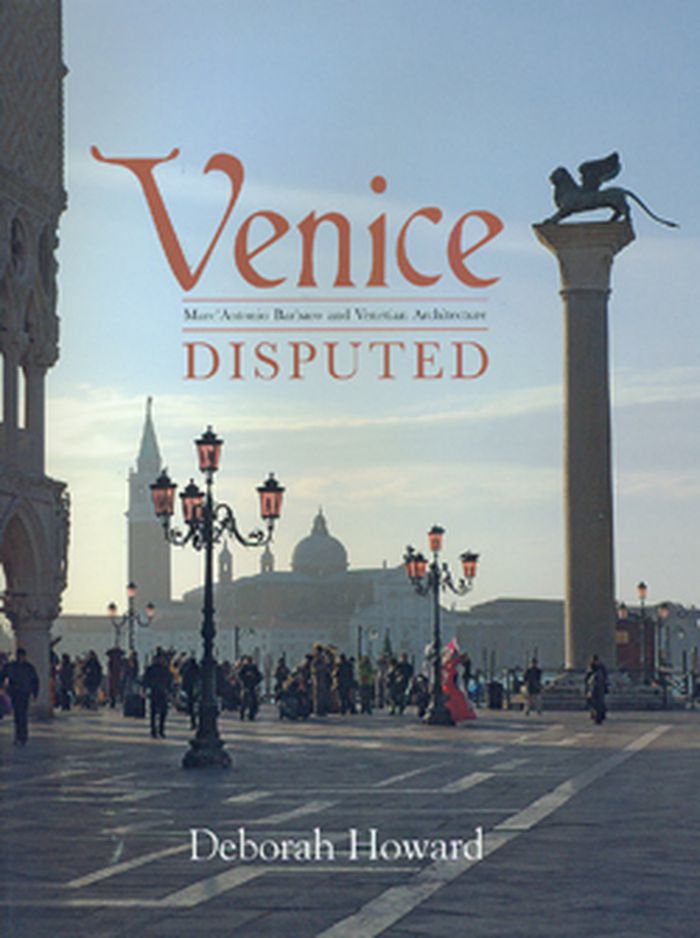
In the councils and magistracies of the Venetian Republic, politicians argued intently over civic building projects in a manner curiously reminiscent of a modern democracy, taking advice from architects, engineers, and the public. Written by a leading authority on Venetian architecture, the book explores the complex dialectic between theory and practice; utopia and reality; and design and technology that infused these disputes. The bitterly contested debates are seen through the experiences of one particular Venetian nobleman, Marc'Antonio Barbaro (1518-1595). Recognized as a gifted stuccoist and draftsman, Barbaro played a prominent role in the discussions about major state building projects such as Palladio's church of the Redentore, the restoration of the Doge's Palace, and the erection of the Rialto Bridge. He was a distinguished statesman and orator, but his idealistic views about the rhetorical power of classicism frequently clashed with local technological expertise. Venice Disputed recounts not only his public role but also his private life, centered on the now-famous family villa that he and his brother commissioned. Barbaro's compelling story thus weaves together politics, architectural history, and private life in early modern Venice.
Venice disputed: Marc Antonio Barbaro and venetian architecture
Actions:
Prix:
$75.00
(disponible sur commande)
Résumé:
In the councils and magistracies of the Venetian Republic, politicians argued intently over civic building projects in a manner curiously reminiscent of a modern democracy, taking advice from architects, engineers, and the public. Written by a leading authority on Venetian architecture, the book explores the complex dialectic between theory and practice; utopia and reality; and design and technology that infused these disputes. The bitterly contested debates are seen through the experiences of one particular Venetian nobleman, Marc'Antonio Barbaro (1518-1595). Recognized as a gifted stuccoist and draftsman, Barbaro played a prominent role in the discussions about major state building projects such as Palladio's church of the Redentore, the restoration of the Doge's Palace, and the erection of the Rialto Bridge. He was a distinguished statesman and orator, but his idealistic views about the rhetorical power of classicism frequently clashed with local technological expertise. Venice Disputed recounts not only his public role but also his private life, centered on the now-famous family villa that he and his brother commissioned. Barbaro's compelling story thus weaves together politics, architectural history, and private life in early modern Venice.
Classification:
livres
livres
Publication:
octobre 2011
octobre 2011
Sujet:
Architecture, monographies
Architecture, monographies
Classification:
livres
livres

Actions:
Prix:
$26.95
(disponible sur commande)
Résumé:
The Salton Sea is a man-made catastrophe, redolent with the smell of algae and decomposing fish. Nevertheless, the lake's vast, placid expanses continue to attract birdwatchers, tourists and artists. In Greetings from the Salton Sea, photographer Kim Stringfellow explores the history of California's largest lake from its disastrous beginnings—the "sea" was formed when(...)
$26.95
(disponible sur commande)
Résumé:
The Salton Sea is a man-made catastrophe, redolent with the smell of algae and decomposing fish. Nevertheless, the lake's vast, placid expanses continue to attract birdwatchers, tourists and artists. In Greetings from the Salton Sea, photographer Kim Stringfellow explores the history of California's largest lake from its disastrous beginnings—the "sea" was formed when(...)
Titre:
Greetings from the Salton Sea: folly and intervention in the southern California landscape, 1905-2005
Actions:
Prix:
$26.95
(disponible sur commande)
Résumé:
The Salton Sea is a man-made catastrophe, redolent with the smell of algae and decomposing fish. Nevertheless, the lake's vast, placid expanses continue to attract birdwatchers, tourists and artists. In Greetings from the Salton Sea, photographer Kim Stringfellow explores the history of California's largest lake from its disastrous beginnings—the "sea" was formed when Colorado River levees broke and spilled into a depression 280 feet below sea level—to its heyday as a desert paradise in the 1950s and its current state as an environmental battleground. Like the 400-plus species of birds that use the lake as a halfway point in their annual migration, developers flocked to the water too: they planted palm trees, built golf courses, and hired showstoppers such as the Beach Boys to perform at area resorts. These days, politicians seek to redirect the lake's only source of replenishment—agricultural runoff from surrounding farms—to water golf courses and green lawns elsewhere. Greetings from the Salton Sea's photographs capture the war among policymakers, environmentalists, developers, and the individuals still living along the lake's shores. As Stringfellow aptly documents, it is a war for water and, ultimately, for existence.
Greetings from the Salton Sea: folly and intervention in the southern California landscape, 1905-2005
Actions:
Prix:
$26.95
(disponible sur commande)
Résumé:
The Salton Sea is a man-made catastrophe, redolent with the smell of algae and decomposing fish. Nevertheless, the lake's vast, placid expanses continue to attract birdwatchers, tourists and artists. In Greetings from the Salton Sea, photographer Kim Stringfellow explores the history of California's largest lake from its disastrous beginnings—the "sea" was formed when Colorado River levees broke and spilled into a depression 280 feet below sea level—to its heyday as a desert paradise in the 1950s and its current state as an environmental battleground. Like the 400-plus species of birds that use the lake as a halfway point in their annual migration, developers flocked to the water too: they planted palm trees, built golf courses, and hired showstoppers such as the Beach Boys to perform at area resorts. These days, politicians seek to redirect the lake's only source of replenishment—agricultural runoff from surrounding farms—to water golf courses and green lawns elsewhere. Greetings from the Salton Sea's photographs capture the war among policymakers, environmentalists, developers, and the individuals still living along the lake's shores. As Stringfellow aptly documents, it is a war for water and, ultimately, for existence.
Classification:
livres
livres
Publication:
octobre 2011
octobre 2011
Sujet:
Théorie de l’urbanisme
Théorie de l’urbanisme
Classification:
livres
livres
Actions:
Prix:
$178.50
(disponible sur commande)
Résumé:
Tower and Slab looks at the contradictory history of the modernist mass housing block - home to millions of city dwellers around the world. Few urban forms have roused as much controversy. While in the United States decades-long criticism caused the demolition of most mass housing projects for the poor, in the booming metropolises of Shanghai and Mumbai remarkably similar(...)
$178.50
(disponible sur commande)
Résumé:
Tower and Slab looks at the contradictory history of the modernist mass housing block - home to millions of city dwellers around the world. Few urban forms have roused as much controversy. While in the United States decades-long criticism caused the demolition of most mass housing projects for the poor, in the booming metropolises of Shanghai and Mumbai remarkably similar(...)
Titre:
Tower and slab : histories of global mass housing
Actions:
Prix:
$178.50
(disponible sur commande)
Résumé:
Tower and Slab looks at the contradictory history of the modernist mass housing block - home to millions of city dwellers around the world. Few urban forms have roused as much controversy. While in the United States decades-long criticism caused the demolition of most mass housing projects for the poor, in the booming metropolises of Shanghai and Mumbai remarkably similar developments are being built for the wealthy middle class. While on the surface the modernist apartment block appears universal, it is in fact diverse in its significance and connotations as its many different cultural contexts. Florian Urban studies the history of mass housing in seven narratives: Chicago, Paris, Berlin, Brasilia, Mumbai, Moscow, and Shanghai. Investigating the complex interactions between city planning and social history, Tower and Slab shows how the modernist vision to house the masses in serial blocks succeeded in certain contexts and failed in others. Success and failure, in this respect, refers not only to the original goals to solve the housing crisis and provide modern standards for the entire society but equally to changing significance of the housing blocks within the respective societies and their perception by architects, politicians, and inhabitants.
Tower and slab : histories of global mass housing
Actions:
Prix:
$178.50
(disponible sur commande)
Résumé:
Tower and Slab looks at the contradictory history of the modernist mass housing block - home to millions of city dwellers around the world. Few urban forms have roused as much controversy. While in the United States decades-long criticism caused the demolition of most mass housing projects for the poor, in the booming metropolises of Shanghai and Mumbai remarkably similar developments are being built for the wealthy middle class. While on the surface the modernist apartment block appears universal, it is in fact diverse in its significance and connotations as its many different cultural contexts. Florian Urban studies the history of mass housing in seven narratives: Chicago, Paris, Berlin, Brasilia, Mumbai, Moscow, and Shanghai. Investigating the complex interactions between city planning and social history, Tower and Slab shows how the modernist vision to house the masses in serial blocks succeeded in certain contexts and failed in others. Success and failure, in this respect, refers not only to the original goals to solve the housing crisis and provide modern standards for the entire society but equally to changing significance of the housing blocks within the respective societies and their perception by architects, politicians, and inhabitants.
Classification:
livres
livres
Publication:
avril 2012
avril 2012
Sujet:
Logements collectifs
Logements collectifs
Classification:
livres
livres
Actions:
Prix:
$26.95
(disponible sur commande)
Résumé:
We see notebooks everywhere we go. But where did these indispensable implements come from? How did they revolutionize our lives? And how can using a notebook help change the way you think? In this wide-ranging history, Roland Allen reveals how the notebook became our most dependable and versatile tool for creative thinking. He tells the notebook stories of Leonardo and(...)
$26.95
(disponible sur commande)
Résumé:
We see notebooks everywhere we go. But where did these indispensable implements come from? How did they revolutionize our lives? And how can using a notebook help change the way you think? In this wide-ranging history, Roland Allen reveals how the notebook became our most dependable and versatile tool for creative thinking. He tells the notebook stories of Leonardo and(...)
Titre:
The notebook: A history of thinking on paper
Actions:
Prix:
$26.95
(disponible sur commande)
Résumé:
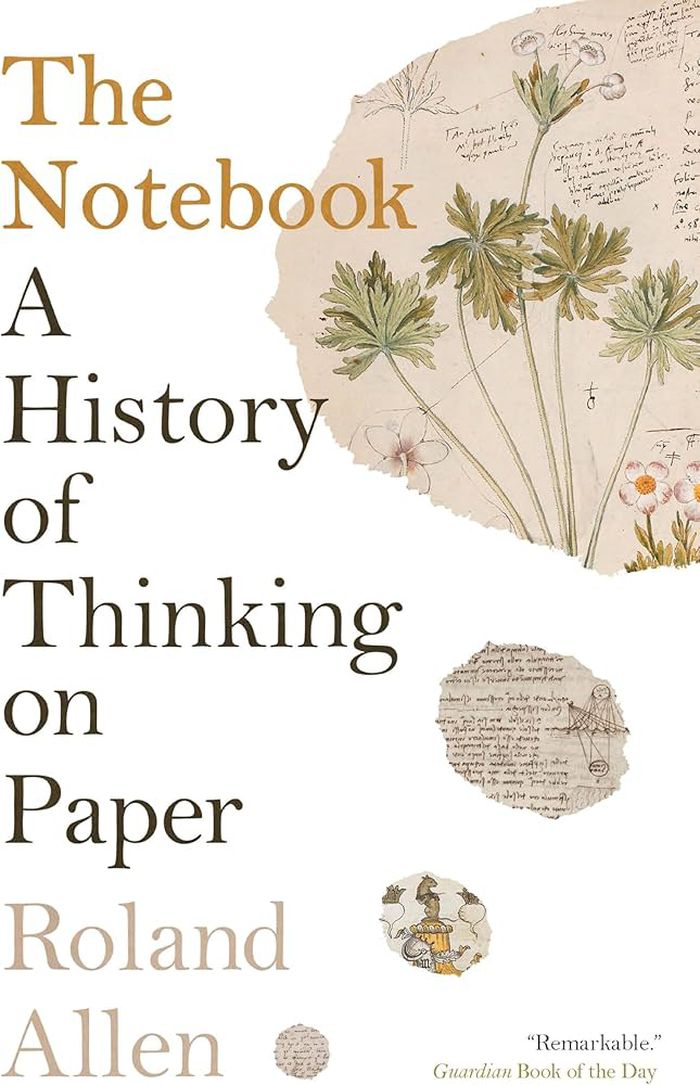
We see notebooks everywhere we go. But where did these indispensable implements come from? How did they revolutionize our lives? And how can using a notebook help change the way you think? In this wide-ranging history, Roland Allen reveals how the notebook became our most dependable and versatile tool for creative thinking. He tells the notebook stories of Leonardo and Frida Kahlo, Isaac Newton and Marie Curie, and writers from Chaucer to Henry James; shows how Darwin developed his theory of evolution in tiny pocket books and Agatha Christie plotted a hundred murders in scrappy exercise books; and introduces a host of cooks, kings, sailors, fishermen, musicians, engineers, politicians, adventurers, and mathematicians, all of whom used their notebooks as a space to think—and in doing so, shaped the modern world. In an age of AI and digital overload, the humble notebook is more relevant than ever. Allen shows how bullet points can combat ADHD, journals can ease PTSD, and patient diaries soften the trauma of reawakening from coma. The everyday act of moving a pen across paper, he finds, can have profound consequences, changing the way we think and feel: making us more creative, more productive—and maybe even happier.
The notebook: A history of thinking on paper
Actions:
Prix:
$26.95
(disponible sur commande)
Résumé:
We see notebooks everywhere we go. But where did these indispensable implements come from? How did they revolutionize our lives? And how can using a notebook help change the way you think? In this wide-ranging history, Roland Allen reveals how the notebook became our most dependable and versatile tool for creative thinking. He tells the notebook stories of Leonardo and Frida Kahlo, Isaac Newton and Marie Curie, and writers from Chaucer to Henry James; shows how Darwin developed his theory of evolution in tiny pocket books and Agatha Christie plotted a hundred murders in scrappy exercise books; and introduces a host of cooks, kings, sailors, fishermen, musicians, engineers, politicians, adventurers, and mathematicians, all of whom used their notebooks as a space to think—and in doing so, shaped the modern world. In an age of AI and digital overload, the humble notebook is more relevant than ever. Allen shows how bullet points can combat ADHD, journals can ease PTSD, and patient diaries soften the trauma of reawakening from coma. The everyday act of moving a pen across paper, he finds, can have profound consequences, changing the way we think and feel: making us more creative, more productive—and maybe even happier.
Classification:
livres
livres
Publication:
septembre 2024
septembre 2024
Sujet:
Littérature et poésie
Littérature et poésie
Classification:
livres
livres
Actions:
Prix:
$72.99
(disponible sur commande)
Résumé:
The Barbican Estate is one of the most berated and beloved architectural projects in London. Taking over 20 years to complete from its inception in 1963, it was widely condemned in the 1980s for its acreage of relentless concrete and lack of clear entrances. Since then, however, it has inspired passion and enthusiasm from residents and visitors alike. With its penthouses(...)
$72.99
(disponible sur commande)
Résumé:
The Barbican Estate is one of the most berated and beloved architectural projects in London. Taking over 20 years to complete from its inception in 1963, it was widely condemned in the 1980s for its acreage of relentless concrete and lack of clear entrances. Since then, however, it has inspired passion and enthusiasm from residents and visitors alike. With its penthouses(...)
Titre:
Barbican : penthouse over the city
Actions:
Prix:
$72.99
(disponible sur commande)
Résumé:
The Barbican Estate is one of the most berated and beloved architectural projects in London. Taking over 20 years to complete from its inception in 1963, it was widely condemned in the 1980s for its acreage of relentless concrete and lack of clear entrances. Since then, however, it has inspired passion and enthusiasm from residents and visitors alike. With its penthouses and tower apartments, it provided one of the earliest prototypes for loft living in England. Located close to the City and Clerkenwell, it is now one of the most desirable addresses for politicians, financiers, creative professionals and media figures alike. In the book, the author, David Heathcote traces the development of the Barbican from pre-war planning to present day. Built on the largest blitzed site in the City of London, it was conceived as a new Belgravia to bring the professional classes back to the heart of the City. The project overcame all sorts of difficulties, from the challenges of London's geology to the economic problems that beset Britain in the 1960s and 1970s. The final scheme involved the construction of the highest apartments in Europe, with elements derived from the elegant squares of Georgian London , contemporary architects like Le Corbusier and Scharoun, and the Baroque architecture and gardens of Italy.
Barbican : penthouse over the city
Actions:
Prix:
$72.99
(disponible sur commande)
Résumé:
The Barbican Estate is one of the most berated and beloved architectural projects in London. Taking over 20 years to complete from its inception in 1963, it was widely condemned in the 1980s for its acreage of relentless concrete and lack of clear entrances. Since then, however, it has inspired passion and enthusiasm from residents and visitors alike. With its penthouses and tower apartments, it provided one of the earliest prototypes for loft living in England. Located close to the City and Clerkenwell, it is now one of the most desirable addresses for politicians, financiers, creative professionals and media figures alike. In the book, the author, David Heathcote traces the development of the Barbican from pre-war planning to present day. Built on the largest blitzed site in the City of London, it was conceived as a new Belgravia to bring the professional classes back to the heart of the City. The project overcame all sorts of difficulties, from the challenges of London's geology to the economic problems that beset Britain in the 1960s and 1970s. The final scheme involved the construction of the highest apartments in Europe, with elements derived from the elegant squares of Georgian London , contemporary architects like Le Corbusier and Scharoun, and the Baroque architecture and gardens of Italy.
Classification:
livres
livres
Publication:
août 2004, Chichester
août 2004, Chichester
Sujet:
Architecture résidentielle
Architecture résidentielle
Classification:
livres
livres
Prix:
$48.00
(disponible en magasin)
Résumé:
Idealized representations of America, as both an aspiration and a menace, played an important role in shaping Russian architecture and urban design from the American Revolution until the fall of the Soviet Union. In Building a new New World, Jean-Louis Cohen traces the concept of “Amerikanizm” and its impact on Russia’s built environment from early czarist interest in(...)
$48.00
(disponible en magasin)
Résumé:
Idealized representations of America, as both an aspiration and a menace, played an important role in shaping Russian architecture and urban design from the American Revolution until the fall of the Soviet Union. In Building a new New World, Jean-Louis Cohen traces the concept of “Amerikanizm” and its impact on Russia’s built environment from early czarist interest in(...)
Titre:
Building a new New World: Amerikanizm in Russian Architecture
Actions:
Prix:
$48.00
(disponible en magasin)
Résumé:
Idealized representations of America, as both an aspiration and a menace, played an important role in shaping Russian architecture and urban design from the American Revolution until the fall of the Soviet Union. In Building a new New World, Jean-Louis Cohen traces the concept of “Amerikanizm” and its impact on Russia’s built environment from early czarist interest in Revolutionary America, through the spectacular World’s Fairs of the nineteenth century, to department stores, skyscrapers, and factories built in Russia using American methods during the twentieth century. Visions of America also captivated the Russian avant-garde, from El Lissitzky to Moisei Ginzburg, and Cohen explores the ongoing artistic dialogue maintained between the two countries at the mid-century and in the late Soviet era, when the Cold War induced a strategic competition. Tracing the many journeys of Russian writers, politicians, and planners through the American territory, foregrounding the constant streams of cultural and technological transfer from the U.S.A. to Russia, and revealing the parallel fascination among Russian and American intellectuals with the ongoing pursuit of land occupation and development within their respective borders, this study of Amerikanizm in the architecture and urban design of Russia makes a timely contribution to our understanding of modern architecture and its broader geopolitics.
Building a new New World: Amerikanizm in Russian Architecture
Actions:
Prix:
$48.00
(disponible en magasin)
Résumé:
Idealized representations of America, as both an aspiration and a menace, played an important role in shaping Russian architecture and urban design from the American Revolution until the fall of the Soviet Union. In Building a new New World, Jean-Louis Cohen traces the concept of “Amerikanizm” and its impact on Russia’s built environment from early czarist interest in Revolutionary America, through the spectacular World’s Fairs of the nineteenth century, to department stores, skyscrapers, and factories built in Russia using American methods during the twentieth century. Visions of America also captivated the Russian avant-garde, from El Lissitzky to Moisei Ginzburg, and Cohen explores the ongoing artistic dialogue maintained between the two countries at the mid-century and in the late Soviet era, when the Cold War induced a strategic competition. Tracing the many journeys of Russian writers, politicians, and planners through the American territory, foregrounding the constant streams of cultural and technological transfer from the U.S.A. to Russia, and revealing the parallel fascination among Russian and American intellectuals with the ongoing pursuit of land occupation and development within their respective borders, this study of Amerikanizm in the architecture and urban design of Russia makes a timely contribution to our understanding of modern architecture and its broader geopolitics.
Classification:
livres
livres
Publication:
décembre 2019
décembre 2019
Sujet:
Publications du CCA
Publications du CCA
Classification:
livres
livres
Actions:
Prix:
$84.00
(disponible en magasin)
Résumé:
This illustrated history of Long Island’s modern architecture is based on a survey conducted for the Society for the Preservation of Long Island Antiquities (SPLIA). It highlights the work within Suffolk and Nassau counties of a roster of twenty-five internationally renowned architects — among them Wallace Harrison, Frank Lloyd Wright, Marcel Breuer, Edward Durell Stone,(...)
$84.00
(disponible en magasin)
Résumé:
This illustrated history of Long Island’s modern architecture is based on a survey conducted for the Society for the Preservation of Long Island Antiquities (SPLIA). It highlights the work within Suffolk and Nassau counties of a roster of twenty-five internationally renowned architects — among them Wallace Harrison, Frank Lloyd Wright, Marcel Breuer, Edward Durell Stone,(...)
Titre:
Long Island Modernism, 1930-1980
Actions:
Prix:
$84.00
(disponible en magasin)
Résumé:
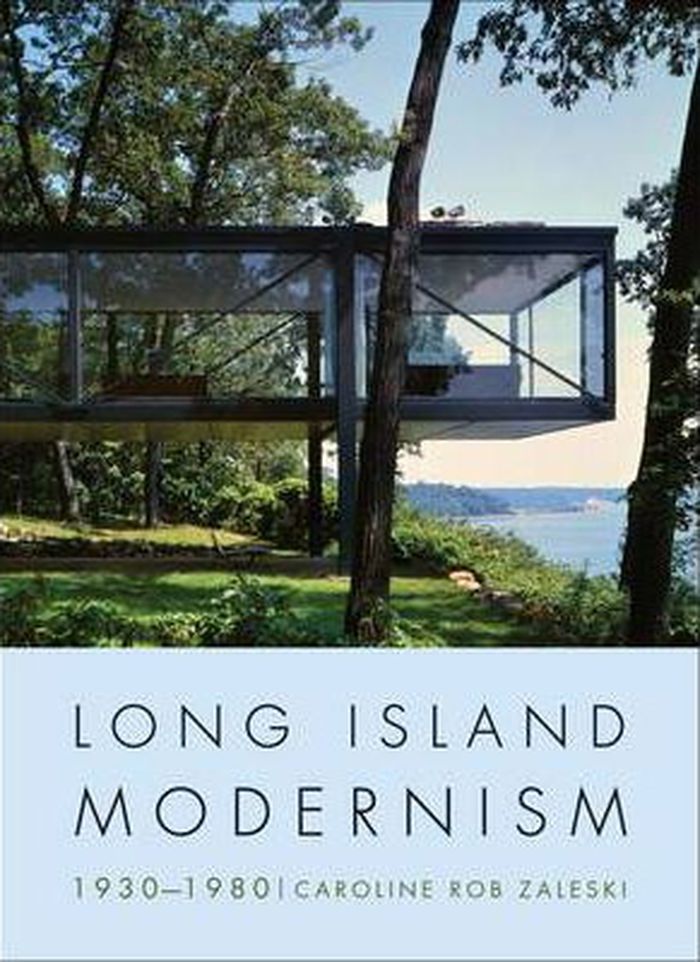
This illustrated history of Long Island’s modern architecture is based on a survey conducted for the Society for the Preservation of Long Island Antiquities (SPLIA). It highlights the work within Suffolk and Nassau counties of a roster of twenty-five internationally renowned architects — among them Wallace Harrison, Frank Lloyd Wright, Marcel Breuer, Edward Durell Stone, Richard Neutra, William Lescaze, Gordon Chadwick for George Nelson, Ludwig Mies van der Rohe, Philip Johnson, Paul Rudolph, and Richard Meier. Caroline Rob Zaleski’s research on the work of key figures in twentieth-century architecture - the relatively unknown aspects of their production, their associations with clients, artists, and politicians - is complemented by more than three hundred archival photographs, specially commissioned new photography, and plans. Zaleski documents the development of exurbia and the rise of visionary structures : residences for commuters and weekenders, public housing, houses of worship, universities, shopping centers, and office complexes. In this part architectural, part social history, she explains why modernism was embraced by Long Island’s civic, cultural, and business leaders—as well as by those who wanted to settle away from the city during an epoch when open space was prime for development. An inventory of important architects, with their Long Island commissions by date and location, complements the main text.
Long Island Modernism, 1930-1980
Actions:
Prix:
$84.00
(disponible en magasin)
Résumé:
This illustrated history of Long Island’s modern architecture is based on a survey conducted for the Society for the Preservation of Long Island Antiquities (SPLIA). It highlights the work within Suffolk and Nassau counties of a roster of twenty-five internationally renowned architects — among them Wallace Harrison, Frank Lloyd Wright, Marcel Breuer, Edward Durell Stone, Richard Neutra, William Lescaze, Gordon Chadwick for George Nelson, Ludwig Mies van der Rohe, Philip Johnson, Paul Rudolph, and Richard Meier. Caroline Rob Zaleski’s research on the work of key figures in twentieth-century architecture - the relatively unknown aspects of their production, their associations with clients, artists, and politicians - is complemented by more than three hundred archival photographs, specially commissioned new photography, and plans. Zaleski documents the development of exurbia and the rise of visionary structures : residences for commuters and weekenders, public housing, houses of worship, universities, shopping centers, and office complexes. In this part architectural, part social history, she explains why modernism was embraced by Long Island’s civic, cultural, and business leaders—as well as by those who wanted to settle away from the city during an epoch when open space was prime for development. An inventory of important architects, with their Long Island commissions by date and location, complements the main text.
Classification:
livres
livres
Publication:
mars 2012
mars 2012
Sujet:
Modernisme
Modernisme
Classification:
livres
livres
Titre:
The subversive seventies
The subversive seventies
Actions:
Prix:
$33.95
(disponible en magasin)
Résumé:
A thought-provoking reconsideration of how the revolutionary movements of the 1970s set the mold for today's activism. The 1970s was a decade of "subversives". Faced with various progressive and revolutionary social movements, the forces of order--politicians, law enforcement, journalists, and conservative intellectuals--saw subversives everywhere. From indigenous peasant(...)
$33.95
(disponible en magasin)
Résumé:
A thought-provoking reconsideration of how the revolutionary movements of the 1970s set the mold for today's activism. The 1970s was a decade of "subversives". Faced with various progressive and revolutionary social movements, the forces of order--politicians, law enforcement, journalists, and conservative intellectuals--saw subversives everywhere. From indigenous peasant(...)
Titre:
The subversive seventies
Actions:
Prix:
$33.95
(disponible en magasin)
Résumé:
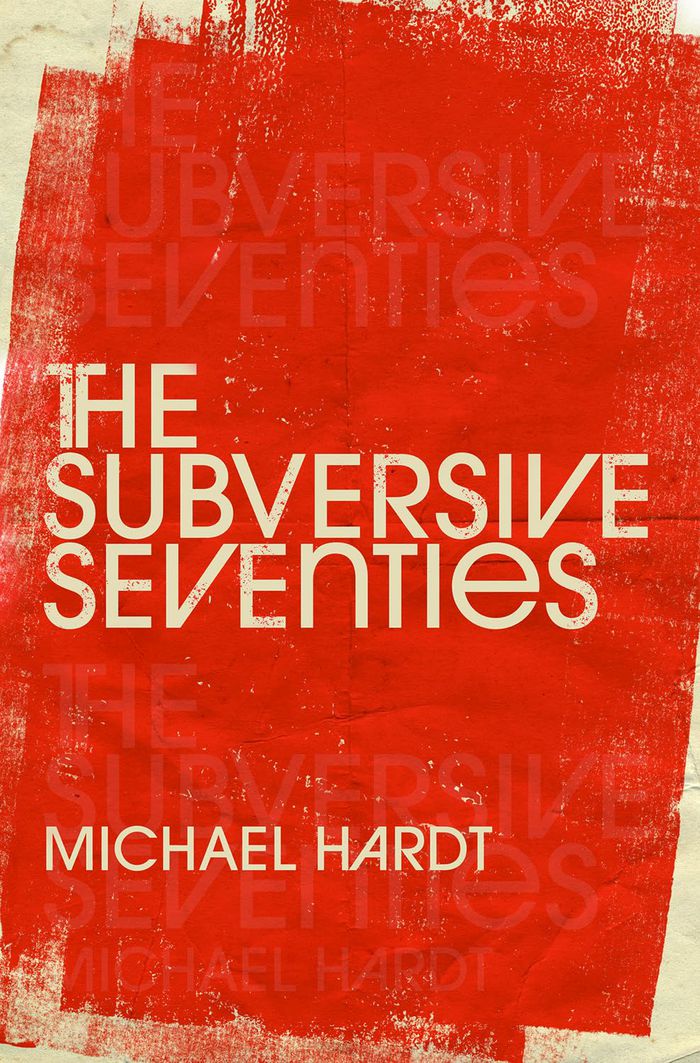
A thought-provoking reconsideration of how the revolutionary movements of the 1970s set the mold for today's activism. The 1970s was a decade of "subversives". Faced with various progressive and revolutionary social movements, the forces of order--politicians, law enforcement, journalists, and conservative intellectuals--saw subversives everywhere. From indigenous peasant armies and gay liberation organizations, to anti-nuclear activists and Black liberation militants, subversives challenged authority, laid siege to the established order, and undermined time-honored ways of life. Every corner of the left was fertile ground for subversive elements, which the forces of order had to root out and destroy--a project they pursued with zeal and brutality. In "The subversive seventies", Michael Hardt sets out to show that popular understandings of the political movements of the seventies--often seen as fractious, violent, and largely unsuccessful--are not just inaccurate, but foreclose valuable lessons for the political struggles of today. While many accounts of the 1970s have been written about the regimes of domination that emerged throughout the decade, Hardt approaches the subversive from the perspectives of those who sought to undermine the base of established authority and transform the fundamental structures of society. In so doing, he provides a novel account of the theoretical and practical projects of liberation that still speak to us today, too many of which have been all but forgotten.
The subversive seventies
Actions:
Prix:
$33.95
(disponible en magasin)
Résumé:
A thought-provoking reconsideration of how the revolutionary movements of the 1970s set the mold for today's activism. The 1970s was a decade of "subversives". Faced with various progressive and revolutionary social movements, the forces of order--politicians, law enforcement, journalists, and conservative intellectuals--saw subversives everywhere. From indigenous peasant armies and gay liberation organizations, to anti-nuclear activists and Black liberation militants, subversives challenged authority, laid siege to the established order, and undermined time-honored ways of life. Every corner of the left was fertile ground for subversive elements, which the forces of order had to root out and destroy--a project they pursued with zeal and brutality. In "The subversive seventies", Michael Hardt sets out to show that popular understandings of the political movements of the seventies--often seen as fractious, violent, and largely unsuccessful--are not just inaccurate, but foreclose valuable lessons for the political struggles of today. While many accounts of the 1970s have been written about the regimes of domination that emerged throughout the decade, Hardt approaches the subversive from the perspectives of those who sought to undermine the base of established authority and transform the fundamental structures of society. In so doing, he provides a novel account of the theoretical and practical projects of liberation that still speak to us today, too many of which have been all but forgotten.
Classification:
livres
livres
Publication:
septembre 2023
septembre 2023
Sujet:
Social
Social
Classification:
livres
livres
Titre:
Yoko Ono: the other rooms
Yoko Ono: the other rooms
Actions:
Prix:
$48.00
(disponible sur commande)
Résumé:
The Other Rooms is a sequel to Yoko Ono's Grapefruit, a now classic artist's book that was first published in 1964 and became a cult classic following its wider distribution after 1970. Matching the satisfyingly compact size of Grapefruit, and beautifully bound in white cloth, The Other Rooms is conceived as a series of rooms that unfold the story of, in the words of the(...)
$48.00
(disponible sur commande)
Résumé:
The Other Rooms is a sequel to Yoko Ono's Grapefruit, a now classic artist's book that was first published in 1964 and became a cult classic following its wider distribution after 1970. Matching the satisfyingly compact size of Grapefruit, and beautifully bound in white cloth, The Other Rooms is conceived as a series of rooms that unfold the story of, in the words of the(...)
Titre:
Yoko Ono: the other rooms
Actions:
Prix:
$48.00
(disponible sur commande)
Résumé:
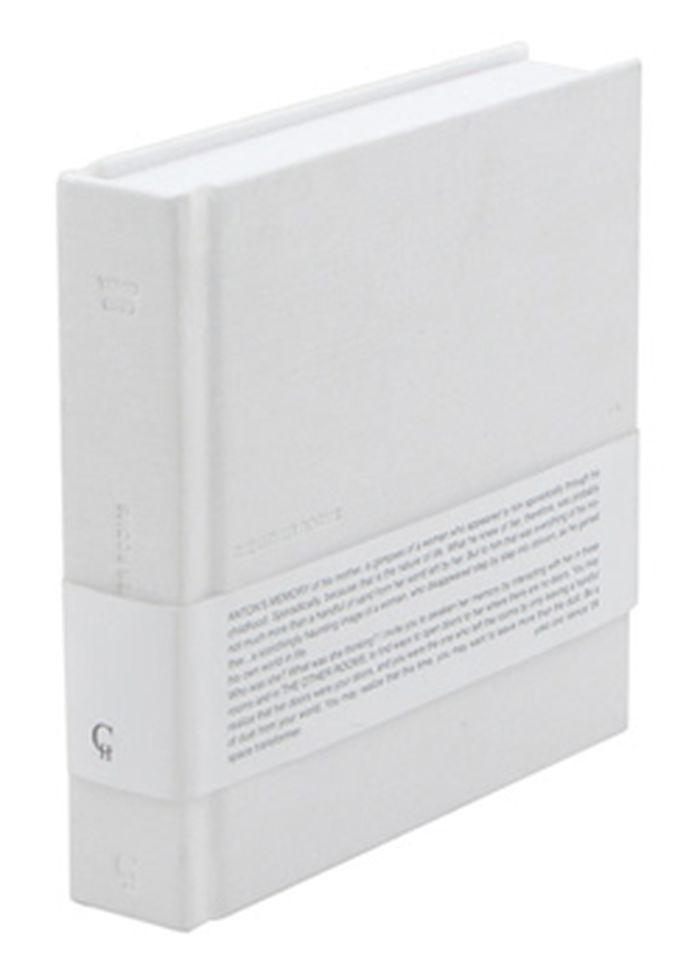
The Other Rooms is a sequel to Yoko Ono's Grapefruit, a now classic artist's book that was first published in 1964 and became a cult classic following its wider distribution after 1970. Matching the satisfyingly compact size of Grapefruit, and beautifully bound in white cloth, The Other Rooms is conceived as a series of rooms that unfold the story of, in the words of the artist, “the life of a woman seeing through the eyes of her son.” On page after page, or room after room, Ono walks the reader through her unique expression of motherly utopian pedagogy, providing observations and instruction “pieces” such as the following, for “Balance Piece”: a) Politicians should wear pink transparent loose robes or pajama-like outfits without the bottoms at all times. b) A priest should wear a bright red suit with one sleeve and bell-bottom pants with his penis exposed at all times. c) The army should wear drag (cocktail party-type flair skirts) and high-heel shoes with jewelry (earrings, etc.) Other sequences simply describe imaginary rooms, and invite the reader to inhabit them, or suggest new approaches to tasks such as gardening, or to one's hometown, all in the serenely open style for which Ono is so famed. The Other Rooms is joyfully interactive in this sense, finding ways “to open doors… where there are no doors.”
Yoko Ono: the other rooms
Actions:
Prix:
$48.00
(disponible sur commande)
Résumé:
The Other Rooms is a sequel to Yoko Ono's Grapefruit, a now classic artist's book that was first published in 1964 and became a cult classic following its wider distribution after 1970. Matching the satisfyingly compact size of Grapefruit, and beautifully bound in white cloth, The Other Rooms is conceived as a series of rooms that unfold the story of, in the words of the artist, “the life of a woman seeing through the eyes of her son.” On page after page, or room after room, Ono walks the reader through her unique expression of motherly utopian pedagogy, providing observations and instruction “pieces” such as the following, for “Balance Piece”: a) Politicians should wear pink transparent loose robes or pajama-like outfits without the bottoms at all times. b) A priest should wear a bright red suit with one sleeve and bell-bottom pants with his penis exposed at all times. c) The army should wear drag (cocktail party-type flair skirts) and high-heel shoes with jewelry (earrings, etc.) Other sequences simply describe imaginary rooms, and invite the reader to inhabit them, or suggest new approaches to tasks such as gardening, or to one's hometown, all in the serenely open style for which Ono is so famed. The Other Rooms is joyfully interactive in this sense, finding ways “to open doors… where there are no doors.”
Classification:
livres
livres
Publication:
février 2010
février 2010
Classification:
livres
livres
Titre:
Italy
Italy
Actions:
Prix:
$38.95
(disponible sur commande)
Résumé:
Throughout the twentieth century, architects in Italy have attempted to define the role of architecture under diverse political systems, from the monarchy of the first seventy years since Italian unification, to the 21 years of Fascist control, to the post-Second World War parliamentary republic. At the same time, Italy holds some of the most prized architecture and art(...)
$38.95
(disponible sur commande)
Résumé:
Throughout the twentieth century, architects in Italy have attempted to define the role of architecture under diverse political systems, from the monarchy of the first seventy years since Italian unification, to the 21 years of Fascist control, to the post-Second World War parliamentary republic. At the same time, Italy holds some of the most prized architecture and art(...)
Titre:
Italy
Actions:
Prix:
$38.95
(disponible sur commande)
Résumé:
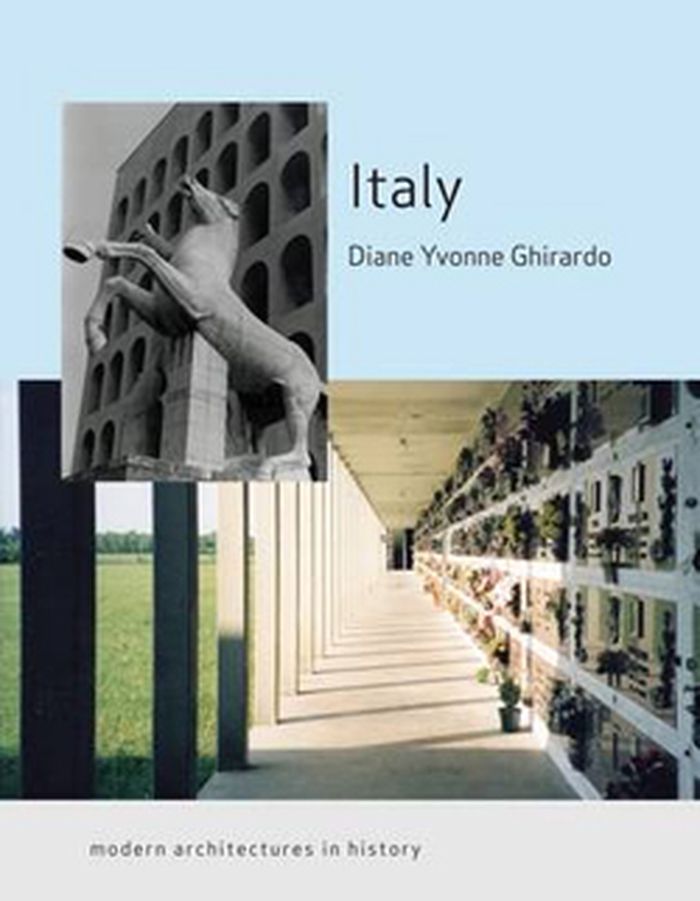
Throughout the twentieth century, architects in Italy have attempted to define the role of architecture under diverse political systems, from the monarchy of the first seventy years since Italian unification, to the 21 years of Fascist control, to the post-Second World War parliamentary republic. At the same time, Italy holds some of the most prized architecture and art in the world, from antiquity to the baroque, packed into its dense historic city centres, which planners and politicians have negotiated as they struggled to cope with massive migration from the countryside to the city. Diane Ghirardo addresses these and other issues by considering modern architectural production in Italy from the late nineteenth century to the present day within a clear presentation of the larger historical, social and political contexts. From the post-unification efforts to identify a distinctly Italian architectural language to the transformation of the urban environment in Italian cities undergoing industrialization in the late nineteenth and early twentieth centuries, Diane Ghirardo challenges received interpretations of modern architecture, as well as focusing on the subject of illegal building and responses to current ecological challenges. With up-to-date examples, both from the work of widely published architects in the largest cities and from throughout the peninsula, including small towns and rural areas, Italy provides a comprehensive view of the country’s modern built environment.
Italy
Actions:
Prix:
$38.95
(disponible sur commande)
Résumé:
Throughout the twentieth century, architects in Italy have attempted to define the role of architecture under diverse political systems, from the monarchy of the first seventy years since Italian unification, to the 21 years of Fascist control, to the post-Second World War parliamentary republic. At the same time, Italy holds some of the most prized architecture and art in the world, from antiquity to the baroque, packed into its dense historic city centres, which planners and politicians have negotiated as they struggled to cope with massive migration from the countryside to the city. Diane Ghirardo addresses these and other issues by considering modern architectural production in Italy from the late nineteenth century to the present day within a clear presentation of the larger historical, social and political contexts. From the post-unification efforts to identify a distinctly Italian architectural language to the transformation of the urban environment in Italian cities undergoing industrialization in the late nineteenth and early twentieth centuries, Diane Ghirardo challenges received interpretations of modern architecture, as well as focusing on the subject of illegal building and responses to current ecological challenges. With up-to-date examples, both from the work of widely published architects in the largest cities and from throughout the peninsula, including small towns and rural areas, Italy provides a comprehensive view of the country’s modern built environment.
Classification:
livres
livres
Publication:
novembre 2011
novembre 2011


