


3347 Résultats
Classification:
livres
livres
Prix:
$35.00
(disponible sur commande)
Résumé:
Winnipeg-based architecture firm Green Blankstein Russell and Associates (GBR) opened in the slow years of the Great Depression. From this inauspicious starting point the firm would grow to become, by the 1950s and 60s, a major player on the Canadian architectural scene: the largest architectural office between Ontario and British Columbia, with seven offices in four(...)
$35.00
(disponible sur commande)
Résumé:
Winnipeg-based architecture firm Green Blankstein Russell and Associates (GBR) opened in the slow years of the Great Depression. From this inauspicious starting point the firm would grow to become, by the 1950s and 60s, a major player on the Canadian architectural scene: the largest architectural office between Ontario and British Columbia, with seven offices in four(...)
Titre:
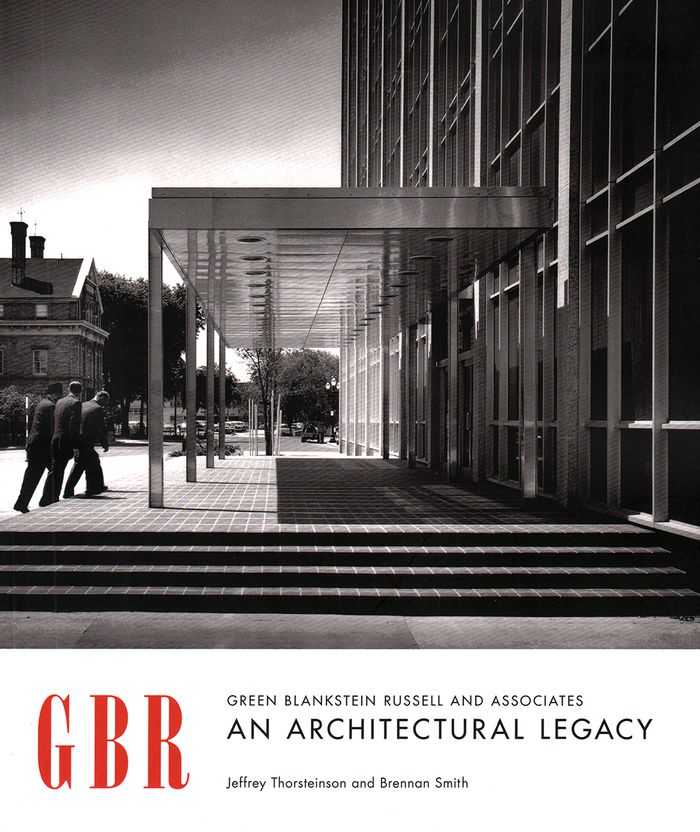
Green Blankstein Russell and Associates: an architectural legacy
Actions:
Prix:
$35.00
(disponible sur commande)
Résumé:
Winnipeg-based architecture firm Green Blankstein Russell and Associates (GBR) opened in the slow years of the Great Depression. From this inauspicious starting point the firm would grow to become, by the 1950s and 60s, a major player on the Canadian architectural scene: the largest architectural office between Ontario and British Columbia, with seven offices in four provinces. GBR was a hub for partnership and training, and was a pioneering force in its inclusion of women and members of Canada's diverse cultural communities within the field of design. Covering a wide range of individual buildings and practitioners, this book explores the significant mark GBR made on its hometown and across the country, as well as the firm’s role as a leader in the growth of Modernist architecture in Canada.
Green Blankstein Russell and Associates: an architectural legacy
Actions:
Prix:
$35.00
(disponible sur commande)
Résumé:
Winnipeg-based architecture firm Green Blankstein Russell and Associates (GBR) opened in the slow years of the Great Depression. From this inauspicious starting point the firm would grow to become, by the 1950s and 60s, a major player on the Canadian architectural scene: the largest architectural office between Ontario and British Columbia, with seven offices in four provinces. GBR was a hub for partnership and training, and was a pioneering force in its inclusion of women and members of Canada's diverse cultural communities within the field of design. Covering a wide range of individual buildings and practitioners, this book explores the significant mark GBR made on its hometown and across the country, as well as the firm’s role as a leader in the growth of Modernist architecture in Canada.
Classification:
livres
livres
Publication:
décembre 2017
décembre 2017
Sujet:
Architecture du Canada
Architecture du Canada
Classification:
livres
livres
Titre:
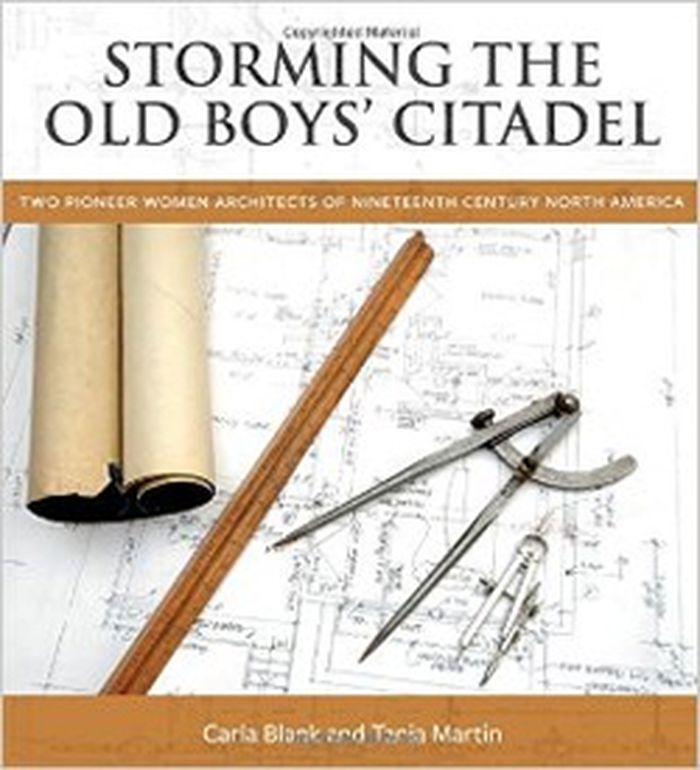
Storming the old boys' citadel: two pioneer women architects of nineteeth century north america
Storming the old boys' citadel: two pioneer women architects of nineteeth century north america
Actions:
Prix:
$29.95
(disponible en magasin)
Résumé:
This book focuses on the lives and works of two of the very first women of European American ancestry to practice architecture in North America during the 19th century. Mother Joseph du Sacré-Coeur, a Sister of Providence—born Esther Pariseau, in St. Elzéar, Quebec—is credited with works built in the present states of Washington, Idaho, Montana, northern Oregon, and in(...)
$29.95
(disponible en magasin)
Résumé:
This book focuses on the lives and works of two of the very first women of European American ancestry to practice architecture in North America during the 19th century. Mother Joseph du Sacré-Coeur, a Sister of Providence—born Esther Pariseau, in St. Elzéar, Quebec—is credited with works built in the present states of Washington, Idaho, Montana, northern Oregon, and in(...)
Titre:
Storming the old boys' citadel: two pioneer women architects of nineteeth century north america
Actions:
Prix:
$29.95
(disponible en magasin)
Résumé:
This book focuses on the lives and works of two of the very first women of European American ancestry to practice architecture in North America during the 19th century. Mother Joseph du Sacré-Coeur, a Sister of Providence—born Esther Pariseau, in St. Elzéar, Quebec—is credited with works built in the present states of Washington, Idaho, Montana, northern Oregon, and in the province of British Columbia. For her contributions, Mother Joseph was honored by the State of Washington as one of two people to represent it in the National Statuary Hall Collection in Washington, DC. Louise Blanchard Bethune designed and built works in the Buffalo, New York area. Storming the Old Boys’ Citadel follows the evolving histories of two Revival-styled multiuse public buildings considered to be these women’s major works.
Storming the old boys' citadel: two pioneer women architects of nineteeth century north america
Actions:
Prix:
$29.95
(disponible en magasin)
Résumé:
This book focuses on the lives and works of two of the very first women of European American ancestry to practice architecture in North America during the 19th century. Mother Joseph du Sacré-Coeur, a Sister of Providence—born Esther Pariseau, in St. Elzéar, Quebec—is credited with works built in the present states of Washington, Idaho, Montana, northern Oregon, and in the province of British Columbia. For her contributions, Mother Joseph was honored by the State of Washington as one of two people to represent it in the National Statuary Hall Collection in Washington, DC. Louise Blanchard Bethune designed and built works in the Buffalo, New York area. Storming the Old Boys’ Citadel follows the evolving histories of two Revival-styled multiuse public buildings considered to be these women’s major works.
Classification:
livres
livres
Publication:
janvier 2015
janvier 2015
Sujet:
Architectes canadiens
Architectes canadiens
Classification:
livres
livres
Titre:
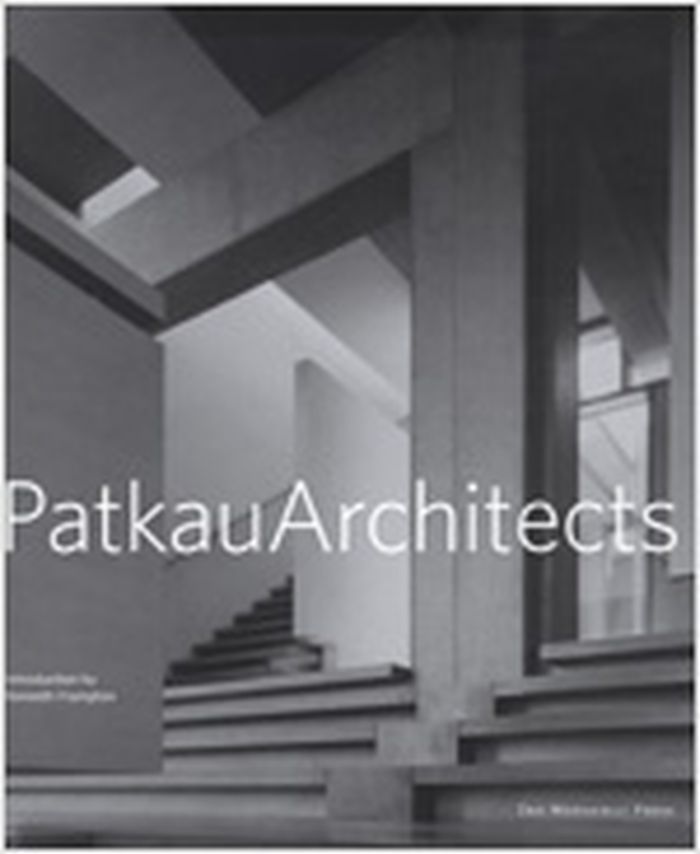
Patkau architects
Patkau architects
Actions:
Prix:
$69.00
(disponible sur commande)
Résumé:
The firm of Patkau architects, founded in 1978 and based in Vancouver, British Columbia, has achieved international renown for work that draws on the principles of modern architecture and is simultaneously inspired by the traditions and often spectacular landscape of the Pacific Northwest. The office is known for a straightforward, multifaceted expression of material and(...)
$69.00
(disponible sur commande)
Résumé:
The firm of Patkau architects, founded in 1978 and based in Vancouver, British Columbia, has achieved international renown for work that draws on the principles of modern architecture and is simultaneously inspired by the traditions and often spectacular landscape of the Pacific Northwest. The office is known for a straightforward, multifaceted expression of material and(...)
Titre:
Patkau architects
Actions:
Prix:
$69.00
(disponible sur commande)
Résumé:
The firm of Patkau architects, founded in 1978 and based in Vancouver, British Columbia, has achieved international renown for work that draws on the principles of modern architecture and is simultaneously inspired by the traditions and often spectacular landscape of the Pacific Northwest. The office is known for a straightforward, multifaceted expression of material and detail as well as a focus on the sculpture that is inherent in architecture. This monograph includes cultural and institutional projects, such as the Canadian Clay and Glass Gallery, the National Library of Quebec in Montreal, and a major addition to the Winnipeg Centennial Library; schools, notably the Seabird Island School and the Strawberry Vale School; and a series of residences, including the Shaw house, with a dramatic elevated lap pool, and the inventive Petite Maison du Weekend (Small Weekend House), a prototype for a self-sufficient holiday house for two.
Patkau architects
Actions:
Prix:
$69.00
(disponible sur commande)
Résumé:
The firm of Patkau architects, founded in 1978 and based in Vancouver, British Columbia, has achieved international renown for work that draws on the principles of modern architecture and is simultaneously inspired by the traditions and often spectacular landscape of the Pacific Northwest. The office is known for a straightforward, multifaceted expression of material and detail as well as a focus on the sculpture that is inherent in architecture. This monograph includes cultural and institutional projects, such as the Canadian Clay and Glass Gallery, the National Library of Quebec in Montreal, and a major addition to the Winnipeg Centennial Library; schools, notably the Seabird Island School and the Strawberry Vale School; and a series of residences, including the Shaw house, with a dramatic elevated lap pool, and the inventive Petite Maison du Weekend (Small Weekend House), a prototype for a self-sufficient holiday house for two.
Classification:
livres
livres
Publication:
juin 2006, New York
juin 2006, New York
Sujet:
Architectes canadiens
Architectes canadiens
Classification:
livres
livres
Actions:
Prix:
$19.95
(disponible en magasin)
Résumé:
ASIR Architekten in Stuttgart (2002) and ASIR Studio in Vancouver (2005) were founded by Inge Roecker, who has taught since January 2003 as an assistant professor at the University of British Columbia (UBC) in Vancouver. At UBC she is currently conducting research and teaching a design studio in Vancouver’s Chinatown, which investigates potentials for preserving the(...)
$19.95
(disponible en magasin)
Résumé:
ASIR Architekten in Stuttgart (2002) and ASIR Studio in Vancouver (2005) were founded by Inge Roecker, who has taught since January 2003 as an assistant professor at the University of British Columbia (UBC) in Vancouver. At UBC she is currently conducting research and teaching a design studio in Vancouver’s Chinatown, which investigates potentials for preserving the(...)
Titre:
Urbane akupuntur : Inge Roecker / ASIR Architekten, Stuttgart - ASIR Studio, Vancouver
Actions:
Prix:
$19.95
(disponible en magasin)
Résumé:
ASIR Architekten in Stuttgart (2002) and ASIR Studio in Vancouver (2005) were founded by Inge Roecker, who has taught since January 2003 as an assistant professor at the University of British Columbia (UBC) in Vancouver. At UBC she is currently conducting research and teaching a design studio in Vancouver’s Chinatown, which investigates potentials for preserving the historic Chinatown neighborhood while proposing concrete possibilities for transformations into contemporary uses. Through models, drawings and video projections, the catalogue's exhibition presents four buildings and ensembles in Germany as well as a selected research project in Vancouver’s Chinatown. All work is connected to the theme of urban dwelling. The projects are intended to conceptually and programmatically improve and sustain their surroundings as well as to present innovative solutions for urban living. The chosen projects place an emphasis on the mending of broken urban fabric, thus performing an ‘acupuncture’ on the city.
Urbane akupuntur : Inge Roecker / ASIR Architekten, Stuttgart - ASIR Studio, Vancouver
Actions:
Prix:
$19.95
(disponible en magasin)
Résumé:
ASIR Architekten in Stuttgart (2002) and ASIR Studio in Vancouver (2005) were founded by Inge Roecker, who has taught since January 2003 as an assistant professor at the University of British Columbia (UBC) in Vancouver. At UBC she is currently conducting research and teaching a design studio in Vancouver’s Chinatown, which investigates potentials for preserving the historic Chinatown neighborhood while proposing concrete possibilities for transformations into contemporary uses. Through models, drawings and video projections, the catalogue's exhibition presents four buildings and ensembles in Germany as well as a selected research project in Vancouver’s Chinatown. All work is connected to the theme of urban dwelling. The projects are intended to conceptually and programmatically improve and sustain their surroundings as well as to present innovative solutions for urban living. The chosen projects place an emphasis on the mending of broken urban fabric, thus performing an ‘acupuncture’ on the city.
Classification:
livres
livres
Publication:
janvier 2006, Berlin
janvier 2006, Berlin
Sujet:
petits formats
petits formats
Classification:
livres
livres
Actions:
Prix:
$45.00
(disponible en magasin)
Résumé:
Geoffrey James directs his gaze to the in-between spaces and forgotten places that resist the idea of a cohesive national identity. With an equable eye, James documents the ephemeral and the monumental: a demolition derby in Quebec, how an inmate at Kingston Penitentiary has decorated his cell, the Dickensian side door of Massey Hall in Toronto. The photographs in this(...)
$45.00
(disponible en magasin)
Résumé:
Geoffrey James directs his gaze to the in-between spaces and forgotten places that resist the idea of a cohesive national identity. With an equable eye, James documents the ephemeral and the monumental: a demolition derby in Quebec, how an inmate at Kingston Penitentiary has decorated his cell, the Dickensian side door of Massey Hall in Toronto. The photographs in this(...)
Titre:
Geoffrey James: Canadian photographs
Actions:
Prix:
$45.00
(disponible en magasin)
Résumé:
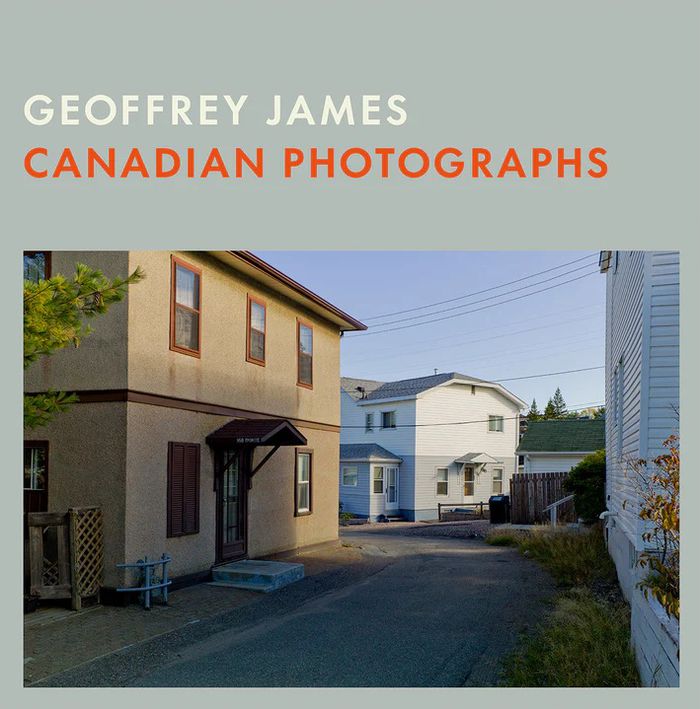
Geoffrey James directs his gaze to the in-between spaces and forgotten places that resist the idea of a cohesive national identity. With an equable eye, James documents the ephemeral and the monumental: a demolition derby in Quebec, how an inmate at Kingston Penitentiary has decorated his cell, the Dickensian side door of Massey Hall in Toronto. The photographs in this collection celebrate the everyday while meditating on the issues James’s adopted home faces: the bifurcation of rural and urban, rapid growth and increasing inequality, and its journey toward truth and reconciliation. Linked by views taken from train windows from British Columbia to Nova Scotia, James’s unofficial portrait of Canada brings into sharp relief the unfinished business of the nation as it lurches into the next century. Canadian Photographs includes a conversation between the photographer and Peter Galassi, former Chief Curator of Photography at the Museum of Modern Art.
Geoffrey James: Canadian photographs
Actions:
Prix:
$45.00
(disponible en magasin)
Résumé:
Geoffrey James directs his gaze to the in-between spaces and forgotten places that resist the idea of a cohesive national identity. With an equable eye, James documents the ephemeral and the monumental: a demolition derby in Quebec, how an inmate at Kingston Penitentiary has decorated his cell, the Dickensian side door of Massey Hall in Toronto. The photographs in this collection celebrate the everyday while meditating on the issues James’s adopted home faces: the bifurcation of rural and urban, rapid growth and increasing inequality, and its journey toward truth and reconciliation. Linked by views taken from train windows from British Columbia to Nova Scotia, James’s unofficial portrait of Canada brings into sharp relief the unfinished business of the nation as it lurches into the next century. Canadian Photographs includes a conversation between the photographer and Peter Galassi, former Chief Curator of Photography at the Museum of Modern Art.
Classification:
livres
livres
Publication:
octobre 2024
octobre 2024
Sujet:
Monographies photo
Monographies photo
Classification:
livres
livres
Titre:
Maps and dreams
Maps and dreams
Actions:
Prix:
$24.95
(disponible sur commande)
Résumé:
The Canadian sub-arctic is a world of forest, prairie and muskeg; of rainbow trout, moose, and caribou; of Indian hunters and trappers. It is also a world of boomtowns and bars, oil rigs and seismic soundings; of white energy speculators, ranchers and sports hunters. Hugh Brody came to this dual wold with the job of 'mapping' the lands of northwest British Columbia as(...)
$24.95
(disponible sur commande)
Résumé:
The Canadian sub-arctic is a world of forest, prairie and muskeg; of rainbow trout, moose, and caribou; of Indian hunters and trappers. It is also a world of boomtowns and bars, oil rigs and seismic soundings; of white energy speculators, ranchers and sports hunters. Hugh Brody came to this dual wold with the job of 'mapping' the lands of northwest British Columbia as(...)
Titre:
Maps and dreams
Actions:
Prix:
$24.95
(disponible sur commande)
Résumé:
The Canadian sub-arctic is a world of forest, prairie and muskeg; of rainbow trout, moose, and caribou; of Indian hunters and trappers. It is also a world of boomtowns and bars, oil rigs and seismic soundings; of white energy speculators, ranchers and sports hunters. Hugh Brody came to this dual wold with the job of 'mapping' the lands of northwest British Columbia as well as the way of life of a small group of Beaver Indians with a viable hunting economy living in the path of a projected oil pipeline. "Maps and dreams" is his account of an extraordinary 18-month journey through the world of a people who have no intention of vanishing into the past. Brody's powerful commentary retraces the history of the ever-expanding white frontier, from the first eighteenth-century explorer to the wildest corporate energy dreams of the present day.
Maps and dreams
Actions:
Prix:
$24.95
(disponible sur commande)
Résumé:
The Canadian sub-arctic is a world of forest, prairie and muskeg; of rainbow trout, moose, and caribou; of Indian hunters and trappers. It is also a world of boomtowns and bars, oil rigs and seismic soundings; of white energy speculators, ranchers and sports hunters. Hugh Brody came to this dual wold with the job of 'mapping' the lands of northwest British Columbia as well as the way of life of a small group of Beaver Indians with a viable hunting economy living in the path of a projected oil pipeline. "Maps and dreams" is his account of an extraordinary 18-month journey through the world of a people who have no intention of vanishing into the past. Brody's powerful commentary retraces the history of the ever-expanding white frontier, from the first eighteenth-century explorer to the wildest corporate energy dreams of the present day.
Classification:
livres
livres
Publication:
mars 2002
mars 2002
Sujet:
Architecture du Canada
Architecture du Canada
Classification:
livres
livres
Titre:
Unbuilt Victoria
Unbuilt Victoria
Actions:
Prix:
$28.99
(disponible sur commande)
Résumé:
For most people, resident and visitor alike, Victoria, British Columbia, is a time capsule of Victorian and Edwardian buildings. For its first 50 years the settlement flourished as the capital of the province. A smallpox epidemic in the 1890s closed Victoria's port, causing the city to go into decline and shelving plans for the Canada Western Hotel, for a replica of the(...)
$28.99
(disponible sur commande)
Résumé:
For most people, resident and visitor alike, Victoria, British Columbia, is a time capsule of Victorian and Edwardian buildings. For its first 50 years the settlement flourished as the capital of the province. A smallpox epidemic in the 1890s closed Victoria's port, causing the city to go into decline and shelving plans for the Canada Western Hotel, for a replica of the(...)
Titre:
Unbuilt Victoria
Actions:
Prix:
$28.99
(disponible sur commande)
Résumé:
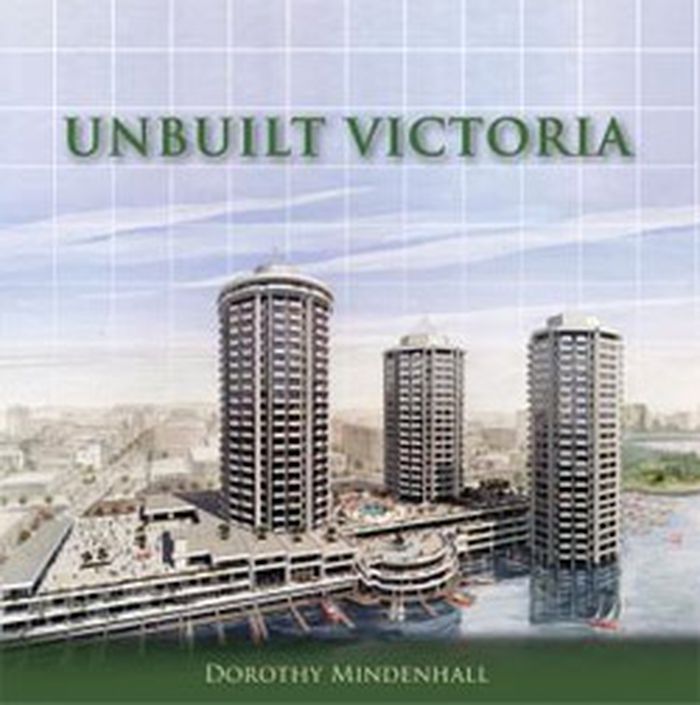
For most people, resident and visitor alike, Victoria, British Columbia, is a time capsule of Victorian and Edwardian buildings. For its first 50 years the settlement flourished as the capital of the province. A smallpox epidemic in the 1890s closed Victoria's port, causing the city to go into decline and shelving plans for the Canada Western Hotel, for a replica of the Parthenon in Beacon Hill Park, and for the grandiose Italianate facade that was to complete City Hall. Victoria tried to reinvent itself as a tourist destination, but it wasn't until the modernizing boom after the Second World War that attempts were made to drag the city's built environment into the mainstream. Unbuilt Victoria examines some of the architectural plans that were proposed but rejected. That some of them were ever dreamed of will probably amaze; that others never made it might well be a matter of regret.
Unbuilt Victoria
Actions:
Prix:
$28.99
(disponible sur commande)
Résumé:
For most people, resident and visitor alike, Victoria, British Columbia, is a time capsule of Victorian and Edwardian buildings. For its first 50 years the settlement flourished as the capital of the province. A smallpox epidemic in the 1890s closed Victoria's port, causing the city to go into decline and shelving plans for the Canada Western Hotel, for a replica of the Parthenon in Beacon Hill Park, and for the grandiose Italianate facade that was to complete City Hall. Victoria tried to reinvent itself as a tourist destination, but it wasn't until the modernizing boom after the Second World War that attempts were made to drag the city's built environment into the mainstream. Unbuilt Victoria examines some of the architectural plans that were proposed but rejected. That some of them were ever dreamed of will probably amaze; that others never made it might well be a matter of regret.
Classification:
livres
livres
Publication:
avril 2012
avril 2012
Sujet:
Architecture du Canada
Architecture du Canada
Classification:
livres
livres
Actions:
Prix:
$50.00
(disponible sur commande)
Résumé:
Nestled in British Columbia between the Rocky Mountains and the sea, Canada’s Pacific Northwest is home to interior designers and architects with their eyes on the outdoors, a varied population, and the future. In this book, design writer Julia Dilworth talks to them about their motivations and how they work, and showcases their projects, in full-colour photographs and(...)
$50.00
(disponible sur commande)
Résumé:
Nestled in British Columbia between the Rocky Mountains and the sea, Canada’s Pacific Northwest is home to interior designers and architects with their eyes on the outdoors, a varied population, and the future. In this book, design writer Julia Dilworth talks to them about their motivations and how they work, and showcases their projects, in full-colour photographs and(...)
Titre:
West Coast North: Interiors designed for living
Actions:
Prix:
$50.00
(disponible sur commande)
Résumé:
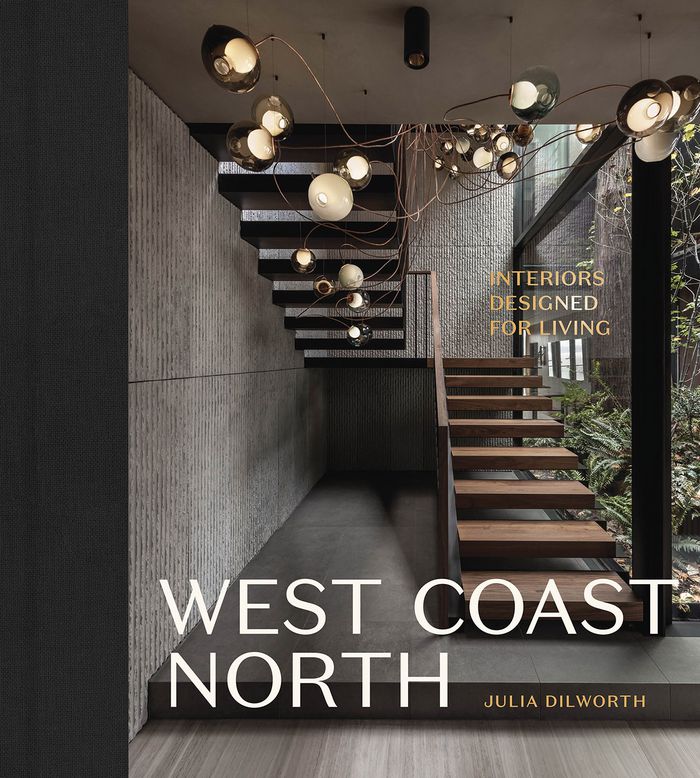
Nestled in British Columbia between the Rocky Mountains and the sea, Canada’s Pacific Northwest is home to interior designers and architects with their eyes on the outdoors, a varied population, and the future. In this book, design writer Julia Dilworth talks to them about their motivations and how they work, and showcases their projects, in full-colour photographs and their own words. The 29 firms profiled bring varied backgrounds and approaches to projects from old-home renos to new builds and from rooms and apartments to breweries, working closely with their clients and other firms. With a characteristic West Coast concern for the environment, they’re keeping old builds out of landfills and bringing the beauty of the outside world inside, through windows, materials, and colour palettes. They’re inspired by local craftspeople and artists and by design from far flung places—the places from which the world has gathered on Canada’s West Coast.
West Coast North: Interiors designed for living
Actions:
Prix:
$50.00
(disponible sur commande)
Résumé:
Nestled in British Columbia between the Rocky Mountains and the sea, Canada’s Pacific Northwest is home to interior designers and architects with their eyes on the outdoors, a varied population, and the future. In this book, design writer Julia Dilworth talks to them about their motivations and how they work, and showcases their projects, in full-colour photographs and their own words. The 29 firms profiled bring varied backgrounds and approaches to projects from old-home renos to new builds and from rooms and apartments to breweries, working closely with their clients and other firms. With a characteristic West Coast concern for the environment, they’re keeping old builds out of landfills and bringing the beauty of the outside world inside, through windows, materials, and colour palettes. They’re inspired by local craftspeople and artists and by design from far flung places—the places from which the world has gathered on Canada’s West Coast.
Classification:
livres
livres
Publication:
octobre 2022
octobre 2022
Sujet:
Design d’intérieur
Design d’intérieur
Classification:
livres
livres

Actions:
Prix:
$37.95
(disponible sur commande)
Résumé:
In "The ends of research" Tom Özden-Schilling explores the afterlives of several research initiatives that emerged in the wake of the "War in the woods," a period of anti-logging blockades in Canada in the late twentieth century. Drawing on ethnographic fieldwork among neighboring communities of White environmental scientists and First Nations mapmakers in northwest(...)
$37.95
(disponible sur commande)
Résumé:
In "The ends of research" Tom Özden-Schilling explores the afterlives of several research initiatives that emerged in the wake of the "War in the woods," a period of anti-logging blockades in Canada in the late twentieth century. Drawing on ethnographic fieldwork among neighboring communities of White environmental scientists and First Nations mapmakers in northwest(...)
Publication:
décembre 2023
décembre 2023
Titre:
The ends of research: Indigenous and settler science after the War in the Woods
Actions:
Prix:
$37.95
(disponible sur commande)
Résumé:
In "The ends of research" Tom Özden-Schilling explores the afterlives of several research initiatives that emerged in the wake of the "War in the woods," a period of anti-logging blockades in Canada in the late twentieth century. Drawing on ethnographic fieldwork among neighboring communities of White environmental scientists and First Nations mapmakers in northwest British Columbia, Özden-Schilling examines these researchers' lasting investments and the ways they struggle to continue their work long after the loss of government funding. He charts their use of planning documents, Indigenous territory maps, land use plots, reports, and other documents that help them not only to survive institutional restructuring but to hold on to the practices that they hope will enable future researchers to continue their work. He also shows how their lives and aspirations shape and are shaped by decades-long battles over resource extraction and Indigenous land claims. By focusing on researchers' experiences and personal attachments, Özden-Schilling illustrates the complex relationships between researchers and rural histories of conservation, environmental conflict, resource extraction, and the long-term legacies of scientific research.
The ends of research: Indigenous and settler science after the War in the Woods
Actions:
Prix:
$37.95
(disponible sur commande)
Résumé:
In "The ends of research" Tom Özden-Schilling explores the afterlives of several research initiatives that emerged in the wake of the "War in the woods," a period of anti-logging blockades in Canada in the late twentieth century. Drawing on ethnographic fieldwork among neighboring communities of White environmental scientists and First Nations mapmakers in northwest British Columbia, Özden-Schilling examines these researchers' lasting investments and the ways they struggle to continue their work long after the loss of government funding. He charts their use of planning documents, Indigenous territory maps, land use plots, reports, and other documents that help them not only to survive institutional restructuring but to hold on to the practices that they hope will enable future researchers to continue their work. He also shows how their lives and aspirations shape and are shaped by decades-long battles over resource extraction and Indigenous land claims. By focusing on researchers' experiences and personal attachments, Özden-Schilling illustrates the complex relationships between researchers and rural histories of conservation, environmental conflict, resource extraction, and the long-term legacies of scientific research.
Classification:
livres
livres
Publication:
décembre 2023
décembre 2023
Classification:
livres
livres
Actions:
Prix:
$55.00
(disponible en magasin)
Résumé:
Decades after gaining international recognition through the work of practitioners such as Arthur Erickson, Ron Thom, and Barry Downs, the West Coast Modern style remains widely celebrated and highly influential for residential architects in British Columbia and beyond, even as its expressions evolve and adapt to contemporary contexts. What are the contours of its legacy(...)
$55.00
(disponible en magasin)
Résumé:
Decades after gaining international recognition through the work of practitioners such as Arthur Erickson, Ron Thom, and Barry Downs, the West Coast Modern style remains widely celebrated and highly influential for residential architects in British Columbia and beyond, even as its expressions evolve and adapt to contemporary contexts. What are the contours of its legacy(...)
Titre:
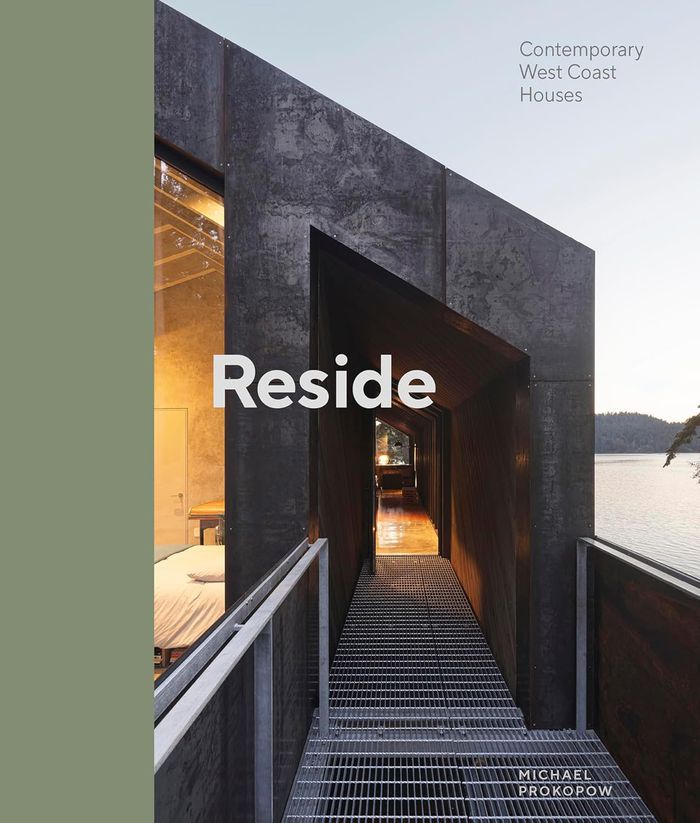
Reside: contemporary West Coast houses
Actions:
Prix:
$55.00
(disponible en magasin)
Résumé:
Decades after gaining international recognition through the work of practitioners such as Arthur Erickson, Ron Thom, and Barry Downs, the West Coast Modern style remains widely celebrated and highly influential for residential architects in British Columbia and beyond, even as its expressions evolve and adapt to contemporary contexts. What are the contours of its legacy today—and has a new Cascadia regional style emerged? To explore these questions, Clinton Cuddington, co-principal of Measured Architecture, invited dozens of B.C.-based architects to share residential projects that best exemplified their design process. Their responses range from palatial mountain chalets to cabins sitting lightly in the forest to oceanfront retreats to sensitive urban renovations. Each house is presented through full-colour photos by professional photographers including Andrew Latreille and Ema Peter, and accompanied by short essays by curator and critic Michael Prokopow that draw on visits to each house and interviews with the architects to elucidate the many aesthetic and programmatic accomplishments on display. The houses are grouped by typology within Mountain, Forest, Shore, and City sections, and followed by profiles of each firm with photos of additional work.
Reside: contemporary West Coast houses
Actions:
Prix:
$55.00
(disponible en magasin)
Résumé:
Decades after gaining international recognition through the work of practitioners such as Arthur Erickson, Ron Thom, and Barry Downs, the West Coast Modern style remains widely celebrated and highly influential for residential architects in British Columbia and beyond, even as its expressions evolve and adapt to contemporary contexts. What are the contours of its legacy today—and has a new Cascadia regional style emerged? To explore these questions, Clinton Cuddington, co-principal of Measured Architecture, invited dozens of B.C.-based architects to share residential projects that best exemplified their design process. Their responses range from palatial mountain chalets to cabins sitting lightly in the forest to oceanfront retreats to sensitive urban renovations. Each house is presented through full-colour photos by professional photographers including Andrew Latreille and Ema Peter, and accompanied by short essays by curator and critic Michael Prokopow that draw on visits to each house and interviews with the architects to elucidate the many aesthetic and programmatic accomplishments on display. The houses are grouped by typology within Mountain, Forest, Shore, and City sections, and followed by profiles of each firm with photos of additional work.
Classification:
livres
livres
Publication:
octobre 2024
octobre 2024
Sujet:
Architecture résidentielle
Architecture résidentielle


