


4165 Résultats
Classification:
périodiques
périodiques
Titre:
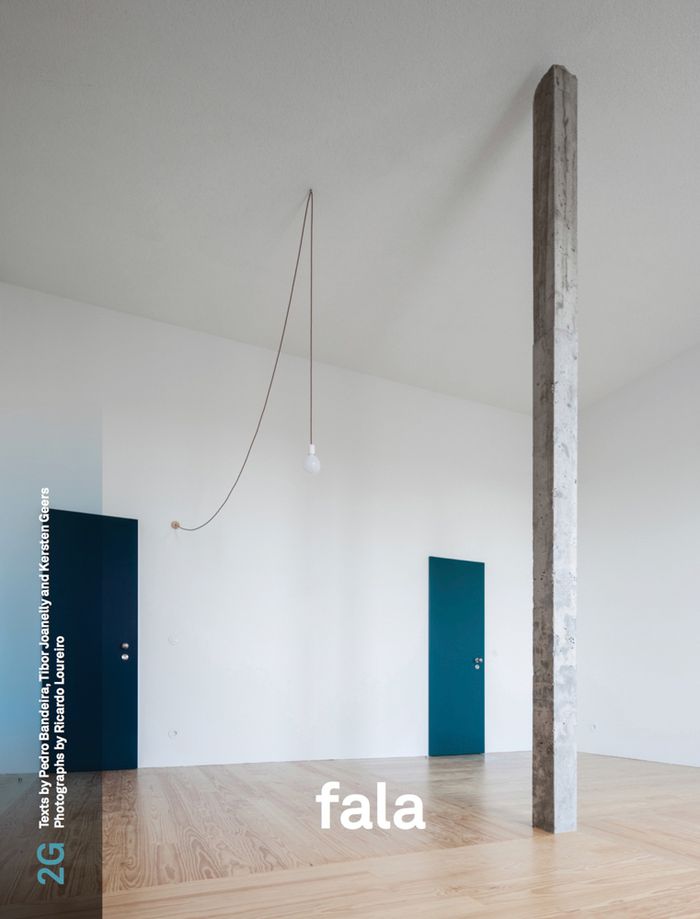
2G 80: Studio Fala Atelier
2G 80: Studio Fala Atelier
Actions:
Prix:
$110.95
(disponible sur commande)
Résumé:
Architectural works by Fala—a Porto-based architectural studio founded in 2013—are documented here in issue 80 of 2G. Fala’s architectural style developed in the aftermath of the economic crisis in 2008, when downtown Porto and Lisbon underwent a boom in tourism and massive redevelopment.
$110.95
(disponible sur commande)
Résumé:
Architectural works by Fala—a Porto-based architectural studio founded in 2013—are documented here in issue 80 of 2G. Fala’s architectural style developed in the aftermath of the economic crisis in 2008, when downtown Porto and Lisbon underwent a boom in tourism and massive redevelopment.
Publication:
avril 2020
avril 2020
Titre:
2G 80: Studio Fala Atelier
Actions:
Prix:
$110.95
(disponible sur commande)
Résumé:
Architectural works by Fala—a Porto-based architectural studio founded in 2013—are documented here in issue 80 of 2G. Fala’s architectural style developed in the aftermath of the economic crisis in 2008, when downtown Porto and Lisbon underwent a boom in tourism and massive redevelopment.
2G 80: Studio Fala Atelier
Actions:
Prix:
$110.95
(disponible sur commande)
Résumé:
Architectural works by Fala—a Porto-based architectural studio founded in 2013—are documented here in issue 80 of 2G. Fala’s architectural style developed in the aftermath of the economic crisis in 2008, when downtown Porto and Lisbon underwent a boom in tourism and massive redevelopment.
Classification:
périodiques
périodiques
Publication:
avril 2020
avril 2020
Classification:
périodiques
périodiques
Titre:
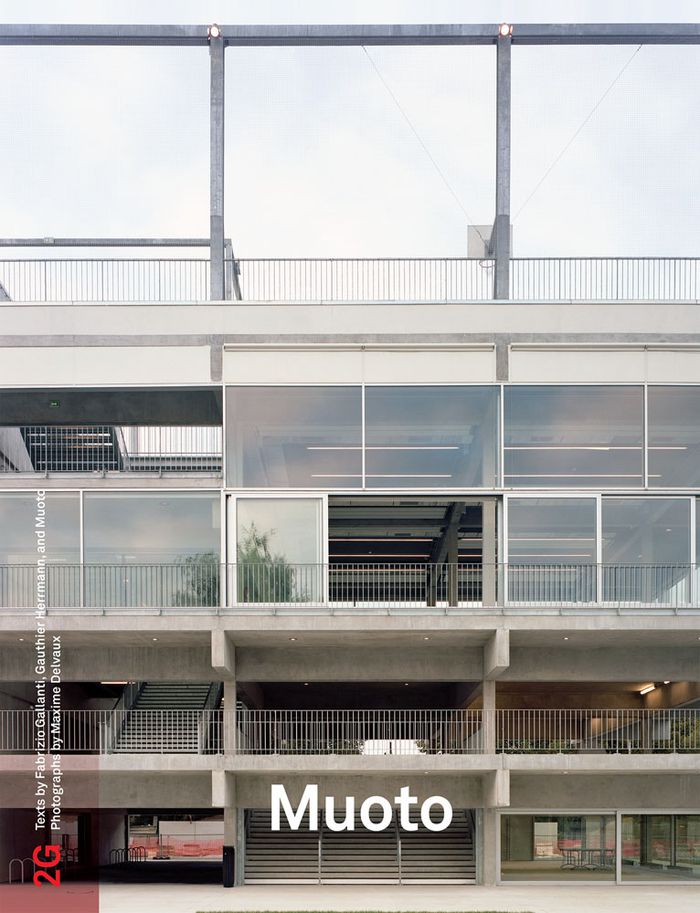
2G 79: Studio Muoto (Paris)
2G 79: Studio Muoto (Paris)
Actions:
Prix:
$82.00
(disponible sur commande)
Résumé:
On the minimalist city structures of the award-winning Parisian Studio Muoto firm. The latest issue of 2G focuses on the work of Paris-based architectural firm Studio Muoto—meaning ''form'' in Finnish. Working in architecture, urbanism, design and scientific research, Studio Muoto creates multifunctional minimalist structures made with rough materials.
$82.00
(disponible sur commande)
Résumé:
On the minimalist city structures of the award-winning Parisian Studio Muoto firm. The latest issue of 2G focuses on the work of Paris-based architectural firm Studio Muoto—meaning ''form'' in Finnish. Working in architecture, urbanism, design and scientific research, Studio Muoto creates multifunctional minimalist structures made with rough materials.
Publication:
février 2020
février 2020
Titre:
2G 79: Studio Muoto (Paris)
Actions:
Prix:
$82.00
(disponible sur commande)
Résumé:
On the minimalist city structures of the award-winning Parisian Studio Muoto firm. The latest issue of 2G focuses on the work of Paris-based architectural firm Studio Muoto—meaning ''form'' in Finnish. Working in architecture, urbanism, design and scientific research, Studio Muoto creates multifunctional minimalist structures made with rough materials.
2G 79: Studio Muoto (Paris)
Actions:
Prix:
$82.00
(disponible sur commande)
Résumé:
On the minimalist city structures of the award-winning Parisian Studio Muoto firm. The latest issue of 2G focuses on the work of Paris-based architectural firm Studio Muoto—meaning ''form'' in Finnish. Working in architecture, urbanism, design and scientific research, Studio Muoto creates multifunctional minimalist structures made with rough materials.
Classification:
périodiques
périodiques
Publication:
février 2020
février 2020
Classification:
périodiques
périodiques
Titre:
Interactive architecture 2
Interactive architecture 2
Actions:
Prix:
$28.00
(disponible sur commande)
Résumé:
This is the second issue of this innovative bookzine, an inter-disciplinary look at interactive architecture from researchers, students and guest lectures in Kas Oosterhuis's Hyperbody at the Delft Institute of Technology, along with experts from other organizations. This issue brings the reader deeper into the interactive relationships between built components and(...)
$28.00
(disponible sur commande)
Résumé:
This is the second issue of this innovative bookzine, an inter-disciplinary look at interactive architecture from researchers, students and guest lectures in Kas Oosterhuis's Hyperbody at the Delft Institute of Technology, along with experts from other organizations. This issue brings the reader deeper into the interactive relationships between built components and(...)
Titre:
Interactive architecture 2
Actions:
Prix:
$28.00
(disponible sur commande)
Résumé:
This is the second issue of this innovative bookzine, an inter-disciplinary look at interactive architecture from researchers, students and guest lectures in Kas Oosterhuis's Hyperbody at the Delft Institute of Technology, along with experts from other organizations. This issue brings the reader deeper into the interactive relationships between built components and people, using parametric Design, Powerlines and multiplayer design games. It also offers an overview on the iWEB pavilion, a vehicle for trans-disciplinary research, education and design developed by Hyperbody, from the software it applies to the building process and to its opening event. A publication fulfilling its destiny as an essential component in this groundbreaking architectural movement.
Interactive architecture 2
Actions:
Prix:
$28.00
(disponible sur commande)
Résumé:
This is the second issue of this innovative bookzine, an inter-disciplinary look at interactive architecture from researchers, students and guest lectures in Kas Oosterhuis's Hyperbody at the Delft Institute of Technology, along with experts from other organizations. This issue brings the reader deeper into the interactive relationships between built components and people, using parametric Design, Powerlines and multiplayer design games. It also offers an overview on the iWEB pavilion, a vehicle for trans-disciplinary research, education and design developed by Hyperbody, from the software it applies to the building process and to its opening event. A publication fulfilling its destiny as an essential component in this groundbreaking architectural movement.
Classification:
périodiques
périodiques
Publication:
décembre 2008
décembre 2008
Classification:
périodiques
périodiques
Actions:
Prix:
$17.50
(disponible sur commande)
Résumé:
The post-war years were a very intense period of experiments, visions and imagination. The end of such a tragic period for the world enabled intellectuals and architects in particular, but also film-makers to rethink the future and imagine new situations with an optimistic use of technologies. For some of them, such as Buckminster Fuller, technology was the resource that(...)
$17.50
(disponible sur commande)
Résumé:
The post-war years were a very intense period of experiments, visions and imagination. The end of such a tragic period for the world enabled intellectuals and architects in particular, but also film-makers to rethink the future and imagine new situations with an optimistic use of technologies. For some of them, such as Buckminster Fuller, technology was the resource that(...)
Titre:
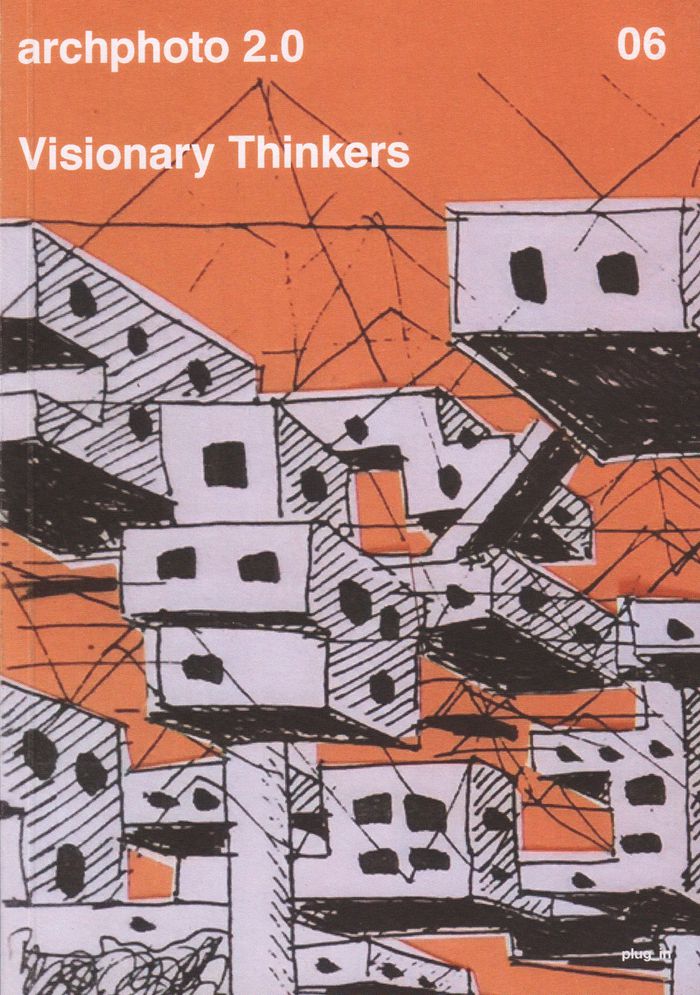
Archphoto 2.0, 06: Visionary Thinkers
Actions:
Prix:
$17.50
(disponible sur commande)
Résumé:
The post-war years were a very intense period of experiments, visions and imagination. The end of such a tragic period for the world enabled intellectuals and architects in particular, but also film-makers to rethink the future and imagine new situations with an optimistic use of technologies. For some of them, such as Buckminster Fuller, technology was the resource that was to save the world, as in the case of covering Manhattan with a glass dome, almost to preserve it like an ancient ruin. Thus, this new issue of archphoto2.0 is dedicated to the "Visionary Thinkers", to those who turned their minds to imagine new scenarios.
Archphoto 2.0, 06: Visionary Thinkers
Actions:
Prix:
$17.50
(disponible sur commande)
Résumé:
The post-war years were a very intense period of experiments, visions and imagination. The end of such a tragic period for the world enabled intellectuals and architects in particular, but also film-makers to rethink the future and imagine new situations with an optimistic use of technologies. For some of them, such as Buckminster Fuller, technology was the resource that was to save the world, as in the case of covering Manhattan with a glass dome, almost to preserve it like an ancient ruin. Thus, this new issue of archphoto2.0 is dedicated to the "Visionary Thinkers", to those who turned their minds to imagine new scenarios.
Classification:
périodiques
périodiques
Publication:
octobre 2017
octobre 2017
Classification:
périodiques
périodiques
Actions:
Prix:
$110.00
(disponible sur commande)
Résumé:
This issue of El Croquis features the work of Arno Brandlhuber. The Berlin-based architect is known for his various collaborative practices involving an array of people – architects, artists, writers, filmmakers, musicians – and an oeuvre rich in cultural references. Brandlhuber stands for a discursive practice; he brings together individuals who represent the new(...)
$110.00
(disponible sur commande)
Résumé:
This issue of El Croquis features the work of Arno Brandlhuber. The Berlin-based architect is known for his various collaborative practices involving an array of people – architects, artists, writers, filmmakers, musicians – and an oeuvre rich in cultural references. Brandlhuber stands for a discursive practice; he brings together individuals who represent the new(...)
Titre:
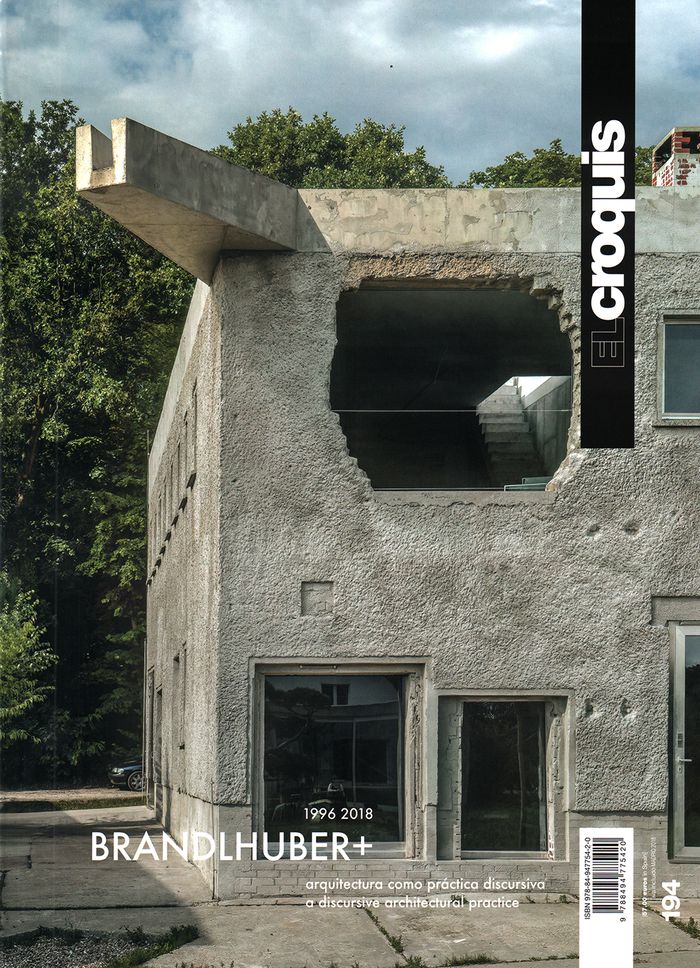
El Croquis 194 : Brandlhuber+ 1996-2018
Actions:
Prix:
$110.00
(disponible sur commande)
Résumé:
This issue of El Croquis features the work of Arno Brandlhuber. The Berlin-based architect is known for his various collaborative practices involving an array of people – architects, artists, writers, filmmakers, musicians – and an oeuvre rich in cultural references. Brandlhuber stands for a discursive practice; he brings together individuals who represent the new creative class which has become increasingly crucial for cities everywhere, and he believes in their ability to develop new, more diverse and flexible lifestyles. This special issue includes essays by Bart Lootsma and Moritz Küng, and features a selection of 20 exemplary projects.
El Croquis 194 : Brandlhuber+ 1996-2018
Actions:
Prix:
$110.00
(disponible sur commande)
Résumé:
This issue of El Croquis features the work of Arno Brandlhuber. The Berlin-based architect is known for his various collaborative practices involving an array of people – architects, artists, writers, filmmakers, musicians – and an oeuvre rich in cultural references. Brandlhuber stands for a discursive practice; he brings together individuals who represent the new creative class which has become increasingly crucial for cities everywhere, and he believes in their ability to develop new, more diverse and flexible lifestyles. This special issue includes essays by Bart Lootsma and Moritz Küng, and features a selection of 20 exemplary projects.
Classification:
périodiques
périodiques
Publication:
juin 2018
juin 2018
Classification:
périodiques
périodiques
Titre:
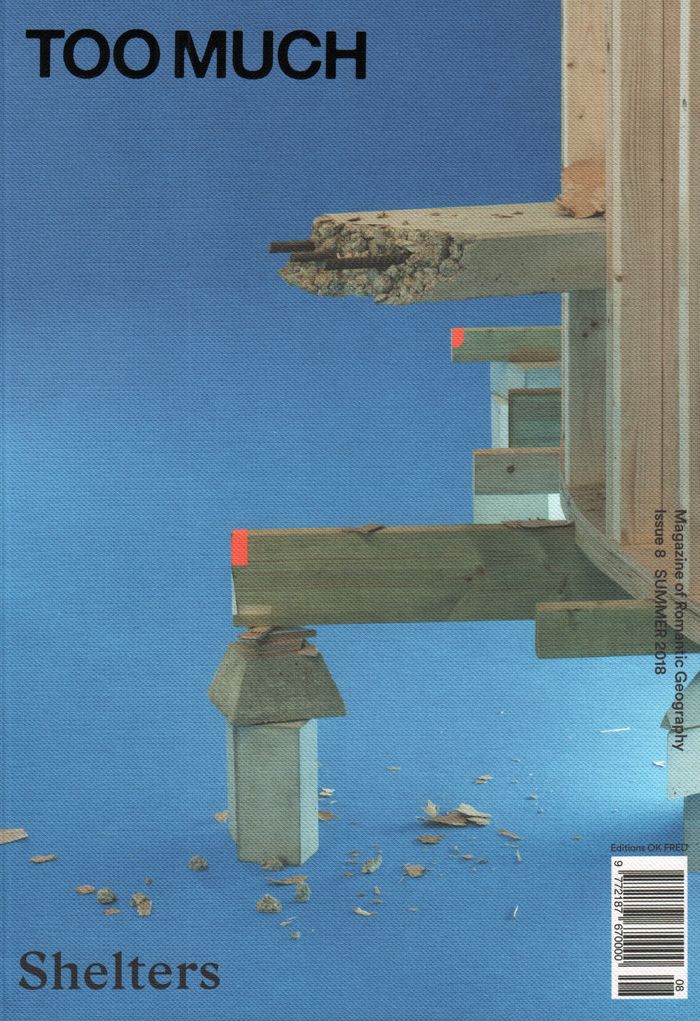
Too Much 08: Shelters
Too Much 08: Shelters
Actions:
Prix:
$42.00
(disponible sur commande)
Résumé:
This issue is about the shape of shelter, including Gordon Matta-Clark’s legendary bodega-turned-kitchen called FOOD, which ran from 1971 to 1974 in New York. It was a restaurant that emerged from the broken infrastructure of the metropolis — a weird idyll in a rundown town where you could eat alchemical concoctions and drink cheap sake with the neighbourhoods’ hungry artists.
$42.00
(disponible sur commande)
Résumé:
This issue is about the shape of shelter, including Gordon Matta-Clark’s legendary bodega-turned-kitchen called FOOD, which ran from 1971 to 1974 in New York. It was a restaurant that emerged from the broken infrastructure of the metropolis — a weird idyll in a rundown town where you could eat alchemical concoctions and drink cheap sake with the neighbourhoods’ hungry artists.
Titre:
Too Much 08: Shelters
Actions:
Prix:
$42.00
(disponible sur commande)
Résumé:
This issue is about the shape of shelter, including Gordon Matta-Clark’s legendary bodega-turned-kitchen called FOOD, which ran from 1971 to 1974 in New York. It was a restaurant that emerged from the broken infrastructure of the metropolis — a weird idyll in a rundown town where you could eat alchemical concoctions and drink cheap sake with the neighbourhoods’ hungry artists.
Too Much 08: Shelters
Actions:
Prix:
$42.00
(disponible sur commande)
Résumé:
This issue is about the shape of shelter, including Gordon Matta-Clark’s legendary bodega-turned-kitchen called FOOD, which ran from 1971 to 1974 in New York. It was a restaurant that emerged from the broken infrastructure of the metropolis — a weird idyll in a rundown town where you could eat alchemical concoctions and drink cheap sake with the neighbourhoods’ hungry artists.
Classification:
périodiques
périodiques
Publication:
août 2018
août 2018
Classification:
périodiques
périodiques
Titre:
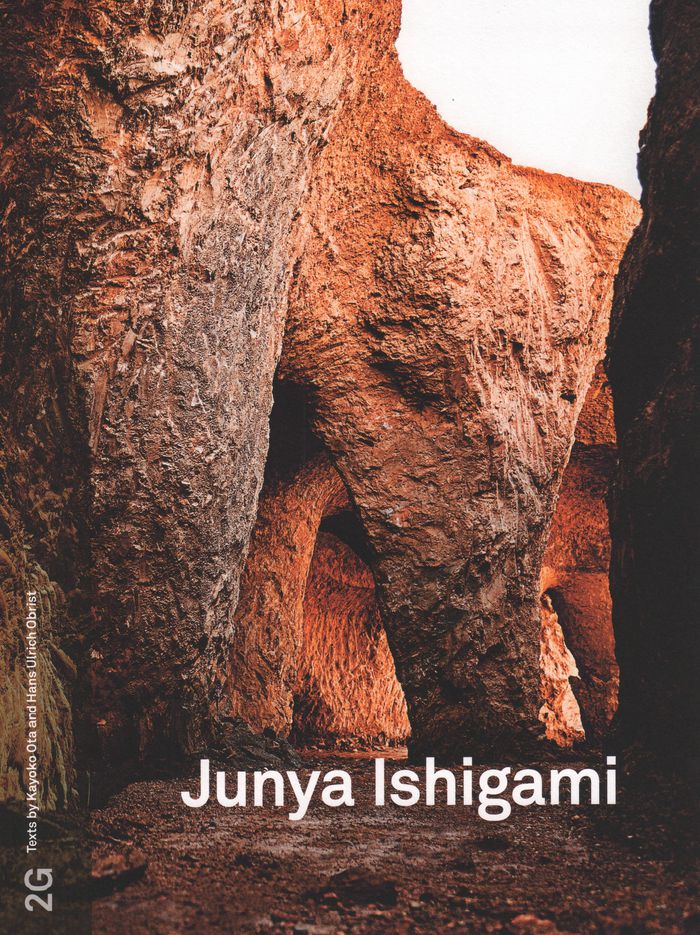
2G 78 : Junya Ishigami
2G 78 : Junya Ishigami
Actions:
Prix:
$75.00
(disponible sur commande)
Résumé:
Japanese architect Junya Ishigami (born 1974) became known for his proposal for the Japan Pavilion at the Venice Architecture Biennale 2008. The following year, he completed the Kanagawa Institute of Technology Workshop, and with these two works he was already acclaimed as one of the most innovative Japanese architects. Issue 78 of 2G surveys his career to date.
$75.00
(disponible sur commande)
Résumé:
Japanese architect Junya Ishigami (born 1974) became known for his proposal for the Japan Pavilion at the Venice Architecture Biennale 2008. The following year, he completed the Kanagawa Institute of Technology Workshop, and with these two works he was already acclaimed as one of the most innovative Japanese architects. Issue 78 of 2G surveys his career to date.
Publication:
août 2019
août 2019
Titre:
2G 78 : Junya Ishigami
Actions:
Prix:
$75.00
(disponible sur commande)
Résumé:
Japanese architect Junya Ishigami (born 1974) became known for his proposal for the Japan Pavilion at the Venice Architecture Biennale 2008. The following year, he completed the Kanagawa Institute of Technology Workshop, and with these two works he was already acclaimed as one of the most innovative Japanese architects. Issue 78 of 2G surveys his career to date.
2G 78 : Junya Ishigami
Actions:
Prix:
$75.00
(disponible sur commande)
Résumé:
Japanese architect Junya Ishigami (born 1974) became known for his proposal for the Japan Pavilion at the Venice Architecture Biennale 2008. The following year, he completed the Kanagawa Institute of Technology Workshop, and with these two works he was already acclaimed as one of the most innovative Japanese architects. Issue 78 of 2G surveys his career to date.
Classification:
périodiques
périodiques
Publication:
août 2019
août 2019
Classification:
périodiques
périodiques
Titre:
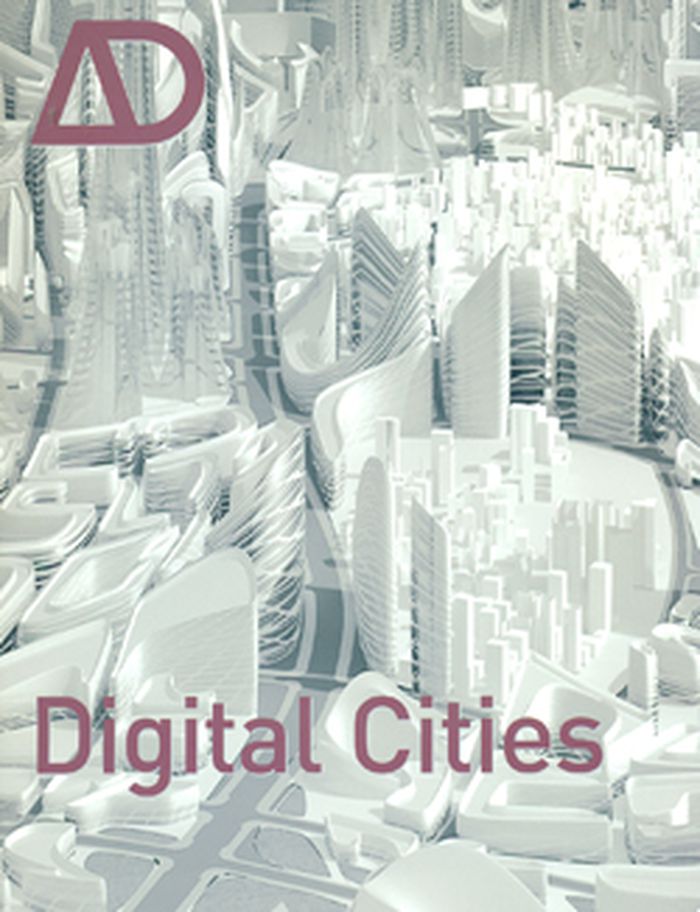
AD: digital cities
AD: digital cities
Actions:
Prix:
$54.00
(disponible sur commande)
Résumé:
What is the impact of digital technologies on the design and analysis of cities? For the last 15 years, the profound impact of computer-aided techniques on architecture has been well charted. From the use of standard drafting packages to the more experimental use of generative design tools and parametric modelling, digital technologies have come to play a major role in(...)
$54.00
(disponible sur commande)
Résumé:
What is the impact of digital technologies on the design and analysis of cities? For the last 15 years, the profound impact of computer-aided techniques on architecture has been well charted. From the use of standard drafting packages to the more experimental use of generative design tools and parametric modelling, digital technologies have come to play a major role in(...)
Titre:
AD: digital cities
Actions:
Prix:
$54.00
(disponible sur commande)
Résumé:
What is the impact of digital technologies on the design and analysis of cities? For the last 15 years, the profound impact of computer-aided techniques on architecture has been well charted. From the use of standard drafting packages to the more experimental use of generative design tools and parametric modelling, digital technologies have come to play a major role in architectural production. But how are they helping architects and designers to operate at the urban scale? And how might they be changing the way in which we perceive and understand our cities?
AD: digital cities
Actions:
Prix:
$54.00
(disponible sur commande)
Résumé:
What is the impact of digital technologies on the design and analysis of cities? For the last 15 years, the profound impact of computer-aided techniques on architecture has been well charted. From the use of standard drafting packages to the more experimental use of generative design tools and parametric modelling, digital technologies have come to play a major role in architectural production. But how are they helping architects and designers to operate at the urban scale? And how might they be changing the way in which we perceive and understand our cities?
Classification:
périodiques
périodiques
Publication:
septembre 2009
septembre 2009
Classification:
périodiques
périodiques
Actions:
Prix:
$57.95
(disponible sur commande)
Résumé:
Reduce, retrieve and remove are the three new processes being added to those already expanded upon in the previous a+t issue. The recent additions refer to refusal and relinquishment options for the current living environment. After having undergone a series of material, formal, technical and economical adjustments, the role of inhabiting a space is viewed with a fresh(...)
$57.95
(disponible sur commande)
Résumé:
Reduce, retrieve and remove are the three new processes being added to those already expanded upon in the previous a+t issue. The recent additions refer to refusal and relinquishment options for the current living environment. After having undergone a series of material, formal, technical and economical adjustments, the role of inhabiting a space is viewed with a fresh(...)
Titre:
A+T 41: reclaim domestic actions
Actions:
Prix:
$57.95
(disponible sur commande)
Résumé:
Reduce, retrieve and remove are the three new processes being added to those already expanded upon in the previous a+t issue. The recent additions refer to refusal and relinquishment options for the current living environment. After having undergone a series of material, formal, technical and economical adjustments, the role of inhabiting a space is viewed with a fresh perspective. This issue contains 53 domestic actions, all of which try to recapture the spirit of feeling at-home.
A+T 41: reclaim domestic actions
Actions:
Prix:
$57.95
(disponible sur commande)
Résumé:
Reduce, retrieve and remove are the three new processes being added to those already expanded upon in the previous a+t issue. The recent additions refer to refusal and relinquishment options for the current living environment. After having undergone a series of material, formal, technical and economical adjustments, the role of inhabiting a space is viewed with a fresh perspective. This issue contains 53 domestic actions, all of which try to recapture the spirit of feeling at-home.
Classification:
périodiques
périodiques
Publication:
novembre 2013
novembre 2013
Classification:
périodiques
périodiques
Prix:
$43.95
(disponible sur commande)
Résumé:
In the next decade or so, the widespread adoption of robotics is set to transform the construction industry: building techniques will become increasingly automated both on- and off-site, dispensing with manual labour and enabling greater cost and operational efficiencies. What unique opportunities, however, does robotics afford beyond operational effectiveness explicitly(...)
$43.95
(disponible sur commande)
Résumé:
In the next decade or so, the widespread adoption of robotics is set to transform the construction industry: building techniques will become increasingly automated both on- and off-site, dispensing with manual labour and enabling greater cost and operational efficiencies. What unique opportunities, however, does robotics afford beyond operational effectiveness explicitly(...)
Titre:
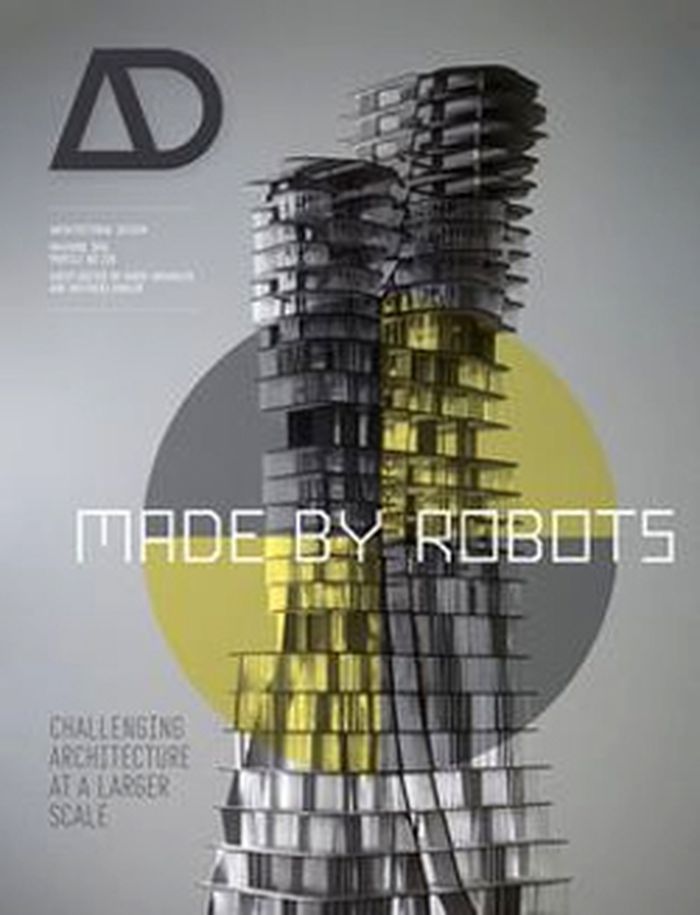
AD Made by robots: challenging architecture at a larger scale
Actions:
Prix:
$43.95
(disponible sur commande)
Résumé:
In the next decade or so, the widespread adoption of robotics is set to transform the construction industry: building techniques will become increasingly automated both on- and off-site, dispensing with manual labour and enabling greater cost and operational efficiencies. What unique opportunities, however, does robotics afford beyond operational effectiveness explicitly for the practice of architecture? What is the potential for the serial production of non-standard elements as well as for varied construction processes? In order to scale up and advance the application of robotics, for both prefabrication and on-site construction, there needs to be an understanding of the different capabilities, and these should be considered right from the start of the design and planning process. This issue of "AD" showcases the findings of the Architecture and Digital Fabrication research module at the ETH Zurich Future Cities Laboratory in Singapore, directed by Fabio Gramazio and Matthias Kohler, which explores the possibilities of robotic construction processes for architecture and their large-scale application to the design and construction of high-rise buildings.
AD Made by robots: challenging architecture at a larger scale
Actions:
Prix:
$43.95
(disponible sur commande)
Résumé:
In the next decade or so, the widespread adoption of robotics is set to transform the construction industry: building techniques will become increasingly automated both on- and off-site, dispensing with manual labour and enabling greater cost and operational efficiencies. What unique opportunities, however, does robotics afford beyond operational effectiveness explicitly for the practice of architecture? What is the potential for the serial production of non-standard elements as well as for varied construction processes? In order to scale up and advance the application of robotics, for both prefabrication and on-site construction, there needs to be an understanding of the different capabilities, and these should be considered right from the start of the design and planning process. This issue of "AD" showcases the findings of the Architecture and Digital Fabrication research module at the ETH Zurich Future Cities Laboratory in Singapore, directed by Fabio Gramazio and Matthias Kohler, which explores the possibilities of robotic construction processes for architecture and their large-scale application to the design and construction of high-rise buildings.
Classification:
périodiques
périodiques
Publication:
mai 2014
mai 2014


