


10583 Résultats
Classification:
livres
livres
Actions:
Prix:
$79.00
(disponible sur commande)
Résumé:
The nineteenth century saw the emergence of a new genre of architectural writing: the grand history of world architecture. This genre often expressed a deeply Eurocentric worldview, largely dismissing non-Western architecture through narratives of historical progress and stylistic beauty. Yet even as nineteenth-century historians worked to construct an exclusive(...)
$79.00
(disponible sur commande)
Résumé:
The nineteenth century saw the emergence of a new genre of architectural writing: the grand history of world architecture. This genre often expressed a deeply Eurocentric worldview, largely dismissing non-Western architecture through narratives of historical progress and stylistic beauty. Yet even as nineteenth-century historians worked to construct an exclusive(...)
Sujet:
Théorie de l’architecture
Théorie de l’architecture
Publication:
octobre 2023
octobre 2023
Titre:
Narrating the globe: The emergence of world histories of architecture
Actions:
Prix:
$79.00
(disponible sur commande)
Résumé:
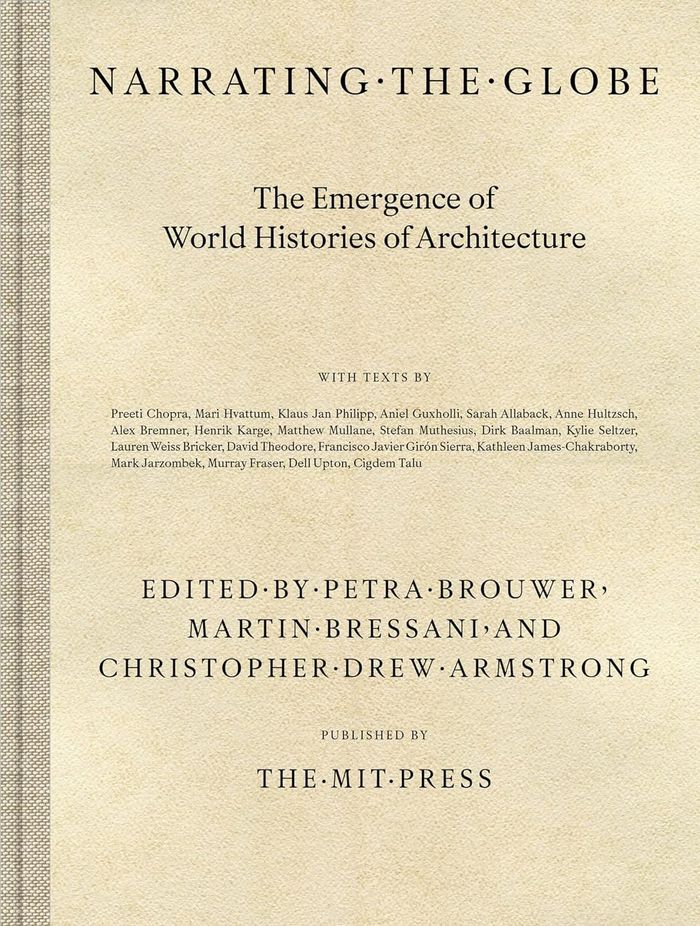
The nineteenth century saw the emergence of a new genre of architectural writing: the grand history of world architecture. This genre often expressed a deeply Eurocentric worldview, largely dismissing non-Western architecture through narratives of historical progress and stylistic beauty. Yet even as nineteenth-century historians worked to construct an exclusive architectural canon, they were engaged in constant debate over its categories and constraints. ''Narrating the globe'' traces the emergence of this historical canon, exposing the questions and problems that prompted the canon’s very formation. Bringing together architectural historians from around the world, this collection of essays—the first comprehensive examination of the nineteenth-century architectural history survey as a literary genre—includes overviews of the origins and legacy of the global architecture survey genre, as well as close examinations of key works, including books by lesser-known but intriguing authors such as Louisa C. Tuthill, Christian L. Stieglitz, and Daniel Ramée, and the more famous surveys by James Fergusson, Franz Kugler, Banister Fletcher, and Auguste Choisy.
Narrating the globe: The emergence of world histories of architecture
Actions:
Prix:
$79.00
(disponible sur commande)
Résumé:
The nineteenth century saw the emergence of a new genre of architectural writing: the grand history of world architecture. This genre often expressed a deeply Eurocentric worldview, largely dismissing non-Western architecture through narratives of historical progress and stylistic beauty. Yet even as nineteenth-century historians worked to construct an exclusive architectural canon, they were engaged in constant debate over its categories and constraints. ''Narrating the globe'' traces the emergence of this historical canon, exposing the questions and problems that prompted the canon’s very formation. Bringing together architectural historians from around the world, this collection of essays—the first comprehensive examination of the nineteenth-century architectural history survey as a literary genre—includes overviews of the origins and legacy of the global architecture survey genre, as well as close examinations of key works, including books by lesser-known but intriguing authors such as Louisa C. Tuthill, Christian L. Stieglitz, and Daniel Ramée, and the more famous surveys by James Fergusson, Franz Kugler, Banister Fletcher, and Auguste Choisy.
Classification:
livres
livres
Publication:
octobre 2023
octobre 2023
Sujet:
Théorie de l’architecture
Théorie de l’architecture
Classification:
livres
livres
Prix:
$54.00
(disponible en magasin)
Résumé:
The term 'style' has fallen spectacularly out of fashion in architectural circles. Once a conceptual key to understanding architecture’s inner workings, today style seems to be associated with superficiality, formalism, and obsolete periodization. But how did style—once defined by German sociologist Georg Simmel as a place where one is 'no longer alone'—in architecture(...)
$54.00
(disponible en magasin)
Résumé:
The term 'style' has fallen spectacularly out of fashion in architectural circles. Once a conceptual key to understanding architecture’s inner workings, today style seems to be associated with superficiality, formalism, and obsolete periodization. But how did style—once defined by German sociologist Georg Simmel as a place where one is 'no longer alone'—in architecture(...)
Titre:
Style and solitude: The history of an architectural problem
Actions:
Prix:
$54.00
(disponible en magasin)
Résumé:
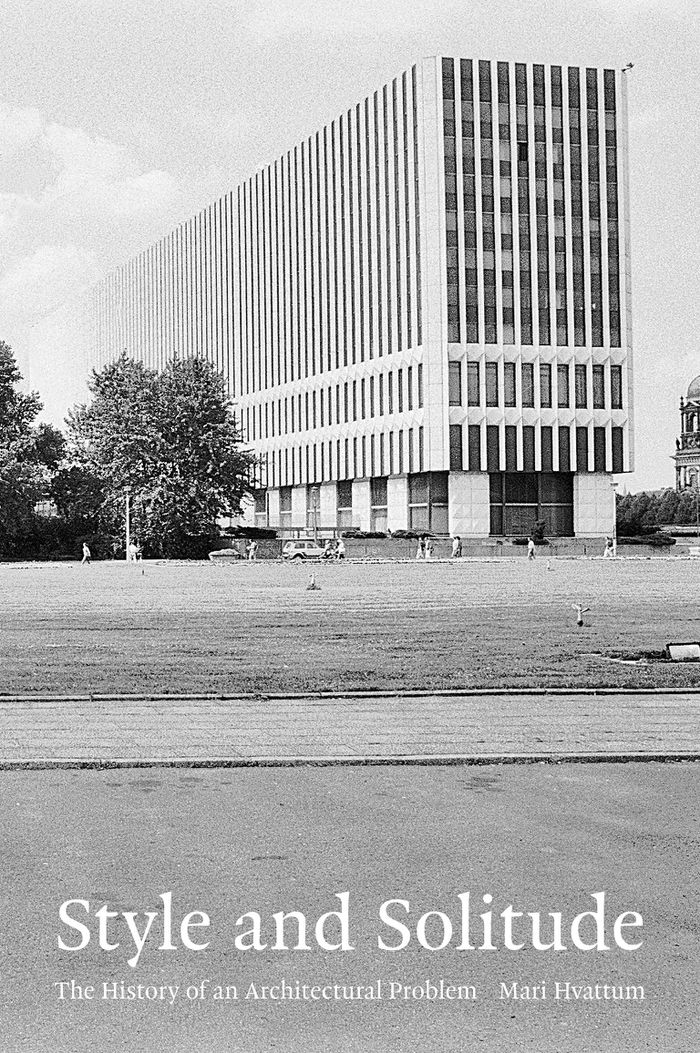
The term 'style' has fallen spectacularly out of fashion in architectural circles. Once a conceptual key to understanding architecture’s inner workings, today style seems to be associated with superficiality, formalism, and obsolete periodization. But how did style—once defined by German sociologist Georg Simmel as a place where one is 'no longer alone'—in architecture actually work? How was it used and what did it mean? In ''Style and solitude,'' Mari Hvattum seeks to understand the apparent death of style, returning to its birthplace in the late eighteenth century, and charting how it grew to influence modern architectural discourse and practice. As Hvattum explains, German thinkers of the eighteenth and nineteenth century offered competing ideas of what style was and how it should be applied in architecture. From Karl Friedrich Schinkel’s thoughtful eclecticism to King Maximilian II’s attempt to capture the zeitgeist in an architectural competition, style was at the center of fascinating experiments and furious disputes. Starting with Johann Joachim Winckelmann’s invention of the period style and ending a century later with Gottfried Semper’s generative theory of style, Hvattum explores critical debates that are still ongoing today.
Style and solitude: The history of an architectural problem
Actions:
Prix:
$54.00
(disponible en magasin)
Résumé:
The term 'style' has fallen spectacularly out of fashion in architectural circles. Once a conceptual key to understanding architecture’s inner workings, today style seems to be associated with superficiality, formalism, and obsolete periodization. But how did style—once defined by German sociologist Georg Simmel as a place where one is 'no longer alone'—in architecture actually work? How was it used and what did it mean? In ''Style and solitude,'' Mari Hvattum seeks to understand the apparent death of style, returning to its birthplace in the late eighteenth century, and charting how it grew to influence modern architectural discourse and practice. As Hvattum explains, German thinkers of the eighteenth and nineteenth century offered competing ideas of what style was and how it should be applied in architecture. From Karl Friedrich Schinkel’s thoughtful eclecticism to King Maximilian II’s attempt to capture the zeitgeist in an architectural competition, style was at the center of fascinating experiments and furious disputes. Starting with Johann Joachim Winckelmann’s invention of the period style and ending a century later with Gottfried Semper’s generative theory of style, Hvattum explores critical debates that are still ongoing today.
Classification:
livres
livres
Publication:
juin 2023
juin 2023
Sujet:
Théorie de l’architecture
Théorie de l’architecture
Classification:
livres
livres
Prix:
$66.00
(disponible sur commande)
Résumé:
The architectural drawing might seem to be a quintessentially modern form, and indeed many histories of the genre begin in the early modern period with Italian Renaissance architects such as Alberti. Yet the Middle Ages also had a remarkably sophisticated way of drawing and writing about architecture. ''God’s own language'' takes us to twelfth-century Paris, where a(...)
$66.00
(disponible sur commande)
Résumé:
The architectural drawing might seem to be a quintessentially modern form, and indeed many histories of the genre begin in the early modern period with Italian Renaissance architects such as Alberti. Yet the Middle Ages also had a remarkably sophisticated way of drawing and writing about architecture. ''God’s own language'' takes us to twelfth-century Paris, where a(...)
Titre:
God's own language: Architectural drawing in the twelfth century
Actions:
Prix:
$66.00
(disponible sur commande)
Résumé:
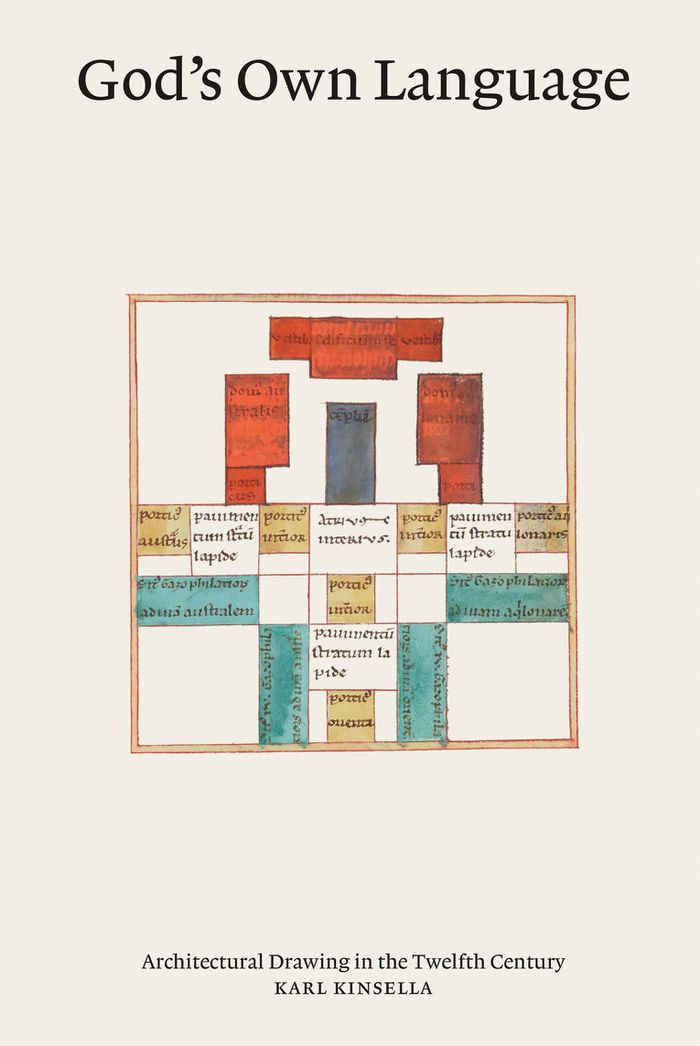
The architectural drawing might seem to be a quintessentially modern form, and indeed many histories of the genre begin in the early modern period with Italian Renaissance architects such as Alberti. Yet the Middle Ages also had a remarkably sophisticated way of drawing and writing about architecture. ''God’s own language'' takes us to twelfth-century Paris, where a Scottish monk named Richard of Saint Victor, along with his mentor Hugh, developed an innovative visual and textual architectural language. In the process, he devised techniques and terms that we still use today, from sectional elevations to the word “plan.” Surprisingly, however, Richard’s detailed drawings appeared not in an architectural treatise but in a widely circulated set of biblical commentaries. Seeing architecture as a way of communicating with the divine, Richard drew plans and elevations for such biblical constructions as Noah’s ark and the temple envisioned by the prophet Ezekiel. Interpreting Richard and Hugh’s drawings and writings within the context of the thriving theological and intellectual cultures of medieval Paris, Karl Kinsella argues that the popularity of these works suggests that, centuries before the Renaissance, there was a large circle of readers with a highly developed understanding of geometry and the visual language of architecture.
God's own language: Architectural drawing in the twelfth century
Actions:
Prix:
$66.00
(disponible sur commande)
Résumé:
The architectural drawing might seem to be a quintessentially modern form, and indeed many histories of the genre begin in the early modern period with Italian Renaissance architects such as Alberti. Yet the Middle Ages also had a remarkably sophisticated way of drawing and writing about architecture. ''God’s own language'' takes us to twelfth-century Paris, where a Scottish monk named Richard of Saint Victor, along with his mentor Hugh, developed an innovative visual and textual architectural language. In the process, he devised techniques and terms that we still use today, from sectional elevations to the word “plan.” Surprisingly, however, Richard’s detailed drawings appeared not in an architectural treatise but in a widely circulated set of biblical commentaries. Seeing architecture as a way of communicating with the divine, Richard drew plans and elevations for such biblical constructions as Noah’s ark and the temple envisioned by the prophet Ezekiel. Interpreting Richard and Hugh’s drawings and writings within the context of the thriving theological and intellectual cultures of medieval Paris, Karl Kinsella argues that the popularity of these works suggests that, centuries before the Renaissance, there was a large circle of readers with a highly developed understanding of geometry and the visual language of architecture.
Classification:
livres
livres
Publication:
juin 2023
juin 2023
Sujet:
Théorie de l’architecture
Théorie de l’architecture
Classification:
livres
livres
Prix:
$54.00
(disponible sur commande)
Résumé:
In ''Vitruvius: Writing the body of architecture,'' Indra Kagis McEwen argued that Vitruvius's first-century BCE treatise ''De architectura'' was informed by imperial ideology, giving architecture a role in the imperial Roman project of world rule. In her sequel, ''All the King's Horses,'' McEwen focuses on the early Renaissance reception of Vitruvius's thought beginning(...)
$54.00
(disponible sur commande)
Résumé:
In ''Vitruvius: Writing the body of architecture,'' Indra Kagis McEwen argued that Vitruvius's first-century BCE treatise ''De architectura'' was informed by imperial ideology, giving architecture a role in the imperial Roman project of world rule. In her sequel, ''All the King's Horses,'' McEwen focuses on the early Renaissance reception of Vitruvius's thought beginning(...)
Titre:
All the king's horses: Vitruvius in an age of princes
Actions:
Prix:
$54.00
(disponible sur commande)
Résumé:
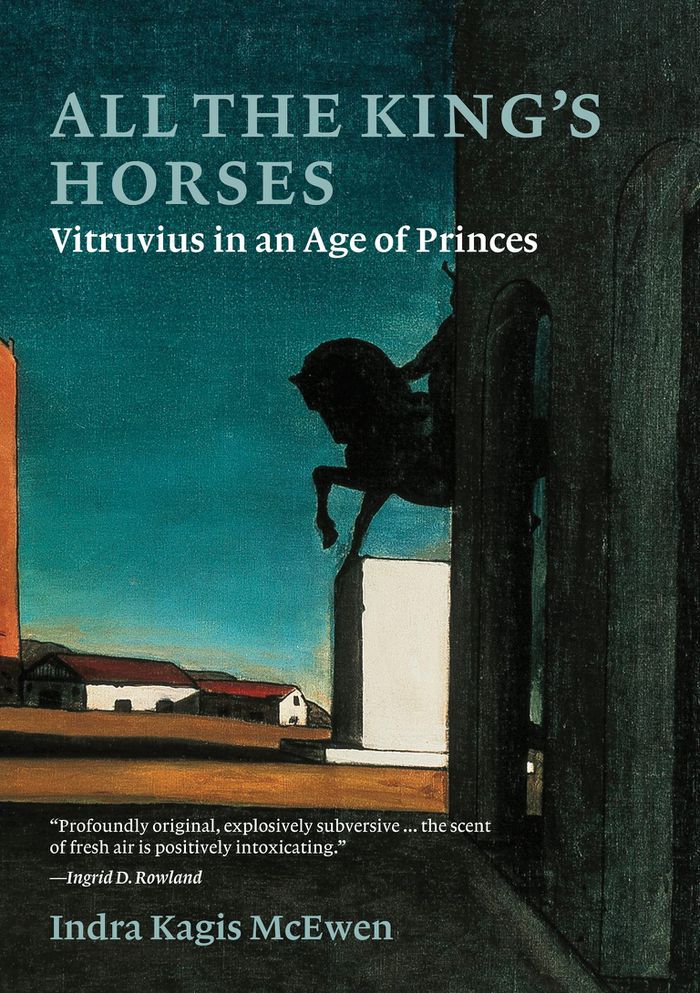
In ''Vitruvius: Writing the body of architecture,'' Indra Kagis McEwen argued that Vitruvius's first-century BCE treatise ''De architectura'' was informed by imperial ideology, giving architecture a role in the imperial Roman project of world rule. In her sequel, ''All the King's Horses,'' McEwen focuses on the early Renaissance reception of Vitruvius's thought beginning with Petrarch—a political reception preoccupied with legitimating existing power structures. During this ''age of princes'' various signori took over Italian towns and cities, displacing independent communes and their avowed ideal of the common good. Architects, taking up Vitruvius's mantle, designed buildings and other structures for these princes with the intent of celebrating and making their power manifest. Through meticulous descriptions of the work of architects and artists from Alberti to Leonardo, McEwen explains how architecture became an instrument of control in the early Italian Renaissance. She shows how architectural magnificence supported claims to power, a phenomenon best displayed in one of the era's most prominent monumental themes: the equestrian statue of a prince, in which the horse became an emanation of the will of the rider, its strength the expression of his strength.
All the king's horses: Vitruvius in an age of princes
Actions:
Prix:
$54.00
(disponible sur commande)
Résumé:
In ''Vitruvius: Writing the body of architecture,'' Indra Kagis McEwen argued that Vitruvius's first-century BCE treatise ''De architectura'' was informed by imperial ideology, giving architecture a role in the imperial Roman project of world rule. In her sequel, ''All the King's Horses,'' McEwen focuses on the early Renaissance reception of Vitruvius's thought beginning with Petrarch—a political reception preoccupied with legitimating existing power structures. During this ''age of princes'' various signori took over Italian towns and cities, displacing independent communes and their avowed ideal of the common good. Architects, taking up Vitruvius's mantle, designed buildings and other structures for these princes with the intent of celebrating and making their power manifest. Through meticulous descriptions of the work of architects and artists from Alberti to Leonardo, McEwen explains how architecture became an instrument of control in the early Italian Renaissance. She shows how architectural magnificence supported claims to power, a phenomenon best displayed in one of the era's most prominent monumental themes: the equestrian statue of a prince, in which the horse became an emanation of the will of the rider, its strength the expression of his strength.
Classification:
livres
livres
Publication:
avril 2023
avril 2023
Sujet:
Théorie de l’architecture
Théorie de l’architecture
Classification:
livres
livres
Actions:
Prix:
$25.95
(disponible sur commande)
Résumé:
Between 1979 and 1981, Alfredo Jaar asked Chileans a deceptively simple question: "Are you happy?" Through private interviews, sidewalk polls and video-recorded forums, among other interventions, Jaar's three-year and seven-phase project, ''Studies on happiness'', addressed a furtive and fearful population living under Augusto Pinochet's military dictatorship. It also(...)
$25.95
(disponible sur commande)
Résumé:
Between 1979 and 1981, Alfredo Jaar asked Chileans a deceptively simple question: "Are you happy?" Through private interviews, sidewalk polls and video-recorded forums, among other interventions, Jaar's three-year and seven-phase project, ''Studies on happiness'', addressed a furtive and fearful population living under Augusto Pinochet's military dictatorship. It also(...)
Titre:
Alfredo Jaar: Studies on happiness
Actions:
Prix:
$25.95
(disponible sur commande)
Résumé:
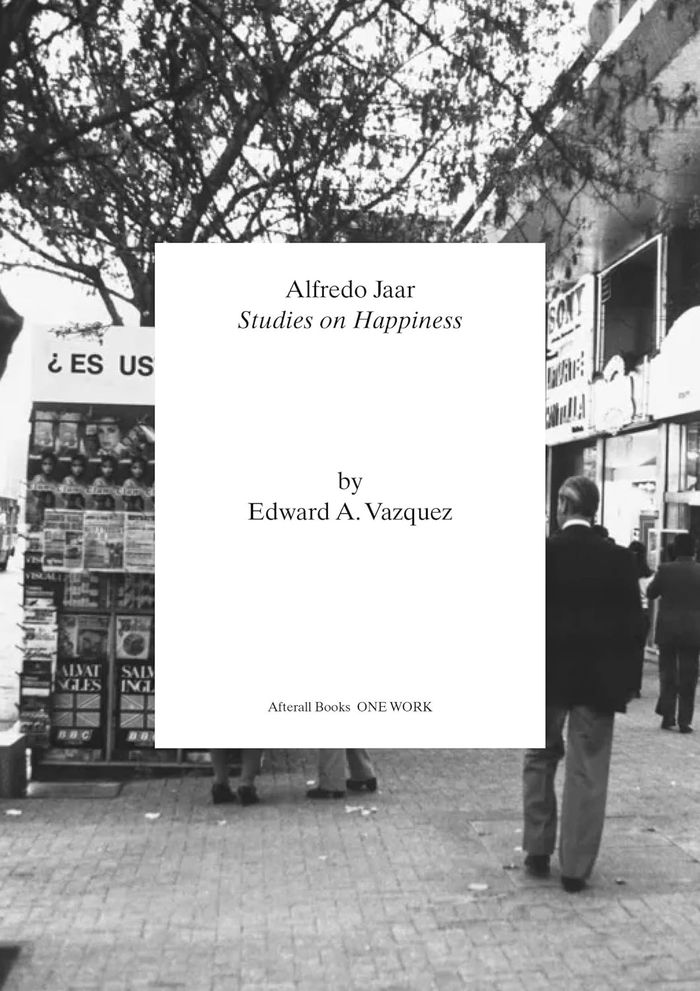
Between 1979 and 1981, Alfredo Jaar asked Chileans a deceptively simple question: "Are you happy?" Through private interviews, sidewalk polls and video-recorded forums, among other interventions, Jaar's three-year and seven-phase project, ''Studies on happiness'', addressed a furtive and fearful population living under Augusto Pinochet's military dictatorship. It also spoke to a country in transition, as a newly adopted constitution remade Chile through privatisation and other neoliberal reforms. In its varied interventions and direct mode of address, ''Studies on happiness'' functioned as a feedback device meant to catalyse a critical awareness with its blunt questioning. Edward A. Vazquez contextualises Studies on Happiness within Jaar's early production and situates his practice within a Chilean art world haunted by the residues of political violence. This study foregrounds the project's historical embeddedness and the deep political stakes of its apparent sociality, recognising the crucial role that context has always played in Jaar's practice. By turning to the Santiago of Studies on Happiness, Vazquez explores the work's political and art historical environment and provides a wedge to realign current interpretations of Chilean art and hemispheric conceptualism with the openness central to Jaar's project.
Alfredo Jaar: Studies on happiness
Actions:
Prix:
$25.95
(disponible sur commande)
Résumé:
Between 1979 and 1981, Alfredo Jaar asked Chileans a deceptively simple question: "Are you happy?" Through private interviews, sidewalk polls and video-recorded forums, among other interventions, Jaar's three-year and seven-phase project, ''Studies on happiness'', addressed a furtive and fearful population living under Augusto Pinochet's military dictatorship. It also spoke to a country in transition, as a newly adopted constitution remade Chile through privatisation and other neoliberal reforms. In its varied interventions and direct mode of address, ''Studies on happiness'' functioned as a feedback device meant to catalyse a critical awareness with its blunt questioning. Edward A. Vazquez contextualises Studies on Happiness within Jaar's early production and situates his practice within a Chilean art world haunted by the residues of political violence. This study foregrounds the project's historical embeddedness and the deep political stakes of its apparent sociality, recognising the crucial role that context has always played in Jaar's practice. By turning to the Santiago of Studies on Happiness, Vazquez explores the work's political and art historical environment and provides a wedge to realign current interpretations of Chilean art and hemispheric conceptualism with the openness central to Jaar's project.
Classification:
livres
livres
Publication:
novembre 2023
novembre 2023
Sujet:
Théorie de l’art
Théorie de l’art
Classification:
livres
livres
Actions:
Prix:
$30.00
(disponible sur commande)
Résumé:
Compiled here for the first time, the selected writings of Aria Dean (b. 1993, Los Angeles) mount a trenchant critique of representational systems. A visual artist and filmmaker, Dean has also emerged as one of the leading critical voices of her generation through a body of writing that maps the forces of aesthetic theory, image regimes, and visibility onto questions of(...)
$30.00
(disponible sur commande)
Résumé:
Compiled here for the first time, the selected writings of Aria Dean (b. 1993, Los Angeles) mount a trenchant critique of representational systems. A visual artist and filmmaker, Dean has also emerged as one of the leading critical voices of her generation through a body of writing that maps the forces of aesthetic theory, image regimes, and visibility onto questions of(...)
Titre:
Bad infinity: Selected writings
Actions:
Prix:
$30.00
(disponible sur commande)
Résumé:
Compiled here for the first time, the selected writings of Aria Dean (b. 1993, Los Angeles) mount a trenchant critique of representational systems. A visual artist and filmmaker, Dean has also emerged as one of the leading critical voices of her generation through a body of writing that maps the forces of aesthetic theory, image regimes, and visibility onto questions of race and power. Dean’s work across media has long been defined by what she calls a “fixation on the subject and its borders,” and the texts collected here filter that inquiry through digital networks, art history, and Black radical thought. Equally at home discussing artists who embrace difficulty—from Robert Morris to David Hammons, Lorna Simpson, and Ulysses Jenkins—and conceptual frameworks such as Afropessimism, Dean often contends with how theoretical positions brush against the grain of lived reality: how the Structuralism handed down from the academy, for instance, can be commingled with critiques of structural racism, or how Georges Bataille’s notion of base matter transforms through an encounter with Blackness.
Bad infinity: Selected writings
Actions:
Prix:
$30.00
(disponible sur commande)
Résumé:
Compiled here for the first time, the selected writings of Aria Dean (b. 1993, Los Angeles) mount a trenchant critique of representational systems. A visual artist and filmmaker, Dean has also emerged as one of the leading critical voices of her generation through a body of writing that maps the forces of aesthetic theory, image regimes, and visibility onto questions of race and power. Dean’s work across media has long been defined by what she calls a “fixation on the subject and its borders,” and the texts collected here filter that inquiry through digital networks, art history, and Black radical thought. Equally at home discussing artists who embrace difficulty—from Robert Morris to David Hammons, Lorna Simpson, and Ulysses Jenkins—and conceptual frameworks such as Afropessimism, Dean often contends with how theoretical positions brush against the grain of lived reality: how the Structuralism handed down from the academy, for instance, can be commingled with critiques of structural racism, or how Georges Bataille’s notion of base matter transforms through an encounter with Blackness.
Classification:
livres
livres
Publication:
mai 2023
mai 2023
Sujet:
Théorie de l’art
Théorie de l’art
Classification:
livres
livres
Titre:
Relational aesthetics
Relational aesthetics
Actions:
Prix:
$33.95
(disponible en magasin)
Résumé:
First published in 1998, Nicolas Bourriaud's Relational Aesthetics laid out a thesis for art's turn toward participation, experience, and the whole of human relations. Now, over twenty years after its original release, this landmark work has been updated with a new translation by Denyse Beaulieu and a new foreword by the author. Where does our current obsession for(...)
$33.95
(disponible en magasin)
Résumé:
First published in 1998, Nicolas Bourriaud's Relational Aesthetics laid out a thesis for art's turn toward participation, experience, and the whole of human relations. Now, over twenty years after its original release, this landmark work has been updated with a new translation by Denyse Beaulieu and a new foreword by the author. Where does our current obsession for(...)
Titre:
Relational aesthetics
Actions:
Prix:
$33.95
(disponible en magasin)
Résumé:
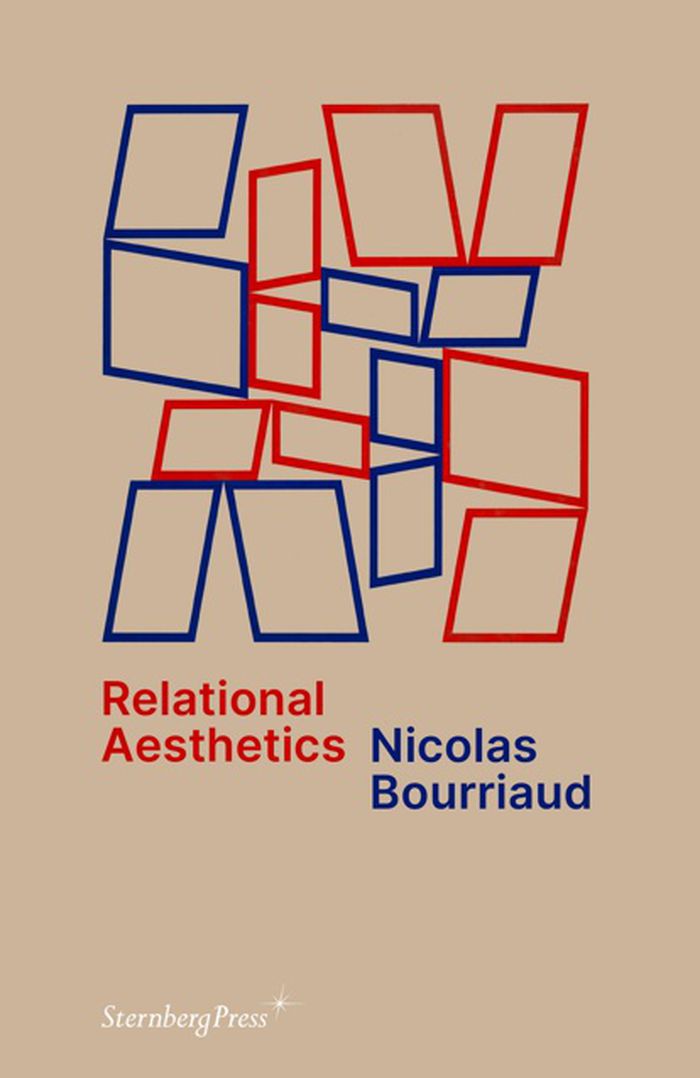
First published in 1998, Nicolas Bourriaud's Relational Aesthetics laid out a thesis for art's turn toward participation, experience, and the whole of human relations. Now, over twenty years after its original release, this landmark work has been updated with a new translation by Denyse Beaulieu and a new foreword by the author. Where does our current obsession for interactivity stem from? After the consumer society and the communication era, does art still contribute to the emergence of a rational society? Nicolas Bourriaud attempts to renew our approach to contemporary art by getting as close as possible to the artists' works, and by revealing the principles that structure their thoughts: an aesthetic of the interhuman, of the encounter, of proximity, of resisting social formatting.
Relational aesthetics
Actions:
Prix:
$33.95
(disponible en magasin)
Résumé:
First published in 1998, Nicolas Bourriaud's Relational Aesthetics laid out a thesis for art's turn toward participation, experience, and the whole of human relations. Now, over twenty years after its original release, this landmark work has been updated with a new translation by Denyse Beaulieu and a new foreword by the author. Where does our current obsession for interactivity stem from? After the consumer society and the communication era, does art still contribute to the emergence of a rational society? Nicolas Bourriaud attempts to renew our approach to contemporary art by getting as close as possible to the artists' works, and by revealing the principles that structure their thoughts: an aesthetic of the interhuman, of the encounter, of proximity, of resisting social formatting.
Classification:
livres
livres
Publication:
mars 2023
mars 2023
Sujet:
Théorie de l’art
Théorie de l’art
Classification:
livres
livres
Actions:
Prix:
$36.95
(disponible sur commande)
Résumé:
"Film X Autochthonous struggles today" brings together for the first time filmmakers, activists, film curators, and scholars who share a common interest in filmmaking practices that emerge from and participate in the various situations of struggle that the Autochthonous/Indigenous/Native/Aboriginal/First Nations peoples and communities are involved in worldwide. Starting(...)
$36.95
(disponible sur commande)
Résumé:
"Film X Autochthonous struggles today" brings together for the first time filmmakers, activists, film curators, and scholars who share a common interest in filmmaking practices that emerge from and participate in the various situations of struggle that the Autochthonous/Indigenous/Native/Aboriginal/First Nations peoples and communities are involved in worldwide. Starting(...)
Sujet:
Théorie de l’art
Théorie de l’art
Publication:
octobre 2024
octobre 2024
Titre:
Film X Autochthonous struggles today
Actions:
Prix:
$36.95
(disponible sur commande)
Résumé:
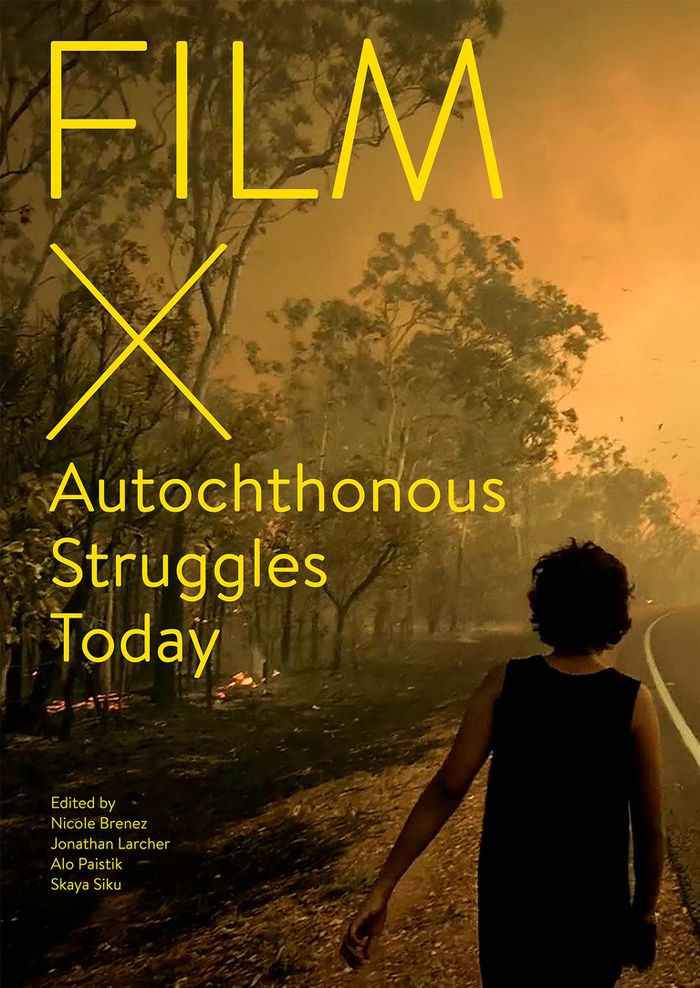
"Film X Autochthonous struggles today" brings together for the first time filmmakers, activists, film curators, and scholars who share a common interest in filmmaking practices that emerge from and participate in the various situations of struggle that the Autochthonous/Indigenous/Native/Aboriginal/First Nations peoples and communities are involved in worldwide. Starting with the Edison Studio’s 1894 short films Buffalo Dance and Sioux Ghost Dance, representations of Autochthonous peoples have been part of cinema right from its inception. The vast majority of these representations, however, have not been produced by nor for Autochthonous peoples. In the wake of political and cultural self-determination movements of the 1960s and 1970s, and with the gradual democratization and accessibility of the tools of moving-image making, Autochthonous communities have displaced and renewed cinema’s forms and means of production, increasingly reclaiming their right for self-representation by way of film and video.
Film X Autochthonous struggles today
Actions:
Prix:
$36.95
(disponible sur commande)
Résumé:
"Film X Autochthonous struggles today" brings together for the first time filmmakers, activists, film curators, and scholars who share a common interest in filmmaking practices that emerge from and participate in the various situations of struggle that the Autochthonous/Indigenous/Native/Aboriginal/First Nations peoples and communities are involved in worldwide. Starting with the Edison Studio’s 1894 short films Buffalo Dance and Sioux Ghost Dance, representations of Autochthonous peoples have been part of cinema right from its inception. The vast majority of these representations, however, have not been produced by nor for Autochthonous peoples. In the wake of political and cultural self-determination movements of the 1960s and 1970s, and with the gradual democratization and accessibility of the tools of moving-image making, Autochthonous communities have displaced and renewed cinema’s forms and means of production, increasingly reclaiming their right for self-representation by way of film and video.
Classification:
livres
livres
Publication:
octobre 2024
octobre 2024
Sujet:
Théorie de l’art
Théorie de l’art
Classification:
livres
livres

Titre:
What to let go?
What to let go?
Actions:
Prix:
$43.95
(disponible sur commande)
Résumé:
"What to let go?" offers new contributions by and international roster of thinkers, authors, anthropologists, curators, artists, and poets addressing the question: what gets counted within the category of heritage, and who gets to do the counting? Addressing the increasing debate around repatriation of looted artefacts by colonial powers to the varied and dissimilar(...)
$43.95
(disponible sur commande)
Résumé:
"What to let go?" offers new contributions by and international roster of thinkers, authors, anthropologists, curators, artists, and poets addressing the question: what gets counted within the category of heritage, and who gets to do the counting? Addressing the increasing debate around repatriation of looted artefacts by colonial powers to the varied and dissimilar(...)
Titre:
What to let go?
Actions:
Prix:
$43.95
(disponible sur commande)
Résumé:
"What to let go?" offers new contributions by and international roster of thinkers, authors, anthropologists, curators, artists, and poets addressing the question: what gets counted within the category of heritage, and who gets to do the counting? Addressing the increasing debate around repatriation of looted artefacts by colonial powers to the varied and dissimilar processes of renaming and removing symbols of past eras, from India and Myanmar to Apartheid South Africa, the book will also look at how China's resurgent nationalism is placing a (still developing) version of its imperial heritage at the core of its twenty-first century self-image. As these processes appear to occupy an increasingly prominent segment of the political discourse, with history seemingly becoming the major battlefield both for the left and for the right, "What to let go?" asks: how can art reconfigure our collective foundational myths?
What to let go?
Actions:
Prix:
$43.95
(disponible sur commande)
Résumé:
"What to let go?" offers new contributions by and international roster of thinkers, authors, anthropologists, curators, artists, and poets addressing the question: what gets counted within the category of heritage, and who gets to do the counting? Addressing the increasing debate around repatriation of looted artefacts by colonial powers to the varied and dissimilar processes of renaming and removing symbols of past eras, from India and Myanmar to Apartheid South Africa, the book will also look at how China's resurgent nationalism is placing a (still developing) version of its imperial heritage at the core of its twenty-first century self-image. As these processes appear to occupy an increasingly prominent segment of the political discourse, with history seemingly becoming the major battlefield both for the left and for the right, "What to let go?" asks: how can art reconfigure our collective foundational myths?
Classification:
livres
livres
Publication:
août 2024
août 2024
Sujet:
Théorie de l’art
Théorie de l’art
Classification:
livres
livres

Titre:
And if I devoted my life to one of its feathers? Aesthetic responses to extraction, accumulation
And if I devoted my life to one of its feathers? Aesthetic responses to extraction, accumulation
Actions:
Prix:
$27.00
(disponible sur commande)
Résumé:
“And if I devoted my life to one of its feathers?” wrote the Chilean poet, artist, and feminist activist Cecilia Vicuña in the early 1970s. Vicuña countered anthropocentric and hetero-patriarchal urges with healing and appreciation, reviving the aesthetic and spiritual bonds between human and more-than-human entities and worlds. Revolving around this vision of(...)
$27.00
(disponible sur commande)
Résumé:
“And if I devoted my life to one of its feathers?” wrote the Chilean poet, artist, and feminist activist Cecilia Vicuña in the early 1970s. Vicuña countered anthropocentric and hetero-patriarchal urges with healing and appreciation, reviving the aesthetic and spiritual bonds between human and more-than-human entities and worlds. Revolving around this vision of(...)
Titre:
And if I devoted my life to one of its feathers? Aesthetic responses to extraction, accumulation
Actions:
Prix:
$27.00
(disponible sur commande)
Résumé:
“And if I devoted my life to one of its feathers?” wrote the Chilean poet, artist, and feminist activist Cecilia Vicuña in the early 1970s. Vicuña countered anthropocentric and hetero-patriarchal urges with healing and appreciation, reviving the aesthetic and spiritual bonds between human and more-than-human entities and worlds. Revolving around this vision of interconnectivity, this book, which accompanies a joint exhibition of the same name of Kunsthalle Wien and Wiener Festwochen, seeks to create a collective dialogue around unequal distribution of power, sovereignty, and social and ecological justice. The exhibited works and written contributions reflect on the rationale of exploitation, the fast-paced mining of raw materials, and environmental destruction as a colonial legacy. They deconstruct Western anthropocentric models and enduring colonial and racist discourses, trace the stories of indigenous struggles for collective survival, and celebrate encounters defined by solidarity in their resistance to capitalist extraction, misogyny, imperialist violence, and dispossession.
And if I devoted my life to one of its feathers? Aesthetic responses to extraction, accumulation
Actions:
Prix:
$27.00
(disponible sur commande)
Résumé:
“And if I devoted my life to one of its feathers?” wrote the Chilean poet, artist, and feminist activist Cecilia Vicuña in the early 1970s. Vicuña countered anthropocentric and hetero-patriarchal urges with healing and appreciation, reviving the aesthetic and spiritual bonds between human and more-than-human entities and worlds. Revolving around this vision of interconnectivity, this book, which accompanies a joint exhibition of the same name of Kunsthalle Wien and Wiener Festwochen, seeks to create a collective dialogue around unequal distribution of power, sovereignty, and social and ecological justice. The exhibited works and written contributions reflect on the rationale of exploitation, the fast-paced mining of raw materials, and environmental destruction as a colonial legacy. They deconstruct Western anthropocentric models and enduring colonial and racist discourses, trace the stories of indigenous struggles for collective survival, and celebrate encounters defined by solidarity in their resistance to capitalist extraction, misogyny, imperialist violence, and dispossession.
Classification:
livres
livres
Publication:
avril 2023
avril 2023
Sujet:
Théorie de l’art
Théorie de l’art


