


375 Résultats
Classification:
livres
livres
Actions:
Prix:
$54.00
(disponible sur commande)
Résumé:
Over the past 30 years, Canadian artists Carole Conde and Karl Beveridge have developed a collaborative practice of working with organized labor to reveal the increasingly complex relationships between paid work and global, ethical and environmental concerns. This volume, with 112 color reproductions of Conde and Beveridge's major projects, is the first comprehensive(...)
$54.00
(disponible sur commande)
Résumé:
Over the past 30 years, Canadian artists Carole Conde and Karl Beveridge have developed a collaborative practice of working with organized labor to reveal the increasingly complex relationships between paid work and global, ethical and environmental concerns. This volume, with 112 color reproductions of Conde and Beveridge's major projects, is the first comprehensive(...)
Titre:
Condé and Beveridge: class works
Actions:
Prix:
$54.00
(disponible sur commande)
Résumé:
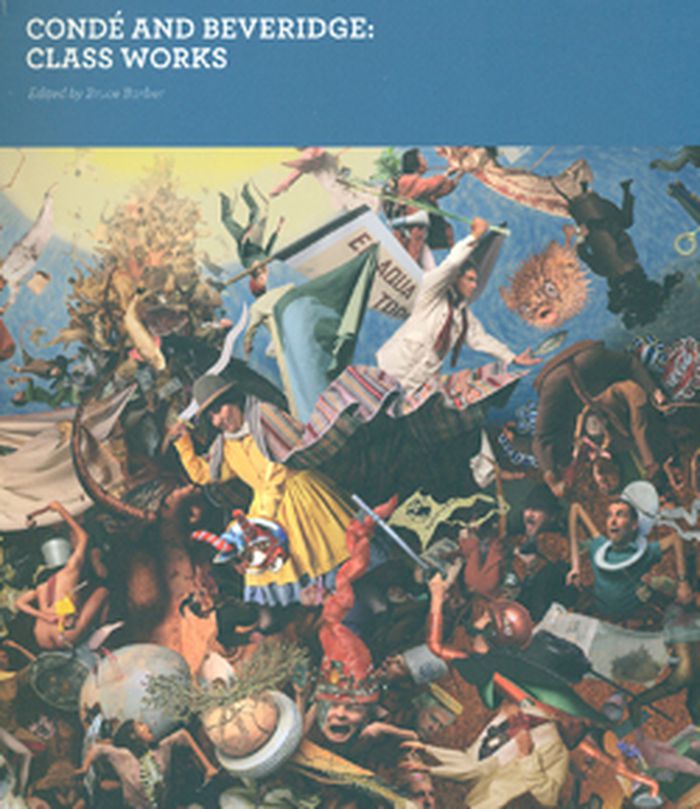
Over the past 30 years, Canadian artists Carole Conde and Karl Beveridge have developed a collaborative practice of working with organized labor to reveal the increasingly complex relationships between paid work and global, ethical and environmental concerns. This volume, with 112 color reproductions of Conde and Beveridge's major projects, is the first comprehensive examination of the pair's influential work. Their collaboration began in 1976 when--through their involvement with the New York collaborative Art & Language and the nascent Conceptual art movement--they turned from solo production and formalist art-making to social engagement, which combines left-oriented discourses with the artists' formal and technical innovations, and which presaged the currently prevalent practice in which art-making is understood as an articulation of human conditions and a tool of community formation. This volume includes a chronology of their practice and essays by Jan Allen, D'Arcy Martin, Declan McGonagle, Allan Sekula, Dot Tuer and Bruce Barber and an extensive interview by Clive Robertson.
Condé and Beveridge: class works
Actions:
Prix:
$54.00
(disponible sur commande)
Résumé:
Over the past 30 years, Canadian artists Carole Conde and Karl Beveridge have developed a collaborative practice of working with organized labor to reveal the increasingly complex relationships between paid work and global, ethical and environmental concerns. This volume, with 112 color reproductions of Conde and Beveridge's major projects, is the first comprehensive examination of the pair's influential work. Their collaboration began in 1976 when--through their involvement with the New York collaborative Art & Language and the nascent Conceptual art movement--they turned from solo production and formalist art-making to social engagement, which combines left-oriented discourses with the artists' formal and technical innovations, and which presaged the currently prevalent practice in which art-making is understood as an articulation of human conditions and a tool of community formation. This volume includes a chronology of their practice and essays by Jan Allen, D'Arcy Martin, Declan McGonagle, Allan Sekula, Dot Tuer and Bruce Barber and an extensive interview by Clive Robertson.
Classification:
livres
livres
Publication:
février 2009
février 2009
Classification:
livres
livres
Actions:
Prix:
$69.95
(disponible en magasin)
Résumé:
This publication by Sybren Vanoverberghe is a continuation of his visual research on artefacts and non ordinary sites. Its focus on the site of the port and the industrial landscape around it. In previous projects, Vanoverberghe shows statues and pillars made out of stone, ruins in desolated landscapes or nature in a constant state of transformation. For ‘Sandcastles And(...)
$69.95
(disponible en magasin)
Résumé:
This publication by Sybren Vanoverberghe is a continuation of his visual research on artefacts and non ordinary sites. Its focus on the site of the port and the industrial landscape around it. In previous projects, Vanoverberghe shows statues and pillars made out of stone, ruins in desolated landscapes or nature in a constant state of transformation. For ‘Sandcastles And(...)
Titre:
Sybren Vanoverberghe: Sandcastles and rubbish
Actions:
Prix:
$69.95
(disponible en magasin)
Résumé:
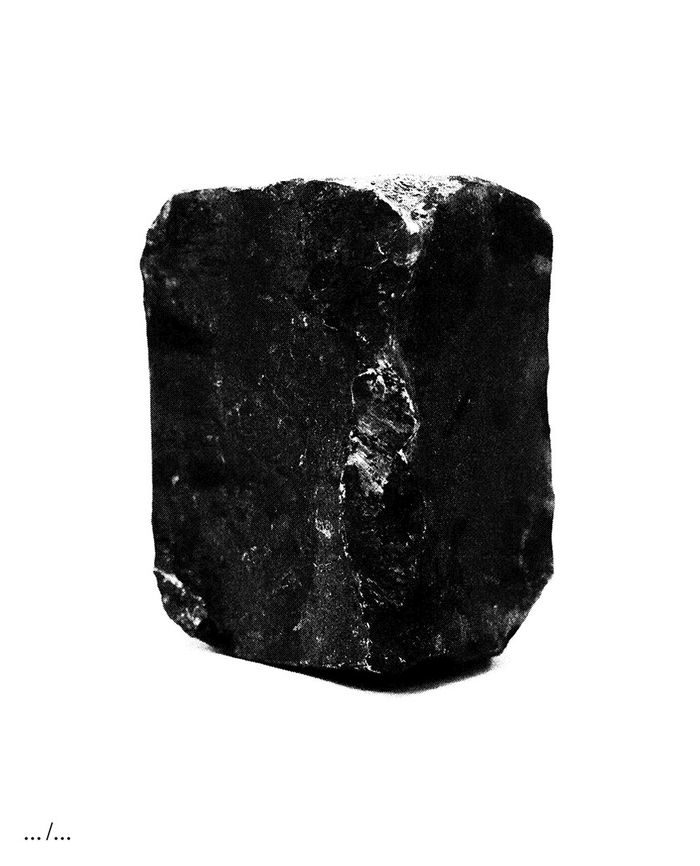
This publication by Sybren Vanoverberghe is a continuation of his visual research on artefacts and non ordinary sites. Its focus on the site of the port and the industrial landscape around it. In previous projects, Vanoverberghe shows statues and pillars made out of stone, ruins in desolated landscapes or nature in a constant state of transformation. For ‘Sandcastles And Rubbish’ a change in materiality took place, a change wherein Vanoverberghe investigates ‘new’ artefacts of our time. Rusted and bend steel, gravel pits, sturdy and raw structures flirt with composition and elegancy. Photographic works are presented alongside artefacts or ‘objets trouvés’. Questions are raised about the value of an object and how value changes as time passes by. Vanoverberghes work is characterised by a constant flux of place and time. Opening of the solo exhibition and book launch ‘Sandcastles and Rubbish’ at Keteleer Gallery opens the 4th of December in Antwerp. The exhibition will be on show until the 15th of January.
Sybren Vanoverberghe: Sandcastles and rubbish
Actions:
Prix:
$69.95
(disponible en magasin)
Résumé:
This publication by Sybren Vanoverberghe is a continuation of his visual research on artefacts and non ordinary sites. Its focus on the site of the port and the industrial landscape around it. In previous projects, Vanoverberghe shows statues and pillars made out of stone, ruins in desolated landscapes or nature in a constant state of transformation. For ‘Sandcastles And Rubbish’ a change in materiality took place, a change wherein Vanoverberghe investigates ‘new’ artefacts of our time. Rusted and bend steel, gravel pits, sturdy and raw structures flirt with composition and elegancy. Photographic works are presented alongside artefacts or ‘objets trouvés’. Questions are raised about the value of an object and how value changes as time passes by. Vanoverberghes work is characterised by a constant flux of place and time. Opening of the solo exhibition and book launch ‘Sandcastles and Rubbish’ at Keteleer Gallery opens the 4th of December in Antwerp. The exhibition will be on show until the 15th of January.
Classification:
livres
livres
Publication:
janvier 2022
janvier 2022
Sujet:
Monographies photo
Monographies photo
Classification:
audio
audio
Titre:
Pulsar Threads.
Pulsar Threads.
Actions:
Description:
1 online resource.
Auteur:
Sujet:
Publication:
[Place of publication not identified] : Lateral Addition, 2024.
[Place of publication not identified] : Lateral Addition, 2024.
Classification:
audio
audio
Publication:
[Place of publication not identified] : Lateral Addition, 2024.
[Place of publication not identified] : Lateral Addition, 2024.
Auteur:
Sujet:
Classification:
livres
livres
Titre:
Sign painters
Sign painters
Actions:
Prix:
$28.95
(disponible sur commande)
Résumé:
There was a time, as recently as the 1980s, when storefronts, murals, banners, barn signs, billboards, and even street signs were all hand-lettered with brush and paint. But, like many skilled trades, the sign industry has been overrun by the techno-fueled promise of quicker and cheaper. The resulting proliferation of computer-designed, die-cut vinyl lettering and inkjet(...)
$28.95
(disponible sur commande)
Résumé:
There was a time, as recently as the 1980s, when storefronts, murals, banners, barn signs, billboards, and even street signs were all hand-lettered with brush and paint. But, like many skilled trades, the sign industry has been overrun by the techno-fueled promise of quicker and cheaper. The resulting proliferation of computer-designed, die-cut vinyl lettering and inkjet(...)
Titre:
Sign painters
Actions:
Prix:
$28.95
(disponible sur commande)
Résumé:
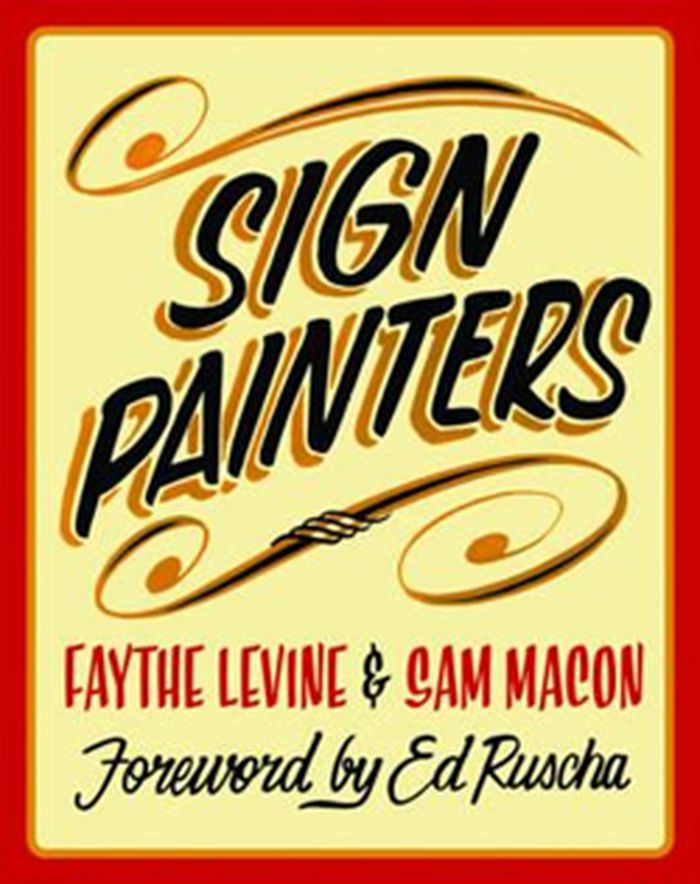
There was a time, as recently as the 1980s, when storefronts, murals, banners, barn signs, billboards, and even street signs were all hand-lettered with brush and paint. But, like many skilled trades, the sign industry has been overrun by the techno-fueled promise of quicker and cheaper. The resulting proliferation of computer-designed, die-cut vinyl lettering and inkjet printers has ushered a creeping sameness into our visual landscape. Fortunately, there is a growing trend to seek out traditional sign painters and a renaissance in the trade. In 2010, Faythe Levine and Sam Macon began documenting these dedicated practitioners, their time-honored methods, and their appreciation for quality and craftsmanship. Sign Painters, the first anecdotal history of the craft, features stories and photographs of more than two dozen sign painters working in cities throughout the United States. With a foreword by legendary artist (and former sign painter) Ed Ruscha, this book profiles sign painters young and old, from the new vanguard working solo to collaborative shops such as San Francisco's New Bohemia Signs and New York's Colossal Media's Sky High Murals.
Sign painters
Actions:
Prix:
$28.95
(disponible sur commande)
Résumé:
There was a time, as recently as the 1980s, when storefronts, murals, banners, barn signs, billboards, and even street signs were all hand-lettered with brush and paint. But, like many skilled trades, the sign industry has been overrun by the techno-fueled promise of quicker and cheaper. The resulting proliferation of computer-designed, die-cut vinyl lettering and inkjet printers has ushered a creeping sameness into our visual landscape. Fortunately, there is a growing trend to seek out traditional sign painters and a renaissance in the trade. In 2010, Faythe Levine and Sam Macon began documenting these dedicated practitioners, their time-honored methods, and their appreciation for quality and craftsmanship. Sign Painters, the first anecdotal history of the craft, features stories and photographs of more than two dozen sign painters working in cities throughout the United States. With a foreword by legendary artist (and former sign painter) Ed Ruscha, this book profiles sign painters young and old, from the new vanguard working solo to collaborative shops such as San Francisco's New Bohemia Signs and New York's Colossal Media's Sky High Murals.
Classification:
livres
livres
Publication:
octobre 2012
octobre 2012
Classification:
livres
livres
Actions:
Prix:
$49.00
(disponible sur commande)
Résumé:
The installations of the conceptual artist Barbara Bloom (b. 1951) have captivated audiences for decades. Since the 1970s, her work has consistently redefined the way in which viewers understand objects. Bloom siphons meaning from the things with which we surround ourselves, and crafts an experience that is at once personal and universal. In this artist’s book, Bloom(...)
$49.00
(disponible sur commande)
Résumé:
The installations of the conceptual artist Barbara Bloom (b. 1951) have captivated audiences for decades. Since the 1970s, her work has consistently redefined the way in which viewers understand objects. Bloom siphons meaning from the things with which we surround ourselves, and crafts an experience that is at once personal and universal. In this artist’s book, Bloom(...)
Titre:
As it were... so to speak: a museum collection in dialogue with Barbara Bloom
Actions:
Prix:
$49.00
(disponible sur commande)
Résumé:
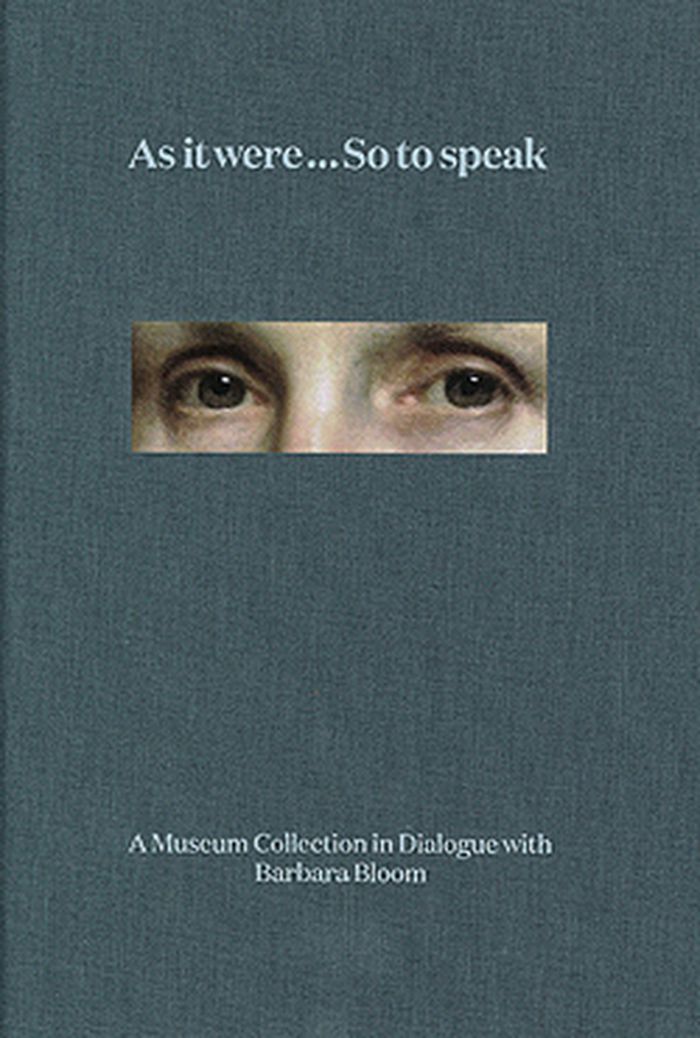
The installations of the conceptual artist Barbara Bloom (b. 1951) have captivated audiences for decades. Since the 1970s, her work has consistently redefined the way in which viewers understand objects. Bloom siphons meaning from the things with which we surround ourselves, and crafts an experience that is at once personal and universal. In this artist’s book, Bloom revisits her landmark 2013 solo exhibition at the Jewish Museum, New York. The book features images of the museum’s galleries reconstructed as rooms in a fictive house—the music room, the boudoir, the analyst’s office—formed of objects from the permanent collection. These staged spaces are intertwined with fragments of text and images drawn from intellectuals, artists, and authors, both historical and contemporary. Ranging from the charming (Torah pointers tipped with tiny hands, poised above a piano keyboard; silver spice containers shaped like peaches and pears) to the poignant (an empty, worn velvet case for a shofar horn; a Nazi playing card created from a defaced Torah), each object is infused with profound significance.
As it were... so to speak: a museum collection in dialogue with Barbara Bloom
Actions:
Prix:
$49.00
(disponible sur commande)
Résumé:
The installations of the conceptual artist Barbara Bloom (b. 1951) have captivated audiences for decades. Since the 1970s, her work has consistently redefined the way in which viewers understand objects. Bloom siphons meaning from the things with which we surround ourselves, and crafts an experience that is at once personal and universal. In this artist’s book, Bloom revisits her landmark 2013 solo exhibition at the Jewish Museum, New York. The book features images of the museum’s galleries reconstructed as rooms in a fictive house—the music room, the boudoir, the analyst’s office—formed of objects from the permanent collection. These staged spaces are intertwined with fragments of text and images drawn from intellectuals, artists, and authors, both historical and contemporary. Ranging from the charming (Torah pointers tipped with tiny hands, poised above a piano keyboard; silver spice containers shaped like peaches and pears) to the poignant (an empty, worn velvet case for a shofar horn; a Nazi playing card created from a defaced Torah), each object is infused with profound significance.
Classification:
livres
livres
Publication:
octobre 2015
octobre 2015
Classification:
livres
livres
Titre:
Danser a capella
Danser a capella
Actions:
Prix:
$15.00
(disponible sur commande)
Résumé:
Ce n’est pas précisément un recueil de nouvelles. Appelons plutôt ça un recueil de monologues dynamiques, conçus pour la scène, mais lisibles dans le confort reposant de son foyer. Danser a capella, c’est sept personnages délicatement marginaux qui se livrent en vrac, ne lésinant pas sur leur désarroi ordinaire et ludique. On côtoie entre autres un caissier de(...)
$15.00
(disponible sur commande)
Résumé:
Ce n’est pas précisément un recueil de nouvelles. Appelons plutôt ça un recueil de monologues dynamiques, conçus pour la scène, mais lisibles dans le confort reposant de son foyer. Danser a capella, c’est sept personnages délicatement marginaux qui se livrent en vrac, ne lésinant pas sur leur désarroi ordinaire et ludique. On côtoie entre autres un caissier de(...)
Publication:
novembre 2012
novembre 2012
Titre:
Danser a capella
Actions:
Prix:
$15.00
(disponible sur commande)
Résumé:
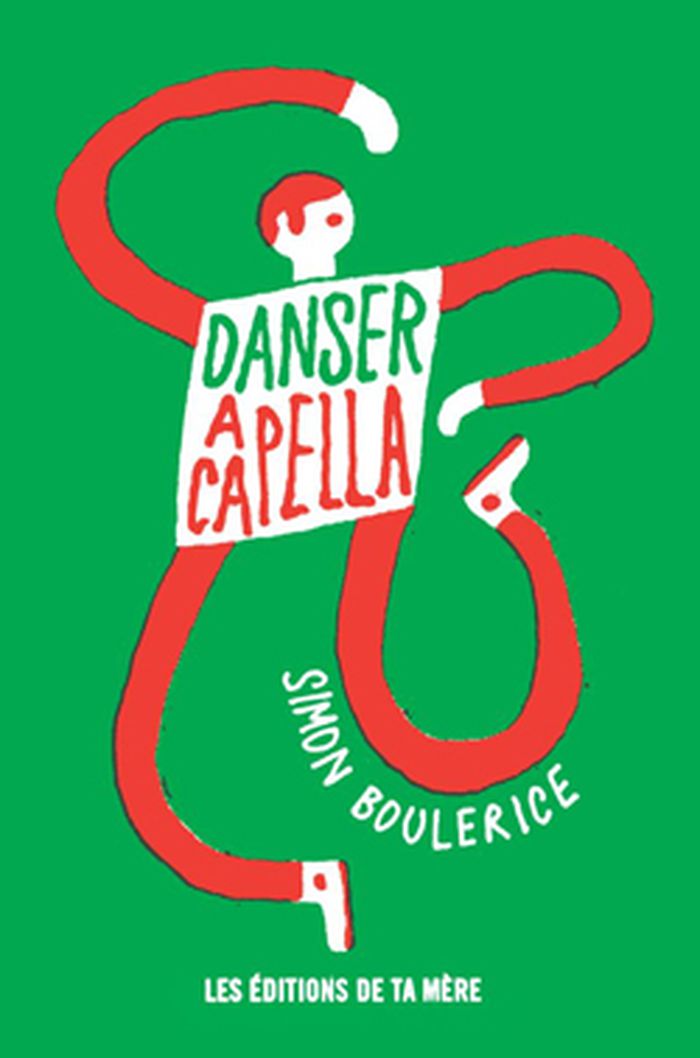
Ce n’est pas précisément un recueil de nouvelles. Appelons plutôt ça un recueil de monologues dynamiques, conçus pour la scène, mais lisibles dans le confort reposant de son foyer. Danser a capella, c’est sept personnages délicatement marginaux qui se livrent en vrac, ne lésinant pas sur leur désarroi ordinaire et ludique. On côtoie entre autres un caissier de Jean-Coutu costumé en chauve-souris qui tente de séduire un vampire, un v.-p. de boîte d’assurance pris de compassion pour une danseuse vedette peinturée dans un coin en pleine entrevue télévisuelle, une femme en peine d’amour qui fuit en Russie et participe à un marathon sur talon aiguille, sans oublier cet homme, ce Simon, alter ego de l’auteur, qui révèle comment il a perdu la foi, en muant live en plein cœur de son solo chanté à l’église paroissiale, devant les fidèles consternés. Sept monologues, donc, qui donnent viscéralement envie de danser et de courir jusqu’à l’épuisement, mais surtout de vivre son unicité jusqu’au bout. Qu’il y ait musique ou pas.
Danser a capella
Actions:
Prix:
$15.00
(disponible sur commande)
Résumé:
Ce n’est pas précisément un recueil de nouvelles. Appelons plutôt ça un recueil de monologues dynamiques, conçus pour la scène, mais lisibles dans le confort reposant de son foyer. Danser a capella, c’est sept personnages délicatement marginaux qui se livrent en vrac, ne lésinant pas sur leur désarroi ordinaire et ludique. On côtoie entre autres un caissier de Jean-Coutu costumé en chauve-souris qui tente de séduire un vampire, un v.-p. de boîte d’assurance pris de compassion pour une danseuse vedette peinturée dans un coin en pleine entrevue télévisuelle, une femme en peine d’amour qui fuit en Russie et participe à un marathon sur talon aiguille, sans oublier cet homme, ce Simon, alter ego de l’auteur, qui révèle comment il a perdu la foi, en muant live en plein cœur de son solo chanté à l’église paroissiale, devant les fidèles consternés. Sept monologues, donc, qui donnent viscéralement envie de danser et de courir jusqu’à l’épuisement, mais surtout de vivre son unicité jusqu’au bout. Qu’il y ait musique ou pas.
Classification:
livres
livres
Publication:
novembre 2012
novembre 2012
Classification:
livres
livres
Actions:
Prix:
$108.50
(disponible sur commande)
Résumé:
Spanning 65 years of Ed Ruscha’s remarkable career and mirroring his own cross-disciplinary approach, ''Ed Ruscha / Now then'' features over 250 objects, produced from 1958 to the present, including paintings, drawings, prints, films, photographs, artist’s books and installations. Published to accompany the most comprehensive presentation of the artist’s work to date, and(...)
$108.50
(disponible sur commande)
Résumé:
Spanning 65 years of Ed Ruscha’s remarkable career and mirroring his own cross-disciplinary approach, ''Ed Ruscha / Now then'' features over 250 objects, produced from 1958 to the present, including paintings, drawings, prints, films, photographs, artist’s books and installations. Published to accompany the most comprehensive presentation of the artist’s work to date, and(...)
Publication:
octobre 2023
octobre 2023
Titre:
Ed Ruscha / Now then: A retrospective
Actions:
Prix:
$108.50
(disponible sur commande)
Résumé:
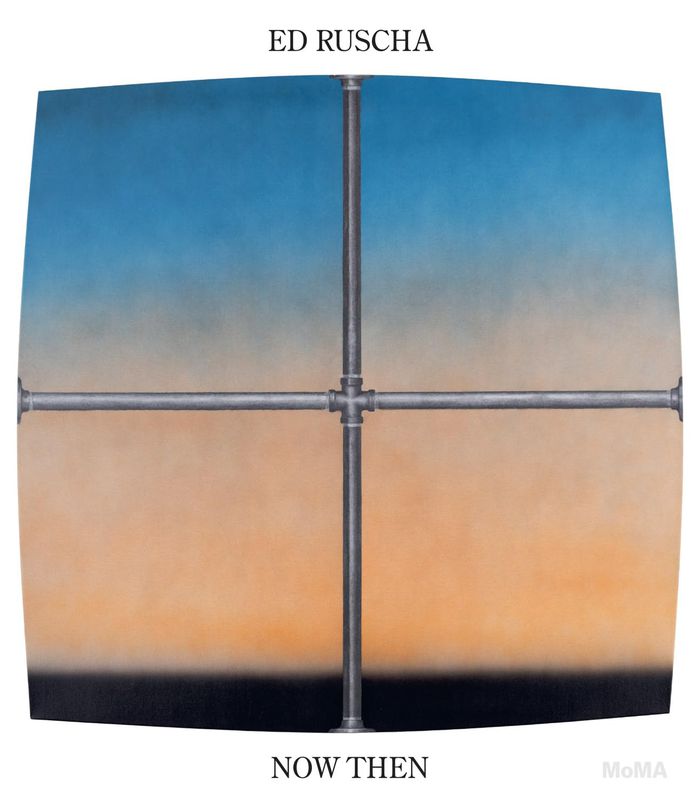
Spanning 65 years of Ed Ruscha’s remarkable career and mirroring his own cross-disciplinary approach, ''Ed Ruscha / Now then'' features over 250 objects, produced from 1958 to the present, including paintings, drawings, prints, films, photographs, artist’s books and installations. Published to accompany the most comprehensive presentation of the artist’s work to date, and his first solo exhibition at the Museum of Modern Art, New York, this richly illustrated catalog highlights Ruscha’s most acclaimed works alongside lesser-known aspects of his practice. Essays by an interdisciplinary group of contributors examine Ruscha’s work under a new light, beyond the categories of Pop and Conceptual art with which he has traditionally been associated, to present fresh perspectives on one of the most influential figures in postwar American art. Taken together, they underscore Ruscha’s singular contributions, including his material exploration of language, experiments with unconventional mediums--nsuch as gunpowder, chocolate or chewing tobacco-- and his groundbreaking self-published books. Supplemented by an illustrated chronology and exhibition history, this publication captures the ceaseless reinvention that has defined his prolific, six-decade career.
Ed Ruscha / Now then: A retrospective
Actions:
Prix:
$108.50
(disponible sur commande)
Résumé:
Spanning 65 years of Ed Ruscha’s remarkable career and mirroring his own cross-disciplinary approach, ''Ed Ruscha / Now then'' features over 250 objects, produced from 1958 to the present, including paintings, drawings, prints, films, photographs, artist’s books and installations. Published to accompany the most comprehensive presentation of the artist’s work to date, and his first solo exhibition at the Museum of Modern Art, New York, this richly illustrated catalog highlights Ruscha’s most acclaimed works alongside lesser-known aspects of his practice. Essays by an interdisciplinary group of contributors examine Ruscha’s work under a new light, beyond the categories of Pop and Conceptual art with which he has traditionally been associated, to present fresh perspectives on one of the most influential figures in postwar American art. Taken together, they underscore Ruscha’s singular contributions, including his material exploration of language, experiments with unconventional mediums--nsuch as gunpowder, chocolate or chewing tobacco-- and his groundbreaking self-published books. Supplemented by an illustrated chronology and exhibition history, this publication captures the ceaseless reinvention that has defined his prolific, six-decade career.
Classification:
livres
livres
Publication:
octobre 2023
octobre 2023
Classification:
livres
livres
Titre:
Of walking in ice
Of walking in ice
Actions:
Prix:
$28.95
(disponible sur commande)
Résumé:
In the winter of 1974, filmmaker Werner Herzog made a three week solo journey from Munich to Paris on foot. He believed it was the only way his close friend, film historian Lotte Eisner, would survive a horrible sickness that had overtaken her. During this monumental odyssey through a seemingly endless blizzard, Herzog documented everything he saw and felt with intense(...)
$28.95
(disponible sur commande)
Résumé:
In the winter of 1974, filmmaker Werner Herzog made a three week solo journey from Munich to Paris on foot. He believed it was the only way his close friend, film historian Lotte Eisner, would survive a horrible sickness that had overtaken her. During this monumental odyssey through a seemingly endless blizzard, Herzog documented everything he saw and felt with intense(...)
Publication:
septembre 2007, New York
septembre 2007, New York
Titre:
Of walking in ice
Actions:
Prix:
$28.95
(disponible sur commande)
Résumé:
In the winter of 1974, filmmaker Werner Herzog made a three week solo journey from Munich to Paris on foot. He believed it was the only way his close friend, film historian Lotte Eisner, would survive a horrible sickness that had overtaken her. During this monumental odyssey through a seemingly endless blizzard, Herzog documented everything he saw and felt with intense sincerity. This diary is dotted with a pastiche of rants about the extreme cold and utter loneliness, notes on Herzog's films and travels, poetic descriptions of the snowy countryside, and personal philosophizing. What is most remarkable is that the reading of the book is in continuity with the experience of watching his films; it's as if, through this walk, we witness the process in which images are born. Although he received a literary award for it, this introspective masterpiece has lingered out of print since 1979. Beautifully designed and emotionally impressive, Of Walking in Ice is the first in a color-coded series of remarkable yet long-forgotten titles being republished by Free Association.
Of walking in ice
Actions:
Prix:
$28.95
(disponible sur commande)
Résumé:
In the winter of 1974, filmmaker Werner Herzog made a three week solo journey from Munich to Paris on foot. He believed it was the only way his close friend, film historian Lotte Eisner, would survive a horrible sickness that had overtaken her. During this monumental odyssey through a seemingly endless blizzard, Herzog documented everything he saw and felt with intense sincerity. This diary is dotted with a pastiche of rants about the extreme cold and utter loneliness, notes on Herzog's films and travels, poetic descriptions of the snowy countryside, and personal philosophizing. What is most remarkable is that the reading of the book is in continuity with the experience of watching his films; it's as if, through this walk, we witness the process in which images are born. Although he received a literary award for it, this introspective masterpiece has lingered out of print since 1979. Beautifully designed and emotionally impressive, Of Walking in Ice is the first in a color-coded series of remarkable yet long-forgotten titles being republished by Free Association.
Classification:
livres
livres
Publication:
septembre 2007, New York
septembre 2007, New York
Classification:
livres
livres
Titre:
Jeff Wall
Jeff Wall
Actions:
Prix:
$102.00
(disponible en magasin)
Résumé:
Since the late 1970s, Canadian photographer Jeff Wall has made significant contributions to establishing photography as an autonomous medium. He is considered the founder of "staged" photography and generates mostly large-format photographs—often inspired by literature, film and art history—composed in a multilayered and subtle way from a multitude of individual shots.(...)
$102.00
(disponible en magasin)
Résumé:
Since the late 1970s, Canadian photographer Jeff Wall has made significant contributions to establishing photography as an autonomous medium. He is considered the founder of "staged" photography and generates mostly large-format photographs—often inspired by literature, film and art history—composed in a multilayered and subtle way from a multitude of individual shots.(...)
Titre:
Jeff Wall
Actions:
Prix:
$102.00
(disponible en magasin)
Résumé:
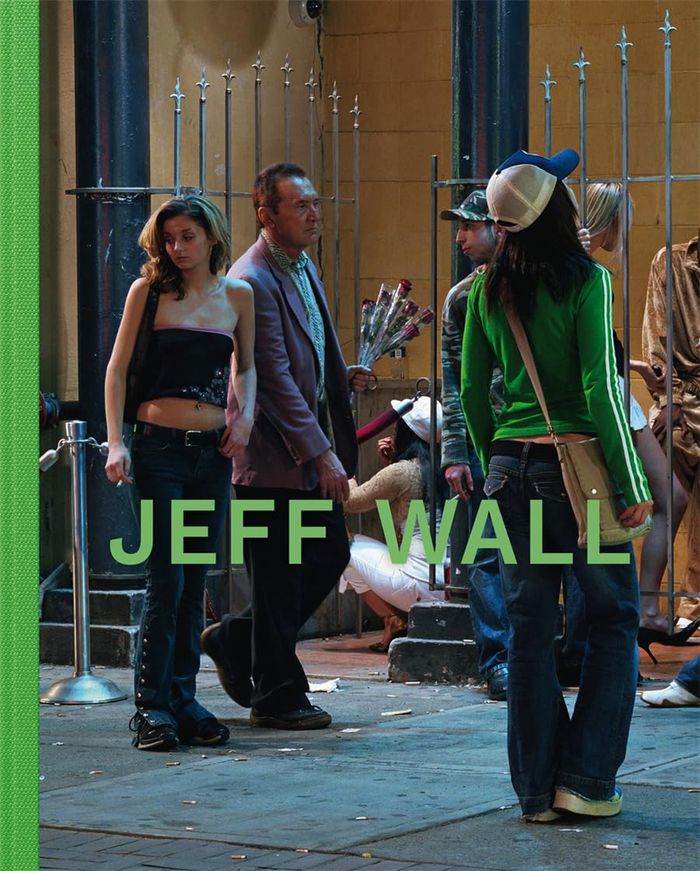
Since the late 1970s, Canadian photographer Jeff Wall has made significant contributions to establishing photography as an autonomous medium. He is considered the founder of "staged" photography and generates mostly large-format photographs—often inspired by literature, film and art history—composed in a multilayered and subtle way from a multitude of individual shots. Wall makes a distinction between his documentary still life photos and his "cinematographic" pictures, the latter of which take months or even years to complete. His contemporary genre scenes invoke famous works by Hokusai, Manet, Kafka, Ellison and others.Among the more than 50 works collected in the catalog of the large-scale solo exhibition at the Fondation Beyeler are Wall’s iconic large-format slides in light boxes, black-and-white photographs and color photographic prints. His most recent images, representing the entire spectrum of his oeuvre, enter into a dialogue with works from the time of Wall’s beginnings as an artist and reveal a wide range of references in terms of content and form.
Jeff Wall
Actions:
Prix:
$102.00
(disponible en magasin)
Résumé:
Since the late 1970s, Canadian photographer Jeff Wall has made significant contributions to establishing photography as an autonomous medium. He is considered the founder of "staged" photography and generates mostly large-format photographs—often inspired by literature, film and art history—composed in a multilayered and subtle way from a multitude of individual shots. Wall makes a distinction between his documentary still life photos and his "cinematographic" pictures, the latter of which take months or even years to complete. His contemporary genre scenes invoke famous works by Hokusai, Manet, Kafka, Ellison and others.Among the more than 50 works collected in the catalog of the large-scale solo exhibition at the Fondation Beyeler are Wall’s iconic large-format slides in light boxes, black-and-white photographs and color photographic prints. His most recent images, representing the entire spectrum of his oeuvre, enter into a dialogue with works from the time of Wall’s beginnings as an artist and reveal a wide range of references in terms of content and form.
Classification:
livres
livres
Publication:
avril 2024
avril 2024
Sujet:
Monographies photo
Monographies photo
Classification:
livres
livres

Actions:
Prix:
$80.00
(disponible en magasin)
Résumé:
The Slovak artist Jana Želibská’s (b. Olomouc, former Czechoslovakia, 1941; lives and works in Bratislava, Slovakia) output ranges from fine art prints, drawings, paintings, objects, and videos to environments, conceptual art, installations, and intermedia art. She first emerged as a major figure on Slovakia’s independent art scene, which embraced conceptual and(...)
$80.00
(disponible en magasin)
Résumé:
The Slovak artist Jana Želibská’s (b. Olomouc, former Czechoslovakia, 1941; lives and works in Bratislava, Slovakia) output ranges from fine art prints, drawings, paintings, objects, and videos to environments, conceptual art, installations, and intermedia art. She first emerged as a major figure on Slovakia’s independent art scene, which embraced conceptual and(...)
Titre:
Jana Želibská : Discovery of Possibility
Actions:
Prix:
$80.00
(disponible en magasin)
Résumé:
The Slovak artist Jana Želibská’s (b. Olomouc, former Czechoslovakia, 1941; lives and works in Bratislava, Slovakia) output ranges from fine art prints, drawings, paintings, objects, and videos to environments, conceptual art, installations, and intermedia art. She first emerged as a major figure on Slovakia’s independent art scene, which embraced conceptual and performative approaches, in the 1960s. Her confidence and progressive convictions speak from her early installations, which candidly address erotic desire and shatter patriarchal structures. The female body stands at the center of Želibská’s immersive environments and paintings. She likes to toy with the audience’s voyeuristic desire, integrating mirrors where one would expect to see female genitalia and veiling parts of the body with curtains. "Jana Želibská—Discovery of Possibility" is the artist’s first solo exhibition outside Slovakia after she made her international debut in the shared pavilion of the Czech Republic and the Slovak Republic at the 57th Venice Biennale in 2017. The accompanying catalogue is the first publication on her oeuvre in the German-speaking countries and includes contributions by Nathalie Hoyos, Lucia Gregorová Stach, Rainald Schuhmacher, and Alfred Weidinger.
Jana Želibská : Discovery of Possibility
Actions:
Prix:
$80.00
(disponible en magasin)
Résumé:
The Slovak artist Jana Želibská’s (b. Olomouc, former Czechoslovakia, 1941; lives and works in Bratislava, Slovakia) output ranges from fine art prints, drawings, paintings, objects, and videos to environments, conceptual art, installations, and intermedia art. She first emerged as a major figure on Slovakia’s independent art scene, which embraced conceptual and performative approaches, in the 1960s. Her confidence and progressive convictions speak from her early installations, which candidly address erotic desire and shatter patriarchal structures. The female body stands at the center of Želibská’s immersive environments and paintings. She likes to toy with the audience’s voyeuristic desire, integrating mirrors where one would expect to see female genitalia and veiling parts of the body with curtains. "Jana Želibská—Discovery of Possibility" is the artist’s first solo exhibition outside Slovakia after she made her international debut in the shared pavilion of the Czech Republic and the Slovak Republic at the 57th Venice Biennale in 2017. The accompanying catalogue is the first publication on her oeuvre in the German-speaking countries and includes contributions by Nathalie Hoyos, Lucia Gregorová Stach, Rainald Schuhmacher, and Alfred Weidinger.
Classification:
livres
livres
Publication:
avril 2024
avril 2024


