


10583 Résultats
Classification:
livres
livres
Actions:
Prix:
$34.99
(disponible sur commande)
Résumé:
"Horror in architecture" presents an unflinching look at how horror genre tropes manifest in the built environment. Spanning the realms of art, design, literature, and film, this newly revised and expanded edition compiles examples from all areas of popular culture to form a visual anthology of the architectural uncanny. Rooted in the Romantic and Gothic treatment of(...)
$34.99
(disponible sur commande)
Résumé:
"Horror in architecture" presents an unflinching look at how horror genre tropes manifest in the built environment. Spanning the realms of art, design, literature, and film, this newly revised and expanded edition compiles examples from all areas of popular culture to form a visual anthology of the architectural uncanny. Rooted in the Romantic and Gothic treatment of(...)
Titre:
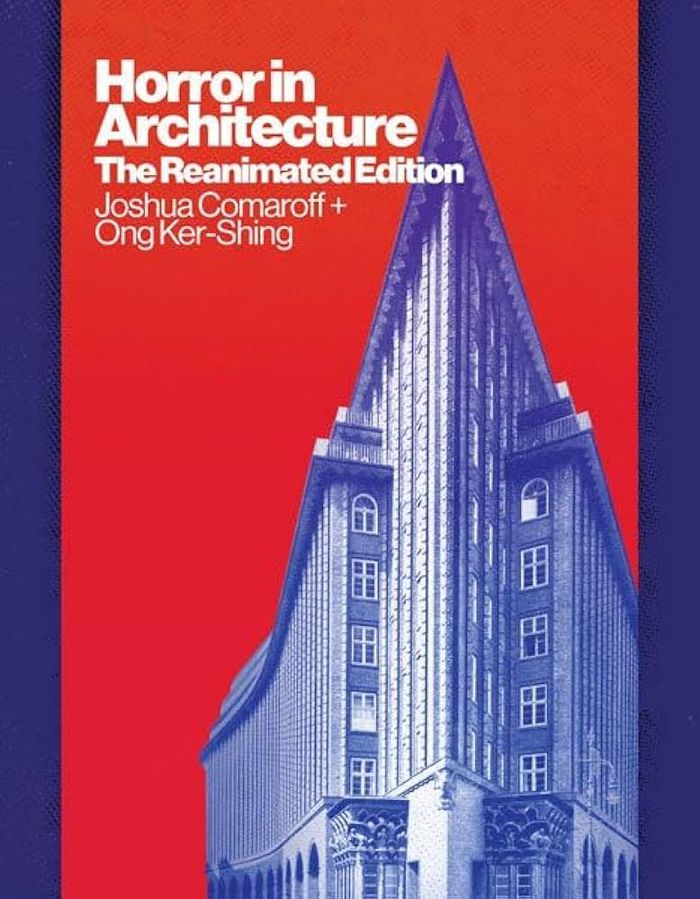
Horror in architecture: The reanimated edition
Actions:
Prix:
$34.99
(disponible sur commande)
Résumé:
"Horror in architecture" presents an unflinching look at how horror genre tropes manifest in the built environment. Spanning the realms of art, design, literature, and film, this newly revised and expanded edition compiles examples from all areas of popular culture to form a visual anthology of the architectural uncanny. Rooted in the Romantic and Gothic treatment of horror as a serious aesthetic category, "Horror in architecture" establishes incisive links between contemporary horror media and its parallel traits found in various architectural designs. Through chapters dedicated to distorted and monstrous buildings, abandoned spaces, extremes of scale, and other structural peculiarities, and featuring new essays on insurgent natures, blobs, and architectural puppets, this volume brings together diverse architectural anomalies and shows how their unsettling effects deepen our fascination with the unreal. Intended for both horror fans and students of visual culture, Horror in Architecture turns a unique lens on the relationship between the human body and the artificial landscapes it inhabits. Extensively illustrated with photographs, film stills, and diagrams, this book retrieves horror from the cultural fringes and demonstrates how its attributes permeate the modern condition and the material world.
Horror in architecture: The reanimated edition
Actions:
Prix:
$34.99
(disponible sur commande)
Résumé:
"Horror in architecture" presents an unflinching look at how horror genre tropes manifest in the built environment. Spanning the realms of art, design, literature, and film, this newly revised and expanded edition compiles examples from all areas of popular culture to form a visual anthology of the architectural uncanny. Rooted in the Romantic and Gothic treatment of horror as a serious aesthetic category, "Horror in architecture" establishes incisive links between contemporary horror media and its parallel traits found in various architectural designs. Through chapters dedicated to distorted and monstrous buildings, abandoned spaces, extremes of scale, and other structural peculiarities, and featuring new essays on insurgent natures, blobs, and architectural puppets, this volume brings together diverse architectural anomalies and shows how their unsettling effects deepen our fascination with the unreal. Intended for both horror fans and students of visual culture, Horror in Architecture turns a unique lens on the relationship between the human body and the artificial landscapes it inhabits. Extensively illustrated with photographs, film stills, and diagrams, this book retrieves horror from the cultural fringes and demonstrates how its attributes permeate the modern condition and the material world.
Classification:
livres
livres
Publication:
janvier 2024
janvier 2024
Sujet:
Théorie de l’architecture
Théorie de l’architecture
Classification:
livres
livres
Actions:
Prix:
$48.99
(disponible sur commande)
Résumé:
''The shape of utopia'' documents a pivotal moment in American history when ordinary people ardently believed in the potential to reshape society. Highlighting the inherent political capacity of architecture, Irene Cheng showcases how visionary utopian planners in the mid-nineteenth century used their blueprints as persuasive visual rhetoric that could mobilize others to(...)
$48.99
(disponible sur commande)
Résumé:
''The shape of utopia'' documents a pivotal moment in American history when ordinary people ardently believed in the potential to reshape society. Highlighting the inherent political capacity of architecture, Irene Cheng showcases how visionary utopian planners in the mid-nineteenth century used their blueprints as persuasive visual rhetoric that could mobilize others to(...)
Titre:
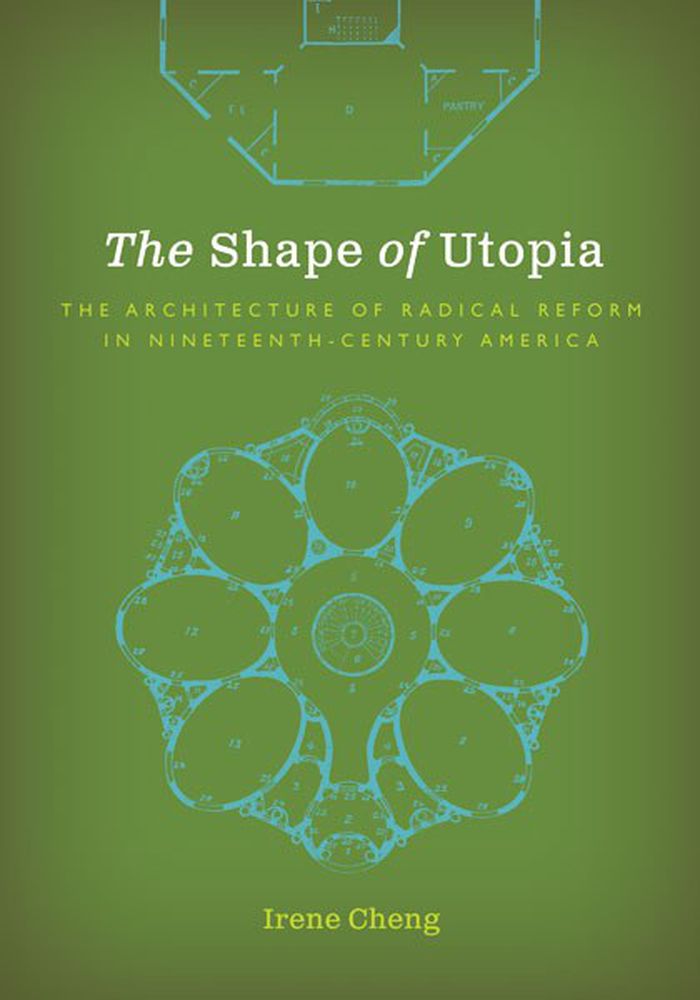
The shape of utopia: The architecture of radical reform in nineteenth-century America
Actions:
Prix:
$48.99
(disponible sur commande)
Résumé:
''The shape of utopia'' documents a pivotal moment in American history when ordinary people ardently believed in the potential to reshape society. Highlighting the inherent political capacity of architecture, Irene Cheng showcases how visionary utopian planners in the mid-nineteenth century used their blueprints as persuasive visual rhetoric that could mobilize others to share in their aspirations for a better world.
The shape of utopia: The architecture of radical reform in nineteenth-century America
Actions:
Prix:
$48.99
(disponible sur commande)
Résumé:
''The shape of utopia'' documents a pivotal moment in American history when ordinary people ardently believed in the potential to reshape society. Highlighting the inherent political capacity of architecture, Irene Cheng showcases how visionary utopian planners in the mid-nineteenth century used their blueprints as persuasive visual rhetoric that could mobilize others to share in their aspirations for a better world.
Classification:
livres
livres
Publication:
août 2023
août 2023
Sujet:
Théorie de l’architecture
Théorie de l’architecture
Classification:
livres
livres
Prix:
$64.95
(disponible en magasin)
Résumé:
Artist and educator Lionel LeMoine FitzGerald (1890–1956) was the only member of the Group of Seven based in Western Canada. Some Magnetic Force is the first collection to gather the surviving writings by the Winnipeg artist. Spanning from 1930 to 1954, the texts gathered here begin during the mature period of his artistic development at age forty and conclude with(...)
$64.95
(disponible en magasin)
Résumé:
Artist and educator Lionel LeMoine FitzGerald (1890–1956) was the only member of the Group of Seven based in Western Canada. Some Magnetic Force is the first collection to gather the surviving writings by the Winnipeg artist. Spanning from 1930 to 1954, the texts gathered here begin during the mature period of his artistic development at age forty and conclude with(...)
Titre:
Some magnetic force: Lionel Lemoine Fitzgerald writings
Actions:
Prix:
$64.95
(disponible en magasin)
Résumé:
Artist and educator Lionel LeMoine FitzGerald (1890–1956) was the only member of the Group of Seven based in Western Canada. Some Magnetic Force is the first collection to gather the surviving writings by the Winnipeg artist. Spanning from 1930 to 1954, the texts gathered here begin during the mature period of his artistic development at age forty and conclude with personal reflections late in life on the nature of art and his career. Michael Parke-Taylor has uncovered and chronologically organized FitzGerald’s letters, diary, lectures, and reports to show how FitzGerald understood the development of his practice, communicated the philosophy of art to his art students, confronted challenges in his career, as well as revealing his spiritual aspirations, views about the natural world, and his private desires. These writings also elucidate the material and reputational realities of artistic production in places beyond the period’s dominant Canadian art centres of Toronto, Montreal, and Ottawa.
Some magnetic force: Lionel Lemoine Fitzgerald writings
Actions:
Prix:
$64.95
(disponible en magasin)
Résumé:
Artist and educator Lionel LeMoine FitzGerald (1890–1956) was the only member of the Group of Seven based in Western Canada. Some Magnetic Force is the first collection to gather the surviving writings by the Winnipeg artist. Spanning from 1930 to 1954, the texts gathered here begin during the mature period of his artistic development at age forty and conclude with personal reflections late in life on the nature of art and his career. Michael Parke-Taylor has uncovered and chronologically organized FitzGerald’s letters, diary, lectures, and reports to show how FitzGerald understood the development of his practice, communicated the philosophy of art to his art students, confronted challenges in his career, as well as revealing his spiritual aspirations, views about the natural world, and his private desires. These writings also elucidate the material and reputational realities of artistic production in places beyond the period’s dominant Canadian art centres of Toronto, Montreal, and Ottawa.
Classification:
livres
livres
Publication:
octobre 2023
octobre 2023
Sujet:
Théorie de l’art
Théorie de l’art
Classification:
livres
livres
Actions:
Prix:
$29.95
(disponible en magasin)
Résumé:
Ce manifeste, à la croisée de l’architecture, de l’esthétique et de l’ingénierie, appelle à réactiver le sens pratique de la décoration d'intérieur, tel qu’il existait avant le XXe siècle. Les fonctions climatiques des tapis, tapisseries, rideaux, miroirs ou paravents ont été oubliées avec la modernité. Ces objets ont été réduits à leur seule dimension symbolique par(...)
$29.95
(disponible en magasin)
Résumé:
Ce manifeste, à la croisée de l’architecture, de l’esthétique et de l’ingénierie, appelle à réactiver le sens pratique de la décoration d'intérieur, tel qu’il existait avant le XXe siècle. Les fonctions climatiques des tapis, tapisseries, rideaux, miroirs ou paravents ont été oubliées avec la modernité. Ces objets ont été réduits à leur seule dimension symbolique par(...)
Titre:
Manifestes 6 : Le style anthropocene
Actions:
Prix:
$29.95
(disponible en magasin)
Résumé:
Ce manifeste, à la croisée de l’architecture, de l’esthétique et de l’ingénierie, appelle à réactiver le sens pratique de la décoration d'intérieur, tel qu’il existait avant le XXe siècle. Les fonctions climatiques des tapis, tapisseries, rideaux, miroirs ou paravents ont été oubliées avec la modernité. Ces objets ont été réduits à leur seule dimension symbolique par l’efficacité des dispositifs énergivores de chauffage ou de climatisation. La nécessité de réduire aujourd’hui les émissions de CO2 et l’énergie consommée, ainsi que la lutte contre les canicules appellent à reprendre en compte la valeur thermique de l’art décoratif du passé, à repenser les modes d’aménagement intérieur, leurs configurations spatiales, formelles et matérielles dans une nouvelle optique de performance climatique : une esthétique décorative propre au XXIe siècle que nous proposons de nommer le « style anthropocène ».
Manifestes 6 : Le style anthropocene
Actions:
Prix:
$29.95
(disponible en magasin)
Résumé:
Ce manifeste, à la croisée de l’architecture, de l’esthétique et de l’ingénierie, appelle à réactiver le sens pratique de la décoration d'intérieur, tel qu’il existait avant le XXe siècle. Les fonctions climatiques des tapis, tapisseries, rideaux, miroirs ou paravents ont été oubliées avec la modernité. Ces objets ont été réduits à leur seule dimension symbolique par l’efficacité des dispositifs énergivores de chauffage ou de climatisation. La nécessité de réduire aujourd’hui les émissions de CO2 et l’énergie consommée, ainsi que la lutte contre les canicules appellent à reprendre en compte la valeur thermique de l’art décoratif du passé, à repenser les modes d’aménagement intérieur, leurs configurations spatiales, formelles et matérielles dans une nouvelle optique de performance climatique : une esthétique décorative propre au XXIe siècle que nous proposons de nommer le « style anthropocène ».
Classification:
livres
livres
Publication:
mars 2023
mars 2023
Sujet:
Théorie de l’architecture
Théorie de l’architecture
Classification:
livres
livres

Actions:
Prix:
$65.95
(disponible sur commande)
Résumé:
Dans de nombreux pays du Sud, l'informalité représente une nécessité pour des citoyens qui décident d’autogérer leurs lieux de vie et de travail. Dans les villes du Nord, les pratiques informelles s’imposent plutôt comme une tentative de réparer la ville qui a été abîmée, polluée, abandonnée, et de reconstituer un tissu urbain là où celui-ci a été voué à la démolition, ou(...)
$65.95
(disponible sur commande)
Résumé:
Dans de nombreux pays du Sud, l'informalité représente une nécessité pour des citoyens qui décident d’autogérer leurs lieux de vie et de travail. Dans les villes du Nord, les pratiques informelles s’imposent plutôt comme une tentative de réparer la ville qui a été abîmée, polluée, abandonnée, et de reconstituer un tissu urbain là où celui-ci a été voué à la démolition, ou(...)
Titre:
L'Urbanisme informel: Au-delà du droit à la ville
Actions:
Prix:
$65.95
(disponible sur commande)
Résumé:
Dans de nombreux pays du Sud, l'informalité représente une nécessité pour des citoyens qui décident d’autogérer leurs lieux de vie et de travail. Dans les villes du Nord, les pratiques informelles s’imposent plutôt comme une tentative de réparer la ville qui a été abîmée, polluée, abandonnée, et de reconstituer un tissu urbain là où celui-ci a été voué à la démolition, ou à l’élaboration de projets contestés. Dans les deux cas, l’informalité peut être une source d'urbanité et de créativité qui favorise l'intégration et la sociabilité. Elle participe d’un nouveau récit urbain combinant nécessité, aspirations, désirs même, et parfois résistance, voire indiscipline. Ce livre nous invite à considérer que l’informalité peut s’avérer inspirante pour aborder certains problèmes de gouvernance auxquels les villes sont actuellement confrontées.
L'Urbanisme informel: Au-delà du droit à la ville
Actions:
Prix:
$65.95
(disponible sur commande)
Résumé:
Dans de nombreux pays du Sud, l'informalité représente une nécessité pour des citoyens qui décident d’autogérer leurs lieux de vie et de travail. Dans les villes du Nord, les pratiques informelles s’imposent plutôt comme une tentative de réparer la ville qui a été abîmée, polluée, abandonnée, et de reconstituer un tissu urbain là où celui-ci a été voué à la démolition, ou à l’élaboration de projets contestés. Dans les deux cas, l’informalité peut être une source d'urbanité et de créativité qui favorise l'intégration et la sociabilité. Elle participe d’un nouveau récit urbain combinant nécessité, aspirations, désirs même, et parfois résistance, voire indiscipline. Ce livre nous invite à considérer que l’informalité peut s’avérer inspirante pour aborder certains problèmes de gouvernance auxquels les villes sont actuellement confrontées.
Classification:
livres
livres
Publication:
août 2023
août 2023
Sujet:
Théorie de l’urbanisme
Théorie de l’urbanisme
Classification:
livres
livres
Actions:
Prix:
$33.95
(disponible sur commande)
Résumé:
''Tree by tree'' is a warning and a toolkit for the future of forest recovery. Scott J. Meiners investigates the critical biological threats endangering tree species native to the forests of eastern North America, providing a needed focus on this plight. Meiners suggests that if we are to save our forests, the first step is to recognize the threats in front of(...)
$33.95
(disponible sur commande)
Résumé:
''Tree by tree'' is a warning and a toolkit for the future of forest recovery. Scott J. Meiners investigates the critical biological threats endangering tree species native to the forests of eastern North America, providing a needed focus on this plight. Meiners suggests that if we are to save our forests, the first step is to recognize the threats in front of(...)
Titre:
Tree by tree: Saving North America's eastern forests
Actions:
Prix:
$33.95
(disponible sur commande)
Résumé:
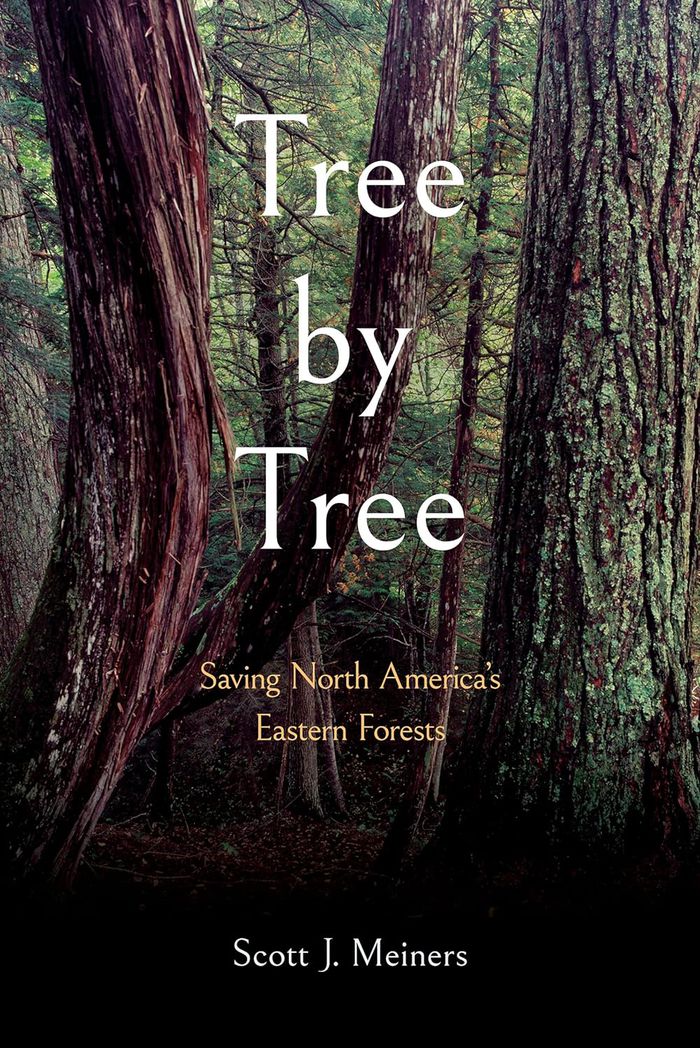
''Tree by tree'' is a warning and a toolkit for the future of forest recovery. Scott J. Meiners investigates the critical biological threats endangering tree species native to the forests of eastern North America, providing a needed focus on this plight. Meiners suggests that if we are to save our forests, the first step is to recognize the threats in front of us. Meiners focuses on five familiar trees—the American elm, the American chestnut, the eastern hemlock, the white ash, and the sugar maple—and shares why they matter economically, ecologically, and culturally. From outbreaks of Dutch elm disease to infestations of emerald ash borers, Meiners highlights the challenges that have led or will lead to the disappearance of these trees from forests. In doing so, he shows us how diversity loss often disrupts intricately balanced ecosystems and how vital it is that we pay more attention to massive changes in forest composition. With practical steps for the conservation of native tree species, ''Tree by tree'' offers the inspiration and insights we need to begin saving our forests.
Tree by tree: Saving North America's eastern forests
Actions:
Prix:
$33.95
(disponible sur commande)
Résumé:
''Tree by tree'' is a warning and a toolkit for the future of forest recovery. Scott J. Meiners investigates the critical biological threats endangering tree species native to the forests of eastern North America, providing a needed focus on this plight. Meiners suggests that if we are to save our forests, the first step is to recognize the threats in front of us. Meiners focuses on five familiar trees—the American elm, the American chestnut, the eastern hemlock, the white ash, and the sugar maple—and shares why they matter economically, ecologically, and culturally. From outbreaks of Dutch elm disease to infestations of emerald ash borers, Meiners highlights the challenges that have led or will lead to the disappearance of these trees from forests. In doing so, he shows us how diversity loss often disrupts intricately balanced ecosystems and how vital it is that we pay more attention to massive changes in forest composition. With practical steps for the conservation of native tree species, ''Tree by tree'' offers the inspiration and insights we need to begin saving our forests.
Classification:
livres
livres
Publication:
septembre 2023
septembre 2023
Sujet:
Théorie du paysage
Théorie du paysage
Classification:
livres
livres
Prix:
$39.95
(disponible en magasin)
Résumé:
How do you experience a public space? Do you feel safe? Seen? Represented? The response to these questions may differ based on factors including your race, age, ethnicity, or gender identity. In the architecture and design professions, decisions about the articulation of public spaces and who may be honored in them have often been made by white men. How do designers(...)
$39.95
(disponible en magasin)
Résumé:
How do you experience a public space? Do you feel safe? Seen? Represented? The response to these questions may differ based on factors including your race, age, ethnicity, or gender identity. In the architecture and design professions, decisions about the articulation of public spaces and who may be honored in them have often been made by white men. How do designers(...)
Titre:
Empathic design: perspectives on creating inclusive spaces
Actions:
Prix:
$39.95
(disponible en magasin)
Résumé:
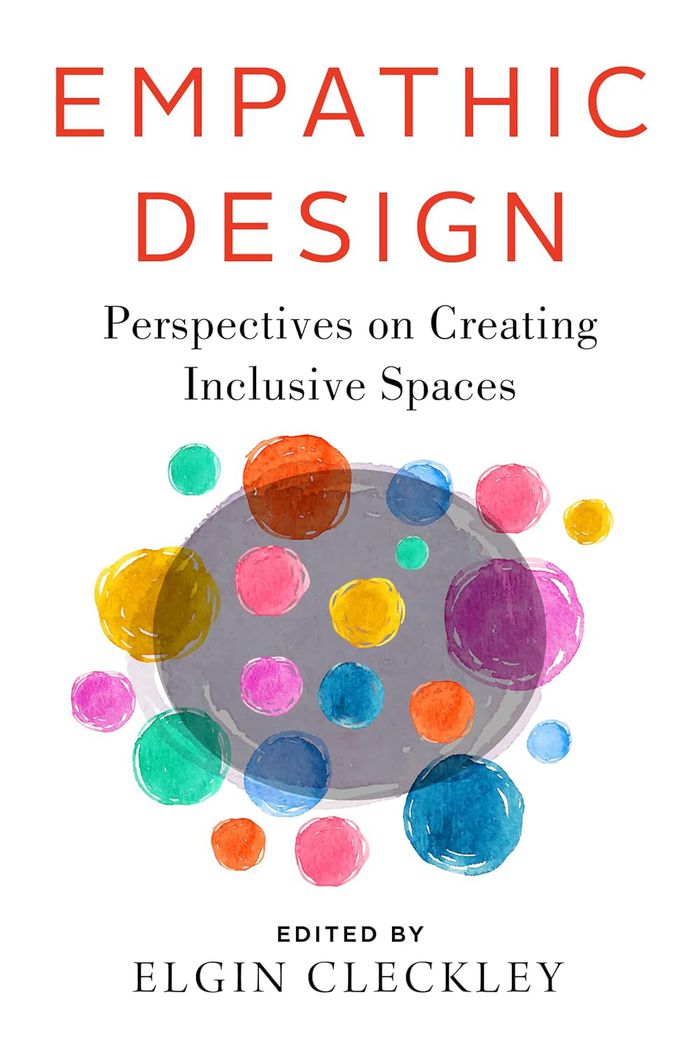
How do you experience a public space? Do you feel safe? Seen? Represented? The response to these questions may differ based on factors including your race, age, ethnicity, or gender identity. In the architecture and design professions, decisions about the articulation of public spaces and who may be honored in them have often been made by white men. How do designers rethink design processes to produce works that hold space for the diversity of people using them? In "Empathic design," designer and architecture professor Elgin Cleckley brings together leaders and visionary practitioners in architecture, urban design, planning, and design activism to help explore these questions. Cleckley explains that empathic designers need to approach design as iterative, changing, and shifting to say, "we see you", "we hear you". Part of an emerging design framework, empathic designers work with and in the communities affected. They acknowledge the full history of a place and approach the lived experience and memories of those in the community with respect. Early chapters explore broader conceptual approaches, proposing definitions of empathy in the context of design, disrupting colonial narratives, and making space for grief. Other chapters highlight specific design projects, including the Harriet Tubman Memorial in Newark, The Camp Barker Memorial in Washington, D.C., the Freedom Center in Oklahoma City, and the Charlottesville Memorial for Peace and Justice.
Empathic design: perspectives on creating inclusive spaces
Actions:
Prix:
$39.95
(disponible en magasin)
Résumé:
How do you experience a public space? Do you feel safe? Seen? Represented? The response to these questions may differ based on factors including your race, age, ethnicity, or gender identity. In the architecture and design professions, decisions about the articulation of public spaces and who may be honored in them have often been made by white men. How do designers rethink design processes to produce works that hold space for the diversity of people using them? In "Empathic design," designer and architecture professor Elgin Cleckley brings together leaders and visionary practitioners in architecture, urban design, planning, and design activism to help explore these questions. Cleckley explains that empathic designers need to approach design as iterative, changing, and shifting to say, "we see you", "we hear you". Part of an emerging design framework, empathic designers work with and in the communities affected. They acknowledge the full history of a place and approach the lived experience and memories of those in the community with respect. Early chapters explore broader conceptual approaches, proposing definitions of empathy in the context of design, disrupting colonial narratives, and making space for grief. Other chapters highlight specific design projects, including the Harriet Tubman Memorial in Newark, The Camp Barker Memorial in Washington, D.C., the Freedom Center in Oklahoma City, and the Charlottesville Memorial for Peace and Justice.
Classification:
livres
livres
Publication:
janvier 2024
janvier 2024
Sujet:
Théorie du design
Théorie du design
Classification:
livres
livres
Actions:
Prix:
$43.95
(disponible sur commande)
Résumé:
Over the past hundred years, the global motto has been "more, more, more" in terms of growth - of population, of the built environment, of human and financial capital, and of all manner of worldly goods. This was the reality as the world population boomed during the 1960s and 1970s. But reality is changing in front of our eyes. Growth is already slowing down, and(...)
$43.95
(disponible sur commande)
Résumé:
Over the past hundred years, the global motto has been "more, more, more" in terms of growth - of population, of the built environment, of human and financial capital, and of all manner of worldly goods. This was the reality as the world population boomed during the 1960s and 1970s. But reality is changing in front of our eyes. Growth is already slowing down, and(...)
Titre:
Smaller cities in a shrinking world: learning to thrive without growth
Actions:
Prix:
$43.95
(disponible sur commande)
Résumé:
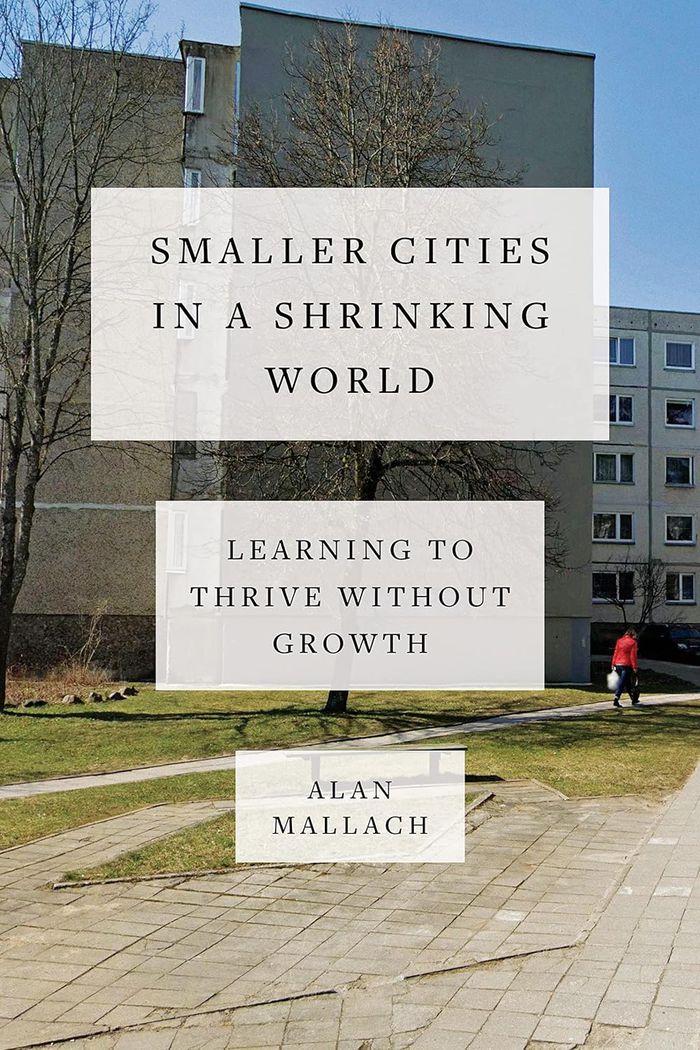
Over the past hundred years, the global motto has been "more, more, more" in terms of growth - of population, of the built environment, of human and financial capital, and of all manner of worldly goods. This was the reality as the world population boomed during the 1960s and 1970s. But reality is changing in front of our eyes. Growth is already slowing down, and according to the most sophisticated demographers, the earth's population will begin to decline not hundreds of years from now, but within the lifetimes of many of the people now living on the planet. In ''Smaller cities in a shrinking world'', urban policy expert Alan Mallach seeks to understand how declining population and economic growth, coupled with the other forces that will influence their fates, particularly climate change, will affect the world's cities over the coming decades. What will it mean to have a world full of shrinking cities? Does it mean that they are doomed to decline in more ways than simply population numbers, or can we uncouple population decline from economic decay, abandoned buildings and impoverishment? Mallach has spent much of the last thirty or more years working in, looking at, thinking, and writing about shrinking cities-from Trenton, New Jersey, where he was director of housing and economic development, to other American cities like Detroit, Flint, and St. Louis, and from there to cities in Japan and Central and Eastern Europe. He has woven together his experience, research, and analysis in this fascinating, realistic yet hopeful look at how smaller, shrinking cities can thrive, despite the daunting challenges they face.
Smaller cities in a shrinking world: learning to thrive without growth
Actions:
Prix:
$43.95
(disponible sur commande)
Résumé:
Over the past hundred years, the global motto has been "more, more, more" in terms of growth - of population, of the built environment, of human and financial capital, and of all manner of worldly goods. This was the reality as the world population boomed during the 1960s and 1970s. But reality is changing in front of our eyes. Growth is already slowing down, and according to the most sophisticated demographers, the earth's population will begin to decline not hundreds of years from now, but within the lifetimes of many of the people now living on the planet. In ''Smaller cities in a shrinking world'', urban policy expert Alan Mallach seeks to understand how declining population and economic growth, coupled with the other forces that will influence their fates, particularly climate change, will affect the world's cities over the coming decades. What will it mean to have a world full of shrinking cities? Does it mean that they are doomed to decline in more ways than simply population numbers, or can we uncouple population decline from economic decay, abandoned buildings and impoverishment? Mallach has spent much of the last thirty or more years working in, looking at, thinking, and writing about shrinking cities-from Trenton, New Jersey, where he was director of housing and economic development, to other American cities like Detroit, Flint, and St. Louis, and from there to cities in Japan and Central and Eastern Europe. He has woven together his experience, research, and analysis in this fascinating, realistic yet hopeful look at how smaller, shrinking cities can thrive, despite the daunting challenges they face.
Classification:
livres
livres
Publication:
juin 2023
juin 2023
Sujet:
Théorie de l’urbanisme
Théorie de l’urbanisme
Classification:
livres
livres
Actions:
Prix:
$39.95
(disponible en magasin)
Résumé:
Bridging histories of technology, media studies, and aesthetics, ''Electrographic architecture'' forges a critical narrative of the ways in which illuminated light and color have played key roles in the formation of America's white imaginary. Carolyn L. Kane charts the rise of the country's urban advertisements, light empires, and neoclassical buildings in the early(...)
$39.95
(disponible en magasin)
Résumé:
Bridging histories of technology, media studies, and aesthetics, ''Electrographic architecture'' forges a critical narrative of the ways in which illuminated light and color have played key roles in the formation of America's white imaginary. Carolyn L. Kane charts the rise of the country's urban advertisements, light empires, and neoclassical buildings in the early(...)
Titre:
Electrographic architecture: New York color, Las Vegas light, and America's white imaginary
Actions:
Prix:
$39.95
(disponible en magasin)
Résumé:
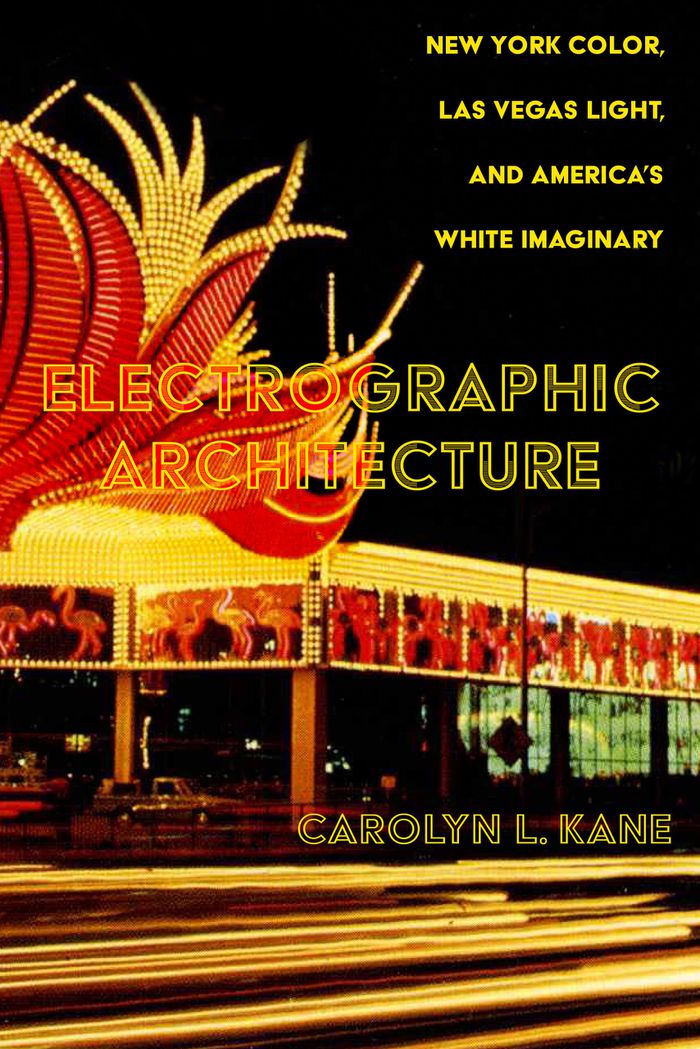
Bridging histories of technology, media studies, and aesthetics, ''Electrographic architecture'' forges a critical narrative of the ways in which illuminated light and color have played key roles in the formation of America's white imaginary. Carolyn L. Kane charts the rise of the country's urban advertisements, light empires, and neoclassical buildings in the early twentieth century; the midcentury construction of polychromatic electrographic spectacles; and their eclipse by informatically intense, invisible algorithms at the dawn of the new millennium. Drawing on archival research, interviews, and visual analysis, Electrographic Architecture shows how the development of America's electrographic surround runs parallel to a new paradigm of power, property, and possession.
Electrographic architecture: New York color, Las Vegas light, and America's white imaginary
Actions:
Prix:
$39.95
(disponible en magasin)
Résumé:
Bridging histories of technology, media studies, and aesthetics, ''Electrographic architecture'' forges a critical narrative of the ways in which illuminated light and color have played key roles in the formation of America's white imaginary. Carolyn L. Kane charts the rise of the country's urban advertisements, light empires, and neoclassical buildings in the early twentieth century; the midcentury construction of polychromatic electrographic spectacles; and their eclipse by informatically intense, invisible algorithms at the dawn of the new millennium. Drawing on archival research, interviews, and visual analysis, Electrographic Architecture shows how the development of America's electrographic surround runs parallel to a new paradigm of power, property, and possession.
Classification:
livres
livres
Publication:
août 2023
août 2023
Sujet:
Théorie de l’architecture
Théorie de l’architecture
Classification:
livres
livres
Prix:
$52.95
(disponible sur commande)
Résumé:
Cities are at once among humanity’s crowning achievements and core drivers of the climate crisis. Their dependence on the outside world for vital resources is causing global temperatures to rise and wildlife habitats to shrink. But we have the opportunity to make cities more sustainable by transforming the built environment. Dickson D. Despommier proposes a plan for(...)
$52.95
(disponible sur commande)
Résumé:
Cities are at once among humanity’s crowning achievements and core drivers of the climate crisis. Their dependence on the outside world for vital resources is causing global temperatures to rise and wildlife habitats to shrink. But we have the opportunity to make cities more sustainable by transforming the built environment. Dickson D. Despommier proposes a plan for(...)
Titre:
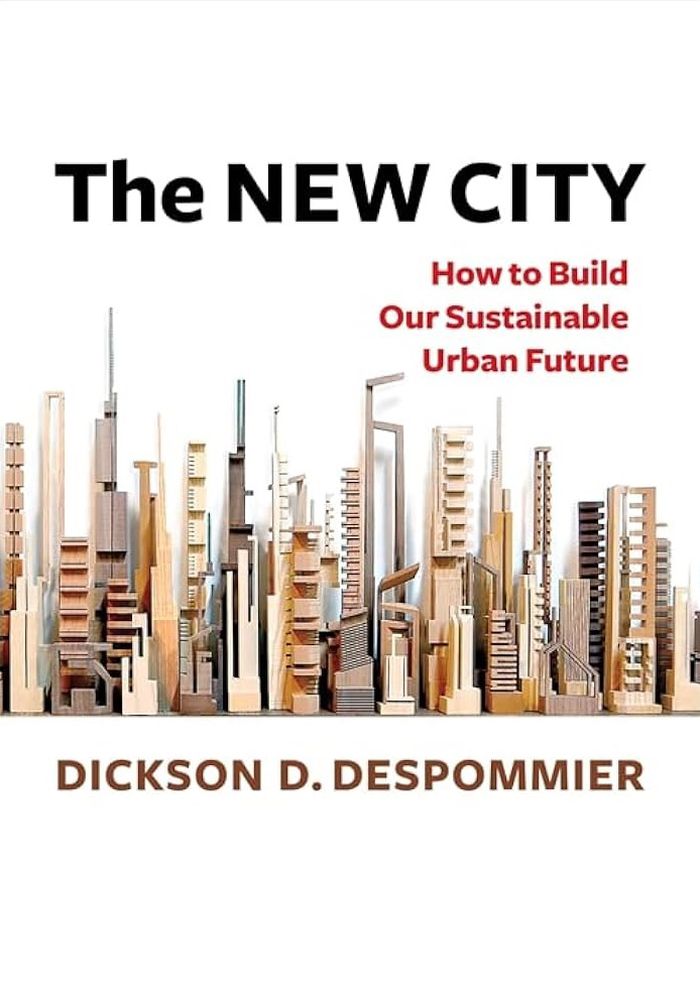
The new city: How to build our sustainable urban future
Actions:
Prix:
$52.95
(disponible sur commande)
Résumé:
Cities are at once among humanity’s crowning achievements and core drivers of the climate crisis. Their dependence on the outside world for vital resources is causing global temperatures to rise and wildlife habitats to shrink. But we have the opportunity to make cities more sustainable by transforming the built environment. Dickson D. Despommier proposes a plan for creating a new, self-sustaining urban landscape. He argues that we can find solutions through the concept of biomimicry: emulating successful strategies found in nature. A better city is possible if we heed the lessons that forests and trees teach about how to store carbon, grow food, collect rainwater, and convert sunlight into energy. Touring established and leading-edge technologies, ''The new city'' provides a blueprint for tomorrow’s urban environment. Cities built from wood will be more resilient and less destructive than concrete and steel construction; they will also encourage reforestation, boosting carbon sequestration. Vertical farms inside city limits will supply residents with a reliable, healthy food supply. Buildings will harvest moisture from the rain and air to secure a clean water supply. Renewable energy, including not only wind, solar, and geothermal but also clear photovoltaic window glass and nonpolluting hydrogen fuel cells, will power a cleaner city.
The new city: How to build our sustainable urban future
Actions:
Prix:
$52.95
(disponible sur commande)
Résumé:
Cities are at once among humanity’s crowning achievements and core drivers of the climate crisis. Their dependence on the outside world for vital resources is causing global temperatures to rise and wildlife habitats to shrink. But we have the opportunity to make cities more sustainable by transforming the built environment. Dickson D. Despommier proposes a plan for creating a new, self-sustaining urban landscape. He argues that we can find solutions through the concept of biomimicry: emulating successful strategies found in nature. A better city is possible if we heed the lessons that forests and trees teach about how to store carbon, grow food, collect rainwater, and convert sunlight into energy. Touring established and leading-edge technologies, ''The new city'' provides a blueprint for tomorrow’s urban environment. Cities built from wood will be more resilient and less destructive than concrete and steel construction; they will also encourage reforestation, boosting carbon sequestration. Vertical farms inside city limits will supply residents with a reliable, healthy food supply. Buildings will harvest moisture from the rain and air to secure a clean water supply. Renewable energy, including not only wind, solar, and geothermal but also clear photovoltaic window glass and nonpolluting hydrogen fuel cells, will power a cleaner city.
Classification:
livres
livres
Publication:
septembre 2023
septembre 2023
Sujet:
Théorie de l’urbanisme
Théorie de l’urbanisme


