


443 Résultats
Classification:
livres
livres
Actions:
Prix:
$50.00
(disponible sur commande)
Résumé:
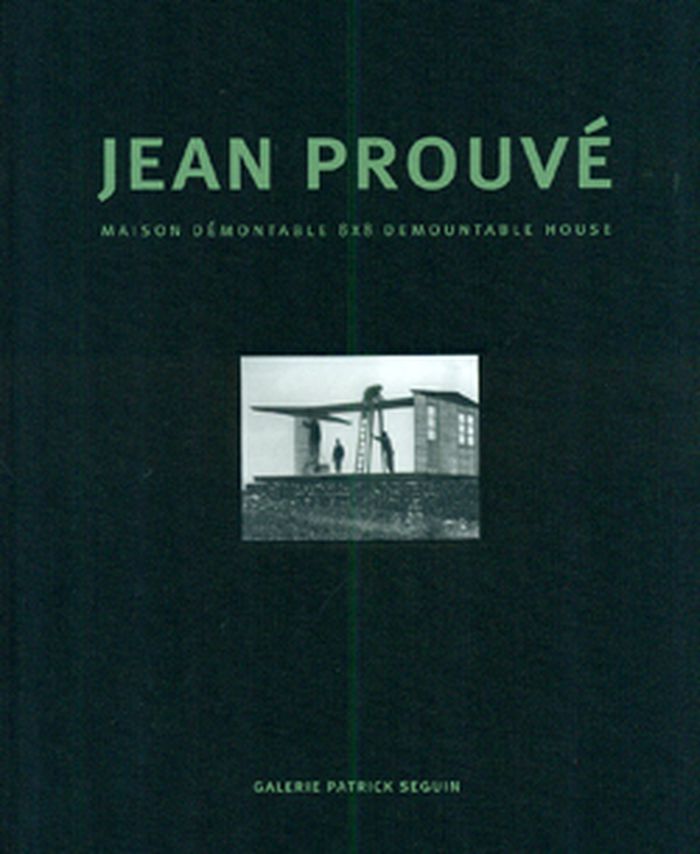
This publication is the second of nine monographs published by the Galerie Patrick Seguin on Jean Prouvé's housing modules. After World War II, the French government commissioned Jean Prouvé to design inexpensive, effective housing for the newly homeless, prompting him to perfect his patented axial portal frame to build easily constructed demountable houses.
$50.00
(disponible sur commande)
Résumé:
This publication is the second of nine monographs published by the Galerie Patrick Seguin on Jean Prouvé's housing modules. After World War II, the French government commissioned Jean Prouvé to design inexpensive, effective housing for the newly homeless, prompting him to perfect his patented axial portal frame to build easily constructed demountable houses.
Titre:
Jean Prouvé: maison démontable 8x8 demountable house
Actions:
Prix:
$50.00
(disponible sur commande)
Résumé:
This publication is the second of nine monographs published by the Galerie Patrick Seguin on Jean Prouvé's housing modules. After World War II, the French government commissioned Jean Prouvé to design inexpensive, effective housing for the newly homeless, prompting him to perfect his patented axial portal frame to build easily constructed demountable houses.
Jean Prouvé: maison démontable 8x8 demountable house
Actions:
Prix:
$50.00
(disponible sur commande)
Résumé:
This publication is the second of nine monographs published by the Galerie Patrick Seguin on Jean Prouvé's housing modules. After World War II, the French government commissioned Jean Prouvé to design inexpensive, effective housing for the newly homeless, prompting him to perfect his patented axial portal frame to build easily constructed demountable houses.
Classification:
livres
livres
Publication:
avril 2014
avril 2014
Sujet:
Architecture, monographies
Architecture, monographies
Classification:
livres
livres
Prix:
$40.00
(disponible en magasin)
Résumé:
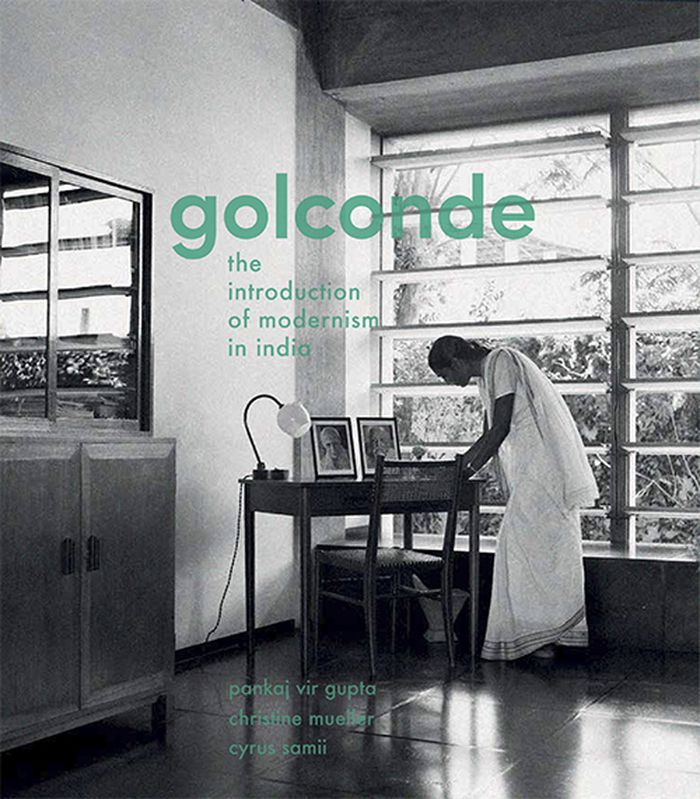
Golconde is an astonishing architectural accomplishment. With technical finesse and extraordinary craft, it offers a living testament to the original modernist credo – architecture as the manifest union of technology, aesthetics, and social reform. Here exists an undiluted view of a wholly triumphant tropical Modernism, built during the tumultuous years of the second world war.
$40.00
(disponible en magasin)
Résumé:
Golconde is an astonishing architectural accomplishment. With technical finesse and extraordinary craft, it offers a living testament to the original modernist credo – architecture as the manifest union of technology, aesthetics, and social reform. Here exists an undiluted view of a wholly triumphant tropical Modernism, built during the tumultuous years of the second world war.
Titre:
Golconde: the introduction of modernism in India. 2nd edition
Actions:
Prix:
$40.00
(disponible en magasin)
Résumé:
Golconde is an astonishing architectural accomplishment. With technical finesse and extraordinary craft, it offers a living testament to the original modernist credo – architecture as the manifest union of technology, aesthetics, and social reform. Here exists an undiluted view of a wholly triumphant tropical Modernism, built during the tumultuous years of the second world war.
Golconde: the introduction of modernism in India. 2nd edition
Actions:
Prix:
$40.00
(disponible en magasin)
Résumé:
Golconde is an astonishing architectural accomplishment. With technical finesse and extraordinary craft, it offers a living testament to the original modernist credo – architecture as the manifest union of technology, aesthetics, and social reform. Here exists an undiluted view of a wholly triumphant tropical Modernism, built during the tumultuous years of the second world war.
Classification:
livres
livres
Publication:
janvier 2022
janvier 2022
Sujet:
Modernisme
Modernisme
Classification:
livres
livres
Actions:
Prix:
$29.00
(disponible en magasin)
Résumé:
In the last years of the Second World War, a million tonnes of bombs were dropped by the Allies on 131 German towns and cities. 600,000 civilians died, seven and a half million Germans were left homeless. W.G. Sebald's lucid but harrowing essays explore the consequences for the German people of the mass destruction of their cities.
$29.00
(disponible en magasin)
Résumé:
In the last years of the Second World War, a million tonnes of bombs were dropped by the Allies on 131 German towns and cities. 600,000 civilians died, seven and a half million Germans were left homeless. W.G. Sebald's lucid but harrowing essays explore the consequences for the German people of the mass destruction of their cities.
Titre:
On the natural history of destruction
Actions:
Prix:
$29.00
(disponible en magasin)
Résumé:
In the last years of the Second World War, a million tonnes of bombs were dropped by the Allies on 131 German towns and cities. 600,000 civilians died, seven and a half million Germans were left homeless. W.G. Sebald's lucid but harrowing essays explore the consequences for the German people of the mass destruction of their cities.
On the natural history of destruction
Actions:
Prix:
$29.00
(disponible en magasin)
Résumé:
In the last years of the Second World War, a million tonnes of bombs were dropped by the Allies on 131 German towns and cities. 600,000 civilians died, seven and a half million Germans were left homeless. W.G. Sebald's lucid but harrowing essays explore the consequences for the German people of the mass destruction of their cities.
Classification:
livres
livres
Publication:
juin 2012
juin 2012
Sujet:
Littérature et poésie
Littérature et poésie
Classification:
livres
livres
Actions:
Prix:
$60.00
(disponible sur commande)
Résumé:
No longer the Motor City of boom-time industry, the city of Detroit has fallen into an incredible state of dilapidation since the decline of the American auto industry after the Second World War. Today, whole sections of the city resemble a war zone, its once-spectacular architectural grandeur reduced to vacant ruins. In Detroit Disassembled, photographer Andrew Moore(...)
$60.00
(disponible sur commande)
Résumé:
No longer the Motor City of boom-time industry, the city of Detroit has fallen into an incredible state of dilapidation since the decline of the American auto industry after the Second World War. Today, whole sections of the city resemble a war zone, its once-spectacular architectural grandeur reduced to vacant ruins. In Detroit Disassembled, photographer Andrew Moore(...)
Titre:
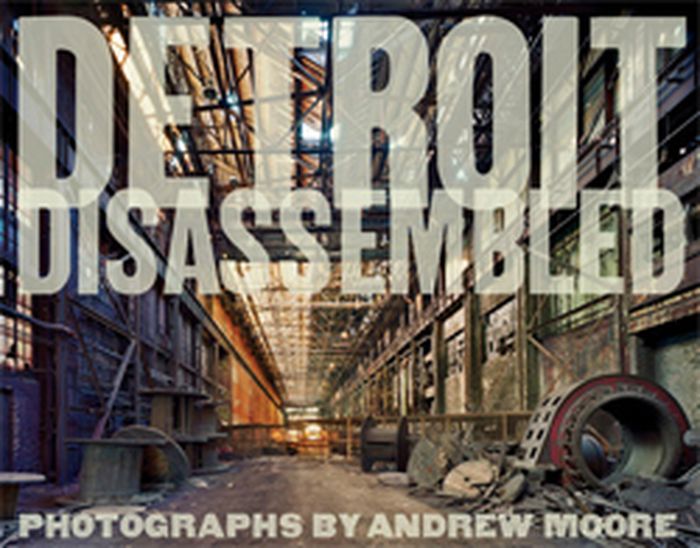
Andrew Moore: Detroit disassembled
Actions:
Prix:
$60.00
(disponible sur commande)
Résumé:
No longer the Motor City of boom-time industry, the city of Detroit has fallen into an incredible state of dilapidation since the decline of the American auto industry after the Second World War. Today, whole sections of the city resemble a war zone, its once-spectacular architectural grandeur reduced to vacant ruins. In Detroit Disassembled, photographer Andrew Moore records a territory in which the ordinary flow of time-or the forward march of the assembly line-appears to have been thrown spectacularly into reverse.
Andrew Moore: Detroit disassembled
Actions:
Prix:
$60.00
(disponible sur commande)
Résumé:
No longer the Motor City of boom-time industry, the city of Detroit has fallen into an incredible state of dilapidation since the decline of the American auto industry after the Second World War. Today, whole sections of the city resemble a war zone, its once-spectacular architectural grandeur reduced to vacant ruins. In Detroit Disassembled, photographer Andrew Moore records a territory in which the ordinary flow of time-or the forward march of the assembly line-appears to have been thrown spectacularly into reverse.
Classification:
livres
livres
Publication:
avril 2010
avril 2010
Sujet:
Monographies photo
Monographies photo
Classification:
livres
livres
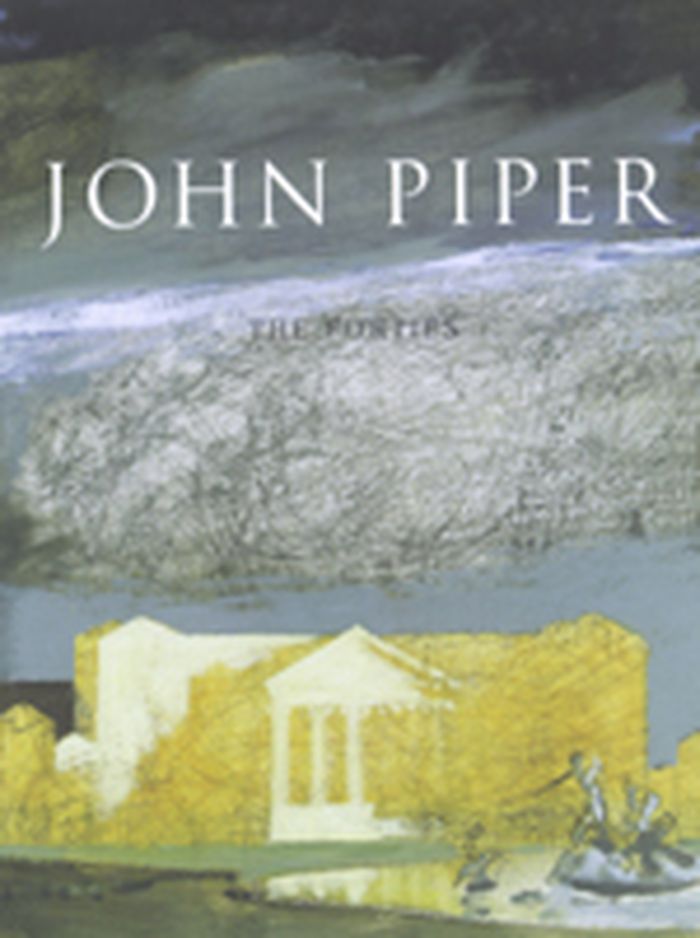
Titre:
John Piper : The forties
John Piper : The forties
Actions:
Prix:
$90.00
(disponible sur commande)
Résumé:
This book re-examines the work of John Piper who, as well as being a prominent painter, printmaker and photographer, was an active figure in many cultural spheres during the 1940s when the foundations of his reputation were laid. The book brings together work that was officially commissioned during the Second World War and contextualises it with work from the pre-war(...)
$90.00
(disponible sur commande)
Résumé:
This book re-examines the work of John Piper who, as well as being a prominent painter, printmaker and photographer, was an active figure in many cultural spheres during the 1940s when the foundations of his reputation were laid. The book brings together work that was officially commissioned during the Second World War and contextualises it with work from the pre-war(...)
Publication:
octobre 2000, London
octobre 2000, London
Titre:
John Piper : The forties
Actions:
Prix:
$90.00
(disponible sur commande)
Résumé:
This book re-examines the work of John Piper who, as well as being a prominent painter, printmaker and photographer, was an active figure in many cultural spheres during the 1940s when the foundations of his reputation were laid. The book brings together work that was officially commissioned during the Second World War and contextualises it with work from the pre-war and post-war years. All aspects of Piper's work during the fories are examined, including theatre designs, architectural paintings, the Recording Britain project, his work as a war artist, neo-Romanticism, and Welsh landscape painting towards the end of the decade. In addition, the book features Piper's writings and criticism, his designs for film posters and book jackets, photographs, exhibition catalogues, sketchbooks and manuscript letters.
John Piper : The forties
Actions:
Prix:
$90.00
(disponible sur commande)
Résumé:
This book re-examines the work of John Piper who, as well as being a prominent painter, printmaker and photographer, was an active figure in many cultural spheres during the 1940s when the foundations of his reputation were laid. The book brings together work that was officially commissioned during the Second World War and contextualises it with work from the pre-war and post-war years. All aspects of Piper's work during the fories are examined, including theatre designs, architectural paintings, the Recording Britain project, his work as a war artist, neo-Romanticism, and Welsh landscape painting towards the end of the decade. In addition, the book features Piper's writings and criticism, his designs for film posters and book jackets, photographs, exhibition catalogues, sketchbooks and manuscript letters.
Classification:
livres
livres
Publication:
octobre 2000, London
octobre 2000, London
Classification:
livres
livres
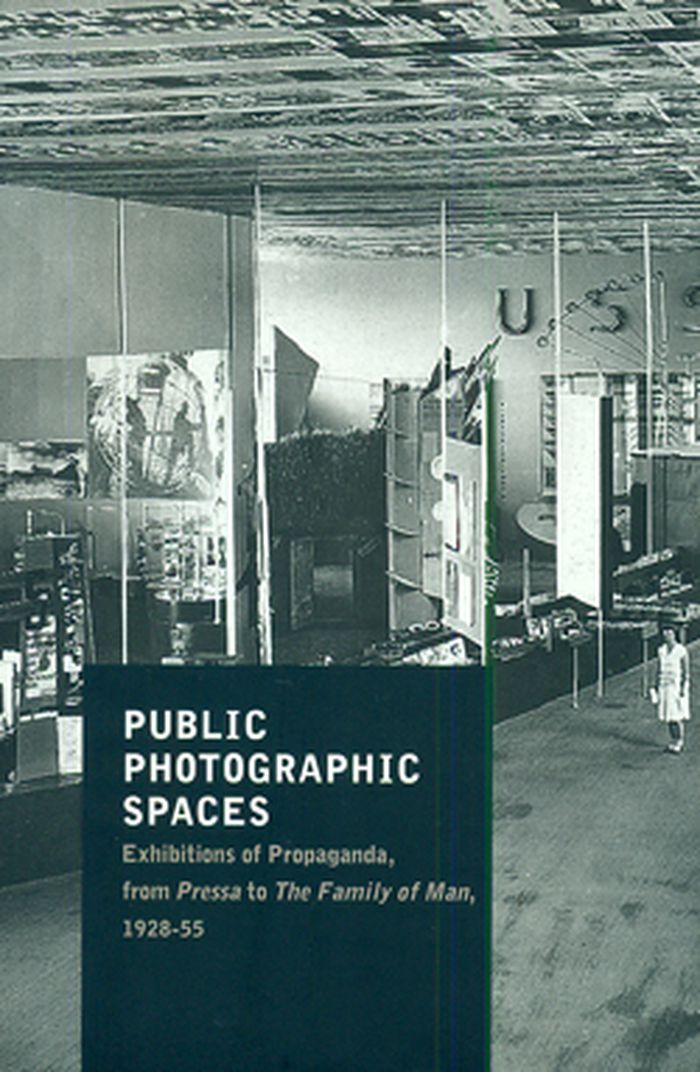
Titre:
Public photographic spaces, exhibitions of propaganda, from Pressa to the family of man, 1928-55
Public photographic spaces, exhibitions of propaganda, from Pressa to the family of man, 1928-55
Actions:
Prix:
$86.95
(disponible sur commande)
Résumé:
This book focuses from a chronological perspective on photography as a tool for a new visuality and the rupture of the role of the spectator: photographic exhibitions from 1928 to 1955, from the spaces designed by Lissitzky's to The Family of Man; the trajectory of utopian architectural-photographic space and from post-Revolutionary Russia to America during the Cold War.(...)
$86.95
(disponible sur commande)
Résumé:
This book focuses from a chronological perspective on photography as a tool for a new visuality and the rupture of the role of the spectator: photographic exhibitions from 1928 to 1955, from the spaces designed by Lissitzky's to The Family of Man; the trajectory of utopian architectural-photographic space and from post-Revolutionary Russia to America during the Cold War.(...)
Titre:
Public photographic spaces, exhibitions of propaganda, from Pressa to the family of man, 1928-55
Actions:
Prix:
$86.95
(disponible sur commande)
Résumé:
This book focuses from a chronological perspective on photography as a tool for a new visuality and the rupture of the role of the spectator: photographic exhibitions from 1928 to 1955, from the spaces designed by Lissitzky's to The Family of Man; the trajectory of utopian architectural-photographic space and from post-Revolutionary Russia to America during the Cold War. This space documents the exhibitions designed by Lissitzky (Pressa, Film und Foto, etc); German, Italian and Spanish exhibitions in the 1930s, and exhibitions in MOMA during the Second World War.
Public photographic spaces, exhibitions of propaganda, from Pressa to the family of man, 1928-55
Actions:
Prix:
$86.95
(disponible sur commande)
Résumé:
This book focuses from a chronological perspective on photography as a tool for a new visuality and the rupture of the role of the spectator: photographic exhibitions from 1928 to 1955, from the spaces designed by Lissitzky's to The Family of Man; the trajectory of utopian architectural-photographic space and from post-Revolutionary Russia to America during the Cold War. This space documents the exhibitions designed by Lissitzky (Pressa, Film und Foto, etc); German, Italian and Spanish exhibitions in the 1930s, and exhibitions in MOMA during the Second World War.
Classification:
livres
livres
Publication:
juin 2009
juin 2009
Classification:
livres
livres
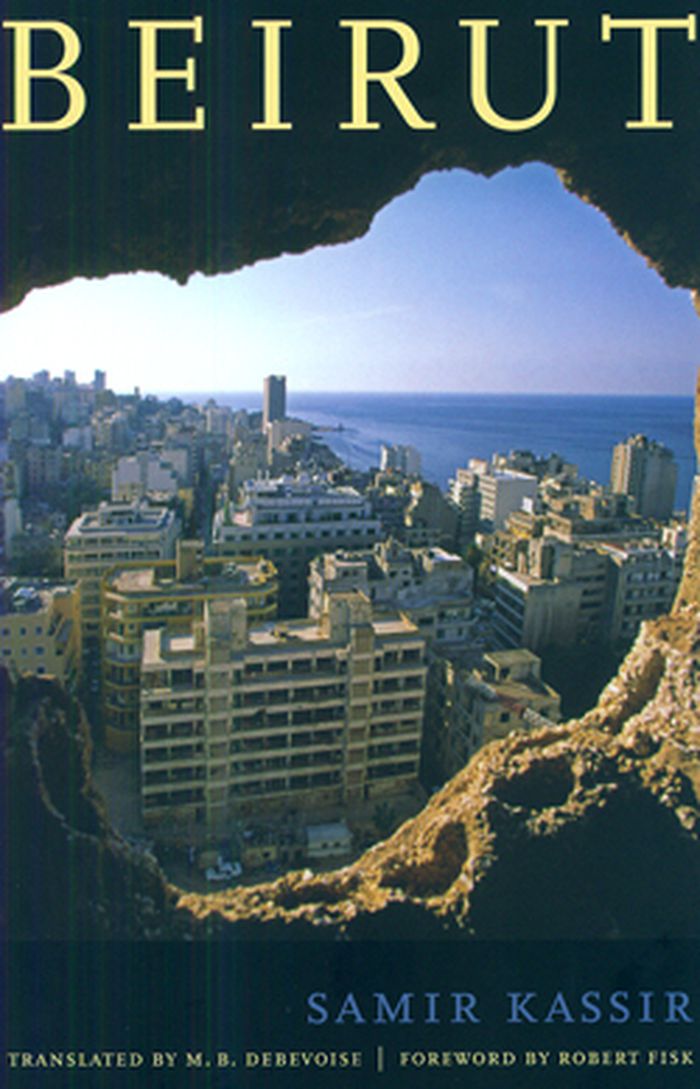
Titre:
Beirut
Beirut
Actions:
Prix:
$45.00
(disponible sur commande)
Résumé:
This publication is the story of a city that has stood at the crossroads of Mediterranean civilization for more than four thousand years. It takes the reader from the ancient to the modern world, offering a dazzling panorama of the city's Seleucid, Roman, Arab, Ottoman, and French incarnations. This book describes Beirut's growth in the nineteenth and twentieth centuries,(...)
$45.00
(disponible sur commande)
Résumé:
This publication is the story of a city that has stood at the crossroads of Mediterranean civilization for more than four thousand years. It takes the reader from the ancient to the modern world, offering a dazzling panorama of the city's Seleucid, Roman, Arab, Ottoman, and French incarnations. This book describes Beirut's growth in the nineteenth and twentieth centuries,(...)
Titre:
Beirut
Actions:
Prix:
$45.00
(disponible sur commande)
Résumé:
This publication is the story of a city that has stood at the crossroads of Mediterranean civilization for more than four thousand years. It takes the reader from the ancient to the modern world, offering a dazzling panorama of the city's Seleucid, Roman, Arab, Ottoman, and French incarnations. This book describes Beirut's growth in the nineteenth and twentieth centuries, concentrating on its emergence after the Second World War as a cosmopolitan capital until its near destruction during the devastating Lebanese civil war of 1975-1990. Generously illustrated, Beirut illuminates contemporary issues of modernity and democracy while at the same time memorably recreating the atmosphere of one of the world's most picturesque, dynamic, and resilient cities.
Beirut
Actions:
Prix:
$45.00
(disponible sur commande)
Résumé:
This publication is the story of a city that has stood at the crossroads of Mediterranean civilization for more than four thousand years. It takes the reader from the ancient to the modern world, offering a dazzling panorama of the city's Seleucid, Roman, Arab, Ottoman, and French incarnations. This book describes Beirut's growth in the nineteenth and twentieth centuries, concentrating on its emergence after the Second World War as a cosmopolitan capital until its near destruction during the devastating Lebanese civil war of 1975-1990. Generously illustrated, Beirut illuminates contemporary issues of modernity and democracy while at the same time memorably recreating the atmosphere of one of the world's most picturesque, dynamic, and resilient cities.
Classification:
livres
livres
Publication:
novembre 2010
novembre 2010
Sujet:
Arch Moyen-Orient
Arch Moyen-Orient
Classification:
livres
livres
Actions:
Prix:
$52.00
(disponible en magasin)
Résumé:
Rising from London’s Erith marshes in the 1960s, Thamesmead was London County Council’s bold attempt to build a new town to address the city’s housing shortage after the Second World War. Noted for its daring, experimental design – concrete modern terraces, blocks of flats and elevated walkways built around a system of lakes and canals – the town received attention from(...)
$52.00
(disponible en magasin)
Résumé:
Rising from London’s Erith marshes in the 1960s, Thamesmead was London County Council’s bold attempt to build a new town to address the city’s housing shortage after the Second World War. Noted for its daring, experimental design – concrete modern terraces, blocks of flats and elevated walkways built around a system of lakes and canals – the town received attention from(...)
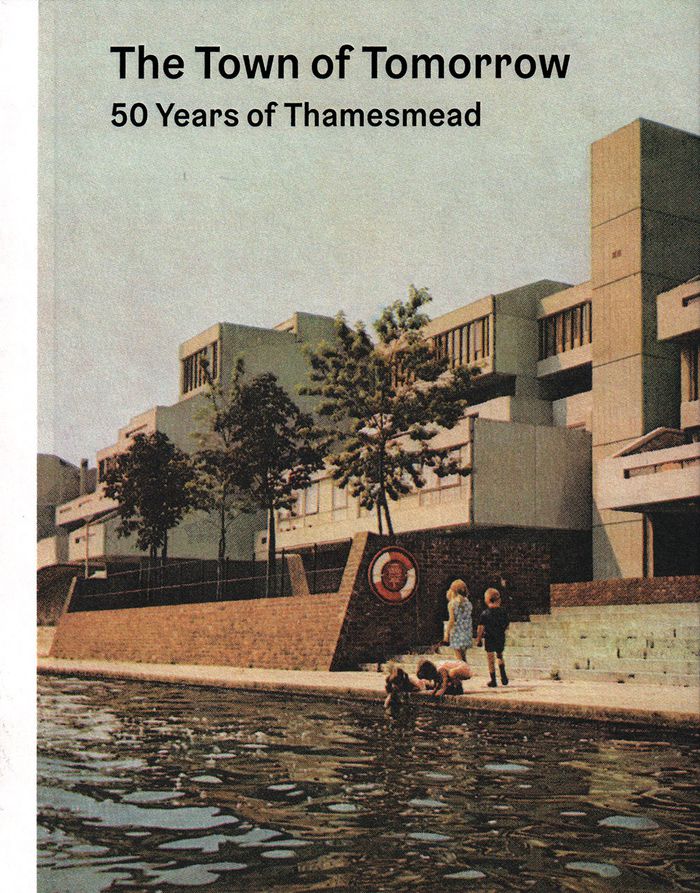
Titre:
The towns of tomorrow : 50 years of Thamesmead
Actions:
Prix:
$52.00
(disponible en magasin)
Résumé:
Rising from London’s Erith marshes in the 1960s, Thamesmead was London County Council’s bold attempt to build a new town to address the city’s housing shortage after the Second World War. Noted for its daring, experimental design – concrete modern terraces, blocks of flats and elevated walkways built around a system of lakes and canals – the town received attention from architects, sociologists and politicians throughout the world but also gained notoriety as the backdrop to Stanley Kubrick’s film, ‘A Clockwork Orange’.
The towns of tomorrow : 50 years of Thamesmead
Actions:
Prix:
$52.00
(disponible en magasin)
Résumé:
Rising from London’s Erith marshes in the 1960s, Thamesmead was London County Council’s bold attempt to build a new town to address the city’s housing shortage after the Second World War. Noted for its daring, experimental design – concrete modern terraces, blocks of flats and elevated walkways built around a system of lakes and canals – the town received attention from architects, sociologists and politicians throughout the world but also gained notoriety as the backdrop to Stanley Kubrick’s film, ‘A Clockwork Orange’.
Classification:
livres
livres
Publication:
juin 2019
juin 2019
Classification:
livres
livres
Actions:
Prix:
$95.00
(disponible sur commande)
Résumé:
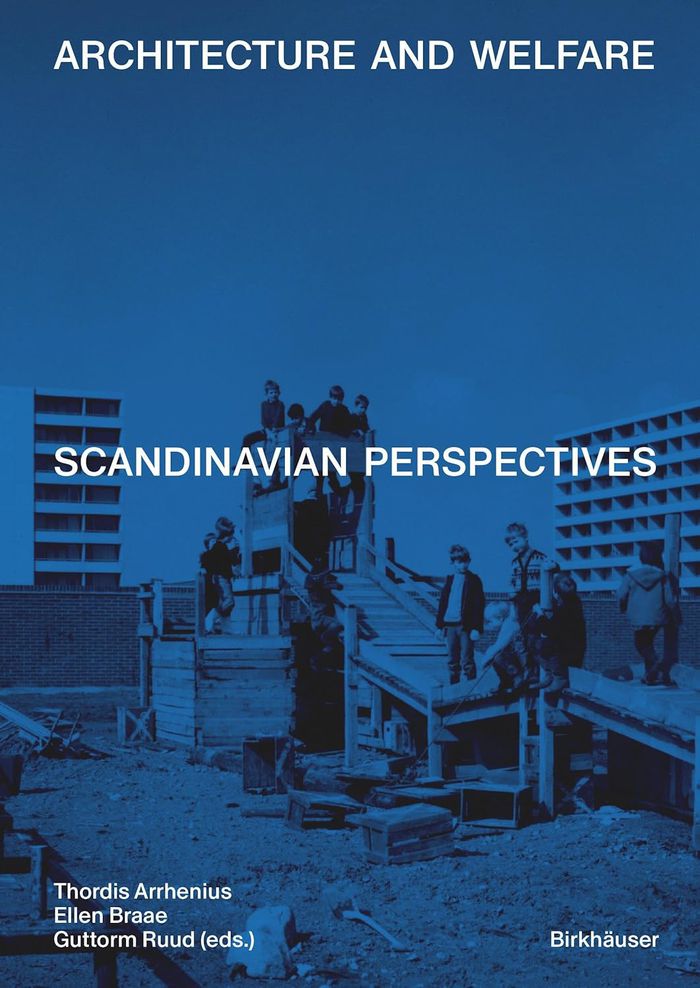
The decades after the Second World War saw ambitious building programs to ensure social welfare. The Scandinavian countries in particular underwent an intense modernisation phase with the aim to distribute welfare to all. Yet, the relationship between welfare values and design in Scandinavia is anything but stable. The spatial and political legacy of post-war construction(...)
$95.00
(disponible sur commande)
Résumé:
The decades after the Second World War saw ambitious building programs to ensure social welfare. The Scandinavian countries in particular underwent an intense modernisation phase with the aim to distribute welfare to all. Yet, the relationship between welfare values and design in Scandinavia is anything but stable. The spatial and political legacy of post-war construction(...)
Titre:
Architecture and welfare: Scandinavian perspectives
Actions:
Prix:
$95.00
(disponible sur commande)
Résumé:
The decades after the Second World War saw ambitious building programs to ensure social welfare. The Scandinavian countries in particular underwent an intense modernisation phase with the aim to distribute welfare to all. Yet, the relationship between welfare values and design in Scandinavia is anything but stable. The spatial and political legacy of post-war construction varies amongst Denmark, Sweden, and Norway and their welfare models have been changed, contested, and copied over time. This book explores how architecture, once seen as a medium for universal welfare, inclusion, and political participation, is now often associated with the opposite, such as alienation, exclusion, and segregation. The volume offers new perspectives on the history and redesign of post-war architecture and urbanity.
Architecture and welfare: Scandinavian perspectives
Actions:
Prix:
$95.00
(disponible sur commande)
Résumé:
The decades after the Second World War saw ambitious building programs to ensure social welfare. The Scandinavian countries in particular underwent an intense modernisation phase with the aim to distribute welfare to all. Yet, the relationship between welfare values and design in Scandinavia is anything but stable. The spatial and political legacy of post-war construction varies amongst Denmark, Sweden, and Norway and their welfare models have been changed, contested, and copied over time. This book explores how architecture, once seen as a medium for universal welfare, inclusion, and political participation, is now often associated with the opposite, such as alienation, exclusion, and segregation. The volume offers new perspectives on the history and redesign of post-war architecture and urbanity.
Classification:
livres
livres
Publication:
mars 2025
mars 2025
Sujet:
Architecture contemporaine
Architecture contemporaine
Classification:
livres
livres
Actions:
Prix:
$140.00
(disponible sur commande)
Résumé:
This is a new reprint of the combined three volumes that McKay published between 1938 and 1944. It primarily describes the craft of building as practised before the second world war, prior to the introduction of modern materials and building techniques. McKay offers conservation practitioners an essential understanding of the traditional forms of construction, covering(...)
$140.00
(disponible sur commande)
Résumé:
This is a new reprint of the combined three volumes that McKay published between 1938 and 1944. It primarily describes the craft of building as practised before the second world war, prior to the introduction of modern materials and building techniques. McKay offers conservation practitioners an essential understanding of the traditional forms of construction, covering(...)
Publication:
octobre 2005, Shaftesbury
octobre 2005, Shaftesbury
Titre:
McKay's building construction
Actions:
Prix:
$140.00
(disponible sur commande)
Résumé:
This is a new reprint of the combined three volumes that McKay published between 1938 and 1944. It primarily describes the craft of building as practised before the second world war, prior to the introduction of modern materials and building techniques. McKay offers conservation practitioners an essential understanding of the traditional forms of construction, covering the use of masonry and brickwork, carpentry and joinery, slating, plumbing and drainage.
McKay's building construction
Actions:
Prix:
$140.00
(disponible sur commande)
Résumé:
This is a new reprint of the combined three volumes that McKay published between 1938 and 1944. It primarily describes the craft of building as practised before the second world war, prior to the introduction of modern materials and building techniques. McKay offers conservation practitioners an essential understanding of the traditional forms of construction, covering the use of masonry and brickwork, carpentry and joinery, slating, plumbing and drainage.
Classification:
livres
livres
Publication:
octobre 2005, Shaftesbury
octobre 2005, Shaftesbury


