


6245 Résultats
Niveau de description archivistique:
Projet
Projet
Numéro de référence:
AP027.S1.D14
Description:
This project series documents a master plan for the proposed development of 6000 acres of land in the northern half of Mississauga a suburb of Toronto, Ontario. The aim was for the new development was to absorb some of the population from the metropolitan area and form part of an urban belt extending from Oshawa to Stoney Creek. The design integrates residential, commercial, and industrial zones for a population of more than 100,000 people. The project series includes background studies and designs for housing units, shopping centre, research centre, and the industrial area.
AP027.S1.D14
Description:
This project series documents a master plan for the proposed development of 6000 acres of land in the northern half of Mississauga a suburb of Toronto, Ontario. The aim was for the new development was to absorb some of the population from the metropolitan area and form part of an urban belt extending from Oshawa to Stoney Creek. The design integrates residential, commercial, and industrial zones for a population of more than 100,000 people. The project series includes background studies and designs for housing units, shopping centre, research centre, and the industrial area.
Personnes et institutions:
Date:
1960-1962
1960-1962
Titre:
Meadowvale, Mississauga, Ontario, Canada (1960-1962)
Actions:
AP027.S1.D14
Description:
This project series documents a master plan for the proposed development of 6000 acres of land in the northern half of Mississauga a suburb of Toronto, Ontario. The aim was for the new development was to absorb some of the population from the metropolitan area and form part of an urban belt extending from Oshawa to Stoney Creek. The design integrates residential, commercial, and industrial zones for a population of more than 100,000 people. The project series includes background studies and designs for housing units, shopping centre, research centre, and the industrial area.
Meadowvale, Mississauga, Ontario, Canada (1960-1962)
Actions:
AP027.S1.D14
Description:
This project series documents a master plan for the proposed development of 6000 acres of land in the northern half of Mississauga a suburb of Toronto, Ontario. The aim was for the new development was to absorb some of the population from the metropolitan area and form part of an urban belt extending from Oshawa to Stoney Creek. The design integrates residential, commercial, and industrial zones for a population of more than 100,000 people. The project series includes background studies and designs for housing units, shopping centre, research centre, and the industrial area.
Niveau de description archivistique:
File 14
File 14
Date:
1960-1962
1960-1962
Personnes et institutions:
Niveau de description archivistique:
Projet
Projet
Titre:
Snake
Snake
Numéro de référence:
AP144.S2.D129
Description:
Project series documents a project for a gigantic movable outdoor museum in the middle of a long-steppe landscape at the foot of a huge mountain ridge in Australia. The museum was designed specifically to display an enormous 120-piece painting by Sydney Nolan entitled Snake. This file includes some preliminary drawings exploring the introduction of Snake into the urban setting of the Pertpavs project (project series AP144.S2.D124 in this fonds), and possibly also the mingling of elements of both projects. Material in this file was produced in 1984. File contains conceptual drawings, design development drawings, and textual records.
AP144.S2.D129
Description:
Project series documents a project for a gigantic movable outdoor museum in the middle of a long-steppe landscape at the foot of a huge mountain ridge in Australia. The museum was designed specifically to display an enormous 120-piece painting by Sydney Nolan entitled Snake. This file includes some preliminary drawings exploring the introduction of Snake into the urban setting of the Pertpavs project (project series AP144.S2.D124 in this fonds), and possibly also the mingling of elements of both projects. Material in this file was produced in 1984. File contains conceptual drawings, design development drawings, and textual records.
Personnes et institutions:
Date:
1984
1984
Titre:
Snake
Actions:
AP144.S2.D129
Description:
Project series documents a project for a gigantic movable outdoor museum in the middle of a long-steppe landscape at the foot of a huge mountain ridge in Australia. The museum was designed specifically to display an enormous 120-piece painting by Sydney Nolan entitled Snake. This file includes some preliminary drawings exploring the introduction of Snake into the urban setting of the Pertpavs project (project series AP144.S2.D124 in this fonds), and possibly also the mingling of elements of both projects. Material in this file was produced in 1984. File contains conceptual drawings, design development drawings, and textual records.
Snake
Actions:
AP144.S2.D129
Description:
Project series documents a project for a gigantic movable outdoor museum in the middle of a long-steppe landscape at the foot of a huge mountain ridge in Australia. The museum was designed specifically to display an enormous 120-piece painting by Sydney Nolan entitled Snake. This file includes some preliminary drawings exploring the introduction of Snake into the urban setting of the Pertpavs project (project series AP144.S2.D124 in this fonds), and possibly also the mingling of elements of both projects. Material in this file was produced in 1984. File contains conceptual drawings, design development drawings, and textual records.
Niveau de description archivistique:
File 129
File 129
Date:
1984
1984
Personnes et institutions:
Niveau de description archivistique:
Projet
Projet
Numéro de référence:
AP164.S1.2002.D5
Description:
The project series documents the competition entry for an architectural and landscape intervention at the eco park, located near the Rioja recycling plant for urban waste in Logroño, La Rioja, Spain. The firm identified this project as number 149. Abalos & Herreros won the competition and began the project with their masterplan. However, the construction was completed by Abalos+Sentkiewicz Arquitectos after the dissolution of Abalos & Herreros in 2008. Documenting the project are conceptual, design development and working drawings, project descriptions, budgets, notes, specifications and cartographic materials.
AP164.S1.2002.D5
Description:
The project series documents the competition entry for an architectural and landscape intervention at the eco park, located near the Rioja recycling plant for urban waste in Logroño, La Rioja, Spain. The firm identified this project as number 149. Abalos & Herreros won the competition and began the project with their masterplan. However, the construction was completed by Abalos+Sentkiewicz Arquitectos after the dissolution of Abalos & Herreros in 2008. Documenting the project are conceptual, design development and working drawings, project descriptions, budgets, notes, specifications and cartographic materials.
Personnes et institutions:
Date:
2000-2002
2000-2002
Titre:
Centro de reciclaje y revaloración, Logroño, Spain (2002)
Actions:
AP164.S1.2002.D5
Description:
The project series documents the competition entry for an architectural and landscape intervention at the eco park, located near the Rioja recycling plant for urban waste in Logroño, La Rioja, Spain. The firm identified this project as number 149. Abalos & Herreros won the competition and began the project with their masterplan. However, the construction was completed by Abalos+Sentkiewicz Arquitectos after the dissolution of Abalos & Herreros in 2008. Documenting the project are conceptual, design development and working drawings, project descriptions, budgets, notes, specifications and cartographic materials.
Centro de reciclaje y revaloración, Logroño, Spain (2002)
Actions:
AP164.S1.2002.D5
Description:
The project series documents the competition entry for an architectural and landscape intervention at the eco park, located near the Rioja recycling plant for urban waste in Logroño, La Rioja, Spain. The firm identified this project as number 149. Abalos & Herreros won the competition and began the project with their masterplan. However, the construction was completed by Abalos+Sentkiewicz Arquitectos after the dissolution of Abalos & Herreros in 2008. Documenting the project are conceptual, design development and working drawings, project descriptions, budgets, notes, specifications and cartographic materials.
Niveau de description archivistique:
Project
Project
Date:
2000-2002
2000-2002
Personnes et institutions:
Classification:
documents textuels
documents textuels
Numéro de référence:
ARCH260021
Description:
Erickson / Massey project proposals labelled 'Permanent Files': British Columbia centennial Urban design project (1958), Simon Fraser Architecture Competition and development plan, Smith House 2, Expo 67 Man in the Community, Calgary Civic Centre, Block 61, Downtown Plan, Federal Office Building, BCRC offices and lab building, Cité des Terrasses, MacMillan Building, Fort Camp UBC traffic study, University of Lethbridge preliminary plan, Capilano College
ARCH260021
Description:
Erickson / Massey project proposals labelled 'Permanent Files': British Columbia centennial Urban design project (1958), Simon Fraser Architecture Competition and development plan, Smith House 2, Expo 67 Man in the Community, Calgary Civic Centre, Block 61, Downtown Plan, Federal Office Building, BCRC offices and lab building, Cité des Terrasses, MacMillan Building, Fort Camp UBC traffic study, University of Lethbridge preliminary plan, Capilano College
Personnes et institutions:
Date:
1963-1969
1963-1969
Titre:
Permanent files for various projects
Actions:
ARCH260021
Description:
Erickson / Massey project proposals labelled 'Permanent Files': British Columbia centennial Urban design project (1958), Simon Fraser Architecture Competition and development plan, Smith House 2, Expo 67 Man in the Community, Calgary Civic Centre, Block 61, Downtown Plan, Federal Office Building, BCRC offices and lab building, Cité des Terrasses, MacMillan Building, Fort Camp UBC traffic study, University of Lethbridge preliminary plan, Capilano College
Permanent files for various projects
Actions:
ARCH260021
Description:
Erickson / Massey project proposals labelled 'Permanent Files': British Columbia centennial Urban design project (1958), Simon Fraser Architecture Competition and development plan, Smith House 2, Expo 67 Man in the Community, Calgary Civic Centre, Block 61, Downtown Plan, Federal Office Building, BCRC offices and lab building, Cité des Terrasses, MacMillan Building, Fort Camp UBC traffic study, University of Lethbridge preliminary plan, Capilano College
Classification:
documents textuels
documents textuels
Date:
1963-1969
1963-1969
Personnes et institutions:
Classification:
documents textuels
documents textuels
Numéro de référence:
AP206.S2.007
Description:
File was originally housed in a binder along with content arranged in AP206.S2.006, AP206.S2.008 and AP206.S2.009. This file contains the following papers: "Technology and Architecture" "A new concept of Bylaws or Control of Physical Pattern of a City" "Your Environment," speech "Urban planning" "Form and Design," 1967 "7th annual function address," at Chandigarh College of Architecture, 1968 "Architecture and Society" "Campus planning," 1971
AP206.S2.007
Description:
File was originally housed in a binder along with content arranged in AP206.S2.006, AP206.S2.008 and AP206.S2.009. This file contains the following papers: "Technology and Architecture" "A new concept of Bylaws or Control of Physical Pattern of a City" "Your Environment," speech "Urban planning" "Form and Design," 1967 "7th annual function address," at Chandigarh College of Architecture, 1968 "Architecture and Society" "Campus planning," 1971
Personnes et institutions:
Date:
1959-1972
1959-1972
Titre:
Published and unpublished papers (folder 2 of 4)
Actions:
AP206.S2.007
Description:
File was originally housed in a binder along with content arranged in AP206.S2.006, AP206.S2.008 and AP206.S2.009. This file contains the following papers: "Technology and Architecture" "A new concept of Bylaws or Control of Physical Pattern of a City" "Your Environment," speech "Urban planning" "Form and Design," 1967 "7th annual function address," at Chandigarh College of Architecture, 1968 "Architecture and Society" "Campus planning," 1971
Published and unpublished papers (folder 2 of 4)
Actions:
AP206.S2.007
Description:
File was originally housed in a binder along with content arranged in AP206.S2.006, AP206.S2.008 and AP206.S2.009. This file contains the following papers: "Technology and Architecture" "A new concept of Bylaws or Control of Physical Pattern of a City" "Your Environment," speech "Urban planning" "Form and Design," 1967 "7th annual function address," at Chandigarh College of Architecture, 1968 "Architecture and Society" "Campus planning," 1971
Classification:
documents textuels
documents textuels
Date:
1959-1972
1959-1972
Personnes et institutions:
Niveau de description archivistique:
Projet
Projet
Numéro de référence:
AP142.S1.D132
Description:
File documents an unexecuted (?) project for the urban planning and revalorization of the railway system in Trieste, Italy. Aldo Rossi acted as a consultant architect for this "Programma di valorizzazione degli immobili e di riqualificazione delle principali stazioni della rete". Material in this file was produced between 1987 and 1989. File contains reference drawings, design development drawings and presentation drawings. File also contains textual records, including correspondence, administrative records, financial records, reports, a building programme, a bid, specifications, notes, clippings and drawings.
AP142.S1.D132
Description:
File documents an unexecuted (?) project for the urban planning and revalorization of the railway system in Trieste, Italy. Aldo Rossi acted as a consultant architect for this "Programma di valorizzazione degli immobili e di riqualificazione delle principali stazioni della rete". Material in this file was produced between 1987 and 1989. File contains reference drawings, design development drawings and presentation drawings. File also contains textual records, including correspondence, administrative records, financial records, reports, a building programme, a bid, specifications, notes, clippings and drawings.
Personnes et institutions:
Date:
1987-1989
1987-1989
Titre:
Valorizzazione e riqualificazione degli impianti ferroviari di Trieste
Actions:
AP142.S1.D132
Description:
File documents an unexecuted (?) project for the urban planning and revalorization of the railway system in Trieste, Italy. Aldo Rossi acted as a consultant architect for this "Programma di valorizzazione degli immobili e di riqualificazione delle principali stazioni della rete". Material in this file was produced between 1987 and 1989. File contains reference drawings, design development drawings and presentation drawings. File also contains textual records, including correspondence, administrative records, financial records, reports, a building programme, a bid, specifications, notes, clippings and drawings.
Valorizzazione e riqualificazione degli impianti ferroviari di Trieste
Actions:
AP142.S1.D132
Description:
File documents an unexecuted (?) project for the urban planning and revalorization of the railway system in Trieste, Italy. Aldo Rossi acted as a consultant architect for this "Programma di valorizzazione degli immobili e di riqualificazione delle principali stazioni della rete". Material in this file was produced between 1987 and 1989. File contains reference drawings, design development drawings and presentation drawings. File also contains textual records, including correspondence, administrative records, financial records, reports, a building programme, a bid, specifications, notes, clippings and drawings.
Niveau de description archivistique:
File 132
File 132
Date:
1987-1989
1987-1989
Personnes et institutions:
Classification:
événements
événements
Titre:
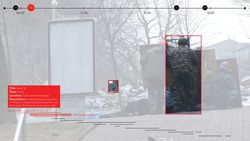
Le rôle élargi: SITU
Le rôle élargi: SITU
Actions:
Description:
Bradley Samuels présente le travail récent de SITU Research et le rôle joué par la recherche au sein de la pratique de SITU dans son ensemble. Une série d’études de cas sera présentée, explorant le rôle élargi de la pratique architecturale et spatiale à travers un éventail de domaines, des droits humains à la politique publique, de la science de la terre au design(...)
Bradley Samuels présente le travail récent de SITU Research et le rôle joué par la recherche au sein de la pratique de SITU dans son ensemble. Une série d’études de cas sera présentée, explorant le rôle élargi de la pratique architecturale et spatiale à travers un éventail de domaines, des droits humains à la politique publique, de la science de la terre au design(...)
Localisation:
Théâtre Paul-Desmarais
Théâtre Paul-Desmarais
Date:
14 janvier 2016
14 janvier 2016
Titre:
Le rôle élargi: SITU
Actions:
Description:
Bradley Samuels présente le travail récent de SITU Research et le rôle joué par la recherche au sein de la pratique de SITU dans son ensemble. Une série d’études de cas sera présentée, explorant le rôle élargi de la pratique architecturale et spatiale à travers un éventail de domaines, des droits humains à la politique publique, de la science de la terre au design(...)
Le rôle élargi: SITU
Actions:
Description:
Bradley Samuels présente le travail récent de SITU Research et le rôle joué par la recherche au sein de la pratique de SITU dans son ensemble. Une série d’études de cas sera présentée, explorant le rôle élargi de la pratique architecturale et spatiale à travers un éventail de domaines, des droits humains à la politique publique, de la science de la terre au design(...)
Classification:
événements
événements
Date:
14 janvier 2016
14 janvier 2016
Localisation:
Théâtre Paul-Desmarais
Théâtre Paul-Desmarais
Niveau de description archivistique:
Série(s)
Série(s)
Numéro de référence:
AP058.S2
Description:
This series documents Blanche Lemco van Ginkel’s involvement, attendance, and participation in various conferences, lectures, and jury functions. The series is subdivided in three subseries illustrating conferences and lectures, and the various jury panels she was invited in. An additional subseries was created for the International Urban Design Conference considering the relatively important amount of material found in this series. The series contains correspondence, clippings, programmes and scheduled activities, information packages, papers, publications, notes, minutes, agendas, reports, and a press kit, dating from 1977 to 1990.
AP058.S2
Description:
This series documents Blanche Lemco van Ginkel’s involvement, attendance, and participation in various conferences, lectures, and jury functions. The series is subdivided in three subseries illustrating conferences and lectures, and the various jury panels she was invited in. An additional subseries was created for the International Urban Design Conference considering the relatively important amount of material found in this series. The series contains correspondence, clippings, programmes and scheduled activities, information packages, papers, publications, notes, minutes, agendas, reports, and a press kit, dating from 1977 to 1990.
Personnes et institutions:
Date:
1977-1990
1977-1990
Titre:
Conferences, lectures, and juries
Actions:
AP058.S2
Description:
This series documents Blanche Lemco van Ginkel’s involvement, attendance, and participation in various conferences, lectures, and jury functions. The series is subdivided in three subseries illustrating conferences and lectures, and the various jury panels she was invited in. An additional subseries was created for the International Urban Design Conference considering the relatively important amount of material found in this series. The series contains correspondence, clippings, programmes and scheduled activities, information packages, papers, publications, notes, minutes, agendas, reports, and a press kit, dating from 1977 to 1990.
Conferences, lectures, and juries
Actions:
AP058.S2
Description:
This series documents Blanche Lemco van Ginkel’s involvement, attendance, and participation in various conferences, lectures, and jury functions. The series is subdivided in three subseries illustrating conferences and lectures, and the various jury panels she was invited in. An additional subseries was created for the International Urban Design Conference considering the relatively important amount of material found in this series. The series contains correspondence, clippings, programmes and scheduled activities, information packages, papers, publications, notes, minutes, agendas, reports, and a press kit, dating from 1977 to 1990.
Niveau de description archivistique:
Series
Series
Date:
1977-1990
1977-1990
Personnes et institutions:
Niveau de description archivistique:
Projet
Projet
Titre:
IBA
IBA
Numéro de référence:
AP143.S4.D32
Description:
File documents the partially executed project for the Restricted International Competition "South Friedrichstadt as a Place to Live and Work," West Berlin (now Berlin), West Germany (now in Germany). Material in this file was produced between 1980 and 1988. File documents the design for one of four urban blocks in the area of the Kochstrasse and Friedrichstrasse, Berlin. The competition required the preservation of three existing structures and the construction of mixed-used buildings on vacant lots. The architect develops an overall strategy to occupy the urban block by extending the geometry of the three existing buildings onto the site (DR1991:0018:002; DR1991:0018:004-006), on which he overlays what he calls the "Mercator grid", an orthogonal grid oriented according to the compass (DR1991:0018:016). The "el structures" used by Eisenman in House X, House 11a, and the Cannaregio project reappear in plan, and later as forms emerging from the square compartments delimited by the "Mercator grid", this time developed three-dimensionally (House X, 1975-1977, DR1994:0138:001-1546; House 11a, 1978, DR1994:0139:001-303; Cannaregio project, 1978, DR1991:0017:001-094). After finalizing the urban concept, Eisenman concentrates his efforts on the planning of individual buildings, developing the massing of the building facing Kochstrasse in a series of axonometrics (DR1991:0018:088-092), sections (DR1991:0018:088) and facade studies (DR1991:0018:204-210). A series of scrolled drawings study the L-shaped elements and thin slabs with characteristically gridded surfaces found in House X (DR1991:0018:204 and DR1991:0018:209-210). File contains record drawings, conceptual drawings, design development drawings, schematic drawings, competition drawings, presentation drawings, photographic material, and textual records.
AP143.S4.D32
Description:
File documents the partially executed project for the Restricted International Competition "South Friedrichstadt as a Place to Live and Work," West Berlin (now Berlin), West Germany (now in Germany). Material in this file was produced between 1980 and 1988. File documents the design for one of four urban blocks in the area of the Kochstrasse and Friedrichstrasse, Berlin. The competition required the preservation of three existing structures and the construction of mixed-used buildings on vacant lots. The architect develops an overall strategy to occupy the urban block by extending the geometry of the three existing buildings onto the site (DR1991:0018:002; DR1991:0018:004-006), on which he overlays what he calls the "Mercator grid", an orthogonal grid oriented according to the compass (DR1991:0018:016). The "el structures" used by Eisenman in House X, House 11a, and the Cannaregio project reappear in plan, and later as forms emerging from the square compartments delimited by the "Mercator grid", this time developed three-dimensionally (House X, 1975-1977, DR1994:0138:001-1546; House 11a, 1978, DR1994:0139:001-303; Cannaregio project, 1978, DR1991:0017:001-094). After finalizing the urban concept, Eisenman concentrates his efforts on the planning of individual buildings, developing the massing of the building facing Kochstrasse in a series of axonometrics (DR1991:0018:088-092), sections (DR1991:0018:088) and facade studies (DR1991:0018:204-210). A series of scrolled drawings study the L-shaped elements and thin slabs with characteristically gridded surfaces found in House X (DR1991:0018:204 and DR1991:0018:209-210). File contains record drawings, conceptual drawings, design development drawings, schematic drawings, competition drawings, presentation drawings, photographic material, and textual records.
Personnes et institutions:
Date:
1980-1988
1980-1988
Titre:
IBA
Actions:
AP143.S4.D32
Description:
File documents the partially executed project for the Restricted International Competition "South Friedrichstadt as a Place to Live and Work," West Berlin (now Berlin), West Germany (now in Germany). Material in this file was produced between 1980 and 1988. File documents the design for one of four urban blocks in the area of the Kochstrasse and Friedrichstrasse, Berlin. The competition required the preservation of three existing structures and the construction of mixed-used buildings on vacant lots. The architect develops an overall strategy to occupy the urban block by extending the geometry of the three existing buildings onto the site (DR1991:0018:002; DR1991:0018:004-006), on which he overlays what he calls the "Mercator grid", an orthogonal grid oriented according to the compass (DR1991:0018:016). The "el structures" used by Eisenman in House X, House 11a, and the Cannaregio project reappear in plan, and later as forms emerging from the square compartments delimited by the "Mercator grid", this time developed three-dimensionally (House X, 1975-1977, DR1994:0138:001-1546; House 11a, 1978, DR1994:0139:001-303; Cannaregio project, 1978, DR1991:0017:001-094). After finalizing the urban concept, Eisenman concentrates his efforts on the planning of individual buildings, developing the massing of the building facing Kochstrasse in a series of axonometrics (DR1991:0018:088-092), sections (DR1991:0018:088) and facade studies (DR1991:0018:204-210). A series of scrolled drawings study the L-shaped elements and thin slabs with characteristically gridded surfaces found in House X (DR1991:0018:204 and DR1991:0018:209-210). File contains record drawings, conceptual drawings, design development drawings, schematic drawings, competition drawings, presentation drawings, photographic material, and textual records.
IBA
Actions:
AP143.S4.D32
Description:
File documents the partially executed project for the Restricted International Competition "South Friedrichstadt as a Place to Live and Work," West Berlin (now Berlin), West Germany (now in Germany). Material in this file was produced between 1980 and 1988. File documents the design for one of four urban blocks in the area of the Kochstrasse and Friedrichstrasse, Berlin. The competition required the preservation of three existing structures and the construction of mixed-used buildings on vacant lots. The architect develops an overall strategy to occupy the urban block by extending the geometry of the three existing buildings onto the site (DR1991:0018:002; DR1991:0018:004-006), on which he overlays what he calls the "Mercator grid", an orthogonal grid oriented according to the compass (DR1991:0018:016). The "el structures" used by Eisenman in House X, House 11a, and the Cannaregio project reappear in plan, and later as forms emerging from the square compartments delimited by the "Mercator grid", this time developed three-dimensionally (House X, 1975-1977, DR1994:0138:001-1546; House 11a, 1978, DR1994:0139:001-303; Cannaregio project, 1978, DR1991:0017:001-094). After finalizing the urban concept, Eisenman concentrates his efforts on the planning of individual buildings, developing the massing of the building facing Kochstrasse in a series of axonometrics (DR1991:0018:088-092), sections (DR1991:0018:088) and facade studies (DR1991:0018:204-210). A series of scrolled drawings study the L-shaped elements and thin slabs with characteristically gridded surfaces found in House X (DR1991:0018:204 and DR1991:0018:209-210). File contains record drawings, conceptual drawings, design development drawings, schematic drawings, competition drawings, presentation drawings, photographic material, and textual records.
Niveau de description archivistique:
File 32
File 32
Date:
1980-1988
1980-1988
Personnes et institutions:
Niveau de description archivistique:
Projet
Projet
Titre:
Antas, Porto
Antas, Porto
Numéro de référence:
CD034.S1.1974.PR03
Description:
This project series contains reproductions of drawings and photographs displayed in the exhibit to document the Antas neighbourhood, in Porto, Portugal. The exhibit text explained that: ... the SAAL Brigade intervened at the heart of an urban area which then became subject to redevelopments after the construction of the first units. The original proposal and the completed phases contrast the scale of later operations and change the perception of the original project. Nonetheless, the architectural design addressed a difficult terrain, and maintained the specificities of the urban 'ilhas' (islands) by incorporating a vernacular character, which the residents appropriated and transformed even further overtime. (The SAAL Process, Housing in Portugal 1974–76) The project architect Pedro Ramalho worked for SAAL/North with Aires Pereira, Augusto Costa, Francisco M. Lima, José Lencastre, Lídia Costa, Pedro B. Araújo, Teresa Fonseca, Vítor Bastos and the residents' association Antas, that was founded on Septermber 1st, 1975. The first phase of the project included 32 dwellings and the second, 50 dwellings. The operation began in October 1974, with a construction date in October 1975. This project series contains reproductions of design development drawings, implementation plans, axonometric views and photographic material. The original drawings and photographs were produced in 1975 and 1976 and were reproduced in 2015 for the exhibit.
CD034.S1.1974.PR03
Description:
This project series contains reproductions of drawings and photographs displayed in the exhibit to document the Antas neighbourhood, in Porto, Portugal. The exhibit text explained that: ... the SAAL Brigade intervened at the heart of an urban area which then became subject to redevelopments after the construction of the first units. The original proposal and the completed phases contrast the scale of later operations and change the perception of the original project. Nonetheless, the architectural design addressed a difficult terrain, and maintained the specificities of the urban 'ilhas' (islands) by incorporating a vernacular character, which the residents appropriated and transformed even further overtime. (The SAAL Process, Housing in Portugal 1974–76) The project architect Pedro Ramalho worked for SAAL/North with Aires Pereira, Augusto Costa, Francisco M. Lima, José Lencastre, Lídia Costa, Pedro B. Araújo, Teresa Fonseca, Vítor Bastos and the residents' association Antas, that was founded on Septermber 1st, 1975. The first phase of the project included 32 dwellings and the second, 50 dwellings. The operation began in October 1974, with a construction date in October 1975. This project series contains reproductions of design development drawings, implementation plans, axonometric views and photographic material. The original drawings and photographs were produced in 1975 and 1976 and were reproduced in 2015 for the exhibit.
Personnes et institutions:
Date:
1975-1976
1975-1976
Titre:
Antas, Porto
Actions:
CD034.S1.1974.PR03
Description:
This project series contains reproductions of drawings and photographs displayed in the exhibit to document the Antas neighbourhood, in Porto, Portugal. The exhibit text explained that: ... the SAAL Brigade intervened at the heart of an urban area which then became subject to redevelopments after the construction of the first units. The original proposal and the completed phases contrast the scale of later operations and change the perception of the original project. Nonetheless, the architectural design addressed a difficult terrain, and maintained the specificities of the urban 'ilhas' (islands) by incorporating a vernacular character, which the residents appropriated and transformed even further overtime. (The SAAL Process, Housing in Portugal 1974–76) The project architect Pedro Ramalho worked for SAAL/North with Aires Pereira, Augusto Costa, Francisco M. Lima, José Lencastre, Lídia Costa, Pedro B. Araújo, Teresa Fonseca, Vítor Bastos and the residents' association Antas, that was founded on Septermber 1st, 1975. The first phase of the project included 32 dwellings and the second, 50 dwellings. The operation began in October 1974, with a construction date in October 1975. This project series contains reproductions of design development drawings, implementation plans, axonometric views and photographic material. The original drawings and photographs were produced in 1975 and 1976 and were reproduced in 2015 for the exhibit.
Antas, Porto
Actions:
CD034.S1.1974.PR03
Description:
This project series contains reproductions of drawings and photographs displayed in the exhibit to document the Antas neighbourhood, in Porto, Portugal. The exhibit text explained that: ... the SAAL Brigade intervened at the heart of an urban area which then became subject to redevelopments after the construction of the first units. The original proposal and the completed phases contrast the scale of later operations and change the perception of the original project. Nonetheless, the architectural design addressed a difficult terrain, and maintained the specificities of the urban 'ilhas' (islands) by incorporating a vernacular character, which the residents appropriated and transformed even further overtime. (The SAAL Process, Housing in Portugal 1974–76) The project architect Pedro Ramalho worked for SAAL/North with Aires Pereira, Augusto Costa, Francisco M. Lima, José Lencastre, Lídia Costa, Pedro B. Araújo, Teresa Fonseca, Vítor Bastos and the residents' association Antas, that was founded on Septermber 1st, 1975. The first phase of the project included 32 dwellings and the second, 50 dwellings. The operation began in October 1974, with a construction date in October 1975. This project series contains reproductions of design development drawings, implementation plans, axonometric views and photographic material. The original drawings and photographs were produced in 1975 and 1976 and were reproduced in 2015 for the exhibit.
Niveau de description archivistique:
Project
Project
Date:
1975-1976
1975-1976
Personnes et institutions:


