


3676 Résultats
Classification:
livres
livres
Actions:
Prix:
$46.99
(disponible sur commande)
Résumé:
"Biennials: The exhibitions we love to hate" examines one of the most significant recent transitions in the contemporary art world: the proliferation of large-scale international recurrent survey shows of contemporary art, commonly referred to as contemporary biennials. Since the mid-1980s biennials have been instrumental in shaping curating as an autonomous practice.(...)
$46.99
(disponible sur commande)
Résumé:
"Biennials: The exhibitions we love to hate" examines one of the most significant recent transitions in the contemporary art world: the proliferation of large-scale international recurrent survey shows of contemporary art, commonly referred to as contemporary biennials. Since the mid-1980s biennials have been instrumental in shaping curating as an autonomous practice.(...)
Titre:
Biennials: The exhibitions we love to hate
Actions:
Prix:
$46.99
(disponible sur commande)
Résumé:
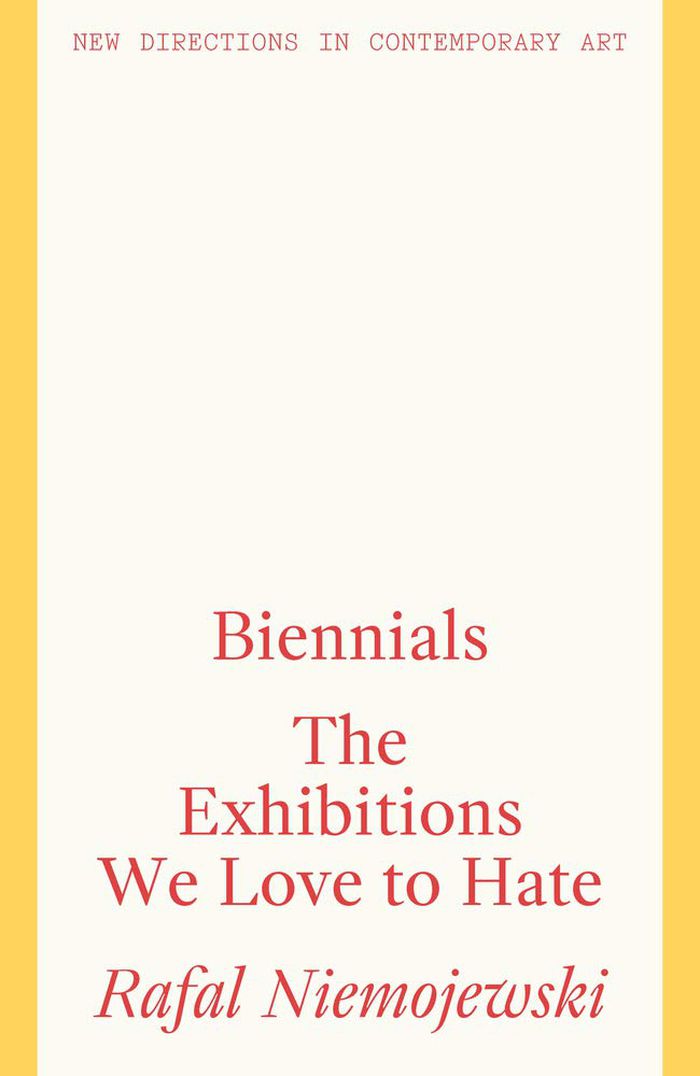
"Biennials: The exhibitions we love to hate" examines one of the most significant recent transitions in the contemporary art world: the proliferation of large-scale international recurrent survey shows of contemporary art, commonly referred to as contemporary biennials. Since the mid-1980s biennials have been instrumental in shaping curating as an autonomous practice. These exhibitions are also said to have provided increased visibility for certain types of new art practices, notably those that are socially and politically committed, research-based and site-specific, and to have undermined some of the more traditional art media, such as painting, drawing or sculpture. They have been responsible for substantially reshaping the contemporary art world and disrupting the existing value chain of the art market, which now relies on biennials as much as it does on major museums’ acquisitions and exhibitions. Rafal Niemojewski, Director of the Biennial Foundation, deftly unpicks the critical discussion and controversy surrounding contemporary biennials. Branded by some critics as showcases of neo-liberalism run amok, in which culture has become synonymous with the dollar-generating leisure industry, biennials have also been associated with the production of monumental artworks which are both highly consumable and photogenic (Instagrammable). The exhibitions we love to hate? This engaging publication makes an essential contribution to a fascinating cultural debate.
Biennials: The exhibitions we love to hate
Actions:
Prix:
$46.99
(disponible sur commande)
Résumé:
"Biennials: The exhibitions we love to hate" examines one of the most significant recent transitions in the contemporary art world: the proliferation of large-scale international recurrent survey shows of contemporary art, commonly referred to as contemporary biennials. Since the mid-1980s biennials have been instrumental in shaping curating as an autonomous practice. These exhibitions are also said to have provided increased visibility for certain types of new art practices, notably those that are socially and politically committed, research-based and site-specific, and to have undermined some of the more traditional art media, such as painting, drawing or sculpture. They have been responsible for substantially reshaping the contemporary art world and disrupting the existing value chain of the art market, which now relies on biennials as much as it does on major museums’ acquisitions and exhibitions. Rafal Niemojewski, Director of the Biennial Foundation, deftly unpicks the critical discussion and controversy surrounding contemporary biennials. Branded by some critics as showcases of neo-liberalism run amok, in which culture has become synonymous with the dollar-generating leisure industry, biennials have also been associated with the production of monumental artworks which are both highly consumable and photogenic (Instagrammable). The exhibitions we love to hate? This engaging publication makes an essential contribution to a fascinating cultural debate.
Classification:
livres
livres
Publication:
mai 2021
mai 2021
Sujet:
Muséologie
Muséologie
Classification:
livres
livres
Prix:
$62.50
(disponible sur commande)
Résumé:
n 1954, the French writer, politician, and publisher André Malraux (1901–1976) posed at home for a photographer from the magazine Paris Match, surrounded by pages from his forthcoming book Le musée imaginaire de la sculpture mondiale. The enchanting metaphor of the musée imaginaire (imaginary museum) was built upon that illustrated art book, and Malraux was one of its(...)
$62.50
(disponible sur commande)
Résumé:
n 1954, the French writer, politician, and publisher André Malraux (1901–1976) posed at home for a photographer from the magazine Paris Match, surrounded by pages from his forthcoming book Le musée imaginaire de la sculpture mondiale. The enchanting metaphor of the musée imaginaire (imaginary museum) was built upon that illustrated art book, and Malraux was one of its(...)
Titre:
The book on the floor: André Malraux and the imaginary museum
Actions:
Prix:
$62.50
(disponible sur commande)
Résumé:
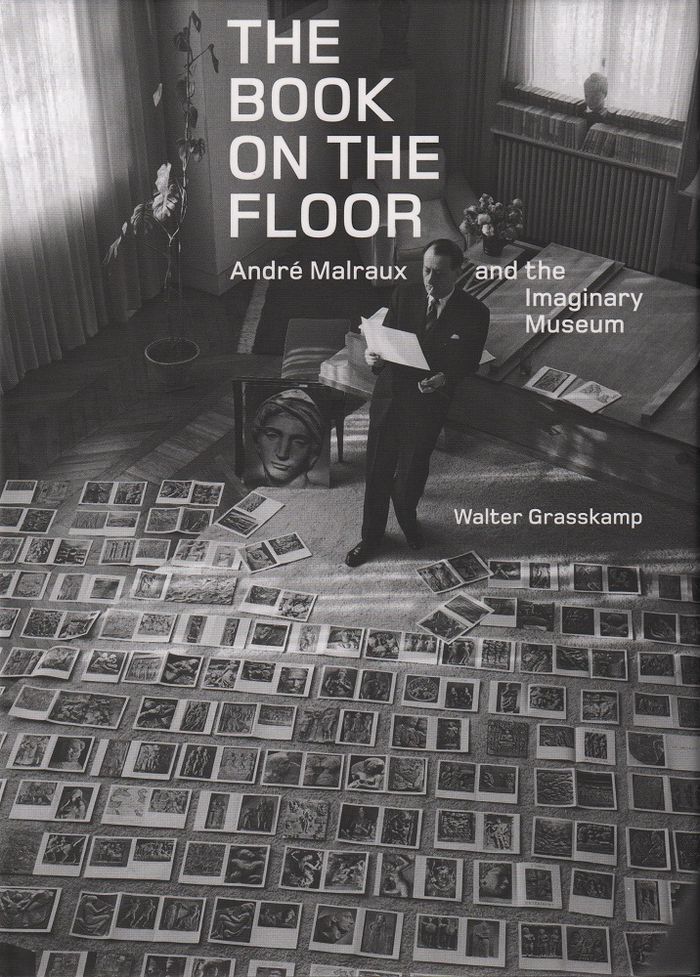
n 1954, the French writer, politician, and publisher André Malraux (1901–1976) posed at home for a photographer from the magazine Paris Match, surrounded by pages from his forthcoming book Le musée imaginaire de la sculpture mondiale. The enchanting metaphor of the musée imaginaire (imaginary museum) was built upon that illustrated art book, and Malraux was one of its greatest champions. Drawing on a range of contemporary publications, he adopted images and responded to ideas. Indeed, Malraux’s book on the floor is a variation of photographer André Vigneau’s spectacular Encyclopédie photographique de l’art, published in five volumes from 1935 on—years before Malraux would enter this field. Both authors were engaged in juxtaposing artworks via photographs and publishing these photographs by the hundreds, but Malraux was the better sloganeer. Starting from a close examination of the photograph of Malraux in his salon, art historian Walter Grasskamp takes the reader back to the dawn of this genre of illustrated art book. He shows how it catalyzed the practice of comparing works of art on a global scale. He retraces the metaphor to earlier reproduction practices and highlights its ubiquity in contemporary art, ending with an homage to the other pioneer of the “museum without walls,” the unjustly forgotten Vigneau.
The book on the floor: André Malraux and the imaginary museum
Actions:
Prix:
$62.50
(disponible sur commande)
Résumé:
n 1954, the French writer, politician, and publisher André Malraux (1901–1976) posed at home for a photographer from the magazine Paris Match, surrounded by pages from his forthcoming book Le musée imaginaire de la sculpture mondiale. The enchanting metaphor of the musée imaginaire (imaginary museum) was built upon that illustrated art book, and Malraux was one of its greatest champions. Drawing on a range of contemporary publications, he adopted images and responded to ideas. Indeed, Malraux’s book on the floor is a variation of photographer André Vigneau’s spectacular Encyclopédie photographique de l’art, published in five volumes from 1935 on—years before Malraux would enter this field. Both authors were engaged in juxtaposing artworks via photographs and publishing these photographs by the hundreds, but Malraux was the better sloganeer. Starting from a close examination of the photograph of Malraux in his salon, art historian Walter Grasskamp takes the reader back to the dawn of this genre of illustrated art book. He shows how it catalyzed the practice of comparing works of art on a global scale. He retraces the metaphor to earlier reproduction practices and highlights its ubiquity in contemporary art, ending with an homage to the other pioneer of the “museum without walls,” the unjustly forgotten Vigneau.
Classification:
livres
livres
Publication:
janvier 2017
janvier 2017
Sujet:
Théorie de la photographie
Théorie de la photographie
Classification:
livres
livres
Titre:
The Urban Archetypes of Jane Jacobs and Ebenezer Howard: Contradiction and meaning in city form
The Urban Archetypes of Jane Jacobs and Ebenezer Howard: Contradiction and meaning in city form
Actions:
Prix:
$80.00
(disponible sur commande)
Résumé:
Ebenezer Howard, an Englishman, and Jane Jacobs, a naturalized Canadian, personify the twentieth century’s opposing outlooks on cities. Howard had envisaged small towns, newly built from scratch, fashioned on single family homes with small gardens. Jacobs embraced existing inner-city neighbourhoods emphasizing the verve of the living street. From Howard’s idea, the(...)
$80.00
(disponible sur commande)
Résumé:
Ebenezer Howard, an Englishman, and Jane Jacobs, a naturalized Canadian, personify the twentieth century’s opposing outlooks on cities. Howard had envisaged small towns, newly built from scratch, fashioned on single family homes with small gardens. Jacobs embraced existing inner-city neighbourhoods emphasizing the verve of the living street. From Howard’s idea, the(...)
Titre:
The Urban Archetypes of Jane Jacobs and Ebenezer Howard: Contradiction and meaning in city form
Actions:
Prix:
$80.00
(disponible sur commande)
Résumé:
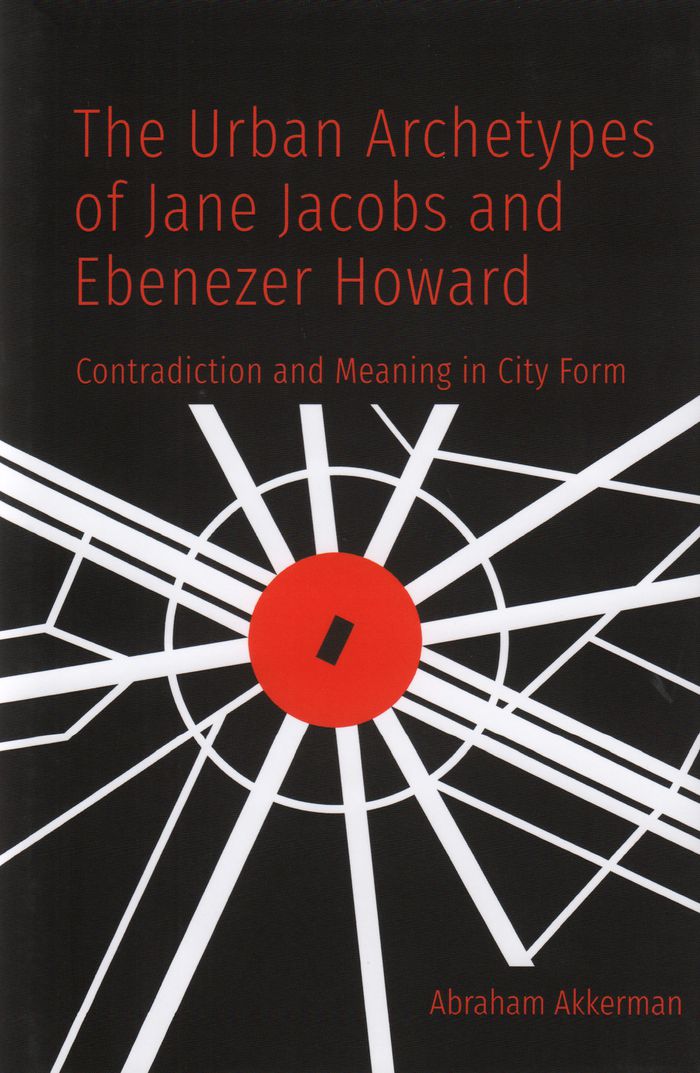
Ebenezer Howard, an Englishman, and Jane Jacobs, a naturalized Canadian, personify the twentieth century’s opposing outlooks on cities. Howard had envisaged small towns, newly built from scratch, fashioned on single family homes with small gardens. Jacobs embraced existing inner-city neighbourhoods emphasizing the verve of the living street. From Howard’s idea, the American Dream of garden suburbs had emerged, yet his conceptualization of a modern city received criticism for being uniform and alienated from the rest of the city. Similarly, at the turn of the new century, Jacobs’ inner-city neighbourhoods came to be recognized as the result of commodification, vacillating between poverty and newly discovered hubs of urban authenticity. Presenting Howard and Jacobs within a psychocultural context, ''The urban archetypes of Jane Jacobs and Ebenezer Howard'' addresses our urban crisis in the recognition that ''city form'' is a gendered, allegorical medium expressing femininity and masculinity within two founding features of the built environment: void and volume. Both founding contrasts bring tensions, but also the opportunities of fusion between pairs of urban polarities: human scale against superscale, gait against speed, and spontaneity against surveillance. Jacobs and Howard, in their respective attitudes, have come to embrace the two ancient archetypes, the Garden and the Citadel, leaving it to future generations to blend their two contrarian stances.
The Urban Archetypes of Jane Jacobs and Ebenezer Howard: Contradiction and meaning in city form
Actions:
Prix:
$80.00
(disponible sur commande)
Résumé:
Ebenezer Howard, an Englishman, and Jane Jacobs, a naturalized Canadian, personify the twentieth century’s opposing outlooks on cities. Howard had envisaged small towns, newly built from scratch, fashioned on single family homes with small gardens. Jacobs embraced existing inner-city neighbourhoods emphasizing the verve of the living street. From Howard’s idea, the American Dream of garden suburbs had emerged, yet his conceptualization of a modern city received criticism for being uniform and alienated from the rest of the city. Similarly, at the turn of the new century, Jacobs’ inner-city neighbourhoods came to be recognized as the result of commodification, vacillating between poverty and newly discovered hubs of urban authenticity. Presenting Howard and Jacobs within a psychocultural context, ''The urban archetypes of Jane Jacobs and Ebenezer Howard'' addresses our urban crisis in the recognition that ''city form'' is a gendered, allegorical medium expressing femininity and masculinity within two founding features of the built environment: void and volume. Both founding contrasts bring tensions, but also the opportunities of fusion between pairs of urban polarities: human scale against superscale, gait against speed, and spontaneity against surveillance. Jacobs and Howard, in their respective attitudes, have come to embrace the two ancient archetypes, the Garden and the Citadel, leaving it to future generations to blend their two contrarian stances.
Classification:
livres
livres
Publication:
janvier 2020
janvier 2020
Sujet:
Théorie de l’urbanisme
Théorie de l’urbanisme
Classification:
livres
livres

Actions:
Prix:
$35.00
(disponible en magasin)
Résumé:
The rural, remote, and wild territories we call "countryside", or the 98% of the earth's surface not occupied by cities, make up the front line where today's most powerful forces-climate and ecological devastation, migration, tech, demographic lurches-are playing out. Increasingly under a 'Cartesian' regime-gridded, mechanized, and optimized for maximal production-these(...)
$35.00
(disponible en magasin)
Résumé:
The rural, remote, and wild territories we call "countryside", or the 98% of the earth's surface not occupied by cities, make up the front line where today's most powerful forces-climate and ecological devastation, migration, tech, demographic lurches-are playing out. Increasingly under a 'Cartesian' regime-gridded, mechanized, and optimized for maximal production-these(...)
Titre:
Koolhaas. Countryside, A Report (US edition)
Actions:
Prix:
$35.00
(disponible en magasin)
Résumé:
The rural, remote, and wild territories we call "countryside", or the 98% of the earth's surface not occupied by cities, make up the front line where today's most powerful forces-climate and ecological devastation, migration, tech, demographic lurches-are playing out. Increasingly under a 'Cartesian' regime-gridded, mechanized, and optimized for maximal production-these sites are changing beyond recognition. In his latest publication, Rem Koolhaas explores the rapid and often hidden transformations underway across the Earth's vast non-urban areas. This book gathers travelogue essays exploring territories marked by global forces and experimentation at the edge of our consciousness: a test site near Fukushima, where the robots that will maintain Japan's infrastructure and agriculture are tested; a greenhouse city in the Netherlands that may be the origin for the cosmology of today's countryside; the rapidly thawing permafrost of Central Siberia, a region wrestling with the possibility of relocation; refugees populating dying villages in the German countryside and intersecting with climate change activists; habituated mountain gorillas confronting humans on 'their' territory in Uganda; the American Midwest, where industrial-scale farming operations are coming to grips with regenerative agriculture; and Chinese villages transformed into all-in-one factory, e-commerce stores, and fulfillment centers.
Koolhaas. Countryside, A Report (US edition)
Actions:
Prix:
$35.00
(disponible en magasin)
Résumé:
The rural, remote, and wild territories we call "countryside", or the 98% of the earth's surface not occupied by cities, make up the front line where today's most powerful forces-climate and ecological devastation, migration, tech, demographic lurches-are playing out. Increasingly under a 'Cartesian' regime-gridded, mechanized, and optimized for maximal production-these sites are changing beyond recognition. In his latest publication, Rem Koolhaas explores the rapid and often hidden transformations underway across the Earth's vast non-urban areas. This book gathers travelogue essays exploring territories marked by global forces and experimentation at the edge of our consciousness: a test site near Fukushima, where the robots that will maintain Japan's infrastructure and agriculture are tested; a greenhouse city in the Netherlands that may be the origin for the cosmology of today's countryside; the rapidly thawing permafrost of Central Siberia, a region wrestling with the possibility of relocation; refugees populating dying villages in the German countryside and intersecting with climate change activists; habituated mountain gorillas confronting humans on 'their' territory in Uganda; the American Midwest, where industrial-scale farming operations are coming to grips with regenerative agriculture; and Chinese villages transformed into all-in-one factory, e-commerce stores, and fulfillment centers.
Classification:
livres
livres
Publication:
avril 2020
avril 2020
Sujet:
Architecture, monographies
Architecture, monographies
Classification:
livres
livres
Actions:
Prix:
$64.95
(disponible sur commande)
Résumé:
At the turn of the twentieth century, Swedish artist Hilma af Klint (1862–1944) created a body of work that left visible reality behind, exploring the radical possibilities of abstraction years before Vasily Kandinsky, Kazimir Malevich, or Piet Mondrian. Many consider her the first trained artist to create abstract paintings. With Hilma af Klint: Notes and Methods, we get(...)
$64.95
(disponible sur commande)
Résumé:
At the turn of the twentieth century, Swedish artist Hilma af Klint (1862–1944) created a body of work that left visible reality behind, exploring the radical possibilities of abstraction years before Vasily Kandinsky, Kazimir Malevich, or Piet Mondrian. Many consider her the first trained artist to create abstract paintings. With Hilma af Klint: Notes and Methods, we get(...)
Publication:
octobre 2018
octobre 2018
Titre:
Hilma Af Klint: notes and methods
Actions:
Prix:
$64.95
(disponible sur commande)
Résumé:
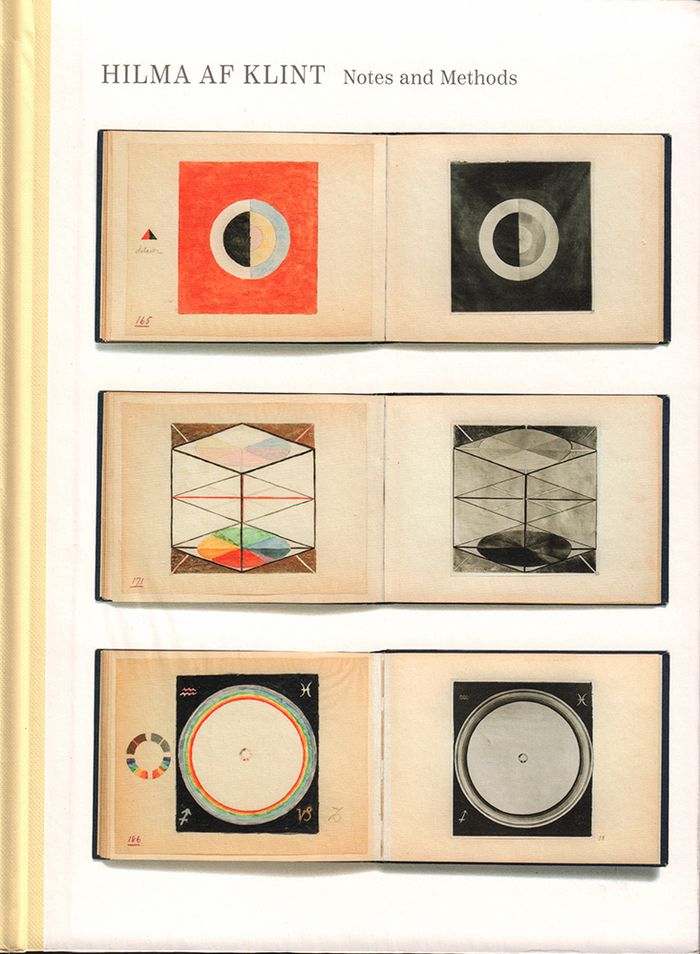
At the turn of the twentieth century, Swedish artist Hilma af Klint (1862–1944) created a body of work that left visible reality behind, exploring the radical possibilities of abstraction years before Vasily Kandinsky, Kazimir Malevich, or Piet Mondrian. Many consider her the first trained artist to create abstract paintings. With Hilma af Klint: Notes and Methods, we get to experience the arc of af Klint’s artistic investigation in her own words. Between 1906 and 1915, purportedly guided by a higher power, af Klint created 193 individual works that, in both scale and scope of imagery, are like no other art created at that time. Botanically inspired images and mystical symbols, diagrams, words, and geometric series, all form part of af Klint’s abstract language. These abstract techniques would not be seen again until years later. Notes and Methods presents facsimile reproductions of a wide array of af Klint’s early notebooks accompanied by the first English translation of af Klint’s extensive writings. It contains the rarely seen “Blue Notebooks,” hand-painted and annotated catalogues af Klint created of her most famous series “Paintings for the Temple,” and a dictionary compiled by af Klint of the words and letters found in her work.
Hilma Af Klint: notes and methods
Actions:
Prix:
$64.95
(disponible sur commande)
Résumé:
At the turn of the twentieth century, Swedish artist Hilma af Klint (1862–1944) created a body of work that left visible reality behind, exploring the radical possibilities of abstraction years before Vasily Kandinsky, Kazimir Malevich, or Piet Mondrian. Many consider her the first trained artist to create abstract paintings. With Hilma af Klint: Notes and Methods, we get to experience the arc of af Klint’s artistic investigation in her own words. Between 1906 and 1915, purportedly guided by a higher power, af Klint created 193 individual works that, in both scale and scope of imagery, are like no other art created at that time. Botanically inspired images and mystical symbols, diagrams, words, and geometric series, all form part of af Klint’s abstract language. These abstract techniques would not be seen again until years later. Notes and Methods presents facsimile reproductions of a wide array of af Klint’s early notebooks accompanied by the first English translation of af Klint’s extensive writings. It contains the rarely seen “Blue Notebooks,” hand-painted and annotated catalogues af Klint created of her most famous series “Paintings for the Temple,” and a dictionary compiled by af Klint of the words and letters found in her work.
Classification:
livres
livres
Publication:
octobre 2018
octobre 2018
Classification:
livres
livres

Titre:
Architecture and dystopia
Architecture and dystopia
Actions:
Prix:
$45.00
(disponible sur commande)
Résumé:
As a response to the profound crisis of Western culture the emerged in the 1960s, radical artists from Italy, Austria, England and Japan called into question the foundations of modernist utopias. They transmuted the difficulties of capitalism into a repertory of startling images that revealed the disturbing realities of consumer society, even in those places still(...)
$45.00
(disponible sur commande)
Résumé:
As a response to the profound crisis of Western culture the emerged in the 1960s, radical artists from Italy, Austria, England and Japan called into question the foundations of modernist utopias. They transmuted the difficulties of capitalism into a repertory of startling images that revealed the disturbing realities of consumer society, even in those places still(...)
Titre:
Architecture and dystopia
Actions:
Prix:
$45.00
(disponible sur commande)
Résumé:
As a response to the profound crisis of Western culture the emerged in the 1960s, radical artists from Italy, Austria, England and Japan called into question the foundations of modernist utopias. They transmuted the difficulties of capitalism into a repertory of startling images that revealed the disturbing realities of consumer society, even in those places still resistant to the penetration of modern architecture, such as Superstudio and Archizoom’s Florence. Their model, though exhausted in the space of experimentation, went on to inspire a generation of architects, from the High Tech movement to Rem Koolhaas.. In the light of these examples, how to define a unified 'dystopian' method of design, i.e. a common ground for an architecture that, by its very nature, seems to resist systematization? Are the most recognizable architectural expressions of this theoretical framework — characterized by brazen displays of technology and structures of overwhelming scale — merely isolated cases, albeit of particular iconic power? Or do they belong to a wider landscape of antirational architectural projects? And to what extent are these disturbing expressions premised on the utopian tradition or, better yet, the conceptual model of 'negative thought'? The goal of this book is to respond to such questions, thus initiating an open dialogue about the legitimacy of this critical category.
Architecture and dystopia
Actions:
Prix:
$45.00
(disponible sur commande)
Résumé:
As a response to the profound crisis of Western culture the emerged in the 1960s, radical artists from Italy, Austria, England and Japan called into question the foundations of modernist utopias. They transmuted the difficulties of capitalism into a repertory of startling images that revealed the disturbing realities of consumer society, even in those places still resistant to the penetration of modern architecture, such as Superstudio and Archizoom’s Florence. Their model, though exhausted in the space of experimentation, went on to inspire a generation of architects, from the High Tech movement to Rem Koolhaas.. In the light of these examples, how to define a unified 'dystopian' method of design, i.e. a common ground for an architecture that, by its very nature, seems to resist systematization? Are the most recognizable architectural expressions of this theoretical framework — characterized by brazen displays of technology and structures of overwhelming scale — merely isolated cases, albeit of particular iconic power? Or do they belong to a wider landscape of antirational architectural projects? And to what extent are these disturbing expressions premised on the utopian tradition or, better yet, the conceptual model of 'negative thought'? The goal of this book is to respond to such questions, thus initiating an open dialogue about the legitimacy of this critical category.
Classification:
livres
livres
Publication:
décembre 2019
décembre 2019
Sujet:
Théorie de l’architecture
Théorie de l’architecture
Classification:
livres
livres
Actions:
Prix:
$240.00
(disponible sur commande)
Résumé:
“Everything important that I have done can be put into a little suitcase," Duchamp said in 1952: finally, that suitcase is accessible to all. One of the most important and enigmatic pieces of modernist art, Boîte-en-valise was assembled by Marcel Duchamp between 1935 and 1941. The portable suitcase contains "the sum of his artistic work" up to that point. Perhaps in(...)
$240.00
(disponible sur commande)
Résumé:
“Everything important that I have done can be put into a little suitcase," Duchamp said in 1952: finally, that suitcase is accessible to all. One of the most important and enigmatic pieces of modernist art, Boîte-en-valise was assembled by Marcel Duchamp between 1935 and 1941. The portable suitcase contains "the sum of his artistic work" up to that point. Perhaps in(...)
Titre:
Marcel Duchamp: Museum in a box
Actions:
Prix:
$240.00
(disponible sur commande)
Résumé:
“Everything important that I have done can be put into a little suitcase," Duchamp said in 1952: finally, that suitcase is accessible to all. One of the most important and enigmatic pieces of modernist art, Boîte-en-valise was assembled by Marcel Duchamp between 1935 and 1941. The portable suitcase contains "the sum of his artistic work" up to that point. Perhaps in premonition of the coming war, and over years without a fixed address, Duchamp reproduced his work in a format that enabled him to easily transport his "complete works" at any time. Though the artist eventually made 300 copies of his box, many are behind glass in museums and private collections. This is the first ever reinterpretation of the legendary book-object, conceptualized by French artist Mathieu Mercier and now available to a broader audience. At once a work in and of itself, and a reproduction in the Duchampian spirit, this miniature museum contains 81 reproductions of Duchamp's creations, including the famous "Fountain," "Nude Descending a Staircase" and the "Large Glass." Mercier has reproduced the bulk of the contents of Duchamp's original box in paper form, designing everything to scale. Playful and accessible, the "Boîte" reflects Duchamp's desire to display his works outside the museum and gallery system.
Marcel Duchamp: Museum in a box
Actions:
Prix:
$240.00
(disponible sur commande)
Résumé:
“Everything important that I have done can be put into a little suitcase," Duchamp said in 1952: finally, that suitcase is accessible to all. One of the most important and enigmatic pieces of modernist art, Boîte-en-valise was assembled by Marcel Duchamp between 1935 and 1941. The portable suitcase contains "the sum of his artistic work" up to that point. Perhaps in premonition of the coming war, and over years without a fixed address, Duchamp reproduced his work in a format that enabled him to easily transport his "complete works" at any time. Though the artist eventually made 300 copies of his box, many are behind glass in museums and private collections. This is the first ever reinterpretation of the legendary book-object, conceptualized by French artist Mathieu Mercier and now available to a broader audience. At once a work in and of itself, and a reproduction in the Duchampian spirit, this miniature museum contains 81 reproductions of Duchamp's creations, including the famous "Fountain," "Nude Descending a Staircase" and the "Large Glass." Mercier has reproduced the bulk of the contents of Duchamp's original box in paper form, designing everything to scale. Playful and accessible, the "Boîte" reflects Duchamp's desire to display his works outside the museum and gallery system.
Classification:
livres
livres
Publication:
mars 2016
mars 2016
Classification:
livres
livres
Actions:
Prix:
$90.00
(disponible sur commande)
Résumé:
The short-lived Japanese magazine Provoke, founded in 1968, is nowadays recognized as a major contribution to postwar photography in Japan, featuring the country’s finest representatives of protest photography, vanguard fine art and critical theory in only three issues overall. The magazine's goal was to mirror the complexities of Japanese society and its art world of the(...)
$90.00
(disponible sur commande)
Résumé:
The short-lived Japanese magazine Provoke, founded in 1968, is nowadays recognized as a major contribution to postwar photography in Japan, featuring the country’s finest representatives of protest photography, vanguard fine art and critical theory in only three issues overall. The magazine's goal was to mirror the complexities of Japanese society and its art world of the(...)
Titre:
Provoke: between protest and performance. Photography in Japan 1960-1975
Actions:
Prix:
$90.00
(disponible sur commande)
Résumé:
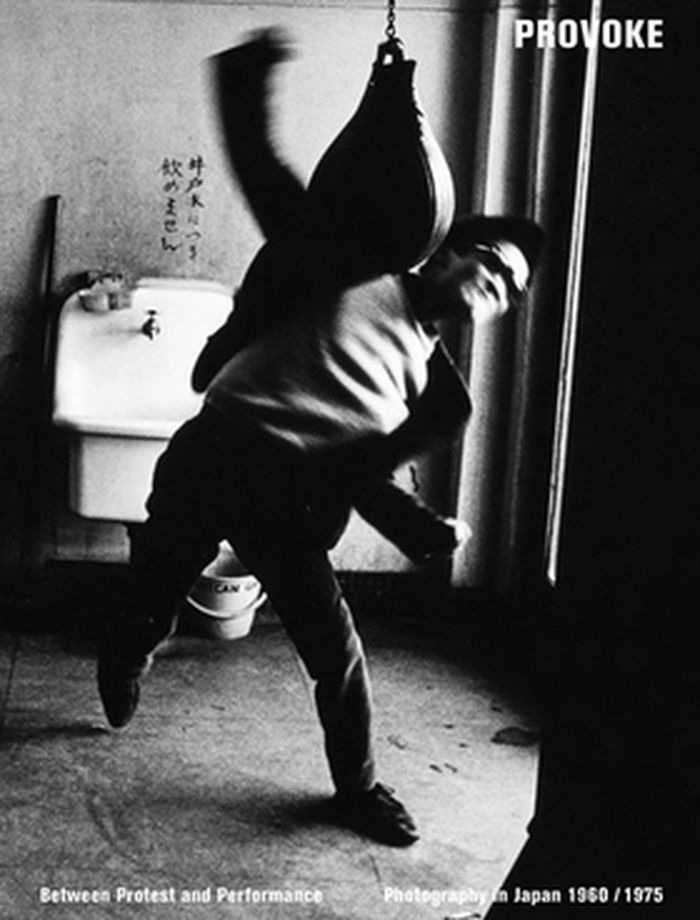
The short-lived Japanese magazine Provoke, founded in 1968, is nowadays recognized as a major contribution to postwar photography in Japan, featuring the country’s finest representatives of protest photography, vanguard fine art and critical theory in only three issues overall. The magazine's goal was to mirror the complexities of Japanese society and its art world of the 1960s, a decade shaped by the country’s first large-scale student protests. The movement yielded a wave of new books featuring innovative graphic design combined with photography: serialized imagery, gripping text-image combinations, dynamic cropping and the use of provocatively "poor" materials. The writings and images by Provoke's members—critic Koji Taki, poet Takahiko Okada, photographers Takuma Nakahira, Yakata Takanashi and Daido Moriyama—were suffused with the tactics developed by Japanese protest photographers such as Nobuyoshi Araki, Eikoh Hosoe and Shomei Tomatsu, who pointed at and criticized the mythologies of modern life. Provoke accompanies the first exhibition ever to be held on the magazine and its creators. Illuminating the various uses of photography in Japan at the time, the catalogue focuses on selected projects undertaken between 1960 and 1975 that offer a strongly interpretative account of currents in Japanese art and society at a moment of historical collapse and renewal.
Provoke: between protest and performance. Photography in Japan 1960-1975
Actions:
Prix:
$90.00
(disponible sur commande)
Résumé:
The short-lived Japanese magazine Provoke, founded in 1968, is nowadays recognized as a major contribution to postwar photography in Japan, featuring the country’s finest representatives of protest photography, vanguard fine art and critical theory in only three issues overall. The magazine's goal was to mirror the complexities of Japanese society and its art world of the 1960s, a decade shaped by the country’s first large-scale student protests. The movement yielded a wave of new books featuring innovative graphic design combined with photography: serialized imagery, gripping text-image combinations, dynamic cropping and the use of provocatively "poor" materials. The writings and images by Provoke's members—critic Koji Taki, poet Takahiko Okada, photographers Takuma Nakahira, Yakata Takanashi and Daido Moriyama—were suffused with the tactics developed by Japanese protest photographers such as Nobuyoshi Araki, Eikoh Hosoe and Shomei Tomatsu, who pointed at and criticized the mythologies of modern life. Provoke accompanies the first exhibition ever to be held on the magazine and its creators. Illuminating the various uses of photography in Japan at the time, the catalogue focuses on selected projects undertaken between 1960 and 1975 that offer a strongly interpretative account of currents in Japanese art and society at a moment of historical collapse and renewal.
Classification:
livres
livres
Publication:
mars 2016
mars 2016
Sujet:
Photographie- collections
Photographie- collections
Classification:
livres
livres

Actions:
Prix:
$19.95
(disponible sur commande)
Résumé:
Welcome to Blubberland--a world of quadruple-garaged mansions, vast malls, gated communities, stretch limos, and posh resorts. Blubberland is a place, but it is also a state of mind: we expect to be happy (trophy house, SUV in the driveway, home entertainment system, pension fund, cosmetic surgery), but in fact we've grown increasingly bloated, bored, and miserable. In(...)
$19.95
(disponible sur commande)
Résumé:
Welcome to Blubberland--a world of quadruple-garaged mansions, vast malls, gated communities, stretch limos, and posh resorts. Blubberland is a place, but it is also a state of mind: we expect to be happy (trophy house, SUV in the driveway, home entertainment system, pension fund, cosmetic surgery), but in fact we've grown increasingly bloated, bored, and miserable. In(...)
Titre:
Blubberland: the dangers of happiness
Actions:
Prix:
$19.95
(disponible sur commande)
Résumé:
Welcome to Blubberland--a world of quadruple-garaged mansions, vast malls, gated communities, stretch limos, and posh resorts. Blubberland is a place, but it is also a state of mind: we expect to be happy (trophy house, SUV in the driveway, home entertainment system, pension fund, cosmetic surgery), but in fact we've grown increasingly bloated, bored, and miserable. In Blubberland, award-winning critic Elizabeth Farrelly looks at our "superfluous superfluity," our huge eco-footprint, and asks why we find it so hard to abandon habits we know to be destructive. Why can't we build human-scale cities, design meaningful public spaces, eat reasonable meals, and stop assaulting nature? Farrelly, trained as an architect, begins this story with architecture, urban sprawl, and housing, but she does not end there. She also looks at "affluenza," childhood asthma, diabetes, addiction, beauty, ugliness, narcissism, climate change, mega-churches, big box retailers, sustainability, depression, anorexia, and the links that collect all of these issues under the same roof--the roof, as it were, of the McMansion. As "big" becomes more and more pervasive, and success is seen in increasingly measurable and material terms, the goal of happiness jeopardizes our survival. Blubberland is a smart, thoughtful, and stylish argument for turning things around.
Blubberland: the dangers of happiness
Actions:
Prix:
$19.95
(disponible sur commande)
Résumé:
Welcome to Blubberland--a world of quadruple-garaged mansions, vast malls, gated communities, stretch limos, and posh resorts. Blubberland is a place, but it is also a state of mind: we expect to be happy (trophy house, SUV in the driveway, home entertainment system, pension fund, cosmetic surgery), but in fact we've grown increasingly bloated, bored, and miserable. In Blubberland, award-winning critic Elizabeth Farrelly looks at our "superfluous superfluity," our huge eco-footprint, and asks why we find it so hard to abandon habits we know to be destructive. Why can't we build human-scale cities, design meaningful public spaces, eat reasonable meals, and stop assaulting nature? Farrelly, trained as an architect, begins this story with architecture, urban sprawl, and housing, but she does not end there. She also looks at "affluenza," childhood asthma, diabetes, addiction, beauty, ugliness, narcissism, climate change, mega-churches, big box retailers, sustainability, depression, anorexia, and the links that collect all of these issues under the same roof--the roof, as it were, of the McMansion. As "big" becomes more and more pervasive, and success is seen in increasingly measurable and material terms, the goal of happiness jeopardizes our survival. Blubberland is a smart, thoughtful, and stylish argument for turning things around.
Classification:
livres
livres
Publication:
mars 2008, Cambridge, London
mars 2008, Cambridge, London
Sujet:
Théorie de l’urbanisme
Théorie de l’urbanisme
Classification:
livres
livres
Titre:
Binge
Binge
Actions:
Prix:
$29.95
(disponible sur commande)
Résumé:
'' Imagine feeling 100% alive every moment of every minute of the day! Maybe that’s how animals live. Or trees, even. I sometimes stare at the plastic bag tree visible from my apartment window and marvel that both it and I are equally alive and that there’s no sliding scale of life. You’re either alive, or you’re not. Or you’re dead or you’re not.'' Thirty years after(...)
$29.95
(disponible sur commande)
Résumé:
'' Imagine feeling 100% alive every moment of every minute of the day! Maybe that’s how animals live. Or trees, even. I sometimes stare at the plastic bag tree visible from my apartment window and marvel that both it and I are equally alive and that there’s no sliding scale of life. You’re either alive, or you’re not. Or you’re dead or you’re not.'' Thirty years after(...)
Titre:
Binge
Actions:
Prix:
$29.95
(disponible sur commande)
Résumé:
'' Imagine feeling 100% alive every moment of every minute of the day! Maybe that’s how animals live. Or trees, even. I sometimes stare at the plastic bag tree visible from my apartment window and marvel that both it and I are equally alive and that there’s no sliding scale of life. You’re either alive, or you’re not. Or you’re dead or you’re not.'' Thirty years after Douglas Coupland broke the fiction mould and defined a generation with ''Generation X,'' he is back with ''Binge,'' 60 stories laced with his observational profundity about the way we live and his existential worry about how we should be living: the very things that have made him such an influential and bestselling writer. Not to mention that he can also be really funny. Here the narrators vary from story to story as Doug catches what he calls “the voice of the people,” inspired by the way we write about ourselves and our experiences in online forums. The characters, of course, are Doug’s own: crackpots, cranks and sweetie-pies, dad dancers and perpetrators of carbecues. People in the grip of unconscionable urges; lonely people; dying people; silly people. If you love Doug’s fiction, this collection is like rain on the desert.
Binge
Actions:
Prix:
$29.95
(disponible sur commande)
Résumé:
'' Imagine feeling 100% alive every moment of every minute of the day! Maybe that’s how animals live. Or trees, even. I sometimes stare at the plastic bag tree visible from my apartment window and marvel that both it and I are equally alive and that there’s no sliding scale of life. You’re either alive, or you’re not. Or you’re dead or you’re not.'' Thirty years after Douglas Coupland broke the fiction mould and defined a generation with ''Generation X,'' he is back with ''Binge,'' 60 stories laced with his observational profundity about the way we live and his existential worry about how we should be living: the very things that have made him such an influential and bestselling writer. Not to mention that he can also be really funny. Here the narrators vary from story to story as Doug catches what he calls “the voice of the people,” inspired by the way we write about ourselves and our experiences in online forums. The characters, of course, are Doug’s own: crackpots, cranks and sweetie-pies, dad dancers and perpetrators of carbecues. People in the grip of unconscionable urges; lonely people; dying people; silly people. If you love Doug’s fiction, this collection is like rain on the desert.
Classification:
livres
livres
Publication:
octobre 2021
octobre 2021
Sujet:
Expositions en cours
Expositions en cours


