


376 Résultats
Classification:
livres
livres
Actions:
Exemplaires:
Description:
324 pages : color illustrations, maps ; 28 cm.
Description:
324 pages : color illustrations, maps ; 28 cm.
Auteur:
Sujet:
Publication:
Lyon : Lieux dits éditions, [2016], ©2016
Lyon : Lieux dits éditions, [2016], ©2016
Titre:
Saint-Émilion : une ville et son habitat médiéval (XIIe-XVe siècles) / auteurs, David Souny, Agnès Marin, Pierre Garrigou Grandchamp, Frédéric Boutoulle ; avec la collaboration de Pierre Régaldo-Saint Blancard, Anne Laure Napoleone ; photographe, Adrienne Barroche.
Actions:
Exemplaires:
Description:
324 pages : color illustrations, maps ; 28 cm.
Saint-Émilion : une ville et son habitat médiéval (XIIe-XVe siècles) / auteurs, David Souny, Agnès Marin, Pierre Garrigou Grandchamp, Frédéric Boutoulle ; avec la collaboration de Pierre Régaldo-Saint Blancard, Anne Laure Napoleone ; photographe, Adrienne Barroche.
Actions:
Exemplaires:
Description:
324 pages : color illustrations, maps ; 28 cm.
Classification:
livres
livres
Publication:
Lyon : Lieux dits éditions, [2016], ©2016
Lyon : Lieux dits éditions, [2016], ©2016
Auteur:
Sujet:
Classification:
livres
livres
Titre:
Slab serif
Slab serif
Actions:
Prix:
$44.95
(disponible sur commande)
Résumé:
The slab serif typeface—in their classic form, wood types made for large-scale posters, ads, and newspapers—may not be as all-purpose as the gothic or sans serif, but it is equal, if not more powerful, in graphic appeal. Since being introduced in the nineteenth century, slabs have become ubiquitous and are today as popular as ever. Slabs come from a genre of Egyptian(...)
$44.95
(disponible sur commande)
Résumé:
The slab serif typeface—in their classic form, wood types made for large-scale posters, ads, and newspapers—may not be as all-purpose as the gothic or sans serif, but it is equal, if not more powerful, in graphic appeal. Since being introduced in the nineteenth century, slabs have become ubiquitous and are today as popular as ever. Slabs come from a genre of Egyptian(...)
Titre:
Slab serif
Actions:
Prix:
$44.95
(disponible sur commande)
Résumé:
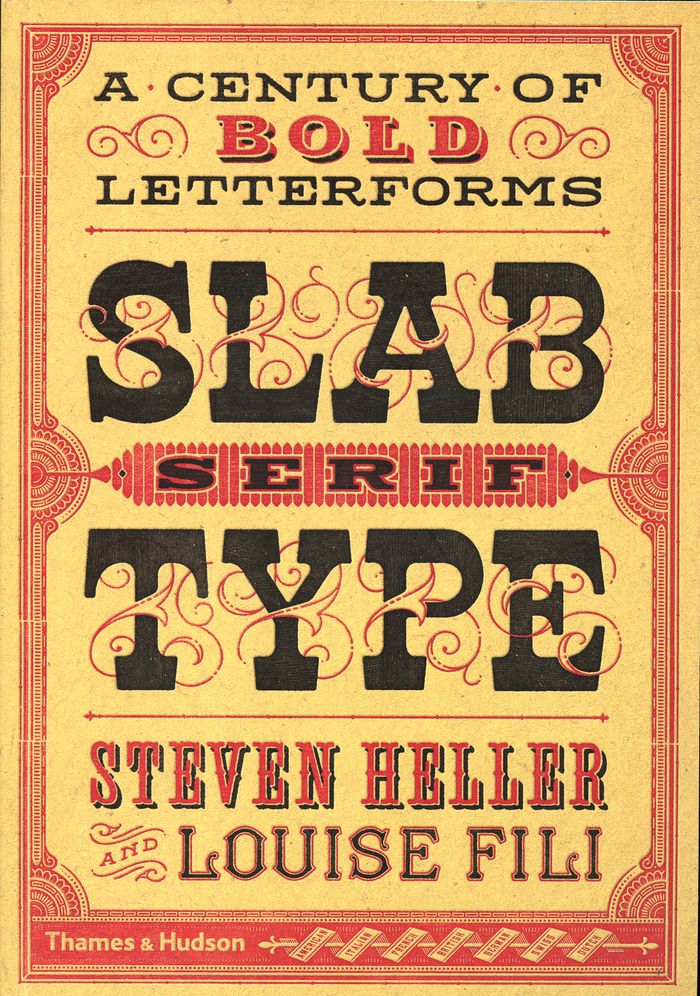
The slab serif typeface—in their classic form, wood types made for large-scale posters, ads, and newspapers—may not be as all-purpose as the gothic or sans serif, but it is equal, if not more powerful, in graphic appeal. Since being introduced in the nineteenth century, slabs have become ubiquitous and are today as popular as ever. Slabs come from a genre of Egyptian typefaces (some of the leading slabs are called Cairo and Sphinx) brought back to France by Napoleon and marketed in specimen sheets and books as representing a glorious heritage brought to the present. Following the cult typography volumes Scripts, Shadow Type, and Stencil Type, this new volume comprises an artfully curated selection of hundreds of international and classic examples.
Slab serif
Actions:
Prix:
$44.95
(disponible sur commande)
Résumé:
The slab serif typeface—in their classic form, wood types made for large-scale posters, ads, and newspapers—may not be as all-purpose as the gothic or sans serif, but it is equal, if not more powerful, in graphic appeal. Since being introduced in the nineteenth century, slabs have become ubiquitous and are today as popular as ever. Slabs come from a genre of Egyptian typefaces (some of the leading slabs are called Cairo and Sphinx) brought back to France by Napoleon and marketed in specimen sheets and books as representing a glorious heritage brought to the present. Following the cult typography volumes Scripts, Shadow Type, and Stencil Type, this new volume comprises an artfully curated selection of hundreds of international and classic examples.
Classification:
livres
livres
Publication:
septembre 2016
septembre 2016
Classification:
livres
livres
Titre:
Drawings on text
Drawings on text
Actions:
Prix:
$17.00
(disponible sur commande)
Résumé:
As we spend our days increasingly glued to our computers and handheld devices, rapidly tapping keywords into Google, cutting and pasting Word docs and texting urgently truncated messages, it is becoming increasingly rare to pen anything by hand. No wonder hand-written fonts are all the rage in the world of graphic design. Writing, like drawing, has become an endangered(...)
$17.00
(disponible sur commande)
Résumé:
As we spend our days increasingly glued to our computers and handheld devices, rapidly tapping keywords into Google, cutting and pasting Word docs and texting urgently truncated messages, it is becoming increasingly rare to pen anything by hand. No wonder hand-written fonts are all the rage in the world of graphic design. Writing, like drawing, has become an endangered(...)
Titre:
Drawings on text
Actions:
Prix:
$17.00
(disponible sur commande)
Résumé:
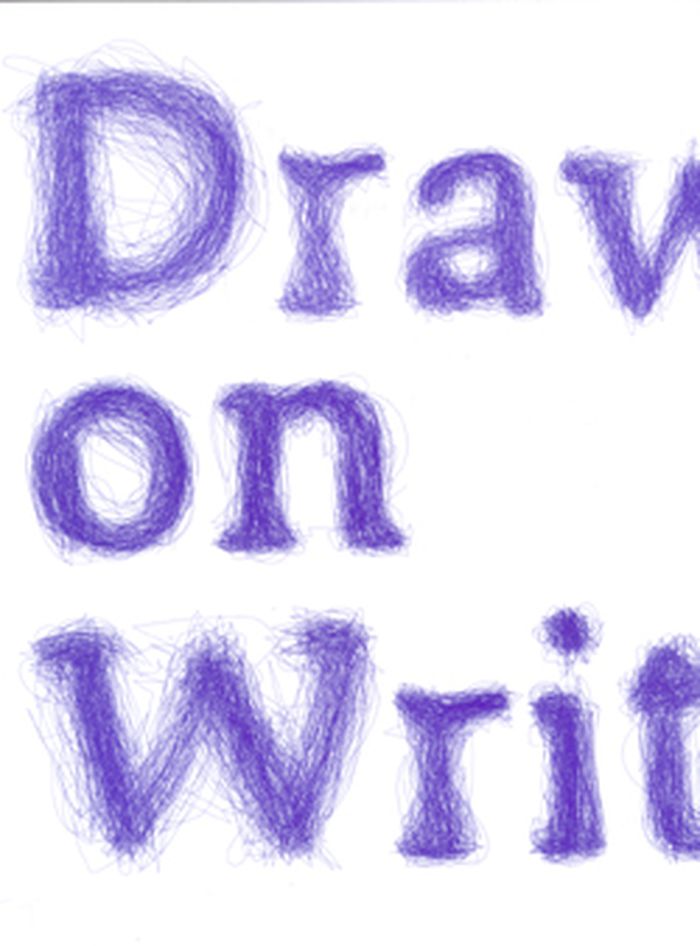
As we spend our days increasingly glued to our computers and handheld devices, rapidly tapping keywords into Google, cutting and pasting Word docs and texting urgently truncated messages, it is becoming increasingly rare to pen anything by hand. No wonder hand-written fonts are all the rage in the world of graphic design. Writing, like drawing, has become an endangered act. Drawings on Text--which explores the idea that when a hand-written note is illegible, it becomes a drawing--is the third book in this series, edited by Dutch artist Serge Onnen. The handwritten can take many forms, from an illegibly scrawled letter to initials carved into a tree with a knife. A catholic selection of the hand-written-as-drawing is included in this innovative volume, which was first published in Zing magazine. Included are pieces by John Cage, Napoleon Bonaparte, Olav Westphalen, Roland Barthes, Gustave Flaubert and Victor Hugo, among others.
Drawings on text
Actions:
Prix:
$17.00
(disponible sur commande)
Résumé:
As we spend our days increasingly glued to our computers and handheld devices, rapidly tapping keywords into Google, cutting and pasting Word docs and texting urgently truncated messages, it is becoming increasingly rare to pen anything by hand. No wonder hand-written fonts are all the rage in the world of graphic design. Writing, like drawing, has become an endangered act. Drawings on Text--which explores the idea that when a hand-written note is illegible, it becomes a drawing--is the third book in this series, edited by Dutch artist Serge Onnen. The handwritten can take many forms, from an illegibly scrawled letter to initials carved into a tree with a knife. A catholic selection of the hand-written-as-drawing is included in this innovative volume, which was first published in Zing magazine. Included are pieces by John Cage, Napoleon Bonaparte, Olav Westphalen, Roland Barthes, Gustave Flaubert and Victor Hugo, among others.
Classification:
livres
livres
Publication:
avril 2008, Atlanta
avril 2008, Atlanta
Sujet:
Expositions collectives
Expositions collectives
Classification:
livres
livres
Actions:
Prix:
$42.00
(disponible sur commande)
Résumé:
In ''The Terrible Children of Modernity'', Sloterdijk offers a magisterial and profound investigation into the vicissitudes of historical change and the nature of modernity. For Sloterdijk, modernity is defined by its need to break with the past. Moderns are perpetual rebels who seek to sever the ties of tradition and forms of inheritance that bind generations and eras(...)
$42.00
(disponible sur commande)
Résumé:
In ''The Terrible Children of Modernity'', Sloterdijk offers a magisterial and profound investigation into the vicissitudes of historical change and the nature of modernity. For Sloterdijk, modernity is defined by its need to break with the past. Moderns are perpetual rebels who seek to sever the ties of tradition and forms of inheritance that bind generations and eras(...)
Titre:
The terrible children of modernity
Actions:
Prix:
$42.00
(disponible sur commande)
Résumé:
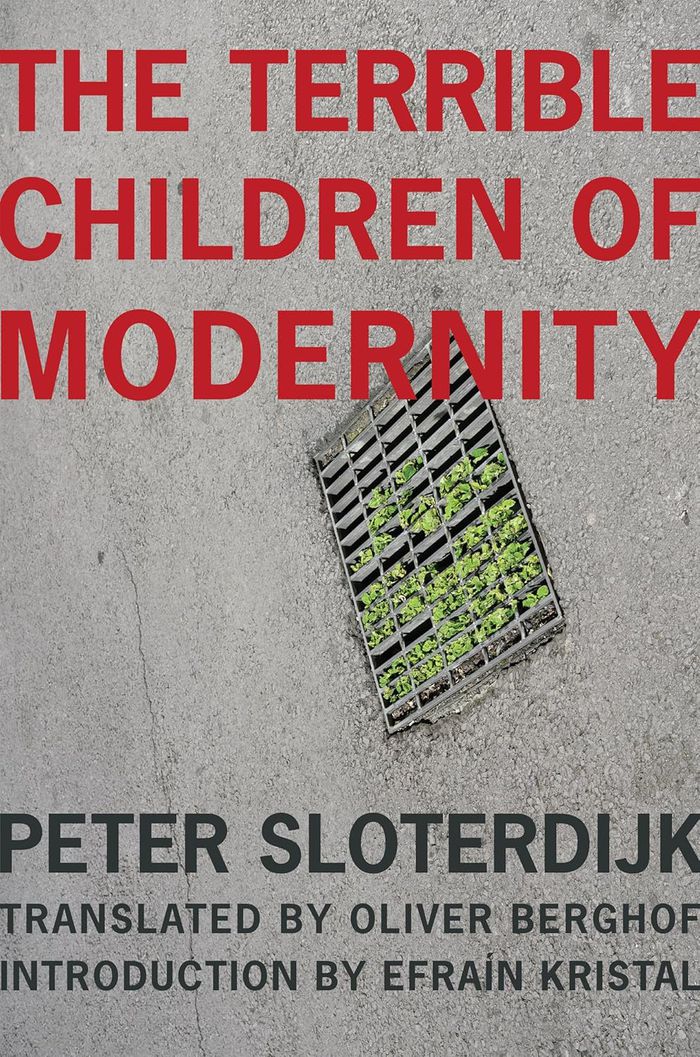
In ''The Terrible Children of Modernity'', Sloterdijk offers a magisterial and profound investigation into the vicissitudes of historical change and the nature of modernity. For Sloterdijk, modernity is defined by its need to break with the past. Moderns are perpetual rebels who seek to sever the ties of tradition and forms of inheritance that bind generations and eras together. With deep philosophical, historical, and literary range, he traces this antigenealogical experiment from the French Revolution onward, from Madame de Pompadour and Napoleon through Nietzsche, Marx, Wagner, the Dadaists, and Deleuze. Acutely aware of the destructive potential of cultural discontinuities, Sloterdijk is no less critical of the “fathers” who condemn change than the “terrible children” who seek a drastic rupture with their predecessors. Equally concerned with the grand sweep of history and our current predicaments, he instead calls for new ways to live together in the intersubjectivity of the human condition. Incisive and daring, breathtaking in its scope, this account of youthful rebellion against tradition asks us to reimagine the ethics of genealogy.
The terrible children of modernity
Actions:
Prix:
$42.00
(disponible sur commande)
Résumé:
In ''The Terrible Children of Modernity'', Sloterdijk offers a magisterial and profound investigation into the vicissitudes of historical change and the nature of modernity. For Sloterdijk, modernity is defined by its need to break with the past. Moderns are perpetual rebels who seek to sever the ties of tradition and forms of inheritance that bind generations and eras together. With deep philosophical, historical, and literary range, he traces this antigenealogical experiment from the French Revolution onward, from Madame de Pompadour and Napoleon through Nietzsche, Marx, Wagner, the Dadaists, and Deleuze. Acutely aware of the destructive potential of cultural discontinuities, Sloterdijk is no less critical of the “fathers” who condemn change than the “terrible children” who seek a drastic rupture with their predecessors. Equally concerned with the grand sweep of history and our current predicaments, he instead calls for new ways to live together in the intersubjectivity of the human condition. Incisive and daring, breathtaking in its scope, this account of youthful rebellion against tradition asks us to reimagine the ethics of genealogy.
Classification:
livres
livres
Publication:
octobre 2023
octobre 2023
Sujet:
Théorie/ philosophie
Théorie/ philosophie
Classification:
livres
livres
Actions:
Prix:
$67.50
(disponible en magasin)
Résumé:
Founded by Alexander the Great in 332 BC, Alexandria was for a long time the largest city in the ancient world. Flattened by a tsunami in 365 AD, it was little more than a fishing village when captured by Napoleon in 1798. The 19th century saw it become the center of the Egyptian cotton trade, bringing prosperity and an influx of European merchants. Then came the(...)
$67.50
(disponible en magasin)
Résumé:
Founded by Alexander the Great in 332 BC, Alexandria was for a long time the largest city in the ancient world. Flattened by a tsunami in 365 AD, it was little more than a fishing village when captured by Napoleon in 1798. The 19th century saw it become the center of the Egyptian cotton trade, bringing prosperity and an influx of European merchants. Then came the(...)
Titre:
Alexandria architectural guide
Actions:
Prix:
$67.50
(disponible en magasin)
Résumé:
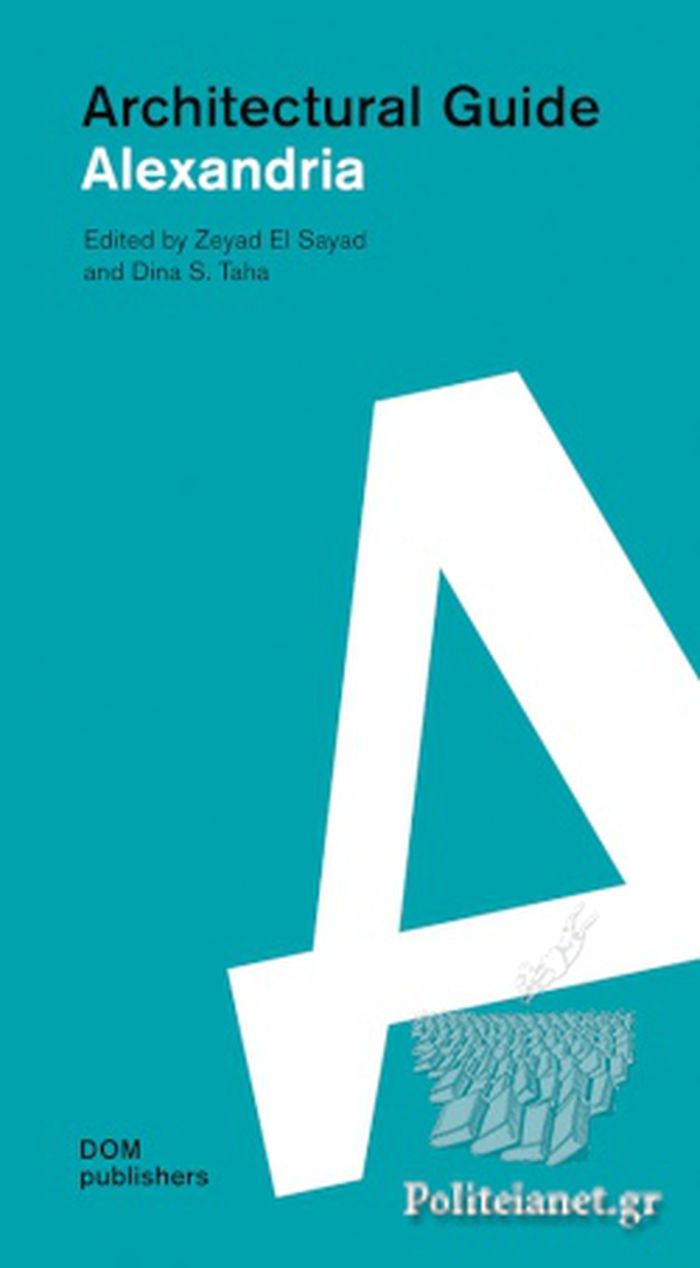
Founded by Alexander the Great in 332 BC, Alexandria was for a long time the largest city in the ancient world. Flattened by a tsunami in 365 AD, it was little more than a fishing village when captured by Napoleon in 1798. The 19th century saw it become the center of the Egyptian cotton trade, bringing prosperity and an influx of European merchants. Then came the bombardment by the English in 1882, which almost flattened the city a second time, and the revolution of 1952, which in effect condemned many of its residential buildings to slow but picturesque decay. The ebbs and flows of history and different cultures (especially Arabic, Muslim, Greek, Italian, English, and, not least, Jewish) have all left their marks on Alexandria's architecture. There are classical ruins; Ottoman fortifications; Egyptian okelles (medieval merchants' buildings); a colorful fishing port; mosques, shrines, churches, and synagogues; mansions and apartment buildings in the neo-Renaissance, art deco, and international styles; brutalist post-revolutionary institutions. And then are oddities such as the Cotton Palace Tower, a skyscraper intended for use as the headquarters of the country s cotton industry but inexplicably abandoned before completion.
Alexandria architectural guide
Actions:
Prix:
$67.50
(disponible en magasin)
Résumé:
Founded by Alexander the Great in 332 BC, Alexandria was for a long time the largest city in the ancient world. Flattened by a tsunami in 365 AD, it was little more than a fishing village when captured by Napoleon in 1798. The 19th century saw it become the center of the Egyptian cotton trade, bringing prosperity and an influx of European merchants. Then came the bombardment by the English in 1882, which almost flattened the city a second time, and the revolution of 1952, which in effect condemned many of its residential buildings to slow but picturesque decay. The ebbs and flows of history and different cultures (especially Arabic, Muslim, Greek, Italian, English, and, not least, Jewish) have all left their marks on Alexandria's architecture. There are classical ruins; Ottoman fortifications; Egyptian okelles (medieval merchants' buildings); a colorful fishing port; mosques, shrines, churches, and synagogues; mansions and apartment buildings in the neo-Renaissance, art deco, and international styles; brutalist post-revolutionary institutions. And then are oddities such as the Cotton Palace Tower, a skyscraper intended for use as the headquarters of the country s cotton industry but inexplicably abandoned before completion.
Classification:
livres
livres
Publication:
juillet 2021
juillet 2021
Sujet:
Guides des villes
Guides des villes
Classification:
livres
livres
Prix:
$67.95
(disponible sur commande)
Résumé:
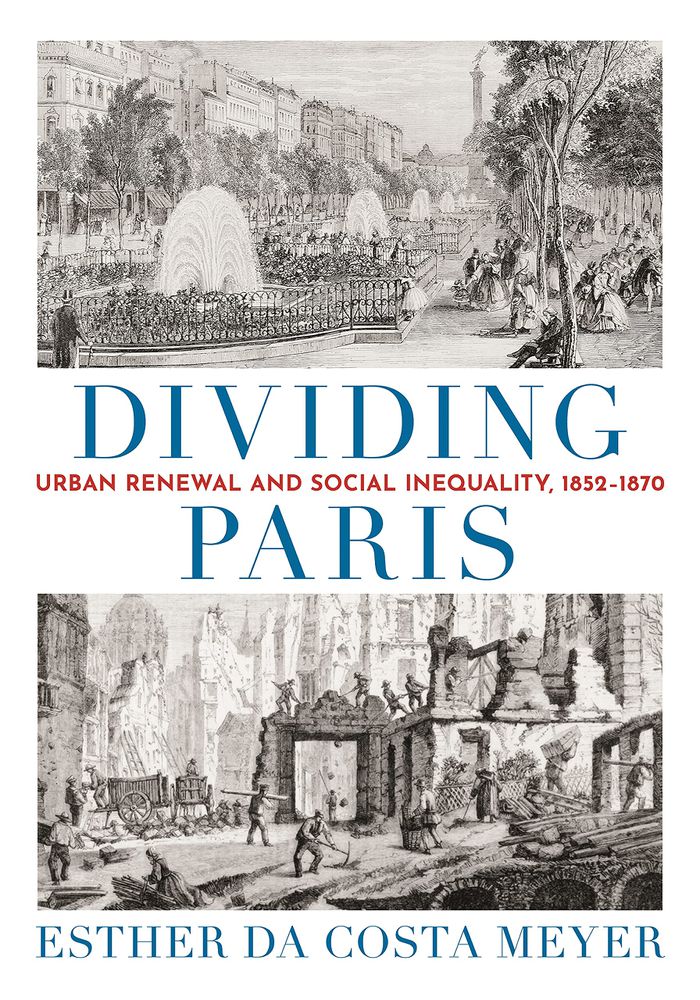
In the mid-nineteenth century, Napoleon III and his prefect, Georges-Eugène Haussmann, adapted Paris to the requirements of industrial capitalism, endowing the old city with elegant boulevards, an enhanced water supply, modern sewers, and public greenery. Esther da Costa Meyer provides a major reassessment of this ambitious project, which resulted in widespread(...)
$67.95
(disponible sur commande)
Résumé:
In the mid-nineteenth century, Napoleon III and his prefect, Georges-Eugène Haussmann, adapted Paris to the requirements of industrial capitalism, endowing the old city with elegant boulevards, an enhanced water supply, modern sewers, and public greenery. Esther da Costa Meyer provides a major reassessment of this ambitious project, which resulted in widespread(...)
Titre:
Dividing Paris: Urban renewal and social inequality 1852-1870
Actions:
Prix:
$67.95
(disponible sur commande)
Résumé:
In the mid-nineteenth century, Napoleon III and his prefect, Georges-Eugène Haussmann, adapted Paris to the requirements of industrial capitalism, endowing the old city with elegant boulevards, an enhanced water supply, modern sewers, and public greenery. Esther da Costa Meyer provides a major reassessment of this ambitious project, which resulted in widespread destruction in the historic center, displacing thousands of poor residents and polarizing the urban fabric. Drawing on newspapers, memoirs, and other archival materials, da Costa Meyer explores how people from different social strata?both women and men?experienced the urban reforms implemented by the Second Empire. As hundreds of tenements were destroyed to make way for upscale apartment buildings, thousands of impoverished residents were forced to the periphery, which lacked the services enjoyed by wealthier parts of the city. Challenging the idea of Paris as the capital of modernity, da Costa Meyer shows how the city was the hub of a sprawling colonial empire extending from the Caribbean to Asia, and exposes the underlying violence that enriched it at the expense of overseas territories. This book brings to light the contributions of those who actually built and maintained the impressive infrastructure of Paris, and reveals the consequences of colonial practices for the city's cultural, economic, and political life.
Dividing Paris: Urban renewal and social inequality 1852-1870
Actions:
Prix:
$67.95
(disponible sur commande)
Résumé:
In the mid-nineteenth century, Napoleon III and his prefect, Georges-Eugène Haussmann, adapted Paris to the requirements of industrial capitalism, endowing the old city with elegant boulevards, an enhanced water supply, modern sewers, and public greenery. Esther da Costa Meyer provides a major reassessment of this ambitious project, which resulted in widespread destruction in the historic center, displacing thousands of poor residents and polarizing the urban fabric. Drawing on newspapers, memoirs, and other archival materials, da Costa Meyer explores how people from different social strata?both women and men?experienced the urban reforms implemented by the Second Empire. As hundreds of tenements were destroyed to make way for upscale apartment buildings, thousands of impoverished residents were forced to the periphery, which lacked the services enjoyed by wealthier parts of the city. Challenging the idea of Paris as the capital of modernity, da Costa Meyer shows how the city was the hub of a sprawling colonial empire extending from the Caribbean to Asia, and exposes the underlying violence that enriched it at the expense of overseas territories. This book brings to light the contributions of those who actually built and maintained the impressive infrastructure of Paris, and reveals the consequences of colonial practices for the city's cultural, economic, and political life.
Classification:
livres
livres
Publication:
février 2022
février 2022
Sujet:
Théorie de l’urbanisme
Théorie de l’urbanisme


