


434 Résultats
Classification:
périodiques
périodiques
Actions:
Prix:
$17.95
(disponible en magasin)
Résumé:
The eleventh issue of "The Funambulist" can be read as the third installment of a trilogy about the territorialities and architectures of colonialism and postcolonialism. It is dedicated to the precise and strategic political order behind the apparent disorder of debris and ruin in various geographical and historical contexts. The current situations of systematic(...)
$17.95
(disponible en magasin)
Résumé:
The eleventh issue of "The Funambulist" can be read as the third installment of a trilogy about the territorialities and architectures of colonialism and postcolonialism. It is dedicated to the precise and strategic political order behind the apparent disorder of debris and ruin in various geographical and historical contexts. The current situations of systematic(...)
Titre:
The Funambulist 11: Designed destructions
Actions:
Prix:
$17.95
(disponible en magasin)
Résumé:
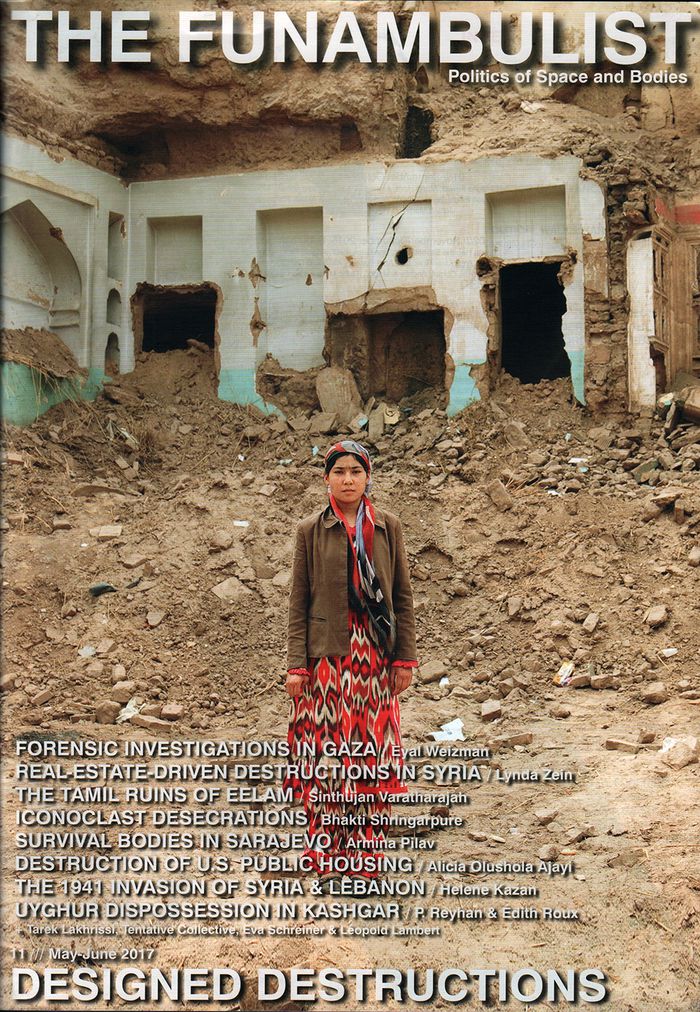
The eleventh issue of "The Funambulist" can be read as the third installment of a trilogy about the territorialities and architectures of colonialism and postcolonialism. It is dedicated to the precise and strategic political order behind the apparent disorder of debris and ruin in various geographical and historical contexts. The current situations of systematic destruction historically and currently experienced by Syrian and Palestinian populations provides a core to this issue to which are added accounts of the Uyghur, Tamil, and Black American struggles respectively in Xinjiang, Eelam, and the United States, as well as historical descriptions of survival bodies in Sarajevo and monument desecration in West Africa and the Carribeans.
The Funambulist 11: Designed destructions
Actions:
Prix:
$17.95
(disponible en magasin)
Résumé:
The eleventh issue of "The Funambulist" can be read as the third installment of a trilogy about the territorialities and architectures of colonialism and postcolonialism. It is dedicated to the precise and strategic political order behind the apparent disorder of debris and ruin in various geographical and historical contexts. The current situations of systematic destruction historically and currently experienced by Syrian and Palestinian populations provides a core to this issue to which are added accounts of the Uyghur, Tamil, and Black American struggles respectively in Xinjiang, Eelam, and the United States, as well as historical descriptions of survival bodies in Sarajevo and monument desecration in West Africa and the Carribeans.
Classification:
périodiques
périodiques
Publication:
mai 2017
mai 2017
Sujet:
Revues
Revues
Classification:
livres
livres
Actions:
Prix:
$74.95
(disponible sur commande)
Résumé:
Sarah Malakoff’s large-scale color photographs investigate domestic interiors as both a refuge from and a re-creation of the outside world. In ''Personal History'', she turns her attention to objects displayed within American homes that reference culture, history, and ideology. Whether representations of historical figures, events, or monuments, the possessions point to a(...)
$74.95
(disponible sur commande)
Résumé:
Sarah Malakoff’s large-scale color photographs investigate domestic interiors as both a refuge from and a re-creation of the outside world. In ''Personal History'', she turns her attention to objects displayed within American homes that reference culture, history, and ideology. Whether representations of historical figures, events, or monuments, the possessions point to a(...)
Titre:
Sarah Malakoff: personal history
Actions:
Prix:
$74.95
(disponible sur commande)
Résumé:
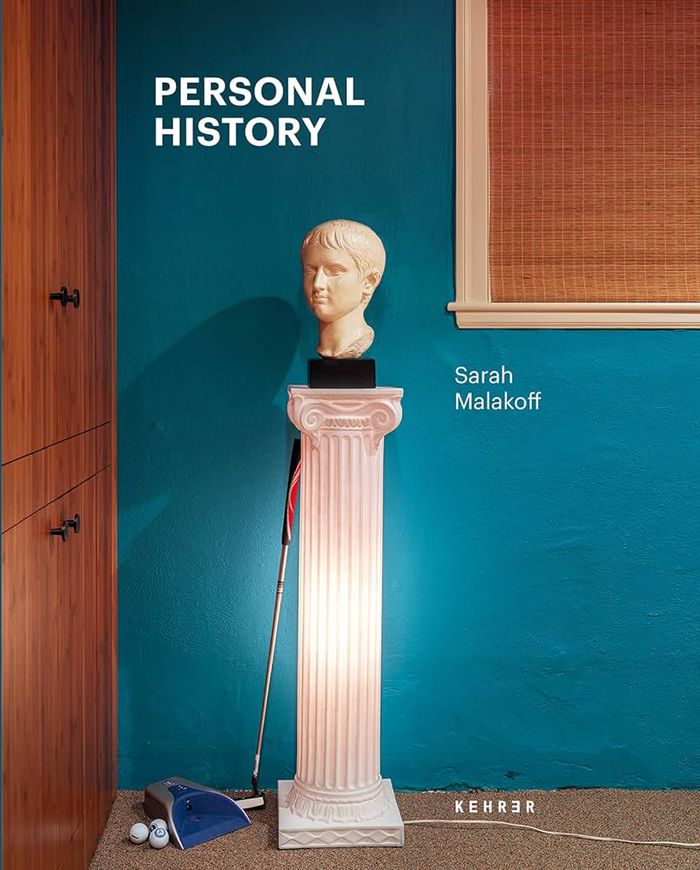
Sarah Malakoff’s large-scale color photographs investigate domestic interiors as both a refuge from and a re-creation of the outside world. In ''Personal History'', she turns her attention to objects displayed within American homes that reference culture, history, and ideology. Whether representations of historical figures, events, or monuments, the possessions point to a longing for connection to the past and an engagement with the world at large. Often the collections of objects underscore the privilege and power implicit in the act of collecting. These souvenirs resonate—sometimes humorously, sometimes disturbingly—with the other possessions and architecture that surround them, uneasily vacillating between heroism and kitsch, patriotism and colonialism.
Sarah Malakoff: personal history
Actions:
Prix:
$74.95
(disponible sur commande)
Résumé:
Sarah Malakoff’s large-scale color photographs investigate domestic interiors as both a refuge from and a re-creation of the outside world. In ''Personal History'', she turns her attention to objects displayed within American homes that reference culture, history, and ideology. Whether representations of historical figures, events, or monuments, the possessions point to a longing for connection to the past and an engagement with the world at large. Often the collections of objects underscore the privilege and power implicit in the act of collecting. These souvenirs resonate—sometimes humorously, sometimes disturbingly—with the other possessions and architecture that surround them, uneasily vacillating between heroism and kitsch, patriotism and colonialism.
Classification:
livres
livres
Publication:
mai 2023
mai 2023
Sujet:
Monographies photo
Monographies photo
Classification:
livres
livres
Actions:
Prix:
$49.95
(disponible en magasin)
Résumé:
"The Earth that modernism built" traces the rise of planetary design to an imperialist discourse about the influence of the earthly environment on humanity. Kenny Cupers argues that to understand how the earth became an object of design, we need to radically shift the terms of analysis. Rather than describing how new design ideas and practices traveled and transformed(...)
$49.95
(disponible en magasin)
Résumé:
"The Earth that modernism built" traces the rise of planetary design to an imperialist discourse about the influence of the earthly environment on humanity. Kenny Cupers argues that to understand how the earth became an object of design, we need to radically shift the terms of analysis. Rather than describing how new design ideas and practices traveled and transformed(...)
Titre:
The earth that modernism built: Empire and the rise of Planetary Design
Actions:
Prix:
$49.95
(disponible en magasin)
Résumé:
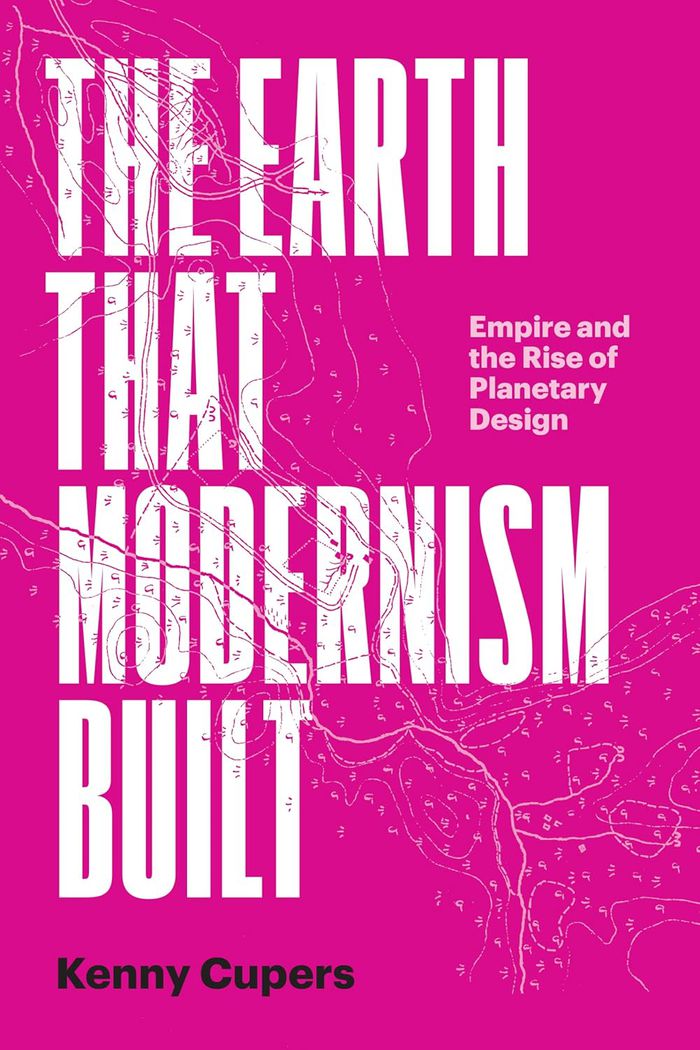
"The Earth that modernism built" traces the rise of planetary design to an imperialist discourse about the influence of the earthly environment on humanity. Kenny Cupers argues that to understand how the earth became an object of design, we need to radically shift the terms of analysis. Rather than describing how new design ideas and practices traveled and transformed people and places across the globe, this book interrogates the politics of life and earth underpinning this process. It demonstrates how approaches to modern housing, landscape design, and infrastructure planning are indebted to an understanding of planetary and human ecology fueled by settler colonialism and imperial ambition.
The earth that modernism built: Empire and the rise of Planetary Design
Actions:
Prix:
$49.95
(disponible en magasin)
Résumé:
"The Earth that modernism built" traces the rise of planetary design to an imperialist discourse about the influence of the earthly environment on humanity. Kenny Cupers argues that to understand how the earth became an object of design, we need to radically shift the terms of analysis. Rather than describing how new design ideas and practices traveled and transformed people and places across the globe, this book interrogates the politics of life and earth underpinning this process. It demonstrates how approaches to modern housing, landscape design, and infrastructure planning are indebted to an understanding of planetary and human ecology fueled by settler colonialism and imperial ambition.
Classification:
livres
livres
Publication:
décembre 2024
décembre 2024
Sujet:
Théorie de l’architecture
Théorie de l’architecture
Classification:
livres
livres
Actions:
Prix:
$24.95
(disponible en magasin)
Résumé:
"What is highly likely but not impossible?" is informed by themes found in the work of Hiwa K, such as statehood, war, migration, belonging, the effects of neoliberalism and colonialism, home as a concept, language, and the myth of the individual artist. The compendium ranges freely across mediums, drawing together experimental poetry, science fiction, photography,(...)
$24.95
(disponible en magasin)
Résumé:
"What is highly likely but not impossible?" is informed by themes found in the work of Hiwa K, such as statehood, war, migration, belonging, the effects of neoliberalism and colonialism, home as a concept, language, and the myth of the individual artist. The compendium ranges freely across mediums, drawing together experimental poetry, science fiction, photography,(...)
Titre:
What is highly unlikely but not impossible?
Actions:
Prix:
$24.95
(disponible en magasin)
Résumé:
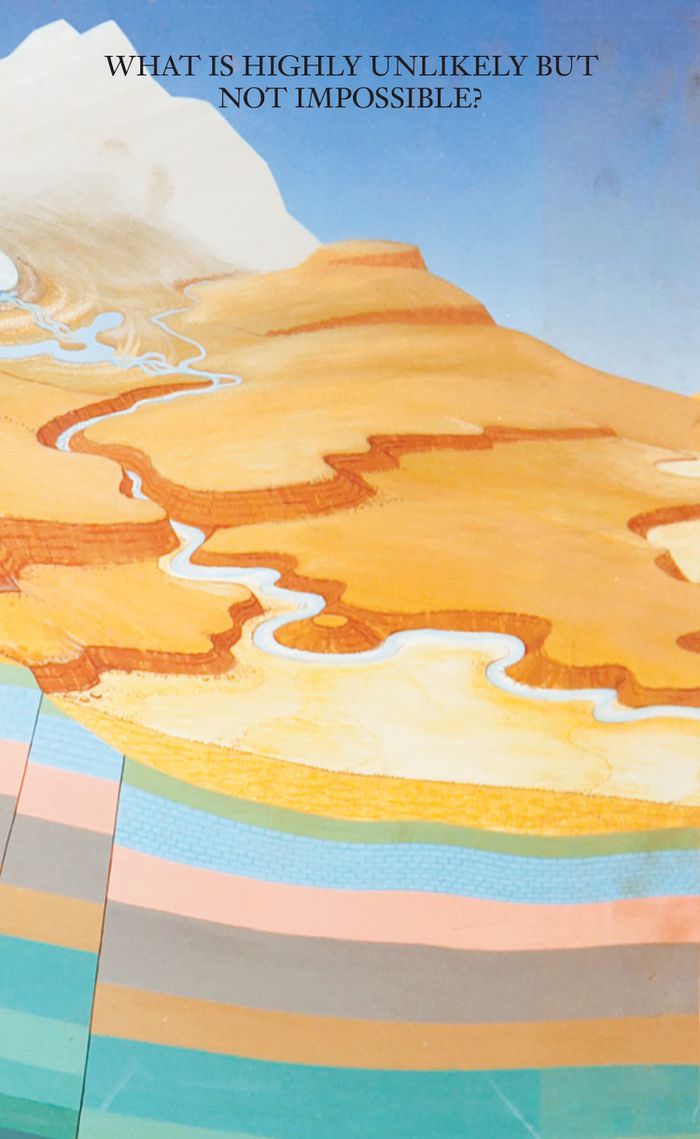
"What is highly likely but not impossible?" is informed by themes found in the work of Hiwa K, such as statehood, war, migration, belonging, the effects of neoliberalism and colonialism, home as a concept, language, and the myth of the individual artist. The compendium ranges freely across mediums, drawing together experimental poetry, science fiction, photography, memoir, academic essays, art historical texts, and more. Contributions include a short story by Benjamin Labatut, an excerpt from a lecture by Achille Mbembe, and drawings by Hajra Waheed. Like previous editions in the series, this book brings together a range of voices and mediums to consider?some of the most pressing issues of our time.?
What is highly unlikely but not impossible?
Actions:
Prix:
$24.95
(disponible en magasin)
Résumé:
"What is highly likely but not impossible?" is informed by themes found in the work of Hiwa K, such as statehood, war, migration, belonging, the effects of neoliberalism and colonialism, home as a concept, language, and the myth of the individual artist. The compendium ranges freely across mediums, drawing together experimental poetry, science fiction, photography, memoir, academic essays, art historical texts, and more. Contributions include a short story by Benjamin Labatut, an excerpt from a lecture by Achille Mbembe, and drawings by Hajra Waheed. Like previous editions in the series, this book brings together a range of voices and mediums to consider?some of the most pressing issues of our time.?
Classification:
livres
livres
Publication:
août 2026
août 2026
Sujet:
Théorie de l’art
Théorie de l’art
Classification:
livres
livres
Actions:
Prix:
$20.00
(disponible en magasin)
Résumé:
''Before I was a critic I was a human being'' is the debut collection of essays by Amy Fung. In it, Fung takes a closer examination at Canada’s mythologies of multiculturalism, settler colonialism, and identity through the lens of a national art critic. Following the tangents of a foreign-born perspective and the complexities and complicities in participating in ongoing(...)
$20.00
(disponible en magasin)
Résumé:
''Before I was a critic I was a human being'' is the debut collection of essays by Amy Fung. In it, Fung takes a closer examination at Canada’s mythologies of multiculturalism, settler colonialism, and identity through the lens of a national art critic. Following the tangents of a foreign-born perspective and the complexities and complicities in participating in ongoing(...)
Titre:
Before I was a critic I was a human being
Actions:
Prix:
$20.00
(disponible en magasin)
Résumé:
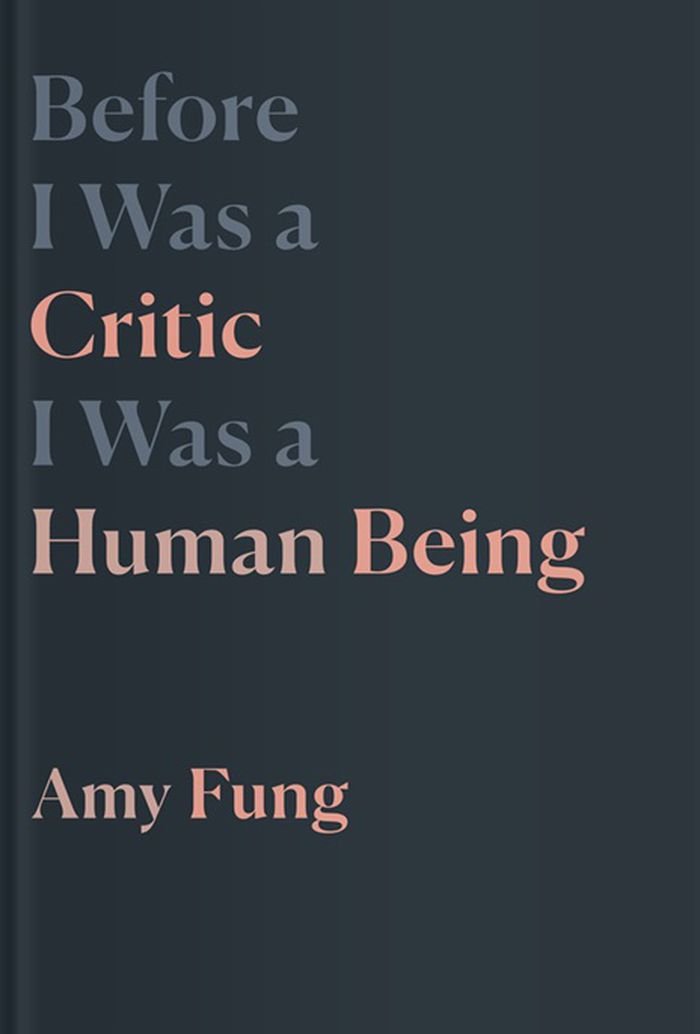
''Before I was a critic I was a human being'' is the debut collection of essays by Amy Fung. In it, Fung takes a closer examination at Canada’s mythologies of multiculturalism, settler colonialism, and identity through the lens of a national art critic. Following the tangents of a foreign-born perspective and the complexities and complicities in participating in ongoing acts of colonial violence, the book as a whole takes the form of a very long land acknowledgement. Taken individually, each piece roots itself in the learning and unlearning process of a first generation settler immigrant as she unfurls each region’s sense of place and identity.
Before I was a critic I was a human being
Actions:
Prix:
$20.00
(disponible en magasin)
Résumé:
''Before I was a critic I was a human being'' is the debut collection of essays by Amy Fung. In it, Fung takes a closer examination at Canada’s mythologies of multiculturalism, settler colonialism, and identity through the lens of a national art critic. Following the tangents of a foreign-born perspective and the complexities and complicities in participating in ongoing acts of colonial violence, the book as a whole takes the form of a very long land acknowledgement. Taken individually, each piece roots itself in the learning and unlearning process of a first generation settler immigrant as she unfurls each region’s sense of place and identity.
Classification:
livres
livres
Publication:
mai 2019
mai 2019
Sujet:
Social
Social
Classification:
livres
livres
Actions:
Exemplaires:
Description:
214 pages : illustrations ; 23 cm.
Description:
214 pages : illustrations ; 23 cm.
Auteur:
Sujet:
Publication:
Montreuil : Éditions B42, 2026.
Montreuil : Éditions B42, 2026.
Titre:
Toxicité coloniale : documenter le paysage radioactif dans le Sahara / Samia Henni ; traduit de l'anglais par Marc Saint-Upéry.
Actions:
Exemplaires:
Description:
214 pages : illustrations ; 23 cm.
Toxicité coloniale : documenter le paysage radioactif dans le Sahara / Samia Henni ; traduit de l'anglais par Marc Saint-Upéry.
Actions:
Exemplaires:
Description:
214 pages : illustrations ; 23 cm.
Classification:
livres
livres
Publication:
Montreuil : Éditions B42, 2026.
Montreuil : Éditions B42, 2026.
Auteur:
Sujet:
Classification:
livres
livres
Actions:
Prix:
$49.00
(disponible sur commande)
Résumé:
Looking beyond East/West and North/South divisions, the ''Art and solidarity reader'' asks: what were and are the alternative circuits of survival and solidarity among artists and activists from nonaligned nations and politically challenging contexts? What do these trajectories of solidarity lead to, in and outside of art worlds? How can traveling exhibitions,(...)
$49.00
(disponible sur commande)
Résumé:
Looking beyond East/West and North/South divisions, the ''Art and solidarity reader'' asks: what were and are the alternative circuits of survival and solidarity among artists and activists from nonaligned nations and politically challenging contexts? What do these trajectories of solidarity lead to, in and outside of art worlds? How can traveling exhibitions,(...)
Titre:
Art and solidarity reader: radical actions, politics and friendships
Actions:
Prix:
$49.00
(disponible sur commande)
Résumé:
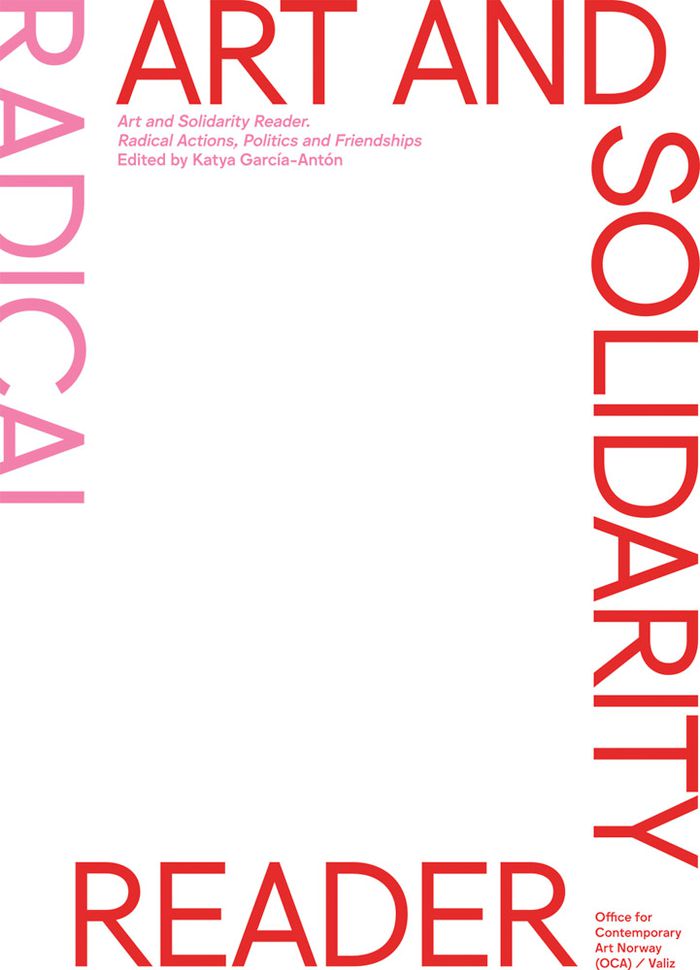
Looking beyond East/West and North/South divisions, the ''Art and solidarity reader'' asks: what were and are the alternative circuits of survival and solidarity among artists and activists from nonaligned nations and politically challenging contexts? What do these trajectories of solidarity lead to, in and outside of art worlds? How can traveling exhibitions, museological displays, the idea of ''the museum in exile,'' artistic actions and performative groupings become tools for political struggle against oppression and social fragmentation? The ''Art and solidarity reader'' gathers microhistories from the 1970s to today, rethinking our collective responses to the multiple crises related to migration, colonialism, rising radicalization, religious conflicts, class divisions, new technology, heteronormativity and environmental urgencies.
Art and solidarity reader: radical actions, politics and friendships
Actions:
Prix:
$49.00
(disponible sur commande)
Résumé:
Looking beyond East/West and North/South divisions, the ''Art and solidarity reader'' asks: what were and are the alternative circuits of survival and solidarity among artists and activists from nonaligned nations and politically challenging contexts? What do these trajectories of solidarity lead to, in and outside of art worlds? How can traveling exhibitions, museological displays, the idea of ''the museum in exile,'' artistic actions and performative groupings become tools for political struggle against oppression and social fragmentation? The ''Art and solidarity reader'' gathers microhistories from the 1970s to today, rethinking our collective responses to the multiple crises related to migration, colonialism, rising radicalization, religious conflicts, class divisions, new technology, heteronormativity and environmental urgencies.
Classification:
livres
livres
Publication:
novembre 2022
novembre 2022
Sujet:
Théorie de l’art
Théorie de l’art
Classification:
livres
livres
Titre:
Pauline Julier: Meadow
Pauline Julier: Meadow
Actions:
Prix:
$40.00
(disponible sur commande)
Résumé:
This publication is part of the Occupy Mars project conducted by Pauline Julier and Clément Postec, which sees Mars as a mirror of Earth at the dawn of the new age of space exploration, extractivism, and colonialism. Through a series of films, publications, and public discussions, it bridges multiple alternative perspectives that question both past and future to bring new(...)
$40.00
(disponible sur commande)
Résumé:
This publication is part of the Occupy Mars project conducted by Pauline Julier and Clément Postec, which sees Mars as a mirror of Earth at the dawn of the new age of space exploration, extractivism, and colonialism. Through a series of films, publications, and public discussions, it bridges multiple alternative perspectives that question both past and future to bring new(...)
Titre:
Pauline Julier: Meadow
Actions:
Prix:
$40.00
(disponible sur commande)
Résumé:
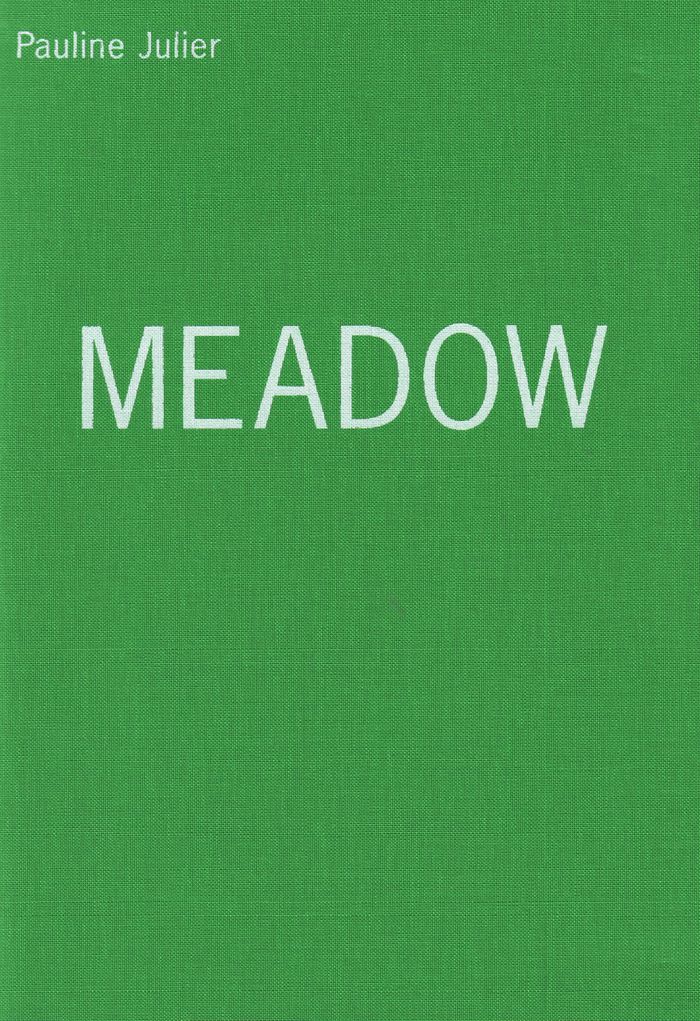
This publication is part of the Occupy Mars project conducted by Pauline Julier and Clément Postec, which sees Mars as a mirror of Earth at the dawn of the new age of space exploration, extractivism, and colonialism. Through a series of films, publications, and public discussions, it bridges multiple alternative perspectives that question both past and future to bring new narratives to the fore and give insurgent voices a platform. A first exploration took place in the Atacama Desert in Chile, where the training sites for NASA's rovers are located next to one of the largest lithium mines in the world. Published on the occasion of Julier’s exhibition near the Mauvoisin Dam in Switzerland.
Pauline Julier: Meadow
Actions:
Prix:
$40.00
(disponible sur commande)
Résumé:
This publication is part of the Occupy Mars project conducted by Pauline Julier and Clément Postec, which sees Mars as a mirror of Earth at the dawn of the new age of space exploration, extractivism, and colonialism. Through a series of films, publications, and public discussions, it bridges multiple alternative perspectives that question both past and future to bring new narratives to the fore and give insurgent voices a platform. A first exploration took place in the Atacama Desert in Chile, where the training sites for NASA's rovers are located next to one of the largest lithium mines in the world. Published on the occasion of Julier’s exhibition near the Mauvoisin Dam in Switzerland.
Classification:
livres
livres
Publication:
août 2022
août 2022
Sujet:
Monographies photo
Monographies photo
Classification:
livres
livres
Actions:
Prix:
$37.95
(disponible sur commande)
Résumé:
When we think of segregation, what often comes to mind is apartheid South Africa, or the American South in the age of Jim Crow—two societies fundamentally premised on the concept of the separation of the races. But as Carl H. Nightingale shows us in this history, segregation is everywhere, deforming cities and societies worldwide. Starting with segregation’s ancient(...)
$37.95
(disponible sur commande)
Résumé:
When we think of segregation, what often comes to mind is apartheid South Africa, or the American South in the age of Jim Crow—two societies fundamentally premised on the concept of the separation of the races. But as Carl H. Nightingale shows us in this history, segregation is everywhere, deforming cities and societies worldwide. Starting with segregation’s ancient(...)
Titre:
Segregation: a global history of divided cities
Actions:
Prix:
$37.95
(disponible sur commande)
Résumé:
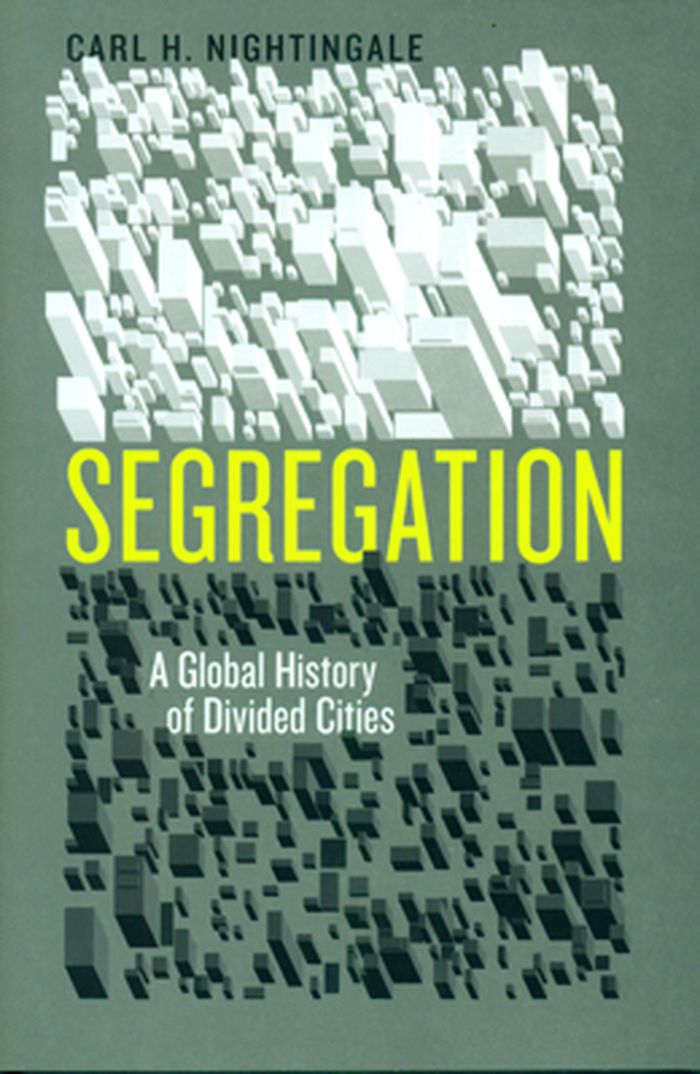
When we think of segregation, what often comes to mind is apartheid South Africa, or the American South in the age of Jim Crow—two societies fundamentally premised on the concept of the separation of the races. But as Carl H. Nightingale shows us in this history, segregation is everywhere, deforming cities and societies worldwide. Starting with segregation’s ancient roots, and what the archaeological evidence reveals about humanity’s long-standing use of urban divisions to reinforce political and economic inequality, Nightingale then moves to the world of European colonialism. This publication lays bare our troubled past, and sets us on the path to imagining the better, more equal cities of the future.
Segregation: a global history of divided cities
Actions:
Prix:
$37.95
(disponible sur commande)
Résumé:
When we think of segregation, what often comes to mind is apartheid South Africa, or the American South in the age of Jim Crow—two societies fundamentally premised on the concept of the separation of the races. But as Carl H. Nightingale shows us in this history, segregation is everywhere, deforming cities and societies worldwide. Starting with segregation’s ancient roots, and what the archaeological evidence reveals about humanity’s long-standing use of urban divisions to reinforce political and economic inequality, Nightingale then moves to the world of European colonialism. This publication lays bare our troubled past, and sets us on the path to imagining the better, more equal cities of the future.
Classification:
livres
livres
Publication:
juin 2012
juin 2012
Sujet:
Théorie de l’urbanisme
Théorie de l’urbanisme
Classification:
livres
livres
Prix:
$38.00
(disponible en magasin)
Résumé:
The Western museum is a battleground - a terrain of ideological, political and economic contestation. Almost everyone today wants to rethink the museum, but how many have the audacity to question the idea of the universal museum itself? In "A programme of absolute disorder," Françoise Vergès puts the museum in its place. Exploring the Louvre's history, she uncovers the(...)
$38.00
(disponible en magasin)
Résumé:
The Western museum is a battleground - a terrain of ideological, political and economic contestation. Almost everyone today wants to rethink the museum, but how many have the audacity to question the idea of the universal museum itself? In "A programme of absolute disorder," Françoise Vergès puts the museum in its place. Exploring the Louvre's history, she uncovers the(...)
Titre:
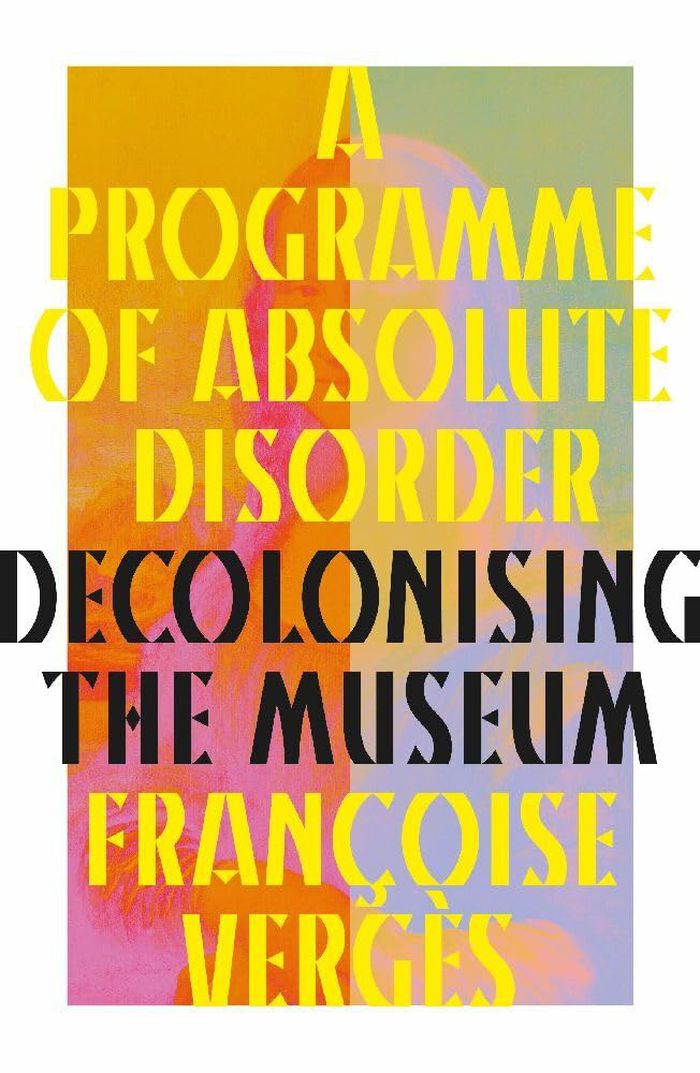
A programme of absolute disorder: Decolonizing the museum
Actions:
Prix:
$38.00
(disponible en magasin)
Résumé:
The Western museum is a battleground - a terrain of ideological, political and economic contestation. Almost everyone today wants to rethink the museum, but how many have the audacity to question the idea of the universal museum itself? In "A programme of absolute disorder," Françoise Vergès puts the museum in its place. Exploring the Louvre's history, she uncovers the context in which the universal museum emerged: as a product of colonialism, and of Europe's self-appointed claim to be the guardian of global heritage. Vergès outlines a radical horizon: to truly decolonize the museum is to implement a 'programme of absolute disorder', inventing other ways of apprehending the human and non-human world that nourish collective creativity and bring justice and dignity to the dispossessed.
A programme of absolute disorder: Decolonizing the museum
Actions:
Prix:
$38.00
(disponible en magasin)
Résumé:
The Western museum is a battleground - a terrain of ideological, political and economic contestation. Almost everyone today wants to rethink the museum, but how many have the audacity to question the idea of the universal museum itself? In "A programme of absolute disorder," Françoise Vergès puts the museum in its place. Exploring the Louvre's history, she uncovers the context in which the universal museum emerged: as a product of colonialism, and of Europe's self-appointed claim to be the guardian of global heritage. Vergès outlines a radical horizon: to truly decolonize the museum is to implement a 'programme of absolute disorder', inventing other ways of apprehending the human and non-human world that nourish collective creativity and bring justice and dignity to the dispossessed.
Classification:
livres
livres
Publication:
juillet 2024
juillet 2024
Sujet:
Muséologie
Muséologie


