


3887 Résultats
Classification:
livres
livres
Actions:
Prix:
$41.50
(disponible sur commande)
Résumé:
A.J. Lode Janssens is one of Belgium’s most idiosyncratic architects and a radical educator. He was cofounder of the experimental studio Atelier Alpha and the Sint-Lucas Werkgemeenschap, a workshop linking architectural education, practice and research, and operated in close collaboration with ILAUD, the International Laboratory of Architecture and Urban Design. This(...)
$41.50
(disponible sur commande)
Résumé:
A.J. Lode Janssens is one of Belgium’s most idiosyncratic architects and a radical educator. He was cofounder of the experimental studio Atelier Alpha and the Sint-Lucas Werkgemeenschap, a workshop linking architectural education, practice and research, and operated in close collaboration with ILAUD, the International Laboratory of Architecture and Urban Design. This(...)
Titre:
A. J. Lode Janssens: 1,47 mbar. Balloon Home
Actions:
Prix:
$41.50
(disponible sur commande)
Résumé:
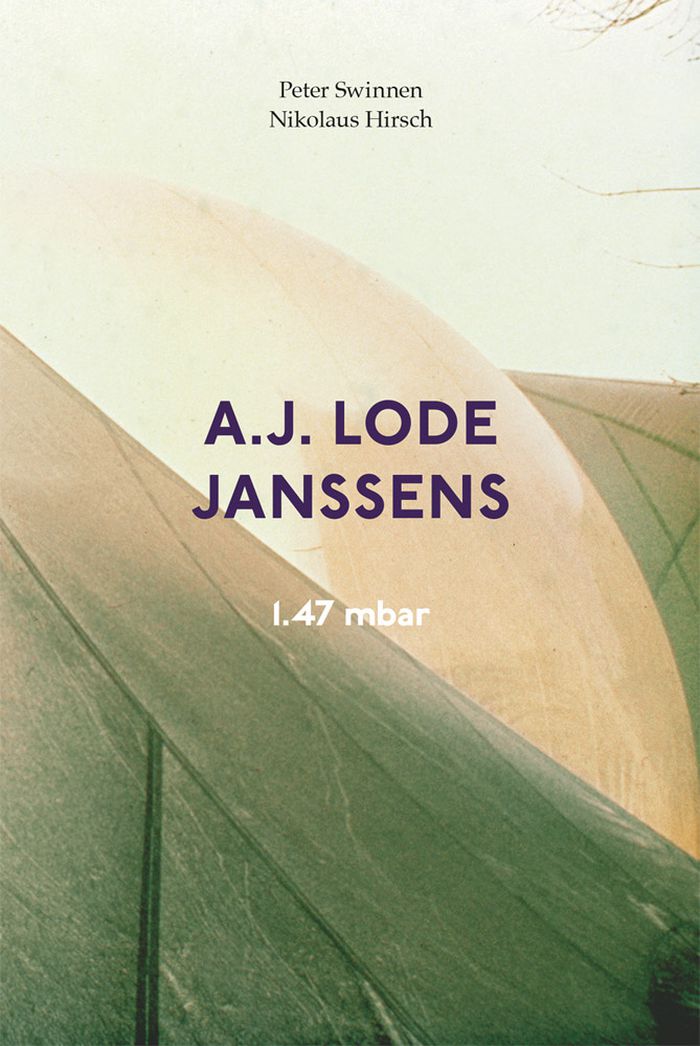
A.J. Lode Janssens is one of Belgium’s most idiosyncratic architects and a radical educator. He was cofounder of the experimental studio Atelier Alpha and the Sint-Lucas Werkgemeenschap, a workshop linking architectural education, practice and research, and operated in close collaboration with ILAUD, the International Laboratory of Architecture and Urban Design. This publication presents The Balloon, an all-but-unknown temporary pneumatic home experiment, built in 1973 in Humbeek, where he lived with his family until 1986. Lode Janssens considered it an uncompromising ephemeral attempt at de-architecturalization and living in harmony with nature: a cave-dwelling, a work-in-progress, an empirical residence. This publication accompanies the eponymous exhibition at CIVA in Brussels.
A. J. Lode Janssens: 1,47 mbar. Balloon Home
Actions:
Prix:
$41.50
(disponible sur commande)
Résumé:
A.J. Lode Janssens is one of Belgium’s most idiosyncratic architects and a radical educator. He was cofounder of the experimental studio Atelier Alpha and the Sint-Lucas Werkgemeenschap, a workshop linking architectural education, practice and research, and operated in close collaboration with ILAUD, the International Laboratory of Architecture and Urban Design. This publication presents The Balloon, an all-but-unknown temporary pneumatic home experiment, built in 1973 in Humbeek, where he lived with his family until 1986. Lode Janssens considered it an uncompromising ephemeral attempt at de-architecturalization and living in harmony with nature: a cave-dwelling, a work-in-progress, an empirical residence. This publication accompanies the eponymous exhibition at CIVA in Brussels.
Classification:
livres
livres
Publication:
octobre 2022
octobre 2022
Sujet:
Architecture, monographies
Architecture, monographies
Classification:
livres
livres
Titre:
Bauhaus Dream-house
Bauhaus Dream-house
Actions:
Prix:
$54.95
(disponible en magasin)
Résumé:
Bauhaus Dream-house brings critical social theory to bear on the ideas of architectural and design education at the Bauhaus - tracing the spread and influence of these ideas worldwide. Developed in post WW1 Germany, the principles of Bauhaus architecture and design were transferred by some of its leading figures to architecture schools at Harvard, Chicago and the(...)
$54.95
(disponible en magasin)
Résumé:
Bauhaus Dream-house brings critical social theory to bear on the ideas of architectural and design education at the Bauhaus - tracing the spread and influence of these ideas worldwide. Developed in post WW1 Germany, the principles of Bauhaus architecture and design were transferred by some of its leading figures to architecture schools at Harvard, Chicago and the(...)
Titre:
Bauhaus Dream-house
Actions:
Prix:
$54.95
(disponible en magasin)
Résumé:
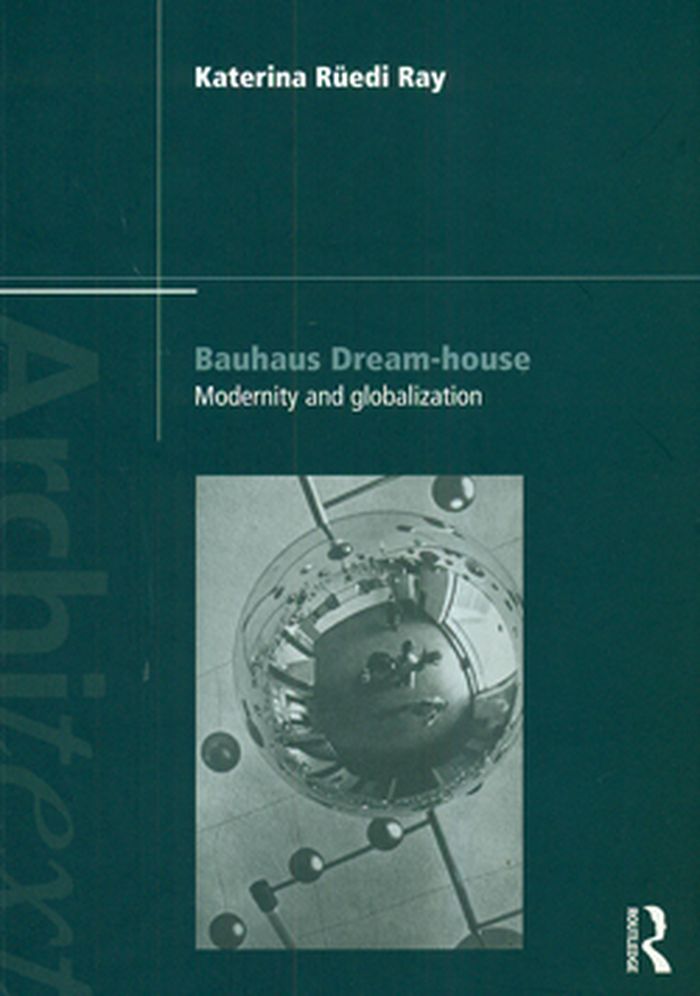
Bauhaus Dream-house brings critical social theory to bear on the ideas of architectural and design education at the Bauhaus - tracing the spread and influence of these ideas worldwide. Developed in post WW1 Germany, the principles of Bauhaus architecture and design were transferred by some of its leading figures to architecture schools at Harvard, Chicago and the IIT. Yet in the postwar era, they also became increasingly influential in architecture schools in Western and Central Europe, Japan, South America, Africa and the Middle East. This book provides a critical examination of the profound social, cultural and spatial consequences of these developments and the erasure of class, race, gender and culture which the ‘modernisation’ of design embodied.
Bauhaus Dream-house
Actions:
Prix:
$54.95
(disponible en magasin)
Résumé:
Bauhaus Dream-house brings critical social theory to bear on the ideas of architectural and design education at the Bauhaus - tracing the spread and influence of these ideas worldwide. Developed in post WW1 Germany, the principles of Bauhaus architecture and design were transferred by some of its leading figures to architecture schools at Harvard, Chicago and the IIT. Yet in the postwar era, they also became increasingly influential in architecture schools in Western and Central Europe, Japan, South America, Africa and the Middle East. This book provides a critical examination of the profound social, cultural and spatial consequences of these developments and the erasure of class, race, gender and culture which the ‘modernisation’ of design embodied.
Classification:
livres
livres
Publication:
juillet 2010
juillet 2010
Sujet:
Modernisme
Modernisme
Classification:
livres
livres
Actions:
Prix:
$21.00
(disponible sur commande)
Résumé:
Multi award-winning designer and typographer, Craig Ward, presents his first self-authored book, Popular Lies About Graphic Design. An attempt to debunk various misconceptions, half truths and, in some cases, outright lies which permeate the industry of design. Written both passionately and irreverently, Ward pulls from his ten years of experience to tackle lighter(...)
$21.00
(disponible sur commande)
Résumé:
Multi award-winning designer and typographer, Craig Ward, presents his first self-authored book, Popular Lies About Graphic Design. An attempt to debunk various misconceptions, half truths and, in some cases, outright lies which permeate the industry of design. Written both passionately and irreverently, Ward pulls from his ten years of experience to tackle lighter(...)
Titre:
Popular lies about graphic design
Actions:
Prix:
$21.00
(disponible sur commande)
Résumé:
Multi award-winning designer and typographer, Craig Ward, presents his first self-authored book, Popular Lies About Graphic Design. An attempt to debunk various misconceptions, half truths and, in some cases, outright lies which permeate the industry of design. Written both passionately and irreverently, Ward pulls from his ten years of experience to tackle lighter subjects such as design fetishists, Helvetica’s neutrality and urgent briefs, alongside discussions on more worthy topics such as the validity of design education, the supposed death of print, client relationships and pitch planning. In addition, the book features contributions from more than a dozen established practitioners such as Milton Glaser, Stefan Sagmeister, Christoph Niemann and David Carson
Popular lies about graphic design
Actions:
Prix:
$21.00
(disponible sur commande)
Résumé:
Multi award-winning designer and typographer, Craig Ward, presents his first self-authored book, Popular Lies About Graphic Design. An attempt to debunk various misconceptions, half truths and, in some cases, outright lies which permeate the industry of design. Written both passionately and irreverently, Ward pulls from his ten years of experience to tackle lighter subjects such as design fetishists, Helvetica’s neutrality and urgent briefs, alongside discussions on more worthy topics such as the validity of design education, the supposed death of print, client relationships and pitch planning. In addition, the book features contributions from more than a dozen established practitioners such as Milton Glaser, Stefan Sagmeister, Christoph Niemann and David Carson
Classification:
livres
livres
Publication:
janvier 2013
janvier 2013
Sujet:
Théorie du design
Théorie du design
Classification:
livres
livres
Actions:
Prix:
$25.00
(disponible sur commande)
Résumé:
In Radical Museology, New York–based art historian Claire Bishop argues that the incommensurability of fiscal and cultural temporality--one fast, the other slower--points to an alternative world of values in which museums (and by extension, culture, education and democracy in general) are not subject to the banalities of a spreadsheet, but enable us to access a rich and(...)
$25.00
(disponible sur commande)
Résumé:
In Radical Museology, New York–based art historian Claire Bishop argues that the incommensurability of fiscal and cultural temporality--one fast, the other slower--points to an alternative world of values in which museums (and by extension, culture, education and democracy in general) are not subject to the banalities of a spreadsheet, but enable us to access a rich and(...)
Titre:
Radical museology: or what's contemporary in museums of contemporary art?
Actions:
Prix:
$25.00
(disponible sur commande)
Résumé:
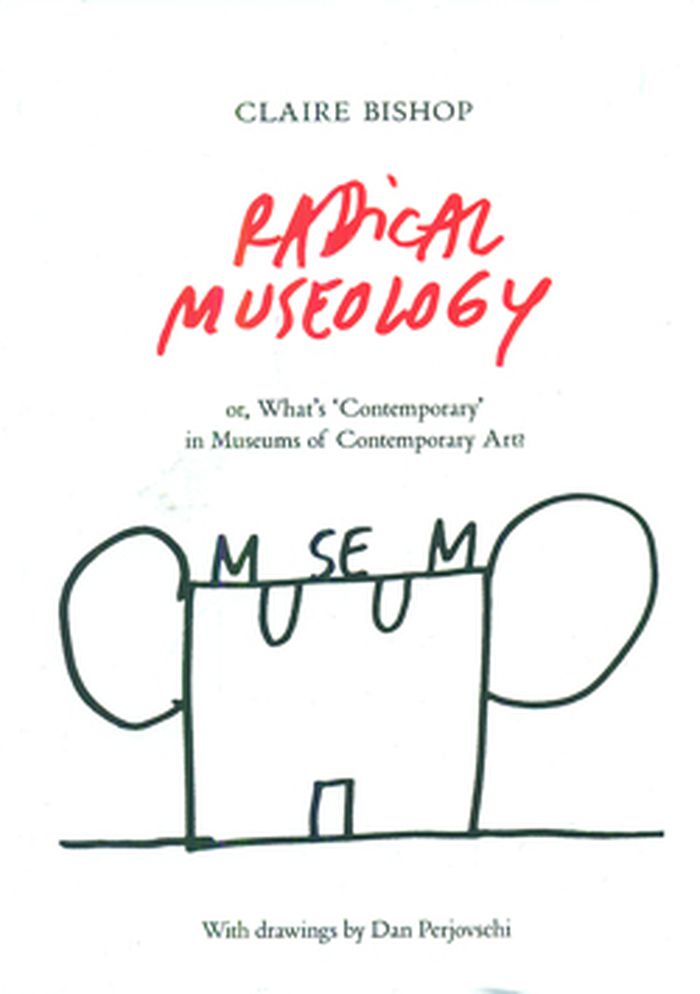
In Radical Museology, New York–based art historian Claire Bishop argues that the incommensurability of fiscal and cultural temporality--one fast, the other slower--points to an alternative world of values in which museums (and by extension, culture, education and democracy in general) are not subject to the banalities of a spreadsheet, but enable us to access a rich and diverse history, to question the present and to realize a different future. She discusses creative solutions implemented at the Van Abbemuseum in Eindhoven, the Museo Nacional de Reina Sofía in Madrid and MSUM in Ljubljana. This book is a manifesto for the importance of a politicized representation of the contemporary in today’s art.
Radical museology: or what's contemporary in museums of contemporary art?
Actions:
Prix:
$25.00
(disponible sur commande)
Résumé:
In Radical Museology, New York–based art historian Claire Bishop argues that the incommensurability of fiscal and cultural temporality--one fast, the other slower--points to an alternative world of values in which museums (and by extension, culture, education and democracy in general) are not subject to the banalities of a spreadsheet, but enable us to access a rich and diverse history, to question the present and to realize a different future. She discusses creative solutions implemented at the Van Abbemuseum in Eindhoven, the Museo Nacional de Reina Sofía in Madrid and MSUM in Ljubljana. This book is a manifesto for the importance of a politicized representation of the contemporary in today’s art.
Classification:
livres
livres
Publication:
février 2014
février 2014
Sujet:
Muséologie
Muséologie
Classification:
livres
livres
Actions:
Prix:
$41.95
(disponible sur commande)
Résumé:
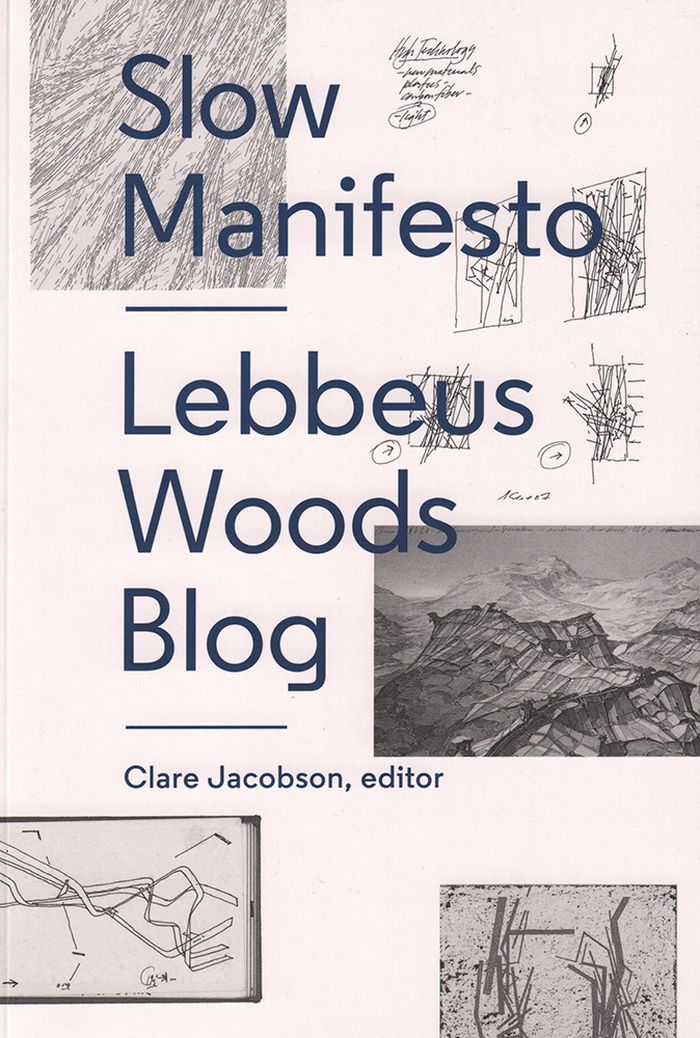
In the fall of 2007, Lebbeus Woods (1940-2012), long admired for his visionary architecture and mastery of drawing, began a blog. Part forum and part public journal, the eclectic mix of articles, drawings, anecdotes, poetry, interviews, and photographic essays explored topics ranging from architectural theory and criticism to education and politics. Amassing more thanv(...)
$41.95
(disponible sur commande)
Résumé:
In the fall of 2007, Lebbeus Woods (1940-2012), long admired for his visionary architecture and mastery of drawing, began a blog. Part forum and part public journal, the eclectic mix of articles, drawings, anecdotes, poetry, interviews, and photographic essays explored topics ranging from architectural theory and criticism to education and politics. Amassing more thanv(...)
Titre:
Slow manifesto: Lebbeus Woods blog
Actions:
Prix:
$41.95
(disponible sur commande)
Résumé:
In the fall of 2007, Lebbeus Woods (1940-2012), long admired for his visionary architecture and mastery of drawing, began a blog. Part forum and part public journal, the eclectic mix of articles, drawings, anecdotes, poetry, interviews, and photographic essays explored topics ranging from architectural theory and criticism to education and politics. Amassing more thanv three hundred entries by its end in the summer of 2012, it is regarded by many as the most comprehensive and accessible archive of Woods's prodigious creativity. Slow Manifesto: Lebbeus Woods Blog, an edited volume of the blog's centerpiece entries, stands as a fragmentary essay on the nature of architecture that will be dear to architects, students, and thinkers everywhere.
Slow manifesto: Lebbeus Woods blog
Actions:
Prix:
$41.95
(disponible sur commande)
Résumé:
In the fall of 2007, Lebbeus Woods (1940-2012), long admired for his visionary architecture and mastery of drawing, began a blog. Part forum and part public journal, the eclectic mix of articles, drawings, anecdotes, poetry, interviews, and photographic essays explored topics ranging from architectural theory and criticism to education and politics. Amassing more thanv three hundred entries by its end in the summer of 2012, it is regarded by many as the most comprehensive and accessible archive of Woods's prodigious creativity. Slow Manifesto: Lebbeus Woods Blog, an edited volume of the blog's centerpiece entries, stands as a fragmentary essay on the nature of architecture that will be dear to architects, students, and thinkers everywhere.
Classification:
livres
livres
Publication:
août 2015
août 2015
Sujet:
Théorie de l’architecture
Théorie de l’architecture
Classification:
livres
livres
Actions:
Prix:
$60.00
(disponible sur commande)
Résumé:
Konstantin Melnikov (1890–1974) is unquestionably one of the outstanding architects of the 20th century—in spite of the fact that he fell silent early, leaving behind only limited work that was insufficiently publicized, and restricted almost exclusively to Moscow, the city of his birth in which he spent nearly his entire life and which did not appreciate him. He was(...)
$60.00
(disponible sur commande)
Résumé:
Konstantin Melnikov (1890–1974) is unquestionably one of the outstanding architects of the 20th century—in spite of the fact that he fell silent early, leaving behind only limited work that was insufficiently publicized, and restricted almost exclusively to Moscow, the city of his birth in which he spent nearly his entire life and which did not appreciate him. He was(...)
Titre:
Konstantin Melnikov and his House
Actions:
Prix:
$60.00
(disponible sur commande)
Résumé:
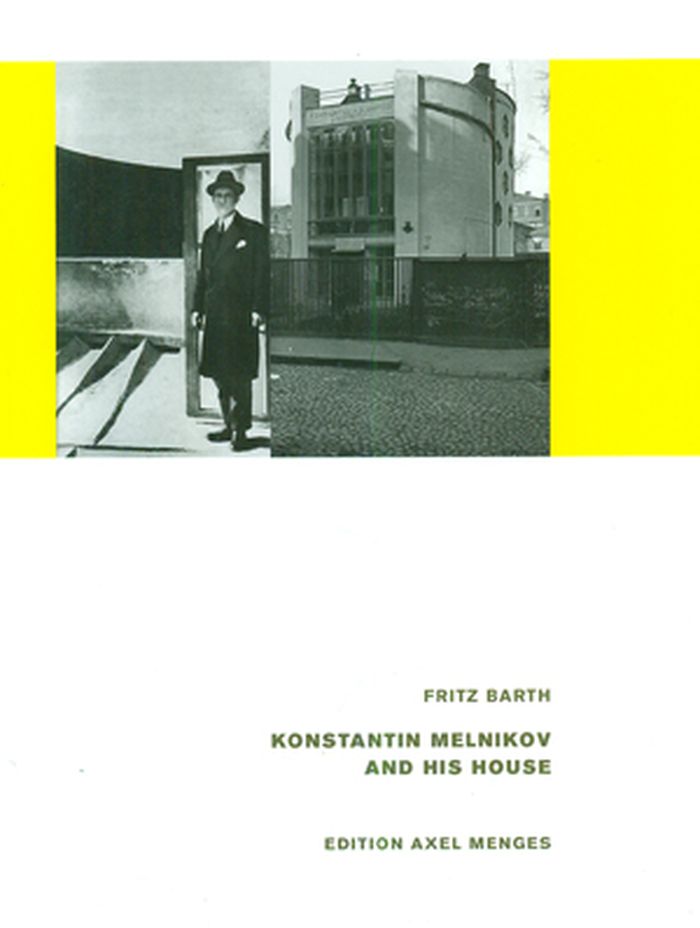
Konstantin Melnikov (1890–1974) is unquestionably one of the outstanding architects of the 20th century—in spite of the fact that he fell silent early, leaving behind only limited work that was insufficiently publicized, and restricted almost exclusively to Moscow, the city of his birth in which he spent nearly his entire life and which did not appreciate him. He was raised in humble circumstances, but enjoyed an excellent education. Beginning in the mid-1920s, after the turmoil that followed the war, revolution and civil war, his career soared at almost meteoric speed as he took the lead in the young Soviet architecture movement with completely autonomous, highly artistic buildings that were free from dogmatism of any kind.
Konstantin Melnikov and his House
Actions:
Prix:
$60.00
(disponible sur commande)
Résumé:
Konstantin Melnikov (1890–1974) is unquestionably one of the outstanding architects of the 20th century—in spite of the fact that he fell silent early, leaving behind only limited work that was insufficiently publicized, and restricted almost exclusively to Moscow, the city of his birth in which he spent nearly his entire life and which did not appreciate him. He was raised in humble circumstances, but enjoyed an excellent education. Beginning in the mid-1920s, after the turmoil that followed the war, revolution and civil war, his career soared at almost meteoric speed as he took the lead in the young Soviet architecture movement with completely autonomous, highly artistic buildings that were free from dogmatism of any kind.
Classification:
livres
livres
Publication:
octobre 2015
octobre 2015
Sujet:
Architecture, monographies
Architecture, monographies
Classification:
livres
livres
Actions:
Exemplaires:
Description:
x, 241 pages ; 22 cm
Description:
x, 241 pages ; 22 cm
Auteur:
Sujet:
Publication:
New York : Hill and Wang, 1983., ©1983.
New York : Hill and Wang, 1983., ©1983.
Titre:
Changes in the land : Indians, colonists, and the ecology of New England / William Cronon.
Actions:
Exemplaires:
Description:
x, 241 pages ; 22 cm
Changes in the land : Indians, colonists, and the ecology of New England / William Cronon.
Actions:
Exemplaires:
Description:
x, 241 pages ; 22 cm
Classification:
livres
livres
Publication:
New York : Hill and Wang, 1983., ©1983.
New York : Hill and Wang, 1983., ©1983.
Auteur:
Sujet:
Classification:
livres
livres
Actions:
Prix:
$30.00
(disponible sur commande)
Résumé:
What is a designer proposes what design could be: there is no question mark in its title. Potter’s book is unusual in combining elevated ideas with down-to-earth advice. The first edition was published by Studio Vista in 1969. The second edition, published by Hyphen Press in 1980, was a very different work: completely reset and with new chapters that doubled the book in(...)
$30.00
(disponible sur commande)
Résumé:
What is a designer proposes what design could be: there is no question mark in its title. Potter’s book is unusual in combining elevated ideas with down-to-earth advice. The first edition was published by Studio Vista in 1969. The second edition, published by Hyphen Press in 1980, was a very different work: completely reset and with new chapters that doubled the book in(...)
Titre:
What is a designer : things, places, messages
Actions:
Prix:
$30.00
(disponible sur commande)
Résumé:
What is a designer proposes what design could be: there is no question mark in its title. Potter’s book is unusual in combining elevated ideas with down-to-earth advice. The first edition was published by Studio Vista in 1969. The second edition, published by Hyphen Press in 1980, was a very different work: completely reset and with new chapters that doubled the book in extent. A third edition (1989) incorporated revisions and updatings, and included a new introduction in which Norman Potter considered his own position in the light of the tremendous changes of the 1980s: some sharp blows were delivered at ‘designer culture’. Now, after the author’s death in 1995, the book is reissued in what must be a final edition: the outdated references again excised, to leave the enduring core of Potter’s arguments. The three parts of the book are signalled visibly by a change of paper colour. The first part contains a sequence of quite general essays. A number of central ideas are discussed here. Design is essentially a useful and modest art. The designer is at the service of the community. These principles should animate education. Potter casts a critical and sceptical eye over the realities of design education. In the reference section the book stands apart from other literature on design, in its discussions of the processes of getting work done. Finally there is a set of appendixes, prodding the reader into thought and action. The book has no visual illustrations. By this means it achieves a greater generality of reference and — true to its critical principles — avoids giving readers models for imitation. The book includes an afterword by Robin Kinross.
What is a designer : things, places, messages
Actions:
Prix:
$30.00
(disponible sur commande)
Résumé:
What is a designer proposes what design could be: there is no question mark in its title. Potter’s book is unusual in combining elevated ideas with down-to-earth advice. The first edition was published by Studio Vista in 1969. The second edition, published by Hyphen Press in 1980, was a very different work: completely reset and with new chapters that doubled the book in extent. A third edition (1989) incorporated revisions and updatings, and included a new introduction in which Norman Potter considered his own position in the light of the tremendous changes of the 1980s: some sharp blows were delivered at ‘designer culture’. Now, after the author’s death in 1995, the book is reissued in what must be a final edition: the outdated references again excised, to leave the enduring core of Potter’s arguments. The three parts of the book are signalled visibly by a change of paper colour. The first part contains a sequence of quite general essays. A number of central ideas are discussed here. Design is essentially a useful and modest art. The designer is at the service of the community. These principles should animate education. Potter casts a critical and sceptical eye over the realities of design education. In the reference section the book stands apart from other literature on design, in its discussions of the processes of getting work done. Finally there is a set of appendixes, prodding the reader into thought and action. The book has no visual illustrations. By this means it achieves a greater generality of reference and — true to its critical principles — avoids giving readers models for imitation. The book includes an afterword by Robin Kinross.
Classification:
livres
livres
Publication:
avril 2002, London
avril 2002, London
Classification:
livres
livres
Actions:
Prix:
$65.99
(disponible sur commande)
Résumé:
Today, the physical scale model is a centrepiece for design education, celebrated practices and architecture’s public relations. The development of digital fabrication devices has made model manufacture even more pervasive. The physical model is the most accessible form of architectural communication. Clients and the general public seem to immediately respond to and(...)
$65.99
(disponible sur commande)
Résumé:
Today, the physical scale model is a centrepiece for design education, celebrated practices and architecture’s public relations. The development of digital fabrication devices has made model manufacture even more pervasive. The physical model is the most accessible form of architectural communication. Clients and the general public seem to immediately respond to and(...)
Titre:
Architecture and the miniature : models
Actions:
Prix:
$65.99
(disponible sur commande)
Résumé:
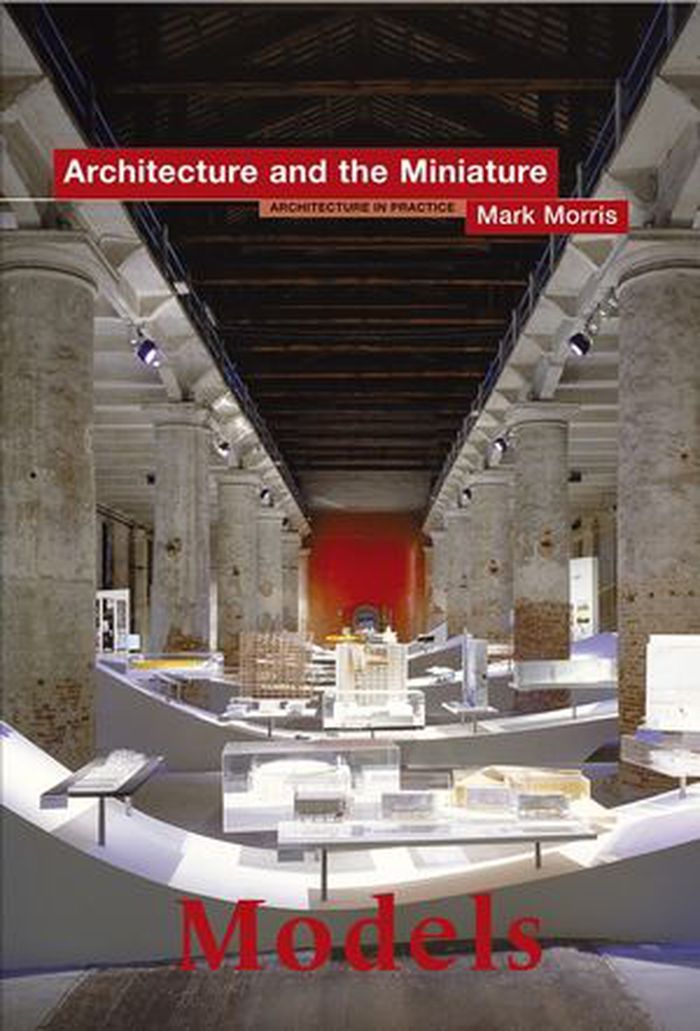
Today, the physical scale model is a centrepiece for design education, celebrated practices and architecture’s public relations. The development of digital fabrication devices has made model manufacture even more pervasive. The physical model is the most accessible form of architectural communication. Clients and the general public seem to immediately respond to and understand the model, over blueprints and computer simulations. Many architects use finished models for presentations, competitions and exhibitions. Others also embrace sketch models as quick, economic and flexible generative tools. It is only with the rise of the virtual that the advantages and disadvantages of more traditional models can be fully evaluated. As attested by this book, we are now at an important watershed for the model in architecture. Practitioners and educators alike are seeking to fully understand the multiplicity of model types and how they might be strategically deployed at appropriate stages in the design process. The historic role that the model has played is outlined with attention paid to Alberti, John Soane, the Bauhaus and education reforms. A cultural history is offered by examining models in the guise of toys, food, cinema, product design, souvenirs, narrative and art. Model theories are considered and tied to specific examples in the field. New technologies and creative combinations of traditional model-making techniques are evaluated. Kinetic, multi-media, nightscape and interdisciplinary models reveal the broad scope and exceptional versatility offered by this important tool. Models: Architecture and the Miniature focuses on current model use and experimentation by architects across the globe including David Chipperfield, Peter Eisenman, Frank Gehry, Zaha Hadid, Coop Himmelb(l)au, Daniel Libeskind, Greg Lynn and UN Studio.
Architecture and the miniature : models
Actions:
Prix:
$65.99
(disponible sur commande)
Résumé:
Today, the physical scale model is a centrepiece for design education, celebrated practices and architecture’s public relations. The development of digital fabrication devices has made model manufacture even more pervasive. The physical model is the most accessible form of architectural communication. Clients and the general public seem to immediately respond to and understand the model, over blueprints and computer simulations. Many architects use finished models for presentations, competitions and exhibitions. Others also embrace sketch models as quick, economic and flexible generative tools. It is only with the rise of the virtual that the advantages and disadvantages of more traditional models can be fully evaluated. As attested by this book, we are now at an important watershed for the model in architecture. Practitioners and educators alike are seeking to fully understand the multiplicity of model types and how they might be strategically deployed at appropriate stages in the design process. The historic role that the model has played is outlined with attention paid to Alberti, John Soane, the Bauhaus and education reforms. A cultural history is offered by examining models in the guise of toys, food, cinema, product design, souvenirs, narrative and art. Model theories are considered and tied to specific examples in the field. New technologies and creative combinations of traditional model-making techniques are evaluated. Kinetic, multi-media, nightscape and interdisciplinary models reveal the broad scope and exceptional versatility offered by this important tool. Models: Architecture and the Miniature focuses on current model use and experimentation by architects across the globe including David Chipperfield, Peter Eisenman, Frank Gehry, Zaha Hadid, Coop Himmelb(l)au, Daniel Libeskind, Greg Lynn and UN Studio.
Classification:
livres
livres
Publication:
octobre 2005, Chichester
octobre 2005, Chichester
Sujet:
Maquettes
Maquettes
Classification:
livres
livres
Prix:
$64.95
(disponible sur commande)
Résumé:
''Duodji Reader'' is a selection of twelve essays on duodji by Sámi duojárat and writers from the past 60 years. The craft practices of Indigenous peoples from all over the world have been getting increased attention and appreciation globally over the last few decades. It has also become a topic that has occupied its fair share of discourse in academia and in art(...)
$64.95
(disponible sur commande)
Résumé:
''Duodji Reader'' is a selection of twelve essays on duodji by Sámi duojárat and writers from the past 60 years. The craft practices of Indigenous peoples from all over the world have been getting increased attention and appreciation globally over the last few decades. It has also become a topic that has occupied its fair share of discourse in academia and in art(...)
Titre:
Duodji reader: Twelve essays on duodji by Sámi writers
Actions:
Prix:
$64.95
(disponible sur commande)
Résumé:
''Duodji Reader'' is a selection of twelve essays on duodji by Sámi duojárat and writers from the past 60 years. The craft practices of Indigenous peoples from all over the world have been getting increased attention and appreciation globally over the last few decades. It has also become a topic that has occupied its fair share of discourse in academia and in art education. As a contribution to this interest in Indigenous art and crafts practices, we offer this book on Sámi duodji. Duodji is the artistic crafts form of the Indigenous people of the European Arctic. Duodji refers not only to the end result, the finished object itself, but also describes the whole process - from the incipient idea to the final product. Duodji demonstrates a holistic circle of creation, how nature and humans collaborate in recognising, visualising, and shaping items that serve the need for both practical use and aesthetic form. ''Duodji reader: Twelve essays on duodji by Sámi writers'' is produced by Sámi Allaskuvla and Norwegian Crafts. The publication is edited by the professors Gunvor Guttorm and Harald Gaski, and contains essays from eleven prominent Sámi scholars, duojárat, and writers from North, South, and Lule Sámi areas. The essays are presented in Lule, South or North Sámi as well as in English. The publication also contains a wide-ranging selection of photographs of duodji by more than thirty contemporary duojárat. The book is well-suited both as background and text material for education in crafts, as well as a resource for the theory and practice of Sámi duodji as an Indigenous art form with long roots in the Arctic North.
Duodji reader: Twelve essays on duodji by Sámi writers
Actions:
Prix:
$64.95
(disponible sur commande)
Résumé:
''Duodji Reader'' is a selection of twelve essays on duodji by Sámi duojárat and writers from the past 60 years. The craft practices of Indigenous peoples from all over the world have been getting increased attention and appreciation globally over the last few decades. It has also become a topic that has occupied its fair share of discourse in academia and in art education. As a contribution to this interest in Indigenous art and crafts practices, we offer this book on Sámi duodji. Duodji is the artistic crafts form of the Indigenous people of the European Arctic. Duodji refers not only to the end result, the finished object itself, but also describes the whole process - from the incipient idea to the final product. Duodji demonstrates a holistic circle of creation, how nature and humans collaborate in recognising, visualising, and shaping items that serve the need for both practical use and aesthetic form. ''Duodji reader: Twelve essays on duodji by Sámi writers'' is produced by Sámi Allaskuvla and Norwegian Crafts. The publication is edited by the professors Gunvor Guttorm and Harald Gaski, and contains essays from eleven prominent Sámi scholars, duojárat, and writers from North, South, and Lule Sámi areas. The essays are presented in Lule, South or North Sámi as well as in English. The publication also contains a wide-ranging selection of photographs of duodji by more than thirty contemporary duojárat. The book is well-suited both as background and text material for education in crafts, as well as a resource for the theory and practice of Sámi duodji as an Indigenous art form with long roots in the Arctic North.
Classification:
livres
livres
Publication:
février 2022
février 2022
Sujet:
Théorie de l’art
Théorie de l’art


