


3810 Résultats
Classification:
livres
livres
Actions:
Prix:
$41.00
(disponible sur commande)
Résumé:
Before there was money, there was debt. Every economics textbook says the same thing: Money was invented to replace onerous and complicated barter systems—to relieve ancient people from having to haul their goods to market. The problem with this version of history? There’s not a shred of evidence to support it. Here anthropologist David Graeber presents a stunning(...)
$41.00
(disponible sur commande)
Résumé:
Before there was money, there was debt. Every economics textbook says the same thing: Money was invented to replace onerous and complicated barter systems—to relieve ancient people from having to haul their goods to market. The problem with this version of history? There’s not a shred of evidence to support it. Here anthropologist David Graeber presents a stunning(...)
Titre:
Debt: The first 5,000 years, updated and expanded
Actions:
Prix:
$41.00
(disponible sur commande)
Résumé:
Before there was money, there was debt. Every economics textbook says the same thing: Money was invented to replace onerous and complicated barter systems—to relieve ancient people from having to haul their goods to market. The problem with this version of history? There’s not a shred of evidence to support it. Here anthropologist David Graeber presents a stunning reversal of conventional wisdom. He shows that for more than 5,000 years, since the beginnings of the first agrarian empires, humans have used elaborate credit systems to buy and sell goods—that is, long before the invention of coins or cash. It is in this era, Graeber argues, that we also first encounter a society divided into debtors and creditors. Graeber shows that arguments about debt and debt forgiveness have been at the center of political debates from Italy to China, as well as sparking innumerable insurrections. He also brilliantly demonstrates that the language of the ancient works of law and religion (words like ''guilt,'' ''sin,'' and ''redemption'') derive in large part from ancient debates about debt, and shape even our most basic ideas of right and wrong. We are still fighting these battles today without knowing it. ''Debt: The first 5,000 years'' is a fascinating chronicle of this little known history—as well as how it has defined human history. It shows how debt has defined our human past, and what that means for our economic future.
Debt: The first 5,000 years, updated and expanded
Actions:
Prix:
$41.00
(disponible sur commande)
Résumé:
Before there was money, there was debt. Every economics textbook says the same thing: Money was invented to replace onerous and complicated barter systems—to relieve ancient people from having to haul their goods to market. The problem with this version of history? There’s not a shred of evidence to support it. Here anthropologist David Graeber presents a stunning reversal of conventional wisdom. He shows that for more than 5,000 years, since the beginnings of the first agrarian empires, humans have used elaborate credit systems to buy and sell goods—that is, long before the invention of coins or cash. It is in this era, Graeber argues, that we also first encounter a society divided into debtors and creditors. Graeber shows that arguments about debt and debt forgiveness have been at the center of political debates from Italy to China, as well as sparking innumerable insurrections. He also brilliantly demonstrates that the language of the ancient works of law and religion (words like ''guilt,'' ''sin,'' and ''redemption'') derive in large part from ancient debates about debt, and shape even our most basic ideas of right and wrong. We are still fighting these battles today without knowing it. ''Debt: The first 5,000 years'' is a fascinating chronicle of this little known history—as well as how it has defined human history. It shows how debt has defined our human past, and what that means for our economic future.
Classification:
livres
livres
Publication:
juin 2021
juin 2021
Sujet:
Théorie/ philosophie
Théorie/ philosophie
Classification:
livres
livres
Actions:
Prix:
$16.95
(disponible sur commande)
Résumé:
Par centaines de milliers, obéissant au mot d’ordre « Sortez ! » de Hu Jintao, les Chinois se ruent vers l’Afrique. Pour le pire parfois, pour le meilleur aussi. En échange de matières premières dont le continent noir regorge (pétrole, gaz, métaux, uranium, bois, poissons), l’Empire du Milieu développe l’Afrique et l’intègre dans la mondialisation. Pékin séduit de(...)
$16.95
(disponible sur commande)
Résumé:
Par centaines de milliers, obéissant au mot d’ordre « Sortez ! » de Hu Jintao, les Chinois se ruent vers l’Afrique. Pour le pire parfois, pour le meilleur aussi. En échange de matières premières dont le continent noir regorge (pétrole, gaz, métaux, uranium, bois, poissons), l’Empire du Milieu développe l’Afrique et l’intègre dans la mondialisation. Pékin séduit de(...)
Publication:
mai 2009
mai 2009
Titre:
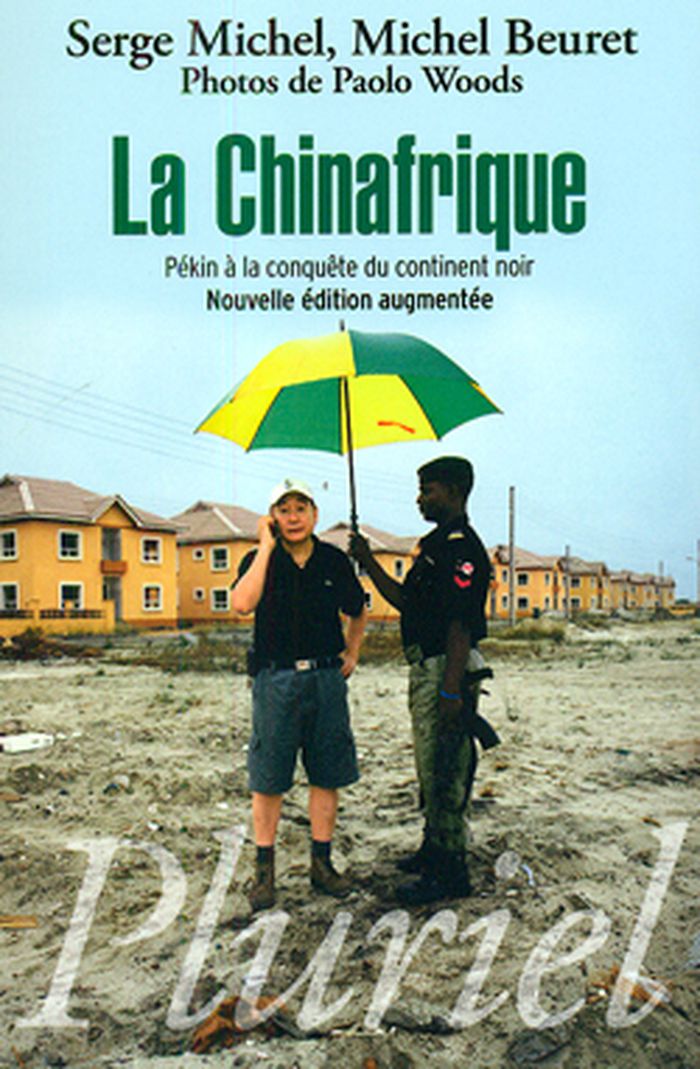
La Chinafrique : Pékin à la conquête du continent noir, nouvelle édition augmentée
Actions:
Prix:
$16.95
(disponible sur commande)
Résumé:
Par centaines de milliers, obéissant au mot d’ordre « Sortez ! » de Hu Jintao, les Chinois se ruent vers l’Afrique. Pour le pire parfois, pour le meilleur aussi. En échange de matières premières dont le continent noir regorge (pétrole, gaz, métaux, uranium, bois, poissons), l’Empire du Milieu développe l’Afrique et l’intègre dans la mondialisation. Pékin séduit de nombreux dictateurs – en ne posant aucune condition – avec des produits bon marché, drogue à forte accoutumance dans les pays pauvres jusque-là dépendants des produits occidentaux. Grâce à Pékin, l’Afrique, jadis victime de l’afro-pessimisme, vit un boum économique sans précédent. Pour la première fois, l’Afrique a le choix. Les Occidentaux, qui l’avaient laissé tomber, veulent y revenir. Seulement voilà, la place est souvent prise et des conflits se préparent… Qui sont ces aventuriers Chinois ? Dans quels pays vont-ils ? Pour y faire quoi ? Quel est le secret de leur succès ? Comment se passe la rencontre de ces deux mondes si différents ? Et avec quelles conséquences sur les droits de l’homme et l’environnement ? Pour répondre à ces questions, les auteurs ont parcouru quinze pays, sillonnant tout le continent à la rencontre de cette « Chinafrique », des forêts ratiboisées du Congo aux rivages venimeux du Nigeria, des sables militairement mouvants du Niger aux pipelines du Soudan, des souvenirs d’Egypte made in China aux restaurants gastronomiques de Douala, des campagnes misérables de la Chine à ce continent mystérieux qu’est l’Afrique pour les nouveaux aventuriers.
La Chinafrique : Pékin à la conquête du continent noir, nouvelle édition augmentée
Actions:
Prix:
$16.95
(disponible sur commande)
Résumé:
Par centaines de milliers, obéissant au mot d’ordre « Sortez ! » de Hu Jintao, les Chinois se ruent vers l’Afrique. Pour le pire parfois, pour le meilleur aussi. En échange de matières premières dont le continent noir regorge (pétrole, gaz, métaux, uranium, bois, poissons), l’Empire du Milieu développe l’Afrique et l’intègre dans la mondialisation. Pékin séduit de nombreux dictateurs – en ne posant aucune condition – avec des produits bon marché, drogue à forte accoutumance dans les pays pauvres jusque-là dépendants des produits occidentaux. Grâce à Pékin, l’Afrique, jadis victime de l’afro-pessimisme, vit un boum économique sans précédent. Pour la première fois, l’Afrique a le choix. Les Occidentaux, qui l’avaient laissé tomber, veulent y revenir. Seulement voilà, la place est souvent prise et des conflits se préparent… Qui sont ces aventuriers Chinois ? Dans quels pays vont-ils ? Pour y faire quoi ? Quel est le secret de leur succès ? Comment se passe la rencontre de ces deux mondes si différents ? Et avec quelles conséquences sur les droits de l’homme et l’environnement ? Pour répondre à ces questions, les auteurs ont parcouru quinze pays, sillonnant tout le continent à la rencontre de cette « Chinafrique », des forêts ratiboisées du Congo aux rivages venimeux du Nigeria, des sables militairement mouvants du Niger aux pipelines du Soudan, des souvenirs d’Egypte made in China aux restaurants gastronomiques de Douala, des campagnes misérables de la Chine à ce continent mystérieux qu’est l’Afrique pour les nouveaux aventuriers.
Classification:
livres
livres
Publication:
mai 2009
mai 2009
Classification:
livres
livres
Titre:
Timber
Timber
Actions:
Prix:
$26.95
(disponible sur commande)
Résumé:
Timber is a vital resource that is all around us. It is the house that shelters us, the furniture we relax in, the books we read, the paper we print, the disposable diapers for our babies, and the boxes that contain our cereal, detergent, and new appliances. The way we produce and consume timber, however, is changing. With international timber companies and big box(...)
$26.95
(disponible sur commande)
Résumé:
Timber is a vital resource that is all around us. It is the house that shelters us, the furniture we relax in, the books we read, the paper we print, the disposable diapers for our babies, and the boxes that contain our cereal, detergent, and new appliances. The way we produce and consume timber, however, is changing. With international timber companies and big box(...)
Titre:
Timber
Actions:
Prix:
$26.95
(disponible sur commande)
Résumé:
Timber is a vital resource that is all around us. It is the house that shelters us, the furniture we relax in, the books we read, the paper we print, the disposable diapers for our babies, and the boxes that contain our cereal, detergent, and new appliances. The way we produce and consume timber, however, is changing. With international timber companies and big box discount retailers increasingly controlling through global commodity chains where and how much timber is traded, the world's remaining old-growth forests, particularly in the developing world, are under threat of disappearing - all for the price of a consumer bargain. This trailblazing book is the first to expose what's happening inside corporate commodity chains with conclusions that fundamentally challenge our understanding of how and why deforestation persists. Authors Peter Dauvergne and Jane Lister reveal how timber now moves through long and complex supply chains from the forests of the global South through the factories of emerging economies like China to the big box retail shelves of Europe and North America. Well-off consumers are getting unprecedented deals. But the social and environmental costs are extraordinarily high as corporations mine the world's poorest regions and most vulnerable ecosystems. The growing power of big retail within these commodity chains is further increasing South-North inequities and unsustainable global consumption. Yet, as this book's highly original analysis uncovers, it is also creating some intriguing opportunities to promote more responsible business practices and better global forest governance.
Timber
Actions:
Prix:
$26.95
(disponible sur commande)
Résumé:
Timber is a vital resource that is all around us. It is the house that shelters us, the furniture we relax in, the books we read, the paper we print, the disposable diapers for our babies, and the boxes that contain our cereal, detergent, and new appliances. The way we produce and consume timber, however, is changing. With international timber companies and big box discount retailers increasingly controlling through global commodity chains where and how much timber is traded, the world's remaining old-growth forests, particularly in the developing world, are under threat of disappearing - all for the price of a consumer bargain. This trailblazing book is the first to expose what's happening inside corporate commodity chains with conclusions that fundamentally challenge our understanding of how and why deforestation persists. Authors Peter Dauvergne and Jane Lister reveal how timber now moves through long and complex supply chains from the forests of the global South through the factories of emerging economies like China to the big box retail shelves of Europe and North America. Well-off consumers are getting unprecedented deals. But the social and environmental costs are extraordinarily high as corporations mine the world's poorest regions and most vulnerable ecosystems. The growing power of big retail within these commodity chains is further increasing South-North inequities and unsustainable global consumption. Yet, as this book's highly original analysis uncovers, it is also creating some intriguing opportunities to promote more responsible business practices and better global forest governance.
Classification:
livres
livres
Publication:
avril 2011
avril 2011
Sujet:
Expositions en cours
Expositions en cours
Classification:
livres
livres
Actions:
Prix:
$89.99
(disponible sur commande)
Résumé:
Written by the chair of the LEED-Neighborhood Development (LEED-ND) initiative, Sustainable Urbanism: Urban Design with Nature is both an urgent call to action and a comprehensive introduction to "sustainable urbanism"--the emerging and growing design reform movement that combines the creation and enhancement of walkable and diverse places with the need to build(...)
$89.99
(disponible sur commande)
Résumé:
Written by the chair of the LEED-Neighborhood Development (LEED-ND) initiative, Sustainable Urbanism: Urban Design with Nature is both an urgent call to action and a comprehensive introduction to "sustainable urbanism"--the emerging and growing design reform movement that combines the creation and enhancement of walkable and diverse places with the need to build(...)
Titre:
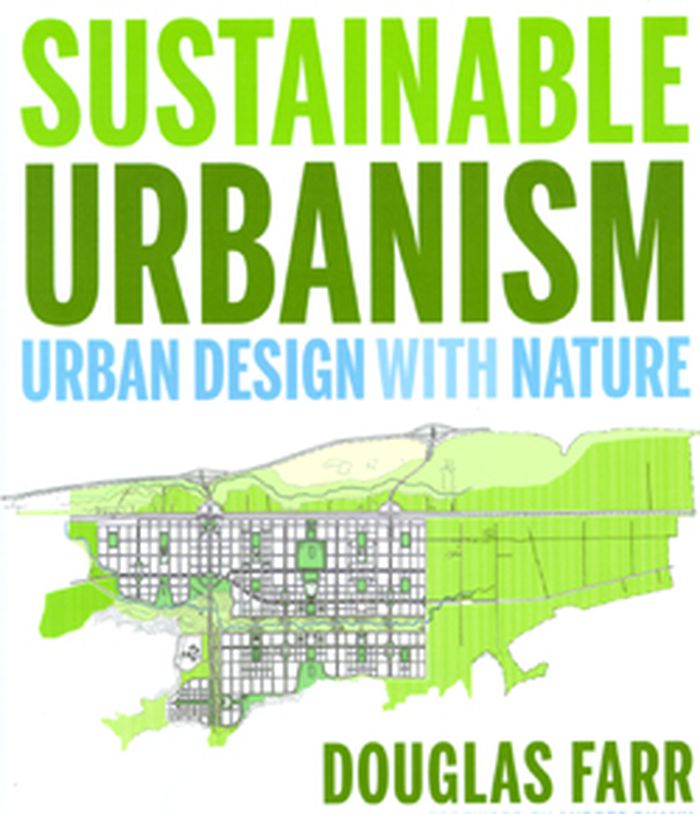
Sustainable urbanism: urban design with nature
Actions:
Prix:
$89.99
(disponible sur commande)
Résumé:
Written by the chair of the LEED-Neighborhood Development (LEED-ND) initiative, Sustainable Urbanism: Urban Design with Nature is both an urgent call to action and a comprehensive introduction to "sustainable urbanism"--the emerging and growing design reform movement that combines the creation and enhancement of walkable and diverse places with the need to build high-performance infrastructure and buildings. Providing a historic perspective on the standards and regulations that got us to where we are today in terms of urban lifestyle and attempts at reform, Douglas Farr makes a powerful case for sustainable urbanism, showing where we went wrong, and where we need to go. He then explains how to implement sustainable urbanism through leadership and communication in cities, communities, and neighborhoods. Essays written by Farr and others delve into such issues as: Increasing sustainability through density. Integrating transportation and land use. Creating sustainable neighborhoods, including housing, car-free areas, locally-owned stores, walkable neighborhoods, and universal accessibility. The health and environmental benefits of linking humans to nature, including walk-to open spaces, neighborhood stormwater systems and waste treatment, and food production. High performance buildings and district energy systems. Enriching the argument are in-depth case studies in sustainable urbanism, from BedZED in London, England and Newington in Sydney, Australia, to New Railroad Square in Santa Rosa, California and Dongtan, Shanghai, China. An epilogue looks to the future of sustainable urbanism over the next 200 years.
Sustainable urbanism: urban design with nature
Actions:
Prix:
$89.99
(disponible sur commande)
Résumé:
Written by the chair of the LEED-Neighborhood Development (LEED-ND) initiative, Sustainable Urbanism: Urban Design with Nature is both an urgent call to action and a comprehensive introduction to "sustainable urbanism"--the emerging and growing design reform movement that combines the creation and enhancement of walkable and diverse places with the need to build high-performance infrastructure and buildings. Providing a historic perspective on the standards and regulations that got us to where we are today in terms of urban lifestyle and attempts at reform, Douglas Farr makes a powerful case for sustainable urbanism, showing where we went wrong, and where we need to go. He then explains how to implement sustainable urbanism through leadership and communication in cities, communities, and neighborhoods. Essays written by Farr and others delve into such issues as: Increasing sustainability through density. Integrating transportation and land use. Creating sustainable neighborhoods, including housing, car-free areas, locally-owned stores, walkable neighborhoods, and universal accessibility. The health and environmental benefits of linking humans to nature, including walk-to open spaces, neighborhood stormwater systems and waste treatment, and food production. High performance buildings and district energy systems. Enriching the argument are in-depth case studies in sustainable urbanism, from BedZED in London, England and Newington in Sydney, Australia, to New Railroad Square in Santa Rosa, California and Dongtan, Shanghai, China. An epilogue looks to the future of sustainable urbanism over the next 200 years.
Classification:
livres
livres
Publication:
novembre 2007, Hoboken, New Jersey
novembre 2007, Hoboken, New Jersey
Sujet:
Théorie de l’urbanisme
Théorie de l’urbanisme
Classification:
livres
livres
Actions:
Exemplaires:
Description:
1 preliminary leaf, iv, 101, [1] pages, 90 plates ; 4o
Description:
1 preliminary leaf, iv, 101, [1] pages, 90 plates ; 4o
Auteur:
Sujet:
Publication:
London : Printed for C. Hitch and L. Hawes, in Paternoster-Row; S. Crowder, London-Bridge; and B. Cole, in Holborn, MDCCLX (1760)
London : Printed for C. Hitch and L. Hawes, in Paternoster-Row; S. Crowder, London-Bridge; and B. Cole, in Holborn, MDCCLX (1760)
Classification:
livres
livres
Publication:
London : Printed for C. Hitch and L. Hawes, in Paternoster-Row; S. Crowder, London-Bridge; and B. Cole, in Holborn, MDCCLX (1760)
London : Printed for C. Hitch and L. Hawes, in Paternoster-Row; S. Crowder, London-Bridge; and B. Cole, in Holborn, MDCCLX (1760)
Auteur:
Sujet:
Classification:
livres
livres
Actions:
Prix:
$75.00
(disponible sur commande)
Résumé:
Today the world is focusing unprecedented attention on Asia and the Middle East, rediscovering a cultural, political, and geographical landscape that has fascinated and frustrated Westerners since the time of Alexander the Great. "Mapping the Silk Road and Beyond", traces the history of the European age of exploration and its lasting effects on these regions through(...)
$75.00
(disponible sur commande)
Résumé:
Today the world is focusing unprecedented attention on Asia and the Middle East, rediscovering a cultural, political, and geographical landscape that has fascinated and frustrated Westerners since the time of Alexander the Great. "Mapping the Silk Road and Beyond", traces the history of the European age of exploration and its lasting effects on these regions through(...)
Sujet:
Dessin d’architecture
Dessin d’architecture
Publication:
septembre 2004, London, New York
septembre 2004, London, New York
Titre:
Mapping the silk road and beyond : 2000 years of exploring the east
Actions:
Prix:
$75.00
(disponible sur commande)
Résumé:
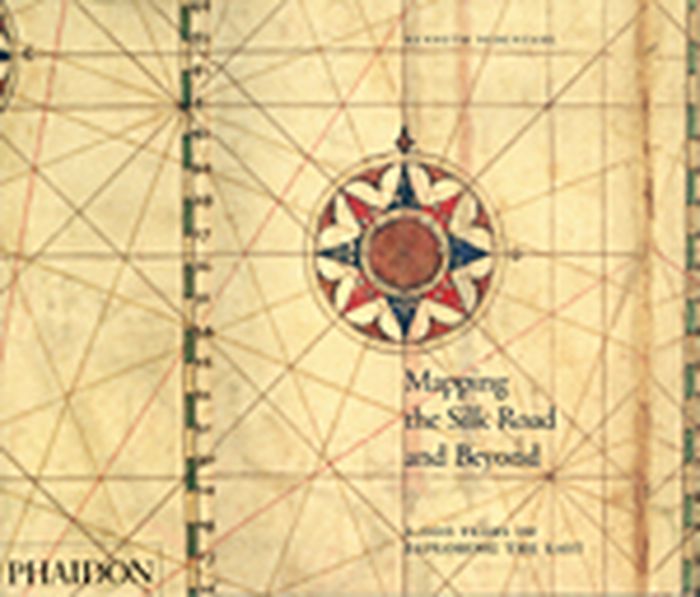
Today the world is focusing unprecedented attention on Asia and the Middle East, rediscovering a cultural, political, and geographical landscape that has fascinated and frustrated Westerners since the time of Alexander the Great. "Mapping the Silk Road and Beyond", traces the history of the European age of exploration and its lasting effects on these regions through beautifully rendered and imaginative maps drawn by explorers, merchants, and colonial administrators of the time. The book focuses on both maritime exploration and overland discovery via the ancient Silk Road, a network of trading posts that encompassed China, Tibet, Pakistan, India, Kurdistan, Iraq, Ethiopia, Eritrea, and dozens of other places known in ancient times by fabled names, including Abyssinia, Malacca, Macassar, Siam, and Cathay. The maps provide visual keys to the fascinating history of Asia and the Middle East; illuminating a cast of historical figures ranging from great leaders (the Queen of Sheba, Mohammed the prophet, King Charles V) to legendary explorers (Marco Polo, Columbus, Magellan, Sir Francis Drake, Capt. James Cook) and influential cartographers. "Mapping the Silk Road and Beyond", depicts over eighty maps organized chronologically, from Alexander the Great’s map of the world, first created in 323 BC and reproduced in a sixteenth-century atlas, to maps from the nineteenth century by French and Dutch explorers that detail the growing interaction between Europeans and Eastern cultures. The maps represent the finest examples in existence in museums, libraries, and archives around the world, chosen because they depict the most important milestones in the mapping of Asia.
Mapping the silk road and beyond : 2000 years of exploring the east
Actions:
Prix:
$75.00
(disponible sur commande)
Résumé:
Today the world is focusing unprecedented attention on Asia and the Middle East, rediscovering a cultural, political, and geographical landscape that has fascinated and frustrated Westerners since the time of Alexander the Great. "Mapping the Silk Road and Beyond", traces the history of the European age of exploration and its lasting effects on these regions through beautifully rendered and imaginative maps drawn by explorers, merchants, and colonial administrators of the time. The book focuses on both maritime exploration and overland discovery via the ancient Silk Road, a network of trading posts that encompassed China, Tibet, Pakistan, India, Kurdistan, Iraq, Ethiopia, Eritrea, and dozens of other places known in ancient times by fabled names, including Abyssinia, Malacca, Macassar, Siam, and Cathay. The maps provide visual keys to the fascinating history of Asia and the Middle East; illuminating a cast of historical figures ranging from great leaders (the Queen of Sheba, Mohammed the prophet, King Charles V) to legendary explorers (Marco Polo, Columbus, Magellan, Sir Francis Drake, Capt. James Cook) and influential cartographers. "Mapping the Silk Road and Beyond", depicts over eighty maps organized chronologically, from Alexander the Great’s map of the world, first created in 323 BC and reproduced in a sixteenth-century atlas, to maps from the nineteenth century by French and Dutch explorers that detail the growing interaction between Europeans and Eastern cultures. The maps represent the finest examples in existence in museums, libraries, and archives around the world, chosen because they depict the most important milestones in the mapping of Asia.
Classification:
livres
livres
Publication:
septembre 2004, London, New York
septembre 2004, London, New York
Sujet:
Dessin d’architecture
Dessin d’architecture
Classification:
livres
livres
Titre:
The language of ornament
The language of ornament
Actions:
Prix:
$22.99
(disponible sur commande)
Résumé:
Ornament, the art of decorative patterning, includes some of the most spectacular creations of human imagination and skill. Although the fashion for unadorned form pushed ornament to the(...)
$22.99
(disponible sur commande)
Résumé:
Ornament, the art of decorative patterning, includes some of the most spectacular creations of human imagination and skill. Although the fashion for unadorned form pushed ornament to the(...)
Titre:
The language of ornament
Actions:
Prix:
$22.99
(disponible sur commande)
Résumé:
Ornament, the art of decorative patterning, includes some of the most spectacular creations of human imagination and skill. Although the fashion for unadorned form pushed ornament to the margins of Western taste in the twentieth century, an ornamental revival is now under way. This book introduces the global panorama of ornament and will be of value to crafts people, collectors, and students of art history. Trilling's approach is both visual and historical. With over 200 illustrations, he presents the dazzling variety of ornament so that the reader can appreciate both its inherent form and the role it has played in everything from the monumental architecture of Mycenaean Greece to the inlaid vessels of Zhou Dynasty China, from the bronze mirrors of Early Celtic Britain to the carved and woven ornament of the Indians of Alaska and British Columbia. The characteristics of individual styles are balanced against their evolution and interaction from the Paleolithic Age to the present day. Special attention is paid to patterns that migrate across large stretches of space and time, showing how ornament becomes a record of cultural interaction through trade, conquest, and the spread of religions. Finally, Trilling explores the fate of ornament since the beginning of modernism in the early twentieth century. Modernism actually nurtured a vibrant and original ornamental style of its own, one so different from traditional ornament that its true nature went virtually unrecognized. Ornament in the postmodern era is open to any number of possible innovations, combining the modernist legacy with forms and principles from the world of traditional ornament.
The language of ornament
Actions:
Prix:
$22.99
(disponible sur commande)
Résumé:
Ornament, the art of decorative patterning, includes some of the most spectacular creations of human imagination and skill. Although the fashion for unadorned form pushed ornament to the margins of Western taste in the twentieth century, an ornamental revival is now under way. This book introduces the global panorama of ornament and will be of value to crafts people, collectors, and students of art history. Trilling's approach is both visual and historical. With over 200 illustrations, he presents the dazzling variety of ornament so that the reader can appreciate both its inherent form and the role it has played in everything from the monumental architecture of Mycenaean Greece to the inlaid vessels of Zhou Dynasty China, from the bronze mirrors of Early Celtic Britain to the carved and woven ornament of the Indians of Alaska and British Columbia. The characteristics of individual styles are balanced against their evolution and interaction from the Paleolithic Age to the present day. Special attention is paid to patterns that migrate across large stretches of space and time, showing how ornament becomes a record of cultural interaction through trade, conquest, and the spread of religions. Finally, Trilling explores the fate of ornament since the beginning of modernism in the early twentieth century. Modernism actually nurtured a vibrant and original ornamental style of its own, one so different from traditional ornament that its true nature went virtually unrecognized. Ornament in the postmodern era is open to any number of possible innovations, combining the modernist legacy with forms and principles from the world of traditional ornament.
Classification:
livres
livres
Publication:
juin 2001, London
juin 2001, London
Sujet:
Ornementation
Ornementation
Classification:
livres
livres
Actions:
Prix:
$80.50
(disponible sur commande)
Résumé:
Brought up in Sweden by Scottish parents, trained in France, a regular visitor to China and India, Sir William Chambers (1726-1796) was by far the most internationally minded British architect of his time. Settling in London in 1755, Chambers became a favorite of King George III and went on to hold the highest official architectural offices and to build public and private(...)
$80.50
(disponible sur commande)
Résumé:
Brought up in Sweden by Scottish parents, trained in France, a regular visitor to China and India, Sir William Chambers (1726-1796) was by far the most internationally minded British architect of his time. Settling in London in 1755, Chambers became a favorite of King George III and went on to hold the highest official architectural offices and to build public and private(...)
Sujet:
livres soldés
livres soldés
Publication:
octobre 1996, New Haven, London
octobre 1996, New Haven, London
Titre:
Sir William Chambers : architect to George III
Actions:
Prix:
$80.50
(disponible sur commande)
Résumé:
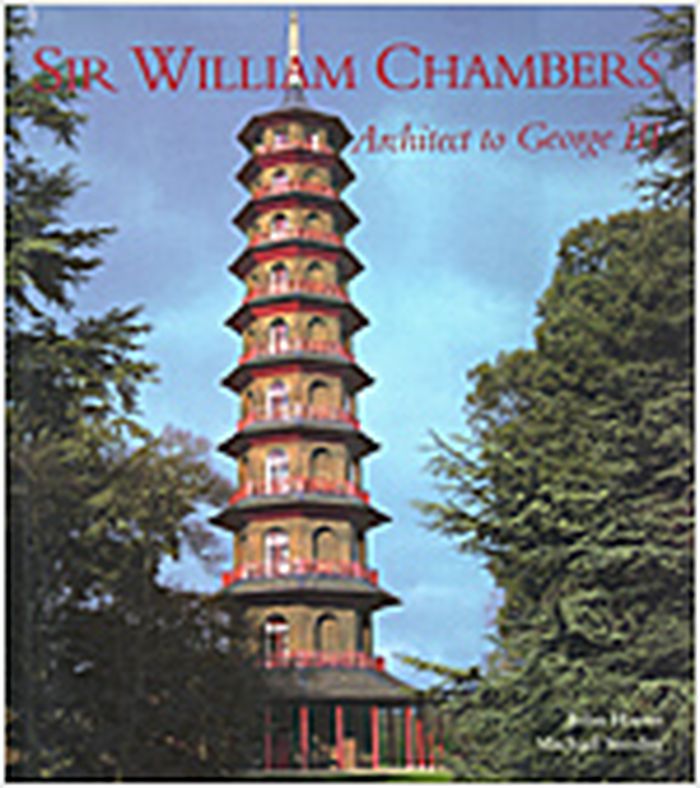
Brought up in Sweden by Scottish parents, trained in France, a regular visitor to China and India, Sir William Chambers (1726-1796) was by far the most internationally minded British architect of his time. Settling in London in 1755, Chambers became a favorite of King George III and went on to hold the highest official architectural offices and to build public and private commissions throughout the British Isles. Because of his eclectic neo-Palladian style, seminal Treatise on Civil Architecture (1759), and longterm influence through his numerous pupils, Chambers was regarded as one of the two greatest architects of late eighteenth-century Britain, sharing the honor with the more prolific Robert Adam. In this wide-ranging book, leading scholars of the period present current research on Chambers' Scandinavian and French connections; his Italian studies and projects; his relationship with British royalty; his commissioned buildings, interiors, and gardens; his furniture and metalwork designs; and his Treatise. Chambers designed and commanded works at Buckingham House, Kew, Richmond, and Windsor Castle, and was commissioned in 1774 to design the public offices at Somerset House in London. Charged with creating "an object of national splendour as well as convenience," Chambers met the challenge with a building equal to the best of those created by the French architects with whom he had trained. Selecting the highest quality materials, ornamentation, and painted decoration for Somerset House, Chambers' building showcased the best in British craftsmanship. This book was the catalogue for a William Chambers exhibition mounted in fall 1996 by the Courtauld Institute Galleries at Somerset House, their new home.
Sir William Chambers : architect to George III
Actions:
Prix:
$80.50
(disponible sur commande)
Résumé:
Brought up in Sweden by Scottish parents, trained in France, a regular visitor to China and India, Sir William Chambers (1726-1796) was by far the most internationally minded British architect of his time. Settling in London in 1755, Chambers became a favorite of King George III and went on to hold the highest official architectural offices and to build public and private commissions throughout the British Isles. Because of his eclectic neo-Palladian style, seminal Treatise on Civil Architecture (1759), and longterm influence through his numerous pupils, Chambers was regarded as one of the two greatest architects of late eighteenth-century Britain, sharing the honor with the more prolific Robert Adam. In this wide-ranging book, leading scholars of the period present current research on Chambers' Scandinavian and French connections; his Italian studies and projects; his relationship with British royalty; his commissioned buildings, interiors, and gardens; his furniture and metalwork designs; and his Treatise. Chambers designed and commanded works at Buckingham House, Kew, Richmond, and Windsor Castle, and was commissioned in 1774 to design the public offices at Somerset House in London. Charged with creating "an object of national splendour as well as convenience," Chambers met the challenge with a building equal to the best of those created by the French architects with whom he had trained. Selecting the highest quality materials, ornamentation, and painted decoration for Somerset House, Chambers' building showcased the best in British craftsmanship. This book was the catalogue for a William Chambers exhibition mounted in fall 1996 by the Courtauld Institute Galleries at Somerset House, their new home.
Classification:
livres
livres
Publication:
octobre 1996, New Haven, London
octobre 1996, New Haven, London
Sujet:
livres soldés
livres soldés
Classification:
livres
livres
Actions:
Prix:
$90.00
(disponible sur commande)
Résumé:
Henri Cartier-Bresson (1908–2004) is one of the most influential and beloved figures in the history of photography. His inventive work of the early 1930s helped define the creative potential of modern photography. Following World War II, he helped found the Magnum photo agency, which enabled photojournalists to reach a broad audience through magazines such as Life while(...)
$90.00
(disponible sur commande)
Résumé:
Henri Cartier-Bresson (1908–2004) is one of the most influential and beloved figures in the history of photography. His inventive work of the early 1930s helped define the creative potential of modern photography. Following World War II, he helped found the Magnum photo agency, which enabled photojournalists to reach a broad audience through magazines such as Life while(...)
Titre:
Henri Cartier-Bresson : the modern century
Actions:
Prix:
$90.00
(disponible sur commande)
Résumé:
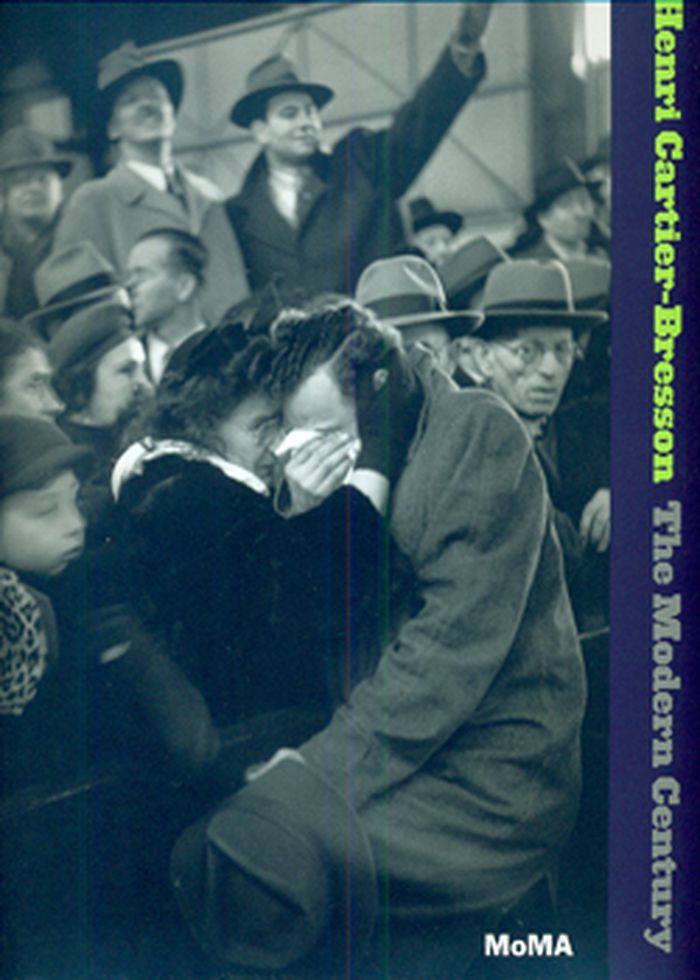
Henri Cartier-Bresson (1908–2004) is one of the most influential and beloved figures in the history of photography. His inventive work of the early 1930s helped define the creative potential of modern photography. Following World War II, he helped found the Magnum photo agency, which enabled photojournalists to reach a broad audience through magazines such as Life while retaining control over their work. Cartier-Bresson would go on to produce major bodies of photographic reportage, capturing such events as China during the revolution, the Soviet Union after Stalin's death, the United States in the postwar boom and Europe as its older cultures confronted modern realities. Published to accompany an exhibition at The Museum of Modern Art, this is the first major publication to make full use of the extensive holdings of the Fondation Cartier-Bresson — including thousands of prints and a vast resource of documents relating to the photographer's life and work. The heart of the book surveys Cartier-Bresson's career through 300 photographs divided into 12 chapters. While many of his most famous pictures are included, a great number of images will be unfamiliar even to specialists. A wide-ranging essay by Peter Galassi, Chief Curator of Photography at the Museum, offers an entirely new understanding of Cartier-Bresson's extraordinary career and its overlapping contexts of journalism and art. The extensive supporting material — featuring detailed chronologies of the photographer's professional travels and of spreads of his picture stories as they appeared in magazines — will revolutionize the study of Cartier-Bresson's work.
Henri Cartier-Bresson : the modern century
Actions:
Prix:
$90.00
(disponible sur commande)
Résumé:
Henri Cartier-Bresson (1908–2004) is one of the most influential and beloved figures in the history of photography. His inventive work of the early 1930s helped define the creative potential of modern photography. Following World War II, he helped found the Magnum photo agency, which enabled photojournalists to reach a broad audience through magazines such as Life while retaining control over their work. Cartier-Bresson would go on to produce major bodies of photographic reportage, capturing such events as China during the revolution, the Soviet Union after Stalin's death, the United States in the postwar boom and Europe as its older cultures confronted modern realities. Published to accompany an exhibition at The Museum of Modern Art, this is the first major publication to make full use of the extensive holdings of the Fondation Cartier-Bresson — including thousands of prints and a vast resource of documents relating to the photographer's life and work. The heart of the book surveys Cartier-Bresson's career through 300 photographs divided into 12 chapters. While many of his most famous pictures are included, a great number of images will be unfamiliar even to specialists. A wide-ranging essay by Peter Galassi, Chief Curator of Photography at the Museum, offers an entirely new understanding of Cartier-Bresson's extraordinary career and its overlapping contexts of journalism and art. The extensive supporting material — featuring detailed chronologies of the photographer's professional travels and of spreads of his picture stories as they appeared in magazines — will revolutionize the study of Cartier-Bresson's work.
Classification:
livres
livres
Publication:
avril 2010
avril 2010
Sujet:
Monographies photo
Monographies photo
Classification:
livres
livres
Titre:
The Shenzhen experiment
The Shenzhen experiment
Actions:
Prix:
$50.00
(disponible sur commande)
Résumé:
Shenzhen is ground zero for the economic transformation China has seen in recent decades. In 1979, driven by China’s widespread poverty, Deng Xiaoping supported a bold proposal to experiment with economic policies in a rural borderland next to Hong Kong. The site was designated as the City of Shenzhen and soon after became China’s first Special Economic Zone (SEZ). Four(...)
$50.00
(disponible sur commande)
Résumé:
Shenzhen is ground zero for the economic transformation China has seen in recent decades. In 1979, driven by China’s widespread poverty, Deng Xiaoping supported a bold proposal to experiment with economic policies in a rural borderland next to Hong Kong. The site was designated as the City of Shenzhen and soon after became China’s first Special Economic Zone (SEZ). Four(...)
Titre:
The Shenzhen experiment
Actions:
Prix:
$50.00
(disponible sur commande)
Résumé:
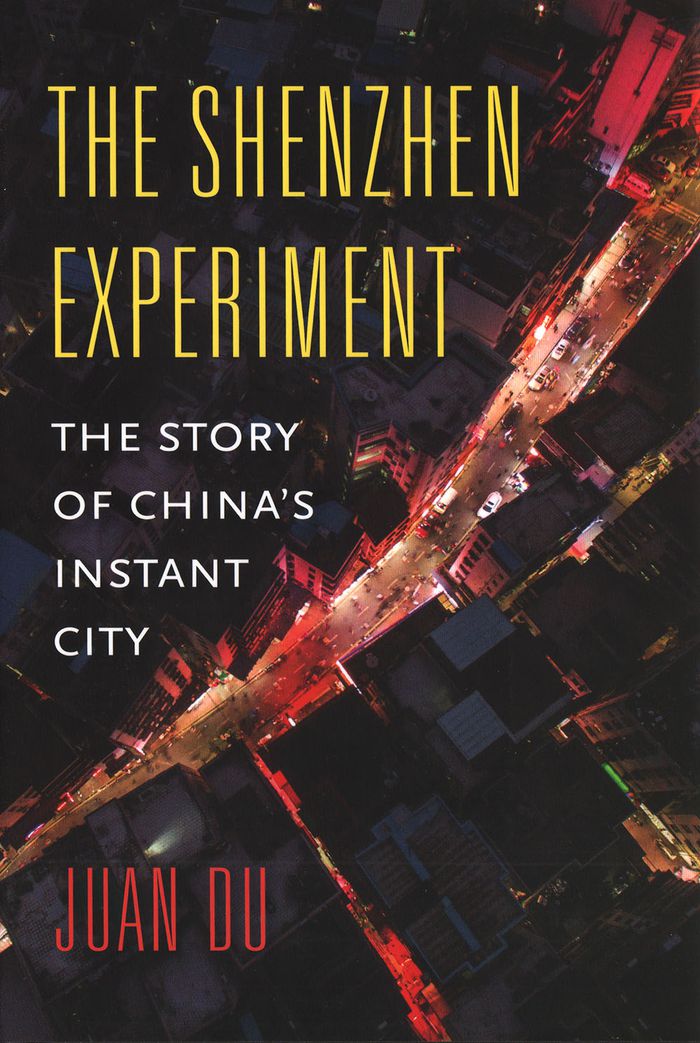
Shenzhen is ground zero for the economic transformation China has seen in recent decades. In 1979, driven by China’s widespread poverty, Deng Xiaoping supported a bold proposal to experiment with economic policies in a rural borderland next to Hong Kong. The site was designated as the City of Shenzhen and soon after became China’s first Special Economic Zone (SEZ). Four decades later, Shenzhen is a megacity of twenty million, an internationally recognized digital technology hub, and the world’s most successful economic zone. Some see it as a modern miracle city that seemingly came from nowhere, attributing its success solely to centralized planning and Shenzhen’s proximity to Hong Kong. The Chinese government has built hundreds of new towns using the Shenzhen model, yet none has come close to replicating the city’s level of economic success. But is it true that Shenzhen has no meaningful history? That the city was planned on a tabula rasa? That the region’s rural past has had no significant impact on the urban present? Juan Du unravels the myth of Shenzhen and shows us how this world-famous “instant city” has a surprising history—filled with oyster fishermen, villages that remain encased within city blocks, a secret informal housing system—and how it has been catapulted to success as much by the ingenuity of its original farmers as by Beijing’s policy makers. “The Shenzhen Experiment” is an important story for all rapidly urbanizing and industrializing nations around the world seeking to replicate China’s economic success in the twenty-first century.
The Shenzhen experiment
Actions:
Prix:
$50.00
(disponible sur commande)
Résumé:
Shenzhen is ground zero for the economic transformation China has seen in recent decades. In 1979, driven by China’s widespread poverty, Deng Xiaoping supported a bold proposal to experiment with economic policies in a rural borderland next to Hong Kong. The site was designated as the City of Shenzhen and soon after became China’s first Special Economic Zone (SEZ). Four decades later, Shenzhen is a megacity of twenty million, an internationally recognized digital technology hub, and the world’s most successful economic zone. Some see it as a modern miracle city that seemingly came from nowhere, attributing its success solely to centralized planning and Shenzhen’s proximity to Hong Kong. The Chinese government has built hundreds of new towns using the Shenzhen model, yet none has come close to replicating the city’s level of economic success. But is it true that Shenzhen has no meaningful history? That the city was planned on a tabula rasa? That the region’s rural past has had no significant impact on the urban present? Juan Du unravels the myth of Shenzhen and shows us how this world-famous “instant city” has a surprising history—filled with oyster fishermen, villages that remain encased within city blocks, a secret informal housing system—and how it has been catapulted to success as much by the ingenuity of its original farmers as by Beijing’s policy makers. “The Shenzhen Experiment” is an important story for all rapidly urbanizing and industrializing nations around the world seeking to replicate China’s economic success in the twenty-first century.
Classification:
livres
livres
Publication:
janvier 2020
janvier 2020


