


3909 Résultats
Classification:
livres
livres

Actions:
Prix:
$38.95
(disponible sur commande)
Résumé:
In August 1968, the Pakistani foreign minister visited Beijing and presented Chairman Mao Zedong with a crate of mangoes as a diplomatic gesture. The next day, Mao sent the mangoes to the “Worker-Peasant Mao Zedong though Propaganda Teams,” who had been stationed at Quinghua University to put down warring factions of Red Guards ten days previously. The message of this(...)
$38.95
(disponible sur commande)
Résumé:
In August 1968, the Pakistani foreign minister visited Beijing and presented Chairman Mao Zedong with a crate of mangoes as a diplomatic gesture. The next day, Mao sent the mangoes to the “Worker-Peasant Mao Zedong though Propaganda Teams,” who had been stationed at Quinghua University to put down warring factions of Red Guards ten days previously. The message of this(...)
Titre:
Mao's Golden Mangoes, and the cultural revolution
Actions:
Prix:
$38.95
(disponible sur commande)
Résumé:
In August 1968, the Pakistani foreign minister visited Beijing and presented Chairman Mao Zedong with a crate of mangoes as a diplomatic gesture. The next day, Mao sent the mangoes to the “Worker-Peasant Mao Zedong though Propaganda Teams,” who had been stationed at Quinghua University to put down warring factions of Red Guards ten days previously. The message of this gift was to dismiss the Student Red Guards, who had been leaders of the proletarian movement in China, and in their stead to install workers as the permanent guardians of China’s education system. During the following weeks, the mangoes were distributed to several factories, where they were treated as though they were religious relics. The golden mango was thus a powerful emblem of the power and respect accorded to the proletariat under Mao’s rule. Mao’s Gold Mangoes and the Cultural Revolution is the catalog for an exhibition of the same title at the Museum Rietberg in Zürich, which explores the golden mangoes’ reverberations throughout Chinese culture for years to come.
Mao's Golden Mangoes, and the cultural revolution
Actions:
Prix:
$38.95
(disponible sur commande)
Résumé:
In August 1968, the Pakistani foreign minister visited Beijing and presented Chairman Mao Zedong with a crate of mangoes as a diplomatic gesture. The next day, Mao sent the mangoes to the “Worker-Peasant Mao Zedong though Propaganda Teams,” who had been stationed at Quinghua University to put down warring factions of Red Guards ten days previously. The message of this gift was to dismiss the Student Red Guards, who had been leaders of the proletarian movement in China, and in their stead to install workers as the permanent guardians of China’s education system. During the following weeks, the mangoes were distributed to several factories, where they were treated as though they were religious relics. The golden mango was thus a powerful emblem of the power and respect accorded to the proletariat under Mao’s rule. Mao’s Gold Mangoes and the Cultural Revolution is the catalog for an exhibition of the same title at the Museum Rietberg in Zürich, which explores the golden mangoes’ reverberations throughout Chinese culture for years to come.
Classification:
livres
livres
Publication:
mai 2013
mai 2013
Classification:
livres
livres
Actions:
Prix:
$59.95
(disponible sur commande)
Résumé:
The Spanish architect Rafael Moneo has won numerous awards (including the prestigious Pritzker Architecture Prize), yet this publication is the first to offer a critical study of his career as a whole—not only his many built works and projects but also his contributions to teaching and his writings. The book begins with a comprehensive biography, covering Moneo’s(...)
$59.95
(disponible sur commande)
Résumé:
The Spanish architect Rafael Moneo has won numerous awards (including the prestigious Pritzker Architecture Prize), yet this publication is the first to offer a critical study of his career as a whole—not only his many built works and projects but also his contributions to teaching and his writings. The book begins with a comprehensive biography, covering Moneo’s(...)
Sujet:
Architecture, monographies
Architecture, monographies
Publication:
juin 2015
juin 2015
Titre:
Rafael Moneo: building, teaching, writing
Actions:
Prix:
$59.95
(disponible sur commande)
Résumé:
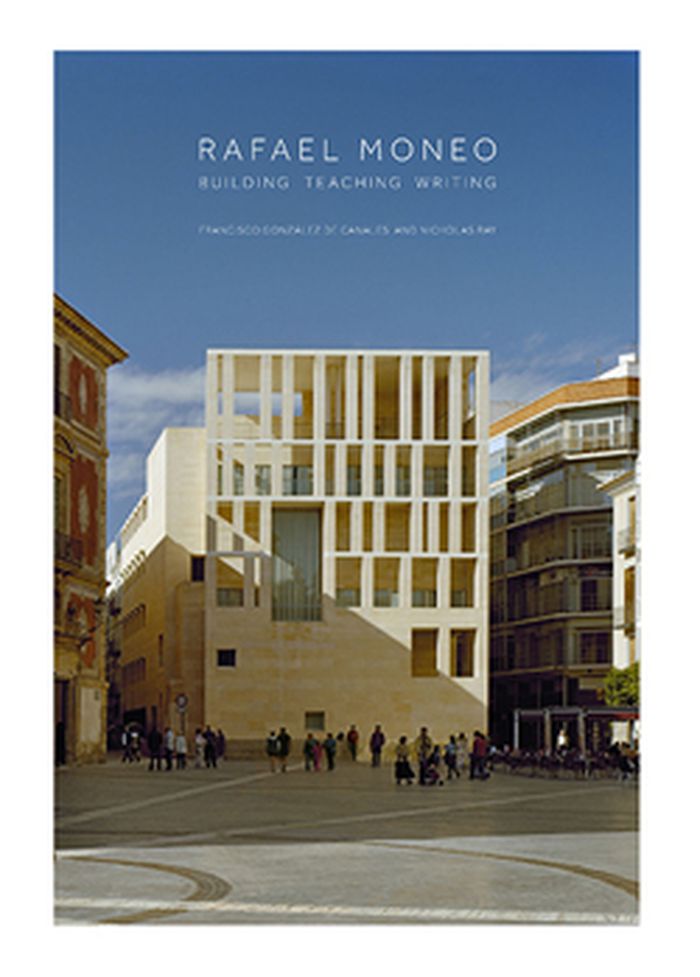
The Spanish architect Rafael Moneo has won numerous awards (including the prestigious Pritzker Architecture Prize), yet this publication is the first to offer a critical study of his career as a whole—not only his many built works and projects but also his contributions to teaching and his writings. The book begins with a comprehensive biography, covering Moneo’s education, teaching appointments, and encounters with historians and architects in Europe and the United States, such as Peter Eisenman, Jørn Utzon, and Bruno Zevi. Also included is a discussion of some of the buildings that he has designed, notably the Prado Museum extension and Atocha Station in Madrid. The following section examines in more detail seven key buildings chosen to illustrate crucial developments in Moneo’s thinking, from the Bankinter, Madrid, to the Cathedral of Our Lady of the Angels, Los Angeles. The last a section considers his architectural philosophy: his design approach, his idea of the canon, his theory of composition, his notion of form, and his confrontation with reality—in construction and context.
Rafael Moneo: building, teaching, writing
Actions:
Prix:
$59.95
(disponible sur commande)
Résumé:
The Spanish architect Rafael Moneo has won numerous awards (including the prestigious Pritzker Architecture Prize), yet this publication is the first to offer a critical study of his career as a whole—not only his many built works and projects but also his contributions to teaching and his writings. The book begins with a comprehensive biography, covering Moneo’s education, teaching appointments, and encounters with historians and architects in Europe and the United States, such as Peter Eisenman, Jørn Utzon, and Bruno Zevi. Also included is a discussion of some of the buildings that he has designed, notably the Prado Museum extension and Atocha Station in Madrid. The following section examines in more detail seven key buildings chosen to illustrate crucial developments in Moneo’s thinking, from the Bankinter, Madrid, to the Cathedral of Our Lady of the Angels, Los Angeles. The last a section considers his architectural philosophy: his design approach, his idea of the canon, his theory of composition, his notion of form, and his confrontation with reality—in construction and context.
Classification:
livres
livres
Publication:
juin 2015
juin 2015
Sujet:
Architecture, monographies
Architecture, monographies
Classification:
livres
livres
Actions:
Prix:
$44.95
(disponible sur commande)
Résumé:
“Soft power” emerged as a concept in the late twentieth century to describe international relations based not on military or economic strength, but on influence. While the resources of “hard power” are tangible—force and finance—soft power resources include ideas, knowledge, values, and culture, as well as the ability to persuade. This volume discusses soft power from the(...)
$44.95
(disponible sur commande)
Résumé:
“Soft power” emerged as a concept in the late twentieth century to describe international relations based not on military or economic strength, but on influence. While the resources of “hard power” are tangible—force and finance—soft power resources include ideas, knowledge, values, and culture, as well as the ability to persuade. This volume discusses soft power from the(...)
Titre:
Cities, museums and soft power
Actions:
Prix:
$44.95
(disponible sur commande)
Résumé:
“Soft power” emerged as a concept in the late twentieth century to describe international relations based not on military or economic strength, but on influence. While the resources of “hard power” are tangible—force and finance—soft power resources include ideas, knowledge, values, and culture, as well as the ability to persuade. This volume discusses soft power from the vantage point of museums and demonstrates how they are quietly changing the world. With contributions by thirteen experts from ten countries, Cities, Museums and Soft Power reveals the world’s 80,000 museums to be sleeping giants. Two major characteristics of soft power—the rise of cities and the role of civil society—are pushing museums from the margins toward the center as these institutions serve as education hubs, employers, magnets for creative industries, and engines of economic development. Meanwhile, the growth of technological networks and connectivity has enabled this soft power to spread even farther and deeper across the Internet and groups of people. Whether cozy and local or internationally renowned, museums possess a cultural strength that extends far beyond their walls.
Cities, museums and soft power
Actions:
Prix:
$44.95
(disponible sur commande)
Résumé:
“Soft power” emerged as a concept in the late twentieth century to describe international relations based not on military or economic strength, but on influence. While the resources of “hard power” are tangible—force and finance—soft power resources include ideas, knowledge, values, and culture, as well as the ability to persuade. This volume discusses soft power from the vantage point of museums and demonstrates how they are quietly changing the world. With contributions by thirteen experts from ten countries, Cities, Museums and Soft Power reveals the world’s 80,000 museums to be sleeping giants. Two major characteristics of soft power—the rise of cities and the role of civil society—are pushing museums from the margins toward the center as these institutions serve as education hubs, employers, magnets for creative industries, and engines of economic development. Meanwhile, the growth of technological networks and connectivity has enabled this soft power to spread even farther and deeper across the Internet and groups of people. Whether cozy and local or internationally renowned, museums possess a cultural strength that extends far beyond their walls.
Classification:
livres
livres
Publication:
août 2015
août 2015
Sujet:
Muséologie
Muséologie
Classification:
livres
livres
Actions:
Exemplaires:
Description:
143 pages : illustrations ; 20 cm.
Description:
143 pages : illustrations ; 20 cm.
Auteur:
Sujet:
Publication:
Hudson, New York : Princeton Architectural Press, 2022, ©2022
Hudson, New York : Princeton Architectural Press, 2022, ©2022
Titre:
50 things to do in the urban wild / Clare Gogerty ; illustrated by Maria Nilsson.
Actions:
Exemplaires:
Description:
143 pages : illustrations ; 20 cm.
50 things to do in the urban wild / Clare Gogerty ; illustrated by Maria Nilsson.
Actions:
Exemplaires:
Description:
143 pages : illustrations ; 20 cm.
Classification:
livres
livres
Publication:
Hudson, New York : Princeton Architectural Press, 2022, ©2022
Hudson, New York : Princeton Architectural Press, 2022, ©2022
Auteur:
Sujet:
Classification:
livres
livres
Actions:
Exemplaires:
Description:
236 pages : illustrations, black and white photographs ; 22 cm
Description:
236 pages : illustrations, black and white photographs ; 22 cm
Auteur:
Sujet:
Publication:
Cambridge, Mass. : Blackwell Publishers, [1996], ©1996.
Cambridge, Mass. : Blackwell Publishers, [1996], ©1996.
Titre:
Theorizing museums : representing identity and diversity in a changing world / edited by Sharon Macdonald and Gordon Fyfe.
Actions:
Exemplaires:
Description:
236 pages : illustrations, black and white photographs ; 22 cm
Theorizing museums : representing identity and diversity in a changing world / edited by Sharon Macdonald and Gordon Fyfe.
Actions:
Exemplaires:
Description:
236 pages : illustrations, black and white photographs ; 22 cm
Classification:
livres
livres
Publication:
Cambridge, Mass. : Blackwell Publishers, [1996], ©1996.
Cambridge, Mass. : Blackwell Publishers, [1996], ©1996.
Auteur:
Sujet:
Classification:
livres
livres
Actions:
Exemplaires:
Description:
245 pages : color illustrations, portrait ; 24 cm
Description:
245 pages : color illustrations, portrait ; 24 cm
Auteur:
Sujet:
Publication:
Portland, Oregon : Timber Press, 2020., ©2020
Portland, Oregon : Timber Press, 2020., ©2020
Titre:
Iwígara : American Indian ethnobotanical traditions and science / Enrique Salmón.
Actions:
Exemplaires:
Description:
245 pages : color illustrations, portrait ; 24 cm
Iwígara : American Indian ethnobotanical traditions and science / Enrique Salmón.
Actions:
Exemplaires:
Description:
245 pages : color illustrations, portrait ; 24 cm
Classification:
livres
livres
Publication:
Portland, Oregon : Timber Press, 2020., ©2020
Portland, Oregon : Timber Press, 2020., ©2020
Auteur:
Sujet:
Classification:
livres
livres
Prix:
$49.95
(disponible sur commande)
Résumé:
For almost ten years, Samuel Mockbee, a recent McArthur "genius grant" recipient, and his architecture students at Auburn University have been designing and building striking houses and community buildings for impoverished residents of Alabama's Hale County. Using salvaged lumber and bricks, discarded tires, hay and waste cardboard bales, concrete rubble, coloured(...)
$49.95
(disponible sur commande)
Résumé:
For almost ten years, Samuel Mockbee, a recent McArthur "genius grant" recipient, and his architecture students at Auburn University have been designing and building striking houses and community buildings for impoverished residents of Alabama's Hale County. Using salvaged lumber and bricks, discarded tires, hay and waste cardboard bales, concrete rubble, coloured(...)
Sujet:
Architecture, monographies
Architecture, monographies
Publication:
février 2002, New York
février 2002, New York
Titre:
Rural Studio : Samuel Mockbee and an architecture of decency
Actions:
Prix:
$49.95
(disponible sur commande)
Résumé:
For almost ten years, Samuel Mockbee, a recent McArthur "genius grant" recipient, and his architecture students at Auburn University have been designing and building striking houses and community buildings for impoverished residents of Alabama's Hale County. Using salvaged lumber and bricks, discarded tires, hay and waste cardboard bales, concrete rubble, coloured bottles, and old license plates, they create inexpensive buildings in a style Mockbee describes as "contemporary modernism grounded in Southern culture." In a time when architectural attention focuses on large, glossy urban projects and palatial homes, the Rural Studio provides an alternative of substance. In addition to being a social welfare venture, the Rural Studio is also and educational experiment and a prod to the architectural profession to act on its best instincts. By giving students hands-on experience in designing and building something real, it extends their education beyond paper architecture. And in scavenging and reusing a variety of unusual materials, it is a model of sustainable architecture. The work of the Rural Studio has struck such a chord--both architecturally and socially--that it has been featured on "Oprah," "Nightline," and "CBS News," as well as "Time" and "People" magazines.
Rural Studio : Samuel Mockbee and an architecture of decency
Actions:
Prix:
$49.95
(disponible sur commande)
Résumé:
For almost ten years, Samuel Mockbee, a recent McArthur "genius grant" recipient, and his architecture students at Auburn University have been designing and building striking houses and community buildings for impoverished residents of Alabama's Hale County. Using salvaged lumber and bricks, discarded tires, hay and waste cardboard bales, concrete rubble, coloured bottles, and old license plates, they create inexpensive buildings in a style Mockbee describes as "contemporary modernism grounded in Southern culture." In a time when architectural attention focuses on large, glossy urban projects and palatial homes, the Rural Studio provides an alternative of substance. In addition to being a social welfare venture, the Rural Studio is also and educational experiment and a prod to the architectural profession to act on its best instincts. By giving students hands-on experience in designing and building something real, it extends their education beyond paper architecture. And in scavenging and reusing a variety of unusual materials, it is a model of sustainable architecture. The work of the Rural Studio has struck such a chord--both architecturally and socially--that it has been featured on "Oprah," "Nightline," and "CBS News," as well as "Time" and "People" magazines.
Classification:
livres
livres
Publication:
février 2002, New York
février 2002, New York
Sujet:
Architecture, monographies
Architecture, monographies
Classification:
livres
livres
Actions:
Prix:
$31.99
(disponible sur commande)
Résumé:
As the world adapts to the consequences of a global pandemic, museums continue to experience unprecedented disruption and change. At the same time, there is a growing debate and dissent over what museums are for, who they speak to, and what the histories, objects, and ideas they are tasked with holding reflect—all taking place within a public sphere that feels(...)
$31.99
(disponible sur commande)
Résumé:
As the world adapts to the consequences of a global pandemic, museums continue to experience unprecedented disruption and change. At the same time, there is a growing debate and dissent over what museums are for, who they speak to, and what the histories, objects, and ideas they are tasked with holding reflect—all taking place within a public sphere that feels(...)
Titre:
Gathering of strangers: Why museums matter
Actions:
Prix:
$31.99
(disponible sur commande)
Résumé:
As the world adapts to the consequences of a global pandemic, museums continue to experience unprecedented disruption and change. At the same time, there is a growing debate and dissent over what museums are for, who they speak to, and what the histories, objects, and ideas they are tasked with holding reflect—all taking place within a public sphere that feels increasingly dynamic and volatile. Taking a wide-ranging and thought-provoking look at the roles and responsibilities of some of our most well-known and best-loved public institutions, ''Gathering of Strangers'' explores the critical challenges and opportunities for the museum at this point in the twenty-first century. Moving from the historical origins of the gallery to important current debates taking place around art and public engagement, the climate emergency, race equality and decolonization, and the value of the arts in education—this book sets out the role of art and artists in imagining and shaping our collective future. It is also a love letter to the museum, from a sector leader who is at the forefront of the cultural conversation today.
Gathering of strangers: Why museums matter
Actions:
Prix:
$31.99
(disponible sur commande)
Résumé:
As the world adapts to the consequences of a global pandemic, museums continue to experience unprecedented disruption and change. At the same time, there is a growing debate and dissent over what museums are for, who they speak to, and what the histories, objects, and ideas they are tasked with holding reflect—all taking place within a public sphere that feels increasingly dynamic and volatile. Taking a wide-ranging and thought-provoking look at the roles and responsibilities of some of our most well-known and best-loved public institutions, ''Gathering of Strangers'' explores the critical challenges and opportunities for the museum at this point in the twenty-first century. Moving from the historical origins of the gallery to important current debates taking place around art and public engagement, the climate emergency, race equality and decolonization, and the value of the arts in education—this book sets out the role of art and artists in imagining and shaping our collective future. It is also a love letter to the museum, from a sector leader who is at the forefront of the cultural conversation today.
Classification:
livres
livres
Publication:
septembre 2024
septembre 2024
Sujet:
Muséologie
Muséologie
Classification:
livres
livres
Titre:
Italy and the Grand Tour
Italy and the Grand Tour
Actions:
Prix:
$52.50
(disponible sur commande)
Résumé:
For members of the social elite in eighteenth-century England, extended travel for pleasure came to be considered part of an ideal education as well as an important symbol of social status. Italy, and especially Rome—a fashionable, exciting, and comfortable city—became the focus of such early tourists’ interest. In this distinctive book, historian Jeremy Black recreates(...)
$52.50
(disponible sur commande)
Résumé:
For members of the social elite in eighteenth-century England, extended travel for pleasure came to be considered part of an ideal education as well as an important symbol of social status. Italy, and especially Rome—a fashionable, exciting, and comfortable city—became the focus of such early tourists’ interest. In this distinctive book, historian Jeremy Black recreates(...)
Titre:
Italy and the Grand Tour
Actions:
Prix:
$52.50
(disponible sur commande)
Résumé:
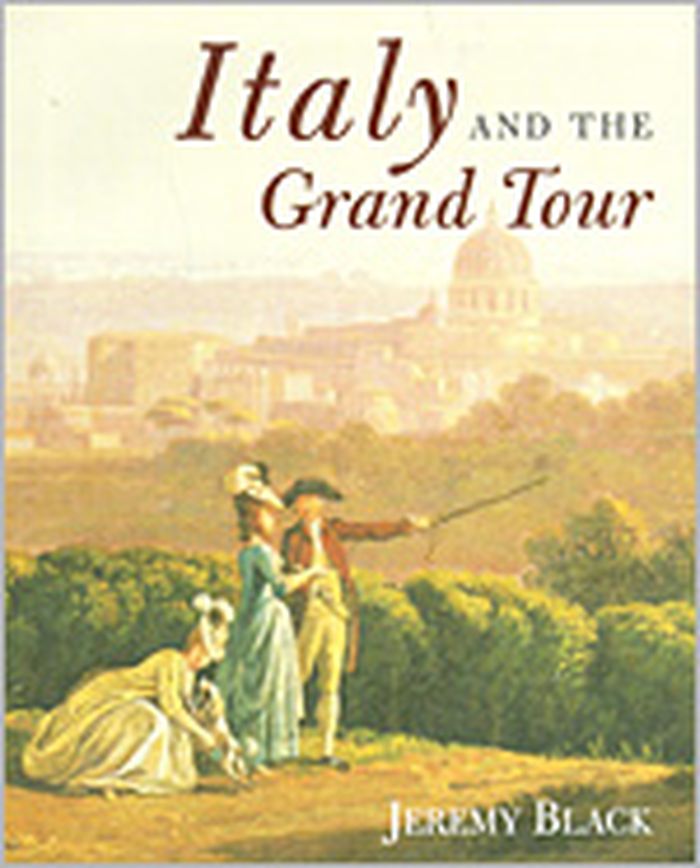
For members of the social elite in eighteenth-century England, extended travel for pleasure came to be considered part of an ideal education as well as an important symbol of social status. Italy, and especially Rome—a fashionable, exciting, and comfortable city—became the focus of such early tourists’ interest. In this distinctive book, historian Jeremy Black recreates the actual tourist experiences of those who traveled to Italy on a Grand Tour. Relying on the private diaries and personal letters of travelers, rather than on the self-conscious accounts of literary travelers who wrote for wider audiences, the book presents a fresh and authentic picture of how British tourists experienced Italy, its landscapes, women, food, music, Catholicism, and more. Using material from archives across Britain and a generous selection of illustrations, the book highlights the discrepancy between the idealized view of the Grand Tour and its reality: what people were meant to do was not necessarily what they did, what the guide books described as splendid was not always so perceived. Black discusses what Italian experiences meant to British visitors, and he considers the effects of tourism on British culture during this most exciting of centuries.
Italy and the Grand Tour
Actions:
Prix:
$52.50
(disponible sur commande)
Résumé:
For members of the social elite in eighteenth-century England, extended travel for pleasure came to be considered part of an ideal education as well as an important symbol of social status. Italy, and especially Rome—a fashionable, exciting, and comfortable city—became the focus of such early tourists’ interest. In this distinctive book, historian Jeremy Black recreates the actual tourist experiences of those who traveled to Italy on a Grand Tour. Relying on the private diaries and personal letters of travelers, rather than on the self-conscious accounts of literary travelers who wrote for wider audiences, the book presents a fresh and authentic picture of how British tourists experienced Italy, its landscapes, women, food, music, Catholicism, and more. Using material from archives across Britain and a generous selection of illustrations, the book highlights the discrepancy between the idealized view of the Grand Tour and its reality: what people were meant to do was not necessarily what they did, what the guide books described as splendid was not always so perceived. Black discusses what Italian experiences meant to British visitors, and he considers the effects of tourism on British culture during this most exciting of centuries.
Classification:
livres
livres
Publication:
janvier 1900, New Haven
janvier 1900, New Haven
Sujet:
Histoire jusqu’à 1900
Histoire jusqu’à 1900
Classification:
livres
livres
Titre:
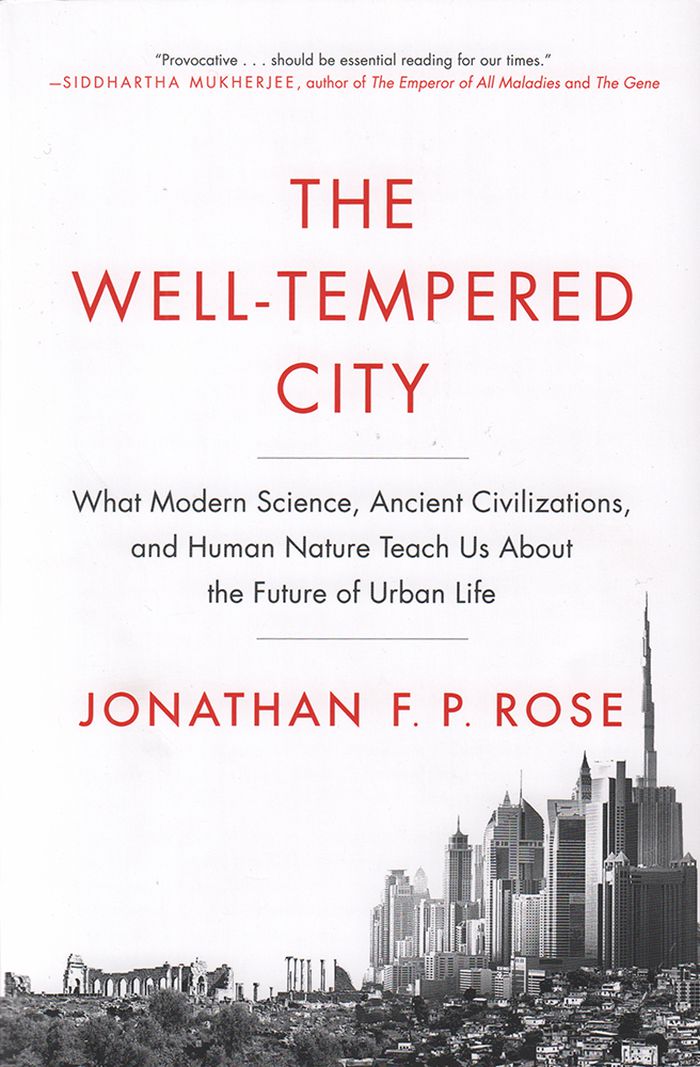
The well-tempered city
The well-tempered city
Actions:
Prix:
$21.99
(disponible sur commande)
Résumé:
Cities are birthplaces of civilization; centers of culture, trade, and progress; cauldrons of opportunity—and the home of eighty percent of the world’s population by 2050. As the 21st century progresses, metropolitan areas will bear the brunt of global megatrends such as climate change, natural resource depletion, population growth, income inequality, mass migrations,(...)
$21.99
(disponible sur commande)
Résumé:
Cities are birthplaces of civilization; centers of culture, trade, and progress; cauldrons of opportunity—and the home of eighty percent of the world’s population by 2050. As the 21st century progresses, metropolitan areas will bear the brunt of global megatrends such as climate change, natural resource depletion, population growth, income inequality, mass migrations,(...)
Titre:
The well-tempered city
Actions:
Prix:
$21.99
(disponible sur commande)
Résumé:
Cities are birthplaces of civilization; centers of culture, trade, and progress; cauldrons of opportunity—and the home of eighty percent of the world’s population by 2050. As the 21st century progresses, metropolitan areas will bear the brunt of global megatrends such as climate change, natural resource depletion, population growth, income inequality, mass migrations, education and health disparities, among many others. In The Well-Tempered City, Jonathan F. P. Rose—the man who “repairs the fabric of cities”—distills a lifetime of interdisciplinary research and firsthand experience into a five-pronged model for how to design and reshape our cities with the goal of equalizing their landscape of opportunity. Drawing from the musical concept of “temperament” as a way to achieve harmony, Rose argues that well-tempered cities can be infused with systems that bend the arc of their development toward equality, resilience, adaptability, well-being, and the ever-unfolding harmony between civilization and nature. These goals may never be fully achieved, but our cities will be richer and happier if we aspire to them, and if we infuse our every plan and constructive step with this intention.
The well-tempered city
Actions:
Prix:
$21.99
(disponible sur commande)
Résumé:
Cities are birthplaces of civilization; centers of culture, trade, and progress; cauldrons of opportunity—and the home of eighty percent of the world’s population by 2050. As the 21st century progresses, metropolitan areas will bear the brunt of global megatrends such as climate change, natural resource depletion, population growth, income inequality, mass migrations, education and health disparities, among many others. In The Well-Tempered City, Jonathan F. P. Rose—the man who “repairs the fabric of cities”—distills a lifetime of interdisciplinary research and firsthand experience into a five-pronged model for how to design and reshape our cities with the goal of equalizing their landscape of opportunity. Drawing from the musical concept of “temperament” as a way to achieve harmony, Rose argues that well-tempered cities can be infused with systems that bend the arc of their development toward equality, resilience, adaptability, well-being, and the ever-unfolding harmony between civilization and nature. These goals may never be fully achieved, but our cities will be richer and happier if we aspire to them, and if we infuse our every plan and constructive step with this intention.
Classification:
livres
livres
Publication:
octobre 2017
octobre 2017
Sujet:
Théorie de l’urbanisme
Théorie de l’urbanisme


