


5485 Résultats
Classification:
livres
livres
Titre:
The beauty of impermanence: An architecture of adaptability from the Sharjah Architecture Triennial
The beauty of impermanence: An architecture of adaptability from the Sharjah Architecture Triennial
Actions:
Prix:
$85.00
(disponible en magasin)
Résumé:
''The Beauty of Impermanence'' is a scholarly documentation of the 2023 Sharjah Architecture Triennial. It explores architectural responses to sustainability, resource scarcity, and adaptability, highlighting the contrasting resource management strategies of the global North and South over the last four hundred years. The North exploited resources through a belief in(...)
$85.00
(disponible en magasin)
Résumé:
''The Beauty of Impermanence'' is a scholarly documentation of the 2023 Sharjah Architecture Triennial. It explores architectural responses to sustainability, resource scarcity, and adaptability, highlighting the contrasting resource management strategies of the global North and South over the last four hundred years. The North exploited resources through a belief in(...)
Titre:
The beauty of impermanence: An architecture of adaptability from the Sharjah Architecture Triennial
Actions:
Prix:
$85.00
(disponible en magasin)
Résumé:
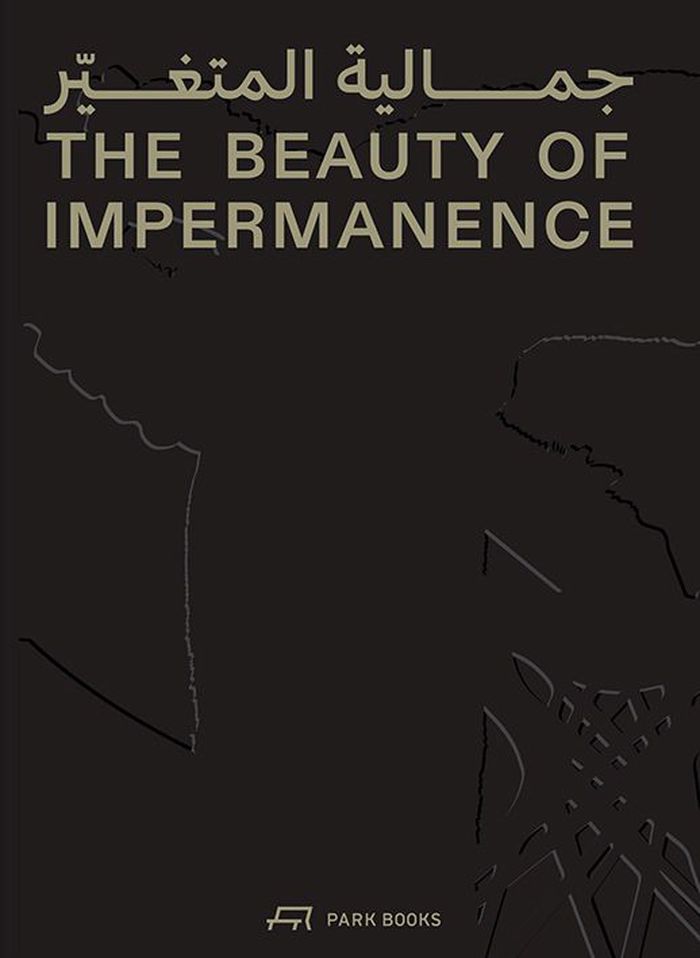
''The Beauty of Impermanence'' is a scholarly documentation of the 2023 Sharjah Architecture Triennial. It explores architectural responses to sustainability, resource scarcity, and adaptability, highlighting the contrasting resource management strategies of the global North and South over the last four hundred years. The North exploited resources through a belief in endless abundance and technological advances, underpinned by religious and mythological justifications for colonialism and slavery. The South, characterized by resource scarcity, has innovated within these constraints, developing adaptable, sustainable solutions that may offer a blueprint for future global resource management. The book advocates for a shift away from a consumption-driven approach to one that is ecologically and ethically responsible, urging a collective resolve to create systemic change for a sustainable future. It is structured around the thematic strands of “Renewed Contextual,” “Extraction Politics,” and “Intangible Bodies” and features essays by noted scholars and practitioners. Detailed project spreads from Triennial participants, showcasing innovative practices that integrate environmentally friendly methods and materials, round off this volume that serves as a vital resource for those engaged in the fields of architecture, sustainability, and urban planning.
The beauty of impermanence: An architecture of adaptability from the Sharjah Architecture Triennial
Actions:
Prix:
$85.00
(disponible en magasin)
Résumé:
''The Beauty of Impermanence'' is a scholarly documentation of the 2023 Sharjah Architecture Triennial. It explores architectural responses to sustainability, resource scarcity, and adaptability, highlighting the contrasting resource management strategies of the global North and South over the last four hundred years. The North exploited resources through a belief in endless abundance and technological advances, underpinned by religious and mythological justifications for colonialism and slavery. The South, characterized by resource scarcity, has innovated within these constraints, developing adaptable, sustainable solutions that may offer a blueprint for future global resource management. The book advocates for a shift away from a consumption-driven approach to one that is ecologically and ethically responsible, urging a collective resolve to create systemic change for a sustainable future. It is structured around the thematic strands of “Renewed Contextual,” “Extraction Politics,” and “Intangible Bodies” and features essays by noted scholars and practitioners. Detailed project spreads from Triennial participants, showcasing innovative practices that integrate environmentally friendly methods and materials, round off this volume that serves as a vital resource for those engaged in the fields of architecture, sustainability, and urban planning.
Classification:
livres
livres
Publication:
juillet 2025
juillet 2025
Sujet:
Biennale
Biennale
Classification:
livres
livres
Prix:
$85.00
(disponible sur commande)
Résumé:
Face aux défis environnementaux, économiques et sociétaux, utiliser des matériaux de construction disponibles à portée de main ou juste sous nos pieds offre des solutions techniques vertueuses, inspirées de savoir-faire ancestraux. Cela redonne aussi du sens aux métiers du bâtiment, encourage le développement de filières économiques locales, crée des emplois et ancre à(...)
$85.00
(disponible sur commande)
Résumé:
Face aux défis environnementaux, économiques et sociétaux, utiliser des matériaux de construction disponibles à portée de main ou juste sous nos pieds offre des solutions techniques vertueuses, inspirées de savoir-faire ancestraux. Cela redonne aussi du sens aux métiers du bâtiment, encourage le développement de filières économiques locales, crée des emplois et ancre à(...)
Sujet:
Architecture écologique
Architecture écologique
Publication:
mars 2025
mars 2025
Titre:
materia : 40 bâtiments en pierre, terre et fibres végétales
Actions:
Prix:
$85.00
(disponible sur commande)
Résumé:
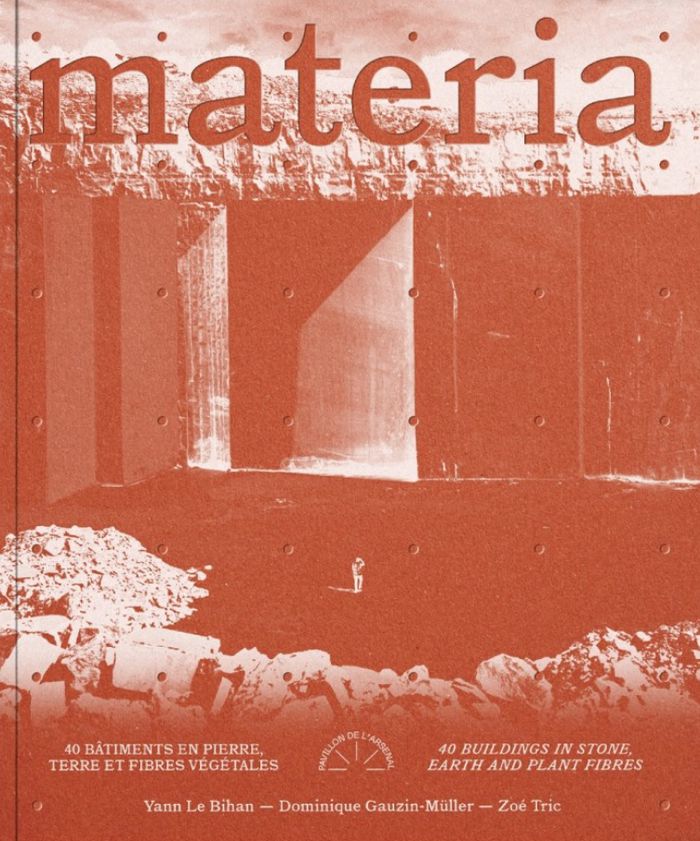
Face aux défis environnementaux, économiques et sociétaux, utiliser des matériaux de construction disponibles à portée de main ou juste sous nos pieds offre des solutions techniques vertueuses, inspirées de savoir-faire ancestraux. Cela redonne aussi du sens aux métiers du bâtiment, encourage le développement de filières économiques locales, crée des emplois et ancre à nouveau l’acte de bâtir dans son territoire. MATERIA associe la pierre à la terre et aux fibres végétales, en mettant l’accent sur la réhabilitation du bâti existant. L’ouvrage analyse et documente les 40 projets finalistes du materia award à travers leurs dimensions architecturales, techniques et environnementales. La réduction de l’impact carbone des matériaux, embryonnaire il y a une décennie, est désormais intégrée dans les règlementations. Les filières se structurent, mais surtout, la conscience collective a évolué, notamment chez les étudiants et les nouvelles générations de bâtisseurs. Aspirant à un avenir différent, ils explorent de nouvelles manières de concevoir l’architecture et de la mettre en œuvre. Sensibles à la dimension sociale de l’acte de construire, ils expérimentent des matériaux peu transformés, avec le chantier comme point d’orgue.
materia : 40 bâtiments en pierre, terre et fibres végétales
Actions:
Prix:
$85.00
(disponible sur commande)
Résumé:
Face aux défis environnementaux, économiques et sociétaux, utiliser des matériaux de construction disponibles à portée de main ou juste sous nos pieds offre des solutions techniques vertueuses, inspirées de savoir-faire ancestraux. Cela redonne aussi du sens aux métiers du bâtiment, encourage le développement de filières économiques locales, crée des emplois et ancre à nouveau l’acte de bâtir dans son territoire. MATERIA associe la pierre à la terre et aux fibres végétales, en mettant l’accent sur la réhabilitation du bâti existant. L’ouvrage analyse et documente les 40 projets finalistes du materia award à travers leurs dimensions architecturales, techniques et environnementales. La réduction de l’impact carbone des matériaux, embryonnaire il y a une décennie, est désormais intégrée dans les règlementations. Les filières se structurent, mais surtout, la conscience collective a évolué, notamment chez les étudiants et les nouvelles générations de bâtisseurs. Aspirant à un avenir différent, ils explorent de nouvelles manières de concevoir l’architecture et de la mettre en œuvre. Sensibles à la dimension sociale de l’acte de construire, ils expérimentent des matériaux peu transformés, avec le chantier comme point d’orgue.
Classification:
livres
livres
Publication:
mars 2025
mars 2025
Sujet:
Architecture écologique
Architecture écologique
Classification:
livres
livres
Actions:
Prix:
$78.00
(disponible sur commande)
Résumé:
Alberto Ponis "Costruire nella Natura" ("Building in Nature") analyses 22 buildings, highlighting the importance of drawing and photography as the first act of design, as in the Genius Loci series in which he photographed Sardinian vernacular architecture. This publication aims primarily to analyse of Alberto Ponis's work as a whole, including single-family houses and(...)
$78.00
(disponible sur commande)
Résumé:
Alberto Ponis "Costruire nella Natura" ("Building in Nature") analyses 22 buildings, highlighting the importance of drawing and photography as the first act of design, as in the Genius Loci series in which he photographed Sardinian vernacular architecture. This publication aims primarily to analyse of Alberto Ponis's work as a whole, including single-family houses and(...)
Titre:
Alberto Ponis: Costruire nella Natura
Actions:
Prix:
$78.00
(disponible sur commande)
Résumé:
Alberto Ponis "Costruire nella Natura" ("Building in Nature") analyses 22 buildings, highlighting the importance of drawing and photography as the first act of design, as in the Genius Loci series in which he photographed Sardinian vernacular architecture. This publication aims primarily to analyse of Alberto Ponis's work as a whole, including single-family houses and collective houses built in Palau and Costa Paradiso, investigating the relationship with the natural site formed by granite rocks, strawberry trees and holm oaks. These elements become part of the architecture, generating its form. Meticulous work in the Ponis Archive has revealed little-known materials, such as slides of trips to America to visit the Sea Ranch and the architecture of Louis Kahn; visits to Ronchamp and La Tourette and the architecture of Arno Jacobsen and Alvar Aalto. But above all, his letters with clients, the photographs Ponis took of his houses, the sketchbooks during site inspections, the Thought notes, his design vocabulary that he continually defined over time, right down to his "pictorial obsessions" for the Nervi marina and Bonifacio.
Alberto Ponis: Costruire nella Natura
Actions:
Prix:
$78.00
(disponible sur commande)
Résumé:
Alberto Ponis "Costruire nella Natura" ("Building in Nature") analyses 22 buildings, highlighting the importance of drawing and photography as the first act of design, as in the Genius Loci series in which he photographed Sardinian vernacular architecture. This publication aims primarily to analyse of Alberto Ponis's work as a whole, including single-family houses and collective houses built in Palau and Costa Paradiso, investigating the relationship with the natural site formed by granite rocks, strawberry trees and holm oaks. These elements become part of the architecture, generating its form. Meticulous work in the Ponis Archive has revealed little-known materials, such as slides of trips to America to visit the Sea Ranch and the architecture of Louis Kahn; visits to Ronchamp and La Tourette and the architecture of Arno Jacobsen and Alvar Aalto. But above all, his letters with clients, the photographs Ponis took of his houses, the sketchbooks during site inspections, the Thought notes, his design vocabulary that he continually defined over time, right down to his "pictorial obsessions" for the Nervi marina and Bonifacio.
Classification:
livres
livres
Publication:
décembre 2024
décembre 2024
Sujet:
Architecture, monographies
Architecture, monographies
Classification:
livres
livres
Actions:
Prix:
$52.95
(disponible sur commande)
Résumé:
''Pathways to Utopia'' explores how Brazil's ''Landless Workers Movement'' (''Movimento dos Trabalhadores Rurais Sem Terra", or MST), against all odds, has endured for forty years as one of the world's largest social movements—while transforming the way we understand the temporality of activism. Taking his cue from MST members and their generational struggle for land and(...)
$52.95
(disponible sur commande)
Résumé:
''Pathways to Utopia'' explores how Brazil's ''Landless Workers Movement'' (''Movimento dos Trabalhadores Rurais Sem Terra", or MST), against all odds, has endured for forty years as one of the world's largest social movements—while transforming the way we understand the temporality of activism. Taking his cue from MST members and their generational struggle for land and(...)
Titre:
Pathways to utopia: Time and transfomation in the Landless Workers Movemenet of Brazil
Actions:
Prix:
$52.95
(disponible sur commande)
Résumé:
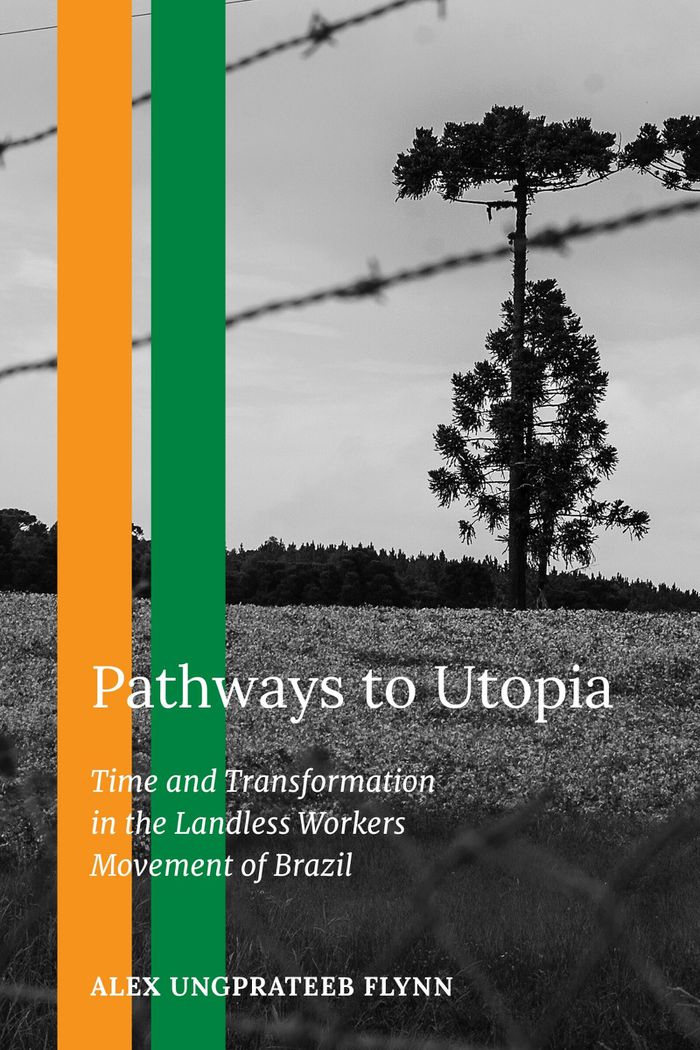
''Pathways to Utopia'' explores how Brazil's ''Landless Workers Movement'' (''Movimento dos Trabalhadores Rurais Sem Terra", or MST), against all odds, has endured for forty years as one of the world's largest social movements—while transforming the way we understand the temporality of activism. Taking his cue from MST members and their generational struggle for land and justice, anthropologist Alex Ungprateeb Flynn reveals how the movement's longevity stems not only from its strong organization and collective vision but also from the productive tensions between established utopian ideals and emerging counter-utopian practices. Perceived by some as a shortcoming, this friction has proven to be a generative force, sparking creative gestures that reimagine social relations and ensuring the MST's adaptability in an ever-changing political landscape. Flynn chronicles the everyday lives of families navigating an extraordinary political reality over a fifteen-year period. At the heart of ''Pathways to Utopia'' is the realization that activism is not a momentary act but an ongoing, relational practice—one where even the smallest community actions reverberate, reshaping the very structures through which people seek to change the world.
Pathways to utopia: Time and transfomation in the Landless Workers Movemenet of Brazil
Actions:
Prix:
$52.95
(disponible sur commande)
Résumé:
''Pathways to Utopia'' explores how Brazil's ''Landless Workers Movement'' (''Movimento dos Trabalhadores Rurais Sem Terra", or MST), against all odds, has endured for forty years as one of the world's largest social movements—while transforming the way we understand the temporality of activism. Taking his cue from MST members and their generational struggle for land and justice, anthropologist Alex Ungprateeb Flynn reveals how the movement's longevity stems not only from its strong organization and collective vision but also from the productive tensions between established utopian ideals and emerging counter-utopian practices. Perceived by some as a shortcoming, this friction has proven to be a generative force, sparking creative gestures that reimagine social relations and ensuring the MST's adaptability in an ever-changing political landscape. Flynn chronicles the everyday lives of families navigating an extraordinary political reality over a fifteen-year period. At the heart of ''Pathways to Utopia'' is the realization that activism is not a momentary act but an ongoing, relational practice—one where even the smallest community actions reverberate, reshaping the very structures through which people seek to change the world.
Classification:
livres
livres
Publication:
août 2025
août 2025
Sujet:
Social
Social
Classification:
périodiques
périodiques
Titre:
Al Hayya issue 4
Al Hayya issue 4
Actions:
Prix:
$32.00
(disponible sur commande)
Résumé:
The free people of the world are organizing, moving toward what many refer to today as the global revolution. In Gaza, the genocide pins the infinity of time, trapping it within the loneliness of each minute. This fight, and how we wage it, will determine whether we are worthy of the land’s forgiveness, and whether she will grant us passage into the future or consume us(...)
$32.00
(disponible sur commande)
Résumé:
The free people of the world are organizing, moving toward what many refer to today as the global revolution. In Gaza, the genocide pins the infinity of time, trapping it within the loneliness of each minute. This fight, and how we wage it, will determine whether we are worthy of the land’s forgiveness, and whether she will grant us passage into the future or consume us(...)
Titre:
Al Hayya issue 4
Actions:
Prix:
$32.00
(disponible sur commande)
Résumé:
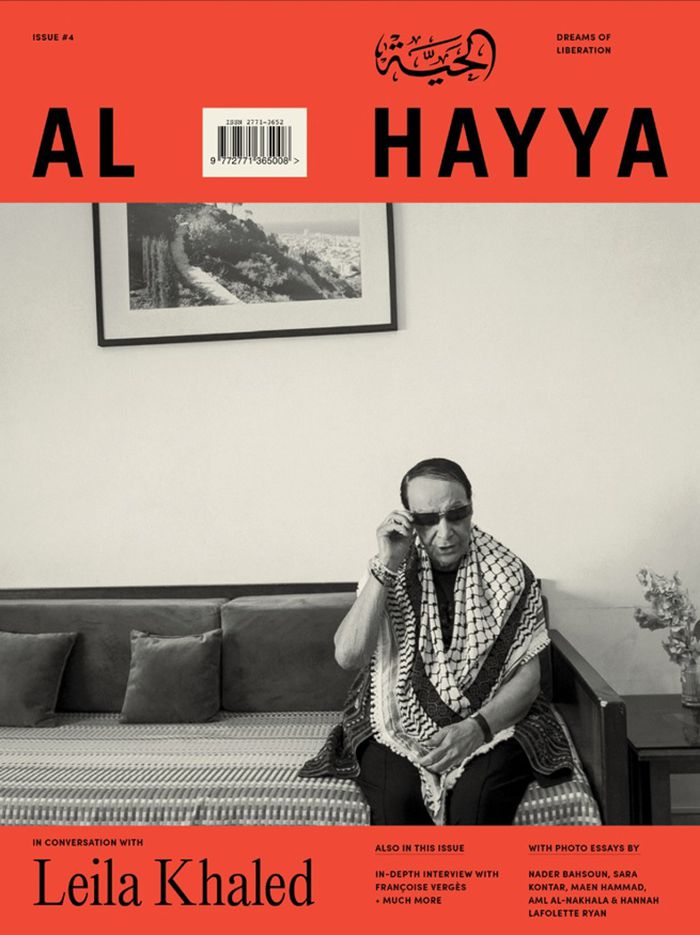
The free people of the world are organizing, moving toward what many refer to today as the global revolution. In Gaza, the genocide pins the infinity of time, trapping it within the loneliness of each minute. This fight, and how we wage it, will determine whether we are worthy of the land’s forgiveness, and whether she will grant us passage into the future or consume us all, once and forever. The fourth issue of Al Hayya focuses on Dreams of Liberation. It traces resistance as it takes shape inside the home, in the streets, across borders, and within the self. It examines how art, memory, and the rituals of everyday life carry defiance. It documents the weight and texture of struggle as both personal and collective. This issue features a rare interview with Palestinian revolutionary and PFLP member Leila Khaled. It also includes an in-depth conversation with Françoise Vergès on decolonial feminism and cultural resistance. Photo essays by Maen Hammad, Amal Al-Nakhala, Nader Bahsoun, Sarah Kontar, and Hannah La Follette Ryan document life under pressure, grief, exile, and survival.
Al Hayya issue 4
Actions:
Prix:
$32.00
(disponible sur commande)
Résumé:
The free people of the world are organizing, moving toward what many refer to today as the global revolution. In Gaza, the genocide pins the infinity of time, trapping it within the loneliness of each minute. This fight, and how we wage it, will determine whether we are worthy of the land’s forgiveness, and whether she will grant us passage into the future or consume us all, once and forever. The fourth issue of Al Hayya focuses on Dreams of Liberation. It traces resistance as it takes shape inside the home, in the streets, across borders, and within the self. It examines how art, memory, and the rituals of everyday life carry defiance. It documents the weight and texture of struggle as both personal and collective. This issue features a rare interview with Palestinian revolutionary and PFLP member Leila Khaled. It also includes an in-depth conversation with Françoise Vergès on decolonial feminism and cultural resistance. Photo essays by Maen Hammad, Amal Al-Nakhala, Nader Bahsoun, Sarah Kontar, and Hannah La Follette Ryan document life under pressure, grief, exile, and survival.
Classification:
périodiques
périodiques
Publication:
novembre 2025
novembre 2025
Sujet:
Revues
Revues
Classification:
livres
livres
Titre:
Terra Infecta
Terra Infecta
Actions:
Prix:
$45.00
(disponible en magasin)
Résumé:
In ''Terra Infecta'', Andrea Bagnato tells an unfamiliar story about a well-known place. Since the early days of tourism, the cities and landscapes of Italy have been bywords for beauty and grandeur. But, at home and abroad, the same places have also been haunted by associations with disease and uncleanliness, often more to do with politics than conditions on the(...)
$45.00
(disponible en magasin)
Résumé:
In ''Terra Infecta'', Andrea Bagnato tells an unfamiliar story about a well-known place. Since the early days of tourism, the cities and landscapes of Italy have been bywords for beauty and grandeur. But, at home and abroad, the same places have also been haunted by associations with disease and uncleanliness, often more to do with politics than conditions on the(...)
Titre:
Terra Infecta
Actions:
Prix:
$45.00
(disponible en magasin)
Résumé:
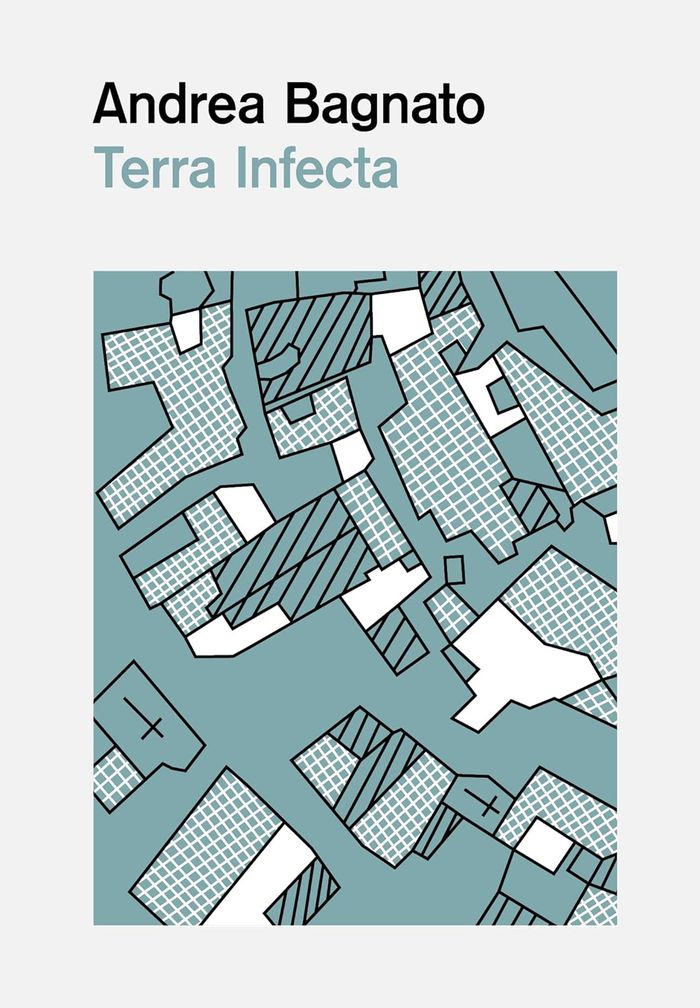
In ''Terra Infecta'', Andrea Bagnato tells an unfamiliar story about a well-known place. Since the early days of tourism, the cities and landscapes of Italy have been bywords for beauty and grandeur. But, at home and abroad, the same places have also been haunted by associations with disease and uncleanliness, often more to do with politics than conditions on the ground. In this gripping narrative study, Bagnato shows how the modern quest for sanitation shaped Italy’s urban and rural landscapes, propelling major transformations from the draining of the wetlands around Venice, to demolitions and replanning in Naples, to the expulsion of the inhabitants of ancient Matera. He argues that current north–south inequalities are founded on spurious medical narratives, and focuses on the real impact on the people caught in their ministrations. Ranging from Italian unification to the aftershocks of Covid-19, and drawing on architectural records, medical history, and the author’s own travels, ''Terra Infecta'' reveals the lived realities of grand schemes, traces of vanished communities, and forgotten histories of collective organisation and resistance.
Terra Infecta
Actions:
Prix:
$45.00
(disponible en magasin)
Résumé:
In ''Terra Infecta'', Andrea Bagnato tells an unfamiliar story about a well-known place. Since the early days of tourism, the cities and landscapes of Italy have been bywords for beauty and grandeur. But, at home and abroad, the same places have also been haunted by associations with disease and uncleanliness, often more to do with politics than conditions on the ground. In this gripping narrative study, Bagnato shows how the modern quest for sanitation shaped Italy’s urban and rural landscapes, propelling major transformations from the draining of the wetlands around Venice, to demolitions and replanning in Naples, to the expulsion of the inhabitants of ancient Matera. He argues that current north–south inequalities are founded on spurious medical narratives, and focuses on the real impact on the people caught in their ministrations. Ranging from Italian unification to the aftershocks of Covid-19, and drawing on architectural records, medical history, and the author’s own travels, ''Terra Infecta'' reveals the lived realities of grand schemes, traces of vanished communities, and forgotten histories of collective organisation and resistance.
Classification:
livres
livres
Publication:
février 2026
février 2026
Sujet:
Théorie de l’architecture
Théorie de l’architecture
Classification:
livres
livres
Prix:
$51.95
(disponible en magasin)
Résumé:
« Le Parlement de la recherche » a réuni 22 architectes et chercheurs en architecture internationaux dans un huis clos scénographié de 48 h au couvent Sainte-Marie de La Tourette, retraite plongée dans la brume, hors du temps et des urgences. À l'initiative du Fonds de dotation Quartus pour l'architecture, en partenariat avec le ministère de la Culture et piloté par le(...)
$51.95
(disponible en magasin)
Résumé:
« Le Parlement de la recherche » a réuni 22 architectes et chercheurs en architecture internationaux dans un huis clos scénographié de 48 h au couvent Sainte-Marie de La Tourette, retraite plongée dans la brume, hors du temps et des urgences. À l'initiative du Fonds de dotation Quartus pour l'architecture, en partenariat avec le ministère de la Culture et piloté par le(...)
Titre:
Le Parlement de la Recherche : Ce que peut l'architecture
Actions:
Prix:
$51.95
(disponible en magasin)
Résumé:
« Le Parlement de la recherche » a réuni 22 architectes et chercheurs en architecture internationaux dans un huis clos scénographié de 48 h au couvent Sainte-Marie de La Tourette, retraite plongée dans la brume, hors du temps et des urgences. À l'initiative du Fonds de dotation Quartus pour l'architecture, en partenariat avec le ministère de la Culture et piloté par le duo de commissaires : l'AUC et MBL architectes, le Parlement de la recherche a ainsi offert un temps inédit de réflexion, d'exploration et d'effervescence collective pour interroger les grands enjeux de notre société et questionner ce que peut l'architecture. Cet ouvrage, retranscription intégrale de ces échanges ou presque, offre une masse critique de concepts, d'engagements et de sujets de réflexion qui font état des préoccupations actuelles des architectes. Les communautés, la propriété, la « jungle », la critique nomade, la nostalgie, le projet moderne, la transformation, le logement et, surtout, cette série d'attitudes face aux temps présents sont autant de thèmes à déployer, à explorer pour les temps à venir.
Le Parlement de la Recherche : Ce que peut l'architecture
Actions:
Prix:
$51.95
(disponible en magasin)
Résumé:
« Le Parlement de la recherche » a réuni 22 architectes et chercheurs en architecture internationaux dans un huis clos scénographié de 48 h au couvent Sainte-Marie de La Tourette, retraite plongée dans la brume, hors du temps et des urgences. À l'initiative du Fonds de dotation Quartus pour l'architecture, en partenariat avec le ministère de la Culture et piloté par le duo de commissaires : l'AUC et MBL architectes, le Parlement de la recherche a ainsi offert un temps inédit de réflexion, d'exploration et d'effervescence collective pour interroger les grands enjeux de notre société et questionner ce que peut l'architecture. Cet ouvrage, retranscription intégrale de ces échanges ou presque, offre une masse critique de concepts, d'engagements et de sujets de réflexion qui font état des préoccupations actuelles des architectes. Les communautés, la propriété, la « jungle », la critique nomade, la nostalgie, le projet moderne, la transformation, le logement et, surtout, cette série d'attitudes face aux temps présents sont autant de thèmes à déployer, à explorer pour les temps à venir.
Classification:
livres
livres
Publication:
janvier 2026
janvier 2026
Sujet:
Théorie de l’architecture
Théorie de l’architecture
Classification:
livres
livres

Prix:
$69.95
(disponible sur commande)
Résumé:
Fondé au tout début du XXe siècle, le Wiener Werkstätte s'est donné pour objectif de réconcilier les arts nobles et appliqués, de diffuser l'art dans tous les domaines de la vie et d'accorder aux objets les plus simples du quotidien le même soin qu'aux œuvres d'art. S'inscrivant une dernière fois dans la recherche de l'" œuvre d'art totale ", il la réalise de façon(...)
$69.95
(disponible sur commande)
Résumé:
Fondé au tout début du XXe siècle, le Wiener Werkstätte s'est donné pour objectif de réconcilier les arts nobles et appliqués, de diffuser l'art dans tous les domaines de la vie et d'accorder aux objets les plus simples du quotidien le même soin qu'aux œuvres d'art. S'inscrivant une dernière fois dans la recherche de l'" œuvre d'art totale ", il la réalise de façon(...)
Titre:
Wiener Werkstätte : les ateliers viennois, 1903 - 1932
Actions:
Prix:
$69.95
(disponible sur commande)
Résumé:
Fondé au tout début du XXe siècle, le Wiener Werkstätte s'est donné pour objectif de réconcilier les arts nobles et appliqués, de diffuser l'art dans tous les domaines de la vie et d'accorder aux objets les plus simples du quotidien le même soin qu'aux œuvres d'art. S'inscrivant une dernière fois dans la recherche de l'" œuvre d'art totale ", il la réalise de façon exemplaire avec le palais Stoclet de Bruxelles qui reste la création collective majeure de l'Art Nouveau international. L'équipe dirigée par Josef Hoffmann et Kolo Moser ne délaissera aucun domaine de la création : outre des meubles, services de table, objets en métal, céramique et verre, livres, affiches et cartes postales, tapis, papiers à lettre et de bureau, ils dessineront aussi des bijoux, des tissus et des modèles de Haute Couture (le secteur le plus rentable). Avec plus de 500 photos, cet ouvrage illustre parfaitement la production de principaux collaborateurs du Wiener Werkstätte, parmi lesquels Carl Otto Czeschka, Berthold Löffler, Michael Powolny, Vally Wieselthier, Eduard Josef Wimmer, Otto Lendecke, mais aussi Gustav Klimt, Egon Schiele et Oskar Kokoschka.
Wiener Werkstätte : les ateliers viennois, 1903 - 1932
Actions:
Prix:
$69.95
(disponible sur commande)
Résumé:
Fondé au tout début du XXe siècle, le Wiener Werkstätte s'est donné pour objectif de réconcilier les arts nobles et appliqués, de diffuser l'art dans tous les domaines de la vie et d'accorder aux objets les plus simples du quotidien le même soin qu'aux œuvres d'art. S'inscrivant une dernière fois dans la recherche de l'" œuvre d'art totale ", il la réalise de façon exemplaire avec le palais Stoclet de Bruxelles qui reste la création collective majeure de l'Art Nouveau international. L'équipe dirigée par Josef Hoffmann et Kolo Moser ne délaissera aucun domaine de la création : outre des meubles, services de table, objets en métal, céramique et verre, livres, affiches et cartes postales, tapis, papiers à lettre et de bureau, ils dessineront aussi des bijoux, des tissus et des modèles de Haute Couture (le secteur le plus rentable). Avec plus de 500 photos, cet ouvrage illustre parfaitement la production de principaux collaborateurs du Wiener Werkstätte, parmi lesquels Carl Otto Czeschka, Berthold Löffler, Michael Powolny, Vally Wieselthier, Eduard Josef Wimmer, Otto Lendecke, mais aussi Gustav Klimt, Egon Schiele et Oskar Kokoschka.
Classification:
livres
livres
Publication:
janvier 1900, Paris
janvier 1900, Paris
Sujet:
Design, époques et styles
Design, époques et styles
Classification:
livres
livres
Titre:
Inventing future cities
Inventing future cities
Actions:
Prix:
$35.95
(disponible sur commande)
Résumé:
We cannot predict future cities, but we can invent them. Cities are largely unpredictable because they are complex systems that are more like organisms than machines. Neither the laws of economics nor the laws of mechanics apply; cities are the product of countless individual and collective decisions that do not conform to any grand plan. They are the product of our(...)
$35.95
(disponible sur commande)
Résumé:
We cannot predict future cities, but we can invent them. Cities are largely unpredictable because they are complex systems that are more like organisms than machines. Neither the laws of economics nor the laws of mechanics apply; cities are the product of countless individual and collective decisions that do not conform to any grand plan. They are the product of our(...)
Titre:
Inventing future cities
Actions:
Prix:
$35.95
(disponible sur commande)
Résumé:
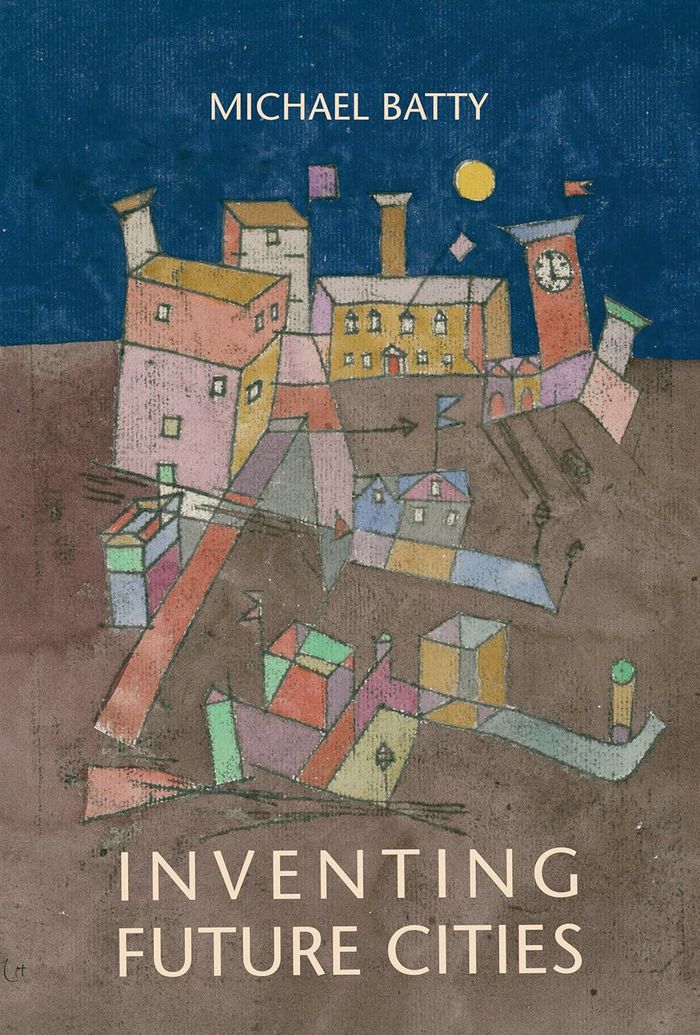
We cannot predict future cities, but we can invent them. Cities are largely unpredictable because they are complex systems that are more like organisms than machines. Neither the laws of economics nor the laws of mechanics apply; cities are the product of countless individual and collective decisions that do not conform to any grand plan. They are the product of our inventions; they evolve. In Inventing Future Cities, Michael Batty explores what we need to understand about cities in order to invent their future. Batty outlines certain themes—principles—that apply to all cities. He investigates not the invention of artifacts but inventive processes. Today form is becoming ever more divorced from function; information networks now shape the traditional functions of cities as places of exchange and innovation. By the end of this century, most of the world's population will live in cities, large or small, sometimes contiguous, and always connected; in an urbanized world, it will be increasingly difficult to define a city by its physical boundaries.
Inventing future cities
Actions:
Prix:
$35.95
(disponible sur commande)
Résumé:
We cannot predict future cities, but we can invent them. Cities are largely unpredictable because they are complex systems that are more like organisms than machines. Neither the laws of economics nor the laws of mechanics apply; cities are the product of countless individual and collective decisions that do not conform to any grand plan. They are the product of our inventions; they evolve. In Inventing Future Cities, Michael Batty explores what we need to understand about cities in order to invent their future. Batty outlines certain themes—principles—that apply to all cities. He investigates not the invention of artifacts but inventive processes. Today form is becoming ever more divorced from function; information networks now shape the traditional functions of cities as places of exchange and innovation. By the end of this century, most of the world's population will live in cities, large or small, sometimes contiguous, and always connected; in an urbanized world, it will be increasingly difficult to define a city by its physical boundaries.
Classification:
livres
livres
Publication:
juin 2024
juin 2024
Sujet:
Théorie de l’urbanisme
Théorie de l’urbanisme
Classification:
livres
livres

Titre:
Polluer, c'est coloniser
Polluer, c'est coloniser
Actions:
Prix:
$45.95
(disponible en magasin)
Résumé:
Salué comme incontournable dès sa parution en anglais, Polluer, c’est coloniser est d’abord un livre de méthode, qui cherche à définir une éthique, une manière collective d’être au monde. Au fil d’une enquête sur l’histoire, la conception et la réglementation de la pollution engendrée par les plastiques, il montre que cette dernière n’est pas une expression ou un effet du(...)
$45.95
(disponible en magasin)
Résumé:
Salué comme incontournable dès sa parution en anglais, Polluer, c’est coloniser est d’abord un livre de méthode, qui cherche à définir une éthique, une manière collective d’être au monde. Au fil d’une enquête sur l’histoire, la conception et la réglementation de la pollution engendrée par les plastiques, il montre que cette dernière n’est pas une expression ou un effet du(...)
Publication:
décembre 2024
décembre 2024
Titre:
Polluer, c'est coloniser
Actions:
Prix:
$45.95
(disponible en magasin)
Résumé:
Salué comme incontournable dès sa parution en anglais, Polluer, c’est coloniser est d’abord un livre de méthode, qui cherche à définir une éthique, une manière collective d’être au monde. Au fil d’une enquête sur l’histoire, la conception et la réglementation de la pollution engendrée par les plastiques, il montre que cette dernière n’est pas une expression ou un effet du colonialisme mais la mise en œuvre de rapports coloniaux à la terre, rapports que peuvent involontairement reproduire des militant·es et des scientifiques animé·es des meilleures intentions. Mais, éthique ne voulant pas dire leçon de morale, l’ouvrage rejette les jugements expéditifs et les idées toutes faites. La clé réside dans l’attention aux lieux : parce qu’une méthode est toujours située, inscrite dans des relations particulières à des territoires, elle est investie d’une responsabilité particulière vis-à-vis d’eux. S’appuyant sur un travail mené à Terre-Neuve-et-Labrador, Max Liboiron propose de bâtir une science anticoloniale, avec le double souci d’échapper aux cadres de pensée uniformisants et de livrer des enseignements dont d’autres, ailleurs, pourront s’emparer.
Polluer, c'est coloniser
Actions:
Prix:
$45.95
(disponible en magasin)
Résumé:
Salué comme incontournable dès sa parution en anglais, Polluer, c’est coloniser est d’abord un livre de méthode, qui cherche à définir une éthique, une manière collective d’être au monde. Au fil d’une enquête sur l’histoire, la conception et la réglementation de la pollution engendrée par les plastiques, il montre que cette dernière n’est pas une expression ou un effet du colonialisme mais la mise en œuvre de rapports coloniaux à la terre, rapports que peuvent involontairement reproduire des militant·es et des scientifiques animé·es des meilleures intentions. Mais, éthique ne voulant pas dire leçon de morale, l’ouvrage rejette les jugements expéditifs et les idées toutes faites. La clé réside dans l’attention aux lieux : parce qu’une méthode est toujours située, inscrite dans des relations particulières à des territoires, elle est investie d’une responsabilité particulière vis-à-vis d’eux. S’appuyant sur un travail mené à Terre-Neuve-et-Labrador, Max Liboiron propose de bâtir une science anticoloniale, avec le double souci d’échapper aux cadres de pensée uniformisants et de livrer des enseignements dont d’autres, ailleurs, pourront s’emparer.
Classification:
livres
livres
Publication:
décembre 2024
décembre 2024


