


3922 Résultats
Classification:
livres
livres
Actions:
Prix:
$54.99
(disponible en magasin)
Résumé:
We are at a new moment in architecture, one when many cultures are contributing to the unfolding of modernism. This enriching influence is broadening the mix, extending the range available to architecture, of materials and colours, of evocative forms, of cultural references and of social thinking. In an era of boredom with monocultures and orthodoxies, there is the(...)
$54.99
(disponible en magasin)
Résumé:
We are at a new moment in architecture, one when many cultures are contributing to the unfolding of modernism. This enriching influence is broadening the mix, extending the range available to architecture, of materials and colours, of evocative forms, of cultural references and of social thinking. In an era of boredom with monocultures and orthodoxies, there is the(...)
Sujet:
Revues, anciens numéros
Revues, anciens numéros
Publication:
octobre 2005, London
octobre 2005, London
Titre:
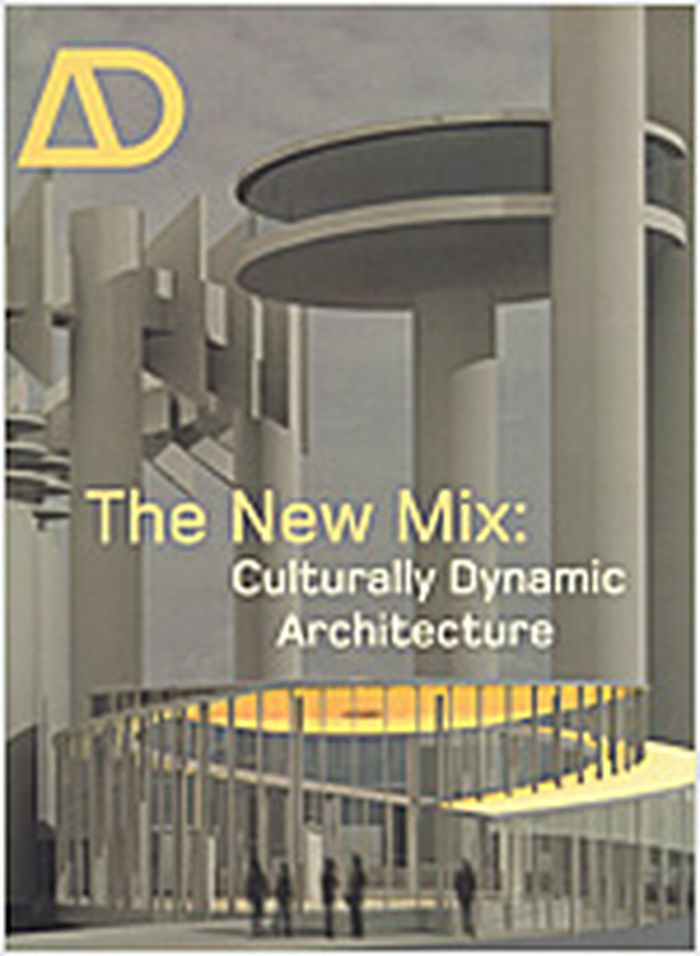
The new mix : culturally dynamic architecture
Actions:
Prix:
$54.99
(disponible en magasin)
Résumé:
We are at a new moment in architecture, one when many cultures are contributing to the unfolding of modernism. This enriching influence is broadening the mix, extending the range available to architecture, of materials and colours, of evocative forms, of cultural references and of social thinking. In an era of boredom with monocultures and orthodoxies, there is the almost universal expectation that the metroculture, be it in London or Beijing, will provide broadened cultural experiences in food, performance, dress and sound. The new ethnically diverse city is a place of zesty daily encounters/collisions/cohabitation between cultures, a place of mixed signals, contradictions, delightful confusions. Franco-Japanese cuisine, elite schoolchildren wearing doo-rags, jazz performed on gamelans—no matter what one’s mother culture - we’re all getting addicted to varied rhythms, different emotional emphases, ‘other’ ideas of beauty. This change is visible in schools of architecture, at least in the range of students, typically from many ethnicities, none of them constituting a majority. No wonder, then, that there is increased interest in ways that architecture can incorporate a larger compass of riches. A rising group of practitioners is meeting the challenge of this broadening cultural landscape in pursuing strategies of quick switching, layering, reframing. These new architectural expressions of multiple cultures represent an enrichment that ultimately might help create a more robust modernism, helping to rescue it from a ‘potato blight’ of too much sameness.
The new mix : culturally dynamic architecture
Actions:
Prix:
$54.99
(disponible en magasin)
Résumé:
We are at a new moment in architecture, one when many cultures are contributing to the unfolding of modernism. This enriching influence is broadening the mix, extending the range available to architecture, of materials and colours, of evocative forms, of cultural references and of social thinking. In an era of boredom with monocultures and orthodoxies, there is the almost universal expectation that the metroculture, be it in London or Beijing, will provide broadened cultural experiences in food, performance, dress and sound. The new ethnically diverse city is a place of zesty daily encounters/collisions/cohabitation between cultures, a place of mixed signals, contradictions, delightful confusions. Franco-Japanese cuisine, elite schoolchildren wearing doo-rags, jazz performed on gamelans—no matter what one’s mother culture - we’re all getting addicted to varied rhythms, different emotional emphases, ‘other’ ideas of beauty. This change is visible in schools of architecture, at least in the range of students, typically from many ethnicities, none of them constituting a majority. No wonder, then, that there is increased interest in ways that architecture can incorporate a larger compass of riches. A rising group of practitioners is meeting the challenge of this broadening cultural landscape in pursuing strategies of quick switching, layering, reframing. These new architectural expressions of multiple cultures represent an enrichment that ultimately might help create a more robust modernism, helping to rescue it from a ‘potato blight’ of too much sameness.
Classification:
livres
livres
Publication:
octobre 2005, London
octobre 2005, London
Sujet:
Revues, anciens numéros
Revues, anciens numéros
Classification:
livres
livres
Actions:
Prix:
$25.00
(disponible sur commande)
Résumé:
From Gordon Matta-Clark to Lawrence Weiner, Bruce Nauman to Alison Knowles, the question of site locates itself in issues of public space, at the intersection of the imagined and the real, at the juncture of performance and architectural production. By anthologizing essays, documents, and interviews by leading critics, historians, and artists on issues of(...)
$25.00
(disponible sur commande)
Résumé:
From Gordon Matta-Clark to Lawrence Weiner, Bruce Nauman to Alison Knowles, the question of site locates itself in issues of public space, at the intersection of the imagined and the real, at the juncture of performance and architectural production. By anthologizing essays, documents, and interviews by leading critics, historians, and artists on issues of(...)
Titre:
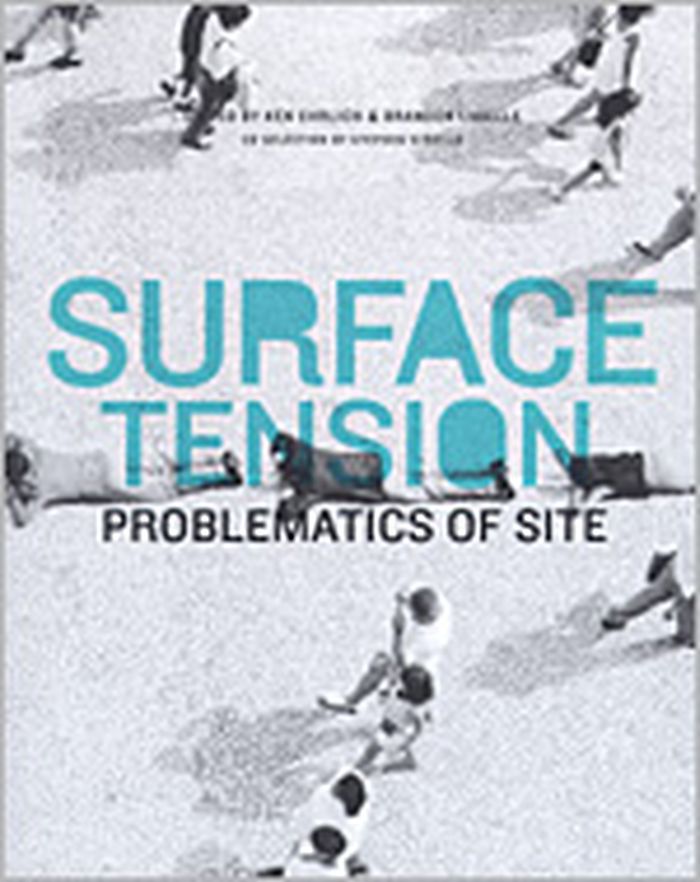
Surface tension : problematics of site
Actions:
Prix:
$25.00
(disponible sur commande)
Résumé:
From Gordon Matta-Clark to Lawrence Weiner, Bruce Nauman to Alison Knowles, the question of site locates itself in issues of public space, at the intersection of the imagined and the real, at the juncture of performance and architectural production. By anthologizing essays, documents, and interviews by leading critics, historians, and artists on issues of site-specificity, conceptualism, feminism, and architecture practice, "Surface Tension" reveals the connections between cultural production and the very spaces in which such work functions. These textual explorations are complemented by extensive documentation of related projects, both historical and contemporary, by artists, architects, and performance artists, including 'Coughing Piece', a never-before released 1961 audio work by Yoko Ono; an obscure audio work by Nauman from 1969; projects by Suzanne Lacy, a leading figure in the development of conceptual practice and public art; and an experimental text by Jane Rendell on psychic architectures. Conversations occur between the pages of "Surface Tension", between theoretical analysis and modes of practice, that activate the publication as a site itself, one participating in a broad field of knowledge. Includes an audio CD of the sound art pieces. Artists Include: Gordon Matta-Clark, Lawrence Weiner,Jan Hofer, Melissa Dyne, Kim Abeles, Carol Brown, Christof Migone, Michael Rakowitz, Eyal Weizman, Rafael Lazano-Hemmer, Tanja Jordan, Lizzie Scott, Tim Durfee, Lize Mogel, Suzanne Lacy, Michael Asher, Bruce Nauman, Lucky Kitchen, Michael Prime, Alison Knowles, and Yoko Ono, amongst others.
Surface tension : problematics of site
Actions:
Prix:
$25.00
(disponible sur commande)
Résumé:
From Gordon Matta-Clark to Lawrence Weiner, Bruce Nauman to Alison Knowles, the question of site locates itself in issues of public space, at the intersection of the imagined and the real, at the juncture of performance and architectural production. By anthologizing essays, documents, and interviews by leading critics, historians, and artists on issues of site-specificity, conceptualism, feminism, and architecture practice, "Surface Tension" reveals the connections between cultural production and the very spaces in which such work functions. These textual explorations are complemented by extensive documentation of related projects, both historical and contemporary, by artists, architects, and performance artists, including 'Coughing Piece', a never-before released 1961 audio work by Yoko Ono; an obscure audio work by Nauman from 1969; projects by Suzanne Lacy, a leading figure in the development of conceptual practice and public art; and an experimental text by Jane Rendell on psychic architectures. Conversations occur between the pages of "Surface Tension", between theoretical analysis and modes of practice, that activate the publication as a site itself, one participating in a broad field of knowledge. Includes an audio CD of the sound art pieces. Artists Include: Gordon Matta-Clark, Lawrence Weiner,Jan Hofer, Melissa Dyne, Kim Abeles, Carol Brown, Christof Migone, Michael Rakowitz, Eyal Weizman, Rafael Lazano-Hemmer, Tanja Jordan, Lizzie Scott, Tim Durfee, Lize Mogel, Suzanne Lacy, Michael Asher, Bruce Nauman, Lucky Kitchen, Michael Prime, Alison Knowles, and Yoko Ono, amongst others.
Classification:
livres
livres
Publication:
décembre 2002, Los Angeles
décembre 2002, Los Angeles
Sujet:
Acoustique
Acoustique
Classification:
livres
livres
Titre:
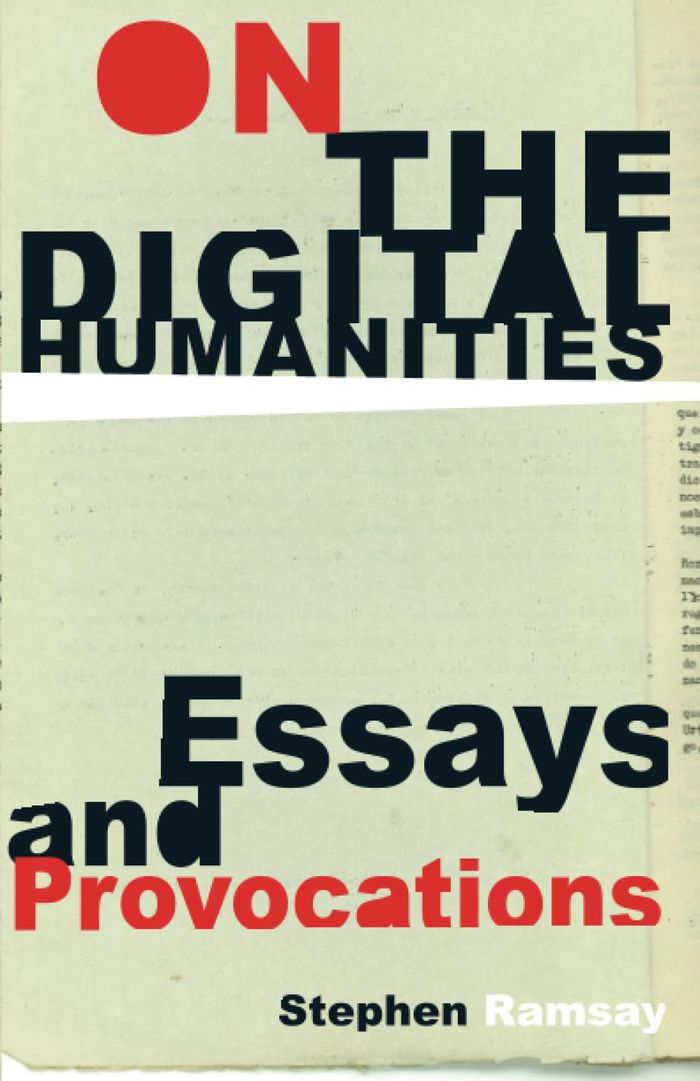
On the digital humanities
On the digital humanities
Actions:
Prix:
$35.99
(disponible sur commande)
Résumé:
Since its inception, the digital humanities has been repeatedly attacked as a threat to the humanities: warnings from literary and cultural theorists of technology overtaking English departments and the mechanization of teaching have peppered popular media. Stephen Ramsay’s ''On the digital humanities'', a collection of essays spanning the personal to the polemic, is a(...)
$35.99
(disponible sur commande)
Résumé:
Since its inception, the digital humanities has been repeatedly attacked as a threat to the humanities: warnings from literary and cultural theorists of technology overtaking English departments and the mechanization of teaching have peppered popular media. Stephen Ramsay’s ''On the digital humanities'', a collection of essays spanning the personal to the polemic, is a(...)
Titre:
On the digital humanities
Actions:
Prix:
$35.99
(disponible sur commande)
Résumé:
Since its inception, the digital humanities has been repeatedly attacked as a threat to the humanities: warnings from literary and cultural theorists of technology overtaking English departments and the mechanization of teaching have peppered popular media. Stephen Ramsay’s ''On the digital humanities'', a collection of essays spanning the personal to the polemic, is a spirited defense of the field of digital humanities. A founding figure in what was once known as 'humanities computing,' Ramsay has a well-known and contentious relationship with what is now called the digital humanities (DH). Here Ramsay collects and updates his most influential and notorious essays and speeches from the past fifteen years, considering DH from an array of practical and theoretical perspectives. The essays pursue a broad variety of themes, including the nature of data and its place in more conventional notions of text and interpretation, the relationship between the constraints of computation and the more open-ended nature of the humanities, the positioning of practical skills and infrastructures in both research and pedagogical contexts, the status of DH as a program for political and social action, and personal reflections on the author’s journey into the field as both a theorist and a technologist. These wide-ranging essays all center around one idea: that DH not forsake its connection to the humanities. While 'digital humanities' may sound like an entirely new form of engagement with the artifacts of human culture, Ramsay argues that the field well reveals what is most essential to humanistic inquiry.
On the digital humanities
Actions:
Prix:
$35.99
(disponible sur commande)
Résumé:
Since its inception, the digital humanities has been repeatedly attacked as a threat to the humanities: warnings from literary and cultural theorists of technology overtaking English departments and the mechanization of teaching have peppered popular media. Stephen Ramsay’s ''On the digital humanities'', a collection of essays spanning the personal to the polemic, is a spirited defense of the field of digital humanities. A founding figure in what was once known as 'humanities computing,' Ramsay has a well-known and contentious relationship with what is now called the digital humanities (DH). Here Ramsay collects and updates his most influential and notorious essays and speeches from the past fifteen years, considering DH from an array of practical and theoretical perspectives. The essays pursue a broad variety of themes, including the nature of data and its place in more conventional notions of text and interpretation, the relationship between the constraints of computation and the more open-ended nature of the humanities, the positioning of practical skills and infrastructures in both research and pedagogical contexts, the status of DH as a program for political and social action, and personal reflections on the author’s journey into the field as both a theorist and a technologist. These wide-ranging essays all center around one idea: that DH not forsake its connection to the humanities. While 'digital humanities' may sound like an entirely new form of engagement with the artifacts of human culture, Ramsay argues that the field well reveals what is most essential to humanistic inquiry.
Classification:
livres
livres
Publication:
août 2023
août 2023
Classification:
livres
livres
Prix:
$44.95
(disponible sur commande)
Résumé:
We experience spaces not only by seeing but also by listening. We can navigate a room in the dark, and "hear" the emptiness of a house without furniture. Our experience of music in a concert hall depends on whether we sit in the front row or under the balcony. The unique acoustics of religious spaces acquire symbolic meaning. Social relationships are strongly influenced(...)
$44.95
(disponible sur commande)
Résumé:
We experience spaces not only by seeing but also by listening. We can navigate a room in the dark, and "hear" the emptiness of a house without furniture. Our experience of music in a concert hall depends on whether we sit in the front row or under the balcony. The unique acoustics of religious spaces acquire symbolic meaning. Social relationships are strongly influenced(...)
Sujet:
Acoustique
Acoustique
Publication:
décembre 2006, Cambridge / London
décembre 2006, Cambridge / London
Titre:
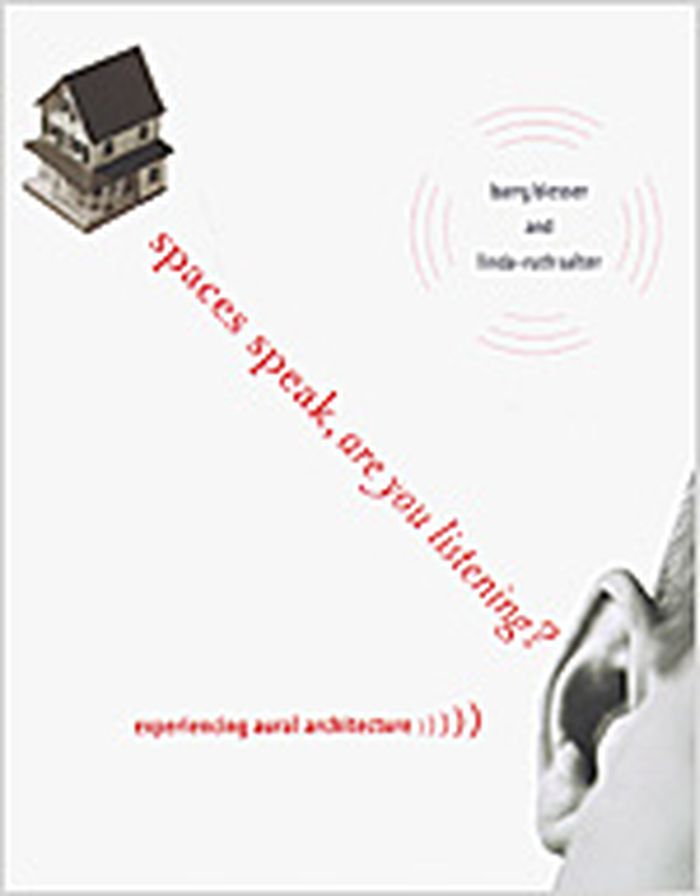
Spaces speak, are you listening ? Experiencing aural architecture
Actions:
Prix:
$44.95
(disponible sur commande)
Résumé:
We experience spaces not only by seeing but also by listening. We can navigate a room in the dark, and "hear" the emptiness of a house without furniture. Our experience of music in a concert hall depends on whether we sit in the front row or under the balcony. The unique acoustics of religious spaces acquire symbolic meaning. Social relationships are strongly influenced by the way that space changes sound. In Spaces Speak, Are You Listening?, Barry Blesser and Linda-Ruth Salter examine auditory spatial awareness: experiencing space by attentive listening. Every environment has an aural architecture. The audible attributes of physical space have always contributed to the fabric of human culture, as demonstrated by prehistoric multimedia cave paintings, classical Greek open-air theaters, Gothic cathedrals, acoustic geography of French villages, modern music reproduction, and virtual spaces in home theaters. Auditory spatial awareness is a prism that reveals a culture's attitudes toward hearing and space. Some listeners can learn to "see" objects with their ears, but even without training, we can all hear spatial geometry such as an open door or low ceiling. Integrating contributions from a wide range of disciplines--including architecture, music, acoustics, evolution, anthropology, cognitive psychology, audio engineering, and many others--Spaces Speak, Are You Listening? establishes the concepts and language of aural architecture. These concepts provide an interdisciplinary guide for anyone interested in gaining a better understanding of how space enhances our well-being. Aural architecture is not the exclusive domain of specialists. Accidentally or intentionally, we all function as aural architects.
Spaces speak, are you listening ? Experiencing aural architecture
Actions:
Prix:
$44.95
(disponible sur commande)
Résumé:
We experience spaces not only by seeing but also by listening. We can navigate a room in the dark, and "hear" the emptiness of a house without furniture. Our experience of music in a concert hall depends on whether we sit in the front row or under the balcony. The unique acoustics of religious spaces acquire symbolic meaning. Social relationships are strongly influenced by the way that space changes sound. In Spaces Speak, Are You Listening?, Barry Blesser and Linda-Ruth Salter examine auditory spatial awareness: experiencing space by attentive listening. Every environment has an aural architecture. The audible attributes of physical space have always contributed to the fabric of human culture, as demonstrated by prehistoric multimedia cave paintings, classical Greek open-air theaters, Gothic cathedrals, acoustic geography of French villages, modern music reproduction, and virtual spaces in home theaters. Auditory spatial awareness is a prism that reveals a culture's attitudes toward hearing and space. Some listeners can learn to "see" objects with their ears, but even without training, we can all hear spatial geometry such as an open door or low ceiling. Integrating contributions from a wide range of disciplines--including architecture, music, acoustics, evolution, anthropology, cognitive psychology, audio engineering, and many others--Spaces Speak, Are You Listening? establishes the concepts and language of aural architecture. These concepts provide an interdisciplinary guide for anyone interested in gaining a better understanding of how space enhances our well-being. Aural architecture is not the exclusive domain of specialists. Accidentally or intentionally, we all function as aural architects.
Classification:
livres
livres
Publication:
décembre 2006, Cambridge / London
décembre 2006, Cambridge / London
Sujet:
Acoustique
Acoustique
Classification:
livres
livres
Actions:
Prix:
$31.50
(disponible sur commande)
Résumé:
Vladimir Nabokov could hear color. As he described it – "perhaps “hearing” is not quite accurate, since the color sensation seems to be produced by the very act of my orally forming a given letter while I imagine its outline. The long a of the English alphabet . . . has for me the tint of weathered wood, but a French a evokes polished ebony. This black group also includes(...)
$31.50
(disponible sur commande)
Résumé:
Vladimir Nabokov could hear color. As he described it – "perhaps “hearing” is not quite accurate, since the color sensation seems to be produced by the very act of my orally forming a given letter while I imagine its outline. The long a of the English alphabet . . . has for me the tint of weathered wood, but a French a evokes polished ebony. This black group also includes(...)
Publication:
octobre 2005, Corte Madera
octobre 2005, Corte Madera
Titre:
Vladimir Nabokov : alphabet in color
Actions:
Prix:
$31.50
(disponible sur commande)
Résumé:
Vladimir Nabokov could hear color. As he described it – "perhaps “hearing” is not quite accurate, since the color sensation seems to be produced by the very act of my orally forming a given letter while I imagine its outline. The long a of the English alphabet . . . has for me the tint of weathered wood, but a French a evokes polished ebony. This black group also includes hard g (vulcanized rubber) and r (a sooty rag being ripped). Oatmeal n, noodle-limp l, and the ivory-backed hand mirror of o take care of the whites". For anyone who has ever wondered how the colors Nabokov heard might manifest themselves visually, "Alphabet in color" is a remarkable journey of discovery. Jean Holabird’s interpretation of the colored alphabets of one of the twentieth century’s literary greats is a revelation. Nabokov saw rich colors in letters and sounds and noted the deficiency of color in literature, praising Gogol as the first Russian writer to truly appreciate yellow and violet. This book masterfully brings to life the charming and vibrant synesthetic colored letters that until now existed only in Nabokov’s mind. In "Alphabet in color" Jean Holabird’s grasp of form and space blends perfectly with Nabokov’s idea that a subtle interaction exists between sound and shape. He saw q as browner than k, while s is not the light blue of c, but a curious mixture of azure and mother-of-pearl. . . . "Dull green, combined somehow with violet, is the best I can do for w".
Vladimir Nabokov : alphabet in color
Actions:
Prix:
$31.50
(disponible sur commande)
Résumé:
Vladimir Nabokov could hear color. As he described it – "perhaps “hearing” is not quite accurate, since the color sensation seems to be produced by the very act of my orally forming a given letter while I imagine its outline. The long a of the English alphabet . . . has for me the tint of weathered wood, but a French a evokes polished ebony. This black group also includes hard g (vulcanized rubber) and r (a sooty rag being ripped). Oatmeal n, noodle-limp l, and the ivory-backed hand mirror of o take care of the whites". For anyone who has ever wondered how the colors Nabokov heard might manifest themselves visually, "Alphabet in color" is a remarkable journey of discovery. Jean Holabird’s interpretation of the colored alphabets of one of the twentieth century’s literary greats is a revelation. Nabokov saw rich colors in letters and sounds and noted the deficiency of color in literature, praising Gogol as the first Russian writer to truly appreciate yellow and violet. This book masterfully brings to life the charming and vibrant synesthetic colored letters that until now existed only in Nabokov’s mind. In "Alphabet in color" Jean Holabird’s grasp of form and space blends perfectly with Nabokov’s idea that a subtle interaction exists between sound and shape. He saw q as browner than k, while s is not the light blue of c, but a curious mixture of azure and mother-of-pearl. . . . "Dull green, combined somehow with violet, is the best I can do for w".
Classification:
livres
livres
Publication:
octobre 2005, Corte Madera
octobre 2005, Corte Madera
Classification:
livres
livres

Actions:
Prix:
$29.95
(disponible sur commande)
Résumé:
When Richard Reynolds began planting flowers secretly at night outside his tower block in South London, he had no idea that he was part of a growing global movement committed to combating the forces of neglect, land shortage and apathy towards public spaces. But before long, his blog had attracted other guerrillas from around the world to share their experiences of the(...)
$29.95
(disponible sur commande)
Résumé:
When Richard Reynolds began planting flowers secretly at night outside his tower block in South London, he had no idea that he was part of a growing global movement committed to combating the forces of neglect, land shortage and apathy towards public spaces. But before long, his blog had attracted other guerrillas from around the world to share their experiences of the(...)
Titre:
On guerrilla gardening : a handbook for gardening without boundaries
Actions:
Prix:
$29.95
(disponible sur commande)
Résumé:
When Richard Reynolds began planting flowers secretly at night outside his tower block in South London, he had no idea that he was part of a growing global movement committed to combating the forces of neglect, land shortage and apathy towards public spaces. But before long, his blog had attracted other guerrillas from around the world to share their experiences of the horticultural frontline, and is now a focal point for guerrilla gardeners everywhere, with over 4,000 people enlisted as recruits. "On Guerrilla Gardening" is Reynolds' lively, colourful treatise on why people illicitly cultivate land and how to do it yourself. From discreetly beautifying corners of Montreal to striving for green communal space in Berlin and sustainable food production in San Francisco, from Christmas trees on London roundabouts to the political agitations of landless workers in Brazil, Reynolds charts a battle that people worldwide are fighting on many different fronts. Along the way he unearths the movement's notable historic advances by seventeenth-century English radicals, a nineteenth-century American entrepreneur and public-spirited artists in 1970s New York. Reynolds has researched the subject with guerrilla gardeners from thirty different countries, and compiles their advice on what to grow where, how to cope with adverse environmental conditions, how to seed-bomb effectively, how to harness propaganda to win support and even how to handle anti-terror police. "On Guerrilla Gardening" informs, entertains and inspires. Packed with photographs, anecdotes and sound horticultural advice, it is an irresistible invitation to shoulder your shovel and join the revolution that is blooming in the world's shared spaces.
On guerrilla gardening : a handbook for gardening without boundaries
Actions:
Prix:
$29.95
(disponible sur commande)
Résumé:
When Richard Reynolds began planting flowers secretly at night outside his tower block in South London, he had no idea that he was part of a growing global movement committed to combating the forces of neglect, land shortage and apathy towards public spaces. But before long, his blog had attracted other guerrillas from around the world to share their experiences of the horticultural frontline, and is now a focal point for guerrilla gardeners everywhere, with over 4,000 people enlisted as recruits. "On Guerrilla Gardening" is Reynolds' lively, colourful treatise on why people illicitly cultivate land and how to do it yourself. From discreetly beautifying corners of Montreal to striving for green communal space in Berlin and sustainable food production in San Francisco, from Christmas trees on London roundabouts to the political agitations of landless workers in Brazil, Reynolds charts a battle that people worldwide are fighting on many different fronts. Along the way he unearths the movement's notable historic advances by seventeenth-century English radicals, a nineteenth-century American entrepreneur and public-spirited artists in 1970s New York. Reynolds has researched the subject with guerrilla gardeners from thirty different countries, and compiles their advice on what to grow where, how to cope with adverse environmental conditions, how to seed-bomb effectively, how to harness propaganda to win support and even how to handle anti-terror police. "On Guerrilla Gardening" informs, entertains and inspires. Packed with photographs, anecdotes and sound horticultural advice, it is an irresistible invitation to shoulder your shovel and join the revolution that is blooming in the world's shared spaces.
Classification:
livres
livres
Publication:
mai 2008, London
mai 2008, London
Sujet:
Théorie du paysage
Théorie du paysage
Classification:
livres
livres
Actions:
Prix:
$52.00
(disponible sur commande)
Résumé:
Known for their in-depth research and innovative, inventive, and meticulously constructed architecture, KieranTimberlake Assoicates put its ideas about streamlining the making of architecture to the test. The results took the form of a fully modular and award-winning house, featuring an active and adjustable double-skin facade so advanced that no client would consider it.(...)
$52.00
(disponible sur commande)
Résumé:
Known for their in-depth research and innovative, inventive, and meticulously constructed architecture, KieranTimberlake Assoicates put its ideas about streamlining the making of architecture to the test. The results took the form of a fully modular and award-winning house, featuring an active and adjustable double-skin facade so advanced that no client would consider it.(...)
Sujet:
Architecture, monographies
Architecture, monographies
Publication:
juin 2008, New York
juin 2008, New York
Titre:
Loblolly House: elements of a new architecture
Actions:
Prix:
$52.00
(disponible sur commande)
Résumé:
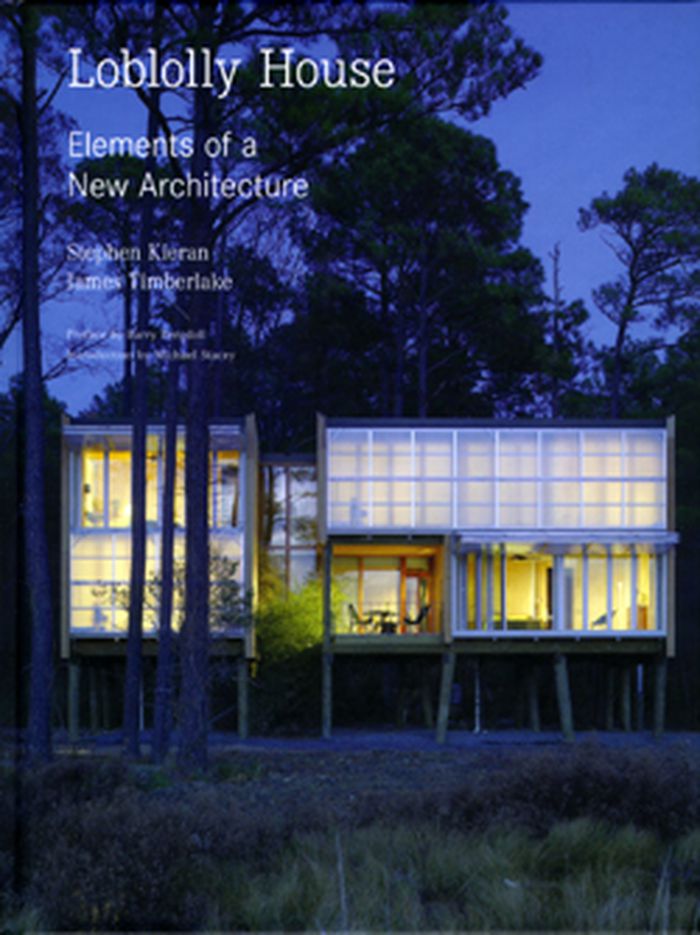
Known for their in-depth research and innovative, inventive, and meticulously constructed architecture, KieranTimberlake Assoicates put its ideas about streamlining the making of architecture to the test. The results took the form of a fully modular and award-winning house, featuring an active and adjustable double-skin facade so advanced that no client would consider it. KieranTimberlake Assoicates boldly took the project upon themselves, using partner Stephen Kieran's own summer house as a laboratory. Situated on idyllic Taylors Island, off the coast of Maryland's Chesapeake Bay, Loblolly House inaugurates a truly new, more efficient way of building. Through the use of state-of-the-art building information modeling (BIM), the architects were able to streamline the design-build process. Thousands of parts were collapsed and integrated into a few dozen panels and blocks that slid into an aluminum frame set on wooden pylons. Consisting of 70 percent prefabricated components, the kit-of-parts house was assembled (mostly with a wrench) and lifted into place on-site in less than six weeks. Unlike most houses, even those built with sustainability in mind, Loblolly disassembles as easily as it assembles, making it an ecologically sound structure with a manageable environmental footprint. Focusing on a single built project and illustrated with extensive photographic documentation and numerous detailed drawings, Loblolly House is the manual for componentized prefab. The book includes a DVD of the film "A House in the Trees" by producers Rick Deppe and Kathleen Blake, a real-time documentary of the design, fabrication, and assembly of Loblolly House.
Loblolly House: elements of a new architecture
Actions:
Prix:
$52.00
(disponible sur commande)
Résumé:
Known for their in-depth research and innovative, inventive, and meticulously constructed architecture, KieranTimberlake Assoicates put its ideas about streamlining the making of architecture to the test. The results took the form of a fully modular and award-winning house, featuring an active and adjustable double-skin facade so advanced that no client would consider it. KieranTimberlake Assoicates boldly took the project upon themselves, using partner Stephen Kieran's own summer house as a laboratory. Situated on idyllic Taylors Island, off the coast of Maryland's Chesapeake Bay, Loblolly House inaugurates a truly new, more efficient way of building. Through the use of state-of-the-art building information modeling (BIM), the architects were able to streamline the design-build process. Thousands of parts were collapsed and integrated into a few dozen panels and blocks that slid into an aluminum frame set on wooden pylons. Consisting of 70 percent prefabricated components, the kit-of-parts house was assembled (mostly with a wrench) and lifted into place on-site in less than six weeks. Unlike most houses, even those built with sustainability in mind, Loblolly disassembles as easily as it assembles, making it an ecologically sound structure with a manageable environmental footprint. Focusing on a single built project and illustrated with extensive photographic documentation and numerous detailed drawings, Loblolly House is the manual for componentized prefab. The book includes a DVD of the film "A House in the Trees" by producers Rick Deppe and Kathleen Blake, a real-time documentary of the design, fabrication, and assembly of Loblolly House.
Classification:
livres
livres
Publication:
juin 2008, New York
juin 2008, New York
Sujet:
Architecture, monographies
Architecture, monographies
Classification:
livres
livres
Prix:
$34.00
(disponible sur commande)
Résumé:
Along with Russian constructivism and surrealism, Dada stands as one of the three most significant movements of the historical avant-garde. Born in the heart of Europe in the midst of World War I, Dada displayed a raucous skepticism about accepted values. Its embrace of new materials, of collage and assemblage techniques, of the designation of manufactured objects as art(...)
$34.00
(disponible sur commande)
Résumé:
Along with Russian constructivism and surrealism, Dada stands as one of the three most significant movements of the historical avant-garde. Born in the heart of Europe in the midst of World War I, Dada displayed a raucous skepticism about accepted values. Its embrace of new materials, of collage and assemblage techniques, of the designation of manufactured objects as art(...)
Titre:
Dada: Zurich,Berlin, Hannover, Cologne, New York, Paris
Actions:
Prix:
$34.00
(disponible sur commande)
Résumé:
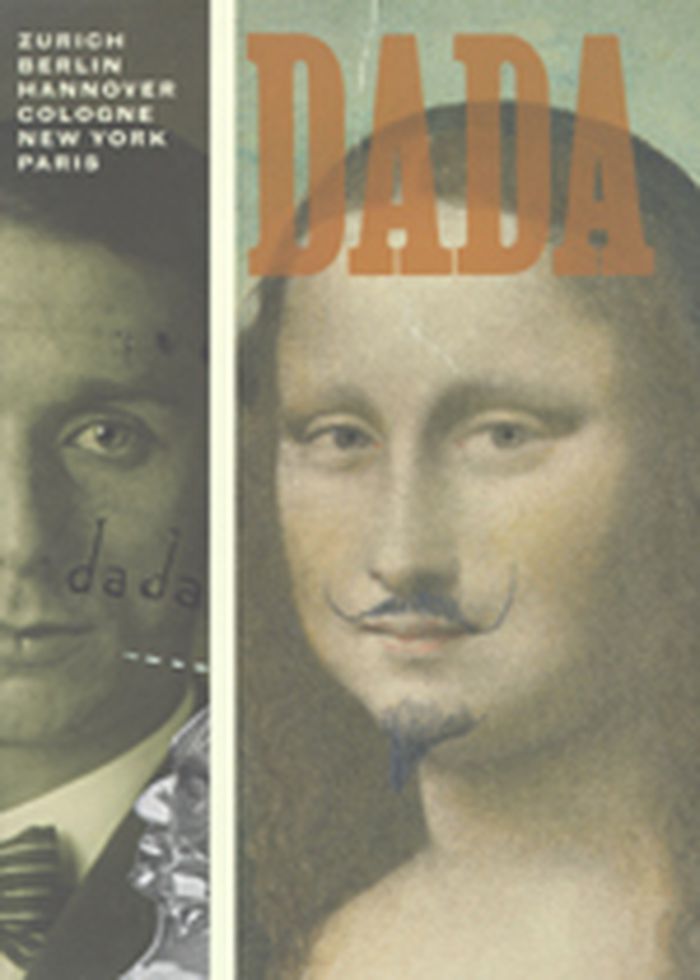
Along with Russian constructivism and surrealism, Dada stands as one of the three most significant movements of the historical avant-garde. Born in the heart of Europe in the midst of World War I, Dada displayed a raucous skepticism about accepted values. Its embrace of new materials, of collage and assemblage techniques, of the designation of manufactured objects as art objects as well as its interest in performance, sound poetry, and manifestos fundamentally shaped the terms of modern art practice and created an abiding legacy for postwar art. Yet, while the word Dada has common currency, few know much about Dada art itself. In contrast to other key avant-garde movements, there has never been a major American exhibition that explores Dada specifically in broad view. Dada--the catalogue to the exhibition on view in 2006 at the National Gallery of Art in Washington and The Museum of Modern Art in New York presents the hybrid forms of Dada art through an examination of city centers where Dada emerged: Zurich, Berlin, Cologne, Hannover, New York, and Paris. Covered here are works by some 40 artists made in the period from circa 1916, when the Cabaret Voltaire was founded in Zurich, to 1926, by which time most of the Dada groups had dispersed or significantly transformed. The city sections bring together painting, sculpture, photography, collage, photomontage, prints and graphic work. Relying on dynamic design and vivid documentary images, Dada takes us through these six cities via topical essays and extensive plate sections; an illustrated chronology of the movement; witty chronicles of events in each city center; a selected bibliography; and biographies of each artist--accompanied by Dada-era photographs.
Dada: Zurich,Berlin, Hannover, Cologne, New York, Paris
Actions:
Prix:
$34.00
(disponible sur commande)
Résumé:
Along with Russian constructivism and surrealism, Dada stands as one of the three most significant movements of the historical avant-garde. Born in the heart of Europe in the midst of World War I, Dada displayed a raucous skepticism about accepted values. Its embrace of new materials, of collage and assemblage techniques, of the designation of manufactured objects as art objects as well as its interest in performance, sound poetry, and manifestos fundamentally shaped the terms of modern art practice and created an abiding legacy for postwar art. Yet, while the word Dada has common currency, few know much about Dada art itself. In contrast to other key avant-garde movements, there has never been a major American exhibition that explores Dada specifically in broad view. Dada--the catalogue to the exhibition on view in 2006 at the National Gallery of Art in Washington and The Museum of Modern Art in New York presents the hybrid forms of Dada art through an examination of city centers where Dada emerged: Zurich, Berlin, Cologne, Hannover, New York, and Paris. Covered here are works by some 40 artists made in the period from circa 1916, when the Cabaret Voltaire was founded in Zurich, to 1926, by which time most of the Dada groups had dispersed or significantly transformed. The city sections bring together painting, sculpture, photography, collage, photomontage, prints and graphic work. Relying on dynamic design and vivid documentary images, Dada takes us through these six cities via topical essays and extensive plate sections; an illustrated chronology of the movement; witty chronicles of events in each city center; a selected bibliography; and biographies of each artist--accompanied by Dada-era photographs.
Classification:
livres
livres
Publication:
mars 2008, Washington
mars 2008, Washington
Classification:
livres
livres
Prix:
$33.95
(disponible sur commande)
Résumé:
Mucking around in the messy terrain of American trash, Jani Scandura tells the story of the United States during the Great Depression through evocative and photo-rich portraits of four different locales: Reno, Harlem, Key West, and Hollywood. In investigating these depression-era �dumps,� places that she claims contained and reclaimed the cultural, ideological, and(...)
$33.95
(disponible sur commande)
Résumé:
Mucking around in the messy terrain of American trash, Jani Scandura tells the story of the United States during the Great Depression through evocative and photo-rich portraits of four different locales: Reno, Harlem, Key West, and Hollywood. In investigating these depression-era �dumps,� places that she claims contained and reclaimed the cultural, ideological, and(...)
Titre:
Down in the dumps: place, modernity, american depression
Actions:
Prix:
$33.95
(disponible sur commande)
Résumé:
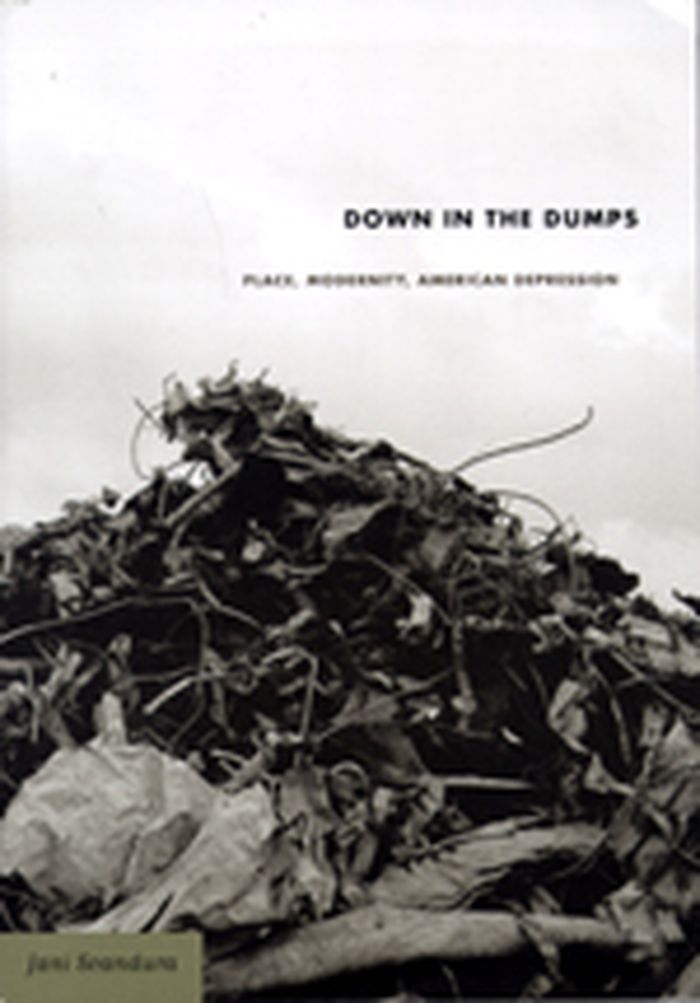
Mucking around in the messy terrain of American trash, Jani Scandura tells the story of the United States during the Great Depression through evocative and photo-rich portraits of four different locales: Reno, Harlem, Key West, and Hollywood. In investigating these depression-era �dumps,� places that she claims contained and reclaimed the cultural, ideological, and material refuse of modern America, Scandura introduces the concept of �depressive modernity,� an enduring affective component of American culture that exposes itself at those moments when the foundational myths of America and progressive modernity�capitalism, democracy, individualism, secularism, utopian aspiration�are thrown into question. Depressive modernity is modernity at a standstill. Such a modernity is not stagnant or fixed, nor immobile, but is constituted by an instantaneous unstaging of desire, territory, language, and memory that reveals itself in the shimmering of place. An interpretive bricolage that draws on an unlikely archive of 1930s detritus�office memos, scribbled manuscripts, scrapbooks, ruined photographs, newspaper clippings, glass eyes, incinerated stage sets, pulp novels, and junk washed ashore�Down in the Dumps escorts its readers through Reno�s 1930s divorce factory, where couples from across the United States came to quickly dissolve matrimonial bonds; Key West�s multilingual salvage economy and the island that became the center of an ideological tug-of-war between the American New Deal government and a politically fraught Caribbean; post-Renaissance Harlem, in the process of memorializing, remembering, grieving and rewriting a modernity that had already passed; and Studio-era Hollywood, Nathanael West�s �dump of dreams,� in which the introduction of sound film and shifts in art direction began to transform how Americans understood place-making and even being itself. A coda on Alcatraz and the Pentagon brings the book into the present, exploring how American Depression comes to bear on post-9/11 America.
Down in the dumps: place, modernity, american depression
Actions:
Prix:
$33.95
(disponible sur commande)
Résumé:
Mucking around in the messy terrain of American trash, Jani Scandura tells the story of the United States during the Great Depression through evocative and photo-rich portraits of four different locales: Reno, Harlem, Key West, and Hollywood. In investigating these depression-era �dumps,� places that she claims contained and reclaimed the cultural, ideological, and material refuse of modern America, Scandura introduces the concept of �depressive modernity,� an enduring affective component of American culture that exposes itself at those moments when the foundational myths of America and progressive modernity�capitalism, democracy, individualism, secularism, utopian aspiration�are thrown into question. Depressive modernity is modernity at a standstill. Such a modernity is not stagnant or fixed, nor immobile, but is constituted by an instantaneous unstaging of desire, territory, language, and memory that reveals itself in the shimmering of place. An interpretive bricolage that draws on an unlikely archive of 1930s detritus�office memos, scribbled manuscripts, scrapbooks, ruined photographs, newspaper clippings, glass eyes, incinerated stage sets, pulp novels, and junk washed ashore�Down in the Dumps escorts its readers through Reno�s 1930s divorce factory, where couples from across the United States came to quickly dissolve matrimonial bonds; Key West�s multilingual salvage economy and the island that became the center of an ideological tug-of-war between the American New Deal government and a politically fraught Caribbean; post-Renaissance Harlem, in the process of memorializing, remembering, grieving and rewriting a modernity that had already passed; and Studio-era Hollywood, Nathanael West�s �dump of dreams,� in which the introduction of sound film and shifts in art direction began to transform how Americans understood place-making and even being itself. A coda on Alcatraz and the Pentagon brings the book into the present, exploring how American Depression comes to bear on post-9/11 America.
Classification:
livres
livres
Publication:
janvier 2008, Durham, London
janvier 2008, Durham, London
Sujet:
Théorie de l’urbanisme
Théorie de l’urbanisme
Classification:
livres
livres
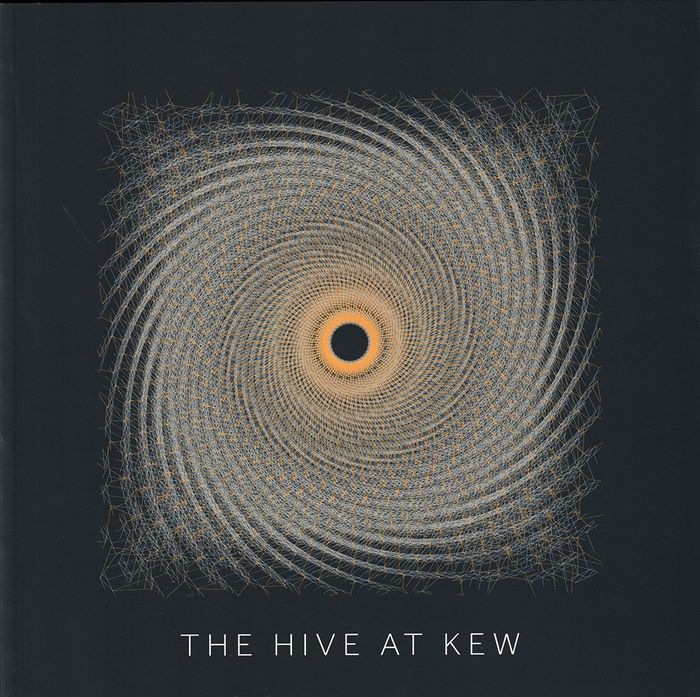
Titre:
The Hive at Kew
The Hive at Kew
Actions:
Prix:
$34.95
(disponible sur commande)
Résumé:
The Hive was the centrepiece of the gold medal winning UK Pavilion at the 2015 Milan Expo, and from June 2016 takes up its new home within Kew Gardens. Soaring 17 metres in the air, designed by Wolfgang Buttress and created by BDP, Simmonds Studio and Stage One, The Hive is an immersive, multi-sensory experience inspired by ground-breaking UK scientific research into the(...)
$34.95
(disponible sur commande)
Résumé:
The Hive was the centrepiece of the gold medal winning UK Pavilion at the 2015 Milan Expo, and from June 2016 takes up its new home within Kew Gardens. Soaring 17 metres in the air, designed by Wolfgang Buttress and created by BDP, Simmonds Studio and Stage One, The Hive is an immersive, multi-sensory experience inspired by ground-breaking UK scientific research into the(...)
Titre:
The Hive at Kew
Actions:
Prix:
$34.95
(disponible sur commande)
Résumé:
The Hive was the centrepiece of the gold medal winning UK Pavilion at the 2015 Milan Expo, and from June 2016 takes up its new home within Kew Gardens. Soaring 17 metres in the air, designed by Wolfgang Buttress and created by BDP, Simmonds Studio and Stage One, The Hive is an immersive, multi-sensory experience inspired by ground-breaking UK scientific research into the health of bees. Showcasing British creativity, innovation and leadership in overcoming global challenges, this magnificent aluminium structure draws visitors into the space via a wildflower meadow, as though they are worker bees returning to the hive. Hundreds of glowing LED lights bring this 40 tonne lattice structure to life, while a beautiful symphony of orchestral sounds fills the air, with an atmospheric undercurrent of buzzes and pulses. Triggered by vibration sensors within a real beehive, the sound and light intensity within the pavilion increases as the energy levels in the living hive surge, giving visitors an incredible insight into the ever-moving life of a bee colony.The Hive at Kew is a beautifully illustrated celebration of this fascinating project. The book is divided into three sections, with James Haldane, Design Editor for The Architectural Review focusing first on the origins and the architecture of the Hive and its creation led by artist Wolfgang Buttress. The central body of the book focusses on the immersion of the Hive at Kew and the surrounding wildflower meadow designed to attract a variety of bees. This section includes features on the team behind the Hive, as well as Kew's horticultural experts. Finally, Martin Bencsik of Nottingham Trent University and Kew's Phil Stephenson explain the pioneering research into bee health and communication that inspired the Hive, and how Kew is working to help bees in their vital role as pollinators. Beautifully illustrated throughout with photographs of the Hive itself, its construction, and the wildflower meadow surrounding it, as well as architectural plans of the structure.
The Hive at Kew
Actions:
Prix:
$34.95
(disponible sur commande)
Résumé:
The Hive was the centrepiece of the gold medal winning UK Pavilion at the 2015 Milan Expo, and from June 2016 takes up its new home within Kew Gardens. Soaring 17 metres in the air, designed by Wolfgang Buttress and created by BDP, Simmonds Studio and Stage One, The Hive is an immersive, multi-sensory experience inspired by ground-breaking UK scientific research into the health of bees. Showcasing British creativity, innovation and leadership in overcoming global challenges, this magnificent aluminium structure draws visitors into the space via a wildflower meadow, as though they are worker bees returning to the hive. Hundreds of glowing LED lights bring this 40 tonne lattice structure to life, while a beautiful symphony of orchestral sounds fills the air, with an atmospheric undercurrent of buzzes and pulses. Triggered by vibration sensors within a real beehive, the sound and light intensity within the pavilion increases as the energy levels in the living hive surge, giving visitors an incredible insight into the ever-moving life of a bee colony.The Hive at Kew is a beautifully illustrated celebration of this fascinating project. The book is divided into three sections, with James Haldane, Design Editor for The Architectural Review focusing first on the origins and the architecture of the Hive and its creation led by artist Wolfgang Buttress. The central body of the book focusses on the immersion of the Hive at Kew and the surrounding wildflower meadow designed to attract a variety of bees. This section includes features on the team behind the Hive, as well as Kew's horticultural experts. Finally, Martin Bencsik of Nottingham Trent University and Kew's Phil Stephenson explain the pioneering research into bee health and communication that inspired the Hive, and how Kew is working to help bees in their vital role as pollinators. Beautifully illustrated throughout with photographs of the Hive itself, its construction, and the wildflower meadow surrounding it, as well as architectural plans of the structure.
Classification:
livres
livres
Publication:
mars 2017
mars 2017
Sujet:
Jardins
Jardins


